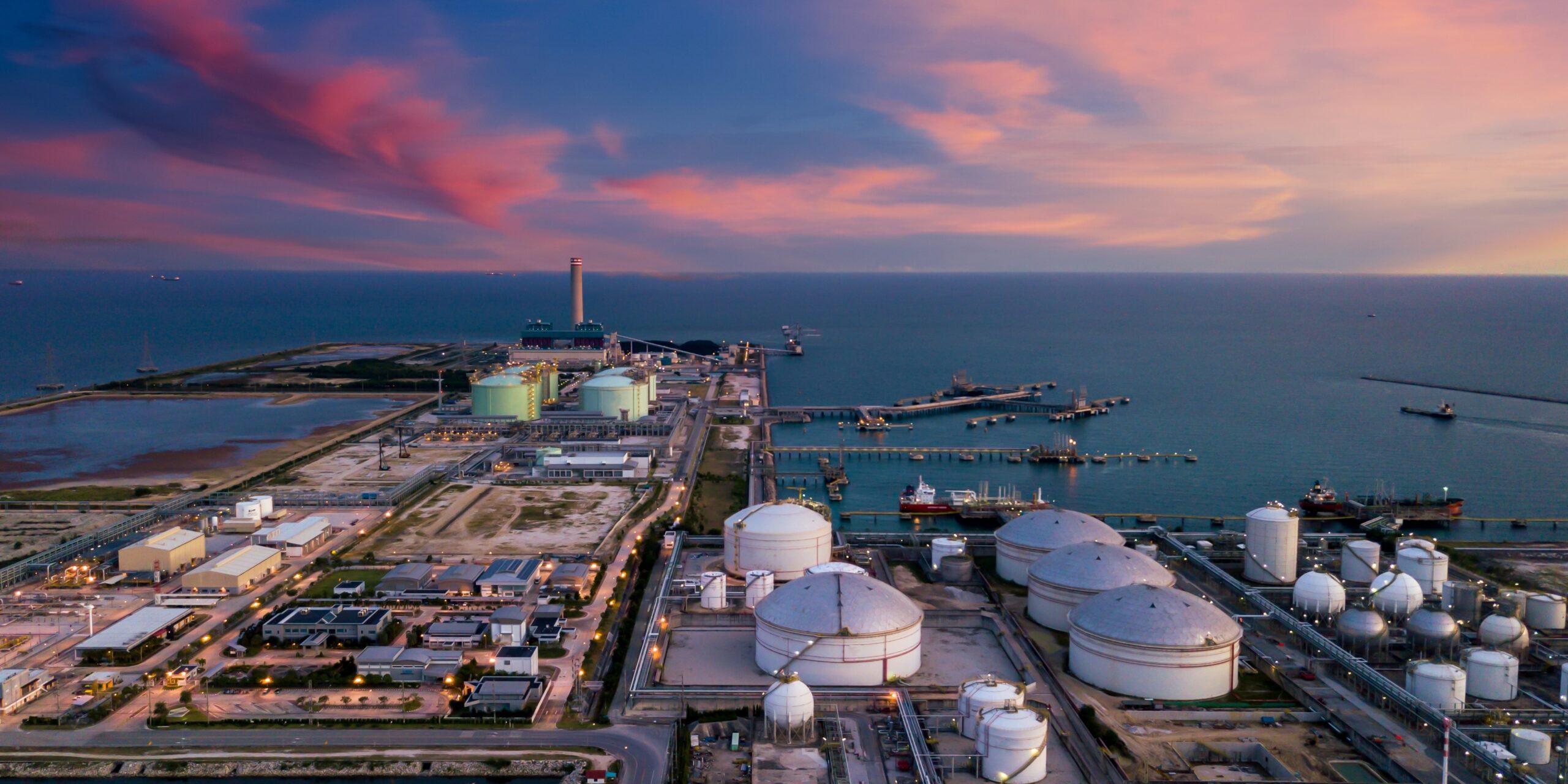
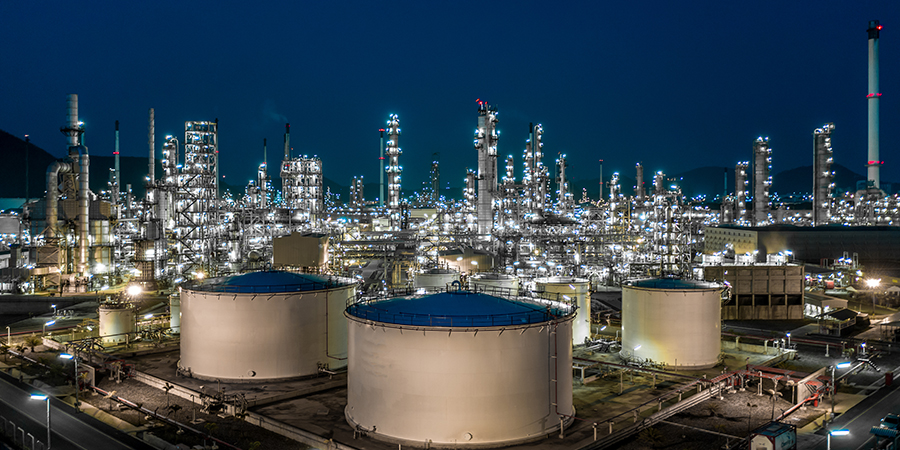
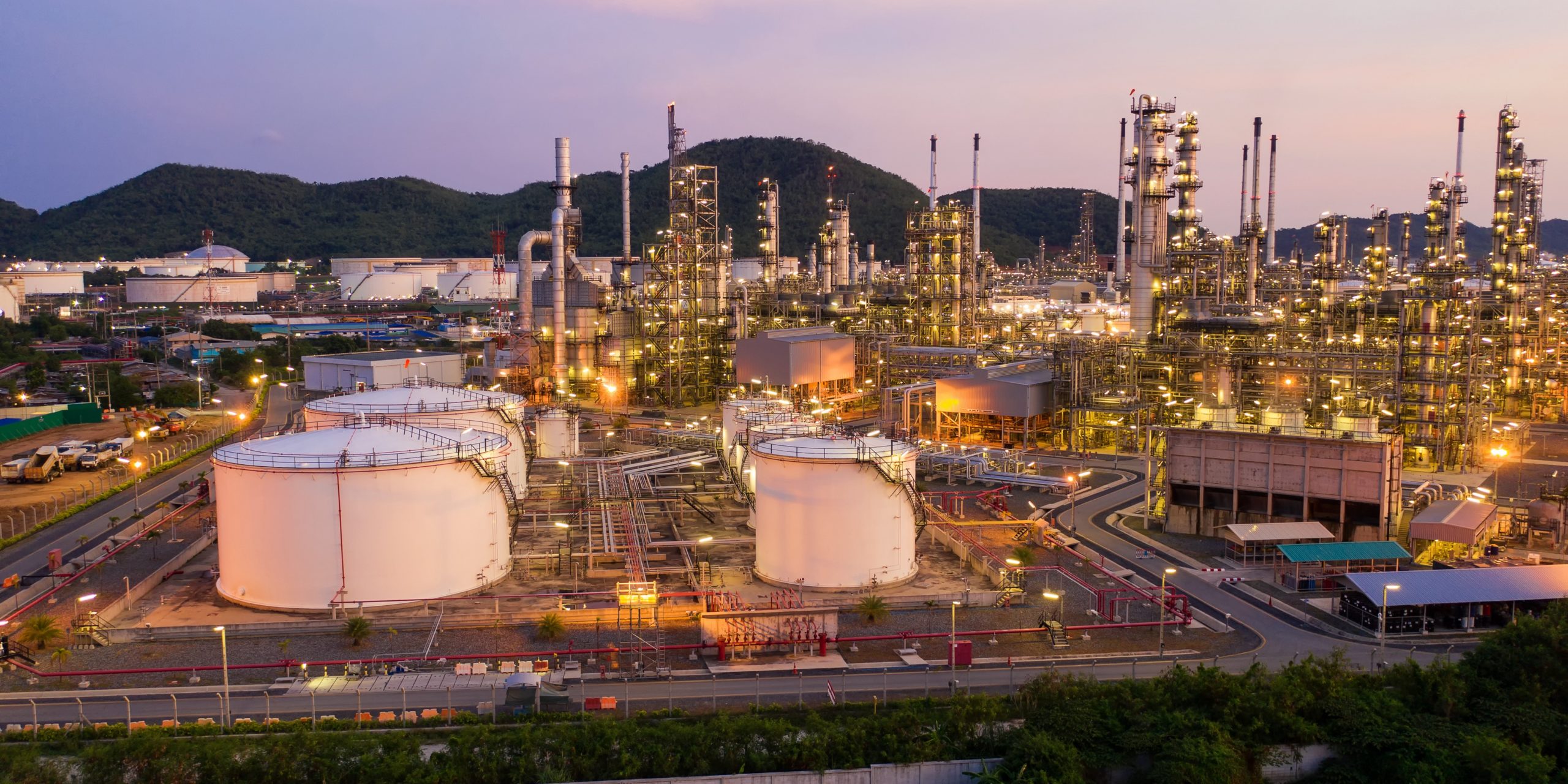
TES and Ramboll explore CO2 infrastructure for Wilhelmshaven’s Green Energy Hub

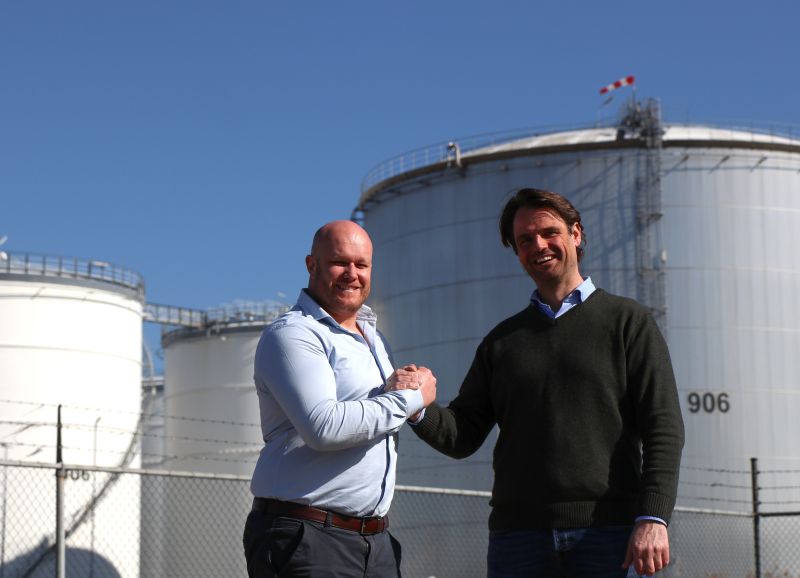
Tree Energy Solutions, a global green energy company, and Ramboll, a leading engineering and consultancy firm, completed a joint engineering study for a CO₂ export terminal at TES’s Green Energy Hub in Wilhelmshaven, Germany. The study concluded this month and set the stage for the next phase of pre-FEED.

The collaboration assessed technical alternatives for CO₂ imports by rail and exports by ship. The terminal was designed to support carbon capture and storage by enabling the transport of CO₂ to offshore storage sites, representing a crucial component of Germany’s decarbonisation infrastructure.

Ramboll’s comprehensive analysis covered a CO₂ receiving rail terminal and CO₂ export terminal, including rail-based offloading, buffer storage, boil-off gas (BOG) handling, and transfer to a jetty for ship-based export. The terminal will connect to Germany’s national rail system, the European high-pressure gas grid, the H2ercules hydrogen backbone, and the future CO₂ transport network.

In its first phase, the facility was expected to handle 3–5 million tonnes of CO₂ per year, with plans to scale up to 10 million tonnes. Once the onshore CO₂ pipeline network reaches Wilhelmshaven, capacity could be expanded further, positioning the facility as a major hub for European carbon management.

TES’s onshore terminal in Wilhelmshaven will facilitate LNG and e-NG imports, with an initial capacity of 15bcm as well as CO₂ exports, local power generation and hydrogen production. Strategically located at Germany’s only deep-water port, the hub connects to key infrastructure and plays a central role in Europe’s energy security and energy transition.

Hugo Dijkgraaf, COO of TES and MD of TES CO2 Company, emphasised the significance of the collaboration. “This excellent cooperation with Ramboll for technical maturation was a pivotal step in developing both our e-NG facilities and a dedicated CO₂ export terminal, reinforcing Wilhelmshaven’s role as a comprehensive energy gateway for Europe,” Dijkgraaf stated. “By creating state-of-the-art infrastructure for the export of CO₂, we were advancing Europe’s decarbonisation and CCS efforts. Our goal remained clear: to leverage existing networks for green molecules, ensuring both energy security and industrial growth.”

Hannes Reuter, MD of Ramboll Energy, highlighted the partnership’s environmental impact. “Our partnership with TES marked a significant milestone in advancing sustainable practices within the energy sector and underscored our commitment to reducing carbon emissions through innovative solutions and combating climate change,” Reuter said. “As TES’ engineering partner, Ramboll was dedicated to applying our advanced engineering capabilities to deliver a CO₂ terminal that not only supported Germany’s environmental objectives but also set a benchmark for global CCUS initiatives.”

The completed study represented a critical step toward establishing Germany as a leader in carbon capture, utilisation, and storage technology, with the Wilhelmshaven facility positioned to serve as a model for similar projects across Europe. The partnership between TES and Ramboll demonstrated the collaborative approach needed to develop the infrastructure necessary for achieving Europe’s ambitious climate goals.

For more information visit www.tes-h2.com

Trinity Consultants’ Harold Laurence receives ILTA distinguished service award

Trinity Consultants has announced that Harold Laurence “Hal” has been honoured with the International Liquid Terminals Association Distinguished Service Award at the 2025 ILTA Conference & Trade Show. The recognition highlights Hal’s exceptional contributions to the liquid terminals industry and his sustained impact on the sector.

Industry Recognition for Outstanding Leadership

The ILTA Distinguished Service Award represents one of the industry’s most prestigious honours, recognising individuals who have demonstrated exceptional leadership, dedication, and significant impact within the liquid terminals sector. Hal’s receipt of this award underscores his longstanding commitment to advancing industry standards and practices.

Trinity Consultants expressed considerable pride in seeing Hal’s professional contributions recognised at this distinguished level. The company noted that the award reflects not only Hal’s individual achievements but also his broader influence on industry development and best practices.

Significance of the Recognition

The presentation of the award at the 2025 ILTA Conference & Trade Show places Hal’s achievements within the context of the industry’s premier annual gathering. The ILTA Conference serves as the primary forum for liquid terminal professionals to share knowledge, discuss industry challenges, and recognise outstanding contributions to the sector.

This recognition positions Hal among an elite group of industry professionals who have been acknowledged for their exceptional service and leadership within the liquid terminals community. The award celebrates his ongoing dedication to advancing the industry and his measurable impact on sector development.

Trinity Consultants views this honor as a reflection of the company’s commitment to excellence and its role in supporting industry advancement through the expertise and leadership of its professionals.

You can congratulate Hal on his achievement via the Trinity consultants linkedin page

For more information visit www.trinityconsultants.com

NS-OG Energy Solutions integrates Osaka Gas enhancing energy service operations

Nippon Steel Engineering Co., Ltd. and Osaka Gas Co., Ltd. have announced a significant consolidation of their Thailand operations through their joint venture NS-OG Energy Solutions Ltd. The transaction, completed on May 30, 2025, saw NSET acquire OG’s entire 49 percent ownership stake in Osaka Gas Co., Ltd., making OGT a consolidated subsidiary of the joint venture.

NSE, headquartered in Tokyo’s Shinagawa ward under president Yukito Ishiwa’s leadership, partnered with Osaka-based OG, led by president Masataka Fujiwara, to execute this strategic move. The acquisition represents a key milestone in NSET’s mission to provide comprehensive on-site energy solutions throughout Thailand’s growing market.

OGT, which specialises in fuel-to-natural gas conversion services, brings established expertise in energy solutions that complements NSET’s existing capabilities. The integration is designed to streamline operations while strengthening the joint venture’s energy supply capacity across Thailand.

The consolidation positions NSET to expand its service offerings significantly. The company plans to leverage its enhanced operational platform to develop additional energy-saving projects for OGT’s existing client base while exploring opportunities in emerging sectors. Particular focus will be placed on expanding sales of biogas and other low-carbon energy products produced by the Daigas Group.

This strategic acquisition reflects the growing importance of the Thai energy market and the increasing demand for innovative, sustainable energy solutions in Southeast Asia. By combining resources and expertise, the Japanese energy companies aim to capture greater market share while advancing their commitment to environmental sustainability.

The transaction underscores the broader trend of international energy companies consolidating operations in key Asian markets to achieve greater efficiency and expanded service capabilities. For NSET, the acquisition represents a foundation for delivering more comprehensive energy solutions tailored to meet the evolving needs of Thailand’s industrial and commercial sectors.

For more information visit www.eng.nipponsteel.com

EWFM provides comprehensive guide to loading arms for optimal fluid transfer solutions

EWFM, a specialist provider of high-quality loading arm solutions, has outlined the critical considerations for industries seeking to optimise their fluid transfer operations. The company emphasises that fluid transfer represents a fundamental operation across multiple sectors, including Oil & Gas, Chemicals, Food & Beverage, and Pharmaceuticals, where equipment selection directly impacts efficiency, safety, and operational reliability.

Superior Performance Over Traditional Hose Systems

EWFM highlights several key advantages that loading arms offer over conventional hose systems. The company notes that loading arms demonstrate superior durability through their construction from high-quality materials such as stainless steel, aluminium, and carbon steel, providing significantly greater resistance to wear and tear compared to traditional hoses.

From a financial perspective, EWFM points out that while hoses may present lower initial costs, they often require frequent pressure testing—typically at least twice annually—along with regular replacements. This maintenance cycle can result in higher long-term expenses compared to loading arms, making them a more cost-effective solution over time.

The company also emphasises safety improvements, noting that hoses can present handling difficulties, storage challenges, and potential trip hazards when left unsecured. Loading arms are specifically designed to minimise these risks, creating a safer working environment for operators.

EWFM has identified four primary factors that organisations must consider when selecting appropriate loading arm systems:

The company stresses that fluid properties play a crucial role in determining suitable loading arm specifications. For corrosive fluids such as acids or alkalis, EWFM recommends loading arms manufactured from corrosion-resistant materials like stainless steel or those equipped with protective coatings. High-temperature applications, such as bitumen transfer, require specialised seals and materials capable of withstanding extreme temperatures.

For food-grade applications, EWFM emphasises that loading arms must meet strict hygiene standards, typically requiring stainless steel construction and FDA-approved seals to ensure compliance with industry regulations.

EWFM offers loading arms in two primary configurations to accommodate different operational requirements. Top loading arms are designed for loading or unloading tankers, railcars, and smaller containers such as IBCs from above, making them ideal when top access is available. Bottom loading arms connect to the underside of tankers or railcars, providing enhanced safety and efficiency by minimising vapour emissions and reducing operator exposure, particularly in petroleum and chemical applications.

The company emphasises that operating environment significantly influences design and material selection. For outdoor systems, EWFM’s loading arms are engineered to maintain performance across varying weather conditions, from extreme heat and humidity to freezing temperatures. The company provides custom solutions for space-constrained or complex site layouts, including compact or articulated arm designs.

For operations in hazardous environments, EWFM ensures that loading arms meet appropriate safety certifications such as ATEX or equivalent standards to comply with explosive or high-risk area requirements.

EWFM designs its loading arms as long-term investments, incorporating minimal maintenance requirements through durable components and easily replaceable parts. The company provides comprehensive support and maintenance services to ensure equipment remains in optimal condition throughout its operational life.

EWFM positions itself as a dedicated partner in helping organisations identify ideal loading arm solutions for their specific fluid transfer requirements. The company emphasises that proper loading arm selection directly impacts operational safety, efficiency, and profitability, making careful consideration of fluid type, loading configuration, environmental conditions, and maintenance needs essential for supporting both current and future operational requirements.

The company offers consultation services to discuss specific fluid transfer needs and demonstrate how their innovative systems can enhance operational performance across various industrial applications.

For more information visit www.ewfm.co.uk

MET Group acquires KGE gas storage company in Germany

MET Group, a European energy company headquartered in Switzerland, has acquired 100 percent of KGE (Kommunale Gasspeichergesellschaft Epe mbH & Co. KG), a natural gas storage operator based in Gronau, North Rhine-Westphalia. The acquisition represents a significant expansion of MET Group’s natural gas infrastructure investments in Germany.

Founded in 2007, KGE operates an H-gas cavern storage facility in Gronau-Epe with a total working gas volume of 179 million cubic metres. The facility features a maximum injection capacity of 150,000 Nm³/h and a maximum withdrawal capacity of 400,000 Nm³/h, providing substantial operational flexibility for gas storage operations. The facility is connected to the Trading Hub Europe market area through TSO Open Grid Europe.

Prior to the acquisition, KGE was owned by a consortium of German municipal companies, including EWMR (Energie- und Wasserversorgung Mittleres Ruhrgebiet GmbH), Dortmunder Energie- und Wasserversorgung GmbH (DEW21), Stadtwerke Essen AG, GELSENWASSER AG, and MET Holding Germany. With the transaction’s completion, the four municipal companies from the Ruhr region have sold all their shares in the natural gas storage company to MET Group.

The acquisition expands MET Group’s existing presence in the German natural gas storage market. The company has already been active in Germany for several years as an operator of natural gas storage facilities at the Etzel site in Lower Saxony and the Reckrod site in Hesse, establishing a strong foundation for further growth in the German market.

Benjamin Lakatos, chairman and CEO of MET Group, expressed satisfaction with the transaction’s strategic value. The acquisition strengthens MET Group’s position in the German market and demonstrates the company’s ability to add value to European gas markets through strategic infrastructure investments.

The transaction represents MET Group’s continued commitment to expanding its natural gas infrastructure portfolio across Europe. The acquisition of KGE’s substantial storage capacity enhances the company’s ability to provide flexible gas storage solutions to European customers while strengthening its market position in Germany’s energy sector.

The addition of the Gronau-Epe facility to MET Group’s portfolio creates a comprehensive network of natural gas storage facilities across Germany, positioning the company to better serve customers and capitalise on opportunities in the European energy market.

For more information visit www.group.met.com

AVTL to develop India’s first independent ammonia terminal at Pipavav

AVTL is set to develop a groundbreaking brownfield ammonia terminal at its existing Pipavav location, marking a significant milestone as India’s first independent ammonia storage terminal. The facility is strategically positioned to serve the country’s extensive fertiliser market while supporting the broader energy transition agenda.

The terminal represents a crucial addition to India’s industrial infrastructure, designed to facilitate ammonia imports for the domestic fertiliser industry. Beyond its traditional applications, ammonia serves as a key carrier for hydrogen and has been identified as an important component in the global energy transition. The facility will be equipped to support future green ammonia exports, aligning with strategic objectives to accelerate infrastructure development for sustainable energy solutions.

The terminal is being developed as a third-party, independent storage facility with a storage capacity of approximately 36,000 metric tonnes. The project is expected to reach commissioning by the end of 2026, providing customers with direct access to the global ammonia market through this dedicated infrastructure.

AVTL will fully fund the project with a total investment of approximately EUR 53 million (INR 5.3 billion). This significant investment follows the company’s recent successful completion of an initial public offering (IPO), strengthening its financial position for strategic expansion projects.

Strategic Partnership and Global Context

Vopak, a global leader in tank storage solutions, holds a 42.23 percent shareholding in AVTL. This partnership aligns with Vopak’s global growth strategy, which focuses on industrial and gas infrastructure development, particularly infrastructure essential for the energy transition. The collaboration leverages Vopak’s extensive experience in ammonia storage, with the company currently operating six ammonia storage locations within its global network.

Company Profile and Market Position

AVTL operates as a publicly listed company and holds the distinction of being India’s largest third-party owner and operator of tank storage terminals for liquefied petroleum gas and liquid products, based on storage capacity as of December 31, 2024, according to a CRISIL Report. The company, along with its subsidiaries, maintains and operates an extensive network of storage tank terminals for LPG and chemicals across six Indian ports, establishing a strong foundation for this ambitious ammonia terminal project.

The Pipavav ammonia terminal project represents a significant step forward in India’s industrial infrastructure development, positioning the country to better serve its domestic fertiliser needs while preparing for future opportunities in the green ammonia export market.

For more information visit www.vopak.com

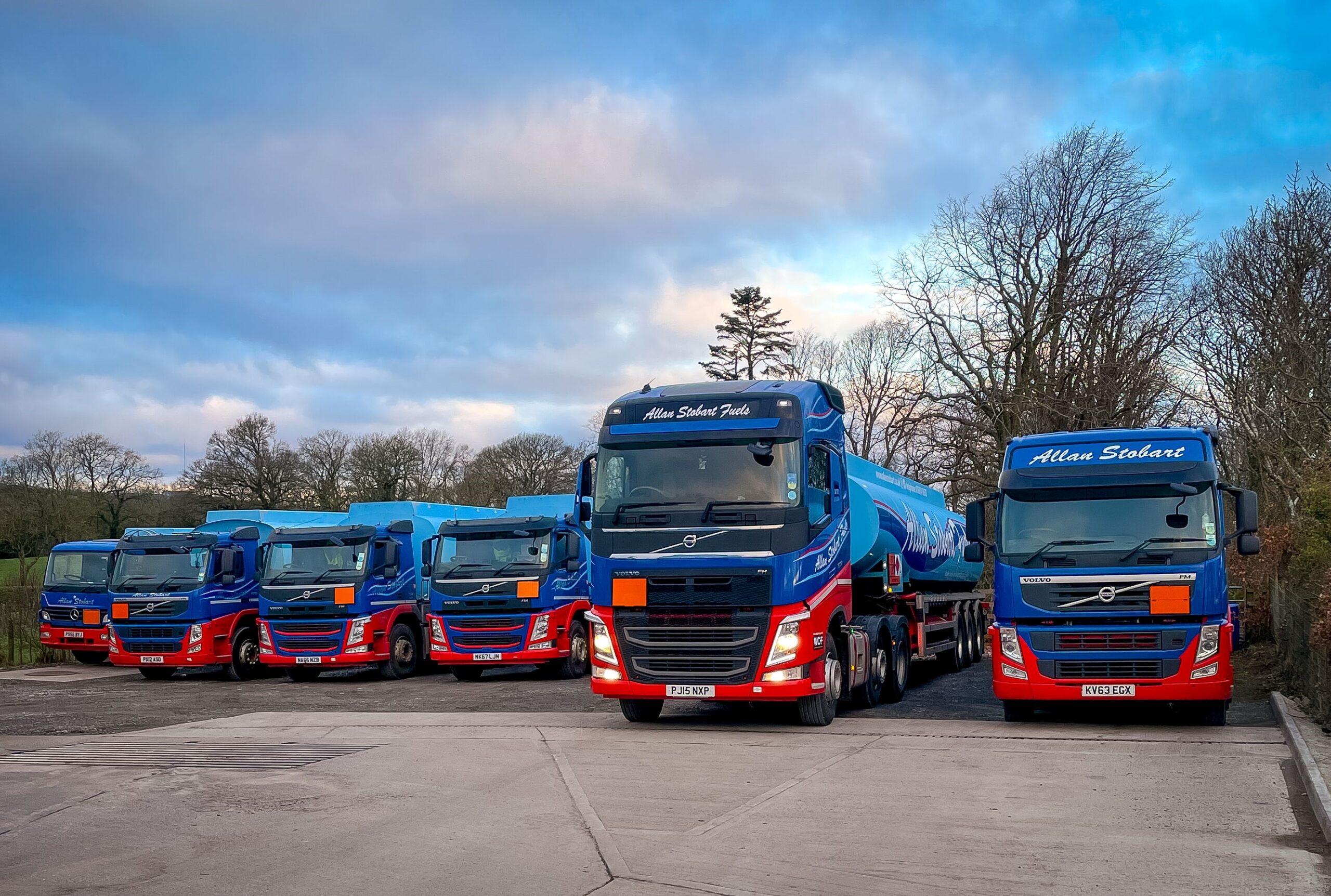
Allan Stobart Lubricants & Fuels a Cumbrian-based oil distributor announces expansion plans

Allan Stobart Lubricants & Fuels has announced significant expansion plans with the reopening of its storage depot in Carlisle, marking a strategic investment in the company’s distribution network. The Cumbrian-based oil distributor is revitalising its facility on the Kingstown Industrial Estate, which will increase the firm’s fuel storage capacity by more than 40 percent while providing enhanced access to major road networks for tanker operations.

The Parkhill Road site previously operated as a fuel depot for over 20 years until its closure in 2016, when operations were consolidated at Allan Stobart’s head office and depot at Raughton Head, near Dalston, Carlisle. The facility has been utilised for vehicle storage in recent years but will now return to its original function as part of the company’s strategic expansion.

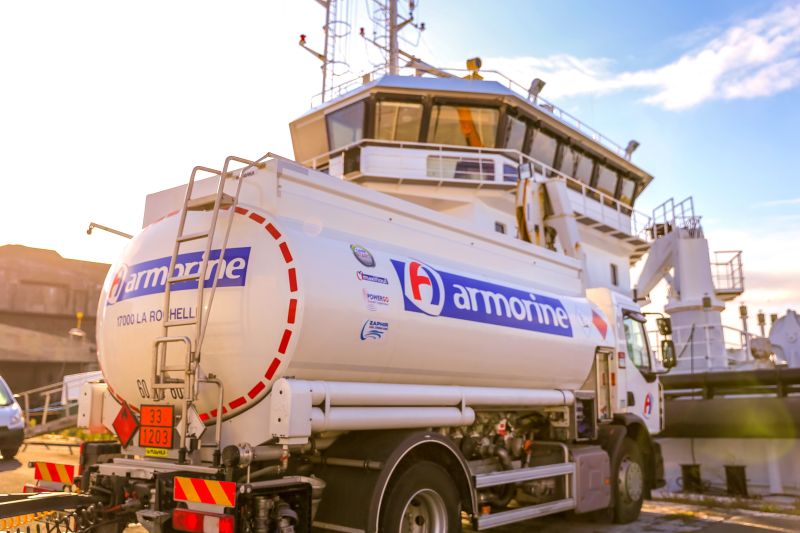
Image source: Allan Stobart Lubricants & Fuels

Allan Stobart Lubricants & Fuels operates as part of WCF Ltd, recognised as one of the largest independent fuel oil distributors in the UK. The parent company also operates WCF Chandlers and WCF Fuels North West, positioning the group as a significant player in the regional fuel distribution market.

The reopened Carlisle site will operate alongside Allan Stobart’s existing depots at Raughton Head and Hexham, creating a comprehensive distribution network across the region. Planning permission for the site was granted earlier this year, with operations expected to commence by late autumn.

Steve Hindmarsh, general manager of Allan Stobart Lubricants & Fuels, explained that the business is responding to evolving market conditions by reinstating the depot. The site’s transformation includes the installation of new fuel storage tanks and on-site office space, representing a substantial investment in infrastructure and operational capabilities.

According to Hindmarsh, the expansion signals the company’s commitment to delivering optimal service to customers while adapting to the changing nature of fuel distribution. The increased storage capacity will enhance the company’s resilience during periods of peak demand and ensure rapid delivery capabilities to meet customer requirements.

The strategic location of the Kingstown depot offers improved access to main road infrastructure, positioning the company to better serve customers in southern Scotland. Allan Stobart plans to relocate some of its existing tanker fleet to the new facility, optimising distribution efficiency and expanding geographical reach.

The investment is expected to facilitate customer base expansion while maintaining service quality for existing clients. Allan Stobart Lubricants & Fuels serves a diverse customer base across North Cumbria, West Cumbria, the Eden Valley, southwest Scotland, Hexham, and the wider Tyne Valley, delivering commercial, agricultural, and domestic fuels.

The reopening of the Carlisle depot represents a significant milestone in the company’s growth strategy, demonstrating confidence in regional market opportunities and commitment to meeting evolving customer demands in the fuel distribution sector.

For more information visit www.allanstobart.co.uk

Launch of open season for ammonia storage and dissociation capacity at Air Products’ renewable hydrogen terminal

Industrial gas company Air Products has announced the launch of an Open Season to assess market interest for booking long-term capacity at its planned renewable hydrogen terminal in Rotterdam, Netherlands.

The renewable hydrogen terminal will feature capacity for importing ammonia and dissociating it to hydrogen, creating a strategic infrastructure link between renewable energy-rich regions and European markets. Air Products plans to construct the facility at the Gunvor site in Europoort Rotterdam, leveraging the location’s advantages for both renewable ammonia imports and hydrogen distribution into the European hinterland.

The company has identified the beginning of 2028 as the planned startup date for the terminal, contingent upon securing necessary regulatory approvals and making a final investment decision on the project.

The Europoort Rotterdam location offers strategic advantages for the renewable hydrogen supply chain, providing an optimal position for importing renewable ammonia produced in wind and solar energy-rich areas globally. The site’s connectivity also facilitates the efficient transit of renewable hydrogen into European inland markets, supporting the continent’s growing demand for clean energy alternatives.

Open Season Process

Air Products has initiated the market consultation process by inviting interested parties to participate in the Open Season, which will help determine commercial viability and capacity requirements for the proposed terminal. Market participants can indicate their interest by submitting an email to OPSEASON@airproducts.com with “Open Season” in the subject line.

The company has committed to maintaining confidentiality of all participant information throughout the process. Upon receiving initial expressions of interest, Air Products will send confirmation of receipt along with a registration pack detailing the requirements for formal participation in the Open Season.

Interested parties must complete their registration by June 27, 2025, to participate in the capacity booking process. This timeline allows sufficient time for potential customers to evaluate their long-term hydrogen requirements and assess the terminal’s fit within their supply chain strategies.

For more information visit www.airproducts.nl

Venture Global announces 20-year sales and purchase agreement with PETRONAS

Venture Global Inc. has secured a significant long-term liquefied natural gas supply agreement with PETRONAS LNG Ltd., expanding its partnership with the Malaysian state-owned energy giant. The NYSE-listed company announced a new 20-year Sales and Purchase Agreement under which PETRONAS will purchase 1 million tonnes per annum of LNG from Venture Global’s CP2 LNG facility.

The agreement builds upon Venture Global’s existing commitment to supply 1 MTPA of LNG to PETRONAS from its Plaquemines LNG facility, strengthening the partnership between the American LNG developer and the Malaysian energy company. PETRONAS joins a diverse group of CP2 LNG customers spanning Europe, Asia, and other global markets.

The latest agreement brings total contracted capacity for CP2 Phase One to approximately 10.75 MTPA out of the facility’s 14.4 MTPA nameplate capacity, demonstrating strong market demand for Venture Global’s LNG projects. The 20-year term provides long-term revenue visibility for Venture Global while offering PETRONAS a stable supply source for its LNG portfolio.

CP2 LNG represents Venture Global’s third major LNG development project and forms part of the company’s broader strategy to establish a significant presence in the global LNG market. With approximately 75 percent of CP2 Phase One capacity now contracted, Venture Global continues to demonstrate its ability to secure long-term commercial agreements with prestigious international partners across multiple geographic regions.

For more information visit www.ventureglobal.com

BWC Terminals earns VPP Star Certification for Grays Harbour Facility

BWC Terminals has received the Voluntary Protection Programme (VPP) Star certification from the Occupational Safety and Health Administration (OSHA) for its Greys Harbour facility in Hoquiam, Washington. BWC’s Texas City, Texas location also earned the prestigious acknowledgement in 2016.

The Star certification is the highest level of recognition within OSHA’s Voluntary Protection Programme. It acknowledges workplaces that have demonstrated exceptional achievement in preventing and controlling occupational safety and health hazards. VPP Star sites have implemented and continuously improved effective safety and health management systems, resulting in injury and illness rates below the national average.

The VPP certification process is rigorous and thorough, involving detailed evaluations and on-site audits by OSHA experts, along with extensive employee surveys to ensure a strong safety-first culture. VPP participants are re-evaluated every three to five years to remain in the programme.

BWC’s Health, Safety, Environment, and Quality (HSEQ) policy is fundamental to the sustainability of the company’s operations. Its systems, policies, and procedures address both routine and emergency situations to effectively manage risks, threats, and incidents. Safety is integrated into the company culture through ongoing training and the empowerment of employees, and it is reinforced by management to achieve industry-leading results.

Said BWC Terminals CEO Adam Smith, “We are incredibly proud to receive the VPP Star certification for our Greys Harbour facility. This achievement is a testament to the hard work and dedication of our entire team, who prioritise safety and maintain a healthy workplace for all our employees and key stakeholders across every aspect of our operations.”

BWC’s successful VPP Star certification underscores the company’s long-standing commitment to safety. In the last month alone, BWC received two other safety accolades, including the national AEU Safety Award and the International Liquid Terminals Association Safety Excellence Award.

For more information visit www.bwcterminals.com

Owens Corning announces strategic investment in FOAMGLAS® Europe insulation plant

Owens Corning has announced a significant investment in its FOAMGLAS® insulation plant in Klášterec, Czech Republic, marking a strategic expansion that will increase production capacity by 50 percent while reducing carbon intensity. The global leader in insulation, roofing, and doors is reinforcing its commitment to sustainability and innovation in the building products markets through this initiative.

The investment targets the production of FOAMGLAS® cellular glass insulation, a material renowned for its performance, longevity, and high quality in building insulation applications. As a key component of Owens Corning’s building products portfolio, the material serves commercial and high-rise residential buildings, providing solutions that support construction agendas centred on longevity and durability.

Owens Corning Announces Strategic Investment in FOAMGLAS® Europe Insulation Plant

The capacity expansion will address growing demand for FOAMGLAS® cellular glass insulation products, particularly in Europe’s expanding flat roof markets and for the company’s signature FOAMGLAS® T3+ cellular glass product. The enhanced production capabilities will position Owens Corning to better serve customers across the region while maintaining its market leadership position.

Beyond capacity expansion, the investment incorporates measures to enhance energy efficiency and increase renewable energy use in operations, directly reducing the carbon footprint of the company’s products. These sustainability initiatives align with the European Green Deal and address key decision criteria increasingly important to customers in the building materials sector.

Owens Corning FOAMGLAS® has established itself as an industry pioneer through innovative practices spanning decades. The company implemented the first worldwide application of 100 percent electric glass melting in 1995, demonstrating early leadership in environmental sustainability. The division has continued this trajectory with initiatives including recycled content integration, Environmental Product Declarations for many products, and the introduction of FOAMGLAS® T3+ technology in 2015.

Recent sustainability efforts have included reducing single-use plastics in packaging in 2020 and incorporating recycled products into manufacturing processes. These initiatives reflect the company’s commitment to customers, markets, and employees while addressing evolving environmental expectations in the construction industry.

According to Jan Coerts, general manager of Owens Corning FOAMGLAS® Europe, the investment represents part of the company’s ongoing commitment to building and construction markets. The focus on innovation and sustainability aims to provide customers with optimal solutions to meet their needs while supporting industry growth.

The modified and expanded production line at the Klášterec plant is scheduled to commence operations in the second quarter of 2026. This timeline reinforces Owens Corning’s strategic focus on Europe as a core geography for building products, positioning the company to capitalise on regional market opportunities while maintaining its competitive advantages in cellular glass insulation technology.

The Czech Republic investment demonstrates Owens Corning’s confidence in European market growth and its commitment to localised production capabilities. By expanding capacity while simultaneously reducing environmental impact, the company is positioning itself to meet evolving customer demands for sustainable building materials without compromising on performance or quality standards.

For more information visit www.foamglas.com

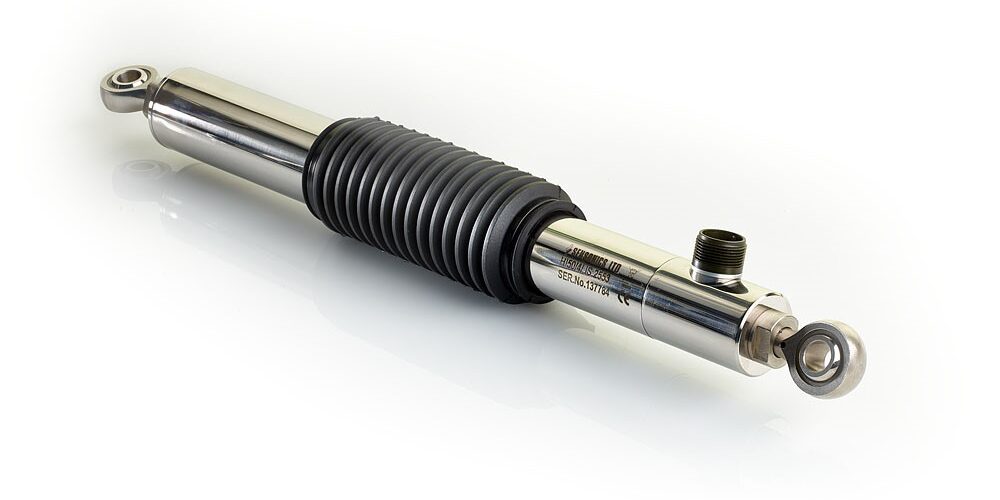
SENSONICS showcases displacement transducers that provide robust, reliable protection

Industrial condition monitoring applications in demanding environments require robust and reliable transducer systems, with devices such as accelerometers, velocity sensors, and proximity probes needing to meet significant operational challenges. SENSONICS, leveraging 50 years of experience in designing and manufacturing essential monitoring sensors and systems, offers specialised condition monitoring products alongside vital engineering and technical capabilities to deliver custom-designed sensors when standard solutions fall short.

Bespoke Design Services for Specialized Requirements

While SENSONICS maintains a wide range of LVDT (Linear Variable Differential Transformer) displacement transducers, the company recognises that standard products do not always meet specific application requirements. The company’s established bespoke design services address this gap, providing solutions for new applications, obsolete product replacements, or situations where existing suppliers cannot meet customer needs.

The technical expertise at SENSONICS enables the delivery of cost-effective solutions through multiple approaches: guiding customers through standard range options with customisation for form, fit, and function matching, or developing entirely new designs from scratch.

Steam Turbine Monitoring Applications

One of the most common applications involves taking linear measurements using LVDT displacement transducers on large steam turbines to measure the movement of turbine pedestals on cylinder sole plates. This measurement process requires an LVDT mounted on the turbine with an extension rod fixed or sprung onto the slides.

During turbine warm-up, thermal expansion can cause operational issues when one side of the sliders sticks while the other side continues moving. When this occurs, the difference in displacement output from LVDTs mounted on either side of the machine increases to the point of triggering control room alarms. This condition, known as turbine “crabbing,” requires engineer deployment to free the sticking pedestal from its slider plate, ensuring more efficient and effective maintenance protocols.

Diverse Industrial Applications

Beyond thermal expansion monitoring, LVDTs serve numerous other industrial applications. These include movement monitoring of structures such as bridges, tunnels, buildings, and dams to detect deformation or crack development. Additionally, LVDTs function as valve or actuator position feedback transducers, sending signal feedback to turbine control systems to indicate valve positioning status.

These transducers can be retrofitted using bracketry across fixed and moving parts of steam valves or integrated with original equipment manufacturers as high-pressure resistant designs installed internally within actuators.

Robust Design Configurations

The operational principles of LVDTs allow configuration in various housings depending on required mechanical protection levels. The incorporation of rod end bearings, linear rolling element bearings, and flexible conduit enables these devices to withstand severe environmental conditions commonly found in industrial applications.

Signal Conditioning Solutions

SENSONICS offers comprehensive signal conditioning units for their LVDTs, providing oscillator and demodulator functionality. Available options include the DN8032 DIN rail mount signal conditioning unit, the DC8042 die cast enclosure conditioning unit, and the Sentry G3 API 670 standard compliant ultimate machine protection system.

Technical Expertise and Industry Experience

The company’s five decades of experience in sensor design and manufacturing positions SENSONICS as a reliable partner for organisations requiring specialised monitoring solutions. Their ability to combine standard product offerings with custom engineering capabilities ensures that even the most challenging industrial monitoring requirements can be addressed effectively.

The combination of established product lines, bespoke design services, and comprehensive technical support makes SENSONICS a valuable resource for industries requiring precise displacement measurement and condition monitoring solutions in demanding operational environments.

For more information visit www.sensonics.co.uk

Global PMI Partners discusses energy resilience – Is the UK facing a crisis?

Decline of the UK’s Domestic Refining Base

Last week’s news is that the Prax owned Lindsey Oil Refinery has called in Administrators, which again raises a big question for UK plc; is energy resilience robust enough and is there sufficient security of supply to meet industry, household and military fuel and energy demands in the UK? In simple terms is there enough petrol, diesel, aviation fuel etc. available in the UK at any given time to cope with daily energy demands. The answer, with an increasingly fragile supply chain is only just, providing daily imports into the UK doesn’t face any disruption.

For historical context, the UK once had 18 operational oil refineries in the 1970s. At the beginning of this year, the UK had 6 operating oil refineries, all under all or part foreign ownership, other than the Prax Group owned Lindsey Oil refinery based on Humberside. As of today, only five remain, following the closure of Coryton, Milford Haven, and most recently the cessation of refining at the PetroIneos site at Grangemouth. With Lindsey entering administration in June 2025, the UK risks losing another 20 percent of its refining capacity1, further accelerating the country’s dependence on imports.

Grangemouth ceased crude processing in April 2025 and will be converted into an import terminal by mid-2025. It follows a Europe-wide trend where ageing refineries are shut down or converted for storage and biofuel blending, rather than modernised or replaced. With refinery closures continuing, the UK will become almost entirely reliant on external sources for finished fuels, a major strategic risk in times of geopolitical instability, shipping route disruptions, and extreme market volatility.

Import Dependency and Strategic Risk

Even before the issues at Lindsey, the UK was overly reliant upon imports to meet the daily fuel demand in the UK. In 2023, 55 percent of diesel demand, 89 percent of aviation fuel and 25-30 percent of petrol was imported into the UK, mainly through independent tank storage companies operating around the coast of the UK. Look back to the 1970’s and the UK had 18 refineries with very little need to rely upon foreign imports4.

And then the recent news that the Lindsey Oil refinery has entered administration and at best faces an uncertain future is another blow for energy resilience in the UK. Lindsey was commissioned in the late 1960s, and even when Prax bought it from Total it was operating under full capacity. It has been known by governments for decades that the refinery was moving towards the end of its natural life and yet successive governments have ignored the long-term impact this has to the UK’s energy security.

There are consequences of the Lindsey oil refinery not operating and they’re not just inland fuel distribution in the Humberside and Yorkshire region. The Buncefield oil terminal in Hemel Hempstead is pipeline fed from the refinery and is one of the major terminals supplying the densely populated London region. One of Heathrow’s main aviation fuel feed lines from Colnbrook is supplied by this refinery.

Global Disruptions Intensify the Challenge

Reliance on foreign imports is fine until something disrupts the supply chain or the oil markets. There are many current examples of major disruption. Sanctions on Russia have removed the direct supply of refined oil products into Europe and the UK. The Israel / Iran conflict threatens further uncertainty as does safe passage for ships through the Red Sea and the Suez canal.

These issues inevitably put pressure on energy resilience. Oil cargoes have to be sought from countries far away, meaning that large ships are needed to transport fuels to the EU. The UK’s ageing infrastructure, with some exceptions, struggles to handle large oil tankers, which instead will typically offload in Rotterdam or Antwerp, meaning that transshipments to the UK are now the norm.

If the UK is to survive on increasing imports from overseas, how will its infrastructure cope and adapt with increasing imports? Converting former oil refineries to become import terminals is one answer, as is currently happening at the former Grangemouth refinery. However, this isn’t a zero-cost option, and the owners of the Grangemouth facility were recently awarded grant funding from the UK Government. The same will likely be required to recover from the closure of Lindsey and convert this facility to enable large scale imports.

Why the Hydrogen Question Matters?

There may be an opportunity to rethink the future of Lindsey, not as a refinery, but as a hydrogen production and distribution hub. Government investment in Teesside and the Humber region shows a willingness to fund industrial-scale hydrogen transition infrastructure6. Repurposing Lindsey, which already has pipelines, industrial footprint, and proximity to maritime supply chains, would help retain energy sector employment, increase strategic resilience, and demonstrate leadership in the energy transition.

This would align with UK policy directions set out in the Hydrogen Strategy (BEIS, 2021) and the Net Zero Strategy (2021)7, both of which prioritise the conversion of high-emitting assets into green infrastructure. While no formal proposal exists yet for Lindsey, similar repurposing has been proposed for Stanlow (Essar) and Southampton (Fawley).

What next for the UK?

The outlook isn’t great as the UK’s remaining 4 oil refineries were all built decades ago, with continued speculation over which one might be next to close. Is this survival of the fittest? Probably. And some will survive as they are owned by responsible shareholders who invest heavily in their ongoing maintenance and upkeep. Will there be new refineries built in the UK? Highly unlikely given poor refinery margins and high production costs, the drive for decarbonization and net zero. Worthy goals, but what happens in the meantime and what happens when the next supply chain disruptor appears.

Could this have been avoided? Of course it could, and relevant trade associations have long since lobbied government departments and called for improvements to strategic storage, energy resilience and security of supply.

We’re no longer part of the EU, the UK’s biggest trading partner. Let’s hope they keep sending us the fuel we need for our everyday livelihoods. The UK will adapt, and either convert former refineries to cater for foreign imports or the independent tank storage companies will expand their import capabilities. The issue that cannot and should not be overlooked though is the UK’s increasing vulnerability, reliance on overseas trading partners and reduced energy resilience, and security of supply.

Russian Crude

On top of this, is the issue that importing refined materials drives a lack of control of the source of the crude being refined, as is the case on refined imports from India. India imports crude oil from Russia, refines it and sells it back to the west, therefore avoiding the sanctions on Russian oil. The more dependent we are on imports, the more we indirectly fund the war in Ukraine2.

The Global Context: Refining Shrinks in the West

 OECD refinery capacity is falling. The International Energy Agency (IEA) notes a decline of nearly 490,000 barrels per day in 2025 among OECD nations5. In contrast, Asia and the Middle East are expanding their refining footprints. This shift increases global imbalances in refinery ownership and control, putting import-reliant countries like the UK at risk of price manipulation or supply prioritisation by other regions.

Other countries have recognised this and responded. France maintains a minimum number of active refineries under a national strategic resilience policy. Germany recently co-funded upgrades at its refineries to ensure some domestic processing remains viable even during transition years.

Private Equity and M&A Playbooks

 Prax’s acquisition of Lindsey from Total in 2021 followed a familiar pattern: buy an ageing, low-cost refinery during a downturn and extract value through logistics, storage, or conversion. But this strategy depends on short-term commercial interest, not long-term national resilience.

Private equity and international commodity traders (e.g., P66, Vitol, Glencore, Trafigura, VTTI) are drawn to these opportunities. However, without regulatory oversight or aligned national energy strategy, the UK risks losing control of its energy value chain.

UK Policy Recommendations

 This is a national security issue. We recently reached agreement across NATO where the target of 5 percent GDP to be spent of defence, 1.5 percent can be spent indirectly3. Therefore, there is a case for maintaining an independent refining capability as a matter of national defence security, and to use part of the 1.5 percent of indirect defence spending to bolster this key strategic capability. Combine that with the potential to invest in driving the UK’s green agenda towards hydrogen, any investment then starts to look attractive as part of our commitment to net zero.

  1. Develop a UK National Refining & Fuels Strategy – Not just for today’s fuels but also for the hydrogen, sustainable aviation fuel (SAF), and energy transition pathways.
  2. Launch a Strategic Refining Resilience Fund – Modelled on German industrial transition funds, to support decarbonisation or conversion of legacy refining assets.
  3. Consider Hydrogen Transition for Lindsey – A feasibility study should be commissioned to explore its viability as a hydrogen production or import terminal.
  4. Protect Critical Infrastructure Through Oversight – Refinery conversions should not proceed without government approval where national supply resilience is at stake.
  5. Coordinate Stakeholders – Create a taskforce that brings together government, fuel retailers, airport operators, energy investors, and infrastructure specialists to align supply security and decarbonisation.


The Future of Lindsey

In probability, given the lack of vision of the UK government (past and present), it is likely that a corporate or private equity buyer will seek to acquire Lindsey and convert it to another import terminal, especially given the lack of storage capacity in the UK overall, and due to the significant requirement now to import refined product rather than unprocessed crude. The major players are likely to be P66, Vitol, Glencore, Trafigura, VTTI, Gunvor and, Klesch. Glencore is reported to be in talks with the UK Government over the future of Lindsey. While the status of these talks is unknown, Glencore’s contract to supply crude oil and feedstock to Lindsey would likely have been structured to take collateral against assets and finished products in the event of a default.

Conclusion

The closure or conversion of UK refineries is not just a commercial decision, it’s a national resilience issue. The time for reactive response is over. We should and indeed must now shift toward strategic foresight and proactive positioning, whether that means saving our last refineries or turning them into the hydrogen backbone of a future-proof energy system. We strongly advocate that the government reclaims our national security and places UK energy independence on the front foot, however, it is in all likelihood that the Lindsey site will remain in private hands, relying on short-term thinking to a long-term problem.

Authors

Mark Bevan – managing partner & UK CEO at Global PMI Partners

Martyn Lyons – associate partner, energy and resources at Global PMI Partners and previously president of the UK Tank Storage Association and CEO of Inter Terminals.

Roy Mitropoulos – UK associate partner, energy and resources at Global PMI Partners, and an industry expert

Ian Smith – strategy consultant at Global PMI Partners

For more information visit www.gpmip.com

Vireo secures financing for Greenfield bio-LNG plant in Norway

Vireo Secures Financing for Major Norwegian Bio-LNG Plant

Norwegian biogas developer Vireo has announced the signing and closing of a financing agreement for the construction of the Hardanger Biogas plant, a greenfield bio-LNG facility located in Husnes Industriområde on Norway’s west coast.

Project Scale and Output

The facility will process approximately 125,000 tonnes of feedstock annually, consisting of manure, fish, and food waste. The plant aims to produce around 90 GWh of renewable liquefied biomethane each year, equivalent to the annual electricity consumption of 4,500 Norwegian households.

The project is expected to deliver significant environmental benefits, reducing CO2 emissions by approximately 18,000 metric tonnes annually through the conversion of organic waste materials into clean energy.

Company Background and Vision

Founded in 2021, Vireo specialises in bio-LNG production plants and has committed to becoming Norway’s leading bio-LNG producer. The company has multiple plants under development across the country, with Hardanger Biogas serving as the first facility to be constructed.

The company operates with backing from Swen Impact Fund for Transition 2, an infrastructure fund managed by French asset manager SWEN Capital Partners, providing the strategic support necessary for large-scale renewable energy development.

Strategic Partnerships

Nordic biogas leader Gasum, which operates over 50 liquefied biogas filling stations in the region, will offtake all bio-LNG produced from the plant. This partnership ensures a reliable market for the facility’s output while supporting the broader regional biogas infrastructure.

The senior secured facility necessary for plant construction will be provided by ING and SpareBank 1 Sør-Norge, demonstrating strong financial sector confidence in the project’s viability.

Professional Advisory Support

Green Giraffe Advisory served as exclusive financial advisor to Vireo in the debt raising process, while Simonsen Vogt Wiig provided legal counsel to the borrower throughout the financing arrangement.

Executive Commentary

Vireo CEO Reinhard Lund-Mikkelson expressed enthusiasm about the financing milestone: “We are thrilled to secure the financing for the Hardanger Biogas plant, which marks a significant milestone in our journey to become Norway’s leading bio-LNG producer. This project will not only enhance our country’s renewable energy capabilities but also contribute to a more sustainable future.”

Strategic Significance

The Hardanger Biogas plant represents a major advancement in Vireo’s mission to develop innovative and sustainable energy solutions. By processing a diverse mix of organic feedstock, the facility will play a crucial role in reducing waste, generating clean energy, and advancing Norway’s energy transition objectives.

The project demonstrates the growing momentum in Nordic renewable energy development, combining waste management solutions with clean energy production to address multiple environmental challenges simultaneously.

For more information visit www.vireo.no

Vopak and AltaGas advance Ridley Island export energy facility development

Vopak and AltaGas Ltd. are proud to announce continued progress on the Ridley Island Export Energy Facility (REEF), a transformative energy infrastructure project that will connect Canadian energy resources to global markets while driving economic prosperity across British Columbia and Canada.

The REEF project represents a cornerstone of both companies’ growth strategies, delivering essential infrastructure that will secure reliable energy supply for international markets. Located in Prince Rupert, the facility is strategically positioned to serve the world’s growing demand for affordable and reliable energy through Canada’s West Coast export capabilities.

Strategic Partnership for Global Energy Access

“At Vopak, we are proud to be part of the Ridley Island Export Energy Facility with our joint venture partner, AltaGas Ltd.,” said a Vopak representative. “This project is a key part of our growth strategy, driving essential infrastructure and securing reliable energy for the world. Together with our partners, we help the world flow forward.”

The collaboration between Vopak and AltaGas leverages the complementary strengths of both organisations to deliver world-class energy infrastructure. Vopak brings extensive global experience in energy storage and logistics, while AltaGas contributes deep Canadian market knowledge and proven project development capabilities.

AltaGas Ltd. emphasised the project’s significance within Canada’s energy landscape, stating: “We are building Canada’s most exciting export project: the Ridley Island Export Energy Facility (REEF). From Prince Rupert to the world, we are meeting the world’s growing demand and answering with affordable and reliable energy.”

REEF will serve as AltaGas’s third LPG export facility located on Canada’s West Coast, built in partnership with Vopak. This expansion demonstrates the companies’ commitment to developing Canada’s energy export capacity while meeting increasing global demand for clean-burning energy alternatives.

Once operational, the REEF project will function as a vital infrastructure hub, connecting global markets to Canadian energy resources. The facility’s strategic location in Prince Rupert provides optimal access to international shipping routes while supporting economic development throughout the region.

The project will drive significant economic prosperity for local communities, British Columbia, and Canada as a whole. REEF represents substantial investment in Canadian energy infrastructure, creating jobs and economic opportunities while establishing Canada as a reliable supplier of energy to global markets.

The Ridley Island Export Energy Facility addresses the world’s growing appetite for reliable, affordable energy supplies. By connecting Canadian energy resources to international markets, REEF will contribute to global energy security while supporting the transition to cleaner-burning energy alternatives.

The facility’s development aligns with both companies’ commitment to responsible energy infrastructure development that benefits local communities, national economic interests, and global energy security objectives.

For more information visit www.vopak.com

Woodside and Petronas eye long-term LNG supply

Australian energy giant Woodside Energy and Malaysian national oil company PETRONAS have entered into a significant long-term partnership with the signing of a non-binding heads of agreement for the supply of 1 million tonnes per annum of LNG to Malaysia.

15-Year Supply Deal

The agreement, signed through PETRONAS subsidiary PETRONAS LNG Ltd, establishes a framework for LNG deliveries beginning in 2028 for a period of 15 years. The LNG supply will be sourced from Woodside’s global portfolio and may include production from the company’s recently approved Louisiana LNG project in the United States.

The heads of agreement reflects both companies’ shared commitment to deepening cooperation across the LNG value chain while building a relationship based on mutual trust, benefit, and success.

Strategic Significance

Woodside executive vice president and chief commercial officer Mark Abbotsford emphasised the importance of the partnership with PETRONAS, which is recognised globally as one of Asia’s most respected energy companies.

“This agreement marks the beginning of a new era of collaboration between Woodside and PETRONAS and is an important step towards what would be our first long-term LNG sales to Malaysia,” Abbotsford stated. “It reflects the value global buyers see in Woodside’s Louisiana LNG project and our reputation as a safe and reliable supplier of energy to Asia.”

Regional Energy Security

The agreement is designed to support PETRONAS’ efforts to ensure secure and flexible LNG supply to meet growing demand in Peninsular Malaysia and the broader Asia-Pacific region. This aligns with regional energy security objectives as demand for natural gas continues to expand across Asian markets.

PETRONAS vice president of LNG marketing & trading Shamsairi Ibrahim expressed optimism about the new collaboration, stating: “We are pleased to launch our new collaboration with Woodside, a leading supplier of LNG to Asia. We hope this will be the start of cooperation between PETRONAS and Woodside on future opportunities to support energy security and sustainability across the region.”

High-Level Endorsement

The agreement was formally exchanged at the Energy Asia 2025 conference in Kuala Lumpur, with senior executives from both companies present to witness the signing. Woodside CEO Meg O’Neill and PETRONAS executive vice president & CEO Gas & Maritime Business Datuk Adif Zulkifli attended the ceremony, highlighting the strategic importance both companies place on the partnership.

Established Partnership Foundation

The new agreement builds upon an existing relationship between Woodside and PETRONAS, with the companies having previously collaborated on various initiatives including exploration studies, research and development projects, and both spot and mid-term LNG sales and purchases.

Next Steps

Both parties are now working to convert the non-binding heads of agreement into a formal sales and purchase agreement. This process will involve finalising commercial terms, delivery schedules, and other contractual details necessary to implement the 15-year supply arrangement.

The partnership represents a significant milestone in Australia-Malaysia energy cooperation and demonstrates the continued importance of long-term LNG supply agreements in providing energy security across the Asia-Pacific region.

For more information visit www.woodside.com

Shell Canada Energy announces the first cargo officially leaves LNG Canada

Shell Canada Energy, an affiliate of Shell plc, has announced a significant milestone with the departure of the first liquefied natural gas cargo from the LNG Canada facility on Canada’s west coast. The achievement marks the operational commencement of one of North America’s largest LNG export projects, positioned to serve growing Asian energy markets.

Shell maintains the largest working interest in the LNG Canada joint venture with a 40 percent stake. The facility, located in Kitimat, British Columbia, is designed to export LNG through two processing units with a combined total capacity of 14 million tonnes per annum, establishing significant export capacity for North American natural gas resources.

Strategic Portfolio Integration

Cederic Cremers, Shell’s president of Integrated Gas, characterised LNG Canada as a crucial addition to the company’s leading integrated gas portfolio. He emphasised the facility’s role in providing a reliable LNG supply to markets, particularly in Asia, where demand continues to expand rapidly.

Cremers highlighted the strategic importance of LNG supply within Shell’s broader energy transition strategy, stating that supplying LNG is expected to represent the company’s biggest contribution to the energy transition over the next decade. Projects like LNG Canada are positioned to achieve this strategic objective by providing lower-carbon energy alternatives to traditional fossil fuels.

The facility’s strategic positioning addresses the significant energy transition occurring across Asian markets as they move away from coal-based power generation. LNG Canada exports are well-positioned to play a crucial role in global decarbonisation efforts by providing a lower-carbon alternative to coal for electricity generation.

LNG serves as both a cleaner-burning fuel for power generation and a complementary energy source for intermittent renewable energy systems. This dual functionality positions LNG as a bridge fuel that supports the transition to cleaner energy systems while maintaining grid stability and reliability.

Shell’s LNG Outlook 2025 forecasts substantial growth in global LNG demand, projecting an increase of approximately 60 percent by 2040. This growth is largely driven by economic expansion across Asian markets, where energy demand continues to rise alongside industrial and economic development.

LNG Canada’s strategic location on Canada’s Pacific Coast provides optimal access to cost-competitive upstream gas resources from British Columbia while offering efficient transportation routes to growing Asian demand centres. This geographic positioning enhances the facility’s competitiveness in serving key export markets.

The LNG Canada project represents a new source of economic development for British Columbia, delivering a competitive, secure, and reliable energy supply through partnerships with local communities and First Nations. The facility’s operation is expected to generate sustained economic benefits for the region while supporting Canada’s position as a major LNG exporter.

The project demonstrates successful collaboration between international energy companies and local stakeholders, creating a framework for responsible resource development that benefits both global energy markets and regional communities.

The first cargo departure marks the beginning of commercial operations for LNG Canada, positioning the facility to contribute significantly to North American LNG export capacity while serving the growing energy needs of Asian markets transitioning toward cleaner energy sources.

For more information visit www.shell.com

TEPSA highlights 2024 sustainability progress

TEPSA reaffirms its commitment to a sustainable future by showcasing notable environmental, social and governance achievements in its Sustainability Report 2024. Since 2009, the firm has steadily reduced its carbon intensity and in 2021 introduced a materiality assessment alongside a structured Triple Bottom Line roadmap addressing People, Planet and Prosperity.

Key Highlights:

  • Recognition for ESG Performance
    TEPSA earned a Silver Medal from ECOVADIS (with an improved score), secured a “C” rating from CDP on climate change, and achieved an impressive 88/100 from GRESB.

  • People
    Focused investments in employee development, diversity, safety and respect are embedded in a corporate culture driven by the values “Always Safe” and “Being Respectful”

  • Planet
    Environmental stewardship remains a priority: TEPSA is reducing energy consumption and environmental impact while upholding stringent safety and quality standards. The values “Committed to sustainability” and “Being Respectful” guide all operations.

  • Prosperity
    TEPSA continues to deliver essential logistics services across energy, chemicals and agri-food sectors, balancing profitability with long-term investments in decarbonisation, innovation and operational resilience.

  • Governance & Reporting
    A robust SHEQ (Safety, Health, Environment, and Quality) management framework supports industrial risk control, cybersecurity and transparency. TEPSA maintains open reporting and actively engages with non‑financial rating agencies.

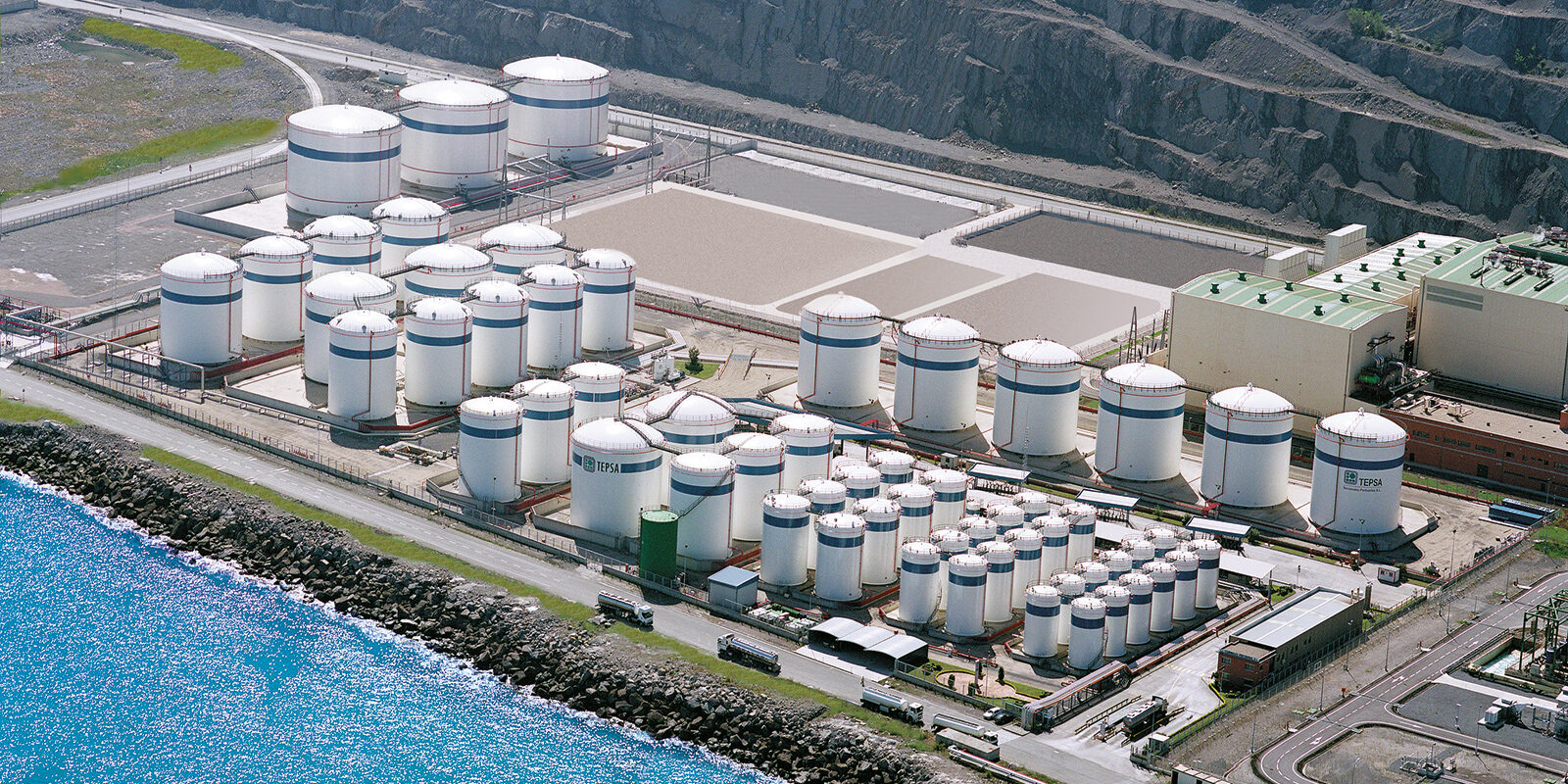
Copyright: Tepsa Bilbao Terminal

This latest Sustainability Report underscores TEPSA’s ongoing transition to a low-carbon, socially responsible and profitable enterprise—validating its ESG ambitions and reinforcing stakeholder confidence. To read the report directly click here : open report

For more information visit www.tepsa.com

Marathon Petroleum honoured with Port of Long Beach Green Flag Award

Marathon Petroleum has earned recognition for its ongoing commitment to environmental stewardship through receipt of the 2024 Port of Long Beach Green Flag Award. The accolade acknowledges the company’s participation in a voluntary vessel speed reduction initiative designed to improve regional air quality and reduce maritime emissions.

The award-winning programme encourages ship operators to reduce vessel speeds to 12 knots (approximately 14 miles per hour) within 40 nautical miles (46 miles on land) of the Port of Long Beach. This voluntary initiative targets significant reductions in emissions while contributing to improved air quality throughout the region.

Vessels docked at the Marathon Terminal 2 in the Port of Long Beach, California

Environmental Impact and Emissions Reduction

Ashlee Gattuso, Marathon Petroleum Commercial Marine Operations Manager, explained the environmental benefits of the speed reduction initiative. She noted that vessels emit fewer emissions when travelling at reduced speeds, making the programme highly successful in reducing smog-forming emissions and diesel particulates from maritime operations.

The initiative has demonstrated substantial environmental impact, with the Marine Exchange of Southern California reporting that the program prevents more than 1,000 tonnes of air pollution annually in the Port of Long Beach area. This significant reduction in emissions contributes directly to improved air quality for surrounding communities.

Corporate Environmental Commitment

Gattuso emphasised that earning the Port of Long Beach Green Flag Award year after year reflects Marathon Petroleum’s unwavering commitment to environmental responsibility and community stewardship. The company’s consistent participation demonstrates its dedication to sustainable practices in areas where it operates.

Marathon Petroleum has maintained active participation in this environmental initiative for several years, establishing itself as a reliable partner in advancing sustainable marine practices. The company’s ongoing collaboration with the Port of Long Beach represents a sustained commitment to environmental improvement beyond regulatory requirements.

Sustainable Marine Operations

The voluntary nature of the vessel speed reduction programme highlights the collaborative approach between maritime operators and port authorities in addressing environmental challenges. Marathon Petroleum’s consistent participation demonstrates how industry leaders can contribute to meaningful environmental improvements through operational modifications.

The programme represents a practical application of environmental stewardship that delivers measurable results while maintaining operational efficiency. The success of the initiative depends on voluntary participation from ship operators who recognise the importance of reducing their environmental impact.

Marathon Petroleum’s recognition through the Green Flag Award system underscores the company’s position as a responsible maritime operator committed to environmental excellence. The award acknowledges not only current performance but also the company’s sustained dedication to sustainable practices in marine operations.

The 2024 Green Flag Award adds to Marathon Petroleum’s track record of environmental achievement and reinforces its commitment to collaborative environmental initiatives that benefit both the maritime industry and surrounding communities.

For more information visit www.marathonpetroleum.com

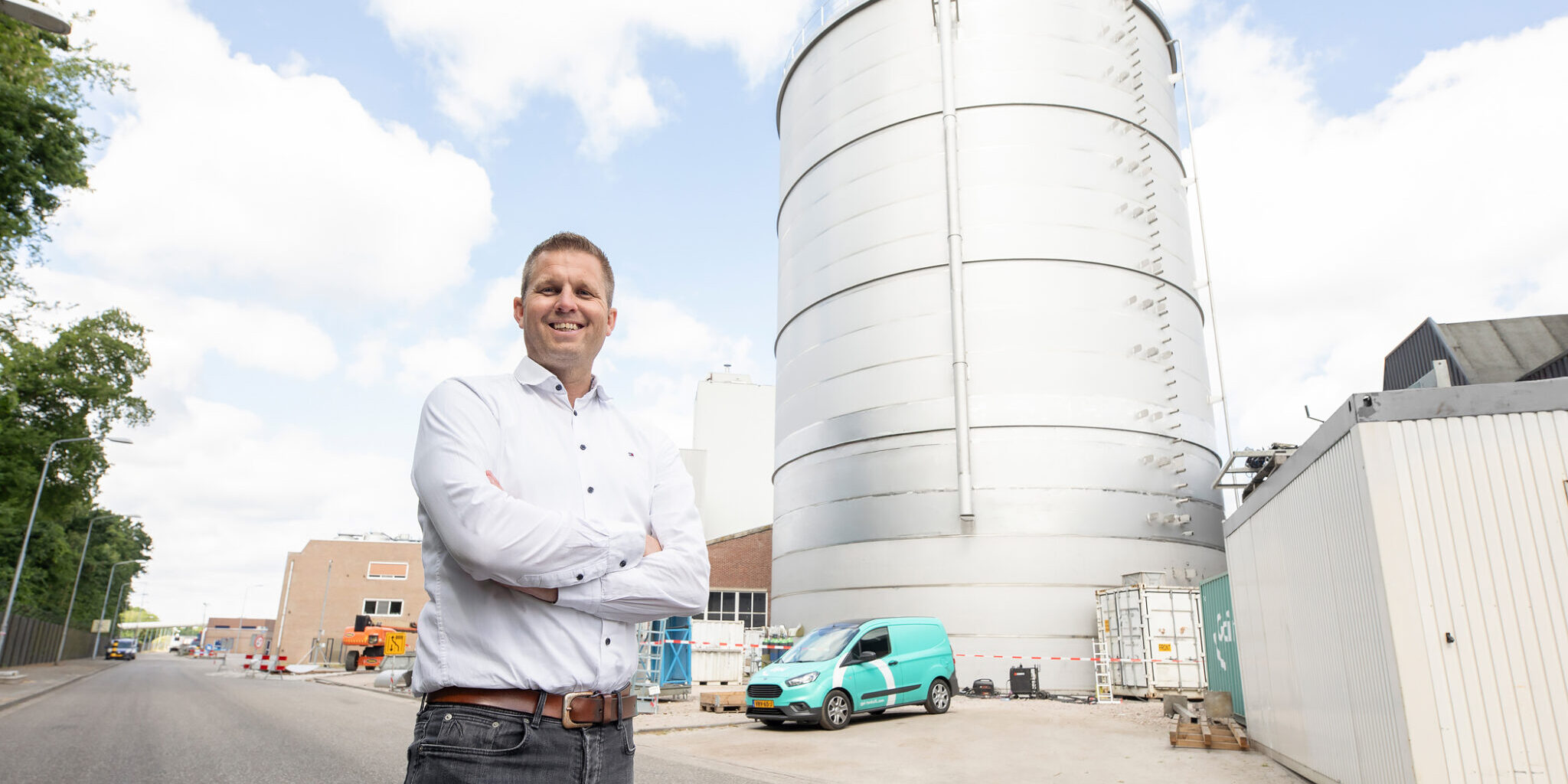
Ralph Schoormans appointed managing director of Gpi Tanks XL

Gpi Tanks XL has appointed Ralph Schoormans as managing director, a strategic move designed to strengthen the company’s position in the international market for large-segment stainless steel tank construction. The appointment reflects the organisation’s commitment to expanding its global presence and operational capabilities in specialised industrial storage solutions.

Leadership Experience and Expertise

Schoormans brings extensive expertise developed through various roles that have provided him with both technical knowledge and leadership experience. His comprehensive background encompasses operational development, product knowledge, and process optimisation within the industrial tank construction sector. This combination of technical proficiency and managerial capabilities positions him to drive the company’s continued growth and development.

The new managing director’s deep understanding of Gpi Tanks XL’s operations, combined with his proven track record in organisational development, makes him well-suited to lead the company’s strategic initiatives and project development efforts.

Strategic Vision and Market Position

Steven Sijperda, CEO of Gpi Group, emphasised Schoormans’ demonstrated ability to develop Gpi Tanks XL’s operational organisation to high standards over recent years. Sijperda noted that Schoormans leads in his comprehensive knowledge of the company’s products, processes, and organisational structure, making him the appropriate choice to guide further growth and professionalisation efforts.

The CEO highlighted Schoormans’ dual capability of understanding customer needs while effectively representing Gpi Tanks XL’s interests both internally and externally. This customer-facing expertise, combined with his clear vision for organisational development, positions the company to enhance its market presence and operational effectiveness.

Future Development Priorities

In his new role, Schoormans has outlined priorities focused on strengthening Gpi Tanks XL’s international market position through strategic organisational development. He has expressed confidence in the team’s collective knowledge, experience, and drive to achieve enhanced market positioning through focused growth initiatives.

The new managing director plans to emphasise three key areas in the organisation’s development: innovation, collaboration, and customer-centricity. These focus areas align with broader industry trends toward technological advancement, partnership-based solutions, and enhanced customer service in specialised industrial applications.

Company Profile and Market Focus

Gpi Tanks XL operates as a specialised division within the Gpi Group, focusing on the engineering and production of large-scale, on-site stainless steel storage tanks. The company serves multiple industrial sectors, with primary focus on storage terminals, bioenergy facilities, and chemical industry applications.

The company has established itself as a leading player in the European market through its emphasis on quality, sustainability, and customer-oriented solutions. This market position provides a foundation for the expansion initiatives that Schoormans will oversee in his new leadership role.

Industry Context and Growth Opportunities

The appointment comes at a time when demand for specialised industrial storage solutions continues to grow across multiple sectors, particularly in renewable energy and chemical processing applications. The company’s focus on large-scale, on-site construction capabilities positions it to serve the expanding needs of industrial facilities requiring custom storage solutions.

Schoormans’ technical background and operational expertise align with industry requirements for specialised knowledge in stainless steel fabrication, project management, and quality assurance in industrial construction projects. His leadership approach emphasises both technical excellence and customer relationship development, key factors in the competitive industrial storage market.

The combination of established market presence, technical capabilities, and experienced leadership provides Gpi Tanks XL with a platform for continued growth in the international market for specialised stainless steel storage solutions.

For more information visit www.gpi-group.com

OMV Petrom has made a new natural gas discovery in Spineni, near Craiova

OMV Petrom, Southeastern Europe’s largest integrated energy producer, has announced the discovery of a new natural gas reservoir in Spineni, located approximately 70 kilometres northeast of Craiova. The significant find represents a major addition to the company’s onshore exploration portfolio and demonstrates the continued potential of Romania’s hydrocarbon resources.

The exploration success centres on the 1 Spineni exploration well, which was drilled to a depth of approximately 4,800 metres. The well has confirmed the presence of both natural gas and condensate, with results validated through comprehensive production testing that demonstrates the commercial viability of the discovery.

Production Potential and Testing Results

Production testing has revealed substantial output potential from the discovery well, with results indicating a daily production capacity of 180,000 cubic meters of natural gas and 25 cubic meters of condensate. This translates to a total production potential of 1,300 barrels of oil equivalent per day (boe/day) from the single discovery well.

The prospect was successfully identified through analysis of data collected during the 3D Spineni seismic survey conducted in 2022 within the X Craiova block. This systematic approach to exploration demonstrates the effectiveness of advanced seismic technology in identifying subsurface hydrocarbon accumulations.

Strategic Investment Framework

Cristian Hubati, member of the executive board responsible for Exploration & Production, emphasised the discovery’s alignment with OMV Petrom’s broader investment strategy. The company plans to invest 5.8 billion RON in exploration and production activities during 2025, with nearly half of this allocation directed toward onshore operations.

The investment strategy also encompasses the advancement of the offshore Neptun Deep project, described as a strategic initiative requiring large-scale capital commitment. Hubati highlighted the company’s continued investment focus on containing natural production decline from mature fields while pursuing new near-field opportunities in proximity to existing operations.

Commercial Development Pathway

Testing results have confirmed the commercial viability of the Spineni discovery, positioning the project for the next phase of development. The immediate next step involves securing approval for the development plan, which will outline the framework for bringing the discovery into production.

OMV Petrom has already invested approximately EUR 15 million during the exploration phase of this onshore project. This investment encompasses the drilling operations, testing activities, and technical evaluations necessary to establish the reservoir’s commercial potential.

Regional Energy Significance

The Spineni discovery adds to OMV Petrom’s established position in Southeastern Europe’s energy sector and reinforces Romania’s role as a significant hydrocarbon producer. The find represents successful execution of the company’s exploration strategy, which combines advanced technology with systematic field development approaches.

The discovery’s location within the established X Craiova block provides potential synergies with existing infrastructure and operations, potentially enhancing the economic viability of the development. The proximity to existing facilities could facilitate efficient development and production operations once the development plan receives approval.

This natural gas discovery contributes to regional energy security objectives while supporting OMV Petrom’s long-term production growth strategy in the Romanian market.

For more information visit www.omvpetrom.com

ROSEN Group announces Andreas Opfermann as CEO

ROSEN Group has announced the appointment of Andreas Opfermann as CEO, effective July 1, 2025, following a decision by the company’s Shareholders’ Committee. Opfermann will succeed interim CEO Erik Cornelissen, who will transition to a newly created role as CCO.

Extensive Industrial Leadership Background

Opfermann brings 18 years of executive leadership experience from the industrial gas and adjacent sectors, primarily gained during his tenure at Linde Group, the world’s largest industrial gas producer. His comprehensive background in global business operations and strategic vision positions him to advance ROSEN’s role as a data-enabled asset integrity services provider.

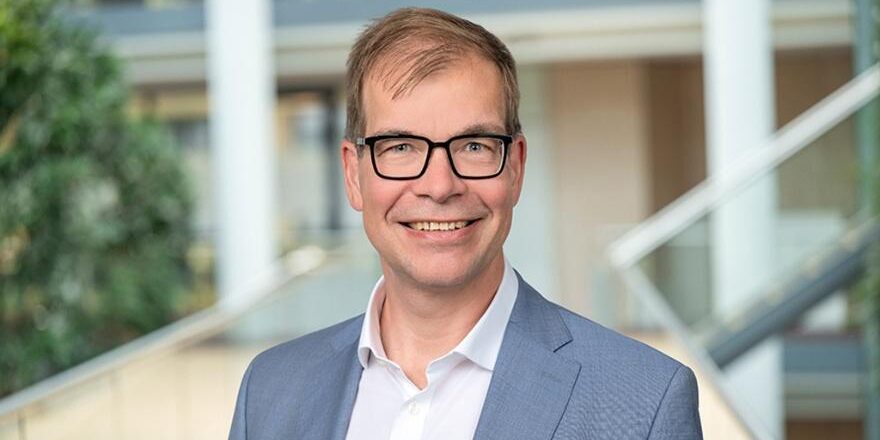
Andreas Opfermann, New CEO of the ROSEN Group
Throughout his career at Linde, Opfermann held several senior executive positions that demonstrate his broad operational and strategic capabilities. He served as executive vice president Americas, executive vice president global clean energy with focus areas including hydrogen, carbon capture, and digitalisation, chief executive officer of AGA AB, and chief technology officer. Prior to joining Linde, he spent six years at McKinsey & Company, developing his strategic consulting expertise.

His international experience spans multiple regions and markets, including leadership of operations in the Americas, service as CEO of AGA (Linde’s acquired Scandinavian business division), and extensive work across Asia and the Middle East. This global perspective has provided him with deep market and customer understanding, along with a demonstrated track record of accelerating growth through technology leadership, active portfolio management, and operational improvements.

Leadership Transition and Strategic Vision

Opfermann expressed his commitment to building upon ROSEN’s established reputation in technology and service leadership. He noted his long-standing awareness of the company’s unique global team culture and emphasised his intention to work collaboratively with the executive team and broader organisation to shape the company’s future direction.

The new CEO highlighted ROSEN’s strong market position in asset integrity services and expressed confidence in the company’s ability to capitalise on growth opportunities in the sector. His technical expertise and innovative approach are expected to strengthen ROSEN’s technology leadership position within the industry.

Organizational Restructuring

As part of the leadership transition, Cornelissen will assume the newly established chief customer officer role, taking global responsibility for all market-facing activities across ROSEN’s operations. This position was created to operate across all product lines and geographic regions, with the specific objectives of enhancing customer service excellence and accelerating both growth and the deployment of advanced technologies and services.

Cornelissen reflected on his tenure as interim CEO, describing his leadership of ROSEN’s development toward becoming a global benchmark for asset integrity solutions as a privilege. He expressed confidence in the company’s ability to maintain its high-performance culture and capitalise on available growth opportunities under Opfermann’s leadership.

Stakeholder Perspectives

Ulrich Spiesshofer, chairman of the shareholders’ committee, characterised Opfermann as a proven business leader with relevant market experience and deep technology expertise. He emphasised the new CEO’s combination of intercultural sensitivity and track record in driving profitable growth as key qualifications for the role.

Spiesshofer also acknowledged Cornelissen’s contributions during his interim leadership period, expressing gratitude for his strong performance and welcoming his transition to the chief customer officer position, which he described as a key role within Opfermann’s leadership team.

For more information visit www.rosen-group.com

AMPP expert panel to discuss corrosion control trends in India’s water and wastewater sectors

The Association for Materials Protection and Performance (AMPP), the leading global authority in materials protection and performance, in collaboration with the American Water Works Association (AWWA), will host a free international webinar, Expert Panel Explains Water and Wastewater Corrosion Control Trends in India,” on July 24, 2025, at 9:00 a.m. Eastern.

This two-hour virtual event brings together leading experts from across India to explore corrosion mitigation practices that extend the life of critical infrastructure, improve system resilience, and support sustainable water and wastewater operations.

The program is a direct result of a Memorandum of Understanding (MoU) between AMPP and AWWA, which establishes a framework for cooperation on technical knowledge exchange, event programming, and potential collaboration in regions outside the United States and Canada, particularly India. The agreement aims to “help to promulgate knowledge and technologies that protect people, assets, and the environment from the effects of corrosion.”

“This webinar is a powerful example of how international partnerships can elevate global best practices,” said Jennifer Merck, vice president of Maritime at AMPP. “The calibre of speakers and the depth of insight they bring showcase the strength of our collaboration with AWWA and our shared commitment to expanding access to corrosion education in the water and wastewater sectors worldwide.”

Attendees will gain practical insights into minimising lifecycle costs, integrating digital transformation in utility management, and reusing wastewater for industrial operations. Covering topics from smart water technologies to corrosion control in treatment plants, the webinar offers actionable guidance for asset managers, engineers, utility leaders, and environmental experts focused on long-term infrastructure performance and sustainability.

Featured speakers include:

  • Randy Moore, past vice president, AWWA
    Topic: The Importance of Corrosion Control for Asset Management & Sustainability
  • Ramesh Kumar Roy, deputy general manager, Indian Oil Corporation Limited
    Topic: Smart Water Management through Digital Transformation
  • Dr. V. Ravichandran, director of business development, Sartime Horological
    Topic: Corrosion Challenges in Wastewater Treatment Plants
  • Dr. Sunil D. Kahar, assistant professor, The Maharaja Sayajirao University of Baroda
    Topic: Accelerated Electro-chemical Testing for Optimized Material Selection


The webinar will conclude with a panel Q&A moderated by AMPP past chair Amir Eliezer.

 Event Details:

Date: Thursday, July 24, 2025
Time: 9:00 – 11:00 a.m. Eastern
Register: Webcast Link

For more information on the webinar and speakers, visit: Expert Panel Explains Water and Wastewater Corrosion Control Trends in India – AMPP

TotalEnergies signs a deal with Quatra to secure feedstock for its biorefineries

TotalEnergies has entered into a strategic 15-year agreement with Quatra, Europe’s market leader in used cooking oil collection and recycling, to secure a steady supply of sustainable feedstock for biofuel production. The deal, which begins in 2026, will provide TotalEnergies with 60,000 tonnes annually of European used cooking oil for its biorefineries, supporting the production of biodiesel and sustainable aviation fuel.

Comprehensive Supply Chain Integration

Under the agreement terms, Quatra will collect used cooking oil directly from restaurants, restaurant chains, and industrial facilities across France and other European markets. The collected oil will undergo filtering at Quatra facilities before being transported to TotalEnergies’ biorefineries for conversion into road biofuels and sustainable aviation fuel.

The partnership leverages TotalEnergies’ converted refinery infrastructure, which has transformed traditional crude oil facilities into specialised biofuel production centres. The company has successfully converted two key sites into biorefineries: La Mède in southern France and Grandpuits near Paris.

Strategic Biorefinery Operations

The La Mède biorefinery, which became operational in 2019, represents a significant milestone in France’s biofuel production capabilities. With an annual production capacity of 500,000 tonnes of biofuel, the facility has established TotalEnergies as the sole producer of HVO (hydrotreated vegetable oil) biodiesel in France. The site is expanding its production scope this year to include sustainable aviation fuel specifically designed for airports in southern France.

The Grandpuits facility represents TotalEnergies’ next major step in biofuel production expansion. The site’s conversion into a zero-crude complex includes a biorefinery with an annual production capacity of 230,000 tonnes of sustainable aviation fuel, with commissioning scheduled for 2026. TotalEnergies has established a separate partnership with SARIA, the European leader in organic waste collection and sustainable product development, which will supply the majority of feedstock for the Grandpuits facility.

Industry Leadership Perspectives

Valérie Goff, senior vice president of renewable fuels & chemicals at TotalEnergies, emphasised the strategic importance of the Quatra partnership in securing essential feedstock supplies. She noted that biofuel development represents one of the company’s core strategic objectives, directly reducing the carbon intensity of energy products used by customers as part of TotalEnergies’ net zero approach.

Pol Van Pollaert, co-CEO of Quatra, highlighted the partnership’s alignment with the company’s focus on long-term relationships that combine logistical efficiency, environmental responsibility, and financial sustainability. He emphasised that by supplying locally collected used cooking oil, Quatra contributes to a sustainable value chain while maintaining focus on its core competency of efficient collection operations across France.

For more information visit www.totalenergies.com

GETEC secures steam supply with new stainless steel storage tanks from Gpi

GETEC PARK.EMMEN, one of the Netherlands’ largest industrial parks, has successfully enhanced its utility infrastructure through the installation of two new 250 m³ stainless steel storage tanks supplied by Gpi Tanks. The project addresses critical steam production requirements while ensuring operational continuity for the 115-hectare industrial facility.

The industrial park hosts numerous companies operating in the chemistry, polymers, and biobased applications sectors. GETEC provides essential utilities to maintain smooth industrial operations across the site, including electricity, water, steam, and heating services. The replacement of ageing water storage infrastructure became necessary to maintain reliable steam production capabilities.

Source: GPI Tanks

Infrastructure Modernization Initiative

Peter Nillesen, manager of utility operations at GETEC, explained the background behind the tank replacement project. The company operates a combined heat and power plant for electricity generation, utilising residual heat from this process combined with demineralised water to produce high-pressure steam. The existing demineralised water storage tank had reached the end of its operational life, prompting the search for a more robust and better-insulated solution.

The decision to partner with Gpi Tanks emerged from a streamlined procurement process that prioritised both technical specifications and delivery timelines. Nillesen noted that Gpi offered precisely what GETEC required: well-insulated tanks that comply with the company’s ISO 50001 energy management standard, delivered within the necessary timeframe.

Strategic Design Approach

GETEC commissioned Gpi for the engineering and delivery of two stainless steel storage tanks, each with a capacity of 250 m³, replacing the previous single 500 m³ tank. This strategic shift to dual smaller tanks provides operational redundancy, ensuring continuous steam supply even during maintenance periods when one tank requires offline servicing.

The tanks are constructed from stainless steel 304L and stand 9.3 metres tall, including top railing. They serve to mix 100°C condensate from the steam production process with demineralised water, creating a blend with temperatures between 60 and 70°C. The tanks feature specialised insulation to maintain these optimal operating temperatures.

Specialized Production and Installation

To meet the aggressive delivery schedule, Gpi executed the project in collaboration with Gpi Tanks XL, a division specialising in large storage tank construction at external production facilities. This approach enabled rapid production initiation and ensured timely project completion.

The installation process required sophisticated logistics coordination, with tank placement occurring during nighttime hours to avoid daytime site congestion. The operation involved detailed lifting plans to position the tanks over existing installations, requiring precise execution and specialised craftsmanship.

Nillesen expressed enthusiasm about the installation execution, noting the comprehensive planning and flawless operational delivery that characterised the complex lifting operation. The project demonstrated the technical expertise required for such specialised industrial installations.

Collaborative Success

The GETEC executive praised the collaborative relationship with Gpi throughout the project lifecycle. He highlighted the smooth process execution, clear communication protocols, and effective coordination that ensured proper project follow-through. The positive experience positions the partnership favourably for potential future collaborations.

The successful tank installation represents a significant infrastructure investment that secures GETEC’s steam supply capabilities while supporting continued industrial operations across GETEC PARK.EMMEN. The project demonstrates effective collaboration between utility providers and specialised tank manufacturers in addressing critical industrial infrastructure needs.

With the new storage tanks operational, GETEC has enhanced its utility delivery capabilities while maintaining the high operational standards required to support the diverse industrial activities across one of the Netherlands’ most significant industrial complexes.

For more information visit www.gpi-tanks.com

Plains All American executes definitive agreements for $3.75 billion sale of NGL business to Keyera

Plains All American Pipeline, L.P. and Plains GP Holdings have announced the execution of definitive agreements with Keyera Corp. for the sale of substantially all of Plains’ natural gas liquids business. The transaction, valued at approximately $5.15 billion CAD ($3.75 billion USD), represents a strategic transformation for the midstream energy company.

The deal is expected to close in the first quarter of 2026, subject to customary closing conditions and regulatory approvals. Under the agreement, Plains will divest its Canadian NGL business while retaining substantially all NGL assets in the United States and maintaining all crude oil assets in Canada.

Strategic Transformation

The transaction positions Plains as what executives describe as a premier midstream crude oil “pure play,” designed to drive efficient growth and create streamlining opportunities. The sale is expected to create a more durable cash flow stream by reducing commodity-related EBITDA contribution, seasonality effects, and working capital requirements.

The purchase price represents approximately 13 times Plains’ expected 2025 Distributable Cash Flow, which the company characterises as an attractive valuation. Post-transaction, the pro-forma business is expected to generate a higher percentage of “excess cash flow” with proportionally lower capital investments and tax obligations.

Willie Chiang, chairman and CEO, described the announcement as “a win-win transaction for both Plains and Keyera.” He noted that Plains is exiting the Canadian NGL business at an attractive valuation while Keyera receives complementary and critical infrastructure in a strategic market.

“Successful completion of this transformative transaction advances our efficient growth strategy and establishes Plains as the premier pure play crude oil midstream entity with highly strategic assets linking North American supply to key demand centres,” Chiang stated. He emphasised that the transaction enhances the company’s free cash flow profile and reduces both commodity exposure and working capital requirements.

Capital Allocation Strategy

Plains expects to receive approximately $3.0 billion USD in net proceeds after accounting for taxes, transaction expenses, and a potential one-time special distribution. The company has outlined plans for a potential special distribution of approximately $0.35 per unit, intended to offset individual tax liabilities associated with the transaction, though this remains subject to board approval and successful transaction completion.

The company plans to prioritise transaction proceeds toward several strategic initiatives. These include disciplined bolt-on mergers and acquisitions to extend and expand the crude oil-focused portfolio, capital structure optimisation including potential repurchases of Series A and Series B preferred units, and opportunistic common unit repurchases.

Following the transaction’s completion, Plains expects its financial framework to be enhanced, with leverage positioned at or below the low end of the company’s target range. This is expected to provide significant financial flexibility while allowing continued optimisation of the crude oil-focused asset base and increased returns to unitholders.

For more information visit www.ir.plains.com

Thorne & Derrick celebrates local to global over 40 years

Thorne & Derrick International, a leading distributor of power systems, hazardous area equipment, and process heating solutions, is celebrating its 40th anniversary this year. The milestone marks four decades of growth from a small Bristol-based startup to an international distributor serving critical infrastructure projects across more than 120 countries.

Foundation and Early Growth

The company was established in 1985 by Victor Thorne and Brian Derrick, initially trading as Thorne & Derrick from premises in Brislington, Bristol. From its inception, the business built a strong reputation by representing world-renowned manufacturers including 3M Electrical, Band-It, and Cembre, supplying market-leading products to critical infrastructure projects and industries across various sectors.

Early expansion came in 1988 with the acquisition of Reid Brothers (Glasgow), which strengthened the company’s presence in the strapping and load securing market. This strategic move demonstrated the founders’ commitment to broadening their market reach and product portfolio.

Northern Expansion and Geographic Growth

A significant milestone occurred in 1992 when Richard Derrick began operating in the Northeast of England, initially working from a home office in Fenham, Newcastle. The northern operation initially focused on selling electrical trace heating solutions from Raychem, but following a move to Gear House in Gateshead, the business expanded into the low voltage and high voltage power market.

After 23 years of operation, the northern office relocated to its current headquarters at Lumley Court, Chester-le-Street, which now serves as the engine room of the company’s sales and marketing activities. In 2015, Reid Brothers was sold to its management team in a buyout and continues to operate successfully as an independent entity.

Operational Expansion and Infrastructure Development

Significant business growth necessitated another major relocation in 2016, when the company moved from its longtime Brislington location after 31 years to Whitchurch, Bristol. The new facility continues to operate as the company’s central warehouse and administration centre, housing a robust export division and UK sales department.

Four Decades of Growth

Over four decades, Thorne & Derrick International has experienced remarkable growth, expanding from its initial team of six employees to over 30 staff members. The company’s financial trajectory reflects this expansion, growing from a first order worth just £500 in August 1985 to being on track to deliver over £20 million in turnover in the near future.

The company has maintained a central focus on serving the oil and gas, process, and petrochemical sectors since the 1980s, which has been fundamental to its growth trajectory. As these markets continue to evolve, the business has strategically expanded its product range to ensure continued relevance and service excellence.

Leadership Vision and Team Development

Richard Derrick, now serving as managing director, emphasised the importance of the team the company has built over the years. He highlighted the organisation’s strong focus on investing in young talent through apprenticeships, which has not only helped develop skilled professionals but has also fostered a culture of loyalty and dedication within the organisation.

Derrick expressed satisfaction in seeing many employees grow with the company, noting that their expertise and commitment form the foundation of continued success. The company’s approach to talent development has created a stable, experienced workforce that understands both the technical requirements and customer needs across various industries.

Global Operations and Technical Expertise

The company’s team of technical sales engineers, sourcing specialists, and customer service advisors delivers comprehensive single-source logistics solutions across the UK and internationally. The organisation supports projects spanning more than 120 countries across five continents, offering rapid delivery capabilities and tailored supply strategies to meet diverse customer requirements.

Future-Focused Strategic Positioning

With global electricity demand predicted to more than double by 2050, Thorne & Derrick International is strengthening and extending its world-class supply chain to support grid-scale projects. The company is positioning itself to drive the sustainable energy future toward net zero through renewable energy, digitalisation, and decarbonisation of industry.

As the UK’s leading distributor of high voltage power cable accessories and hazardous area electrical equipment, Thorne & Derrick International supports critical infrastructure across power, utilities, rail, construction, oil and gas, petrochemical, and process sectors. The company leverages over 40 years of industry expertise to deliver trusted products, technical support, and tailored solutions that meet the evolving needs of energy and industrial markets.

The 40th anniversary celebration represents not only a significant business milestone but also recognition of the company’s role in supporting critical infrastructure development and the ongoing energy transition across global markets.

For more information visit www.thorneandderrick.com

Greenergy signs agreement to acquire French fuel distributor Armorine

Greenergy has agreed to acquire Armorine, an independent French importer and distributor of fuels and manufacturer of lubricants headquartered in Brittany. The acquisition represents Greenergy’s strategic entry into the French market and positions the company to support Armorine’s continued growth through expanded opportunities in new sectors.

Established French Operations

Founded in 1932, Armorine has developed into a well-established supplier of fuels and lubricants within the French market over more than nine decades of operations. The company’s comprehensive business model encompasses the import and distribution of fuels, production of lubricants, and proprietary logistics capabilities that enable it to supply both direct customers and third-party clients through its national network of oil depots and supply sites.

The acquisition allows Greenergy to leverage Armorine’s established infrastructure and market presence while providing both traditional and renewable fuel solutions to French customers. Greenergy brings significant experience as an established fuel supplier across the United Kingdom, Ireland, and Canada, in addition to its position as one of Europe’s largest biodiesel producers.

Leadership Vision for Growth

Adam Traeger, CEO of Greenergy, characterised the French market entry as an important milestone in the company’s long-term growth strategy. He emphasised the alignment between the two companies’ customer-focused approaches, supported by commitments to operational reliability and supply chain resilience. Traeger noted that the acquisition not only expands Greenergy’s territorial reach into a new region but also incorporates a highly experienced and skilled local team into the organisation.

The CEO expressed enthusiasm about collaborating with the Armorine team to build upon their existing success and unlock future growth opportunities across the integrated operations.

Strategic Alliance Benefits

François Martinat, president of Armorine, described the transaction as a strategic alliance that provides Armorine with the opportunity to continue its development trajectory while gaining resources to match its growth ambitions. He highlighted Greenergy’s strengths across multiple dimensions, including operational scale, logistics expertise, innovation capacity, and central positioning within the biofuels sector.

Martinat emphasised that Armorine will benefit from Greenergy’s comprehensive expertise and knowledge across all business activities, accelerating the company’s growth momentum. He expressed confidence in opening this new chapter in the Armorine Group’s history under the strategic partnership.

Transaction Structure

The acquisition structure preserves Armorine’s brand identity, with the company continuing to operate under its established brand name. The transaction remains subject to regulatory approval from relevant authorities before completion.

The strategic combination creates opportunities for both companies to expand their market presence while leveraging complementary strengths in logistics, renewable fuels, and customer service across the European energy landscape.

For more information visit www.greenergy.com

How ConocoPhillips is expanding its global LNG business

ConocoPhillips continues to advance its liquefied natural gas business expansion through a comprehensive foundation of equity, offtake, regasification, and sales agreements that have strengthened the company’s positions across major global markets, including Europe, Asia, and North America.

The strategic initiatives represent part of ConocoPhillips’ broader efforts to build a dynamic LNG portfolio and expand its footprint across the entire LNG value chain. The company’s LNG ambitions are driven by robust global energy demand projections.

Strategic Framework and Award-Winning Implementation

The importance of LNG within ConocoPhillips’ overall corporate strategy has been emphasised by company leadership. Rajiv Panicker, general manager of global LNG trading & origination, led the 2025 SPIRIT Award-winning project team responsible for formulating and implementing the company’s comprehensive LNG strategy.

The LNG project team developed a probabilistic workflow designed to optimise the company’s LNG portfolio, validated the strategic approach, and engaged extensively with management and the board of directors. Following the establishment of the strategic framework, the team transitioned into execution mode, orchestrating a series of strategic deals while developing organisational capabilities, streamlining processes, establishing robust controls, and gaining a comprehensive understanding of financial risks.

North America Operations

In North America, the team has focused on building a comprehensive offtake portfolio, securing commitments at several key facilities including Port Arthur LNG Phase 1, Energia Costa Azul, and Mexico Pacific LNG. The team is actively executing its shipping plan and has awarded contracts for two LNG carriers to support transportation requirements.

European Market Presence

The company’s European expansion has included securing regasification capacity in Belgium and The Netherlands. Additionally, the team played a significant role in helping German LNG reach a final investment decision, demonstrating ConocoPhillips’ influence in facilitating major infrastructure developments.

Asian Market Development

In Asia, the company achieved a significant milestone by signing a long-term sales contract, complemented by the commencement of LNG cargo trading operations in the Far East region.

Global Network and Customer Focus

The company’s approach leverages its extensive network of relationships and strategic partnerships with counterparties worldwide. This global presence enables ConocoPhillips to reliably position LNG volumes where needed, when required by market conditions.

Panicker highlighted the company’s extensive experience in the sector, noting that ConocoPhillips has been involved with LNG for over 60 years, providing deep understanding of customer requirements. The company’s goal centres on maintaining global presence while understanding market demands and delivering solutions that meet customer needs to the best of its capabilities.

The comprehensive strategy positions ConocoPhillips to capitalise on growing global LNG demand while building a resilient and diversified portfolio across key international markets.

For more information visit www.conocophillips.com

Perenco Congo launches new development phase with Kombi 2 platform

Perenco Congo has confirmed a significant investment project with the construction of its new offshore platform, Kombi 2. The platform is currently under construction at the Nieuwdorp shipyard in the Netherlands by Dixstone, a sister company of Perenco that provides integrated solutions for the oil and gas industry.

The company recently hosted the minister of Hydrocarbons, Bruno Jean Richard Itoua, for a tour of the shipyard to observe the construction progress on the Kombi 2 platform. During the minister’s visit, Perenco Congo and its partners—SNPC, AOGC, and Petrocongo—reaffirmed their commitment to responsible, sustainable, and value-creating development for the Congolese oil sector.

Platform Designed for Performance and Sustainability

The offshore infrastructure will be installed on the Kombi-Likalala-Libondo II (KLL II) permit and is designed to deliver multiple operational benefits. The platform will recover approximately 7 million cubic feet of gas per day, significantly reducing the carbon footprint while optimising resource utilisation. Two gas turbines connected to a 33 kV electrical hub will generate the necessary electricity for operations.

Kombi 2 will enhance surface treatment capabilities and develop an additional 10 million barrels of reserves through the optimisation of existing wells. The platform also integrates a well-bay module to accommodate new wells, with potential for an additional 10 million barrels.

The construction project, including upcoming drilling phases, represents an investment exceeding $200 million. The platform is scheduled to depart the Netherlands in October 2025 and begin operations in Pointe-Noire in early 2026.

Leadership Perspectives on Strategic Investment

Armel Simondin, CEO of Perenco, emphasised the collaborative nature of the project, stating that it demonstrates a solid, lasting partnership built on mutual trust. He noted that for over twenty years, Perenco has worked alongside the Republic of Congo to develop the country’s resources while strengthening infrastructure, local expertise, and energy sovereignty.

Stéphane Barc, managing director of Perenco Congo, highlighted that Kombi 2 aligns with the company’s commitment to performance, operational safety, and environmental responsibility. He described the project as a milestone that demonstrates the ability to combine technical innovation, compliance with demanding standards, and direct contribution to national development.

Long-Term Development Strategy

The Kombi 2 project reflects the strategic capability of Perenco Congo and its partners to implement concrete, ambitious, and controlled solutions for responsible and sustainable production. The initiative aligns with a broader strategy focused on developing the country’s resources while supporting infrastructure development.

The recent renewal of the Ikalou II and Likouala II permits for an initial 20-year period consolidates Perenco’s presence in Congo. This expansion will lead to a comprehensive investment plan estimated at nearly $900 million, encompassing work-over campaigns, development drilling, and the installation of state-of-the-art infrastructure.

Through this long-term vision, Perenco Congo reaffirms its commitment to supporting the growth of the Congolese oil sector and contributing to the national ambition of achieving 500,000 barrels of oil equivalent per day (BOEPD) by 2030, as targeted by Congolese authorities.

For more information visit www.perenco.com

Baker Hughes to acquire Continental Disc Corporation

Baker Hughes, an energy technology company, announced on Monday that it has reached an agreement to acquire Continental Disc Corporation (CDC), a prominent provider of safety-critical pressure management solutions. The all-cash transaction is valued at approximately $540 million and involves investment partnerships managed by Tinicum Incorporated.

CDC, headquartered in Liberty, Missouri, specialises in designing and manufacturing various safety products, including rupture discs, rupture disc holders, burst disc indicators, pressure- and vacuum-relief valves, and flame and detonation arrestors. These offerings complement Baker Hughes Industrial & Energy Technology’s (IET) existing Control Valve and High-Pressure Relief Valve products and are utilised across diverse industries such as pharmaceuticals, chemicals, food and beverage, oil and gas, and aerospace.

With a substantial global installed base, CDC’s essential products require regular replacement, generating significant recurring revenue. In 2024, approximately 80 percent of CDC’s projected revenue of $109 million is expected to be recurring, which is a crucial factor contributing to its strong returns and favourable margin profile.

This acquisition, along with the recently announced Surface Pressure Control (SPC) transaction and the sale of the Precision Sensors & Instrumentation (PSI) product line, supports Baker Hughes’ strategy for portfolio optimisation aimed at enhancing durable earnings and cash flow. The company’s disciplined capital allocation approach focuses on core businesses with promising return potential. The addition of CDC aligns with Baker Hughes’ acquisition criteria, which emphasise strategic fit, growth opportunities, accretive margins, and a lifecycle business model that fosters long-term aftermarket demand and strengthens earnings quality. The acquisition is anticipated to be immediately accretive to earnings and cash flow per share, as well as to IET’s segment margins.

Baker Hughes chairman and CEO Lorenzo Simonelli expressed enthusiasm about the acquisition, stating that it enhances the company’s industrial portfolio and expands its addressable market with CDC’s established pressure management solutions. He noted that this acquisition, along with the SPC and PSI transactions, lays the groundwork for the company’s portfolio optimisation strategy, focused on driving higher returns and creating long-term value for shareholders.

Michael Donner, partner at Tinicum, remarked on the transition, stating that while the CDC team will be missed, joining Baker Hughes—a leader in global process control and energy technology—will present exciting growth opportunities for the business and its employees, given Baker Hughes’ complementary product lines and extensive global reach.

The acquisition will be financed with cash on hand and is expected to close in the fourth quarter of 2025, pending the completion of customary conditions and regulatory approvals.

Jefferies is acting as financial adviser, and King and Spalding is providing legal counsel to Baker Hughes for this transaction. Meanwhile, William Blair & Company and Baird are serving as financial advisers, and Morrison Foerster is acting as legal adviser to the board of Continental Disc Corporation.

For more information visit www.investors.bakerhughes.com

Chane’s planning performance management system as a driver of customer value and growth

Chane has implemented a Planning Performance Management System (PPS) that extends beyond traditional planning improvements to drive organisational transformation. Geert-Jan Louis, HSEQ & continuous improvement director, and Bob Möhlmann, operational excellence specialist, report early positive results from the system’s deployment.

Möhlmann emphasised that the initiative focuses on empowering teams to work with confidence and ownership while building an organisation prepared for future challenges. Louis described PPS as more than just a tool, characterising it as a driver of change that promotes collaboration, encourages smarter workflows, and supports customer-focused operations.

Bob Möhlmann & Geert-Jan Louis

Dynamic Planning Capabilities

Unlike traditional planning systems that primarily log activities, PPS creates flexibility for continuous movement and adjustment. The system is designed to be dynamic, enabling real-time adjustments based on current insights. This responsiveness to deviations enhances service reliability, bringing operational peace of mind, building team trust, and reassuring customers.

Bottom-Up Approach

PPS distinguishes itself through its bottom-up methodology, providing employees with tools and autonomy to act proactively and make decisions. The system emphasises independence, self-direction, and strategic questioning whilst surfacing existing organisational knowledge. This approach fosters open communication, involvement, and collaboration, creating a culture of continuous improvement.

Integrated Planning

The system unifies integrated and operational planning, aligning strategic objectives with daily operations. By coordinating day-to-day operations, projects, and maintenance more effectively, Chane can better meet and manage customer expectations. Cross-department collaboration has improved significantly, with technical and operational teams working more closely together and developing greater understanding of each other’s processes. This synergy reduces operational friction, increases efficiency, and strengthens the supply chain.

Learning Organisation Development

PPS provides performance insights focused on improvement rather than control. Through structural monitoring and targeted adjustments, the system cultivates a learning organisation where mistakes are analysed rather than hidden, solutions are secured, and successes are shared. This approach enables the organisation to learn from itself, grow internally, and maintain forward momentum.

Foundation for Future Growth

The system transforms abstract concepts like ownership, transparency, and continuous improvement into tangible practices. It restructures meeting frameworks, creates reflection opportunities, encourages employee responsibility, and actively involves customers in processes, enabling the entire value chain to advance together.

Möhlmann concluded that PPS helps align internal processes more closely with customer expectations and demands, resulting in faster responses, greater transparency in operations, and enhanced execution value.

For more information visit www.chane.eu

Port of Marseille Fos awards multibulk terminal concession to HES Fos

The Port of Marseille Fos has announced the awarding of the concession to operate the Fos multibulk terminal, formerly known as the “Fos Ore Terminal,” to HES Fos, a subsidiary of HES International B.V. Following a competitive tendering procedure, the European dry and liquid bulk products operator has secured the rights to further develop infrastructure for dry bulk traffic on the Mediterranean coast.

Strategic Terminal Infrastructure

Located in the western basins of the Port of Marseille Fos, the multibulk terminal concession encompasses 35 hectares, with provision for gradual expansion to 66 hectares. The facility features three berths totalling 880 linear metres with permissible draughts ranging from 12.50 to 16.70 metres, complemented by a 150-metre-long barge berth.

The 30-year minimum concession covers the organisation, operation, and maintenance of the terminal, alongside investments in infrastructure dedicated to non-food solid bulk products and blending operations. HES Fos has committed to modernising the facilities whilst developing traffic in a logical and sustainable manner.

Ensuring Operational Continuity

The concession agreement ensures continuity of operations at the essential terminal whilst preserving the valuable expertise present on site—both key priorities for the port authority. HES has also committed to safeguarding employment for dockers and on-site staff, reinforcing its dedication to the local community and workforce.

Hervé Martel, chairman of the board of the Port of Marseille Fos, emphasised the strategic significance of the partnership. “This new concession with HES Fos reflects our ambition to make the multi-track terminal a key element for competitiveness and decarbonisation,” Martel said. “It meets our industrial customers’ and shippers’ expectations and is fully in line with our strategy to develop port hubs.”

Supporting Regional Reindustrialisation

Martel highlighted the terminal’s role in broader regional development initiatives, noting that the facility will be central to the Fos-Etang de Berre region’s reindustrialisation projects. “By entrusting this infrastructure to an experienced operator, we are choosing a solid partner to provide a unique facility on the French Mediterranean coast, a facility that will be at the heart of the Fos-Etang de Berre region’s reindustrialisation projects, in particular the major projects in the metallurgy/siderurgy sector, Marcegaglia and Gravithy,” he stated.

Strategic European Gateway Development

Jeroen van der Neut, COO at HES, expressed satisfaction with the appointment and outlined the company’s strategic objectives. “We are very pleased to have been chosen as the operator of the Darse 1 terminal in Fos-sur-Mer,” van der Neut said. “This decision is fully in line with our development strategy in the major European ports to offer our customers flexibility between the two main gateways to the continent.”

Van der Neut positioned the concession as a strategic milestone for both HES and regional stakeholders. “This strategic step positions HES as a key player in advancing the ambitions of the Port and industrial stakeholders in the south of France,” he noted, whilst acknowledging the collaborative process that led to the agreement.

The COO extended appreciation to key stakeholders involved in the process. “We would like to warmly thank the dockworkers’ union, the port and the French authorities for their trust in HES and their collaboration over the past few months, which has made it possible to reach this important milestone,” van der Neut concluded.

Market Position and Future Development

HES International B.V. operates as one of Europe’s leading port infrastructure operators for dry and liquid bulk products, bringing extensive experience to the Marseille Fos operation. The company’s appointment reflects its proven capability in managing complex port operations whilst supporting regional industrial development objectives.

The concession represents a significant development in Mediterranean bulk handling capacity, providing enhanced infrastructure to support both existing operations and future industrial projects across the strategically important Fos-Etang de Berre region.

For more information visit www.hesinternational.eu

PPG Global discusses optimising tank insulation for oil & gas efficiency & safety

How Advanced Spray-On Insulation Tackles CUI in Tank Roofs

By Bill Pernice, PPG Global segment director for oil and gas, protective and marine coatings

For tank terminal operators, corrosion under insulation remains one of asset maintenance’s most pervasive and costly challenges. According to industry research, CUI contributes to the staggering $2.2 trillion global annual cost of corrosion. The impact proves especially acute for oil, gas, and chemical storage facilities. Studies indicate that CUI-related repairs consume up to 10 percent of maintenance budgets.

CUI occurs when moisture seeps beneath traditional mechanical insulation, creating an enclosed, moisture-rich environment that fosters corrosion. In tanks, the flat or slightly sloped roof structure remains particularly vulnerable. Rainwater, snow or condensation can pool in even minor depressions, gradually infiltrating seams or insulation jackets. Once inside, water can saturate insulation materials such as mineral wool and remain trapped, sustaining corrosion cycles over time.

Understand the Moisture Loop

In many tank installations, mineral wool insulation wraps around the tank shell and roof and is then covered with metal sheathing. Over time, that system becomes compromised. As water enters, it saturates the insulation, often reaching 30 percent water content, as reported by multiple terminal owners. This insulation holds moisture directly against the tank’s steel surfaces.

That moisture evaporates due to the tank’s heat, condenses on the underside of the cladding, and drips back into the insulation. The result? A closed-loop moisture cycle accelerates corrosion in areas that are often difficult to inspect without removing the entire insulation system. The risk is further intensified in operating ranges between -4°C and 175°C, where thermal cycling exacerbates water ingress and corrosion rates. What’s the solution?

A New Protection: Spray-On Thermal Insulation

Storage operators increasingly turn to spray-on insulation coatings to protect tank roofs. Unlike traditional cladding and wrap systems, these coatings form a continuous, water-resistant barrier that adheres directly to the steel surface.

Based on silicone technology, hydrophobic SOI coatings shed water instead of absorbing it. Its monolithic finish eliminates the seams and overlaps found in mechanical systems, which are common ingress points for moisture.

Terminal operators report a growing interest in using SOI systems on tank roofs, where mechanical systems are hardest to maintain. Because these coatings are easy to apply without banding or jacketing, they significantly reduce labour hours and eliminate many vulnerabilities that lead to CUI. Applicators can complete a single coat in one day, achieving 80 to 250 mils in thickness with minimal downtime and provide safe-to-touch properties or achieve energy efficiency targets.

Proven in the Field

In one recent U.S. installation for a major integrated energy company, PPG PITT-THERM ® 909 SOI coating outperformed a competing product that required six days and multiple coats to achieve the same thermal resistance. PPG’s system was applied in a single layer, cutting downtime, labour costs and exposure risks. It resulted in faster project completion, lower potential of inter-coat contamination compared to competing SOI technologies and a 5 percent cost savings compared to traditional insulation.

Another large-scale application was for a large operator. The coating’s efficiency and long-term moisture resistance played a critical role in protecting assets.

Look Ahead: Beyond the Roof

Tank roofs remain the focal point for SOI systems. However, attention turns toward the tank shell. Mechanical insulation on vertical walls also faces moisture ingress, especially at the seams of the outer jacketing. Though less exposed than roofs, these areas are not immune to CUI. As industry familiarity with SOI systems grows and operational demands increase, the adoption curve will likely expand. The shift from segmented, moisture-prone insulation toward continuous, high-performance systems reflects a broader push toward smarter, more sustainable terminal operations.

Bill Pernice is the PPG Global segment director for oil and gas, protective and marine coatings. He leads strategic initiatives to advance corrosion protection and insulation technologies across the energy sector.

For more about PPG Pitt-Therm 909 spray-on insulation visit here

For PPG’s coatings selector, visit ppgpmc.com/resources/protective-and-marine-coatings-city

Or for more information visit www.ppgpmc.com

DeanHouston West relocates to new California office

DeanHouston, a business-first marketing firm that excels at creating meaningful communication strategies for technical products and services companies, has relocated its California operations to 9045 Haven Ave., Suite 104, Rancho Cucamonga, CA, positioning DeanHouston in an even stronger location to serve its growing client base.

Nestled at the foot of the San Gabriel Mountains and just minutes from Ontario International Airport — with Los Angeles only 40 miles away — the new space enhances accessibility, collaboration, and expansion opportunities for both clients and team members.

“This move is more than just a change of address — it’s about expanding opportunities,” said Walter Bonnett, executive vice president of strategy and general manager of DeanHouston West. “Our new office allows us to be even more hands-on with our clients in the West while maintaining the flexibility to serve those across the country and beyond.”

DeanHouston’s journey in California began in 2012 in Ontario, with its first Rancho Cucamonga office opening in 2018. This latest move marks a new chapter in the company’s evolution, reinforcing its commitment to innovation, growth, and client success.

“DeanHouston West remains a critical part of our strategy to help businesses leverage people, data, and insights to build brands that truly connect with their audiences,” said Jason Kaple, CEO of DeanHouston. “This new location is a launching pad for the next phase of our growth, and we’re excited for what’s ahead.”

With a global footprint, DeanHouston operates from headquarters in Covington, KY, with additional offices in Chicago, Los Angeles, and Shanghai, China, as well as team members in Milwaukee, Kansas City, and Nashville.

Since opening its doors in 1988, DeanHouston has established itself as a premier industrial B2B marketing agency for technical products and services companies. Its services include marketing and branding strategy, digital marketing, creative design, content development, media, and sales enablement programmes. With a client roster spanning Fortune 500 companies and emerging startups, DeanHouston has built a reputation for effectively aligning its clients’ marketing strategies with their strategic business objectives, resulting in exceptional and consistent year-over-year business demand and growth for its clients.

For more information visit www.deanhouston.com

Greene Tweed proves sustainable aviation fuel compatibility with Elastomer seals in new study

Ahead of the Paris Air Show, Greene Tweed, a global leader in advanced materials and high-performance solutions, has released results from a comprehensive study confirming the compatibility of its fluorine-based elastomer seals with Sustainable Aviation Fuels. The findings provide crucial insights for aerospace leaders transitioning to sustainable, low-emission fuels whilst ensuring safety and reliability remain uncompromised.

Addressing Critical Industry Challenges

As the aerospace industry intensifies its focus on decarbonisation, SAFs offer substantial CO2 reductions of over 65 percent compared to traditional jet fuels. However, challenges such as seal compatibility continue to present obstacles to widespread adoption. To address these concerns, Greene Tweed conducted rigorous testing to ensure its seals perform effectively with these advanced fuel formulations.

Shawn McCloskey, Greene Tweed’s chief commercial officer, emphasised the practical significance of the research. “Sustainable aviation fuels offer a practical path to reducing emissions, particularly for long-haul flights, where batteries and hydrogen remain less feasible,” McCloskey said. “Our study ensures aerospace customers have reliable seal solutions for SAF adoption without compromising safety or performance.”

Comprehensive Testing Methodology

Greene Tweed collaborated with multiple suppliers to evaluate SAF blends and their effects on the physical properties of fluorine-based elastomers FKM and FVMQ. The study assessed performance across various SAF blends, including Synthetic Paraffinic Kerosene (SPK) and Synthetic Aromatic Kerosene (SAK), following ASTM D7566 standards.

Testing protocols simulated extreme aerospace environments, including temperatures reaching 120°C and prolonged SAF exposure conditions to ensure real-world applicability.

Key Research Findings

The study yielded several significant findings that demonstrate the viability of Greene Tweed’s seal solutions for SAF applications:

Consistent Performance was observed across FKM compounds (731, 772, 665), which maintained their effectiveness across various blends, including three SPKs, 50/50 blends with control fluid, and 20 percent SAK with 80 percent SPKs.

Material Properties testing revealed that FKM elastomers demonstrated strong compatibility with harsh SAF conditions, including fluid ageing and dry-out scenarios that commonly occur in aerospace applications.

Aromatic Content Impact emerged as a critical factor, with the research confirming that aromatic content in SAF formulations, particularly SAK blends, plays a vital role in maintaining material performance.

Advanced Testing Protocols under accelerated ageing conditions provided confirmation of long-term reliability, addressing industry concerns about component longevity.

Dr Ronald Campbell, senior technical advisor at Greene Tweed, highlighted the comprehensive nature of the research. “By analysing the effects of chemical interactions between SAF blends and advanced elastomers, we have developed a robust data set that established long-term reliability and compatibility in extreme aerospace conditions,” Campbell noted.

Supporting Industry Decarbonisation Goals

The research arrives at a critical juncture for the aviation industry, which is working towards carbon-neutral growth targets. US airlines have set ambitious goals for a 50 percent CO2 reduction by 2050, making SAFs a vital component of decarbonisation strategies.

Greene Tweed’s findings directly support these environmental objectives by ensuring component compatibility with SAF whilst maintaining the safety and operational performance standards required in aerospace applications.

Industry Engagement and Future Applications

The research results were recently highlighted in an Aviation Week webinar, where Greene Tweed detailed its comprehensive testing methodology and findings. The company’s representatives will also present these solutions at the upcoming Paris Air Show 2025, providing industry professionals with opportunities to explore practical applications of the technology.

The study represents a significant advancement in addressing one of the key technical challenges facing SAF adoption, potentially accelerating the industry’s transition to more sustainable fuel alternatives whilst maintaining the rigorous safety and performance standards essential to aerospace operations.

For more information visit www.gtweed.com