Aereon achieves ISO 45001

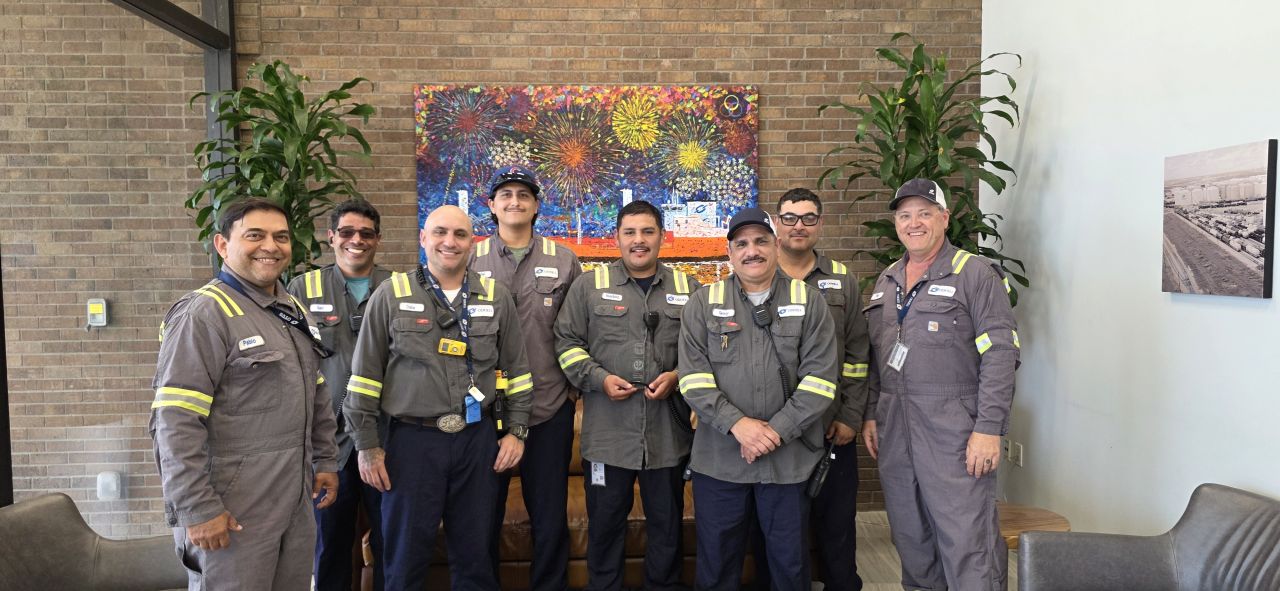
Aereon are proud to announce that have achieved ISO 45001 certification, reinforcing their commitment to the highest standards in health, safety, and operational excellence.

This milestone, combined with our ISO 9001 certification and our strong ESG-driven approach, further strengthens Aereon as a trusted partner for customers operating in increasingly demanding environments.

Why does this matter Because today, performance is no longer just about equipment. It’s about how that equipment is designed, built, and deployed.

At Aereon, they deliver solutions that combine:

Safety – A structured, proactive approach to protecting people and operations
Quality – Proven processes that ensure consistency and reliability
Sustainability – Technologies designed to reduce emissions and support a cleaner future

From systems like our Clean Enclosed Burner (CEB) to fully integrated modular solutions deployed in the field, our commitment is clear: deliver performance you can trust—every time!

This is more than a certification. It’s a reflection of how Aereon operate, how they think, and they support their customers.

Stronger standards. Better solutions. Greater confidence.

Please visit Aereon – www.aereon.com

DuPont introduces DuPont™ Tychem® 6000 SFR lightweight coverall, protecting workers from chemical and flash-fire hazards

DuPont has launched the new DuPont™ Tychem® 6000 SFR in the European market, introducing a lightweight hooded protective garment designed to provide protection against multiple chemical and flash-fire hazards in demanding industrial environments.

The Tychem® 6000 SFR garment has been developed for workers operating in sectors where both chemical exposure and flash-fire risks are significant concerns. Potential applications include refineries, petrochemical facilities, laboratories, maintenance operations and fire departments that require multi-hazard personal protective equipment.

According to DuPont, the garment offers a chemical permeation barrier of up to 30 minutes against more than 250 chemical challenges, including toxic industrial chemicals, chemical warfare agents and flammable organic solvents. The coverall is also designed to provide secondary flame resistance when worn over primary flame-resistant garments, such as those manufactured with DuPont™ Nomex®. In the event of a flash fire, the garment is intended to avoid contributing to additional burn injuries when appropriate primary flame-resistant protective clothing is worn underneath. DuPont stated that the garment may also help reduce the extent of body burns compared with wearing primary flame-resistant clothing alone.

The Tychem® 6000 SFR design includes a respirator-fit hood with a covered elastic face opening, taped seams and a double storm flap closure with double-sided adhesive tape to help prevent chemical ingress. Additional features include a chin flap designed to improve neck protection and respirator fit, as well as a nylon zipper with a large metal pull to support easier donning and removal. Elasticated waist, wrist and ankle openings are intended to improve comfort and mobility for the wearer.

Ernest Foy, Technical Lead for Tychem® Garments at DuPont, said the launch expands the company’s portfolio of secondary flame-resistant protective garment solutions. He noted that the Tychem® 6000 SFR combines lightweight design with a higher level of chemical protection for workers operating in hazardous environments.

DuPont emphasised that the Tychem® 6000 SFR garments must always be worn over suitable primary flame-resistant protective clothing in environments requiring flame protection, alongside additional personal protective equipment for the face, hands and feet. The company also stated that users should avoid entering environments containing flammable gas concentrations within explosive or flammable limits while wearing the garment.

The company further clarified that the garment is not intended for firefighting operations or protection against hot liquids, steam, molten metals, welding activities or thermal radiation. Users are advised to verify chemical compatibility before use by consulting chemical permeation data available through DuPont™ SafeSPEC™.

For additional product information, visit DuPont Personal Protection

OMERS sells Exolum stake to Stoneshield Capital and global investment firm

OMERS has announced the signing of agreements to sell its approximately 25 percent stake in Exolum to Stoneshield Capital and another global investment firm managing more than $100 billion in assets.

The transaction marks the conclusion of a nearly decade-long investment during which OMERS worked alongside Exolum’s management team and investment partners to support the company’s growth, international expansion and development in lower-carbon fuels and future energy infrastructure.

Since OMERS and its partners first acquired the business in 2016, Exolum has evolved into a more diversified and increasingly international energy logistics platform. The company has also expanded its role in supporting the global energy transition through investments in infrastructure linked to emerging energy solutions.

Today, Exolum operates approximately 6,000 kilometres of pipeline infrastructure across Spain and the United Kingdom, manages 68 storage terminals worldwide and provides services to more than 48 airports globally.

OMERS described the sale as a reflection of both the strength and quality of the Exolum business and its own disciplined approach to active portfolio management and capital rotation. The organisation also highlighted the contribution of Exolum’s management team, employees and investment partners throughout the ownership period.

In its statement, OMERS acknowledged the efforts of current and former team members who helped oversee and develop the investment over the past decade, contributing to the successful outcome of the transaction. The company also extended its best wishes to Stoneshield Capital and its co-investor as they take ownership of the next phase of Exolum’s growth and development.

For more information visit www.omersinfrastructure.com

Caturus announces Final Investment Decision for 9.5 Mtpa Commonwealth LNG export facility in Cameron, LA

Caturus LLC has announced a positive Final Investment Decision (FID) for its Commonwealth LNG project following the successful close of $9.75 billion in project financing for the construction of a 9.5 million tonnes per annum (Mtpa) liquefied natural gas export facility in Cameron Parish, Louisiana.

The FID marks the beginning of full-scale construction on what the company describes as one of the most cost-competitive and efficient LNG projects in the United States. Investor interest in the development was strong, with the transaction attracting total financial commitments of $21.25 billion from equity and debt participants.

Ben Dell, managing partner of Kimmeridge and chairman of Commonwealth LNG, said the milestone represented the culmination of years of strategic planning and partnership development aimed at creating a fully integrated “wellhead-to-water” operation.

The project has already secured long-term offtake agreements with several major global energy and industrial companies, including EQT, Glencore, Mercuria, PETRONAS and Aramco Trading. Phase 1 of the development is expected to generate more than $3 billion in annual export revenue once operations begin in 2030.

Mubadala Energy, which already holds a 24.1 percent stake in the Caturus platform, is also participating in the project financing. Managing Director and CEO Mansoor Mohamed Al Hamed described the FID as a major milestone that supports the company’s international growth strategy and strengthens its exposure across the global gas value chain.

Meanwhile, Canada Pension Plan Investment Board will contribute $1.2 billion in financing, increasing its total stake in the Caturus platform to 31 percent, including previous investments. Bill Rogers, managing director and head of sustainable energies at CPP Investments, said the company viewed Caturus’ integrated approach to natural gas production and LNG exports as a strong long-term investment opportunity capable of supporting energy reliability and resilience.

Additional financial backing for the project includes support from EOC Partners, funds and accounts managed by BlackRock, and an Ares Infrastructure Opportunities fund.

Caturus has already authorised Technip Energies, the project’s EPC partner, to begin ordering major long-lead equipment for the facility. The development will utilise Technip Energies’ modular LNG construction approach to improve efficiency and safety across the site. Equipment planned for the project includes six mixed-refrigerant compressors from Baker Hughes powered by LM9000 gas turbines, six main cryogenic heat exchangers supplied by Honeywell, and four Titan 350 gas turbine-generators from Solar Turbines. The export facility will also be capable of loading LNG carriers with capacities of up to 216,000 cubic metres.

Caturus CEO David Lawler said growing global demand for natural gas positioned the company to become a major integrated player spanning upstream production through to LNG exports. He added that the company’s integrated strategy was intended to meet increasing international demand for reliable, lower-carbon energy solutions.

In the lead-up to the Commonwealth LNG FID, Caturus also expanded its upstream portfolio through the acquisition of Galvan Ranch natural gas assets from SM Energy. The company now produces more than one billion cubic feet equivalent per day on a net basis, placing it among the top 10 private natural gas-focused producers in the United States.

Dell said the company aimed to establish new industry benchmarks across its integrated operations and acknowledged the support of government and industry stakeholders involved in advancing the project. The Commonwealth LNG development also represents the $100 billion milestone in invested capital in the State of Louisiana during Governor Jeff Landry’s administration.

For more information visit www.caturus.com

BASF focuses on strengthening and growing its core businesses in the next phase of its “Winning Ways” strategy

BASF has entered the next phase of its “Winning Ways” strategy following the rapid carve-out of its standalone businesses, with a renewed focus on strengthening and expanding its core operations. Central to this initiative is the establishment of a new Core Transformation Office, led by Julia Raquet, president, who will oversee the implementation of cross-unit transformation projects across the company’s core businesses, service units and corporate centre operations.

The transformation programme, launched under the name “CoreShift,” is designed to deliver up to 20 percent net cash fixed cost savings in BASF’s core businesses by 2029, using 2024 as the baseline year. In her new position, Raquet will report directly to Dr. Markus Kamieth, chairman of the Board of Executive Directors of BASF SE.

According to Kamieth, BASF’s core businesses are built on strong market positions, innovation capabilities and their role in supporting customers’ green transformation strategies. He said the carve-out of standalone businesses would create a more focused and coherent core structure, enabling the company to maximise competitiveness and synergies across operations while improving earnings performance.

BASF’s core portfolio consists of four business segments, Chemicals, Materials, Industrial Solutions, and Nutrition & Care, which together generate approximately €40 billion in global sales. The integrated nature of these businesses, spanning upstream and downstream value chains, positions BASF as the world’s largest diversified chemical company. The company stated that its local-for-local production strategy and competitive technologies across regions support further simplification and operational efficiency within the core portfolio.

Raquet said simplifying the operating model would be critical to achieving best-in-class competitiveness and driving profitable growth. She noted that transformation initiatives are already underway, including the restructuring of BASF’s largest Verbund site in Ludwigshafen and the reshaping of global service units.

The “CoreShift” programme builds on existing initiatives while introducing a broader global and cross-unit transformation approach. Key focus areas include simplifying operations and organisational structures, harmonising global business processes and implementing standardised IT systems through a dedicated ERP platform for core businesses. BASF also plans to increase the use of artificial intelligence technologies across the group as part of the transformation strategy.

For more information visit www.basf.com/global/en

Starck International invests in new agricultural terminal at North Sea Port

North Sea Port has announced a new investment in Vlissingen as Starck International moves forward with plans to develop the Quarleskade area into a strategic hub for agricultural commodities in north-western Europe.

The investment is expected to strengthen North Sea Port’s position as a major bulk port and logistics centre while supporting regional economic growth and supply chain efficiency.

Starck International has acquired the warehouses and terminal facilities located on the Quarleskade in Vlissingen and has also signed a long-term lease agreement with North Sea Port for an additional six hectares of land. The full terminal development will cover approximately 14 hectares.

According to Vincent Allertz, CEO of Starck International, the project is intended to reinforce the company’s role in international trade, storage and logistics for agricultural bulk cargo flows.

Starck International, which operates within the livestock feed sector, is part of the Italian Borsari Group and already maintains a presence in the port region through its ownership of Feijter-Granen in Sas van Gent. The expansion into Vlissingen forms part of the company’s broader strategy to optimise logistics operations and support future growth.

The company currently manages substantial cargo volumes through multiple ports and aims to consolidate these flows at the new Vlissingen terminal. The site will primarily focus on the storage, transshipment and distribution of residual flows from food production, which are processed into circular feed products for the animal feed sector.

In addition to feed-related products, Starck International also trades various raw materials used in the compound feed and fermentation industries. The investment is expected to create several dozen new jobs in the region.

North Sea Port CEO Cas König stated that the development aligns with the port’s strategy of strengthening its role in bulk cargo and logistics operations. He added that the investment would contribute to regional economic development, employment growth and European autonomy in agricultural raw materials supply chains.

A key advantage of the project is the speed at which operations can begin. Starck is expected to commence activities within the coming months using the existing warehouse infrastructure at the former Bulk Terminal Zeeland (BTZ) site, currently occupied by BOW Terminals.

The additional six hectares leased from North Sea Port, together with a planned 50-metre quay extension, are expected to provide the company with sufficient capacity for long-term expansion and increased cargo handling operations in Vlissingen.

For more information visit www.northseaport.com

MB Energy strengthens Japan-Germany Hydrogen Cooperation during Kobe visit

MB Energy participated in an official German delegation visit to Kobe, Japan, last week, reinforcing growing cooperation between Germany and Japan on the development of an international hydrogen supply chain.

The delegation was led by German Federal Minister of Transport Patrick Schnieder and included representatives from several industry stakeholders engaged in advancing hydrogen infrastructure and clean energy partnerships.

The visit formed part of the ongoing collaboration under the Joint Development Agreement (JDA) between MB Energy, Daimler Truck AG and Kawasaki Heavy Industries, Ltd. The three partners are working together to establish a liquefied hydrogen supply chain linking Japan and Europe through the Port of Hamburg, one of Europe’s key energy hubs.

During meetings in Kawasaki, representatives from Kawasaki Heavy Industries presented the company’s long-term hydrogen strategy, outlining future growth plans and opportunities for market expansion across Europe. Discussions also focused on strengthening cooperation between the project partners and accelerating the development of hydrogen transport and infrastructure solutions.

MB Energy was represented by Philipp Kroepels, director of New Energy, who joined discussions alongside representatives from Daimler Truck and Kawasaki Heavy Industries.

As part of the programme, the delegation also visited Hy touch Kobe, a liquefied hydrogen cargo handling demonstration facility. The site visit provided participants with a closer look at the operational framework and technical capabilities of liquefied hydrogen handling and transportation technologies.

The engagement highlights the continued strengthening of Japan-Germany cooperation in the hydrogen sector as both countries work to advance large-scale international hydrogen supply chains and support the global energy transition.

The collaboration between MB Energy, Daimler Truck and Kawasaki Heavy Industries is expected to play an important role in supporting Europe’s future hydrogen import infrastructure while expanding opportunities for international clean energy trade.

For more information visit www.mbenergy.com

Republic of the Congo Minister Onanga targets faster deals, local content and FLNG growth

The African Energy Chamber (AEC) has reaffirmed its strategic partnership with the Republic of Congo following a high-level meeting in Brazzaville between Executive Chairman NJ Ayuk and newly appointed Minister of Hydrocarbons Stev Simplice Onanga. The meeting marked the beginning of a renewed effort to accelerate investment, strengthen local capacity and expand the country’s liquefied natural gas (LNG) footprint.

Held shortly after Minister Onanga’s appointment, the discussions highlighted a shared commitment to improving the pace and efficiency of deal-making within Congo’s oil and gas sector. Both parties stressed that reducing delays in project approvals and execution would be essential to maintaining the country’s competitiveness and attracting fresh investment into upstream oil and gas development.

A major focus of the meeting was the development of a stronger local energy industry. Minister Onanga reportedly outlined plans to support the growth of Congolese companies beyond traditional service roles, with the aim of creating operators, license holders and regional players capable of competing across African markets. The strategy includes building companies that can contribute not only to domestic projects but also export expertise and services internationally.

The AEC welcomed the initiative and pledged to work closely with the Ministry of Hydrocarbons to help develop a new generation of competitive Congolese firms. Planned efforts are expected to focus on strengthening technical capacity, expanding access to opportunities in field development and drilling, and ensuring greater local participation across the energy value chain.

Discussions also centered on strengthening Société Nationale des Pétroles du Congo (SNPC), with the objective of transforming the state-owned company into one of Africa’s leading national oil companies. The long-term vision is for SNPC to move beyond its current partnership-focused model with international oil companies and assume a more operational role in managing assets, leading projects and driving exploration and production activities both domestically and internationally.

Ayuk stated that Congo is focused on building a stronger national energy ecosystem and emphasised the importance of developing Congolese companies into competitive regional players. He noted that strengthening SNPC would be central to creating long-term in-country capacity and positioning Congo as a leading force in African energy.

The meeting also reinforced Congo’s broader ambition to strengthen its role within Africa’s energy landscape. Minister Onanga reportedly emphasised the importance of aligning the country’s national energy strategy with continental priorities, drawing on his previous experience as Chair of the African Petroleum Producers’ Organization (APPO) Board of Governors. Continued collaboration with institutions such as APPO and OPEC is expected to remain a key part of this strategy.

Gas development, particularly floating LNG (FLNG), emerged as another major area of focus. Congo has already made significant progress through projects such as Eni’s Congo LNG development, where the 0.6 million-ton-per-annum Tango FLNG vessel and the upcoming Nguya FLNG facility are expected to raise the country’s LNG export capacity to approximately 3 million tonnes per annum.

Building on this momentum, the discussions highlighted the potential for additional FLNG developments in the future. With favorable conditions and ongoing conversations around new projects, further expansion could significantly increase production capacity and strengthen Congo’s position in the regional gas market. Expanded LNG production is also expected to support domestic gas utilisation, industrial growth and export revenues.

Ayuk noted that the current administration appears committed to accelerating investment, empowering Congolese companies and scaling LNG development. He added that Congo is well-positioned to become one of Africa’s leading gas hubs if the current momentum continues.

The renewed engagement between the AEC and the Republic of Congo signals a more execution-focused phase for the country’s energy sector, with a strong emphasis on fast-tracked investment, local industry development and LNG expansion aimed at delivering long-term economic growth and regional influence.

For more information visit www.energychamber.org

ROSEN wins business innovation award for NIPA at the Gas Industry Awards 2026

ROSEN Group has been awarded the Business Innovation Award at the Gas Industry Awards 2026 in recognition of its Non-Intrusive Pipeline Assessment (NIPA) service. The ceremony, organised by the Institution of Gas Engineers & Managers (IGEM) and the Energy & Utilities Alliance (EUA), took place in London on 13th May 2026.

Now in its 26th year, the Gas Industry Awards celebrate excellence and innovation across the gas sector. The Business Innovation Award specifically recognises organisations that have developed and implemented new technologies or approaches to address key industry challenges.

ROSEN’s NIPA service was recognised for its data-driven and AI-supported approach to pipeline integrity management. The solution was developed to address the limitations of traditional Direct Assessment (DA) methods, particularly for unpiggable and complex pipeline systems. It integrates multiple data sources, including above-ground survey techniques such as Close Interval Potential Survey (CIPS) and Direct Current Voltage Gradient (DCVG), alongside ROSEN’s proprietary Large Standoff Magnetometry (LSM) technology. These inputs are further enhanced by AI-supported pipeline condition modelling, referred to as Virtual In-Line Inspection, powered by ROSEN’s Integrity Data Warehouse (IDW).

The IDW contains data from more than 26,000 in-line inspections globally, combined with environmental and geospatial datasets including soil composition, terrain, rainfall, infrastructure corridors, and population density. By analysing these datasets together, NIPA enhances anomaly detection and provides operators with improved insight into pipeline condition, supporting more informed integrity management decisions.

The service is already demonstrating measurable operational impact. In one deployment, NIPA identified previously undetected significant metal loss features requiring repair to maintain safe operation, reinforcing the reliability of the methodology. In 2025 alone, the solution was deployed across more than 700 kilometres of pipeline using a combination of ground-based inspection teams and drone-enabled data acquisition.

This integrated approach enables operators to verify ongoing pipeline integrity, optimise excavation and repair programmes, and focus non-destructive testing (NDT) resources on higher-priority areas. It also supports risk-based decision-making for pipelines that may require future conversion to enable internal inspection. The system is designed to be adaptable, supporting both full network assessments and targeted inspection programmes as part of broader lifecycle integrity strategies.

Accepting the award, Lewis Barton, service manager for NIPA at ROSEN, said the recognition reflects the practical value of the solution in supporting operators with robust and auditable integrity assessments aligned with international standards.

He added that the development of NIPA demonstrates ROSEN’s focus on delivering reliable and well-governed technologies that support safer and more informed decision-making across the industry.

Jabbar Mirzoev, vice president of the NDT Service Line at ROSEN, highlighted the collaborative effort behind the solution, noting the contribution of engineers, data scientists, and field specialists in bringing the concept to large-scale deployment.

He also acknowledged the role of clients and industry partners in supporting the development and rollout of the technology, adding that ROSEN looks forward to expanding its application across additional regions to support safer and more efficient pipeline operations globally.

The judging panel commended ROSEN for its measurable industry impact, sustained investment in research and development, and successful deployment of advanced technologies in operational environments. The award reinforces ROSEN’s position in pipeline integrity management and highlights its continued focus on innovation in support of global energy infrastructure.

For more information visit www.rosen-group.com/en

Emerson launches new IIoT Platform for expanded wireless visibility without costly infrastructure changes

Today, Emerson announced the launch of its Synchros™ Industrial Internet of Things (IIoT) platform, a new suite of technologies designed to enhance asset health visibility and improve maintenance decision-making through a flexible wireless architecture that enables rapid deployment across existing industrial facilities.

In many operations, asset monitoring and maintenance still rely on periodic manual inspections due to cost and logistical constraints. This approach can create visibility gaps, allowing emerging issues to go undetected between inspections. The Synchros platform addresses these challenges by offering a more scalable and practical approach to continuous monitoring. It enables maintenance and operations teams to digitise inspection points and extend asset visibility using a WirelessHART®-based wireless architecture.

Designed for critical process industries including chemicals, oil and gas, power generation, life sciences, and water and wastewater, the platform allows organisations to begin with high-value monitoring applications and gradually expand deployment through a unified system that integrates with existing infrastructure.

“Teams have long faced a trade-off between visibility and the cost of instrumenting assets,” said Andrew Kravitz, vice president, cross-portfolio technology and innovation at Emerson. “Synchros devices address these issues by providing end users with a fit-for-purpose method to digitise inspection programmes, expand visibility at scale, and move from periodic checks to continuous insight to drive more efficient and reliable operations.”

The initial release includes the Rosemount™ Synchros Temperature Monitor and the Rosemount Synchros Wireless Repeater, which together deliver scalable wireless monitoring capabilities. The temperature monitor digitises previously manual measurement processes, while the repeater extends network coverage to support wider deployments without additional infrastructure requirements.

Looking ahead, Emerson plans to expand the platform with additional devices and connectivity options to support broader monitoring applications and digital transformation initiatives. Future devices are expected to measure additional process parameters such as pressure, while enhanced connectivity options will support geographically dispersed assets, including water and wastewater systems and power grid infrastructure.

The Rosemount Synchros Temperature Monitor is designed to capture surface and ambient temperature data that can indicate abnormal operating conditions in equipment such as pumps, heat exchangers, rotating machinery, steam systems, and heat tracing systems, enabling earlier issue detection and more informed maintenance decisions.

Built for demanding industrial environments, the Synchros platform is designed for deployment in hazardous locations and harsh operating conditions. Its rugged construction and simplified installation features allow organisations to scale deployments with reduced complexity, lower training requirements, and improved operational efficiency.

For more information visit www.emerson.com

Project SkyKraft awarded 21 million EUR from Industriklivet to advance eSAF production in Skellefteå, Sweden

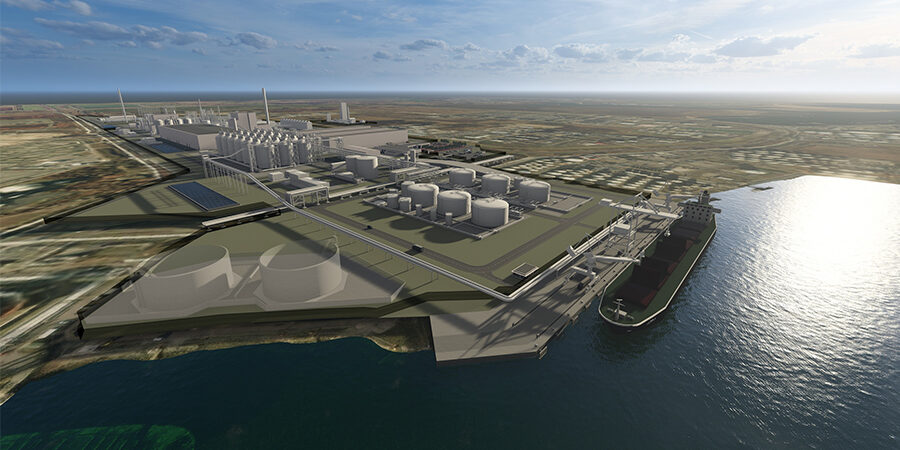
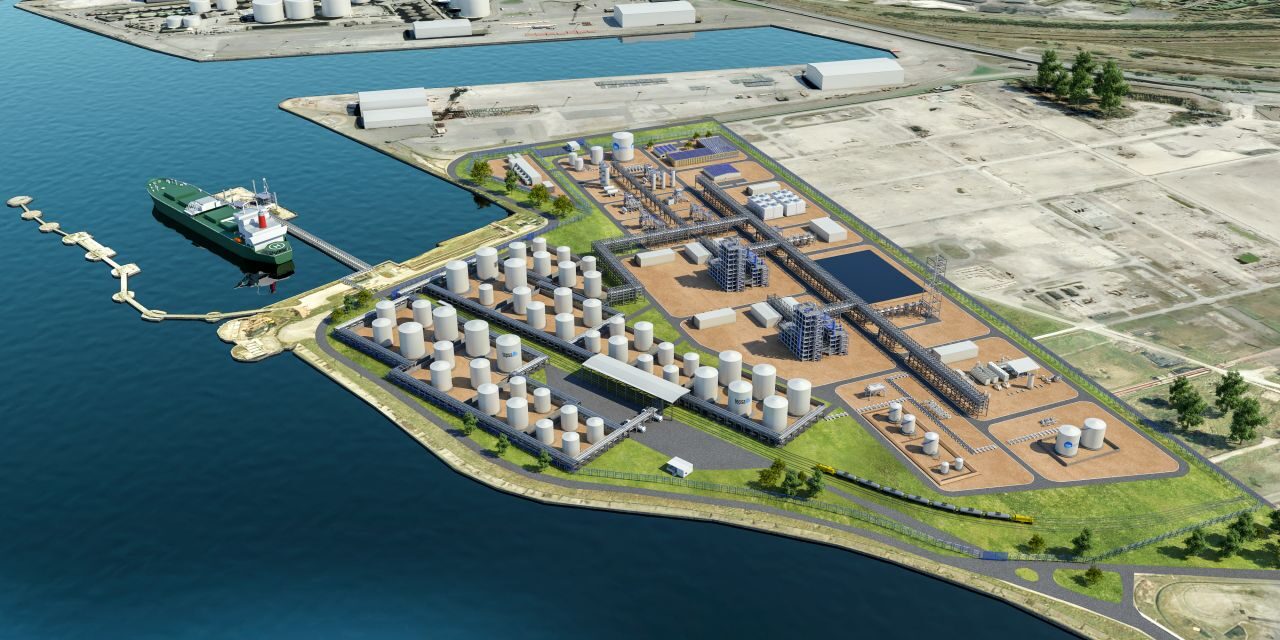
SkyKraft, the joint venture between SkyNRG and Swedish power producer Skellefteå Kraft, has secured approximately €21 million in funding from the Swedish Energy Agency through its Industriklivet Initiative to support development of a planned electro-sustainable aviation fuel (eSAF) facility at Näsudden in the Port of Skellefteå.

The funding, provided under the Industriklivet programme as part of the European Union’s Next Generation EU initiative, will help finance the next stage of feasibility work for the project, including engineering and design activities required ahead of a planned Final Investment Decision (FID) in 2027.

Image Source: SkyNRG

Once operational, the SkyKraft facility is expected to produce up to 130,000 tonnes of eSAF annually using renewable electricity and biogenic carbon dioxide. The project forms part of broader efforts to decarbonise the aviation sector and expand sustainable aviation fuel production capacity across Europe.

The grant comes amid continued financing pressures affecting several electrofuel developments across Europe. However, support from Industriklivet is seen as a sign of confidence in SkyKraft’s long-term commercial prospects, industrial partnerships, and business model. Industry demand for eSAF continues to grow, driven by European regulatory mandates and aviation sector emissions reduction targets.

SkyNRG Chief Executive Officer and Co-Founder Maarten van Dijk said the funding demonstrates support for projects capable of scaling sustainable aviation fuel production in Europe. He noted that while eSAF development remains capital intensive, long-term market fundamentals remain strong due to increasing demand for low-carbon aviation fuels.

Skellefteå Kraft Chief Executive Officer Joachim Nordin said the funding also highlights the strategic importance of the project for both Sweden’s industrial resilience and the aviation industry’s energy transition. According to Nordin, feasibility studies have confirmed that Näsudden offers favourable conditions for eSAF production, including access to renewable electricity, biogenic carbon dioxide, infrastructure, and regional industrial expertise.

Caroline Asserup, director general of the Swedish Energy Agency, said the project supports efforts to reduce reliance on imported fossil fuels while simultaneously strengthening domestic aviation fuel production and lowering emissions.

SkyKraft represents SkyNRG’s third major sustainable aviation fuel development project. It joins Project Wigeon in the United States, which focuses on renewable natural gas-to-SAF production, and DSL-01 in the Netherlands, a large-scale SAF facility that recently reached Final Investment Decision earlier this year.

Together, the projects reflect continued momentum in the global sustainable aviation fuel sector, particularly for developments backed by established industrial partners and supported by long-term regulatory demand.

For more information visit www.skynrg.com

Brock Group recognised for excellence in safety across 35 industrial sites

North American industrial specialty services contractor The Brock Group earned more Contractor Safety Achievement Awards than any other contractor this year, receiving recognition for exemplary performance at 35 sites from American Fuel & Petrochemical Manufacturers (AFPM). The awards were presented during AFPM’s National Occupational & Process Safety Conference held May 7th in San Antonio and recognise contractors demonstrating above-average safety performance in the domestic refining and petrochemical sectors.

The awards highlight Brock Group’s commitment to maintaining a strong safety culture across its operations in the United States and Canada. According to company leadership, the recognition reflects the collective efforts of field personnel, site teams, and management in prioritising safe work practices, operational excellence, and collaboration with clients.

Tristan Arthur, vice president of Health, Safety, Environment and Quality (HSEQ) at Brock Group, said the achievement demonstrates the organisation’s focus on safety leadership and accountability at every level of operations. He noted that the recognition also reinforces the importance of innovation and collaboration in maintaining high safety standards across industrial projects.

Nathan Prilop, director of HSEQ at Brock Group, stated that the AFPM recognition reflects the company’s “Bsafe” culture, where safety is embedded as a core organisational value rather than simply a workplace priority. He added that the award underscores Brock’s emphasis on protecting employees, customers, and surrounding communities.

The AFPM Contractor Safety Achievement Award is presented to contractors that log at least 20,000 work hours annually at an AFPM member facility while maintaining exceptional safety performance. To qualify, companies must avoid serious incidents such as fatalities, hospitalisations, amputations, major process safety failures, hazardous material exposures, or crane and rigging failures during the evaluation period. Contractors are also evaluated on documented safety initiatives, near-miss reporting systems, mentoring programmes, leadership development, and participation in programmes such as OSHA’s Voluntary Protection Program (VPP).

The Brock Group operates through several business units across North America, including AllSafe Services, Brinderson, Brock Industrial Services, Brock Services, and Schultz Industrial Services, all of which contributed to the company’s award-winning performance this year.

Sean G. McKinnon, director of HSEQ for Brock West, said the recognition reflects thousands of daily decisions made by field personnel to properly plan work, identify hazards, and maintain a culture where employees actively look out for one another to ensure safe operations.

Award-winning project locations included refinery, petrochemical, and chemical manufacturing facilities operated by companies such as Marathon Petroleum, Chevron, ExxonMobil, Phillips 66, Valero, LyondellBasell, CITGO, Chevron Phillips Chemical, and Cenovus across multiple US states.

With more than 13,000 employees and nearly 80 years of industry experience, The Brock Group provides industrial services including scaffolding, insulation, coatings, asbestos abatement, and mechanical services to customers in the petrochemical, refining, power generation, manufacturing, and infrastructure sectors throughout the United States and Canada. The company was recently ranked No. 24 among the top 600 specialty contractors by Engineering News-Record.

For more information visit www.brockgroup.com

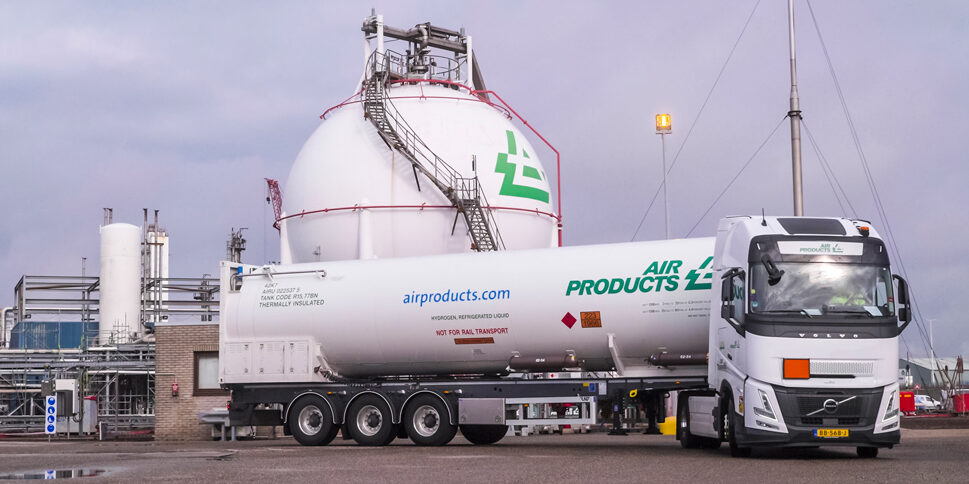
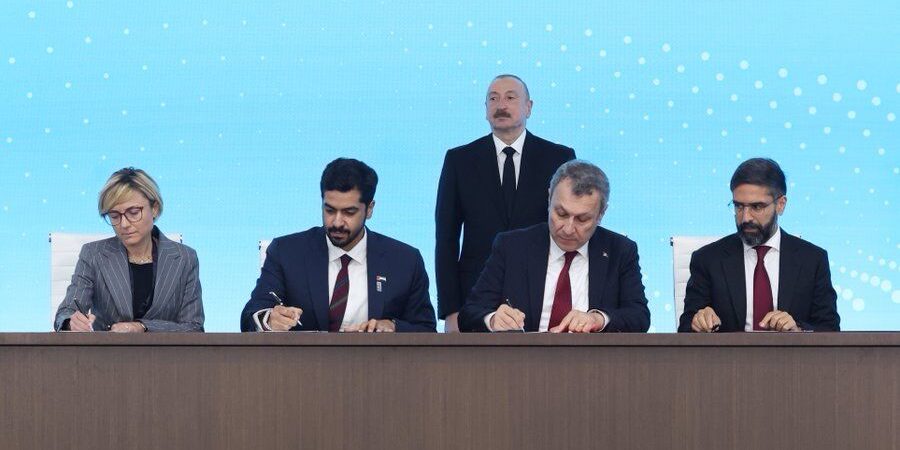
HES International and North Atlantic sign MoU to develop LOHC Hydrogen Import Route via Wilhelmshaven

HES International (HES) and Canadian energy company North Atlantic, signed a Memorandum of Understanding (MoU) today to jointly develop an LOHC (Liquid Organic Hydrogen Carrier)-based hydrogen import route via the Port of Wilhelmshaven.

The signing took place in Berlin in the presence of Olaf Lies, Minister-President of the State of Lower Saxony. The agreement marks another significant step in the development of Wilhelmshaven as a strategic hub for the European hydrogen economy.

As the operator of the liquid bulk terminal at the port, HES International will explore how its existing assets can be repositioned and future-proofed to facilitate the import, storage, and distribution of hydrogen in LOHC form; contributing to the long-term decarbonisation of industrial energy supply in Germany and beyond.

The partnership between HES International and North Atlantic reflects the broader group strategy of HES to leverage its European terminal portfolio as a foundation for the energy transition. This MoU represents a first concrete step in translating that ambition into cross-border, transatlantic collaboration.

“Wilhelmshaven is one of Europe’s most strategically positioned energy gateways. This MoU with North Atlantic reflects our commitment to PROGRESS 2030 — repurposing proven infrastructure for next-generation energy carriers, and creating lasting value for our partners, our people, and the regions we serve.” — Paul van Gelder, CEO HES International

“North Atlantic’s strategic location, experience and infrastructure place us in an excellent position to lead Canada’s hydrogen exports to Europe. Our planned wind-to-hydrogen development is strengthened by our partnership with HES and connects Newfoundland and Labrador directly to Germany and the Port of Wilhelmshaven.” — Ted Lomond, President & CEO North Atlantic

“We support this project because it is good for the energy transition, advances the hydrogen ramp-up, strengthens European resilience, and reinforces Wilhelmshaven as a business location. By establishing a transatlantic import chain, an innovative approach is being pursued to bring large volumes of climate-neutral hydrogen to Europe safely and efficiently. The fact that this project is to be realised via Wilhelmshaven underlines the strategic importance of our state as an energy hub.” — Grant Hendrik Tonne, Minister for Economic Affairs, Transport and Construction of the State of Lower Saxony

LOHC technology enables hydrogen to be transported and stored safely in liquid form using existing infrastructure, making it a promising solution for large-scale hydrogen imports into Europe. Wilhelmshaven, with its deep-sea port access and established energy infrastructure, is uniquely positioned to serve as a gateway for such imports.

For more information visit www.hesinternational.eu/en/

Essar Energy Transition advances Stanlow sustainable aviation fuel hub

Essar Energy Transition (EET) has completed the Pre-Front End Engineering Design (Pre-FEED) stage for its planned Stanlow Methanol-to-Jet (MtJ) sustainable aviation fuel (SAF) project, marking a significant milestone in the development of one of the UK’s largest advanced SAF production hubs.

The proposed facility, which will be integrated into the Stanlow refinery complex in northwest England, is designed to produce more than 200,000 tonnes of SAF annually using approximately 550,000 tonnes of renewable e-methanol and bio-methanol feedstock.

According to EET, integrating the MtJ facility within the existing refinery infrastructure will enable on-site blending of SAF with conventional jet fuel while utilising established export and logistics networks, including the Manchester Jet, Midlands, and UKOP pipeline systems, as well as existing road and marine transport routes. This infrastructure is expected to support direct supply to major UK airports and airlines.

The Pre-FEED phase was partially funded through a grant of up to £2.5 million from the UK Government’s Department for Transport under the Advanced Fuels Fund programme. The engineering study, completed in partnership with Genesis, evaluated technical and commercial aspects of the project, including site suitability, technology readiness, refinery integration, environmental compliance, and carbon intensity performance.

EET said the study confirmed that the Stanlow Manufacturing Complex is capable of supporting the facility and identified no major barriers to permitting or consenting. The company also highlighted strong market interest in renewable methanol supply and significant opportunities to reduce costs and carbon intensity through integration with existing refinery and terminal infrastructure.

The project is now expected to move into the Front-End Engineering Design (FEED) phase later this year, with a final investment decision targeted for early 2028. EET also plans to seek participation in the UK SAF Revenue Certainty Mechanism (RCM), which is intended to support long-term SAF production in the country.

The Stanlow MtJ project forms part of Essar Energy Transition’s broader multi-billion-dollar investment programme focused on low-carbon energy initiatives across northwest England. The company said the facility is expected to play a key role in helping meet the UK’s SAF mandate, which requires sustainable aviation fuel to account for 22 percent of total jet fuel demand by 2040.

For more information visit www.essarenergytransition.com

LiqTech secures largest QlariFlow™ Pool Project to date in Den Helder through partnership with Lotec

LiqTech International, Inc., a clean technology company specialising in advanced ceramic filtration solutions, has announced its largest commercial pool project to date with the installation of five QlariFlow™ systems at Aquacentrum Den Helder in the Netherlands. The project has been secured in partnership with Lotec, a specialist in commercial pool engineering and water treatment solutions and LiqTech’s exclusive distributor in the BENELUX region.

The project includes five QlariFlow™ systems and two AutoCIP units, incorporating a total of 56 silicon carbide membranes. The first three systems were installed in January 2026, with the remaining systems scheduled for installation in August 2026.

Aquacentrum Den Helder is a municipal aquatic facility where space constraints and limited access required a compact and adaptable filtration solution. QlariFlow™ was selected for its ability to integrate within these constraints while maintaining high filtration performance and operational reliability.

“This project demonstrates how QlariFlow™ can be deployed in complex pool environments where footprint and system accessibility are critical,” said Phillip Myllerup Aslerin, business development director, Pool Systems at LiqTech. “Our ceramic membrane technology enables a compact and modular system design while maintaining consistent filtration performance and operational stability. This project reflects our focus on scaling the commercial pool business through larger system deployments.”

The partnership with Lotec has been instrumental in delivering the project. Under a formal distribution agreement, Lotec holds exclusivity for LiqTech’s pool solutions across the BENELUX region and provides system design, engineering, and project execution.

“Our partnership with LiqTech introduces ceramic membrane filtration to a wider range of commercial pool operators in the BENELUX region,” said Raymond Visser, CEO, Lotec, and Erik Büter, sustainability specialist, Lotec. “Facilities such as Aquacentrum Den Helder require solutions that address physical constraints while meeting performance requirements. QlariFlow™ meets these requirements, and we expect continued adoption across municipal and commercial projects in the region.”

LiqTech’s QlariFlow™ systems are based on silicon carbide ceramic membrane technology, delivering precise filtration and stable water quality while reducing reliance on traditional chemical-intensive processes. The system is designed to meet the operational and regulatory requirements of public and commercial pool environments and to support efficient long-term operation.

The Den Helder project reflects growing adoption of advanced filtration technologies in municipal aquatic infrastructure, where operators are prioritising system performance, operational efficiency, and reliability. Across the BENELUX region, this shift is driving demand for compact, high-performance filtration systems in both new-build and retrofit projects.

Building on this momentum, LiqTech recently secured its first commercial pool order in the United States, with three QlariFlow™ systems to be installed at the Weston County School District #1 Aquatic Center in Newcastle, Wyoming. The order was secured in collaboration with Treatment Specialties, Powered by North American Filtration, LiqTech’s US pool partner. The United States represents one of the world’s largest markets for public and commercial swimming pools, and this installation marks LiqTech’s first entry into US institutional aquatic infrastructure, establishing an important reference for the QlariFlow™ platform in a highly regulated market.

More recently, LiqTech secured a record order for 10 QlariFlow™ systems at the Plumpton Aquatic and Leisure Centre in Victoria, Australia, surpassing the scale of the Den Helder project. Delivered in collaboration with Waterco Limited, the all-electric facility is targeting 5 Star Green Star certification and is expected to become Australia’s first community aquatic centre to use LiqTech ceramic membrane filters, further demonstrating growing global demand for QlariFlow™.

Across the Netherlands, the United States, and Australia, LiqTech is converting a growing international pipeline into reference installations, each reinforcing the commercial viability of QlariFlow™ in regulated public and institutional aquatic environments. With regional partnerships in place and a track record of successful deployments, the company is positioned to accelerate adoption of ceramic membrane filtration in commercial pool markets globally.

For more information visit www.liqtech.com

Phillips 66 announces Zeus Gas Plant and a third Coastal Bend Fractionator, advancing integrated wellhead-to-market strategy in the Permian and on the Gulf Coast

Phillips 66 has announced plans to proceed with the development of the Zeus Gas Plant and a third Coastal Bend Fractionator, two projects aimed at strengthening the company’s integrated wellhead-to-market strategy by expanding gas processing capacity in the Permian Basin and natural gas liquids (NGL) fractionation capabilities along the Gulf Coast.

The Zeus Gas Plant will be a 300 MMcf/d gas processing facility located in the Permian Basin. The project will also include the new Midland Express (MEX) Pipeline, an approximately 45-mile, 20-inch pipeline designed to integrate Phillips 66’s Permian Basin gathering systems. Expected to begin operations alongside the Zeus plant, the MEX Pipeline will have the capacity to transport up to 230 MMcf/d of wellhead gas while providing future bi-directional flexibility between multiple processing facilities.

The third Coastal Bend Fractionator, previously referred to as the Corpus Christi Fractionator or BTT2, will be a 100 MBD NGL fractionation facility located in Robstown, Texas. The development will also include NGL purity pipeline expansions and additional water treatment infrastructure.

Both projects are scheduled to come online in 2028.

According to Phillips 66, the projects are intended to improve system connectivity, increase processing and fractionation capacity, and support rising production volumes from the Permian Basin. The company said the investments will enhance its ability to transport growing Permian output through an integrated midstream network to downstream assets and key market hubs.

The Zeus Gas Plant and third Coastal Bend Fractionator are included within Phillips 66’s existing capital spending program and remain within the company’s stated capital expenditure range of $2.0 billion to $2.5 billion. The company also reaffirmed its commitment to reducing debt to $17 billion by the end of 2027 while returning more than 50% of net operating cash flow, excluding working capital, to shareholders.

Phillips 66 noted that the projects are expected to support increasing production from customer-dedicated acreage in the Permian Basin by providing the additional processing and fractionation capacity needed to efficiently move higher volumes through its integrated system over the coming years.

For more information visit www.phillips66.com

Royal Vopak CEO joins Dutch-India CEO roundtable with Prime Ministers Modi and Jetten

Royal Vopak CEO Dick Richelle participated in a high-level CEO roundtable bringing together Prime Minister Narendra Modi of India and Dutch Prime Minister Rob Jetten alongside senior business leaders from both countries. The gathering highlighted the deepening bilateral relationship between India and the Netherlands.

Richelle’s presence at the roundtable reflects Royal Vopak’s growing footprint in the Indian market. Through its joint venture with Aegis Logistics Limited, Aegis Vopak Terminals Limited (AVTL), the company has built what it describes as India’s largest third-party LPG and liquid storage operation. AVTL currently manages approximately 1.7 million cubic meters of liquid storage and 225,000 MT of LPG storage capacity across six strategic Indian ports — a figure that represents 2.5 times growth over the past four years.

Among its most notable upcoming developments is India’s largest refrigerated LPG terminal, currently under construction at Jawaharlal Nehru Port Authority (JNPA), underscoring AVTL’s ambition to scale its infrastructure in line with India’s expanding energy needs.

Royal Vopak views India as a key long-term growth market, citing the country’s continued economic development and increasing market openness as central to its strategic outlook. The company reaffirmed its commitment through AVTL to supporting India’s broader energy ambitions.

The CEO roundtable represents one of several high-level engagements aimed at strengthening trade and investment ties between the Netherlands and India.

For more information visit www.vopak.com
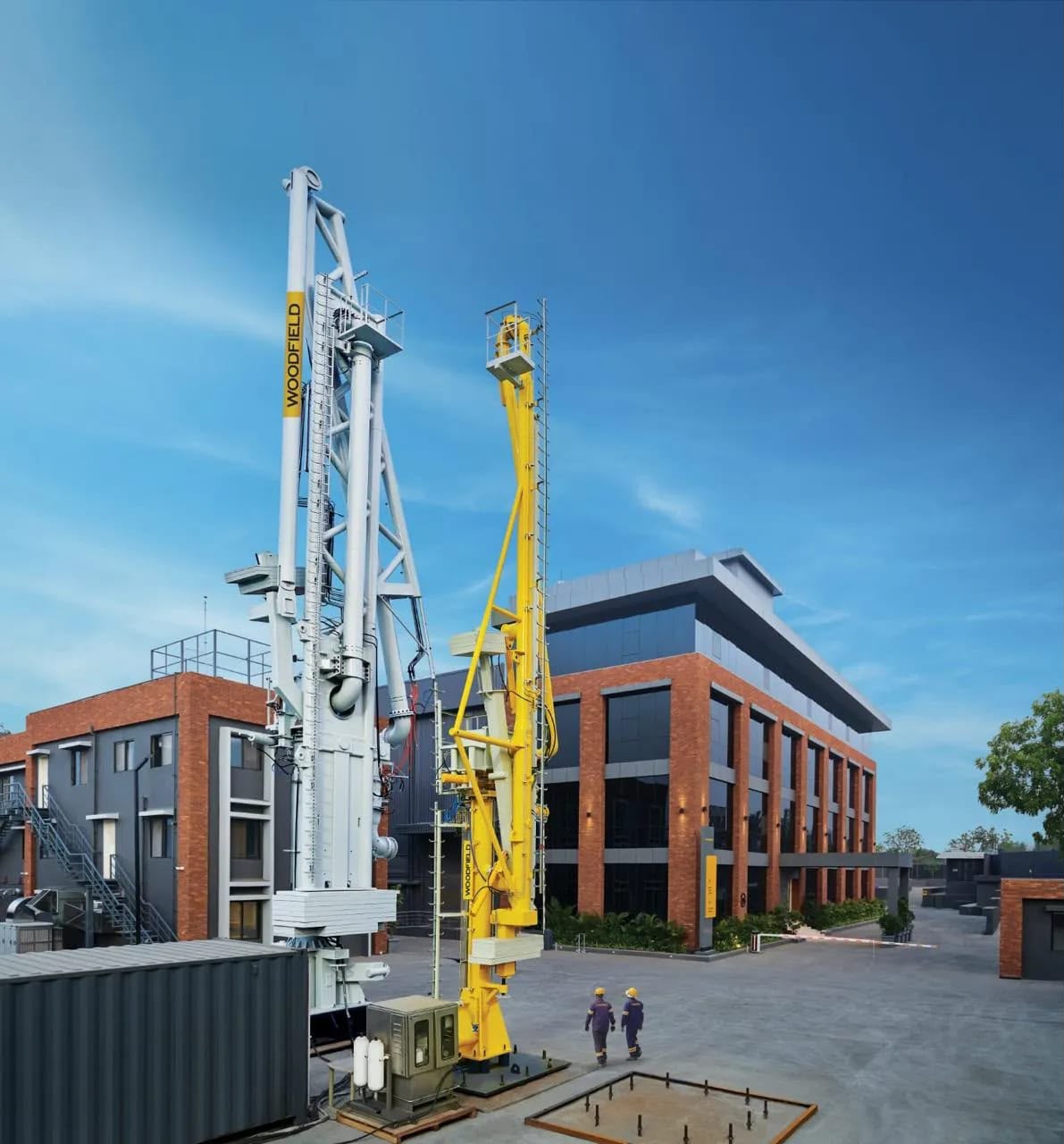
Glenfarne Alaska LNG and ConocoPhillips sign long-term gas supply agreement for Alaska LNG project

Glenfarne Group subsidiary Glenfarne Alaska LNG LLC and ConocoPhillips Alaska have signed a gas sales precedent agreement to supply natural gas from Alaska’s North Slope for Phase One of the Alaska LNG project.

The thirty-year agreement establishes the commercial framework for ConocoPhillips to supply natural gas to the project and marks a significant milestone for the development. According to the companies, Alaska LNG has now secured sufficient precedent agreements to support a Phase One final investment decision while providing enough natural gas to meet Alaska’s long-term energy needs.

Glenfarne is advancing the Alaska LNG project in two financially independent phases to accelerate execution and development timelines. Phase One includes the construction of a 739-mile, 42-inch natural gas pipeline designed to transport gas from the North Slope to consumers across Alaska. The pipeline is intended to strengthen long-term energy security and help address expected supply shortages linked to declining production in the Cook Inlet region.

Phase Two of the project will involve the development of LNG export facilities in Nikiski, expanding the project’s reach into international energy markets.

With the new agreement in place, Alaska LNG now has supply agreements with all three major North Slope producers, including ConocoPhillips, ExxonMobil, and Hilcorp Alaska, as well as Great Bear Pantheon LLC, a subsidiary of Pantheon Resources plc.

Adam Prestidge, president of Glenfarne Alaska LNG, stated that the participation of all major North Slope producers provides sufficient natural gas volumes to support a Phase One final investment decision. He added that the agreement with ConocoPhillips represents an important step toward enhancing Alaska’s long-term energy security and advancing a transformational infrastructure project for the state.

ConocoPhillips Alaska President Erec Isaacson said the company remains committed to developing Alaska’s energy resources for the long-term benefit of Alaskans. He noted that participation in the Alaska LNG project supports reliable access to responsibly produced North Slope natural gas while complementing the company’s ongoing investments in the region.

For more information visit www.glenfarnegroup.com
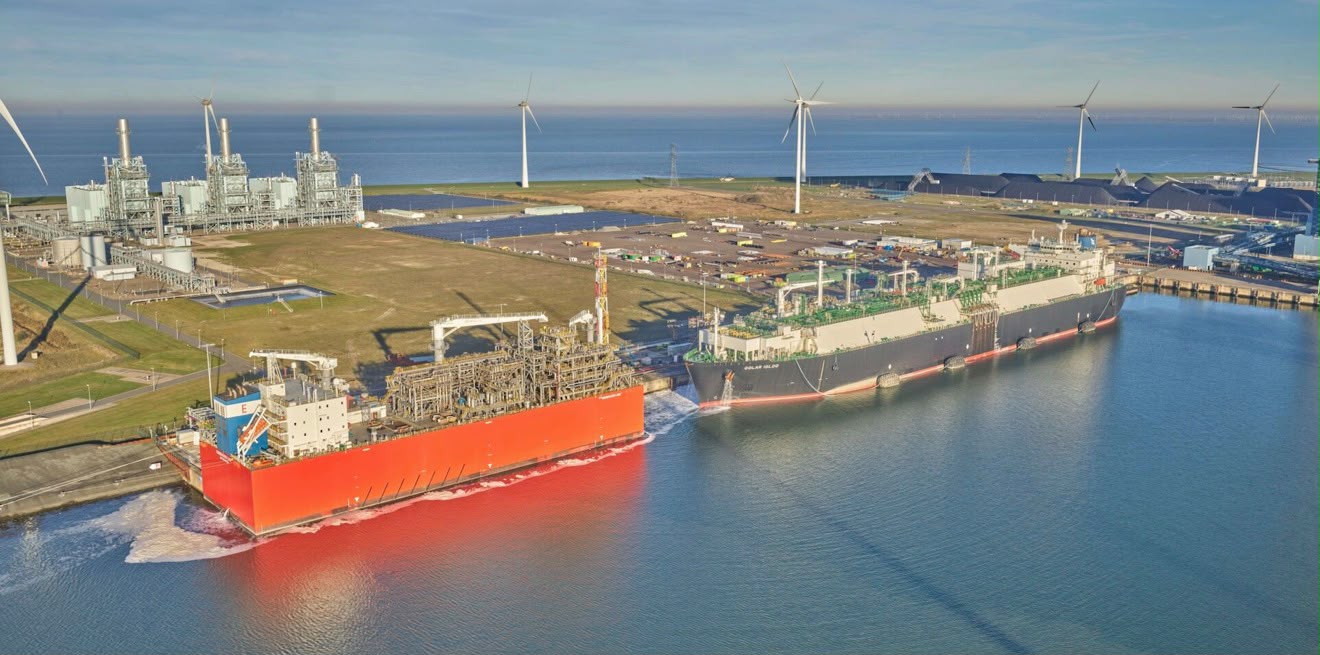
Gibson Energy closes $400M Chauvin acquisition and advances Hardisty Connection Project

Gibson Energy Inc.has completed its previously announced acquisition of Teine Energy Ltd.’s Chauvin Infrastructure Assets in a transaction valued at $400 million.

The acquisition includes a crude oil gathering pipeline system and related infrastructure linking Chauvin to the Hardisty oil hub, expanding Gibson Energy’s strategic presence in the region and strengthening its portfolio of contracted infrastructure assets.

According to the company, the newly acquired assets are supported by long-term take-or-pay and area-of-dedication agreements with Teine Energy, reinforcing the stability and predictability of future cash flows.

Riley Hicks, senior vice president and chief financial officer of Gibson Energy, described the acquisition as a significant milestone for the company, noting that it strengthens Gibson’s ability to deliver services to customers connected to its core Hardisty terminal operations. He added that the company’s immediate focus will shift toward integration efforts and maintaining safe and reliable service delivery while advancing strategic growth initiatives aimed at creating long-term shareholder value.

Alongside the completion of the transaction, Gibson Energy has sanctioned the Hardisty Connection growth project, which will directly connect the Chauvin Infrastructure Assets to the company’s main Hardisty terminal. The project is expected to improve connectivity and operational flexibility for customers in the region.

The company also stated that it expects to sanction a future Chauvin pipeline expansion project by the end of 2026. The expansion would increase the pipeline’s effective capacity from 30,000 barrels per day to approximately 45,000 barrels per day.

The acquisition was funded through a combination of proceeds from Gibson Energy’s previously completed $215 million bought-deal equity offering and drawdowns under the company’s existing credit facility.

Prior to closing, the transaction received regulatory clearance from the Canadian Competition Bureau, which issued a no-action letter on April 30th, 2026, confirming that no application would be made under Section 92 of the Competition Act in relation to the deal.

For more information visit www.gibsonenergy.com
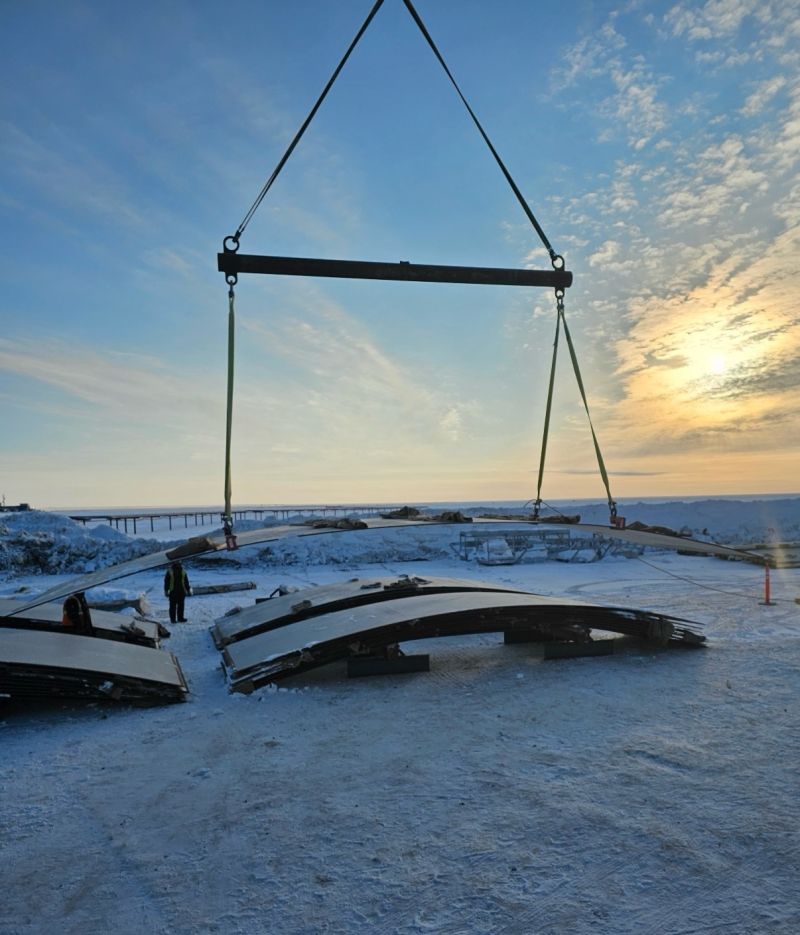
INEOS and Shell agree to progress new oil and gas opportunities in the Gulf of America

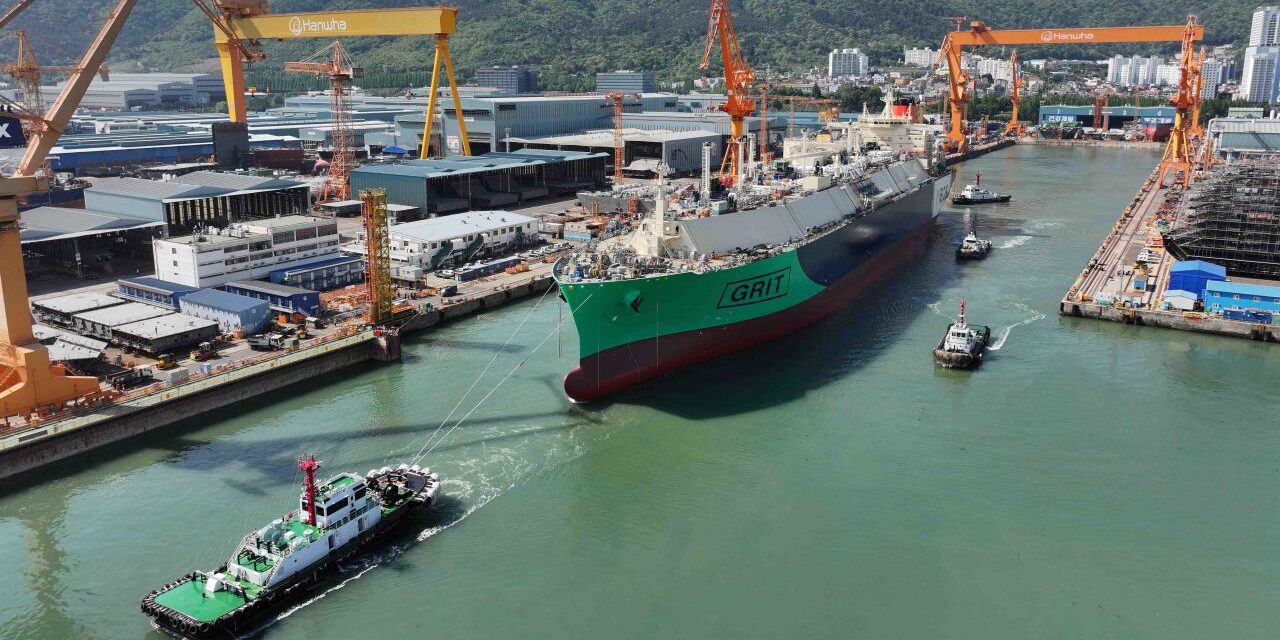
INEOS Energy and Shell Offshore Inc., a subsidiary of Shell plc, have agreed to jointly invest in exploration and development opportunities aimed at strengthening their collaboration and supporting long-term energy security in areas within tieback distance of the Appomattox platform in the Gulf of America. As part of the agreement, INEOS will acquire a 21 percent working interest for an undisclosed amount, aligning with its existing ownership stakes in Appomattox, Rydberg, the recent Nashville discovery, and the Mattox pipeline.

The agreement will initially focus on three exploration and production opportunities, including Shell’s pre-final investment decision (pre-FID) Fort Sumter discovery, the drilling of the Sisco exploration well, and an additional exploration well targeted for completion by the end of 2030.

The partnership supports INEOS Energy’s broader growth strategy, which includes established positions in the Gulf of America, Eagle Ford South Texas, offshore Denmark, and the UK Continental Shelf. It also further strengthens collaboration with Shell in pursuing future growth and expansion opportunities.

INEOS Energy stated that the agreement is intended to help unlock additional value from the Appomattox host platform. The collaboration will build on existing infrastructure by integrating the early production assets of Appomattox and Rydberg with the current pipeline network to deliver high-margin production.
David Bucknall, CEO of INEOS Energy, said the partnership with Shell represents a natural progression for both companies, with a focus on opportunities near existing infrastructure that can accelerate development timelines, manage costs, and increase production. He added that the strategy reflects disciplined growth through targeted exploration, shared risk, and long-term returns while supporting energy security objectives.

The agreement marks another step in INEOS Energy’s strategy to expand its global upstream portfolio while maintaining capital discipline and leveraging partnerships with leading operators.

For more information visit www.ineos.com

Fornovo Gas joins Burckhardt Compression

Fornovo Gas has announced a significant milestone in its corporate development following the signing of an agreement for its acquisition by Burckhardt Compression.

The acquisition marks the beginning of a new phase of growth, international expansion, and industrial continuity for the Italian compression technology company headquartered in Traversetolo, Parma.

Founded in 1969, Fornovo Gas has established a strong international presence through its expertise in reciprocating compressors and integrated compression systems. Over more than five decades, the company has developed technologies and solutions for natural gas, biogas, CO₂, hydrogen, and technical gas applications, serving customers across multiple energy and industrial sectors.

The company has built its reputation on technical specialisation, flexibility, customer proximity, and the ability to deliver configurable and reliable compression solutions tailored to specific operational requirements. In particular, Fornovo Gas has strengthened its position within the European biogas and compressed natural gas markets.

Burckhardt Compression, founded in 1844 and headquartered in Winterthur, Switzerland, is recognised globally as a leader in reciprocating compressor systems and related services. The company reported record financial results in fiscal year 2024, surpassing CHF 1 billion in revenue for the first time. Burckhardt Compression Holding AG has been listed on the SIX Swiss Exchange since 2006.

Through the acquisition, Fornovo Gas will become part of a global industrial organisation with an extensive international footprint and deep expertise in compression technology. The transaction is expected to create new opportunities for expanding the reach of Fornovo Gas’ products, services, and technical know-how while maintaining the company’s identity and customer-focused approach.

The move is also expected to support Fornovo Gas’ continued growth within the evolving energy transition landscape, particularly through the development of compression solutions for renewable and low-carbon gas applications.

Dr. Ferdinando Bauzone, CEO of Fornovo Gas, described the agreement as a key milestone for the company, highlighting the opportunities for international development, technological advancement, and long-term growth supported by Burckhardt Compression’s global capabilities and industrial strength.

The acquisition is expected to be completed within the next two months. Additional details are scheduled to be presented by Burckhardt Compression during its Annual Media and Analyst Conference on June 4th, 2026.

Further information is available via Fornovo Gas

i6 analysis highlights rising fuel costs and supply risks for global airlines

A new analysis from i6 Group highlights the growing operational and financial impact of the ongoing Middle East conflict on the global aviation sector, with airlines facing billions of dollars in additional fuel costs ahead of the peak summer 2026 travel season.

According to the Day 60 assessment prepared by the i6 Data Team, prolonged rerouting around affected Middle East airspace has already added an estimated $2.6 billion to $3.9 billion to global airline fuel bills. If disruptions continue through the summer period from May to August, the report projects industry-wide additional fuel costs could rise to between $5.6 billion and $8.4 billion.

The report is based on operational fueling data collected across nearly 300 airports worldwide where i6 has digitized into-plane fueling operations.

The analysis shows that airlines operating Europe-to-Asia and Europe-to-East Africa routes are being forced to fly longer distances, significantly increasing fuel consumption and operational costs. Narrowbody aircraft have experienced the largest proportional increase in fuel uplift requirements, with average fuel loads per flight rising by 9.3% compared to pre-conflict levels.

At the same time, European airport fuel inventories have risen sharply. Average fuel book stocks across monitored airports were reported to be 62.2% higher than April 2025 levels, while the regional fuel supply-demand surplus increased from 6% in April 2025 to 17% in April 2026.

According to the report, the elevated stock levels reflect precautionary purchasing and strategic fuel storage rather than reduced supply availability. Operators are continuing to build reserves amid concerns over potential supply disruptions linked to constrained shipping routes and uncertainty surrounding the Strait of Hormuz.

The data also points to a major shift in fueling activity within the Middle East itself. Fuel demand across the region fell by 49.2% year-on-year between February and April 2026, with 32 airlines fully suspending fueling activity at Middle East airports and 72 airlines reducing activity levels by more than 50%.

Despite the disruption in the region, overall global flight demand has remained relatively stable. The report notes that airlines are largely continuing to serve the same destinations but are relying on significantly longer flight paths to avoid conflict zones.

In addition to the financial impact, the rerouting is contributing to substantially higher aviation emissions. i6 estimates that rerouted flights are generating an additional 415,373 tonnes of CO₂ emissions per month across the i6 network alone. Industry-wide estimates place the monthly increase between 4.1 million and 6.2 million tonnes of additional CO₂ emissions.

The report warns that the summer travel season could intensify pressure on fuel supply chains, particularly if Gulf hub activity rebounds while regional supply infrastructure remains constrained.

i6 stated that all findings are based on anonymized and aggregated operational data and are intended to provide insight into aviation fuel trends during the ongoing disruption.

For more information visit i6 Group.

John Kraakman appointed as member of the Supervisory Board HES International

HES International has announced the appointment of John Kraakman to its Supervisory Board, effective 12th May 2026.

The appointment strengthens the Board with extensive sector expertise and more than two decades of executive leadership experience within the liquid bulk storage industry.

Kraakman is widely recognised for his leadership at Chane Terminals, formerly Koole Terminals, where he served as CEO and oversaw significant business growth. During his tenure, the company managed 21 liquid bulk terminals across Europe and expanded its activities into sustainable fuels and integrated supply chain services.

His experience in operational excellence, strategic transformation, and customer diversification is expected to support HES International as the company advances its long-term strategic ambitions and Progress 2030 agenda.

The appointment comes at a pivotal stage for HES International as the company continues to strengthen its position within the energy and bulk storage sectors while supporting the ongoing energy transition.

Søren Skou, chairman of the Supervisory Board, stated that Kraakman’s deep industry knowledge and leadership experience would provide valuable support as HES International continues executing its strategic plans and future growth initiatives.

For more information visit HES International.

Technip Energies receives full notice to proceed on major EPC contract with Commonwealth LNG in the United States

Technip Energies has received full notice to proceed (FNTP) for a major Engineering, Procurement, and Construction (EPC) contract awarded by Commonwealth LNG, a Caturus company, for the development of its 9.5 million tonnes per annum (Mtpa) liquefied natural gas export facility in Cameron Parish, Louisiana, United States.

The FNTP follows the project’s Final Investment Decision (FID), enabling Technip Energies to move from preliminary activities into the full execution phase of the project.

Under the contract, Technip Energies will deliver six identical liquefaction trains using its proprietary SnapLNG by T.EN™ modular solution. The standardised design approach is intended to accelerate project delivery, improve cost efficiency, and enhance scalability and predictability throughout execution.

The award further strengthens Technip Energies’ position within the global LNG sector, where the company has contributed to more than 20 percent of the world’s operational LNG capacity through previous project deliveries.

The Commonwealth LNG facility is expected to play an important role in supporting reliable LNG supply and contributing to global energy security, while also highlighting the continued adoption of modular LNG technologies within large-scale export developments.

Technip Energies classified the award as a “major” contract, representing revenue above €1 billion, and confirmed it was recorded in the company’s Q2 2026 Project Delivery segment.

For more information visit Technip Energies.

Constellation and Pine Creek RNG announce equity purchase agreement in RNG facilities

Constellation and Pine Creek RNG have announced a long-term agreement aimed at expanding renewable natural gas (RNG) production capacity across the United States.

As part of the agreement, Constellation will acquire a minority equity interest in five operational Pine Creek RNG facilities located in Washington, Utah, Iowa, and Illinois. The existing portfolio currently produces approximately 1.5 million MMBtus of RNG annually.

The collaboration also establishes a framework for the joint development of additional RNG projects capable of generating approximately 3.0 million MMBtus per year, further supporting growing demand for sustainable energy solutions.

The partnership reflects Constellation’s continued focus on advancing decarbonisation initiatives and expanding access to lower-carbon energy products for customers. Through the agreement, Constellation will also market the RNG production and associated environmental attributes, strengthening its ability to align renewable gas supply with customer demand.

Pine Creek RNG noted that the partnership represents a significant milestone for the company as it continues to scale its renewable energy operations and accelerate project development.

Renewable natural gas is produced from the decomposition of organic materials, including landfill waste, wastewater treatment processes, and agricultural or industrial digesters. After purification, RNG can be injected into interstate pipeline networks and used similarly to conventional natural gas, including for power generation and transportation fuel applications.

More information is available at Constellation and Pine Creek RNG.

OpenTAS and Beijer Electronics partner to advance connected terminal operations

OpenTAS has announced a new technology partnership with Beijer Electronics, further strengthening the OpenTAS ecosystem and advancing digital transformation within terminal operations.

The collaboration integrates OpenTAS with Beijer Electronics’ rugged X3 extreme HMIs, enabling real-time visibility and seamless communication across field operations. Designed for demanding industrial environments, the solution provides operators with an intuitive interface for reliable data capture, workflow confirmation, and direct system feedback.

By connecting field activities with centralised operational systems, the partnership supports terminals in accelerating their journey toward connected, data-driven operations and improved operational efficiency.

The integration highlights a shared commitment to delivering robust and innovative technologies that enhance operational transparency, reliability, and digitalization across the industry.

More information about OpenTAS partnerships is available here: OpenTAS Partnerships

EET Hydrogen & Power appoints new Chief Executive

Essar Energy Transition has announced the appointment of Ruth Herbert as chief executive officer of EET Hydrogen & Power, succeeding Joe Seifert, who is departing to return to the investment banking sector.

Herbert brings extensive experience from senior roles across government and industry. She most recently served as CEO of the Carbon Capture and Storage Association (CCSA), where she played a key role in securing policy frameworks and funding for the UK’s first industrial decarbonisation clusters. Her background in energy policy spans nearly two decades in the public sector, including work on the first government negotiations on CCS and delivery of the Electricity Market Reform (EMR) programme at the Department of Energy and Climate Change (DECC)The appointment comes as EET Hydrogen & Power approaches Final Investment Decision (FID) on its flagship HPP1 project, positioning Herbert to lead the business through what the company describes as a critical next phase of delivery.

Prashant Ruia, CEO of Essar Energy Transition, said Herbert’s track record in the sector was “considerable” and that she had already been involved in shaping the company’s vision for a low-carbon energy hub in the North West of England. He also paid tribute to outgoing CEO Joe Seifert, crediting his leadership with establishing EET Hydrogen & Power as the UK’s leading hydrogen project.

Herbert said she would focus on maintaining momentum and working with partners and the UK Government to deliver the low-carbon hydrogen she described as vital to the country’s industrial future.

Please click here to find out more: www.eethydrogen.com

J. de Jonge TankX wins Vopak Contractor Safety Award 2026

J. de Jonge Group B.V. announced that its TankX division has received the Vopak Contractor Safety Award 2026 at Vopak Energy Terminal Europort in recognition of extensive tank maintenance projects completed at the site.

According to the company, the award highlights the performance of the TankX site team, whose focus on safe execution, operational discipline, and accountability contributed to the recognition.

J. de Jonge Group said the achievement also reflected strong collaboration between contractors and the Vopak tank team, emphasizinging the importance of shared responsibility in maintaining high contractor safety standards across industrial operations.

The company noted that continued vigilance, cooperation, and attention to detail remain essential to ensuring safe and effective project execution during large-scale tank maintenance activities.

J. de Jonge Group added that the recognition reinforces its commitment to workplace safety and ensuring personnel return home safely each day following operations at industrial and energy infrastructure sites.

For more information visit www.jdejonge.com

FARO CREAFORM’s HandySCAN 3D EVO Series wins Red Dot Award for product design

FARO Technologies’s Creaform business, a provider of 3D scanning and portable CMM solutions, has announced that its HandySCAN 3D EVO Series handheld 3D scanner has received the prestigious Red Dot Award: Product Design.

Recognised for more than 70 years as a global benchmark for design excellence, the Red Dot Awards are regarded as one of the industry’s most respected seals of quality and innovation. Thousands of entries are submitted annually across categories including Product Design, Brands & Communication, and Design Concept. This year’s recognition marks the sixth Product Design award for the HandySCAN 3D lineup, further underscoring FARO Creaform’s emphasis on innovation, usability, and industrial-grade design.

According to Fanny Truchon, president and chief executive officer of FARO Creaform, the award reflects the company’s commitment to combining high-end performance, intuitive usability, and distinctive industrial design in its handheld 3D scanning solutions. She noted that the HandySCAN 3D EVO Series demonstrates the company’s focus on delivering accurate and precise 3D metrology solutions that remain user-friendly across a broad range of shop-floor applications.

The HandySCAN 3D EVO Series features a compact and lightweight design with a 4.3-inch touchscreen display that enables real-time visualization, greater mobility, and improved operational efficiency. Its ergonomic graphical user interface streamlines inspection workflows by reducing the need for users to move between the scanned part and a connected laptop.

The scanner also incorporates three mechanical navigation buttons, a directional distance indicator, and a single rugged industrial push-pull connector designed for secure connectivity and balanced weight distribution.

Marco St-Pierre, DVP Innovation 3D Scanners at FARO Creaform, highlighted the scanner’s visual and ergonomic refinements, including its large touchscreen, heatsink protector grid, trapezoid camera covers, textured handle, and matte anti-slip finish, which collectively contribute to both durability and aesthetics.

Entries for the Red Dot Awards are evaluated annually by a jury of 40 international experts, who assess submissions based on criteria such as innovation, functionality, ergonomics, and overall design quality.

For more information visit www.creaform3d.com

Phillips 66 honoured with safety award

Phillips 66 has been recognised by the American Petroleum Institute (API) with the 2025 Distinguished Pipeline Safety Award in the Extra-Large Operator category, highlighting the company’s performance in pipeline safety and operational management.

The award was presented during the 2026 API Pipeline Conference and Expo in Aurora, Colorado, where Phillips 66 was honoured alongside winners in the small, medium and large operator categories. The recognition follows a peer-reviewed application and evaluation process focused on safety performance, operational reliability and initiatives that contribute to improving industry standards.

According to Phillips 66, the award reflects the company’s emphasis on building a strong safety culture centred on accountability, operational discipline and continuous improvement. The company said its safety approach prioritises adherence to procedures, reporting of near misses, workforce engagement and ongoing learning to help prevent incidents across its pipeline systems.

Todd Tanory accepted the award on behalf of the company and said the recognition reflected the work of employees and contractors involved in daily operations, including field operators, technicians, control centre personnel, engineering teams and health and safety specialists.

Phillips 66 was specifically recognised for its implementation of API Recommended Practice 1173, the industry standard for pipeline safety management systems, as well as its efforts to adopt API Recommended Practice 1185 through its Midstream Public Engagement Guidelines and Assessment Tools.

The company has also expanded the use of satellite-based analytics to identify encroachments and land-use changes along pipeline rights-of-way, allowing for more proactive monitoring and field response capabilities.

The latest award marks the fifth time Phillips 66 has received an API Distinguished Pipeline Safety Award. The company was previously recognised as the 2024 Large Operator winner, reflecting ongoing investments in safety systems, integrity management programmes, workforce training and new technologies aimed at identifying and mitigating operational risks before incidents occur.

Tanory said the recognition represented progress in the company’s long-term commitment to pipeline safety and operational excellence, while reinforcing the importance of protecting employees, local communities and the environment.

For more information visit www.phillips66.com

Africa Energy Indaba 2027 builds momentum for Africa’s energy transformation

The Africa Energy Indaba 2026 set a new benchmark for the continent’s energy dialogue, headlined by a powerful keynote address from South African President H.E. Cyril Ramaphosa and attended by over 8,000 industry leaders, policymakers, investors, and energy stakeholders from across Africa and the globe.

Building on this landmark success, the 19th edition of the Africa Energy Indaba returns to the Cape Town International Convention Centre (CTICC) from 2–4 March 2027, promising to drive investment, strengthen partnerships, and accelerate actionable solutions for Africa’s energy future. Africa holds the world’s greatest untapped energy potential. With rapid demand growth, abundant natural resources, including solar, wind, hydropower, gas, and critical minerals, and expanding investment pipelines, the continent stands at the cusp of a transformative era. The Africa Energy Indaba 2027 will serve as the premier platform where these elements converge to power economic growth, industrialisation, and sustainable development across the region.

“Following the resounding success of the 2026 edition, which highlighted the urgency of energy security, regional cooperation, and infrastructure development, we are elevating the conversation even further,” said the organisers. “The 2027 Indaba will move from high-level dialogue to tangible outcomes, deal-making, project announcements, technology showcases, and policy alignment that deliver real impact on the ground.”

The event will feature a world-class conference programme, a dynamic exhibition showcasing cutting-edge energy solutions, and high-level side events. Delegates can expect in-depth discussions on power generation, renewable energy integration, grid modernisation, energy access, just transition strategies, and innovative financing models tailored to African realities.

For exhibitors and sponsors, participation in Africa Energy Indaba 2027 offers unmatched exposure to senior decision-makers. Attendees include ministers, utility executives, independent power producers (IPPs), investors, developers, regulators, and industry leaders actively seeking partnerships and solutions. Sponsors and exhibitors gain strengthened brand credibility, direct access to high-value deal flow, and the opportunity to position themselves at the forefront of Africa’s evolving energy landscape.

With more than 600 million Africans still lacking reliable electricity, the Indaba underscores the critical role of energy in unlocking prosperity. It facilitates cross-border collaboration, supports the scaling of renewable and conventional energy projects, and addresses the intersection of energy with industrialisation, climate goals, and community development.

The fully immersive, in-person experience at the CTICC ensures meaningful networking and knowledge exchange without parallel. Bookings for conference delegates, exhibition space, and partnership opportunities are now open. Africa’s energy revolution is underway.

The Africa Energy Indaba 2027 is where strategy meets execution, where ideas become investments and potential becomes power.

For more information visit www.africaenergyindaba.com

ORLEN accelerates its expansion ORLEN Aviation enters a new market

Plains All American Pipeline and Plains GP Holdings announce completion of Canadian NGL divestiture

Plains All American Pipeline and Plains GP Holdings have completed the previously announced sale of Plains Midstream Canada ULC, the subsidiary holding substantially all of Plains’ Canadian natural gas liquids (NGL) business, to Keyera Corp.

The transaction was completed under the terms of a definitive Share Purchase Agreement signed on June 17th, 2025.

According to Plains, the deal generated approximately US$3.3 billion in net cash proceeds after purchase price adjustments, taxes, and related costs. The company stated that the proceeds will primarily be used to repay outstanding debt and support general partnership purposes.

Following completion of the transaction, Plains expects its leverage ratio to move toward the middle of its target range of 3.25 to 3.75 times. The company also confirmed that it does not anticipate issuing a special distribution related to the divestiture, noting that anticipated tax liabilities for unitholders are expected to be offset through bonus depreciation associated with the Cactus III acquisition.

Willie Chiang, chairman, CEO and president of Plains All American Pipeline, said the transaction marks a significant milestone in the company’s strategic transformation into a pure-play crude oil midstream business.

He explained that the move is expected to create a more resilient business model with reduced exposure to commodity price volatility, while also improving free cash flow through lower maintenance capital requirements and reduced corporate taxes.

The company’s remaining crude oil infrastructure network spans from Canada to the US Gulf Coast and is designed to provide customers with access to multiple market destinations, including Corpus Christi, a major US crude oil export hub.

Plains also noted that recent geopolitical developments have reinforced the strategic importance of North American energy infrastructure, positioning the company to benefit from continued demand for reliable crude oil transportation and export capabilities.

The company stated that it remains focused on disciplined capital allocation, maintaining a strong balance sheet, and delivering returns to unitholders as it advances its long-term growth strategy.

Plains cautioned that forward-looking statements related to the transaction remain subject to various risks and uncertainties, including market conditions, commodity price fluctuations, regulatory developments, and broader economic factors that could impact future performance.

For more information visit www.ir.plains.com

EEMUA welcomes Johnson Matthey as a Corporate Member

The Engineering Equipment and Materials Users Association (EEMUA) is pleased to announce that Johnson Matthey has joined the Association as a corporate member.

Johnson Matthey is a global leader in speciality chemicals and sustainable technologies, operating advanced manufacturing facilities across multiple countries. With a long-standing commitment to innovation, engineering excellence, and the development of solutions that support the transition to a more sustainable future, the company brings expertise that aligns strongly with EEMUA’s mission.

EEMUA exists to help users of engineering equipment improve their safety, efficiency, regulatory compliance and bottom line. The addition of Johnson Matthey strengthens the Association’s diverse membership base and supports its goal of bringing together engineers from a wide range of sectors to share experiences, learn, and solve problems.

Welcoming the organisation’s newest member, EEMUA Chief Executive Stefan Kukula said: “We are delighted to welcome Johnson Matthey into EEMUA. Their global perspective, technical capability, and commitment to sustainable industrial operations will enrich our community and contribute to the shared learning that sits at the heart of EEMUA’s work.”

Muhammad Ahsan Arshad, Johnson Matthey asset integrity lead commented: “We are delighted to join EEMUA as a corporate member. This partnership reflects our commitment to engineering excellence and continuous improvement. Through EEMUA, we look forward to advancing capability development across our teams, standardising engineering practices, and contributing to a shared industry agenda. Access to a collective knowledge base and collaborative learning opportunities will strengthen our organisation and help us deliver safer, more efficient operations.”

As a corporate member, Johnson Matthey will have access to EEMUA’s full suite of resources, including specialist committees, technical publications, competency-based training, and opportunities to participate in cross-industry initiatives. The company’s involvement will support the development of good practice across sectors while enabling Johnson Matthey’s engineers to engage with peers facing similar operational and regulatory demands.

EEMUA looks forward to Johnson Matthey’s active participation in the Association and to the benefits this involvement will bring, strengthening EEMUA’s collective expertise while supporting Johnson Matthey in its ongoing drive for safe, reliable, and efficient operations worldwide.

For more information visit www.eemua.org

EnerMech secures multi‑year UKCS topside process services contract

EnerMech has been awarded a multi-year contract by a leading operator in the UK Continental Shelf (UKCS) to provide integrated topside process services across a portfolio of offshore assets.

The agreement further strengthens the long-standing relationship between the two organisations and reinforces EnerMech’s position as a specialist provider of topside process, maintenance, and integrity services supporting safe and efficient offshore operations.

Under the terms of the contract, EnerMech will deploy a multi-disciplined team to deliver a broad range of operational services, including bolting, leak testing, nitrogen services, fluid pumping, cryogenic pipe freezing, machining, hydrostatic and ultrasonic testing, as well as full pre-commissioning and commissioning support.

Operations will be managed from the company’s Aberdeen base and supported by one of the UKCS’s largest fleets of nitrogen units, pumps, machining packages, and testing systems. The company will also utilise its SIMPro digital platform to provide real-time operational oversight, enabling data-driven execution and improved planning certainty throughout project campaigns.

Charles “Chuck” Davison Jr., CEO of EnerMech, said the contract award reflects the strength of the company’s long-standing relationship with the UKCS operator and highlights its continued commitment to safe and reliable offshore operations. He noted that EnerMech’s delivery approach is built around technical expertise, operational insight, and the ability to rapidly mobilise the appropriate personnel, equipment, and systems to support customer objectives.

Nuno de Sousa, Senior Vice President of Energy Solutions at EnerMech, added that the company’s extensive experience across the offshore asset portfolio provides teams with deep familiarity with platform standards and operating routines. This, he explained, enables a right-first-time execution model designed to minimise operational disruption while improving cost and schedule certainty.

He further highlighted that the integration of multi-skilled teams, owned equipment, and SIMPro-enabled planning capabilities helps reduce interface risks and improve overall operational efficiency across offshore campaigns.

For more information visit www.enermech.com

RUBIS and Kenya Airways sign agreement to develop East Africa’s first sustainable aviation fuel production unit

Ahead of the opening of the Africa Forward Summit in Nairobi, RUBIS announced the signing of a Memorandum of Understanding (MoU) with Kenya Airways to develop the first Sustainable Aviation Fuel (SAF) production unit in East Africa.

The project aims to utilise locally available resources to produce a lower-carbon aviation fuel solution, supporting both sustainable mobility and greater energy sovereignty within Kenya and the wider East African region.

The initiative comes as Africa experiences increasing demand for reliable infrastructure and sustainable energy solutions to support economic growth and regional connectivity. By combining industrial expertise, innovation, and local operational capabilities, the partnership is intended to contribute to the development of a more sustainable aviation sector while strengthening local energy resilience.

The collaboration also reflects RUBIS’ broader strategic approach to the energy transition, which focuses on operational excellence, empowered local teams, and pragmatic solutions tailored to regional market needs.

The planned SAF production facility is expected to support the aviation industry’s decarbonisation efforts while positioning Kenya as a potential regional hub for sustainable aviation fuel production in East Africa.

For more information visit www.rubis.fr