Penspen awarded Hydrogen Transition Pathways for Industrial Clusters study

International energy consultancy Penspen has been awarded a critical research project designed to look into how hydrogen can support the transition of the UK’s industrial clusters.

Hydrogen Transition Pathways for Industrial Clusters is a research and decision-support project for the Future Energy Networks (FEN), Energy Innovation Centre, Northern Gas Networks (NGN), and Xoserve. FEN’s current members include National Gas and the four Gas Distribution Networks: Cadent, NGN, SGN and WWU.

Experts from Penspen’s asset integrity and engineering teams in the UK will carry out a comprehensive study to help determine where, how and under what conditions hydrogen should support the transition of industrial clusters and surrounding communities, alongside credible alternative pathways. The assessment will align with major UK industrial clusters including Teesside, Humber, Merseyside, South Wales, North Wales, Grangemouth and Southampton.

“As industries seek to decarbonise at pace, hydrogen offers a compelling pathway. This study represents a significant opportunity to unlock hydrogen’s potential as a cornerstone of low-carbon industrial clusters,” said Chris Wood, Director – Asset Integrity (Europe) at Penspen.

“We’re proud to support this important project, bringing our deep expertise in energy transition and critical infrastructure systems. We understand both the technical complexities and the commercial realities of integrating hydrogen, enabling us to deliver strategic guidance and technical insights that accelerate decarbonisation.

“Working closely with the EIC, NGN, Xoserve and FEN, we are excited to contribute to a study that focuses on practical pathways for industrial integration. The outcomes of this project will support more consistent and strategic planning, clearer prioritisation of pathways and clusters, reduced risk of misaligned investment, and improved consideration of affordability, workforce and community impacts.”

Roadmap to 2050

Supported by members of Penspen’s Centre of Engineering Excellence, the study focuses on four key areas: potential hydrogen supply and demand across clusters, including conditions for domestic uptake; how hydrogen networks could coexist with biomethane and natural gas by 2050, and the implications for system configuration, cost, operations, and maintenance; the costs and practicalities of converting local networks to hydrogen, and the social and economic impacts of hydrogen deployment, including supporting a just transition.

Key outputs will include a multi-criteria decision framework, a comprehensive report, cluster-level conversion playbooks, and pathway roadmaps to 2050.

“This project is critical to providing clear, evidence-based insight on where hydrogen can play the greatest role in decarbonising industrial clusters, while avoiding misaligned investment and supporting an affordable, coordinated and just energy transition,” said Lewis Kirkwood – Innovation Manager at Northern Gas Networks.

Jack Hewitt, Gas & Innovation Portfolio Development Lead at the Energy Innovation Centre said: “We’re delighted to be working on this project alongside Penspen, Northern Gas Networks, Xoserve and Future Energy Networks. This important work will help build a clearer understanding of how hydrogen can support the decarbonisation of the UK’s industrial clusters.

“We look forward to working collaboratively with all partners to deliver practical insights that support informed decision-making and long-term energy transition planning.”

For more information visit www.penspen.com
GI Chemical Solutions strengthens UK caustic soda supply with the introduction of a 11,500-tonne seaborne tank in Immingham

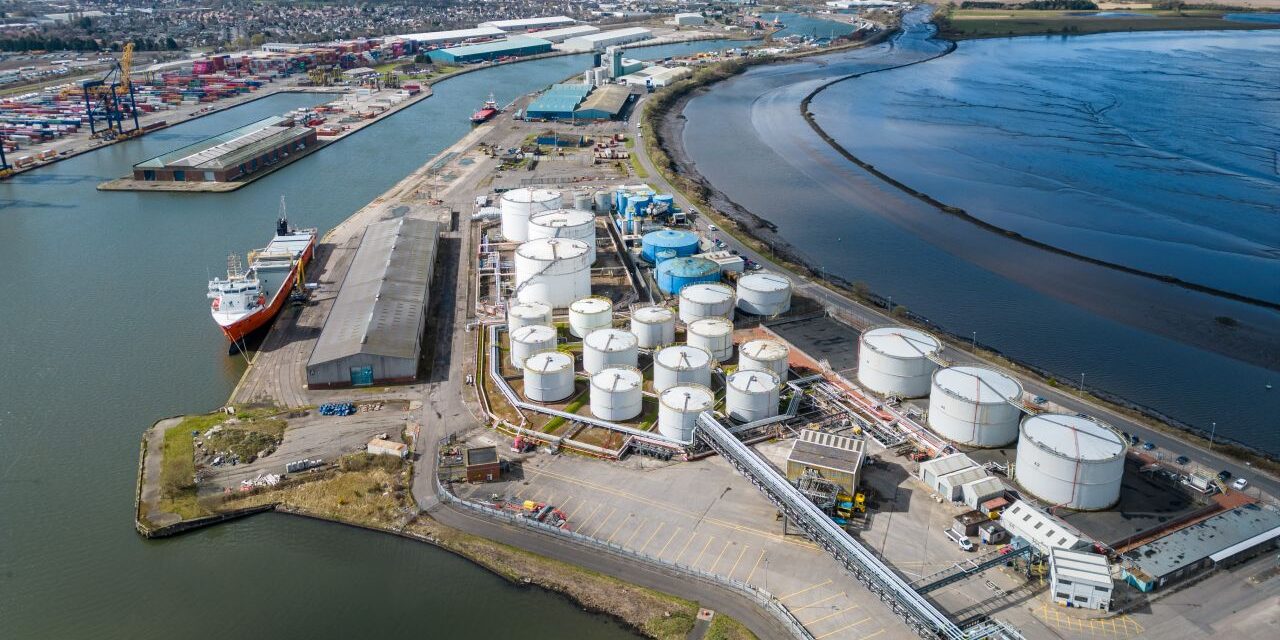
GI Chemical Solutions, a subsidiary of CSG, has recently partnered with Exolum to commission an 11,500 caustic soda storage tank at the Port of Immingham, expanding the UK’s capacity and strengthening supply resilience for key manufacturing sectors.

The facility, managed in partnership with Exolum, a leading chemicals and energy logistics organisation, provides a dedicated distribution and storage hub for caustic soda on the East Terminal in Immingham, featuring a specialist tank and upgraded tanker-loading infrastructure. Operated by GI Chemical Solutions, it is the largest seaborne caustic soda tank in the region and is designed to support growing industry demand across the UK.

GI Chemical Solutions is rapidly expanding its presence in the UK caustic soda market, growing its investment in UK infrastructure to support operations. Since launching its caustic soda operations in the UK, the company has grown the amount of caustic soda it distributes from zero to several thousand tonnes per month and manages an average of more than 55 bulk loads per week. The new Immingham facility offers 24/7 loading, improving speed and flexibility for customers.

To address delivery challenges often reported by manufacturing customers, the company has developed advanced dilution times at its dedicated water dilution facility at Immingham. The facility offers a full suite of caustic dilutions and is able to pump water at 1200 litres per minute, improving the speed of bulk caustic soda supply and strengthening supply chain resilience.

Nick Pickering, sales manager at GI Chemical Solutions, says: “Expanding into the UK market has been a big milestone for us, and the response has been incredibly strong. Customers here already know us for being reliable and easy to work with, and the Immingham facility helps us maintain that standard – delivering quickly, with the industry‑leading dilution times that we’re known for.”

James Scarisbrick, commercial manager, Chemicals, at Exolum, says: “This investment at Immingham is about making UK supply more resilient and more responsive. By adding dedicated storage and loading capability, we’re giving customers faster access to the caustic soda they rely on, at the times when they need it, helping boost confidence in continuity of supply. As an independent operator, we’re focused on operational excellence and on building the infrastructure that keeps UK manufacturing moving today, while strengthening the foundations for long-term industrial resilience.”

The caustic soda tank at Immingham strengthens the UK’s long‑term chemical supply capability. Caustic soda is essential in sectors such as textiles, pharmaceuticals, food processing, water treatment, and metals processing, meaning reliable supply is critical for many industries. An additional facility at Immingham helps to support domestic resilience of caustic soda supply.

GI Chemical Solutions’ operation in Immingham supports the region’s chemical sector and contributes to skilled employment in storage, transport and operations.

For supply enquiries or further information, visit www.csg-corporate.com/gi-chemicals/ or contact info@csg‑corporate.com.

MySep expands to Doha and appoints regional managing director

MySep has announced the launch of MySep Middle East LLC, headquartered in Doha, marking a strategic expansion of its global operations. The company also confirmed the appointment of Mohammad Yasser Ramzan as managing director of its Middle East business.

The new entity reinforces MySep’s long-term commitment to supporting oil and gas, LNG operators, EPC contractors, and engineering teams across the Middle East. From its Doha base, the company will focus on delivering local technical engagement, including process optimisation, separator performance assessment, and advanced modelling solutions for both existing assets and new developments.

The move comes despite challenging market conditions and reflects the company’s continued investment in regional growth and technical collaboration. The Middle East remains a critical hub for global energy supply, with increasing demand for data-driven separation technologies to support efficient and reliable operations across upstream, midstream, and LNG sectors.

Ongoing investment in LNG, gas processing, and production facilities across the region has heightened the need for accurate modelling of complex multiphase separation processes, which are essential for maintaining asset performance and operational reliability.

Michel Van Vorselen, Senior Director at MySep, described the opening of the Doha office as a significant milestone for the company. He noted that the region’s central role in global LNG and gas supply is driving demand for more sophisticated separation modelling to support design decisions, plant optimisation, and operational performance. He added that the expansion underscores MySep’s commitment to advancing digital and data-driven approaches, including more rigorous gas-liquid-liquid separation modelling and digital twin applications.

Alongside the office launch, Mohammad Yasser Ramzan will lead regional operations and customer engagement from Doha. He brings extensive experience in the energy sector, with a background in process engineering, operational support, and project execution.

Ramzan highlighted the unique characteristics of the Middle East market, including large-scale LNG facilities, complex operating environments, and long asset lifecycles. He noted that accurate separation modelling is becoming increasingly important for performance optimisation, debottlenecking, and ensuring operational reliability, adding that a local presence will enable closer collaboration with regional customers.

The establishment of MySep Middle East LLC strengthens the company’s global footprint, which includes its headquarters in Singapore and offices in the Netherlands, alongside a network of technical specialists across Europe and North America. The expanded presence is expected to enhance MySep’s ability to deliver consistent technical support while maintaining strong regional engagement.

For more information visit www.mysep.com
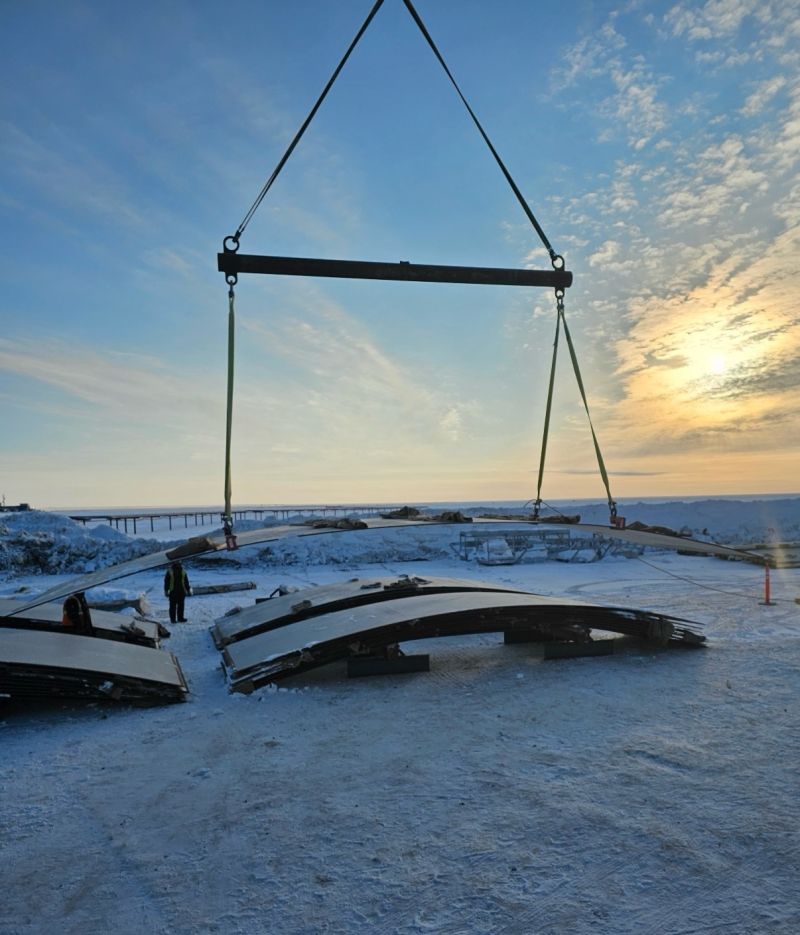
Metso strengthens African bulk material handling capabilities with inauguration of new Cape Town Hub

Metso has expanded its global Bulk Material Handling network with the inauguration of a new regional hub in Cape Town on April 15th, 2026. The facility is designed to enhance engineering capabilities and provide access to advanced automation technologies for bulk material handling and port customers across the African region. The development marks a further step in the company’s strategy to strengthen its presence in key markets.

The Cape Town hub is expected to reinforce Metso’s position in Southern Africa by deepening customer relationships and supporting a growing installed base of equipment. Operating within the same time zone as its regional clients, the centre is positioned to deliver faster technical support, improved responsiveness, and closer alignment with operational requirements.

Metso has maintained a long-standing relationship with Transnet, South Africa’s state-owned logistics infrastructure operator responsible for the country’s ports, rail and pipeline networks. According to Transnet Port Terminals Chief Executive Jabu Mdaki, the move to localise technical support represents a practical step toward improving operational reliability and performance, while strengthening collaboration in a more structured and sustainable manner.

The company highlighted the rapid growth of the African market as a key driver behind the investment. Ian Barnard, President of Metso’s Africa Market Area, noted that the company’s strong reputation and established partnerships in the region underpin its continued expansion efforts.

The hub employs approximately 60 people and provides a full range of services to customers across Africa, including lifecycle support, equipment modernisation, and technical assistance. In addition to direct employment, the operation is expected to contribute to the local economy through engagement with regional suppliers, contractors, and consultants.

Metso indicated that the facility will also support the development of local industrial capabilities, with a particular focus on skills development among young professionals and the broader workforce. The investment is expected to strengthen the operating environment for port solutions in South Africa and across the continent.

With more than a century of experience and over 8,000 bulk material handling installations globally, Metso continues to expand its footprint in the sector. The Cape Town hub builds on recent strategic developments, including the acquisition of MRA Automation to enhance capabilities in advanced automation and digitalisation. These technologies are expected to be deployed in Africa to support improved reliability and performance through digital tools.

Metso’s bulk material handling portfolio includes a wide range of equipment such as railcar dumpers, apron feeders, conveyors, stackers, reclaimers, and ship loading systems, alongside smart automation solutions. The company is recognised for delivering integrated, lifecycle-focused solutions tailored to evolving customer needs across the industry.

For more information visit www.metso.com
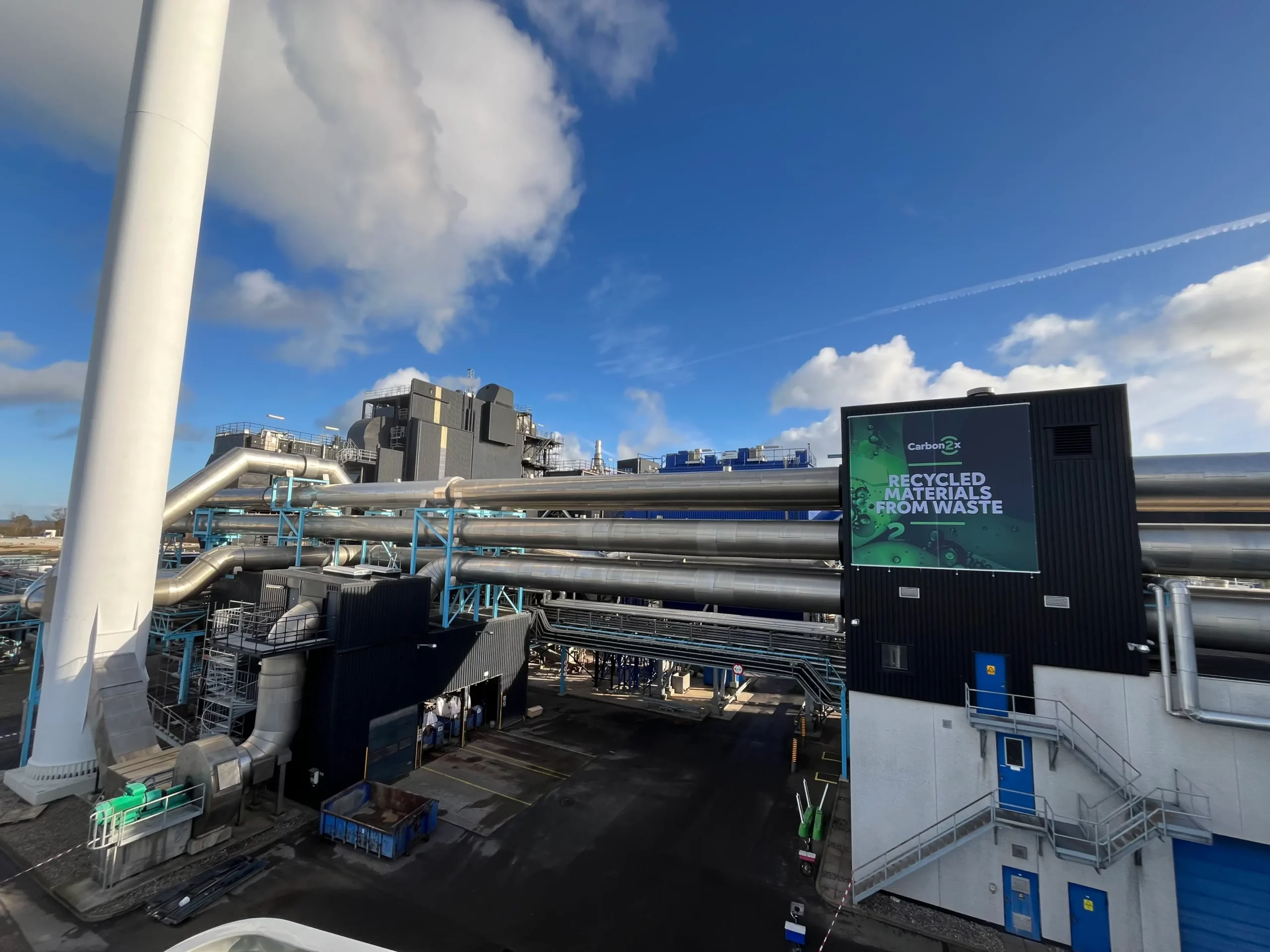
WPU plans new chemical recycling facility for end-of-life plastics in Rotterdam

WPU, the plastics recycling business of Vitol, is planning to develop a new chemical recycling facility for end-of-life plastics at the Port of Rotterdam, adjacent to the company’s Rotterdam refinery (VPR). The proposed plant will have the capacity to process 80,000 tonnes of post-consumer plastic annually, increasing WPU’s total recycling capacity to 100,000 tonnes per year.

The Rotterdam site is expected to become one of Europe’s largest chemical recycling facilities for end-of-life plastics. It will utilise WPU’s proprietary batch pyrolysis technology to convert plastic waste into pyrolysis oil, which can be used as a circular feedstock in the production of chemicals, intermediates and new plastics. This approach is intended to deliver a lower carbon alternative to traditional fossil-based naphtha, as demand rises for circular feedstocks and regulatory frameworks across Europe continue to support increased recycled content and the decarbonisation of petrochemical value chains.

According to Jeffrey van Geloof, CEO of WPU and managing director of VPR, the project represents a significant step in the company’s growth strategy. He noted that building on operational experience in Denmark, the facility would substantially expand recycling capacity and support the scaling of WPU’s technology across the European market.

WPU has already deployed its pyrolysis technology at its facility in Farevejle, Denmark, which has an annual capacity of 20,000 tonnes and is currently operating near full utilisation. The company is considered an early mover in the commercial-scale application of plastics pyrolysis for end-of-life materials.

Tom Baker, Vitol’s global head of naphtha and head of the Middle East, said the project marks meaningful progress toward establishing a scalable circular economy in the plastics sector. He added that initiatives of this nature could help address plastic waste challenges, broaden access to alternative petrochemical feedstocks, and reduce the overall carbon intensity of plastic production. He also highlighted the strategic advantage of locating the facility alongside existing refinery infrastructure in Rotterdam, enabling efficient integration with industrial systems and end markets.

The plant will incorporate advanced furnace technology aimed at reducing emissions and improving energy efficiency. Similar systems implemented at Vitol’s Rotterdam refinery have already achieved significant reductions in emissions and energy consumption, positioning the site among the more energy-efficient refineries in Europe.

The project remains subject to regulatory approvals, with a comprehensive stakeholder consultation process expected to form part of the development.

For more information visit www.vitol.com

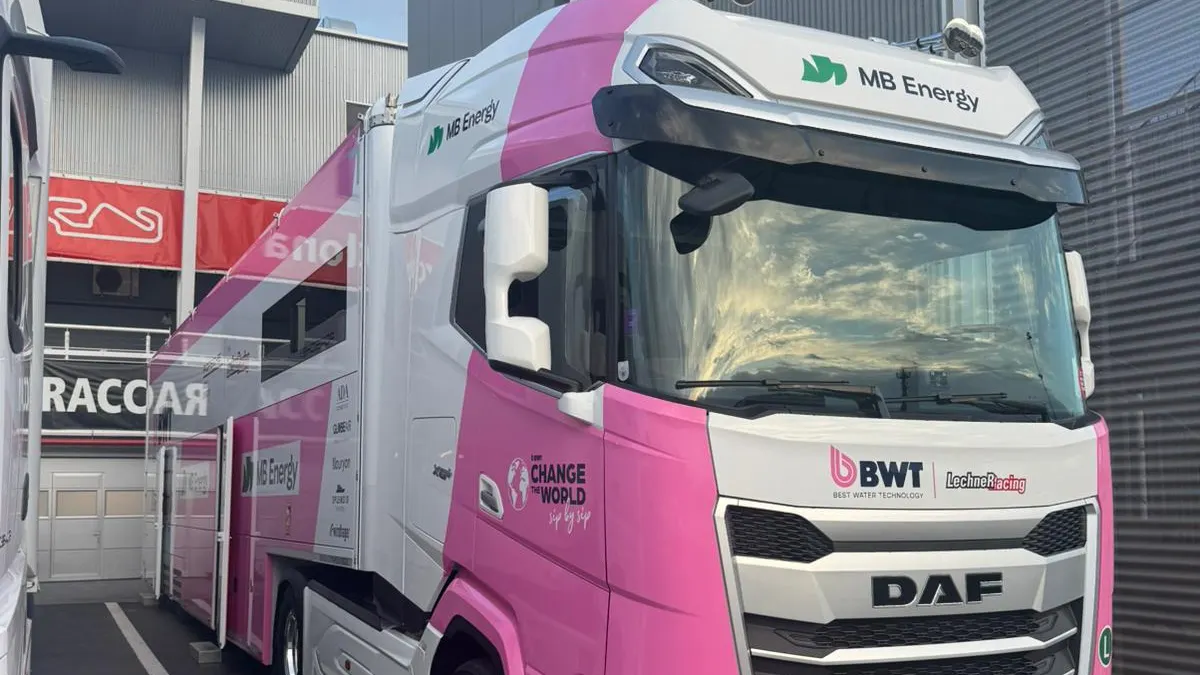
Permit granted: MB Energy can build ammonia import terminal in Hamburg

Hamburg’s Authority for Environment, Climate, Energy and Agriculture (BUKEA) has granted MB Energy approval to construct and operate a new ammonia import terminal, marking a significant milestone in the development of Germany’s emerging hydrogen and alternative fuels infrastructure. Subject to a final investment decision, the facility is planned for development at the site of the Blumensand tank terminal within the Port of Hamburg and is set to become the country’s first large-scale ammonia import hub.

The project is expected to play a pivotal role in supporting future energy security and advancing the ongoing transformation of the industrial and energy sectors. The terminal will be designed for the import and distribution of ammonia, which serves not only as a hydrogen carrier but also as an industrial feedstock and potential alternative fuel, particularly for the shipping sector. By enabling the import of these molecules, the facility aims to strengthen the domestic ammonia market and establish a foundation for scaling the hydrogen economy. In the longer term, it is also anticipated to contribute to the decarbonisation of maritime transport. From a technological perspective, ammonia may additionally be utilised in gas-fired power generation. The terminal will be capable of handling lower-carbon and renewable ammonia, subject to technical feasibility, market availability, and regulatory requirements.

Development will take place at the Blumensand tank terminal, the largest storage facility in the Port of Hamburg, which is owned by MB Energy’s storage subsidiary, enport by MB Energy. The terminal forms part of the wider New Energy Gate project, which also includes planned methanol handling capabilities at the same site. Project plans include the construction of a new storage tank for temporary ammonia storage, upgrades to existing berth infrastructure for inland and seagoing vessels, and the development of rail loading facilities. Future integration options are also being considered, including a potential feed-in connection to a yet-to-be-developed cracker plant where ammonia could be converted into hydrogen for injection into a future hydrogen grid network. The planned annual throughput is expected to reach approximately 600,000 metric tonnes of ammonia.

Volker Ebeling, senior vice president New Energy, Supply & Infrastructure at MB Energy, noted that the granting of the permit represents a key project milestone following a constructive permitting process. He highlighted the significance of the ammonia terminal in advancing Hamburg’s energy transition, describing it as a strong signal for a future-oriented and reliable supply of energy and raw materials, and expressed appreciation for the collaborative and solution-focused engagement of all parties involved throughout the process.

For more information visit www.mbenergy.com

Open season launched for CO₂ Storage in Wilhelmshaven and Rotterdam to accelerate industrial decarbonisation

The launch of a new Open Season for CO₂ storage capacity in Wilhelmshaven and Rotterdam marks a significant milestone in advancing Europe’s decarbonisation efforts. The initiative offers industrial emitters a timely opportunity to secure long-term access to reliable carbon storage infrastructure, a critical component in achieving net-zero targets.

By opening this process, companies are invited to formally express interest, reserve future capacity and actively participate in the development of scalable carbon management solutions. The Open Season is designed to support the growing demand for carbon capture and storage (CCS), particularly within major port-industrial clusters where emissions are concentrated and infrastructure integration is key.

Strategically located, Wilhelmshaven and Rotterdam are positioned to play a pivotal role in the evolving carbon storage landscape. Their established industrial ecosystems and connectivity make them ideal hubs for enabling efficient CO₂ transport and storage, supporting both regional and cross-border decarbonisation efforts.

The initiative also reflects a broader commitment, in collaboration with key partners, to accelerate the energy transition and provide practical, large-scale solutions for hard-to-abate sectors. By facilitating early engagement and capacity planning, the Open Season aims to ensure that infrastructure development aligns with industry needs, reducing uncertainty and enabling informed investment decisions.

With the deadline for expressions of interest set for 24th April, companies have a limited window to participate in this important phase. Early involvement will not only secure potential storage capacity but also contribute to shaping a robust and scalable pathway toward industrial decarbonisation.

As momentum builds around carbon capture and storage, initiatives such as this Open Season highlight the importance of collaboration, forward planning and infrastructure readiness in delivering a sustainable, low-carbon future.

For more information visit www.hesinternational.eu/en/new-energies

Teesside hydrogen project, H2NorthEast, submits bid into East Coast Cluster selection process and establishes strategic partnership with Northern Gas Networks

H2NorthEast, a leading carbon capture-enabled hydrogen production facility being developed in the heart of industrial Teesside, has signed a Memorandum of Understanding (MoU) with Northern Gas Networks (NGN), the gas distributor for the North of England, to pursue opportunities to provide low carbon hydrogen to industrial end users across North East England.

The agreement comes as H2NorthEast submits its application for Phase 1 of the project into the East Coast Cluster Teesside selection process. Launched by the Department for Energy Security and Net Zero (DESNZ) in February 2026, this is a process to identify projects that could connect to and utilise CO2 storage capacity in the planned Northern Endurance Partnership transportation and storage infrastructure by 2032, crucial to achieving net zero in Teesside, one of the UK’s most carbon intensive industrial regions.

CATS Terminal
Image: Dawn McNamara 09/04/26

H2NorthEast and NGN are both committed to reducing UK emissions, through the development of decarbonised power and industrial clusters enabled by carbon capture and storage (CCS), and low carbon hydrogen transportation networks.

The MoU creates an opportunity for low carbon hydrogen produced by H2NorthEast, to also be delivered beyond Teesside to a wider customer base, via the East Coast Hydrogen future hydrogen transportation network, in which NGN is a partner. It would help support large-scale industrial decarbonisation for the UK through the supply of affordable low carbon hydrogen to energy-intensive industries, and H2NorthEast can bring significant economic benefits to Teesside including investment, jobs, skills development and supply chain opportunities.

Nathan Morgan, CEO of Kellas Midstream, one of the H2NorthEast project partners, said: “We are pleased to sign this MoU with NGN which marks an important step in ensuring that the low carbon hydrogen produced by H2NorthEast can decarbonise critical industries. It represents further progress in the creation of a fully integrated UK hydrogen value chain from production through to end use.”

Mark Horsley, CEO of Northern Gas Networks, said: “We are proud to collaborate with Kellas and support the H2NorthEast application into the East Coast Cluster selection process. Decarbonising industry requires this type of strategic approach where hydrogen production and transportation can move forward together. Our agreement will be key to securing jobs and investment for the region, while accelerating the UK’s transition to a cleaner energy system.”

For more information visit www.northerngasnetworks.co.uk

Africa Energy Indaba unveils 2027 theme: African Energy – Pathways to Prosperity

Following the strong success of its 2026 edition, the Africa Energy Indaba has unveiled its 2027 theme: African Energy – Pathways to Prosperity Connectedness and Cooperation.

This theme signals a forward-looking and decisive vision for the continent’s energy trajectory – one focused on enhancing linkages between countries, markets and communities to unlock Africa’s extensive energy resources and drive sustainable economic development.

Building on key insights and outcomes from 2026, the 19th edition of the Africa Energy Indaba will place emphasis on integrated energy systems, regional partnerships and collaborative frameworks – all critical to shaping a more resilient and inclusive energy ecosystem. In the context of a rapidly shifting and often uncertain global landscape, the importance of alignment and cooperation continues to grow.

Central to the 2027 theme is the understanding that energy underpins Africa’s development ambitions. Expanding and strengthening infrastructure – including cross-border transmission systems, regional power pools and energy corridors – will support more efficient electricity distribution and enable the optimal use of the continent’s diverse energy mix.

In line with the objectives of the African Continental Free Trade Area (AfCFTA), the event will highlight energy connectivity as a key driver of industrial growth, trade expansion and regional competitiveness. More integrated energy markets are expected to unlock investment potential, stimulate economic activity and improve access to reliable and affordable power.

At the same time, the programme recognises that infrastructure development alone is insufficient. A strong emphasis will be placed on human collaboration – bringing together policymakers, utilities, investors, developers and communities to co-create scalable and practical solutions. This collaborative approach is expected to support the advancement of cross-border energy initiatives, strengthen energy trading markets and create an enabling environment for innovation and business growth.

The 2027 agenda will also reflect a pragmatic and balanced approach to the energy transition. Discussions will consider how Africa can effectively utilise its full energy portfolio – including renewables, gas, nuclear and existing baseload capacity – to ensure security of supply, affordability and long-term sustainability, while remaining aligned with climate objectives.

In addition, a key priority will be mobilising capital and accelerating the pipeline of bankable energy projects. By facilitating connections between developers, financiers and policymakers, the Africa Energy Indaba will continue to act as a catalyst for investment and a platform for converting dialogue into tangible outcomes.

Liz Hart, managing director of the Africa Energy Indaba, noted that connectedness and cooperation are fundamental to the continent’s energy future – highlighting that the 2027 event will play a pivotal role in fostering partnerships that drive meaningful progress.

The upcoming edition will once again convene senior government representatives – including African Energy Ministers – alongside executives from utilities, financial institutions, infrastructure developers and global energy companies. Through a comprehensive programme of plenary sessions, strategic discussions and high-level engagements, the event will support policy alignment, facilitate investment and encourage cross-sector collaboration.

As Africa advances toward greater energy security and economic transformation, the Africa Energy Indaba continues to stand as a leading platform for the sector – where strategic ideas evolve into action and partnerships help shape the continent’s future.

For more information visit www.africaenergyindaba.com

TotalEnergies strikes new oil discovery offshore Congo amid national drive toward 500,000 barrels per day

Energy major TotalEnergies has announced a new hydrocarbon discovery on the Moho license offshore the Republic of Congo, marking a strategic milestone for a country rapidly pursuing 500,000 barrels per day (bpd) in oil production. Led by TotalEnergies as operator (63.5 percent) alongside Société Nationale des Pétroles du Congo (SNPC) – which is led by Managing Director Raoul Omingaand Trident Energy, the discovery targeted the Moho G structure at the broader Moho complex, reinforcing the country’s position as a leading mature producer with untapped upside.

The African Energy Chamber (AEC) commends TotalEnergies for this latest achievement, recognising the company’s long-term commitment to Congo’s upstream sector. The Chamber also acknowledges the vital role played by the SNPC and Minister of Hydrocarbons Bruno Richard Itoua in fostering a stable, investment-friendly environment that enables international operators to thrive. Their collaborative approach continues to position Congo as a competitive destination for exploration investment as well as a home for foreign operators.

Situated within the prolific Moho complex – which represents more than half of Congo’s total oil production – the Moho G structure encountered a hydrocarbon column of approximately 160 metres in good quality Albian reservoirs. The find complements the previous Moho F discovery, which combined feature estimated recoverable resources of 100 billion barrels. The new find is particularly significant given its proximity to existing production infrastructure, allowing for cost-effective tie-backs and accelerated commercialisation. This includes the Alima and Likouf FPSO facilities which have a combined current production capacity of 90,000 bpd.

For TotalEnergies, this latest discovery aligns closely with the company’s plans to expand production capacity across key licenses in the Congo. The company committed over $500 million in 2025 to expand the Moho Nord complex, with the latest find showcasing the viability of infrastructure-led exploration. By leveraging existing FPSO facilities, the Moho G discovery will unlock additional resources at Congo’s biggest oil producing block while enhancing overall project economics and long-term resilience.

“TotalEnergies’ latest discovery in Congo sends a strong message to the market – this is a country where infrastructure, policy and partnership come together to unlock real value. Congo is proving that exploration is not just about frontier basins, but about maximising what you already have and doing it smarter, faster and more efficiently,” states NJ Ayuk, executive chairman, AEC.

Beyond Moho Nord, Congo’s exploration landscape continues to evolve as operators pursue additional volumes across both offshore and onshore margins. Major campaigns include Perenco’s February 2026 launch of the Kombi 2 platform – a $200 million facility targeting additional reserves of 10 million barrels at the Kombi-Likalala-Libondo II field. The new-generation infrastructure will host a six-well drilling campaign starting in 2026, aimed at bolstering production and optimising field efficiency.

Congo’s energy ambitions transcend the oil sector, with the start of the Eni-led Nguya FLNG unit in December 2025 signaling the second phase of the Congo LNG project. The 2.4 million-ton-per-annum (mtpa) facility complements the operational 0.6 mtpa Tango vessel, bringing total project capacity to 3 mtpa. The integrated development processed gas from the Nené and Litchendjili fields at the Marine XII license, making the country Africa’s fifth biggest LNG exporter.

As Congo continues to align policy, infrastructure and investment, the country is entering a new era of exploration – one defined not only by scale, but by strategic execution. With global demand evolving and capital becoming more selective, Congo’s model offers a compelling blueprint for sustainable upstream growth.

Distributed by APO Group on behalf of African Energy Chamber.
For more information visit www.energychamber.org

Brenntag Energy Services announces designated distributorship with BASF for Keropur fuel performance additives in continental Europe

Brenntag, the global market leader in chemicals and ingredients distribution, today announced a partnership with BASF for the distribution of Keropur fuel performance additives packages in Europe and some countries beyond. Keropur branded fuel performance packages are for Gasoline as well as Diesel and are aimed at fuel retailers and fuel marketers e.g. terminals as well as wholesale fuel suppliers.

Keropur is a highly effective multifunctional fuel additive which provides smoother running and increases performance by deposit control, conductivity and cetane number improvement, anti-foam, and anti-corrosion performance. Additives are used to upgrade base fuels beyond legal specifications and industry standards and are key to enabling better drivability, increased power and potentially lower maintenance costs, contribute to sustainability by reducing fuel consumption and exhaust emissions. Keropur also offers options for branded and differentiated fuels.

Brenntag has deep expertise in refinery additives, brings exceptional market reach and a strong supply chain network. Together, Brenntag and BASF are creating new opportunities to deliver high-performance solutions like Keropur to a broader range of customers across the fuel industry.

Jeroen Bakker, president focused industries and services Brenntag essentials EMEA, states: “This partnership represents an important step in expanding the reach of our innovative fuel additive portfolio. Brenntag’s capabilities and customer focus make us the right collaboration partner for BASF to expand the availability of fuel additive solutions across Europe. We very much look forward to serving our and the BASF customers to our very best.”

Roland Merten, head of sales management EMEA, Fuel Additives, BASF: “This partnership represents a meaningful step in expanding the reach of our innovative fuel additive portfolio. Brenntag’s capabilities and customer focus make them an outstanding partner as we expand the availability of our fuel additive solutions worldwide.”

For more information visit www.corporate.brenntag.com

bp bets big on Namibia’s deepwater frontier with new offshore blocks

The African Energy Chamber (AEC) has welcomed bp’s acquisition of a 60 percent operating interest in three offshore exploration blocks in Namibia, describing the move as a strong endorsement of Africa’s frontier basins and the continent’s expanding role in global energy supply.

The transaction grants bp operatorship of blocks PEL97, PEL99 and PEL100 in the Walvis Basin, representing a significant expansion of the company’s upstream footprint in Africa. The assets were acquired from Eco Atlantic Oil & Gas, positioning bp closer to Namibia’s fast-developing deepwater exploration corridor near the Orange Basin.

Industry stakeholders view the deal as further evidence of a shift in Africa’s exploration narrative, from perceived frontier risk to a more competitive global opportunity, supported by strong geological potential, improving partnerships and growing investor confidence.

NJ Ayuk, executive chairman of the AEC, emphasised the importance of both bp’s investment and the early exploration efforts led by Gil Holzman and Eco Atlantic. He noted that such collaboration between international majors and Africa-focused companies is key to unlocking value, building technical expertise and accelerating development across the continent.

Namibia has emerged as one of the world’s most closely watched frontier exploration regions following a series of offshore discoveries in the Orange Basin by companies including Shell, TotalEnergies and Galp. These discoveries have repositioned the country as a potential multi-billion-barrel deepwater oil province, attracting significant international interest.

While the Walvis Basin remains comparatively underexplored, it is increasingly regarded as a geological extension of the same petroleum system. Early indications suggest similar reservoir characteristics, positioning it as a potential next frontier for exploration-driven investment. Although development timelines remain long-term, Namibia is targeting first offshore production by the end of the decade, subject to continued exploration success and infrastructure development.

bp’s entry reflects a broader rebalancing of global upstream portfolios, with international oil companies prioritising high-impact exploration opportunities capable of delivering long-term reserves growth. As mature basins face declining output and rising costs, frontier regions such as Namibia are gaining prominence due to their scale, geological upside and relatively open acreage.

Under the terms of the agreement, Eco Atlantic will retain a minority stake alongside NAMCOR, ensuring local participation in the development of the blocks. This structure is seen as critical for translating exploration success into domestic economic value, skills development and long-term production capacity.

Although Namibia remains in the exploration phase, the pace of activity suggests a rapidly evolving basin. bp’s involvement is expected to bring both technical expertise and financial resources that could accelerate appraisal drilling and future development planning.

The transaction also reinforces Africa’s upstream sector as an increasingly important component of global energy security, particularly as supply diversification becomes a strategic priority. bp’s investment, alongside the early groundwork established by Eco Atlantic, highlights a collaborative model that positions Namibia as a key player in Africa’s deepwater future.

For more information visit www.energychamber.org

Commercial UAV Expo announces Opening Keynote: The View from the field

The Commercial UAV Expo 2026, widely regarded as the world’s leading commercial drone trade show and conference, has announced its Opening Keynote for the upcoming edition. Titled “The View From the Field: What Operators, Pilots, and Fleet Managers Are Saying About the Commercial Drone Industry,” the keynote will take place on September 1st, kicking off the event scheduled for September 1st–3rd at Caesars Forum in Las Vegas.

The session will highlight findings from a forthcoming industry-wide survey conducted by Commercial UAV News in collaboration with Pilot Institute. The State of the Industry Survey 2026 aims to capture insights from drone pilots, fleet managers, operations leaders, and regulatory compliance professionals actively working in commercial UAS operations.

The keynote will present a detailed and unfiltered view of the industry, focusing on current trends, operational challenges, and emerging opportunities. Matt Collins will introduce key findings from the research, followed by a discussion with Greg Reverdiau on the broader implications for the sector. Topics are expected to include regulatory developments, hardware procurement issues, workforce challenges, and the future trajectory of commercial drone operations.

According to Reverdiau, the session is designed to center the perspectives of UAV operators, emphasising the importance of real-world input as the industry navigates evolving regulations, supply chain shifts, and advancing technologies. Collins noted that the survey seeks to replace speculation with data-driven insights, helping stakeholders better understand both opportunities and barriers within the sector.

The survey, set to launch in the coming weeks, will address critical issues such as the FAA’s proposed Part 108 BVLOS framework, the impact of the FCC Covered List on procurement decisions, adoption of autonomous and AI-assisted systems, airspace access, workforce development, data security, and overall business outlook.

As part of the event, Pilot Institute will serve as an official partner and host “The Pilot Hub” on the show floor, featuring expert-led sessions, networking opportunities, and guidance on certifications, waivers, and career pathways in the drone industry.

Registration for the event is now open, with additional details on the keynote and survey expected to be released ahead of the expo.

To learn more about the Opening Keynote, visit www.expouav.com/keynotes

Registration is now open; visit www.expouav.com to learn more and register.

What’s getting into your open top storage tanks (and why it matters)

Open top storage tanks remain a common feature across industries such as water and wastewater treatment, chemical processing, and bulk liquid storage. Often part of original site designs, they continue to perform their role without much reconsideration. However, leaving tanks exposed introduces challenges that can go unnoticed day to day.

Rainwater, debris, temperature fluctuations, and airborne contaminants can all enter the tank, gradually impacting product quality, process efficiency, and overall performance. While not always immediately visible, these effects build over time and can become significant.

As highlighted by Ben Adamson, open tanks in refineries, chemical plants, and industrial facilities may appear secure, but exposure creates real risks. Rain can dilute stored products, while dust and airborne particles increase contamination and strain on filtration systems. Wind, sunlight, and temperature changes can further affect sensitive materials, while wastewater facilities face reduced efficiency due to debris and organic matter entering tanks.

These challenges are not just theoretical. Even minor contamination or evaporation can lead to operational inefficiencies, increased maintenance, odour issues, and potential regulatory concerns—ultimately impacting costs, safety, and uptime.

To address this, many operators are turning to geodesic tank domes. These structures provide a durable barrier against environmental exposure, protecting tanks from rain, dust, and debris. Their lightweight yet strong design makes them ideal for large-diameter tanks and retrofit applications.

By covering tanks, geodesic domes help maintain product quality, reduce evaporation and odours, and improve overall operational efficiency. As Adamson suggests, protecting storage tanks is no longer just a “nice-to-have,” but a practical step toward safer, more reliable operations.

For more information visit www.ewfm.co.uk

AMPP to host free webinar on certification updates and new recognition tools

The Association for Materials Protection and Performance (AMPP), a leading global authority in materials protection and performance, is inviting certified professionals and industry stakeholders to participate in a complimentary 60-minute webcast scheduled for 2 p.m. EDT on Wednesday, April 15. The session, titled “Certifications in Action: New Tools, Recognition & What’s Next,” will highlight recent developments and future directions within AMPP’s certification programs.

The webcast will provide an overview of key updates, including enhancements to exam delivery systems, the introduction of recognition merit badges, and new tools aimed at helping professionals more effectively manage and advance their credentials.

Participants will gain insights into several important areas, including the delivery of the new virtual Senior Certified Coatings Inspector (CIP 3) certification exam, the role of recognition merit badges in showcasing professional experience and commitment, and the use of credentialing checklist guides to plan and maintain certifications. The session will also cover recent updates to the My Certification Portal.

Featured speakers from AMPP include Silvia Palmieri, certification community development specialist, and Karyn Waller-Finkelstein, CPA, CAE, senior manager of certification development and product strategy.

According to Palmieri, AMPP certifications are designed to reflect real-world competence while supporting professionals throughout their careers. She noted that the webinar introduces new tools and recognition opportunities that simplify tracking progress, demonstrating expertise, and aligning with evolving industry expectations.

AMPP certifications are globally recognised for establishing a baseline of knowledge, skills, and competency across the materials protection and performance industry. Continued enhancements to certification delivery and professional recognition aim to ensure credential holders remain well-prepared to meet industry demands.

The webcast will take place on Wednesday, April 15, 2026, at 2:00 p.m. EDT and will run for approximately 60 minutes. Professionals interested in maximising the value of their AMPP certifications and staying informed about upcoming changes are encouraged to attend. Further information about certification programs is available through AMPP’s Education and Certification resources.

For more information visit www.ampp.org/education

HES International launches open season for CO₂ export terminals in Rotterdam and Wilhelmshaven

HES International B.V. has announced the launch of an Open Season for liquid CO₂ handling at two major deepwater terminals in Europe, marking a significant step forward in the development of the continent’s carbon capture and storage (CCS) infrastructure.

The initiative covers facilities at Wilhelmshaven, through HES Wilhelmshaven Tank Terminal GmbH (also known as the CO2nnectNow project), and the Rotterdam-based HES Bulk Terminal Rotterdam. Both terminals are designed to play a key role in linking industrial emitters to offshore CO₂ storage sites beneath the North Sea.

The projects aim to address a critical gap in Europe’s carbon value chain by enabling the transport of captured CO₂ from onshore industries to permanent storage locations. Operations at both terminals are currently targeted to begin in 2029.

Once fully developed, the combined infrastructure is expected to scale up to a handling capacity of approximately 20 million tonnes of CO₂ per year. The facilities are being designed with flexibility in mind, allowing customers to begin with smaller volumes and expand capacity over time as decarbonisation requirements increase.

In addition, the terminals will provide access to certified storage sites across multiple countries, including Norway, United Kingdom, Denmark, Netherlands and Germany, supporting a pan-European approach to carbon management.

Otto Waterlander, director new energies at HES International, highlighted the strategic importance of the development, noting that the projects are expected to accelerate the permanent decarbonisation of hard-to-abate industries while enabling early CO₂ reductions, even where alternative low-carbon fuels are not yet widely available.

The Open Season process is now underway, with HES International inviting interested parties to submit expressions of interest as it works to establish long-term partnerships and support industrial decarbonisation across Europe.

The development builds on HES International’s long-standing experience in terminal operations and reflects the growing momentum behind CCS solutions as a key component of the global energy transition.

For more information visit www.hesinternational.eu

New era, new challenges: Safeguarding tanks in the age of biofuels

From renewable diesel to sustainable aviation fuel, biofuels are at the centre of the global shift towards more sustainable transport. And with the demand growing all the time, refiners are racing to ensure their facilities and infrastructure are able to serve this burgeoning sector.

One area in need of attention is fuel tank linings. For decades, organisations have used specialised coatings to protect the interior of crude storage tanks from corrosion.

Yet unlike conventional fossil fuels, biofuel feedstocks contain aggressive new compounds. Traditional long-term testing methods have identified that these compounds pose significant challenges to traditional tank linings, however, these tests fail to reflect the real-world reality of the biofuels business model.

Here, Joao Azevedo and Michael Harrison from Sherwin-Williams explain how biofuel adoption is driving changes in tank storage and refining practices, and how updated testing methods reflect real-world storage conditions.

Corrosion protection considerations

With the global shift towards more sustainable transport taking hold, biofuel demand is set to expand by 38 billion litres in the period 2023 to 2028. That’s a near 30 percent increase from the last two five-year periods.1

This growing market is in the process of building the protocols and practices it needs to operate safely, effectively, and profitably. One important area is biofuel storage, and the appropriate methods needed to protect expensive infrastructure from corrosion.

For years, the fossil fuel production sector has used specialised coatings to perform this function, and the expectation is that biofuel operators will follow suit.

However, there are a number of sector-specific considerations. While finished biofuels are chemically identical to traditional fuels, bio-feedstocks, such as recycled cooking oil, are more aggressive in nature, presenting a risk of degradation.

These lipid-based bio-feedstocks are “living substances” that decompose into aggressive fatty acids during storage, particularly at high temperatures. With prolonged storage these fatty acids will increase in the bulk liquid, further compounding the corrosion risk and damage to internal linings.

In addition, operators face challenges during the vapour stage. Because exposing bio-feedstocks to air at high temperatures can lead to rancidification, or the formation of corrosive organic acids (including acetic and formic acid) and aldehydes.

Evolution of testing methods

Biofuel adoption, then, is driving a change in how refiners think about and assess, storage tank lining.

Traditional long-term testing methods for fossil fuel, for example, evaluate tank corrosion after six months of exposure. When this approach was utilised in the biofuel arena, it revealed significant damage to traditional tank linings.

But the method was not reflective of the real-world conditions of this emerging industry. Biofuel tanks are regularly replenished, with the turnaround of feedstocks in storage typically being less than three weeks.

A new method of cyclic testing, developed by Sherwin-Williams, incorporates regular inspections and the partial replacement of feedstocks on a monthly basis. Compared to traditional long-term storage tests, this provides a much better simulation of realistic storage and replenishment cycles and, therefore, more accurate and reliable data on coating durability and performance

This new method is currently being tested in a comparative study, with the first six monthly results demonstrating that uncoated panels show pitting corrosion during the vapour phase and at the bottom.

Such updated testing methods have enhanced accuracy in predicting real-world outcomes, which means refiners can now consider a broader range of lining materials. And test results are driving the development of next generation, high performance bio-feedstock tank linings.

The potential economic benefits are clear. By investing in infrastructure protection, facility owners can maximise the use of existing tanks, and embrace this new, rapidly expanding market. It all adds up to greater reliability and confidence for refiners and storage operators alike.

The view ahead

Biofuel adoption is gaining fast momentum, but their distinct chemical behaviour is challenging the traditional approach to tank lining corrosion protection.

Early assumptions about long-term degradation ignored the way biofuel feedstock tanks are used in practice, and ended up overstating the risks.

With cyclic testing, which mirrors real-world feedstock storage conditions, the industry can now better evaluate tank lining performance, confidently protect their biofuels infrastructure, and help support the wider adoption of biofuels as a sustainable energy source.

Reference:

  1. IEA Bioenergy. (2024) IEA Renewables 2023 – Biofuel and Biogas Forecasts. Available at: www.ieabioenergy.com/blog/publications/iea-renewables-2023-biofuel-and-biogas-forecasts/ Last accessed: 3rd February 2026.

OPW to showcase CARB-Certified 71SO Segmented Overfill Prevention Valve at M-PACT

OPW Retail Fueling, a global leader in fluid-handling solutions, will showcase its latest offerings in Booth 1001 during the upcoming M-PACT Fuel & Convenience Tradeshow, April 15-16, at the Indiana Convention Center in Indianapolis, IN.

OPW Retail Fueling will highlight a wide array of products during the show, with its 71SO Segmented Overfill Prevention Valve being a particular standout. The 71SO Segmented Overfill Prevention Valve, which significantly reduces storage, shipping, installation and testing complexities, recently earned California Air Resources Board (CARB) Enhanced Vapor Recovery (EVR) certification. This designation signifies that the 71SO Segmented Overfill Prevention Valve meets the industry’s highest safety, containment and emission standards.

The 71SO Segmented Overfill Prevention Valve:

  • Retains the breakthrough two-stage positive shut-off mechanism of the original OPW 71SO
  • Allows for more compact packaging and easier transport due to the drop tube’s four 5′-long interlocking sections
  • Eliminates shipping damage and overlength shipping fees
  • Is easily pieced together during on-site installation without the need for glue or epoxy


“The new 71SO Segmented Overfill Prevention Valve reflects the OPW Retail Fueling team’s commitment to addressing our customers’ fueling system equipment challenges regardless of when they occur in the lifecycle of a part — during installation, testing, routine operation or even during shipping,” said Ed Kammerer, vice president global product marketing, OPW Retail Fueling. “‘Fueled By Excellence,’ our mission is to provide dispensing, fuel containment and transfer products that rise above the industry standard to deliver superior performance. We look forward to showcasing that at M-PACT.”

In addition to hands-on product demonstrations with OPW Retail Fueling Product Managers and District Managers, OPW Retail Fueling will record episodes of its popular podcast, “The Fueling Station,” at the show.

For updates from the OPW booth during the show, follow along on LinkedIn and Facebook. To learn more about OPW Retail Fueling products and expertise, please visit opwglobal.com/opw-retail-fueling.

Golden Pass LNG, QatarEnergy’s largest investment in the United States, marks historic milestone with first LNG production

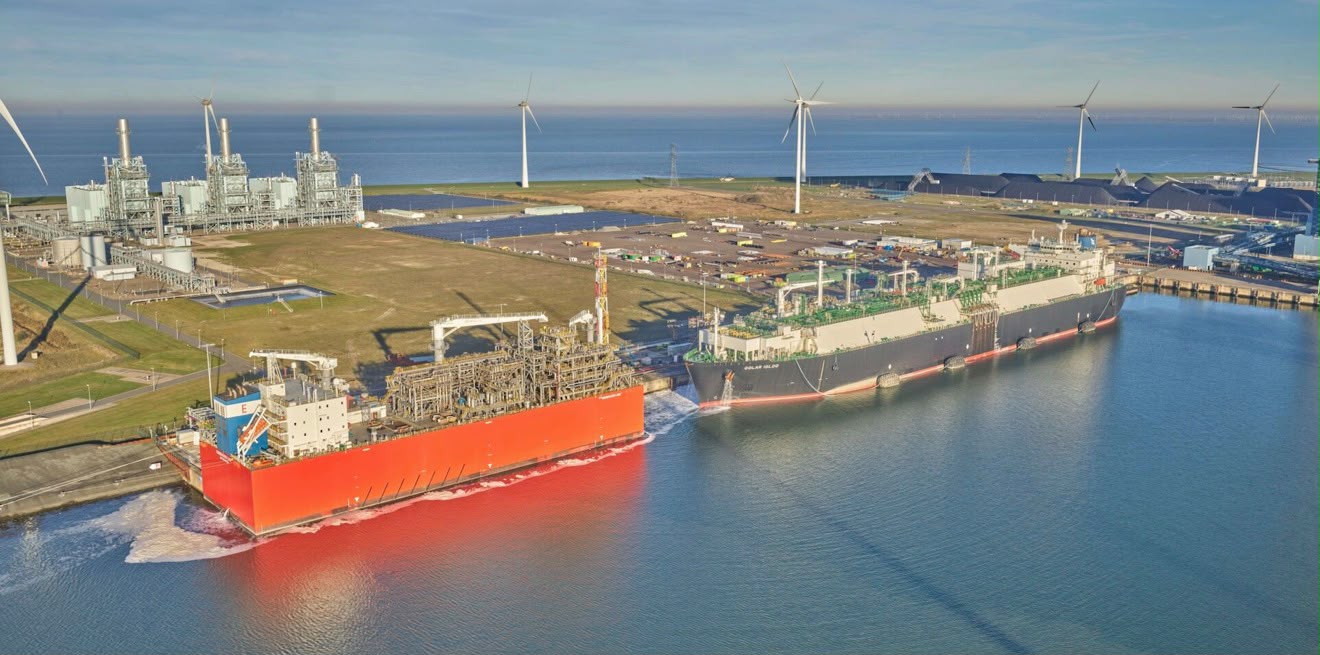
Golden Pass LNG, a joint venture between QatarEnergy and ExxonMobil, has reached a significant milestone on its path to full operations with the production of its first liquefied natural gas (LNG). The achievement marks the start-up of the first of three LNG trains that together will deliver a total production capacity of 18 million tonnes per annum.

The successful production of first LNG represents a critical step toward the commencement of export activities from the facility in Sabine Pass, Texas. It sets the foundation for sustained liquefaction operations and positions the project to meet its commercial and strategic objectives, with the first cargo expected in the second quarter of 2026.

Image source QatarEnergy

Saad Sherida Al-Kaabi described the milestone as particularly significant, noting that the project represents one of the largest single investment decisions in the history of the US LNG sector. He highlighted that the facility’s transition into operations and entry into the global market comes at a time when energy security remains a top priority worldwide.

The development forms part of QatarEnergy’s broader international investment strategy, which has been pursued over the past decade. It also aligns with previously announced plans to invest approximately $20 billion in the U.S. energy sector. The project is expected to play an important role in enhancing global energy security while supporting access to cleaner energy sources.

The Golden Pass LNG project is owned by QatarEnergy, which holds a 70 percent stake, and ExxonMobil, which holds the remaining 30 percent. The partners took a final investment decision exceeding $10 billion in February 2019 to advance the development of the export facility.

With first LNG now achieved, the project moves closer to full operational status, marking a major step forward in strengthening LNG supply capacity to global markets.

For more information visit www.qatarenergy.qa

Three-year contract secured to support strategic development of major COMAH facility

A new contract has been successfully secured, marking an important milestone for the organisation as it continues to expand its portfolio within high-hazard industrial environments.

The agreement, which spans three years, has been awarded by a client operating a major COMAH (Control of Major Accident Hazards) facility. This partnership represents a significant opportunity to contribute to the safe and strategic development of a complex industrial site.

The initial phase of the project will focus on a comprehensive, site-wide assessment of existing buildings. This will form the foundation for a detailed strategic plan addressing both remediation requirements and future site development. The approach will take into account critical factors such as operational needs, major accident hazards, and the practicalities of phased implementation, while also ensuring alignment with both current demands and long-term functionality.

Through this engagement, the organisation will apply its specialist expertise to support improvements in safety, resilience, and overall performance. The project is expected to play a key role in strengthening the long-term sustainability and operational effectiveness of the facility.

Work is set to commence shortly, with the team looking forward to delivering meaningful value and establishing a strong collaborative relationship with the client.

For more information visit www.engenix-consulting.co.uk

PALA names Richard Moran to lead policy & procedure as growth accelerates

PALA has announced the appointment of Richard Moran to the role of policy and procedure manager, marking a significant step in strengthening the organisation’s operational framework.

Moran has consistently demonstrated a strong commitment to doing things the right way, bringing structure, clarity, and accountability to the company’s operations. His approach has contributed to more effective and disciplined processes, making him well-suited for this critical role.

In his new position, Moran will focus on enhancing policies and procedures across the organisation. His work will play a key role in driving consistency, reinforcing operational standards, and ensuring the company continues to deliver safe, high-quality, and predictable outcomes, hallmarks of PALA’s reputation.

The appointment comes at an important time for the organization, as it continues to grow and scale. Strong systems and well-defined procedures are essential to maintaining performance at a high level, and this role will be central to supporting that objective.

With his leadership, attention to detail, and commitment to continuous improvement, Moran is expected to make a lasting impact, helping to further strengthen the foundation for PALA’s ongoing success.

For more information visit www.palagroup.com

Woodside assumes control of Beaumont new ammonia operations

Woodside Energy has assumed operational control of the Beaumont New Ammonia (BNA) facility in southeast Texas following the successful completion of performance testing and the formal handover from OCI Global.

The BNA facility has the capacity to produce and export up to 1.1 million tonnes of ammonia per annum, adding diversification to Woodside Energy’s portfolio. The project is also expected to significantly enhance United States ammonia export capacity, with the potential to nearly double current export volumes while contributing to regional economic growth.

The transition to operational control marks a key milestone in Woodside Energy’s broader strategy to expand into new energy products and lower-carbon services. The company indicated that, despite ongoing market disruptions, its immediate priority remains the safe and reliable supply of ammonia to customers. Over the longer term, Woodside Energy aims to support the development of a competitive lower-carbon ammonia sector.

Woodside Energy completed the acquisition of 100 percent of OCI Clean Ammonia Holding B.V. in September 2024 through an all-cash transaction valued at approximately $2.35 billion, including capital expenditure through to project completion. The majority of the payment was made at the time of acquisition, with the remaining balance settled upon assuming operational control, subject to standard adjustments.

Ammonia production at the BNA facility commenced in December 2025. However, the timeline for producing lower-carbon ammonia has been pushed beyond 2026 due to construction challenges at a third-party feedstock supply facility.

Woodside Energy continues to strengthen its position in the ammonia market by advancing offtake agreements linked to production from the BNA facility. The company has already secured agreements aligned with prevailing conventional ammonia market prices and is in the process of negotiating additional sales contracts to match anticipated production levels.

For more information visit www.woodside.com

VTTI Cape Canaveral Terminal marks 2,500 Days without Lost Time Injury

The team at Cape Canaveral, operated by VTTI, has achieved a significant safety milestone, reaching 2,500 consecutive days without a Lost Time Injury (LTI).

This achievement highlights the high standards upheld by employees and the importance of daily decision-making across the terminal. It reflects a consistent commitment to working carefully, adhering to procedures, speaking up when something feels unsafe, and proactively addressing concerns before they escalate into incidents.

According to Elias Abrego Aleman, “when someone raises a concern, we act immediately.” This proactive mindset, combined with lessons learned since the terminal’s last LTI in 2019, has contributed to continuous improvements in systems, behaviours, and overall safety culture.

Sustaining this level of performance for nearly seven years demonstrates a mature and deeply embedded safety culture, supported by a shared sense of responsibility across the workforce. Above all, the milestone underscores an ongoing commitment to ensuring that every individual returns home safe and healthy each day.

For more information visit www.vtti.com

Venture Global and Vitol announce new LNG Purchase Agreement

Venture Global and Vitol have signed a binding agreement for the supply of approximately 1.5 million tonnes per annum (MTPA) of US liquefied natural gas (LNG) over a five-year period, starting in 2026.

Under the agreement, LNG will be sourced from Venture Global’s portfolio, supporting growing global demand for flexible and reliable energy supplies. The deal reflects increasing market demand for US LNG, particularly as countries seek to diversify energy sources and enhance supply security.

Venture Global indicated that the agreement represents a strategic step in expanding the flexibility of its LNG portfolio, enabling the company to offer short-, medium-, and long-term supply options to customers. The company continues to position itself as a key supplier in the global LNG market through its scalable and innovative delivery model.

Vitol, one of the world’s leading energy trading companies, highlighted the importance of LNG in supporting economies worldwide. The agreement strengthens its supply portfolio, allowing it to provide a broader range of reliable energy solutions to customers and partners across global markets.

The deal underscores the ongoing growth in LNG demand and the increasing role of long-term and mid-term supply agreements in ensuring energy security and market stability.

For more information visit www.vitol.com

Young potentials from Port of Rotterdam visit Liquin

A group of employees and interns from the Port of Rotterdam recently visited a terminal in Rotterdam for an interactive and educational day focused on operations, technical processes, and collaboration within the port environment.

The visit began with an informal welcome session, where representatives Maarten de Looij and Thom Brauwers introduced the terminal’s activities and outlined its strategic direction. The session quickly evolved into an engaging discussion, with participants raising insightful questions that fostered an open and dynamic atmosphere.

The programme then moved into a comprehensive site tour, led by Kevin van Dijk and supported by Vincent van den Bergh and Céline de Jong. The tour provided a detailed look at day-to-day terminal operations and key technical processes.

At the berths, the group had the opportunity to board a vessel carrying methanol, where the ship’s captain explained onboard pumping systems and operational procedures. The visit also included a stop at the water treatment facility, where participants were guided through the wastewater treatment process and its environmental management.

Further along the tour, the group explored the pump rooms, gaining insight into operational differences and engaging in technical discussions. The visit concluded at the Rail Centre Botlek, where rail wagons are prepared for the loading of methanol, highlighting the terminal’s multimodal logistics capabilities.

A highlight of the day was the enthusiasm and expertise demonstrated during the tour, particularly in conveying practical insights into terminal operations. The experience provided visiting participants with a realistic and engaging perspective on working within a major port facility.

The visit concluded with a shared lunch, offering further opportunity for informal exchange. Plans are already in place for a follow-up visit, with the terminal’s own young professionals set to visit the Port of Rotterdam later in the year, continuing the exchange of knowledge and experience.

For more information visit www.liquin.com

Gpi Tanks delivers storage tanks for Cargill’s bioindustrial plant

Cargill has commissioned eight stainless steel storage tanks for its new bioindustrial plant in Gouda, the Netherlands, with Gpi Tanks responsible for the engineering, production, and delivery of the units.

Operated by Cargill Bioindustrial B.V., the Gouda site focuses on producing biobased ingredients for industrial applications, including lubricants, coatings, plastics, and cleaning agents. The newly developed facility will manufacture a sustainable insulating oil designed for use in transformers, supporting the energy sector’s transition toward more environmentally friendly solutions.

The plant is part of the Equus FR3 project, which aims to expand production of Envirotemp FR3 fluid in Europe. This biobased alternative to traditional mineral insulating oil has been developed to meet rising demand for sustainable energy infrastructure materials.

To support the production process, eight stainless steel storage tanks were installed for the storage of raw materials and intermediate products. The tanks vary in size, including units of 2 m³, 7 m³, two at 40 m³, and four large tanks with a capacity of 450 m³. All tanks are insulated and specifically designed for use within the FR3 production process.

Gpi Tanks was selected following a competitive tender process, during which multiple suppliers were evaluated on price, quality, and delivery timelines. The company’s established relationship with Cargill, combined with its technical expertise and proximity to the Gouda site, contributed to its selection.

The supplier was involved from the early stages of the project, contributing to the basic engineering phase, where tank designs played a key role in shaping the detailed design of the overall facility. Close collaboration between engineering teams from both companies ensured efficient progress throughout the project.

Production of the tanks was carried out across multiple Gpi facilities, reflecting the company’s international manufacturing capabilities. Smaller tanks were produced in Lopik, larger units in Groot-Ammers, and supporting platforms in Poland. Prior to delivery, all tanks underwent factory acceptance testing to verify quality and compliance.

Transport and installation were completed according to schedule. The smaller tanks were delivered by road and installed inside the plant, while the four largest tanks were transported by ship via the Hollandsche IJssel and installed on-site by Gpi. Following installation, water filling tests were conducted to verify structural integrity and foundation stability.

The completion of the storage tanks marks a key milestone for the Gouda facility, which will serve as the first European production site for FR3 fluid. The development enables Cargill to expand its product portfolio while meeting increasing demand for sustainable transformer oils in the energy sector.

The collaboration between Cargill and Gpi Tanks was described as efficient and professional, with strong communication and responsiveness throughout the project lifecycle. Continued support after delivery, including final adjustments, further demonstrated the supplier’s commitment to quality and project completion.

With the new tank infrastructure in place, the Gouda site is positioned to play an important role in advancing sustainable solutions within the energy and industrial sectors.

For more information visit www.gpi-tanks.com

Mott MacDonald appointed to world-first commercial scale liquid hydrogen and liquid CO2 terminal in Amsterdam

Mott MacDonald has been appointed as owner’s engineer for the pioneering EcoLog Terminal Amsterdam, set to become the world’s first commercial-scale facility designed to import liquid hydrogen (LH₂) and export liquid CO₂ (LCO₂).

In its role, Mott MacDonald will provide multidisciplinary oversight across the project’s planning, design, and construction phases. The company will ensure the development meets high standards of quality, safety, efficiency, and delivery performance, while also carrying out independent design assurance, supporting risk management, and monitoring overall project progress. Its extensive experience in the Netherlands positions it well to support delivery in the local market.

The EcoLog Terminal Amsterdam site at the Port of Amsterdam, where a new liquid hydrogen and CO₂ facility is under development. (Source: EcoLog)

The EcoLog Terminal Amsterdam is being developed at the Port of Amsterdam and is expected to play a key role in emerging global energy supply chains. Supported by purpose-built LH₂ vessels, the terminal will facilitate the movement of low-carbon energy between production regions and European demand centres.

The first phase of the project is scheduled for completion by the end of 2030, with an initial annual throughput capacity of 200,000 tonnes of liquid hydrogen and 1.8 million tonnes of liquid CO₂. Future expansion plans could increase capacity to 600,000 tonnes of LH₂ and 4.25 million tonnes of LCO₂.

Designed as an open-access, third-party facility, the terminal will support large-scale import, storage, and distribution of both gaseous and liquid hydrogen for industrial and mobility applications across Northwest Europe. A notable feature of the design is the integration of energy systems, whereby cold energy released during hydrogen regasification will be used to liquefy CO₂, improving overall efficiency and reducing operational emissions.

The terminal will incorporate multiple transport connections, including high- and low-pressure hydrogen pipelines, a CO₂ pipeline, truck loading facilities, a barge jetty, and a rail link. This infrastructure will enable the distribution of hydrogen across the Netherlands and neighbouring countries, while also consolidating CO₂ streams for reuse or permanent storage abroad.

According to Claudio Tassistro, managing director for Energy, Europe at Mott MacDonald, the project represents a significant step in connecting regions with abundant low-cost renewable energy to growing European demand for clean energy. He noted that the development is expected to accelerate decarbonisation across multiple sectors and contribute to the advancement of low-carbon fuel infrastructure.

Ellen Ruhotas, CEO of EcoLog, highlighted the value of Mott MacDonald’s expertise and collaborative approach, emphasizing the project’s potential to support emissions reduction in industries such as steel manufacturing, heavy-duty transport, maritime operations, and data centers.

Front-end engineering design for the project began in January, with the terminal expected to be operational by 2030. Once completed, it is anticipated to serve as a foundational hub in the development of European and global hydrogen and CO₂ networks, supporting the transition to cleaner energy systems.

For more information visit www.mottmac.com

OpenTAS 365 powers terminal transformation

OpenTAS 365 is more than “just” a new product launch, it is the moment where terminal management steps out of the Gordian Knot of fragmented systems and into a unified, cloud-native operating model designed for the energy transition era.

Terminal operators today are being pulled in all directions: rising volumes, new fuels, tightening regulations, geopolitical volatility and a workforce that is changing faster than their legacy systems can keep up. Traditional TMS landscapes have grown into patchworks of point solutions for truck, rail, ship, stock management, finance, customs and compliance, all loosely stitched together, hard to upgrade and nearly impossible to overview end-to-end. The result is operational friction: no real-time visibility, reactive planning, heavy manual work in order intake and stock reconciliation, and a growing exposure to compliance and cybersecurity risk.

This is the background against which we created OpenTAS 365 – and why launching it with the right industry platform was so important.

OpenTAS 365: complexity removed

OpenTAS 365 is the first Microsoft-aligned, cloud-native terminal management platform that unifies terminal operations, business operations and compliance in a single, extensible system – built on Dynamics 365, Power Platform and Azure. Instead of adding yet another module to an already complex landscape, it acts as a unified operating layer that connects planning, execution, data and decision-making end-to-end.

For terminal operators, this translates into tangible value:

  • Operational efficiency without complexity: AI-assisted planning, automated order intake and smart truck scheduling reduce truck turnaround times by up to 20 minutes per vehicle and free 20–40 hours of admin work per month.
  • Compliance and risk management made automatic: NIS2/NIS2KRITIS, EMCS, dangerous goods and ESG reporting are embedded into workflows, cutting customs processing times by up to 60 and taking audit timelines from weeks to days.
  • A future-proof path to autonomy: telemetry, data governance and Microsoft-native AI are built in from day one, enabling a gradual journey from rule-based automation (Level 2) to assisted and supervised autonomy – without rip-and-replace.
  • Migration without disruption: standardized playbooks, tools and coexistence scenarios allow Classic and QINO customers to move to OpenTAS 365 in 3–9 months per site, with minimal downtime.


In short, OpenTAS 365 is designed for real-world, brownfield terminals that must grow, diversify and digitalise – while keeping the site safe, compliant and running.

From automation to autonomy: the next logical step

For over 40 years, OpenTAS has helped terminals run smarter, safer and more efficiently across the global energy and chemical supply chain. But the questions we now hear from customers have shifted: it is no longer “Should we digitalise?” – it is “How do we turn digitalisation into measurable efficiency, resilience and eventually autonomy without betting the business?”.

OpenTAS 365 is our answer:

  • It gives operations leaders real-time dashboards across ship, truck, rail and pipeline, AI-assisted planning and predictive maintenance – so teams manage exceptions instead of spreadsheets.
  • It gives IT/OT leaders a single, Microsoft-based platform with zero legacy tech debt, standard industrial protocols, secure integration patterns and low-code extensibility.
  • It gives commercial and compliance leaders a predictable SaaS model, quantified ROI and compliance that is logged, auditable and automated.


The autonomy level framework built into OpenTAS 365 allows terminals to move step by step, from today’s rule-based automation to assisted and supervised autonomy, and ultimately towards highly autonomous terminal operations when the business is ready.

Why the partnership with Storage Terminals Magazine mattered

Launching such a strategic platform is not just a product milestone – it is a narrative milestone for the entire industry. This is why the collaboration with Storage Terminals Magazine has been so instrumental for OpenTAS 365. Their reach across independent storage, energy, chemical and logistics terminals has helped us put the right story in front of the right people: not a “feature drop”, but a new operating model for an industry under pressure.

Through thought leadership content, digital visibility and focused coverage, OpenTas’ joint activities ensured that the key messages landed where they matter most:

  • that terminals can significantly reduce operational complexity while increasing throughput and resilience;
  • that compliance and cybersecurity can shift from “necessary overhead” to strategic advantage;
  • and that autonomy is not a buzzword, but a practical, phased journey supported by a robust, Microsoft-native platform.


This collaboration gave OpenTAS 365 early visibility well beyond individual customer conversations, helping us build awareness and momentum ahead of the wider market rollout.

A personal note of gratitude from Wolfram Wege:

Bringing a next-generation platform like OpenTAS 365 to market is always a team effort – inside the company and across the ecosystem. I am deeply appreciative of the way Storage Terminals Magazine has leaned into this story and helped us elevate an industry-wide conversation around efficiency, compliance and autonomy in terminal management.

A special thank you to Tracey and Greg at Storage Terminals Magazine for their trust and support in bringing the OpenTAS 365 story to life, and to our external marketing and branding partners Peter, Grant, Mattis and Robert from brandigans.com for shaping the narrative and visual identity behind this launch.

For more information visit www.opentas.com

Essar Energy Transition, Spirit Energy and Progressive Energy join forces to advance CO2 infrastructure

Essar Energy Transition has announced that its subsidiary, Stanlow Terminals Limited, has entered into a collaboration agreement with Spirit Energy and Progressive Energy Limited to explore the feasibility of a new integrated carbon capture, storage and shipping facility.

The agreement will assess the joint business case and development planning feasibility for a CO₂ shipping import terminal at STL’s Tranmere Terminal within the Port of Liverpool, as well as at the Stanlow Manufacturing Complex. The partners will also evaluate the potential to transport CO₂ received via the proposed terminal(s) to Spirit Energy’s Morecambe Net Zero carbon store in the East Irish Sea.

The collaboration represents a further step in efforts to transform the Stanlow manufacturing complex into a decarbonised energy hub, supporting long-term sustainable employment and industrial innovation across the region. It also aligns with EET’s US$3 billion investment programme aimed at becoming one of Europe’s leading low-carbon fuels producers.

Mike Gaynon said the partnership brings together complementary expertise to unlock new opportunities for CO₂ transport and storage while advancing Stanlow’s broader decarbonisation goals. He added that the initiative could strengthen the region’s industrial future.

Matt Browell-Hook highlighted carbon capture and storage as a key enabler of industrial decarbonisation in the UK, noting that the collaboration could provide a pathway for emitters nationwide to access storage solutions via the Stanlow site. He emphasised the importance of partnerships in supporting economic growth and safeguarding jobs.

Chris Manson Whitton said the collaboration enables the application of Progressive Energy’s expertise in low-carbon infrastructure to develop scalable CO₂ capture, transport and storage solutions. He added that the project could help secure the future of UK industry while reinforcing the region’s position in low-carbon energy innovation.

For more information visit www.stanlowterminals.co.uk

Chevron’s local engagement strategy in Africa sets the standard for International Oil Companies (IOC) operating on the continent

As global energy companies expand their local engagement reporting frameworks, questions persist over how closely sustainability commitments align with tangible, on-the-ground impact. For international oil companies (IOCs) operating in Africa, this alignment is increasingly measured by the extent to which local engagement strategies translate into economic participation, infrastructure development and technology transfer. For Chevron, one of the continent’s longest-standing operators, this balance is evident across its activities in Nigeria, Angola and the broader region.

Chevron’s sustainability reporting emphasizes community investment, environmental stewardship and workforce development. In Angola, where the company has operated for nearly seven decades through its subsidiary Cabinda Gulf Oil Company, more than 90 percent of the workforce is Angolan. This reflects sustained efforts to localize employment and build technical expertise. Over time, Chevron and its partners have invested upwards of $250 million in social and community development initiatives across the country, supporting healthcare, education and economic development programmes.

In Nigeria, Chevron has similarly prioritised local supply chains as a core component of its local engagement strategy. Over the past decade, the company has spent an estimated $1 billion annually on Nigerian suppliers and service providers, directing more than $10 billion to domestic contractors and businesses. This approach supports Nigeria’s local content framework while contributing to the development of indigenous capacity across engineering, logistics and oilfield services.

Despite these efforts, local engagement reporting by IOCs across Africa has often faced criticism for focusing heavily on corporate social responsibility initiatives rather than deeper economic integration. While community investments and environmental programmes remain important, policymakers across the continent are increasingly emphasising local participation in project development, procurement processes and energy infrastructure.

Chevron’s project portfolio highlights both the opportunities and challenges associated with bridging this gap. In Angola, the Sanha Lean Gas Connection Project, linking offshore gas fields in Blocks 0 and 14 to the Angola LNG facility, demonstrates how large-scale energy infrastructure can support domestic value creation. The project enables associated gas to be monetised rather than flared, strengthening Angola’s gas value chain while contributing to long-term energy security.

Beyond Angola, Chevron continues to expand its footprint across Africa, maintaining active exploration programs in Nigeria, holding stakes in producing assets in Equatorial Guinea and evaluating offshore opportunities in markets such as Namibia and Algeria. As African countries seek to expand oil and gas development while strengthening domestic industries, expectations are rising for international operators to ensure that local engagement commitments deliver measurable economic outcomes.

This growing emphasis on implementation has elevated the role of industry platforms in shaping the broader conversation. NJ Ayuk, executive chairman of the African Energy Chamber, has underscored the need for practical outcomes over symbolic commitments, noting that Africa requires partnerships that build industries, develop local skills and retain more value from natural resources within the continent. He highlighted platforms such as African Energy Week as important venues for stakeholders to move beyond project promotion and focus on delivering measurable sustainability results, adding that Chevron’s activities demonstrate leadership in this regard.

Ayuk further emphasised that partnerships capable of building industries are critical to Africa’s long-term development, pointing to Chevron’s approach as an example. He also noted that the company’s training and development initiatives have helped empower local communities, with many participants advancing into public service roles where they apply enhanced skills and best practices.

In addition, a significant number of individuals trained by Chevron have transitioned into the private sector, leading competitive companies and contributing to broader economic growth. The company’s support for entrepreneurship has also encouraged the establishment and expansion of locally owned businesses.

As expectations around local engagement continue to evolve, international operators such as Chevron face increasing scrutiny over whether sustainability commitments translate into meaningful economic participation. Within Africa’s energy sector, local content is emerging as a key metric, one that ultimately reflects the extent to which global companies contribute to building sustainable, long-term industries alongside their operations.

For more information visit www.energychamber.org

Evos Rotterdam commences methanol and ethanol expansion project

Evos has begun work on a major expansion project at its Rotterdam terminal focused on the storage of (low-carbon) methanol and ethanol. The development was formally launched during a signing ceremony at the Port of Rotterdam, attended by Evos CEO Daan Vos and Port of Rotterdam Authority CEO Boudewijn Siemons, marking a significant milestone in the companies’ collaboration.

The project will involve the construction of five new storage tanks with a combined gross capacity of 67,500 cubic metres, alongside a new pump station. In addition, a new jetty will be built by the Port of Rotterdam Authority. The expansion will allow Evos Rotterdam to increase its handling capacity for methanol and ethanol, supporting both established industrial markets and rising demand for cleaner marine fuels used in bunkering.

Demand for methanol in traditional chemical markets remains strong, with formaldehyde continuing to account for the largest share of European consumption. At the same time, Europe is moving towards low-carbon methanol, with bio- and e-methanol expected to capture an increasing market share. Demand for low-carbon methanol as a marine fuel is anticipated to rise in the early 2030s as regulatory measures take effect. Meanwhile, Europe’s decarbonisation targets are also expected to drive higher ethanol imports, supported by increased use of renewable ethanol in road fuels and the expansion of sustainable aviation fuel production from alcohol-based feedstocks.

According to Vos, the investment strengthens the strategic role of Evos’ Rotterdam terminal as a key hub for methanol and ethanol while preparing the facility for the future scale-up of low-carbon marine fuels. He added that the company’s long-term “transition partnerships” strategy focuses on collaborative progress, and that working closely with the Port of Rotterdam positions both parties to support customers in industry and shipping as the energy transition accelerates.

Siemons said the expansion represents an important step toward improving the sustainability of the port. By investing in a new jetty and quay wall, the Port of Rotterdam Authority is creating the infrastructure required for the safe and efficient handling of cleaner fuels such as methanol. He noted that the collaboration with Evos reinforces a shared commitment to supporting the energy transition while helping ensure the port remains resilient and aligned with its goal of achieving climate neutrality by 2050.

The project is expected to become operational in early 2028.

For more information visit www.evos.eu

TotalEnergies signs agreement to export 2 Mtpa of LNG for 20 years from the Alaska LNG Project

TotalEnergies has signed a preliminary agreement, in the form of a Letter of Intent, with Glenfarne, the lead developer of the Alaska LNG project, for the long-term offtake of 2 million tonnes per annum (Mtpa) of liquefied natural gas (LNG) over a 20-year period. The agreement remains subject to the project reaching a final investment decision.

The proposed Alaska LNG project, located on the US Pacific coast, is the only federally authorised LNG export terminal in the region. The development targets a total capacity of 20 Mtpa and is positioned to provide direct access to Asian markets, the world’s largest LNG consumers, supporting regional energy security and strengthening transpacific trade ties.

Chairman and Chief Executive Officer Patrick Pouyanné said the project is strategically located to better serve the company’s Asian customer base and aligns with its ambition to strengthen its position as a leading buyer of US LNG while diversifying supply sources. He noted that TotalEnergies was the largest exporter of US LNG in 2025, with 19 million tonnes representing around 18 percent of total US production, including 14 million tonnes shipped to Europe.

Glenfarne Chief Executive Officer and Founder Brendan Duval described TotalEnergies as one of the most sophisticated participants in the global LNG market. He said the Alaska LNG project’s Pacific orientation complements TotalEnergies’ supply strategy and offers Asian customers direct access to US gas, adding that the company was pleased to welcome a partner of TotalEnergies’ calibre.

The Alaska LNG project has received political and institutional backing in the United States and aims to meet growing LNG demand from Asia. Its Pacific coast location is expected to provide logistical flexibility and competitive advantages.

In North America, TotalEnergies is active across the LNG value chain, supported by upstream gas production assets in Texas, Oklahoma and offshore US In addition to the Alaska LNG project, the company has invested in major developments including Cameron LNG and Rio Grande LNG in the United States, Energía Costa Azul LNG in Mexico, and Ksi Lisims LNG in Canada.

TotalEnergies also holds offtake agreements from leading US export terminals, including Sabine Pass LNG, Freeport LNG and Corpus Christi LNG.

For more information visit www.totalenergies.com

Söderenergi pauses carbon capture project

Söderenergi’s Board of Directors has decided to pause the company’s ongoing BECCS (Bioenergy with Carbon Capture and Storage) project, citing excessive risk exposure and insufficient financing.

Since 2020, Söderenergi has been evaluating the conditions for capturing and permanently storing biogenic carbon dioxide as part of its BECCS initiative. The project was entering an intensive development phase, supported by detailed technical, logistical and environmental analyses. However, progressing further would have required substantial investment.

Photo: Söderenergi

Chief Executive Officer Robert Tingvall said the decision to pause the project was driven by the high level of risk and the absence of adequate financing. He noted that the necessary conditions were not in place to justify continued development and implementation.

Recent developments have highlighted several unresolved challenges. The voluntary carbon credit market in the Nordic region has not expanded at the pace required to underpin the business case, and the company’s assessment indicates that Sweden’s current support scheme would be insufficient to support the scale of investment needed.

As a result of the Board’s decision, ongoing work on the BECCS project will be discontinued and no new commitments will be made. The company will, however, continue to monitor developments in carbon capture and storage. Sweden’s extensive bio-based district heating sector is seen as offering long-term potential for building a carbon capture industry that could contribute to addressing global climate challenges.

Söderenergi will maintain its focus on delivering flexible and energy-efficient solutions, with climate and environmental performance remaining central priorities. The company is jointly owned by the municipalities of Södertälje, Huddinge and Botkyrka.

Boel Godner, Chair of Söderenergi’s Board of Directors and Chair of the Municipal Executive Board of Södertälje, said the municipality remains committed to its ambitious climate goals. However, she emphasised that decisions must be taken in an uncertain environment without exposing the municipality to excessive financial risk, adding that pausing the project at this stage was a responsible course of action.

For more information visit www.soderenergi.se

Santos agrees key terms with South Australian Government for 200PJ of gas over 10 years from 2030

Santos Limited has executed a binding term sheet with the Government of South Australia for the long-term supply of gas to support the transformation of the Whyalla Steelworks into a low-emissions green iron facility, subject to certain conditions.

Under the proposed agreement, Santos will supply 20 petajoules (PJ) of gas per year over a 10-year term, delivered ex-Moomba. Pricing will be indexed with a prepayment structure consistent with industry norms. First gas is scheduled for 1st March 2030, coinciding with the expiry of Santos’ Horizon contract with the GLNG joint venture.

The agreement is expected to support the long-term future of the Moomba Central Area in the Cooper Basin, South Australia, which is operated by Santos.

Santos employs approximately 700 people in Adelaide and a further 400 across Port Bonython, Whyalla and Moomba. In the past year, the company spent more than A$370 million with South Australian businesses, invested A$6 million in sport and community initiatives across the state, and paid about A$60 million in state royalties and taxes.

Managing Director and Chief Executive Officer Kevin Gallagher said the company plays an important role in Adelaide and South Australia’s economy. He said the agreement would secure jobs in Adelaide and the Cooper Basin for at least the next 15 years.

He added that Santos would contribute to South Australia’s broader economic future by supporting the government’s plan for the sale and transformation of the Whyalla Steelworks. Gas supplied under the agreement will enable the deployment of direct reduced iron technology to process local magnetite ore into low-carbon iron, reducing emissions by around 50 percent compared to the former coal-fired blast furnace operations, while helping sustain jobs in Whyalla and the Cooper Basin.

Santos has supplied gas to Whyalla for many years and will work with the state government on its green steel strategy aimed at supporting domestic manufacturing and industrial decarbonisation.

The agreement was enabled by a Conditional Ministerial Exemption under the Gas Market Code, allowing negotiations between the parties. Supply is set to commence on 1st March 2030. The contracted 20PJ per annum represents around 30 per cent of Santos’ current gas production from the Cooper Basin and can be supplied from the Moomba Central Area fields development.

Santos is expected to benefit from a long-term contract with a top-tier counterparty and fixed price indexation, further diversifying its gas sales portfolio and providing a natural hedge against oil-linked pricing exposure. The prepayment structure will support planned investment in infrastructure and upstream optimisation as part of the Moomba Central Optimisation project, aimed at delivering operational efficiencies, higher productivity wells and lower operating costs.

The transaction is subject to the execution of a fully formed gas supply agreement by 30th June 2026, as well as internal and regulatory approvals.

For more information visit www.santos.com

Penspen strengthens leadership team following record year

International engineering consultancy Penspen has announced two strategic leadership appointments following a record-breaking year for sales.

Neale Carter has been promoted to the newly created position of chief commercial officer. In this role, he will oversee and strengthen the company’s business pursuit, proposal management and project management procedures, in addition to retaining responsibility for sales, marketing and operations. The creation of the role reflects Penspen’s continued expansion and its emphasis on strong commercial leadership as it builds on recent momentum.

Based in Abu Dhabi, Carter will also continue to serve as Executive Vice President – East Region and remains a member of Penspen’s Executive Committee.

Arun Behl has been appointed director of sales and marketing – East Region. His expanded remit now includes the Kingdom of Saudi Arabia, alongside his existing responsibilities across the Middle East and Africa. A member of Penspen’s Executive Leadership Team, Behl will remain based in Abu Dhabi.

Since joining Penspen in 2019, Behl has played a key role in enhancing sales and marketing performance across the Middle East and Africa, supporting robust pipeline development and sustained commercial growth.

The appointments follow a record year in 2025, during which Penspen reported a 120 percent increase in sales compared with the previous year. Growth was recorded across the Middle East, Africa, Europe and the Americas, driven by major energy infrastructure and energy transition programmes.

Strong global performance was achieved across engineering, project management consultancy (PMC) and asset integrity services, with Penspen supporting national oil companies, utilities and infrastructure developers on complex energy projects worldwide.

Chief Executive Officer Peter O’Sullivan said 2025 marked one of the strongest commercial and delivery years in the company’s history, with more than $456 million in contract awards secured in the East Region alone. He noted that both Carter and Behl had played critical roles in delivering this performance.

O’Sullivan added that Carter had been instrumental in driving strategic growth, enhancing delivery performance and maintaining technical excellence, particularly in the East Region, and described the Chief Commercial Officer position as pivotal to the next phase of the company’s strategy.

He also highlighted Behl’s focus on client relationships and disciplined sales execution, which he said had driven sustained regional growth and positioned the business to expand further within Saudi Arabia while strengthening long-term client partnerships.

The company said the promotions underline its commitment to clients and its focus on delivering innovative energy infrastructure projects efficiently and at scale, reinforcing its position as a strategic partner in the delivery of technically complex projects that enhance access to secure and sustainable energy.

For more information visit www.penspen.com

Technip Energies awarded a significant contract for the Coral Norte floating LNG project in Mozambique

Technip Energies, in partnership with JGC Corporation and Samsung Heavy Industries, has been awarded a significant contract by Mozambique Rovuma Venture, a joint venture in which Eni holds participation, to advance work on the Coral Norte Floating Liquefied Natural Gas project offshore Mozambique.

The project represents the deployment of Mozambique’s second floating LNG facility and marks a further milestone in the development of the country’s offshore gas resources. The newly awarded contract builds on previously announced early works and confirms continued progress across Technip Energies’ scope on Coral Norte.

Development has advanced rapidly through early works and the adoption of a replica concept, with the hull launched on January 16th, 2026, in Geoje, South Korea.

Coral Norte has been designed as an enhanced replica of the Coral Sul FLNG facility, drawing on the same feed gas composition and field location. By leveraging a proven design and integrating lessons learned, the project aims to benefit from reduced execution risk, improved efficiency, increased LNG capacity and optimised operational performance.

Loïc Chapuis, President Project Delivery & Services at Technip Energies, stated that the award reflects the company’s engineering and project delivery capabilities, as well as its ability to replicate established solutions with consistency and discipline. He added that, building on the success of Coral Sul and in collaboration with JGC and Samsung Heavy Industries, the contract further strengthens the longstanding partnership with Eni and its Area 4 partners, while reinforcing Technip Energies’ position in delivering complex LNG developments to support long-term energy supply and security in Mozambique and beyond.

For more information visit www.ten.com/en