

AMPP reduces international book shipping costs by up to 90%, expanding global access to technical resources

The cost of shipping technical publications internationally has long limited access to critical knowledge in engineering and materials protection, sometimes exceeding $500 per book in certain regions and placing resources out of reach for professionals outside the United States.

The Association for Materials Protection and Performance (AMPP), the leading global authority in materials protection and performance, is addressing that gap with a new global fulfillment model that reduces international shipping costs by up to 90 percent and enables regional production and distribution of printed technical materials.

By shifting fulfillment closer to end users, AMPP is removing a long-standing barrier for engineers, students, and institutions working in materials protection and corrosion control, fields directly tied to infrastructure reliability, safety, and sustainability.

In addition to lowering single-order costs, AMPP has introduced a quantity-based shipping structure that reduces the marginal cost of each additional book, improving affordability for training programmes, universities, and bulk purchasers.

Eliina Lizarraga, Senior Director of Media and Publishing at AMPP, noted that access to technical knowledge should not be limited by geography or cost. She explained that by reducing shipping costs and improving distribution, AMPP is making it easier for professionals around the world to access the resources they need to support safer, more reliable infrastructure — with shipping costs in many regions dropping to as little as $40 to $55 per book.

Key benefits of the new fulfillment model include substantially lower international shipping costs across major global regions, expanded access to technical publications for engineers, students, and professionals, more cost-effective bulk purchasing for organisations and training programmes; and a more flexible and scalable distribution model to support global growth.

The initiative supports AMPP’s broader commitment to improving access to standards, publications, and technical resources that advance safety, reliability, and sustainability across industries.

The enhanced shipping model is now being implemented across AMPP’s bookstore and will continue to evolve as part of the organisation’s efforts to strengthen global engagement and knowledge sharing.

For more information visit www.ampp.org
Technip Energies selects Gpi Tanks XL for the construction of 22 stainless steel storage tanks for the SkyNRG SAF project in Delfzijl

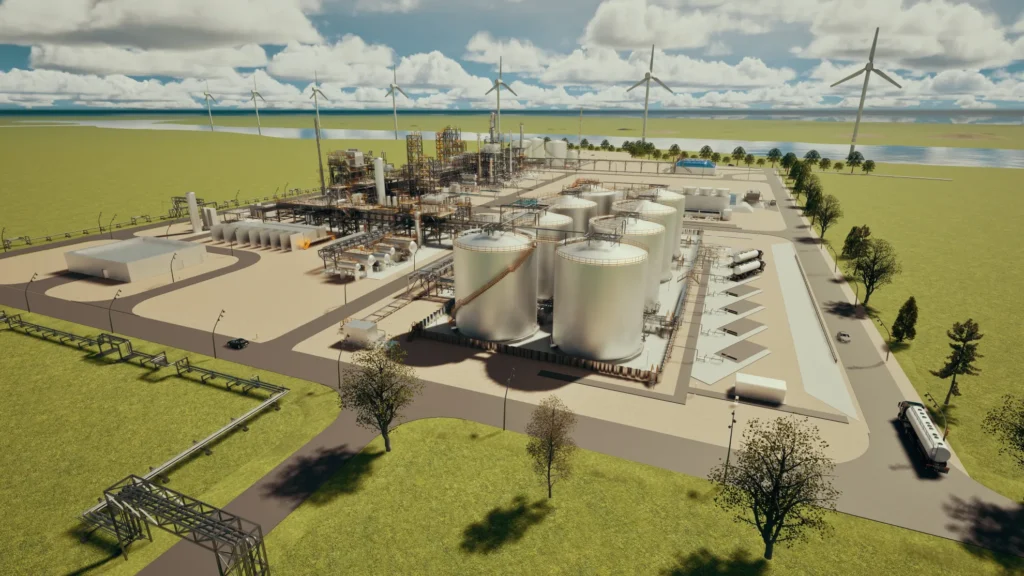
Gpi Tanks XL has been selected by Technip Energies for the construction of 22 stainless steel storage tanks for the SkyNRG project in Delfzijl. A contract has been signed between both parties for the development of a sustainable aviation fuel (SAF) plant, a facility that represents an important step in the decarbonisation of the aviation industry.

The plant at Chemie Park Delfzijl is expected to begin production in 2028, producing approximately 100,000 tonnes of sustainable aviation fuel per year. The fuel is made from waste and residual streams, such as used cooking oil, and can reduce CO₂ emissions by up to 80 percent compared to fossil alternatives.

With this project, Gpi Tanks XL reinforces its position as a partner for large-scale and technically complex storage solutions within the energy transition.

Varying Tank Volumes and Flexible Construction Methods

Gpi Tanks XL is delivering a series of high-quality stainless steel storage tanks with various functions within the process. The tanks range in capacity from 50 m³ to 4,400 m³ and are constructed both on-site in Delfzijl and at Gpi’s production facilities, after which they are transported to the project location.

Close Collaboration from the Initial Phase

Alexander Kraaijkamp, CCO of Gpi Group, stated that the project clearly demonstrates Gpi’s strength in building tanks both in its factories and on-site, combining the expertise of its operating companies. He noted that it is precisely thanks to the company’s scale and execution power that projects like these can be delivered safely, in a controlled manner, and within the agreed timeframe.

About Gpi Tanks XL

Gpi Tanks XL is a stainless steel tank builder specialised in large stainless steel and duplex storage tanks of up to 12,500 m³. With more than 30 years of experience, the company designs, manufactures and installs tailor-made solutions for leading clients in industries such as chemicals, bulk storage, the water sector and bio-energy.

Gpi Tanks XL is part of the Gpi Group, within which the strengths of several specialised companies are combined. Each company contributes its own expertise, while being united by shared core values: expertise, innovation, drive and commitment.

About Technip Energies

Technip Energies is a global leader in technology and engineering. With leading positions in LNG, hydrogen, ethylene, sustainable chemistry and CO₂ management, the company contributes to the development of key markets such as energy, energy carriers, decarbonisation and circularity. Technip Energies is listed on Euronext Paris and also has American Depositary Receipts traded over-the-counter.

With this project, Gpi Tanks XL reinforces its position as a partner for large-scale and technically complex storage solutions within the energy transition.
For more information visit www.gpi-tanksxl.com

CSG tops €100M revenue with Resource Chemicals acquisition

The acquisition adds over 200 new customer relationships to CSG and enhances its distribution and technical capabilities.

Chemical Solutions Group (CSG), an independent Irish chemicals company, has acquired UK-based Resource Chemicals, significantly expanding its presence and capabilities in the UK chemicals market.

This acquisition brings more than 200 established customer relationships into CSG and adds new UK expertise to its operations, particularly in water, hygiene and environmental solutions – key growth areas for the group. With Resource Chemicals, CSG’s continued growth will now see it generate annual revenue in excess of €100M across the group.

Resource Chemicals is a well-established UK distributor with decades of experience serving diverse customers across multiple industries. Its capabilities span a wide range of products and pack sizes, and with CSG can prove a more complete offering that spans bulk supply, smaller-pack distribution and technical support.

The deal comes at a time of increasing focus on resilience within supply chains across UK industries, particularly in essential sectors such as water and environmental services. The acquisition is the latest step in CSG’s broader strategy to build a scaled, full-service chemicals platform in the UK. In 2025, the company expanded its infrastructure through its UK subsidiary, GI Chemicals, launching a bulk caustic distribution facility at the Port of Immingham.

Kevin Quinn, CEO of CSG, said: “Having a reliable supply has become a critical issue for UK industry, and this acquisition is the latest milestone that we’re reaching to build the scale and infrastructure needed to support our customers for the long term.

“We’re excited to continue growing our presence in the UK by combining Resource Chemicals’ local expertise with our scale and capabilities. Customers will benefit from a stronger, more resilient partner and a business committed to long-term market development and competitiveness.”

Nicola Bradley, managing director of Resource Chemicals, said: “This is an exciting next chapter for Resource Chemicals. CSG shares our values, our customer focus and our commitment to quality and service. Becoming part of the Group gives us the scale and support to grow the business further, while maintaining the relationships and standards that our customers rely on. We’re looking forward to working together to build on what we’ve achieved and to play a key role in CSG’s long-term UK strategy.”

Continuity of service will remain a priority, and all employees, including the senior management team, will remain with the business. During the acquisition, CSG was advised by Pegasus Capital as lead advisor, with financial and tax support from PwC and legal counsel from Pinsent Masons LLP. Resource Chemicals was advised by IBI Corporate Finance, with PWC providing financial support and legal counsel provided by A&L Goodbody.

For more information visit www.csg-corporate.com

Alfa Laval launches TS45 semi-welded heat exchanger

Alfa Laval has announced the launch of the TS45, its largest semi-welded plate heat exchanger to date, designed to meet growing demands for high-capacity, high-pressure heat transfer across energy transition, industrial, and energy efficiency applications.

Unveiled in Lund, Sweden in May 2026, the TS45 expands Alfa Laval’s semi-welded portfolio into duties traditionally served by shell-and-tube technologies, offering customers a path to scale up heat transfer performance while maintaining a compact footprint, high energy efficiency, and full serviceability.

Madeleine Gilborne, president of Gasketed Plate Heat Exchangers at Alfa Laval, described the launch as a step change for the technology. “With TS45, we are redefining what semi-welded plate heat exchangers can deliver at scale,” she said. “It allows our customers to improve efficiency and decarbonise large industrial processes, while maintaining the flexibility and serviceability they expect.”

The TS45 combines Alfa Laval’s proven semi-welded cassette technology with an extra-large plate format, delivering high design pressure, significantly increased capacity, and a reduced installation footprint. The result is a solution that helps customers lower operating costs while boosting overall efficiency.

The exchanger is engineered for demanding applications including industrial heat pumps, energy storage, carbon capture, and sulphuric acid production — sectors where robustness, reliability, and efficiency are critical. By pushing semi-welded performance into territory previously dominated by shell-and-tube equipment, Alfa Laval is positioning the TS45 as a competitive option for large-scale industrial decarbonisation projects.

The TS45 is available from Q2 2026.

For more information visit www.alfalaval.com

Viva Energy and Saunders complete SAF infrastructure project at Brisbane’s Pinkenba terminal

Viva Energy Australia and engineering contractor Saunders International have reached a major milestone in Australia’s sustainable aviation fuel (SAF) sector, with the near-completion of a new SAF bulk storage tank at Viva Energy’s Pinkenba Terminal in Brisbane.

The $4.93 million project, delivered ahead of schedule, will strengthen Viva Energy’s capacity to supply the aviation industry at Brisbane Airport with lower-carbon fuel alternatives as demand for cleaner fuels continues to grow across the sector.

Viva Energy described the project as a significant step forward for the industry. “We’re thrilled to announce that Viva Energy Australia, in collaboration with Saunders, is nearing completion of a sustainable aviation fuel storage tank at our Pinkenba Terminal in Brisbane,” the company said. “Congratulations to all the dedicated teams for delivering this project ahead of schedule, an outstanding achievement.”

Saunders International echoed the sentiment, highlighting the strength of the partnership. “Working with Viva Energy Australia to deliver SAF infrastructure at Pinkenba is a great step forward for Australia’s aviation sector and its decarbonisation journey,” the company said. “Delivered safely and collaboratively, a strong outcome and a great result for our client.”

A key feature of the project is its demonstration of a SAF book-and-claim accounting system, which is designed to make the purchasing of SAF more flexible for airline customers, an important commercial innovation alongside the physical infrastructure itself.

The project received $2.4 million in funding from the Australian Renewable Energy Agency (ARENA), which backed the initiative as part of broader efforts to develop new SAF infrastructure and expand decarbonisation options across Australia’s aviation sector.

For more information visit www.saundersint.com

Square Robot welcomes Mark Stone to lead data strategy and advance inspection intelligence

Square Robot announced that Mark Stone, author of EEMUA 247, has joined the company as the vice president of data and analytics. Stone’s appointment reflects Square Robot’s continued investment in being industry leaders in onstream robotic tank inspections, and sets the standard for statistical analysis using high density data sets.

Stone brings Square Robot a background spanning statistical analysis of inspection data, fitness-for-service assessments, and the development of methodologies used across pressure vessels, pipelines, and storage tanks. As author of EEMUA 247, a key industry guidance document supporting the planning and evaluation of in-service robotic inspection of aboveground storage tank floors, he solidifies Square Robot’s capabilities to provide actionable insight for operators.

“Square Robot works with the largest storage tank owners in the world, and these clients are looking for guidance to correctly apply statistical analysis to the high-resolution quantity and quality data that robotic inspection provides. Having this level of insight into tank asset integrity is new to many operators, and as part of the Square Robot team, we can be the guiding resource for statistical analysis of deep data sets,” says Stone on joining Square Robot.

His contributions to standards and recommended practices have helped shape how operators apply statistical methods to non-intrusive inspection approaches in real-world environments. At Square Robot, Stone will focus on advancing how inspection data is analysed and interpreted for Extreme Value Analyses (EVAs) that are completed in accordance with EEMUA 247.

Stone’s addition strengthens Square Robot’s position at the intersection of robotics, inspection, and data. As operators face increasing pressure to maintain aging infrastructure while minimising downtime, the ability to interpret inspection data accurately and efficiently is just as important as the collection methods.

For more information visit www.squarerobot.com

Minebea Intec highlights cybersecurity as core priority in industrial weighing technology

Minebea Intec, a leading global manufacturer of weighing and inspection technologies, has outlined the growing cybersecurity risks facing industrial production environments and the steps the company is taking to address them through its latest product architecture.

The company notes that cyberattacks have moved well beyond traditional IT infrastructure, with networked production facilities increasingly becoming targets. Nils Hubrich, product manager at Minebea Intec, points to the erosion of the traditional “air gap” between office IT and manufacturing as a key driver of this shift, explaining that modern Industry 4.0 architectures now rely on continuous data flows from the sensor level through to corporate IT systems.

Hubrich emphasises that cybersecurity in operational technology (OT) environments must be approached differently from conventional IT security, with availability and integrity taking precedence over confidentiality. The company aligns its approach with the IEC 62443 standard series, the central international framework for industrial network and system security, as well as emerging regulatory requirements such as the EU’s Cyber Resilience Act.

Minebea Intec positions its MiNexx® weight indicators as a practical example of security embedded at the architectural level from the outset. The devices incorporate role-based access control, the principle of least privilege, and OPC UA communication with certificate-based authentication and encrypted data exchange.

Hubrich concludes that cybersecurity in industrial settings is not a one-time achievement but an ongoing responsibility — one that begins at the product development stage and extends across the full lifecycle of every connected component.

For more information visit www.minebea-intec.com

Zeeco acquires Australian vapour control specialist Oil & Gas Technologies

Zeeco has entered into a definitive agreement to acquire Oil & Gas Technologies, an Australia-based provider of vapour control and related equipment serving the downstream liquid fuels storage and energy sector. The acquisition marks the latest step in Zeeco’s ongoing global expansion strategy, reinforcing its commitment to broadening capabilities and better serving its international customer base.

Oil & Gas Technologies has established a strong reputation in the Australian market, specialising in vapour recovery systems, terminal loading systems, and a range of supporting solutions and services. The agreement positions Zeeco to leverage that expertise and extend its reach within the Asia-Pacific region’s growing energy infrastructure landscape.

For more information visit www.zeeco.com

Colonial Oil Industries acquires Atkinson Oil, expanding Southeast distribution network

Colonial Oil Industries, Inc. (COI), a division of Savannah-headquartered Colonial Group, Inc., has announced the acquisition of Atkinson Oil Company LLC, a Sandersville-based commercial distributor of fuel and lubricants known for its experienced team and strong safety and service record.

The acquisition is expected to strengthen Colonial Oil Industries’ presence across the Southeast and expand its ability to deliver essential fuel and lubricant products to customers in the region.

Christian Demere, president and CEO of Colonial Group, described Atkinson Oil as a highly respected, relationship-driven business with deep roots in the communities it serves, noting that the Sandersville and Macon markets represent a natural extension of the company’s growth strategy. He expressed pride in welcoming the Atkinson team to the Colonial family and looked forward to continuing their legacy of trusted service for customers.

Operations will continue in Sandersville and Macon, Georgia, with all existing facilities remaining active.

Clint Hancock, chief executive officer of Atkinson Oil, stated that the transition to Colonial Oil Industries reflects a shared commitment to safety, service excellence, and customer relationships. He noted that the move ensures continuity for existing customers while providing expanded resources and long-term growth opportunities under Colonial Oil’s leadership.

The acquisition adds 14 Atkinson Oil team members to Colonial Oil Industries as part of an integration process designed to maintain continuity and support long-term growth.

Demere added that customers and partners of both companies can expect uninterrupted service, with the combined organisation focused on maintaining existing relationships. He noted that over time, customers will benefit from expanded resources, enhanced distribution capabilities, and additional service offerings.

For more information visit www.colonialgroupinc.com

Technip Energies posts record €20bn backlog despite Middle East disruptions

Technip Energies has reported a resilient first-quarter performance for 2026, delivering solid revenues, EBITDA and strong free cash flow generation in spite of significant operational disruption caused by the ongoing conflict in the Middle East. Chief Executive Arnaud Pieton attributed the result to the adaptability and determination of the company’s teams in the face of what he described as considerable challenges.

The engineering group delivered solid first-quarter revenues and strong free cash flow, while warning that up to €600 million in revenue could slip beyond 2026 due to site stoppages caused by the regional conflict.

Q1 2026 results

Order intake, Q1 2026

>€6bn which exceeds full-year 2025 total

Backlog

>€20bn

new all-time high

Revenue deferred beyond 2026

€500–600m if the conflict normalises by end of Q2

The standout feature of the quarter was the company’s commercial momentum. Order intake exceeded €6 billion in the three months to March, surpassing Technip Energies’ total award intake for the entirety of 2025. The wins span the company’s core areas of LNG and sustainable aviation fuels and have pushed the group’s backlog to a new record high of more than €20 billion, a level that management said provides excellent visibility for the coming years and reinforces the company’s medium-term growth outlook.

“We achieved considerable commercial success in the first quarter with more than €6 billion of awards that surpassed our total order intake for the whole of 2025.”Arnaud Pieton, Chief Executive Officer, Technip Energies

Against that commercial backdrop, the Middle East conflict has created two distinct headwinds for the business. The first is project execution: site disruptions and logistical difficulties have deferred revenue into later periods. The second is incremental cost, with additional expenditure being incurred for safety measures and business continuity. The company said it expects to recover these costs through strong contractual protections, though the exact timing and extent will depend on how the conflict develops and the outcome of commercial discussions with clients.

Assuming the situation in the Middle East normalises by the end of the second quarter, Technip Energies estimates that around €500 to €600 million in revenue will be pushed beyond 2026, while it expects the impact on project margins to be substantially mitigated. The company said all its worksites are now nearing full mobilisation following phased resumptions under enhanced safety protocols, carried out in coordination with local authorities and customers.

Looking beyond the immediate disruption, Pieton framed the broader environment as one that strengthens the long-term case for Technip Energies. A supply shock of this scale, he argued, underscores the need for higher investment in energy capacity, greater geographic diversification and greater circularity in addressing local supply security. The company said it is well positioned to play a central role in advancing both energy security and decarbonisation in the years ahead.

Technip Energies is listed on Euronext Amsterdam and Paris. The Q1 2026 results are unaudited.

For more information visit www.ten.com

Metso signs new distribution agreement with Las Machines in Puerto Rico

Metso has signed a new distribution agreement with Las Machines (LAS MACHINES LLC), which has served as a Metso agent for the past three years. Las Machines is a Puerto Rican company specialised in the sale of new and used machinery, spare parts, and technical service. The company is located in Carolina, San Juan, Puerto Rico. The scope of the agreement covers capital equipment, aftermarket, and field services related to Metso’s Aggregates business.

“We appreciate Las Machines’ strong commercial performance during its years as Metso’s agent. With this new agreement, we are confident in Las Machines’ ability to further develop the business and support our customers across equipment, aftermarket, and field services through its strengthened local capabilities,” says Federico Villalba, director, distribution management, South America region, at Metso.

Las Machines’ local presence enables faster response times and improved availability of Metso’s OEM spare and wear parts in Puerto Rico. The goal of strengthened cooperation is to build strong capabilities in field services and local inventory to serve customers quickly and help reduce downtime and long lead times.

“We would like to sincerely thank Metso for appointing us as an authorised distributor in Puerto Rico. It is an honour to represent Metso’s world-class solutions in our local market. We are fully committed to meeting Metso’s high standards of excellence. To ensure the success of this partnership and achieve our goals, we look forward to Metso’s continuous support and technical backing. We are certain that working closely together will be the key to delivering exceptional value to our customers,” says Luis C. Velasquez B., president of Las Machines.

For more information visit www.metso.com

Woodside Energy names Breyden Lonnie as chief operating officer Australia

Woodside Energy has confirmed the appointment of Breyden Lonnie as executive vice president and chief operating officer, Australia, formalising an acting arrangement that has been in place since December 2025. In the role, Mr Lonnie holds responsibility for Woodside’s portfolio of operations and projects across Western Australia and the Bass Strait.

Mr Lonnie brings 24 years of industry experience to the position, spanning engineering, operations, planning and management roles both domestically and internationally. He joined Woodside in 2005, having previously worked for engineering consultancy Arup across Australia, Hong Kong and Saudi Arabia. Most recently he served as Woodside’s vice president North West Shelf from 2022 to 2025, overseeing the project’s operational and commercial performance during its transition to a processor of third-party gas. He holds a Bachelor of Civil Engineering and Commerce from the University of Western Australia.

“Breyden brings exceptional leadership and technical capability to this role, with a deep understanding of Woodside’s Australian portfolio from an operational, project execution, commercial and stakeholder engagement perspective.” Liz Westcott, chief executive officer, Woodside Energy

Chief executive officer Liz Westcott said the appointment supports continued operational excellence and world-class project delivery during a pivotal period for the company’s Australian portfolio, and reflects the strength of Woodside’s internal leadership pipeline.

Ms Westcott noted that Mr Lonnie’s expertise would be critical as Woodside moves towards targeted first LNG cargo from the Scarborough Energy Project in the fourth quarter of 2026, assumes operatorship of the Bass Strait assets, completes an asset swap with Chevron in the second half of 2026, and advances the proposed Browse to North West Shelf Project.

Mr Lonnie said he was honoured to continue his career with Woodside in the new role. He described Woodside’s Australian business as having an outstanding track record of delivering reliable and affordable energy to customers while making significant contributions to the communities in which it operates. He said his focus would be on safe and reliable operations and strong project execution across the company’s Australian portfolio.

For more information visit www.woodside.com

Beach Energy announce that Waitsia Gas Plant has reached nameplate

Beach Energy has announced that the Waitsia Gas Plant, a key pillar of Australia’s domestic energy infrastructure, has reached its nameplate capacity of 250 terajoules per day.

The milestone makes Waitsia the largest gas plant commissioned in Western Australia since 2016 and the closest major facility to Perth capable of delivering the equivalent of nearly one quarter of the state’s domestic natural gas demand. The plant is a joint venture project with operator MEPAU.

Beach Energy managing director and CEO Brett Woods said Waitsia would serve as a significant supplier of energy to critical Asian customers who support Australia with liquid fuels, as well as to the domestic market for many decades after the approved LNG export window expires.

Woods said the plant would play a crucial role in unlocking additional resources from the Perth Basin and supplying reliable and affordable energy to the state’s existing residential and industrial customers, while also enabling new opportunities for electrical power generation. He added that the facility represented a critical piece of infrastructure providing economic stimulus for the Mid-West region, along with energy security and royalties for the state.

Beach Energy also operates the Beharra Springs Gas Plant in the Perth Basin, which delivers natural gas to domestic customers in Western Australia. The company additionally holds a non-operated interest in both the Waitsia and Xyris Gas Plants.

For more information visit www.beachenergy.com.au

Seaside LNG appoints new C-Suite leadership team to drive next phase of growth

Seaside LNG, North America’s premier integrated LNG bunkering platform, has announced the appointment of a newly formed C-suite leadership team to guide the company’s next chapter of growth.

The new executive team brings a combined century of specialised experience spanning LNG liquefaction, regasification, maritime infrastructure, commercial strategy, and energy finance. The appointments come as the North American LNG bunkering market accelerates toward a projected value of more than $15 billion by 2030.

Seaside LNG describes itself as the only platform in North America offering integrated shoreside liquefaction, LNG storage, and Jones Act-compliant bunkering capabilities under one roof, a position the company says makes it uniquely equipped to meet the maritime industry’s rapidly expanding demand for cleaner fuel.

Douglas Shanda has been appointed chief executive officer, bringing more than 30 years of energy sector leadership to the role, including executive positions at Cheniere Energy and as president and CEO of Mexico Pacific Limited. He will drive Seaside LNG’s strategic growth and business development as the company looks to consolidate its position as North America’s leading integrated LNG bunkering platform.

Jason Owens joins as chief operating officer, drawing on over two decades of international and domestic experience in large-scale oil and gas infrastructure. He will oversee project execution, construction planning, safety, and system completions across the company’s US operations.

Andrew Bonnarens has been named Chief Financial Officer, bringing deep expertise in energy infrastructure finance. He will provide the financial leadership and capital strategy required to support the company’s continued fleet expansion and market growth across North America.

Bryan Frey takes on the role of chief commercial officer, bringing more than 30 years of experience in domestic and international energy sectors, including 20 years in the global LNG industry. His background spans Freeport LNG, Macquarie Energy, Marathon Oil, and El Paso Global LNG. He will lead Seaside LNG’s commercial development strategy, LNG supply and marketing, and long-term revenue growth.

Shanda said the company had built the infrastructure, assembled the fleet, and now had the leadership team to match its ambition. He added that with LNG demand across the shipping industry reaching historic levels, Seaside LNG remained the only fully integrated platform on the continent capable of delivering LNG from liquefaction to vessel safely, reliably, and at scale.

For more information visit www.seasidelng.com

Exolum has struck a new deal to advance CO2 storage for industry across England and South Wales

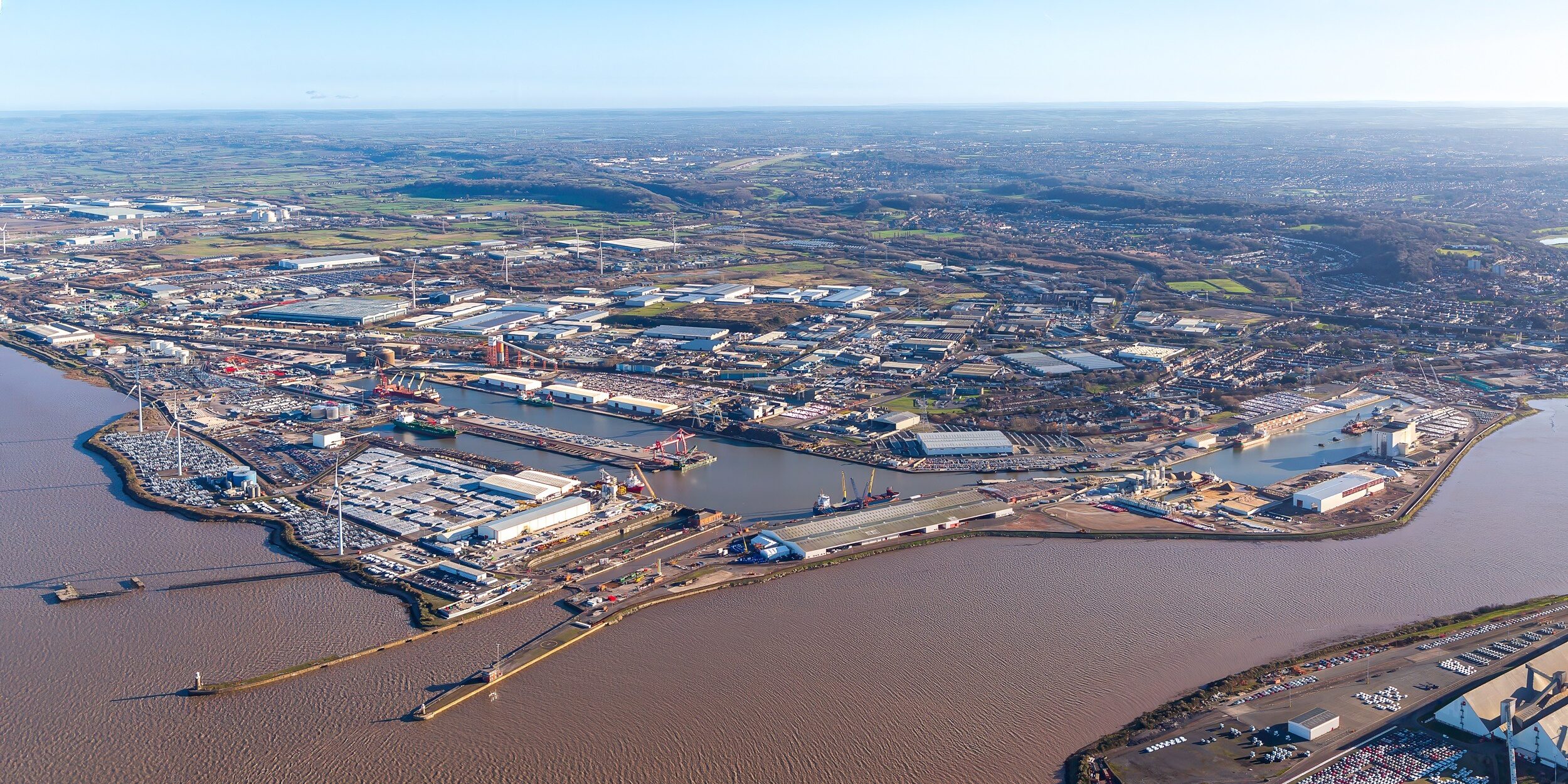
Industry across southwest England, the Midlands, and South Wales has moved a significant step closer to accessing the UK’s carbon capture and storage ecosystem, following a new agreement to advance a carbon capture and shipping hub at Avonmouth Docks, Port of Bristol.

Severnside Carbon and Exolum, Europe’s leading energy logistics company, have signed an agreement under which Exolum will establish a new subsidiary, Exolum 7CO₂, to invest in and lead the next phase of development of a major CO₂ storage terminal at Avonmouth. Spanish engineering firm Técnicas Reunidas will also participate as a development partner.

Image Source: Exolum

The terminal is set to become the UK’s first large-scale CO₂ hub designed for flexible, modular transport by rail and ship. Exolum 7CO₂ expects operations to commence from 2031, with the facility capable of handling up to six million tonnes of CO₂ per year from existing emitters, equivalent to the entire annual emissions of southwest England.

The project addresses a significant gap in the UK’s decarbonisation infrastructure. To date, only industry in four clusters in northern England and Scotland has had access to government-backed carbon capture, transport, and storage infrastructure. Approximately half of UK industrial emissions fall outside these areas, with South Wales alone accounting for 5 percent of the country’s total carbon output.

Beyond existing emitters, the terminal is also expected to support emerging industries, including regional data centres with round-the-clock carbon-free power requirements and sustainable aviation fuel projects already under development. By providing open-access CO₂ logistics, the hub aims to create a clearer pathway for energy-intensive businesses to capture, transport, and store their emissions.

Exolum has committed significant resources to the project, with a dedicated team focused on integrating the terminal with its existing UK energy infrastructure. The company said it will apply a safety-first operating approach to strengthen reliability and reduce delivery risk for customers and partners.

Severnside Carbon will continue in an advisory capacity to Exolum 7CO₂, ensuring continuity in the terminal’s development and maintaining relationships with public and private stakeholders. The company will also independently pursue its work on capture-as-a-service opportunities and a major regional sustainable aviation fuel investment.

Técnicas Reunidas will serve as engineering partner for the carbon hub through its low carbon business unit, track, contributing its experience in large-scale energy infrastructure delivery to ensure a robust and efficient project design.

Paul Davies, co-founder of Severnside Carbon, said Exolum’s investment represented a significant step forward, giving regional emitters and wider stakeholders the confidence to invest in carbon capture and related industries. Nacho Casajús, senior vice president at Exolum Global Energy Logistics, said the partnership would use the company’s logistics expertise to create an independent, open-access CO₂ terminal capable of scaling over time. Joaquín Pérez de Ayala, head of track at Técnicas Reunidas, said the project reinforced the firm’s collaboration with Exolum and added to the carbon hubs it is developing in Spain.

For more information visit www.exolum.com

DuPont launches Tychem® 6000 chemical barrier tape to strengthen PPE system integrity

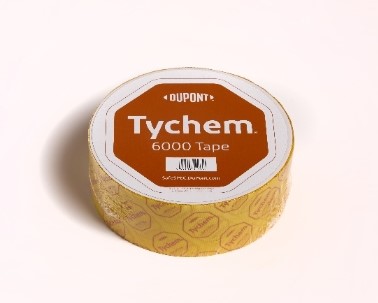
DuPont has introduced Tychem® 6000 Tape, a new chemical barrier tape designed to reinforce seams and vulnerable garment interfaces in personal protective equipment (PPE) systems, reducing the risk of chemical ingress in hazardous environments.

Developed for use with Category III chemical protective garments, the tape provides barrier performance against a broad range of organic and inorganic chemicals. The launch addresses a recognised gap in PPE protection, as seams, zipper flaps, and junctions between items of protective clothing, such as glove-to-sleeve, hood-to-mask, and footwear-to-ankle connections, are common weak points. Standard general-purpose tapes offer no chemical barrier and may react with certain substances, potentially causing burns or system failure.

Tychem® 6000 Tape has been engineered to deliver a permeation barrier of at least 30 minutes against a range of chemical hazards, making it suitable for applications spanning petrochemical operations, industrial maintenance, emergency response, and clinical laboratories.

Ease of application was a key design consideration. The tape can be torn by hand, eliminating the need for scissors, a notable advantage when wearing gloves or working under time pressure. It does not curl after tearing, enabling users to achieve a smooth seal that minimises creasing, which is a common cause of channel formation and potential ingress.

The tape’s distinctive yellow colour makes it readily visible during safety checks, even when a protective mask is being worn. Its lightweight construction and reliable adhesion are designed to keep it securely in place across harsh, dusty, or corrosive environments throughout an entire shift, while still peeling away cleanly to allow efficient doffing.

Classified as Category I PPE under Regulation (EU) 2016/425, Tychem® 6000 Tape is intended for use with Category III chemical protective garments, including DuPont’s Tychem®, Tyvek®, and ProShield® disposable coveralls. The tape measures 50mm in width and is supplied in boxes of twelve 50-metre rolls.

Full permeation data and chemical compatibility information are available via DuPont’s SafeSPEC™ platform, accessible online and through the app.

For more information visit www.dupont.com

Sensonics releases free downloadable guides on machine protection for rotating machinery professionals

Machine protection specialist Sensonics has made available a comprehensive range of free downloadable guides designed to answer key questions for engineers involved in designing, specifying, or supervising turbines and other rotating machinery.

Drawing on more than 50 years of industry-leading experience, the guides are positioned as an essential resource for machine monitoring professionals and are widely regarded as must-read references in the field.

Among the offerings is a three-part guide providing practical and comprehensive assistance on vibration monitoring system design. The guide covers the types of sensors and monitoring systems available, how they are used, and addresses the critical questions engineers face when designing integrated vibration systems. Topics include sensor selection for absolute or relative vibration measurements, optimal sensor placement, electrical interface requirements, and permissible distances between sensors and monitoring equipment, among others.

A separate six-stage guide focuses on the supervision of turbines and rotating machinery in power plant environments, where smooth and trouble-free operation is essential. The guide outlines the importance of effective vibration, position, and shaft speed monitoring, highlighting how early detection of mechanical problems — such as a cracked rotor — can enable a planned, safe shutdown before severe or catastrophic damage occurs.

Sensonics has also published a dedicated guide on overspeed protection, addressing a critical requirement in the power generation industry and other sectors where failure of machine speed loop control can carry significant consequences. The guide covers advanced speed sensors, robust speed monitoring, optimal system configurations, and the advantages of working with a provider with proven expertise in developing reliable condition monitoring systems.

All guides are available to download free of charge from Sensonics.

For more information or to download the guide visit www.sensonics.co.uk

WEL and KBR sign a strategic MOU

Wison Engineering and KBR, Inc. have signed a Strategic Memorandum of Understanding (MOU), marking a significant milestone in the two companies’ partnership and signaling the start of a new chapter of collaboration in the global green energy technology sector.

The agreement will see both parties combine their respective strengths to conduct in-depth cooperation across cutting-edge areas, including clean fuels, low-carbon chemicals, and floating solutions. Together, the companies aim to deliver solutions with greater economic value and sustainable competitiveness, supporting the green and low-carbon transformation of the global energy and chemical industries.

A delegation from KBR attended the signing ceremony, led by Jay Ibrahim, president of KBR Sustainable Technology Solutions, alongside Aman Ahmad, senior vice president, and Cao Ran, general manager of KBR China. Representing Wison Engineering were Zhou Hongliang, CEO; Yuan Jun, senior vice president; Dr. Liu Hengwei, CTO; Zheng Weike, vice president and general manager of the Engineering Design Center; Li Fang, vice president and general manager of the commercial department; and Zhang Xiaotao, general manager of the marketing department.

During the ceremony, both delegations reviewed their shared experiences in global engineering cooperation across cutting-edge technologies and discussed future project coordination mechanisms. The two sides reached consensus on deepening long-term strategic synergy in the global green energy sector.

Looking ahead, the collaboration is set to go beyond conventional sectors such as refining and petrochemicals, expanding into comprehensive cooperation built on green energy technology solutions. Through more diversified cooperation scenarios, Wison Engineering and KBR aim to create greater value for clients worldwide and contribute their professional expertise to the sustainable development of the industry.

For more information visit www.wison-engineering.com

Phillips 66 Limited completes acquisition of Lindsey Oil Refinery assets

Phillips 66 Limited has completed the acquisition of the assets and associated infrastructure of Prax Lindsey Oil Refinery Limited (in Liquidation). The transaction followed the company’s agreement to the deal in January, when it stated its intention to integrate key assets into its Humber Refinery operations.

Paul Fursey, Phillips 66 Limited UK lead executive, said that completing the transaction would allow Phillips 66 to play a stronger role in supporting the UK’s fuel supply and the resilience of critical energy infrastructure. He described the move as strategic, noting it would unlock new growth opportunities for traditional and renewable fuels while helping to protect UK energy security at a time when domestic production is under pressure.

Once integrated with the Humber site, Phillips 66 Limited plans to leverage storage and other infrastructure assets to enhance Humber Refinery operations and improve fuel supply to UK customers.

For more information visit www.p66.com

Shell to acquire ARC Resources in $22 billion deal, expanding Canadian Gas Footprint

Shell plc has signed a $22-billion deal to acquire ARC Resources Ltd., bringing together the lead partner in Canada’s first operating liquefied natural gas project with a major producer in one of the continent’s most profitable shale regions.

The purchase price of $32.80 per share, payable 75 per cent in ordinary Shell shares and 25 per cent in cash, represents a 27 per cent premium to ARC’s closing price on the Toronto Stock Exchange on April 24, 2026. Under the terms of the deal, ARC shareholders will receive 0.40247 of a Shell share and CAD $8.20 in cash for each ARC share held.

Why Shell Is Buying ARC

The acquisition is a strategic move by Shell to deepen its presence in Canada’s Montney shale basin, one of North America’s largest and most productive natural gas plays, and to bolster its integrated LNG value chain. ARC, which has operated for 30 years, is considered a low-cost, top-quartile producer with a strong track record in responsible development.

Shell CEO Wael Sawan said the deal aligned with the company’s broader strategy. “ARC is a high-quality, low-cost and top-quartile low-carbon-intensity producer that complements our existing footprint in Canada and strengthens our resource base for decades to come,” he said. “We look forward to furthering our strategy of delivering more value with less emissions.”

ARC President and CEO Terry Anderson described the transaction as a milestone for the company’s three-decade history. “Through this transaction, we will realise this tremendous value and become part of a dynamic global energy leader capable of realising the full potential of our business and delivering on Canada’s exciting energy future,” he said.

What Shareholders Will Receive

The deal structure offers ARC shareholders near-term cash liquidity alongside ongoing equity exposure through Shell shares, which are listed on the London Stock Exchange. Shell currently pays a quarterly dividend of US$0.372 per share, providing ARC shareholders who receive Shell stock with access to one of the world’s largest integrated energy companies and its existing shareholder returns programme.

ARC’s board of directors unanimously approved the transaction and is recommending that shareholders vote in favour of the deal. Board chair Hal Kvisle said the agreement delivers compelling value and brings together two companies with shared commitments to safety, operational excellence, and community. A special shareholder meeting to vote on the transaction is expected to be held in July 2026, where approval by at least 66⅔ per cent of votes cast will be required.

Regulatory and Closing Timeline

The transaction is subject to regulatory approvals, including under the Investment Canada Act, and is expected to close in the second half of 2026. It also requires clearance under Canada’s Competition Act, the Canada Transportation Act, and the US Hart-Scott-Rodino Antitrust Improvements Act. Court approval from the Court of King’s Bench of Alberta is also required.

Should the arrangement agreement be terminated under certain circumstances, ARC would be required to pay Shell a termination fee of $600 million. ARC is expected to continue paying its regular quarterly dividend of $0.21 per share until closing, with the next payment anticipated on July 15, 2026.

RBC Capital Markets is serving as exclusive financial advisor to ARC and has provided a fairness opinion to the ARC board. Burnet, Duckworth & Palmer LLP is acting as lead legal counsel to ARC, with Freshfields LLP advising on UK and US matters and Baker Botts LLP handling US regulatory counsel.

For more information visit www.arcresources.com

Gerotto challenges the Industry on AI and No-Man Entry Robotics at IFAT

Italian robotics company Gerotto is set to accelerate its push into AI-driven innovation at IFAT 2026, the international environmental technologies trade fair taking place in Munich from 4 to 7 May. The event draws more than 3,200 exhibitors from over 60 countries and serves as a global benchmark for cutting-edge solutions in water management, waste recycling, and the circular economy.

Gerotto will occupy two booths at the fair, indoor stand C4.321 and outdoor area C34.25, presenting its full range of robotic solutions for tank cleaning, industrial cleaning, and environmental remediation.

Introducing the Gerotto AI-Ecosystem

The centrepiece of Gerotto’s presence at IFAT 2026 will be the debut of the first phase of its AI-Ecosystem, on display at booth C4.321. A dedicated demo area will feature the company’s new G-OPTICAM cameras, devices connected to an artificial intelligence system designed to monitor events and scan working environments in real time.

The cameras carry ATEX Zone 0 certification for the European market and IECEx Zone 0 certification for international markets. Gerotto is among a small number of companies worldwide to hold the voluntary IECEx certification, which functions as a technological passport for explosion-proof technologies.

Through the integration of camera hardware and artificial intelligence, operators will be able to write multilingual prompts, retrieve data on near-miss events, and generate reports on task and equipment performance. The company has also established a dedicated data room for algorithm training, with the longer-term goal of developing an agent-based language capable of enabling the next generation of robotic automation.

Alessandro Gerotto, CEO of the company, described the initiative as central to the company’s strategic direction. “The AI-Ecosystem project is a fundamental step in the innovation strategy we are pursuing,” he said. “As an AI adopter, we aim to contribute to our industry with the goal of shaping the no-man entry robotics of the future: robotics based on intelligent machines connected to the working environment and to operators. The AI-Ecosystem represents our new way to ensure ever higher levels of safety, operational continuity and industrial asset integrity.”

A Full Robotics Range on Display

Beyond the AI-Ecosystem, both booths will showcase the breadth of Gerotto’s robotic portfolio.

In the outdoor area situated between halls C3 and C4, a 20-foot container will house the company’s flagship tank cleaning solution: a system built around the Lombrico S, an ATEX and IECEx Zone 0 certified robot paired with a Zone 1 certified Control Room. The solution is designed to serve a global oil and gas market comprising more than 500,000 tanks across refineries and tank terminals worldwide.

Also on show outdoors will be E-Dozer, a wireless battery-powered robot built for handling contaminated soil, and Gatto, a digger robot used in demolition and solid material removal operations.

Inside at booth C4.321, visitors will be able to view Lombrico FTC, Gerotto’s solution for cleaning the more than six million underground tanks at service stations around the world; Lombrico XXS ATEX Zone 0, designed for tank cleaning applications; and The Bull, an underwater robot equipped with an onboard centrifugal pump for use in water treatment plants and fire water storage tanks.

For more information visit www.gerotto.it

Transnet appoints Mohammed Abdool as new Ports Authority chief executive

Transnet SOC Ltd has named Mohammed Abdool as the new chief executive of Transnet National Ports Authority (TNPA), effective 1 May 2025, bringing nearly three decades of financial and strategic leadership experience to the role.

Abdool steps into the position, having served as acting chief executive of TNPA and, before that, as the authority’s chief financial officer for more than 16 years, making him one of the most seasoned figures in South Africa’s ports sector.

A Career Built Inside the System

His appointment is notable for its continuity. Rather than an outside hire, Transnet has elevated an insider with deep institutional knowledge of the authority he now leads. Over the course of his career, Abdool has overseen some of the most complex structural reforms in South Africa’s transport infrastructure, including co-leading the accounting separation of rail operations from the rail network business ahead of open-access reforms, and directing the corporatisation of TNPA itself, a process involving intricate work on funding models, asset valuations, and tax implications.

His areas of expertise include economic regulation and pricing strategy, infrastructure ownership structuring, procurement governance, risk management, fraud prevention, and business transformation.

Who Is Mohammed Abdool?

Abdool is a Chartered Accountant (South Africa) and a Certified Director of the Institute of Directors SA. He holds a Bachelor of Commerce (Accounting) from the University of the Witwatersrand and a Bachelor of Commerce Honours in Accounting from the University of Johannesburg, alongside a Certificate in the Theory of Accounting (CTA) and an Advanced Certificate in Financial Management. He has also completed executive leadership programmes at IMD Business School in Switzerland and the Gordon Institute of Business Science at the University of Pretoria.

What It Means for South Africa’s Ports

TNPA manages South Africa’s eight commercial seaports, which serve as critical gateways for the country’s trade and economic activity. The authority has faced ongoing pressure to improve port efficiency and competitiveness, issues that have drawn significant attention from the business community and government alike.

Abdool’s appointment signals Transnet’s intent to pursue stability and continuity in port leadership at a time when the sector is under scrutiny. His track record suggests a focus on financial discipline, structural reform, and long-term resilience.

Transnet said it looks forward to his leadership in advancing South Africa’s maritime transport sector.

For more information visit www.transnet.net

AMPP to host webcast on electrical transmission reconductoring and its impact on pipeline integrity

As the demand for increased electrical transmission capacity accelerates across the United States, new risks are emerging for critical pipeline infrastructure. The Association for Materials Protection and Performance (AMPP), the global authority on corrosion control and protective coatings, will host a webcast focused on the growing impact of electrical transmission reconductoring on pipeline integrity.

The event, “Impact of Increased Electrical Transmission Loads (Reconductoring) on Pipeline Integrity,” will take place on Thursday, April 30, 2026, at 2:00 p.m. EDT. The one-hour session will bring together industry experts to examine how rising electrical loads can introduce corrosion risks, create regulatory challenges, and require stronger coordination between pipeline operators and electric utilities.

As utilities work to expand grid capacity, reconductoring — the process of upgrading existing transmission lines to carry higher electrical loads — is becoming more common. While essential for meeting energy demand, these upgrades can increase the risk of alternating current (AC) interference, posing potential threats to pipeline safety, asset integrity, and long-term performance.

Attendees will gain insight into what reconductoring is and why it is becoming a growing issue in the United States, how increased electrical loads can impact pipeline corrosion and integrity, current regulatory gaps and industry challenges, practical steps to mitigate AC interference risks, and the importance of data sharing and cross-industry communication.

Speakers include Jim Warner, corrosion engineer at Consumers Energy, and Tim Gonzalez, vice president of energy solutions at AMPP.

“Reconductoring is happening faster than the industry’s ability to fully address its downstream impacts,” said Gonzalez. “As electrical loads increase, so does the potential for AC interference on pipelines. Addressing this requires not just technical solutions, but stronger coordination between utilities, pipeline operators, and regulators to close existing gaps and protect critical infrastructure.”

Jim Warner brings more than 30 years of experience in cathodic protection and corrosion control, and currently serves as Chair of the Technical Committee on Cathodic Protection – Impact of Increased Electrical Transmission Loads. His expertise, combined with AMPP’s global perspective on energy infrastructure, will provide attendees with practical, real-world guidance on managing these evolving risks.

As energy systems become more interconnected, understanding the intersection between electrical transmission and pipeline infrastructure is essential to maintaining safety, reliability, and regulatory compliance.

To learn more and register, visit: https://event.on24.com/wcc/r/5307051/3AE7C6E5C9BEEDB687D94FA8C8F25708?partnerref=AMPPWeb

TALKE USA expands ISO tank gas transport capabilities in Houston

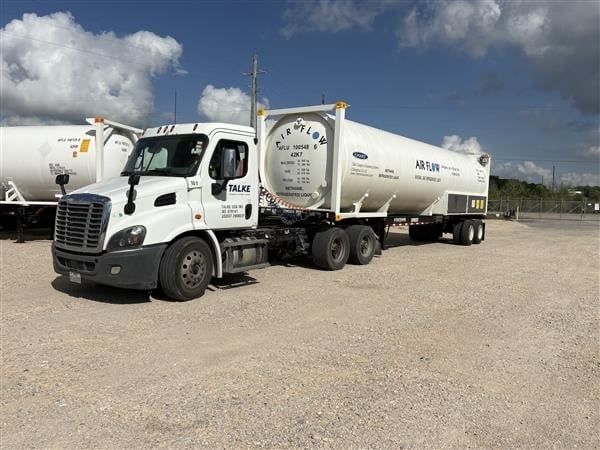
TALKE USA has completed its first ISO tank gas transport in the Houston area, marking an initial milestone in the company’s strategic expansion into gas logistics across the Gulf Coast region. While the transported ISO tank was empty, the move represents a deliberate step in building operational experience, infrastructure, and technical readiness for handling industrial gases.

A Targeted Entry into a Specialized Segment

The Houston operation forms part of TALKE’s broader strategy to enhance its capabilities across multiple transport segments, including liquids, solids, and gases. With decades of experience in chemical logistics and a strong focus on safety and compliance, the company is extending its expertise into ISO tank gas transport, an area that demands precise handling standards and specialised operational knowledge.

Richard Heath, president and CEO of TALKE USA, described the move as a foundation for longer-term growth. “Completing our first ISO tank gas transport in Houston is an important step in building our capabilities in this segment,” he said. “While this was an initial move, it reflects our long-term commitment to expanding our specialised transport portfolio and supporting customers with safe and reliable solutions for handling sensitive products. Houston is a key market for us, and we see strong potential to grow our presence in gas logistics across the Gulf Coast.”

Houston as a Strategic Foothold

Houston plays a central role in North America’s industrial gas and petrochemical landscape. As one of the most significant logistics hubs for chemical production and distribution on the continent, the region provides the infrastructure and connectivity that specialised transport operations require. TALKE’s entry into the market mirrors its broader global strategy of developing capabilities in strategically important industrial clusters.

The initial transport serves as a capability milestone, enabling the company to validate processes, refine operational workflows, and build experience under real-world conditions, laying the groundwork for scalable operations aligned with both regional customer needs and long-term market opportunities.

Safety and Reliability at the Core

Handling industrial gases requires stringent safety standards, advanced equipment, and highly trained personnel. TALKE has stated that its entry into ISO tank gas logistics is guided by the same commitment to safe and compliant operations that underpins its broader transport portfolio. Over time, the experience gained through these initial operations is expected to support a wider rollout of gas transport services across the Gulf Coast region.

With its first ISO tank gas transport now completed, TALKE is taking a measured approach to scaling its presence in the segment, focused on developing the infrastructure, expertise, and partnerships required for sustainable growth.

For more information visit www.talke.com

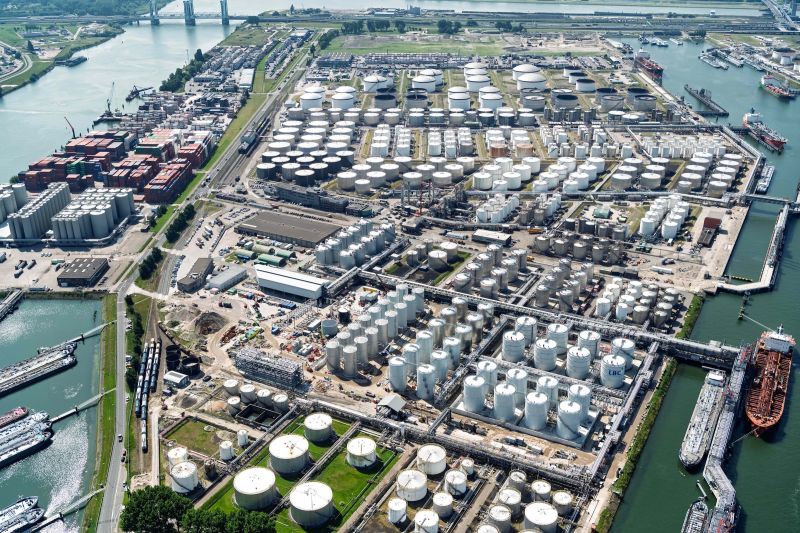
Throughput in the port of Rotterdam remains stable, with a slight decline of 0.7%

Throughput at the Port of Rotterdam fell marginally by 0.7 percent in the first quarter of 2026, with total volumes reaching 103.0 million tonnes compared with 103.7 million tonnes in the same period last year. Declines in agribulk, coal, other liquid bulk, and breakbulk were partially offset by growth in crude oil, mineral oil products, LNG, iron ore, and container volumes.

Dry Bulk Under Pressure

The dry bulk segment saw a 4.3 percent decline overall. Agribulk recorded the steepest drop, falling 20.9 percent, largely reflecting a return to normal levels following a temporary volume increase routed through Rotterdam in 2025. Coal throughput fell 9.8 percent, driven by a reduction in energy coal volumes after exceptionally high production levels the previous year.

Photo source: Martens Multimedia

On the positive side, iron ore and scrap metal throughput grew 5.3 percent, broadly in line with a modest upturn in German steel production, which rose 2.5 percent in early 2026. Other dry bulk increased 4.6 percent, supported by stronger demand for construction and industrial raw materials.

Liquid Bulk Rises, Led by Oil Products

Liquid bulk throughput rose 2.2 percent in the first three months of the year. Crude oil volumes increased 1.7 percent to 25.2 million tonnes, with refining margins climbing sharply in March following price increases triggered by the blockade of the Strait of Hormuz in late February. Mineral oil products , including petrol, diesel, and kerosene, were 10.3 percent higher than in 2025, with exports rising while imports fell, partly attributed to backwardation in oil product markets and increased gas oil and diesel exports to Spain and Gibraltar as the Mediterranean became an Emission Control Area.

LNG throughput rose 1.7 percent, driven by higher consumption resulting from low temperatures at the start of the year. Other liquid bulk fell 7.2 percent, with the decline concentrated in chemical products, reflecting lower industrial production in Germany during January and February.

Containers Mixed, Breakbulk Soft

Container throughput increased 0.3 percent in TEU terms compared with Q1 2025, though volumes in tonnes fell 3.2 percent due to a sharp 14 percent rise in exports of empty containers, particularly to Asia. A temporary system update at one of the port’s major container terminals also weighed on volumes during the period. Inland container volumes grew strongly, up 11 percent, driven by larger call sizes and expanded services on the Asia and North America trade routes.

Breakbulk volumes declined 1.5 percent, with ongoing weakness in the automotive, construction, and machinery sectors weighing on aluminium and steel throughput. RoRo volumes edged up 1.6 percent, supported by a modest economic recovery in the United Kingdom.

Strait of Hormuz: Limited Q1 Impact, Q2 Risk Rising

The closure of the Strait of Hormuz in late February has not yet materially affected Rotterdam’s first-quarter figures, but port officials have warned that the impact may become more pronounced in the second quarter. In total, 19 million tonnes, representing 4.4 percent of Rotterdam’s annual throughput , originates from Persian Gulf countries, primarily crude oil from Iraq and Saudi Arabia, kerosene from Kuwait, fuel oil from Saudi Arabia, and gas oil and diesel from Qatar.

The blockade has already prompted at least five tankers originally bound for Rotterdam to divert to Asia, where higher prices driven by greater regional dependence on Middle Eastern supply have made those markets more attractive. Reduced imports of oil products from the Middle East are expected to be reflected in Q2 figures, given typical shipping times from the region. With Rotterdam’s refineries currently operating at full capacity, the port anticipates this could lead to increased exports.

For the container sector, the direct impact of the closure remains limited, with Middle Eastern container traffic accounting for just 1.2 percent of total volume. However, port officials cautioned that indirect effects, through broader economic slowdown and falling purchasing power, could have a more significant impact.

Boudewijn Siemons, CEO of the Port of Rotterdam Authority, acknowledged the resilience shown in the quarter while flagging the uncertainty ahead. “The closure of the Strait of Hormuz highlights just how vulnerable global energy flows are,” he said. “The effects of this were only marginally apparent in the first quarter and may become more pronounced in the second quarter. At the same time, the growth in oil, oil products and containers shows that Rotterdam remains resilient as a European energy and logistics hub.”

For more information visit www.portofrotterdam.com

Resolutions passed by Vopak’s annual general meeting

Koninklijke Vopak N.V. (Royal Vopak) held its Annual General Meeting in Rotterdam on 22 April 2026, at which shareholders passed a series of resolutions covering financial approvals, board composition, remuneration policy, and auditor appointments.

Dividend and Financial Statements

Shareholders adopted the financial statements for the 2025 financial year and approved a cash dividend of EUR 1.80 per ordinary share with a nominal value of EUR 0.50. The dividend will be distributed in full on 30 April 2026, with Vopak shares trading ex-dividend on Euronext Amsterdam from 24 April 2026. The meeting also passed a positive advisory vote on the implementation of the remuneration policy for the 2025 financial year.

Board Discharges and Remuneration Policy

The AGM granted discharge from liability to members of both the Executive Board and the Supervisory Board for their conduct and supervision during the 2025 financial year. Shareholders also approved proposed amendments to the remuneration policies for both the executive board and the supervisory board.

Board Appointments

Two Executive Board members were re-appointed for further four-year terms: Mr. D.J.M. Richelle and Mr. M.E.G. Gilsing. Mrs. M. Oosterveld was appointed as a new member of the Supervisory Board, also for a term of four years.

Share Buyback and Cancellation

The Executive Board was authorised for a period of 18 months, up to and including 21 October 2027, to acquire fully paid-up ordinary shares in Royal Vopak on the stock exchange or otherwise, subject to Supervisory Board approval and within the limits set by law and the company’s articles of association. Shareholders also approved the cancellation of ordinary shares previously acquired by the company.

Auditor Appointment

PricewaterhouseCoopers Accountants N.V. was appointed as Royal Vopak’s external auditor and assurance provider for sustainability reporting, with an engagement to examine the company’s financial statements for the 2027 financial year alongside its sustainability reporting obligations.

For more information visit www.vopak.com

ETS discusses mobile degassing-how it works and why it is important

As industrial facilities face mounting pressure to reduce harmful emissions and protect worker safety, mobile degassing is emerging as a critical solution for managing residual gases and vapours during some of the most operationally sensitive moments in a plant’s lifecycle.

The Problem With Residual Gases

In industrial plants, a wide range of processes generate gases and vapours that pose risks to both human health and the environment. When chemicals, fuels, and other hazardous substances are stored in tanks and pipework, residual materials inevitably remain even after a vessel appears empty. These residues become a significant challenge during product changeovers, maintenance work, turnarounds, and short-term shutdowns, situations where residual gases must be removed in a controlled manner before work can safely proceed.

The stakes are high. Inadequate management of these vapours can expose workers to dangerous substances, release pollutants into the atmosphere, and create risks for surrounding plant operations.

How Mobile Degassing Works

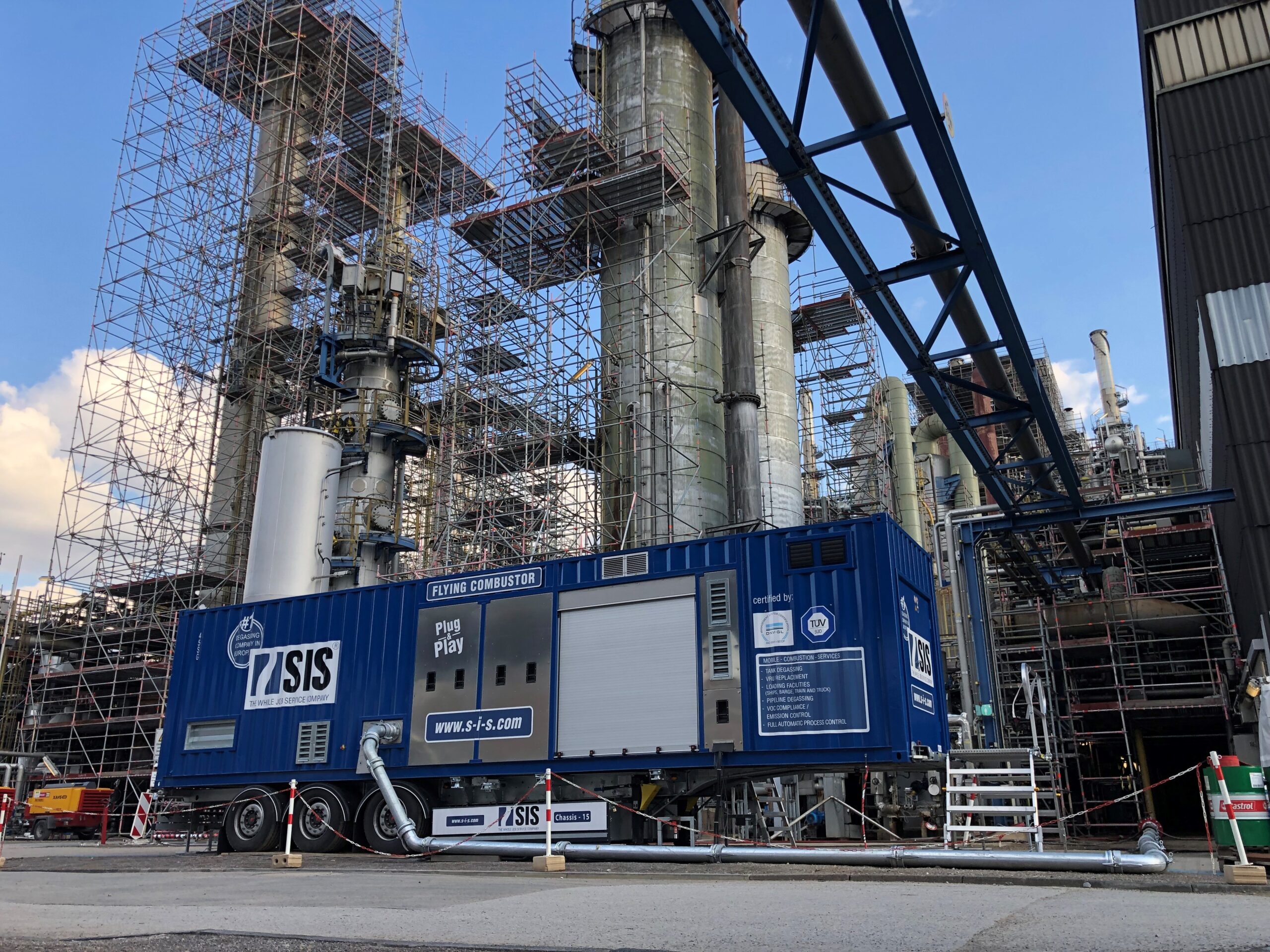
Degassing is the process of extracting and treating these residual gases and vapours in a safe and environmentally responsible way. Mobile vapour combustion chambers take this capability a step further by bringing emissions treatment directly to the source, rather than requiring gases to be transported or routed through fixed infrastructure.

These systems can be deployed at tank farms, refineries, ports, and chemical or other industrial plant, wherever emissions are being generated. Their mobility means they can be positioned precisely where they are needed, increasing operational flexibility and reducing the logistical complexity of emissions management.

Why Flexibility Matters

Fixed degassing infrastructure, while effective in purpose-built facilities, cannot always respond to the variable demands of industrial operations. Mobile systems fill that gap, offering plant operators the ability to respond quickly to unplanned shutdowns, accommodate turnaround schedules, and manage product changes without relying on permanent installations that may not be available or suitably located.

For ports and terminals handling a variety of products and vessel types, this flexibility is particularly valuable, as the nature and volume of residual gases can vary significantly depending on cargo and operational conditions.

A Growing Priority for Industry

With tightening environmental regulations and increasing scrutiny of industrial emissions, the ability to demonstrate controlled, documented management of hazardous vapours is becoming a compliance requirement as much as an operational best practice. Mobile degassing systems, such as those offered by specialist provider ETS Degassing, represent a practical response to these evolving demands, combining technical effectiveness with the deployment flexibility that modern industrial operations require.

For more information visit www.ets-degassing.com

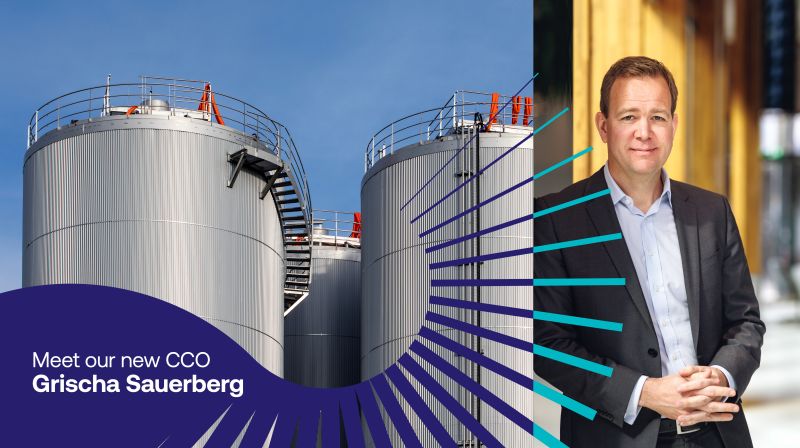
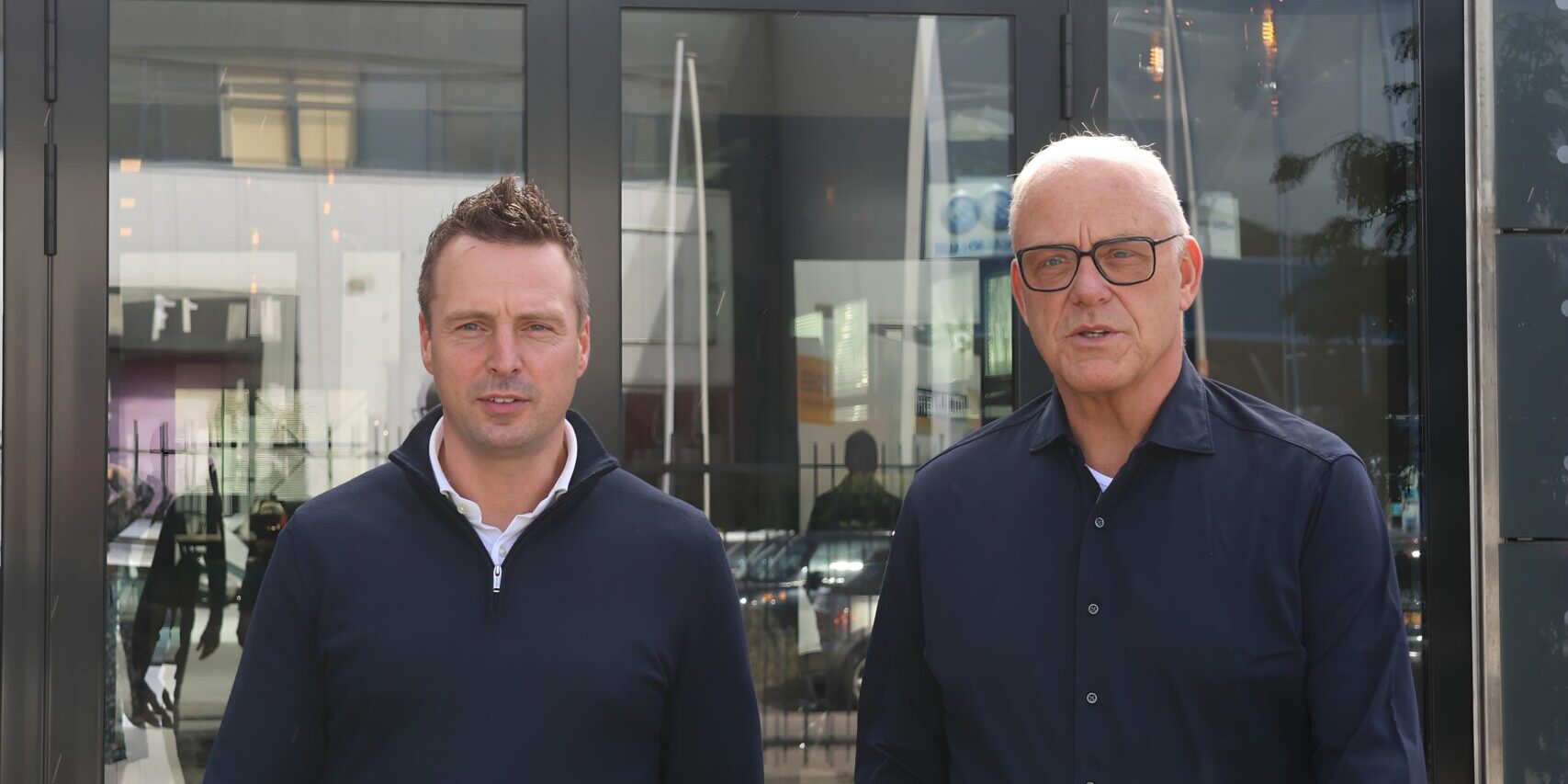
Chane appoints Grischa Sauerberg as chief commercial officer

Chane has appointed Grischa Sauerberg as chief commercial officer (CCO), effective April 1. The appointment reflects the company’s focus on strengthening its commercial organisation and deepening its role in customers’ supply chains amid a shifting energy landscape.

A Career Built Across Energy and Industry

Sauerberg brings more than two decades of international experience across the energy and industrial sectors, including senior leadership roles at Shell. Most recently, he served as chief commercial officer at Skeleton Technologies, where he contributed to the development of the business and its commercial organisation.

Image source: Chane

Dr. Fabian Ziegler, CEO of Chane, highlighted the combination of skills Sauerberg brings to the role. “Grischa brings a combination of commercial leadership and industry experience,” he said. “His experience in building organisations and leading change will support our continued focus on customers.”

Sauerberg said he looks forward to advancing the company’s commercial capabilities. “I look forward to working with the team to further develop our commercial capabilities and build long-term relationships with our customers,” he said.

For more information visit www.chane.eu

Desu Systems to showcase cross-division safety technologies at INTERSCHUTZ

Desu Systems will attend INTERSCHUTZ 2026 in Hannover from 1 to 6 June, presenting a broad range of safety technologies across its divisions at Hall 12, Stand D07. The company’s exhibition presence will focus on methane emission monitoring, flame and gas detection, and kitchen fire protection, areas shaped by some of the most pressing safety and compliance challenges facing industry today.

Responding to Rising Demand for Safety Performance

The company’s participation reflects growing market demand for practical, high-performance safety systems capable of meeting tighter regulatory expectations and rising operational risk. Industries including petrochemical processing, hydrogen production, wind energy, waste handling, aircraft hangars, tank storage, offshore infrastructure, and commercial kitchens are all facing increasing pressure to improve safety performance while adapting to evolving technical and compliance requirements.

Among the technologies on display will be optical gas imaging systems for methane leak detection, quantification, and monitoring; flame and gas detection solutions for hazardous areas; and suppression systems for commercial kitchen environments. Featured products will include the Spectrex 20/20Q flame detector, advanced flame detection technologies based on QuadSense detection, the Sensia thermal imaging camera, and the Buckeye Kitchen Mister suppression system.

Leadership Perspectives

Emile Hippe, The managing director of Desu Systems, said the safety conversation across industry has become both more urgent and more practical. “Companies are under pressure to improve detection performance, strengthen resilience, and respond to changing regulatory demands,” he said. “Our role is to help them find technologies that are not only advanced, but also relevant to the realities they face in the field.”

Ronald Verkroost, Founder and CEO, emphasised the consequences of getting safety decisions wrong. “Industrial safety decisions carry greater consequences than ever when systems fall short,” he said. “Detection and suppression technologies need to be chosen with a clear view of the risk, the environment, and the operational reality.”

Both Verkroost and Hippe will be available for press interviews throughout the exhibition.

INTERSCHUTZ 2026 runs from 1 to 6 June in Hannover, Germany. Desu Systems can be found at Hall 12, Stand D07.

For more information visit www.desusystems.com

Vopak reports strong start of the year and confirms 2026 outlook

Royal Vopak has reported a solid start to 2026, posting first-quarter revenues of EUR 333 million and a net profit of EUR 85 million, as the global tank storage company confirmed its full-year outlook despite ongoing market uncertainties and currency headwinds.

Financial Performance

Vopak’s Q1 2026 results reflected healthy demand for storage infrastructure services across its global portfolio. Excluding negative currency translation effects of EUR 12 million, revenues grew 5 percent year-on-year, supported by contributions from growth projects and existing business expansion. Proportional revenues remained broadly stable at EUR 479 million, while proportional EBITDA came in at EUR 295 million, representing a margin of 58.4 percent, a slight improvement on the 58.1 percent recorded in Q1 2025.

Proportional operating free cash flow reached EUR 224 million in the quarter, translating to EUR 1.96 per share,a 7 percent increase when excluding currency translation effects and divestment impact. The company’s occupancy rate held firm at 91 percent across both subsidiary and proportional measures.

Net profit attributable to ordinary shareholders decreased to EUR 85 million from EUR 100 million in Q1 2025, largely due to an exceptional loss of EUR 7 million related to the divestment of Hindustan Aegis LPG (HALPG), driven primarily by Indian rupee currency devaluation losses accumulated since Vopak acquired the terminal in May 2022. Earnings per share for the quarter came in at EUR 0.74, compared to EUR 0.85 in the prior year period.

Growth Investments on Track

Vopak continued to deploy capital across its strategic growth priorities. A total of EUR 1.1 billion in growth commitments are currently under construction, focused primarily on gas and industrial infrastructure in the Netherlands, India, and Canada. A further EUR 200 million in energy transition infrastructure projects are underway, mainly in Brazil and Malaysia.

In Q1 2026, the company took a final investment decision to repurpose capacity at its Europoort terminal in the Netherlands for the storage of pyrolysis oil, further integrating an existing industrial partnership at the site.

Proportional growth capital expenditure for the quarter was EUR 110 million, reflecting investments across joint ventures in Canada, the Netherlands, India, and the United States.

Share Buyback and Capital Allocation

Vopak’s EUR 500 million multi-year share buyback programme, announced in February 2026, is progressing as planned. The first tranche of EUR 100 million was launched, and 16 percent had been completed as of April 17, 2026. Proportional leverage remained stable at 2.60x at the end of Q1 2026, in line with the company’s target range of 2.5 to 3.0x.

CEO Outlook

Vopak’s CEO noted that the company is closely monitoring the geopolitical situation in the Middle East, emphasising that the safety and well-being of teams in the region remains the highest priority. The company said its Q1 results were not materially impacted by the conflict and that its diversified portfolio provides sufficient resilience to absorb the financial impact within the range of its full-year 2026 outlook — subject to the volatility of current market conditions.

“We are well-positioned to achieve our ambition of investing EUR 4 billion by 2030, supporting our operating cash return range of 13 percent to 17 percent,” the CEO said.

For more information visit www.vopak.com

deugro delivers major equipment for INEOS Terminal expansion project

Global project freight forwarder deugro has successfully delivered over 7,324 cubic metres and more than 1,441 metric tons of critical equipment from Oman to Belgium on behalf of client Worley, as part of the INEOS Terminal Expansion Project. The operation was carried out by deugro Belgium, deugro Netherlands, and deugro Oman, in close collaboration with dteq Transport Engineering Solutions.

Oversized Cargo, Complex Logistics

The shipment comprised nine oversized and heavy lift units weighing up to 200 metric tonnes, including three ethylene vessel skids, three refrigerant chiller skids, and three refrigerant compressor skids. The cargo was collected by self-propelled modular transporters (SPMTs) and hydraulic trailers from a supplier facility in the Sohar Industrial Estate in Oman.

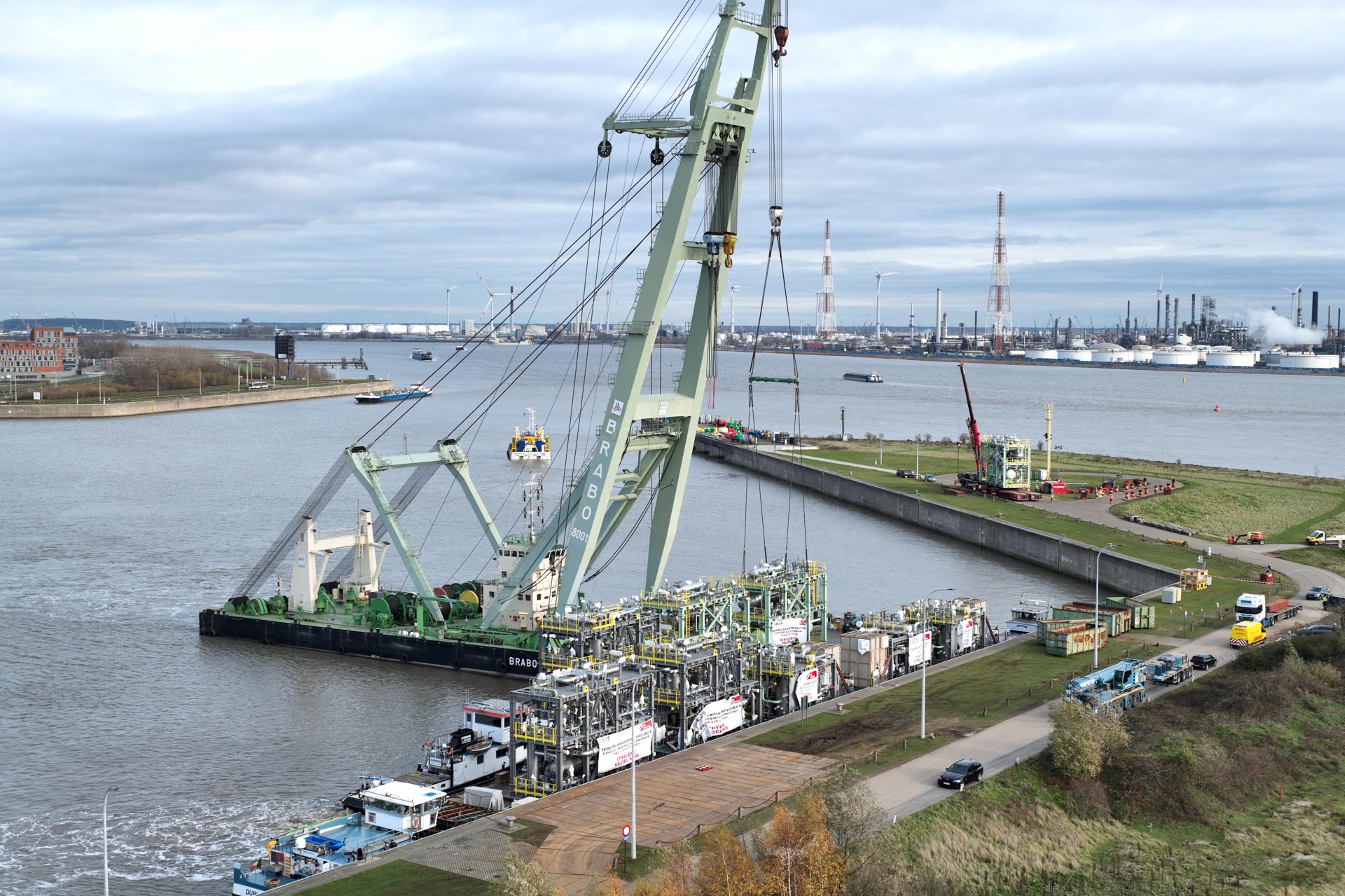
discharge_by_floating_crane-at_singelweg_quay_5

During a preliminary inspection at the manufacturer’s premises, dteq identified that several cargo units had been positioned too close to surrounding obstacles, preventing direct self-loading. Those units required double handling — first moved using a temporary transport solution to an area with sufficient manoeuvring space before being reloaded according to the approved final transport plan.

Given the size, weight, and local road restrictions, the 18.5-kilometre overland journey to an intermediate storage area at Sohar Port was conducted during nighttime hours at walking speed. The convoy was escorted by deugro’s local teams and escort vehicles within the industrial and port areas, with the Royal Oman Police providing additional guidance on public roads. A detailed route survey, conducted by dteq on deugro’s behalf, had been completed in advance to ensure a safe passage.

Engineering Solutions in the Field

One significant challenge emerged during load-out preparations. Six of the nine skids featured lifting lugs positioned at height, originally designed for 300-metric-tonne shackles. Working at 12 metres with shackle and pin assemblies weighing over 100 kilograms presented safety concerns for the lifting crews.

Giovanni Nigro, senior naval architect at dteq Transport Engineering Solutions, explained the solution the team developed. “We requested approval to use lower and lighter shackles to ensure easier and safer lifting operations,” he said. Since the lifting lugs could not be modified and operations had to comply with DNV standards, the team designed, manufactured, and procured a set of tailored spacer rings and sleeves for each cargo unit. These were pre-installed on the existing lifting lugs to compensate for the difference between lug and shackle pin diameters, enabling the safe use of 120-metric-ton shackles throughout the operation.

An Ocean Voyage and a Complex Discharge

After all units were loaded and secured at Sohar Port, the vessel departed on a nearly 10,800-nautical-mile, 38-day ocean voyage to the Port of Antwerp via the Cape of Good Hope.

Upon arrival at the PSA Breakbulk terminal in Antwerp, discharge was carried out via a double-banking lifting operation. deugro Antwerp secured two RO/RO flat-top pontoons, which were positioned alongside the vessel in sequence. Continuous ballasting of the pontoons was required to maintain stability as each cargo unit was landed. Once secured, both pontoons were towed by tug to Singelweg Quay, four nautical miles away.

Due to limited ground bearing capacity and restricted manoeuvring space at the quay, a floating crane was deployed to discharge the cargo units from the pontoons onto SPMTs and hydraulic trailers waiting on the pier. Significant tidal variation at the site — with sea levels dropping up to 11 metres below the quayside at low tide — required careful planning to determine safe lifting heights throughout the operation.

A Project Built on Coordination

Joost Maranus, project manager at deugro Antwerp, credited the outcome to the collaborative effort across all parties involved. “Meticulous planning and preparation, combined with close and clockwork-like operational collaboration and communication between all partners, as well as the seamless coordination between on-site project management and transport engineering, made this project a success,” he said.

For more information visit www.deugro.com

AG&P LNG to increase its stake to 100% in Cai Mep LNG Terminal in South Vietnam

AG&P LNG, a leading LNG terminals and downstream infrastructure company and subsidiary of Nebula Energy, has announced an agreement to acquire a 100 percent stake in the Cai Mep LNG Terminal, located in Vũng Tàu province in South Vietnam. The move follows the company’s initial acquisition of a 49 percent stake in 2024 and will see Hai Linh Company Limited fully divest its shareholding upon completion. The transaction remains subject to customary regulatory approvals and closing conditions.

From Joint Venture to Full Ownership

Originally developed by Hai Linh Company Limited, the Cai Mep LNG terminal was fully constructed and commissioned in 2025. Over the past 12 months, the facility was mechanically completed, commissioned, and ramped up under the joint stewardship of AG&P LNG and Hai Linh, and is now positioned to deliver reliable LNG supply to downstream customers across the South Vietnam market.

Image source: AG&P LNG

Once the transaction closes, Cai Mep LNG Terminal Company will become a wholly owned subsidiary of AG&P LNG, enabling the parent company to integrate the terminal end-to-end with its LNG supply, shipping, and downstream distribution platforms.

A Critical Node in Vietnam’s Energy Infrastructure

Strategically located near the Mekong River Delta, the Cai Mep terminal is well-positioned to serve as a cornerstone of Vietnam’s emerging LNG-to-power supply chain. The facility features three onshore tanks with a total LNG storage capacity of 220,000 cubic metres, LNG break bulk capability to reload into smaller vessels, and 14 bays for CNG and LNG truck loading. It is connected to the nearby Phu My industrial zone and has direct pipeline connectivity to Vietnam’s largest power generation complex, Phu My, which has a gas-fired capacity of 3.9 GW. Multiple highway connections provide access to surrounding demand centres.

Leadership Perspectives

Peter Gibson, chairman of Nebula Energy, described the acquisition as a defining moment for both the company and Vietnam’s broader energy transition. “Consolidating 100% of Cai Mep allows us to integrate the terminal end-to-end with our LNG supply, shipping, and downstream distribution platforms, and deliver reliable, competitively priced LNG to power plants and industries across the country,” he said, adding his gratitude to Hai Linh for their partnership in bringing the terminal to life.

Le Van Tam, CEO of Hai Linh Company Limited, expressed pride in what the two companies had built together. “From completing construction to successful commissioning and commercial operations — as Vietnam’s LNG market enters its next phase of rapid growth, we believe AG&P LNG is ideally positioned to scale Cai Mep to its full potential,” he said. Tam noted that divesting Hai Linh’s stake would allow the company to redeploy capital into its core petroleum business and the Hiep Phuoc Power Plant.

Vietnam’s LNG Market at an Inflection Point

The full acquisition reflects Nebula Energy’s stated commitment to Vietnam’s economic development and positions AG&P LNG as a key player in the country’s transition toward gas-fired power. With the terminal now operational and fully integrated infrastructure in place, Cai Mep is expected to play an increasingly central role in meeting Vietnam’s growing energy demands in the years ahead.

For more information visit www.agplng.com

DIRECTANK named exclusive US reseller for OptiDome by CST in Oil & Gas Market

DIRECTANK has been named the exclusive reseller for OptiDome by CST in the U.S. Oil & Gas market, the two companies announced on April 16. The partnership brings together CST’s geodesic dome cover technology with DIRECTANK’s customer service capabilities and market presence across the sector.

A Complementary Partnership

Under the agreement, DIRECTANK will expand its existing product portfolio to include OptiDome by CST’s geodesic dome covers, which are widely recognised for their quality, durability, and performance. DIRECTANK will also serve as the primary point of contact for all enquiries and requests for quotations related to CST Covers in the US Oil & Gas market.

Courtney Hyde, director of sales at CST Industries, described the arrangement as a natural fit for both organisations. “DIRECTANK has built an outstanding reputation in the US Oil & Gas market through strong customer relationships and exceptional service,” Hyde said. “By combining that with CST’s legacy of delivering high-quality, high-performance cover solutions, we are creating a partnership that will bring real value to customers.”

Hal Whitacre of CST echoed that sentiment, noting DIRECTANK’s technical expertise and customer-first approach as key factors in their selection. “Together, we are well-positioned to deliver best-in-class solutions and support to this important industry,” he said.

Strengthening an Already Robust Offering

For DIRECTANK, the agreement represents a strategic addition to a portfolio already focused on industry-leading products. Brandon Austin, President of DIRECTANK, said the partnership fills a meaningful gap. “Adding OptiDome by CST allows us to provide our customers with what we believe is the best geodesic cover solution in the industry, backed by the performance, quality, and legacy CST is known for,” he said.

The partnership is based in Conroe, Texas, and is effective as of April 2026.

For more information visit www.directank.com

Phillips 66 and Kinder Morgan advance Western Gateway Pipeline project following successful open season

Phillips 66 and Kinder Morgan, Inc. have announced they are moving forward with the Western Gateway Pipeline, a proposed refined products pipeline system connecting Midwest and Gulf Coast refinery supply to markets in Arizona, California, and Nevada. The advancement follows a successful second open season that secured sufficient long-term shipper commitments to progress the project, subject to the execution of definitive transportation service agreements, joint venture agreements, and respective board approvals.

Addressing Long-Term Logistics Needs on the West Coast

The project is designed to improve supply flexibility and reliability for West Coast markets, which have historically faced refined products logistics constraints. Phillips 66 Chairman and CEO Mark Lashier pointed to strong market interest as validation of the project’s strategic importance. “Customer response during the open season underscores the importance of Western Gateway in addressing long-term refined products logistics needs in the region,” he said, adding that demand during the process confirmed the role the pipeline can play in strengthening regional supply chains.

Kinder Morgan CEO Kim Dang highlighted the company’s ability to leverage existing infrastructure across the route. “By utilising existing pipeline assets across multiple states along the route, we’re uniquely well-positioned to support a refined products transportation solution,” she said.

A Multi-State Infrastructure Solution

The Western Gateway Pipeline will combine new-build infrastructure with existing assets from both companies. A newly constructed pipeline will run from Borger, Texas to Phoenix, Arizona, while Kinder Morgan’s existing SFPP, L.P. pipeline between Colton, California and Phoenix will be reversed to enable east-to-west product flows into California. Connectivity to Las Vegas, Nevada will be provided via Kinder Morgan’s CALNEV Pipeline.

To feed the system, Phillips 66’s Gold Pipeline — which currently runs from Borger to St. Louis, will also be reversed, allowing refined products from Midwest and Gulf Coast refineries to flow toward Borger and into the Western Gateway system.

The project is targeting an in-service date of mid-2029.

For more information visit www.kindermorgan.com

Cashco acquires 3B Controls

Cashco, a provider of highly-engineered pressure management solutions such as regulators, control valves, and tank safety equipment, and a portfolio company of May River Capital, today announced that it has acquired 3B Controls, a United Kingdom-based manufacturer of specialised solutions for storage tanks. The acquisition strengthens Cashco’s product breadth across pressure/vacuum relief, flame arresting, and gas blanketing, and adds a centre of production and service excellence in the UK to better serve global markets.

3B Controls maintains a highly engineered portfolio of pressure and vacuum relief valves, breather valves, emergency relief products, biogas equipment, and related inspection, spare parts, and after-sales services. Customers look to 3B Controls for its quality of products and services, consultative approach, and application expertise in sectors such as chemical, petrochemical, and biogas. 3B Controls serves multinational customers across a range of applications, selling to end-users directly and through value-added representatives, distributors, and engineering, procurement, and construction firms.

Cashco’s acquisition of 3B Controls brings together complementary capabilities and will enable the combined organisation to best serve customers with an expansive product suite and associated technical support.

“3B Controls has a sterling reputation for quality products, technical responsiveness, and practical support for customers with demanding environments. By bringing 3B Controls into the Cashco organisation, we are strengthening our ability to serve customers through broader product coverage, added expertise, and expanded geographic reach,” said Clint Rogers, President, Cashco.

“Our combined product line will be one of the widest in the industry, featuring materials ranging from Aluminum, Carbon Steel and Stainless Steel to Hastelloy, FRP, Polypropylene, PVDF, and specialty coating systems. We are pairing this material versatility with an extensive technology portfolio—including weight-loaded, spring-loaded, and pilot-operated vents—and advanced options such as steam jackets and integrated limit switches. 3B naturally extends our reach into the EMEA market. By shipping Cashco products directly from 3B Controls’ UK facility, we will significantly enhance our local service capabilities and lead times,” said Rogers.

“By joining forces with Cashco, our customers will continue to receive the high-level service and technical support they rely on, while benefiting from the expanded scale of the combined organisation,” said Phillip Horne, Managing Director at 3B Controls.

“This partnership leverages 3B’s localised manufacturing and distribution and enables us to provide the broader suite of Cashco solutions—tank safety equipment such as flame arrestors, blanketing valves, but also various specialised pressure management equipment including back pressure regulators, pressure reducing regulators, and control valves—directly to our customers across the UK, Europe, and elsewhere,” Horne added.

“May River Capital is proud to support Cashco’s global expansion through this strategic acquisition,” said Phil Ramsbottom, Principal at May River Capital. “Cashco’s partnership with 3B Controls presents yet another opportunity to join forces with a well-regarded manufacturer of specialised flow control equipment and apply our operational toolkit to accelerate growth. The acquisition of 3B Controls extends our portfolio of niche pressure and tank management suppliers serving critical customers in diversified industries. We continue to seek middle-market companies who might benefit from a growth-oriented partner with an established strategic playbook and access to deep customer, supplier, expert, and operator networks,” Ramsbottom added.

For more information visit www.cashco.com

Scully Signal Company’s Bob McGonagle named 164th Inductee into the Order of the SPR

The National Petroleum Management Corporation (NPMC) has recognised Bob McGonagle, a 22-year veteran of Scully Signal Company, with induction into the Order of the SPR, the highest individual honour the organisation bestows. McGonagle becomes the 164th inductee into the order, which recognises significant and enduring contributions to the aviation fuelling industry.

From Military Service to Industry Leadership

McGonagle’s career in fueling safety began in the U.S. Air Force, where he gained firsthand experience in complex, high-stakes fueling operations. After his military service, he joined Scully, a company whose mission, ensuring the safe transfer and transportation of hazardous liquids ,aligned closely with the discipline and standards he had developed in uniform.

Over the course of more than two decades, McGonagle built a reputation grounded in technical expertise and relationship-driven credibility. Working across Scully’s global offices and with a wide range of customers, he helped grow the business while maintaining an unwavering commitment to protecting people and the environment.

An Award with Deep Industry Roots

Established in 1991, the Order of the SPR takes its name from the single point receptacle, a term coined by the military when the first large jet pressure refuelling systems were developed in the late 1940s. Its inductees represent the leaders, innovators, and standard-bearers who have shaped the aviation fuelling industry over decades. McGonagle joins that group following a career spent working with military organisations, major international oil companies, and aviation fuelling operators around the world.

Recognition from Scully’s Leadership

Katrina Scully Ohl, president of Scully, praised McGonagle’s contributions to the company and the broader industry. “Bob is an incredible colleague and friend, among many other things,” she said. “Through the years, I’ve been lucky to work alongside him to grow the company to what it is today. His achievements are truly exceptional, and I couldn’t think of someone more deserving of this honour than Bob.”

McGonagle’s induction comes as Scully celebrates its 90th anniversary, making the milestone a fitting tribute to the people who have defined the company’s legacy. His recognition serves as a reminder that lasting impact in a technical industry is built not just on knowledge but on trust, accountability, and decades of purposeful work.

For more information visit www.scully.com