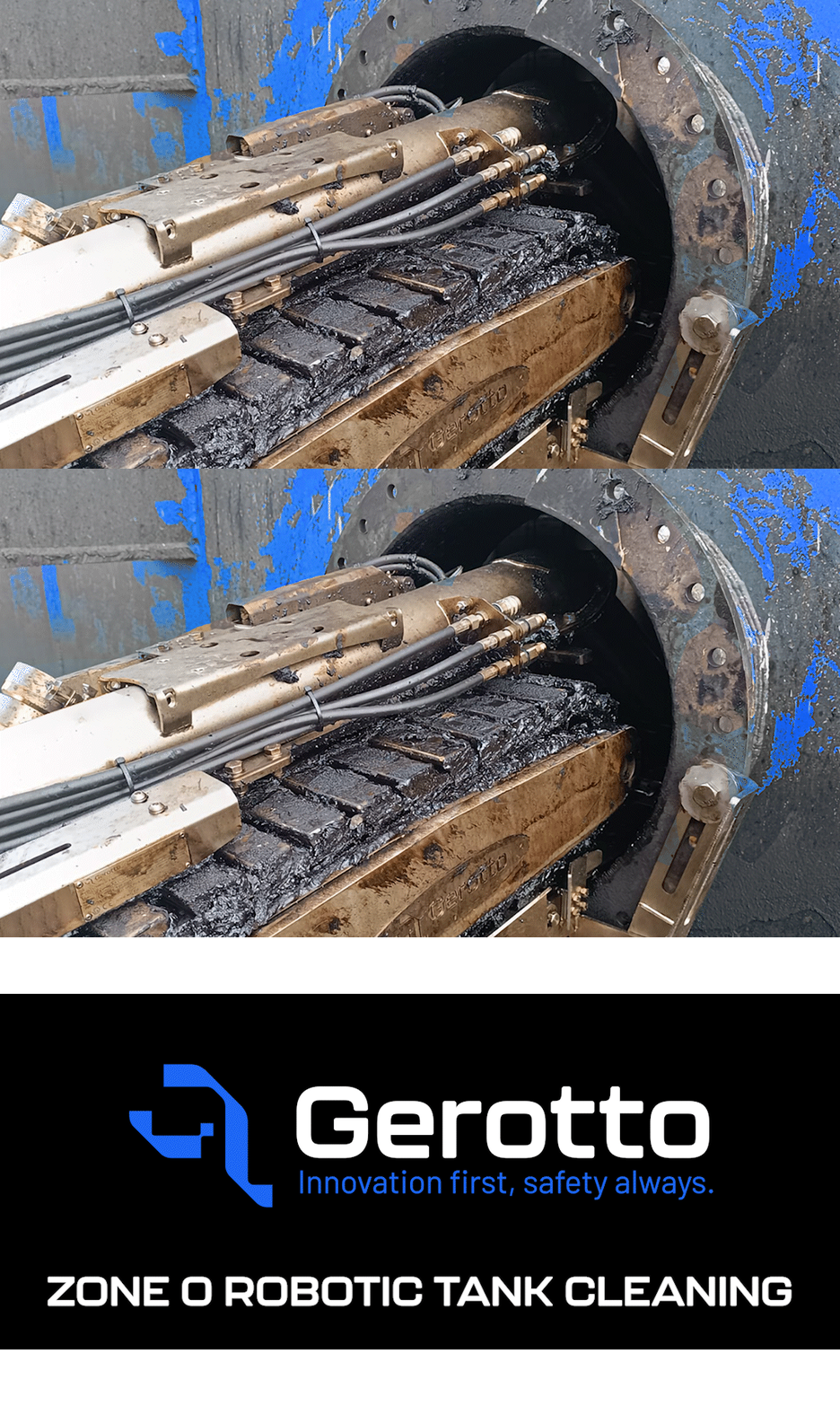
Gecko reaches unicorn status as customer demand surges around its build and modernisation capabilities

Gecko Robotics, the AI and robotics company developing platforms for building, operating and modernising the world’s most critical infrastructure, has doubled its valuation from its previous funding round, achieving a Series D valuation of $1.25 billion. The round was led by new investor Cox Enterprises, with participation from continuing investors USIT, XN, Founders Fund, and Y Combinator.

The additional funding will accelerate Gecko’s growth and its focus on building and modernising critical sectors including defence, energy, and manufacturing—areas that are becoming investment priorities for governments and companies worldwide. The funding follows recent strategic announcements, including Gecko’s partnership with NAES to modernise the energy sector, the creation of a new Extended Reality product with L3Harris, and expanding work with the Abu Dhabi National Oil Company.
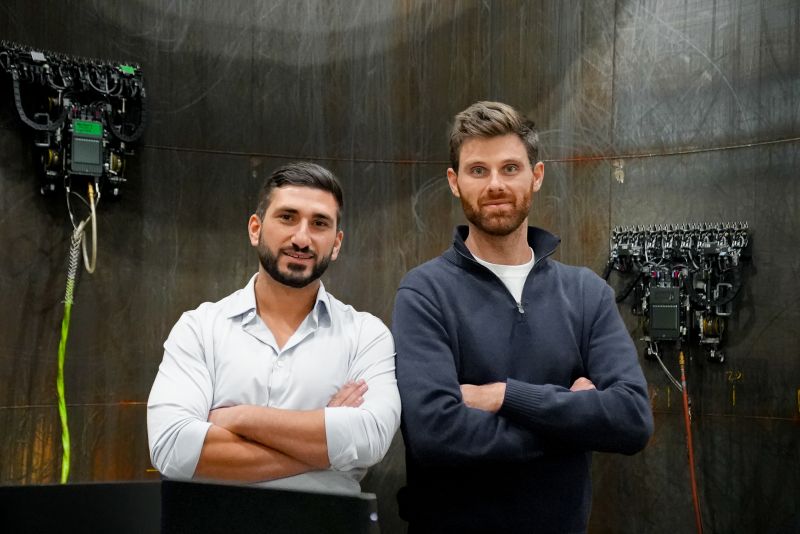
From Dormitory to Billion-Dollar Valuation

Jake Loosararian, co-founder and CEO of Gecko Robotics, reflected on the company’s journey from its humble beginnings to its current status as a leader in infrastructure technology. “Gecko was built out of my college dorm room, to what it is today—the company ensuring the safety of public infrastructure, the optimisation of energy and manufacturing facilities, and the modernisation of allied militaries to deter global conflict,” Loosararian said.

The CEO emphasised the company’s data-centric approach, explaining that Gecko built its operating platform, Cantilever, with an ontology that starts with first principles and questions the integrity of data. “In the built world, data is guilty until proven innocent,” he noted. “Developing robots to diagnose built environments ensures our data and AI-powered software can transform and modernise physical infrastructure around the world. The lack of quality data that exists on our built world is why there has been a huge surge towards Gecko.”

Industry Recognition and Investment Confidence

Andrew Davis, senior vice president of strategy and Investments at Cox Enterprises, highlighted the strategic value of Gecko’s technology. “At Cox Enterprises, we invest in durable companies solving complex, high-value problems. Gecko’s AI platform represents the future of infrastructure intelligence, and we’re proud to support them at this critical stage of growth,” Davis said.

Trae Stephens, partner at Founders Fund, distinguished Gecko’s approach from broader industry trends. “While much of the tech industry is focused on consumer AI applications, Gecko Robotics is using AI to address an important, underappreciated challenge—the building and maintenance of critical infrastructure. Gecko’s business continues to grow as organisations across a wide variety of sectors realise this work is more safely and thoroughly performed by sensors and robots than humans,” Stephens observed.

The company’s innovation has garnered significant industry recognition, with Gecko appearing on CNBC’s prestigious Disruptor 50 list for the second consecutive year—an annual publication highlighting the most innovative private companies.

Comprehensive Infrastructure Solutions

Gecko serves organisations ranging from the US military to Fortune 100 companies, helping them build, operate, and modernise their critical infrastructure. The company’s impact spans multiple industries, where it is drastically reducing shutdowns and asset downtime whilst saving organisations billions of dollars.

The company deploys a variety of robots capable of climbing, flying, and swimming to collect unprecedented amounts of data on built structures, including US Navy warships, power plants, and public infrastructure. Its operating platform, Cantilever, provides a decision-making structure that can predict pipeline explosions, modernise C-130 aircraft, or use AI to recommend power plant operations at 3-5 percent greater efficiency.

This funding round positions Gecko Robotics to expand its influence across critical infrastructure sectors at a time when governments and corporations are prioritising the modernisation and security of essential systems worldwide.

For more information visit www.geckorobotics.com

Limestone Holdings acquires P&I design to form UK’s only storage-focused multi-disciplinary consultancy

BC&T Consultants has announced that its parent company, Limestone Holdings, has acquired P&I Design, creating the UK’s only storage-focused multi-disciplinary group consultancy. The acquisition brings together two specialist firms under the Limestone Holdings umbrella to expand their combined service capabilities.

Joe Melville, general manager of BC&T Consultants, stated that the acquisition should be welcomed by customers and clients of both companies. He noted that the transaction has increased the service level offering and cross-company capabilities for both BC&T and P&I Design.

The acquisition aligns with Limestone Holdings’ strategic objectives for growth, quality, and sustainability as the group continues to execute its forward expansion plans in the storage consultancy sector.

For more information visit www.bct-consultants.co.uk

JERA announces milestone agreements with US partners to secure up to 5.5 million tonnes of new long-term LNG supply

JERA Co., Inc., Japan’s largest power generation company, has finalised 20-year agreements to procure up to 5.5 million tonnes per year of liquefied natural gas from the United States. The agreements were announced at the US Department of Energy headquarters in Washington, DC, with US secretary of the Interior Doug Burgum, Energy secretary Christopher Wright, and Japanese ambassador Shigeo Yamada in attendance.

The comprehensive agreements include Sales and Purchase Agreements with NextDecade Corporation and Commonwealth LNG, as well as heads of agreement with Sempra Infrastructure and Cheniere marketing LLC. According to S&P Global analysis, the long-term offtake commitments are expected to contribute approximately $200 billion to US GDP and sustain 50,000 jobs annually, surpassing JERA’s current $6 billion cumulative equity investment in the United States.

All LNG volumes will be delivered under FOB (Free on Board) terms without destination restrictions, providing JERA flexibility to optimise shipping routes and respond to evolving market conditions across the Asia-Pacific region. The new agreements complement JERA’s existing US operations, which include 3.5 million tonnes per year from Freeport LNG and Cameron LNG, plus a 1.0 MTPA agreement with Venture Global CP2 signed in 2023.

Yukio Kani, JERA Global CEO and chair, emphasised that the agreements strengthen Japan’s energy security while reaffirming the U.S.’s leading role in the global LNG market. He described the deals as supporting long-term sustainable economic development for both countries following more than 15 months of strategic evaluation.

Japan’s Ministry of Economy, Trade and Industry welcomed the agreements as vital to the country’s energy security, noting their contribution to supply and price stability for consumers. The deals are designed to mitigate price instability, respond to renewable energy-driven demand fluctuations, and leverage JERA Global Markets’ trading expertise to enhance cost competitiveness and supply stability across Asia.

For more information visit www.jera.co.jp

NSET integrates Osaka Gas (Thailand), enhancing energy service operations

Nippon Steel Engineering Co., Ltd. (NSE) and Osaka Gas Co., Ltd. (OG) have announced that their joint venture, NS-OG Energy Solutions (Thailand) Ltd. (NSET), has acquired OG’s entire 49 percent ownership stake in Osaka Gas (Thailand) Co., Ltd.. The transaction, completed on May 30, 2025, makes OGT a consolidated subsidiary of NSET.

OGT operates as an energy solutions provider specialising in fuel-to-natural gas conversion services. The acquisition represents a strategic move by NSET to streamline operations and strengthen energy supply capabilities throughout Thailand’s market.

The integration positions NSET to offer an expanded range of innovative energy solutions designed to meet evolving customer needs. The company plans to focus on developing additional energy-saving projects for OGT’s existing client base while exploring opportunities to expand sales of biogas and other low-carbon energy products produced by the Daigas Group.

With enhanced energy service operations following the acquisition, NSET aims to leverage the combined capabilities to deliver comprehensive on-site energy solutions across the Thai market. The transaction aligns with the joint venture’s strategic objectives to consolidate energy operations and expand its portfolio of sustainable energy offerings in the region.

For more information visit www.eng.nipponsteel.com

ADNOC Gas takes FID and awards $5 billion in contracts for first phase of its rich gas development project

ADNOC Gas Plc has reached final investment decision and awarded $5 billion in contracts for the first phase of its Rich Gas Development Project, representing a key milestone in the company’s largest-ever capital investment. The integrated gas processing and sales company plans to expand key processing units to increase throughput and improve operational efficiency across four facilities: Asab, Buhasa, Habshan (Onshore), and the Das Island liquefaction facility.

The company intends to proceed with FIDs on two additional RGD project phases at Habshan and Ruwais to deliver greater production capacity for growing market demands. The RGD project will enable development of new gas reservoirs critical to boosting liquid gas exports, supporting UAE gas self-sufficiency, and providing essential feedstock to the country’s expanding petrochemical industry.

EPCM contracts for phase 1 have been awarded across three tranches. Wood received the largest contract valued at $2.8 billion for the Habshan facility, while two consortia secured the remaining awards: Petrofac and Kent Plc will handle the $1.2 billion Das Island liquefaction facility and $1.1 billion Asab and Buhasa facilities, respectively.

Fatema Al Nuaimi, CEO of ADNOC Gas, described the FID and contract awards as a significant milestone in the company’s strategy to deliver over 40% EBITDA growth between 2023 and 2029. She emphasised that this strategic investment is expected to generate substantial shareholder value while enabling continued sustainable growth for the company, its employees, and the UAE.

The first phase focuses on optimising and debottlenecking existing gas assets while unlocking new gas streams. As part of ADNOC Gas’ long-term growth strategy through 2029, the RGD project demonstrates the company’s commitment to enhancing In-Country Value, with plans to create hundreds of new field-based technical positions by 2029, further contributing to UAE economic growth.

For more information visit www.adnocgas.ae

Exxon Mobil Corporation announces first-quarter 2025 results

Exxon Mobil Corporation announced first-quarter 2025 earnings of $7.7 billion, equivalent to $1.76 per diluted share. The energy giant reported cash flow from operating activities of $13.0 billion and generated free cash flow of $8.8 billion during the quarter.

The company returned $9.1 billion to shareholders through distributions that included $4.3 billion in dividends and $4.8 billion in share repurchases. These shareholder returns aligned with Exxon Mobil’s previously announced capital allocation plans.

The quarterly results demonstrate the company’s continued strong financial performance and its commitment to returning capital to shareholders through both dividend payments and share buyback programmes.

For more information visit www.exxonmobil.com

Neste and Chevron Lummus Global are developing a novel technology for processing lignocellulosic waste and residues into renewable fuels

Neste and Chevron Lummus Global, a leading technology provider for renewable and conventional transportation fuel production, have formed a strategic partnership to advance innovation in renewable fuels. The companies are collaborating to develop breakthrough technology that enables the conversion of lignocellulosic biomass into high-quality, lower-emission renewable fuels, including sustainable aviation fuel and renewable diesel.

The joint development initiative has achieved its first major milestone, with piloting results indicating that the new technology could deliver significant performance improvements over existing technologies for processing lignocellulosic raw materials. Both companies are currently engaged in validating the technology while targeting readiness for commercial-scale deployment.

Lignocellulosic waste and residues from existing forest industry and agricultural production represent vast, underutilised resources that could serve as valuable renewable raw materials. These materials are generated through various sources, including harvesting operations, forest industry processing, and end-of-life wood materials, yet remain largely untapped for fuel production applications.

Lars Peter Lindfors, senior vice president of technology and innovation at Neste, emphasised the potential significance of lignocellulosic materials as a renewable fuel feedstock. He noted that the technology development collaboration with CLG has progressed favourably, with encouraging initial results. Lindfors explained that unlocking the potential of these promising raw materials would enable the company to address growing renewable fuel demand over the long term while contributing to ambitious greenhouse gas emission reduction targets.

The strategic alliance leverages Neste’s pioneering expertise and global leadership position in renewable fuels alongside CLG’s extensive experience and proven track record in developing and licensing market-leading refining technologies. This combination of capabilities positions the partnership to address technical challenges associated with processing lignocellulosic feedstocks.

Rajesh Samarth, CEO of CLG, characterised the successful proof of concept as a major milestone in the collaboration, advancing efforts toward commercial-scale production of renewable fuels from abundantly available but technically challenging lignocellulosic raw materials. He expressed confidence that the partnership will establish a new pathway for renewable fuel production by leveraging CLG’s versatile and scalable hydroprocessing technology platform.

The development represents a significant step forward in expanding the feedstock base for renewable fuel production, potentially unlocking new sources of sustainable raw materials that could help meet growing global demand for cleaner transportation fuels.

For more information visit www.neste.com 

TotalEnergies increases its interest in Lapa

TotalEnergies has announced the signing of an agreement with Shell Brasil Petróleo Ltda to exchange its 20 percent non-operated interest in the Gato do Mato project for an additional 3 percent stake in the Lapa offshore oil field. Following the transaction’s completion, TotalEnergies will increase its ownership in Lapa to 48 percent while maintaining its operator status, with Shell holding 27 percent and Repsol Sinopec retaining 25 percent.

The Lapa field is situated in the Santos Basin, approximately 270 kilometres off Brazil’s coast, and operates as a deep-offshore project under TotalEnergies’ management. The field’s production capacity is set to expand significantly with the Lapa South-West tie-back development, which received approval in 2023. This development project is expected to add 25,000 barrels per day to the field’s output when it comes online by year-end, bringing Lapa’s total production to 60,000 barrels per day.

Javier Rielo, senior vice president Americas, exploration & production at TotalEnergies, emphasised that the transaction aligns with the company’s strategic focus on low-cost, low-emission projects. He referenced TotalEnergies’ recent sanctioning of the Atapu 2 and Sepia 2 projects in Brazil during 2024 as examples of this strategic direction. Rielo noted that the asset exchange further strengthens TotalEnergies’ operated position in the Lapa field within the prolific pre-salt Santos Basin.

The transaction represents a strategic repositioning for TotalEnergies in Brazil’s offshore energy sector, allowing the company to consolidate its operations around higher-value, operator-controlled assets while maintaining its commitment to efficient, lower-emission oil production in one of the world’s most significant offshore basins.

For more information visit www.totalenergies.com

Pattern Energy announces closing of equity investment from consortium headed by APG and ART

Pattern Energy Group LP, a leading renewable energy and transmission infrastructure company, announced that a consortium led by APG Asset Management N.V., representing the Netherlands’ largest pension fund ABP, and Australian Retirement Trust has completed the acquisition of Riverstone Holdings LLC’s equity stake in the company. The previously announced investment received all necessary regulatory approvals, establishing the consortium as a new owner alongside existing stakeholders Canada Pension Plan Investment Board (CPP Investments) and Pattern management. The companies did not disclose financial terms of the transaction.

Hunter Armistead, CEO of Pattern Energy, highlighted the strategic significance of the new partnership, stating that Pattern Energy has been significantly strengthened by APG’s and ART’s financial backing and supplemental growth capital. He emphasised that this investment further positions the company to address critical and rapidly expanding energy demand across North America, noting that the new partners appreciate Pattern’s commitment to developing reliable energy infrastructure while creating employment opportunities and investing in rural communities as the company advances its mission to “Power the Future.”

Steven Hason, head of Americas real assets at APG Asset Management US Inc., explained that the investment in Pattern Energy supports the firm’s client objectives of achieving attractive, stable returns while advancing cleaner and more resilient energy infrastructure. He noted that partnering with Pattern Energy and the new stakeholders reinforces APG’s strategy to deliver long-term value while making meaningful daily contributions to the energy sector.

Michael Weaver, general manager of mid risk assets & UK at ART, characterised the partnership with Pattern Energy as demonstrating the organisation’s commitment to advancing renewable energy infrastructure. He described the investment as strengthening ART’s expanding sustainable energy portfolio while aligning with the fund’s responsibilities as a leading global investor. Weaver expressed confidence that the investment will deliver lasting value for ART’s 2.4 million members while supporting the organisation’s Net Zero 2050 Roadmap.

Yakov Tsveig, principal of Riverstone, reflected on the firm’s founding partnership role, expressing pride in fostering the tremendous growth and innovation at Pattern Energy over the past 16 years. He voiced confidence that Pattern Energy remains well-positioned for continued success under its new ownership structure.

Pattern Energy was established in 2009 through a collaboration between Riverstone, its affiliates, and current and former Pattern management team members. Since its founding, the company has evolved into one of the world’s largest privately-owned developers and operators of sophisticated clean energy and transmission projects across North America.

The transaction involved several advisory firms, with Evercore Group L.L.C. serving as exclusive financial advisor and Vinson & Elkins providing legal counsel to Riverstone. Sidley Austin LLP acted as legal counsel for the buyer consortium.

For more information visit www.patternenergy.com

Baker Hughes announces sale of precision sensors & instrumentation product line to Crane Company

Baker Hughes Company announced Monday it has reached an agreement to sell its Precision Sensors & Instrumentation product line to Crane Company for approximately $1.15 billion in cash.

The transaction involves the sale of PSI, which operates as part of Baker Hughes’ Industrial & Energy Technology segment. The business encompasses well-known brands including Druck, Panametrics, and Reuter-Stokes, which manufacture instrumentation and sensor-based technologies for detecting and analysing pressure, flow, gas, moisture, and radiation across multiple industries.

PSI employs approximately 1,600 people globally across various manufacturing and service facilities. The sale includes all business assets, encompassing intellectual property, physical footprint, and human resources.

The divestiture represents the latest move in Baker Hughes’ strategic portfolio management initiative, following the recently announced Surface Pressure Control transaction. The company has emphasised its focus on value-creating asset optimisation to enhance earnings durability and cash flow generation while enabling capital reallocation toward higher-return opportunities.

“This transaction continues the progress we have made in enhancing our strategic focus on IET’s core competencies of rotating equipment, asset performance management, flow control, and decarbonisation to continue to drive higher returns, reinforcing our commitment to long-term value for our shareholders,” said Lorenzo Simonelli, Baker Hughes chairman and CEO.

Simonelli noted that the transaction value reflects the quality of the divested product lines and their growth potential under new ownership. “We believe the value realised in this transaction is a testimony to these product lines’ quality and the potential they can achieve as part of Crane,” he added.

Crane Company, the acquiring entity, operates as a leading manufacturer of highly engineered components for mission-critical applications. The company serves demanding end markets including aerospace, defense, space, and process industries, making the PSI acquisition a strategic fit for its existing portfolio.

The acquisition is expected to strengthen Crane’s position in instrumentation and sensor technologies while providing Baker Hughes with capital to focus on its core competencies. For Baker Hughes, the transaction aligns with its strategic emphasis on rotating equipment, asset performance management, flow control, and decarbonisation technologies.

The deal remains subject to customary closing conditions, including regulatory approvals. Both companies expect the transaction to close by the end of 2025 or early 2026.

Evercore is serving as financial adviser to Baker Hughes for the transaction.

The announcement comes as energy technology companies continue to optimise their portfolios amid evolving market dynamics and increasing focus on energy transition technologies. Baker Hughes’ strategic repositioning reflects broader industry trends toward specialisation and capital efficiency in the energy services sector.

For more information visit www.bakerhughes.com

XCF Global begins trading on Nasdaq under ticker symbol “SAFX”

XCF Global, Inc., a company focused on developing synthetic aviation fuel (SAF) solutions for the aviation industry’s decarbonisation efforts, commenced trading on the Nasdaq Capital Market today under the ticker symbol “SAFX.”

The public listing follows the completion of XCF’s business combination with Focus Impact BH3 Acquisition Company, which closed on June 6, 2025. The merger marks a significant milestone for the company as it transitions from private to public ownership.

“We’re proud to begin our journey as a public company and to raise awareness to the growing need for low-carbon aviation solutions,” stated Mihir Dange, chief executive officer of XCF Global. “The public listing enables us to accelerate development of our SAF platform and expand production to meet the aviation sector’s growing demand for low-carbon fuel solutions.”

The aviation industry faces mounting pressure to reduce its carbon footprint, with sustainable aviation fuel emerging as a critical component of decarbonisation strategies. Traditional jet fuel accounts for a significant portion of aviation emissions, making the development of low-carbon alternatives increasingly important for airlines and regulatory bodies worldwide.

XCF Global’s entry into the public markets comes at a time when investors and industry stakeholders are showing heightened interest in clean energy solutions for the transportation sector. The company’s SAF technology aims to provide airlines with viable alternatives to conventional jet fuel while maintaining performance standards required for commercial aviation.

“Our public debut aligns with a new era of growing demand and transformative opportunity – a mission that has never been more urgent,” Dange added, emphasising the company’s commitment to addressing climate challenges in aviation.

The successful completion of the SPAC transaction provides XCF Global with additional capital resources to advance its synthetic aviation fuel platform and scale production capabilities. The company plans to leverage its public status to accelerate research and development efforts while building strategic partnerships within the aviation ecosystem.

As the aviation industry continues to seek sustainable fuel alternatives, XCF Global’s public listing positions the company to play a more prominent role in the sector’s decarbonisation efforts. The company’s focus on synthetic aviation fuel development addresses a critical need as airlines work to meet increasingly stringent environmental regulations and sustainability commitments.

For more information visit www.xcf.global

Anaergia Singapore Pte. Ltd. signs conditional contract to design and build Biogas facility in Jeju Island, South Korea

Anaergia Inc., through its subsidiary Anaergia Singapore Pte. Ltd., has been awarded a significant contract by New Jeju Bio Co. Ltd. to design and construct the Jeju Bio Energy Biogas Plant on Jeju Island, South Korea. The total contract is valued at approximately C$40 million, comprising a main agreement worth C$30 million and a supplementary agreement of approximately C$10 million. Project completion is currently targeted for mid- to late-2027, subject to customary conditions including financial close arrangements by the client.

This award builds on the previously announced Letter of Award from September 2024, and reflects both an expanded project scope and increased contract value. The new contract signifies a deepened engagement between Anaergia and New Jeju Bio, underlining Anaergia’s growing footprint in the East Asian market.

Once completed, the facility will process approximately 54,000 tonnes of organic waste annually. This includes material from slaughterhouses and undigested sludge from local sewage treatment operations. The plant will generate approximately two megawatts of renewable energy, which will be used to power a combined heat and power (CHP) system. This system will support multiple operational needs such as digestion, pasteurisation, evaporation, and drying of digestate. The project also includes on-site treatment and recycling of wastewater to meet stringent environmental discharge standards. In doing so, the facility aims to significantly reduce greenhouse gas emissions and advance circular waste management on Jeju Island.

Commenting on the partnership, Sae Hyun Cho, CEO of New Jeju Bio, said: “New Jeju Bio chose Anaergia for this project due to its proven ability to deliver integrated, complex solutions. Throughout the design process, we expanded our use of Anaergia’s technologies to address the diverse organic waste streams generated on Jeju Island and optimally transform them into valuable resources.”

Assaf Onn, CEO of Anaergia, added: “Finalising the contract with New Jeju Bio marks an even more significant achievement than we had previously envisioned. Not only is this a major project in a key new market, but it also highlights how our industry-leading, integrated suite of technologies offers a comprehensive solution for developers seeking innovative, dependable waste-to-energy systems.”

This contract underscores Anaergia’s continued growth and its commitment to delivering sustainable energy and waste management solutions globally.

For more information visit www.anaergia.com

Falcker Innovations B.V. discusses why integration is the smartest investment

Operational efficiency has become a high-stakes balancing act for finance teams. They are expected to drive cost control and deliver maximum return on investment, while also supporting more agile, forward-thinking ways of working. As a result, the digital tools behind day-to-day operations are facing increasing scrutiny: Which platforms deliver genuine value? Which create silos? And which support scalable, sustainable growth?

The Pitfalls of Fragmentation

Many organisations fall into a common trap: implementing standalone digital tools to address individual departmental challenges. While these “solo solutions” may solve specific problems effectively, they often lack the flexibility to scale or integrate. Over time, a fragmented ecosystem emerges – one where data is trapped in isolated platforms and where finance teams must spend valuable time reconciling mismatched information.

This becomes particularly problematic when finance professionals need to map operational performance to broader KPIs or build cohesive investment narratives. The lack of integration leads to inefficiencies, inaccuracies, and missed opportunities.

Single, Not Solo

The alternative is a “single solution” approach – platforms that are purpose-built for a defined function, but designed to interoperate with broader enterprise systems. These tools can connect seamlessly across departments, enabling shared data flows and consistent reporting. For finance teams, this means clearer oversight, stronger forecasting, and a more complete picture of business performance.

Integrated systems also prove invaluable during key financial events such as refinancing or investment due diligence. Consolidated data, auditable workflows, and traceable insights into asset performance help build trust and confidence with lenders and stakeholders.

Falcker’s Approach: Connected Tools for Financial Clarity

Falcker’s digital solutions – including Site Explorer and Condition Monitor – are built with integration in mind. Designed to connect with existing enterprise platforms, they create a single source of truth for asset integrity, maintenance planning, and inspection workflows.

For finance teams, this translates into greater confidence in forecasting, reduced uncertainty around capital expenditure, and more accurate identification of the root causes behind unplanned costs. By digitising and unifying asset data, Falcker also helps mitigate operational risks – something that investors and insurers increasingly look for when assessing the long-term viability of an asset or operation.

Empowering Finance as Strategic Partners

Finance teams are no longer just gatekeepers of budgets. They are critical strategic partners in operational transformation. By championing technology that integrates effectively, they help create a business environment that is more agile, resilient, and ready to respond to changing market conditions.

The right digital tools won’t solve every challenge – but they can eliminate unnecessary complexity, improve transparency, and provide the confidence needed to plan, invest, and grow. In a world where trust, efficiency, and insight are at a premium, connected solutions are no longer a luxury – they’re a necessity.

For more information visit www.falcker.com

Rotork joins Rockwell Automation’s technology partner programme

Rotork, a global leader in flow control and intelligent actuation solutions, has officially joined the Rockwell Automation Technology Partner Programme, marking a significant milestone in its expansion within the industrial automation sector.

As part of this collaboration, Rotork’s IQ3 Pro electric actuator, featuring EtherNet/IP™ connectivity, will be included in Rockwell Automation’s Technology Partner product reference catalogue and system design tools. This integration will simplify the specification process for engineers, system integrators, and end users seeking advanced actuation solutions across a wide range of industrial applications.

Andy Filkins, global head of business development at Rotork, commented: “We’re proud to be joining Rockwell Automation’s Technology Partner Programme. This collaboration enhances the visibility of our Ethernet-enabled IQ3 Pro actuator and supports our commitment to delivering smart, connected solutions to customers around the world.”

The partnership spans North America, EMEA, and APAC, reflecting Rotork’s global reach and enabling closer collaboration with Rockwell’s regional teams and customer base. While the IQ3 Pro is the first product to be listed, Rotork plans to expand its presence in the Rockwell partner network as more products in its portfolio gain Ethernet compatibility.

This move underscores Rotork’s continued investment in digital innovation and its commitment to delivering intelligent, reliable, and future-ready flow control technologies to its global customers.

For more information visit www.rotork.com

EWFM discusses ATEX standards what are they and why they are essential

ATEX may be a familiar term within high-risk industrial sectors, but its full significance is often overlooked beyond those directly impacted. As safety expectations and regulatory pressures continue to evolve, ATEX remains a cornerstone of responsible and compliant operations, especially in environments where potentially explosive atmospheres are present. For companies like EWFM, designing equipment for use in demanding and sensitive conditions means that understanding and adhering to ATEX standards is not just important—it is essential.

In this article, EWFM takes a closer look at what ATEX standards entail and why they play such a critical role in industrial safety. The company also explores how its commitment to compliance supports safer operations and offers peace of mind for customers across the globe.

What Are ATEX Standards and Why Do They Matter?

ATEX, short for ATmosphères EXplosibles, refers to a set of EU directives created to ensure the safe use of equipment and protective systems in environments with a risk of explosion. These standards are fundamental in sectors where flammable gases, vapours, or dusts are present, providing both a legal and practical framework for mitigating risks and protecting lives.

There are two key directives under the ATEX framework:

  • Directive 99/92/EC (ATEX 137 or Workplace Directive): Focuses on the minimum health and safety requirements for workers operating in explosive atmospheres.

  • Directive 2014/34/EU (ATEX 114 or Equipment Directive): Regulates the design, manufacture, and use of equipment and protective systems intended for explosive environments.

Together, these directives underpin explosion protection protocols across Europe, making compliance not only a legal obligation but a crucial part of safe and responsible industrial practice.

Why ATEX Compliance Matters to EWFM

For EWFM, ATEX standards are more than a regulatory requirement—they are central to the company’s product design philosophy and its broader commitment to safety. Many of EWFM’s products are engineered to meet ATEX compliance, ensuring they function safely in hazardous environments where explosive atmospheres are a constant concern.

This focus is particularly vital in the industries EWFM serves, including Oil and Gas, Chemical Processing, Petrochemicals, and Aviation—sectors where flammable substances pose significant operational risks. For example, EWFM’s loading arms are fully grounded to prevent static build-up and discharge, eliminating a common ignition source.

By embedding ATEX standards into its equipment, EWFM enables its customers to meet stringent safety regulations while enhancing operational reliability, even in the most challenging conditions.

Supporting Safer Operations

Whether it’s an ATEX-rated loading arm filling an oil tanker or other specialist equipment designed for use in explosive atmospheres, EWFM’s solutions are developed with compliance and safety at the forefront. The company encourages operators in ATEX-regulated environments to review their processes and equipment regularly.

With a comprehensive portfolio of ATEX-compliant products, EWFM stands ready to support clients in making their workplaces safer and fully aligned with regulatory expectations.

For more information visit www.ewfm.co.uk

Stolt-Nielsen Limited announces completion of compulsory acquisition of remaining issued and outstanding shares of Avenir LNG Limited

Stolt-Nielsen Limited, through its subsidiary Stolt-Nielsen Gas Ltd., is pleased to announce the successful completion of the compulsory acquisition of all remaining shares in Avenir LNG Limited. This follows the company’s announcement on 5 March 2025 regarding its decision to proceed with the acquisition of shares not already owned by Stolt-Nielsen Gas Ltd.

With this milestone, Avenir LNG is now a wholly owned subsidiary of Stolt-Nielsen Gas Ltd., marking a significant step in consolidating Stolt-Nielsen’s position in the small-scale LNG market.

In line with this development, a request will be submitted for Avenir LNG’s delisting from Euronext N-OTC, with the delisting expected to take effect shortly.

Stolt-Nielsen Limited remains committed to strengthening its energy logistics platform and sees this full ownership as a strategic move to further enhance integration and operational efficiency within its gas division.

For more information visit www.stolt-nielsen.com

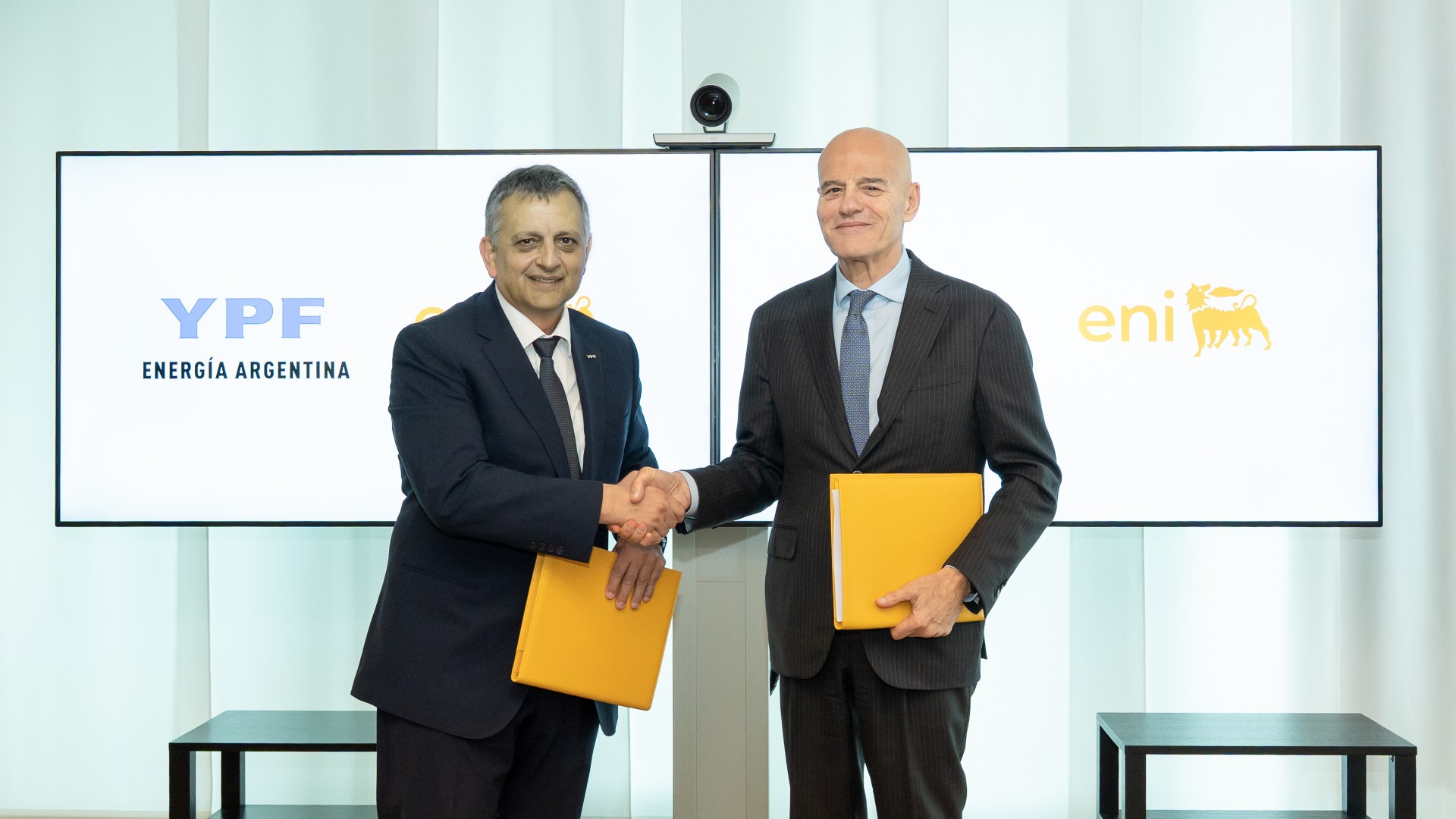
Eni and YPF sign a MOU for the joint evaluation of a phase of the Argentina LNG project

Eni’s chief executive officer, Claudio Descalzi, and Horacio Daniel Marín, president and CEO of YPF – Argentina’s state-owned energy company – have signed a Memorandum of Understanding to explore Eni’s participation in the Argentina LNG project. The project, spearheaded by YPF, aims to harness Argentina’s vast gas resources from the Vaca Muerta shale formation and position the country as a global LNG exporter.

The Argentina LNG project is a large-scale, integrated upstream and midstream gas development designed to export up to 30 million tonnes per annum of liquefied natural gas by the end of the decade. The MoU outlines collaboration on the project’s initial phase, which includes the development of upstream gas assets, transportation infrastructure, and two Floating LNG units, each with a capacity of 6 MTPA—totalling 12 MTPA.

Strategic Global Partnership

The partnership reflects YPF’s confidence in Eni’s expertise and track record in delivering complex FLNG projects. Claudio Descalzi, CEO of Eni, stated:
“YPF’s choice of Eni as a strategic partner stems from the specific and distinctive know-how we have developed in FLNG projects in Congo and Mozambique, and from the recognition of our global leadership in implementing projects with this technology.”

Horacio Daniel Marín, president and CEO of YPF, commented:
“We are very pleased to sign this agreement with Eni, which would allow us to accelerate the timeline for the Argentina LNG project. We see great interest worldwide, both from large production companies and from countries seeking to purchase gas from Vaca Muerta.”

This agreement aligns with Eni’s broader strategy to support the energy transition by increasing the share of natural gas in the energy mix while reducing emissions. The company aims to achieve carbon neutrality by 2050, and its participation in Argentina LNG would contribute to enhancing global energy security and competitiveness.

By joining forces, Eni and YPF are setting the stage for a transformative energy project that not only strengthens Argentina’s role in global LNG markets but also supports cleaner energy development on an international scale.

For more information visit www.eni.com

bp deepens and progresses in Azerbaijan with go-ahead for new major project and exploration access

bp, in collaboration with its partners, has signed a series of landmark agreements aimed at expanding its oil and gas portfolio in Azerbaijan, reaffirming its long-standing partnership with the country and its state oil company, SOCAR. These developments were formalised during Baku Energy Week and mark a significant step towards growth, increased production, and emissions reduction in bp’s upstream operations.

Key among the agreements is the final investment decision on the next major phase of the Shah Deniz gas field – Shah Deniz Compression. This world-class gas field plays a vital role in delivering energy to European markets, and the new phase will enable access to additional resources and extend field life and production capacity.

In addition to Shah Deniz Compression, bp has committed to two further projects focused on emissions reduction: terminal electrification and the development of a new solar power project. Together, these initiatives are expected to reduce operational emissions while freeing up additional gas volumes for export.

The agreements also grant bp access to two new exploration and development licences, while enabling the introduction of a new partner to accelerate exploration on a third block. These moves align with bp’s strategy of growing its upstream business and long-term shareholder value, while maintaining its financial discipline.

Gordon Birrell, EVP of production & operations at bp, commented:

“We are deeply proud of the long and successful partnership that bp has built with Azerbaijan over more than 30 years. As can be seen by the agreements we signed this week, we continue to see many opportunities for further development and growth.”

He added:

“The next phase of Shah Deniz will support vital gas supplies to Europe, and our innovative electrification and solar projects demonstrate how bp is lowering emissions while enhancing energy security. We are pleased to continue working closely with SOCAR and other partners to unlock further potential across the region.”

bp has operated in Azerbaijan for 33 years, having led the development of key assets including the Azeri-Chirag-Deepwater Gunashli (ACG) oil field, Shah Deniz, and the Sangachal terminal, as well as associated infrastructure such as the Baku-Tbilisi-Ceyhan (BTC) oil pipeline and the Southern Gas Corridor (SGC) gas network.

The Shah Deniz Compression project is one of bp’s 8–10 major global developments scheduled for start-up between 2028 and 2030. It is expected to contribute to the company’s aim of increasing upstream production to 2.3–2.5 million barrels of oil equivalent per day by 2030, with additional growth potential through to 2035.

TotalEnergies will supply 400,000 tonnes of LNG per year for 15 years in the Dominican Republic

TotalEnergies has signed a Heads of Agreement with Energía Natural Dominicana, a joint venture between AES Dominicana and Energas, for the supply of 400,000 tonnes of liquefied natural gas annually to the Dominican Republic. The agreement, subject to the finalisation of definitive Sale and Purchase Agreements, is scheduled to begin in mid-2027 and will run for a period of 15 years. Pricing under the contract will be indexed to Henry Hub.

This strategic agreement is set to support ENADOM’s supply of natural gas to a new 470 MW combined-cycle power plant currently under construction in the country. Once operational, the plant will enhance the Dominican Republic’s electricity generation capacity while advancing the country’s efforts to transition towards cleaner energy sources.

The project forms a key part of the Dominican Republic’s broader energy transition strategy by reducing its reliance on coal and fuel oil in favour of natural gas — a less carbon-intensive alternative. The introduction of additional LNG volumes through this agreement further strengthens the nation’s energy security and environmental sustainability.

Commenting on the agreement, Gregory Joffroy, senior vice president LNG at TotalEnergies, said:“We are pleased to have signed this agreement to answer, alongside AES and its partners, the energy needs of the Dominican Republic. This new contract underscores TotalEnergies’ leadership in the LNG sector and our commitment to supporting the island’s energy transition. It will be a natural outlet for our US LNG supply which will progressively increase.”

Edwin De los Santos, chief executive officer of ENADOM, added:
“This agreement with TotalEnergies is the result of the confidence placed in the Dominican Republic’s energy sector and, specifically, in ENADOM and AES. This partnership, alongside ENADOM’s demonstrated investment capabilities, supports the provision of natural gas to the Dominican electricity market by ensuring a reliable, competitive, and environmentally responsible energy supply. ENADOM is proud to play a pivotal role in the expansion and strengthening of the nation’s energy matrix.”

With this long-term agreement, TotalEnergies continues to expand its presence in the Caribbean LNG market, while ENADOM reinforces its role as a critical player in delivering cleaner, more sustainable energy solutions to the Dominican Republic.

For more information visit www.totalenergies.com

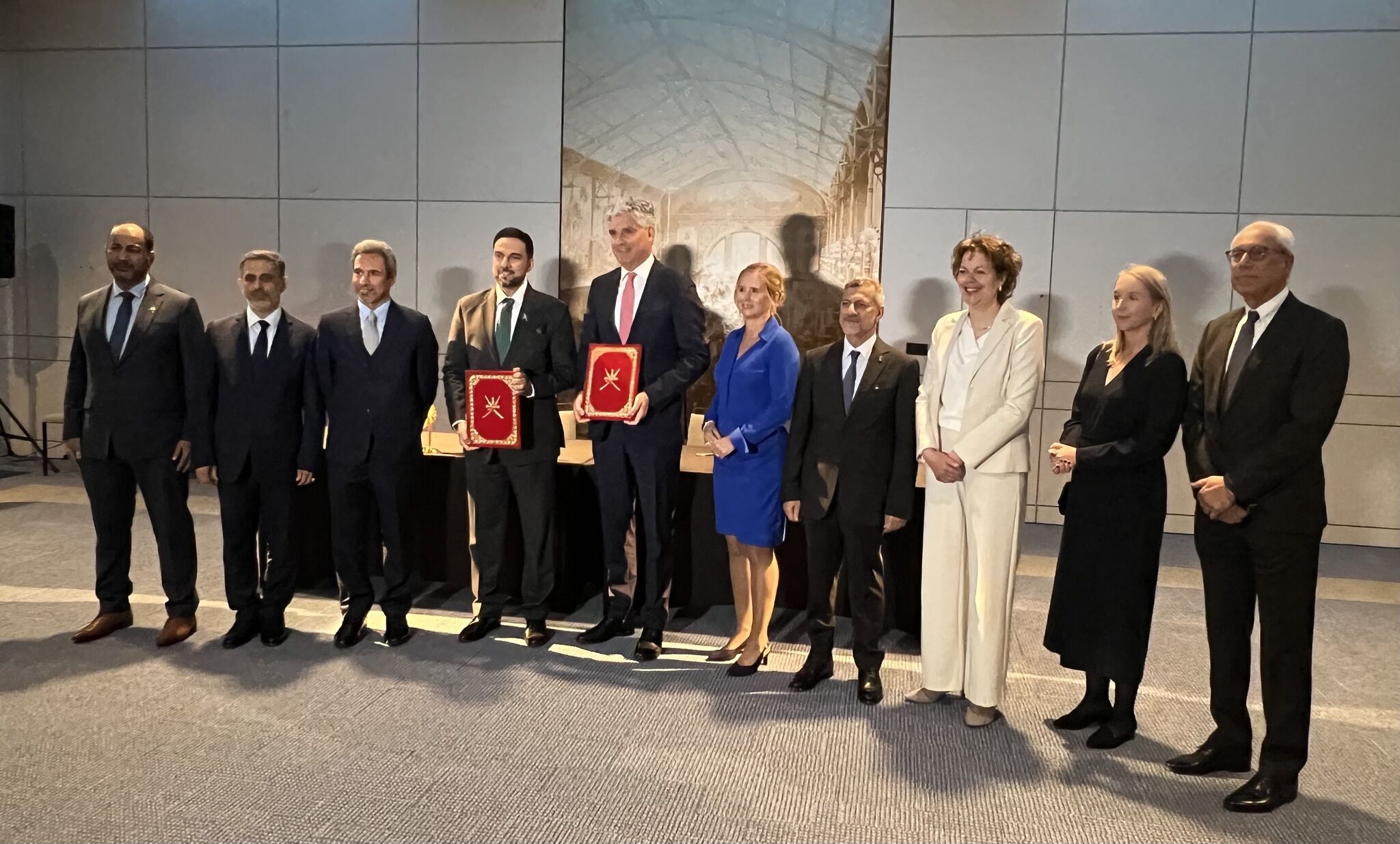
OQ and Royal Vopak partner to accelerate Duqm’s development as an integrated industrial hub

OQ, the energy group at the forefront of developing Duqm as a world-class hub for hydrocarbons, chemicals, and low-carbon products, has entered into an exclusive partnership framework agreement with Royal Vopak. The collaboration, set within the Special Economic Zone at Duqm, marks a strategic milestone in establishing Duqm as a premier destination for industrial and energy infrastructure investment.

The partnership aims to unlock long-term growth opportunities in terminal infrastructure and sustainable energy transition projects. By combining OQ’s regional influence with Vopak’s global expertise in large-scale infrastructure development and operation, the alliance is well-positioned to support Oman’s ambitions for industrial diversification and economic resilience.

A Catalyst for Strategic Growth

This collaboration is expected to drive significant economic impact by attracting international clients, supporting the development of new energy and industrial projects, creating employment opportunities, and enhancing Duqm’s appeal as a regional storage and logistics hub.

Commenting on the importance of the agreement, Ashraf Al Mamari, Group CEO of OQ, stated:“This partnership is a catalyst for Duqm’s emergence as a globally competitive energy hub. By aligning with Vopak’s international expertise, we are unlocking a new era of strategic infrastructure investment that strengthens Oman’s position in global energy flows, accelerates the energy transition, and delivers long-term value for our economy and future generations.”

Dick Richelle, CEO of Royal Vopak, echoed this sentiment, saying:
“Vopak is excited to collaborate with OQ Group on this strategic partnership in Duqm. Our combined strengths in infrastructure development will be instrumental in creating a leading energy and chemical hub serving multiple industrial customers concurrently. We are excited to support Oman’s Vision 2040.”

Driving Sustainable Development and Investment

The agreement is anticipated to boost investor confidence and global interest in SEZAD. It will also provide access to world-class expertise, financing, and talent, aligning with Oman’s broader goals to diversify its economy and strengthen its position within global energy markets.

As a global integrated energy group, OQ operates across 17 countries and covers the full value chain—from upstream oil and gas exploration to downstream refining, petrochemicals, and the global marketing of end-user products. The group’s sustainability arm, OQ Alternative Energy, is actively investing in renewable energy and green hydrogen development within Oman.

This partnership with Vopak signifies a shared vision to develop resilient, future-ready infrastructure that supports industrial growth and the global energy transition.

For more information visit www.vopak.com

AltaGas showcases Ridley Island Propane export terminal and strategic partnership with Vopak

AltaGas Ltd. has spotlighted its Ridley Island Propane Export Terminal (RIPET) as a cornerstone of its growing export capabilities and midstream value chain. Located on Canada’s West Coast, RIPET is operated in partnership with Vopak, a global leader in tank storage. This collaboration marks a significant strategic alliance, combining AltaGas’s energy infrastructure expertise with Vopak’s global experience in terminal operations and safety.

The partnership has enabled the successful development and operation of Canada’s first LPG export terminal, positioning RIPET as a critical hub for supplying liquefied petroleum gas to Asian markets. Together, AltaGas and Vopak have enhanced North America’s access to global energy markets, delivering affordable and reliable energy across the Pacific.

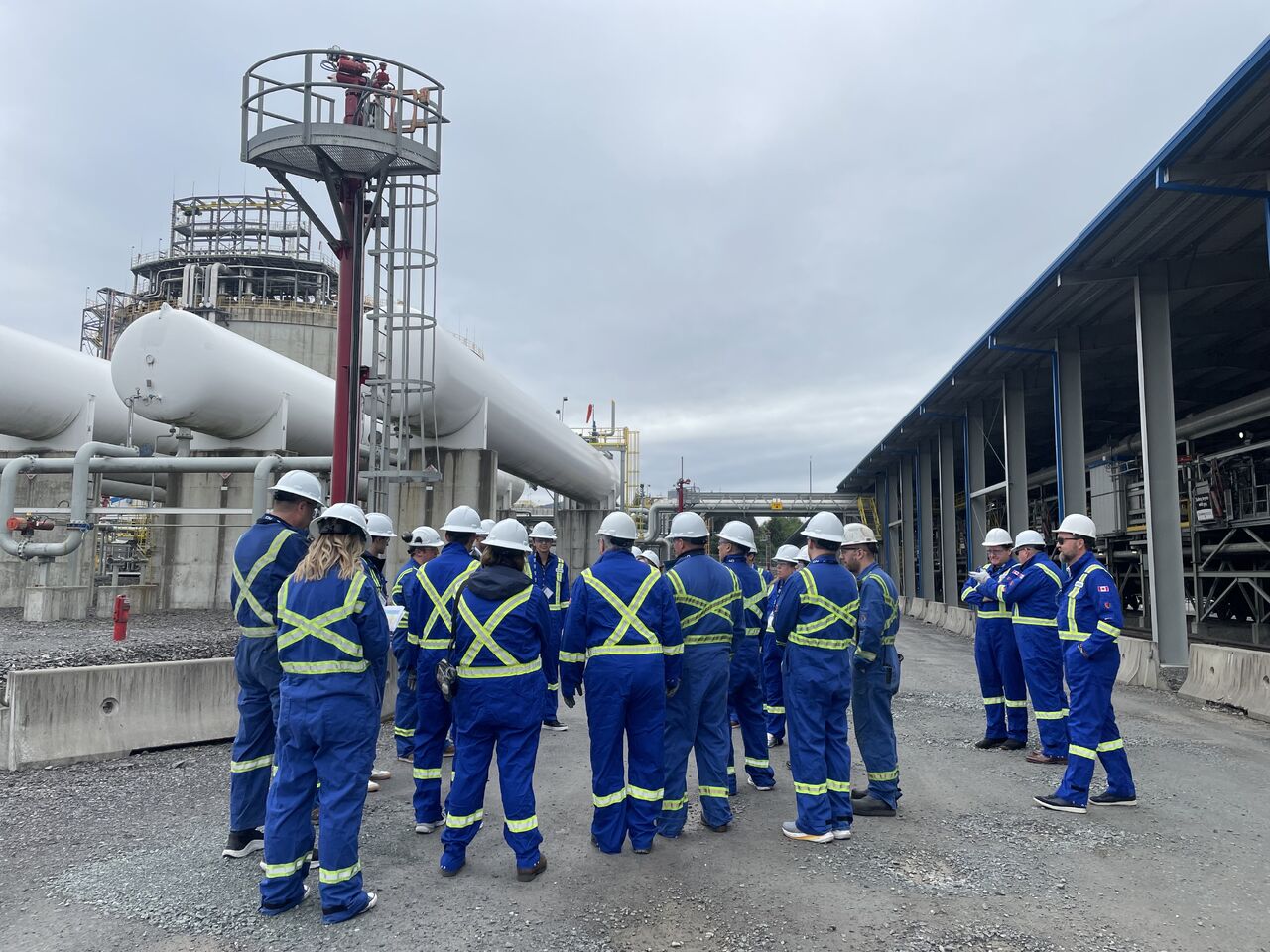
Key to RIPET’s success is its connection to a strong railway network. This week, representatives from Canadian National Railway toured the facility to observe firsthand the role their infrastructure plays in linking domestic supply with international demand.

AltaGas emphasised the importance of these collaborative relationships—with Vopak and CN alike—in building resilient, efficient export solutions that drive long-term value across the energy sector.

For more information visit www.altagas.ca

Mesa Engineered Tank Products introduces Armor Fabric™ for superior emissions control

Mesa Engineered Tank Products, a recognised leader in advanced storage tank solutions, has announced the launch of Armor Fabric™, a patent-pending, high-performance engineered vapor barrier fabric designed to transform the durability and reliability of floating roof seals in aboveground storage tanks.

Armor Fabric represents a major advancement in protective fabric technology, delivering exceptional resistance to extreme environmental conditions, aggressive chemicals, and mechanical stress. Developed specifically for AST sealing applications, the innovative fabric ensures long-term performance, enhanced operational efficiency, and improved safety across storage tank facilities worldwide.

“Mesa ETP has always led the industry in delivering engineered solutions that enhance the integrity, longevity, and environmental stewardship of storage tank systems,” said Adam Vance, General Manager of Mesa ETP. “Armor Fabric is the latest example of our commitment to providing industry-leading innovations that evolve with our customers’ needs.”

Key Features of Armor Fabric™:

  • Extreme Durability – Engineered for high tensile strength and superior abrasion resistance, extending service life in harsh environments.

  • Chemical Compatibility – Rigorously tested and proven compatible with a wide range of AST contents, with performance benchmarked against Teflon™.

  • Made in the USA – Manufactured in Cincinnati, Ohio, eliminating delays caused by tariffs or overseas shipping and ensuring consistent availability.

  • PFAS-Free Composition – Formulated without per- and polyfluoroalkyl substances, offering a safer and more sustainable alternative to traditional materials.

Armor Fabric is ideally suited for demanding applications such as floating roof tank seals, drain hoses, and other protective barrier systems where high-performance materials are critical.

With the launch of Armor Fabric, Mesa ETP continues to solidify its reputation as a trusted partner to the oil and gas storage industry. This latest innovation highlights the company’s ongoing investment in product development and environmental responsibility, offering terminal operators greater operational reliability, reduced maintenance costs, and enhanced environmental protection.

For more information visit www.mesa-ind.net

Vallourec completes the acquisition of THERMOTITE DO BRASIL LTDA

Vallourec has announced the successful completion of its acquisition of Thermotite do Brasil Ltda. from Mattr, following the terms of the agreement initially disclosed on 16 September 2024.

The acquisition marks a key step in Vallourec’s premiumisation strategy by integrating Thermotite’s specialised technological expertise in thermal insulation coatings for pipelines. This strategic move enhances Vallourec’s capabilities in delivering high-value solutions for offshore oil and gas projects.

Philippe Guillemot, chairman of the board of directors and chief executive officer: “This acquisition further strengthens our presence and our industrial value chain in Brazil, a key market for the offshore oil and gas industry. It will enable us to take a new step forward in our strategy to offer our customers integrated solutions with very high added value.”

The transaction received all required regulatory approvals and was finalised within the anticipated timeframe.

For more information visit www.vallourec.com

German LNG Terminal GmbH welcomes Dutch Engineering expertise to Brunsbüttel energy project

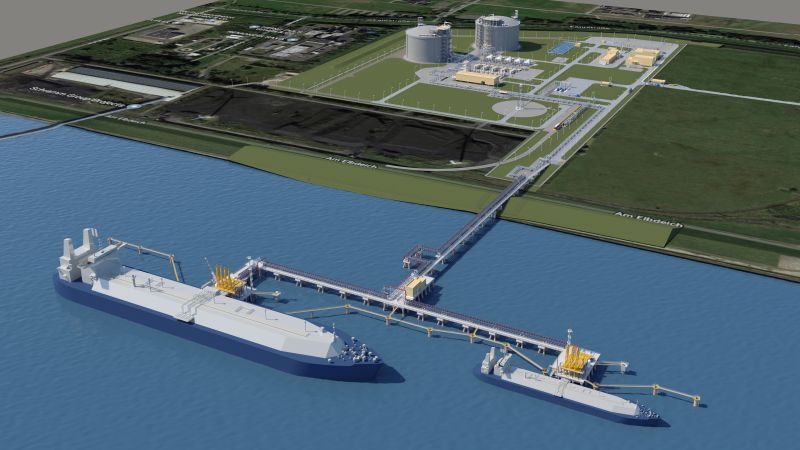
German LNG Terminal GmbH has announced the addition of a combined expert group from the Netherlands to its landmark energy infrastructure project in Brunsbüttel, strengthening the project’s European character and technical capabilities.

Dutch companies Ballast Nedam Infra B.V. and Hakkers Waterbouw will join forces to construct the project’s large-scale sea jetty—an essential component of the terminal located in Germany’s coastal energy hub, Energieküste. In addition to the primary sea jetty, a smaller berth will also be developed to accommodate LNG bunker ships and barges.

This collaboration underscores the project’s significance as a truly European initiative, supporting both a secure and reliable energy supply and the broader European energy transition. The Brunsbüttel terminal is set to play a vital role in diversifying energy imports and enabling cleaner energy solutions across the region.

Construction work on the sea jetty is scheduled to begin in the summer of 2025 and is expected to be completed by the end of 2026. The Dutch partners will utilise a range of advanced construction equipment and technologies—including crane vessels, floating sheerlegs, and pontoons—to ensure an efficient and environmentally responsible build.

With this partnership, German LNG Terminal GmbH continues to demonstrate its commitment to international collaboration and sustainable infrastructure development. The addition of Ballast Nedam Infra B.V. and Hakkers Waterbouw further strengthens the project’s technical foundation, paving the way for timely delivery and operational excellence.

For more information visit www.germanlng.com

Petredec’s Tanga LPG Terminal to boost energy access in East Africa

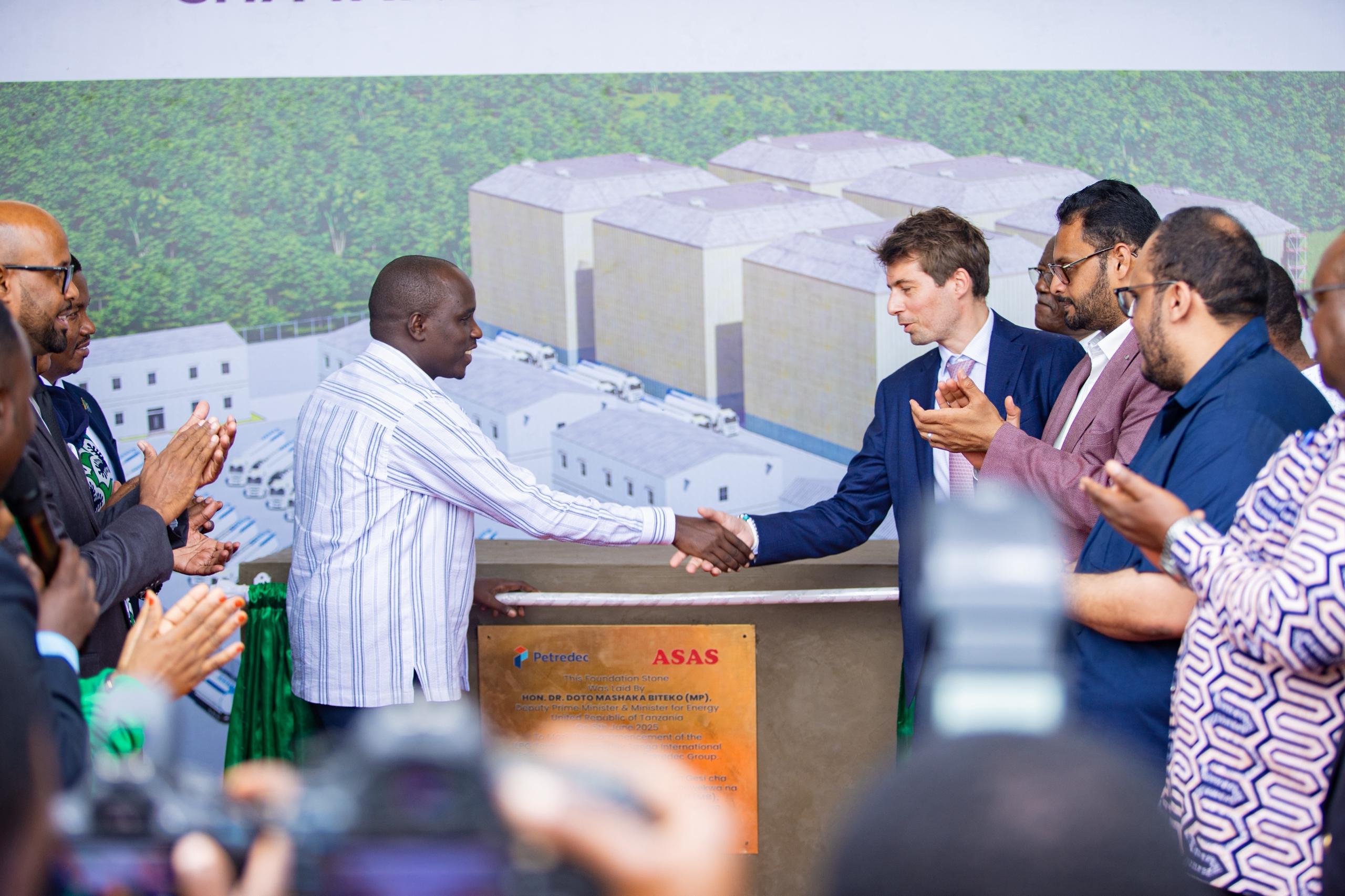
Petredec, a global leader in the LPG value chain, has announced the launch of the Tanga LPG Terminal project — a landmark open-access facility that will significantly enhance energy security and support Tanzania’s clean cooking goals. The project, which aligns with President Samia Suluhu Hassan’s energy transition agenda, is being developed in partnership with the ASAS Group of Companies, a respected Tanzanian conglomerate with deep expertise in fuel and LPG transportation.

Set to become the largest terminal of its kind in Tanzania, the facility will be strategically located on a 26-hectare site in Chongoleani, Tanga Bay. The first phase will include six mounded LPG storage spheres with a capacity of 40,000 cubic metres, eight truck loading gantries, and a 2.8-kilometre underwater pipeline. The terminal will also be capable of accommodating Very Large Gas Carriers (VLGCs), which are currently unable to dock at existing Tanzanian ports. This development is expected to reduce dependency on the Port of Dar es Salaam and establish Tanga as a regional LPG hub, thereby improving the reliability and affordability of LPG supply.

LPG is recognised as a practical and scalable solution for promoting clean cooking, especially in rural and off-grid communities across East Africa. The Tanga LPG Terminal will play a central role in reducing deforestation and expanding access to efficient energy solutions. With the support of the Government of Tanzania, the terminal is poised to foster an ecosystem of businesses that will deliver LPG access to even the most remote areas.

Jonathan Fancher, CEO of Petredec Global, stated:
“History has proven that large-scale infrastructure is the indispensable key to the reliable and competitive supply of LPG. We are once again proud to contribute to the region’s development and are confident that the Tanga LPG Terminal will be instrumental in helping establish Tanzania as a prominent clean energy hub in the wider East African region. We look forward to collaborating with the ASAS Group of Companies on this transformative project.”

Hon. Dr Doto Mashaka Biteko, deputy prime minister and minister for energy, Government of Tanzania, welcomed the initiative:
“In line with our aims to increase access to clean cooking for all Tanzanians, we are pleased to welcome Petredec as an investor in the LPG sector and look forward to seeing the impact their terminal will make on an already-growing market. Accelerating the next phase of growth is vital for LPG to truly reach all parts of our country and beyond. Adding more import capacity is an important step towards realising our expansion plans for this energy solution.”

Naif Jaffer Abri, CEO of the ASAS Group of Companies, added:
“The Tanga LPG Terminal stands as a powerful example of how two major companies can successfully unite their local and international strengths to bring to life a meaningful and inspiring project, one that will leave a lasting mark on our nation’s history. We eagerly look forward to the realisation of this exciting initiative, which promises not only significant benefits for the entire LPG industry but also expanded access to clean cooking for households across the country.”

With the EPC contract awarded and the access road completed, full-scale construction of the Tanga LPG Terminal is expected to begin in the coming weeks. Completion is targeted for the end of 2027.

For more information visit www.petredec.com

Aager equipment prevents catastrophe at Colombian facility following direct lightning strike

Aager, a leading manufacturer of engineered safety systems under the Ergili Group, has successfully demonstrated the real-world performance of its combination Pressure Vacuum Valve and Flame Arrester system (Model SF101) after a critical lightning incident at an industrial facility in Colombia.

The site, which stores large volumes of flammable liquids, recently experienced a severe thunderstorm during which a storage tank sustained a direct lightning strike to its venting system — widely considered a worst-case scenario in flammable storage operations.

Lightning Strike Tests Tank Safety to the Limit

In such scenarios, lightning can ignite flammable vapours exiting the tank, allowing flame propagation back into the vapour space — a potentially catastrophic outcome that could lead to explosion, fire, and significant facility damage.

However, thanks to the robust design of Aager’s SF101 Combination PVV and Flame Arrester, the facility avoided disaster. Despite the full force of the lightning strike, the system performed exactly as intended:

  • The PVV cap, mounted at the top of the venting system, absorbed the initial mechanical and thermal impact, preventing damage to the core assembly.

  • The flame arrester element, located immediately below the PVV, successfully quenched the flame front using its high-grade stainless-steel matrix, stopping flame propagation.

  • No internal ignition or vapour ingress occurred, and the storage tank remained fully operational with its contents uncompromised.


Only the external PVV cap required replacement — the internal mechanisms and flame arrester remained fully functional.

Why Design Matters: A Layered, Heavy-Duty Solution

Unlike many compact, integrated PVV/flame arrester units on the market, Aager’s system employs a modular design prioritising separation of functions, physical durability, and ease of maintenance. This layered approach proved critical in mitigating the lightning strike:

  1. Layered Protection: With the PVV positioned on top, it served as the first line of defence, shielding the flame arrester below.

  2. Mechanical Strength: Built with heavy-duty materials, the standalone components showed superior resistance to physical and thermal stress.

  3. Service Flexibility: Independent component replacement meant only the damaged cap required servicing, reducing downtime and costs.

  4. Improved Flow Management: The combination unit provides better airflow control, with lower pressure drops under both normal and emergency venting.

  5. Redundancy by Design: Separate functions for pressure relief and flame quenching offer an added safety layer not available in single-body units.


A Real-World Success Story

The outcome speaks volumes:

No injuries or personnel exposure
No damage to the tank or stored materials
No environmental consequences
Minimal downtime – only the vent cap was replaced
Uninterrupted operations

Aager’s client in Colombia credited the system’s robust performance with avoiding a potentially catastrophic event. Millions of dollars in infrastructure and inventory were safeguarded, highlighting the vital role of engineered safety equipment in high-risk environments.

Commitment to Safer Operations

This case underscores Aager’s commitment to delivering high-performance solutions designed for the world’s toughest industrial conditions. As climate-related risks increase, particularly in storm-prone regions, the demand for resilient, field-tested safety systems continues to grow.

By outperforming integrated alternatives, Aager’s combination PVV and Flame Arrester provides not only superior protection but also operational peace of mind. The incident serves as a compelling reminder that in hazardous environments, investing in proven safety technology can be the difference between continuity and catastrophe.

For more information visit www.aager.de

Baker Hughes and Cactus create joint venture for surface pressure control services

Baker Hughes, a global energy technology company, has announced an agreement to establish a new joint venture with a subsidiary of Cactus, Inc. Under the terms of the agreement, Baker Hughes will contribute its Surface Pressure Control product line to the venture, while Cactus will take operational control and hold a 65 percent ownership stake. Baker Hughes will retain a 35 percent interest.

The joint venture will operate independently from Cactus’ existing Pressure Control business and will focus on strengthening its position in the international market for surface wellhead and production tree systems.

This move reflects Baker Hughes’ strategy to streamline its portfolio, enhance the durability of its earnings and cash flow, and redeploy capital toward higher-return opportunities. The company emphasised its continued commitment to a disciplined capital allocation approach.

“This transaction marks an important step in our ongoing portfolio optimisation strategy, enabling us to sharpen our focus on core growth areas while continuing to drive higher returns, reinforcing our commitment to long-term value for our shareholders,” said Lorenzo Simonelli, chairman and CEO of Baker Hughes. “We remain committed to our valued SPC partners and customers whose operations we have proudly supported, and we believe this joint venture only enhances delivery of innovation and reliability in well control. The combined business will benefit from Cactus’ expertise in unconventional applications and its agility in entering international markets.”

The transaction is subject to customary closing conditions, including regulatory approvals, and is expected to be completed in the second half of 2025.

For more infomation visit www.bakerhughes.com

NextDecade announces 1.5 MTPA LNG sale and purchase agreement with TotalEnergies from Rio Grande LNG Train 4

NextDecade Corporation has announced that TotalEnergies has exercised its option to purchase liquefied natural gas from Train 4 at the Rio Grande LNG Facility. As part of this development, subsidiaries of both companies have entered into a long-term sale and purchase agreement for LNG offtake from the train.

Under the terms of the agreement, TotalEnergies Gas & Power North America, Inc. will purchase 1.5 million tonnes per annum of LNG over a 20-year period. The LNG will be supplied on a free-on-board basis at a price indexed to Henry Hub, contingent upon a positive Final Investment Decision on Train 4.

Matt Schatzman, chairman and chief executive officer of NextDecade, expressed appreciation for the continued partnership, stating:
“TotalEnergies has been a key contributor to the success of Rio Grande LNG Phase 1, and we are pleased to be expanding our strategic partnership with TotalEnergies with the execution of this Train 4 SPA. This SPA completes the commercial support we need for Rio Grande LNG Train 4, and we are now focused on progressing Train 4 toward a positive FID.”

With this latest agreement, NextDecade has now contracted a total of 4.6 MTPA of LNG from Train 4 on a long-term basis. The company believes the existing commercial commitments provide sufficient support to reach a positive FID for the project.

The final investment decision on Train 4 will depend on securing adequate financing for the train and associated infrastructure, along with other customary conditions.

For more information visit www.investors.next-decade.com

JSF aluroofs® celebrates 30 years of innovation in aluminium structures

With over three decades of expertise, JSF aluroofs® has become a global leader in the design and manufacture of aluminium roofs for petroleum, water, wastewater, and industrial storage tanks. Operating in more than 90 countries, the company has built a strong international presence through innovation, engineering excellence, and a commitment to quality.

JSF aluroofs® employs an advanced, automated manufacturing system with high production capacity, ensuring all products are delivered to the highest quality standards. Its customer-focused approach and strong engineering capabilities form the foundation of its long-standing reputation in the industry.

The company offers a comprehensive range of solutions tailored to the specific requirements of each project, including:

  • alusphere® domes

  • alugreca® flat covers

  • aluplan® flat covers

  • alucone® conical roofs

  • Internal Floating Roofs (IFR), including both full contact and pontoon types


Among these, the alusphere® domes are particularly notable for their innovative design and multiple benefits:

  • Reduction of emissions

  • Long service life

  • Lightweight, mechanised structure for ease of assembly

  • Quick and efficient installation


For 30 years, JSF aluroofs® has remained at the forefront of aluminium structure innovation, providing sustainable, efficient, and high-performance solutions across the globe.

For more information visit www.aluroofs.com

Perenco announces successful conclusion of the UK’s first CO2 injection test for CCS

Perenco has announced the successful completion of the United Kingdom’s first carbon dioxide injection test for Carbon Capture and Storage, a landmark achievement for both Project Poseidon and the UK’s broader decarbonisation agenda.

The test involved injecting CO₂ into a depleted natural gas reservoir in the Southern North Sea, demonstrating the technical viability of repurposing existing hydrocarbon infrastructure for carbon storage. Conducted by the Project Poseidon Joint Venture—comprising Perenco UK, Carbon Catalyst Ltd, and Harbour Energy—the operation was carried out from Petrodec’s ERDA rig, the first in the UK to obtain an approved safety case for CO₂ injection support. With the rig now departed from the Leman 27H platform, the test phase has formally concluded.

Over the course of the programme, 15 injection cycles were successfully completed into the Leman gas field, supported by 11 offshore CO₂ batch refills. The operation was delivered safely and on schedule, without injection issues, and resulted in the acquisition of an exceptional dataset—paving the way for further technical and regulatory progress in CCS.

The successful outcome not only validates the potential for carbon storage in depleted Southern North Sea fields, but also highlights the cost-efficiency benefits of reusing legacy petroleum production infrastructure. The test was the result of a collaborative effort across multiple stakeholders in the energy, CCS, and service sectors, coordinated through the Perenco UK–Petrodec–Dixstone partnership.

Perenco expressed optimism that the project will bolster confidence in the UK’s CCS industry, assist in shaping regulatory frameworks, and help establish technical benchmarks for future carbon storage initiatives.

Armel Simondin, CEO of Perenco, commented:
“This test has met our expectations, both in terms of technical execution and the quality of data gathered. These insights are instrumental as we move to the next phase of developing the Poseidon Project. The successful test highlights the role our industry can play in the UK’s decarbonisation efforts. The Perenco CCS team and our joint venture partners are now fully focused on interpreting the results and converting new insights into an evidence-based development plan for Project Poseidon.”

for more information visit www.perenco.com

Petrovietnam and PV GAS advance LNG cooperation with Excelerate Energy

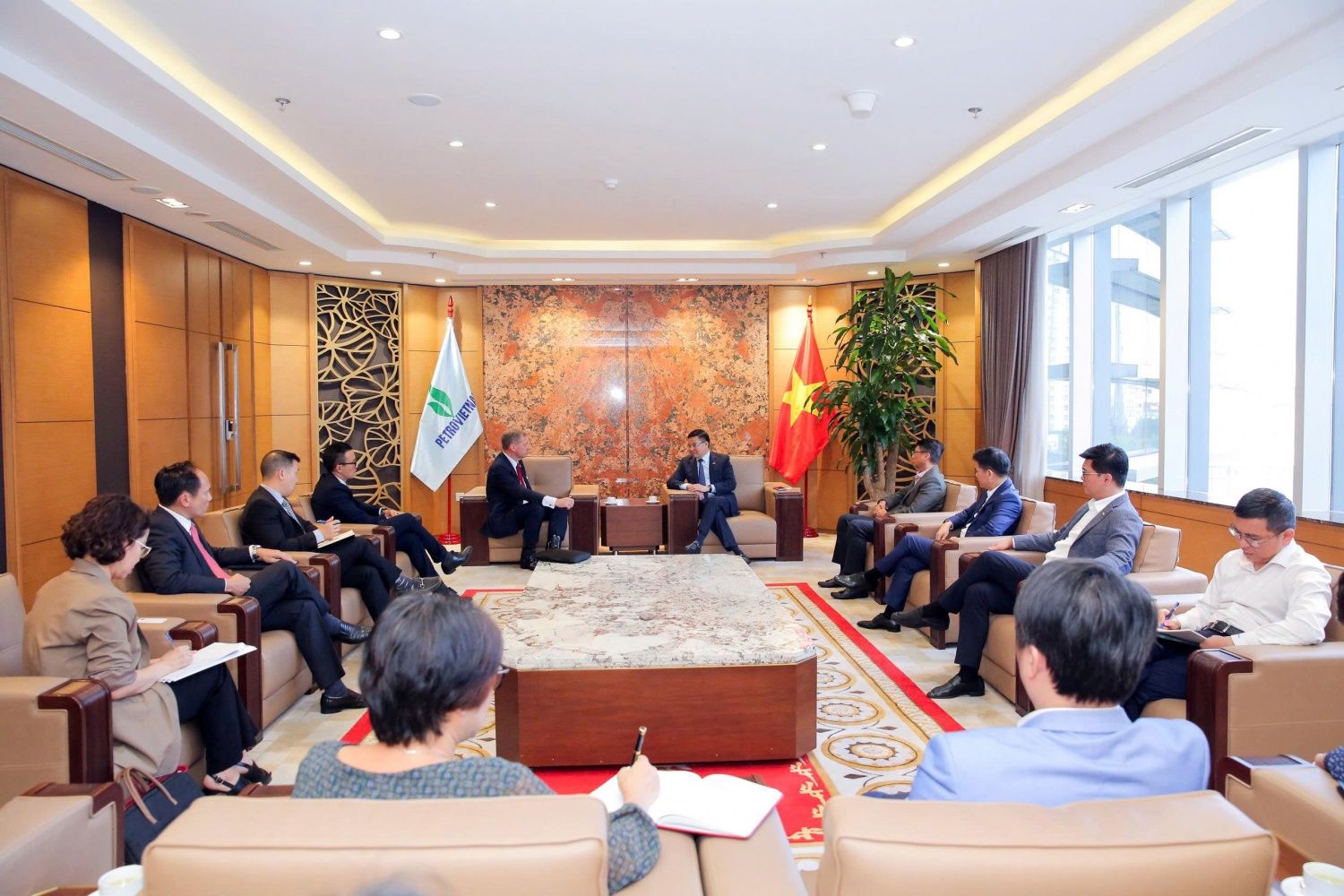
In a recent strategic meeting held in Hanoi, Mr Le Manh Hung, chairman of the board at Petrovietnam, welcomed Mr Steven Kobos, president and CEO of Excelerate Energy, to discuss advancing LNG cooperation between the two organisations.

Excelerate Energy, a US-based company, is recognised globally for its leadership in Floating Storage and Regasification Unit technology, which plays a vital role in enabling flexible and efficient LNG supply. In March, PV GAS and Excelerate Energy signed a memorandum of understanding focused on importing LNG from the United States, marking a significant step in Vietnam’s ongoing energy diversification strategy.

During the meeting, Petrovietnam and PV GAS:

  • Reviewed the progress of the LNG import MoU

  • Reaffirmed their shared commitment to expanding Vietnam’s clean energy supply, particularly through LNG

  • Discussed potential mechanisms to address regulatory and market-related challenges

Mr Le Manh Hung reiterated Petrovietnam’s readiness to support this collaboration and align joint projects with the country’s national energy objectives. Mr Steven Kobos, in turn, expressed appreciation for the warm welcome and emphasised Excelerate’s strong interest in further cooperation—not only with PV GAS and Petrovietnam, but also in strengthening broader US–Vietnam economic and energy relations.

This partnership reflects Petrovietnam’s strategic focus on delivering clean, secure, and sustainable energy, with LNG set to play a pivotal role in the nation’s energy transition.

For more information visit www.pvn.vn

Suncor’s Edmonton refinery achieves strong performance in 2024

Suncor Energy has announced that its Edmonton refinery, which has a capacity of 146,000 barrels per day, played a key role in the company’s near-record refining throughput in 2024. The facility primarily produces gasoline, jet fuel, diesel, and other light oils, which are distributed to terminals across both Western and Eastern Canada through a combination of pipeline networks, trucking, and rail.

The refinery sources its feedstock from Suncor’s oil sands operations, as well as from other producers located in Alberta’s Wood Buffalo and Cold Lake regions.

In 2024, the Edmonton refinery achieved 105 percent utilisation, significantly contributing to Suncor’s overall refining throughput of 486,200 barrels per day—one of the highest in the company’s history.

For more information visit www.suncor.com

BRUGG Pipes appoints new CEO Martin Rigaud

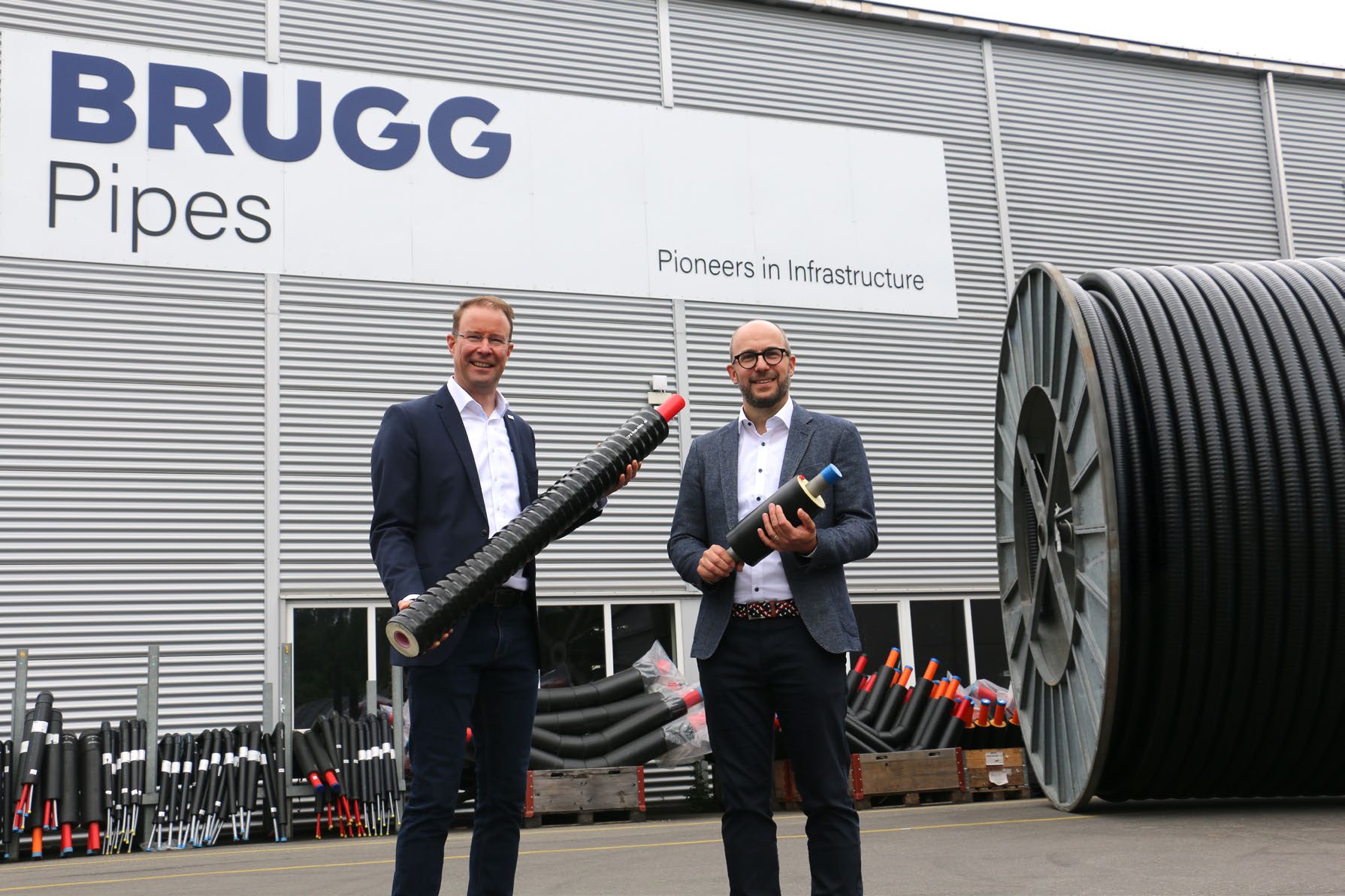
BRUGG Pipes, a globally active subsidiary of the BRUGG Group and a leading specialist in flexible and rigid pipe systems, has announced the appointment of Martin Rigaud as its new chief executive officer, effective 1 June 2025.

Martin Rigaud brings extensive industry knowledge and leadership experience to the role, having held several senior positions within BRUGG Pipes since 2017. He served as managing director of the Kleindöttingen site in Switzerland from 2017 to 2022, and since January 2023, he has led the company’s global District Heating Solutions division as chief sales officer.

From left to right: Stephan Wartmann (CEO BRUGG GROUP) with Martin Rigaud (CEO BRUGG Pipes)


With a strong academic background, Rigaud holds a master’s degree in industrial engineering from Grenoble INP-UGA and the Karlsruhe Institute of Technology, as well as an executive MBA from the ZHAW School of Management and Law in Switzerland.

Commenting on his new role, Rigaud stated: “I am looking forward to this new challenge as CEO and to shaping the future of BRUGG Pipes together with our dedicated team. My goal is to further strengthen the company’s innovative capabilities and expand its international presence.”

The executive board and board of directors of the BRUGG Group welcomed the appointment, noting: “With Martin Rigaud, we have appointed an industry expert and long-standing executive to the CEO position. We are confident that he will lead BRUGG Pipes successfully into the future. At the same time, we extend our sincere thanks to René Bollier for his interim leadership over the past six months.”

Rigaud’s leadership is expected to support BRUGG Pipes’ continued growth and innovation across its global markets.

For more information visit www.brugg.com

Santos achieves major milestones in Pikka and Barossa LNG Projects

Santos has announced substantial progress across its major energy developments, with the 120-mile pipeline for the Pikka project now substantially complete—one year ahead of schedule. Only minor tie-in and punch-list tasks remain, opening up the possibility for an early project start-up, subject to weather conditions and logistical readiness in the months ahead.

In another key update, the Barossa LNG project reached 95.2 per cent completion at the end of March and remains on track to deliver first gas in Q3 2025. Offshore pipelines connecting the Barossa gas field to the Darwin LNG facility are complete, with the drilling program progressing steadily—four wells have been completed, one is suspended, and drilling on a sixth well is underway. The final phase of the subsea umbilicals, risers and flowlines installation is expected to wrap up shortly, with all supporting work packages aligned with the first gas schedule.

These project advancements were highlighted during Santos’ Annual General Meeting (AGM), where shareholders expressed overwhelming support for the company’s strategy. Notably, 85.85 per cent voted in favour of the company’s Say on Climate advisory resolution, a clear endorsement of Santos’ decarbonisation efforts and emissions reduction roadmap.

A key component of this strategy is the Moomba Carbon Capture and Storage project, now in operation for over six months. The facility is designed to store up to 1.7 million tonnes of CO₂ per year, depending on availability, and is expected to soon begin generating revenue through the allocation of Australian Carbon Credit Units by the Clean Energy Regulator.

Despite global market volatility, Santos remains resilient. Its diversified LNG portfolio continues to generate robust US dollar-denominated cash flows through long-term contracts with Asian customers, with approximately 90 per cent of LNG production contracted for the next five years. The company’s low unit production costs and free cash flow breakeven oil price of under USD 35 per barrel position it strongly to deliver consistent shareholder returns.

Santos also maintains a solid balance sheet and is on track to increase production by over 30 per cent by 2027, as Barossa and Pikka Phase 1 come online.

Kevin Gallagher, managing director and CEO of Santos, expressed confidence in the company’s direction and praised the pace of development.

“Barossa is just months away from first production and associated cash flows. The possibility of early production from Pikka has been created with completion of the pipeline a year ahead of schedule, and I am very pleased with the good, and improving, well results we are seeing as we execute the drilling program,” Gallagher said.

“The strong vote for our Say on Climate confirms that we are on the right track with our decarbonisation strategy as we look to build a commercial carbon management services business based on carbon capture and storage.”

Pikka Phase One Update:

  • Over 80 percent complete as of March.

  • 17 of 26 wells drilled toward first oil.

  • Strong well performance with an average initial 30-day production rate of 6,900 barrels/day, peaking at 7,850 barrels/day.

  • Pipeline substantially complete; grind-and-inject facility operational.

  • Seawater treatment plant barge scheduled to depart Indonesia for Alaska in Q3 2025.

  • No significant impacts expected from US tariffs.


Barossa LNG Update:

  • 95.2 percent complete; first gas on schedule for Q3 2025.

  • Four production wells completed, one suspended, one in progress.

  • Subsea installation work nearing completion.


As Santos pushes forward with its strategic developments and climate commitments, the company continues to position itself as a key player in the global energy transition.

For more information visit www.santos.com

Exolum begins operation of fuel storage and distribution network at Paris-Charles de Gaulle Airport, where it will invest more than €200 million

Exolum has commenced operations at the fuel storage and distribution network of Paris-Charles de Gaulle Airport, the largest airport in the European Union. The company was awarded a 20-year concession by Aéroports de Paris to manage and maintain the airport’s fuel distribution facilities.

Under the agreement, Exolum will invest over €200 million to maintain, upgrade, and expand the existing infrastructure. This includes enhancements to storage capacity and fuel supply systems, as well as developments to support future capabilities.

To support the operation, Exolum has assembled a team of more than 30 professionals, nearly half of whom have joined from the previous operator. All team members have completed a tailored induction process to ensure alignment with Exolum’s operational procedures and corporate values.

Paris-Charles de Gaulle’s current facilities include 82,000 cubic metres of storage capacity, housed in two dispatch tanks, and a hydrant network exceeding 81 kilometres in length.

Jorge Guillén, aviation & Spain network lead at Exolum, stated: “Exolum’s aim is to deliver a fuel supply operation that is reliable, efficient, and of the highest service quality for Charles de Gaulle Airport. Significant expertise has been applied by our teams in preparation for this launch, and we will continue to leverage our experience built across numerous airports over many years. Our investment will ensure the airport benefits from modernised infrastructure, enhanced operational efficiency, and improved access to sustainable aviation fuels.”

Exolum operates a wide range of fuel infrastructure assets both on and off airport grounds, including extensive hydrant networks. The company also provides aircraft refuelling services and other specialist operations at airports across six countries in Europe and Latin America.

As part of its broader industry engagement, Exolum is a strategic partner of IATA and an active member of the Joint Inspection Group. It currently chairs the Energy Institute’s aviation committee and holds affiliate memberships with ALTA and Airports Council International.

For more information visit www.exolum.com

Wärtsilä introduces CO2 liquefaction solution

Wärtsilä Gas Solutions, a business unit of the global technology group Wärtsilä, has unveiled the Puregas BC, a cutting-edge solution for purifying and liquefying carbon dioxide captured from biogas upgrading plants. This innovation marks a major step forward in enabling carbon-negative, energy-efficient, and economically viable operations for biogas plant owners.

Traditionally, biogas upgrading plants operate on a “catch and release” model, where carbon dioxide is removed from the biogas but subsequently released into the atmosphere. The Puregas BC changes this paradigm by applying advanced purification and liquefaction technologies to retain and repurpose the captured carbon dioxide. The result is a transformative system that not only reduces emissions but turns biogas—already considered a circular and carbon-neutral fuel—into a carbon-negative energy source.

When integrated with Wärtsilä’s Puregas CA biogas upgrading system, the solution eliminates nearly all methane slip (less than 0.1 percent), as any trace methane can be redirected back into the upgrading process. This ensures maximum environmental efficiency.

Beyond environmental advantages, Puregas BC offers a valuable new revenue stream. The purified carbon dioxide meets food and beverage quality standards, and can also be stored or used as feedstock in e-fuels production—a growing demand area due to emerging sustainability regulations.

“The world is facing a climate crisis that calls for not only neutralising but reversing the impact of carbon emissions. The Puregas BC is a product that can deliver this and move from a carbon neutral to a carbon negative impact,” said Magnus Folkelid, Sales Manager, Wärtsilä Gas Solutions, Biogas. “The solution is designed to support our customers to reach their decarbonisation commitments. On top of this, the product also offers a commercial benefit.”

Delivered as a containerised, plug-and-play system, Puregas BC requires no additional buildings and is designed for seamless integration with existing Puregas CA systems. It is also suitable for retrofit projects and can be adapted to work with other biogas upgrading technologies, making it a flexible and future-ready investment for plant operators.

For more information visit www.wartsila.com