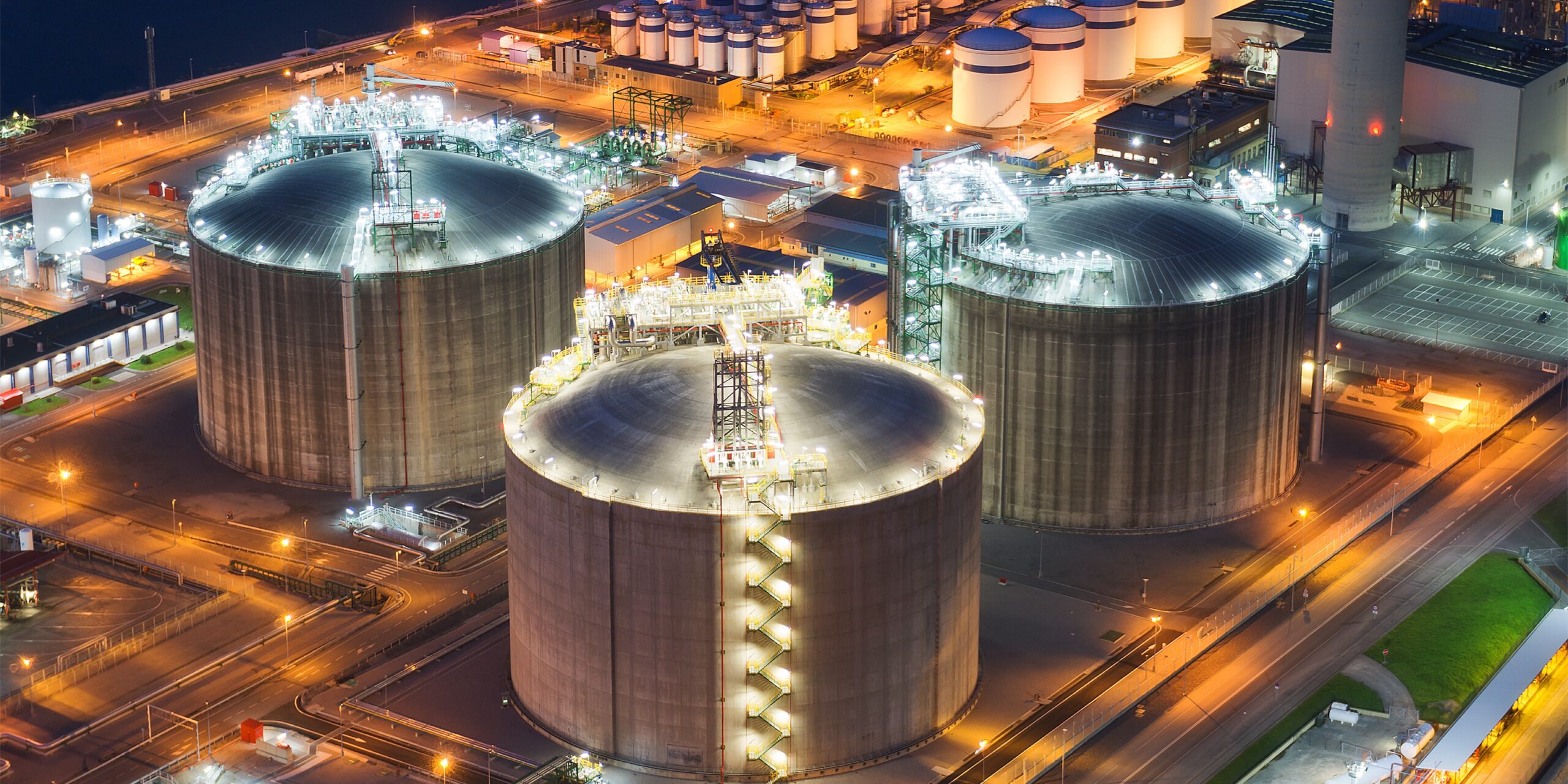
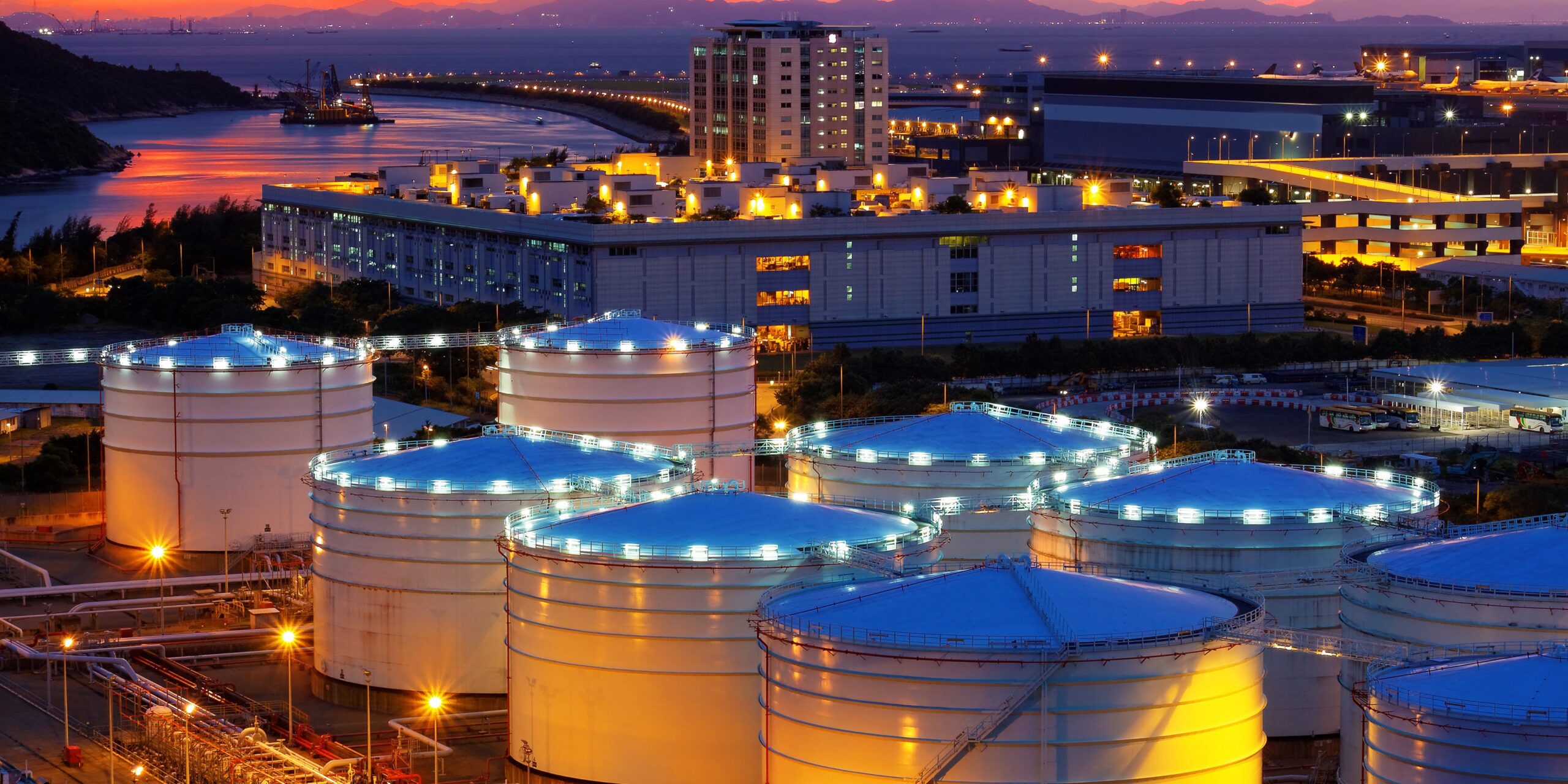
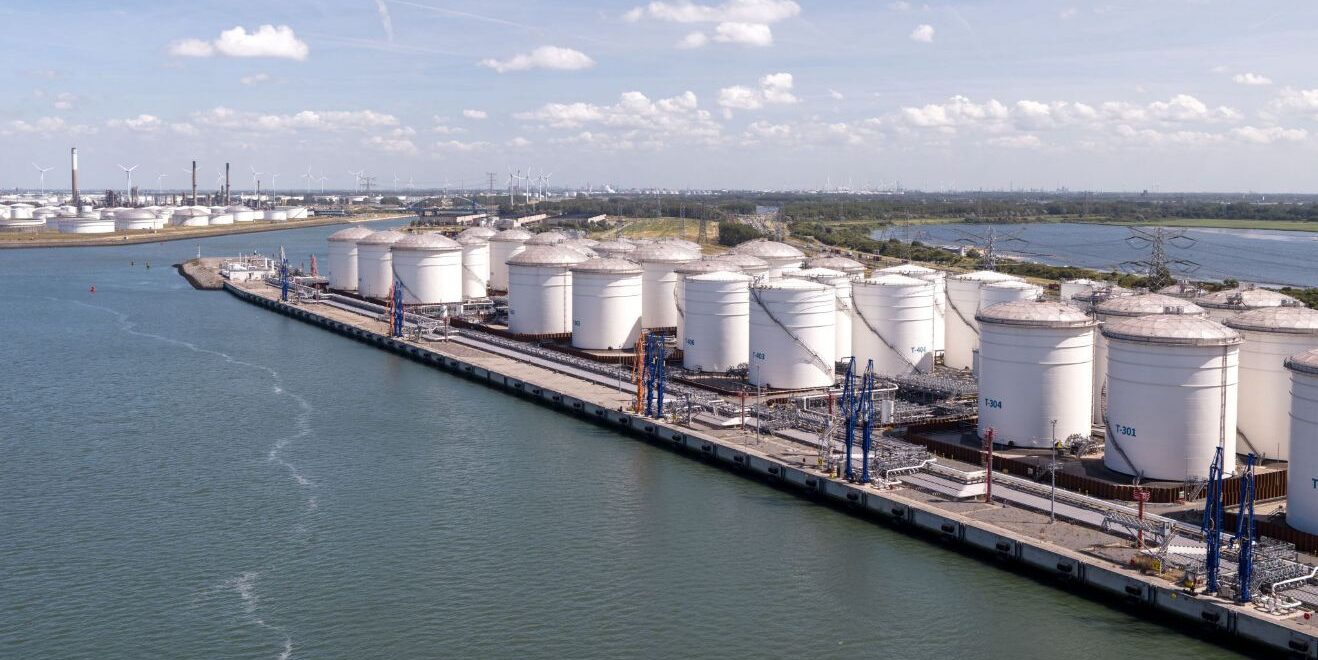
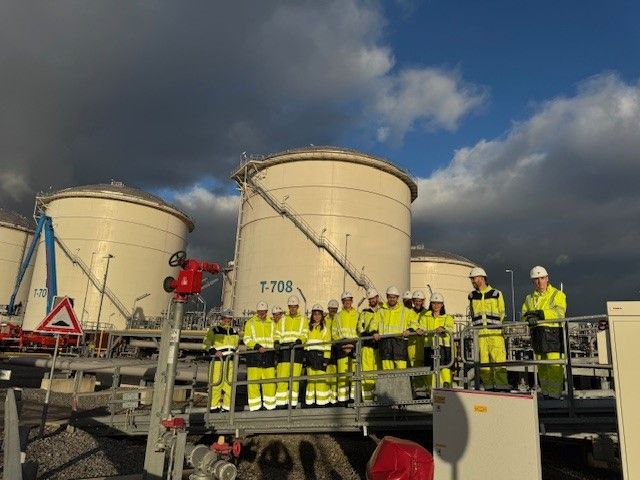
Emerson delivers accuracy, reliability, and safety in tank gauging

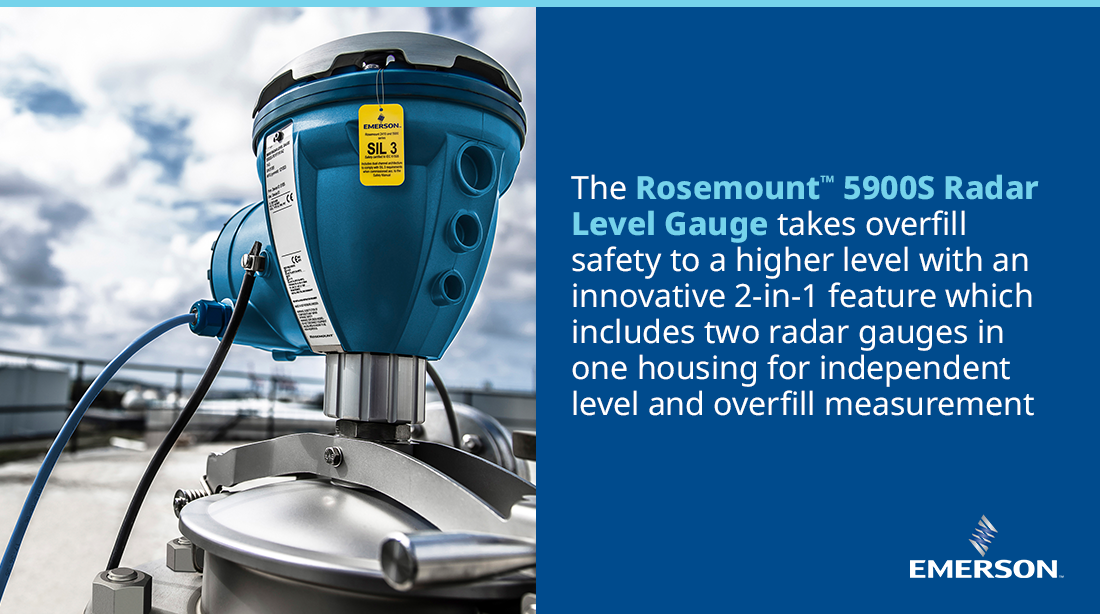
As manufacturers face unprecedented pressure to maximise productivity and optimise resources, Emerson continues to deliver advanced solutions that support operational excellence. The Rosemount™ Tank Gauging System is engineered to meet the industry’s most critical requirements — efficiency, safety, accuracy, reliability, and data security — ensuring facilities are equipped for today’s demands and tomorrow’s challenges.

The system enables precise net volume inventory calculations in full compliance with the latest overfill prevention standards. Regardless of the application or complexity of the tank gauging environment, Rosemount solutions are designed to help operators achieve top-quartile performance.

Enhancing Operational Efficiency
The Rosemount Tank Gauging System provides real-time tank information, improved capacity utilisation, and seamless integration of new devices. These capabilities help reduce downtime, increase plant performance, and support more informed decision-making.

Raising Safety Standards
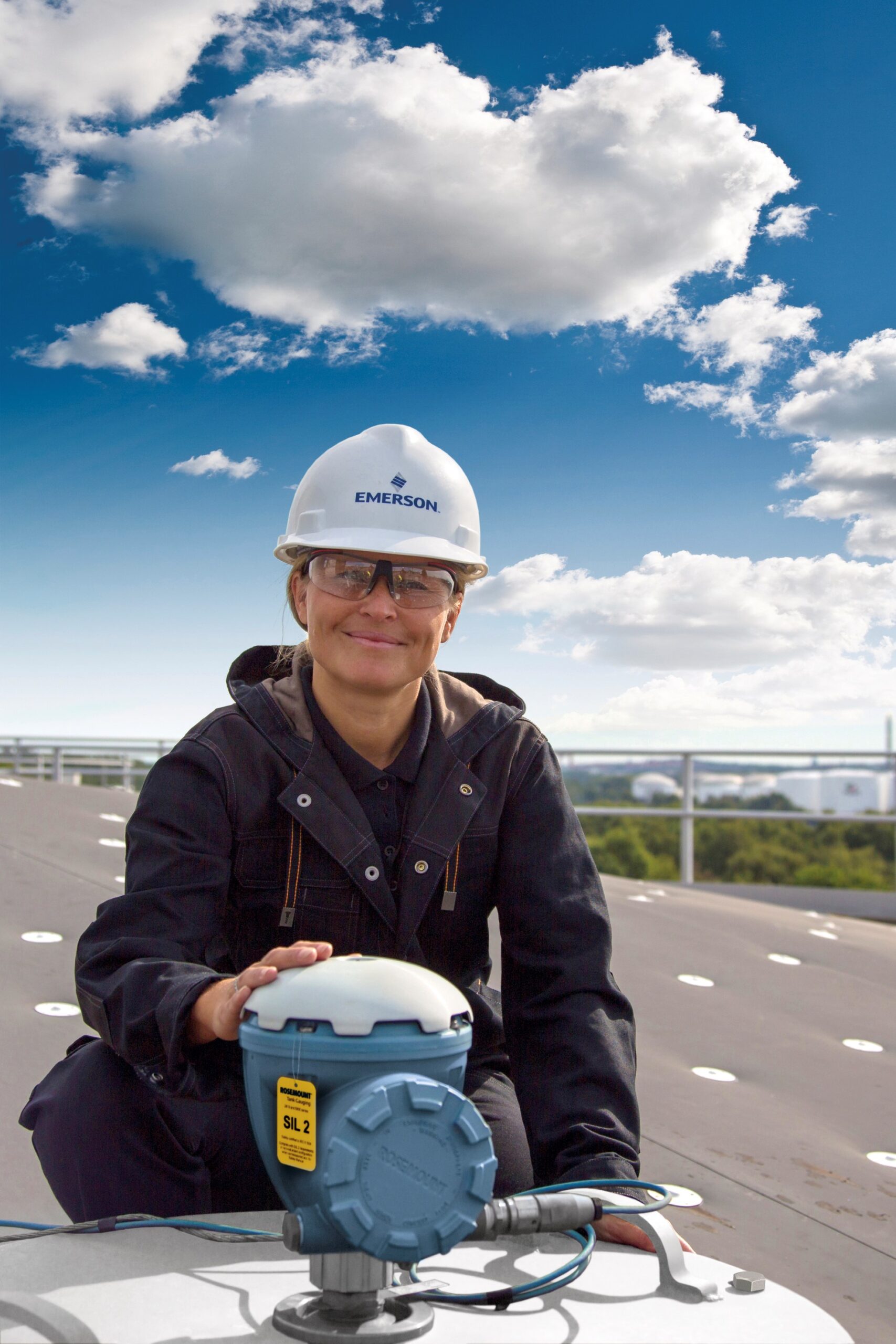
With non-contact radar technology and no moving parts, Rosemount solutions offer inherently reliable operation. A unique 2-in-1 configuration allows operators to upgrade safety on existing tanks with minimal modification, further strengthening on-site protection.

Delivering Exceptional Accuracy
Rosemount radar level gauges deliver measurement accuracy of ±0.5 mm (0.02 in.). By combining precise level data with accurate average temperature readings, the system ensures highly reliable net volume calculations for inventory and custody transfer applications.

Enabling Wireless Connectivity
Where cabling is impractical — such as sites separated by roads, waterways, or other obstacles — Emerson provides robust wireless solutions that maintain secure and dependable connectivity across challenging layouts.

For more information, or to discuss specific application requirements, customers are encouraged to contact their local Emerson sales representative.

For more information visit www.emerson.com

TotalEnergies accelerates its gas-to-power integration strategy in Europe by acquiring 50% of a portfolio of flexible power generation assets from EPH

TotalEnergies announces the signing of an agreement with Energetický a průmyslový holding, a.s. (EPH) for the acquisition of 50 percent of its flexible power generation platform (gas-fired and biomass power plants, batteries) in Western Europe (Italy, United Kingdom and Ireland, Netherlands, France), valued at €10.6 billion (enterprise value), i.e. a multiple of 7.6x 2026 EBITDA.

Under the agreement, EPH will receive the equivalent of €5.1 billion in TotalEnergies shares. 95.4 million TotalEnergies shares will be issued, based on a price equal to the volume-weighted average share price of the twenty trading sessions preceding November 16th (signing date), i.e. €53.94 per share, representing about 4.1 percent of TotalEnergies’ share capital and making EPH one of the Company’s largest shareholders upon completion of the transaction.

The transaction will result in the creation of a joint venture owned 50/50 by TotalEnergies and EPH, which will be responsible for the industrial management of the assets and the business development, while each company will market its share of production under a tolling arrangement with the joint venture.

A leading European platform

This transaction is fully consistent with TotalEnergies’ Integrated Power strategy and will strengthen its position in European electricity markets by enhancing the complementary relationship between intermittent renewable power generation and flexible power generation (gas-fired plants, batteries). It will allow TotalEnergies to expand its power trading activities across Europe and develop its Clean Firm Power offering to its customers. This will position the Company as a key player to meet Europe’s growing data center demand.

Furthermore, leveraging TotalEnergies’ strong position in supplying LNG to Europe, this transaction enhances the Company’s ability to diversify value creation along the gas value chain, particularly between the United States and Europe. The additional net electricity production from the transaction, estimated at 15 TWh/y, will enable the Company to capture added value to approximately 2 Mtpa of LNG.

The transaction covers a portfolio of more than 14 GW gross capacity of flexible generation assets in operation or under construction. This primarily includes gas-fired power plants, biomass power plants and battery systems, which benefit from secured capacity revenues representing 40 percent of the gross margin, allowing TotalEnergies to strengthen its presence in the most profitable European electricity markets:

  • Italy: 7.5 GW, with 3.7 GW in operation, 2.4 GW under construction, including two next-generation gas-fired power plants that are among the most efficient in Europe, and 1.4 GW under development.
  • United Kingdom and Ireland: 7.1 GW, including 5 GW from operating gas and biomass plants, 0.4 GW of batteries under construction and 1.7 GW under development.
  • Netherlands: 3.6 GW, with 2.6 GW from gas-fired plants that are particularly well located to meet the needs of the German market, 0.2 GW from batteries under construction and 0.8 GW under development.
  • France: 1.1 GW, with 100 MW of batteries under construction and 1 GW under development.

The acquisition scope includes about 5 GW of projects under development. The agreement provides that the joint venture will become the preferred vehicle for TotalEnergies and EPH to drive flexible power generation growth in the targeted countries.

An acquisition immediately accretive to free cash flow per share for all TotalEnergies shareholders and accelerating implementation of the Integrated Power strategy and profitability

The transaction is immediately accretive to TotalEnergies’ shareholders. Over the next five years, TotalEnergies expects an increase in available cash flow of about $750 million per year, which far exceeds the additional dividend requirement for the newly issued shares.

As a result of this transaction, the Integrated Power segment will generate positive free cash flow and contribute to shareholder returns as early as 2027 compared to 2028 previously. The transaction also contributes to the increase of Integrated Power’s ROACE from 10 percent to 12 percent over the next five years.

Due to this accelerated inorganic growth within the Integrated Power segment, the Company is lowering its annual net Capex guidance by $1 billion per year to $14-16 billion per year for 2026-2030, of which $2-3 billion is for Integrated Power, while maintaining its 2030 electricity generation target of 100-120 TWh.

This acquisition marks another major milestone in TotalEnergies’ strategy to build an integrated electricity player in Europe. By joining forces with EPH as part of a long-term partnership, we are accelerating the implementation of our Integrated Power strategy and strengthening our ability to provide reliable, competitive, and low-carbon energy to our customers by leveraging the complementarity of our renewable and flexgen portfolio. Given our position as the #1 gas supplier in Europe, this transaction enables us to fully capitalise on gas-to-power integration and create added value for our LNG chain, independently of oil cycles. We are convinced that this partnership will create lasting value for our shareholders and are also pleased to welcome a new long-term European shareholder who is fully committed to TotalEnergies’ transition strategy, said Patrick Pouyanné, chairman and CEO of TotalEnergies.

Daniel Kretinsky, chairman of the Board of EPH, added: This transaction is founded on our strong appreciation of TotalEnergies, its management team led by Patrick Pouyanné and its strategy. For all these reasons, we are both highly interested in becoming a long-term anchor shareholder of TotalEnergies and excited to create a joint venture which is already today a leading player in European flexible power generation, best positioned to further strengthen its role. TotalEnergies is one of the largest European companies across all industries and also has a strong global presence. Through the shareholding in TotalEnergies, we are implementing our strategic ambition to diversify our geographic exposure, currently concentrated in the EU and UK.

The transaction is subject to the legal information and consultation process of the relevant employee representatives and to the approval of the competent authorities. Completion is expected mid-2026.

For more information visit www.totalenergies.com

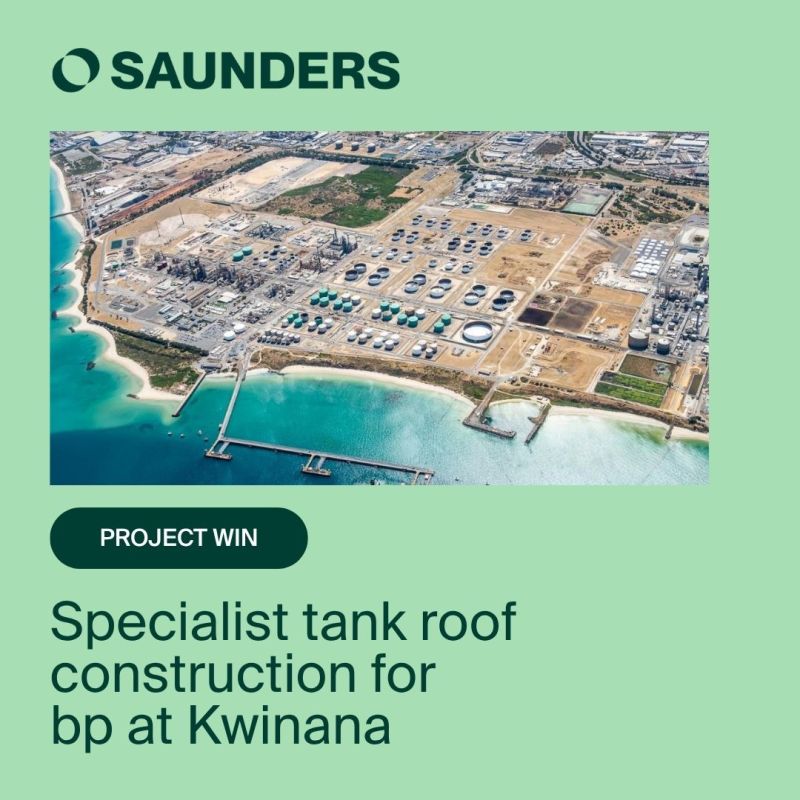
Saunders awarded bp Kwinana energy hub external floating roof replacement project

Saunders has been awarded the bp Kwinana Energy Hub T503 & T505 External Floating Roof Replacement project. The scope includes engineering, procurement, and construction of two new external floating roofs, with the team applying specialist tank roof construction expertise to deliver the upgrade.

The project will be delivered at bp’s operating Kwinana Energy Hub terminal, with work commencing soon and completion scheduled for mid-2026. Saunders characterised the award as another example of the team delivering complex fluid storage infrastructure solutions for one of Australia’s leading energy operators.

External floating roofs serve critical functions in petroleum storage tanks, floating on the liquid surface and rising or falling with liquid level changes during filling and withdrawal operations. The floating design minimises vapour space above the stored liquid, reducing evaporative losses and emissions of volatile organic compounds compared to fixed-roof tanks.

The replacement of existing floating roofs addresses ageing infrastructure requiring refurbishment or replacement after decades of service. Floating roofs experience wear from environmental exposure, mechanical stresses during operation, and corrosion from stored products and weather conditions. Systematic replacement maintains tank integrity, operational reliability, and environmental performance.

The engineering scope encompasses detailed design of new floating roof structures accounting for tank diameter, stored product characteristics, operational requirements, and relevant standards including American Petroleum Institute specifications governing floating roof design and construction. Design considerations include structural capacity for operational loads, drainage systems managing rainwater, rim seal systems preventing vapour escape, and access provisions for inspection and maintenance.

Procurement activities secure materials including steel plate for deck construction, pontoon or double-deck components providing buoyancy, rim seal assemblies, legs and supports, drainage systems, and safety equipment. Material specifications must ensure compatibility with stored products, structural performance meeting design requirements, and corrosion resistance supporting extended service life.

Construction work at the operating terminal requires careful coordination with ongoing operations, implementing safety protocols for hot work and confined space entry, managing logistics within active facilities, and scheduling activities minimizing operational disruptions. External floating roof installation typically requires tank decommissioning, cleaning, and entry for internal work, followed by roof assembly and installation before returning the tank to service.

The Kwinana Energy Hub operates as a critical petroleum storage and distribution facility serving Western Australia’s fuel supply requirements. The terminal receives refined products including gasoline, diesel, and jet fuel via pipeline from bp’s Kwinana refinery or marine imports, storing products for distribution to retail outlets, commercial customers, and Perth Airport.

Saunders’ specialist expertise in tank roof construction encompasses technical knowledge of floating roof systems, practical experience with installation methodologies, understanding of operational constraints in active facilities, and established safety management systems for high-risk construction activities. This specialized capability differentiates the company from general construction contractors lacking specific tank infrastructure experience.

The mid-2026 completion target indicates approximately 18-month project duration encompassing detailed engineering, procurement of long-lead materials and equipment, fabrication of roof components, site mobilization, tank preparation, roof installation, and commissioning activities verifying operational performance before return to service.

External floating roof replacement projects support asset integrity management strategies maintaining storage infrastructure reliability whilst meeting environmental performance standards. Regulatory requirements governing volatile organic compound emissions from petroleum storage increasingly favor floating roof tanks over fixed-roof alternatives, creating drivers for systematic maintenance and replacement programs.

The project represents continued investment in Australia’s petroleum infrastructure supporting fuel security and supply chain reliability. Western Australia’s geographic isolation from eastern Australian markets and reliance on maritime fuel imports create strategic importance for local storage capacity ensuring supply continuity.

Saunders’ characterisation of the work as complex fluid storage infrastructure highlights technical demands of floating roof replacement in operating facilities, requiring integration of engineering, procurement, and construction capabilities alongside safety management, stakeholder coordination, and quality assurance, supporting successful delivery for major energy infrastructure operators.

For more information visit www.saundersint.com

APA Corporation appoints Robert P. Rayphole as vice president, chief accounting officer and controller

APA Corporation has announced the promotion of Robert P. Rayphole to vice president, chief accounting officer and controller, effective 15 November.

In his new role, Rayphole will lead APA’s Accounting department and assume global oversight of the company’s accounting organisation. His responsibilities will include directing financial reporting, managing accounting operations and ensuring compliance with U.S. GAAP and SEC requirements. He succeeds Rebecca A. Hoyt, who is retiring after 33 years of distinguished service with the company.

Ben Rodgers, APA’s chief financial officer, said: “I am pleased to welcome Rob to APA’s leadership team. With his deep expertise in financial reporting, accounting and internal controls, Rob will play a key role in supporting APA’s commitment to transparency, financial accuracy and operational excellence across our global finance organisation. I would also like to thank Becky for her exceptional leadership and 33 years of dedicated service to the company.”

Rayphole joined APA in 2002 and has since held positions of increasing responsibility, including his appointment as assistant controller in 2011. Prior to joining the company, he served as an audit manager at Arthur Andersen LLP from 2000 to 2002. He holds both a bachelor’s and a master’s degree in accounting from Texas A&M University.

For more information visit www.apacorp.com

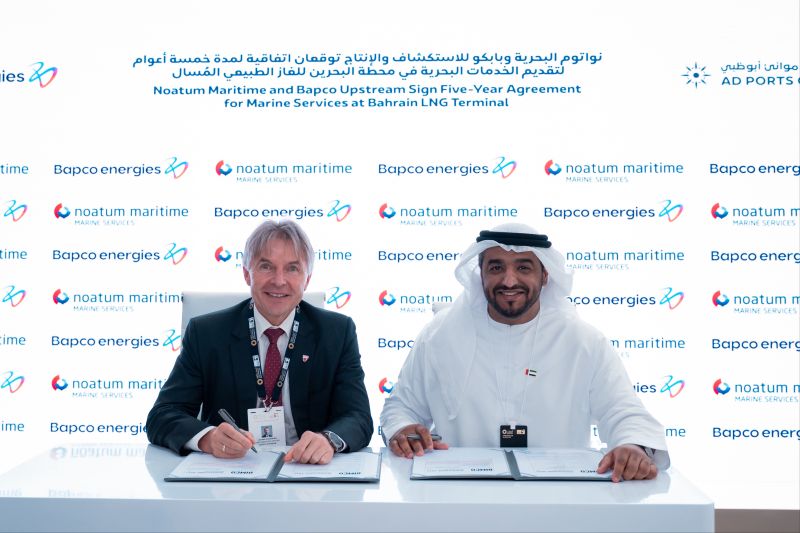
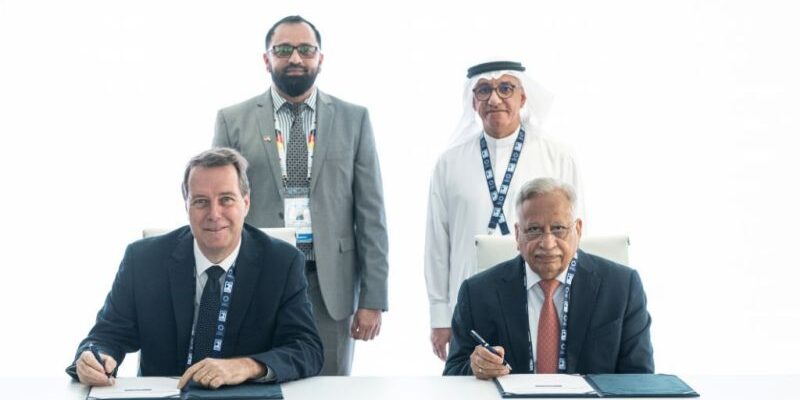
Noatum Maritime and Bapco upstream sign five-year agreement for marine services at Bahrain LNG terminal

Noatum Maritime, part of AD Ports Group’s Maritime & Shipping Cluster and a leading provider of comprehensive maritime solutions, has announced the award of a five-year contract by Bapco Upstream to deliver marine services at the Bahrain LNG Import Terminal (BLNG). Bapco Upstream is a subsidiary of Bapco Energies Group, the integrated entity driving the Kingdom of Bahrain’s energy transition.

The contract marks another key milestone for Noatum Maritime in Bahrain, following several strategic developments introduced earlier this year as part of a broader plan to expand its footprint and capabilities within the Kingdom.

As part of the agreement, Noatum Maritime Marine Services will deliver essential marine support services for the offshore LNG terminal near Khalifa Bin Salman Port. The terminal plays a vital role in securing a clean, reliable energy supply for Bahrain, supporting the nation’s growing demand for natural gas. Services will include towage operations using high-performance LNG-compliant tugboats, berthing and unberthing of LNG carriers and Floating Storage Units (FSUs), and round-the-clock emergency response and standby support. All operations will be carried out by experienced pilots and crew to ensure the highest standards of safety and efficiency.

Captain Ammar Mubarak Al Shaiba, CEO – Maritime & Shipping Cluster, AD Ports Group, said: “Securing this contract for a principal facility within Bahrain’s energy landscape is a strong endorsement of Noatum Maritime Marine Services’ reputation for delivering advanced, dependable solutions. It marks our strategic entry into the LNG terminal towage sector and represents a significant step in diversifying and expanding our operational footprint. By extending our capabilities into LNG terminals while maintaining our strong foundation in port services, we are unlocking new synergies that position us for growth.”

Johann Pleininger, CEO of Bapco Upstream, added: “This agreement marks an important milestone in Bapco Upstream’s efforts to strengthen the Kingdom’s energy infrastructure and ensure a diversified supply of natural gas. Partnering with Noatum Maritime brings world-class marine capabilities to support operations at the LNG terminal, reinforcing our commitment to excellence, safety and sustainability as we expand into the LNG value chain.”

The agreement further consolidates Noatum Maritime’s presence in Bahrain and supports its strategy to expand its global reach while reinforcing its role as a trusted partner in critical maritime and energy infrastructure.

For more information visit www.bapcoenergies.com

Omega signs binding letter of intent with H&P for extensive 2026/27 drilling programme

Omega has signed a binding Letter of Intent with Helmerich & Payne (Australia) Drilling Pty Ltd for the provision of Rig 648, a super-spec FlexRig®, to support the company’s extensive Taroom Trough appraisal programme. The agreement marks a major milestone for Omega’s development of the Canyon Project, an emerging Permian unconventional gas and liquids play.

Under the LOI, Omega and H&P have agreed to a period of exclusivity to finalise contract terms. The proposed drilling campaign includes three firm wells and four optional wells, providing flexibility for a continuous programme as Omega seeks to further de-risk the subsurface. Rig 648, operated by personnel with extensive US unconventional drilling experience, is scheduled to commence operations for Omega in mid-May 2026 following other commitments.

The Canyon Project holds a contingent resource of 0.4–1.7–4.5 TCFE (1C–2C–3C), presenting a significant opportunity to support domestic energy security, LNG development, and what is emerging as a major new oil province on the eastern flank of the Taroom Trough. Planning for the appraisal programme is well advanced, targeting five reservoir layers with at least three vertical wells and options for multiple horizontal sections to test flow capacity and delineate the most prospective “sweet spots.” Omega has already placed orders for long-lead equipment, and with more than 70 million dollars in available funding, the company is well positioned to execute the programme.

Omega’s CEO and MD, Trevor Brown, said the LOI marks an important step forward:
“We are pleased to have signed a binding Letter of Intent with H&P, one of the pre-eminent global drilling contractors, for Rig 648. This ensures access to a state-of-the-art, high-capacity drilling rig as we further de-risk and demonstrate the scale of the Permian unconventional gas and liquids play in our Canyon Project area. With an extensive, multi-well appraisal programme scheduled to commence in May 2026, we are focused on systematically de-risking the subsurface and unlocking the significant resource potential of the Canyon Project.”

John Bell, H&P’s Executive VP, Eastern Hemisphere Land operations, added:
“We’re proud to bring H&P’s world-class drilling capabilities and technology to the Taroom Trough in collaboration with Omega. Our teams share a strong commitment to safety, performance, and innovation, and we look forward to delivering exceptional drilling outcomes that help unlock the basin’s significant gas and liquids potential.”

The upcoming appraisal programme will evaluate five reservoir intervals across Omega’s extensive acreage, providing crucial geological and engineering data for resource and reserves maturation. Vertical wells will be designed to enable follow-up horizontal drilling, which will play a key role in assessing commercial flow rates. Drilling results are expected from mid-2026, followed by an updated resource assessment in the second half of 2026.

Omega anticipates finalising the detailed forward work programme and the rig contract before the end of 2025, with the flexibility to add additional vertical or horizontal wells as the programme progresses.

For more information visit www.omegaoilandgas.com.au

Texplor deploys MSS® leak monitoring system at DOW’s new concrete basin in Germany

Texplor has successfully installed its MSS® Leak Monitoring System at DOW’s newly built concrete liquid liner basin in Stade, Germany, delivering continuous real-time protection for one of the site’s critical containment structures. The installation, which incorporates eight sensors across a 7,000 m² basin, is designed to strengthen environmental safety, optimise maintenance, and extend the service life of the facility.

Advanced Monitoring for Maximum Environmental Protection
The MSS® Leakage Monitoring System provides uninterrupted surveillance of the basin’s integrity, ensuring early leak detection and preventing potential environmental hazards. By delivering real-time data, automated alerts, and immediate anomaly identification, the system significantly enhances DOW’s risk management approach and supports safer, more efficient operations.

This TÜV-Nord approved solution also allows for extended inspection intervals, enabling production to continue without interruption unless an anomaly is detected. The result is a reduction in downtime, lower operational costs, and improved regulatory compliance.

Improved Maintenance Efficiency and Operational Safety
Texplor’s modular monitoring technology reduces the need for manual inspections, replacing periodic checks with continuous digital verification. In addition to leak detection, the system can be expanded with sensors for corrosion, structural movement, and moisture monitoring, providing a scalable and future-proof solution.

Its explosion-proof design ensures reliability in demanding industrial environments, while Texplor’s cloud-based platform centralises data access and reporting across facilities, offering long-term insights and trend analysis.

Bastian Merten, MSc., CTO of Texplor Group, highlighted the benefit of continuous verification:
“With our TÜV-Nord approved monitoring technology, DOW no longer needs to perform inspections every five years. Our system continuously verifies the basin’s integrity, offering 24/7 real-time system checks to ensure containment integrity.”

Texplor’s deployment at the DOW site marks a significant step forward in industrial safety, environmental protection, and intelligent infrastructure monitoring.

For more information visit www.texplor.com

Chane Terminal Le Havre sets course for European growth

Chane Terminal Le Havre continues to reinforce its position as a key logistics hub for complex liquid bulk products, benefiting from deep-sea access, multimodal connectivity, and flexible storage solutions. As the terminal looks to the future, strategic development remains central to its long-term vision.

Johannes Doucet, commercial director, emphasises the forward-thinking approach driving CTLH’s plans. He explains that the team is committed to supporting customers’ evolving requirements while expanding the terminal’s reach. “Our ambition is to develop beyond Le Havre and strengthen our presence within Europe. We aim to be a trusted reference point for expertise and partnership.”

Business Unit director Pascal Millet highlights the critical role of talent and infrastructure in ensuring safe and reliable operations. “Our focus remains on people and infrastructure. Skilled teams and dependable assets enable us to operate safely and responsibly while serving our customers.”

To underpin its growth ambitions, CTLH is investing in infrastructure enhancements and logistics upgrades designed to boost resilience and prepare the terminal for new opportunities across the European market.

For more information visit www.chane.eu

Trotech celebrates triple victory at the 2025 SAISC Steel Awards

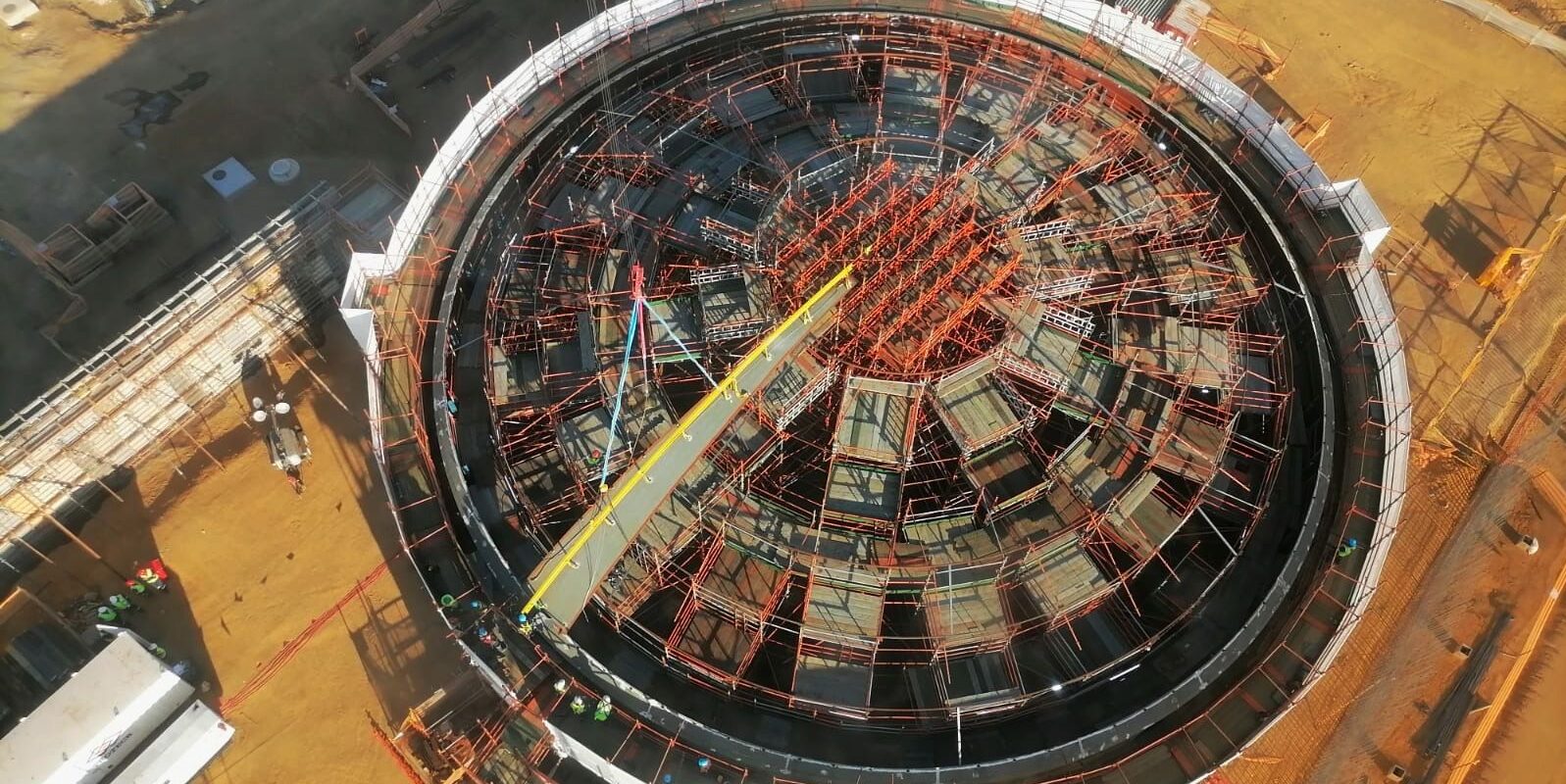
It has been a landmark month for the team at Trotech, whose work on the Sasol CF2 Clean Fuel Tanks in Secunda has earned three major accolades at the 2025 SAISC Steel Awards.

The project secured wins across multiple categories, including:

  • Industrial Category Winner

  • Regional Category Winner – Mpumalanga

  • Overall Project Winner – South Africa and Pan-Africa

Image:Trotech

The achievement recognises the scale and complexity of constructing five tanks, each with a capacity of 18,000m³. Delivered under demanding conditions, the project showcases the precision, expertise and resilience of the Trotech team.

Trotech’s leadership emphasised that these results reflect more than just technical excellence—they represent the strength of shared ambition and collaboration. The company is proud not only of the final outcome, but also of the commitment and engineering rigour that made it possible.

Well done on your achievements, Trotech.

For more information visit www.trotech.co.za

PETRONAS Lubricants International and Lubrizol announce global strategic partnership to advance fluid technology innovation

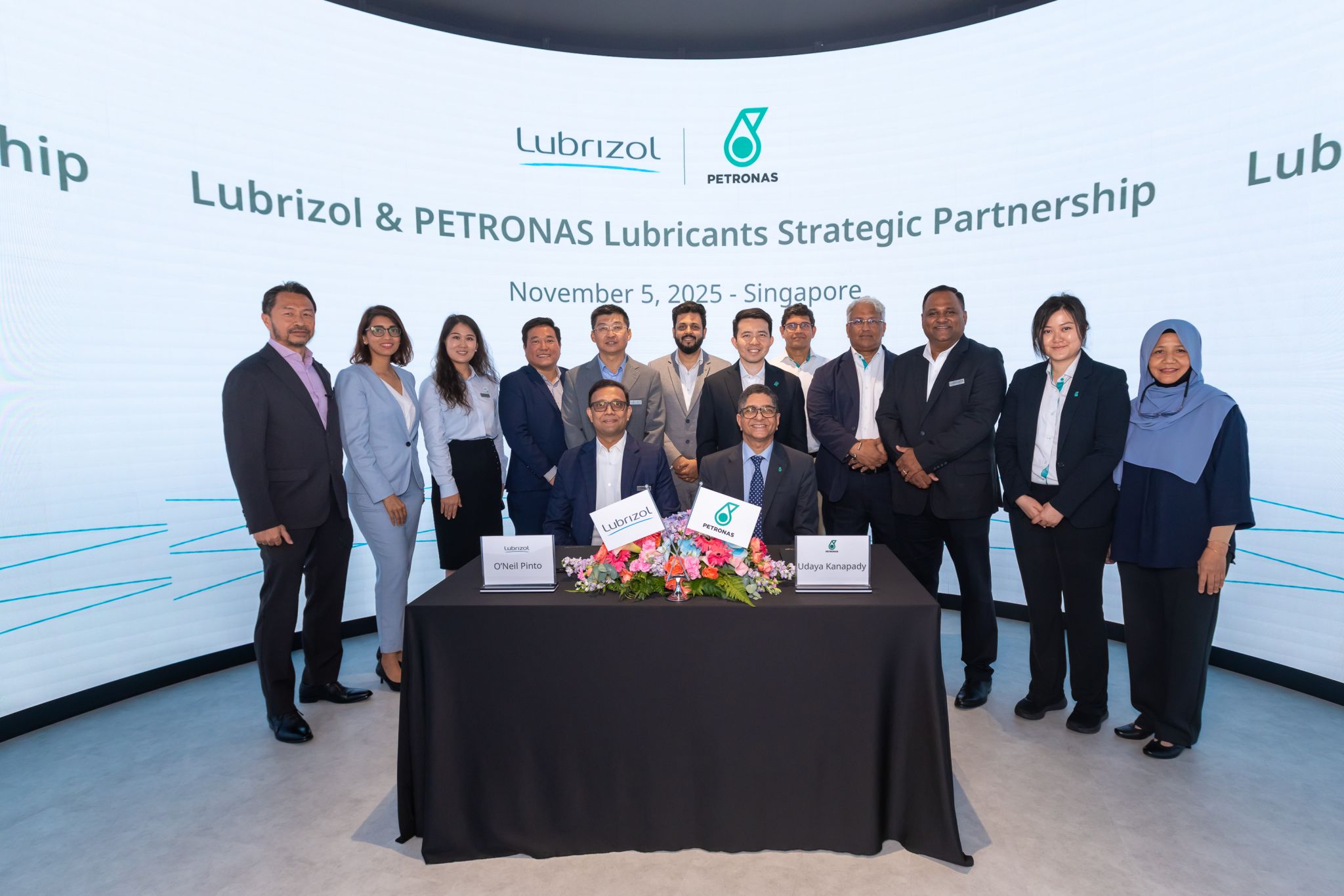
PETRONAS Lubricants International and The Lubrizol Corporation’s Fluid Engineering business have announced a global strategic partnership that represents a major milestone in advancing reliability and performance within the global lubricants sector. The collaboration was formally established by Uday Kumar, Industrial Managing Director at PETRONAS Lubricants International, and O’Neil Pinto, Vice President of Lubrizol’s Fluid Engineering business.

The alliance reflects both organisations’ shared commitment to accelerating innovation across refrigeration, industrial and heat-transfer applications. By combining PETRONAS Lubricants International’s expertise in lubricant solutions with Lubrizol’s strong technological foundation in fluid engineering, the partnership is positioned to deliver smarter, cleaner and more accessible fluid technologies to customers worldwide.

This strategic collaboration marks a pivotal step forward in shaping the future of sustainable and high-performance fluid solutions. Together, the two companies aim to drive meaningful innovation, support global energy-efficiency goals and strengthen long-term growth across the lubricants industry.

For more information visit www.global.pli-petronas.com

Energy Development Oman and Sumitomo Corporation to establish oman’s first integrated energy supply chain company

Sumitomo Corporation has established a joint venture company, tentatively titled “Integrated Supply Chain Oman LLC,” in Muscat, the Sultanate of Oman, together with Energy Development Oman, a state-owned energy company. The new company aims to provide supply chain management services to Oman’s energy sector, starting with Oil Country Tubular Goods supply chain, with other energy-related products and services to be added, covering not only hydrocarbon value chains but also renewables and other types of energy development.

For over 20 years, Sumitomo Corporation has supplied OCTG used in oil and gas extraction to Petroleum Development Oman, a subsidiary of EDO and Oman’s largest national oil company. Through SCM services including inventory management, maintenance, and just-in-time delivery on behalf of customers, Sumitomo Corporation has realised an efficient and stable supply system.

The venture symbolises the deepening strategic partnership between Oman and Japan in the energy sector, underscoring both organisations’ mutual commitment to enhancing the resilience of Oman’s energy infrastructure and fostering long-term, sustainable growth.

A Sumitomo Corporation representative stated that the company is proud to partner with EDO in contributing to development of sustainable energy supply infrastructure in the Sultanate of Oman. The representative noted that for over two decades, Sumitomo Corporation has supplied OCTG products to Oman’s oil and gas industry, with the joint venture building upon a track record of long-standing trust and collaboration. The initiative marks a significant step forward in realising Oman Vision 2040, particularly in areas of energy diversification, innovation, in-country value, and local talent development. Sumitomo Corporation remains committed to being a trusted partner in Oman’s journey toward a sustainable future, looking forward to deepening cooperation with a long-term perspective.

An EDO official noted that the partnership marks an important milestone in Oman’s journey to strengthen and localise its energy supply chain, creating a more efficient, resilient, and self-sustaining energy ecosystem supporting national industry, building local capability, and enhancing long-term competitiveness. For the first time, Oman will be able to aggregate supply chain demand at national level, helping reduce overall production costs whilst creating opportunities for Omani SMEs and professionals. Duqm provides the ideal base for this transformation, with EDO looking forward to working with partners to turn the vision into tangible results.

The joint venture addresses strategic objectives of supply chain localisation, efficiency improvement, and economic diversification aligned with Oman Vision 2040, the government’s long-term development strategy emphasising economic transformation beyond oil and gas dependence. The initiative supports in-country value objectives requiring major projects to maximise local content through Omani workforce employment, SME participation, and domestic capability development.

OCTG represents substantial expenditure for oil and gas producers, encompassing drill pipe, casing, and tubing used in well construction and production. Efficient OCTG supply chains require inventory management balancing availability against working capital costs, quality assurance ensuring products meet specifications, logistics coordinating delivery to remote drilling sites, and maintenance services extending product life through inspection and refurbishment.

Sumitomo Corporation’s two-decade track record supplying PDO demonstrates established relationships, operational knowledge, and proven service delivery supporting the joint venture’s foundation. Building upon existing business relationships reduces startup risks whilst providing immediate operational capabilities.

The expansion beyond OCTG to encompass broader energy-related products and services, including renewables, reflects Oman’s energy diversification strategy. The country has established ambitious renewable energy targets including solar and wind projects supporting domestic consumption and potential green hydrogen production leveraging abundant renewable resources.

National-level demand aggregation creates economies of scale improving procurement terms, optimising inventory levels across multiple operators, and supporting domestic manufacturing and service provision through predictable demand volumes justifying local investment. Centralised supply chain management can reduce redundant inventories held by individual operators, improve utilisation of storage and logistics infrastructure, and enhance supply security through systematic capacity planning.

Duqm’s reference reflects the city’s strategic positioning supporting industrial development. Duqm Special Economic Zone offers infrastructure, regulatory incentives, and geographic positioning supporting logistics, manufacturing, and service industries. The location provides deepwater port facilities, industrial land, and connectivity supporting supply chain operations serving Oman’s energy sector.

SME development objectives address economic diversification, creating employment and entrepreneurial opportunities beyond direct oil and gas production. Supply chain localisation enables Omani companies to participate as suppliers, service providers, and logistics operators, developing capabilities transferable to other sectors whilst reducing import dependency.

Local talent development encompasses training, employment, and career progression for Omani professionals in supply chain management, logistics, technical services, and commercial roles. Workforce localisation supports national employment objectives whilst building sustainable human capital supporting long-term economic development.

The Japan-Oman energy partnership reflects longstanding economic relationships, with Japan historically importing Omani crude oil and LNG. The joint venture extends bilateral cooperation beyond commodity trade to encompass industrial development, technology transfer, and institutional capacity building aligned with both countries’ strategic interests.

The joint venture structure combining EDO’s national mandate and market access with Sumitomo Corporation’s supply chain expertise, international networks, and operational capabilities creates complementary strengths supporting successful execution. EDO provides regulatory facilitation, stakeholder coordination, and alignment with national objectives, whilst Sumitomo Corporation contributes technical expertise, systems, and international best practices.

For more information visit www.sumitomocorp.com

Noord Natie Odfjell Antwerp Terminal strengthens global connectivity

Noord Natie Odfjell Antwerp Terminal continues to play a pivotal role in connecting international producers with European customers through the efficient storage and distribution of base oils, glycol and chemical intermediates. Strategically located in Antwerp, the terminal accelerates global logistics and serves as a vital hub for producers, traders, and manufacturers worldwide.

Through its strategic partnership with Odfjell Terminals, which holds a twenty-five percent share, Noord Natie Odfjell Antwerp Terminal benefits from access to an extensive international customer network. The commercial team maintains a strong global presence, actively participating in conferences across Europe and the United States to foster new partnerships and strengthen existing ones.

The Antwerp terminal serves as a key distribution centre for base oils and glycol throughout Europe. Base oils are primarily supplied by producers from the United States and the Far East, while glycol is predominantly stored for international traders serving the plastics and coolant fluid industries. In addition, the terminal handles a diverse range of chemical intermediates, which arrive by sea from global production sites before being safely stored and distributed to manufacturers across Europe. Its customer portfolio spans the United States, India, and Europe, reflecting the terminal’s global reach and reliability.

Noord Natie Odfjell Antwerp Terminal offers a combination of world-class infrastructure, specialist handling capabilities, and a customer-centric approach with an international mindset. With access to the Odfjell Terminals network, advanced logistics facilities in Antwerp, and extensive expertise in base oil, glycol, and chemical storage, the company continues to deliver trusted and efficient solutions to global partners.

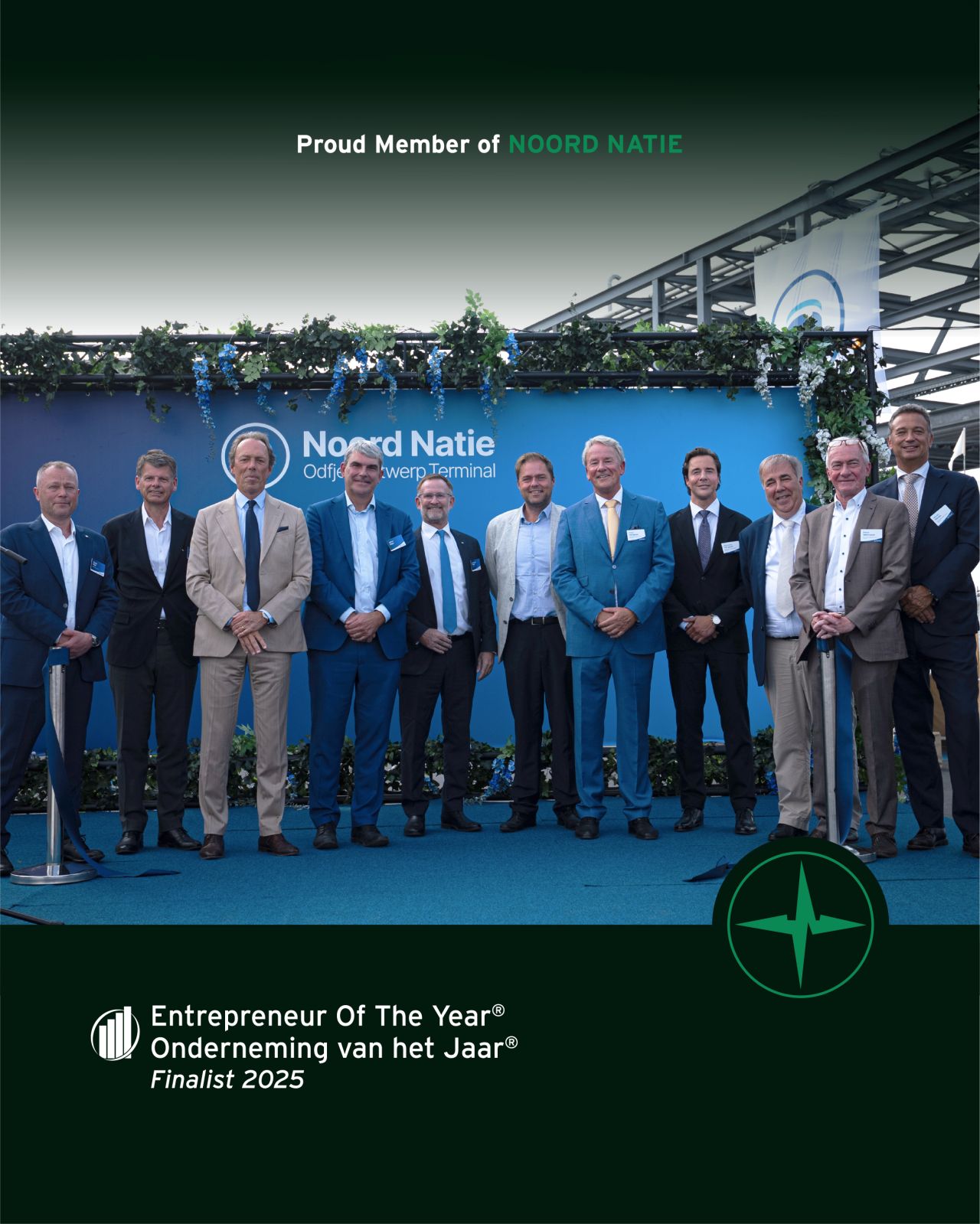
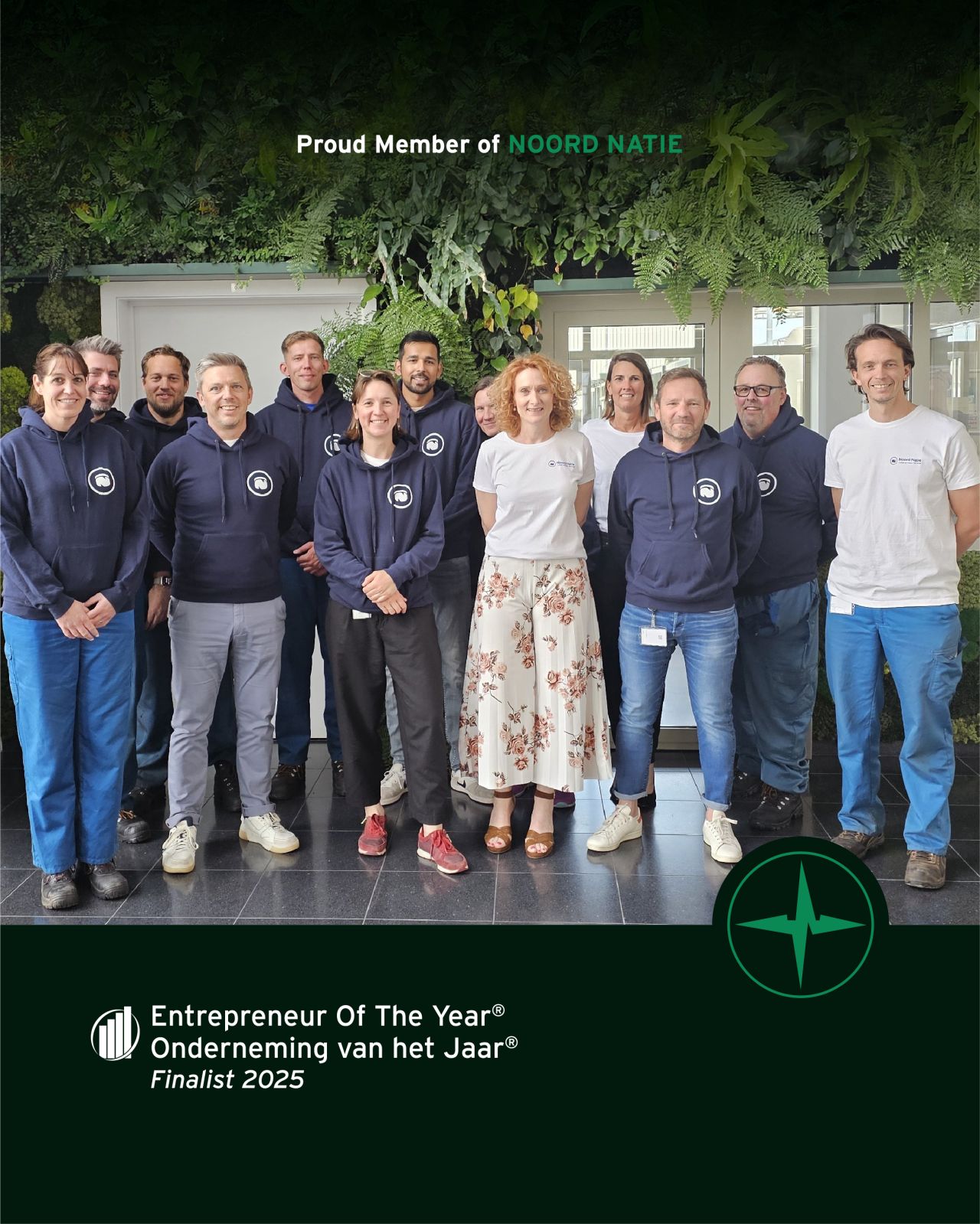
Its shareholder, Noord Natie, embodies nearly five centuries of international logistics experience, defined by foresight, adaptability and responsible entrepreneurship. This enduring commitment to connecting global trade has recently been recognised with Noord Natie’s nomination as a finalist for Onderneming van het Jaar® 2025, underscoring the company’s continued contribution to sustainable and forward-looking business practices.

For more information visit www.noordnatie.be

LBC Bayport Terminal goes live with UAB-Online

LBC Tank Terminals has successfully implemented UAB Online at its Bayport facility in Houston, Texas, completing phases 1 and 2 of the digital transformation project. With these initial stages now operational, Bayport is streamlining terminal processes, improving stakeholder communication, and establishing foundation for full digital transformation across operations.

LBC Bayport plays vital roles in chemical and energy supply chains. Situated on the Houston Ship Channel, the terminal provides deep-water dock access, extensive pipeline connectivity, and rail interface linking directly to key industrial areas. These advantages position Bayport as a strategic hub for storage and handling of liquid bulk products in one of the world’s busiest ports.

Terminal operations involve coordination amongst vessels, agents, surveyors, and terminal operators ensuring safe and timely product transfers. Historically, much communication relied on phone calls, emails, and paper documents. By introducing UAB Online, LBC Bayport is transforming manual processes into integrated digital workflows, enhancing operational efficiency and coordination, accuracy of information shared between parties, and transparency and compliance in all operational steps.

The digital rollout at Bayport is executed in multiple stages ensuring smooth adoption and minimal disruption. Phase 1 introduced digital dossier creation for vessels and barges alongside online Notice of Readiness submissions. Phase 2 implemented document sharing in PDF format, improving transparency and accessibility for all stakeholders. Future phases will include advanced digital document creation and enhanced checklists further streamlining operations.

As part of the Houston Ship Channel community, LBC Bayport’s digital operations benefit customers and the broader regional logistics network. Digitalisation strengthens the port’s competitiveness, reliability, and sustainability—key factors maintaining Houston’s role as global leader in energy and chemical logistics.

With UAB Online now active in phases 1 and 2, LBC Bayport has taken important steps toward a fully digital future. Subsequent phases will build on this foundation, continuing to improve safety, efficiency, and transparency across operations. LBC’s digital journey demonstrates how modern technology and collaboration can redefine terminal operations, making them faster, safer, and more intelligent.

Digital transformation in terminal operations addresses inefficiencies inherent in paper-based workflows and fragmented communication channels. Traditional processes involving multiple parties coordinating vessel arrivals, cargo operations, and documentation generate delays, errors, and compliance risks when information flows through disconnected systems.

UAB Online’s digital dossier creation consolidates vessel information, operational parameters, and required documentation in unified electronic format accessible to authorized parties. This eliminates information silos, reduces duplicate data entry, and ensures all stakeholders work from consistent, current information.

Online Notice of Readiness submission streamlines the critical process whereby vessels notify terminals of arrival readiness and preparation to commence cargo operations. Digital NOR submission provides timestamp documentation, immediate notification to relevant parties, and integration with terminal planning systems enabling efficient berth allocation and resource scheduling.

PDF document sharing in Phase 2 addresses practical requirements for distributing operational documents including cargo manifests, inspection reports, certificates, and communications logs. Digital distribution eliminates delays associated with physical document handling whilst creating audit trails supporting compliance verification.

Houston Ship Channel’s status as major petrochemical and energy logistics corridor creates high-volume terminal operations requiring efficient coordination amongst numerous vessels, cargo owners, and service providers. Digital platforms supporting operational coordination enhance channel capacity utilization by reducing vessel turnaround times and improving predictability of operations.

Terminal digitalization supports sustainability objectives through reduced paper consumption, optimized operations minimizing energy usage and emissions, and improved safety through enhanced communication and documentation supporting compliance with operational procedures.

The phased implementation approach manages change systematically, enabling users to adapt to new workflows progressively rather than overwhelming personnel with comprehensive system changes simultaneously. This approach supports user adoption, identifies improvement opportunities through operational experience, and validates system performance before expanding functionality.

Future phases incorporating advanced document creation and enhanced checklists will further digitize operational workflows, potentially including electronic signatures, automated compliance verification, real-time operational status tracking, and data analytics supporting performance monitoring and continuous improvement.

LBC Tank Terminals’ digital transformation at Bayport exemplifies industry trends toward smart terminals leveraging information technology for operational excellence, with digital platforms becoming standard infrastructure supporting efficient, transparent, and compliant liquid bulk terminal operations in major ports globally.

For more information visit www.uab-online.com

Glenfarne and Baker Hughes announce definitive agreements to advance Alaska LNG

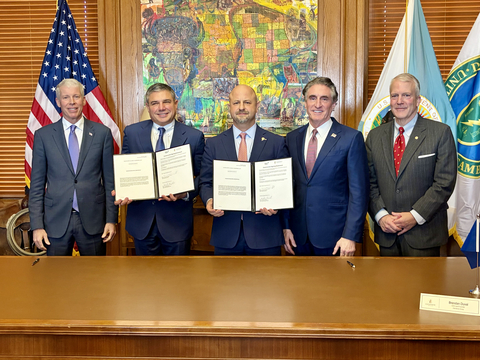
Alaska LNG, majority owned and developed by Glenfarne Alaska LNG, LLC, has announced a strategic alliance with Baker Hughes, a global energy technology company, to advance the Alaska LNG Project. Under the new agreement, Glenfarne has selected Baker Hughes as the supplier of main refrigerant compressors for the LNG terminal and power generation equipment for the North Slope gas treatment plant. Baker Hughes has also made a strategic investment in the project. The announcement was made during a ceremony in Washington, D.C., attended by U.S. Secretary of the Interior Doug Burgum and Secretary of Energy Chris Wright.

Brendan Duval, CEO and founder of Glenfarne, highlighted Baker Hughes’ role as a key partner, noting the company’s leadership in LNG compression technology and the significance of this collaboration for national and state energy objectives. Baker Hughes’ Chairman and CEO, Lorenzo Simonelli, reaffirmed the company’s commitment to supporting the project, emphasising the importance of natural gas and LNG in providing secure, reliable, and lower-carbon energy. Both government officials commended the alliance as a milestone in strengthening U.S. energy independence, economic resilience, and international competitiveness.

Left to Right: Secretary of Energy Chris Wright, Baker Hughes Chairman & CEO Lorenzo Simonelli, Glenfarne CEO & Founder Brendan Duval, Secretary of the Interior Doug Burgum, Senator Dan Sullivan (Alaska)

The Alaska LNG Project is being developed in two financially independent phases. Phase One will include an 807-mile, 42-inch pipeline transporting natural gas from Alaska’s North Slope to serve domestic energy needs, with final engineering and cost analysis by Worley expected to conclude in December ahead of a final investment decision. Phase Two will add an LNG terminal and supporting infrastructure, enabling an export capacity of 20 million tonnes per annum (MTPA), with FID anticipated in late 2026. Since taking leadership of the project in March, Glenfarne has secured preliminary commercial commitments from major buyers in Japan, Korea, Taiwan, and Thailand for over 60 percent of the LNG capacity needed to reach FID. With a total permitted portfolio of 32.8 MTPA across Alaska, Texas, and Louisiana, Glenfarne continues to expand its footprint in the North American LNG market, including collaboration with Baker Hughes on its Texas LNG project.

For more information visit www.glenfarne.com

AMPP and SASO sign technical cooperation programme agreement to strengthen standards development

The Association for Materials Protection and Performance (AMPP), the global authority in materials protection and performance, and the Saudi Standards, Metrology and Quality Organisation (SASO) have signed a Technical Cooperation Programme (TCP) to advance collaboration in standardisation, training, and technical development to enhance safety, quality, and industrial performance.

The agreement establishes a framework for cooperation between the two organisations to support the exchange of information, participation in the development and harmonisation of standards, and organisation of joint training programmes, workshops, and technical exchanges. Through this partnership, AMPP and SASO aim to promote best practices that strengthen industry competitiveness and product safety while supporting the advancement of quality infrastructure throughout the Kingdom of Saudi Arabia and beyond.

“AMPP’s collaboration with SASO represents an important milestone in expanding our global engagement in standardisation and quality initiatives,” said Tim Gonzalez, vice president, Energy Integrity Solutions at AMPP. “This agreement reinforces our shared commitment to advancing standards, training, and technical excellence that drive safer, more efficient, and sustainable industrial operations.”

The Technical Cooperation Programme also outlines cooperation in areas such as:

  • Exchange of information on standardisation practices, regulations, and technical developments;
  • Joint study and harmonisation of draft standards aligned with international recommendations;
  • Exchange of experts and participation in training, conferences, and workshops;
  • Sharing of best practices related to national standards and technical regulations; and
  • Coordination within international organisations such as ISO and IEC to enhance engagement in global standardisation activities.


“This collaboration with SASO strengthens AMPP’s ability to contribute to the Kingdom’s growing focus on quality and innovation,” said AMPP CEO Alan Thomas. “Together, we can ensure that materials protection and performance standards are integrated into the global conversation on safety, sustainability, and industrial excellence.”

The agreement reinforces AMPP’s mission to advance materials protection and performance by sharing expertise, harmonising standards, and expanding opportunities for technical collaboration. AMPP and SASO will develop initiatives that help industries operate more safely, efficiently, and sustainably across all sectors that depend on corrosion control and asset integrity.

For more information visit www.ampp.org

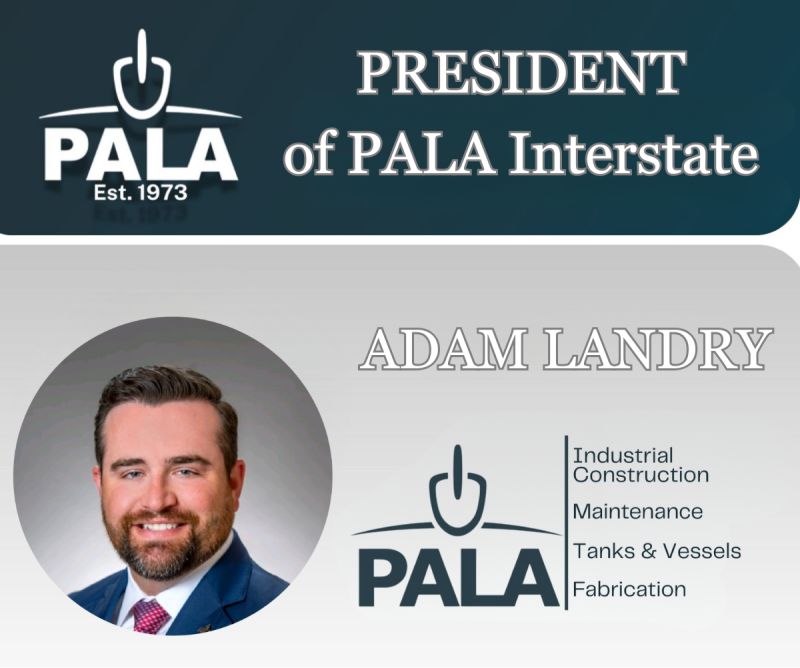
PALA Interstate promotes Adam Landry to president

PALA has announced the promotion of Adam Landry to President of PALA Interstate. Landry’s career with PALA spans over 12 years, beginning shortly after earning his degree in Construction Management from Louisiana State University.

He started his career as an estimator and steadily advanced through key leadership positions, including project manager, operations manager, and most recently, chief operating officer. Throughout his tenure, Landry has played vital roles in driving growth, performance, and sustainability of the employee-owned company, leading with integrity and deep commitment to personnel and clients.

Beyond his work at PALA, Landry serves as a dedicated industry leader and advocate. He serves on the ABC Pelican Chapter Board of Directors, was recognised as a 2024 Baton Rouge Business Report 40 Under 40 honouree, and was named a 10/12 Industry Report Emerging Leader in 2024. Landry is a husband and father to two children.

PALA stated that his leadership, dedication, and vision exemplify the core values defining the company, expressing honour at having him serve as President of PALA Interstate and anticipation for the continued growth and success he will help lead.

The promotion recognises Landry’s sustained contributions and progression through increasingly senior roles over more than a decade with the company. His advancement from technical estimating through operational management to executive leadership demonstrates a comprehensive understanding of PALA’s business across functional areas.

The employee-owned company structure creates alignment between leadership decisions and workforce interests, with Landry’s promotion reflecting confidence from employee-owners in his capabilities to lead the Interstate division. Employee ownership models emphasise long-term sustainability and stakeholder value creation beyond purely financial metrics.

Industry recognition through 40 Under 40 honours and Emerging Leader designations validates Landry’s professional contributions and leadership potential beyond PALA’s internal assessment. Such recognition enhances the company’s reputation through association with acknowledged industry leaders.

Board service with ABC Pelican Chapter demonstrates commitment to industry advocacy and professional development initiatives supporting construction sector interests. Trade association involvement provides networking opportunities, policy engagement, and industry knowledge, benefiting both individual participants and their employers.

PALA Interstate’s focus within the broader PALA organisation likely addresses specific market segments, geographic territories, or service lines requiring dedicated leadership attention. The president’s role carries responsibility for strategic direction, operational performance, business development, and stakeholder relationships within the Interstate division’s scope.

The promotion reflects succession planning and leadership development practices cultivating internal talent for senior positions. Organisations developing leaders through progressive responsibility assignments retain institutional knowledge whilst creating career advancement pathways, motivating high-performing employees.

For more information visit www.palagroup.com

Creaform unveils the CUBE-R M Series

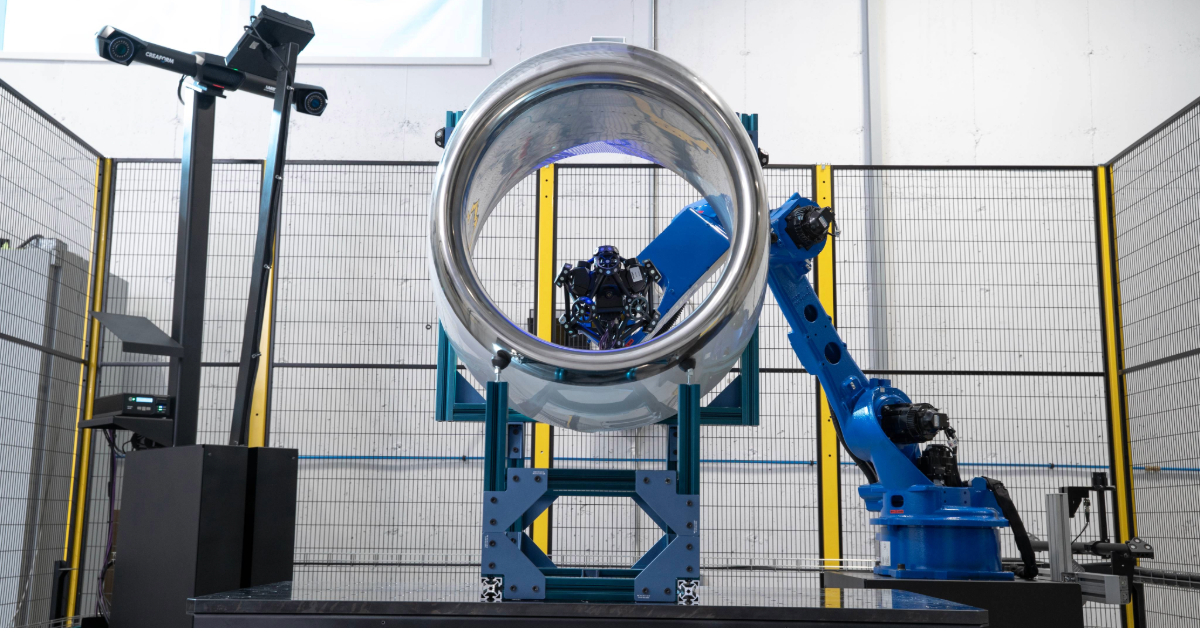
Creaform, a business of AMETEK, Inc. and worldwide provider of automated and portable 3D measurement solutions, announced the next evolution in automated quality control for at-line inspection in mass production: the CUBE-R M Series. This innovative modular solution leverages the power of the MetraSCAN 3D-R scanner in an automated 3D measurement cell and offers three standard configurations to accommodate different part sizes. A wide range of options ensure easy integration into any production environment, enabling more inspections with fewer resources and lower costs.

Unlike one-size-fits-all solutions, this turnkey high-productivity industrial measuring cell adapts to any shop floor and any requirements, and not the other way around. The M2™ inspects parts up to 2 m in length, the M3™ handles parts up to 3 m and the M4™ supports parts up to 4 m, offering significant flexibility in footprint, payload, and part size. Built with modularity in mind, these solutions are future-proof: the wealth of configuration and option choices, as well as Creaform’s ongoing innovation, ensures factories remain agile and ready to evolve. Bringing quality control and inspection ever closer to production, the CUBE-R delivers continuous measurements and uncompromising accuracy, even in vibrating environments and on difficult surfaces, by leveraging hardware-software synergy for smart offline programming, high-frame-rate full-field 3D data, and rapid cycle times through parallel processing. The results: increased productivity, enhanced product quality, and reduced operational costs.

The M Series offers a range of configurable options designed to enhance integration and operational efficiency for diverse manufacturing environments:

  • Metrology-grade 3D scanning capability: The MetraSCAN-R BLACK+™|Elite HD uses its 69 blue laser lines to deliver an accuracy of 0.025 mm (0.0009 in), 3,000,000 measurements/s and an impressive measurement resolution of 0.015 mm (0.0006 in). These measurements are validated through acceptance tests compliant with the VDI/VDE 2634 Part 3 and ISO 10360 standards and carried out in ISO/IEC 17025:2017 accredited laboratories.
  • Productivity Kit: Elevating the overall equipment effectiveness, this kit enables uninterrupted scanning workflows by parallelising inspection and processing activities, eliminating downtime associated with data processing.
  • Removable Mounting Plates: This forklift-compatible kit offers optional pallets so parts and jigs can be preloaded outside the measuring cell, for quick part swaps and minimal downtime.
  • Virtek Iris™ 3D positioning system: Leveraging Virtek’s powerful solutions, this kit uses projected laser-guided patterns for precise alignment and accurate parts and jigs positioning, reducing setup errors and boosting processing speed.
  • Secure Remote Access Kit: This kit includes connectivity tools that enable Creaform’s technical support team to remotely troubleshoot the CUBE-R, accelerating issue resolution and reducing support downtime.
  • Dedicated sheet metal solution: Combining the specialised Sheet Metal Add-on in the Inspection module and the MetraSCAN 3D-R HD, this kit delivers the most accurate and repeatable 3D sheet metal measurements available.
  • Automation module: The digital twin environment module of Creaform Metrology Suite prioritises ease of use and performance so that all operators, regardless of expertise, can confidently program and operate robotic systems.


“We believe quality control should drive production, not slow it down,” says Mathieu Desmarais, product manager at Creaform. “With the M-Series’ modular design, manufacturers benefit from turnkey yet tailored solutions that scale with their needs, maximising throughput and system uptime, and accelerating the journey toward 100% inspection and zero defects, while staying future-proof for evolving manufacturing needs.”

For more information visit www.creaform3d.com

SIAS, Tank Storage Association and Reynolds Training launch new SIAS Level 2 Diploma in Bulk Storage Operations

A new SIAS Level 2 Diploma in Bulk Storage Operations has officially launched, marking a major step forward in professional standards, safety and career development across the bulk storage sector.

Developed collaboratively by SIAS, Reynolds Training Services (RTS) and the Tank Storage Association (TSA) and its members, the qualification provides a structured pathway for learners entering or progressing within operational roles.

John Reynolds, managing director of Reynolds Training, said: “This qualification represents a key milestone for the bulk storage sector. By combining SIAS’s awarding expertise, TSA’s industry leadership – alongside its members’ industry knowledge – and our hands-on training experience, we’ve created a qualification that directly supports the delivery of safe, future-ready operations and enables the demonstration of competent performance. We’re proud to be shaping competence together, building the next generation of skilled operators and providing the foundation for a clear career pathway within the sector.”

The diploma equips learners with the fundamental knowledge and practical skills required to work safely and effectively in bulk storage facilities. Covering essential areas such as health, safety, environmental compliance, teamwork and emergency response, the qualification ensures that operators can meet the evolving demands of a critical national industry.

Aligned with SIAS’s regulated framework and the TSA’s ongoing work to promote excellence within the tank storage sector, the qualification forms a key part of the wider Shaping Competence Together initiative – connecting education, industry and safety leadership.

Steve Smith, managing director of SIAS, commented: “This qualification sets a new standard for skills in bulk storage operations. It combines essential technical knowledge with a strong focus on safety, sustainability, communication and teamwork, ensuring learners are fully prepared for the realities of a modern, fast-moving industry. This collaboration between SIAS, TSA and RTS exemplifies how partnership can drive real progress – combining deep sector expertise, innovative thinking and a shared vision for excellence in skills development. Together, we’re not just responding to industry needs – we’re helping to shape the future of bulk storage operations”.

Peter Davidson, chief executive of the Tank Storage Association, said: “The new Level 2 Diploma in Bulk Storage Operations supports the development of a skilled, confident, and adaptable workforce. The qualification is designed both for those seeking to begin a career in bulk storage operations and for existing professionals wishing to enhance their knowledge and skills to progress in their roles. It stands as a clear demonstration of our ongoing commitment to investing in people, talent, and the future of the bulk storage and energy infrastructure sector.”

Learners completing the diploma will gain a recognised Level 2 qualification that supports progression into bulk storage, process operations and related technical disciplines.

The launch of the SIAS Level 2 Diploma in Bulk Storage Operations marks an exciting moment for the industry, bringing together the best of industry expertise and educational innovation to build the skilled, adaptable workforce needed to power the sector’s future.

For more information visit www.siasuk.com , www.reynoldstraining.com or www.tankstorage.org.uk

Aptamus Picks Aker Solutions’ Entr for LCO2 Terminal Engineering

Aptamus Carbon Solutions, a subsidiary of Overseas Shipholding Group, and Entr, the consultancy arm of Aker Solutions, have entered into an agreement for front-end engineering and design of CO2 terminals in Florida and Louisiana. Entr will conduct FEED for a temporary storage and liquefaction processing terminal at Port Tampa Bay in Tampa, Florida, and a discharge and regasification terminal at LBC Tank Terminals in Baton Rouge, Louisiana, supporting Aptamus’s CO2 maritime transport and storage programme, Carbon Ocean and Storage Transport 20 (COAST20).

COAST20 was selected for an award to be partially funded by the US Department of Energy. The programme includes design of a 20,000-tonne liquefied CO2 tank vessel which will be the first built in the United States, the Port Tampa Bay intermodal hub site collecting captured CO2 from emitters across Florida, and the LBC receiving port on the Mississippi River near Baton Rouge, adjacent to an existing dedicated CO2 pipeline system for delivery to permanent underground storage sites. Port Tampa Bay and LBC are partners in the COAST20 project.

Credit: Aptamus

Knut Egil Pedersen, vice president of hydrogen and CO2 at Aker Solutions, expressed excitement about bringing pioneering expertise in designing and building CO2 terminals and first-of-their-kind carbon removal projects to Florida. He stated that having advised on optimised solutions in early development phases, Entr will now execute these in a cost-effective, industrialised project environment, combining North American team expertise with global experience to support safe processing, storage, and transport of CO2 from Tampa Bay to Louisiana.

Jeffrey Ross Williams, president of Aptamus, stated that Aptamus has strategically expanded capabilities to offer Florida’s largest CO2 emitters a supply chain solution for safe and efficient removal of captured CO2 from the state. He characterised Entr’s development of the Port Tampa Bay hub and LBC Tank Terminals site as offering the ideal solution for managing captured CO2 in Florida. Williams noted that COAST20 will allow power generation companies to meet increasing electricity demand in Florida whilst managing carbon output to meaningfully impact the environment and human health.

The COAST20 programme addresses emerging requirements for CO2 transport and storage infrastructure supporting carbon capture deployment. Florida’s CO2 emitters lack proximate geological storage formations suitable for permanent sequestration, necessitating transport solutions connecting emission sources with suitable Gulf Coast storage sites.

The maritime transport approach utilises purpose-built liquefied CO2 carriers connecting Florida collection points with Louisiana delivery terminals adjacent to existing CO2 pipeline infrastructure. Port Tampa Bay serves as collection hub enabling aggregation of CO2 from multiple Florida sources, with temporary storage and liquefaction processing preparing CO2 for ship loading.

LBC Tank Terminals’ Baton Rouge location provides strategic positioning on the Mississippi River with existing liquid bulk storage infrastructure and proximity to established CO2 pipeline systems. The discharge and regasification terminal will receive liquefied CO2 from vessels, return it to a gaseous phase, and inject it into pipelines for delivery to permanent storage sites.

US Department of Energy funding support reflects federal policy priorities for carbon capture, utilisation, and storage infrastructure development. Aker Solutions’ experience in CO2 handling infrastructure from North Sea projects provides relevant technical expertise for COAST20.

FEED work establishes detailed technical specifications, equipment selections, process designs, safety systems, and cost estimates supporting final investment decisions. The project exemplifies emerging carbon management infrastructure connecting emission sources lacking proximate storage with suitable geological formations via multimodal transport, potentially establishing models for similar regional approaches addressing commercial-scale CCS deployment requirements.

For more information visit www.aptamus.com

SPX FLOW expands global pump service network sixfold to enhance customer support

SPX FLOW has announced a significant expansion of its global service network for its Pump Solutions business, growing from five to more than 30 certified or in-process Authorised Service Providers (ASPs). The initiative is designed to strengthen aftersales support for Johnson Pump and Bran+Luebbe equipment worldwide. Each ASP is carefully selected based on technical expertise, quality standards, strategic location, and strong customer relationships—particularly in regions with large installed bases but limited access to original equipment manufacturer (OEM) services.

“Authorised Service Providers are an essential extension of our service model,” said Stephanie White, vice president of aftermarket for Pump Solutions at SPX FLOW. “They give customers the confidence of OEM-quality repair and support, no matter where their operations are located. This investment helps us deliver faster response times, localised expertise, and consistent service standards worldwide.”

ASPs are trained and certified to the same standards as SPX FLOW service centre technicians, ensuring customers receive the same level of precision and reliability as they would from the company’s direct facilities in Germany, the Netherlands, the United Kingdom, India, and the United States.

Mark Tuinman, head of sales at Nordic Flow AS, one of the newly appointed providers, said: “Having direct contact with SPX FLOW pump experts provides the flexibility and responsiveness that are crucial when failures occur. The SPX FLOW team once hand-delivered critical parts to Norway to keep one of our projects on track. That’s real partnership.”

Many ASPs also maintain local inventory, enabling faster part fulfilment, improved regional inventory management, and reduced equipment downtime. SPX FLOW plans to further expand the ASP network in 2026 to enhance the availability of genuine parts, service expertise, and lifecycle support for customers around the world.

“There’s no better time to announce this expansion than during World Quality Week, as quality providers showcase SPX FLOW’s continued commitment to service excellence,” added White.

For more information visit: www.info.spxflow.com

UAB-Online announces strategic partnership with digital port agency to accelerate growth into GCC region

UAB-Online, a leading platform in maritime logistics that unifies industry stakeholders, has announced a strategic partnership with Digital Port Agency Limited (DPA), headquartered in the United Arab Emirates. The collaboration marks a significant milestone in UAB-Online’s expansion into the Gulf Cooperation Council (GCC) region, which includes Bahrain, Kuwait, Oman, Qatar, Saudi Arabia, and the United Arab Emirates. The partnership aims to enhance port logistics efficiency and promote operational excellence across the region.

Strategic Collaboration for Regional Growth
The partnership combines UAB-Online’s proven SaaS platform—renowned for optimising port logistics, safety, and compliance—with DPA’s strong regional presence, deep expertise in liquid bulk logistics, and established relationships across the GCC. Through this collaboration, UAB-Online will gain access to DPA’s extensive network in the UAE and the wider Gulf region, enabling the delivery of locally tailored, high-quality digital solutions.

More than a geographic expansion, the partnership represents a strategic entry for UAB-Online into one of the world’s fastest-evolving maritime and logistics hubs. As GCC nations continue to invest heavily in port infrastructure, digitalisation, and logistics innovation, the collaboration positions UAB-Online to support customers with advanced technologies that drive efficiency and sustainability.

“This partnership with Digital Port Agency marks a key moment for UAB-Online,” said Hans Bobeldijk, CEO of UAB-Online. “With DPA’s in-depth knowledge of port operations in the GCC and our technology, we are ready to deliver real value to maritime and logistics operators in the region. It’s an exciting step in our global journey.”

Frank de Leng, official reseller for UAB-Online in the GCC, added: “I see enormous potential in combining our technical capabilities with DPA’s regional expertise. Together, we will provide GCC customers with solutions designed for their unique challenges—enabling faster decision-making, improved efficiency, and more sustainable operations.”

For more information visit www.uab-online.com

US$225m refinancing for Impala Terminals Group

Impala Terminals Group, a leading global operator of liquid and dry bulk storage infrastructure, has successfully completed the refinancing of its holding company through a US$225 million facility, complemented by a US$25 million bank guarantee line.

The facilities include a hybrid US private placement (USPP) and institutional loan structure, comprising both fixed and floating tranches. The financing consists of an initial US$175 million with an additional US$50 million in deferred funds available for drawdown no later than 31 December 2025.

In addition, the group secured a US$25 million bank guarantee line to further support its operations.

The refinancing attracted strong interest from a select group of existing investors, exceeding the required amount. Proceeds from the transaction will primarily be used to refinance existing borrowings and for general corporate purposes, strengthening Impala Terminals Group’s financial position as it continues to expand its global infrastructure footprint.

For more information visit www.impalaterminals.com

Cryo-Mach brand transitions under Blackmer

PSG®, an operating company of Dover Corporation, today announced that Cryogenic Machinery Corp. (“Cryo-Mach”) will transition from a standalone brand to a dedicated product line known as the CRYO-MACH Series under the Blackmer® portfolio. This strategic alignment expands the core competencies and capabilities of both brands while extending their reach and value to customers.

“Bringing the Cryo-Mach brand into the Blackmer portfolio as the CRYO-MACH Series is a natural next step in expanding our ability to solve critical fluid-handling challenges for customers,” said Chris Walsh, vice president of marketing and engineering. “We will continue the legacy of precise engineering and strict quality standards Cryo-Mach is known for – and deliver the CRYO-MACH Series with the trusted leadership that defines Blackmer.”

Founded in 1964, Cryo-Mach has built a global reputation for engineering mission-critical cryogenic centrifugal pumps, mechanical seals and accessories for cryogenic and industrial gas applications, including oxygen, argon and nitrogen. Customers across the market recognise Cryo-Mach for its unmatched product reliability, simple maintenance and responsive service.

Blackmer, founded in 1903, is one of the leading global providers of high-quality sliding vane pumps, internal gear pumps, centrifugal pumps, regenerative turbine pumps and reciprocating gas compressors. Known for helping customers solve complex pumping challenges with precision, the Blackmer history of innovation and excellence makes it the ideal home for the CRYO-MACH Series.

“This transition represents our commitment to expanding our core competencies and delivering greater value to customers across both cryogenic and non-cryogenic applications,” said Brian Battle, Vice President – Industrial Business Unit at PSG. “By aligning the Cryo-Mach legacy of cryogenic performance with the broad market expertise of Blackmer, PSG is better positioned to offer comprehensive solutions that address a wide range of liquified gas needs. This strategic move aligns with our long-term vision for PSG to be the most trusted and forward-thinking partner in the markets we serve.”

The CRYO-MACH Series will continue to be manufactured at the facility in North Hollywood, CA, USA. All Cryo-Mach products and marketing materials will be branded under the Blackmer name. There will be no changes to the existing product lineup, service capabilities or support resources.

For more information visit www.psgdover.com

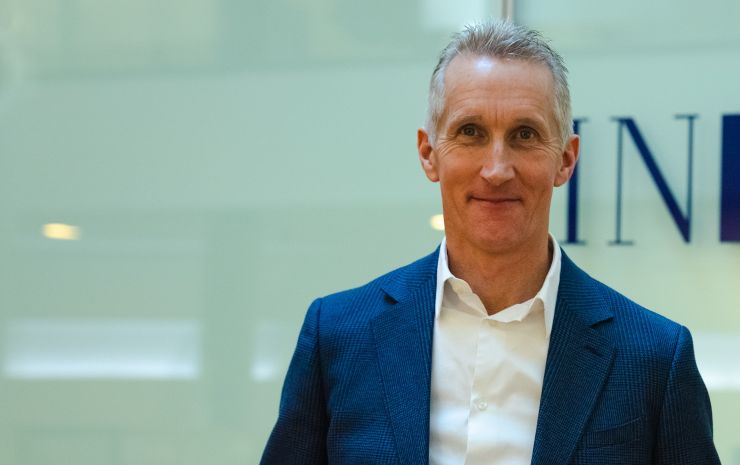
Ineos CEO Rob Ingram speech to European Commission on economic resilience

INEOS has issued an urgent call for European politicians to make an “eleventh-hour” intervention to save the chemical industry. During a session addressing the European Commission’s Directorate-General for Internal Market, Industry, Entrepreneurship and SMEs, Rob Ingram, CEO of INEOS O&P Europe, outlined the critical challenges facing the sector and proposed immediate remedial actions.

Ingram emphasised that the chemical and plastics industry holds strategic importance for Europe, providing vital raw materials for virtually all value chains spanning medical and pharmaceutical, aerospace and transportation, food and agriculture, information technology, defence and security, and renewable energy sectors. However, he characterised the industry as being in crisis, with closures announced almost monthly. During 2023-2024 alone, more than 11 million tonnes of capacity has been announced for closure affecting 21 major sites across Europe.

Whilst acknowledging headwinds including low demand and global overcapacity, Ingram identified the key challenge as Europe’s loss of competitiveness compared to other regions. European producers face high electricity costs, high gas costs, and unique exposure to punitive CO₂ taxation. He illustrated this by noting that a typical cracker in Europe pays approximately €150 million more annually in gas, power, and CO₂ costs than an equivalent plant located on the US Gulf Coast, making European producers unable to compete effectively.

Compounding these challenges, Ingram noted that tariff changes between the EU and US support imports into Europe whilst simultaneously punishing European exports. He stated that bold action is needed immediately to maintain a viable European chemicals and plastics industry.

Ingram outlined required immediate actions including restoring competitive energy prices through removal of green levies and reduced grid fees; providing relief from carbon taxes with complete system restructuring; freezing Free Allocations at current levels; reducing CO₂ certificate prices; relaxing investment support rules at EU and Member State levels; introducing trade protections or compensation mechanisms; and reducing and simplifying regulations, particularly for SMEs.

Regarding funding, Ingram noted that the EU Innovation Fund contains approximately €40 billion, the EU Modernisation Fund has close to €60 billion available, and the EU-ETS scheme raises more than €40 billion annually. He argued these funds should be redirected and made fit-for-purpose, with selection criteria amended to support existing projects improving reliability, efficiency, competitiveness, or emissions—projects currently on hold due to affordability constraints.

Ingram justified intervention by noting chemicals and plastics represents Europe’s fourth-largest industry, employing more than 1 million people directly and another 5 million indirectly. Beyond employment, Europe possesses strength in innovation, requiring a functioning industrial ecosystem for development. Without intervention, investments and innovation will migrate overseas.

He cited the circular economy and blue hydrogen with carbon capture as examples requiring support. Chemical recycling complementing mechanical recycling needs technology-agnostic regulations supporting existing assets, market stimulation for circular products, and border enforcement of circular product standards matching domestic requirements. Blue hydrogen with carbon capture should be recognised as the most viable option for decarbonising existing chemical production assets, whilst green hydrogen remains too expensive beyond niche applications.

Ingram warned that the current path leads to decarbonisation through deindustrialisation—a lose-lose scenario where Europe loses jobs, income, and strategic independence whilst global emissions actually increase as production moves to territories with lower emissions standards, with products then shipped back to Europe. He stated that the first and only measure of success that matters currently is decisive action before year-end, before it becomes too late to preserve the European chemical industry.

For more information visit www.ineos.com

ConocoPhillips Australia Offshore gas exploration kicks off in the Otway Basin

ConocoPhillips Australia has commenced exploration in the Otway Basin seeking new domestic natural gas supply to address Victoria’s forecast gas shortfalls in coming years. The exploration programme aims to identify viable natural gas reserves supplying the domestic market and supporting Australia’s future energy needs, ensuring reliable power generation and residential heating whilst supporting local manufacturers.

On 1 November 2025, exploration drilling commenced at the first of two planned exploration wells for 2025. The first well, Essington-1, is located approximately 50 kilometres southwest of Port Campbell in offshore permit area VIC/P79, which lies adjacent to current natural gas developments.

Jan-Arne Johansen, President of ConocoPhillips Australia, stated that natural gas is key to providing reliable and affordable energy to households and businesses as Australia seeks to transition to net zero, with ConocoPhillips Australia looking to be part of the solution.

Drilling of Essington-1 is expected to continue through end-November 2025, with a second well in VIC/P79, Charlemont-1, anticipated to commence in December, weather and operational conditions permitting. Additional wells may be considered in future under the approved Environment Plan.

Johansen stated that the company remains committed to conducting exploration activities safely with extensive environmental protection measures in place. The Environment Plan received approval in February 2025 following extensive application and assessment processes with the regulator.

ConocoPhillips Australia operates the Otway Exploration Drilling Program, holding 51% interest, with joint venture partners Korea National Oil Corporation holding 29% and 3D Energi Limited holding 20%.

The Otway Basin represents an established petroleum province with existing gas production from multiple fields including ConocoPhillips-operated developments. The basin’s proven hydrocarbon system and proximity to Victorian gas infrastructure make it attractive for exploration addressing regional gas supply requirements.

Victoria faces forecast gas supply shortfalls as production from Bass Strait fields declines whilst domestic and industrial demand continues. New gas discoveries in the Otway Basin could help address these shortfalls by providing proximity to existing pipeline infrastructure and Victorian demand centres.

The VIC/P79 permit area’s adjacency to current developments suggests geological prospectivity based on nearby discoveries whilst potentially enabling infrastructure sharing if commercial discoveries are made. Proximity to existing facilities can reduce development costs and accelerate production startup compared to frontier exploration requiring new infrastructure.

ConocoPhillips’ experience as operator of existing Otway Basin production provides operational knowledge, established relationships with regulators and stakeholders, and infrastructure that could support development of new discoveries. This operational presence reduces entry barriers compared to explorers without established regional positions.

The two-well programme for 2025 enables testing of multiple geological prospects within the permit area, with drilling results informing decisions about additional exploration investment. Successful discoveries would require appraisal drilling, development planning, regulatory approvals, and ultimately production infrastructure before contributing to gas supply.

Environmental approval processes for offshore exploration have become more rigorous in recent years, with regulators requiring comprehensive assessment of potential impacts on marine environments and implementation of protective measures. ConocoPhillips’ February 2025 Environment Plan approval followed extensive consultation and technical review.

Natural gas’s role in energy transition reflects its function as dispatchable generation supporting renewable energy integration, lower emissions intensity compared to coal, and suitability for existing infrastructure and equipment. Victoria’s transition away from coal-fired power generation creates ongoing requirements for gas-fired generation providing grid stability.

Manufacturing sectors including food processing, chemicals, and materials production rely on natural gas for process heat and feedstock applications. Adequate domestic gas supply supports industrial competitiveness and employment in manufacturing-dependent regions.

The international joint venture structure brings Korea National Oil Corporation’s investment alongside 3D Energi’s participation, sharing exploration risks whilst providing diverse expertise and financial resources. KNOC’s involvement reflects Korean interest in securing LNG supply sources, though domestic Australian sales would take priority for any discoveries given permit terms and policy settings.

Exploration success in VIC/P79 would require commercial viability assessments comparing development costs against expected revenues from domestic gas sales. Victorian gas prices have experienced volatility reflecting supply-demand dynamics, with periodic shortfalls driving price spikes affecting consumers and industrial users.

The exploration programme represents private sector investment addressing energy security challenges through new supply development, demonstrating industry response to policy signals supporting domestic gas production for Australian markets. Outcomes will depend on geological success, commercial viability, regulatory approvals for any developments, and ultimately production volumes that could materially contribute to Victoria’s gas supply requirements.

For more information visit www.conocophillips.com.au

Precision under pressure: The Lee Company’s high-performance relief valves for oil and gas applications

Achieving the required levels of safety in oil and gas operations—whether downhole or subsea—can be particularly challenging. Sudden or unexpected pressure spikes pose a serious risk to equipment integrity, potentially leading to costly production stoppages or, in extreme cases, severe operational incidents. Reliable protection begins at the component level, where precision-engineered pressure relief valves play a vital role.

For more than 75 years, The Lee Company has delivered innovative fluid control solutions, helping customers overcome some of the industry’s toughest engineering challenges. The company offers a comprehensive range of robust and reliable relief valves, designed to safeguard systems under demanding conditions.

The Lee Company’s product line includes three primary types of relief valves.

  • Safety relief valves are designed for intermittent “pop-off” applications.

  • Pressure regulating valves maintain stable performance across a continuous operating range.

  • Thermal relief valves protect against thermal expansion by relieving small amounts of fluid from trapped volumes as temperatures rise.

Each type is engineered to the highest precision standards and plays a critical role in downhole oil tool applications.

In specific scenarios—such as those involving extreme cracking pressures exceeding 10,000 psid—The Lee Company’s 0.281-inch high-pressure relief valves, rated up to 5,900 psid, can be used in series to achieve pressure relief as high as 11,800 psid. This innovative approach allows users to handle double the cracking pressure safely and efficiently. When the first valve begins to open, the pressure is typically insufficient to activate the second; however, once the combined threshold of both valves is reached, each valve opens in sequence, sharing the pressure drop—a simple yet highly effective solution.

Like all components produced by The Lee Company, these pressure relief valves are compact, lightweight, and exceptionally durable—engineered to last for the full lifespan of an oil tool. The product range includes sizes from 0.187-inch diameter valves up to 0.812-inch threaded line removable units (LRUs), ensuring optimal flow and precise opening pressures for diverse applications. For critical systems, zero-leak configurations are also available.

Additionally, The Lee Company offers custom-designed pressure relief valves, tailored to specific customer requirements, including unique cracking pressures, flow rates, leakage tolerances, and material selections.

For more information, visit: www.theleeco.com

Bilfinger Middle East secures engineering contract for UAE’s first LPG terminal hub at Khalifa Port

Bilfinger Middle East has been awarded a contract by Nimex Terminals Ltd. to provide comprehensive engineering services for the development of the UAE’s first Liquified Petroleum Gas (LPG) terminal hub.

Under the contract, Bilfinger will deliver concept and Front-End Engineering Design (FEED), preliminary design permitting services, and the EPC tender package.

Azmat Mahmoud, chairman of Nimex Terminals Ltd., said, “We’re proud to partner with Bilfinger Middle East on this pioneering project to develop the UAE’s first LPG terminal hub at Khalifa Port. This milestone reflects Nimex Terminals’ commitment to advancing sustainable energy infrastructure and supporting the UAE’s Net Zero 2050 vision. Together, we aim to set a new standard for safety, efficiency, and innovation in the region’s energy logistics.”

Marco van der Linden, vice president engineering Middle East at Bilfinger, added, “Leveraging our extensive expertise in engineering and our understanding of local requirements in the energy sector, Bilfinger is poised to deliver substantial value to its customers while supporting the UAE’s energy ambitions.”

For more information visit www.bilfinger.com

Fluor selected for FEED of sustainable aviation fuel hub in England

Fluor Corporation has announced a contract award by LanzaJet for front-end engineering and design of a sustainable aviation fuel production hub in North Yorkshire, England. The initiative, named Project Speedbird, represents a joint development between LanzaJet and British Airways. Fluor will recognise the undisclosed contract value in the third quarter.

Mike Alexander, group president of Project Execution at Fluor Corporation, characterised Project Speedbird as marking pivotal advancement in global efforts to decarbonise aviation. He stated that by accelerating adoption of sustainable fuel technologies, the project will help redefine the future of flight, with Fluor proud to bring engineering and design expertise to the visionary initiative.

Image: Lanzajet

The project will leverage LanzaJet’s Alcohol-to-Jet technology to transform second-generation ethanol, sourced from agricultural residues and woody biomass, into sustainable aviation fuel. British Airways will utilise this SAF to reduce carbon emissions by approximately 230,000 tonnes annually, equivalent to emissions from 26,000 domestic flights.

Jimmy Samartzis, CEO of LanzaJet, stated that Project Speedbird represents the next commercial-scale facility in LanzaJet’s development portfolio, working closely with British Airways. He characterised it as an important step in continued scale-up of the company’s leading sustainable fuels technology. Samartzis noted that partnering with globally recognised engineering, procurement, and construction company Fluor Corporation demonstrates commitment to highest standards in project execution.

Located in Teesside, UK, the facility will produce more than 90,000 tonnes (30 million gallons) of SAF and renewable diesel annually. The site was selected for strategic location, advanced infrastructure, and access to skilled workforce.

Front-end engineering and design establishes detailed technical specifications, equipment selections, site layouts, and cost estimates supporting final investment decisions and subsequent detailed engineering for construction. FEED work bridges conceptual design and full engineering, procurement, and construction execution, addressing technical uncertainties and refining project scope.

LanzaJet’s Alcohol-to-Jet technology converts ethanol into jet fuel through catalytic processes producing hydrocarbons meeting aviation fuel specifications. The technology’s use of second-generation ethanol derived from agricultural residues and woody biomass addresses sustainability concerns about first-generation biofuels competing with food production.

British Airways’ commitment to offtake the facility’s SAF production provides commercial foundation supporting project financing. Long-term purchase agreements from creditworthy airlines enable project developers to secure debt financing and proceed with capital-intensive facility construction.

The 230,000-tonne annual emissions reduction represents substantial carbon abatement for British Airways’ operations, supporting the airline’s decarbonisation objectives. Aviation faces limited near-term alternatives to liquid fuels, making SAF a primary pathway for emissions reduction whilst maintaining existing aircraft and infrastructure.

Teesside’s selection reflects the region’s industrial heritage, existing energy infrastructure, port facilities, and workforce with relevant skills from petrochemical and process industries. The UK government has supported development of low-carbon industries in Teesside through various policy initiatives and funding programmes supporting industrial transformation.

The facility’s dual production of SAF and renewable diesel provides operational flexibility and revenue diversification. Renewable diesel serves road transport markets, providing additional offtake opportunities beyond aviation applications. Production processes for SAF and renewable diesel share technological similarities, enabling integrated facilities producing both products.

Project Speedbird advances UK objectives for developing domestic SAF production capacity supporting aviation sector decarbonisation whilst creating industrial jobs and supply chain opportunities. The UK government has established mandates requiring SAF blending in aviation fuel, creating policy certainty supporting production investments.

The 90,000-tonne annual SAF production capacity represents meaningful scale for European markets, where SAF availability currently falls well short of demand created by regulatory mandates and airline sustainability commitments. Commercial-scale facilities like Project Speedbird prove essential for closing this supply-demand gap.

Fluor’s role in FEED positions the engineering firm for potential EPC contract award following final investment decision, though FEED contracts don’t guarantee subsequent construction phase awards. The company’s project execution expertise in process industries supports complex facility development requiring integration of novel technologies with proven engineering practices.

LanzaJet operates the world’s first ethanol-to-SAF production facility in Georgia, United States, providing operational experience informing subsequent project development including Project Speedbird. Scaling from demonstration to multiple commercial facilities requires proven technology, experienced partners, and creditworthy offtake agreements—elements converging in the British Airways partnership.

For more information visit www.fluor.com

Australia Pacific LNG & CleanCo sign new gas deal

Australia Pacific LNG has signed a further agreement with CleanCo Queensland to provide additional gas supply to the 385 MW Swanbank gas-fired power station in 2026. The agreement represents the third gas sales contract between the two companies in as many years, supporting gas-powered generation underpinning reliable electricity supply in Queensland.

Dan Clark, CEO of Australia Pacific LNG, expressed pride in supplying gas to CleanCo, which plays an important role in delivering reliable energy supply supporting Queensland’s energy transition. He stated that the sale is in addition to existing domestic gas contracts and represents another demonstration of Australia Pacific LNG’s commitment to producing gas supporting the domestic market whilst meeting export obligations.

Tom Metcalfe, CEO of CleanCo, stated that access to reliable gas supply is essential for CleanCo to continue delivering the energy Queenslanders require. He noted that Swanbank E in Ipswich represents one of the country’s most efficient gas power stations, with the Australia Pacific LNG agreement helping ensure CleanCo can continue responding quickly to market conditions by backing up renewable energy and hydro assets to deliver cleaner energy solutions to customers.

Australia Pacific LNG’s total contribution to the East Coast Market for calendar year 2026 is 103 petajoules, representing substantial domestic gas supply alongside the company’s LNG export operations.

The successive annual agreements between Australia Pacific LNG and CleanCo demonstrate ongoing commercial relationships supporting Queensland’s electricity generation requirements. Gas-fired power stations provide dispatchable generation capacity addressing intermittency from renewable energy sources, enabling higher renewable penetration whilst maintaining grid reliability.

CleanCo Queensland, a state-owned corporation established in 2019, operates a portfolio including renewable energy assets, hydroelectric facilities, and gas-fired generation. The organisation’s mandate encompasses supporting Queensland’s renewable energy transition whilst ensuring reliable electricity supply. Gas generation serves crucial roles in this portfolio by providing rapid-response capacity supporting variable renewable output.

The Swanbank E power station’s efficiency characteristics reflect modern combined-cycle gas turbine technology converting natural gas to electricity with lower fuel consumption and emissions compared to older generation technologies. High-efficiency generation maximises electricity output per unit of gas consumed, reducing both costs and emissions intensity.

Australia Pacific LNG operates as one of Queensland’s major gas producers, extracting coal seam gas from the Surat and Bowen Basins. The company’s operations supply both domestic markets through pipeline connections to eastern Australian gas networks and international markets through liquefaction facilities at Gladstone producing LNG for export to Asian customers.

The 103 PJ domestic gas contribution for 2026 represents substantial volumes serving eastern Australian gas markets including electricity generation, industrial consumers, and residential/commercial users. This domestic supply occurs alongside LNG export operations, with Australia Pacific LNG balancing contractual obligations to international customers with domestic market supply commitments.

Eastern Australian gas markets have experienced supply-demand tensions in recent years, with declining production from traditional offshore basins increasing reliance on coal seam gas from Queensland whilst LNG export facilities create international demand competing with domestic users. Federal and state government interventions, including gas reservation mechanisms and export controls have aimed to ensure adequate domestic gas availability.

Australia Pacific LNG’s emphasis on meeting both domestic and export obligations addresses policy expectations that LNG producers contribute meaningfully to domestic gas supply rather than directing all production to higher-value export markets. The successive agreements with CleanCo provide visible demonstration of domestic market participation.

Queensland’s electricity system increasingly incorporates renewable energy from solar and wind generation, creating growing requirements for flexible generation capacity addressing renewable intermittency. Gas-fired power stations provide this flexibility through rapid startup, load-following capability, and reliability during periods of low renewable output, supporting grid stability as renewable penetration increases.

The ongoing contractual relationship between Australia Pacific LNG and CleanCo provides mutual benefits: CleanCo secures gas supply necessary for reliable power station operations, whilst Australia Pacific LNG maintains steady domestic sales complementing export revenue. Annual contract renewals enable price adjustments reflecting market conditions whilst providing medium-term supply certainty supporting operational planning.

For more information visit www.aplng.com.au

OMV and Masdar sign binding agreement to develop and operate new 140 MW green hydrogen plant in Austria

OMV, Austria’s integrated energy, fuels, and chemicals company, and Masdar, a global clean energy leader, have signed a binding agreement to establish a joint venture for the financing, construction, and operation of a 140 MW green hydrogen electrolyser plant in Bruck an der Leitha, Austria.

The landmark project will be one of Europe’s largest green hydrogen production facilities and marks a major step in OMV’s commitment to decarbonising its Schwechat refinery and accelerating energy transformation. Construction of the facility began in September 2025, with operational commencement expected in 2027.

Joint Venture Structure and Responsibilities

The joint venture will be majority-owned by OMV, with Masdar holding a 49% stake. The partnership combines OMV’s strategic leadership under its integrated Fuels and Chemicals business with Masdar’s commercial, financial, and technical expertise in developing and operating clean energy projects worldwide. OMV, which already operates a 10 MW electrolyser plant for green hydrogen in Schwechat, will procure renewable electricity for production and own the green hydrogen produced.

The partnership establishes foundation for future strategic collaboration between OMV and Masdar to explore green hydrogen, synthetic sustainable aviation fuels, and synthetic chemicals production in both the UAE and Central and Northern Europe, following a Letter of Intent signed in April. The joint venture is anticipated to close in early 2026, conditional upon completion of final documentation, shareholders’ approvals, and regulatory approvals.

High-Level Endorsement and Signing

The binding agreement was signed at ADIPEC in the presence of H.E. Dr. Sultan Ahmed Al Jaber, UAE minister of industry and advanced technology and chairman of Masdar; H.E. Dr. Wolfgang Hattmannsdorfer, Austria’s federal minister of economy, energy and tourism; Dr. Alfred Stern, chairman of the executive board and CEO of OMV; and Mohamed Jameel Al Ramahi, CEO of Masdar.

Leadership Statements

H.E. Dr. Sultan Ahmed Al Jaber stated that the UAE maintains longstanding commitment to working with partners to accelerate global energy systems transformation. He characterised the joint venture as uniting Masdar’s two decades of renewable energy leadership with OMV’s industrial capability, paving the way for future commercial opportunities across Europe. Dr. Al Jaber noted that the agreement underscores deep and growing collaboration between the UAE and Austria in powering growth for the information age.

H.E. Dr. Wolfgang Hattmannsdorfer emphasised that securing jobs and prosperity in Austria requires standing firmly for open trade and building successful international partnerships. He stated that the strategic partnership between OMV and Masdar has brought one of the largest direct investments of recent years to Austria, with the joint construction of Europe’s fifth-largest hydrogen plant. Hattmannsdorfer characterised the project as strengthening Austria’s leading role in a key future technology, with the goal of making Austria Europe’s leading hydrogen hub whilst maintaining a strong, energy-intensive industrial base creating jobs and securing future prosperity.

Dr. Alfred Stern stated that green hydrogen represents a key element in OMV’s Strategy 2030 for decarbonising fuel and chemicals production. He characterised partnering with Masdar to develop one of Europe’s largest green hydrogen facilities as a significant step forward. Stern noted that the joint venture builds upon existing partnership by uniting deep technological expertise with shared vision for progressing towards climate-neutral future, serving as a cornerstone in transforming operations and accelerating Europe’s energy transition.

Mohamed Jameel Al Ramahi stated that the landmark partnership marks an important step in expanding Masdar’s green hydrogen footprint in Europe and strengthening energy collaboration between the UAE and Austria. He noted that combining Masdar’s global expertise in developing and scaling clean energy projects with OMV’s strong industrial and technological capabilities will accelerate decarbonisation of hard-to-abate industries and advance development of a sustainable hydrogen economy in Europe.

Strategic Significance and Market Context

The 140 MW electrolyser plant represents substantial scale for green hydrogen production, positioning it among Europe’s largest facilities. The project addresses OMV’s objective of reducing carbon emissions at its Schwechat refinery through substitution of grey hydrogen produced from natural gas with green hydrogen produced from renewable electricity via electrolysis.

Refineries represent significant hydrogen consumers, using the gas for hydrocracking, hydrotreating, and desulfurisation processes. Replacing fossil fuel-derived hydrogen with green hydrogen reduces refinery carbon footprint whilst maintaining production capabilities, supporting decarbonisation of liquid fuels production.

OMV’s existing 10 MW electrolyser at Schwechat provides operational experience with green hydrogen production, with the 140 MW facility representing a fourteen-fold capacity increase demonstrating commercial-scale deployment. The phased approach enables technology validation at smaller scale before committing capital to larger installations.

Masdar’s involvement brings financing capabilities, project development expertise, and clean energy operational experience accumulated across global renewable energy portfolio. The company’s stated ambition to become a leading green hydrogen producer globally by 2030 positions the OMV partnership as a strategic element in European market entry and capacity building.

Broader Partnership Framework

The joint venture extends beyond the Austrian electrolyser project to encompass potential collaboration on synthetic sustainable aviation fuels and synthetic chemicals production across UAE and Central/Northern Europe. E-SAF production combines green hydrogen with captured CO₂ to synthesise jet fuel offering substantial lifecycle emissions reductions compared to conventional aviation fuel.

Synthetic chemicals production using green hydrogen as feedstock addresses emissions from chemical manufacturing, where hydrogen serves as both energy source and chemical building block. Geographic scope spanning UAE and Europe enables projects in both regions leveraging respective renewable energy resources and industrial infrastructure.

Timeline and Implementation

Construction commencement in September 2025 with 2027 operational target indicates approximately 18-month construction and commissioning period. The joint venture closing anticipated in early 2026 addresses corporate structuring, final agreements, and regulatory approvals preceding full project execution authority transfer to the joint venture entity.

The project demonstrates Austria’s positioning for hydrogen economy development, with governmental support reflected through ministerial participation in agreement signing and policy frameworks supporting green hydrogen investment. The facility contributes to European Union objectives for developing hydrogen infrastructure supporting industrial decarbonisation and energy security.

For more information visit www.masdar.ae

ADIPEC 2025 sets bold agenda for the future of global energy and delivers US$46bn in cross-sector deals

ADIPEC 2025 closed yesterday, after another record-breaking year, delivering US$46 billion through 35,000 cross-sector deals and bringing together a record 239,709 attendees – 17 percent up from 2024 – to set the agenda for the future of global energy.

The event also delivered significant value to Abu Dhabi’s economy, generating an estimated US$400 million in economic benefits, particularly across the hospitality, tourism and transport sectors.
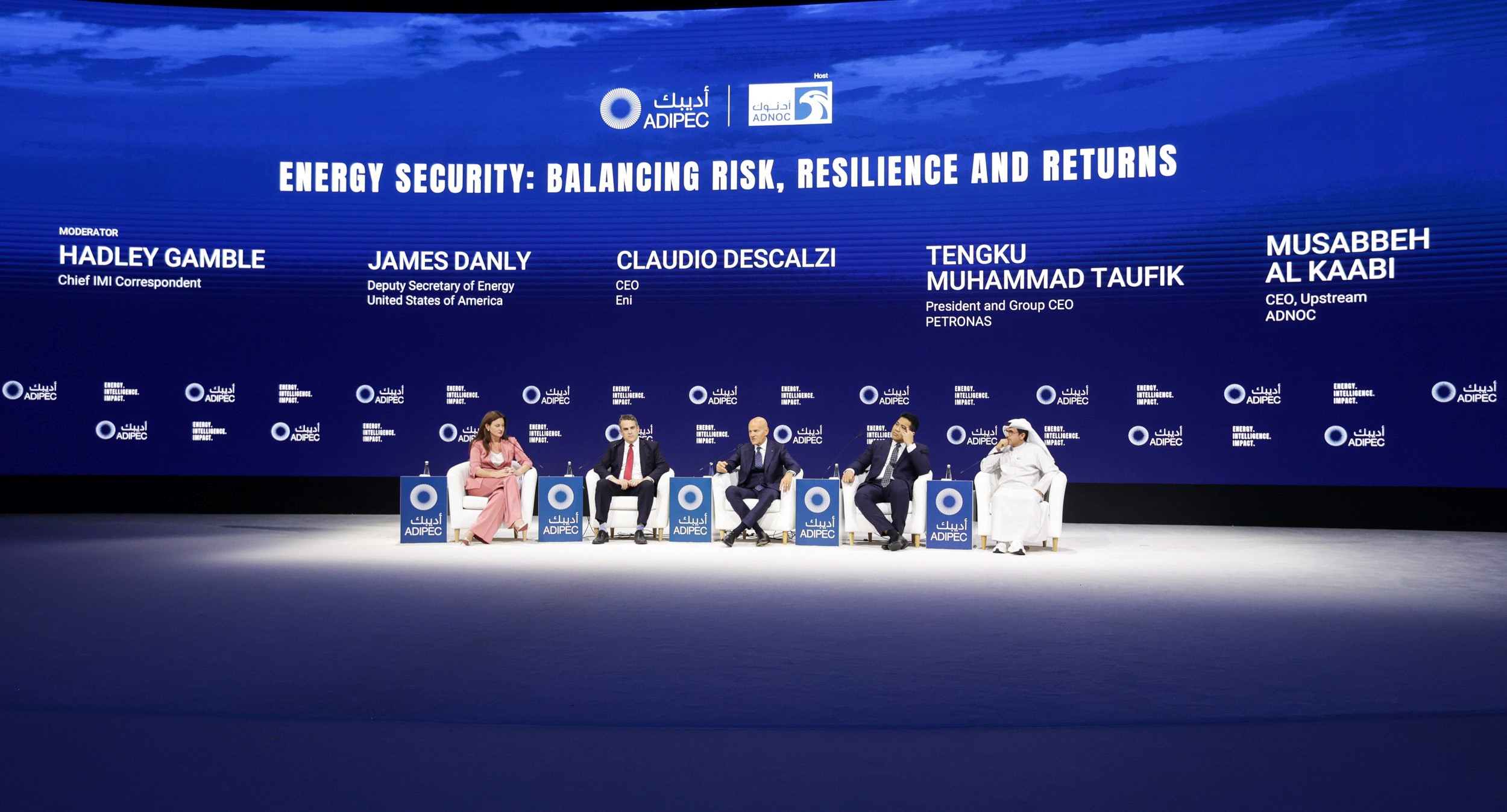
Building on the call by H.E. Dr. Sultan Ahmed Al Jaber, UAE Minister of Industry and Advanced Technology and ADNOC Managing Director and Group CEO, leaders throughout the week echoed the need for energy addition, adding secure, diversified and lower-carbon supply while harnessing the power of artificial intelligence and investment to turn ambition into real-world progress.

In his opening address, Dr. Al Jaber highlighted the need for US$4 trillion in investment in all energy sources and urged energy industry leaders, policymakers and investors to boost job creation, economic growth, and global competitiveness through pragmatic policies and bold partnerships.

Abdulmunim Al Kindy, Chairman of ADIPEC 2025, said: “ADIPEC continues to provide a global platform that brings the entire energy ecosystem together to advance practical, data-driven solutions that harness energy to deliver jobs, growth, competitiveness and intelligence. This year’s record participation and partnerships reinforces ADIPEC’s key role in shaping a more secure energy future.”

Convening the full energy ecosystem, from international energy companies to technology leaders, financiers and policymakers, across the global value chain, the event strengthened its status as the world’s most impactful and commercially successful energy gatherings.

Speaking in the Opening Ceremony, Secretary Doug Burgum 55th Secretary of the Interior, Chairman of the National Energy Dominance Council, United States of America, said: “We stand at a critical moment in time, where innovation, national security, and prosperity intersect like never before…Energy has always underpinned national security and prosperity, but today those forces are converging in a way history has never seen.”

ADIPEC’s two flagship agendas, the Strategic Conference and the Technical Conference, featured 12 programmes, more than 380 sessions and over 1,800 speakers – including ministers, policymakers, C-suite executives and innovators – and over 16,000 conference delegates.

Participation included 54 of the world’s leading energy companies, including ADNOC, Aramco, ExxonMobil, CNPC, Oxy, Shell, BP, Chevron, NNPC, Petronas and TotalEnergies, to emerging independents and technology innovators driving new frontiers of progress.

Christopher Hudson, president of dmg events, the organiser of ADIPEC, said: “ADIPEC 2025 has been extraordinary in every measure, from the record number of deals signed to the sheer scale of participation and innovation on display. Over four days, we’ve seen thousands of conversations evolve into partnerships, projects and investments that will shape the future of global energy.

“ADIPEC is the world’s most influential platform for turning ideas into action, uniting the global energy ecosystem in a powerful demonstration of shared purpose and collaboration.

“With global energy demand continuing to rise by more than two per cent a year, the need for secure, sustainable and affordable supply has never been greater. ADIPEC remains focused on connecting energy industry leaders with policymakers, technology innovators and financial institutions, to share intelligence and forge the partnerships that deliver real progress for people, markets and the planet.”

Hosted by ADNOC under the theme ‘Energy. Intelligence. Impact.’, ADIPEC 2025 championed the principle of energy addition, delivering more energy, from more sources, with lower carbon intensity to meet the world’s rising demand responsibly.

ADIPEC welcomed high-level government, policy, trade and investment delegations from across emerging and advanced economies, underscoring its growing influence as a platform for government-to-government dialogue. With participation from 172 countries, the event reaffirmed the UAE’s convening power and its role as a global hub for energy, partnerships and innovation.

Against a backdrop of rising demand, shifting geopolitics and the exponential growth of AI, ministers, energy leaders and investors advanced pragmatic dialogue on energy security, market stability and investment frameworks, exploring how inclusive financing models and cross-sector partnerships can mobilise the capital required to build future-ready energy infrastructure. The ADIPEC Finance and Investment Programme further highlighted how strategic capital deployment and policy innovation can accelerate system-wide transformation and unlock long-term prosperity.

Demonstrating ADIPEC’s commitment to turning ideas into action, the Technical Conference – the world’s largest gathering of engineers and technical experts – also marked its biggest edition yet, with 203 sessions and 1,420 speakers presenting tangible products, innovations and solutions driving energy progress. It showcased how applied engineering and technology are transforming ambition into measurable outcomes across the global energy landscape.

Building on this momentum, ADIPEC’s growing role as an enabler of the integrated solutions needed to ignite the twin engines of progress, energy and AI, was evident across the show floor, with unprecedented participation from digital and AI pioneers including Mistral AI, IBM, Cisco, Microsoft, Gecko Robotics, AIQ, SandboxAQ and Inclusive Brains.

Across the show floor, new technology partnerships and product launches showcased how intelligent systems are reshaping operations, accelerating decarbonisation and meeting the surging power demand of AI-driven economies. Together, they demonstrated how cross-sector collaboration and innovation are transforming the global energy landscape and creating new pathways for economic growth.

From the digitalisation and AI to the diversity, leadership and development programmes, the importance of intelligence – human and artificial – ran through every discussion, reflecting a shared understanding that resilience today depends on smarter systems, strategic foresight and collaboration across sectors.

ADIPEC will return to Abu Dhabi from 2-5 November 2026, continuing its mission to unite the global energy sector and drive system-wide transformation for a secure, inclusive and sustainable future.

For more information visit www.adipec.com

Impala Terminals hosts shareholder visit to Rotterdam liquid bulk facility project

Impala Terminals hosted shareholder representatives from Trafigura and IFM Investors for a site visit showcasing progress on the company’s Rotterdam liquid bulk facility project. The tour included inspection of the barge harbour, quay wall, manifolds, and export pumps, with participants entering and inspecting one of the 54 tanks at the site.

Shareholders met members of the project team and witnessed the scale and complexity of the 1.3 million cubic metre facility, which represents a flagship project in Impala Terminals’ strategic investment programme. The project is in final construction and commissioning stage prior to full operation during 2026.

The shareholder visit provided Trafigura and IFM Investors with firsthand observation of project progress, enabling direct assessment of construction quality, operational readiness, and compliance with design specifications. Site visits by major shareholders demonstrate governance oversight and provide opportunities for management to showcase execution capabilities and address stakeholder questions regarding substantial capital investments.

The 1.3 million cubic metre capacity positions the Rotterdam facility as a major liquid bulk storage terminal serving European markets. The 54-tank configuration enables segregated storage of diverse products including petroleum products, chemicals, biofuels, and other liquid bulk commodities, providing operational flexibility for multi-client terminal operations.

Rotterdam’s position as Europe’s largest port and major petrochemical hub creates substantial demand for storage capacity supporting refining, trading, blending, and distribution activities. The facility’s barge harbour infrastructure addresses inland waterway transport serving Rhine River corridor markets extending through Netherlands, Germany, and Switzerland.

Quay wall infrastructure enables vessel loading and discharge operations, with manifold systems and export pumps providing connections between storage tanks, vessel berths, and barge loading facilities. These integrated systems enable efficient cargo movements supporting terminal throughput objectives and customer service requirements.

The 2026 target for full operations indicates project progression through final construction activities, equipment installation completion, and commissioning processes verifying operational readiness. Commissioning includes testing of storage tanks, pumping systems, loading facilities, safety systems, and operational control systems prior to commercial cargo handling.

Impala Terminals’ characterization of the Rotterdam facility as a flagship project within its strategic investment programme indicates the development’s significance for the company’s growth objectives and service portfolio expansion. The substantial capital investment reflects confidence in European liquid bulk storage demand and Rotterdam’s strategic positioning.

Trafigura’s shareholding in Impala Terminals creates synergies between the commodity trading company’s global activities and terminal infrastructure supporting physical commodity flows. IFM Investors, an institutional investment manager, brings infrastructure investment expertise and long-term capital supporting development and operational phases.

The shareholders’ direct engagement with project teams and physical inspection of infrastructure components demonstrates active ownership approaches characterized by operational involvement beyond financial oversight. This engagement supports informed capital allocation decisions and risk management through direct observation of project execution quality and progress.

The Rotterdam facility adds significant capacity to Impala Terminals’ global network of bulk liquid and dry bulk terminals spanning multiple continents. Geographic diversification across major trade routes and commodity types supports the company’s positioning as an integrated terminal operator serving international trading and logistics requirements.

BCP655TM: The Shortcut to Ammonia Reduction in Wastewater

What do chicken nuggets, a new shirt, the gas station, and your daily dose of meds have in common? They all relate to industries that struggle with high ammonia levels in wastewater. To avoid facing fines and polluting the environment, these industries must keep ammonia and other harmful compounds in check. Rather than leaving facilities overwhelmed by ammonia overload, Bionetix® recommends using BCP655TM as a great shortcut to reduce ammonia concentration and improve overall water quality.

The Long Road to Ammonia Removal

Traditionally, nitrifying bacteria have been used to convert ammonia to nitrite and then to nitrate. From there, denitrifying bacteria take over, turning nitrate into nitrogen gas. This multi-step process faces limitations from temperature, oxygen levels, and toxic organic compounds.

Image provided by Cortec – An industrial facility on the edge of a polluted water body.

The Shortcut to Ammonia Removal

BCP655TM offers a fast track to ammonia reduction, with the potential to improve wastewater treatment efficiency by 50 percent. Given an adequate carbon source (C:N balance), the denitrifying bacteria of BCP655TM consume more ammonia than nitrifying bacteria. They remain metabolically active at lower oxygen levels and temperatures as low as 10-12 °C, consuming some of the organic compounds that are toxic to nitrifiers. Furthermore, BCP655TM simultaneously degrades BOD, COD, nitrite, and nitrate at the same time as ammonia, improving overall water quality before wastewater is released to the environment.

Which Path Will You Take?

Next time you eat a chicken nugget, put on a new shirt, fill the car up with gas, or take your medicine, think about the wastewater challenges your own industry faces. If you think your facility is ready to take the BCP655TM shortcut to ammonia reduction, don’t hesitate to contact Bionetix’s microbial experts at Bionetix® International for further support.

For more information visit www.bionetix-international.com/contact-us/

Emerson’s new tank monitoring hub optimises inventory management and operational efficiency

Emerson has introduced the Rosemount™ 2405 Monitoring Hub, a new device designed to provide comprehensive inventory control and monitoring for multiple storage tanks. The Rosemount 2405 streamlines tank monitoring system architecture, allowing organisations to automate applications that were previously considered too complex or expensive. The hub delivers actionable insights that support better decision-making, enhanced operational efficiency, and cost reduction.

In many sectors — including chemical, refining, oil and gas, metals and mining, and food and beverage — companies continue to rely on manual inventory checks and often lack the capability to implement automated tank monitoring systems. The challenge is frequently compounded by the complexity and expense of integrating separate system components such as displays, communication units, and data concentrators. By combining these three elements into a single device, the Rosemount 2405 simplifies system design, making the transition to automation both easier and more affordable.

Emerson’s Rosemount 2405 Monitoring Hub integrates a display, communication unit and data concentrator into a single device – delivering full inventory control and multi-tank inventory insights.

The Rosemount 2405 supports connectivity for up to eight HART®-enabled level, pressure, or temperature transmitters. It collects, processes, visualises, and transmits measurement data for centralised monitoring and inventory management. Its digital HART multidrop connectivity enables multiple field instruments to connect through a single twisted-pair cable, significantly reducing wiring complexity and associated costs by minimising the need for extra cables, junction boxes, and input channels.

Aligned with Emerson’s Boundless AutomationSM vision for enhanced data mobility, the Rosemount 2405 integrates seamlessly with Rosemount TankMaster™ and TankMaster Mobile inventory management platforms, while also offering reliable connectivity with third-party host systems. The hub provides flexible access to inventory data — viewable locally in the field or remotely via a web browser. Through digital HART connectivity, it also enables real-time transmission of device diagnostics and status data alongside process variables, supporting proactive maintenance strategies.

Featuring an intuitive display and guided configuration, the Rosemount 2405 simplifies setup for multiple connected devices. This ease of use reduces training needs, setup time, and overall system complexity. The user-friendly interface also facilitates faster troubleshooting and issue resolution, helping minimise downtime and related costs.

According to Mikael Inglund, director of product management for Emerson’s measurement business, “Reliable access to real-time operational data through intuitive, intelligent interfaces is now an expectation in the process industries. Easy-to-deploy automated tank monitoring, enabled by the Rosemount 2405, allows operators to quickly view, interpret, and act upon critical information. This supports improved decision-making and leads to more efficient inventory management and reduced costs.”

For more information visit www.emerson.com/en-us/

Noord Natie Odfjell Antwerp Terminal recognised as UN ‘SDG Pioneer’ for sustainability leadership

Noord Natie Odfjell Antwerp Terminal has been awarded the UN sustainability certificate ‘SDG Pioneer’ during the Voka Day of Sustainable Entrepreneurship, confirming that sustainability is firmly embedded in the company’s business strategy.

According to Sustainability and environmental manager Wendy Hendrickx, the terminal’s greatest strength lies in the growing enthusiasm for sustainability among its employees. One example is the ‘Good Life’ working group, whose initiative has led to the planting of a food forest on 15 November in Wilrijk, bringing biodiversity to the heart of an industrial area.

The company is also making strides in supporting the energy transition. The roof of its 4,200 m² warehouse has been fitted with solar panels, set to become operational in 2025, and investments continue in energy-saving measures to further optimise the tank heating system.

Step by step, Noord Natie Odfjell Antwerp Terminal is building a more sustainable future — a collective effort driven by the dedication and innovation of its employees.

For more information visit www.noordnatie.be

Vopak expands regasification capacity at Colombia’s SPEC-LNG terminal by 33 percent

Vopak has announced a significant development in its liquefied natural gas (LNG) portfolio, as detailed in its Q3 press release on 5 November 2025. The company confirmed a final investment decision to increase the regasification capacity at Colombia’s SPEC-LNG import terminal by 33 percent since its commissioning.

The expansion will enhance the terminal’s send-out capacity, supporting both existing and new customers in Colombia’s gas market.

This strategic investment aligns with Vopak’s ambition to expand its presence in the global gas sector. The company’s network of gas terminals continues to play a vital role in strengthening energy security, ensuring access to affordable energy, and supporting the global energy transition.

For more information visit www.vopak.com