
Maritime collaboration platform UAB-Online reaches 1 million vessel visits

UAB-Online, the industry-leading platform for digital pre-arrival vessel visits and terminal operations, is proud to announce a major milestone: Since moving to the cloud in 2015, the platform has processed more than 1 million vessel visits.

UAB-Online creates a dedicated online file for every vessel visit. Within an online file a user can generate, share and sign documents like SSSCL (part of the ISGOTT 6), Operational Arrangements, terminal specific documents, DOS, DOI, ADN, CDNI, and VOW. Furthermore it creates a to-do list for the user.
The remarkable achievement of these 1 million vessel visits in the UAB-Online platform is backed by a growing global network of 80+ terminals and 10,000+ active users worldwide.

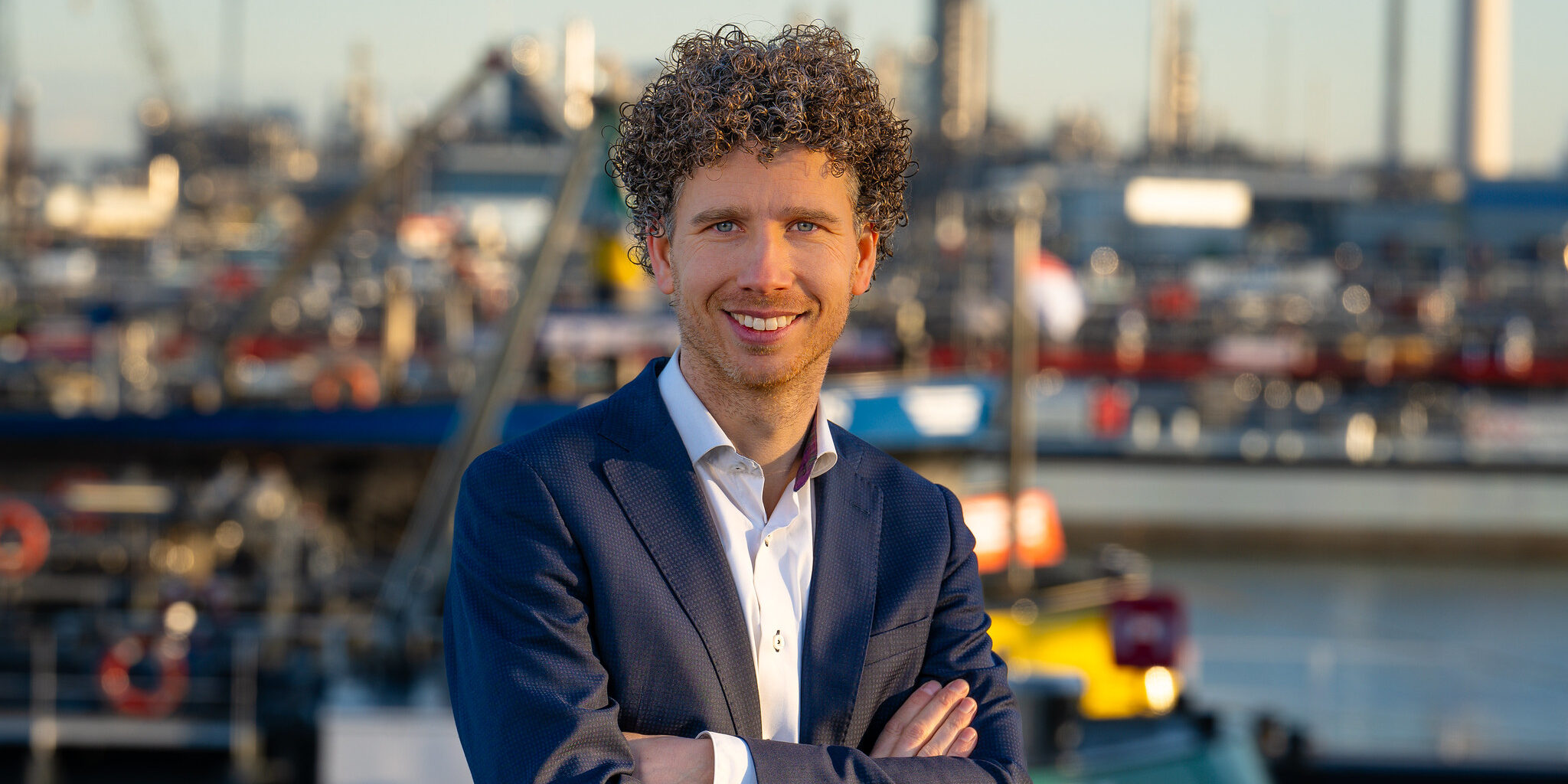
“Reaching 1 million vessel visits is more than a number, it marks our transition from an announcement platform to a global industry standard,” said Hans Bobeldijk, CEO of UAB-Online. “It’s a proud moment for our team, users and partners. This success shows that the industry is embracing digitalisation at scale, and UAB-Online is at the heart of that transformation. From just a few terminals in the Benelux to now over more than 80 terminals worldwide, we’ve proven that efficiency, safety and compliance can go hand in hand with innovation and digitalisation.”

For every vessel visit a dedicated online file is created on the UAB-Online platform. Allowing users to generate, share and sign regulatory documents like SSSCL (part of the ISGOTT 6), Operational Arrangements, terminal specific documents, DOS, DOI, ADN, CDNI, and VOW with other maritime stakeholders. Furthermore, this also streamlines the workflow by automatically creating a clear, structured task list, ensuring that all required actions are tracked and completed.

Today, UAB-Online stands as a unifying platform for terminals, vessels, agents, traders and surveyors to ensure digital collaboration, regulatory compliance, and optimised port call operations all to improve operational excellence.

In an industry embracing digitalisation to enhance safety, compliance and operational excellence, UAB-Online provides a cloud-based platform that supports terminals in optimising their operations. The platform enables a more effective execution of terminal operations by allowing operations to be prepared in advance. This reduces manual processes and contributes to smoother coordination across stakeholders, ensuring higher success rates in achieving Just-In-Time (JIT) arrivals. As a result, operational delays of up to 90 minutes per vessel can be minimised, significantly lowering demurrage costs. Furthermore, by enabling effective planning, UAB-Online ensures smoother and more effective execution of operations at terminals.

“This milestone of 1 million visits is just the beginning,” added Hans Bobeldijk. “Our goal is to help every terminal in the world eliminate delays, reduce emissions, and gain full control over their operations, while delivering outstanding customer satisfaction and operational excellence.”

For more information visit www.uab-online.com
Glenfarne grows Alaska LNG commercial momentum With Tokyo Gas agreement

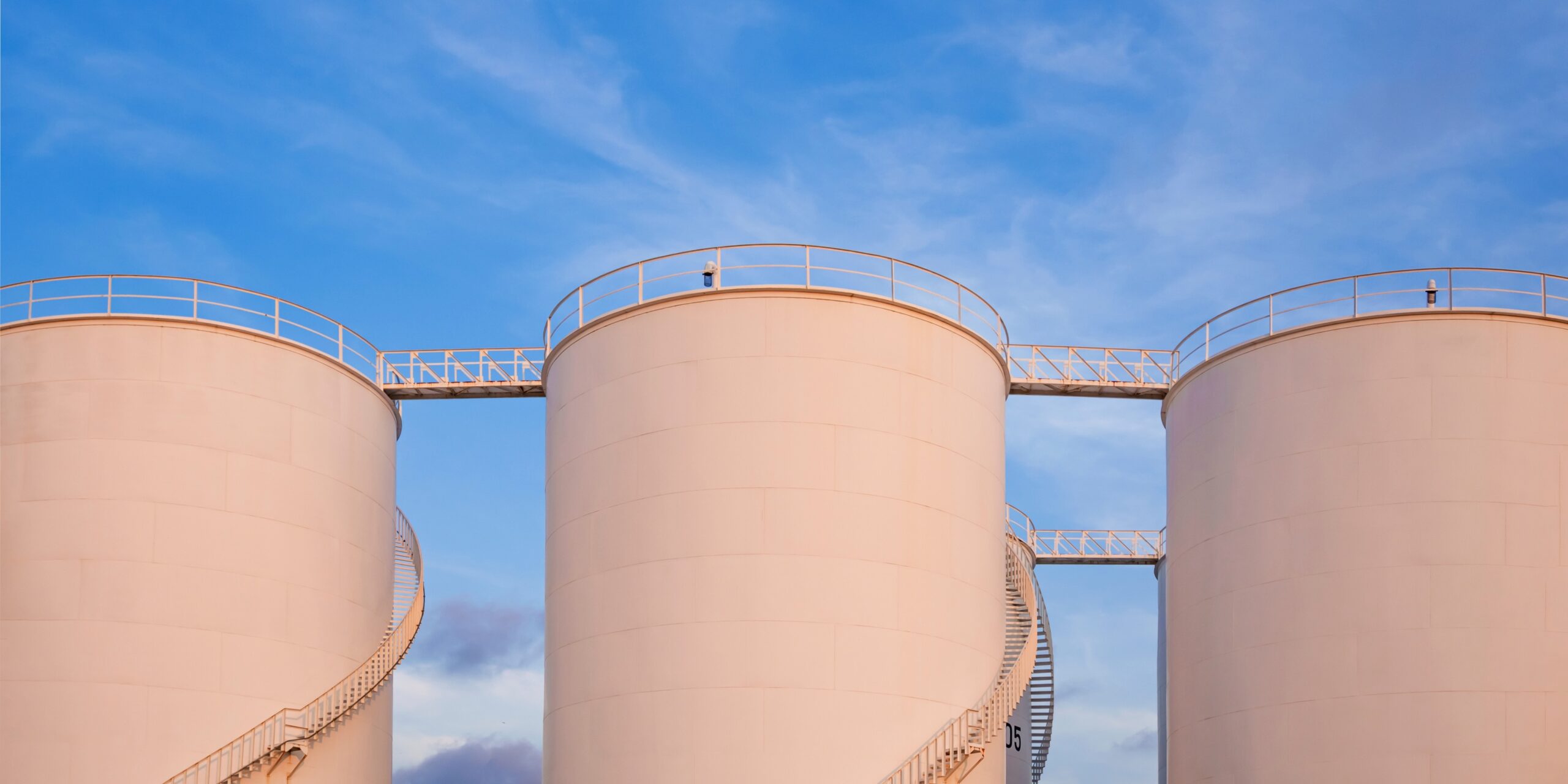
Glenfarne Alaska LNG, LLC and Tokyo Gas Co., Ltd. have announced the signing of a Letter of Intent for offtake of one million tonnes per annum of liquefied natural gas from the Alaska LNG project, majority owned and developed by Glenfarne. Tokyo Gas, one of Japan’s largest and most established energy utilities, is recognised globally for leadership in LNG procurement and energy innovation.

The LOI adds commercial momentum to Glenfarne’s rapid progress developing the 20 MTPA project, the only federally authorised export terminal on the U.S. Pacific Coast. Since becoming lead developer of Alaska LNG in March 2025, Glenfarne has signed preliminary offtake agreements with leading LNG buyers in Japan, Korea, Taiwan, and Thailand including JERA, POSCO, CPC, and PTT, totalling 11 MTPA of the 16 MTPA Glenfarne expects to contract to reach financial close.

Brendan Duval, chief executive officer and founder of Glenfarne, stated that the agreement validates the strength of Alaska LNG’s commercial offering and the project’s importance as a strategically positioned supplier of affordable, clean LNG for U.S. Pacific allies. He noted that Tokyo Gas pioneered the LNG industry with their agreement to purchase LNG from Alaska fifty-five years ago and represents one of the most respected voices in the industry, welcoming their participation in Alaska LNG.

In addition to Glenfarne’s rapidly growing portfolio of Alaska LNG offtake partners, Worley is completing final engineering and cost validation for the project’s 807-mile pipeline.

Alaska LNG consists of a 42-inch diameter pipeline transporting natural gas from Alaska’s North Slope to meet Alaska’s domestic needs and produce 20 MTPA of LNG for export. Glenfarne is developing Alaska LNG in two financially independent phases to accelerate project execution. Phase One includes the domestic pipeline delivering natural gas approximately 765 miles from the North Slope to the Anchorage region. Phase Two will add the LNG terminal and related infrastructure, enabling export capability. The State of Alaska, through the Alaska Gasline Development Corporation, owns 25 percent of Alaska LNG.

The Tokyo Gas LOI represents significant validation given the company’s historical role in LNG industry development and its position as a major Japanese utility with extensive LNG procurement experience. Tokyo Gas was among the first companies to import LNG commercially, establishing business models and technical standards that shaped global LNG trade development.

The reference to Tokyo Gas’s agreement to purchase LNG from Alaska fifty-five years ago recalls proposals from the late 1960s and early 1970s for Alaska LNG exports to Japan, which did not proceed to development. The current Alaska LNG project represents renewed efforts to monetise North Slope natural gas resources through LNG exports to Asian markets.

Alaska’s geographic position provides shorter shipping distances to Asian markets compared to U.S. Gulf Coast LNG export facilities, potentially offering logistics cost advantages and supply security benefits through geographic diversification. The U.S. Pacific Coast location provides strategic value for Asian buyers seeking supply options beyond traditional sources.

Glenfarne’s accumulation of preliminary offtake agreements totalling 11 MTPA toward a 16 MTPA target for financial close indicates substantial progress in commercial structuring. The involvement of major Asian utilities and energy companies, including JERA, POSCO, CPC, PTT, and now Tokyo Gas, provides a credible demand foundation supporting project financing.

The phased development approach separating the domestic pipeline (Phase One) from LNG export infrastructure (Phase Two) as financially independent projects aims to reduce execution complexity and financing requirements for initial phases. The domestic pipeline addresses Alaska’s natural gas supply needs whilst establishing an infrastructure foundation for subsequent export capability addition.

The State of Alaska’s 25 percent ownership through Alaska Gasline Development Corporation reflects the state government’s strategic interest in monetising North Slope natural gas resources, providing both economic development and fiscal revenue opportunities. State participation provides regulatory alignment and political support alongside financial investment.

Worley’s completion of final engineering and cost validation addresses critical requirements for project financing, providing lenders and investors with detailed technical specifications and capital cost estimates supporting investment decisions. Engineering completion enables progression to equipment procurement and construction contracts.

Alaska LNG’s federal authorisation as the only Pacific Coast export terminal provides regulatory certainty, though the project still requires a final investment decision, construction execution, and navigation of Alaska’s challenging environmental and logistical conditions. The project’s substantial scale and remote location present execution challenges requiring experienced contractors and substantial capital resources.

For more information visit www.glenfarne.com

IRH, Delfin LNG and Vitol forge 20-year LNG sale and purchase agreement

International Resources Holding RSC Ltd., a leading mine-to-market platform and subsidiary of ePointZero, has signed a 20-year Heads of Agreement with Delfin LNG LLC and Vitol Inc. for the purchase and sale of 1.0 million tonnes per annum of liquefied natural gas from Delfin’s export facility in the United States.

Under the agreement, Delfin LNG, a US-based export infrastructure company, will supply LNG on a free-on-board basis to Vitol, one of the world’s largest independent energy traders, which will act as offtaker and deliver volumes to IRH Global Trading, IRH’s global trading arm, for a 20-year period. Definitive agreements are expected to be concluded in coming weeks.

The long-term partnership represents a major step in IRH’s energy expansion strategy under ePointZero, a diversified investment platform focused on sustainable energy, technology, and resources. By leveraging synergies across the ePointZero ecosystem, IRH aims to build a fully integrated energy and commodities platform, enhancing supply chain resilience and supporting global energy transition.

Ali Rashed AlRashdi, CEO of IRH, characterised the transaction as a major milestone in developing IRHGT’s global LNG portfolio. He expressed satisfaction with collaboration with Delfin and Vitol to help bring the project to Final Investment Decision soon. AlRashdi outlined IRH’s vision to build an integrated global trading platform headquartered in Abu Dhabi, with IRHGT actively expanding its presence across physical and financial markets in natural gas, power, crude oil, refined products, metals, and equities. He stated the agreement sets IRH on the path to becoming a reliable LNG supplier to valued clients worldwide.

Mohamed Hesham, CEO of ePointZero, commented that the agreement represents another step forward in building an integrated, future-ready energy platform. He noted that securing reliable resources through long-term partnerships secures downstream operations of ePointZero Group and ensures energy resilience for the ecosystem. Hesham stated the collaboration reinforces commitment to delivering diversified, efficient, and reliable energy solutions powering economies and communities across regions.

Dudley Poston, CEO of Delfin, expressed honour at being selected by IRHGT and Vitol as long-term LNG supplier, anticipating collaboration as the company makes Final Investment Decision on the first FLNG vessel in coming weeks. He expressed satisfaction with continuing the strong relationship with Vitol and adding another world-class trading organisation such as IRHGT to Delfin’s growing strategic partner list.

Pablo Galante Escobar, global head of LNG and European Gas & Power at Vitol, highlighted excitement about concluding the agreement with IRHGT and Delfin. He stated Vitol continues strengthening its position to safely and reliably deliver cost-effective, flexible LNG solutions to customers worldwide, expressing anticipation for expanding relationships with both IRHGT and Delfin. Galante Escobar noted that Vitol’s offtake commitments and investment-grade rating will help Delfin on its path to financial close.

The agreement follows other strategic initiatives, including IRH’s acquisition of a 56 percent stake in Alphamin Resources for AED 1.35 billion, one of the world’s largest and highest-grade tin producers; a Memorandum of Understanding signed in May with ePointZero to decarbonise global mining operations through a joint task force; and a September agreement with the Egyptian General Petroleum Corporation and the Egyptian Mineral Resources & Mining Industries Authority. Together, these initiatives highlight IRH’s growing role in advancing sustainable resource development, expanding trading capabilities, and strengthening global energy connectivity.

The three-party structure enables Delfin to secure long-term offtake supporting project financing, whilst Vitol provides credit strength and logistics capabilities connecting US LNG production with IRHGT’s end-use markets. The 20-year duration provides revenue certainty, supporting Delfin’s investment whilst securing IRHGT’s LNG supply for extended periods.

Delfin’s floating LNG export facility concept provides advantages, including potentially faster development timelines compared to onshore terminals and flexibility in location and eventual redeployment. The project’s progression toward Final Investment Decision indicates commercial structuring and regulatory processes are advancing toward construction commencement.

IRH Global Trading’s Abu Dhabi headquarters positions the entity within a major energy trading hub serving Asian, European, and African markets. The company’s expansion across multiple commodity markets creates a diversified trading platform supporting ePointZero’s broader objectives for integrated energy and resources businesses.

For more information visit www.vitol.com

Sunoco LP and SunocoCorp LLC announce completion of acquisition of Parkland Corporation

Sunoco LP and SunocoCorp LLC announced the completion of Sunoco’s acquisition of Parkland Corporation on October 31st, 2025.

Following the completion of the acquisition, Parkland’s shares are expected to be delisted from the Toronto Stock Exchange at the close of trading on Tuesday, November 4th, 2025. Until that time, the shares will continue to trade on the TSX.

In connection with the Transaction, Parkland shareholders will receive Common Units of SunocoCorp, which are scheduled to begin trading on the New York Stock Exchange under the ticker symbol “SUNC” on Thursday, November 6th, 2025. This will occur following the settlement of Parkland shares and the completion of the allocation process for the SunocoCorp Common Units.

For more information visit www.sunocolp.com

Vopak reports strong performance, driven by a resilient portfolio

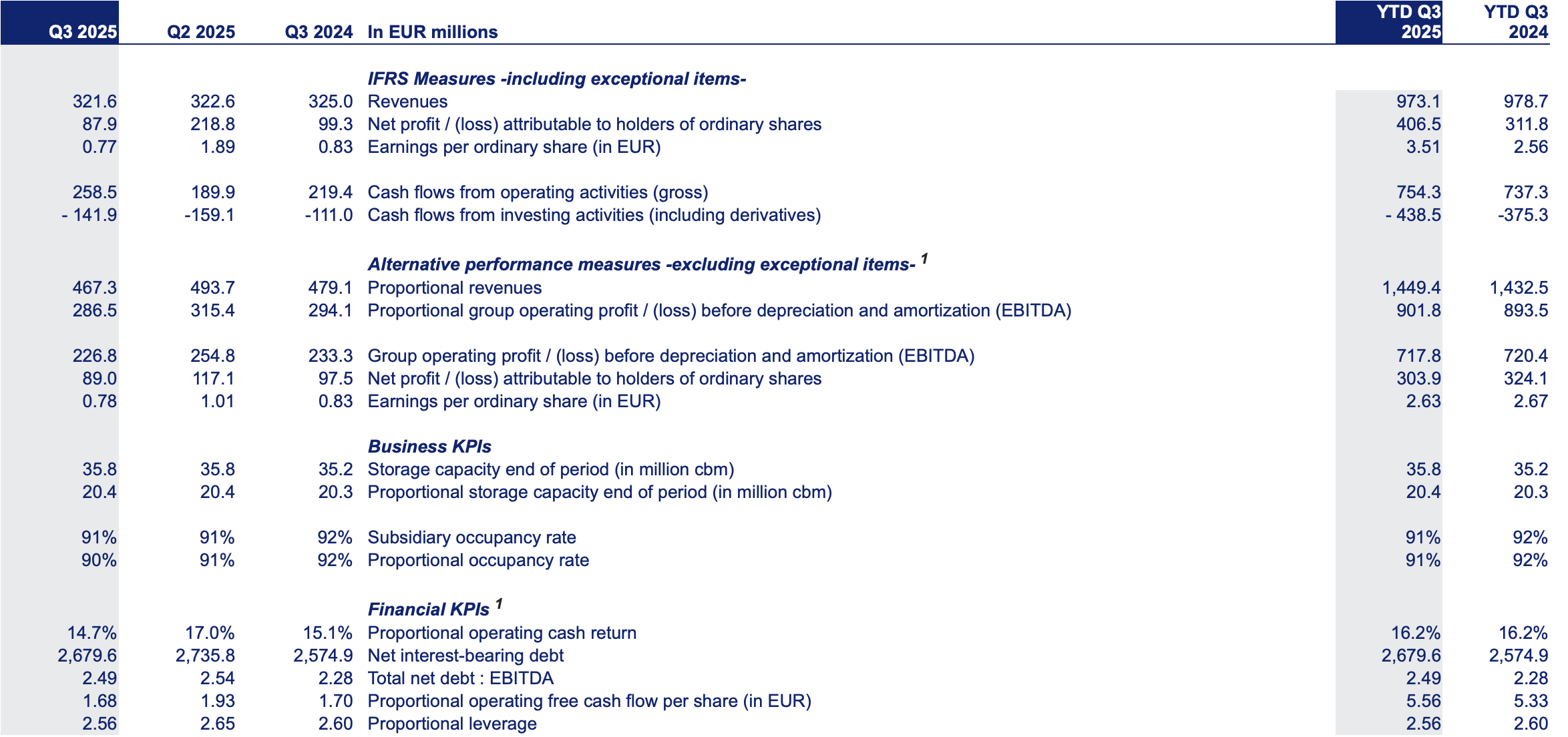
Royal Vopak has reported a strong financial and operational performance for the first nine months of 2025, demonstrating the continued strength and resilience of its global portfolio.

Key Highlights

Improve

Net profit including exceptional items increased 30 percent year-to-date (YTD) Q3 2025 to EUR 407 million, supported by higher operational performance and the dilution gain from the listing of AVTL.

Earnings per share (EPS) rose 37 percent year-on-year to EUR 3.51, reflecting the higher net profit and the impact of completed share buyback programs in 2024 and 2025.

Proportional EBITDA excluding exceptional items reached EUR 902 million, up 1 percent year-on-year, successfully absorbing a negative currency impact of EUR 18 million.

Proportional operating free cash flow per share increased 4 percent year-on-year to EUR 5.56, driven by strong cash generation and the benefits of reduced share count following share buybacks.

The company confirmed its full-year 2025 outlook, supported by the continued strong and diversified portfolio performance that offsets negative currency translation effects.

Grow

Vopak continues to deliver on its strategic growth agenda through disciplined investments across key global markets:

Canada: EUR 34 million investment to expand throughput capacity at the REEF LPG terminal, addressing high export demand.

China: Expansion of industrial capacity at Caojing and Haiteng terminals, reinforcing Vopak’s leading industrial infrastructure position.

Colombia: EUR 25 million investment to expand LNG regasification capacity at the SPEC terminal.

India: AVTL announced the decision to develop a new greenfield LPG terminal at JPNA port in Mumbai and proposed the acquisition of 75 percent of Hindustan Aegis LPG Ltd.

Since June 2022, Vopak has committed 60 percent of its proportional EUR 2.6 billion growth allocation to gas and industrial terminal projects, underscoring progress toward a future-ready infrastructure portfolio.

Accelerate

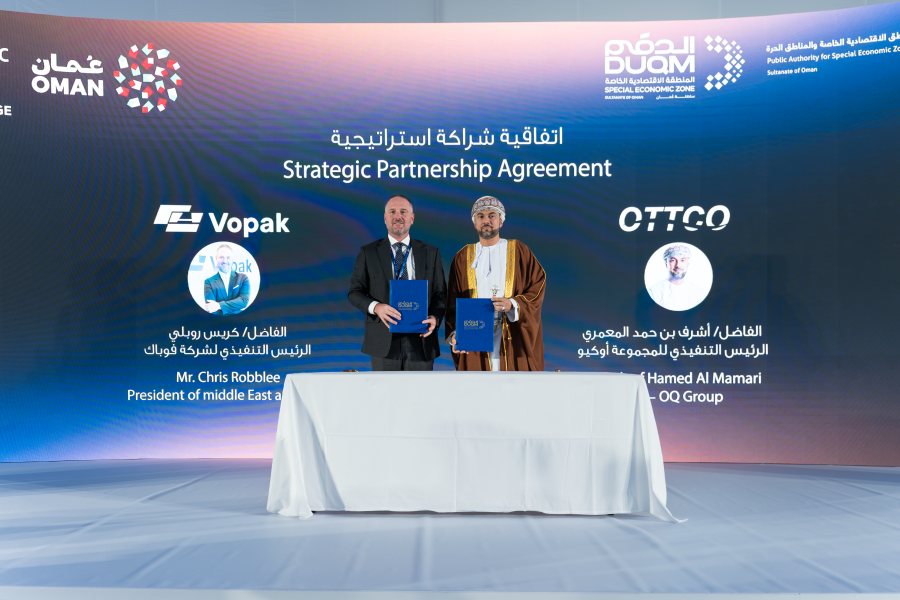
Vopak and OQ signed a joint venture agreement in Oman to develop and operate energy storage and terminal infrastructure in Duqm, a key strategic energy hub supporting the region’s energy transition.

CEO Statement

“We continued to execute our strategy and are reporting strong results year-to-date,” said Dick Richelle, CEO of Royal Vopak. “Demand for our services remained strong, resulting in an increased proportional EBITDA compared to the same period last year. The operating cash return of 16.2 percent year-to-date led to a 4 percent increase in proportional operating free cash flow per share to EUR 5.56.”

“Our focus remains on delivering key growth projects currently under construction. The LPG export terminal in Western Canada is progressing well, and we are investing further in increasing its throughput capacity. In the Netherlands and Colombia, we are advancing LNG infrastructure expansions, while the newly announced projects in India and China, and our joint venture in Oman, highlight our strong position in these growth markets.”

“The resilience of our business performance is allowing us to absorb negative currency impacts and confidently confirm our full-year outlook.”

Financial Highlights YTD Q3 2025
IFRS Measures (Including Exceptional Items)

  • Revenues remained stable at EUR 973 million (YTD Q3 2024: EUR 979 million), supported by strong demand and a robust occupancy rate of 91 percent. Excluding EUR 18 million negative currency translation, revenues increased 1.2 percent, driven by growth projects and solid performance at existing assets.
  • Operating expenses were EUR 484 million, slightly below last year (YTD Q3 2024: EUR 486 million), with lower costs from favourable currency effects offsetting higher development and maintenance expenses.
  • Cash flow from operating activities rose EUR 17 million to EUR 754 million, supported by strong business cash generation and foreign currency hedge settlements.
  • Net profit attributable to ordinary shareholders increased EUR 95 million to EUR 407 million, mainly due to a EUR 113 million dilution gain from the listing of AVTL.
  • Earnings per share increased to EUR 3.51 (YTD Q3 2024: EUR 2.56), reflecting higher profitability and reduced shares outstanding.


Alternative Performance Measures (Excluding Exceptional Items)

  • Proportional revenues rose to EUR 1,449 million (YTD Q3 2024: EUR 1,433 million), driven by growth projects and a EUR 22 million one-off commercial gain in Asia & Middle East, partly offset by negative currency translation of EUR 27 million and weaker chemical markets.
  • Proportional EBITDA increased to EUR 902 million (YTD Q3 2024: EUR 894 million), up 2.9 percent excluding currency impacts, supported by project growth and the Q2 one-off.
  • Proportional EBITDA margin improved slightly to 58.6 percent (YTD Q3 2024: 58.4 percent), reflecting solid cost discipline.
  • Proportional growth capex rose to EUR 447 million (YTD Q3 2024: EUR 291 million), with significant investments in Canada, the Netherlands, India, and the US
  • Proportional operating free cash flow remained strong at EUR 644 million (YTD Q3 2024: EUR 648 million), with free cash flow per share increasing 4 percent to EUR 5.56.


Business and Financial KPIs

  • Occupancy rate: 91 percent (YTD Q3 2024: 92 percent), reflecting continued strong customer demand.
  • Out-of-service capacity: 2 percent, maintained at low levels.
  • Operating cash return: 16.2 percent, stable year-on-year.
  • Proportional leverage: decreased to 2.56x (Q2 2025: 2.65x), remaining well within the company’s target range of 2.5x–3.0x.
  • Net debt-to-EBITDA: 2.49x (Q2 2025: 2.54x).


Exceptional Items in Q3 2025

  • EUR 1 million divestment gain from the sale of the Barcelona Terminal (Vopak Terquimsa).
  • EUR 1 million increase in dilution gain related to the listing of AVTL, bringing the total to EUR 113 million.
  • Organisational integration and restructuring charges of EUR 3 million in Q3 and EUR 12 million year-to-date.


Outlook

Vopak reconfirms its full-year 2025 outlook, underpinned by strong operational performance, disciplined capital allocation, and ongoing execution of strategic growth initiatives. The company remains focused on enhancing portfolio resilience, delivering on key projects, and advancing investments in gas, industrial, and new energy infrastructure.

For more information visit www.vopak.com

Permacorr® proven to resist corrosion under insulation in testing

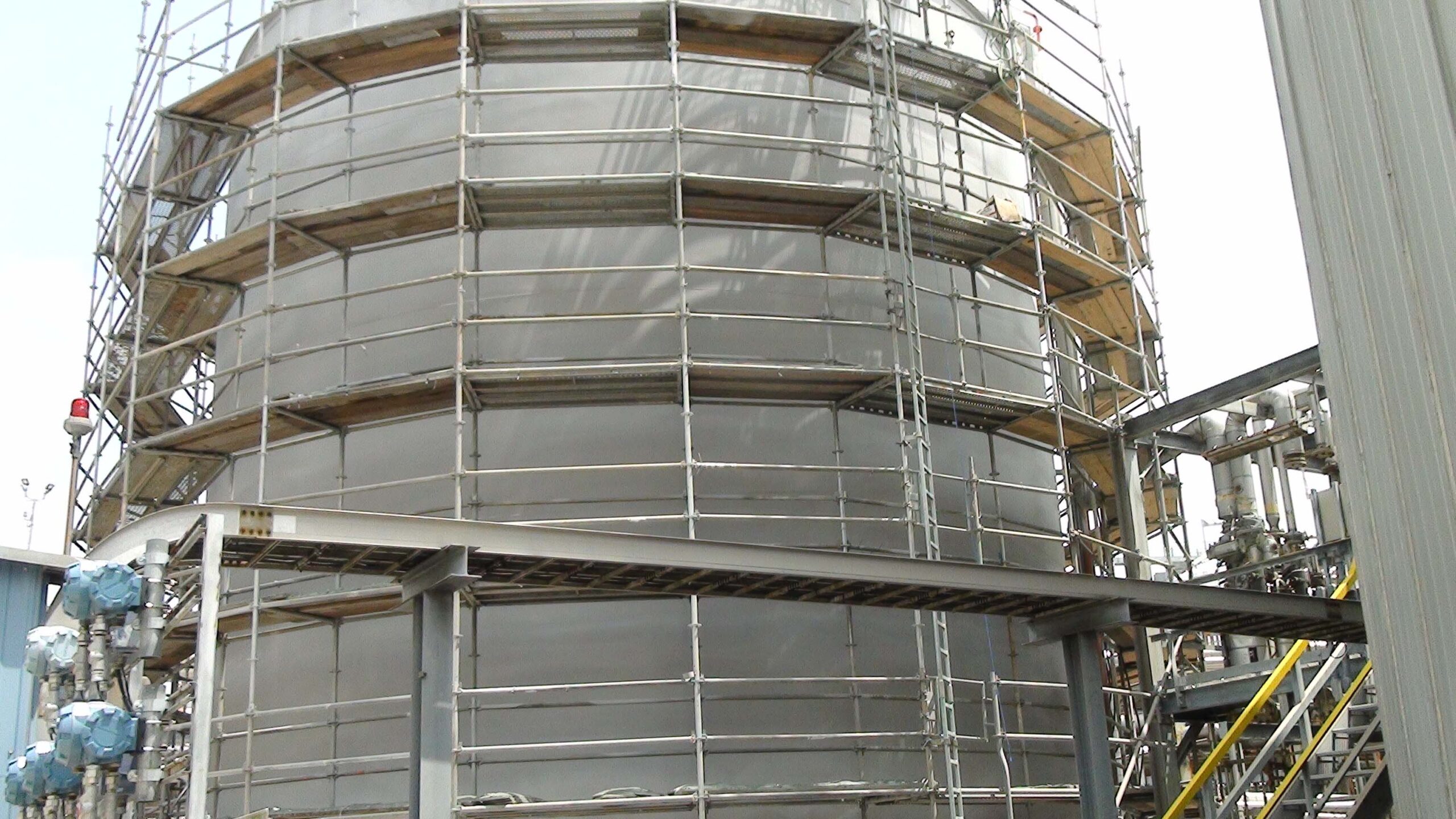
Advanced Polymerics, Inc. has announced new test data confirming the effectiveness of its patented Permacorr® coating in mitigating corrosion under insulation (CUI), a significant and ongoing maintenance challenge for carbon steel assets worldwide. CUI occurs when moisture becomes trapped beneath insulation or jacketing on hot equipment, leading to aggressive corrosion and chloride stress cracking in both carbon and stainless steels. Research indicates that corrosion rates can rise by approximately 30 percent for every 10°C temperature increase, with CUI-related degradation accounting for up to 40 percent of piping maintenance costs in refineries, solar, and chemical plants. In North America alone, CUI is responsible for an estimated $276 billion in costs.

Permacorr addresses the CUI issue with its innovative chemically bonded phosphate ceramic technology, which forms a molecular bond with the steel surface rather than a physical one. This permanent chemical interaction passivates corrosion cells, offering protection against oxygen and moisture. Even if microcracks develop from thermal cycling, the bond remains intact, preventing the initiation of corrosion.

Validated Performance Under Insulated Conditions

In the industry-standard Vertical Pipe (Houston) Test, which exposes coated and insulated pipe sections to cyclic wet/dry salt spray and elevated temperatures, Permacorr demonstrated no blistering, cracking, or corrosion after prolonged exposure. In comparison, epoxy-phenolic coatings typically show significant degradation after just a few cycles.

Additionally, Permacorr withstood a six-month cyclic boiling-water test (8 hours immersion, 16 hours dry), simulating the 90–120 °C temperature range where condensation, vapour, and liquid water coexist, conditions that result in the highest corrosion rates. During this testing, no observable deterioration occurred.

Reduced Lifecycle and Maintenance Costs

Stephen Jewitt, president of Advanced Polymerics, remarked, “Asset owners have long faced a trade-off between corrosion resistance, heat tolerance, and cost. Permacorr eliminates that compromise. It offers high-temperature CUI protection, faster application, and significantly lower total lifecycle costs.”

As a water-based, VOC-free, and non-toxic solution, Permacorr supports sustainability goals without compromising performance. It also does not interfere with non-destructive testing methods, such as ultrasonic or radiographic inspection, which is a key advantage for operators in industries relying on these techniques.

Single-Coat Protection up to 250°C

Permacorr’s inorganic, cementitious properties provide thermal stability up to 250°C (480°F) while maintaining full adhesion and chemical resistance. A single coat, applied at 10–15 mils (250–375 µm) via plural-component spray, is all that is required. The coating’s self-sealing nature reduces surface preparation requirements and allows it to be applied over flash rust, which cuts down on both time and application costs.

Ideal for Critical Infrastructure

Permacorr is ideal for use on insulated tanks, steam lines, process piping, and pressure vessels operating at temperatures up to 250°C. It is particularly suited for industries such as oil and gas, petrochemicals, biopharma, and power generation.

As Jewitt stated, “CUI is one of the few corrosion mechanisms that still catches operators by surprise. Permacorr provides the peace of mind that comes from knowing the coating system is working, even when it can’t be seen.”

For more information visit www.permacorr.com

Desu Systems celebrates 20 years of safety leadership and knowledge sharing

Desu Systems B.V., a global leader in flame and gas detection and suppression distribution, is celebrating its 20th anniversary with the launch of a new industry initiative, “20 Insights from 20 Years.” The campaign showcases key lessons, innovations, and field experience gained through two decades of collaboration and advancement within the industrial safety sector.

Over the past twenty years, Desu Systems has earned a reputation as a trusted technical partner to safety professionals in more than 60 countries. The company distributes and supports world-class brands such as Spectrex, Buckeye Fire, Emerson Measurement Solutions, Sensia, and Hansentek, delivering technologies that protect thousands of critical facilities — including refineries, offshore substations, hydrogen plants, food processing sites, and aviation hangars.

Reflecting on the company’s journey, founder Ronald Verkroost stated that Desu Systems was established in 2005 with a vision to operate differently — faster, more flexibly, and with complete focus on customer needs. “Twenty years later, we’ve proven that trusted relationships and technical excellence are what drive real safety,” Verkroost said. “This anniversary is about giving back — sharing what we’ve learned to help others raise their standards of protection.”

The “20 Insights from 20 Years” campaign translates Desu Systems’ extensive field experience into practical lessons on detection, prevention, and performance reliability. The initiative is presented through a dedicated anniversary hub, which features a visual timeline of the company’s evolution, customer success stories, and milestones in technological progress.

According to Emile Hippe, CEO of Desu Systems, the industrial safety landscape continues to evolve rapidly. “Our industry is constantly advancing — smarter sensors, predictive data, fewer false alarms,” Hippe noted. “What doesn’t change is our mission: to guide safety professionals toward the best-fit solutions for their environments. We’re proud to stand behind the technologies that keep people, assets, and operations safe every day.”

Desu Systems’ reputation for excellence is reinforced by testimonials from global partners.

Emil Cohen of Emerson Measurement Solutions commended the company’s “unmatched expertise in flame and gas solutions” and its “dedication to partner success.”

Jason Sickenberger of Buckeye Fire highlighted Desu’s “professionalism, integrity, and operational excellence.”

Ryan Facer of Hansentek praised the company’s “collaborative feedback that strengthened product development.”

Daan Korenhoff of Lavastica described Desu Systems as “a partner who always keeps their promises.”

Ivan Vučević of Zarja Elektronika summed up the sentiment succinctly: “Desu are the best.”

Since its founding in the Netherlands in 2005, Desu Systems has grown from a small local operation into the world’s largest distributor of flame detection systems. Combining deep technical knowledge with exceptional customer support, the company continues to play a vital role in advancing global safety infrastructure.

For more information visit www.desusystems.com

ADNOC signs 15-Year LNG Supply Agreement with Shell for Ruwais Project

Abu Dhabi National Oil Company (ADNOC) has announced the signing of a 15-year liquefied natural gas supply agreement with Shell, marking the company’s first long-term LNG partnership with the global energy major. The agreement represents the eighth offtake deal for ADNOC’s flagship Ruwais LNG project, further solidifying the project’s position as a key driver of ADNOC’s growth in the lower-carbon energy sector.

With this latest deal, over 80 percent of Ruwais LNG’s total capacity of 9.6 million tonnes per annum has now been contracted—an achievement reached just 16 months after the project’s final investment decision (FID). This milestone underscores ADNOC’s ability to move rapidly from concept to market while maintaining a strong focus on reliability and sustainability.

The Ruwais LNG project is designed to deliver lower-carbon LNG to global markets, supporting the transition to cleaner energy sources. Through strategic partnerships such as the one with Shell, ADNOC continues to demonstrate its commitment to meeting growing global energy demand while advancing progress toward a more sustainable energy future.

For more information visit www.adnoc.ae

Koch Engineered Solutions recognised as Supplier of the Year by Marathon Petroleum Corporation

Koch Engineered Solutions has been honoured with a Supplier of the Year Award as part of Marathon Petroleum Corporation’s 10th Annual Supplier Recognition Awards. The recognition highlights KES’s outstanding performance and contributions to Marathon Petroleum’s operations over the past year.

The Supplier Recognition Awards programme celebrates partner organisations that have made significant, positive impacts on Marathon Petroleum’s business. Honourees are evaluated across key categories, including safety, reliability, environmental performance, innovation, and overall value creation.

Being named Supplier of the Year underscores Koch Engineered Solutions’ commitment to operational excellence, collaboration, and innovation in delivering technologies and services that support Marathon Petroleum’s refining and midstream operations.

A spokesperson for Koch Engineered Solutions expressed pride in the recognition, noting that the award reflects the dedication of KES employees and the company’s continued focus on creating value for its partners. “We are proud to be recognised by Marathon Petroleum, one of the most respected companies in the energy sector. This award is a testament to the hard work, expertise, and customer-focused mindset that define our teams across Koch Engineered Solutions,” the company shared.

This marks a notable milestone for KES as it continues to strengthen its partnerships across the downstream and energy infrastructure sectors. The company remains focused on providing integrated solutions that enhance efficiency, safety, and sustainability across global industrial operations.

For more information visit www.kochengineeredsolutions.com

ILTA announces 2025–2026 Board of Directors and welcomes new leadership

The International Liquid Terminals Association (ILTA) has announced its 2025–2026 Board of Directors, following a membership vote and formal approval during the Association’s Annual Membership Meeting held on October 23 in Tampa, Florida. The newly elected Board will serve from October 2025 through Fall 2026, providing strategic oversight and leadership as ILTA continues to champion the interests of the liquid terminal industry.

New Leadership Team

The officers for the upcoming term are:

  • Josh Etzel, Kinder Morgan, Inc. – Chair

  • Vincent Di Cosimo, Targa Resources – Vice Chair

  • Traci Johnson, International-Matex Tank Terminals – Treasurer

The Board of Directors also includes:
Chester Bullard (Howard Energy Partners), Maria Ciliberti (Vopak North America, Inc.), James Hill (BWC Terminals), Greg Mouras (Shell Pipeline Company LP), Elizabeth Parzanese (Energy Transfer Partners, L.P.), Joel Pastorek (Ergon, Inc.), Brent Weber (Intercontinental Terminals Company LLC), Meridith Wilson (Buckeye Partners, L.P.), Craig Yocham (Global Partners), and Regina Zolnor (MPLX Logistics and Storage Terminals).

Leakhena Swett, President of ILTA, continues to lead the Association’s day-to-day operations, while T. Pratt Summers of Colonial Group, Inc. serves as Ex-Officio.

New Directors and Departing Leaders

ILTA welcomed three new Directors to its governing board: Maria Ciliberti (Vopak North America), Elizabeth Parzanese (Energy Transfer Partners), and Craig Yocham (Global Partners).

The Association also extended its appreciation to Past Chair Tim Winters (Sprague Operating Resources LLC), Past Vice Chair Eric Conard (Petro-Diamond), and Director Jon Hunt (Energy Transfer Partners, L.P.), each of whom concluded more than nine years of dedicated service on the ILTA Board. Their leadership and commitment, ILTA noted, have been instrumental in strengthening the Association and advancing its mission.

President Leakhena Swett expressed gratitude for the outgoing leaders and optimism for the year ahead. “Tim, Eric, Jon, and Pratt have each played an instrumental role in shaping ILTA’s success and setting the foundation for the work ahead,” Swett said. “Their dedication, together with the passion of our incoming Board and the talent of our staff, ensures we can continue building on that progress and advancing the value we deliver to our members.”

A Strategic Path Forward

Incoming Chair Josh Etzel of Kinder Morgan, Inc. outlined his vision for ILTA’s continued growth and impact through his 2026 Chair’s Plan, emphasizing the Association’s readiness to meet evolving industry challenges.

“I am honoured to be elected Chair of the Board for the International Liquid Terminals Association,” Etzel said. “I step into this role at a time when ILTA is a healthy, strong, and impactful organisation, thanks to the dedication of our members and the leadership that has guided us here. As we look ahead, our industry faces both opportunities and challenges. This Chair’s Plan outlines a strategic path that builds on our strengths, adapts to change, and ensures ILTA remains a vital resource and advocate for our members.”

Etzel’s plan focuses on four key priorities:

  1. Member Value and Industry Leadership – Expanding education, training, advocacy resources, and opportunities for collaboration and benchmarking.

  2. Advocacy and Engagement in Washington – Strengthening ILTA’s policy voice through targeted government engagement and partnerships.

  3. Financial Health and Strategic Growth – Sustaining fiscal responsibility while broadening membership, sponsorship, and educational offerings.

  4. Relevance in a Changing Environment – Continuing digital modernization and enhancing the overall member experience.

Etzel also recognised outgoing Chair Pratt Summers for his leadership and stewardship. “Under Pratt’s guidance, the Association emerged on a much stronger financial footing and as a more stable and effective organization,” Etzel noted. “With a clear vision, strong leadership, and the unwavering support of our members, we are poised to advance our mission and strengthen our impact.”

For more information visit www.ilta.org

Tepsa Netherlands takes a sustainable step forward in Rotterdam

Tepsa Netherlands has announced the next phase of development at its Rotterdam terminal, marking a significant step forward in the company’s commitment to providing sustainable and innovative storage solutions.

With an existing capacity of 212,000 cubic metres and 18 hectares of available land for future expansion, the Rotterdam facility is strategically positioned to support Tepsa’s growth ambitions in one of Europe’s most important energy and logistics hubs. The site is set to play a key role in accommodating the increasing demand for New Energies, chemicals, and biofuels—sectors that are driving the global transition toward cleaner energy systems.

The expansion reflects Tepsa’s broader strategy to align its operations with evolving market needs while reinforcing its position as a trusted partner in the storage and handling of critical energy products. By leveraging Rotterdam’s strategic location and infrastructure, Tepsa is preparing for the next generation of storage technologies designed to meet the sustainability goals of tomorrow’s energy landscape.

As this new chapter unfolds, Tepsa Netherlands continues to demonstrate its dedication to growth, innovation, and sustainability within the European storage sector.

Stay tuned for further updates as Tepsa continues its journey toward a cleaner, smarter, and more resilient storage future.

For more information visit www.tepsa.com

Jotun announces the latest edition to its fire protection range: Jotachar 1709 XT

Jotun, a global leader in protective coatings, announces the launch of Jotachar 1709 XT, the latest innovation to its industry-leading Jotachar range of trusted intumescent fire protection coatings for the oil and gas industry. Engineered for fire performance in the most demanding environments, delivering competitive loadings and installation cost, Jotachar 1709 XT is optimised for UL1709 projects and strengthens the recognised Jotachar range with now products suited for all types of project scenarios.

Ensuring the safety and integrity of steel assets is critical, especially as the industry faces increasing challenges — from reducing the carbon footprint, to limiting the risks of fires and cryogenic spills. In the face of hazards or the pressure of tight schedules, time is essential and trusted performance is everything. Jotun’s range of passive fire protection coatings through its Jotachar brand, is engineered, tested, and certified to withstand extreme conditions, protecting people and assets, and its latest addition, Jotachar 1709 XT, is presented to the industry for the first time at ADIPEC.

“Jotun revolutionised the intumescent fire protection industry when it launched Jotachar JF750 in 2013, as the industry’s first mesh-free application solution for all hydrocarbon fire scenarios. Now Jotun enhances the Jotachar range with its latest edition, Jotachar 1709 XT – developed and optimised for onshore new construction projects requiring UL1709 certification,” said James Irving, global R&D manager for Fire Protection in Jotun.

As a patent pending all-climate capable fire protection coating, developed for the most extreme environments, Jotachar 1709 XT enables efficient installation for projects with all levels of complexity.

“Jotachar 1709 XT assures efficiency in projects through lower material consumption, delivering significant cost savings making it a relevant solution for energy projects worldwide. Our Jotachar range will now provide value to the industry whether delivering application efficiency with low applied weight and cost, or enabling fast on-site completion of connections, block-outs and maintenance scopes.”

Jotachar 1709 XT will deliver uncompromised reliability, ensuring consistent application and project efficiency, with its demonstrated first-class application properties:

  • Consistent and proven application performance across challenging environments in-shop and at site
  • Excellent and reliably robust application efficiency, regardless of conditions
  • Fast thickness build-up with an extended workability window of 15–20 minutes, even at high steelwork temperatures up to 50°C


Jotachar 1709 XT has also undergone comprehensive third-party testing and is fully certified by leading regulatory bodies. Additional extensive testing includes long term durability, adhesion, char stability, and mechanical integrity have been proven through certified testing protocols. Over 1 km steel was coated and more than 35,000 kg coating manufactured as part of the internal R&D testing, prior to launching the product.

“As always, choosing a Jotachar product comes with Jotun’s market-leading support. Our team of more than 1,200 dedicated coating advisors worldwide — the largest team of coatings advisors in the industry — collaborate closely through local teams with contractors to ensure project success. Customers benefit from the Certified Applicator Scheme, inspection and testing guidance, and Jotun Fire Engineering Services offering expert support such as loading calculations and passive fire protection (PFP) weight optimisation”, said James Irving in Jotun.

Explosion, hydrocarbon fire and cryogenic spill represent a significant hazard within oil, gas as well as petrochemical facilities.

“The cost of operational downtime, combined with financial and environmental consequences related to fire incidents at oil and gas facilities, is a serious issue. However, the risks these incidents represent in terms of human life and damage to assets is the most important reason to be investing in prevention and protection measures. Announcing this product today is a milestone for us, ensuring our position as a trusted partner for the industry when it matters the most,” said Gary Bennett, global sales director Energy in Jotun.

For more information visit www.jotun.com/gb-en

F.E.S. TANKS delivers on 2.4 million litre lubricant tank farm for Viva Energy

F.E.S. TANKS is proud to have supplied the bulk storage tanks for Viva Energy’s major new $25 million lubricant facility at Karratha, which officially opened last month.

The project features a bulk lubricant tank farm consisting of 10 x 200kl and 4 x 100kl containerised bulk storage tanks for 10 different oil based lubricants. The new F.E.S. tanks store 2.4 million litres of lubricants and are part of a state-of-the-art 1,000lpm loading and unloading lubricant management system built by Nqpetro, the main contractor on the project.

Image courtesy of F.E.S. TANKS

F.E.S. TANKS worked closely with Nqpetro to ensure tank specifications, manufacturing and delivery were on time and within budget. This extended to the design and delivery of stairs, walkways, handrailing and tank top access. 10 tonnes of walkways and handrailing along with 360 tonnes of fuel storage tanks made for a sizeable upgrade to the Viva site.

The tanks provide the central storage element for the bulk facility, which is set to transform supply chains for mining, oil and gas and construction projects in the Pilbara region, reducing road freight by about 450,000km annually.

F.E.S. TANKS director Daryl Cygler said:

“Our involvement as the storage tank supplier for this major project is testament to the F.E.S. team’s commitment to high quality products built for Australian conditions.

“We’re incredibly proud to be involved in a project like this. Everything about it has been precision engineered, and it’s all underpinned with our tanks as the main storage element.

“Our collaboration with Nqpetro and Viva was demanding, and that’s to be expected given we were all working on delivering an exceptional outcome.

“This is an important facility that will benefit industries in one of Australia’s harshest and most remote environments. It’s satisfying to be part of something that will make such a huge difference in the Pilbara and beyond.”

Nqpetro commercial projects Director Anton White said:

“Choosing F.E.S. containerised tanks was driven by their strong reputation and quality assurance, ensuring reliability for this critical hydrocarbons storage solution.

“Delivering the tanks directly into Dampier port minimised transportation challenges, while partnering with F.E.S. enabled a comprehensive system installation—including walkways, stairways, and tank top access—offering a seamless, one-stop solution.”

F.E.S. TANKS is a leading provider of high-quality, self-bunded fuel storage tanks and versatile refuelling solutions to industries on the move. They also specialise in tank farms and custom-built projects for all types of hydrocarbon storage.

For more information visit www.festanks.com.au

Coastal Bend LNG selects Honeywell gas pretreatment solutions

Coastal Bend LNG has announced plans to evaluate the use of Honeywell’s modular liquefied natural gas pretreatment solutions for its proposed natural gas liquefaction and export facility along the Texas Gulf Coast. The facility is designed to expand LNG production capacity in support of global energy security.

Honeywell’s modular pretreatment systems are engineered to remove contaminants from natural gas, offering potential reductions in construction costs and project timelines. By incorporating this technology, Coastal Bend LNG aims to improve production efficiency, operational reliability, and overall performance.

According to Carlos Guzman, chief operating officer of Coastal Bend LNG, the company remains focused on adopting processes that enable the delivery of low-carbon LNG to international markets. Guzman highlighted Honeywell’s established technology portfolio and its willingness to collaborate and integrate solutions as key advantages for the project.

Rajesh Gattupalli, president of Honeywell UOP, noted that as global energy demand continues to increase, Honeywell’s LNG technologies will be instrumental in enhancing project execution and operational dependability. He emphasised that Honeywell’s LNG portfolio offers proven, customisable solutions designed to help customers optimise production and reduce costs.

For more information visit www.coastalbendlng.com

BASF to sell coatings business unit to Carlyle for $7bn

BASF is reportedly nearing an agreement to sell its coatings division to private equity firm Carlyle for approximately €7 billion, marking one of Germany’s largest corporate transactions of the year. The potential deal underscores a significant realignment within Europe’s chemical sector, a shift driven by structural and economic pressures that are reshaping the industry’s foundations.

This divestment reflects more than a single corporate strategy. It signals a broader transformation across the continent’s industrial landscape. Since the onset of the Ukraine conflict, high energy costs have eroded Europe’s manufacturing advantage. Simultaneously, persistent overcapacity, muted demand, and intensifying competition from Chinese producers have compelled even the most established players to reassess their business portfolios.

Industry-Wide Realignment

The BASF-Carlyle deal follows a growing trend of portfolio streamlining among major chemical producers. LyondellBasell has recently sold four European plants, while ExxonMobil and Sabic are both exploring partial exits from the region. BASF itself has been active in reshaping its portfolio—selling its decorative paints business in Brazil to Sherwin-Williams, considering the sale of its feed enzymes unit, and preparing to list its agrochemicals division by 2027.

Private equity investors, meanwhile, continue to deepen their presence in the sector. Carlyle already owns Nouryon, formerly AkzoNobel’s specialty chemicals business, and appears confident that long-term value remains in areas where traditional industrial players are consolidating.

A Turning Point for Europe’s Industrial Core

The unfolding wave of divestments and acquisitions represents a rebalancing of Europe’s industrial identity—from broad, vertically integrated portfolios toward more specialised, capital-efficient business models. It also reflects a shift from regional dominance to global competitiveness, increasingly under diversified ownership structures that include financial investors.

For Germany, this transformation poses both a challenge and an opportunity. As global cost structures evolve, the country faces the task of redefining industrial leadership—preserving innovation and value creation while adapting to new economic realities.

The key questions now confronting policymakers and industry leaders are clear: How can Europe maintain its competitive edge amid rising global pressures? And how can its industrial base emerge stronger, leaner, and more resilient in the decade ahead?

For more information visit www.basf.com/gb/en

TankX expands presence in Asia with major tank jacking project in Singapore

J. de Jonge TankX has strengthened its footprint in Asia through the successful completion of a major tank jacking operation on Pulau Bukom, Singapore. The company lifted a 76-metre diameter external floating roof storage tank as part of a broader maintenance and upgrade initiative, marking a key milestone in its regional expansion strategy.

The project, executed in collaboration with PEC Ltd, involved intricate planning and engineering precision. A comprehensive tank jacking calculation was performed prior to the lift to ensure full structural control, accuracy, and safety throughout the operation. The next phase of work will include foundation tilt correction, bottom and annular plate replacement—critical steps in restoring the tank’s long-term integrity and operational reliability.

In a demonstration of cultural awareness and commitment to safety, the project began with traditional Indian and Chinese blessing ceremonies held on site. These rituals underscored the importance of teamwork, respect, and shared responsibility in a complex industrial environment.

TankX credited the successful execution of the lift to strong collaboration between all partners involved. “This complex operation was carried out as one team,” the company stated, extending special thanks to PEC Ltd for its cooperation and dedication throughout the project.

The Pulau Bukom project highlights TankX’s growing role in delivering advanced tank maintenance and lifting solutions across Asia, reinforcing its reputation for technical excellence, cultural integration, and safety leadership in the global energy infrastructure sector.

For more information visit www.jdejonge.com

Fermi America™ secures firm natural gas supply from Energy Transfer to power phase one of the HyperGrid™ Campus

Fermi America™, the developer behind what is set to become the world’s largest behind-the-metre artificial intelligence private grid campus in collaboration with the Texas Tech University System, has entered into an agreement with Energy Transfer, one of North America’s largest and most diversified midstream energy companies. Under the agreement, Energy Transfer will deliver firm natural gas supply to Fermi’s HyperGrid™ campus located outside Amarillo, Texas.

Energy Transfer operates approximately 140,000 miles of pipelines and related infrastructure across 44 states, making it a trusted provider of reliable energy delivery. The partnership ensures stable natural gas supplies for Fermi America’s 5,236-acre campus, which aims to redefine energy reliability and scalability for AI-driven operations.

Image from Fermi America

As part of the agreement, Fermi America will connect directly to Energy Transfer’s pipeline just south of the campus, securing access to the natural gas required to power the next generation of artificial intelligence. The interconnection project is expected to enter service in the first quarter of 2026 and will require minimal capital investment from Fermi America.

Toby Neugebauer, Co-Founder and CEO of Fermi America, emphasised the strategic importance of the partnership: “What makes our Amarillo campus one of the top sites in the country for other clean sources of energy is that it was first an elite natural gas site. This agreement with Energy Transfer secures the firm natural gas supply necessary to generate our first two gigawatts of clean, reliable power for our AI data centre customers.”

The agreement represents another milestone in Fermi America’s mission to advance the HyperGrid™ campus and bring its gas-fired generation supply chain assets—secured earlier in the year—into operation. It also underscores the company’s continued commitment to rapid execution and measurable progress toward building a resilient, scalable energy ecosystem for AI and high-performance computing applications.

For more information visit www.fermiamerica.com

LBC Tank Terminals earns EcoVadis Platinum rating for third consecutive year

LBC Tank Terminals has been awarded the EcoVadis Platinum Medal for 2025, marking the third consecutive year the company has been recognised among the top 1 percent of global organisations assessed by EcoVadis. The prestigious rating underscores LBC’s continued leadership in sustainability and responsible business practices.

EcoVadis evaluates more than 130,000 organisations across over 180 industries worldwide, assessing performance in key areas such as environmental stewardship, labour and human rights, ethics, and sustainable procurement. Achieving Platinum status places LBC among a select group of companies demonstrating exceptional commitment to corporate responsibility and long-term sustainability.

The recognition reflects LBC’s sustained efforts to enhance operational efficiency, reduce its environmental footprint, and maintain the highest standards of governance, safety, and ethical conduct. It also highlights the dedication of LBC’s employees and the company’s ongoing collaboration with customers and partners to foster a more sustainable and resilient future for the tank terminal industry.

LBC’s continued Platinum rating reinforces its ambition to lead through action—embedding sustainability across its operations and delivering measurable value for stakeholders, communities, and the environment.

For more information visit www.lbctt.com

Advario Singapore advances sustainability with First B30 Biofuel Shipment

Advario Helios Singapore has received its first shipment of B30 biofuel, marking a significant milestone in the company’s commitment to supporting a more sustainable energy future. The achievement follows close collaboration with one of Advario’s key customers and underscores a shared ambition to accelerate the energy transition within the maritime sector.

B30 biofuel, produced from renewable feedstocks, is a blend containing 30 percent bio-based components. The fuel offers a lower-carbon alternative for the shipping industry, contributing to global efforts to decarbonise marine transport and reduce greenhouse gas emissions.

Since its commissioning in 2008, the Advario Helios Terminal has played a pivotal role in Singapore’s bunkering industry. In line with Singapore’s Green Plan 2030 and the Energy Market Authority’s decarbonisation goals, the terminal has expanded its capabilities to support the handling and storage of sustainable fuels such as biofuels. This evolution reflects Advario’s broader strategy to integrate renewable and low-carbon energy solutions into critical supply chains, driving progress toward a cleaner energy landscape.

The successful receipt of B30 biofuel highlights the power of partnership and collaboration in creating tangible environmental impact. By working closely with customers and industry stakeholders, Advario continues to advance practical solutions that contribute to a more sustainable future for Singapore and the global energy sector.

For more information visit www.advario.com

Emerson’s upgraded handheld device communicator helps personnel deliver faster, certified results

Emerson, a global leader in industrial technology and advanced automation solutions, has unveiled a redesigned AMS Trex™ Device Communicator, offering expanded functionality, improved security, and a more intuitive user experience for field personnel. The latest version introduces upgraded hardware and software, enhanced connectivity, and additional certifications, making it safer, faster, and more efficient to use in a range of field applications.

The new design enables the AMS Trex Device Communicator to support calibration activities, allowing users to streamline workflows and reduce the number of tools required in the field. With connectivity to more than 2,500 field instruments—including devices from both Emerson and third-party manufacturers—the AMS Trex communicator has long been a trusted interface for configuration and diagnostics. Previously, however, its measurement tolerances were designed for reference rather than calibration, requiring technicians to carry additional equipment for official calibration tasks.

The redesigned communicator now supports National Institute of Standards and Technology (NIST) traceability, ensuring that all measurements and current sourcing meet the precision required for calibration activities. This certification provides technicians with confidence that the device meets rigorous accuracy standards, helping to simplify maintenance operations and reduce downtime.

“As more organisations embrace Emerson’s Boundless Automation vision—an architecture that seamlessly integrates the field, edge, and cloud—their maintenance and reliability teams will need to manage more assets than ever before,” said Erik Lindhjem, vice president of Emerson’s reliability solutions business. “The new AMS Trex communicator empowers these teams to manage, configure, and perform field calibrations across a wide range of Emerson and third-party devices, maximising both time and data utilisation.”

Further extending its versatility, the redesigned AMS Trex Device Communicator introduces HART® communication via Bluetooth®, enabling connection to Bluetooth-enabled field devices and expanding its application library for maintenance and reliability use cases. Enhanced platform security features protect against unauthorised software and system compromise, ensuring the integrity of both the device and the plant network.

Equipped with eight times more memory than its predecessor, a powerful quad-core processor, and a modernised operating system designed for familiarity and ease of use, the new AMS Trex Device Communicator delivers the performance, connectivity, and reliability that today’s industrial teams demand.

For more information visit www.emerson.com

Halo Capital and Penspen partner to advance landmark helium and hydrogen projects in Australia

Halo Capital has partnered with global engineering consultancy Penspen to accelerate the development of two of Australia’s most significant energy redevelopment projects – Hussar and Mt Winter – unlocking vast helium and hydrogen reserves critical to global supply chains and the transition to cleaner energy.

Penspen has signed a Memorandum of Understanding for engineering and project management expertise across the full development cycle, from feasibility studies to commissioning, ensuring the projects meet the highest technical and regulatory standards. In August 2025, Australian exploration company Georgina Energy Plc granted London-based Halo Capital a 12-month nonexclusive option to acquire the rights to 100 percent of helium, hydrogen and natural gas produced from its two large-scale gas redevelopments. Together, with the expertise of Penspen, the companies aim to position Australia as a leading supplier of helium, hydrogen and hydrocarbons for Asia Pacific and beyond.

Hussar, located in Western Australia’s Officer Basin, and Mt Winter in the Amadeus Basin, Northern Territory, are recognised as prospects of significant national importance. With proven reserves and fresh drilling applications underway, both sites have the potential to deliver significant volumes of helium and hydrogen – gases central to medical technology, industrial processes and the decarbonisation of global energy systems.

Development of Critical Infrastructure

Upon securing funding, Halo Capital will be responsible for the delivery of processing facilities, including separation units for helium, hydrogen and cryogenic purification systems. Once operational, they will be solely responsible for storage, transport, export, trucking helium to Darwin, and converting ammonia to hydrogen. The agreement will enable Westmarket Oil & Gas, Georgina Energy’s wholly owned Australian subsidiary, to sell gas at the wellhead in its raw state, subject to a formal contract on commercial terms.

Under the MoU, Penspen would provide a wide scope of engineering services, including concept/feasibility, FEED, detailed design and procurement support covering the full chain from wellhead to export. They would also provide project management support including scope/basis definition, tendering and bid evaluation, CAPEX estimating, contract preparation, project controls, and site/commissioning supervision.

Penspen is an international consultancy with over 70 years’ of energy engineering heritage. The company has significant experience in the delivery of complex oil and gas infrastructure, and has developed a reputation as partner of choice for low carbon projects, with hydrogen, green ammonia, and CO2 programmes delivered across the United Kingdom, Ireland, Portugal, Turkey, Latvia, Colombia, and the United Arab Emirates.

Nick Clarke, chief executive officer, Halo Capital commented: “Halo Capital are very pleased to have Penspen join our efforts to develop the Hussar and Mt. Winter projects, bringing with them their deep technical expertise and project management experience. Partnering with Penspen will ensure that our project teams will be able to meet all technical and regulatory requirements to drive these and our future projects forward.”

Peter O’Sullivan, chief executive officer at Penspen, said: “We are delighted to work with Halo Capital as engineering partner on this transformative development in Australia.  

“Our unwavering aim is to improve access to secure and sustainable energy, and Hussar and Mt Winter offer tremendous potential to address the growing gap between supply and demand for helium, as well as further develop hydrogen’s critical role in decarbonising global industrial sectors.  

“Penspen’s extensive experience in the delivery of low carbon infrastructure systems, from feasibility and conceptual studies to detailed design and ongoing operations and maintenance, means we are well placed to support Halo Capital in the development of this project of national importance.” 

For more information visit www.penspen.com

Rotork unveils RTP-4000 Range: Next-generation intelligent valve positioners

Rotork is delighted to announce the launch of the RTP-4000 range, a new generation of intelligent valve positioners designed to deliver optimised control solutions for single- and double-acting actuators on rotary and linear valves.

Launching with the dual-certified RTP-4400 model, this initial release combines smooth installation and commissioning, premium online diagnostics, robust construction, and seamless system integration for fast and energy-efficient operation in demanding oil and gas applications, as well as in other industries requiring high-end valve control solutions.

The range features magnet-based contactless position feedback, eliminating mechanical wear and ensuring long-term reliability for both linear and rotary actuators.

Advanced pressure sensor-based diagnostics provide online real-time device status and predictive maintenance capabilities, while a user-friendly dashboard offers at-a-glance valve status.

The rugged, corrosion-resistant construction, featuring copper-free aluminium and electronic circuits potted in resin, ensures durability even in harsh conditions, and an arctic option extending the temperature range down to -55 °C.

The positioner integrates easily with all major control and asset management systems, and the dual certification enables the use in both explosionproof and intrinsically safe areas.

High pneumatic capacity enables rapid valve operation, and optimised supply air consumption helps customers to achieve greater efficiency and lower operational costs.

Additional options include analogue and digital outputs, pressure gauges, and support for Emergency Shutdown (ESD) applications with partial stroke testing capability.

Juha Kivelä, global product manager – Pneumatic Actuation and Instrumentation at Rotork, said: “With the RTP-4000, we are meeting the requirements of the high-end process industries and extending our already comprehensive Rotork Positioner offering to the next level. Our customers will benefit from the smooth installation, user-friendly online diagnostics, and rugged construction, providing long-term reliability. The smart design features will help to achieve greater operational efficiency and give peace of mind in even the most challenging applications.”

For more information visit www.rotork.com

Creaform announces the addition of the HandySCAN 3D|PRO Series™ to its Flagship Handheld 3D Scanner Product Line

Creaform, a business of AMETEK, Inc. and worldwide provider of automated and portable 3D measurement solutions, has announced the latest addition to its trusted HandySCAN 3D™ line-up of 3D scanners, the PRO Series. A fully integrated hardware and software solution, this new series leverages quick and high-resolution data acquisition capabilities through its scanner, as well as the power of the Scan-to-CAD Pro software module to provide the fastest time from data acquisition to 3D models, optimising reverse engineering and product development workflows.

Creaform pioneered the handheld, self-positioning 3D laser scanning category over two decades ago with the HandySCAN 3D, establishing its reputation for accuracy, versatility, and efficiency across all industries, and continues this legacy with the HandySCAN 3D|PRO Series. This latest innovation offers a more powerful, accessible, and reliable solution to measure complex shapes to greatly reduce time-to-market, and lower development costs for SME. Manufactured in North America and backed by global, multilingual service teams, the PRO Series is built for the professionals who need to develop products that are more suited to customer needs, faster, more accurately.

The HandySCAN 3D|PRO Series, bundled with Scan-to-CAD Pro, combines advanced technology with user-friendly design to optimise product development processes and deliver reliable results. Below are the standout features that make it a preferred choice for professionals across industries, when looking for the fastest path to reverse engineering.

High Accuracy & Resolution: Features 23 blue laser lines for detailed, high-quality scans, capable of handling complex shapes and difficult surfaces with a proven and trusted accuracy of 0.030 mm, ensuring rapid 3D data acquisition.
Value for money: With a hardware and software combo starting at US$24,990, this professional portable 3D scanner provides a rapid return on investment (ROI) due to its versatility and time-saving features.
Integrated software: Includes the intuitive Scan-to-CAD Pro software module, optimised for 3D scan data and ideal for reverse engineering and product development, providing the fastest time from scans to CAD, through a versatile toolbox including powerful mesh extraction, sketching and modelling tools.
Simplicity: This integrated solution is designed to enhance user experience, allowing individuals to operate it effortlessly through its intuitive multi-function LCD touchscreen and haptic feedback via vibration.
Time savings: Enables a significant reduction in iterations within the product design and development cycle for increased efficiency, thereby decreasing product development time, accelerating time-to-market and empowering quicker revenue generation.
Versatility: Capable of measuring and analysing any component, it can be used to design new parts, adapt or maintain old parts, create 3D models, look for innovative ways to surpass competition, support sales in business development, and better manage deadlines.

“Reinventing the future of industrial metrology since 2005, the new PRO Series is poised to become the preferred solution for rapid product development and reverse engineering, further solidifying the HandySCAN 3D lineup as an industry benchmark,” explains Pierre-Luc Delagrave, product manager at Creaform, before adding that “with its smart price, it offers the best tool to quickly transform concepts to reality, from design to manufacturing, ensuring a perfect fit on the first try, every time.”

For more information visit www.creaform3d.com

IX MED HUB DAY – Talk & panel moderator

The IX Med Hub Day of Port Tarragona will analyse the present and future of chemical logistics in the era of energy transition.

The event reaches its ninth edition on 13 and 14 November, fully consolidated as one of the benchmark meetings for the sector. Under the motto “A new hub concept”, the Med Hub Day returns to its origins and once again focuses on the potential of the Mediterranean as a logistics hub, while addressing the challenges arising from the energy transition.

Port Tarragona is finalising the preparations for the IX Med Hub Day, one of the most important events on its annual calendar. The sessions, which will take place on 13 and 14 November, are a reference event on logistics for the petrochemical sector in the Mediterranean region.Under the slogan “A new hub concept”, the Med Hub Day will explore both the business opportunities and challenges arising from the logistics of petrochemical products in the context of the energy transition. The event will also analyse the current situation of the sector and the short-term outlook. Registration for the IX Med Hub Day is now open.

The conference maintains its usual format, with lectures and round tables on the afternoon of the first day and the morning of the second. This year, more than one hundred participants are expected, a figure similar to previous editions. This demonstrates the consolidation of this event, which brings together terminal operators, ports, shipping agents, freight forwarders, market analysts and the main petrochemical companies established in Spain.

Opportunities and challenges of the energy transition
One of the aims of this ninth edition is to identify and analyse the business opportunities offered by the energy transition to both the chemical industry and the logistics sector that supports it.

During the sessions, special attention will be paid to the hydrogen and ammonia sectors, as well as to the new opportunities arising from the development of carbon capture, storage and utilisation (CCUS) technologies.

Thus, in the first session, the Port Authority of Tarragona will present the challenges and opportunities that arise from becoming a hub for new energy products. This presentation will be followed by the experience of a leading Mediterranean port in the field of decarbonisation.

In addition, Miguel Antonio Peña, Secretary of the Spanish Hydrogen Association, and Daniel Lorenzetto from Air Products, will take part in the discussion “Ports of the future: challenges in the flow of new energies”.

On the second day, the programme will include presentations by Fèlix Llovell, Professor at the Rovira i Virgili University and director of the chair of Energy Transition and CCUS, and José Ramón Freire, president of the Spanish Association of Renewable Ammonia (AEAR).

The sessions will also focus on CCUS technologies as a key tool for the decarbonisation of the Tarragona chemical cluster, in a round table with representatives from Dow Chemical, Enagás, and Repsol. Furthermore, the debate will address the logistics opportunities arising from the production of green molecules in the Middle East.
Reaffirming the Mediterranean as a hub In this new edition, the Med Hub Day returns to its origins and, without neglecting the challenges arising from the energy transition, once again highlights the potential of the Mediterranean as a logistics hub for chemical and petrochemical products, as an alternative to the major hubs in central and northern Europe.

The programme includes several presentations analysing the current situation of the sector and its short-term evolution.

Montse Espín, from Bureau Veritas, will discuss the impact of upcoming maritime and port regulations on bulk liquid traffic. Luca Raffellini, Head of Chemical Consulting at S&P Global Commodity Insights, will analyse the future outlook for the European petrochemical sector. Finally, Patrick Kulsen, CEO of Insights Global, will address the changes taking place in the relationships between ports and the petrochemical industry.

For more information visit www.porttarragona.cat

i6 Group raises $20 million in series B funding

i6 Group, the global leader in digital fuel management solutions for the aviation industry, has announced the successful closure of a $20 million Series B funding round led by Yttrium, with continued participation from existing investors International Airlines Group (IAG), World Kinect, and Shell Ventures.

The investment will support i6’s next phase of growth, focusing on international expansion, further development of its technology and data infrastructure, and the strengthening of its global teams delivering cutting-edge fuel management solutions.

Co-founder Alex Mattos highlighted the significance of the new funding, stating that it reflects the strong momentum behind i6’s technology and the tangible results achieved for customers worldwide. “With the new funding, we can expand our footprint faster and continue shaping the future of digital fuel management,” he said.

Fellow co-founder Steve Uhrmacher added that digital fuelling is rapidly becoming the operational standard in aviation. “This investment helps us accelerate that transition by equipping airports and airlines with smarter, more connected systems that drive efficiency and reduce emissions at scale,” he noted.

i6’s cloud-based technology connects all stakeholders across the fuelling ecosystem, replacing manual, paper-based processes with real-time digital operations. Deployed across hundreds of airports worldwide, the platform enhances operational visibility, safety, and environmental performance through intelligent fuel management and data-driven insights.

Commenting on the investment, Tim Kindt, Partner at Yttrium, said: “i6 has developed a unique technology platform that is transforming how aviation fuelling is managed globally. The company’s strong growth and ongoing support from existing investors underscore our confidence in its vision and execution. We are proud to partner with i6 as it enters its next stage of growth.”

Arma Partners served as exclusive financial advisor to i6, with legal counsel provided by Bird & Bird. Yttrium was advised by Fladgate.

For more information visit www.i6.io

Hydrogenious LOHC Technologies awards FEED and EPCM contract for the world’s largest hydrogen release plant in Bavaria, Germany

Hydrogenious LOHC Technologies, German pioneer in the field of liquid organic hydrogen carriers (LOHC), has signed a contract with the Griesemann Gruppe for the Front End Engineering and Design (FEED) and the subsequent EPCM phase (Engineering, Procurement and Construction Management) for its “Green Hydrogen @ Blue Danube” project.

The scope of work includes engineering, procurement and construction services for the world’s largest LOHC release plant at the Bayernoil refinery in Vohburg, with a release capacity of up to five tons of RFNBO-certified hydrogen from LOHC per day. Corresponding to 1,800 tons of green hydrogen per year, this can replace grey hydrogen produced from natural gas and thus save up to 16,000 tons of CO2 annually. A potential expansion of the dehydrogenation plant could further contribute to a secure hydrogen supply and future decarbonisation of industries in the Danube region.

The FEED phase is planned to be completed in the second half of 2026 which will represent an important milestone to reach FID (Final Investment Decision) of the “Green Hydrogen @ Blue Danube” project. Following a positive FID, the construction phase will begin on site. Start of commercial operations is planned for mid-2028.

First LOHC supply chain will secure hydrogen availability in Bavaria

Hydrogenious’ project “Hector” demonstrates the large-scale storage of RFNBO-certified hydrogen in LOHC with a storage plant at Chempark Dormagen, North Rhine-Westphalia. The “Green Hydrogen @ Blue Danube” project will establish a corresponding release plant on the offtaker side.

Combined, the two projects form the “LOHC Link” – a comprehensive and sustainable hydrogen value chain including storage in LOHC, safe transport, and the release and supply of RFNBO hydrogen to industrial offtakers.

 Project of Common European Interest

 The “Green Hydrogen @ Blue Danube” project has been notified as an “Important Project of Common European Interest” (IPCEI) by the European Commission and receives funding from the German Federal Government and the Bavarian State Government.

The plant will be operated based on Hydrogenious’ innovative Liquid Organic Hydrogen Carrier (LOHC) technology, which uses the thermal oil benzyl toluene (LOHC-BT) as a carrier material to store hydrogen safely, efficiently, and flexibly. The LOHC-BT can be transported by deploying already established infrastructure for conventional mineral oil products. As part of the “LOHC Link” supply chain, hydrogen-loaded BT will be transported by truck at ambient conditions.

 Competent and experienced partner for FEED and EPCM

 Following a tender process, Hydrogenious selected the Griesemann Gruppe as its engineering partner for the FEED phase, with the aim of developing the project to FID. Given the Griesemann Gruppe’s project execution capabilities for complex process plants, Hydrogenious intends to entrust the Griesemann Gruppe with the EPCM services of the world’s first industrial-scale LOHC release plant.

With over 1,750 employees at more than 40 locations in Germany, Austria, and the Netherlands, the Griesemann Gruppe is a leading engineering company and EPC contractor in the process industry. The family-owned business specializes in the design, construction, and maintenance of industrial plants for over 45 years and has in-depth expertise in process engineering and complex infrastructure projects.

 Statements

 Dr. Stefan Bürkle, chief operating officer, Hydrogenious LOHC

“Launching the FEED phase, is a strong sign of scaling-up our LOHC technology to an industrial level – and will kick-start the implementation of the first commercial LOHC value chain of a material size. The storage and release plants combined will demonstrate how hydrogen can be stored, transported, and supplied safely and efficiently – decarbonizing industries and ensuring security of hydrogen supply.”

Dr. Andreas Lehmann, chief executive officer, Hydrogenious LOHC

“At a time when the hydrogen economy is facing uncertainties, we need tangible projects and technology-neutral approaches. The FEED phase for “Green Hydrogen @ Blue Danube” is not only a technical milestone – it is a signal to policymakers and industry to stay on track and actively shape the ramp-up of the hydrogen economy based on innovative solutions such as LOHC.”

Uwe Gaudig, managing director of Griesemann Gruppe

“Hydrogenious’ LOHC technology creates the essential conditions for the scaling and availability of green hydrogen. The Griesemann Gruppe is delighted to be part of bringing this innovative technology to fruition, in collaboration with our partner. Drawing on our experience as a leading engineering partner and EPC contractor, we are committed to contributing to the energy transition and transformation of industry. Ensuring safe and efficient transport is a vital step in the hydrogen value chain.”

For more information visit www.hydrogenious.net

Baker Hughes, Aramco to expand integrated coiled tubing drilling operations across Saudi Arabia

Baker Hughes, an energy technology company, has announced an award from Aramco to expand its integrated underbalanced coiled tubing drilling (UBCTD) operations across Saudi Arabia’s natural gas fields. The order was booked in the third quarter of 2025.

Under the multi-year agreement, Baker Hughes will increase its UBCTD fleet from four to ten units, supporting both re-entry and greenfield drilling projects across multiple fields in the Kingdom. The company will deliver fully integrated solutions, encompassing coiled tubing drilling units, underbalanced drilling services, operational management, well construction, and geosciences. This approach aims to accelerate gas access from both new and mature fields while optimising operational efficiency.

“This project is the result of nearly two decades of successful collaboration between Baker Hughes and Aramco, which have set the standard for UBCTD,” said Amerino Gatti, executive vice president of Oilfield Services & Equipment at Baker Hughes. “By combining advanced technologies with a holistic, integrated approach, we can support Aramco in efficiently accessing bypassed and hard-to-reach hydrocarbons, enabling the Kingdom to continue to thrive. This expansion lays the groundwork for further innovation in UBCTD, shaping the future of oil and gas production worldwide.”

Baker Hughes’ UBCTD offering features its industry-leading CoilTrak™ bottomhole assembly (BHA) system and enhanced reservoir analysis powered by GaffneyCline™ energy advisory. This combination enables precise subsurface navigation during horizontal drilling and re-entry operations. By integrating these technologies with comprehensive project management services, Baker Hughes enhances production efficiency, speed, and safety while minimising reservoir damage compared to traditional methods.

The agreement further strengthens Baker Hughes’ longstanding presence and proven track record in Saudi Arabia, where it has operated in the UBCTD market since 2008. Maintaining a strong health, safety, and environment (HSE) performance, the company continues to deliver operational excellence through its existing four UBCTD units. Work under the expanded agreement is expected to begin in 2026.

For more information visit www.bakerhughes.com

How Exolum and Peel Ports Group are securing the UK’s energy supplies through the energy transition

Exolum, an international leader in transportation and storage of liquid products, manages Europe’s largest refined products network and ranks first in Europe for storage capacity and seventh globally. At the Eastham facility near the Port of Liverpool, Exolum and Peel Ports Group work in partnership to fulfill critical roles in national and regional fuel supply chains.

Exolum’s mission centres on moving and managing molecules, operating pipelines and tanks necessary for transporting and storing fuels relied upon for air and road transport, alongside chemicals used to produce everyday consumer products. This mission is exemplified by the world-class facility at Eastham on Merseyside, where the partnership with Peel Ports Group proves essential.

Exolum owns and operates a network of fuel and chemical storage terminals and pipelines across 11 countries worldwide, specialising in storage and transportation of diverse bulk liquids. From traditional fuels to biofuels and chemicals, the company’s expertise ensures essential products reach destinations safely and efficiently, supporting British businesses and household mobility.

The Eastham facility serves as a critical hub for United Kingdom and north-west England storage and distribution of road fuels, biofuels, and chemicals for manufacturing everyday products. The site provides storage capacity for up to 325 million litres of products—sufficient petrol to drive a car nearly 3 billion miles.

The facility connects to global markets through multiple transport modes. Four dedicated jetties enable receipt of products from ships arriving internationally, whilst facilities are configured to seamlessly load road tankers for national and regional distribution. The site serves diverse industries across Merseyside and northern England, including oil, chemical, and aviation sectors, playing critical roles in national and regional supply chains serving customers and the broader UK economy.

Exolum’s success at Eastham depends upon the strength of partnership with Peel Ports Group. Peel Ports provides vital maritime infrastructure enabling operation of four deep-water jetties, delivering secure and efficient access for ships offloading products from around the world. This connectivity links customers with clients whilst ensuring robust, resilient, and competitive markets for products serving UK businesses.

The Eastham facility plays crucial roles in Exolum’s plans for delivering sustainable fuels supporting economic decarbonisation. Recent investment increasing renewable diesel storage capacity at Eastham enables Merseyside businesses to access competitive, reliable biofuel supplies for goods vehicles, reducing carbon footprints by 80%. The facility’s expertise in handling chemicals, including methanol, positions it well for managing green shipping fuels required for maritime decarbonisation. New agreements enable handling of additional bioethanol supplies blended with petrol for forecourts across northern England.

Exolum anticipates continuing strong partnership with Peel Ports Group whilst navigating the transition toward sustainable energy infrastructure. The collaboration demonstrates how integrated port and terminal operations support both traditional energy supply security and emerging low-carbon fuel requirements.

The Eastham facility exemplifies the strategic importance of coastal energy infrastructure combining deep-water port access, substantial storage capacity, and multimodal distribution capabilities. These integrated capabilities enable efficient import, storage, and regional distribution of liquid fuels and chemicals essential for economic activity whilst accommodating evolving product portfolios incorporating increasing proportions of renewable and low-carbon alternatives.

The partnership between Exolum’s terminal operations expertise and Peel Ports’ maritime infrastructure capabilities creates synergies supporting operational efficiency, supply chain resilience, and adaptability to changing energy markets. As UK energy policy emphasises both security of supply and decarbonisation objectives, facilities like Eastham serving dual functions of maintaining traditional fuel supplies whilst enabling sustainable fuel adoption prove strategically valuable.

For more information visit www.peelports.com

Ottco and Royal Vopak sign strategic agreement to establish a joint venture in the special economic zone at Duqm

Oman Tank Terminal Company (OTTCO), a subsidiary of OQ Group, and Royal Vopak, signed today a shareholder agreement to establish a new company in the Special Economic Zone at Duqm (SEZAD). The agreement, concluded during the Duqm Economic Forum 2025, reflects OQ’s continued commitment to expanding its investments in Duqm and supports national efforts to attract foreign investment and strengthen global partnerships in one of the region’s fastest-growing industrial and logistics hubs.

The agreement was signed by Ashraf Hamed Al Mamari, group chief executive officer of OQ and Chris Robblee, president of Asia and Middle East, Vopak.

Under the new partnership, OTTCO will hold a 51 percent share and Vopak 49 percent, with the new company set to develop and operate world-class energy storage and terminal infrastructure at Duqm. These facilities will support both traditional energy flows and the evolving demands of the global energy transition towards more integrated and sustainable ecosystems.

By combining OTTCO’s strategic role as a cornerstone in crude storage and transport and Vopak’s global expertise in terminal operations, the partnership will establish a new entity that drives sustainable industrial growth and leverages Duqm’s strategic location along key international shipping routes.

OTTCO currently operates the Ras Markaz crude oil storage terminal, with a total capacity of 26.7 million barrels, including 5.2 million barrels dedicated to the Duqm Refinery. The company also manages the Duqm Port storage and export terminal. Since commencing operations in 2023, OTTCO has handled more than 176 million barrels of crude oil through 98 vessels at Ras Markaz and over 21 million barrels through 560 vessels at the Duqm export terminal.

“Eng. Salim bin Marhoon Al Hashmi, managing director of OTTCO said: “This partnership is a strategic move toward unlocking the full potential of Duqm as a catalyst for economic diversification, industrialisation and sustainable growth. Together with our partners, we are shaping a future-ready platform that positions Oman at the heart of global energy and industrial transformations.”

Marcel van de Kar, managing director Oman at Vopak, said: “Vopak is excited to collaborate with OTTCO on this strategic partnership in Duqm, marking an important step in expanding our global network. Our companies’ combined strengths in infrastructure development and operational excellence will be instrumental in creating a leading energy hub serving diverse industrial customers while supporting their sustainable growth.”

The initiative aligns with Oman’s national strategy to diversify its economy and position Duqm as a competitive global economic centre and a key driver of sustainable development, supported by a long-term vision focused on enabling the flow of both hydrocarbons and emerging energy fuels such as hydrogen and renewables-based products, unlocking new pathways for Oman’s sustainable industrial growth and reinforcing Duqm’s role as a strategic enabler of global energy transition.

With over USD 10 billion total investments and partnerships in Duqm, including Duqm Refinery – a joint venture with Kuwait Petroleum International (KPI) as well as Marafiq’s partnership with Thailand’s Gulf Energy Development Company, OQ continues to play a central role in driving industrial growth and positioning Duqm as a cornerstone of Oman’s energy and investment future.

For more information visit www.vopak.com

Wärtsilä’s outcome-based operation & maintenance agreement for three Brazilian power plants delivers added value to customer’s business

Technology group Wärtsilä has signed a five-year operation and maintenance (O&M) agreement with an outcome-based performance model covering three power plants owned by Âmbar Energia, the energy company of J&F Group in Brazil. The agreement, booked by Wärtsilä in Q3 2025, sets defined performance targets to ensure uninterrupted power availability and reliability, aligning both parties around shared results.

Located in the Amazon city of Manaus, each of the three plants delivers 92 MW of power from five Wärtsilä 50SG engines. The facilities were recently converted to run on natural gas, making them the first in Brazil to complete such a transformation.

The joint photo was taken during the visit of Âmbar Energia’s representatives at Wärtsilä’s Sustainable Technology Hub in Finland

The outcome-based structure links financial outcomes to operational performance, encouraging a results-driven partnership between Wärtsilä and Âmbar Energia. Wärtsilä will focus on maintaining high efficiency, reliability, and cost predictability through proactive maintenance, spare parts supply, and digital monitoring to maximise uptime and productivity.

“This agreement with Wärtsilä aims to create value for our business through increased operational efficiency, cost savings, and regulatory compliance. Wärtsilä’s advanced digital tools, predictive maintenance, and lifecycle expertise will help us optimise our assets,” said Fábio Bindermann, operations director at Âmbar Energia.

“This outcome-based agreement with Âmbar Energia ensures that we will achieve shared goals together, taking us a step closer to our decarbonisation targets. It reflects mutual accountability and long-term collaboration,” added Gaston Giani, energy business director at Wärtsilä Energy.

Âmbar Energia, part of Brazil’s largest private conglomerate, J&F Group, operates 43 power generation units across natural gas, hydro, solar, biomass, coal, and biogas. The company is the fourth-largest natural gas power generator in Brazil by installed capacity, contributing to the diversification of the nation’s energy mix.

For more information visit www.wartsila.com

Chemship B.V partners with Manta Marine Technologies to reduce emissions through advanced vessel optimisation systems

Manta Marine Technologies (MMT) is set to support chemical tanker operator Chemship B.V in slashing its fuel emissions through a new contract to supply and install Manta’s automated propulsion optimisation system, FuelOpt, across nine vessels in the Chemship fleet. The new deal is the result of a successful trial in which FuelOpt was installed on Chemship’s Chemical Challenger vessel to optimise performance of the main engine and suction wings.

The Netherlands-based operator will also benefit from Manta’s performance monitoring, reporting and benchmarking tool, Fleet Analytics.

Chemship B.V.’s Chemical Challenger, the FuelOpt trial vessel

The installations are scheduled to begin with two Japanese-built multigrade vessels being retrofitted by the end of 2025, followed by the remaining tankers during 2026.

This deal marks a major commitment by Chemship to optimise its fleet operations to reduce fuel expenditure and minimise greenhouse gas emissions. FuelOpt automatically adjusts a vessel’s propulsion in real-time, enhancing operational performance and freeing up crew to focus on other essential tasks, rather than having to focus on making multiple manual propulsion adjustments.

FuelOpt is fuel-agnostic, working equally well with conventional or alternative fuels, alongside hybrid propulsion solutions, providing significant benefits to shipowners at a time when options such as wind assisted propulsion are growing in popularity. This means that any ship operator can future proof their fleets with a robust and proven technology that delivers auditable results without compromising on safety.

Whatever fuel option is in use, FuelOpt dynamically adjusts propulsion based on predefined operational needs, such as maintaining a target speed or specific fuel consumption limit. Within these pre-defined parameters, the system automatically ensures that the vessel always operates at the most efficient propulsion power output. This results in consistent and measurable efficiency gains, regardless of external factors like weather or hull fouling, and simplifies carbon emission reporting. When FuelOpt is paired with Wind Assisted Propulsion (WAP) systems, like on Chemical Challenger, it transforms the wind-gained thrust into fuel savings, through automated and precisely executed adjustments of the vessel’s engine propulsion. This offers round-the-clock precision beyond what can be achieved manually.

Fleet Analytics is a real-time, cloud-based, vessel performance monitoring system that collects and analyses high-frequency data from multiple onboard sources. It provides ship owners and operators with actionable insights and allows them to benchmark performance of single vessels or their whole fleet. Fleet Analytics enables fact-based decision-making, reduces administrative workload and integrates with other technologies like FuelOpt and Wind Assisted Propulsion to enhance efficiency and sustainability across fleets. It also comes with a user-friendly, timeline-based reporting feature, aligned with EU-MRV, EU-ETS, FuelEU Maritime, IMO-DCS, and CII.

Commenting on the deal, Richard Engelhart Bjercke, chief commercial officer at Manta Marine Technologies, said, “We are proud to partner with a forward-thinking operator like Chemship as they lead the way in sustainable chemical transportation. This contract underscores the critical nature of propulsion control in achieving net-zero targets with FuelOpt and Fleet Analytics, offering guaranteed performance improvements by seamlessly integrating human expertise with automated decision-making.

Michiel Marelis, operations director, Chemship, said, “After decades of relying on manually entered, error-prone consumption figures, we finally have everything digitally available on a single platform. This enables us to eliminate all variables and accurately measure the efficiency of our sustainable investments. We now have full control over our fuel consumption and are achieving optimal savings from our Ventofoils, thanks to the Manta Marine Technologies FuelOpt package.

Chemship operates a sophisticated fleet of stainless steel chemical tankers which are designed to transport a wide variety of liquid bulk materials, including specialised chemicals, vegetable oils, acids, lube oils, aromatics and clean petroleum products.

For more information visit www.mantamarine.com

Vopak and AltaGas celebrate milestone progress at Ridley Island energy export facility

Last week, teams from Vopak and AltaGas Ltd. gathered at the Ridley Island Energy Export Facility (REEF) in Prince Rupert, marking a significant milestone in their collaboration. Witnessing the project evolve — from the construction of the jetty structure to the arrival of essential components — serves as a powerful testament to the impact of teamwork, engineering excellence, and visionary thinking.

Both organisations take pride in the dedication and leadership displayed by their teams in bringing this world-class energy facility to fruition. This endeavour truly embodies the spirit of nation-building and the remarkable achievements that can be accomplished through collaboration.

For more information visit www.vopak.com

QatarEnergy acquires 40% stake in North Rafah offshore exploration block in Egypt

QatarEnergy has completed a farm-in transaction with Eni, acquiring a 40 percent participating interest in the North Rafah exploration block offshore Egypt. The agreement, recently approved by the Egyptian government, grants QatarEnergy a 40 percent stake in the offshore concession, with Eni retaining the remaining 60 percent interest as operator.

His Excellency Mr. Saad Sherida Al-Kaabi, Minister of State for Energy Affairs and President and CEO of QatarEnergy, expressed satisfaction with the new position in the North Rafah offshore block, characterising it as further strengthening QatarEnergy’s presence in Egypt and marking another important step in advancing the company’s ambitious international exploration strategy.

His Excellency Minister Al-Kaabi extended thanks to Egypt’s Ministry of Petroleum and Natural Mineral Resources and partner Eni for valued support and cooperation, expressing anticipation for working together to achieve exploration objectives.

The North Rafah offshore block is located in the Mediterranean Sea off Egypt’s northeastern coast, spanning nearly 3,000 square kilometres in water depths up to 450 metres. The block’s location in Egypt’s Mediterranean offshore positions it within a prolific hydrocarbon province that has yielded major gas discoveries in recent years, including the giant Zohr field discovered by Eni in 2015.

QatarEnergy’s acquisition strengthens its international exploration portfolio and Egyptian presence, building upon the company’s strategy of participating in high-potential exploration opportunities globally. The transaction represents continued confidence in Egypt’s offshore potential and the partnership with Eni, which has established strong track record in Egyptian Mediterranean exploration and development.

The farm-in structure enables QatarEnergy to enter the block by acquiring equity from Eni whilst benefiting from Eni’s operatorship and existing knowledge of Egyptian offshore conditions. This approach provides access to prospective acreage with an experienced operator managing exploration activities and stakeholder relationships.

Egypt’s Mediterranean offshore has attracted substantial international exploration investment following major gas discoveries transforming the country’s energy profile. The government has pursued licensing rounds and direct negotiations to maintain exploration momentum and sustain gas production supporting domestic consumption and LNG exports.

Water depths up to 450 metres place the North Rafah block in moderate deepwater conditions requiring advanced exploration and development technologies but remaining within established operational capabilities. The 3,000 square kilometre area provides substantial acreage for geological evaluation and potential multiple prospect development.

QatarEnergy’s international expansion strategy encompasses participation in exploration ventures across multiple regions, leveraging the company’s technical capabilities, financial strength, and operational experience. The Egyptian acquisition complements QatarEnergy’s existing international portfolio spanning Africa, Asia, Latin America, and other regions.

For more information visit www.qatarenergy.qa

Kinder Morgan reports strong Q3 results, increases dividend and highlights record project pipeline

Kinder Morgan, Inc. has reported strong third-quarter 2025 financial results, with the board of directors approving a 2 percent dividend increase to $0.2925 per share ($1.17 annualised), payable on 17 November 2025 to stockholders of record as of 3 November 2025.

The company reported third-quarter net income attributable to KMI of $628 million versus $625 million in Q3 2024, with adjusted net income attributable to KMI of $648 million, representing 16 percent growth year over year. Adjusted EBITDA reached $1,991 million, up 6 percent versus Q3 2024, whilst Adjusted EPS of $0.29 increased 16 percent year-over-year.

Executive chairman Richard D. Kinder stated that the United States continues leading the world in natural gas production and LNG exports, providing enhanced energy security to global allies. He characterised the outlook for Kinder Morgan as exceptionally promising, supported by historic growth in global natural gas demand, a favourable federal regulatory landscape, and strong permitting agency support.

Chief executive officer Kim Dang reported that the company generated strong quarterly performance with increased financial contributions from natural gas pipelines, products pipelines, and terminals business segments. The company maintained healthy finances whilst internally funding capital projects, generating cash flow from operations of $1.4 billion and free cash flow of $0.6 billion, up 13 percent and 5 percent respectively. The Net Debt-to-Adjusted EBITDA ratio stood at 3.9 times.

Dang highlighted that KMI is experiencing the most robust opportunity set in company history, with U.S. LNG nameplate capacity expected to more than double by 2030. The company currently holds long-term contracts to move almost 8 Bcf/d of natural gas to LNG facilities, growing to almost 12 Bcf/d by end-2028 upon completion of projects under construction. Total natural gas demand is expected to grow 20 percent through 2030, led by LNG exports, with KMI actively exploring more than 10 Bcf/d of opportunities serving power generation.

The company’s project backlog stood at $9.3 billion at quarter-end, with approximately 90% comprising natural gas projects. The remaining $7.9 billion of backlog projects are expected to generate an aggregate first-full-year project EBITDA multiple of approximately 5.7 times when realised. Approximately 50 percent of the backlog is associated with power generation projects.

Major project developments include TGP’s $93 million South Texas Enhancement Project targeting Q2 2028 service, the $1.8 billion Trident Intrastate Pipeline (Q1 2027), TGP’s $1.7 billion Mississippi Crossing project (Q4 2028), and the $3.5 billion South System Expansion 4 project with phased completion in Q4 2028 and Q4 2029. The $263 million Altamont Green River Pipeline entered service in September 2025.

Kinder Morgan expects to exceed 2025 budget primarily due to contributions from the Outrigger Energy II acquisition, with budgeted net income attributable to KMI of $2.8 billion (up 8 percent versus 2024) and adjusted EPS of $1.27 (up 10 percent). The company expects to declare 2025 dividends of $1.17 per share, a 2 percent increase from 2024. On 11 August 2025, Fitch upgraded KMI’s senior unsecured rating from BBB to BBB+ based on the company’s ability to fund growth capital with internally generated cash flow and favourable leverage levels.

For more information visit www.kindermorgan.com

LBC Tank Terminals earns third consecutive 5-star GRESB rating and retains sector leadership

LBC Tank Terminals has announced achievement of a 5-star rating in the 2025 GRESB benchmark for the third consecutive year, alongside recognition as Sector Leader with a score of 99 points.

The achievement highlights progress in strengthening sustainability throughout operations. The GRESB assessment evaluates performance across key areas including energy and water efficiency, carbon emissions, environmental management, stakeholder engagement, governance, and health and safety.

Recognition as a sector leader for the second consecutive year reflects consistent efforts by teams to embed sustainability in operational practices and growth strategies. LBC Tank Terminals thanked employees, customers, and partners for ongoing support and collaboration in creating long-term value and contributing to a more sustainable future.

The 5-star rating places LBC Tank Terminals in the top performance tier of GRESB participants, with the 99-point score representing near-perfect performance across the assessment framework. GRESB evaluations provide standardised benchmarking, enabling infrastructure investors and asset owners to compare ESG performance across operators and portfolios.

Sector Leader designation recognises top performers within specific infrastructure categories, with LBC achieving this distinction among liquid bulk storage terminal operators globally. Maintaining this position for two consecutive years demonstrates sustained excellence rather than single-year performance anomalies.

The third consecutive 5-star rating indicates consistent high performance and continuous improvement rather than declining from an initial peak. This trajectory reflects embedded sustainability practices and management systems supporting ongoing enhancement rather than one-time initiatives.

Terminal operations face material ESG considerations, including energy consumption for pumping and heating operations, water usage and treatment, emissions from equipment and fugitive sources, safety management for hazardous materials handling, environmental protection preventing spills and releases, and stakeholder engagement with communities near facilities.

LBC’s strong performance across these dimensions indicates comprehensive sustainability integration addressing operational efficiency, environmental protection, safety excellence, and stakeholder management. The 99-point score suggests few improvement opportunities identified by GRESB’s evaluation criteria.

For infrastructure investors utilising GRESB data in portfolio management and capital allocation decisions, LBC’s consistent top-tier performance provides assurance of strong ESG practices potentially influencing investment attractiveness, cost of capital, and asset valuations. Superior GRESB performance can differentiate operators competing for contracts, customers prioritising sustainability, and investor capital.

The acknowledgement of employees, customers, and partners recognises that sustainability performance requires organisational commitment beyond executive initiatives, with operational staff implementing practices, customers supporting sustainable operations through commercial relationships, and partners contributing to supply chain and service provider sustainability.

LBC Tank Terminals’ sustained GRESB excellence positions the company as a sustainability leader within the liquid bulk storage sector, demonstrating that terminal operations can achieve high environmental and social performance whilst maintaining commercial competitiveness and operational effectiveness.

For more information visit www.lbctt.com

Phillips 66 and Kinder Morgan, Inc. announce binding open season for Western Gateway Pipeline

Phillips 66 and Kinder Morgan, Inc. have announced the launch of a binding open season for transportation service on the Western Gateway Pipeline (Western Gateway), a newly proposed refined products pipeline system. The Western Gateway project is designed to facilitate the transportation of refined petroleum products from origin points in Texas to major downstream markets in Arizona and California, with additional connectivity to Las Vegas, Nevada, through Kinder Morgan’s CALNEV Pipeline.

The open season will begin at 12:00 p.m. Central Time on October 20, 2025, and conclude at 12:00 p.m. Central Time on December 19, 2025. During this period, interested shippers will have the opportunity to request additional information by contacting Westerngateway@p66.com.

A collaborative effort between Phillips 66 and Kinder Morgan, the Western Gateway Pipeline aims to provide additional capacity for refined products from Borger, Texas, to key markets in Arizona and California. The project will include the construction of a new pipeline segment extending from Borger, Texas, to Phoenix, Arizona, which will connect to Kinder Morgan’s existing SFPP, L.P. pipeline from Colton, California, to Phoenix. The SFPP line will be reversed to enable east-to-west product flows into California.

Supply for the Western Gateway Pipeline will originate from connections in Borger, Texas, as well as from existing supplies linked to SFPP’s system in El Paso, Texas. Additionally, the Gold Pipeline, operated by Phillips 66 and currently transporting products from Borger to St. Louis, will be reversed to allow refined products from Midcontinent refineries to flow toward Borger and into the Western Gateway system. This configuration will connect Midwest refinery supply to markets in Phoenix and California, with additional access to Las Vegas via Kinder Morgan’s CALNEV Pipeline.

For more information visit www.westerngatewaypipeline.com.