


Fluor Corporation has announced a contract award by LanzaJet for front-end engineering and design of a sustainable aviation fuel production hub in North Yorkshire, England. The initiative, named Project Speedbird, represents a joint development between LanzaJet and British Airways. Fluor will recognise the undisclosed contract value in the third quarter.
Mike Alexander, group president of Project Execution at Fluor Corporation, characterised Project Speedbird as marking pivotal advancement in global efforts to decarbonise aviation. He stated that by accelerating adoption of sustainable fuel technologies, the project will help redefine the future of flight, with Fluor proud to bring engineering and design expertise to the visionary initiative.
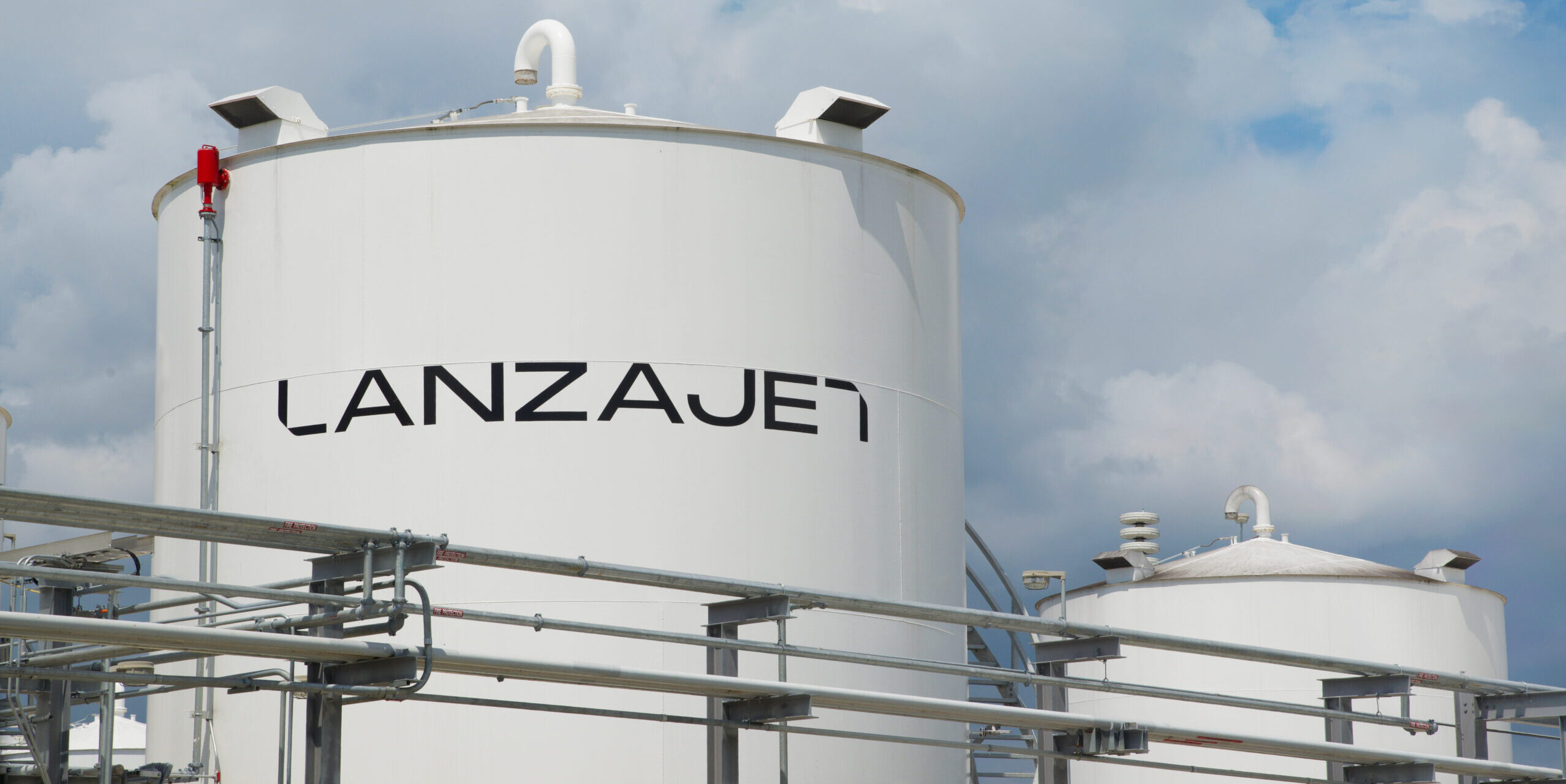 Image: Lanzajet
The project will leverage LanzaJet’s Alcohol-to-Jet technology to transform second-generation ethanol, sourced from agricultural residues and woody biomass, into sustainable aviation fuel. British Airways will utilise this SAF to reduce carbon emissions by approximately 230,000 tonnes annually, equivalent to emissions from 26,000 domestic flights.
Jimmy Samartzis, CEO of LanzaJet, stated that Project Speedbird represents the next commercial-scale facility in LanzaJet’s development portfolio, working closely with British Airways. He characterised it as an important step in continued scale-up of the company’s leading sustainable fuels technology. Samartzis noted that partnering with globally recognised engineering, procurement, and construction company Fluor Corporation demonstrates commitment to highest standards in project execution.
Located in Teesside, UK, the facility will produce more than 90,000 tonnes (30 million gallons) of SAF and renewable diesel annually. The site was selected for strategic location, advanced infrastructure, and access to skilled workforce.
Front-end engineering and design establishes detailed technical specifications, equipment selections, site layouts, and cost estimates supporting final investment decisions and subsequent detailed engineering for construction. FEED work bridges conceptual design and full engineering, procurement, and construction execution, addressing technical uncertainties and refining project scope.
LanzaJet’s Alcohol-to-Jet technology converts ethanol into jet fuel through catalytic processes producing hydrocarbons meeting aviation fuel specifications. The technology’s use of second-generation ethanol derived from agricultural residues and woody biomass addresses sustainability concerns about first-generation biofuels competing with food production.
British Airways’ commitment to offtake the facility’s SAF production provides commercial foundation supporting project financing. Long-term purchase agreements from creditworthy airlines enable project developers to secure debt financing and proceed with capital-intensive facility construction.
The 230,000-tonne annual emissions reduction represents substantial carbon abatement for British Airways’ operations, supporting the airline’s decarbonisation objectives. Aviation faces limited near-term alternatives to liquid fuels, making SAF a primary pathway for emissions reduction whilst maintaining existing aircraft and infrastructure.
Teesside’s selection reflects the region’s industrial heritage, existing energy infrastructure, port facilities, and workforce with relevant skills from petrochemical and process industries. The UK government has supported development of low-carbon industries in Teesside through various policy initiatives and funding programmes supporting industrial transformation.
The facility’s dual production of SAF and renewable diesel provides operational flexibility and revenue diversification. Renewable diesel serves road transport markets, providing additional offtake opportunities beyond aviation applications. Production processes for SAF and renewable diesel share technological similarities, enabling integrated facilities producing both products.
Project Speedbird advances UK objectives for developing domestic SAF production capacity supporting aviation sector decarbonisation whilst creating industrial jobs and supply chain opportunities. The UK government has established mandates requiring SAF blending in aviation fuel, creating policy certainty supporting production investments.
The 90,000-tonne annual SAF production capacity represents meaningful scale for European markets, where SAF availability currently falls well short of demand created by regulatory mandates and airline sustainability commitments. Commercial-scale facilities like Project Speedbird prove essential for closing this supply-demand gap.
Fluor’s role in FEED positions the engineering firm for potential EPC contract award following final investment decision, though FEED contracts don’t guarantee subsequent construction phase awards. The company’s project execution expertise in process industries supports complex facility development requiring integration of novel technologies with proven engineering practices.
LanzaJet operates the world’s first ethanol-to-SAF production facility in Georgia, United States, providing operational experience informing subsequent project development including Project Speedbird. Scaling from demonstration to multiple commercial facilities requires proven technology, experienced partners, and creditworthy offtake agreements—elements converging in the British Airways partnership.
For more information visit www.fluor.com