ADNOC Gas and EMSTEEL sign $4 Billion, 20-year natural gas supply agreement to power UAE’s industrial growth

ADNOC Gas Plc and its subsidiaries, a world-class integrated gas processing company, have announced the signing of a landmark agreement valued between $3.5 and $4.2 billion with EMSTEEL, one of the region’s largest integrated steel and building materials manufacturers.

The 20-year agreement, effective January 1, 2027, secures a stable and reliable supply of lower-carbon natural gas to power EMSTEEL’s operations and future growth. The milestone reinforces the long-standing partnership between ADNOC Gas and EMSTEEL and demonstrates both companies’ commitment to driving sustainable economic growth in the UAE.

The agreement secures a dependable energy supply for one of the country’s leading industrial producers while strengthening ADNOC Gas’ competitive position as a key enabler of industrial resilience and cleaner energy transition.

Fatema Al Nuaimi, CEO of ADNOC Gas, said, “This landmark agreement to supply EMSTEEL with lower-carbon natural gas underpins ADNOC Gas’ role in boosting the UAE’s industrial growth and economic development. We remain firmly committed to delivering reliable, lower-carbon energy that powers national industries, drives value creation, and helps secure the UAE’s long-term prosperity.”

Engineer Saeed Ghumran Al Remeithi, Group CEO of EMSTEEL, said: “EMSTEEL is proud to extend its long-standing partnership with ADNOC Gas through this landmark agreement, which reflects the strength of collaboration between two national champions driving the UAE’s industrial and economic transformation. This strategic partnership not only ensures a secure and sustainable energy supply for our operations but also reinforces our shared commitment to maximising in-country value and supporting national economic resilience. With ADNOC Gas as a key energy partner, EMSTEEL will continue advancing green steel production, enhancing efficiency across our value chain, and contributing to the sustainable growth of the nation’s industrial ecosystem.”

In recognition of ADNOC Gas’ strategic importance, the ADNOC Board of Directors selected Habshan, one of its most critical operational sites, to hold its annual meeting last Monday. The decision underscores the vital contribution of ADNOC Gas to the UAE’s energy security, industrial resilience and global standing as a responsible and dependable energy provider.

During the visit, their Highnesses toured key facilities and were briefed on ADNOC Gas’ ongoing expansion programmes, including major processing, compression and sustainability initiatives that strengthen operational excellence and support the UAE’s long-term energy strategy. The Board’s presence at Habshan reflects strong confidence in the company’s direction, its people and its growing contribution to the national economy.

EMSTEEL is the UAE’s largest publicly listed steel and building materials company, operating an integrated manufacturing plant and exporting its products globally. By delivering a stable, long-term supply of lower-carbon natural gas, ADNOC Gas is enabling EMSTEEL to scale production while managing emissions and strengthening the resilience of the UAE’s manufacturing base.

For more information visit www.adnocgas.ae

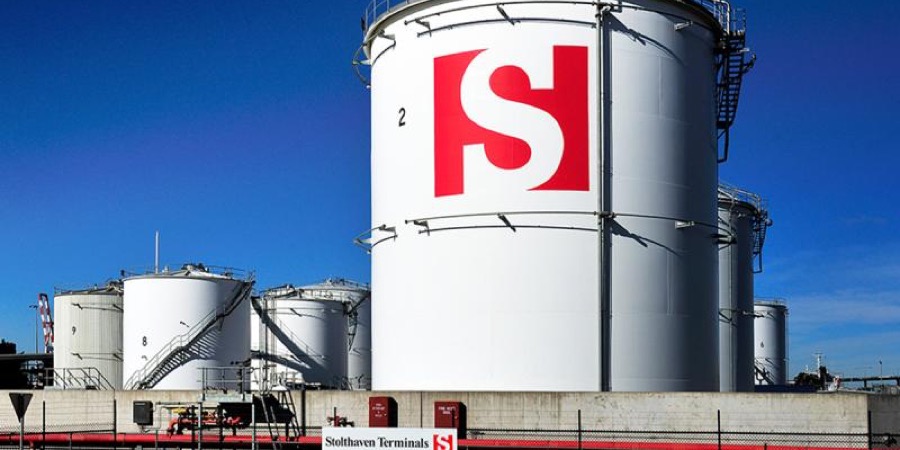
HES Botlek Tank Terminal to allocate 65% capacity to biofuels by 2026, surpassing strategic targets

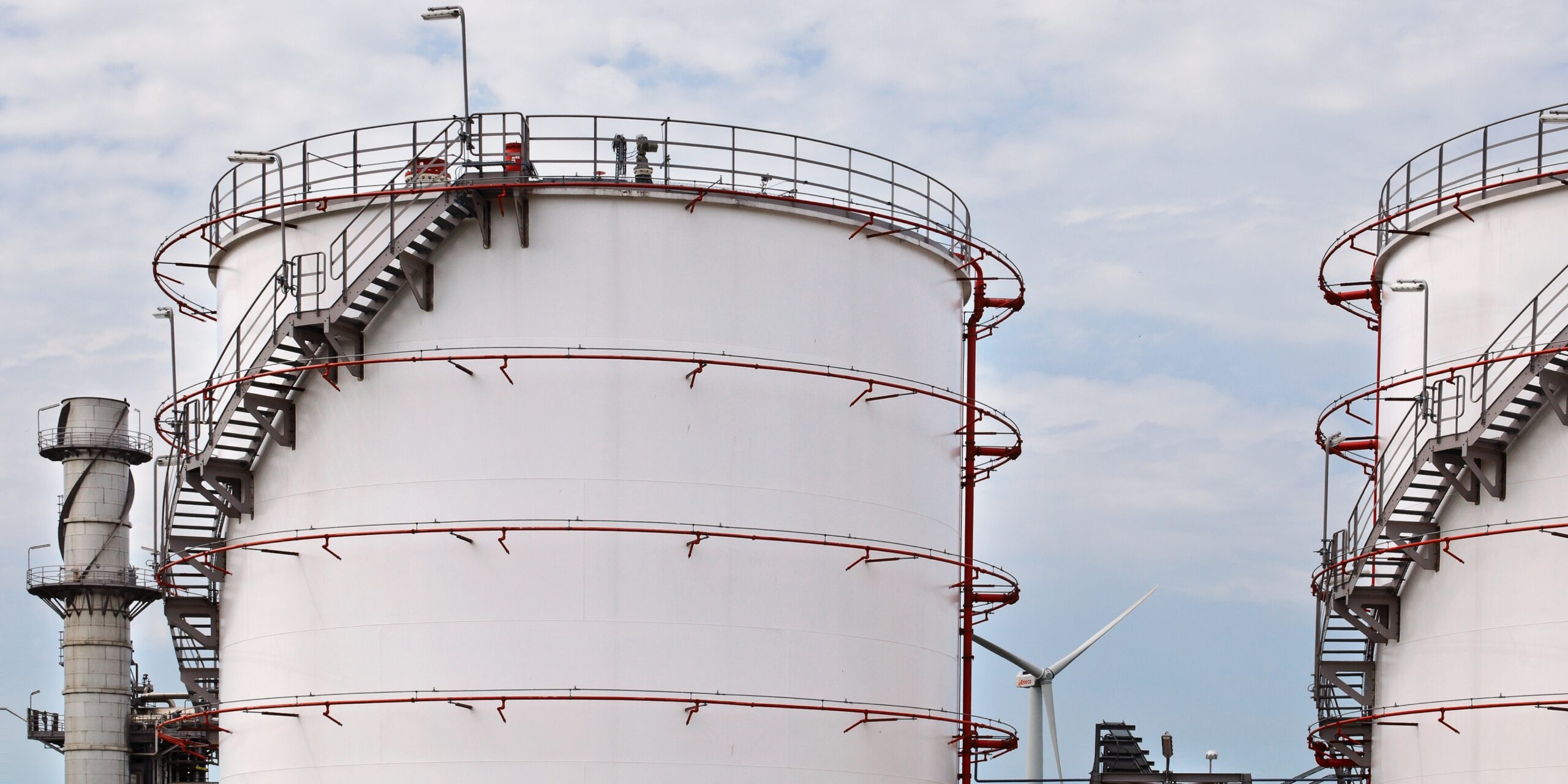
HES Botlek Tank Terminal has secured a new long-term agreement with one of its key customers, resulting in 65 percent of its storage capacity being dedicated to biofuels as of 1st January 2026. The achievement surpasses HBTT’s strategic target of 60 percent biofuels by 2028, more than two years ahead of schedule.

The milestone represents a significant step in HES International’s broader sustainability strategy, reinforcing the company’s commitment to supporting the energy transition. By facilitating the growing demand for renewable fuels, HBTT strengthens its position as a forward-looking logistics partner for sustainable energy solutions.

Paul van Gelder, Group CEO of HES International, commented: “Reaching this milestone ahead of schedule demonstrates our proactive approach to sustainability and our ability to adapt to market needs. We are proud to contribute to the energy transition and to offer our customers reliable, future-proof infrastructure for renewable fuels.”

HBTT continues to invest in infrastructure upgrades and operational capabilities to support further growth in sustainable products. Several additional investments have already been defined to ensure long-term capacity and flexibility for biofuels and other renewable products.

For more information visit www.hesinternational.eu

Stolt-Nielsen recognised as chemical logistics service leader of 2025 in Shanghai

Stolt-Nielsen has been awarded the Chemical Logistics Service Leader of 2025 at the Global Chemical Supply Chain (China) Summit, held this year in Shanghai.

The recognition forms part of the prestigious Chemical Golden Chain Awards, which celebrate excellence and innovation across the chemical supply chain. The award shines a spotlight on the commitment and operational expertise demonstrated by teams spanning Stolt-Nielsen’s core liquid logistics divisions — Stolt Tankers, Stolthaven Terminals, and Stolt Tank Containers.

According to the Summit committee, the accolade reflects the Group’s sustained focus on safety, efficiency, and reliability in liquid chemical logistics, as well as its ongoing collaboration with customers and industry partners.

Stolt-Nielsen emphasised that the award also honours the technical knowledge, discipline, and passion of its global workforce, who support chemical transport, handling, and storage across highly regulated international markets.

Speaking on behalf of the business, Yong Jin Ng, regional director of China, expressed appreciation for both customer partnership and internal alignment.

He said the award highlighted “the continued trust of customers and partners, and the dedication of Stolt-Nielsen’s operational teams who safeguard every shipment and push for higher standards in an evolving market.”

He added that Stolt-Nielsen would “continue to uphold the highest operational and compliance standards, working alongside industry stakeholders to shape a safer, more sustainable and more efficient chemical logistics ecosystem.”

The Group reiterated that this purpose remains aligned to its long-term mission of enabling industrial progress through secure and cost-effective liquid logistics, delivered via integrated assets across sea, port, and land.

For more information visit www.stolt-nielsen.com

VTTI commissions new bitumen facility at Malaysia terminal, expanding storage capacity to 1.45 million cubic metres

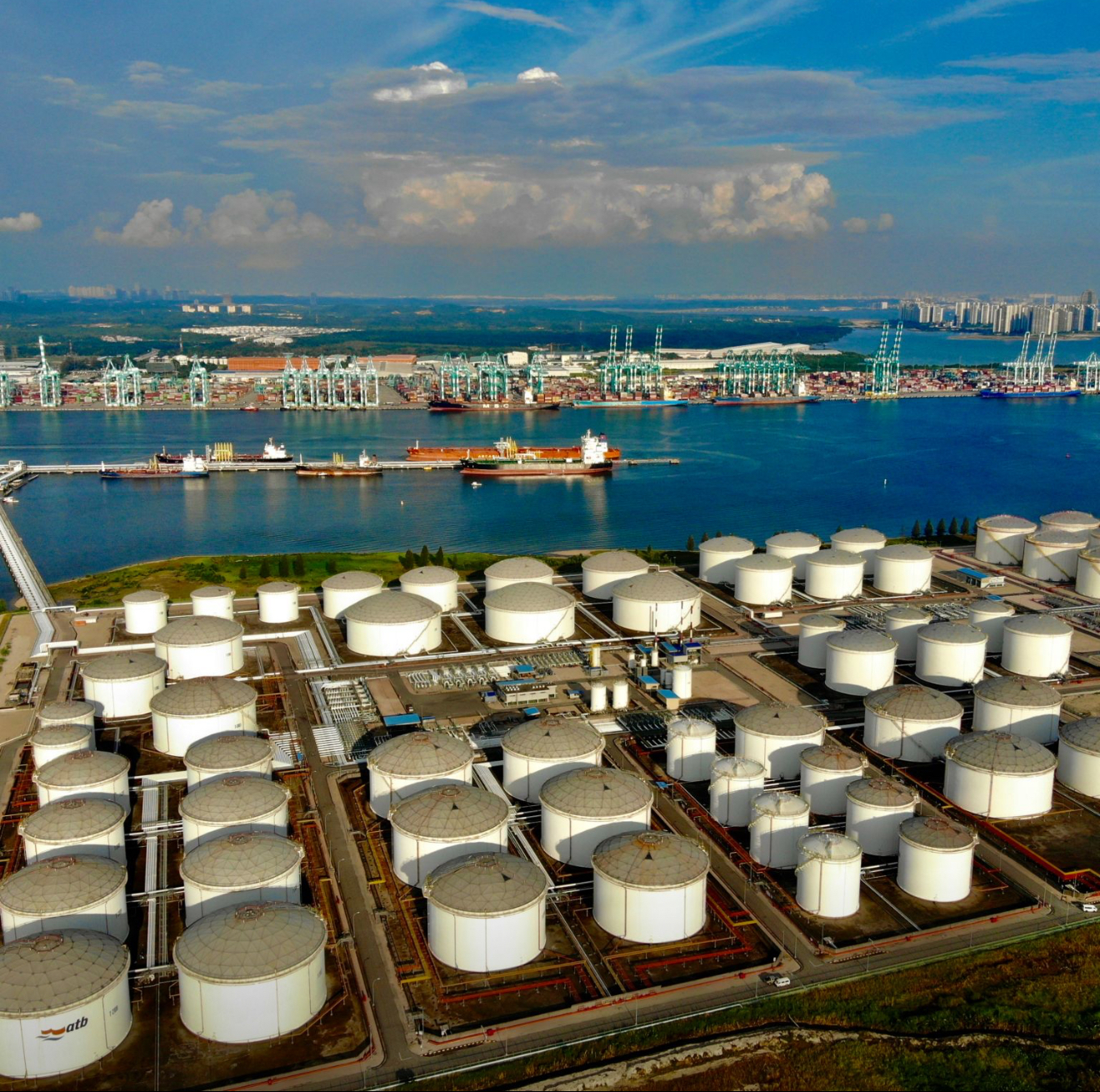
VTTI has announced the successful commissioning of its new bitumen facility at VTTI Malaysia (ATB), marking another milestone in the company’s continued growth and investment in Asia.

Janice Kuan, senior vice president commercial at VTTI, commented on the development: “This development reinforces VTTI’s commitment to delivering energy solutions that support our regional growth, diversification and reliability across Southeast Asia. We are ready to provide safe, reliable and responsive bitumen services to our customers – supporting the infrastructure that connects communities and drives economic growth.”

Following the successful commissioning and first bitumen import, VTTI Malaysia has taken another step forward in delivering trusted energy logistics solutions to meet the region’s growing infrastructure and industrial needs.

The expansion brings VTTI Malaysia’s total commercial storage capacity to 1.45 million cubic metres, broadening the company’s product portfolio to include gasoline, jet fuel, gasoil, fuel oil, crude oil, biofuels and now bitumen.

Bitumen, also known as asphalt, is a vital material for modern infrastructure, used in roads, airport runways and waterproofing applications. As urbanisation accelerates across the region, demand for secure and efficient bitumen supply and storage continues to grow.

Looking ahead, VTTI remains committed to advancing its bitumen operations to meet the evolving needs of communities and economies throughout Southeast Asia.

For more information visit www.vtti.com

Access and industrialisation as drivers for accelerating Africa’s sustainable energy transition

Africa’s Dual Imperative

The African continent stands at a pivotal juncture, defined by a dual imperative that will shape its economic trajectory for the decades ahead: achieving universal energy access (SDG7) by 2030, while simultaneously orchestrating a rapid, inclusive green industrial transformation. Success in this decade hinges on overcoming the glaring ‘Paradox of Abundance’ and the so-called “Resource curse”.  Africa possesses extraordinary endowments—an estimated 60% of the world’s best solar resources, a massive 300 GW of untapped hydropower potential (of which only 11% is exploited), and vast deposits of critical minerals essential for the global clean energy transition. Yet over 600 million people still lack access to electricity, and the continent currently attracts less than 2% of global clean energy investments. This stark mismatch, coupled with low manufacturing value added (MVA) to GDP and a negative manufacturing trade balance, confirms that the primary hurdles on Africa’s road to universal access and green industrialisation are not geological or technological, but systemic.
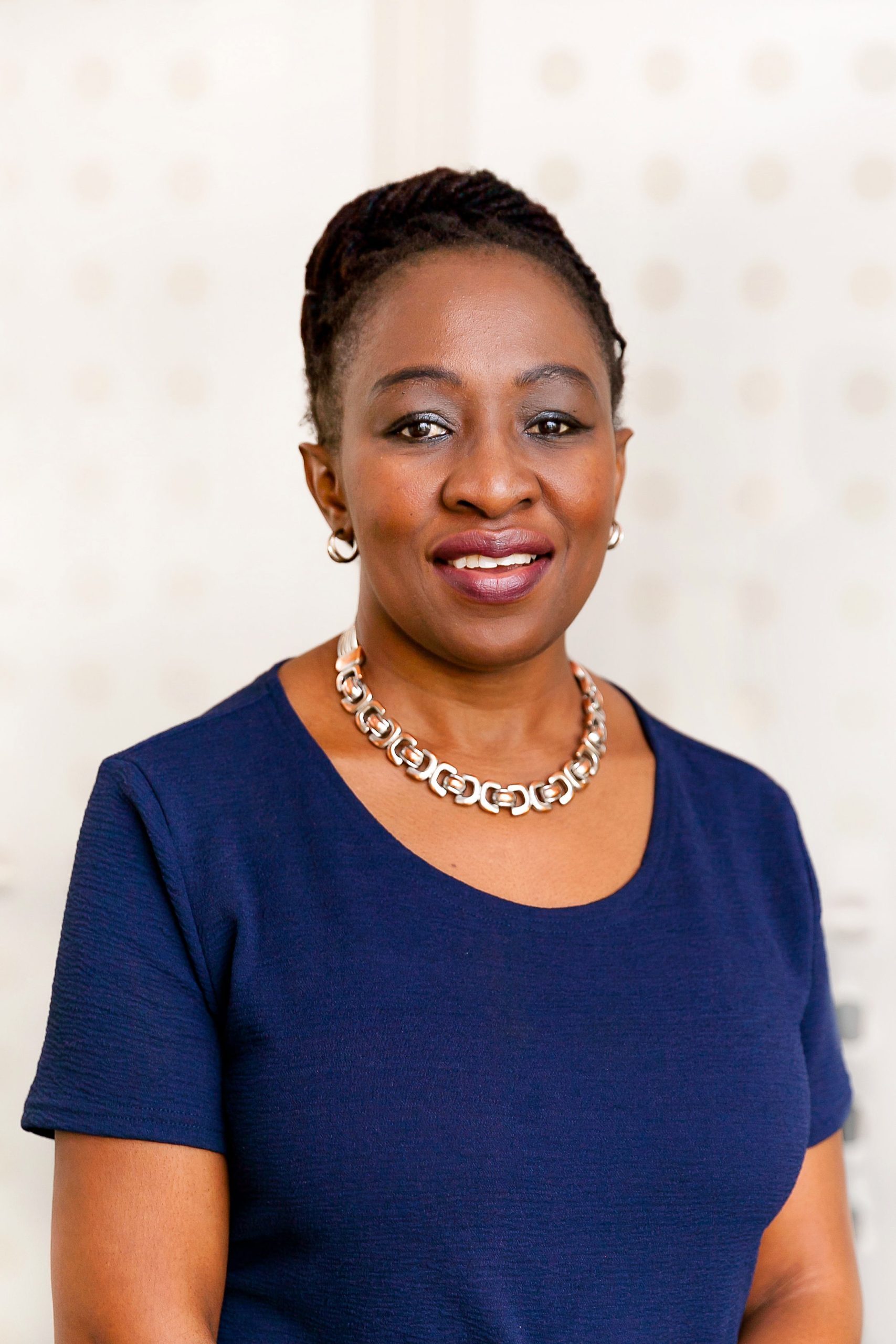
Author: Towela Nyirenda-Jere, head of AEEP Secretariat.

Africa’s long-term success lies in building the institutional structures necessary for a unified African energy market. This foundational vision rests on the African Single Electricity Market (AfSEM) and its technical blueprint, the Continental Power System Masterplan (CMP). Both are Flagship Projects of the AU Agenda 2063. This article outlines the pathways for Africa to seize this moment, making the case for a renewed green partnership of equals with Europe to unlock both energy access and industrial might.

Bridging the Access Gap with Decentralized Solutions

For Africa to come within reach of the ambitious SDG 7.1 universal access target by 2030, the rate of progress must accelerate significantly. This urgency necessitates a strategic shift towards rapid, scalable solutions that can effectively leapfrog conventional grid-based development models in underserved regions.

Decentralised Renewable Energy (DRE), encompassing robust mini-grids and stand-alone solar systems, is universally recognised as the fastest and most vital pathway to closing the access deficit. DRE technologies are game changers, particularly for connecting communities in rural and remote areas where conventional grid extension is either prohibitively expensive or technologically unviable in the short term. However, the mass deployment of DRE is often stalled by profound regulatory fragmentation and complexity

Under the umbrella of the African Single Electricity Market (AfSEM), African institutions are actively standardising regulatory best practices for mini-grids across the continent. This collaborative effort focuses on developing and validating guidelines—such as the African Model Mini-Grid Regulations Tool—designed to help national regulators standardise complex licensing procedures, define cost-reflective tariffs, and establish clear commercial rules for integration with the main grid. Improving and harmonising these national frameworks dramatically reduces regulatory risk, which is the essential first step to mobilising the private capital needed for mass DRE deployment and ensuring the millions currently unconnected gain access to reliable power.

Green Industrial Transformation

The second, non-negotiable pathway for Africa is leveraging its energy resources to achieve Green Industrial Transformation and secure a central, high-value role in the global clean energy economy. This rests on three complementary pillars.

First, Africa must use its vast, low-cost RE (solar, wind, and hydro) to catalyse industrial growth by creating competitive, energy-intensive manufacturing hubs. By strategically deploying utility-scale RE plants and developing dedicated, high-capacity transmission corridors, African nations can guarantee the reliable and affordable electricity necessary for large-scale industrial operations, such as textiles, automotive assembly, and chemical production. This approach transforms low-cost RE from an environmental asset into a direct economic advantage, enabling locally manufactured goods to compete with imports. This requires focused public and private investment in grid modernisation, digitalisation (smart grids), and energy storage solutions to ensure these hubs receive the 24/7 high-quality power needed to anchor sustained industrial output.

Second, the continent must pursue localising the clean energy supply chain by moving beyond raw material extraction. By leveraging low-cost renewable power to process its Critical Minerals (CRMs)—such as cobalt, lithium, and graphite—Africa can establish regional manufacturing hubs for components like battery precursors, solar panels, and wind turbine parts, meeting both burgeoning domestic and intra-African demand under the AfCFTA. This strategy, emphasised by the African Green Minerals Strategy (AGMS), drives economic diversification and secures greater retained wealth by turning mineral reserves into value-added, finished industrial goods.

Third, Green Hydrogen (GH₂) and Power-to-X (PtX) technologies offer massive opportunities, but only if anchored in African development needs. For Africa, the goal must not be merely to export green molecules but to use GH₂ as a vital input for green industrial processes at home, such as creating green iron and green steel from locally sourced minerals. This elevates exports from raw materials to high-value-added products, supporting industrialisation and establishing a new era of resource-based development.

The Africa-EU Partnership: Mobilizing Ambition towards a Green Partnership of Equals

The Africa-EU Energy Partnership (AEEP) and the EU’s Global Gateway strategy are essential vehicles designed to translate Africa and Europe’s shared energy ambitions into tangible action. The Global Gateway has pledged approximately €150 billion for sustainable infrastructure in Africa, with the Africa-EU Green Energy Initiative (AEGEI) targeting the deployment of at least 50 GW of new renewable electricity capacity and ensuring access for at least 100 million people by 2030.

The EU’s support is vital for both large-scale Variable Renewable Energy (VRE) and Decentralized Renewable Energy (DRE). For VRE, Global Gateway funds high-voltage transmission lines and cross-border interconnectors (like the Zambia-Tanzania Interconnector) essential for integrating large-scale solar and wind projects. For DRE, it directly targets rural electrification projects, including mini-grids and off-grid systems in countries like Cameroon and Madagascar, which are the fastest, most effective pathways to access.

However, for the partnership to succeed, it must move decisively beyond the traditional “donor-recipient” dynamic to a partnership of equals. This requires co-creation and shared (green) value chains, ensuring mutual agenda-setting and shared benefits. This means that in addition to providing opportunities for European private sector, European investments must prioritize local processing and manufacturing in Africa. At the same time, African institutions must play an active role in setting the joint strategic agenda, designing financing, and monitoring implementation.

In conclusion, the path to a prosperous, sustainable Africa runs directly through energy access and industrialisation. The foundations, built upon the AU’s Agenda 2063 and flagships such as AfSEM and CMP and reinforced by political platforms such as the AEEP and the financial muscle of initiatives like Global Gateway, are now firmly in place. However, the successful translation of political vision into scalable infrastructure hinges on resolving systemic structural weaknesses. By focusing on these Africa and Europe can leverage their unique position to bridge the gap between continental aspiration and on-the-ground reality, ensuring that the next decade delivers universal energy access and a just, green industrial future for both continents.

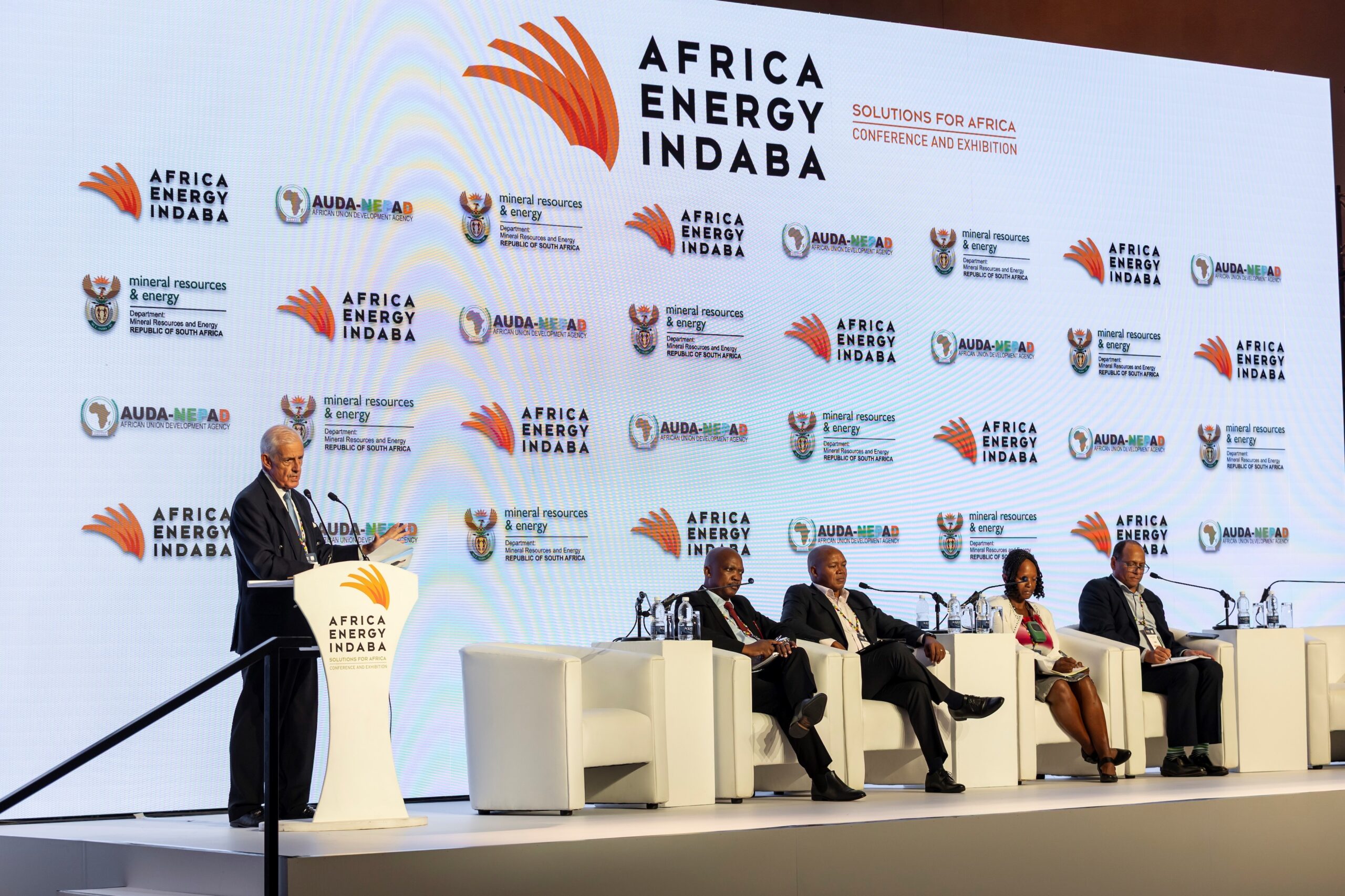
Dr. Towela Nyirenda-Jere will be among the distinguished speakers at the Africa Energy Indaba 2026 – Africa’s premier energy conference and exhibition – happening 3-5 March 2026 in Cape Town. Join policymakers, investors and innovators driving the continent’s sustainable energy transformation. 

For more information visit www.africaenergyindaba.com

Peninsula expands biofuel storage and blending capabilities at Chane Terminal, Rotterdam

Peninsula has announced the expansion of its strategic infrastructure at the Port of Rotterdam with the opening of a new storage and blending facility at Chane Terminal. The development marks an advancement in Peninsula’s commitment to delivering sustainable and flexible fuel solutions to customers across Europe.

Phase 1: Now Live

Peninsula’s Chane Terminal features nine new tanks dedicated to biofuel blending and storage, with a total capacity of 30,000 cubic metres. The facility is ISCC certified and Nea registered, ensuring full compliance and traceability for all operations. Enhanced infrastructure includes three jetties and seven berths for barges up to 135 metres, plus a jetty for seagoing vessels, supporting efficient logistics and inter-terminal transfers (ITT) with major oil companies.

Phase 2: Expansion

The second phase, scheduled for January 2026, will bring an additional eight tanks online, boosting total capacity to 110,000 cubic metres. This expansion strengthens Peninsula’s operational capabilities in the ARA region and reinforces its role as a key player in supporting Europe’s energy transition.

Peninsula’s new setup allows for the blending of any biofuel grade (HSFO/VLSFO), from B5 to B100, with full control over the blending process and product quality. The facility’s flexibility enables Peninsula to blend products to preferred ratios, enhancing both quality and customer choice.

The Chane Terminal will play a pivotal role in advancing Peninsula’s biofuel strategy, supporting decarbonisation efforts and delivering value to customers throughout Europe.

Thomas Van Hoeteghem, regional supply manager North-West Europe at Peninsula, commented: “We are delighted to expand our footprint in Rotterdam, Europe’s largest port. This new facility not only strengthens our operational capabilities but also demonstrates Peninsula’s ongoing commitment to sustainable marine energy solutions. By investing in advanced infrastructure and flexible blending options, we are empowering our customers to meet their decarbonisation goals with confidence.”

For more information visit www.peninsula360.com

HES International and NBSO Lyon host the Ambassador of the Netherlands in Marseille

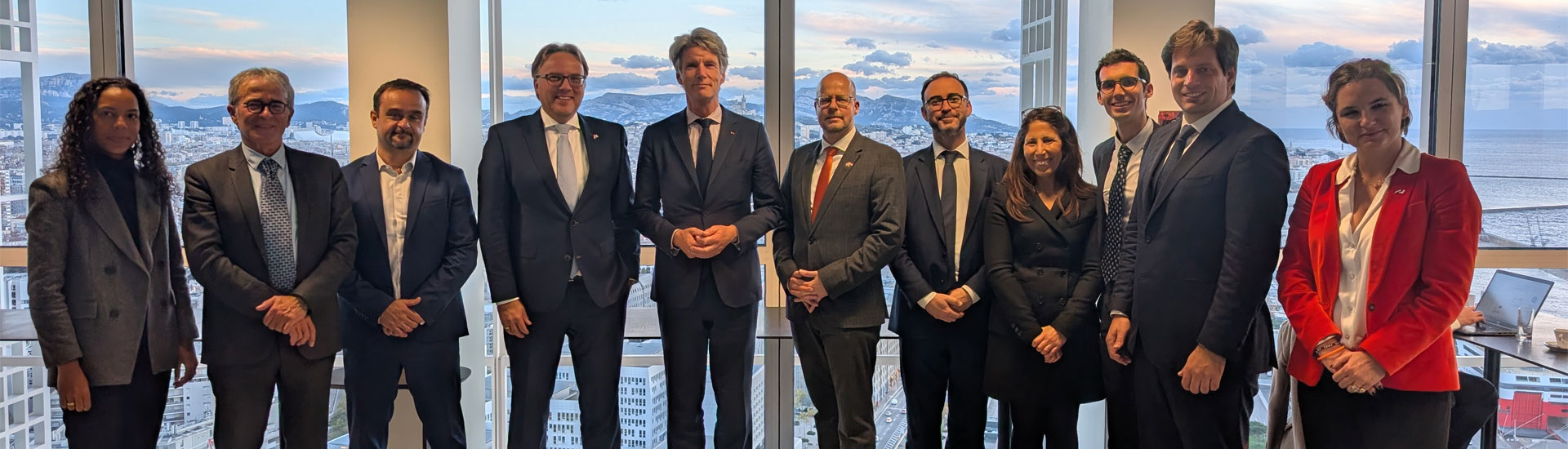
HES International, together with the Netherlands Business Support Office (NBSO) Lyon, hosted the Ambassador of the Kingdom of the Netherlands, Mr. Jan Versteeg, in Marseille for a strategic meeting focused on strengthening business ties between France and the Netherlands.

A key focus of the discussions was the further development of bilateral business relationships between the two countries, exemplified by HES International’s expansion in Fos-sur-Mer in July 2025. The expansion serves as a demonstration of how Dutch companies can successfully grow in the region through close collaboration with local partners.

Image: HES International

Jeroen van der Neut, Group COO of HES International, outlined the rationale behind the company’s decision to expand: “We see a positive economic outlook for the region across key European industrial segments such as steel and cement, which was a major driver behind our decision. Of course, this would not have been possible without the excellent partnerships we have built with the ecosystem of local, regional and national stakeholders.”

The meeting brought together representatives from several key organisations in the port ecosystem, including the GPMM (Grand Port Maritime de Marseille), the GMIF (Groupement Maritime et Industriel de Fos), the UMF (Union Maritime et Fluviale), as well as Dutch Honorary Consul Camille Trillat. These stakeholders play a central role in developing Fos-sur-Mer into a globally attractive logistics hub.

Ambassador Versteeg emphasised the importance of Franco-Dutch cooperation, stating: “Initiatives like this show how collaboration between our two countries can create real, sustainable economic value. Fos-sur-Mer is a strategic gateway, and partnerships of this kind strengthen our shared ambition for long-term growth.”

The meeting concluded with an agreement to continue strengthening this collaboration. The Embassy, NBSO Lyon, HES International and local partners reaffirmed their commitment to facilitating Franco-Dutch cooperation and working together to position Fos-sur-Mer as the Mediterranean logistics hub of choice for key, resilient industries.

For more information visit www.hesinternational.eu

PortXchange advances to final three in prestigious european DIGITAL SME Awards – green category

PortXchange, a digital solutions provider focused on accelerating the maritime industry’s transition to lower emissions and smarter port operations, has been named as one of three finalists in the European DIGITAL SME Award’s Green Category. The awards recognise small and medium-sized enterprises (SMEs) developing digital solutions that contribute to positive change.

The Green Category honours digital SMEs that have demonstrated how technology can drive positive environmental outcomes. This year’s finalists represent organisations advancing digital innovation and data-driven sustainability across multiple sectors. The nomination acknowledges technologies that create measurable climate impact and contribute directly to greenhouse gas emissions reduction, with PortXchange shortlisted alongside Builtrix and Vaayu.

Sjoerd de Jager, CEO of PortXchange

PortXchange earned its nomination for EmissionInsider, its flagship emissions-intelligence platform that provides ports with comprehensive visibility into emissions across sea-going vessels, barges, trucks and rail. By delivering a transparent overview of a port’s emissions footprint, the platform enables more informed decision-making and accelerates decarbonisation throughout the port ecosystem.

EmissionInsider combines AI-driven intelligence with hotspot and heatmap analysis to identify key emission sources and patterns. The platform provides detailed breakdowns by vessel, facility, modality and pollutant, and supports shore power planning through demand and avoided-emissions insights. It also includes “what-if” scenario modelling and voyage-emissions tracking, delivering standardised reporting that integrates seamlessly with third-party systems.

The Port of Rotterdam, the launch customer, uses EmissionInsider across multiple departments to standardise reporting, prioritise decarbonisation investments and coordinate environmental action across the wider port community.

As a certified B Corporation, PortXchange’s recognition in the Green Category reinforces its commitment to using business as a force for good. The company’s mission to reduce emissions and improve efficiency across global port ecosystems extends beyond technology delivery, reflecting a broader responsibility to support sustainable maritime operations, transparent reporting standards and collaborative climate action. The nomination underscores how PortXchange continues to uphold B Corp principles while scaling tools that help ports deliver measurable environmental progress.

PortXchange’s shortlisting follows a year of significant growth, marked by expanded collaborations across Northern and Southern Europe and the launch of new decarbonisation projects in the Americas. The company works closely with ports that treat emissions reduction as a strategic imperative and a catalyst for long-term operational resilience.

Sjoerd de Jager, CEO of PortXchange, commented on the nomination: “To be recognised as one of three finalists confirms the importance of the work we’re doing. EmissionInsider proves that ports don’t have to wait for 2030 or 2050 to take meaningful action; they can, and should, reduce emissions now. Transparent, data-driven insight is the foundation of credible decarbonisation. This nomination reflects the dedication of our team and the ports choosing to lead rather than wait.”

As regulatory, financial and community expectations rise, ports face growing pressure to understand and reduce the full scope of their emissions. EmissionInsider enables ports to move beyond static reporting and embrace data-driven climate management, a crucial step toward building lower-emission ports of the future.

The European DIGITAL SME Awards Green Category recognises digital solutions that contribute to measurable emissions reductions and support the shift toward more sustainable operations across various industries. The awards ceremony will take place in December, where PortXchange CEO Sjoerd de Jager will attend on behalf of the company.

PortXchange’s selection as a finalist highlights how its technology is helping accelerate the transition within the port sector, enabling cleaner, more efficient and more sustainable port ecosystems.

For more information visit www.port-xchange.com

Timor-Leste and Woodside sign agreement to advance Greater Sunrise LNG development

The Ministry of Petroleum and Mineral Resources of Timor-Leste (MPRM) and Woodside Energy Ltd have announced the signing of a Cooperation Agreement to advance studies for a Timor-based liquefied natural gas (LNG) development. The agreement represents a significant step forward in efforts to develop the Greater Sunrise gas fields and signals renewed collaboration between the parties.

Under the terms of the agreement, MPRM and Woodside will undertake commercial and technical work to mature a greenfield Timor-based LNG facility with an approximate capacity of 5 million tonnes per annum. The proposed project would include a domestic gas facility and a helium extraction plant. These maturation activities will proceed alongside ongoing negotiations between the Sunrise Joint Venture and the Timor-Leste and Australian governments regarding fiscal, regulatory and legal frameworks for the upstream development of Greater Sunrise.

The agreement outlines a high-level plan identifying key activities needed to advance the opportunity. According to the framework, first LNG production could potentially commence between 2032 and 2035, contingent on concept selection and final investment decisions.

Timor-Leste’s Minister of Petroleum and Mineral Resources, His Excellency Francisco da Costa Monteiro, said the agreement demonstrates alignment between the Government of Timor-Leste and Woodside in their shared goal of bringing Greater Sunrise into production in a manner that benefits all stakeholders.

“The TLNG project presents the best economic, social, and strategic benefits for the people of Timor-Leste, and we are committed to working constructively with Woodside, the Greater Sunrise joint venture and other parties to take the project forward and to make our vision for Greater Sunrise a reality,” the minister stated.

Woodside CEO Meg O’Neill welcomed the agreement as the next step in the relationship and the shared commitment to developing the Greater Sunrise fields. She explained that the work builds on last year’s concept study and will address remaining considerations necessary for concept selection, including establishing an appropriate downstream commercial structure to attract financing and determining the preferred route for the gas export pipeline.

For more information visit www.woodside.com

Omega acquires 19.43% equity interest in Elixir Energy expanding their position in the Taroom Trough

Omega Oil and Gas Ltd has executed a binding agreement to acquire a 19.43 percent equity interest in Elixir Energy Limited through a strategic investment totalling up to $14.6 million, significantly expanding its presence in Queensland’s Taroom Trough.

The acquisition comprises two placement tranches at an issue price of $0.041 per share. The unconditional Tranche 1 Placement amounts to $13.9 million and will be settled on December 2, 2025, utilising Elixir’s existing placement capacity without requiring shareholder approval.

A conditional Tranche 2 Placement will see Omega invest an additional $0.68 million, alongside Nero Resource Fund’s $2 million investment, to maintain Omega’s 19.43 percent interest. This tranche is subject to Elixir shareholder approval at an extraordinary general meeting expected in January 2026.

The investment grants Omega significant governance and participation rights, including the ability to nominate up to two directors to Elixir’s board, provided Omega maintains at least 15 percent voting power. Additional rights include representation on a technical committee, equity participation rights in future capital raisings (subject to maintaining 10 percent shareholding), and secondee rights to support Elixir’s operational execution.

Omega’s investment will fund horizontal drilling activities at the Lorelle-3 well on ATP 2056, scheduled to commence in January 2026. The horizontal section has the potential to deliver significant value uplift, with horizontal wells having demonstrated effectiveness in unlocking the potential of unconventional oil and gas-bearing sands in the Taroom Trough. Omega brings highly relevant operating experience from its own wells to support this activity.

Under the placement terms, Omega can request Elixir to execute the Lorelle-3 horizontal section by February 1, 2026, with funds specifically earmarked for horizontal well activities, fracture stimulation, flow testing, and permit work commitments.

The transaction provides Omega with cost-effective exposure to the western flank of the Taroom Trough, complementing its 100 percent ownership of the Canyon Project on the eastern flank. Omega now holds exposure to multiple play types across both flanks of the basin, all scheduled for drilling activities during 2026.

Trevor Brown, Omega’s chief executive officer and managing director, emphasised the strategic value: “This investment is a further step toward achieving our goal to be the partner of choice in the Taroom Trough, a highly prospective basin we understand well. Omega is very favourably positioned with exposure to multiple opportunities across the Taroom Trough, Australia’s most prospective onshore gas and liquids province. Our interest in Elixir provides a low-cost entry into complementary acreage. With the Lorelle-3 well planned for early 2026, Omega shareholders gain exposure to a significant near-term exploration catalyst.”

Following the transaction, Omega remains well capitalised with access to over $55 million in available funds to support its 2026/27 Canyon Project appraisal and growth programme. The company is in exclusive negotiations with H&P for three firm wells and four optional wells scheduled to commence in May 2026.

Omega’s core focus remains the 100 percent owned Canyon Project on the eastern flank of the Taroom Trough. The extensive 2026/27 appraisal programme targets the unconventional Permian play comprising five reservoir layers—one tested and four untested—with planning well underway for vertical wells and multiple potential horizontal sections.

The transaction positions Omega to capitalise on increasing drilling activity across the Taroom Trough, with the next 12 to 18 months expected to be pivotal for demonstrating the basin’s significant resource potential.

For more information visit www.omegaoilandgas.com.au 

Wood Mackenzie sheds light on the UK’s critical role in Europe’s integrated oil system

In a recent analysis authored by Malcolm Forbes-Cable, vice president of Upstream and Carbon Management Consulting, and Will Taylor, principal consultant for EMEA Downstream Consulting at Wood Mackenzie, the central role of the United Kingdom in Europe’s oil supply chain is brought sharply into focus. Their independent study—commissioned by Ithaca Energy and endorsed by Offshore Energies UK (OEUK)—reveals the true extent of the interconnected energy system that binds the UK and continental Europe.

Forbes-Cable and Taylor highlight that Europe’s energy security rests on a foundation more complex and integrated than many fully appreciate. The continent relies on imports for 80 percent of its crude oil needs, consuming approximately 12.6 million barrels per day (b/d) while producing only around 2.5 million b/d domestically. Within this landscape, the United Kingdom emerges not as a peripheral participant but as a critical stabilising force.

According to the authors, the UK is Europe’s second-largest oil producer after Norway, and its crude oil flows are essential to maintaining refining activity across the region. More than 80 percent of UK crude production is exported, with 86 percent of those exports bound for European refineries. This includes a significant pipeline of 370,000 b/d moving to Northwest Europe—volumes that represent nearly three-quarters of all UK crude exports.

The analysis underscores the mutual dependence that defines the UK-Europe oil relationship. After processing UK crude, Northwest European refineries send 288,000 b/d of refined oil products back to the UK. In total, 89 percent of UK crude production is refined somewhere in Europe. Remarkably, Forbes-Cable and Taylor note that 65 percent of the crude produced in the UK ultimately serves the UK market, either through domestic refining or by returning as imported refined products from Europe.

This ecosystem, the authors argue, demonstrates a crucial reality: the UK and Europe function as a single, deeply integrated energy system. UK crude production supports the stability of European refining, helps diversify regional supply sources, and reduces reliance on imports from outside Europe. In return, European refining capacity provides the UK with access to a broad slate of refined products, enhancing supply flexibility and strengthening national energy security.

As Forbes-Cable and Taylor emphasise, this interdependence must not be overlooked as Europe navigates the energy transition. Policy decisions made in the UK directly influence European refining markets, while changes in European refining policy reverberate back across the UK’s supply chain. In their view, the role of UK crude production is not merely important—it is critical to the resilience and stability of Europe’s broader energy system.

Their report ultimately illustrates a fundamental truth: the UK and Europe are not separate actors competing within an isolated marketplace. They are partners in an integrated network whose cooperation underpins regional energy security today and will continue to do so as both sides navigate the complexities of future energy policy.

For more information visit www.woodmac.com

OCI Global announces sale of OCI Ammonia Holding to AGROFERT

OCI Global, a leading global producer and distributor of nitrogen products, has announced an agreement to sell 100 percent of its equity interests in OCI Ammonia Holding B.V. to AGROFERT, a.s., a notable European nitrogen products manufacturer, for a total consideration of EUR 290 million.

OCI Ammonia Holding owns two key operational entities: OCI Terminal Europoort B.V., OCI’s ammonia import and storage terminal in Rotterdam, and OCI Ammonia Distribution B.V. OCI’s ammonia distribution platform serving third-party off-site European customers.

The transaction is expected to close during the first half of 2026, subject to satisfaction of certain regulatory approvals, other customary closing procedures, and OCI N.V. shareholder approval at an extraordinary general meeting to be convened.

Despite the sale, OCI Nitrogen OCI’s production facility in Geleen will maintain access to OTE through a throughput agreement, ensuring continued ammonia sourcing flexibility for the production site.

OCI continues to evaluate strategic options for its production facility in Geleen and has indicated it will provide market updates on this matter in due course.

The divestment allows OCI Global to streamline its portfolio while AGROFERT expands its presence in European nitrogen product distribution and storage infrastructure.

For more information visit www.oci-global.com

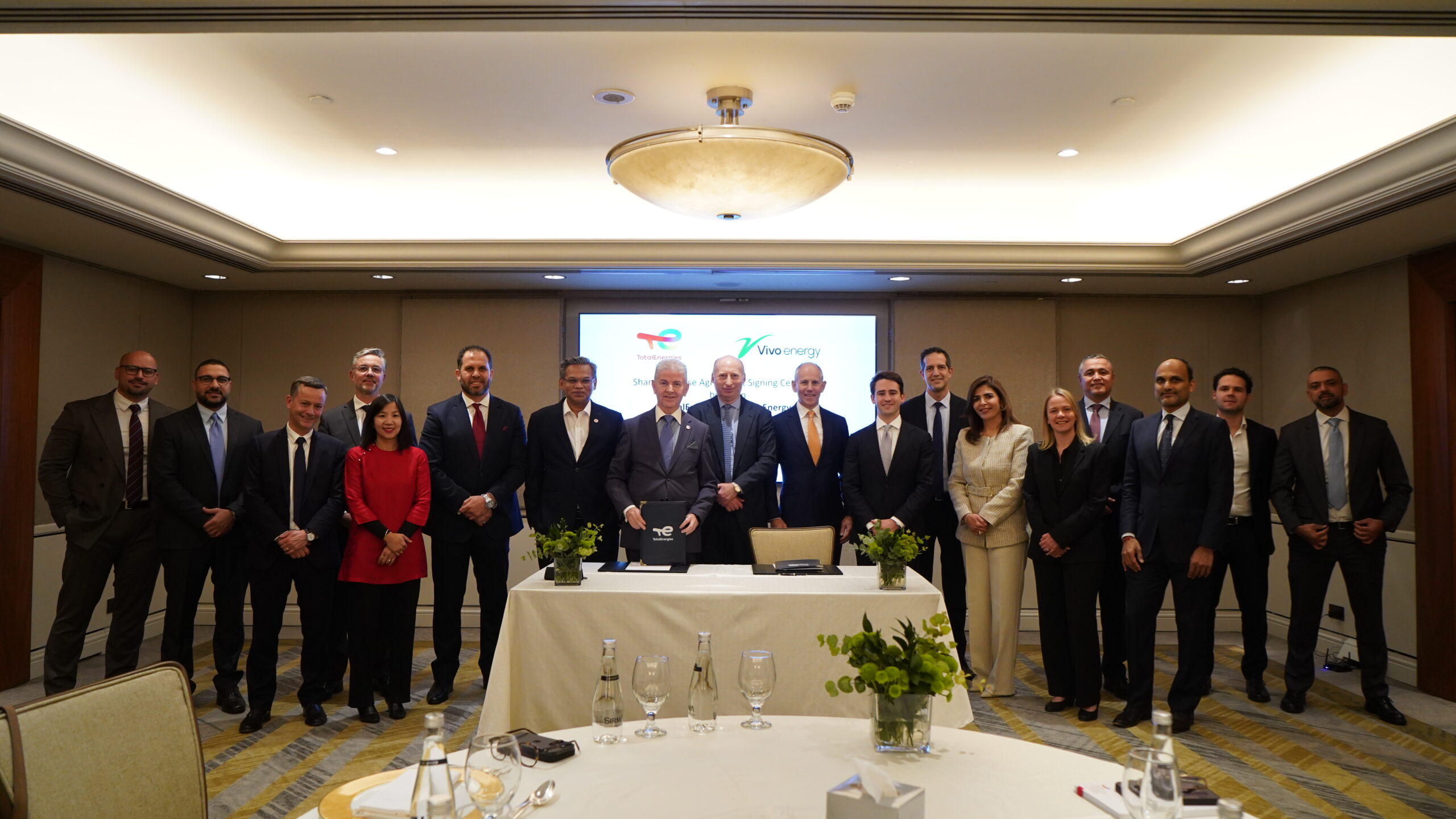
Vivo Energy signs agreement to purchase TotalEnergies Marketing Jordan

Vivo Energy has announced the signing of a Share Purchase Agreement (SPA) to acquire 100 percent of the shares in TotalEnergies Marketing Jordan, marking the company’s entry into a new strategic market.

Upon completion of the transaction, Vivo Energy—which currently operates approximately 4,000 service stations across 28 markets—will assume control of TotalEnergies Marketing Jordan’s operations. The acquisition includes a network of around 180 service stations in Jordan, along with the company’s commercial fuels and lubricants businesses.

For Vivo Energy, the acquisition reinforces its regional presence and supports its established track record of expanding into high-potential markets.

Stan Mittelman, CEO of Vivo Energy, described the significance of the transaction: “This agreement marks an exciting new step for Vivo Energy as we expand beyond our current 28 markets into Jordan – a market with strong and stable fundamentals and a talented workforce. We share a common focus on safety, operational excellence, and customer service, and we look forward to supporting continued growth in the market.”

Vivo Energy’s operational model centres on empowered local management teams that effectively serve customers and stakeholders—an approach the company intends to implement in Jordan.

Mittelman outlined the company’s vision for the Jordanian operations: “This acquisition aligns perfectly with our strategy to build a stronger, more diversified downstream energy company. Upon completion, we intend to introduce our Engen retail brand, and bring additional technical expertise and innovation to Jordan, while respecting and learning from the deep local knowledge and experience of the existing team.”

Completion of the transaction remains subject to regulatory approvals and fulfilment of conditions precedent. Until the transaction closes, TotalEnergies will continue operating the business and will collaborate closely with Vivo Energy to ensure a seamless transition for employees, dealers, partners, and customers.

The acquisition represents Vivo Energy’s commitment to building a more diversified downstream energy portfolio while leveraging local expertise and maintaining operational excellence across its expanded network.

For more information visit www.vivoenergy.com

Financing & de-risking African Energy: G20 outcomes underscore the urgency of unlocking capital for Africa’s energy transition

The outcomes of the recent G20 Leaders’ Summit have placed a spotlight on one of the most pressing challenges facing emerging markets: the high cost of capital and the urgent need to de-risk energy investment. For Africa — a continent with the world’s fastest-growing population and rising electricity demand — the G20 declaration presents new momentum for change.

In its final communiqué, the G20 called for affordable, accessible financing, greater use of blended finance, and the expansion of risk-mitigation tools such as guarantees, insurance products, and credit-enhancement facilities. These interventions are essential to enable the scale of energy investment required globally and across Africa. According to international estimates, Africa needs to more than triple its annual energy investment by 2030 to meet development goals, electrify underserved communities, and integrate growing renewable energy capacity.

Yet Africa continues to face systemic barriers that constrain the flow of capital: elevated sovereign risk ratings, high borrowing costs, currency volatility, limited access to long-term debt, and early-stage project risks that prevent even strong IPP proposals from reaching financial close. The G20’s reaffirmed commitment to reduce the cost of capital for developing economies is therefore directly aligned with Africa’s energy investment priorities.

At this critical juncture, the Africa Energy Indaba serves as the pre-eminent marketplace where these global financing commitments can be translated into actionable investment opportunities. The Indaba brings together development finance institutions (DFIs), multilateral banks, private equity investors, sovereign wealth funds, project developers, utilities, regulators, and government leaders to shape pathways for investment acceleration.

A key focus of the 2026 Indaba will be Financing & De-Risking African Energy, with discussions designed to unpack:

  • Practical applications of blended finance solutions to reduce upfront project risk
  • New guarantee mechanisms for sovereign and off-taker risk
  • Emerging models for local currency financing and tools to manage FX exposure
  • The expanding role of political risk insurance in cross-border energy trade
  • DFI-supported project preparation facilities that lift early-stage projects to bankability
  • Structuring creditworthy PPAs and regional power trading frameworks

By convening global and African financiers under one roof, the Africa Energy Indaba enables participants to convert high-level G20 commitments into bankable transactions, accelerating the pipeline of energy projects across renewables, transmission, storage, distributed power, gas-to-power, and industrial energy systems.

African governments and private sector developers stand to benefit significantly from these global financing shifts — but only if partnerships, advisory capacity, and risk-sharing instruments are deployed effectively. The Indaba’s ecosystem of financiers and technical partners provides a direct channel for this alignment.

As the G20 calls for smarter, lower-cost financing to unlock global energy transitions, the Africa Energy Indaba is where Africa turns these commitments into real, bankable projects.

The 2026 Africa Energy Indaba invites stakeholders across the energy value chain to participate in shaping the continent’s investment future. With energy demand rising, infrastructure gaps widening, and global financing mechanisms evolving rapidly, the time for coordinated action is now.

About Africa Energy Indaba:
The Africa Energy Indaba is the continent’s premier platform connecting governments, developers, and investors to unlock Africa’s energy opportunities. Taking place from 3 – 5 March 2026 in Cape Town, the event addresses the most pressing issues in Africa’s energy sector while highlighting pathways for sustainable growth and innovation.

For more information visit www.africaenergyindaba.com

POSCO INTERNATIONAL acquired major Indonesian Palm Company and completed refinery

POSCO INTERNATIONAL has established a comprehensive palm oil value chain spanning from seed development to biofuel feedstock production through two simultaneous strategic initiatives in Indonesia. Last week, the company secured management control of Sampoerna Agro, one of Indonesia’s leading palm companies, while inaugurating a major new palm oil refinery on the same day.

Strategic Acquisition Expands Global Footprint

On November 19, POSCO INTERNATIONAL acquired shares in the Indonesian-listed company Sampoerna Agro, becoming its largest shareholder and securing management control. The acquisition, designed to expand the company’s global palm business value chain, represents a total investment of approximately KRW 1.3 trillion based on the exchange rate at the time of disclosure.

The acquisition adds 128,000 hectares of plantations—an area more than double the size of Seoul—to POSCO INTERNATIONAL’s portfolio. Combined with existing plantations in Papua, Indonesia, the company now controls a total global farming base of 150,000 hectares.

As a prominent Indonesian-listed company, Sampoerna Agro operates palm plantations across Sumatra and Kalimantan islands. The company owns a palm seed subsidiary and research institute that hold the second-largest domestic market share in Indonesia.

A key advantage of the newly acquired plantations is their immediate profitability potential, as the palm trees have already reached maturity. The palm plantation business operates as a long-term, high-return industry, with harvesting becoming viable three to four years after planting and production continuing for over 20 years.

POSCO INTERNATIONAL’s existing palm operations began with plantation development in Papua in 2011, entered commercial production in 2016, and currently operate three milling plants producing 210,000 tons of palm oil annually. The mature plantations have contributed significantly to group profitability, recording an average operating profit margin of 36% through last year.

New Refinery Enhances Processing Capacity

On the same day, POSCO INTERNATIONAL held the completion ceremony for PT. ARC (PT. AGPA Refinery Complex), a palm oil refining joint venture established with GS Caltex in Balikpapan, East Kalimantan, Indonesia.

PT. ARC operates under a partnership structure with POSCO INTERNATIONAL holding 60 percent ownership and GS Caltex holding 40 percent, representing a total investment of USD 210 million. The newly completed refinery boasts an annual refining capacity of 500,000 tonnes, equivalent to approximately 80 percent of South Korea’s annual imports of refined palm oil.

The ceremony drew approximately 100 key figures, including POSCO INTERNATIONAL CEO Lee Kye-In, GS Caltex CEO Heo Se-Hong, Indonesian Deputy Minister of Energy and Mineral Resources Yuliot Tanjung, Mayor of Balikpapan Rahmad Mas’ud, and Korean Ambassador to Indonesia Park Soo-Deok. The refinery, which broke ground in May of the previous year, will undergo trial operations before commencing full production later this year.

Integrated Operations and Market Strategy

POSCO INTERNATIONAL will supply crude palm oil produced from its plantations to PT. ARC, with the refined oil being sold in the Indonesian domestic market and exported to South Korea, China, and other countries. GS Caltex plans to apply its accumulated expertise to enhance operational efficiency at the refining facilities and supply refined palm oil for biodiesel to the Korean market.

The integrated operations are expected to strengthen the POSCO Group’s competitive position in the global palm oil market while reducing South Korea’s dependence on imported edible oils and establishing a stable production and supply base to enhance national food security.

Strategic Growth Under New Leadership

Since chairman Jang In-Hwa assumed office, the POSCO Group has actively pursued future growth businesses for stable profit generation. The expansion of the Indonesian palm oil business represents part of the group’s broader infrastructure initiatives, leveraging POSCO INTERNATIONAL’s extensive experience in overseas agribusiness operations.

To bolster future competitiveness, the POSCO Group restructured its business portfolio last year into a “Two Core (steel + secondary battery materials) + New Engine (new growth businesses)” framework. The group is executing strategic investments to secure positions in high-growth, high-return markets including India and North America. In India, the group is pursuing the establishment of a local steel mill in partnership with the JSW Group. In September, the company signed an MOU with Cleveland-Cliffs for cooperation in the steel business to proactively address trade barriers and accelerate its entry into the North American market.

For more information visit www.posco.com

MB Energy partners with Greenlyte on e-methanol offtake as Duisburg SNG plant opens

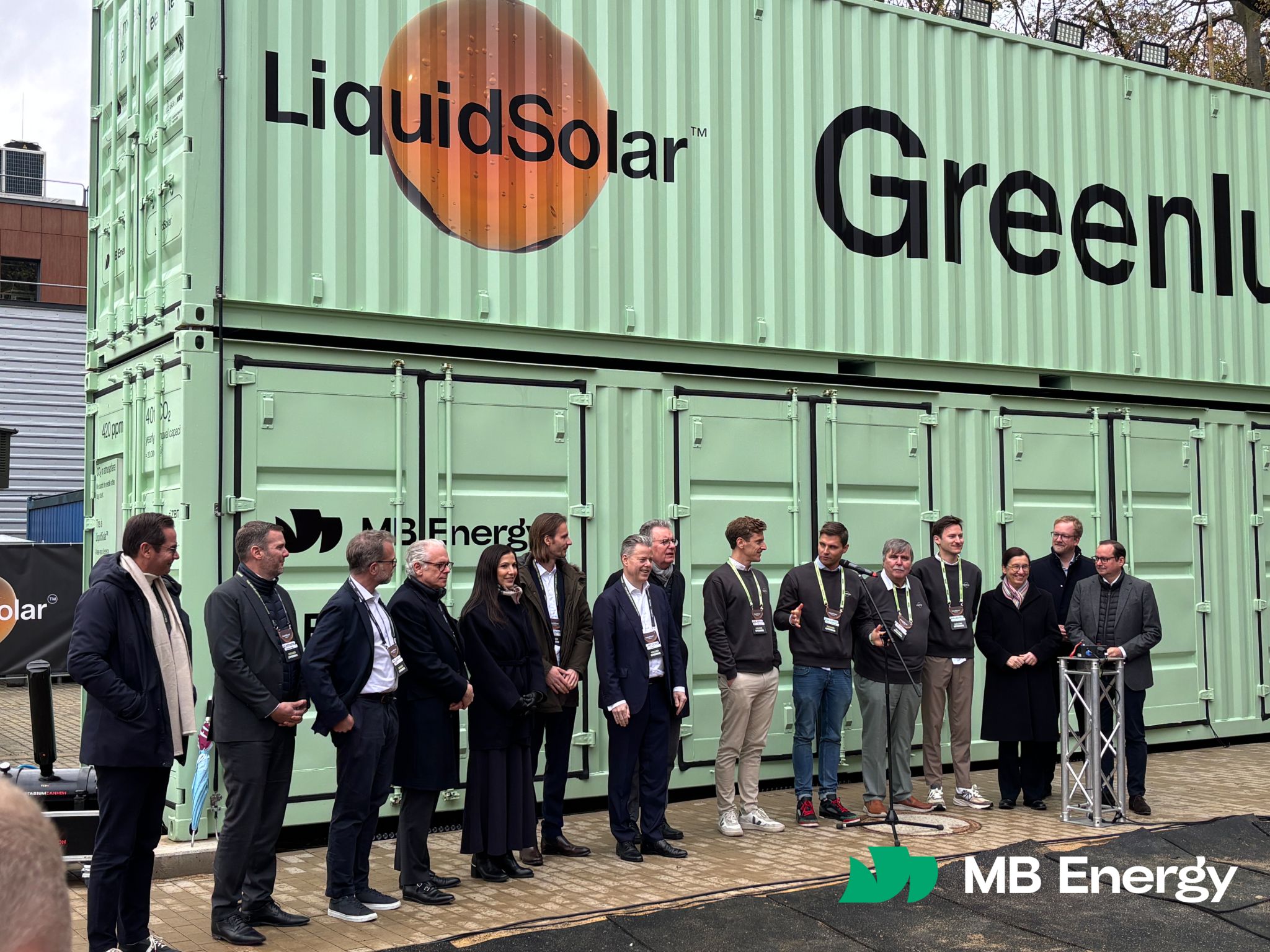
Last week, MB Energy participated in the official opening of Greenlyte’s LiquidSolar SNG (synthetic natural gas) plant in Duisburg, a key achievement for Power-to-X (PtX) and synthetic fuels in Germany’s Ruhr area. The event coincided with the announcement of a strategic partnership between the two companies focused on e-methanol production and offtake.

Strategic Partnership for E-Methanol

MB Energy has signed a strategic agreement with Greenlyte Carbon Technologies covering the potential offtake of e-methanol from the LiquidSolar facility in Marl, alongside advanced offtake intentions for future projects. The Marl plant boasts a fuel capacity of up to 1,000 tonnes of e-methanol per year.

The partnership reflects MB Energy’s commitment to scaling e-fuels across Europe and deploying LiquidSolar technology at industrial and mobility hubs throughout the region.

Innovative Air-to-Fuel Technology

The Duisburg project represents a breakthrough in synthetic fuel production, converting air into synthetic natural gas by coupling Direct Air Capture (DAC) with catalytic methane synthesis. The process combines green hydrogen with CO2 captured directly from the atmosphere to produce SNG, enabling long-term storage and transport of renewable energy. The facility has a planned capacity of 40 tonnes of CO2 and up to 5 tonnes of SNG per year.

Industry Dialogue on Scalable PtX

Philipp Kroepels, director of New Energy at MB Energy, participated in a commercial panel discussion focused on building robust business cases for scalable Power-to-X solutions. The discussion examined demand from key sectors, including aviation, shipping, and chemicals, while exploring the roles of policymakers, investors, airlines, airports, and infrastructure providers. The panel also addressed the economic value that PtX technology can unlock for Europe’s broader economy.

High-Level Support and Recognition

The opening ceremony featured keynote addresses from prominent political figures, including Hendrik Wüst, Minister President of North Rhine-Westphalia, and Thomas Kufen, Mayor of Essen. Dr. Martin Schmickler, COO of Greenlyte, led the official ribbon-cutting ceremony.

The launch of the Duisburg facility and MB Energy’s partnership with Greenlyte represent important steps toward establishing a viable e-fuels ecosystem in Europe’s industrial heartland.

For more information visit www.mbenergy.com

UM Terminals holds first ever safety day

UM Terminals recently convened its first-ever Safety Day, bringing together all members of its UK-wide Safety Committee for a comprehensive programme focused on safety culture and operational excellence.

Organised by Group EHS manager Rebecca Broughton-Lee, the event united 16 colleagues from UM Terminals’ sites in Liverpool, Hull, and Portbury at the Malmaison Liverpool venue.

Leadership Commitment and Industry Insights

The day commenced with opening remarks on safety culture from UM Terminals’ managing director Vic Brodrick, setting the tone for the strategic discussions to follow.

A highlight of the morning session featured guest speaker Peter Davidson, chief executive of the Tank Storage Association. Davidson delivered a presentation examining the Buncefield fire, a catastrophic explosion that devastated the Hertfordshire Oil Storage Terminal near the M1 motorway nearly 20 years ago. His presentation explored the subsequent investigation, ongoing lessons learned from the incident, and the TSA’s current work, including the training support and materials available to member organisations like UM Terminals.

Strategic Planning and System Implementation

The afternoon sessions, led by Broughton-Lee, focused on practical applications and future planning. The first session introduced Work Wallet, a cloud-based reporting system being implemented across the organisation. The platform will consolidate various information streams, including site checks, audits, risk assessments, and incident reporting, into a single accessible location. Colleagues participated in brainstorming exercises to identify additional potential applications for the system.

The subsequent session addressed safety culture in depth, examining what it means to team members and developing foundational building blocks for best practices, associated values, and effective strategies for embedding safety culture throughout the organisation.

The day concluded with collaborative discussions on next steps and the development of a six-month action plan, with the successful and effective rollout of Work Wallet identified as a key priority.

Building Strategic Focus Through Collaboration

Broughton-Lee expressed satisfaction with the inaugural event’s outcomes: “I was delighted with how the day went, our first dedicated Safety Day involving all members of the Safety Committee. We meet on a quarterly basis, normally on a site-by-site basis, but bringing all the committee together on the same day was something I’d been championing for a while.”

She emphasised the strategic value of in-person collaboration: “Getting everyone together in-person for the day meant that we could bring a real strategic focus to safety culture, devising innovative and proactive ways in which we can continue to enhance and embed our approach across the business.”

The successful inaugural Safety Day establishes a foundation for continued strategic collaboration on safety initiatives across UM Terminals’ UK operations.

For more information visit www.umterminals.co.uk

Viridien reinstates a dissociated governance

Viridien’s board of directors has announced the separation of the chair and chief executive officer functions, fulfilling an earlier commitment to limit the combined leadership structure to a temporary period. Sophie Zurquiyah will remain as Chair of the Board while stepping down from her executive responsibilities at the conclusion of her directorship term during the 2026 General Meeting.

Strategic Continuity and New Leadership

The board of directors unanimously endorsed Zurquiyah’s continuation as Chair to maintain strategic continuity and guide Viridien’s long-term vision. Since assuming leadership in 2018, she has successfully repositioned Viridien as an asset-light, technology-driven company with enhanced financial stability and a more diversified portfolio.

Following a comprehensive selection process coordinated by Colette Lewiner, chair of the appointment, remuneration and governance committee, and Philippe Salle, lead director, the board unanimously approved the appointment of Henning Berg as group CEO, effective June 3, 2026. Berg will join Viridien on March 3, 2026, as Chief Operating Officer, facilitating a structured and gradual transition into the CEO role. His appointment as director will be presented to shareholders for approval at the 2026 General Meeting.

Transition to Non-Executive Chair

Zurquiyah will transition to a non-executive chair position, with her directorship subject to approval at the upcoming General Meeting to enable a smooth handover to Berg. In accordance with best governance practices, Philippe Salle will continue serving as Lead Director.

Leadership Perspectives on the Transition

Lewiner emphasised the Board’s confidence in the leadership change: “On behalf of the board of directors, we extend our sincere appreciation to Sophie for her tremendous leadership, under which Viridien has achieved a profound and resilient transformation and is now well positioned for the future. We are confident that Henning’s experience and operational strengths will allow him to leverage the Group’s solid foundations and effectively support Viridien’s growth.”

Zurquiyah reflected on her tenure and the transition ahead: “I am proud of the Group’s accomplishments over the past eight years, which reflects not only strong leadership but also the exceptional commitment and talent of our teams worldwide. I am delighted to hand over the Group CEO role to Henning, whose knowledge and experience will support Viridien’s continued success. I look forward to supporting him during this transition and continuing my journey at Viridien as Chair.”

Berg expressed his enthusiasm for the new role: “It is an honour to join Viridien at this exciting stage. I thank the board of directors and Sophie for their trust, and I look forward to working closely with the teams to drive sustainable growth for the Group.”

Extensive Industry Experience

Berg brings more than 27 years of comprehensive experience in the oil and gas services industry, having held senior global leadership positions throughout his career. His background combines deep operational expertise with substantial exposure to technology, business development, and international management, positioning him to lead Viridien’s next phase of growth.

For more information visit www.viridiengroup.com

GF and VAG Group join to create more value for customers and partners

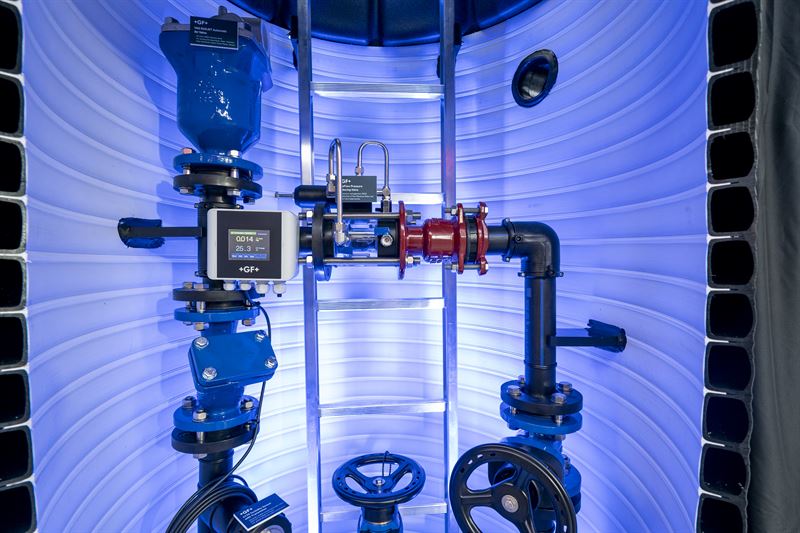
GF has finalised its acquisition of VAG-Group, a Mannheim, Germany-based global manufacturer of metal valves for water and infrastructure applications. The acquisition positions GF to deliver more comprehensive, integrated Flow Solutions to its existing and future customers across industry and infrastructure sectors.

Creating a Comprehensive Single-Source Solution

The integration of VAG’s valve technologies enables GF to offer a more complete portfolio to infrastructure, water utilities, industrial, and building technology customers. By consolidating capabilities under one roof, GF now provides clients with a single-source partner backed by robust engineering, manufacturing, and service infrastructure.

Enhanced Customer Value Through Integration

The acquisition delivers several strategic advantages to GF’s customer base:

End-to-End Flow Solutions: GF can now provide a complete range of solutions encompassing pipes, fittings, valves, connection systems, stormwater management, and repair technologies. Customers benefit from streamlined supplier relationships, simplified logistics, and improved system compatibility across their infrastructure projects.

Expanded Technical Capabilities: VAG contributes decades of specialised expertise in metal valves, including gate, butterfly, control, check, and air valves deployed in critical infrastructure such as water networks, dams, hydrants, desalination facilities, and power plants. This expertise provides GF customers with access to advanced valve solutions and substantially deeper engineering support.

Enhanced System Durability: Metal valves play a crucial role in creating durable, resilient utility networks. VAG’s established reputation for high-reliability valve manufacturing enables GF to offer customers more robust systems with reduced downtime, lower maintenance costs, and minimised leakage risk.

Accelerated Project Delivery: VAG’s existing global presence across Europe, the Americas, the Middle East, and Asia translates to improved delivery times, stronger local market presence, and enhanced service support for GF customers worldwide.

Innovation and Sustainability Synergies: VAG’s dedication to sustainable innovation aligns seamlessly with GF’s strategic direction. The combined research and development capabilities of both organisations will drive the creation of next-generation valve and flow management solutions focused on water loss mitigation, intelligent control systems, and reduced energy consumption.

Integration and Future Direction

GF closed the transaction and integrated VAG into its Industry & Infrastructure Flow Solutions division effective October 1, 2025. The acquisition marks a significant milestone in GF’s strategy to provide more complete, high-performance infrastructure solutions to the global water and utilities market.

For more information visit www.georgfischer.com

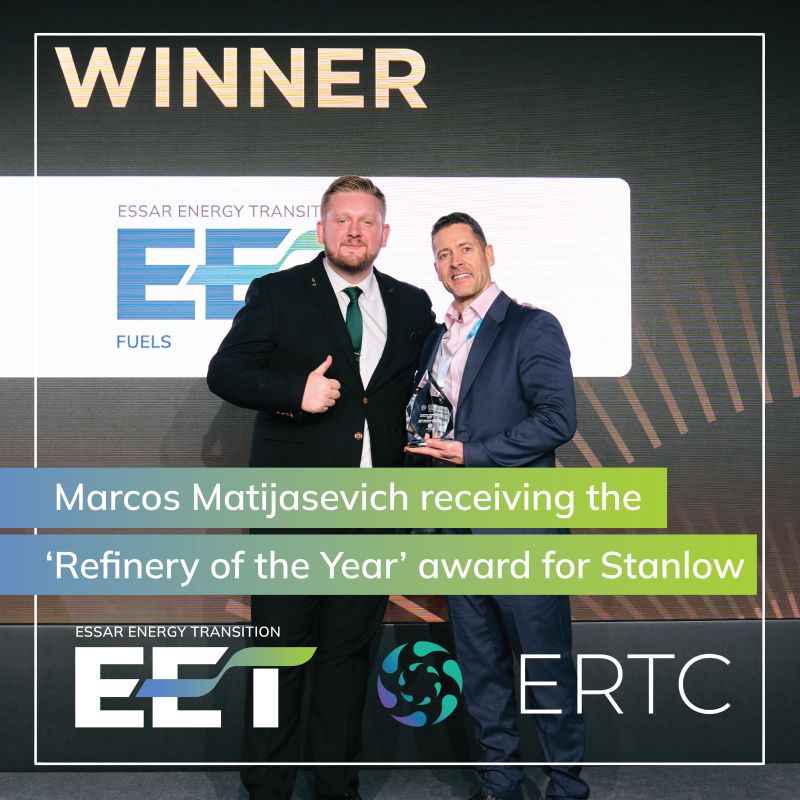
Essar Energy Transition Fuels named European Refinery of the Year at ERTC Awards

Essar Energy Transition Fuels has been honoured with the prestigious European Refinery of the Year award at the ERTC Annual Awards in Cannes—an achievement that recognises the company’s exceptional progress in operational excellence, innovation, and sustainability.

This accolade reflects a transformational year for the business. In 2024, Essar invested US$133 million into performance engineering and advanced technological upgrades, enabling substantial improvements in reliability, energy efficiency, and refinery margins. These enhancements have helped increase plant throughput and raised overall refining capacity by approximately 8 percent.

Such progress plays a vital role not only in strengthening the North West economy but also in supporting UK-wide resilience and security of supply, ensuring that critical fuel infrastructure remains robust and future-ready.

One of the year’s standout achievements was the successful tie-in and commissioning of a US$100 million hydrogen-ready furnace. This cutting-edge asset represents a cornerstone of Essar’s decarbonisation strategy and is a major enabler for future hydrogen fuel switching—marking a significant step toward a lower-carbon refining sector.

Essar Energy Transition Fuels extends its gratitude to ERTC and to all partners, colleagues, and stakeholders who have supported the journey so far. With this award, the company reaffirms its commitment to setting new benchmarks for safety, performance, and sustainability across the European refining industry.

For more information visit www.essar.com

Noord Natie Odfjell Antwerp Terminal commits over €200 million to future-proof the Antwerp chemical cluster

Noord Natie Odfjell Antwerp Terminal has announced significant investments in maintenance, sustainability, and new storage capacity as part of its long-term strategy to reinforce and future-proof the Antwerp chemical cluster.

At a time when many companies are directing capital outside Belgium, the terminal is intentionally strengthening its presence in Antwerp. Its deep local roots—spanning more than four centuries—remain central to its identity and future ambitions.

Despite mounting pressures on energy-intensive industries, the company maintains strong confidence in Antwerp’s enduring role as a global chemical hub. The sector is vital to pharmaceuticals, food production, biotechnology, and to enabling more sustainable solutions in construction, agriculture, and mobility.

With 250 tanks and 500,000 m³ of storage capacity, Noord Natie Odfjell Antwerp Terminal has become a major player in the port. Ongoing investment in advanced automation has significantly enhanced operational safety, efficiency, and reliability—benefits strongly supported by both customers and employees.

The terminal allocates €4 million annually to maintenance, alongside €8 million in targeted sustainability upgrades, ensuring its infrastructure remains robust, compliant, and prepared for future generations.

Looking ahead, the company will begin construction of a new tank pit in 2026, representing a €40 million investment and adding 18 state-of-the-art tanks with an additional 36,000 m³ of capacity. Between 2027 and 2030, a further 120,000 m³ will be developed. In total, Noord Natie Odfjell Antwerp Terminal plans to invest more than €200 million in new capacity and sustainable growth by 2030.

As the world’s second-largest chemical cluster—trailing only Houston—Antwerp remains a powerhouse of European industry. The terminal firmly believes the future of chemistry lies in Antwerp and is advancing that vision through long-term, strategic investment.

The company’s shareholder, NOORD NATIE, brings nearly five centuries of expertise in waterborne logistics. Its legacy of resilience, innovation, and continuous improvement continues to set the standard for responsible growth. Its nomination as a finalist for the EY Onderneming van het Jaar® 2025 award reflects this longstanding commitment to excellence—values that Noord Natie Odfjell Antwerp Terminal proudly upholds.

For more information visit www.noordnatie.be

JET Infrastructure receives 2025 NDTA corporate distinguished service award

JET Infrastructure has announced selection to receive the 2025 NDTA Corporate Distinguished Service Award. The honour recognises outstanding service supporting the National Defence Transportation Association’s mission to strengthen logistics, transportation, and passenger travel across the defence and homeland security community.

Since World War II, the National Defence Transportation Association has served as a trusted platform for government, military, and private sector collaboration. JET Infrastructure expressed pride in contributing to the organisation’s important work.

The company characterised the award as reflecting the team’s dedication to excellence and commitment to supporting the defence transportation community. The recognition acknowledges JET Infrastructure’s contributions to national security logistics and transportation capabilities supporting military operations and homeland security requirements.

The National Defence Transportation Association facilitates collaboration among stakeholders responsible for defence transportation, including military logistics personnel, commercial carriers, port operators, infrastructure providers, and government officials. The Corporate Distinguished Service Award represents one of NDTA’s highest recognitions for private sector contributions supporting defence mobility.

JET Infrastructure’s selection indicates significant engagement with defence transportation initiatives, potentially including infrastructure investments, service provision, or collaborative efforts addressing military and homeland security logistics requirements. The award provides industry recognition whilst validating the company’s strategic positioning supporting national security objectives.

For more information visit www.jet-infrastructure.com

TSA reaffirms its commitment to good major hazard leadership

The Tank Storage Association has today reaffirmed its commitment to good major hazard leadership with the launch of a refreshed Safety Leadership Charter.

The Safety Leadership Charter outlines seven pledges focused on managing major hazard risks through an engaged, positive, informed, and cooperative safety culture. These pledges uphold the original Principles of Process Safety Leadership, which emphasise senior leadership engagement and competence in safety management, active workforce involvement in managing safety, and the sharing of good practice and learning of lessons from across industry sectors.

Peter Davidson, chief executive of the Tank Storage Association, said: “Twenty years on from the Buncefield incident, our refreshed Safety Leadership Charter reaffirms our commitment to driving forward a positive and collaborative safety culture, as established following the Process Safety Leadership Group’s final report, both within our member organisations and the wider major hazards community. It is a testament to our collective resolve to strive for the highest standards and continue leading from the front in the management of major hazard risks.”

For more information visit www.tankstorage.org.uk

Advario advances eSAF ambitions with ministerial visit and industry engagement in Rotterdam

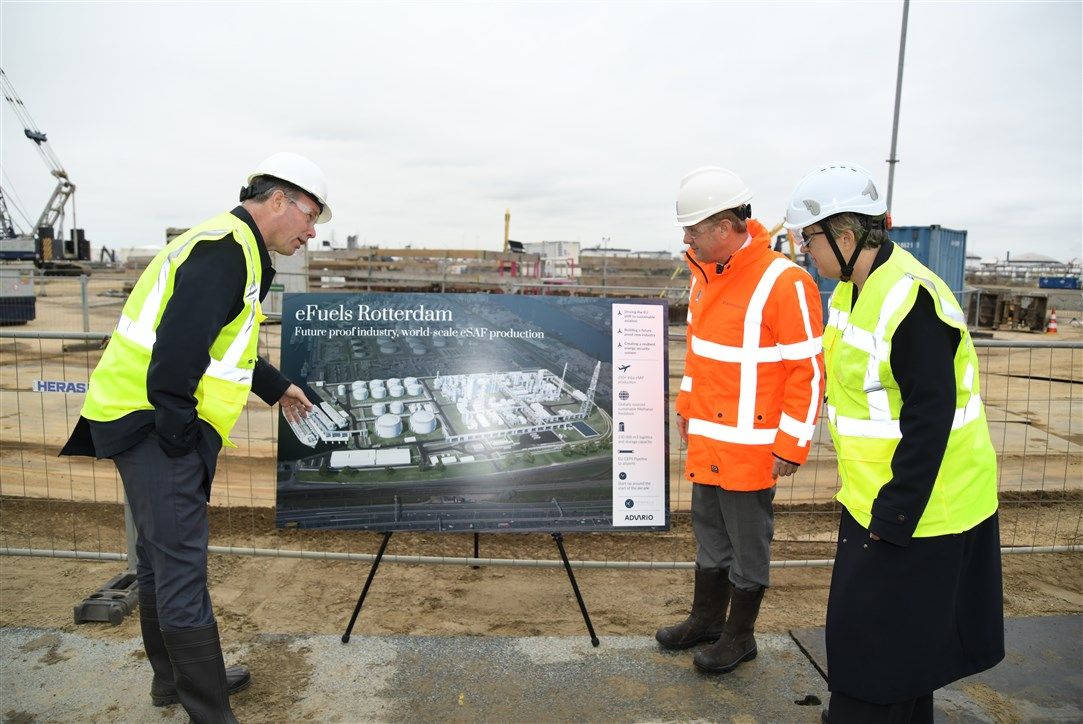
Advario has announced a series of key engagements at its eFuels Rotterdam project site, underscoring its commitment to scaling the production, storage and delivery of synthetic Sustainable Aviation Fuel (eSAF) in the Port of Rotterdam.

Last week, the company welcomed Minister Robert Tieman for an update on the joint ambition—shared with partner Power2X—to develop an industrial hub dedicated to eSAF. The project aims to support the decarbonisation of European aviation while reinforcing the Netherlands’ strategic position in the future energy landscape.

In addition to the ministerial visit, Advario hosted a group of European NGOs for an open and constructive dialogue on accelerating the development of the eSAF market. Discussions focused on the need to build responsible and sustainable value chains as production scales. Advario expressed its appreciation to Natuur & Milieu for co-organising the visit.

During Minister Tieman’s tour of the site, conversations centred on the opportunities that large-scale eSAF production could bring to the Netherlands. Key enabling factors highlighted included the need for long-term regulatory clarity, strong and committed partnerships, ongoing investor confidence, and a highly skilled workforce capable of delivering projects of significant scale.

Advario reiterated its commitment to building safe, reliable and future-proof infrastructure that enables progress in the energy transition. The company emphasised the importance of collaboration with policymakers, NGOs and industry leaders, and welcomed the Minister’s constructive engagement as efforts continue to advance clean aviation fuels and support a resilient energy sector in the Netherlands.

For more information visit www.advario.com

Engineered cooling demand drives 100% YoY rise in data centre export work at Balmoral Tanks

Balmoral Tanks, a Balmoral Group company and a leading provider of innovative and reliable bulk liquid storage solutions, has expanded its footprint in the global data centre market. Projects now account for approximately 20 percent of export sales – double last year’s share – reflecting growing demand for engineered water storage and cooling solutions.

As global data centre expansion accelerates – with an estimated 10 GW of new capacity starting construction this year and global investment expected to rise by roughly 25-30 percent – the industry faces growing scrutiny over its environmental impact, particularly around water use and supply.

Across Europe, North America and Latin America, developers are under mounting pressure to design facilities that use resources responsibly. And these pressures are prompting consultants and operators to rethink system design – not only in terms of energy consumption, but also how cooling and protection systems manage water use.

Simon Scott, export sales director at Balmoral Tanks, said: “The scale and speed of global data centre growth are creating new kinds of pressure for the industry. This is no longer just an engineering challenge – it’s a resource challenge. As regulations tighten and community concerns around water use increase, the industry needs to plan differently. Reliability and sustainability must be designed in from the outset, not added later. That requires closer collaboration between consultants, operators and suppliers from the onset to ensure tomorrow’s facilities can perform efficiently, responsibly and at scale.”

As data centres expand in scale and complexity, the challenge lies in balancing operational reliability with responsible resource use. Cooling and fire-protection systems depend heavily on water, yet supply and sustainability concerns are tightening around both. Closed-loop systems – where cooling water is continually treated, recycled and returned – are emerging as a key solution, cutting consumption while maintaining stable performance. Achieving this at scale requires early collaboration between design engineers, consultants and specialist partners.

Ross Waite, export sales manager at Balmoral Tanks, added: “When people think about data centres, the focus usually falls on how to power them. But how we cool them is just as important – and that’s where we’re seeing growing engagement from consultants and developers. The priority is shifting from basic compliance to engineering systems that deliver reliability, efficiency and lower environmental impact over the long term. Closed-loop and water-reuse designs must now be central to that shift, and Balmoral’s engineering expertise helps ensure the storage systems behind them are safe, robust and built for demanding environments.”

With more than a decade of experience supplying water storage systems for data centre projects across Europe, Balmoral’s engineered solutions support a range of critical functions, including fire protection, process cooling, potable and rainwater reuse.

For more information visit www.balmoraltanks.com

Aramco announces 17 MoUs and agreements with companies in US

Aramco, one of the world’s leading integrated energy and chemicals companies, has announced 17 new Memoranda of Understanding and agreements with major US companies, carrying a potential total value exceeding 30 billion US dollars. These commitments, made through Aramco Group Companies, build on the 34 MoUs and agreements unveiled in May, which together represented around 90 billion US dollars in potential value. In total, Aramco is now pursuing collaboration opportunities with US partners worth approximately 120 billion US dollars.

The latest MoUs and agreements are expected to support Aramco’s strategic growth ambitions while enhancing long-term shareholder value. They span a wide range of activities, including Liquefied Natural Gas (LNG), financial services, advanced materials manufacturing, and procurement of materials and services.

The announcement coincides with the US–Saudi Investment Forum 2025 in Washington, DC, and reinforces Aramco’s long-standing relationship with American companies—a partnership that stretches back more than nine decades.

Amin H. Nasser, Aramco president and CEO, said:
“Since the 1930s, US firms have played a major role in supporting the company’s success. These relationships have contributed to the first production of oil in Saudi Arabia, the growth of our gas business, an expansion of our integrated downstream operations, the development of advanced digital technologies, AI and R&D, and promoted upskilling through the training and development of many Aramco employees in the US. We expect the multi-billion dollar MoUs and agreements announced today to act as a springboard for further progress, strengthening Aramco’s longstanding legacy of collaboration with American counterparties and unlocking new value creation opportunities that promote innovation and growth.”

The new MoUs and agreements include:

LNG

  • MidOcean Energy: MoU relating to potential investment in the Lake Charles Liquefied Natural Gas Project.

  • Commonwealth LNG: Agreements relating to a liquefaction project in Louisiana and Aramco Trading’s potential purchase of LNG and gas.

Procurement of Materials & Services

  • Contracts and agreements reflecting ongoing relationships with key US strategic suppliers, including SLB, Baker Hughes, McDermott, Halliburton, NESR, KBR, Flowserve, NOV, Worley, and Fluor. These suppliers provide high-quality materials and professional services supporting Aramco’s projects and operations.

Advanced Materials Manufacturing

  • Syensqo: Extension of an MoU to explore localisation of carbon fibre and advanced composites for industrial applications.

Financial Services

  • Wisayah asset management and investment agreements with Loomis Sayles, Blackstone, and PGIM, Inc.

  • J.P. Morgan: Strategic collaboration for cash account management.

For more information visit www.aramco.com

i6 Group and Enemed partner to digitise fuel operations at Malta International Airport
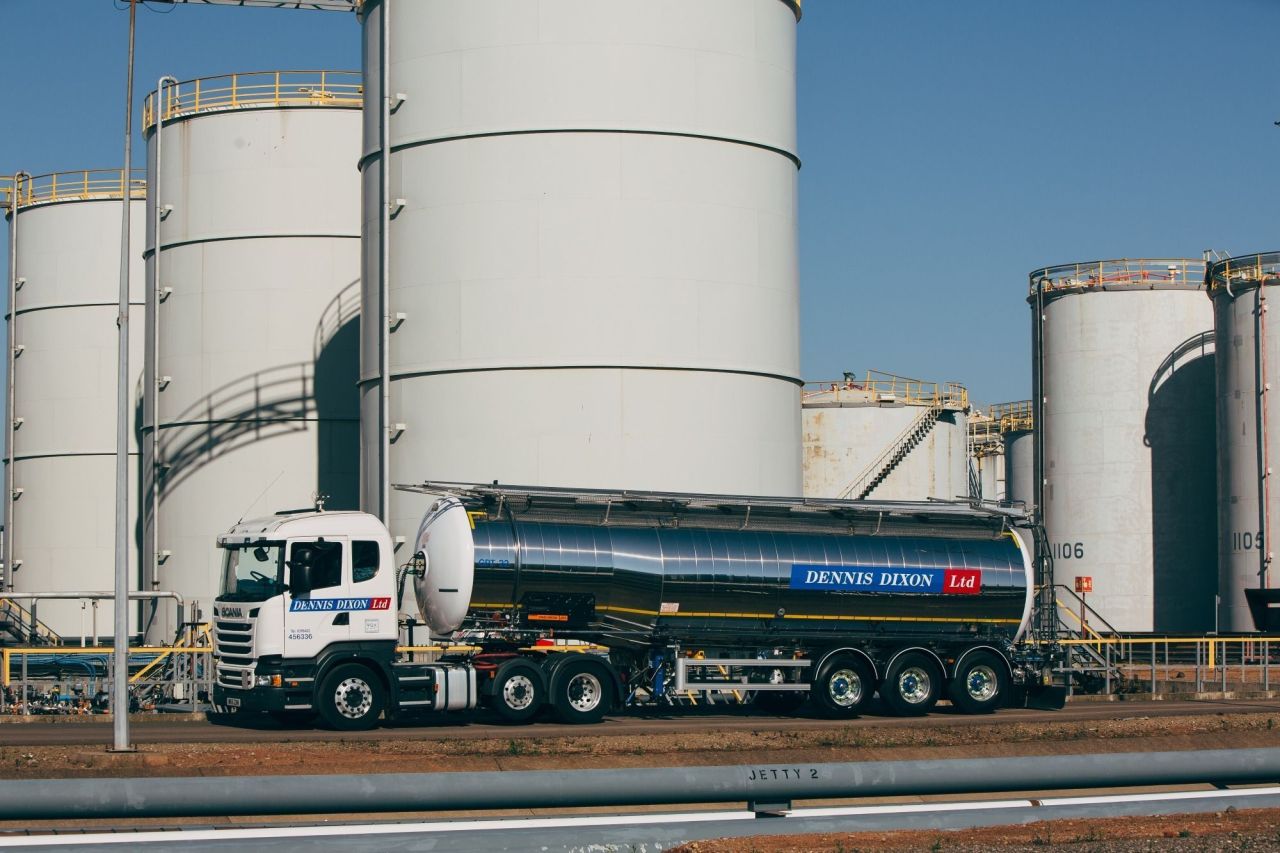
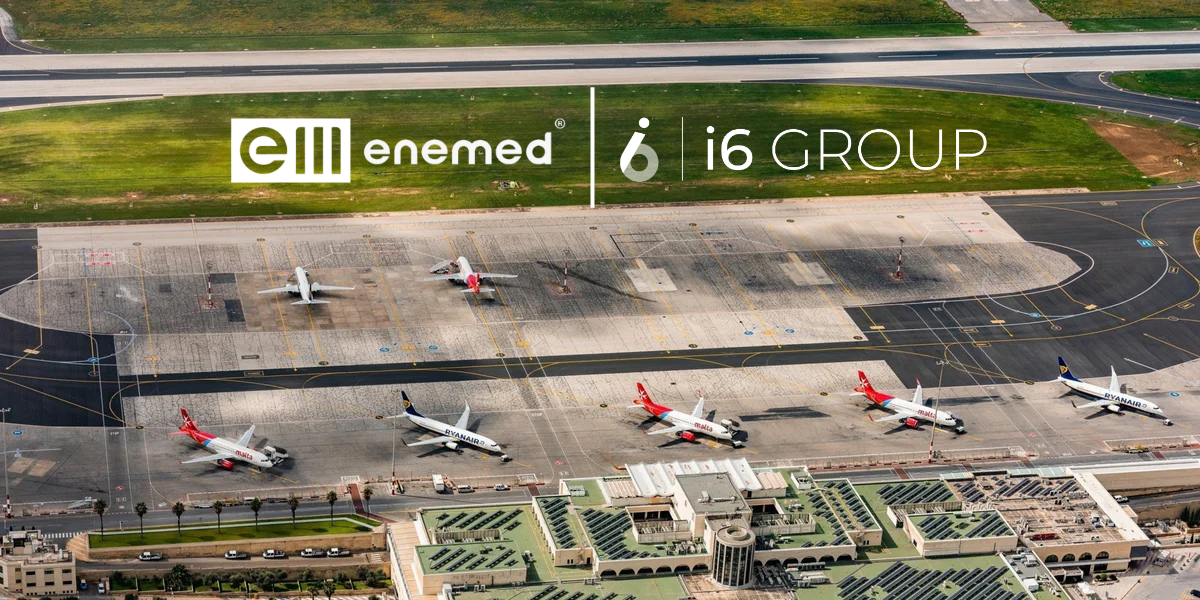
A new partnership between i6 Group and Enemed is set to transform fuel operations at Malta International Airport, bringing real-time efficiency, enhanced data visibility and improved sustainability to one of the Mediterranean’s busiest aviation hubs.
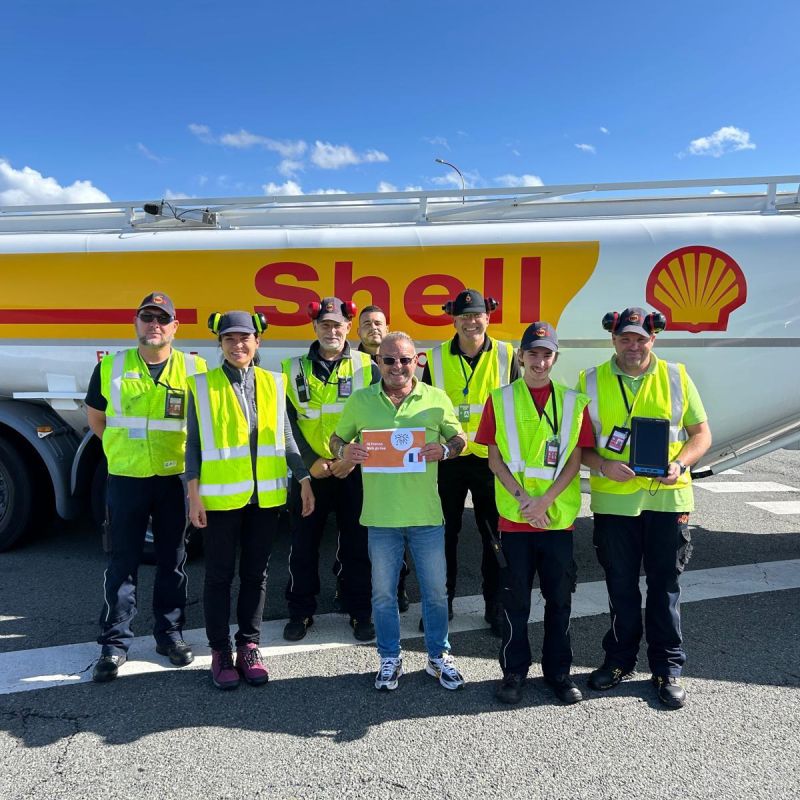
i6 Group, a leading aviation technology provider, has been selected by Enemed — Malta’s state-owned and largest fuel service operator — to support its strategic goals of increased efficiency, advanced data utilisation and future-ready digital infrastructure. The implementation will enable Enemed to deliver improved on-time performance for airline customers and facilitate fully digital refuelling operations.

Serving more than nine million passengers each year, Malta International Airport stands to benefit significantly from modernised, real-time fuel management.
“We are impressed with the scale of i6’s platform and the operational improvements they have already been able to deliver at airports across the world,” said Melvin Pulis, COO at Enemed. “The technology is exactly the right solution to help Enemed boost operational efficiency at Malta International Airport.”

At the centre of the collaboration is Fusion6, i6’s into-plane fuel management platform. Fusion6 integrates seamlessly with airport data feeds, retrieving live flight schedules and updating operational information in real time. It provides Enemed with detailed reporting across key fuel-management metrics — including operational status updates and meter-based fuel data — with functionality maintained even during offline operation.

Refuelling teams are now equipped with intrinsically safe tablet devices wirelessly connected to flow metres. This setup enables paperless, digital communication between Enemed and airlines through i6’s proprietary eHandshake® technology, ensuring accurate, efficient and transparent refuelling processes.

“The whole team is excited to embark on this partnership with Enemed and bring a new era of fuel management to Malta,” said Steve Uhrmacher, CEO at i6 Group. “i6 will help Enemed achieve high standards for fuel-management efficiency and reliability, and I look forward to seeing airlines leverage enhanced connectivity with seamless, paperless digital refuelling.”

For more information visit www.i6.io

Pioneering Sherwin-Williams insulative system that eliminates CUI wins two prestigious energy industry awards

Building on the success of its award-winning Heat-Flex® CUI-mitigation coatings, Sherwin-Williams Protective & Marine has secured two major energy industry awards for its next-generation industrial thermal insulative system, Heat-Flex Advanced Energy Barrier (AEB). This innovative system delivers exceptional thermal efficiency while eliminating the costly and hazardous risk of corrosion under insulation (CUI). Heat-Flex AEB was recognised with the 2025 Gulf Energy Information Excellence Award for Best Coating/Corrosion Advancement Technology and the 2025 Vaaler Award from Chemical Processing.

Gulf Energy announced its award recipients on 16 October 2025 in Houston, Texas, while Chemical Processing revealed its winners on 10 November 2025. The achievements follow previous industry recognition for the Heat-Flex platform, including the 2023 Vaaler Award and the 2025 MP Corrosion Innovation of the Year Award.

“We engineered Heat-Flex AEB to replace bulky mineral-based insulation traditionally used on tanks, vessels, valves, fittings and piping to retain process heat,” said Neil Wilds, Global product director, CUI/Testing, Sherwin-Williams Protective & Marine. “By removing the corrosion zone between insulation and the asset, the system eliminates the potential for CUI by design. These awards underscore its ability to cut corrosion-related costs, reduce carbon footprints and significantly improve operational efficiency for energy operators.”

The Gulf Energy Information Excellence Awards highlight innovations and leaders shaping the global oil and gas sector. The 2025 programme received more than 500 nominations for technologies that help operators “find, produce, transport and process hydrocarbons more safely, economically, efficiently and sustainably.”

Established more than 50 years ago, the Vaaler Awards honour products and services that meaningfully advance operations in chemical processing plants. The biennial programme evaluates entries on contribution to plant performance, uniqueness and industry-wide applicability, continuing the legacy of long-time Chemical Processing editorial leader John C. Vaaler.

Heat-Flex AEB delivers a more sustainable, resource-efficient approach to thermal retention by eliminating the need for traditional mineral-based insulation, which can absorb moisture and lose up to eighty-five percent of thermal effectiveness. Its closed-cell structure minimises moisture ingress, ensuring consistent insulating performance throughout its service life.

The system forms a robust, insulative film directly on assets operating at temperatures up to 350°F (177°C), with excursions to 400°F (204°C). By retaining heat efficiently and performing reliably even in extreme environments, Heat-Flex AEB not only improves energy performance but also reduces burn-risk exposure for workers.

“The Vaaler Awards celebrate the spirit of innovation that drives our industry forward,” said Traci Purdum, Editor-in-Chief of Chemical Processing. “Sherwin-Williams exemplifies excellence and continuous improvement. Their Heat-Flex AEB system represents the type of breakthrough solution that enhances safety, efficiency and sustainability across chemical processing.”

For more information visit www.industrial.sherwin-williams.com

Fortescue’s Christmas Creek Green Metal Project under construction in Australia uses Metso’s game-changing DRI technology

Metso has delivered the core process design and supplied key technologies for Fortescue Ltd’s Christmas Creek Green Metal Project in the Pilbara, Western Australia, where installation of Metso equipment began in September 2025. The project aims to showcase the production of high-purity green metal using renewable energy to power hydrogen-based reduction and electric smelting technologies for future downstream steel production.

At the heart of the demonstration plant are Metso’s Circored™ fluidised bed direct reduction process and its electric DRI Smelting Furnace—technologies designed to support low-emission steelmaking pathways.

“Green metal presents a huge opportunity for Australia’s iron ore industry, and Fortescue is determined to lead the way,” said Dino Otranto, Fortescue’s Chief Executive Officer of Metals and Operations. “Through the Christmas Creek Green Metal Project, we’re combining cutting-edge technologies, including Metso’s Circored™ process and DRI Smelting Furnace, with Fortescue’s track record in project delivery to pioneer low-emission pathways for steelmaking.”

The initial demonstration plant will produce more than 1,500 metric tonnes per year, with ongoing studies evaluating the development of a future commercial-scale facility.

Breakthrough Technologies Advancing Green Steel

“This project, which implements the Circored™ and DRI smelting solutions, underscores our commitment to advancing sustainable and efficient industrial processes,” said Attaul Ahmad, vice president, Ferrous and Heat Transfer at Metso. “The Circored™ process uses solely green hydrogen instead of fossil reductants. This flexible fine-ore fluid bed process—eliminating the need for pelletisation—produces highly metalised direct reduced iron that can be fed directly into electric smelting furnaces for carbon-free steelmaking.”

Jyrki Makkonen, vice president, Smelting at Metso, added: “The low-emission electric smelting route, which replaces traditional blast furnaces in producing hot metal, is ideally suited to Australia’s abundant low- to medium-grade Pilbara iron ores. The goal of the Metso DRI Smelting Furnace technology is to unlock the use of these vast ore reserves for green ironmaking, even though they have historically been unsuitable for the DRI route due to higher gangue content. We are excited to see the furnace taking shape at Christmas Creek, where foundations are now in place and the first equipment was installed in September.”

For more information visit www.metso.com

Venture Global files FERC application for Plaquemines expansion project

Venture Global, Inc. has filed with the Federal Energy Regulatory Commission its application for permitting and approval of the Plaquemines LNG brownfield expansion project. Additionally, Venture Global has filed with the U.S. Department of Energy for export authorisations associated with the expansion.

The Plaquemines Expansion was announced earlier this year with US Secretary of Energy Chris Wright, US Secretary of the Interior Doug Burgum, and Louisiana Governor Jeff Landry. Venture Global has since increased the expected output from the project by nearly 40 percent from previously announced plans due to continued optimisation of liquefaction trains and strong market demand.

The bolt-on expansion will be built incrementally in three phases and consist of 32 modular liquefaction trains, adding in total over 30.0 MTPA in peak production capacity. This will bring total peak production capacity across the entire Plaquemines complex to over 58.0 MTPA. As previously stated, commercial operation timelines for Phase I and Phase II remain unchanged.

Mike Sabel, CEO of Venture Global, stated that the company is pleased to announce the formal launch of the permitting process for the Plaquemines Expansion Project. He characterised incrementally expanding Plaquemines as a logical and economically efficient opportunity building on strong existing infrastructure. Sabel noted that this strategic step provides Venture Global with optionality to develop a scalable project that can efficiently meet evolving market needs. The decision to significantly increase the project’s permitted capacity reflects strong market demand the company continues to observe, with the expansion playing a vital role in meeting that demand.

The brownfield expansion approach leverages existing Plaquemines LNG site infrastructure, including marine facilities, utilities, and regulatory approvals, potentially reducing development costs and timelines compared to greenfield developments requiring entirely new site establishment. The 40 percent capacity increase from original plans demonstrates project scalability and Venture Global’s confidence in securing sufficient gas supply and commercial offtake supporting a larger facility.

The modular liquefaction train approach utilising 32 trains represents Venture Global’s established technology strategy employing smaller standardised units rather than traditional mega-trains. This approach potentially offers construction flexibility, reduced execution risk through standardisation, and operational redundancy supporting high availability.

The three-phase incremental development enables staged investment matching commercial commitments and market conditions rather than committing full capital upfront. This phasing provides flexibility to adjust timing, scope, or configuration between phases responding to market feedback whilst maintaining optionality for full development.

The over 58.0 MTPA total Plaquemines complex capacity upon completion would position the facility among the world’s largest LNG export complexes, substantially expanding US LNG export capability serving global markets. Louisiana Gulf Coast location provides access to abundant U.S. natural gas production alongside deepwater facilities accommodating large LNG carriers.

FERC permitting addresses environmental impacts, safety considerations, and public interest determinations required for LNG facility authorisation. The application initiates comprehensive review processes, including environmental assessments, public comment periods, and technical evaluations, before commission authorisation enabling construction.

DOE export authorisations address non-FTA country exports, requiring public interest determinations considering economic impacts, energy security, and international considerations. These authorisations enable Venture Global to contract with customers globally rather than limiting sales to free trade agreement countries.

The unchanged Phase I and Phase II timelines indicate that the expanded capacity addition represents additional phases beyond originally planned development rather than modifications affecting near-term project schedules. This preserves commercial commitments and financial arrangements for initial phases whilst establishing a framework for subsequent expansion.

The announcement demonstrates Venture Global’s aggressive LNG development strategy, pursuing multiple large-scale projects and positioning the company as a major U.S. LNG exporter. The company’s emphasis on modular approaches, brownfield expansions, and phased development reflects execution strategies addressing capital efficiency and market responsiveness.

For more information visit www.ventureglobalLNG.com

FOIZ and NFPA sign MOU to advance fire and life safety in Fujairah

The Fujairah Oil Industry Zone and the National Fire Protection Association have signed a Memorandum of Understanding aimed at enhancing fire and life safety standards across the Emirate of Fujairah.

FOIZ, the regulatory authority for all hydrocarbon operations within Fujairah, and the NFPA, a United States–based non-profit organisation focused on developing global fire and life safety standards, will collaborate to strengthen safety practices and mitigate fire-related risks. The agreement outlines cooperation in key areas including training, data sharing, research, and community education.

H.E. Captain Salem Al Afkham, director of FOIZ, noted that the partnership reinforces FOIZ’s commitment to upholding world-class safety standards throughout Fujairah’s energy sector. He emphasised that working with NFPA enables alignment with international best practices, supporting efforts to safeguard people, assets, and the environment.

Mr Mike Brunzell, vice president of global business development at NFPA, highlighted that the collaboration marks a significant step in advancing global safety and compliance standards. He stated that the agreement reflects a shared vision of creating safer, more resilient industrial environments and demonstrates the impact of combining expertise, best practices, and innovation to protect people and property from fire and other hazards.

The partnership supports FOIZ’s mission to ensure safe and sustainable hydrocarbon operations while advancing NFPA’s broader mandate to promote fire safety awareness and innovation worldwide.

For more information visit www.foiz.gov.ae

DIALOG announces the expansion of Phase 3 of the PDT in Pengerang

DIALOG Group Berhad has announced the expansion of Phase 3 of the Pengerang Deepwater Terminals in Johor following the signing of a conditional long-term service agreement between DTP5, DTSB, and bp Singapore on 18 November 2025. The agreement will add 614,000 m³ of storage capacity for refined petroleum products and biofuels, with bp Singapore as the dedicated long-term customer. Completion is expected by mid-2028.

Phase 3 PDT, launched in 2018, plays a central role in DIALOG’s midstream development strategy and aims to position PDT as the largest petroleum and petrochemical hub in the Asia Pacific region. The initial 430,000 m³ of storage under Phase 3 began operations in March 2021. Upon completion of the current expansion, total storage capacity will reach 1 million m³ across 48 tanks, supported by five new berths to enhance marine handling capabilities.

Designed as an integrated terminal, Phase 3 provides port and marine operations, multi-product storage, deepwater jetty facilities, interconnecting pipelines, and shared utilities. It also supports downstream activities within the Pengerang Integrated Petroleum Complex and across the region. The expansion is aligned with DIALOG’s goal of growing recurring income and creating opportunities for its engineering and maintenance divisions.

PDT, operational since 2014 and spanning approximately 1,200 acres, includes four terminals and three jetties capable of accommodating VLCCs and Q-Max LNG vessels. About 660 acres remain available for future development. The expansion furthers DIALOG’s long-term vision for PDT as a major regional petroleum and petrochemical hub.

Work will begin after all conditions precedent—including regulatory approvals and bp Singapore’s due diligence—are fulfilled. The project will be funded through internally generated funds and borrowings. No liabilities will be assumed by DIALOG other than performance guarantees.

DTP5 and DTSB, both part of the DIALOG Group, oversee storage terminal operations and investment holding respectively. bp Singapore, a subsidiary of BP International Limited and BP p.l.c., is engaged in marketing and trading petroleum products.

The expansion will not affect DIALOG’s share capital or substantial shareholdings and is not expected to materially impact earnings in FY2026, though it is projected to contribute positively thereafter. Risks include economic, geopolitical, regulatory, and operational factors, which DIALOG aims to manage effectively. No directors or major shareholders have any interest in the LTSA.

For more information visit www.dialogasia.com

Brenntag acquires Chem Tech in North America

Brenntag the global market leader in chemicals and ingredients distribution, today announces the acquisition of Chem Tech Services, Inc., a leading production chemicals provider with proprietary formulations for operators in the energy sector in the Permian Basin, the largest energy producing region in North America. The company will be integrated into Coastal Chemical, a Brenntag platform focused on serving the upstream, midstream, and downstream segments of the oil and gas industry.

Scott Leibowitz, president of Brenntag Essentials North America, highlights: “Chem Tech’s expertise and network are a welcome addition to Brenntag’s Energy Services business in North America, adding key capabilities to our resilient market offerings in the energy sector and strengthening our market presence in a region that is critical to global energy supply. The acquisition represents a strategic opportunity to strengthen Coastal Chemical’s unmatched position as a dedicated, integrated energy service platform that efficiently, safely, and reliably support our customers in the oil and gas industry. I look forward to welcoming our new colleagues from Chem Tech to the Brenntag family.”

Derek Waters, co-owner and president of Chem Tech comments: “Brenntag presents a perfect new home for Chem Tech as we share a similar vision: to be a leader in the oilfield chemical market that provides exceptional customer service and a great culture for employment. This new and exciting partnership will lead to great opportunities and will accelerate our joint ambition of becoming the best chemical service company in the Permian Basin and beyond.”

Chem Tech Services, Inc. was founded in 1980 in Levelland, Texas, USA. The company provides professional oilfield chemical solutions in Texas and New Mexico. The acquired business has sales of over USD 80 million in the past 12 months.

Signing and closing of the transaction took place simultaneously. Financial details of the acquisition are not being disclosed.

For more information visit www.brenntag.com

OpenTAS appoints Monica Hildinger as Co-CEO.

OpenTAS announces a strengthened leadership model with the appointment of Monica Hildinger as Co-CEO. Hildinger will jointly lead the OpenTAS Group alongside Harald Wentsch, who continues in his role as CEO. This strategic decision marks the beginning of an ambitious new chapter for the organisation as it accelerates innovation and operational excellence across its global activities.

In her expanded role, Hildinger now oversees Technology in addition to Product Management and Go-to-Market functions. Her mandate is to unify product strategy with platform engineering and IT operations—aligning architecture, data, security, and delivery under one coordinated vision. This integrated approach is designed to drive measurable improvements in throughput, safety, compliance, and total cost of ownership, supporting OpenTAS’ transition from automation to autonomy.

Before joining OpenTAS, Hildinger spent more than a decade at Siemens in senior leadership roles across the process industries. As Head of Digitalisation, she shaped digital strategies for the Chemicals, Glass, and Oil & Gas sectors, with a strong focus on advancing AI applications in process automation. Earlier, as Product Lifecycle Manager, she guided portfolio development for tank farm and terminal management systems. Her extensive hands-on experience in Oil & Gas terminal operations, particularly across the Middle East, equips her with deep operational insight and a sharp understanding of customer needs.

Together, Harald Wentsch and Monica Hildinger bring a complementary blend of expertise, vision, and leadership. As Co-CEOs, they are committed to steering OpenTAS toward a future defined by innovation, collaboration, and sustained excellence.

For more information visit www.opentas.com

Oxalis Logistics UK acquires majority stake in Dennis Dixon Ltd

Oxalis Logistics UK has announced the acquisition of seventy percent of the shares in Dennis Dixon Ltd, marking a significant step in the company’s strategic expansion within the United Kingdom.

Headquartered in Teesside, Middlesbrough, Dennis Dixon Ltd is recognised as a market leader in domestic chemical bulk liquid road transport. The acquisition represents a strong alignment with Oxalis’ growth ambitions in the UK and introduces chemical logistics to the Oxalis portfolio for the first time, further strengthening the Group’s service offering.

The move underscores the Oxalis Logistics Group’s continued commitment to investing in its core markets and expanding its capabilities through the addition of well-established, high-quality businesses.

Oxalis Logistics Group extended a warm welcome to all Dennis Dixon Ltd employees and customers, marking the beginning of a new chapter of collaboration and shared growth.

For more information visit www.oxalis-logistics.com

Shell Aviation completes global rollout of i6 fuel management technology

Shell Aviation and i6 have successfully completed the worldwide deployment of i6’s cloud-based fuel management technology, now operational across more than seventy airports. This multi-year programme delivers real-time visibility, automated data exchange and optimised fueling workflows to Shell Aviation sites throughout North America, Europe, the Middle East and Asia-Pacific. The final rollout phase included full implementation across Shell’s Canadian network, marking a major milestone in the global digitisation of fueling operations.

Alex Mattos, CEO and MD of the i6 Group, highlighted the significance of the achievement, stating:“This milestone is the result of close collaboration and relentless focus from the i6 team to digitise Shell Aviation’s fueling network globally. Together, we’ve built a smarter, more resilient fueling ecosystem that sets a new standard for operational excellence.”

With the i6 platform now in place, Shell Aviation and its partners can streamline refuelling activity, reduce manual processes and enhance communication between ground teams and airline customers. The system supports safer, more efficient operations across Shell’s global footprint.

Raman Ojha, President of Shell Aviation, added:
“The aviation sector has experienced an uptick in global air travel, which requires more efficient fuel management. The i6 digital platform can help how we serve customers; improving communication, efficiency and reliability across our operations.”

The completion of this global deployment underscores the commitment of Shell Aviation and i6 to advancing operational efficiency through innovation and digital transformation.

For more information visit www.i6.io