Royal Vopak CEO joins Dutch-India CEO roundtable with Prime Ministers Modi and Jetten

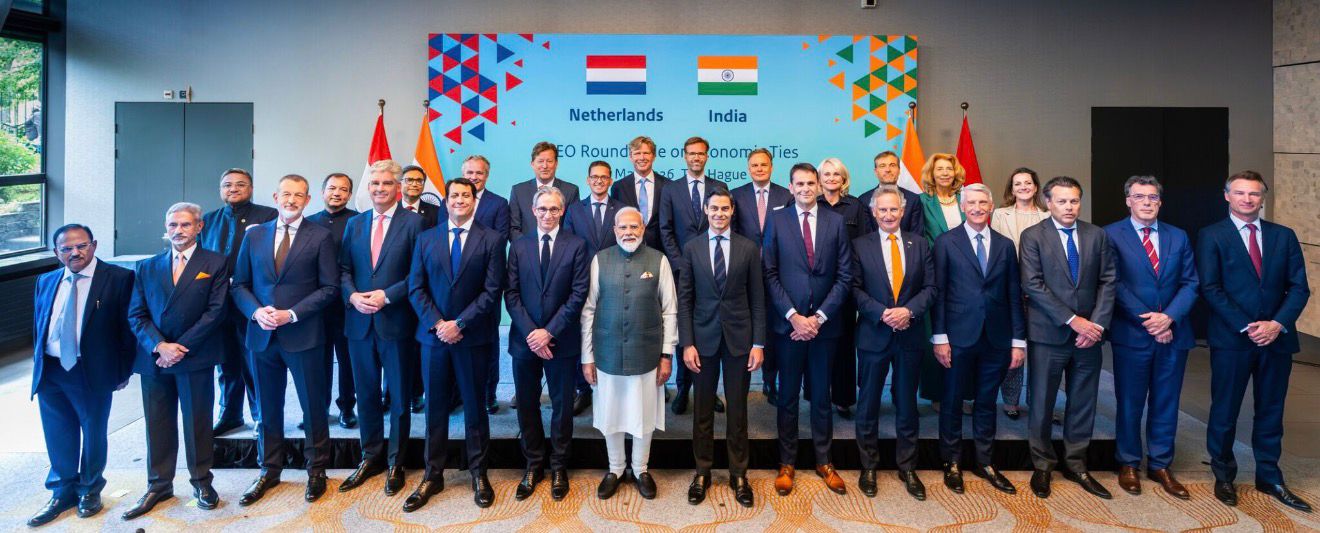
Royal Vopak CEO Dick Richelle participated in a high-level CEO roundtable bringing together Prime Minister Narendra Modi of India and Dutch Prime Minister Rob Jetten alongside senior business leaders from both countries. The gathering highlighted the deepening bilateral relationship between India and the Netherlands.

Richelle’s presence at the roundtable reflects Royal Vopak’s growing footprint in the Indian market. Through its joint venture with Aegis Logistics Limited, Aegis Vopak Terminals Limited (AVTL), the company has built what it describes as India’s largest third-party LPG and liquid storage operation. AVTL currently manages approximately 1.7 million cubic meters of liquid storage and 225,000 MT of LPG storage capacity across six strategic Indian ports — a figure that represents 2.5 times growth over the past four years.

Among its most notable upcoming developments is India’s largest refrigerated LPG terminal, currently under construction at Jawaharlal Nehru Port Authority (JNPA), underscoring AVTL’s ambition to scale its infrastructure in line with India’s expanding energy needs.

Royal Vopak views India as a key long-term growth market, citing the country’s continued economic development and increasing market openness as central to its strategic outlook. The company reaffirmed its commitment through AVTL to supporting India’s broader energy ambitions.

The CEO roundtable represents one of several high-level engagements aimed at strengthening trade and investment ties between the Netherlands and India.

For more information visit www.vopak.com

Glenfarne Alaska LNG and ConocoPhillips sign long-term gas supply agreement for Alaska LNG project

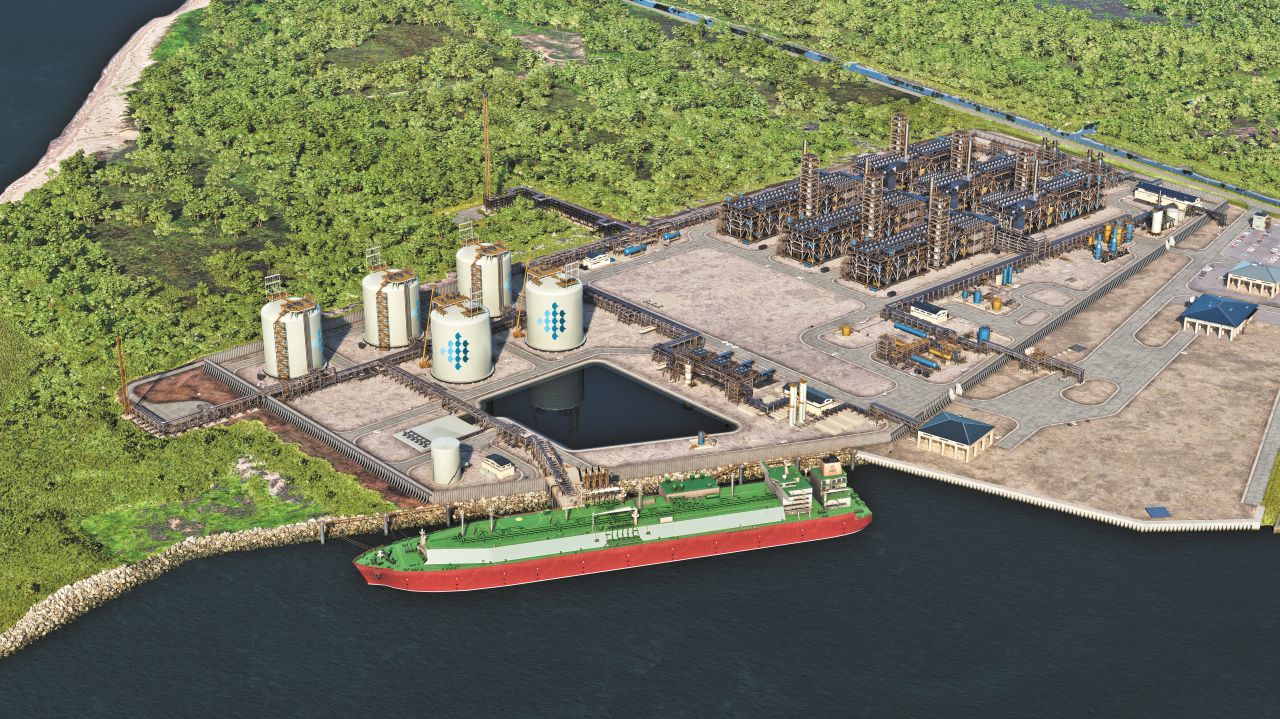
Glenfarne Group subsidiary Glenfarne Alaska LNG LLC and ConocoPhillips Alaska have signed a gas sales precedent agreement to supply natural gas from Alaska’s North Slope for Phase One of the Alaska LNG project.

The thirty-year agreement establishes the commercial framework for ConocoPhillips to supply natural gas to the project and marks a significant milestone for the development. According to the companies, Alaska LNG has now secured sufficient precedent agreements to support a Phase One final investment decision while providing enough natural gas to meet Alaska’s long-term energy needs.

Glenfarne is advancing the Alaska LNG project in two financially independent phases to accelerate execution and development timelines. Phase One includes the construction of a 739-mile, 42-inch natural gas pipeline designed to transport gas from the North Slope to consumers across Alaska. The pipeline is intended to strengthen long-term energy security and help address expected supply shortages linked to declining production in the Cook Inlet region.

Phase Two of the project will involve the development of LNG export facilities in Nikiski, expanding the project’s reach into international energy markets.

With the new agreement in place, Alaska LNG now has supply agreements with all three major North Slope producers, including ConocoPhillips, ExxonMobil, and Hilcorp Alaska, as well as Great Bear Pantheon LLC, a subsidiary of Pantheon Resources plc.

Adam Prestidge, president of Glenfarne Alaska LNG, stated that the participation of all major North Slope producers provides sufficient natural gas volumes to support a Phase One final investment decision. He added that the agreement with ConocoPhillips represents an important step toward enhancing Alaska’s long-term energy security and advancing a transformational infrastructure project for the state.

ConocoPhillips Alaska President Erec Isaacson said the company remains committed to developing Alaska’s energy resources for the long-term benefit of Alaskans. He noted that participation in the Alaska LNG project supports reliable access to responsibly produced North Slope natural gas while complementing the company’s ongoing investments in the region.

For more information visit www.glenfarnegroup.com

Gibson Energy closes $400M Chauvin acquisition and advances Hardisty Connection Project

Gibson Energy Inc.has completed its previously announced acquisition of Teine Energy Ltd.’s Chauvin Infrastructure Assets in a transaction valued at $400 million.

The acquisition includes a crude oil gathering pipeline system and related infrastructure linking Chauvin to the Hardisty oil hub, expanding Gibson Energy’s strategic presence in the region and strengthening its portfolio of contracted infrastructure assets.

According to the company, the newly acquired assets are supported by long-term take-or-pay and area-of-dedication agreements with Teine Energy, reinforcing the stability and predictability of future cash flows.

Riley Hicks, senior vice president and chief financial officer of Gibson Energy, described the acquisition as a significant milestone for the company, noting that it strengthens Gibson’s ability to deliver services to customers connected to its core Hardisty terminal operations. He added that the company’s immediate focus will shift toward integration efforts and maintaining safe and reliable service delivery while advancing strategic growth initiatives aimed at creating long-term shareholder value.

Alongside the completion of the transaction, Gibson Energy has sanctioned the Hardisty Connection growth project, which will directly connect the Chauvin Infrastructure Assets to the company’s main Hardisty terminal. The project is expected to improve connectivity and operational flexibility for customers in the region.

The company also stated that it expects to sanction a future Chauvin pipeline expansion project by the end of 2026. The expansion would increase the pipeline’s effective capacity from 30,000 barrels per day to approximately 45,000 barrels per day.

The acquisition was funded through a combination of proceeds from Gibson Energy’s previously completed $215 million bought-deal equity offering and drawdowns under the company’s existing credit facility.

Prior to closing, the transaction received regulatory clearance from the Canadian Competition Bureau, which issued a no-action letter on April 30th, 2026, confirming that no application would be made under Section 92 of the Competition Act in relation to the deal.

For more information visit www.gibsonenergy.com

INEOS and Shell agree to progress new oil and gas opportunities in the Gulf of America

INEOS Energy and Shell Offshore Inc., a subsidiary of Shell plc, have agreed to jointly invest in exploration and development opportunities aimed at strengthening their collaboration and supporting long-term energy security in areas within tieback distance of the Appomattox platform in the Gulf of America. As part of the agreement, INEOS will acquire a 21 percent working interest for an undisclosed amount, aligning with its existing ownership stakes in Appomattox, Rydberg, the recent Nashville discovery, and the Mattox pipeline.

The agreement will initially focus on three exploration and production opportunities, including Shell’s pre-final investment decision (pre-FID) Fort Sumter discovery, the drilling of the Sisco exploration well, and an additional exploration well targeted for completion by the end of 2030.

The partnership supports INEOS Energy’s broader growth strategy, which includes established positions in the Gulf of America, Eagle Ford South Texas, offshore Denmark, and the UK Continental Shelf. It also further strengthens collaboration with Shell in pursuing future growth and expansion opportunities.

INEOS Energy stated that the agreement is intended to help unlock additional value from the Appomattox host platform. The collaboration will build on existing infrastructure by integrating the early production assets of Appomattox and Rydberg with the current pipeline network to deliver high-margin production.

David Bucknall, CEO of INEOS Energy, said the partnership with Shell represents a natural progression for both companies, with a focus on opportunities near existing infrastructure that can accelerate development timelines, manage costs, and increase production. He added that the strategy reflects disciplined growth through targeted exploration, shared risk, and long-term returns while supporting energy security objectives.

The agreement marks another step in INEOS Energy’s strategy to expand its global upstream portfolio while maintaining capital discipline and leveraging partnerships with leading operators.

For more information visit www.ineos.com

Fornovo Gas joins Burckhardt Compression

Fornovo Gas has announced a significant milestone in its corporate development following the signing of an agreement for its acquisition by Burckhardt Compression.

The acquisition marks the beginning of a new phase of growth, international expansion, and industrial continuity for the Italian compression technology company headquartered in Traversetolo, Parma.

Founded in 1969, Fornovo Gas has established a strong international presence through its expertise in reciprocating compressors and integrated compression systems. Over more than five decades, the company has developed technologies and solutions for natural gas, biogas, CO₂, hydrogen, and technical gas applications, serving customers across multiple energy and industrial sectors.

The company has built its reputation on technical specialisation, flexibility, customer proximity, and the ability to deliver configurable and reliable compression solutions tailored to specific operational requirements. In particular, Fornovo Gas has strengthened its position within the European biogas and compressed natural gas markets.

Burckhardt Compression, founded in 1844 and headquartered in Winterthur, Switzerland, is recognised globally as a leader in reciprocating compressor systems and related services. The company reported record financial results in fiscal year 2024, surpassing CHF 1 billion in revenue for the first time. Burckhardt Compression Holding AG has been listed on the SIX Swiss Exchange since 2006.

Through the acquisition, Fornovo Gas will become part of a global industrial organisation with an extensive international footprint and deep expertise in compression technology. The transaction is expected to create new opportunities for expanding the reach of Fornovo Gas’ products, services, and technical know-how while maintaining the company’s identity and customer-focused approach.

The move is also expected to support Fornovo Gas’ continued growth within the evolving energy transition landscape, particularly through the development of compression solutions for renewable and low-carbon gas applications.

Dr. Ferdinando Bauzone, CEO of Fornovo Gas, described the agreement as a key milestone for the company, highlighting the opportunities for international development, technological advancement, and long-term growth supported by Burckhardt Compression’s global capabilities and industrial strength.

The acquisition is expected to be completed within the next two months. Additional details are scheduled to be presented by Burckhardt Compression during its Annual Media and Analyst Conference on June 4th, 2026.

Further information is available via Fornovo Gas

i6 analysis highlights rising fuel costs and supply risks for global airlines

A new analysis from i6 Group highlights the growing operational and financial impact of the ongoing Middle East conflict on the global aviation sector, with airlines facing billions of dollars in additional fuel costs ahead of the peak summer 2026 travel season.

According to the Day 60 assessment prepared by the i6 Data Team, prolonged rerouting around affected Middle East airspace has already added an estimated $2.6 billion to $3.9 billion to global airline fuel bills. If disruptions continue through the summer period from May to August, the report projects industry-wide additional fuel costs could rise to between $5.6 billion and $8.4 billion.

The report is based on operational fueling data collected across nearly 300 airports worldwide where i6 has digitized into-plane fueling operations.

The analysis shows that airlines operating Europe-to-Asia and Europe-to-East Africa routes are being forced to fly longer distances, significantly increasing fuel consumption and operational costs. Narrowbody aircraft have experienced the largest proportional increase in fuel uplift requirements, with average fuel loads per flight rising by 9.3% compared to pre-conflict levels.

At the same time, European airport fuel inventories have risen sharply. Average fuel book stocks across monitored airports were reported to be 62.2% higher than April 2025 levels, while the regional fuel supply-demand surplus increased from 6% in April 2025 to 17% in April 2026.

According to the report, the elevated stock levels reflect precautionary purchasing and strategic fuel storage rather than reduced supply availability. Operators are continuing to build reserves amid concerns over potential supply disruptions linked to constrained shipping routes and uncertainty surrounding the Strait of Hormuz.

The data also points to a major shift in fueling activity within the Middle East itself. Fuel demand across the region fell by 49.2% year-on-year between February and April 2026, with 32 airlines fully suspending fueling activity at Middle East airports and 72 airlines reducing activity levels by more than 50%.

Despite the disruption in the region, overall global flight demand has remained relatively stable. The report notes that airlines are largely continuing to serve the same destinations but are relying on significantly longer flight paths to avoid conflict zones.

In addition to the financial impact, the rerouting is contributing to substantially higher aviation emissions. i6 estimates that rerouted flights are generating an additional 415,373 tonnes of CO₂ emissions per month across the i6 network alone. Industry-wide estimates place the monthly increase between 4.1 million and 6.2 million tonnes of additional CO₂ emissions.

The report warns that the summer travel season could intensify pressure on fuel supply chains, particularly if Gulf hub activity rebounds while regional supply infrastructure remains constrained.

i6 stated that all findings are based on anonymized and aggregated operational data and are intended to provide insight into aviation fuel trends during the ongoing disruption.

For more information visit i6 Group.

John Kraakman appointed as member of the Supervisory Board HES International

HES International has announced the appointment of John Kraakman to its Supervisory Board, effective 12th May 2026.

The appointment strengthens the Board with extensive sector expertise and more than two decades of executive leadership experience within the liquid bulk storage industry.

Kraakman is widely recognised for his leadership at Chane Terminals, formerly Koole Terminals, where he served as CEO and oversaw significant business growth. During his tenure, the company managed 21 liquid bulk terminals across Europe and expanded its activities into sustainable fuels and integrated supply chain services.

His experience in operational excellence, strategic transformation, and customer diversification is expected to support HES International as the company advances its long-term strategic ambitions and Progress 2030 agenda.

The appointment comes at a pivotal stage for HES International as the company continues to strengthen its position within the energy and bulk storage sectors while supporting the ongoing energy transition.

Søren Skou, chairman of the Supervisory Board, stated that Kraakman’s deep industry knowledge and leadership experience would provide valuable support as HES International continues executing its strategic plans and future growth initiatives.

For more information visit HES International.

Technip Energies receives full notice to proceed on major EPC contract with Commonwealth LNG in the United States

Technip Energies has received full notice to proceed (FNTP) for a major Engineering, Procurement, and Construction (EPC) contract awarded by Commonwealth LNG, a Caturus company, for the development of its 9.5 million tonnes per annum (Mtpa) liquefied natural gas export facility in Cameron Parish, Louisiana, United States.

The FNTP follows the project’s Final Investment Decision (FID), enabling Technip Energies to move from preliminary activities into the full execution phase of the project.

Under the contract, Technip Energies will deliver six identical liquefaction trains using its proprietary SnapLNG by T.EN™ modular solution. The standardised design approach is intended to accelerate project delivery, improve cost efficiency, and enhance scalability and predictability throughout execution.

The award further strengthens Technip Energies’ position within the global LNG sector, where the company has contributed to more than 20 percent of the world’s operational LNG capacity through previous project deliveries.

The Commonwealth LNG facility is expected to play an important role in supporting reliable LNG supply and contributing to global energy security, while also highlighting the continued adoption of modular LNG technologies within large-scale export developments.

Technip Energies classified the award as a “major” contract, representing revenue above €1 billion, and confirmed it was recorded in the company’s Q2 2026 Project Delivery segment.

For more information visit Technip Energies.

Constellation and Pine Creek RNG announce equity purchase agreement in RNG facilities

Constellation and Pine Creek RNG have announced a long-term agreement aimed at expanding renewable natural gas (RNG) production capacity across the United States.

As part of the agreement, Constellation will acquire a minority equity interest in five operational Pine Creek RNG facilities located in Washington, Utah, Iowa, and Illinois. The existing portfolio currently produces approximately 1.5 million MMBtus of RNG annually.

The collaboration also establishes a framework for the joint development of additional RNG projects capable of generating approximately 3.0 million MMBtus per year, further supporting growing demand for sustainable energy solutions.

The partnership reflects Constellation’s continued focus on advancing decarbonisation initiatives and expanding access to lower-carbon energy products for customers. Through the agreement, Constellation will also market the RNG production and associated environmental attributes, strengthening its ability to align renewable gas supply with customer demand.

Pine Creek RNG noted that the partnership represents a significant milestone for the company as it continues to scale its renewable energy operations and accelerate project development.

Renewable natural gas is produced from the decomposition of organic materials, including landfill waste, wastewater treatment processes, and agricultural or industrial digesters. After purification, RNG can be injected into interstate pipeline networks and used similarly to conventional natural gas, including for power generation and transportation fuel applications.

More information is available at Constellation and Pine Creek RNG.

OpenTAS and Beijer Electronics partner to advance connected terminal operations

OpenTAS has announced a new technology partnership with Beijer Electronics, further strengthening the OpenTAS ecosystem and advancing digital transformation within terminal operations.

The collaboration integrates OpenTAS with Beijer Electronics’ rugged X3 extreme HMIs, enabling real-time visibility and seamless communication across field operations. Designed for demanding industrial environments, the solution provides operators with an intuitive interface for reliable data capture, workflow confirmation, and direct system feedback.

By connecting field activities with centralised operational systems, the partnership supports terminals in accelerating their journey toward connected, data-driven operations and improved operational efficiency.

The integration highlights a shared commitment to delivering robust and innovative technologies that enhance operational transparency, reliability, and digitalization across the industry.

More information about OpenTAS partnerships is available here: OpenTAS Partnerships

EET Hydrogen & Power appoints new Chief Executive

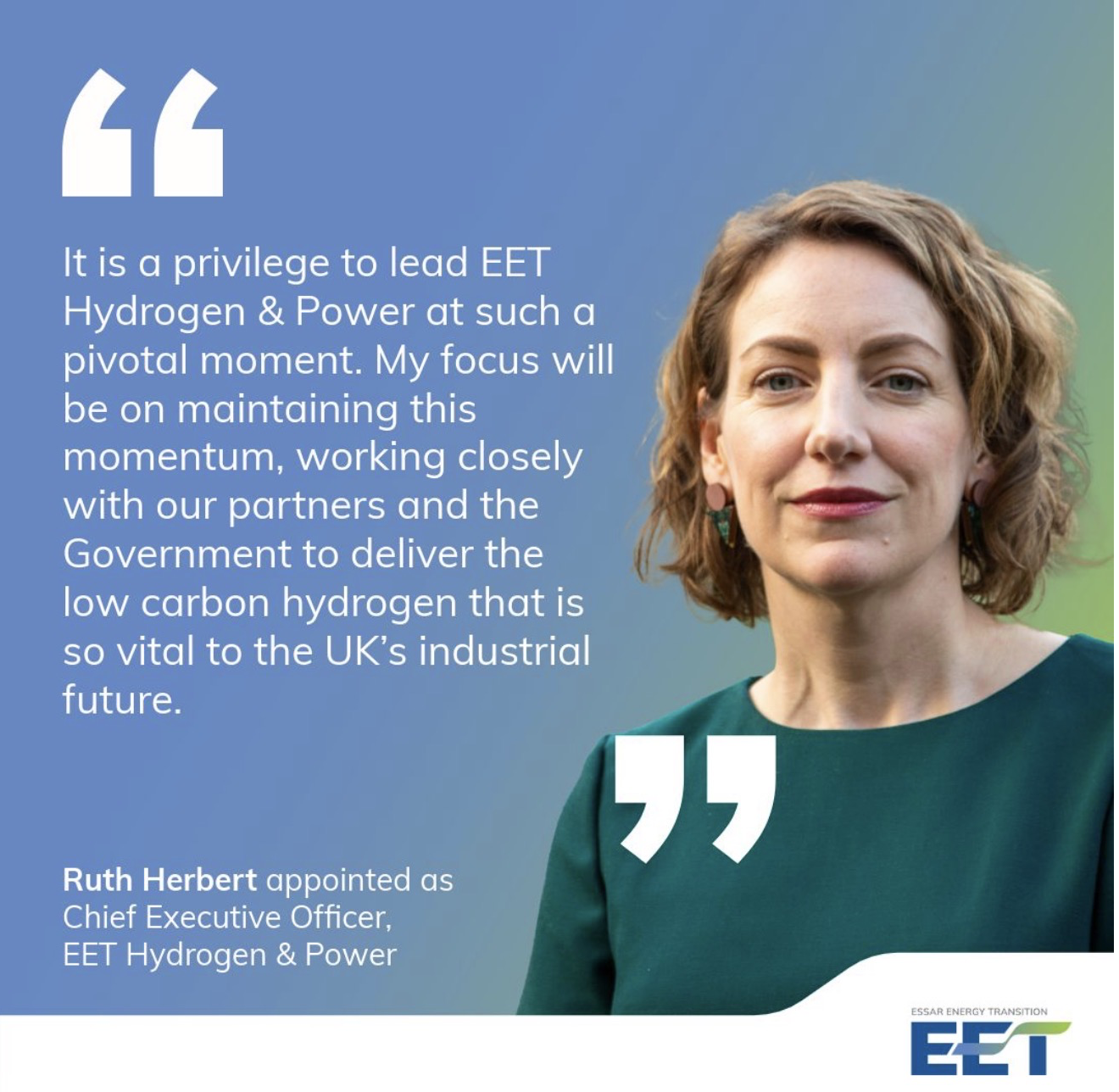
Essar Energy Transition has announced the appointment of Ruth Herbert as chief executive officer of EET Hydrogen & Power, succeeding Joe Seifert, who is departing to return to the investment banking sector.

Herbert brings extensive experience from senior roles across government and industry. She most recently served as CEO of the Carbon Capture and Storage Association (CCSA), where she played a key role in securing policy frameworks and funding for the UK’s first industrial decarbonisation clusters. Her background in energy policy spans nearly two decades in the public sector, including work on the first government negotiations on CCS and delivery of the Electricity Market Reform (EMR) programme at the Department of Energy and Climate Change (DECC)The appointment comes as EET Hydrogen & Power approaches Final Investment Decision (FID) on its flagship HPP1 project, positioning Herbert to lead the business through what the company describes as a critical next phase of delivery.

Prashant Ruia, CEO of Essar Energy Transition, said Herbert’s track record in the sector was “considerable” and that she had already been involved in shaping the company’s vision for a low-carbon energy hub in the North West of England. He also paid tribute to outgoing CEO Joe Seifert, crediting his leadership with establishing EET Hydrogen & Power as the UK’s leading hydrogen project.

Herbert said she would focus on maintaining momentum and working with partners and the UK Government to deliver the low-carbon hydrogen she described as vital to the country’s industrial future.

Please click here to find out more: www.eethydrogen.com

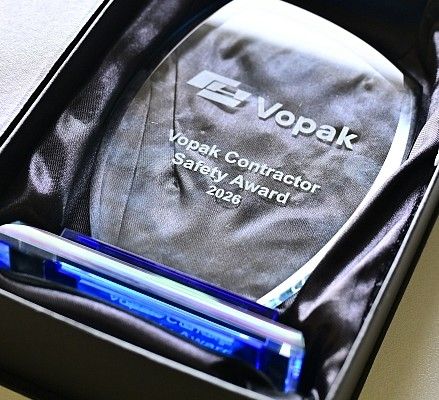
J. de Jonge TankX wins Vopak Contractor Safety Award 2026

J. de Jonge Group B.V. announced that its TankX division has received the Vopak Contractor Safety Award 2026 at Vopak Energy Terminal Europort in recognition of extensive tank maintenance projects completed at the site.

According to the company, the award highlights the performance of the TankX site team, whose focus on safe execution, operational discipline, and accountability contributed to the recognition.

J. de Jonge Group said the achievement also reflected strong collaboration between contractors and the Vopak tank team, emphasizinging the importance of shared responsibility in maintaining high contractor safety standards across industrial operations.

The company noted that continued vigilance, cooperation, and attention to detail remain essential to ensuring safe and effective project execution during large-scale tank maintenance activities.

J. de Jonge Group added that the recognition reinforces its commitment to workplace safety and ensuring personnel return home safely each day following operations at industrial and energy infrastructure sites.

For more information visit www.jdejonge.com

FARO CREAFORM’s HandySCAN 3D EVO Series wins Red Dot Award for product design

FARO Technologies’s Creaform business, a provider of 3D scanning and portable CMM solutions, has announced that its HandySCAN 3D EVO Series handheld 3D scanner has received the prestigious Red Dot Award: Product Design.

Recognised for more than 70 years as a global benchmark for design excellence, the Red Dot Awards are regarded as one of the industry’s most respected seals of quality and innovation. Thousands of entries are submitted annually across categories including Product Design, Brands & Communication, and Design Concept. This year’s recognition marks the sixth Product Design award for the HandySCAN 3D lineup, further underscoring FARO Creaform’s emphasis on innovation, usability, and industrial-grade design.

According to Fanny Truchon, president and chief executive officer of FARO Creaform, the award reflects the company’s commitment to combining high-end performance, intuitive usability, and distinctive industrial design in its handheld 3D scanning solutions. She noted that the HandySCAN 3D EVO Series demonstrates the company’s focus on delivering accurate and precise 3D metrology solutions that remain user-friendly across a broad range of shop-floor applications.

The HandySCAN 3D EVO Series features a compact and lightweight design with a 4.3-inch touchscreen display that enables real-time visualization, greater mobility, and improved operational efficiency. Its ergonomic graphical user interface streamlines inspection workflows by reducing the need for users to move between the scanned part and a connected laptop.

The scanner also incorporates three mechanical navigation buttons, a directional distance indicator, and a single rugged industrial push-pull connector designed for secure connectivity and balanced weight distribution.

Marco St-Pierre, DVP Innovation 3D Scanners at FARO Creaform, highlighted the scanner’s visual and ergonomic refinements, including its large touchscreen, heatsink protector grid, trapezoid camera covers, textured handle, and matte anti-slip finish, which collectively contribute to both durability and aesthetics.

Entries for the Red Dot Awards are evaluated annually by a jury of 40 international experts, who assess submissions based on criteria such as innovation, functionality, ergonomics, and overall design quality.

For more information visit www.creaform3d.com

Phillips 66 honoured with safety award

Phillips 66 has been recognised by the American Petroleum Institute (API) with the 2025 Distinguished Pipeline Safety Award in the Extra-Large Operator category, highlighting the company’s performance in pipeline safety and operational management.

The award was presented during the 2026 API Pipeline Conference and Expo in Aurora, Colorado, where Phillips 66 was honoured alongside winners in the small, medium and large operator categories. The recognition follows a peer-reviewed application and evaluation process focused on safety performance, operational reliability and initiatives that contribute to improving industry standards.

According to Phillips 66, the award reflects the company’s emphasis on building a strong safety culture centred on accountability, operational discipline and continuous improvement. The company said its safety approach prioritises adherence to procedures, reporting of near misses, workforce engagement and ongoing learning to help prevent incidents across its pipeline systems.

Todd Tanory accepted the award on behalf of the company and said the recognition reflected the work of employees and contractors involved in daily operations, including field operators, technicians, control centre personnel, engineering teams and health and safety specialists.

Phillips 66 was specifically recognised for its implementation of API Recommended Practice 1173, the industry standard for pipeline safety management systems, as well as its efforts to adopt API Recommended Practice 1185 through its Midstream Public Engagement Guidelines and Assessment Tools.

The company has also expanded the use of satellite-based analytics to identify encroachments and land-use changes along pipeline rights-of-way, allowing for more proactive monitoring and field response capabilities.

The latest award marks the fifth time Phillips 66 has received an API Distinguished Pipeline Safety Award. The company was previously recognised as the 2024 Large Operator winner, reflecting ongoing investments in safety systems, integrity management programmes, workforce training and new technologies aimed at identifying and mitigating operational risks before incidents occur.

Tanory said the recognition represented progress in the company’s long-term commitment to pipeline safety and operational excellence, while reinforcing the importance of protecting employees, local communities and the environment.

For more information visit www.phillips66.com

Africa Energy Indaba 2027 builds momentum for Africa’s energy transformation

The Africa Energy Indaba 2026 set a new benchmark for the continent’s energy dialogue, headlined by a powerful keynote address from South African President H.E. Cyril Ramaphosa and attended by over 8,000 industry leaders, policymakers, investors, and energy stakeholders from across Africa and the globe.

Building on this landmark success, the 19th edition of the Africa Energy Indaba returns to the Cape Town International Convention Centre (CTICC) from 2–4 March 2027, promising to drive investment, strengthen partnerships, and accelerate actionable solutions for Africa’s energy future. Africa holds the world’s greatest untapped energy potential. With rapid demand growth, abundant natural resources, including solar, wind, hydropower, gas, and critical minerals, and expanding investment pipelines, the continent stands at the cusp of a transformative era. The Africa Energy Indaba 2027 will serve as the premier platform where these elements converge to power economic growth, industrialisation, and sustainable development across the region.

“Following the resounding success of the 2026 edition, which highlighted the urgency of energy security, regional cooperation, and infrastructure development, we are elevating the conversation even further,” said the organisers. “The 2027 Indaba will move from high-level dialogue to tangible outcomes, deal-making, project announcements, technology showcases, and policy alignment that deliver real impact on the ground.”

The event will feature a world-class conference programme, a dynamic exhibition showcasing cutting-edge energy solutions, and high-level side events. Delegates can expect in-depth discussions on power generation, renewable energy integration, grid modernisation, energy access, just transition strategies, and innovative financing models tailored to African realities.

For exhibitors and sponsors, participation in Africa Energy Indaba 2027 offers unmatched exposure to senior decision-makers. Attendees include ministers, utility executives, independent power producers (IPPs), investors, developers, regulators, and industry leaders actively seeking partnerships and solutions. Sponsors and exhibitors gain strengthened brand credibility, direct access to high-value deal flow, and the opportunity to position themselves at the forefront of Africa’s evolving energy landscape.

With more than 600 million Africans still lacking reliable electricity, the Indaba underscores the critical role of energy in unlocking prosperity. It facilitates cross-border collaboration, supports the scaling of renewable and conventional energy projects, and addresses the intersection of energy with industrialisation, climate goals, and community development.

The fully immersive, in-person experience at the CTICC ensures meaningful networking and knowledge exchange without parallel. Bookings for conference delegates, exhibition space, and partnership opportunities are now open. Africa’s energy revolution is underway.

The Africa Energy Indaba 2027 is where strategy meets execution, where ideas become investments and potential becomes power.

For more information visit www.africaenergyindaba.com

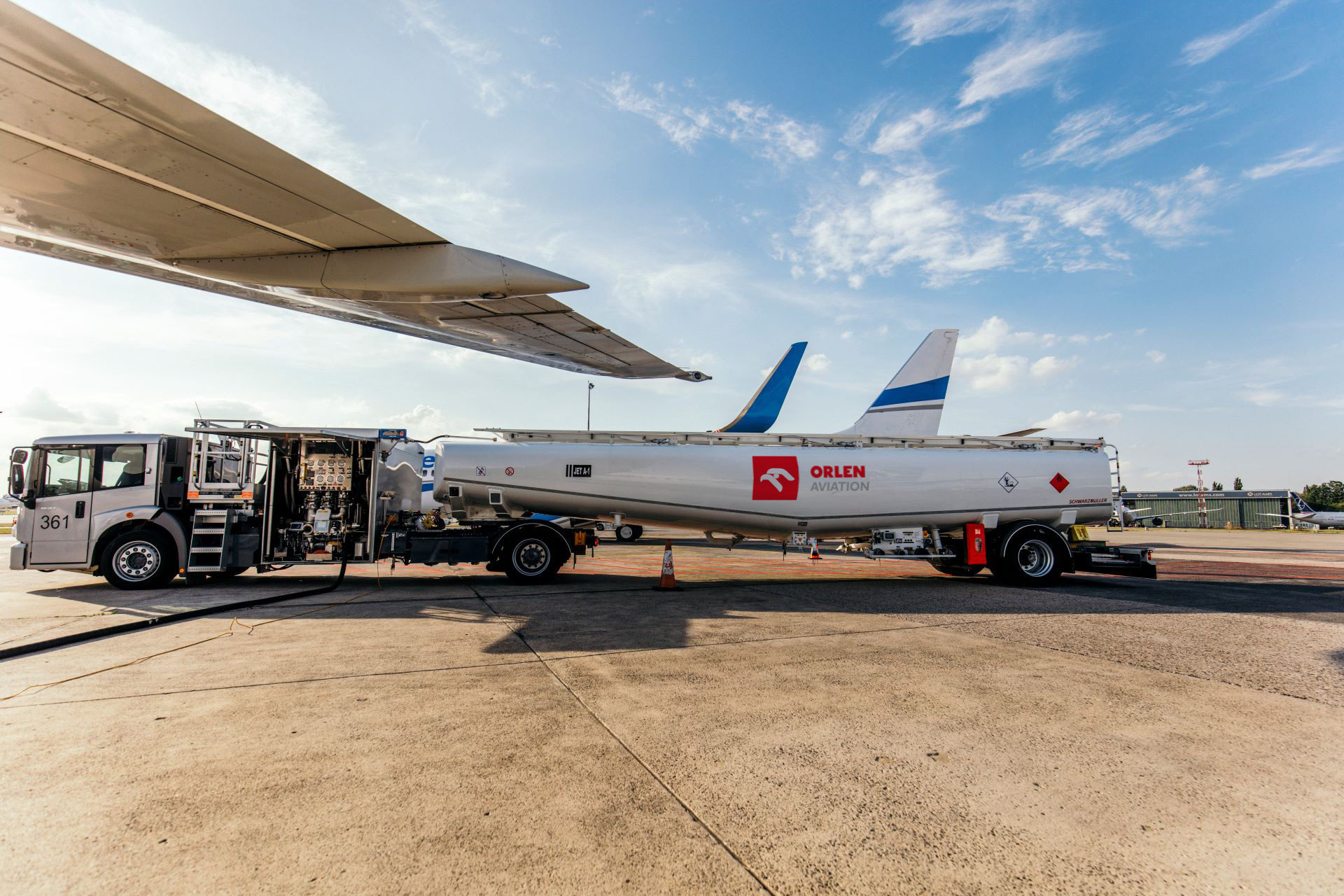
ORLEN accelerates its expansion ORLEN Aviation enters a new market

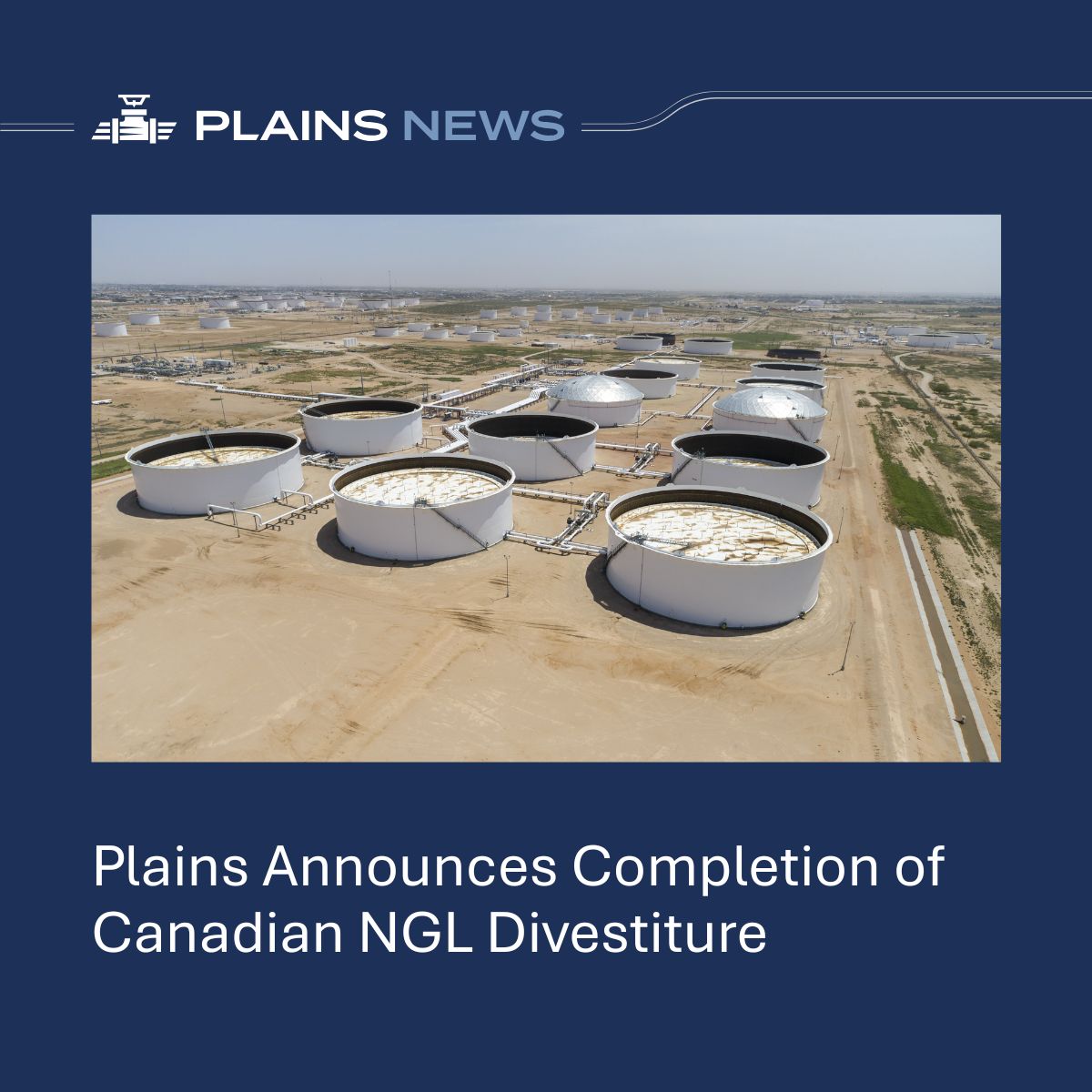
Plains All American Pipeline and Plains GP Holdings announce completion of Canadian NGL divestiture

Plains All American Pipeline and Plains GP Holdings have completed the previously announced sale of Plains Midstream Canada ULC, the subsidiary holding substantially all of Plains’ Canadian natural gas liquids (NGL) business, to Keyera Corp.

The transaction was completed under the terms of a definitive Share Purchase Agreement signed on June 17th, 2025.

According to Plains, the deal generated approximately US$3.3 billion in net cash proceeds after purchase price adjustments, taxes, and related costs. The company stated that the proceeds will primarily be used to repay outstanding debt and support general partnership purposes.

Following completion of the transaction, Plains expects its leverage ratio to move toward the middle of its target range of 3.25 to 3.75 times. The company also confirmed that it does not anticipate issuing a special distribution related to the divestiture, noting that anticipated tax liabilities for unitholders are expected to be offset through bonus depreciation associated with the Cactus III acquisition.

Willie Chiang, chairman, CEO and president of Plains All American Pipeline, said the transaction marks a significant milestone in the company’s strategic transformation into a pure-play crude oil midstream business.

He explained that the move is expected to create a more resilient business model with reduced exposure to commodity price volatility, while also improving free cash flow through lower maintenance capital requirements and reduced corporate taxes.

The company’s remaining crude oil infrastructure network spans from Canada to the US Gulf Coast and is designed to provide customers with access to multiple market destinations, including Corpus Christi, a major US crude oil export hub.

Plains also noted that recent geopolitical developments have reinforced the strategic importance of North American energy infrastructure, positioning the company to benefit from continued demand for reliable crude oil transportation and export capabilities.

The company stated that it remains focused on disciplined capital allocation, maintaining a strong balance sheet, and delivering returns to unitholders as it advances its long-term growth strategy.

Plains cautioned that forward-looking statements related to the transaction remain subject to various risks and uncertainties, including market conditions, commodity price fluctuations, regulatory developments, and broader economic factors that could impact future performance.

For more information visit www.ir.plains.com

EEMUA welcomes Johnson Matthey as a Corporate Member

The Engineering Equipment and Materials Users Association (EEMUA) is pleased to announce that Johnson Matthey has joined the Association as a corporate member.

Johnson Matthey is a global leader in speciality chemicals and sustainable technologies, operating advanced manufacturing facilities across multiple countries. With a long-standing commitment to innovation, engineering excellence, and the development of solutions that support the transition to a more sustainable future, the company brings expertise that aligns strongly with EEMUA’s mission.

EEMUA exists to help users of engineering equipment improve their safety, efficiency, regulatory compliance and bottom line. The addition of Johnson Matthey strengthens the Association’s diverse membership base and supports its goal of bringing together engineers from a wide range of sectors to share experiences, learn, and solve problems.

Welcoming the organisation’s newest member, EEMUA Chief Executive Stefan Kukula said: “We are delighted to welcome Johnson Matthey into EEMUA. Their global perspective, technical capability, and commitment to sustainable industrial operations will enrich our community and contribute to the shared learning that sits at the heart of EEMUA’s work.”

Muhammad Ahsan Arshad, Johnson Matthey asset integrity lead commented: “We are delighted to join EEMUA as a corporate member. This partnership reflects our commitment to engineering excellence and continuous improvement. Through EEMUA, we look forward to advancing capability development across our teams, standardising engineering practices, and contributing to a shared industry agenda. Access to a collective knowledge base and collaborative learning opportunities will strengthen our organisation and help us deliver safer, more efficient operations.”

As a corporate member, Johnson Matthey will have access to EEMUA’s full suite of resources, including specialist committees, technical publications, competency-based training, and opportunities to participate in cross-industry initiatives. The company’s involvement will support the development of good practice across sectors while enabling Johnson Matthey’s engineers to engage with peers facing similar operational and regulatory demands.

EEMUA looks forward to Johnson Matthey’s active participation in the Association and to the benefits this involvement will bring, strengthening EEMUA’s collective expertise while supporting Johnson Matthey in its ongoing drive for safe, reliable, and efficient operations worldwide.

For more information visit www.eemua.org

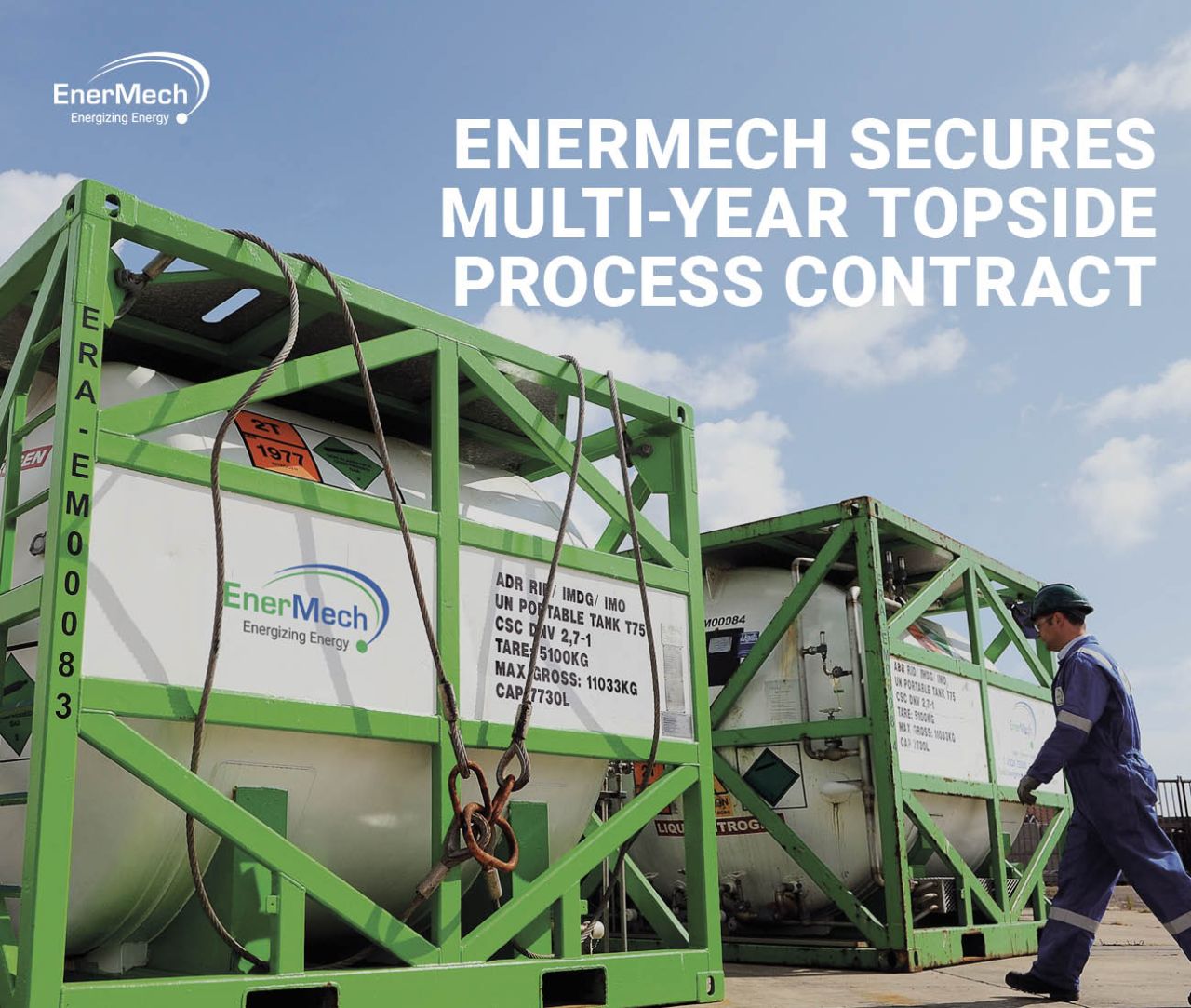
EnerMech secures multi‑year UKCS topside process services contract

EnerMech has been awarded a multi-year contract by a leading operator in the UK Continental Shelf (UKCS) to provide integrated topside process services across a portfolio of offshore assets.

The agreement further strengthens the long-standing relationship between the two organisations and reinforces EnerMech’s position as a specialist provider of topside process, maintenance, and integrity services supporting safe and efficient offshore operations.

Under the terms of the contract, EnerMech will deploy a multi-disciplined team to deliver a broad range of operational services, including bolting, leak testing, nitrogen services, fluid pumping, cryogenic pipe freezing, machining, hydrostatic and ultrasonic testing, as well as full pre-commissioning and commissioning support.

Operations will be managed from the company’s Aberdeen base and supported by one of the UKCS’s largest fleets of nitrogen units, pumps, machining packages, and testing systems. The company will also utilise its SIMPro digital platform to provide real-time operational oversight, enabling data-driven execution and improved planning certainty throughout project campaigns.

Charles “Chuck” Davison Jr., CEO of EnerMech, said the contract award reflects the strength of the company’s long-standing relationship with the UKCS operator and highlights its continued commitment to safe and reliable offshore operations. He noted that EnerMech’s delivery approach is built around technical expertise, operational insight, and the ability to rapidly mobilise the appropriate personnel, equipment, and systems to support customer objectives.

Nuno de Sousa, Senior Vice President of Energy Solutions at EnerMech, added that the company’s extensive experience across the offshore asset portfolio provides teams with deep familiarity with platform standards and operating routines. This, he explained, enables a right-first-time execution model designed to minimise operational disruption while improving cost and schedule certainty.

He further highlighted that the integration of multi-skilled teams, owned equipment, and SIMPro-enabled planning capabilities helps reduce interface risks and improve overall operational efficiency across offshore campaigns.

For more information visit www.enermech.com

RUBIS and Kenya Airways sign agreement to develop East Africa’s first sustainable aviation fuel production unit

Ahead of the opening of the Africa Forward Summit in Nairobi, RUBIS announced the signing of a Memorandum of Understanding (MoU) with Kenya Airways to develop the first Sustainable Aviation Fuel (SAF) production unit in East Africa.

The project aims to utilise locally available resources to produce a lower-carbon aviation fuel solution, supporting both sustainable mobility and greater energy sovereignty within Kenya and the wider East African region.

The initiative comes as Africa experiences increasing demand for reliable infrastructure and sustainable energy solutions to support economic growth and regional connectivity. By combining industrial expertise, innovation, and local operational capabilities, the partnership is intended to contribute to the development of a more sustainable aviation sector while strengthening local energy resilience.

The collaboration also reflects RUBIS’ broader strategic approach to the energy transition, which focuses on operational excellence, empowered local teams, and pragmatic solutions tailored to regional market needs.

The planned SAF production facility is expected to support the aviation industry’s decarbonisation efforts while positioning Kenya as a potential regional hub for sustainable aviation fuel production in East Africa.

For more information visit www.rubis.fr

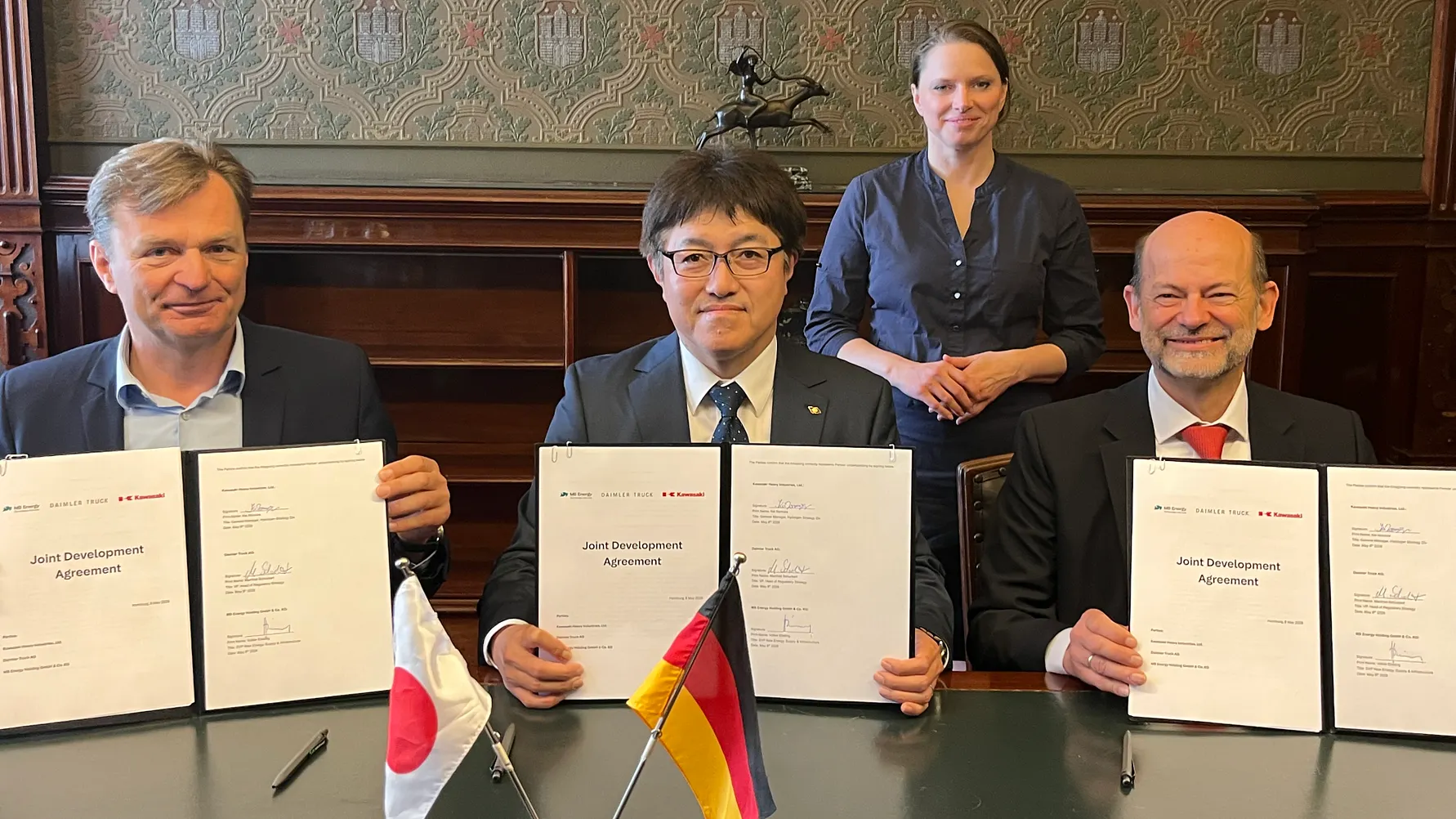
MB Energy, Daimler Truck AG and Kawasaki Heavy Industries, Ltd. have signed a Joint Development Agreement (JDA)

MB Energy, Daimler Truck AG, and Kawasaki Heavy Industries, Ltd. have entered into a Joint Development Agreement (JDA) aimed at creating a liquefied hydrogen supply chain to Europe through the Port of Hamburg. This agreement was formalised during the “Hamburg Port Anniversary,” one of the largest port festivals globally, highlighting Hamburg’s ambition to become a significant energy hub for Europe.

Through this collaboration, the three companies will leverage their expertise to conduct studies focused on developing a financially viable liquefied hydrogen supply chain to Hamburg. Their goal is to achieve a Commercial Operation Date (COD) for the supply of liquefied hydrogen and hydrogen by the early 2030s. Building upon the existing Memorandum of Understanding (MoU) for a Japan-Germany hydrogen supply chain, the partners aim to expand their hydrogen-related business internationally, contributing to global energy security and fostering a decarbonised society for a sustainable future.

Volker Ebeling, senior vice president of New Energy, Supply & Infrastructure at MB Energy, stated, “Hydrogen has the potential to be a key driver for Europe’s energy transition, with Hamburg ideally positioned as Germany’s main entry point. We are integrating MB Energy’s infrastructure, service station network, and trading expertise with Daimler Truck’s advancements in hydrogen trucks and Kawasaki’s innovative hydrogen storage and shipping technologies. Together, we are working to establish a scalable, international hydrogen import corridor for Europe.” He added that creating a reliable liquefied hydrogen supply chain enhances energy security and sustainability, and they aim to deliver this as a comprehensive end-to-end solution.

MB Energy is recognised for its extensive expertise in fuel sourcing, trading, and logistics, supported by its established supply chain and service station network, including the conversion of key logistics hubs for liquid hydrogen (LH2).

Daimler Truck is pursuing a dual strategy for decarbonizing transport through both battery-electric and hydrogen-powered solutions. The company plans to introduce 100 hydrogen-powered fuel cell trucks into customer operations by the end of 2026, with series production expected to begin in the early 2030s, coinciding with the anticipated availability of necessary infrastructure and competitively priced liquid hydrogen.

Manfred Schuckert, head of regulatory strategy at Daimler Truck, emphasised, “The scaling of hydrogen-powered trucks across Europe in the coming decade relies on a dependable and competitive supply of liquid hydrogen. This agreement is crucial as it unites key partners to collaboratively explore and develop a liquefied hydrogen supply chain for Europe, focusing on feasibility, scalability, and long-term impact. Liquid hydrogen provides the energy density and operational flexibility essential for long-haul transport, but its potential can only be realized through coordinated efforts across the entire value chain.”

Kei Nomura, executive officer and general manager of the Hydrogen Strategy Division at Kawasaki Heavy Industries, expressed support for this Hamburg-centred initiative, viewing it as a critical step in developing a hydrogen supply chain between Japan and Germany. “By introducing our liquefied hydrogen technologies to Europe, we aim to meet the demands of industrial and heavy-duty vehicles, establishing a scalable international hydrogen corridor that enhances competitiveness, resilience, and climate neutrality.”

Kawasaki Heavy Industries will contribute its expertise in designing and manufacturing key infrastructure, including hydrogen liquefiers, LH2 storage tanks, and LH2 carrier ships, which are essential for building international liquefied hydrogen supply chains. As the demand for hydrogen energy grows in the quest for a decarbonised society, this partnership seeks to establish efficient transport routes from potential hydrogen-producing countries to Germany, promoting hydrogen utilisation across European industries, starting with Daimler Truck’s Zero-Emission Vehicles (ZEVs).

For more information, visit www.mbenergy.com

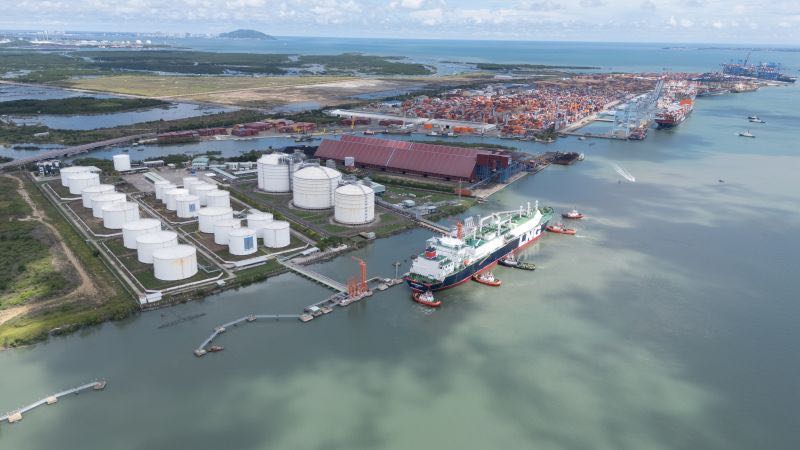
AG&P LNG to acquire full ownership of Cai Mep LNG Terminal in South Vietnam

AG&P LNG has announced plans to increase its stake to 100 percent in the Cai Mep LNG Terminal, marking a significant milestone in the company’s expansion strategy across Southeast Asia.

The acquisition reinforces AG&P LNG’s growing presence in Vietnam’s energy sector and strengthens its position as a leading player in the region’s LNG infrastructure and energy transition initiatives.

Operational since 2025, the Cai Mep LNG Terminal has become a vital component of South Vietnam’s energy supply chain, providing liquefied natural gas to power plants and industrial customers across the region. The terminal supports the country’s increasing demand for cleaner and more reliable energy solutions as Vietnam continues to diversify its energy mix.

Following the transaction, the terminal will become a wholly owned flagship asset within the Nebula Energy portfolio, further enhancing the group’s LNG capabilities and long-term growth ambitions in Asia.

The move highlights AG&P LNG’s commitment to supporting Vietnam’s energy transition through strategic infrastructure investments that improve energy security, expand access to LNG, and contribute to lower-carbon economic development.

With full ownership of the Cai Mep LNG Terminal, AG&P LNG is expected to play an increasingly important role in enabling sustainable energy growth in Vietnam and across the broader Southeast Asian market.

For more information visit www.agplng.com

INA and MOL held constructive talks with the Syrian Petroleum Company on the reactivation of INA’s operations in Syria

Representatives of INA and MOL Group have concluded a series of constructive meetings with senior officials from the Syrian Petroleum Company (SPC), focusing on the potential reactivation of INA’s oil and gas operations in Syria.

The three-day visit centered on evaluating pathways for restarting operations on INA’s former Syrian concessions. Earlier this year, INA and SPC established a joint technical team tasked with assessing the feasibility of resuming activities in the country. The team is currently reviewing operational, technical, commercial and regulatory conditions required for a potential return.

Both parties described the discussions as productive and forward-looking, highlighting a shared commitment to identifying a viable framework for renewed cooperation.

The SPC delegation was led by Yousef Qiblawy, CEO of Syrian Petroleum Company, alongside Zuhair Sawwan, director of Development and Exploration, and Hisam Suleymanelsalih, vice president of Gas Development. During the visit, the delegation held meetings at MOL Group’s headquarters in Budapest and INA’s offices in Zagreb. Representatives also met with Croatian Minister of Economy Ante Šušnjar to discuss ongoing developments and regional energy cooperation.

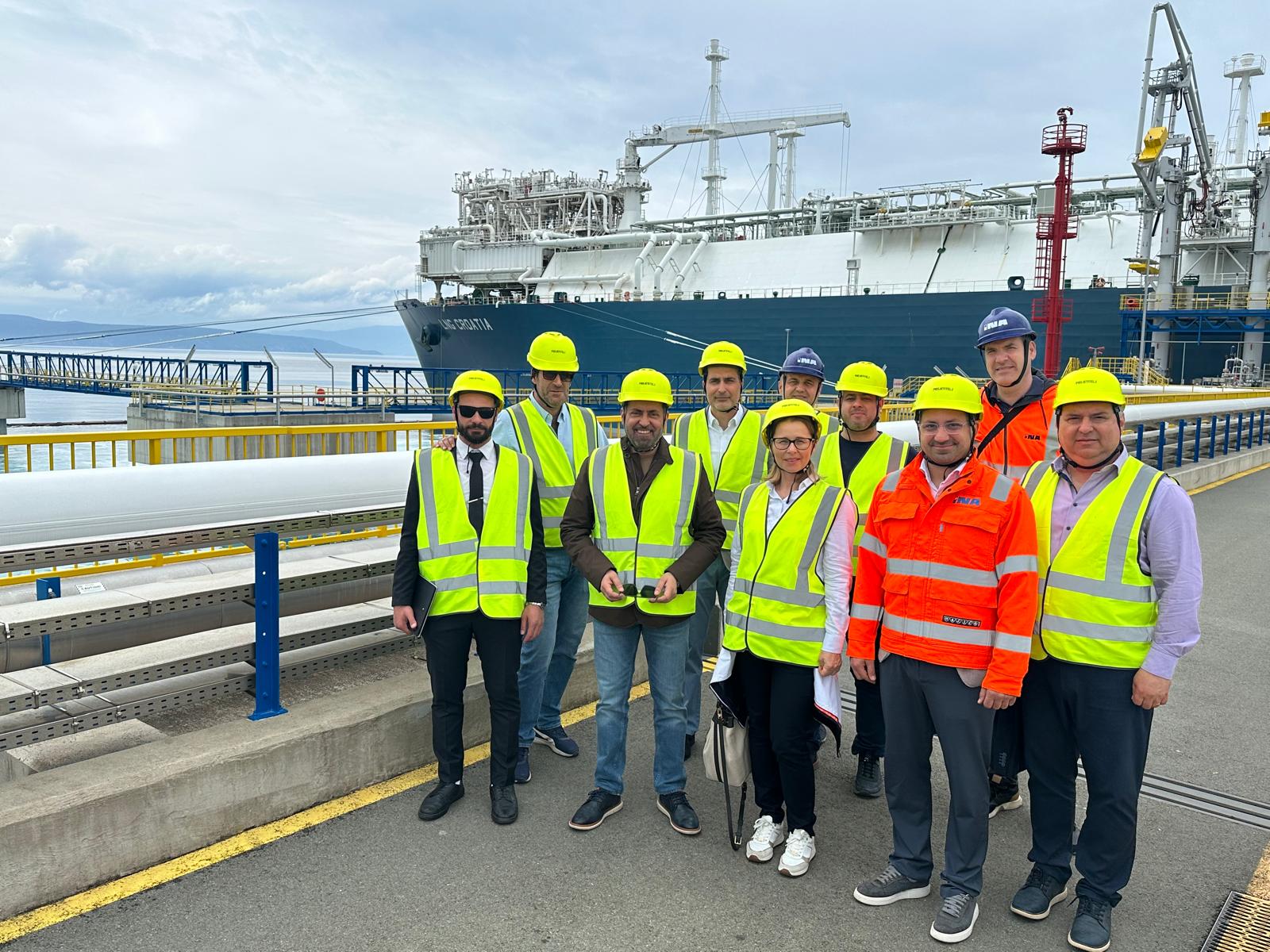
As part of the official programme, the delegation visited the LNG terminal on Croatia’s Krk Island on May 5th. The visit underscored the growing importance of energy diversification, secure supply routes and modern infrastructure development within the Mediterranean energy sector.

A major milestone of the visit was the joint expert team meeting held on May 6th, where participants reviewed key findings from a comprehensive assessment of infrastructure and field conditions following the suspension of INA’s Syrian operations more than a decade ago. The team is expected to define the technical and safety requirements necessary for restarting operations and establish a strategic roadmap for future collaboration.

Zsuzsanna Ortutay said the discussions had progressed positively, although significant regulatory, legal, commercial and operational matters still need to be resolved before operations can resume.

Meanwhile, Zsombor Marton highlighted Syria’s historic importance within MOL Group and INA’s international portfolio. He noted that the companies had successfully discovered and developed hydrocarbon fields in the country, reaching production levels of 37,300 barrels of oil equivalent per day by 2011. Before operations were suspended in 2012, INA had invested approximately $1.1 billion in Syria, including the construction of a gas processing plant at the Hayan gas field.

For more information visit www.molgroup.info

Securing upstream supply amid national downstream expansion

The recent inauguration of the refinery unit expansion under the Balikpapan Refinery Development Master Plan (RDMP) project is more than just a celebration of physical infrastructure progress. For the national energy sector, this momentum marks a paradigm shift from being a raw material exporter to a nation with greater processing sovereignty. With the increase in Balikpapan’s refinery capacity from 260,000 barrels per day (bpd) to 360,000 bpd, Indonesia’s collective processing capacity has now surpassed the 1.1 million bpd milestone.

“This country will never advance without industrialisation and downstreaming. Otherwise, we will only be a nation suffering from the natural resource curse.” (Source: Statement by Minister of Energy and Mineral Resources Bahlil Lahadalia at various official forums, late 2025).

However, behind the roar of the growing scale of refinery operations, structural challenges emerge that require serious attention from all stakeholders. The central government’s energy downstreaming programme has noble goals: increasing economic value added, strengthening industrial resilience, and reducing the trade balance deficit by cutting fuel product imports. To strengthen this downstream ecosystem, synchronised integration is required to ensure national industrial competitiveness.

Data indicates a widening gap between downstream ambitions and upstream production realities. According to SKK Migas annual achievement reports, national crude oil lifting currently fluctuates between 580,000 and 600,000 bpd. Based on 2025 data from the Ministry of Energy and Mineral Resources and SKK Migas, domestic production only covers about 55 percent of the total national consumption, which has reached 1.5 million bpd.

If this disparity is not immediately mitigated through significant increases in upstream production, magnificent downstream facilities like the RDMP risk facing operational pressure. Instead of reducing foreign dependence, large refinery capacities without domestic supply support will force Indonesia to significantly increase crude oil imports just to maintain optimal refinery utilisation. Economically, this merely shifts the import burden from finished products (fuel) to raw materials, which remain vulnerable to global oil price fluctuations and the depreciation of the Rupiah.

Therefore, downstreaming must not be viewed as an isolated sector. The downstream sector requires “supply” in the form of a stable, sustainable crude oil supply that is geographically close to processing facilities to minimize logistics costs. This alignment is crucial so that downstream capacity expansion receives optimal support from the upstream side, creating a synergy that ensures every step of our energy development has a solid supply foundation.

Exploration: The Heart of Oil and Gas Industry Sustainability

Indonesia’s upstream oil and gas industry is currently in a race against time. Most of Indonesia’s major oil and gas fields have entered the mature phase, with a natural decline rate averaging 10 percent to 15 percent per year. Efforts to optimise existing wells through infill drilling and Enhanced Oil Recovery (EOR) remain vital operational pillars, but they must now be coupled with massive acceleration in exploration to maintain long-term supply sustainability.

Discovering new reserves through exploration, especially in frontier areas and the deep waters of Eastern Indonesia is the only way to reach the production target of 1 million barrels per day by 2030. Exploration is not merely a technical activity of finding drilling points; it is a high-risk investment decision involving immense capital. For industry players, investment security guarantees and legal certainty are determining factors.

The government has signaled a positive shift through various regulatory improvements, but field challenges persist. The lead time from exploration to the commercial production stage takes years. If exploration activities are not aggressively accelerated today, the gap between downstream refinery capacity and upstream supply will widen even further in the coming decade. Exploration must be treated as a national priority equal to downstream infrastructure development, because without new reserve discoveries, the energy independence envisioned through downstreaming will lose its primary foundation.

The Indonesian Petroleum Association (IPA) consistently emphasizes that the upstream and downstream sectors are one integrated value chain. The success of downstreaming must be measured by how well the sector strengthens overall national industrial resilience, rather than just shifting the point of import. In line with the 2026 National Energy Vision, the IPA focuses collaboration on four strategic priority pillars: massive exploration acceleration, improvement of the investment and regulatory climate, operational digitalisation, and a planned energy transition.

Among these four pillars, massive exploration acceleration is the most urgent foundation. Without significant new reserve discoveries, the supply sustainability for modernised national refineries will continue to face structural challenges. Therefore, strengthening the upstream side is not just about increasing production; it is a strategic step to ensure that our downstream expansion has an independent and sustainable supply base in the long term.

Consequently, a synchronised roadmap between relevant ministries and agencies is needed to bridge the aspirations of industry players with government policies. This synchronisation includes several strategic points: The government’s step in inaugurating the Balikpapan RDMP and pushing for downstreaming deserves appreciation as a bold move toward economic transformation. However, this momentum must serve as an alarm for all of us to look back toward the upstream. We cannot allow the downstream sector to race ahead alone without being accompanied by strengthening in the upstream sector.

Downstreaming is the great ship carrying us toward energy sovereignty. However, the sustainability of that ship’s voyage depends on how hard our upstream engines work. By synergising downstream ambitions and upstream realities within a single policy framework, Indonesia will not only possess modern refineries but also sovereignty over its own energy resources. Maintaining the sustainability of the upstream sector is not just a matter of business. It is about sustaining the long-term independence of the nation.

For more information visit www.convex.ipa.or.id

Meghna PVC Limited strengthens reliability and steel integrity through proactive corrosion management

Meghna PVC Limited, a key company within Meghna Group of Industries (MGI), has taken a decisive step to reinforce long-term steel integrity by adopting a structured, data-driven approach to proactively maintain their assets through a partnership with Jotun.

Operating under extremely aggressive conditions typical of chemical-processing facilities — where corrosion can accelerate rapidly and compromise critical structures — Meghna PVC Limited has demonstrated strong leadership by prioritising preventive action over reactive repairs, using Jotun’s AssetKeeper.

“Meghna PVC Limited partnered with Jotun to implement AssetKeeper, a comprehensive three steps services that designed to optimise maintenance planning and enhance corrosion protection, thus supporting asset owners to establish a long term maintenance strategy” said Sunny Gwee, managing director of Jotun Bangladesh ltd., one of the leading paint and coatings manufacturers worldwide.

Jotun have developed the solution to provide a systematic assessment and maintenance plan. This enables sites to identify risk areas sooner, justify maintenance budgets with confidence, and plan interventions before corrosion escalates into costly damage, unplanned downtime, or safety incidents. Through the solution, Meghna PVC Limited is setting a benchmark for responsible industrial risk management in Bangladesh’s manufacturing sector.

“AssetKeeper gave us a clear view of our asset condition and helped prioritise maintenance more effectively. Jotun’s insights will support better planning and long-term protection of our facilities,” said Mohammad Iqbal, deputy general manager, Meghna PVC Limited. “Our focus is on protecting people, operations, and the integrity of the facility — and this approach supports all three.”

The initiative includes a detailed condition assessment of existing coatings, a maintenance prioritisation report, and recommendations covering repair strategies and optimised coating systems. Critically, Meghna PVC Limited has also committed to ongoing, yearly assessments to monitor coating performance and support continuous improvement in asset management — an important signal of long-term intent and accountability.

“Meghna PVC Limited’s commitment to safety and steel integrity is exactly the kind of leadership that drives sustainable industrial performance,” said Ashibul Hussain, segment manager marine and protective in Jotun Bangladesh. “By investing in structured assessment and long-term planning, they’re actively reducing risk and raising the bar for responsible maintenance practices.”

The scope encompasses comprehensive maintenance of the entire factory infrastructure, including steel structures and pipe-holding systems.

MGI is among Bangladesh’s largest industrial conglomerates, operating more than 57 industrial units and employing tens of thousands of people nationwide. Meghna PVC Limited is the sole manufacturer of PVC and PET in Bangladesh.

“Corrosion is costing the global economy over USD 2.5 trillion annually, and by 2030 it is estimated that up to 9.1 percent of global CO emissions will originate from steel production only to replace corroded steel. Being proactive and maintaining steel integrity is therefore of high importance for the global environment as well, and we are reliant on responsible stakeholders like MGI,” concludes Ekaterina Mezhentseva, global solution manager in Jotun.

For more information visit www.jotun.com

INEOS, Shell agree joint investment in Gulf of Mexico exploration projects

INEOS Energy and Shell plc, through its subsidiary Shell Offshore Inc., have agreed to jointly invest in exploration and development opportunities near the Appomattox platform in the Gulf of Mexico, strengthening cooperation between the companies and supporting long-term energy security initiatives.

As part of the agreement, INEOS Energy will acquire a 21 percent working interest for an undisclosed sum, aligning with its existing ownership stakes in Appomattox, Rydberg, the Nashville discovery and the Mattox pipeline infrastructure.

The partnership will initially focus on three exploration and production opportunities, including Shell’s pre-final investment decision (FID) Fort Sumter discovery, the drilling of the Sisco exploration well and an additional exploration well planned before the end of 2030.

The agreement forms part of INEOS Energy’s broader expansion strategy, which includes operations in the Gulf of Mexico, Eagle Ford in South Texas, offshore Denmark and the UK Continental Shelf. The company said the partnership with Shell would further strengthen efforts to pursue future growth opportunities while leveraging existing infrastructure.

INEOS Energy said the collaboration aims to unlock additional value from the Appomattox platform by integrating production assets from Appomattox and Rydberg with existing pipeline infrastructure to support efficient production and improve project economics.

David Bucknall, CEO of INEOS Energy, said the partnership reflects the company’s focus on infrastructure-led growth, targeting areas close to existing facilities where development can progress efficiently while controlling costs and sharing exploration risk.

The latest agreement marks another step in INEOS Energy’s strategy to expand its upstream portfolio globally while maintaining capital discipline and working alongside established industry operators.

For more information visit www.ineos.com

Guidant acquires Athiyo Proprietary Limited, expanding Measurement and Terminal Management Capabilities

Guidant has announced the acquisition of Athiyo Proprietary Limited, a well-established provider of measurement and terminal management solutions recognised for its expertise, precision, and customer-focused approach across a wide range of industrial sectors.

The acquisition brings together two organisations with complementary strengths in measurement systems, Terminal Management Systems (TMS), and IT/ERP integration. By incorporating Athiyo’s capabilities into its portfolio, Guidant is enhancing its ability to deliver scalable, reliable, and accurate solutions while maintaining the high standards of service and operational excellence both companies are known for.

Prior to the acquisition, Athiyo had served as a long-standing Authorised Technical Reseller (ATR) of Guidant’s FuelFACS™ TMS suite for more than eight years. During this time, the company successfully implemented and supported terminal management solutions for customers around the world. Its deep understanding of Guidant’s technologies, standards, and operational approach positioned Athiyo as a natural strategic fit for the next phase of the partnership.

According to Dallas Mabry, CEO of Guidant, the acquisition aligns with the company’s vision of becoming one of the industry’s most experienced and trusted partners in measurement and terminal management solutions. He noted that Athiyo’s technical expertise and customer-centric approach complement Guidant’s existing strengths, creating new opportunities to deliver greater value across the markets the company serves.

Athiyo Proprietary Limited has built a strong reputation for its specialised capabilities in measurement, terminal management, consulting services, and digital transformation initiatives. The company’s focus on precision, traceability, and compliance will further strengthen Guidant’s existing systems and operational capabilities.

The integration is expected to expand application coverage and accelerate innovation, enabling the combined organisation to better address evolving customer requirements across the industrial and energy sectors.

Customers of both organisations are expected to experience a seamless transition, with no disruption to ongoing projects, services, or existing points of contact. Over time, customers will gain access to expanded technical capabilities, enhanced support resources, and additional solution offerings made possible through the combined expertise of the two companies.

For more information visit www.guidantmeasurement.com

Emerson launches Digital Anti-Coating pH/ORP Sensor for Reliable, Low-Maintenance Service

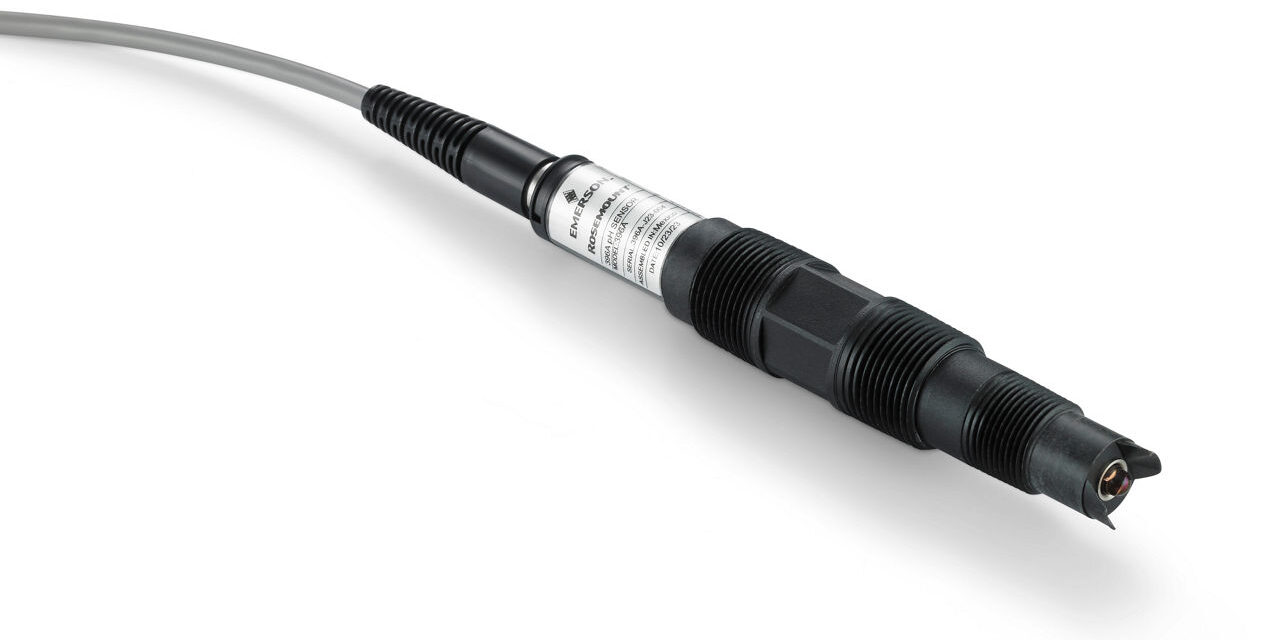
Emerson has introduced the new Rosemount 396A Anti-Coating pH Sensor, designed to measure pH and oxidation-reduction potential (ORP) in abrasive, dirty and high-solids industrial applications.

The sensor features an anti-coating reference design and Modbus digital output aimed at reducing maintenance requirements while maintaining stable pH and ORP measurements in environments where coating and fouling are common.

According to Emerson, the Rosemount 396A has been developed for use in challenging process conditions across industries including chemical manufacturing, oil and gas refining, water and wastewater treatment, and pulp and paper production, where sensor reliability can be affected by buildup and contamination.

Rachel Jang, global product manager for liquid analysis at Emerson, said the new sensor combines anti-coating technology with digital connectivity to simplify installation and accelerate sensor replacement in demanding operating environments.

The company said the digital Rosemount 396A is designed as a direct replacement for legacy Rosemount 396P and 396PVP anti-coating sensors, allowing users to upgrade to digital technology without modifying existing installations or accessories.

The sensor incorporates Modbus digital communication to support simplified setup with compatible Rosemount liquid analysis transmitters. Emerson added that calibration data can be stored directly within the sensor, enabling bench calibration and replacement without requiring recalibration in the field, which can help reduce commissioning time and maintenance effort.

The Rosemount 396A is rated IP67 and IP68 for resistance against water and dust ingress, including submerged and washdown conditions. It also features a through-wall reference junction with increased surface area intended to improve performance in fouling applications.

Emerson said the Rosemount 396A sensor is now commercially available.

For more information visit www.emerson.com

Vopak reaches agreement with Green Energy Storage for majority stake in GES to accelerate large-scale battery storage in the Netherlands

Royal Vopak has reached an agreement in principle to acquire a majority stake in Green Energy Storage, in a move aimed at accelerating the development of large-scale battery energy storage systems (BESS) in the Netherlands.

GES, a Dutch battery storage developer based in Breda, has established a strong presence in the Dutch energy market through the development of utility-scale storage projects. The company oversees the entire project lifecycle, including site identification, permitting, construction and operational management, while also supporting efforts to reduce grid congestion and improve flexibility within the energy system.

Under the proposed transaction, Vopak will acquire a majority equity interest in GES and support the continued expansion of the company’s project portfolio. This includes the large-scale battery storage project in Oosterhout, which is planned to deliver 200 MW / 800 MWh of storage capacity. The project is expected to play a significant role in balancing the Dutch electricity grid and alleviating congestion.

Maarten Smeets, executive vice president global business development at Vopak, said the acquisition represents a strategic step into energy transition infrastructure through battery storage and noted that the combined expertise and project pipelines of both companies position them to accelerate the deployment of large-scale storage solutions.

GES CEO Guus Bengsch said the partnership with Vopak would help speed up the realisation of the company’s pipeline, enabling it to scale operations more rapidly and contribute more effectively to easing grid congestion and supporting the energy transition in the Netherlands.

The transaction remains subject to a Final Investment Decision, as well as customary approvals and conditions. Vopak said details of the investment value will be disclosed following completion of the transaction and a positive FID.

For more information visit www.vopak.com

The Transnet National Ports Authority (TNPA) invites interested entities to submit proposals

The Transnet National Ports Authority (TNPA) invites interested entities to submit proposals in response to the Request for Proposals (RFP) for the selection of a terminal operator. This operator will be responsible for financing, operating, maintaining, refurbishing, and/or constructing a Liquid Bulk Terminal, which includes bunkering and related services, at the Port of Cape Town over a 25-year concession period.

The project will take place on an existing brownfield site, which features a tank farm with eight storage tanks that together have a capacity of approximately 44,430 m³, as well as an adjacent storage warehouse and administrative building. The site facilitates connections with common-user berths at Tanker Basin 1 and Tanker Basin 2, catering to both local supply from the refinery and the importation of bunkering products.

This RFP aims to maintain and enhance a vital liquid bulk terminal at the Port of Cape Town, ensuring the continuation of essential services. It also promotes long-term financial viability and optimal use of infrastructure through private sector involvement.

The Port of Cape Town is ideally located to support various liquid bulk operations. This RFP encourages private sector engagement to boost liquid bulk cargo volumes while enhancing bunkering capabilities and revenue generation.

By attracting a competent terminal operator, we intend to ensure the site operates efficiently, contributing to regional fuel supply and broader economic development. The RFP is grounded in clear market demand, which will guide the selection of a new terminal operator to achieve operational efficiency, ensure service continuity, and modernise existing infrastructure,” stated Ophelia Shabane, acting port manager at the Port of Cape Town.

RFP documents are available on the Transnet website at www.transnet.net.

As the global demand for sustainable fuels accelerates, one critical bottleneck continues

Image

As the global demand for sustainable fuels accelerates, one critical bottleneck continues to hold the industry back: access to sufficient volumes of high-quality renewable feedstocks. Without reliable, clean input materials, even the most advanced biofuel technologies cannot scale effectively.

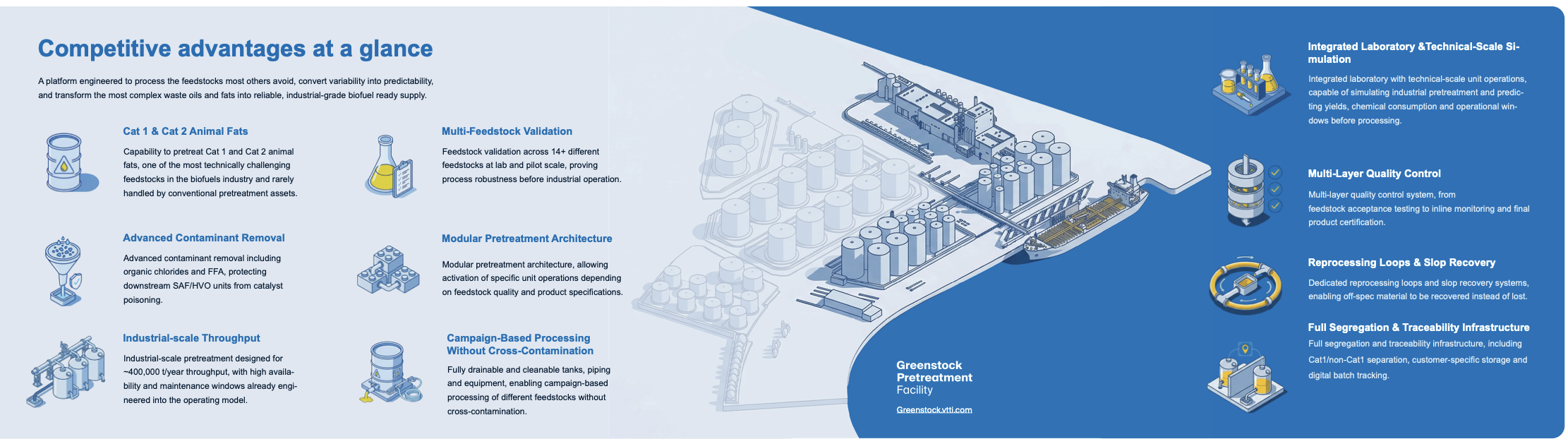
This is exactly where Greenstock Pretreatment Facility (GPF) in Amsterdam comes in. Developed by VTTI and Connex, GPF is a waste treatment plant that plays a strategic role in unlocking the renewable energy value chain. By enabling the pretreatment of waste and residues into high-quality feedstock for Sustainable Aviation Fuel (SAF) and Renewable Diesel (HVO), GPF supports the production of these low-carbon fuels, which deliver up to 80–90 percent lifecycle CO₂ emissions savings compared to conventional fossil fuels. In doing so, SAF and HVO not only drive the decarbonization of transport and aviation but also contribute to cleaner air, fostering a healthier environment and a positive impact on public health.

Understanding the role of GPF

To grasp the importance of Greenstock Pretreatment Facility, it’s essential to first clarify what it is.

  • A municipal waste treatment plant.
  • A waste disposal facility.
  • A producer of biofuels or renewable fuels.


GPF is:

  • A state-of-the-art pretreatment facility that cleans and upgrades waste and residue streams of lipidic (oils and fats) origin to make them ready for its further conversion into SAF and HVO.
  • A critical infrastructure link between waste collection and renewable fuel production.
  • A solution that ensures feedstocks meet the strict quality standards required by biofuel producers.

In simple terms, GPF takes raw, often contaminated waste streams and transforms them into high-quality inputs ready for conversion into clean energy.

Bridging the gap in the value chain


Renewable fuel production depends heavily on the quality of feedstocks such as used cooking oil (UCO), animal fats, and other waste and residues. However, these materials are rarely ready for direct use. They often contain solid impurities, water, and other contaminants, making them unsuitable for processing.

Without proper pretreatment, valuable resources are underutilised or even lost.

GPF solves this problem by serving as a bridge between waste collection and biofuel production, ensuring that what was once considered waste becomes a viable, high-quality resource, giving to them a second life and avoiding them to end up in nature with it consequential environmental impact

Circular economy in action

At its core, GPF is a powerful example of the circular economy in action. Take used cooking oil (UCO) as an example:

UCO circular GPF

What was once a waste is now part of a continuous value loop – reused, refined, and repurposed into clean energy. This is not just recycling. This is value creation.

Supply chain impact

The transition to a lower-carbon future requires more than innovation in fuel production. It demands robust infrastructure and smarter use of existing resources. Greenstock Pretreatment Facility unlocks the hidden potential of waste and residues, converting them into valuable building blocks for clean energy.

By closing the gap between waste and fuel, GPF plays a crucial role in:

  • Advancing circular economy principles.
  • Strengthening supply chains for renewable fuels.
  • Accelerating the global shift toward sustainability. 


A smarter way forward

In a world where sustainability is no longer optional, facilities like GPF offer a smarter, more efficient way forward. They show that the solution isn’t just about producing cleaner energy but about rethinking the entire system behind it.

Because when waste becomes value, the circular economy becomes reality.

For more information visit www.greenstock.vtti.com

Why mobile degassing is gaining importance in the industrial sector

Why mobile degassing is gaining importance in the industrial sector

Handling harmful emissions is a core operational task in many industries. In refineries, tank farms, chemical and petrochemical plants as well as in intermodal transport, gaseous pollutants are regularly generated that can enter the atmosphere directly if not treated properly. For operators of industrial plants, this is not only about environmental concerns, but also about safety, regulatory compliance, and the reliable execution of operational and maintenance processes.

Comment by David Wendel, Managing Director at ETS Degassing

Gaseous emissions arise as unavoidable by-products in many industrial processes – for example during the handling of raw materials and intermediates, when loading and unloading tanks, in storage operations, and in chemical processes. The resulting hydrocarbons, volatile organic compounds (VOC), and hazardous air pollutants (HAP) are harmful to health and require controlled and safe handling.
It is therefore crucial to capture and effectively treat these emissions. Residual gases often remain in tanks, pipelines, ships, rail tank cars, or other components. Before maintenance, cleaning, product changeovers, shutdowns, and transport, these residual gases must be treated and removed. This is the only way to ensure that they do not enter the atmosphere untreated or trigger unwanted reactions when in contact with other substances. Equally important is the temporary replacement of stationary emission control systems: if a stationary vapor recovery or treatment system fails, processes often cannot continue without interruption. This can lead to delays, additional effort, or, in the worst case, shutdowns.

Mobile degassing: flexibility as a key advantage

Technologies for mobile emission control help to address these challenges. Mobile degassing offers a key structural advantage: emissions can be treated directly at their source. Mobile vapor combustion units can be deployed flexibly at various locations, from refineries and tank farms to ports and loading facilities for tank trucks or rail cars. This flexibility is a critical factor in complex process and logistics environments and also provides operational security. In the event of maintenance or unplanned outages, mobile units can temporarily take over the function of stationary systems. This allows processes to continue without violating emission regulations or having to shut down facilities prematurely.

Another advantage of mobile solutions is their rapid availability and ease of integration. They can be used both as standalone systems and as a supplement to existing infrastructure, with minimal impact on industrial workflows. This makes it possible to continue operations even in challenging situations with as few restrictions as possible.

Mobile vapor combustion units: technical functionality and applications

In the mobile degassing process, pollutants are extracted and guided via pipelines into a mobile combustion chamber. There, they are thermally treated and broken down – with an efficiency of over 99.99%, without an open flame and without odor or noise disturbance. These systems enable the treatment of gases, gas mixtures, and vapors in the hazard groups IIA, IIB, and IIC. This allows tanks, containers, pipelines, ships, and other components to be degassed, and stationary emission control systems to be temporarily replaced. Different combustion capacities ensure that the technologies are suitable for a wide range of applications – from short-term deployments to long-term projects lasting several months.

The thermal treatment of gases significantly reduces pollutant emissions. For an LNG fuel tank with a capacity of 1,280 m³, the Global Warming Potential (GWP) factor for LNG is, for example, 60.87 tonnes. When mobile emission control technology is applied, the GWP of the LNG is reduced to just 6.64 tonnes. This reduces emissions by 89%.

In combination with mobile nitrogen vaporizers, liquefied gases under pressure – such as LNG or ammonia – can also be treated. Through inerting and purging, a safe environment is created, allowing containers to be emptied. Applications include the maintenance of pipelines, tanks, ships, and large vessels, as well as the degassing of spheric al gas tanks, gas tankers, and gas containers. In LNG handling, mobile vaporizers can also be used for LNG cool-down processes.

Conclusion

Mobile degassing is a flexible and efficient solution for safely handling gaseous emissions in industrial process environments. It helps companies to align safety requirements, emission reduction, and regulatory compliance with the practical needs of operations. Especially in dynamic or disruption-prone situations, it can help to secure workflows, avoid shutdowns, and ensure reliable process continuity. As such, mobile degassing is an important component of modern industrial operating strategies.

More information:

ETS Degassing GmbH
Zum Täckenfeld 12
D-21385 Amelinghausen
Internet: www.ets-degassing.com

Perpetual Next selects JPB Logistics as storage partner for Dutch biomethanol facility

Perpetual Next has selected JPB Logistics as its preferred partner for biomethanol storage and handling services at the company’s Delfzijl biomethanol facility in Farmsum.

Under the planned collaboration, JPB Logistics is expected to manage the storage, handling and logistics operations for biomethanol produced at the facility, including deliveries to third-party customers.

The Delfzijl project is being developed by DeltaNor B.V., a wholly owned subsidiary of Perpetual Next. The project involves the construction, financing, maintenance and operation of a biomethanol plant in Farmsum with an anticipated production capacity of 220,000 tonnes annually. The facility forms part of Perpetual Next’s broader strategy to advance circular and low-carbon industrial solutions by converting biogenic carbon streams into sustainable products such as biomethanol.

The companies have signed a memorandum of understanding (MoU) outlining plans to negotiate a definitive storage agreement for the project. Proposed storage capacity is expected to range between 21,000 and 35,000 gross cubic metres, depending on the final configuration. The planned logistics setup includes inbound pipeline transport and outbound barge movements through dedicated lines, with truck loading and unloading available as a contingency option.

Anthony Mayle, head of business development at Perpetual Next, said the selection of JPB Logistics marks an important milestone for the Delfzijl biomethanol facility, noting that dependable storage and outbound logistics are critical for establishing a robust and financeable value chain.

Patrick Trakzel, CEO of JPB Logistics B.V., said the company’s terminal and jetty infrastructure in Farmsum would help support the safe and efficient logistics required for a project of this scale.

The proposed partnership remains subject to several conditions, including Perpetual Next reaching a final investment decision for the Delfzijl project, successful project execution and agreement on final commercial terms.

Perpetual Next develops renewable commodity solutions by converting organic waste into products such as biomethanol, which can serve as a lower-carbon alternative to fossil-based methanol for use in chemicals, plastics, coatings and transport fuels. The company is developing a network of large-scale facilities in the Netherlands, Estonia and the United States as part of its efforts to support the transition to a circular and climate-neutral economy.

For more information visit www.perpetualnext.com

AMPP reduces international book shipping costs by up to 90%, expanding global access to technical resources

The cost of shipping technical publications internationally has long limited access to critical knowledge in engineering and materials protection, sometimes exceeding $500 per book in certain regions and placing resources out of reach for professionals outside the United States.

The Association for Materials Protection and Performance (AMPP), the leading global authority in materials protection and performance, is addressing that gap with a new global fulfillment model that reduces international shipping costs by up to 90 percent and enables regional production and distribution of printed technical materials.

By shifting fulfillment closer to end users, AMPP is removing a long-standing barrier for engineers, students, and institutions working in materials protection and corrosion control, fields directly tied to infrastructure reliability, safety, and sustainability.

In addition to lowering single-order costs, AMPP has introduced a quantity-based shipping structure that reduces the marginal cost of each additional book, improving affordability for training programmes, universities, and bulk purchasers.

Eliina Lizarraga, Senior Director of Media and Publishing at AMPP, noted that access to technical knowledge should not be limited by geography or cost. She explained that by reducing shipping costs and improving distribution, AMPP is making it easier for professionals around the world to access the resources they need to support safer, more reliable infrastructure — with shipping costs in many regions dropping to as little as $40 to $55 per book.

Key benefits of the new fulfillment model include substantially lower international shipping costs across major global regions, expanded access to technical publications for engineers, students, and professionals, more cost-effective bulk purchasing for organisations and training programmes; and a more flexible and scalable distribution model to support global growth.

The initiative supports AMPP’s broader commitment to improving access to standards, publications, and technical resources that advance safety, reliability, and sustainability across industries.

The enhanced shipping model is now being implemented across AMPP’s bookstore and will continue to evolve as part of the organisation’s efforts to strengthen global engagement and knowledge sharing.

For more information visit www.ampp.org

Delfin Midstream signs additional long-term LNG Supply Agreement with Gunvor

Delfin Midstream Inc. and Gunvor Group have announced that Gunvor International B.V. Amsterdam, Geneva Branch has signed a long-term LNG Sale and Purchase Agreement with Delfin LNG LLC, a subsidiary of Delfin.

Under the agreement, Delfin LNG will supply 0.3 million tonnes of liquefied natural gas (LNG) annually to Gunvor over a 20-year period. The LNG will be delivered on a free-on-board (FOB) basis from the Delfin FLNG1 facility, situated approximately 40 nautical miles off the coast of Louisiana.

Kalpesh Patel, co-head of LNG trading and member of Gunvor’s management board, said the agreement strengthens Gunvor’s LNG portfolio and supports the company’s strategy of maintaining reliable global LNG supply capabilities through its fleet infrastructure.

Delfin CEO Dudley Poston said the deal builds on the companies’ longstanding partnership and supports the continued development of US energy infrastructure, while reinforcing Delfin’s position as a long-term supplier of scalable LNG solutions.

For more information visit www.gunvorgroup.com

Technip Energies selects Gpi Tanks XL for the construction of 22 stainless steel storage tanks for the SkyNRG SAF project in Delfzijl

Gpi Tanks XL has been selected by Technip Energies for the construction of 22 stainless steel storage tanks for the SkyNRG project in Delfzijl. A contract has been signed between both parties for the development of a sustainable aviation fuel (SAF) plant, a facility that represents an important step in the decarbonisation of the aviation industry.

The plant at Chemie Park Delfzijl is expected to begin production in 2028, producing approximately 100,000 tonnes of sustainable aviation fuel per year. The fuel is made from waste and residual streams, such as used cooking oil, and can reduce CO₂ emissions by up to 80 percent compared to fossil alternatives.

With this project, Gpi Tanks XL reinforces its position as a partner for large-scale and technically complex storage solutions within the energy transition.

Varying Tank Volumes and Flexible Construction Methods

Gpi Tanks XL is delivering a series of high-quality stainless steel storage tanks with various functions within the process. The tanks range in capacity from 50 m³ to 4,400 m³ and are constructed both on-site in Delfzijl and at Gpi’s production facilities, after which they are transported to the project location.

Close Collaboration from the Initial Phase

Alexander Kraaijkamp, CCO of Gpi Group, stated that the project clearly demonstrates Gpi’s strength in building tanks both in its factories and on-site, combining the expertise of its operating companies. He noted that it is precisely thanks to the company’s scale and execution power that projects like these can be delivered safely, in a controlled manner, and within the agreed timeframe.

About Gpi Tanks XL

Gpi Tanks XL is a stainless steel tank builder specialised in large stainless steel and duplex storage tanks of up to 12,500 m³. With more than 30 years of experience, the company designs, manufactures and installs tailor-made solutions for leading clients in industries such as chemicals, bulk storage, the water sector and bio-energy.

Gpi Tanks XL is part of the Gpi Group, within which the strengths of several specialised companies are combined. Each company contributes its own expertise, while being united by shared core values: expertise, innovation, drive and commitment.

About Technip Energies

Technip Energies is a global leader in technology and engineering. With leading positions in LNG, hydrogen, ethylene, sustainable chemistry and CO₂ management, the company contributes to the development of key markets such as energy, energy carriers, decarbonisation and circularity. Technip Energies is listed on Euronext Paris and also has American Depositary Receipts traded over-the-counter.

With this project, Gpi Tanks XL reinforces its position as a partner for large-scale and technically complex storage solutions within the energy transition.

For more information visit www.gpi-tanksxl.com