Commercial UAV Forum partners with JEDA to advance Europe’s drone industry

Commercial UAV Forum, Europe’s newest destination for industrial drone innovation, has announced a partnership with the Joint European Drone Associations as Event Partner for its inaugural edition, taking place 22–23 April 2026 at RAI Amsterdam.

As the leading umbrella organisation representing national drone associations across Europe, JEDA will support the event’s mission to strengthen the commercial drone sector and foster collaboration across the European UAS ecosystem. Through its insight and network, JEDA will help ensure the event reflects the needs and priorities of the industry, from innovation and safety to sustainable growth and market development.
Founded in 2021, JEDA represents 24 national associations from 22 European countries and serves as a unified voice for Europe’s drone industry. The organisation works closely with the European Commission, EASA (European Union Aviation Safety Agency), and other aviation authorities to foster harmonised regulation and facilitate safe integration of unmanned aircraft systems into European airspace.

Julie Garland, president of JEDA, stated that the organisation is proud to support Commercial UAV Forum as it brings together the diverse and growing community of professionals driving drone innovation across Europe. She characterised the Forum as offering a much-needed platform to connect industry, regulators, and end users, supporting progress and knowledge exchange across the European drone market with emphasis on industrial drone usage.

Lee Corkhill, group event director at Diversified, expressed honour at welcoming JEDA as event partner, stating that their participation underscores the event’s commitment to collaboration and industry advancement. He noted that with JEDA’s support, Commercial UAV Forum 2026 will provide valuable opportunities for learning, partnership, and discovery.

Taking place in Amsterdam, the Commercial UAV Forum will gather UAV professionals from across Europe for two days of education, networking, and technology discovery. The event will feature educational sessions and a dynamic exhibition showcasing innovations in UAS technology for construction, energy, utilities, public safety, transportation, surveying and mapping, port and maritime operations, and additional sectors.

The partnership between Commercial UAV Forum and JEDA addresses the European commercial drone sector’s need for platforms facilitating industry dialogue, regulatory engagement, and technology showcasing. As European drone regulations continue evolving through EASA’s framework and national implementation, forums enabling stakeholder interaction support industry development and regulatory harmonisation.

JEDA’s involvement brings credibility and industry connectivity to the inaugural event, with the organisation’s membership spanning national associations representing manufacturers, operators, service providers, and technology developers across European markets. This broad representation enables JEDA to provide insights into diverse market segments and regional priorities, informing event programming and stakeholder engagement.

The emphasis on industrial and commercial applications distinguishes Commercial UAV Forum from consumer-focused events, targeting professionals utilizing drones for business operations across sectors including infrastructure inspection, surveying, emergency services, logistics, and maritime operations. These applications represent substantial market growth opportunities as regulatory frameworks mature and technology capabilities advance.

Amsterdam’s selection as venue provides central European location with strong aviation heritage, well-developed infrastructure, and accessibility from major European cities. The Netherlands maintains an active drone industry with progressive regulatory approaches and technology clusters supporting UAS development and deployment.

The April 2026 timing positions the event after winter weather constraints affecting outdoor drone operations whilst preceding summer holiday periods, potentially optimising professional attendance. The two-day format balances comprehensive programming with manageable time commitments for attendees traveling internationally.

Educational sessions addressing technology, operations, regulations, and business models support professional development and knowledge transfer across the European UAS community. Exhibition components enable technology providers to demonstrate capabilities whilst facilitating buyer-seller connections supporting market development.

The partnership exemplifies collaboration between commercial event organisers and industry associations supporting sector development through knowledge sharing, networking, and stakeholder engagement platforms complementing regulatory processes and business activities driving European drone industry growth.

For more information visit www.forumuav.com
PETRONAS and Oman’s OQEP forge strategic partnership to advance upstream collaboration

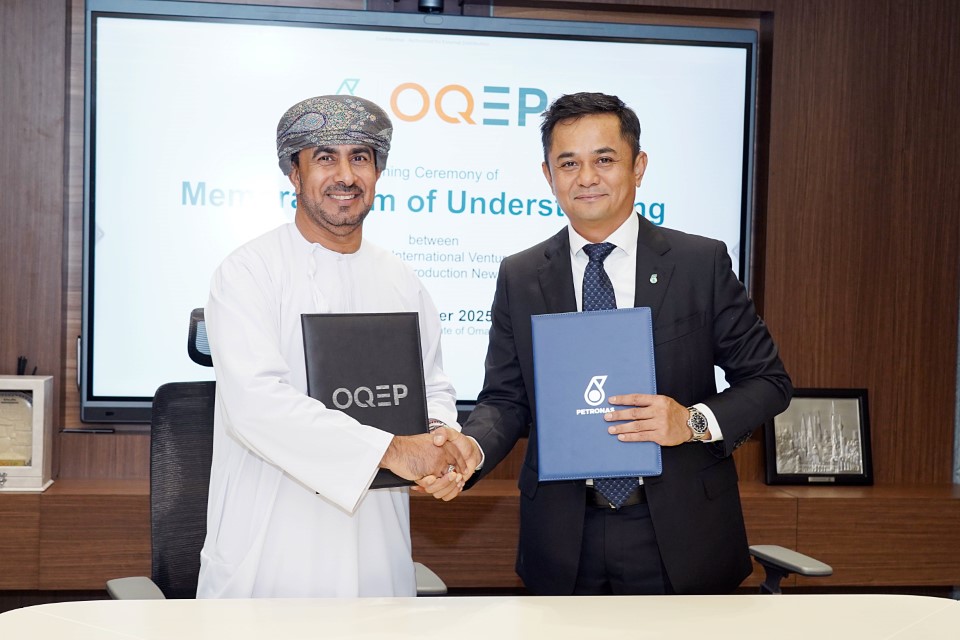
PETRONAS, through its subsidiary PETRONAS Carigali International Ventures Sdn Bhd (PCIV), has signed a Memorandum of Understanding with OQ Exploration and Production New Ventures LLC (OQEP), a wholly-owned subsidiary of OQ Exploration and Production SAOG. The agreement paves the way for both companies to jointly pursue oil and gas exploration and production opportunities across the Middle East and Southeast Asia.

The MoU establishes a framework for collaboration that combines PETRONAS’ international upstream expertise with OQEP’s strong regional knowledge. Together, the companies aim to unlock new growth opportunities and accelerate value creation in diverse markets.

The signing ceremony took place at OQEP’s headquarters in Muscat, Oman, and was officiated by Mohd Redhani Abdul Rahman, vice president of International Assets at PETRONAS Upstream, and Mahmoud Al Hashmi, acting chief executive officer and chief operations officer of OQEP.

Speaking at the event, Redhani stated, “This collaboration represents a meaningful step forward in our efforts to build a resilient and competitive upstream portfolio. By aligning our strengths with OQEP’s strategic direction, we are well-positioned to pursue impactful ventures in these regions.”

PETRONAS has maintained a presence in Oman since 2018 and currently holds participating interests in Block 61. The signing of this MoU reinforces the growing partnership between PETRONAS and OQEP, built on a foundation of mutual respect and shared industry ambitions.

For more information visit www.petronas.com

Venture global statement on CP2 final approval

The US Department of Energy has issued the final non-free trade agreement export authorisation for Venture Global’s CP2 facility in Cameron Parish, Louisiana, enabling the project to export liquefied natural gas to countries without free trade agreements with the United States.

Venture Global chief executive officer Mike Sabel expressed gratitude for the Trump Administration’s final approval of CP2, characterising the project as critical for supplying American allies with low-cost LNG for decades whilst supporting thousands of jobs and benefiting US balance of trade. Sabel stated that CP2 project construction is well underway, with the company looking forward to advancing the project safely and quickly to bring new LNG to the global market beginning in 2027.

The non-FTA export authorisation represents a key regulatory milestone enabling Venture Global to enter long-term sales contracts with customers in major LNG-importing countries including China, Japan, South Korea, and European nations without US free trade agreements. Without this authorisation, the facility would be limited to exporting only to countries with existing US free trade agreements.

CP2 represents Venture Global’s second major LNG export project in Cameron Parish, following the company’s Calcasieu Pass facility. The Louisiana Gulf Coast location provides access to abundant natural gas supplies from US producing regions alongside deepwater port facilities accommodating large LNG carriers serving international markets.

Sabel’s reference to construction being well underway indicates Venture Global proceeded with development activities prior to receiving final export authorisation, demonstrating confidence in regulatory approval whilst accelerating project timelines. The stated 2027 target for commencing LNG deliveries positions CP2 to enter the market during anticipated continued growth in global LNG demand.

The authorisation process for non-FTA LNG exports requires Department of Energy review and determination that proposed exports serve public interest, considering economic impacts, international considerations, energy security, and environmental effects. The approval indicates DOE concluded CP2 exports meet public interest criteria.

The Trump Administration’s support for LNG export expansion reflects policy priorities emphasising American energy dominance, job creation, and trade balance improvements through increased energy exports. LNG facilities represent multi-billion dollar investments supporting construction employment, operational jobs, and natural gas purchases from domestic producers.

CP2’s capacity will add substantial volumes to US LNG export capability, supporting the country’s position as a leading global supplier alongside Qatar and Australia. The facility’s supply to American allies reflects geopolitical dimensions of LNG trade, particularly following European efforts to reduce dependence on Russian pipeline gas after Ukraine’s invasion.

The final export authorisation enables Venture Global to finalise commercial arrangements with international customers, complete project financing, and proceed with full-scale construction targeting 2027 operations. The regulatory milestone removes significant uncertainty affecting project economics and commercial negotiations.

For more information visit www.ventureglobalLNG.com

i6 Group opens UAE office to expand Middle East presence

i6 Group has announced the opening of a new regional office in the United Arab Emirates, marking the next stage of its global expansion. Led by co-founder Steve Uhrmacher, the new base strengthens partnerships with Apsco, ENOC, and EPPCO International, while supporting wider adoption of digital fueling solutions across the Middle East.

Uhrmacher noted that regional customers are leading some of the world’s most innovative fuel management initiatives. Establishing a local presence allows i6 to deepen relationships, enhance operational support, and respond faster to partner needs.

The milestone follows a year of strong growth and industry recognition, including i6’s nomination for Innovation Project of the Year at the Aviation Business Middle East Awards 2025. With offices in the UK, US, Canada, and now the UAE, i6 continues to advance its mission of digitising global fueling operations, driving efficiency, safety, and sustainability across the aviation sector.

The UAE’s position as a global aviation hub makes it an ideal base for i6’s regional operations, offering proximity to major international airports and an expanding aviation market that increasingly values digital transformation. The new office underscores i6 Group’s long-term commitment to the Middle East and its role in enabling smarter, more sustainable fuel management worldwide.

For more information visit www.i6.io

Sweco awarded framework agreement for future-proofing infrastructure in the Netherlands

Sweco has secured a new framework agreement with Rijkswaterstaat, the Dutch government agency responsible for the modernisation and development of infrastructure and water management. Sweco will provide engineering services for major renewal projects over the next four to six years, to support major upgrades of primary infrastructure in the Netherlands with the aim of ensuring safety, resilience and mobility.

The Rijkswaterstaat runs infrastructure renewal and reinforcement projects to ensure the country can cope with increasing challenges such as rising sea levels, flooding and climate adaptation. It’s responsible for managing main infrastructure such as roads, waterways and flood protection. Given that much of the Netherlands lies below sea level, the country is especially vulnerable to rising sea levels.

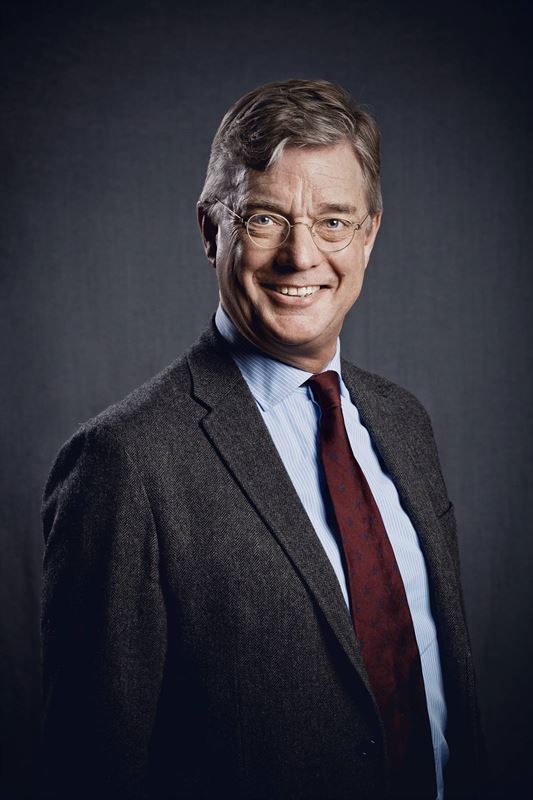
Photographer: Tobias Regell :Eugene Grüter President Sweco Netherlands

Sweco is part of a consortium that has entered a new framework agreement for engineering services, and project and process management with Rijkswaterstaat, which is a long-term client.

“Rijkswaterstaat’s ambitious renewal projects directly address climate challenges and the modernisation of primary infrastructure in the Netherlands. Sweco is proud to provide engineering, design and sustainability expertise to enhance these projects’ effectiveness. We have a long-standing relationship with Rijkswaterstaat and, together, we will continue to develop resilient, future-proof infrastructure that enhances mobility and quality of life in the Netherlands,” says Eugene Grüter, business area president, Sweco in the Netherlands.

Under the new agreement, Sweco will provide expertise in a range of areas including hydraulic and structural engineering, geotechnics, hydrology, traffic planning, environmental assessments and real estate advisory. While the order value for Sweco is yet to be determined, the overall maximum value of the framework agreement is approximately EUR 1.7 billion.

For more infomation visit www.swecogroup.com

Creaform redefines industry standards with the debut of the HandySCAN 3D|EVO Series™

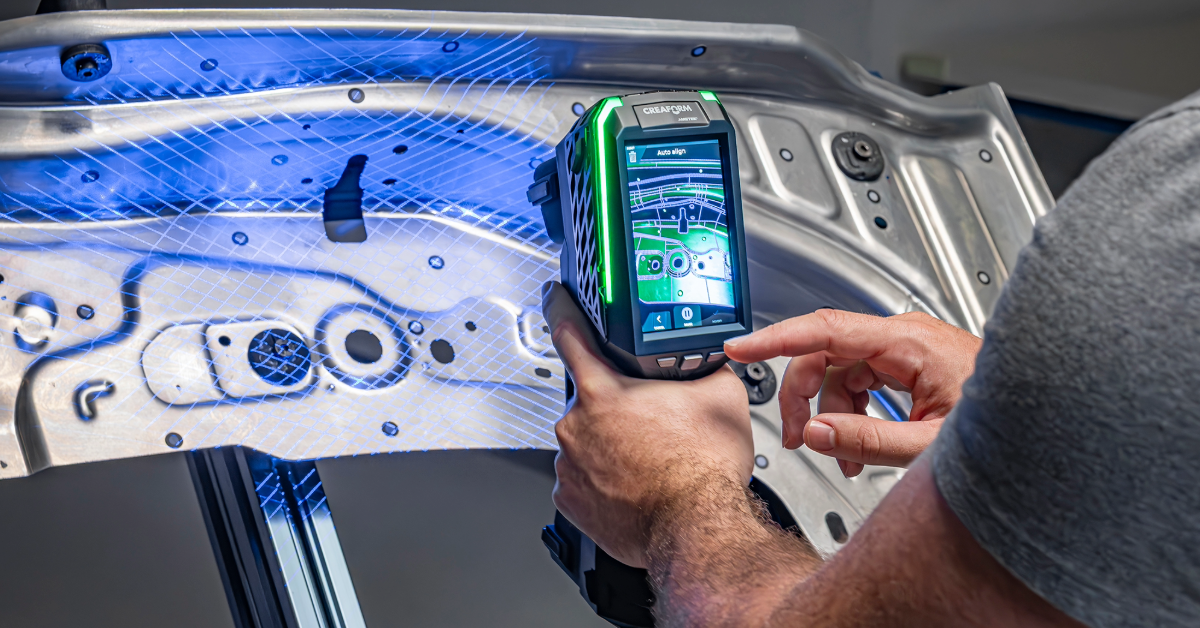
Creaform, a business of AMETEK, Inc. and worldwide provider of automated and portable 3D measurement solutions, announced the launch of the HandySCAN 3D|EVO Series™, the most powerful handheld 3D laser scanning solution on the market. This innovative series features a built-in touchscreen display and an integrated photo camera, incorporating augmented reality (AR) and advanced on-scanner visualisation to significantly enhance the user experience.

Creaform developed portable 3D scanning over 20 years ago with the original HandySCAN 3D, setting a benchmark in dimensional metrology. Trusted to solve the most complex dimensional measurement challenges by several thousands of demanding customers across industries such as automotive, manufacturing, metalworking, and heavy equipment, for product development and quality control applications, the HandySCAN 3D brand has always been synonym of metrology-grade accuracy, intuitive operation, versatility, and fastest time to CAD or inspection reports.

Creaform continues its legacy with this next evolution in the HandySCAN 3D lineup. Showcasing all of Creaform’s flagship scanner qualities, such as proven reliability, portability, and unmatched accredited accuracy, the EVO Series introduces an array of innovative features designed to enhance user experience and efficiency, like wireless capabilities through the Mobility Kit, embedded GUI, and built-in display for direct validation and real-time operator guidance. Like all Creaform scanners, this series is made in Canada, is supported by Creaform Metrology Suite and comes with proficient, multilingual customer support to meet the needs of professionals worldwide.

The HandySCAN EVO|Elite™ delivers a host of cutting-edge features, each designed to provide tangible benefits, enhancing precision, efficiency, and ease of use for professionals in demanding 3D scanning applications:

  • Real-time visualisation, quick access to parameters, and processing options directly on the scanner’s 4.3-inch touch screen display, eliminating the back and forth to the computer.
  • Augmented reality capabilities and straightforward documentation of the inspection process through photography, enabled by the addition of a high-resolution 12 MP camera.
  • Easy onboarding and essential tools at your fingertips, including 3D manipulation (mesh) and advanced scanning features such as high-resolution mode and clipping options, supported by the scanner’s integrated and user-friendly GUI.
  • Streamlined repetitive inspections and enhanced quality control processes enabled by the new auto-alignment feature.
  • An accuracy of 0.020 mm and a volumetric accuracy of 0.020 mm + 0.015 mm/m powered by 46 blue laser lines (+1 extra line).
  • The most accurate 3D measurements wherever you need them through the use of a 350 mm scale bar.


“As we unveil this innovative lineup, we’re not just introducing a product; we’re transforming how professionals across industries approach 3D measurement precision and efficiency,” said Fanny Truchon, President of Creaform. “A technology that keeps evolving over time, it again demonstrates that Creaform has been reinventing the future of industrial metrology since 2005.”

For more information visit www.creaform3d.com

Halo Capital and Penspen partner to advance landmark helium and hydrogen projects in Australia

Halo Capital has partnered with global engineering consultancy Penspen to accelerate the development of two of Australia’s most significant energy redevelopment projects – Hussar and Mt Winter – unlocking vast helium and hydrogen reserves critical to global supply chains and the transition to cleaner energy.

Penspen has signed a memorandum of understanding for engineering and project management expertise across the full development cycle, from feasibility studies to commissioning, ensuring the projects meet the highest technical and regulatory standards. In August 2025, Australian exploration company Georgina Energy Plc granted London-based Halo Capital a 12-month nonexclusive option to acquire the rights to 100 percent of helium, hydrogen and natural gas produced from its two large-scale gas redevelopments. Together, with the expertise of Penspen, the companies aim to position Australia as a leading supplier of helium, hydrogen and hydrocarbons for Asia Pacific and beyond.

Hussar, located in Western Australia’s Officer Basin, and Mt Winter in the Amadeus Basin, Northern Territory, are recognised as prospects of significant national importance. With proven reserves and fresh drilling applications underway, both sites have the potential to deliver significant volumes of helium and hydrogen – gases central to medical technology, industrial processes and the decarbonisation of global energy systems.

Development of Critical Infrastructure

Upon securing funding, Halo Capital will be responsible for the delivery of processing facilities, including separation units for helium, hydrogen and cryogenic purification systems. Once operational, they will be solely responsible for storage, transport, export, trucking helium to Darwin, and converting ammonia to hydrogen. The agreement will enable Westmarket Oil & Gas, Georgina Energy’s wholly owned Australian subsidiary, to sell gas at the wellhead in its raw state, subject to a formal contract on commercial terms.

Under the MOU, Penspen would provide a wide scope of engineering services, including concept/feasibility, FEED, detailed design and procurement support covering the full chain from wellhead to export. They would also provide project management support including scope/basis definition, tendering and bid evaluation, CAPEX estimating, contract preparation, project controls, and site/commissioning supervision.

Penspen is an international consultancy with over 70 years’ of energy engineering heritage. The company has significant experience in the delivery of complex oil and gas infrastructure, and has developed a reputation as partner of choice for low carbon projects, with hydrogen, green ammonia, and CO2 programmes delivered across the United Kingdom, Ireland, Portugal, Turkey, Latvia, Colombia, and the United Arab Emirates.

Nick Clarke, CEO, Halo Capital commented: “Halo Capital are very pleased to have Penspen join our efforts to develop the Hussar and Mt. Winter projects, bringing with them their deep technical expertise and project management experience. Partnering with Penspen will ensure that our project teams will be able to meet all technical and regulatory requirements to drive these and our future projects forward.”

Peter O’Sullivan, CEO at Penspen, said: “We are delighted to work with Halo Capital as engineering partner on this transformative development in Australia.  

“Our unwavering aim is to improve access to secure and sustainable energy, and Hussar and Mt Winter offer tremendous potential to address the growing gap between supply and demand for helium, as well as further develop hydrogen’s critical role in decarbonising global industrial sectors.  

“Penspen’s extensive experience in the delivery of low carbon infrastructure systems, from feasibility and conceptual studies to detailed design and ongoing operations and maintenance, means we are well placed to support Halo Capital in the development of this project of national importance.” 

For more information visit www.penspen.com  

Kemiwatt raises over €5 million with strategic investments from Stolt Ventures, GO Capital and historical investors

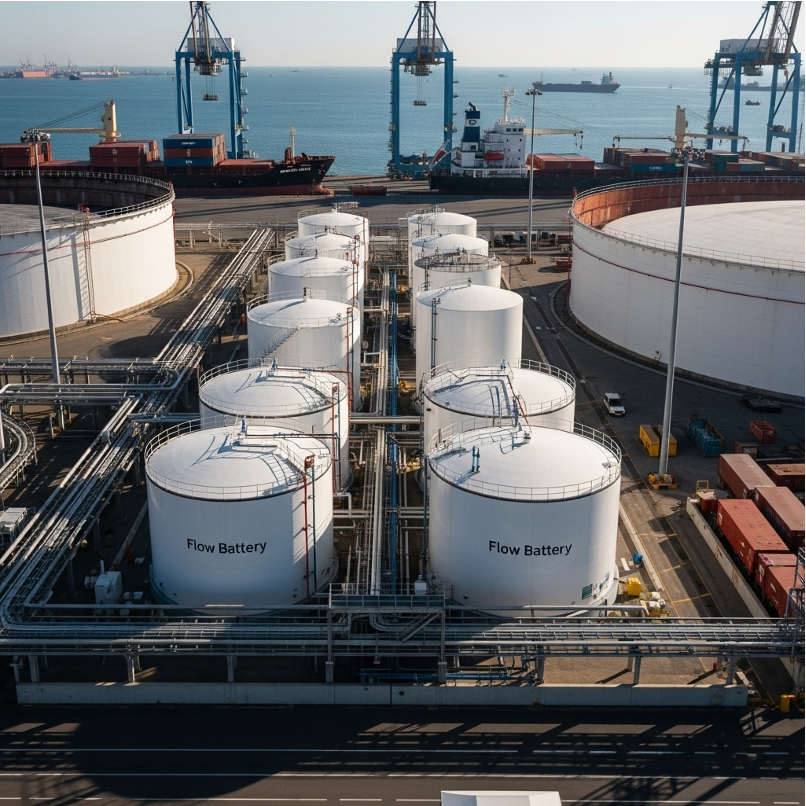
Kemiwatt, a pioneering French company developing sustainable organic flow batteries for stationary energy storage, has successfully completed a capital increase exceeding €5 million. The funding round welcomes two new strategic investors: Stolt Ventures, the corporate venture capital fund of Stolt-Nielsen—a global leader in liquid logistics—and Impact Océan Capital (IOC), an investment fund dedicated to maritime innovation and sustainability in Europe managed by GO Capital.

Historical investors, including Pierre-Yves Divet and Cadeis, have also chosen to reinvest, demonstrating continued confidence in Kemiwatt’s vision and growth trajectory. The funding round remains open, providing opportunities for additional investors to participate in the company’s momentum and contribute to its next phase of development.

Founded in Brittany, Kemiwatt designs and manufactures next-generation organic flow batteries that use safe, abundant, and recyclable electrolytes. The company’s technology delivers long-duration, large-scale energy storage solutions to support renewable integration and industrial applications.

The investment from Stolt Ventures marks a significant milestone for Kemiwatt, as Stolt-Nielsen operates one of the world’s largest fleets of chemical tankers and bulk liquid terminals. Impact Océan Capital’s participation further strengthens the initiative by combining financial backing with a mission to accelerate innovation and decarbonisation within the maritime and port ecosystem. Through IOC’s extensive network of maritime stakeholders, Kemiwatt will gain valuable access to strategic industry partnerships.

The newly secured funding will enable Kemiwatt to scale its commercial operations and expand internationally within the stationary storage market, particularly targeting tank storage operators. By leveraging existing port and terminal infrastructure, the company aims to provide cost-competitive, sustainable energy storage solutions that support the decarbonisation of logistics and industrial value chains.

“We are delighted to welcome Stolt Ventures and Impact Océan Capital as strategic partners. Their industrial expertise and financial support will be instrumental in accelerating Kemiwatt’s commercial rollout and positioning our organic flow batteries as a key solution for long-duration storage in Europe and beyond,” said Guillaume Chazalet, CEO of Kemiwatt.

With this latest financing, Kemiwatt strengthens its ambition to become a European leader in sustainable, large-scale energy storage—helping industries and regions achieve their climate objectives and enhance energy security.

For more information visit www.kemiwatt.com

WEL partners with Casale to shape the future of international green ammonia and green methanol collaboration

Casale’s Global Commercial Head, Paolo Bonucci, recently led a delegation to visit Wison Engineering as part of an ongoing effort to strengthen cooperation in sustainable chemical and energy technologies. The Casale delegation included Fabio Laurenzi, Regional Sales Manager for the Asia-Pacific region, and Gong Tianbai, general manager of Casale China (Shanghai). They were welcomed by Liu Hengwei, chief technology officer of Wison Engineering, who led the host team.

During the visit, both parties held in-depth discussions focused on advanced technologies, engineering solutions, and market collaboration in green ammonia, green methanol, synthetic ammonia, and urea. The high-level technical seminar sought to combine the strengths of both companies to drive innovation and application in green energy and chemical technologies within China and global markets.

Casale’s technical experts delivered detailed presentations highlighting the company’s cutting-edge process design capabilities for large-scale green ammonia and methanol projects. They also shared successful case studies and introduced core equipment such as high-efficiency synthesis towers and carbon reduction upgrades for existing plants. Wison Engineering, in turn, demonstrated its expertise in clean and renewable energy sectors, showcasing its extensive experience in engineering design and EPC (Engineering, Procurement, and Construction) execution, as well as its deep understanding of international market trends.

Both companies underlined their intention to collaborate by integrating Casale’s advanced process technologies with Wison Engineering’s professional engineering, procurement, and project execution capabilities. The partnership aims to deliver more competitive and reliable systematic solutions to customers worldwide.

Liu Hengwei commented, “We are delighted to welcome Casale’s visit. Casale’s century-long expertise in ammonia and methanol synthesis technology is highly commendable, and its focus on green technologies aligns closely with Wison Engineering’s strategic commitment to delivering engineering solutions for the clean and new energy sectors. We look forward to working together to provide more efficient and cost-effective green projects for clients both in China and globally through complementary strengths.”

Paolo Bonucci added, “Wison Engineering is a leading enterprise in China’s energy and chemical engineering sector, demonstrating exceptional project execution capabilities and significant market influence. Our discussions were highly productive, revealing substantial mutual potential for collaboration. By integrating Casale’s advanced technology with Wison Engineering’s engineering expertise, we will be better positioned to meet the growing market demand for green technologies and jointly promote the sustainable development of the industry.”

The high-level meeting between Casale and Wison Engineering marks a strategic step forward in their collaboration, extending their partnership into the green energy sector. Built on mutual trust and shared objectives, both parties are committed to advancing together in the new energy era through practical cooperation in technology licensing, engineering integration, and market development. Together, Casale and Wison Engineering aim to contribute meaningfully to the global transition towards a greener, low-carbon future in the energy and chemical industries.

For more information visit www.wison-engineering.com

Petrobras and PPSA sign equalisation agreement for Jubarte pre-salt

Petrobras, following up on the announcement made on 23 July 2025, has signed the Expenses and Volumes Equalisation Agreement with PPSA (Pré-Sal Petróleo S.A.), resulting from the Production Individualisation Agreement for the Jubarte Pre-Salt Shared Reservoir.

The amount owed by Petrobras to PPSA totals R$1.54 billion, payable in a single instalment by the end of October. Of this total, R$1.47 billion had already been provisioned in the financial statements for the second quarter of 2025, as disclosed in explanatory note 17.4 regarding Production Individualisation Agreements.

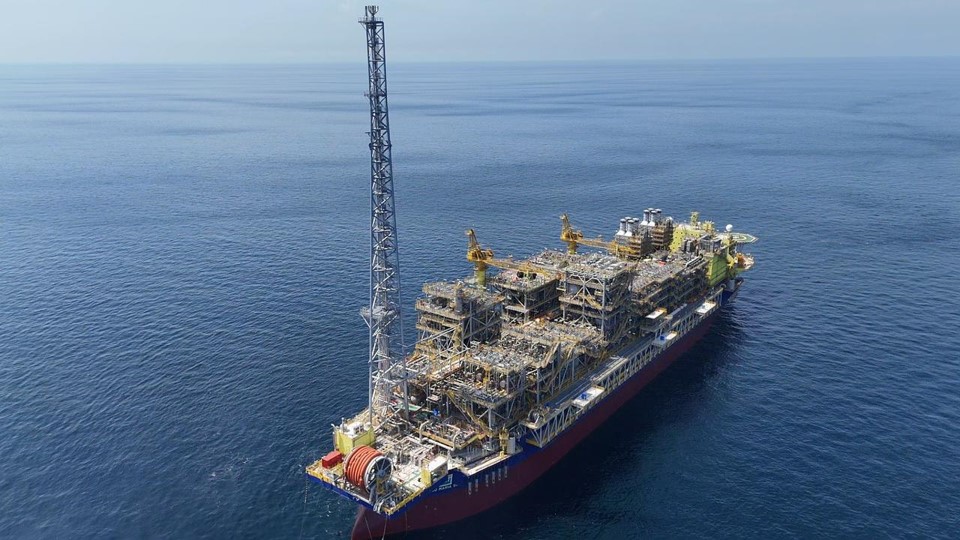
FPSO Maria Quitéria operates in the Jubarte field, pre-salt in the Espírito Santo portion of the Campos Basin

The negotiation process for equalisation between Petrobras (Jubarte Field) and the partners in the Argonauta Field—Shell Brasil Petróleo Ltda., Enauta Petróleo e Gás Ltda. (Brava), and ONGC Campos Ltda.—is ongoing and will be disclosed to the market upon conclusion.

As disclosed on 23 July 2025, approval of the Production Individualisation Agreement for the Jubarte Pre-Salt by Brazil’s National Agency of Petroleum, Natural Gas, and Biofuels resulted in the definition of proportional shares of each company in the shared reservoir: Petrobras 97.250 percent, Shell 0.430 percent, Brava 0.198 percent, ONGC 0.232 percent, and the Brazilian Union represented by PPSA 1.890 percent.

This new configuration requires negotiation of the Expenses and Volumes Equalisation Agreement to reconcile revenues derived from oil and natural gas production, incurred investment expenses, operating expenses, royalties, and special participation payments in proportion to the parties’ shares in the shared reservoir, in accordance with CNPE Resolution No. 8/2016 and ANP Resolution No. 867/2022. The period considered spans from signing of the BC-60 Concession Agreement (Jubarte) on 6 August 1998 to 31 July 2025, the day prior to the effective date of the Jubarte Pre-Salt Production Individualization Agreement.

Shared reservoirs occur where hydrocarbon accumulations extend across boundaries between different concession blocks or licensing areas, creating situations where multiple parties hold rights to portions of a single geological reservoir. Brazil’s regulatory framework establishes procedures for individualising production from shared reservoirs, determining each party’s proportional entitlement based on reservoir characteristics and ensuring equitable allocation of production, costs, and revenues.

The Production Individualisation Agreement defines the technical and commercial framework for allocating production and expenses among parties with interests in the shared Jubarte Pre-Salt reservoir. The resulting ownership shares reflect subsurface geological analysis determining the proportion of the reservoir underlying each party’s concession area.

Petrobras’s dominant 97.250% share indicates that the vast majority of the Jubarte Pre-Salt reservoir lies within the BC-60 concession area where Petrobras operates the Jubarte Field. The minor shares held by Shell, Brava, and ONGC reflect small portions of the reservoir extending into the adjacent Argonauta Field concession. The Brazilian Union’s 1.890% share represents the government’s direct interest through PPSA, established under the production sharing regime governing Brazil’s pre-salt petroleum resources.

The Expenses and Volumes Equalisation Agreement addresses the retrospective reconciliation of production, revenues, costs, and government payments over the 27-year period from the original BC-60 concession signing in 1998 through July 2025. During this extended period, production from the shared reservoir occurred under the operational control of different field operators without formal allocation reflecting the subsequently determined ownership shares.

The R$1.54 billion payment from Petrobras to PPSA represents the net financial settlement arising from this retrospective reconciliation. The payment indicates that PPSA’s proportional entitlement to revenues from production, less its share of costs and government payments, exceeds amounts previously allocated during the period before the Production Individualisation Agreement’s effective date.

Petrobras’s advance provisioning of R$1.47 billion in second-quarter 2025 financial statements demonstrates proactive financial management, recognising the anticipated liability before formal agreement signature. The provisioning minimised financial statement impact at settlement, with only R$70 million representing adjustment to the provisioned amount.

The ongoing negotiations with Argonauta Field partners address similar equalisation requirements among parties affected by the shared reservoir determination. These negotiations will establish financial settlements reflecting the retrospective reallocation of production, costs, and revenues among Petrobras and the Argonauta partners based on their respective ownership shares.

The regulatory framework governing shared reservoir individualisation in Brazil reflects international petroleum industry practices addressing unitisation—the joint development of reservoirs crossing concession boundaries. Unitisation agreements establish operational control, cost allocation, production allocation, and commercial arrangements enabling efficient reservoir development whilst protecting each party’s economic interests.

Brazil’s pre-salt petroleum resources, located in ultra-deepwater offshore areas beneath thick salt layers, represent world-class hydrocarbon accumulations discovered over the past two decades. The Jubarte Field, originally developed targeting post-salt reservoirs, subsequently identified pre-salt accumulations that proved to extend across concession boundaries, triggering the individualisation process.

The Production Individualization Agreement and associated equalization arrangements establish clear ownership and operational frameworks enabling continued efficient development of the Jubarte Pre-Salt reservoir whilst ensuring equitable treatment of all parties with interests in the shared resource. Resolution of these complex technical and commercial matters supports ongoing investment in Brazil’s strategic pre-salt petroleum province.

For more information visit www.nossaenergia.petrobras.com.br

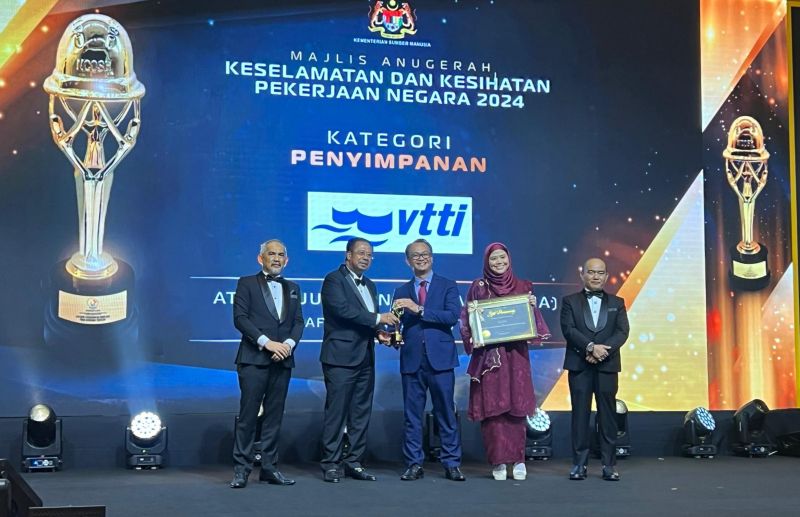
VTTI Malaysia wins National HSE Excellence Award 2024 for outstanding safety performance

VTTI Malaysia (ATB) has been named the National Winner of the HSE Excellence Award 2024 in the Tank Storage category.

Chosen from among 676 entries across 29 categories, the award recognises the company’s strong commitment to health, safety, and sustainability, while celebrating the people and culture that make safety a core value at VTTI Malaysia.

Senior vice president of Safety and Sustainability, Margit Blok, commented: “This award is a fantastic recognition of the hard work and passion of our VTTI Malaysia team. You have shown what it truly means to live our values, making safety an integral part of everything we do. Thank you for leading by example and setting new standards for safety excellence within our industry.”

VTTI Malaysia extends its congratulations to the entire team for this remarkable achievement. The company celebrates this milestone with pride and gratitude, reaffirming its ongoing commitment to building a safer, stronger, and more sustainable future.

For more information visit www.vtti.com

Hempel launches Hempaline Defend 430 tank lining for energy storage applications

Hempel A/S has launched Hempaline Defend 430, the latest addition to the Hempaline Defend family and a next-generation tank lining created to help energy operators boost efficiency, minimise downtime, and extend maintenance intervals. The solvent-free epoxy phenolic lining streamlines application, lowers energy use during installation, and supports more sustainable operations by reducing VOC emissions and workplace hazards.

By combining single-coat efficiency with rapid curing and long-term durability, Hempaline Defend 430 enables asset owners to keep tanks in service longer whilst lowering lifecycle costs. Matthew Fletcher, Segment Development Manager for Linings at Hempel A/S, explained that following a trial application with a major tank builder, the company received clear feedback that a shorter inspection time compared to existing linings will significantly improve output in their workshop.

Fletcher added that with Hempaline Defend 430, asset owners benefit from a solvent-free lining applicable in a single coat, capable of rapid return to service, and approved even for the most sensitive cargos. With temperature resistance up to 90°C and strong hydrocarbon resistance, Defend 430 offers a versatile one-product solution for storage tanks.

The product features several key technical characteristics: it is a solvent-free epoxy phenolic lining for energy storage tanks with single-coat application at 400 micrometres (16 mils), enabling rapid return to service within three days at 20°C. The lining withstands crude oil up to 93°C (200°F) and carries approvals for potable water (WRAS) and jet fuel (EI1541). An inspection interval extension of up to five years is achievable when compliant with API 652 and 653 standards with optional glass fibre mat reinforcement. The system is compatible with Hempaline Prepare 130 primer for immersion conditions up to 90°C.

The Hempaline Defend range comprises high-performance lining solutions engineered for demanding conditions in energy and process industries. Designed to withstand corrosion, high temperatures, abrasion, and exposure to a wide spectrum of chemicals and solvents, these linings provide reliable long-term protection. By reducing maintenance needs and extending service life, Hempaline Defend helps operators maximise uptime and lower total lifecycle costs.

Tank linings perform critical protective functions in energy storage applications, preventing corrosion of steel substrates whilst maintaining product quality by preventing contamination. Storage tanks handle diverse products, including crude oil, refined petroleum products, aviation fuels, chemicals, and water, each presenting specific compatibility and performance requirements for protective coatings.

The solvent-free formulation addresses environmental and occupational health considerations by eliminating volatile organic compound emissions during application and curing. This reduces air quality impacts, improves working conditions for application personnel, and eliminates fire hazards associated with solvent-containing coatings in confined tank interiors.

Single-coat application at 400 micrometres represents efficiency gains compared to multi-coat systems requiring multiple application cycles, intermediate inspection stages, and extended curing periods between coats. Reducing application time translates directly to shorter tank out-of-service periods, minimising revenue losses from storage capacity unavailability.

The three-day return-to-service timeline at 20°C enables rapid tank commissioning following new construction or maintenance recoating. Traditional tank linings may require weeks for full cure and degassing before product introduction, particularly for sensitive cargos, including aviation fuels requiring stringent contamination control.

Temperature resistance to 90°C addresses thermal conditions in heated storage tanks and tropical operating environments where product temperatures may exceed ambient conditions significantly. The crude oil resistance rating to 93°C encompasses typical crude oil storage temperatures, including heated storage maintaining viscosity for heavy crudes.

Approvals for potable water and jet fuel applications demonstrate the coating’s versatility across diverse storage requirements. WRAS (Water Regulations Advisory Scheme) approval confirms suitability for drinking water contact, whilst EI1541 approval from the Energy Institute establishes compatibility with aviation turbine fuels requiring stringent quality maintenance.

The potential for five-year inspection interval extension when meeting API 652 and 653 requirements reduces inspection frequency and associated costs whilst maintaining compliance with petroleum industry standards for atmospheric and low-pressure storage tank inspection. Optional glass fibre mat reinforcement provides additional mechanical protection against impact and abrasion in demanding service conditions.

Compatibility with Hempaline Prepare 130 primer enables complete system specification from Hempel, ensuring compatibility across preparatory and protective coating layers whilst simplifying procurement and quality assurance processes.

Hempel’s launch of Hempaline Defend 430 addresses industry requirements for high-performance tank linings delivering reduced application time, rapid commissioning, extended service life, and broad cargo compatibility, supporting energy operators’ objectives for operational efficiency and asset lifecycle optimisation.

For more information visit www.hempel.com

Santos reports strong financial and operational performance for 3rd quarter

Santos has reported strong financial and operational performance across its global portfolio, highlighting continued reliability and growth in key assets. PNG LNG achieved an annualised run rate of 8.6 Mtpa during the quarter, supported by more than 98 percent facility reliability, while Santos-operated PNG gas facilities maintained over 99 percent uptime at the Hides Central Processing Facility. In Western Australia, domestic gas production rose 8 percent year-to-date, aided by exceptional performance at Halyard-2 and Varanus Island. GLNG production averaged 711 TJ per day, with record daily output from the Roma field and ongoing field development at Scotia and Fairview. Cooper Basin production continued to recover following earlier flood disruptions, and the Moomba Carbon Capture and Storage (CCS) project safely stored over 1.3 million tonnes of CO₂-equivalent in its first year.

Key project milestones were also achieved. Barossa LNG began its production operations phase after first gas was introduced to the BW Opal FPSO, with first LNG shipment expected in the fourth quarter of 2025. The Darwin LNG facility successfully completed its life extension project, while Pikka Phase 1 in Alaska reached more than 95 percent completion, achieving record well lengths and positioning the project for first oil in early 2026. Santos also advanced its sustainability and partnerships agenda, securing a mid-term LNG supply deal with QatarEnergy Trading LLC, signing MOUs with ENGIE, Orica, and Narrabri Shire Council for domestic gas supply, and achieving an ESG score of 61 from S&P Global, placing it among the top 10 percent of global peers.

CEO Kevin Gallagher said the company’s strong results reflect the resilience of its diversified portfolio and disciplined operating model. With approximately 1.4 billion dollars in free cash flow generated from operations so far this year, Santos is positioned for strong shareholder returns as Barossa LNG and Pikka Phase 1 come online. Gallagher emphasised the company’s focus on safety, operational excellence, and cost efficiency, noting that Barossa and Pikka are expected to boost overall production by around 30 percent by 2027.

For more information visit www.santos.com

Gpi Tanks Poland delivers stainless steel tanks to modernise and future-proof Zuivelhoeve’s dairy production facility

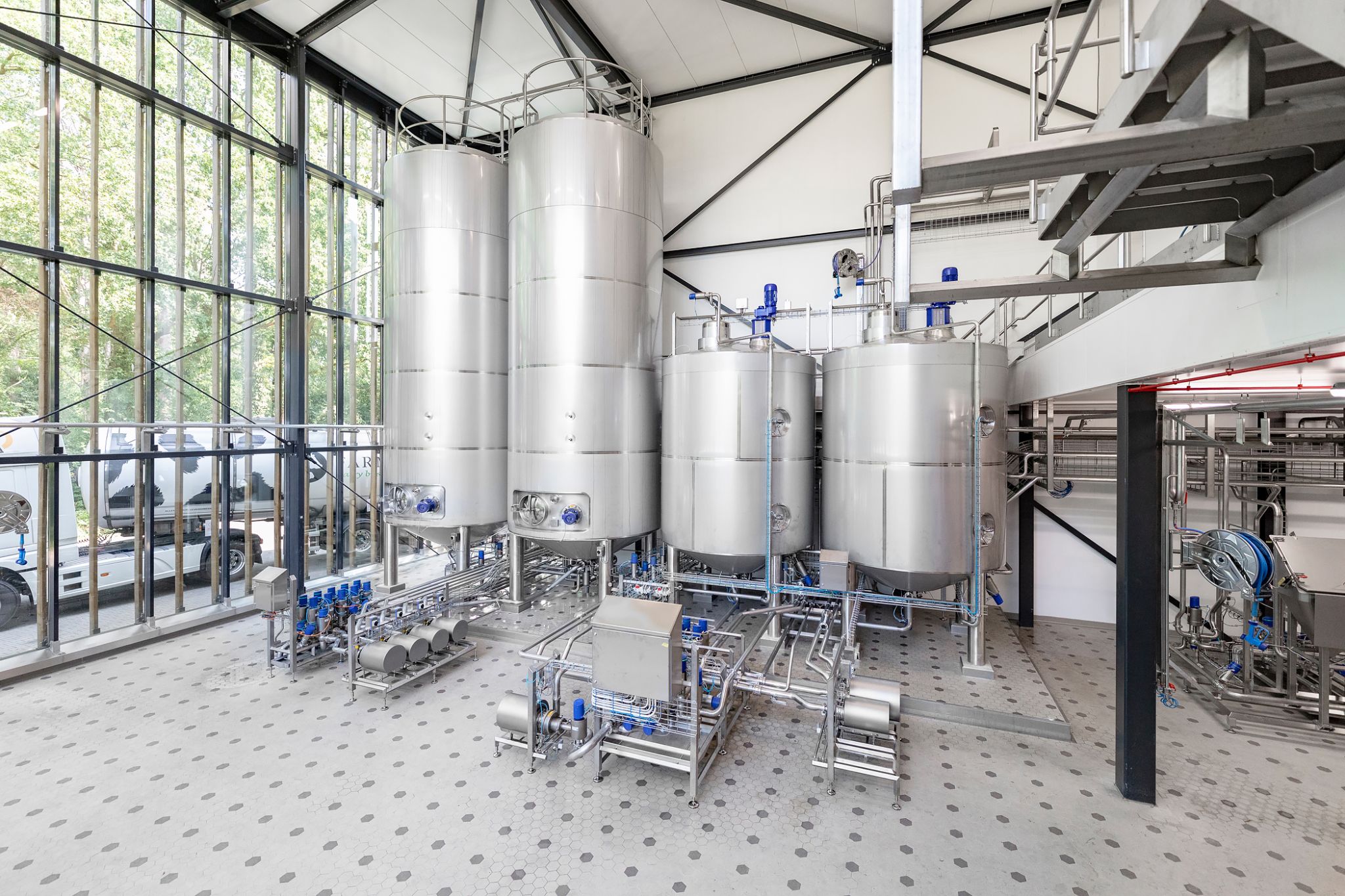
Gpi Tanks Poland has delivered seven stainless steel tanks to Zuivelhoeve as part of a modernisation project designed to make the Dutch dairy producer’s facility future-proof. The project aims to improve product quality while supporting the company’s growth plans. Zuivelhoeve, a family-owned business from Twekkelo known for its traditional custard, yoghurt, and dessert products, has invested in a new production area equipped with Gpi’s stainless steel tanks to meet rising market demand and maintain high industry standards.

According to Alfons Schuurmans, manager of technology and Projects at Zuivelhoeve, the expansion was driven by the company’s acquisition of Boermarke’s conventional dairy products, which required increased production capacity and updated production methods. The new tanks, designed with water-saving nozzles for CIP cleaning, enable higher volumes while meeting stringent quality and sustainability requirements.

Gpi Tanks Poland was selected for the project following a tender process, with Zuivelhoeve citing Gpi’s professionalism, expertise, and extensive experience in the dairy industry as key factors. The company handled the engineering, manufacturing, and delivery of the tanks, which were transported in two phases from Poland and installed by Gpi Tanks Netherlands. Despite some early communication challenges, both parties praised the smooth installation and strong cooperation. The delivery marks a major step in upgrading Zuivelhoeve’s facilities to modern standards, ensuring the company is well positioned for future growth and innovation.

For more information visit www.gpi-tanks.com

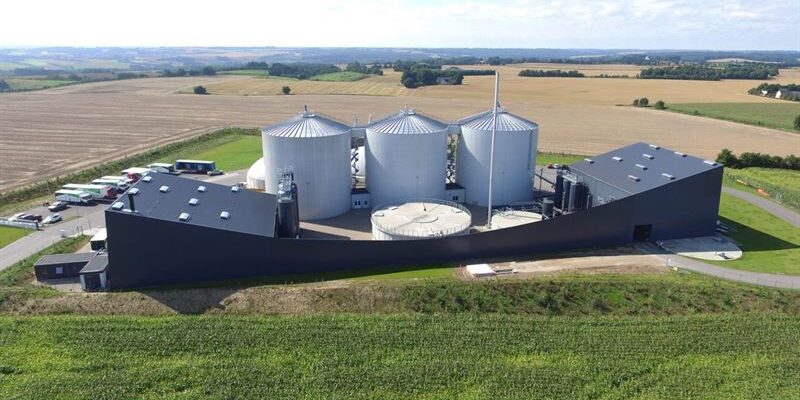
New Wärtsilä biogas upgrading plant will add momentum to Denmark’s green transition

Wärtsilä Gas Solutions, part of technology group Wärtsilä, has been contracted to deliver a biogas upgrading plant to Danish renewable energy solutions provider Bigadan AS. The plant will enhance the efficiency and utility of biogas as a renewable energy source, with the capacity to upgrade 6,000 normal cubic metres per hour of raw biogas. The order with Wärtsilä was booked in the third quarter of 2025.

The project represents a significant step in scaling up biogas production and utilisation in Denmark, making an important contribution to the country’s green transition. The biogas upgrading plant will be located at Bigadan’s facility in Horsens, Denmark.

Wärtsilä’s biogas upgrading technology is based on amine scrubber technology, allowing efficient and effective upgrading of biogas to meet Danish national gas grid standards. Casper Krog Hansen, project manager at Bigadan AS, and Christian A. Tidmarsh, business development manager at Bigadan AS, stated the company’s commitment to supporting the green transition, noting that Wärtsilä’s upgrading solution will add momentum to these efforts. They characterised biogas as having huge potential as a sustainable energy solution, aligning with global efforts to reduce carbon emissions and promote cleaner energy sources.

The Wärtsilä PuregasCA solution is expected to achieve full operation, delivering upgraded gas to the Danish national grid, in the third quarter of 2026. Wärtsilä’s scope includes installation and commissioning of the plant.

Goran Gajski, sales manager for Biogas at Wärtsilä Gas Solutions, commented that integration of biomass and biogas alongside wind and solar represents an important element in creating holistic energy strategies, with the collaboration between Wärtsilä and Bigadan contributing significantly to this approach. He noted that the innovative technology delivered is based on vast experience and deep in-house expertise, with Wärtsilä’s solid reputation and track record representing important considerations in the contract award.

Denmark has established itself as a leader in biogas utilisation, with supportive policy frameworks encouraging conversion of agricultural and organic waste into renewable energy. The upgrading plant will process raw biogas produced from organic materials, removing carbon dioxide and other impurities to produce biomethane meeting pipeline quality standards. This upgraded biogas can be injected into the national gas grid, providing a renewable alternative to natural gas for heating, power generation, and transportation applications.

The amine scrubber technology employed by Wärtsilä utilises chemical absorption to separate carbon dioxide from methane, achieving high methane purity levels required for grid injection whilst enabling capture of separated CO₂ for potential utilisation or sequestration. The 6,000 Nm³/h capacity represents substantial throughput suitable for large-scale biogas production facilities serving regional energy requirements.

For more information visit www.wartsila.com

TGS awarded OBN 4D contract in GoA

TGS, a leading provider of energy data and intelligence, has announced the award of an Ocean Bottom Node (OBN) acquisition contract in the Gulf of America. The 4D monitor survey is scheduled to commence in the fourth quarter of 2025, with an expected duration of around four and a half months. The contract was not included in the booked position disclosed in TGS’ Q2 2025 presentation.

The project strengthens TGS’ position in the Gulf of America, which remains a core market for its OBN operations. The company continues to expand its portfolio of advanced seismic solutions, supporting clients in improving reservoir understanding and production efficiency across key offshore regions.

Kristian Johansen, CEO of TGS, expressed satisfaction with securing the contract for a repeat IOC customer. He noted that the client values TGS’ OBN technology and its strong track record of project execution and timely delivery. The survey is expected to provide high-quality data and insights to help optimise production at one of the customer’s most productive offshore facilities.

For more information visit www.tgs.com

Koloma wins natural Hydrogen contracts in the Philippines

Koloma has been awarded Petroleum Service Contracts No. 83 and No. 84 for natural hydrogen exploration in Central Luzon during a contract signing ceremony at Malacañang Palace. The ceremony was presided over by president Ferdinand R. Marcos Jr., with secretary of Energy Sharon S. Garin, secretary of Environment and Natural Resources Raphael P. M. Lotilla, and undersecretary of Energy Alessandro O. Sales officiating. U.S. ambassador to the Philippines MaryKay L. Carlson attended the proceedings.

Historic Competitive Bid Round

The awards represent the result of the first competitive bid round for natural hydrogen, marking a historic moment on the global stage for the Philippines. The contracts establish a framework for Koloma to conduct exploration activities targeting naturally occurring hydrogen resources in the Central Luzon region.

Presidential Recognition

President Marcos lauded the first hydrogen exploration contracts during the ceremony, framing them as signalling the Philippines’ readiness to lead in sustainable innovation. Koloma expressed full support for this national objective as it mobilises its exploration programme in Central Luzon.

Company Statement and Strategic Vision

Tim Chisholm, Koloma’s chief exploration and operations officer, extended deep appreciation to the Philippines Department of Energy and the Office of the President for their leadership, professionalism, and science-based framework enabling the contract awards. He characterised the Philippines as representing a world-class hydrogen exploration opportunity that could impact the entire Asia-Pacific energy landscape.

Chisholm stated that a commercial discovery of natural hydrogen would transform the Philippines into a global hub for clean, low-carbon primary energy, ushering in a new era of national energy prosperity and security. Koloma expressed commitment to a long and productive partnership with the government and people of the Philippines, led by the Department of Energy and president Marcos’s administration.

Natural Hydrogen Exploration Context

Natural or native hydrogen refers to naturally occurring hydrogen gas generated through geological processes, as distinct from manufactured hydrogen produced through industrial processes such as steam methane reforming or electrolysis. Geological hydrogen can accumulate in subsurface reservoirs through various natural mechanisms, potentially providing primary energy sources requiring minimal processing.

The Philippines’ establishment of a competitive bid framework for natural hydrogen exploration positions the country among the first jurisdictions globally to create regulatory structures specifically addressing this emerging resource category. As interest in hydrogen as a clean energy carrier intensifies globally, identification of naturally occurring hydrogen deposits could provide cost advantages compared to manufactured hydrogen requiring substantial energy inputs.

Strategic Importance for Energy Security

For the Philippines, domestic hydrogen resources could enhance energy security by reducing dependence on imported fuels whilst providing clean energy supporting decarbonisation objectives. The archipelagic nation currently imports substantial portions of its energy requirements, creating vulnerability to international price volatility and supply disruptions.

Commercial natural hydrogen discoveries would establish indigenous primary energy resources supporting domestic power generation, industrial applications, and potentially hydrogen export opportunities to regional markets pursuing decarbonisation pathways. The Central Luzon location provides proximity to major population centres and industrial areas, potentially facilitating resource development and utilisation.

For more information visit www.koloma.com

Liquin strengthens long-term partnership with ALFA Piping & Mechanical

Liquin has reaffirmed its commitment to long-term collaboration by signing a three-year contract with ALFA Piping & Mechanical, its trusted maintenance partner across all three Liquin terminals. The partnership is built on shared values of safety, open communication, and a solution-driven approach.

Earlier this year, ALFA Piping & Mechanical played a key role in the successful upgrade of tank pit 18 at Liquin’s Botlek terminal. The project, which involved the installation of new steam and nitrogen systems, was completed within a challenging timeframe thanks to the coordinated efforts of ALFA and other contractors.

“ALFA Piping & Mechanical is a multi-skilled partner we can rely on for both day-to-day maintenance and large-scale projects,” said Marcel van Ginneken, Project Manager at Liquin. “They are always available, quick to grasp our requirements, and consistently deliver high-quality work that saves us valuable time.”

Through this partnership, Liquin and ALFA are continuing to ensure operational excellence and reliability across Liquin’s terminals, supporting long-term performance and sustainable growth.

For more information visit www.liquin.com

Production started from Bacalhau, Equinor’s largest international field

Equinor and its partners ExxonMobil Brasil, Petrogal Brasil (JV Galp|Sinopec) and Pré-sal Petróleo SA (PPSA) have commenced production from the Bacalhau field in Brazil. With recoverable reserves exceeding 1 billion barrels of oil equivalent (boe), Bacalhau is the largest international offshore field developed by Equinor to date.

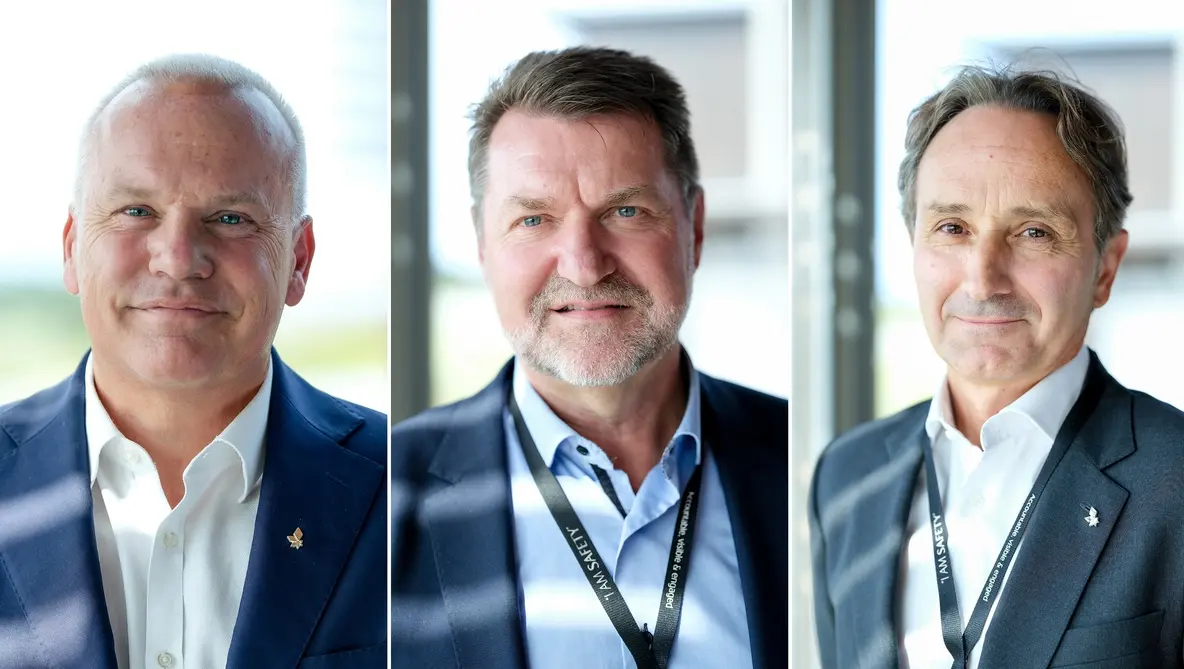
“The safe start-up of Bacalhau marks an important step for Equinor. The field represents a new generation of developments that combine scale, cost-efficiency, and lower carbon intensity. This project strengthens the long-term foundation of our oil and gas portfolio and supports continued value creation for decades ahead,” said Anders Opedal, president and CEO of Equinor.

Anders Opedal (left), president and CEO of Equinor, Geir Tungesvik, executive vice president, Projects, Drilling and Procurement, and Philippe Mathieu, executive vice president for Exploration and Production International

Photos: Ole Jørgen Bratland / Equinor

Located in the pre-salt region of Brazil’s Santos Basin, Bacalhau lies in ultra-deep waters exceeding 2,000 metres. The field includes one of the world’s most advanced Floating Production Storage and Offloading vessels (FPSO), measuring 370 metres in length and 64 metres in width, with a production capacity of 220,000 barrels of oil per day.

Phase 1 of the development comprises 19 production and injection wells, which will be brought online in stages as output increases. Equinor expects to provide an operational update in 2026 during the ramp-up phase.

“Around 70 million hours of work have been completed with strong safety performance throughout the project. I want to thank our partners, suppliers and employees for their contribution in bringing Bacalhau into production. Given its scale, depth and low-carbon profile, Bacalhau demonstrates our technical strength and capability to deliver complex international projects,” said Geir Tungesvik, executive vice president, Projects, Drilling and Procurement.

The Bacalhau FPSO incorporates combined-cycle gas turbine (CCGT) technology to reduce carbon emissions. With an expected CO₂ intensity of around 9 kg per boe and advanced measures across flaring, processing, power generation and storage, the field establishes a new standard for efficient, lower-emission deepwater production.

“Brazil is a core region for Equinor, and Bacalhau will play a key role in helping us achieve more than 5 billion dollars in free cash flow by 2030 from our international portfolio. The development will also contribute to Brazil’s economy, supporting around 50,000 jobs over its 30-year lifespan,” said Philippe Mathieu, Executive Vice President for Exploration and Production International.

MODEC, the FPSO contractor, will operate the vessel during the initial phase. Equinor plans to assume operational responsibility for the Bacalhau facilities for the remainder of the licence period.

For more information visit www.equinor.com

BWC Terminals achieves 5-star rating in 2025 GRESB infrastructure assessment

BWC Terminals has demonstrated its commitment to transparency and improved resilience, efficiency, and performance by participating in the 2025 GRESB Infrastructure Assessment. The company achieved a 5-star GRESB rating for sustainability performance, a distinction awarded to only 20 percent of organisations participating in the annual benchmark review.

Assessment Coverage and Performance

The annual GRESB assessment provides insights into companies’ sustainability initiatives, covering critical areas including energy and water efficiency, carbon emissions, environmental management, stakeholder engagement, governance, and health and safety.

BWC excelled in several assessment areas, ranking first in overall management and management in energy resource storage. The company also received a near-perfect score for its environmental, social, and governance initiatives, demonstrating comprehensive performance across the evaluation framework.

Industry Context and Participation

The GRESB Assessments are guided by what investors and the industry consider the most material issues in asset investment performance, aligned with international reporting frameworks, goals, and emerging regulations. This year’s participation in GRESB Infrastructure Assessments remained stable and consistent with last year’s record levels, despite ongoing market uncertainty and geopolitical challenges. A total of 186 managers, including 19 new participants, completed 805 assessments across the Fund, Asset, and Development Asset categories.

Leadership Perspective

Adam Smith, CEO of BWC Terminals, expressed honour at receiving the GRESB 5-star rating in the 2025 Infrastructure Assessment. He stated that the achievement reflects the team’s dedication to transparency, strong governance, and operational excellence. Smith emphasised that the recognition demonstrates ongoing investments in sustainable practices and resilient infrastructure are making meaningful impact not only for the company but for customers, partners, key stakeholders, and the communities served.

Investor Utilisation and Market Impact

GRESB data is utilised by hundreds of capital providers and thousands of asset managers to benchmark investments across portfolios and better understand opportunities, risks, and choices shaping the market. The standardised assessment framework enables comparative evaluation of sustainability performance across infrastructure assets and operators globally.

Sebastien Roussotte, Chief Executive Officer of GRESB, stated that GRESB participants are demonstrating that responsible investing represents more than a mandate, constituting a measurable, data-driven pathway to long-term value and trust.

Strategic Significance for BWC Terminals

The 5-star rating validates BWC Terminals’ strategic approach to integrating sustainability considerations into business operations and decision-making processes. For infrastructure operators in the energy storage and terminal sectors, strong ESG performance increasingly influences investor appetite, cost of capital, and competitive positioning.

Terminal operators face expectations regarding environmental performance, including emissions management, energy efficiency, and environmental risk mitigation, alongside social responsibility dimensions encompassing health and safety, labour practices, and community engagement. Governance evaluation examines organisational structures, policies, transparency, and risk management frameworks supporting sustainable operations.

BWC’s top ranking in management categories indicates excellence in strategic planning, policy implementation, stakeholder engagement, and performance monitoring systems that drive continuous improvement across ESG dimensions. The near-perfect ESG score demonstrates comprehensive integration of sustainability principles throughout operations.

Terminal Sector Context

Energy resource storage terminals perform critical functions in supply chains for petroleum products, chemicals, gases, and renewable fuels. These facilities face growing scrutiny regarding environmental performance, safety management, and contribution to energy transition objectives as stakeholders increasingly evaluate infrastructure compatibility with decarbonisation pathways.

Terminal operators investing in emissions reduction technologies, energy efficiency improvements, safety enhancements, and operational transparency strengthen competitive positioning whilst addressing evolving stakeholder expectations. GRESB assessment participation provides a structured framework for measuring progress, identifying improvement opportunities, and communicating performance to investors and stakeholders.

For more information visit www.bwcterminals.com

Square Robot, Inc. SR-3HT C1D2 certified and FM approved

Square Robot, Inc., a global leader in robotic tank inspections, developed its newest high temperature inspection robot, the SR-3HT, formally receiving the NEC/CEC Class I Division 2 (C1D2) certification. The SR-3HT is now commercially available and capable of inspecting aboveground storage tanks where the product storage temperatures range from -10℃ to 55℃ (14℉ to 131℉).

The C1D2 certification was issued by FM Approvals, a third-party Nationally Recognised Test Lab, confirming the system safe for use in hazardous locations. This certification and the expanded capabilities of the SR-3HT provides a solution to tank owners needing onstream robotic tank inspections for tanks with products stored at elevated temperatures sitting outside of Square Robot’s previous operating range: 0℃ to 40℃ (32℉ to 104℉).

“Our Engineering team developed the SR-3HT in response to significant client demand in both the US and international markets. We frequently encounter higher temperatures due to both elevated process temperatures and high ambient temperatures, especially in the hotter regions of the world, such as the Middle East. The SR-3HT employs both active and passive cooling technology, greatly expanding our operating envelope. A great job done (again!) by our Engineers delivering world leading technology in record time.” – David Lamont, chief executive officer

The SR-3HT builds on a growing portfolio of robotic excellence at Square Robot as the seventh certified model variant. Beginning with the C1D2 SR-1 inspection robot, followed by the SR-3 robot and the Side Launcher system – certified to C1D1 earlier this year, Square Robot is proud to continually expand its robotic fleet.

For more information visit www.squarerobot.com

UAB-Online announces strategic partnership with digital port agency to accelerate growth in the GCC region

UAB-Online, the industry-leading platform for maritime logistics that unifies stakeholders across the supply chain, has announced a new partnership with Digital Port Agency Limited (DPA), headquartered in the United Arab Emirates. The collaboration marks a significant milestone in UAB-Online’s expansion into the Gulf Cooperation Council (GCC) region — encompassing Bahrain, Kuwait, Oman, Qatar, Saudi Arabia, and the United Arab Emirates — and aims to enhance efficiency and operational excellence within port logistics.

The partnership will combine the strengths of both organisations: UAB-Online’s proven SaaS platform for optimising port logistics, safety, and compliance, and DPA’s extensive regional presence, expertise in liquid bulk logistics, and established relationships throughout the GCC. Through this alliance, UAB-Online will gain access to DPA’s extensive network across the UAE and the wider Gulf region.

For UAB-Online, this partnership represents more than just geographical growth — it is a strategic move into one of the world’s most dynamic maritime and logistics markets. The GCC continues to invest heavily in port infrastructure, digitalisation, and logistics innovation. By collaborating with DPA, UAB-Online strengthens its ability to deliver locally tailored digital solutions while maintaining its global standards of quality, safety, and technological innovation.

“This partnership with Digital Port Agency marks a key moment for UAB-Online,” said Hans Bobeldijk, CEO of UAB-Online. “With DPA’s in-depth knowledge of port operations across the GCC and our technology, we are ready to deliver real value to maritime and logistics operators in the region. It’s an exciting step in our global journey.”

Frank de Leng, official reseller of UAB-Online in the GCC region, added: “There is enormous potential in combining our technical expertise with DPA’s understanding of the regional market. Together, we will ensure that GCC customers benefit from tailored solutions that support faster decision-making, greater efficiency, and more sustainable operations.”

The partnership between UAB-Online and DPA reinforces both organisations’ shared commitment to advancing digital transformation within the maritime sector and supporting the GCC’s broader ambitions for innovation and sustainability in port logistics.

For more information visit www.uab-online.com

JERA and State of Hawai‘i sign strategic partnering agreement to advance energy transition

JERA Co., Inc., Japan’s largest power producer, has announced the signing of a Strategic Partnering Agreement with the Office of the Governor of the State of Hawai’i to support Hawai’i’s decarbonisation goals and energy transition.

Agreement Structure and Objectives

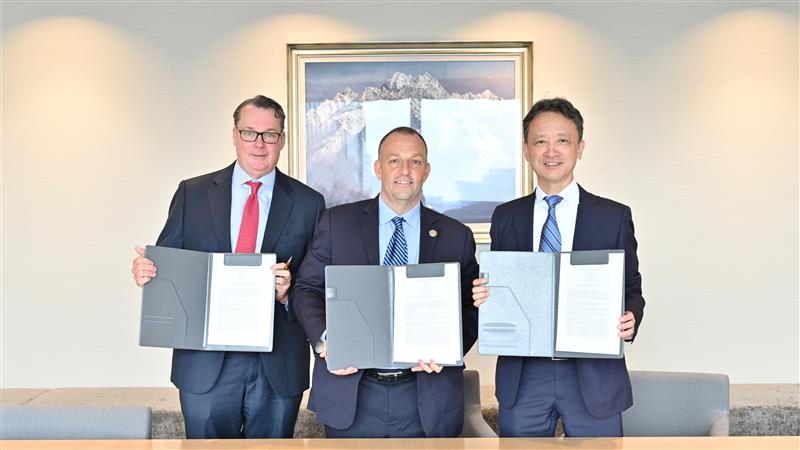
The Strategic Partnering Agreement was signed on 6 October 2025 at JERA’s Tokyo headquarters by Governor Josh Green and JERA Global CEO Yukio Kani, marking a new phase in Hawai’i-Japan collaboration on energy partnership and future-orientated development. The agreement establishes a framework for long-term collaboration amongst JERA Co., Inc., its US subsidiary JERA Americas Inc., and the State of Hawai’i, focusing on fuel diversity and developing pathways towards decarbonisation.

Policy Context and Study Implementation

The partnership is designed to help realise the Hawai’i State Energy Office’s Alternative Fuels, Repowering and Energy Transition Study, published in January 2025. The study concluded that in the short term, the state should accelerate its shift away from oil by utilising affordable and reliable alternative fuels, including natural gas.

Leadership Perspectives

Governor Josh Green stated that the State of Hawai’i is committed to achieving a cleaner, more sustainable energy future for residents. He characterised collaboration with JERA—Japan’s largest power producer and recognised global leader in energy transition—as providing access to valuable expertise and experience that will help accelerate the state’s decarbonisation journey whilst improving reliability and affordability for residents.

Yukio Kani, Global CEO of JERA Co., Inc., expressed honour at partnering with the State of Hawai’i in advancing energy transition goals. He noted that as island communities, Japan and Hawai’i share similar challenges and opportunities in pursuing affordability, stability, and sustainability. Kani stated that through collaboration, the parties aim to develop practical, innovative solutions strengthening energy resilience and reducing costs for the people of Hawai’i.

JERA Capabilities and Commitments

JERA brings extensive experience in the development and operation of large-scale, reliable energy infrastructure worldwide, with a growing focus on low-carbon fuels, hydrogen, ammonia, and renewable energy integration. The company has committed to achieving net-zero CO₂ emissions from its domestic and international operations by 2050, as part of its mission to provide cutting-edge solutions to global energy challenges and ensure a sustainable and stable global energy supply.

Company Background

JERA is a global energy leader and Japan’s largest power generation company, focused on providing cutting-edge solutions to global energy issues. Established in 2015, the company produces one-third of Japan’s electricity and ranks as one of the world’s largest LNG buyers. JERA maintains global reach and strength throughout the energy supply chain, from participation in LNG upstream projects and fuel procurement through fuel transportation to power generation.

Strategic Alignment and Island Context

The partnership reflects shared challenges faced by island energy systems, including limited indigenous energy resources, dependence on imported fuels, geographic isolation from continental energy infrastructure, and vulnerability to supply disruptions. Both Hawai’i and Japan pursue energy security objectives whilst addressing decarbonisation commitments and maintaining affordability for consumers and businesses.

Hawai’i’s current heavy reliance on petroleum products for power generation creates cost pressures and carbon intensity challenges. Diversification to natural gas and other alternative fuels provides a transitional pathway reducing emissions and potentially lowering costs compared to petroleum whilst enabling integration of increasing renewable energy capacity.

Energy Transition Pathways

The Strategic Partnering Agreement framework enables exploration of multiple decarbonisation pathways appropriate to Hawai’i’s circumstances. JERA’s expertise in LNG infrastructure development, ammonia and hydrogen as potential future fuels, and integration of renewable energy with thermal generation addresses technical challenges in transitioning island power systems.

Natural gas infrastructure development in Hawai’i would require solutions for LNG import, storage, and distribution suited to island scale and geography. JERA’s experience with LNG projects globally, including smaller-scale infrastructure serving island and remote markets, provides relevant capabilities for Hawai’i’s requirements.

For more information visit www.jera.co.jp

Up to 65,000 greener flights set for take-off, as Exolum announces investment in UK’s first independent SAF blending facility

Exolum, Europe’s leading energy logistics company, has announced a £4.5 million investment to create the UK’s first independent sustainable aviation fuel blending facility at Redcliffe Bay in south-west England, forming part of plans for a UK-wide network of SAF blending hubs.

Policy Context and Strategic Timing

The announcement coincides with the progress of the UK’s Sustainable Aviation Fuel Bill, which establishes new subsidies for SAF production, through its next parliamentary stage. SAF is a ‘drop-in’ biofuel blended with conventional aviation fuel and used in aircraft without modification to reduce carbon emissions from flying.

By blending customers’ SAF into Exolum’s national aviation fuel pipeline network, the investment will boost green aviation fuel supplies to airports across southern England and Wales, including Heathrow, Gatwick, Bristol, Exeter, and Cardiff.

SAF Superhighway Network

Exolum has announced that the Redcliffe Bay facility will serve as the first location in a planned UK-wide network of SAF blending hubs integrated within its 2,000-kilometre pipeline network, creating a SAF Superhighway. This infrastructure will provide SAF producers and importers with market access to jet fuel supply for 40% of flights departing UK airports.

Expected to become operational from 2026, the initial investment at Redcliffe Bay will support the greening of the equivalent of up to 64,741 flights annually from London to New York, reinforcing the UK’s position as a global leader in green aviation.

Infrastructure and Operations

Unblended SAF will initially be delivered by ships to Bristol’s Royal Portbury Dock before transportation to Exolum’s Redcliffe Bay site via pipeline. The fuel will be stored and blended on-site with conventional aviation fuel to create ready-to-use ‘drop-in’ fuel, subsequently distributed through Exolum’s national pipeline system.

The project encompasses several infrastructure upgrades to Exolum’s existing aviation fuel pipeline storage and pumping station at Redcliffe Bay, located on the banks of the Severn Estuary near Bristol. The plans include conversion of existing aviation fuel storage tanks to handle SAF before blending with conventional aviation fuel, installation of state-of-the-art SAF blending infrastructure within existing tanks ensuring correct technical standards, and modification of existing systems through installation of new pumps, filtration systems, and segregation valves to circulate SAF between storage tanks and pump into the pipeline network.

Market Access for Producers

The plans will enable long-term green investment in SAF production plants across the UK, particularly in south-west England and southern Wales, by providing a crucial independent route to market for when facilities become operational later this decade. This infrastructure development addresses a critical gap in the SAF supply chain, where production capacity must be matched with distribution capabilities.

Leadership Perspectives

Stephen Land, Exolum North West Europe Lead, stated that Exolum’s investment at Redcliffe Bay transforms UK ambitions for greener flights into reality whilst helping secure the country’s world-leading position at the forefront of global sustainable aviation. He noted that the UK’s twin commitments to airport expansion and increasing SAF supplies have proved crucial, expressing anticipation for supporting both greener aviation and growth of the UK’s sustainable fuels industry.

Keir Mather MP, UK Department for Transport Aviation Minister, expressed enthusiasm regarding the rollout of Exolum’s SAF network, characterising it as supporting regional jobs across the country and representing another major vote of confidence in government SAF policies, including the SAF Bill, which has returned to Parliament for a third reading. He noted that the government is investing £63 million to support homegrown SAF production, which, alongside the mandate to increase SAF supply in aviation fuel to UK flights, will drive demand for greener fuels and support UK employment.

Sadik Al Hassan MP, sustainable aviation champion and Member of Parliament for North Somerset, characterised Exolum’s £4.5 million investment as marking significant progress for North Somerset, supporting new technical jobs across the sustainable aviation supply chain in south-west England whilst advancing UK leadership in green aviation. He described the vision for a sustainable aviation fuel ‘superhighway’ linking delivery hubs to where green fuel is needed most across the country, making the region more attractive for green investment in sustainable fuel production and signalling that the green transition is actively occurring.

Dave Lees, CEO of Bristol Airport, expressed satisfaction with investment in the region, noting that blending facilities represent a vital component of the future SAF supply chain required to decarbonise aviation. He stated the airport’s commitment to working with airline customers to meet the UK’s SAF mandate as part of aims to achieve net zero status by 2050.

Industry Impact and Carbon Reduction

The facility addresses growing demand for SAF as aviation pursues decarbonisation objectives whilst maintaining operational growth. SAF offers carbon emission reductions compared to conventional jet fuel through the utilisation of renewable feedstocks, with lifecycle emissions reductions varying based on feedstock sources and production pathways.

The ‘drop-in’ nature of SAF enables use in existing aircraft and infrastructure without modifications, distinguishing it from alternative aviation fuels requiring dedicated aircraft designs or substantial infrastructure changes. This compatibility facilitates immediate deployment and scaling as production capacity expands.

Regional Economic Development

The investment supports the development of sustainable aviation fuel supply chains in southwest England and Wales, potentially attracting additional investment in SAF production facilities seeking access to distribution infrastructure. Regional economic benefits include construction employment during facility modifications, ongoing operational positions, and broader supply chain development as the SAF sector expands.

Exolum’s establishment of the UK’s first independent SAF blending facility positions the company as an infrastructure enabler for aviation decarbonisation whilst creating market access pathways for emerging SAF producers seeking to commercialise production capacity serving UK aviation demand.

For more information visit www.exolum.com

Gerotto obtains IECEx certification for no-man entry robots

On 30 September 2025, Italian company Gerotto obtained IECEx international certification for its tank cleaning system. The company was accompanied throughout the process by Tuv Sud. IECEx is a voluntary certification scheme that aims to verify the conformity of equipment, services and personnel intended for use in potentially explosive atmospheres (ATEX/Ex).

Gerotto has been designing, manufacturing and selling robotic solutions for industrial and tank cleaning worldwide for over 20 years, and this is an important milestone in the company’s engineering innovation journey. Gerotto products have been ATEX Zone 0 certified for many years, and the achievement of IECEX certification allows for an even stronger position in non-European markets and guarantees increasingly high safety standards for customers and asset owners.

‘IECEx certification,’ comments Alberto Feletto, the company’s technical and R&D manager, “is an important part of Gerotto’s industrial plan, which envisages a significant acceleration in certifications and patents for the product. For years, the company has focused on a rigorous approach to safety, aiming for certification of every component in its wide range of robotic solutions. We believe this is the right way to support our customers’ growth and increase safety in the sector.”

The certificate can be downloaded from the IECEX database, www.iecex.com

 For more information visit www.gerotto.it

OCI Global and VICTROL partner to develop refrigerated clean ammonia bunkering supply chain in the Netherlands and Belgium

OCI Global and VICTROL have signed a Memorandum of Understanding (MoU) to jointly develop a safe, scalable, and commercially viable supply chain for clean ammonia bunkering in the Netherlands and Belgium. The strategic partnership represents a significant milestone in advancing the decarbonisation of the maritime industry.

Under the terms of the collaboration, OCI’s subsidiary, OCI Ammonia Distribution B.V., will lead the sourcing and import of clean ammonia – both blue and green – from key global production hubs in the United States, the Middle East, North Africa, and Asia. The ammonia will be transported by sea-going vessels to OCI’s Terminal Europoort (OTE) in the Port of Rotterdam, where it will be safely stored, distributed, and made available as marine fuel.

From left to right Peter Maes (Victrol), Matthijs van Doorn (Port of Rotterdam) and Aviv Bar Tal (OCI)

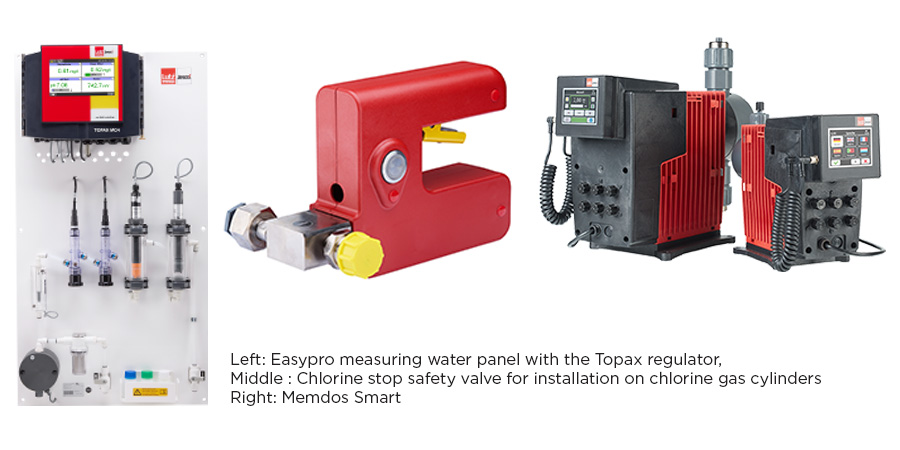
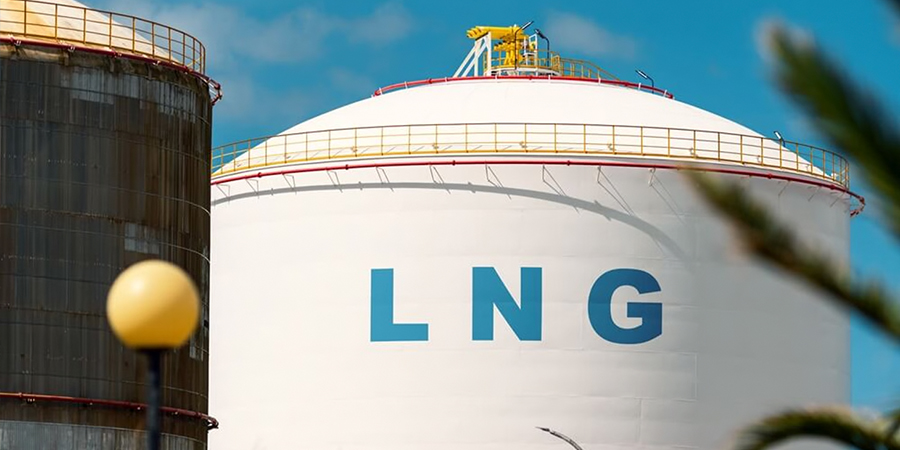
OCI is simultaneously building partnerships with a growing network of shipowners and end-users who plan to adopt ammonia as a clean fuel for their fleets.

VICTROL will design, build, and operate a liquid ammonia bunker barge, which will load refrigerated ammonia at OCI’s terminal and deliver it directly to ships in port, as well as to inland industrial off-takers. With decades of experience in barging and bunkering operations, VICTROL will ensure safe and reliable last-mile delivery to vessels using ammonia as a low- or zero-carbon fuel.

Through OTE, OCI operates the only independent large-scale ammonia import terminal in the Port of Rotterdam. The port’s strategic location provides an essential link between overseas supply and European demand, helping to address the continent’s anticipated hydrogen shortfall. With permits secured to expand OTE’s storage capacity from 30,000 to 90,000 metric tonnes, and throughput of up to two million tonnes per year in line with rising market demand, OCI is positioning Rotterdam as Europe’s leading hub for clean ammonia distribution and storage.

Both companies are working closely with the Port of Rotterdam and relevant authorities to ensure that all necessary safety and regulatory frameworks are in place. The partnership builds upon the port’s first-ever successful ammonia ship-to-ship bunkering pilot, completed in April 2025 — a key milestone that advanced Rotterdam’s readiness for ammonia fuel to level seven under the International Port Readiness framework.

Aviv Bar Tal, global vice president at OCI

“Ammonia is essential to the energy transition – the most scalable, policy-backed, and commercially viable clean hydrogen solution available today. The unparalleled combination of OCI’s expansive sourcing network, proprietary import terminal and valuable end-user partnerships, with VICTROL’s unique expertise in bunkering infrastructure, is creating Europe’s first end-to-end ammonia fuel supply chain. Together, we are proud to be positioning Rotterdam as the leading global hub for clean ammonia and maritime decarbonization.”

Matthijs van Doorn, vice president commercial at Port of Rotterdam Authority

“The port of Rotterdam is preparing for a multi-fuel future to decarbonize global shipping, with ammonia as one of the future fuels. It is great to see this strategic partnership develop after the successful ammonia bunkering pilot in April 2025, where both OCI and Victrol also played an important role. Such collaborations are instrumental to create safe and sustainable supply chains and are key for Rotterdam to advance its preparedness for ammonia bunkering.”

Driving Europe’s clean energy transition
Ammonia is rapidly emerging as one of the most scalable and investable clean hydrogen carriers and maritime fuels. It has been safely produced, transported, and traded globally for decades, providing a strong foundation for its use in the energy transition. As new blue and green ammonia production capacity comes online, these low-carbon molecules can be integrated seamlessly into existing infrastructure and global supply chains, enabling their adoption as a clean fuel for the next generation of vessels.

Supported by regulatory momentum from FuelEU Maritime and the International Maritime Organization’s Net Zero targets, ammonia is set to play a central role in decarbonising the maritime sector and driving Europe’s clean energy future.

For more information visit www.oci-global.com

Gill Instruments launches innovative heat stress solution to protect workers and communities from extreme heat

Gill Instruments, an award-winning designer and manufacturer of meteorological and environmental measurement equipment, has announced the launch of the MaxiMet GMX552, the first compact weather station to integrate a black globe sensor for heat stress monitoring, providing highly accurate real-time data.

Climate Context and Health Impact

Extreme heat events are becoming more frequent, longer-lasting, and more intense. The World Meteorological Organization notes that extreme heatwaves in 2003 and 2010 were responsible for 80 percent of weather-related deaths in Europe between 1970 and 2019, whilst its State of the Climate in Asia 2024 confirms the region is experiencing a warming trend almost double the global average.

Consequently, businesses and governments are increasingly implementing measures to protect citizens and workforces through legislation and health and safety programmes requiring reliable heat stress condition measurements.

Technical Specifications and Standards Compliance

Developed and built in accordance with ISO 7243:2017, the international heat stress measurement standard, the MaxiMet GMX552 measures black globe temperature, wind speed and direction, temperature, humidity, and pressure with optional GPS capability.

Notably, Gill’s compact weather station offers an optional wet bulb sensor, enabling highly accurate, real-time calculation of wet bulb globe temperature from direct measurement of environmental conditions.

Enhanced Heat Stress Assessment

Mathew Middleton, Product Manager at Gill Research & Development, commented that using only the heat index is often insufficient, as it doesn’t reflect the real impact heat has on workers or athletes. In comparison, WBGT represents a more reliable heat stress indicator, accounting for additional parameters including temperature, humidity, wind speed, sun angle, and solar radiation (cloud cover), providing a more accurate assessment.

Middleton explained that the MaxiMet GMX552 has been designed to address these challenges: by providing Wet Bulb Globe Temperature data accurately and in real time, organisations can take protective actions quickly, reducing risks of illness or fatal accidents whilst maintaining safety, performance, and productivity.

Design and Application Suitability

The MaxiMet GMX552 is characterised as a high-quality, extensively tested and certified solid-state sensor, easy to set up, install, and integrate with other systems. With robust, low-maintenance design and options for battery or solar power operation, Gill’s heat stress solution suits outdoor applications with potential extreme heat sources, including agriculture, construction sites, military training grounds, smart city developments, infrastructure and transport maintenance, or leisure and sport venues such as stadiums and Olympic parks.

Strategic Market Positioning

Luke Perkins, chief product officer, stated that with more frequent and intense heatwaves, proactive heat stress monitoring proves crucial for ensuring people’s safety across multiple sectors. He noted that the MaxiMet GMX552 provides an integrated solution for businesses, governments, and event organisers to accurately obtain WBGT data in real time, enabling rapid action to safeguard people whilst maximising productivity.

The launch addresses growing regulatory requirements and organisational policies mandating heat stress monitoring to protect workers and the public in environments where elevated temperatures pose health and safety risks. The integrated design simplifies deployment compared to systems requiring multiple separate sensors, whilst ISO standard compliance ensures measurement reliability for regulatory and safety management purposes.

For more information visit www.gill.group

Lutz-Jesco discusses how to dose chlorine gas safely and sustainably in an industrial context

Lutz-Jesco will present a comprehensive system solution for chlorination alongside advanced dosing equipment at Ecomondo 2025, taking place at the Rimini Expo Centre in Italy. The company will exhibit at Hall D7, stand 523, showcasing integrated safety systems for chlorine gas handling, microprocessor-controlled dosing pumps from the Memdos Smart series, and the EASYPRO water sampling station.

Integrated Chlorination System Solution

Chlorine gas serves as a central component in numerous industrial processes, including disinfection of process water, textile bleaching, and manufacturing of primary materials such as PVC. However, the chemical’s hazardous nature means even small quantities can cause irreversible health damage, making system compatibility and safety paramount.

Mahmoud Parsamanesh, project engineer at Lutz-Jesco, emphasised that the company represents one of few global providers in chlorination capable of supplying all system components from a single source. He stated that this single-source approach reduces project timelines, improves performance, and enhances safety by eliminating compatibility risks associated with combining components from different manufacturers.

Chlorine Wall Demonstration and Safety Features

At Ecomondo, Lutz-Jesco will demonstrate a chlorine wall system structure utilising a pressurised chlorine gas cylinder to introduce the dangerous gas into water under vacuum conditions, preventing gas escape following leakage. Ejectors operate according to the Venturi principle, generating fast water jets that create negative pressure, sucking chlorine gas from the cylinder and injecting it into water. A booster pump supplies motive water at constant pressure, ensuring process stability.

Gas flow control operates via the C7700 regulation valve, enabling automatic, demand-driven control through central PLC systems or the Topax controller installed in the EASYPRO water sampling station. The system can be supplemented by the CondiChlor, a chlorine gas filter and pressure-reducing valve with moisture eliminator. Parsamanesh explained that this prevents liquid chlorine condensation, protects against impurities, and increases operational safety.

Emergency Safety Systems

Multiple safety components ensure operational protection. The C2213 vacuum regulator maintains constant vacuum, prevents backflow into the chlorine cylinder, and protects the system. The Easycon gas warning device monitors ambient air, issuing acoustic alarms and flashing light signals when concentrations exceed predefined limits. The Chlor-Stop safety valve interrupts gas flow directly at the tank valve within fractions of a second. Emergency systems including sprinkler systems or gas scrubbers, can be activated automatically for additional accident protection.

Parsamanesh stated that the system provides solutions for safe storage, monitoring, and dosing of chlorine gas whilst facilitating maintenance of standard-compliant working procedures.

Memdos Smart Dosing Pump Technology

Lutz-Jesco will showcase the Memdos Smart, a diaphragm pump designed for precise and sustainable dosing of aggressive chemicals in industrial and water treatment applications. The pump’s distinguishing feature involves microprocessor operation permitting asynchronous motor function, enabling the diaphragm to rise at higher speed during suction and lower speed during ejection. This produces low-pulsation supply flow enabling precise dosing with even pressure and repeat accuracy of ±1%.

Many conventional diaphragm and piston dosing pumps cause errors through intermittent rather than even dosing. The Memdos Smart addresses this limitation through its microprocessor-controlled operation.

Performance Range and Material Options

The Memdos Smart is available in two sizes, covering a wide performance spectrum. The smaller version conveys between 2.6 and 30.7 litres per hour, whilst the larger handles 58.5 to 182 litres per hour. Both versions are available in different materials including PVC, PP, PVDF, and stainless steel, ensuring compatibility with chemicals such as fluoride, hydrofluoric acid, peracetic acid, and concentrated sulphuric acid.

Operation occurs via a 3.5-inch, intuitively operable full-colour touch display similar to smartphone interfaces. Accessory parts facilitate installation and commissioning, including connection sets with suction lines, injection nozzles, pulsation dampers, and back-pressure and pressure relief valves.

EASYPRO Water Sampling Station

The exhibition will feature the EASYPRO water sampling station, providing modular solutions for monitoring and controlling various water parameters, including chlorine, pH, and Redox in industrial, drinking water, wastewater, and pool applications. Parsamanesh noted that its precise measuring system enables optimal chemical usage and resource conservation whilst facilitating continual data capture, simple analysis, and long-term efficiency increases.

Market Applications and Resource Optimisation

The integrated systems address growing emphasis on chemical handling safety, operational efficiency, and resource optimisation in water treatment and industrial applications. Single-source system provision reduces integration complexity whilst ensuring component compatibility critical for hazardous chemical handling.

The microprocessor-controlled dosing technology enables precise chemical application, reducing waste and operational costs whilst improving process control. Combined with accurate water quality monitoring through the EASYPRO station, facilities can optimise chemical consumption based on actual demand rather than conservative dosing approaches that waste resources.

Lutz-Jesco’s exhibition at Ecomondo 2025 demonstrates the company’s comprehensive capabilities in providing integrated solutions for demanding chemical dosing and chlorination applications, emphasising safety, precision, and operational efficiency across water treatment and industrial sectors.

For more information visit www.lutz.group

Americas LNG Summit & Exhibition 2025 to return to Lake Charles, Louisiana, on October 19-21, 2025

The LNG industry is on track to add $1.3tn to US national GDP by 2040, creating 500,000 American jobs and enhancing energy security across the world. At the Americas LNG Summit & Exhibition – which returns to Lake Charles, Louisiana, on October 19-21, 2025 – energy executives from over 50 countries will share strategic insights on this rapid-growth industry. Now in its 21st year, the event is set to build on strong historical ties in the US Gulf Coast and shape the future of affordable and reliable energy.

Over two full days of thought leadership, strategic dialogues and executive networking opportunities, the 21st Americas LNG Summit & Exhibition will welcome over 2,000 attendees from 50+ countries, 100 regional and international exhibitors and 150 speakers.

Under the theme, “Building global energy security, fueling domestic growth”, the Americas LNG Summit & Exhibition 2025 features the Strategic Conference, the Technical Conference, the Americas LNG Awards Evening, the Leaders of Tomorrow Program and the international Exhibition, in addition to the newly added features, including the LNG Innovation Stage and the Americas LNG Golf Tournament.
The event will build on a long history of partnership with key local partners, including the City of Lake Charles; Visit Lake Charles; Port of Lake Charles; Cameron Parish Port, Harbor and Terminal District; SWLA Economic Development Alliance and Calcasieu Parish Police Jury.

The Strategic Conference Speakers include:

  • Governor Jeff Landry, 57th Governor, State of Louisiana
  • Honorable Mark Menezes, President & CEO, United States Energy Association
  • Ambassador Geoffrey Pyatt, Senior Managing Director – Energy and Critical Minerals Practice, McLarty Associates
  • Jean Froehly, Minister and Head of the Economic and Finance Department, German Embassy in Washington DC
  • Representative Brett F. Geymann, Chair, Natural Resources and Environment Committee, Louisiana House of Representatives
  • Representative Ryan Bourriaque, Chair, Transportation, Highways and Public Works Committee, Louisiana House of Representatives
  • Senator Mark Abraham, Senate District 25, Louisiana State Senate
  • Senator Bob Hensgens, Senate District 26, Louisiana State Senate
  • Senator Jeremy Stine, Senate District 27, Louisiana State Senate
  • Marshall Simien, Jr., Mayor, City of Lake Charles
  • Jean P. Froehly, Minister and Head of the Economic and Finance Department, German Embassy in Washington DC
  • Sarah Bairstow, President – Louisiana LNG, Woodside Energy
  • Jaclyn Presnal, Vice President, New Energy Ventures, Williams
  • David Lang, General Counsel & Chief Commercial Officer, Commonwealth LNG
  • Marcel Steinbach, Senior Vice President Head of Group Regulatory Affairs, SEFE
  • Joshua Gibbon, Senior Vice President – US Gas Commercial, TC Energy
  • Masataka Yarita, Director – LNG and Methane Management Division, JOGMEC
  • Pam Roche, Vice President, Project Management Group – Sustainable Technology Solutions, KBR

The exhibition will feature over 100 leading regional and international companies, providing a key platform for the supply chain to connect with existing and planned LNG and gas projects, alongside their EPC counterparts.

Sponsors of the event include Commonwealth LNG, TC Energy, Woodside Energy, KBR, Bechtel, CHART, Cheniere, Energos Infrastructure, Poten & Partners, SEFE, Sempra Infrastructure, Venture Global, Ebara Elliott Energy, Five-S Group, Flowserve, KWLA, Kodiak Workforce Solutions, Mustang Sampling, Worley and Performance Contractors.

For more information visit www.americaslngsummit.com

Built for the bigger picture GF introduces the Butterfly Valve 565 Big

GF has introduced the Butterfly Valve 565 Big, a thermoplastic butterfly valve covering dimensions from DN350 to DN600. The valve is characterised as the strongest plastic butterfly valve with a short installation length, featuring a PN10 pressure rating. It is designed for durable and cost-effective operation in demanding water applications, including desalination and water distribution.

Product Development and Range Extension

GF’s thermoplastic Butterfly Valve 565 range has established itself as a flexible solution for water and water treatment applications through lug-style and wafer-style configurations spanning DN50 to DN300 dimensions. The range features corrosion-free materials and high-temperature and -pressure resistance, providing a lightweight and long-lasting alternative to metal valves. The new 565 Big extends this proven design approach to larger dimensions particularly suited for desalination and water distribution applications.

Construction and Performance Characteristics

The 565 Big shares construction features with the broader valve range. The valve housing utilises glass fibre-reinforced polypropylene, whilst the disc employs metal-reinforced polyethylene. This material combination results in a valve up to 20 percent lighter than metal alternatives. Despite lightweight construction and short installation length, the PN10 pressure rating establishes the 565 Big as the strongest thermoplastic butterfly valve with short installation length available in the market.

Automation and Digital Integration

For streamlined installation and enhanced customer flexibility, GF offers customised valve actuation through its network of Valve Automation Centres. Customers benefit from customised service solutions and assembly of complete systems according to their requirements, including integration of third-party components.

To meet current and future operational demands, the 565 Big incorporates a standard interface supporting simple automation and digitalisation of installations through optional modules. These include various actuators and the Double-Sensor Click-in with LED position feedback, described as a unique market solution that integrates directly into the housing.

Market Positioning and Applications

Jochen Hamburger, head of product management Valves at GF, commented that the 565 is built for the future through corrosion-free materials and digital interfaces ensuring long-lasting, reliable, and cost-effective operation. He stated that the introduction of the 565 Big extends the application scope with the toughest plastic butterfly valves on the market, with water distribution and desalination applications particularly benefiting from durability and high pressure rating whilst maintaining short installation length.

Product Availability

The new addition to GF’s butterfly valve range launched in DN350 and DN400 dimensions. Dimensions DN450 to DN600 will follow in the near future, providing complete coverage of large-diameter applications requiring thermoplastic valve solutions.

The 565 Big addresses market requirements for corrosion-resistant, lightweight valves capable of handling high pressures in large-diameter water infrastructure applications, where traditional metal valves face corrosion challenges and weight constraints affecting installation and maintenance activities.

For more information visit www.georgfischer.com

Balmoral secures LPCB exports certification, ensuring global fire safety

Fire tanks are more than just engineering achievements; they form part of the unseen safety infrastructure that protects lives in offices, data centres, factories, and public spaces. These tanks supply the sprinkler systems and emergency response measures that often make the difference between a contained incident and a major disaster. When the stakes are this high, regulation and certification are not bureaucratic exercises — they are essential, life-saving standards.

Unregulated means unsafe
Unregulated fire tanks cannot be relied upon to perform when it matters most. In the United Kingdom, the Loss Prevention Certification Board (LPCB) sets out strict requirements governing the design, manufacture, installation, and testing of fire tanks. The certification process begins at the factory, where critical components such as vortex inhibitors and other performance-related accessories are thoroughly inspected to ensure long-term reliability and safety.

Without these controls, tanks may still “hold water,” but they risk failure under wind loads, leakage over time, or poor performance in an emergency. In fire protection, “almost good enough” is simply not safe. LPCB certification ensures that tanks are built to stringent standards, can withstand extreme conditions, and remain dependable long after installation.

UK expertise with a global impact
Balmoral Tanks is one of only three cylindrical tank manufacturers in the world — and the only company producing both GRP and steel tanks — to hold both UK LPCB accreditation and the LPCB Export Certificate.

This global certification enables customers across regions including Benelux, the Middle East, and Asia to access British-engineered standards, providing consistency, quality assurance, and peace of mind in international markets.

In addition to LPCB accreditation, Balmoral offers a three-stage inspection process (pre-site, during installation, and post-installation), a dedicated inspection programme, and proprietary technologies such as its FireFlow™ anti-vortex system. The company is also the only UK tank manufacturer to hold the BSI Kitemark for customer service. Together, LPCB certification for product quality and the BSI Kitemark for service excellence demonstrate Balmoral’s commitment to both engineering integrity and exceptional customer support.

Safety without borders
For Balmoral, exporting is not simply about entering new markets — it is about extending its expertise, quality, and standards to customers around the world. In some regions, fire tanks are still evaluated primarily on their ability to store water rather than their performance in an emergency. Balmoral’s approach ensures that every customer, regardless of location, benefits from the same rigorous engineering, installation, and aftercare standards that define the UK market.

With the LPCB Export Certificate, Balmoral brings proven British expertise to the global stage. Consultants, developers, and building owners can specify Balmoral tanks with confidence, knowing they are manufactured to some of the most rigorous and independently verified standards — protecting assets and lives when it matters most.

For more information visit www.balmoraltanks.com

BW Energy celebrates financial closure for Maromba FPSO development in China

BW Energy has celebrated an important turning point in the Maromba development with a financial closure and renaming ceremony held in China, hosted together with COSCO SHIPPING, CEXIM (China Export-Import Bank), and SINOSURE (China Export & Credit Insurance Corporation). The event was attended by the Deputy Mayor of Dalian and the Norwegian Ambassador to China, highlighting the strong international collaboration underpinning the project.

Project Finance and FPSO Development

The ceremony celebrates the successful closing of a USD 365 million project finance facility for the refurbishment and redeployment of the Maromba FPSO (floating production, storage, and offloading vessel). This financing represents an important step in BW Energy’s development programme targeting 90,000 barrels per day of production by 2028.

Strategic Partnerships and International Collaboration

The participation of senior government representatives from both China and Norway underscores the international nature of the partnership, which combines Chinese shipyard and financing capabilities with Norwegian oil and gas development expertise. COSCO SHIPPING provides shipyard services for the FPSO refurbishment, whilst CEXIM and SINOSURE deliver project financing and credit insurance supporting the substantial capital investment.

BW Energy acknowledged partners and stakeholders for their continued support and confidence in the company’s capital-efficient development strategy. The Maromba project exemplifies BW Energy’s approach of optimising development costs through strategic partnerships, refurbishment of existing assets, and efficient project execution.

Maromba Field Context

The Maromba field, located offshore Brazil, represents a significant development opportunity for BW Energy. The company’s strategy involves refurbishing an existing FPSO vessel rather than constructing new infrastructure, reducing capital requirements and accelerating project timelines compared to newbuild alternatives.

The targeted production rate of 90,000 barrels per day by 2028 represents substantial output for an independent oil company, demonstrating the field’s resource potential and BW Energy’s capacity to execute large-scale offshore developments through strategic partnerships and capital-efficient approaches.

The financial closure milestone enables progression to FPSO refurbishment activities and subsequent deployment to the Maromba field, advancing the project toward production commencement and revenue generation supporting BW Energy’s growth objectives in Brazilian offshore oil production.

For more information visit www.bwenergy.no

Brenntag presents Energy Services innovations at ADIPEC Trade Show in Abu Dhabi

Brenntag Energy Services will present innovative chemical solutions at ADIPEC, the world’s largest energy industry event, taking place from 3 to 6 November 2025 at the ADNEC Centre in Abu Dhabi, United Arab Emirates. The company will exhibit at stand 15 585 in Hall 15, where the Energy Services team will engage with industry stakeholders.

Solutions Portfolio and Sector Coverage

Brenntag Energy Services provides chemical solutions across multiple energy sectors, including drilling, cementing, stimulation, production, refinery operations, and renewables. The comprehensive portfolio addresses diverse technical requirements throughout the energy value chain, from upstream exploration and production through downstream refining and emerging renewable energy applications.

Strategic Focus and Industry Engagement

As energy continues driving the global economy, Brenntag’s mission centres on supporting sector transformation through innovative and sustainable solutions. At ADIPEC 2025, the Brenntag Energy Service team will engage with industry leaders to discuss how the company’s services can contribute to shaping a cleaner, more efficient future for the energy sector.

Jeroen Bakker, President of Focused Industries and Services for Brenntag Essentials EMEA, emphasised that Brenntag views innovation and collaboration as key to shaping energy’s future. He characterised ADIPEC as a vital platform for showcasing how the company’s chemical solutions support customers in navigating the energy transition safely, sustainably, and efficiently. Bakker expressed anticipation for meeting customers and supply partners in Abu Dhabi to explore collaborative approaches to driving progress.

Market Context and Energy Transition

ADIPEC serves as a major international gathering for energy industry participants, providing a platform for technology showcasing, business development, and strategic dialogue regarding sector trends and challenges. The event’s location in Abu Dhabi positions it within a major energy-producing region whilst attracting global participation from energy companies, service providers, technology developers, and government representatives.

Brenntag’s participation reflects the chemical distribution and solutions provider’s strategic focus on energy markets, where specialised chemicals perform critical functions in production processes, equipment protection, performance optimisation, and environmental compliance. As the energy sector pursues decarbonisation objectives whilst maintaining production efficiency, demand for innovative chemical solutions supporting both traditional and emerging energy technologies continues evolving.

The company’s emphasis on supporting the energy transition acknowledges industry trends toward lower-carbon operations, adoption of renewable energy technologies, and implementation of more sustainable practices throughout energy production and processing. Chemical solutions providers play enabling roles in these transformations through products and services supporting efficiency improvements, emissions reductions, and deployment of new technologies.

For more information visit www.Brenntag.com

Gizil partners with TGS to advance digital transformation of Argentina’s energy infrastructure

Gizil, a German industrial engineering and digitalisation company, has been selected by Transportadora de Gas del Sur (TGS), Argentina’s largest natural gas transporter, to deliver Virtual Plant as a digital solution across its operations. This project marks a major milestone in both companies’ digital transformation journeys and underscores the growing importance of data-driven solutions for critical infrastructure.

TGS is pioneering a new approach by adopting Gizil’s Virtual Plant – an innovative alternative to conventional 3D model–based digital twins. Instead of relying solely on costly and time-intensive BIM/CAD modelling, Virtual Plant leverages reality capture and metadata integration to provide immediate value, flexibility, and scalability across complex energy facilities.

The initiative aligns with TGS’s broader digitalisation roadmap, which industry advisors such as KPMG have highlighted as key to improving efficiency, safety, and sustainability in Latin America’s energy infrastructure.

Strategic Relevance:

Scalable foundation: Virtual Plant will start with one of the compressor stations and expand across multiple compressor stations and facilities within TGS’s vast network.

Operational excellence: A browser-based, metadata-rich environment ensures seamless integration with maintenance, HSE, and asset management processes.

Future-proof innovation: By adopting disruptive digital twin technology, TGS positions itself at the forefront of the energy transition and infrastructure modernisation.

“TGS is setting a new benchmark for the Latin American energy sector by embracing Virtual Plant technology,” said Esma Gulten, managing director of Gizil GmbH. “This collaboration demonstrates not only the importance of digital transformation in critical infrastructure but also the willingness of industry leaders to adopt practical, scalable innovations that deliver measurable results.”

With this initiative, TGS strengthens its role as a regional pioneer in energy digitalisation, paving the way for wider adoption of virtual plant solutions across Latin America.

For more information visit www.gizil.de

Cortec discusses rust prevention on warehoused spares: A ‘best kept secret’ for maximising oil and gas uptime

What is the true cost of a rusty spare valve or pump in the oil and gas industry? It could be hundreds of thousands of dollars if the lack of a ready replacement part brings production to a standstill—even for a few hours. That is why Cortec® has repeatedly delivered corrosion solutions to help oil and gas facilities around the world reclaim thousands of dollars’ worth of warehoused assets from the grip of corrosion and keep spares at the ready. For those who are ready to scrap their rusted spares and start over, these strategies may prove to be the best kept secret they need to reclaim asset value and maximise uptime.

Corrosion Challenges for Warehoused Spares
At first glance, an oil and gas facility may appear well-equipped for emergency repairs, with hundreds or thousands of spares stored on warehouse shelves. A closer look may reveal that corrosion has formed over months or years of inadequate protection in a fluctuating warehouse climate of humidity and temperature swings. Worse yet, many facilities have run out of warehouse space and reverted to storing piping, pumps, pulleys, and other parts on outdoor racks exposed to rain and sea spray. If a key pump or valve fails in production, maintenance will find it difficult to replace with a spare whose integrity is in question due to rust. Without an immediate backup, the costs of lost production can add up quickly, with just one hour of unexpected downtime registering a loss as high as an estimated $200,000-600,000, depending on current market prices.

Reclaiming the Value of Rusted Spares
Fortunately, warehouses full of rusty spares can be reclaimed and kept in ready-to-use condition through the simple method of “Clean, Protect, Preserve” that Cortec® representatives have implemented around the globe. Hundreds of parts can be restored by setting up rust removal stations and following the same basic steps.

  1.  Clean and degrease the part, if needed.
  2. Immerse the part in a solution of VpCI®-422 and periodically check rust removal progress.
  3. Rinse the parts in plain water to avoid contamination from one solution to another.
  4. Neutralise/clean the parts in a solution of VpCI®-414 (or a similar alkaline cleaner).
  5. Dry the parts and preserve them.


Smart Storage and Warehousing
Once the parts are cleaned and restored to usable condition, they can be preserved in ready-to-use condition using a variety of vapour phase corrosion inhibitor materials. Some of the basics include VpCI®-126 HP UV Shrink Film or MilCorr® VpCI® Shrink Film for wrapping small and large inventory, supplemented internally by VpCI® emitters or VpCI® fogging fluid as needed. The durability of these materials may even make it possible to turn outdoor storage racks into safe storage areas for spares, protecting them against both UV damage and corrosion. Each preservation process should be carefully documented for integrity insurance, allowing maintenance to go directly to the proper shelf with the confidence that the spare is ready to unwrap and immediately install for minimal downtime.

Take Advantage of This Warehousing ‘Best Kept Secret’!
The losses from one hour of unplanned downtime or scrapping an entire warehouse of corroded oil and gas spares are no joke. That’s why understanding the secret of a sound restoration preservation and warehousing plan can lend so much value to a facility’s bottom line. Contact Cortec® to learn more about implementing one of the best kept secrets for preserving asset worth and maximising oil and gas uptime through rust prevention on warehoused spares.

For more information visit www.cortecvci.com

FourPoint Resources and Energy Transfer announce agreement to facilitate the expansion of the Price River Terminal

FourPoint Resources, LLC has announced a strategic agreement with Energy Transfer LP to significantly expand the Price River Terminal in Wellington, Utah, doubling the facility’s export capacity and enhancing deliverability of American Premium Uinta crude oil to refineries throughout the Lower 48 states. The expansion strengthens transportation infrastructure and takeaway capacity from the Uinta Basin whilst unlocking greater market access for FourPoint to meet growing demand for this high-quality American crude.

Terminal Expansion Scope and Capabilities

The terminal expansion will feature a newly constructed continuous loop track to streamline rail logistics alongside a railcar load rack capable of loading 140,000 barrels of oil per day. Infrastructure enhancements include nine new rail loading arms, four additional truck offload lanes, and upgraded pump capacity to accelerate and improve truck offloading operations.

The project will add a new heated storage tank with approximately 140,000 barrels of shell capacity and two additional 6,000-foot storage unit tracks, significantly improving storage capacity at the terminal. Heated storage proves essential for handling waxy crude oils that require temperature maintenance to preserve fluidity and enable efficient pumping and transfer operations.

Project Timeline and Committed Capacity

Tripp Kerr, Vice President of Marketing at FourPoint, stated that with the expansion expected to achieve completion by the fourth quarter of 2026, subject to receipt of necessary third-party and government approvals, FourPoint will secure capacity totalling 50,000 barrels of oil per day at the Price River Terminal. He characterised Energy Transfer as an exceptional midstream company, noting that their commitment to the project and reliable flow assurance will prove critical to FourPoint’s growth strategy in the basin.

Crude Oil Rebranding and Product Characteristics

The expansion coincides with the official launch and rebranding of the crude previously known as Uinta Wax or Yellow Wax. FourPoint will market the crude as American Premium Uinta (APU), a name reflecting the quality of this unique resource possessing one of the highest paraffinic contents among crude oils produced in the United States.

APU is characterised as a premium, light-grade, paraffinic crude oil with low impurities including sulphur and metals, making it a cleaner, more efficient feedstock for refiners. Its unique refining characteristics enable more cost-effective processing compared to many other crudes whilst producing high-grade base oil products for lubricants manufacturing.

Strategic Market Development

George Solich, CEO and chairman of FourPoint, emphasised the company’s focus on developing a robust and consistent production base in the Uinta Basin coupled with supporting logistics enabling movement of significant, reliable volumes of American Premium Uinta to both traditional markets in Salt Lake City and new markets beyond the basin.

Solich noted that as volatility continues disrupting foreign crude imports, APU offers American refineries a premium domestic alternative. He stated that the terminal expansion strengthens FourPoint’s ability to deliver the product consistently and at scale, supporting energy independence and fuelling production of American-made goods with American crude.

Basin Development Potential

The Uinta Basin has emerged as one of the few regions in the Lower 48 states positioned for meaningful production growth. Unlike other major US basins facing declining output, the Uinta Basin represents a uniquely resource-rich region with a long runway of remaining tier-one drilling locations.

Eric Eichler, chief operating officer of FourPoint, stated that the Uinta Basin offers exceptional development potential, with strong well performance, multiple stacked horizontal targets, and competitive well costs—characteristics comparable to those observed in the Permian Basin. With a deep, high-quality inventory base and expansion into new markets, Eichler characterised the Uinta as primed for meaningful production growth.

The basin also holds significant potential for natural gas development, further enhancing its role as a strategic contributor to America’s energy future.

Infrastructure and Market Access

The agreement between FourPoint and Energy Transfer represents a major strategic advancement in building infrastructure needed to meet increasing demand and emerging market opportunities for American Premium Uinta crude. By expanding terminal capacity and optimising logistics across the supply chain, both companies position themselves to better serve refiners nationwide and support the next phase of growth in the Uinta Basin.

Rail transportation provides crucial market access for Uinta Basin crude production, enabling delivery to refineries beyond the reach of existing pipeline infrastructure. The Price River Terminal serves as a critical link connecting basin production to rail networks providing access to refineries throughout the United States.

The doubling of terminal export capacity addresses a fundamental constraint on basin development, as production growth requires corresponding expansion of takeaway infrastructure to move crude from producing wells to consuming refineries. Without adequate transportation capacity, production growth becomes economically constrained as local oversupply depresses wellhead prices.

Energy Independence and Domestic Supply

The expansion supports broader objectives of domestic energy security by enhancing the ability of American refineries to access domestically produced crude oil. As global crude markets experience volatility from geopolitical events, supply disruptions, and policy changes, reliable domestic crude sources provide refiners with supply security and reduce exposure to international market disruptions.

APU’s characteristics as a light, low-sulphur crude with high paraffinic content make it particularly valuable for certain refining applications, including production of high-quality lubricant base stocks that command premium pricing. This product differentiation enhances the value proposition of Uinta crude compared to generic light sweet crudes.

The strategic partnership between FourPoint Resources and Energy Transfer demonstrates industry commitment to developing Uinta Basin resources through coordinated investment in both upstream production capabilities and midstream transportation infrastructure, creating integrated value chains connecting basin resources to end-market demand.

For more information visit www.fourpointenergy.com