LBC Bayport Terminal goes live with UAB-Online

LBC Tank Terminals has successfully implemented UAB Online at its Bayport facility in Houston, Texas, completing phases 1 and 2 of the digital transformation project. With these initial stages now operational, Bayport is streamlining terminal processes, improving stakeholder communication, and establishing foundation for full digital transformation across operations.

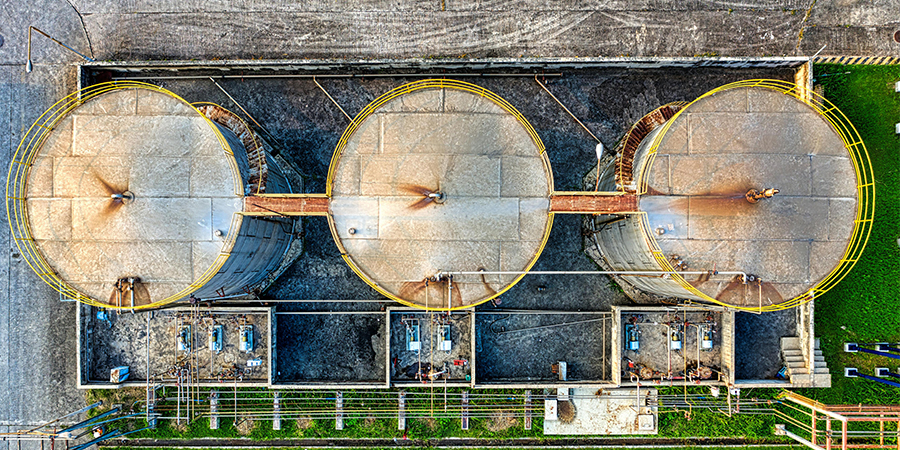
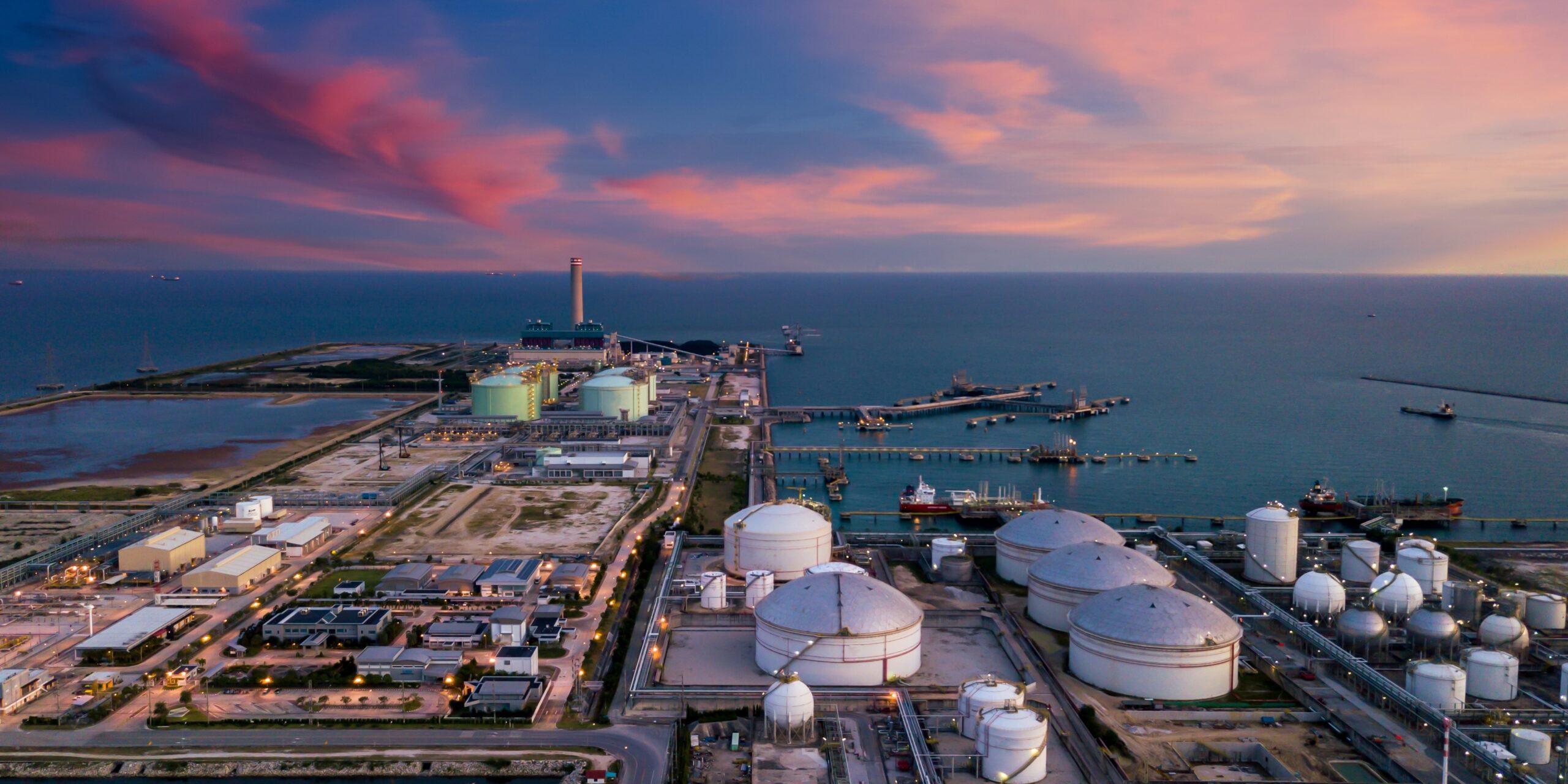
LBC Bayport plays vital roles in chemical and energy supply chains. Situated on the Houston Ship Channel, the terminal provides deep-water dock access, extensive pipeline connectivity, and rail interface linking directly to key industrial areas. These advantages position Bayport as a strategic hub for storage and handling of liquid bulk products in one of the world’s busiest ports.

Terminal operations involve coordination amongst vessels, agents, surveyors, and terminal operators ensuring safe and timely product transfers. Historically, much communication relied on phone calls, emails, and paper documents. By introducing UAB Online, LBC Bayport is transforming manual processes into integrated digital workflows, enhancing operational efficiency and coordination, accuracy of information shared between parties, and transparency and compliance in all operational steps.

The digital rollout at Bayport is executed in multiple stages ensuring smooth adoption and minimal disruption. Phase 1 introduced digital dossier creation for vessels and barges alongside online Notice of Readiness submissions. Phase 2 implemented document sharing in PDF format, improving transparency and accessibility for all stakeholders. Future phases will include advanced digital document creation and enhanced checklists further streamlining operations.

As part of the Houston Ship Channel community, LBC Bayport’s digital operations benefit customers and the broader regional logistics network. Digitalisation strengthens the port’s competitiveness, reliability, and sustainability—key factors maintaining Houston’s role as global leader in energy and chemical logistics.

With UAB Online now active in phases 1 and 2, LBC Bayport has taken important steps toward a fully digital future. Subsequent phases will build on this foundation, continuing to improve safety, efficiency, and transparency across operations. LBC’s digital journey demonstrates how modern technology and collaboration can redefine terminal operations, making them faster, safer, and more intelligent.

Digital transformation in terminal operations addresses inefficiencies inherent in paper-based workflows and fragmented communication channels. Traditional processes involving multiple parties coordinating vessel arrivals, cargo operations, and documentation generate delays, errors, and compliance risks when information flows through disconnected systems.

UAB Online’s digital dossier creation consolidates vessel information, operational parameters, and required documentation in unified electronic format accessible to authorized parties. This eliminates information silos, reduces duplicate data entry, and ensures all stakeholders work from consistent, current information.

Online Notice of Readiness submission streamlines the critical process whereby vessels notify terminals of arrival readiness and preparation to commence cargo operations. Digital NOR submission provides timestamp documentation, immediate notification to relevant parties, and integration with terminal planning systems enabling efficient berth allocation and resource scheduling.

PDF document sharing in Phase 2 addresses practical requirements for distributing operational documents including cargo manifests, inspection reports, certificates, and communications logs. Digital distribution eliminates delays associated with physical document handling whilst creating audit trails supporting compliance verification.

Houston Ship Channel’s status as major petrochemical and energy logistics corridor creates high-volume terminal operations requiring efficient coordination amongst numerous vessels, cargo owners, and service providers. Digital platforms supporting operational coordination enhance channel capacity utilization by reducing vessel turnaround times and improving predictability of operations.

Terminal digitalization supports sustainability objectives through reduced paper consumption, optimized operations minimizing energy usage and emissions, and improved safety through enhanced communication and documentation supporting compliance with operational procedures.

The phased implementation approach manages change systematically, enabling users to adapt to new workflows progressively rather than overwhelming personnel with comprehensive system changes simultaneously. This approach supports user adoption, identifies improvement opportunities through operational experience, and validates system performance before expanding functionality.

Future phases incorporating advanced document creation and enhanced checklists will further digitize operational workflows, potentially including electronic signatures, automated compliance verification, real-time operational status tracking, and data analytics supporting performance monitoring and continuous improvement.

LBC Tank Terminals’ digital transformation at Bayport exemplifies industry trends toward smart terminals leveraging information technology for operational excellence, with digital platforms becoming standard infrastructure supporting efficient, transparent, and compliant liquid bulk terminal operations in major ports globally.

For more information visit www.uab-online.com

Glenfarne and Baker Hughes announce definitive agreements to advance Alaska LNG

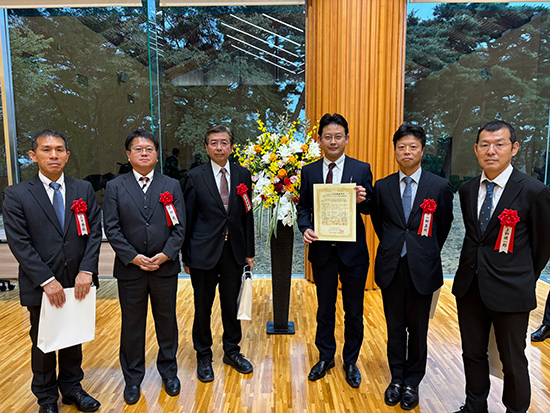
Alaska LNG, majority owned and developed by Glenfarne Alaska LNG, LLC, has announced a strategic alliance with Baker Hughes, a global energy technology company, to advance the Alaska LNG Project. Under the new agreement, Glenfarne has selected Baker Hughes as the supplier of main refrigerant compressors for the LNG terminal and power generation equipment for the North Slope gas treatment plant. Baker Hughes has also made a strategic investment in the project. The announcement was made during a ceremony in Washington, D.C., attended by U.S. Secretary of the Interior Doug Burgum and Secretary of Energy Chris Wright.

Brendan Duval, CEO and founder of Glenfarne, highlighted Baker Hughes’ role as a key partner, noting the company’s leadership in LNG compression technology and the significance of this collaboration for national and state energy objectives. Baker Hughes’ Chairman and CEO, Lorenzo Simonelli, reaffirmed the company’s commitment to supporting the project, emphasising the importance of natural gas and LNG in providing secure, reliable, and lower-carbon energy. Both government officials commended the alliance as a milestone in strengthening U.S. energy independence, economic resilience, and international competitiveness.

Left to Right: Secretary of Energy Chris Wright, Baker Hughes Chairman & CEO Lorenzo Simonelli, Glenfarne CEO & Founder Brendan Duval, Secretary of the Interior Doug Burgum, Senator Dan Sullivan (Alaska)

The Alaska LNG Project is being developed in two financially independent phases. Phase One will include an 807-mile, 42-inch pipeline transporting natural gas from Alaska’s North Slope to serve domestic energy needs, with final engineering and cost analysis by Worley expected to conclude in December ahead of a final investment decision. Phase Two will add an LNG terminal and supporting infrastructure, enabling an export capacity of 20 million tonnes per annum (MTPA), with FID anticipated in late 2026. Since taking leadership of the project in March, Glenfarne has secured preliminary commercial commitments from major buyers in Japan, Korea, Taiwan, and Thailand for over 60 percent of the LNG capacity needed to reach FID. With a total permitted portfolio of 32.8 MTPA across Alaska, Texas, and Louisiana, Glenfarne continues to expand its footprint in the North American LNG market, including collaboration with Baker Hughes on its Texas LNG project.

For more information visit www.glenfarne.com

AMPP and SASO sign technical cooperation programme agreement to strengthen standards development

The Association for Materials Protection and Performance (AMPP), the global authority in materials protection and performance, and the Saudi Standards, Metrology and Quality Organisation (SASO) have signed a Technical Cooperation Programme (TCP) to advance collaboration in standardisation, training, and technical development to enhance safety, quality, and industrial performance.

The agreement establishes a framework for cooperation between the two organisations to support the exchange of information, participation in the development and harmonisation of standards, and organisation of joint training programmes, workshops, and technical exchanges. Through this partnership, AMPP and SASO aim to promote best practices that strengthen industry competitiveness and product safety while supporting the advancement of quality infrastructure throughout the Kingdom of Saudi Arabia and beyond.

“AMPP’s collaboration with SASO represents an important milestone in expanding our global engagement in standardisation and quality initiatives,” said Tim Gonzalez, vice president, Energy Integrity Solutions at AMPP. “This agreement reinforces our shared commitment to advancing standards, training, and technical excellence that drive safer, more efficient, and sustainable industrial operations.”

The Technical Cooperation Programme also outlines cooperation in areas such as:

  • Exchange of information on standardisation practices, regulations, and technical developments;
  • Joint study and harmonisation of draft standards aligned with international recommendations;
  • Exchange of experts and participation in training, conferences, and workshops;
  • Sharing of best practices related to national standards and technical regulations; and
  • Coordination within international organisations such as ISO and IEC to enhance engagement in global standardisation activities.


“This collaboration with SASO strengthens AMPP’s ability to contribute to the Kingdom’s growing focus on quality and innovation,” said AMPP CEO Alan Thomas. “Together, we can ensure that materials protection and performance standards are integrated into the global conversation on safety, sustainability, and industrial excellence.”

The agreement reinforces AMPP’s mission to advance materials protection and performance by sharing expertise, harmonising standards, and expanding opportunities for technical collaboration. AMPP and SASO will develop initiatives that help industries operate more safely, efficiently, and sustainably across all sectors that depend on corrosion control and asset integrity.

For more information visit www.ampp.org

PALA Interstate promotes Adam Landry to president

PALA has announced the promotion of Adam Landry to President of PALA Interstate. Landry’s career with PALA spans over 12 years, beginning shortly after earning his degree in Construction Management from Louisiana State University.

He started his career as an estimator and steadily advanced through key leadership positions, including project manager, operations manager, and most recently, chief operating officer. Throughout his tenure, Landry has played vital roles in driving growth, performance, and sustainability of the employee-owned company, leading with integrity and deep commitment to personnel and clients.

Beyond his work at PALA, Landry serves as a dedicated industry leader and advocate. He serves on the ABC Pelican Chapter Board of Directors, was recognised as a 2024 Baton Rouge Business Report 40 Under 40 honouree, and was named a 10/12 Industry Report Emerging Leader in 2024. Landry is a husband and father to two children.

PALA stated that his leadership, dedication, and vision exemplify the core values defining the company, expressing honour at having him serve as President of PALA Interstate and anticipation for the continued growth and success he will help lead.

The promotion recognises Landry’s sustained contributions and progression through increasingly senior roles over more than a decade with the company. His advancement from technical estimating through operational management to executive leadership demonstrates a comprehensive understanding of PALA’s business across functional areas.

The employee-owned company structure creates alignment between leadership decisions and workforce interests, with Landry’s promotion reflecting confidence from employee-owners in his capabilities to lead the Interstate division. Employee ownership models emphasise long-term sustainability and stakeholder value creation beyond purely financial metrics.

Industry recognition through 40 Under 40 honours and Emerging Leader designations validates Landry’s professional contributions and leadership potential beyond PALA’s internal assessment. Such recognition enhances the company’s reputation through association with acknowledged industry leaders.

Board service with ABC Pelican Chapter demonstrates commitment to industry advocacy and professional development initiatives supporting construction sector interests. Trade association involvement provides networking opportunities, policy engagement, and industry knowledge, benefiting both individual participants and their employers.

PALA Interstate’s focus within the broader PALA organisation likely addresses specific market segments, geographic territories, or service lines requiring dedicated leadership attention. The president’s role carries responsibility for strategic direction, operational performance, business development, and stakeholder relationships within the Interstate division’s scope.

The promotion reflects succession planning and leadership development practices cultivating internal talent for senior positions. Organisations developing leaders through progressive responsibility assignments retain institutional knowledge whilst creating career advancement pathways, motivating high-performing employees.

For more information visit www.palagroup.com

Creaform unveils the CUBE-R M Series

Creaform, a business of AMETEK, Inc. and worldwide provider of automated and portable 3D measurement solutions, announced the next evolution in automated quality control for at-line inspection in mass production: the CUBE-R M Series. This innovative modular solution leverages the power of the MetraSCAN 3D-R scanner in an automated 3D measurement cell and offers three standard configurations to accommodate different part sizes. A wide range of options ensure easy integration into any production environment, enabling more inspections with fewer resources and lower costs.

Unlike one-size-fits-all solutions, this turnkey high-productivity industrial measuring cell adapts to any shop floor and any requirements, and not the other way around. The M2™ inspects parts up to 2 m in length, the M3™ handles parts up to 3 m and the M4™ supports parts up to 4 m, offering significant flexibility in footprint, payload, and part size. Built with modularity in mind, these solutions are future-proof: the wealth of configuration and option choices, as well as Creaform’s ongoing innovation, ensures factories remain agile and ready to evolve. Bringing quality control and inspection ever closer to production, the CUBE-R delivers continuous measurements and uncompromising accuracy, even in vibrating environments and on difficult surfaces, by leveraging hardware-software synergy for smart offline programming, high-frame-rate full-field 3D data, and rapid cycle times through parallel processing. The results: increased productivity, enhanced product quality, and reduced operational costs.

The M Series offers a range of configurable options designed to enhance integration and operational efficiency for diverse manufacturing environments:

  • Metrology-grade 3D scanning capability: The MetraSCAN-R BLACK+™|Elite HD uses its 69 blue laser lines to deliver an accuracy of 0.025 mm (0.0009 in), 3,000,000 measurements/s and an impressive measurement resolution of 0.015 mm (0.0006 in). These measurements are validated through acceptance tests compliant with the VDI/VDE 2634 Part 3 and ISO 10360 standards and carried out in ISO/IEC 17025:2017 accredited laboratories.
  • Productivity Kit: Elevating the overall equipment effectiveness, this kit enables uninterrupted scanning workflows by parallelising inspection and processing activities, eliminating downtime associated with data processing.
  • Removable Mounting Plates: This forklift-compatible kit offers optional pallets so parts and jigs can be preloaded outside the measuring cell, for quick part swaps and minimal downtime.
  • Virtek Iris™ 3D positioning system: Leveraging Virtek’s powerful solutions, this kit uses projected laser-guided patterns for precise alignment and accurate parts and jigs positioning, reducing setup errors and boosting processing speed.
  • Secure Remote Access Kit: This kit includes connectivity tools that enable Creaform’s technical support team to remotely troubleshoot the CUBE-R, accelerating issue resolution and reducing support downtime.
  • Dedicated sheet metal solution: Combining the specialised Sheet Metal Add-on in the Inspection module and the MetraSCAN 3D-R HD, this kit delivers the most accurate and repeatable 3D sheet metal measurements available.
  • Automation module: The digital twin environment module of Creaform Metrology Suite prioritises ease of use and performance so that all operators, regardless of expertise, can confidently program and operate robotic systems.


“We believe quality control should drive production, not slow it down,” says Mathieu Desmarais, product manager at Creaform. “With the M-Series’ modular design, manufacturers benefit from turnkey yet tailored solutions that scale with their needs, maximising throughput and system uptime, and accelerating the journey toward 100% inspection and zero defects, while staying future-proof for evolving manufacturing needs.”

For more information visit www.creaform3d.com

SIAS, Tank Storage Association and Reynolds Training launch new SIAS Level 2 Diploma in Bulk Storage Operations

A new SIAS Level 2 Diploma in Bulk Storage Operations has officially launched, marking a major step forward in professional standards, safety and career development across the bulk storage sector.

Developed collaboratively by SIAS, Reynolds Training Services (RTS) and the Tank Storage Association (TSA) and its members, the qualification provides a structured pathway for learners entering or progressing within operational roles.

John Reynolds, managing director of Reynolds Training, said: “This qualification represents a key milestone for the bulk storage sector. By combining SIAS’s awarding expertise, TSA’s industry leadership – alongside its members’ industry knowledge – and our hands-on training experience, we’ve created a qualification that directly supports the delivery of safe, future-ready operations and enables the demonstration of competent performance. We’re proud to be shaping competence together, building the next generation of skilled operators and providing the foundation for a clear career pathway within the sector.”

The diploma equips learners with the fundamental knowledge and practical skills required to work safely and effectively in bulk storage facilities. Covering essential areas such as health, safety, environmental compliance, teamwork and emergency response, the qualification ensures that operators can meet the evolving demands of a critical national industry.

Aligned with SIAS’s regulated framework and the TSA’s ongoing work to promote excellence within the tank storage sector, the qualification forms a key part of the wider Shaping Competence Together initiative – connecting education, industry and safety leadership.

Steve Smith, managing director of SIAS, commented: “This qualification sets a new standard for skills in bulk storage operations. It combines essential technical knowledge with a strong focus on safety, sustainability, communication and teamwork, ensuring learners are fully prepared for the realities of a modern, fast-moving industry. This collaboration between SIAS, TSA and RTS exemplifies how partnership can drive real progress – combining deep sector expertise, innovative thinking and a shared vision for excellence in skills development. Together, we’re not just responding to industry needs – we’re helping to shape the future of bulk storage operations”.

Peter Davidson, chief executive of the Tank Storage Association, said: “The new Level 2 Diploma in Bulk Storage Operations supports the development of a skilled, confident, and adaptable workforce. The qualification is designed both for those seeking to begin a career in bulk storage operations and for existing professionals wishing to enhance their knowledge and skills to progress in their roles. It stands as a clear demonstration of our ongoing commitment to investing in people, talent, and the future of the bulk storage and energy infrastructure sector.”

Learners completing the diploma will gain a recognised Level 2 qualification that supports progression into bulk storage, process operations and related technical disciplines.

The launch of the SIAS Level 2 Diploma in Bulk Storage Operations marks an exciting moment for the industry, bringing together the best of industry expertise and educational innovation to build the skilled, adaptable workforce needed to power the sector’s future.

For more information visit www.siasuk.com , www.reynoldstraining.com or www.tankstorage.org.uk

Aptamus Picks Aker Solutions’ Entr for LCO2 Terminal Engineering

Aptamus Carbon Solutions, a subsidiary of Overseas Shipholding Group, and Entr, the consultancy arm of Aker Solutions, have entered into an agreement for front-end engineering and design of CO2 terminals in Florida and Louisiana. Entr will conduct FEED for a temporary storage and liquefaction processing terminal at Port Tampa Bay in Tampa, Florida, and a discharge and regasification terminal at LBC Tank Terminals in Baton Rouge, Louisiana, supporting Aptamus’s CO2 maritime transport and storage programme, Carbon Ocean and Storage Transport 20 (COAST20).

COAST20 was selected for an award to be partially funded by the US Department of Energy. The programme includes design of a 20,000-tonne liquefied CO2 tank vessel which will be the first built in the United States, the Port Tampa Bay intermodal hub site collecting captured CO2 from emitters across Florida, and the LBC receiving port on the Mississippi River near Baton Rouge, adjacent to an existing dedicated CO2 pipeline system for delivery to permanent underground storage sites. Port Tampa Bay and LBC are partners in the COAST20 project.

Credit: Aptamus

Knut Egil Pedersen, vice president of hydrogen and CO2 at Aker Solutions, expressed excitement about bringing pioneering expertise in designing and building CO2 terminals and first-of-their-kind carbon removal projects to Florida. He stated that having advised on optimised solutions in early development phases, Entr will now execute these in a cost-effective, industrialised project environment, combining North American team expertise with global experience to support safe processing, storage, and transport of CO2 from Tampa Bay to Louisiana.

Jeffrey Ross Williams, president of Aptamus, stated that Aptamus has strategically expanded capabilities to offer Florida’s largest CO2 emitters a supply chain solution for safe and efficient removal of captured CO2 from the state. He characterised Entr’s development of the Port Tampa Bay hub and LBC Tank Terminals site as offering the ideal solution for managing captured CO2 in Florida. Williams noted that COAST20 will allow power generation companies to meet increasing electricity demand in Florida whilst managing carbon output to meaningfully impact the environment and human health.

The COAST20 programme addresses emerging requirements for CO2 transport and storage infrastructure supporting carbon capture deployment. Florida’s CO2 emitters lack proximate geological storage formations suitable for permanent sequestration, necessitating transport solutions connecting emission sources with suitable Gulf Coast storage sites.

The maritime transport approach utilises purpose-built liquefied CO2 carriers connecting Florida collection points with Louisiana delivery terminals adjacent to existing CO2 pipeline infrastructure. Port Tampa Bay serves as collection hub enabling aggregation of CO2 from multiple Florida sources, with temporary storage and liquefaction processing preparing CO2 for ship loading.

LBC Tank Terminals’ Baton Rouge location provides strategic positioning on the Mississippi River with existing liquid bulk storage infrastructure and proximity to established CO2 pipeline systems. The discharge and regasification terminal will receive liquefied CO2 from vessels, return it to a gaseous phase, and inject it into pipelines for delivery to permanent storage sites.

US Department of Energy funding support reflects federal policy priorities for carbon capture, utilisation, and storage infrastructure development. Aker Solutions’ experience in CO2 handling infrastructure from North Sea projects provides relevant technical expertise for COAST20.

FEED work establishes detailed technical specifications, equipment selections, process designs, safety systems, and cost estimates supporting final investment decisions. The project exemplifies emerging carbon management infrastructure connecting emission sources lacking proximate storage with suitable geological formations via multimodal transport, potentially establishing models for similar regional approaches addressing commercial-scale CCS deployment requirements.

For more information visit www.aptamus.com

SPX FLOW expands global pump service network sixfold to enhance customer support

SPX FLOW has announced a significant expansion of its global service network for its Pump Solutions business, growing from five to more than 30 certified or in-process Authorised Service Providers (ASPs). The initiative is designed to strengthen aftersales support for Johnson Pump and Bran+Luebbe equipment worldwide. Each ASP is carefully selected based on technical expertise, quality standards, strategic location, and strong customer relationships—particularly in regions with large installed bases but limited access to original equipment manufacturer (OEM) services.

“Authorised Service Providers are an essential extension of our service model,” said Stephanie White, vice president of aftermarket for Pump Solutions at SPX FLOW. “They give customers the confidence of OEM-quality repair and support, no matter where their operations are located. This investment helps us deliver faster response times, localised expertise, and consistent service standards worldwide.”

ASPs are trained and certified to the same standards as SPX FLOW service centre technicians, ensuring customers receive the same level of precision and reliability as they would from the company’s direct facilities in Germany, the Netherlands, the United Kingdom, India, and the United States.

Mark Tuinman, head of sales at Nordic Flow AS, one of the newly appointed providers, said: “Having direct contact with SPX FLOW pump experts provides the flexibility and responsiveness that are crucial when failures occur. The SPX FLOW team once hand-delivered critical parts to Norway to keep one of our projects on track. That’s real partnership.”

Many ASPs also maintain local inventory, enabling faster part fulfilment, improved regional inventory management, and reduced equipment downtime. SPX FLOW plans to further expand the ASP network in 2026 to enhance the availability of genuine parts, service expertise, and lifecycle support for customers around the world.

“There’s no better time to announce this expansion than during World Quality Week, as quality providers showcase SPX FLOW’s continued commitment to service excellence,” added White.

For more information visit: www.info.spxflow.com

UAB-Online announces strategic partnership with digital port agency to accelerate growth into GCC region

UAB-Online, a leading platform in maritime logistics that unifies industry stakeholders, has announced a strategic partnership with Digital Port Agency Limited (DPA), headquartered in the United Arab Emirates. The collaboration marks a significant milestone in UAB-Online’s expansion into the Gulf Cooperation Council (GCC) region, which includes Bahrain, Kuwait, Oman, Qatar, Saudi Arabia, and the United Arab Emirates. The partnership aims to enhance port logistics efficiency and promote operational excellence across the region.

Strategic Collaboration for Regional Growth
The partnership combines UAB-Online’s proven SaaS platform—renowned for optimising port logistics, safety, and compliance—with DPA’s strong regional presence, deep expertise in liquid bulk logistics, and established relationships across the GCC. Through this collaboration, UAB-Online will gain access to DPA’s extensive network in the UAE and the wider Gulf region, enabling the delivery of locally tailored, high-quality digital solutions.

More than a geographic expansion, the partnership represents a strategic entry for UAB-Online into one of the world’s fastest-evolving maritime and logistics hubs. As GCC nations continue to invest heavily in port infrastructure, digitalisation, and logistics innovation, the collaboration positions UAB-Online to support customers with advanced technologies that drive efficiency and sustainability.

“This partnership with Digital Port Agency marks a key moment for UAB-Online,” said Hans Bobeldijk, CEO of UAB-Online. “With DPA’s in-depth knowledge of port operations in the GCC and our technology, we are ready to deliver real value to maritime and logistics operators in the region. It’s an exciting step in our global journey.”

Frank de Leng, official reseller for UAB-Online in the GCC, added: “I see enormous potential in combining our technical capabilities with DPA’s regional expertise. Together, we will provide GCC customers with solutions designed for their unique challenges—enabling faster decision-making, improved efficiency, and more sustainable operations.”

For more information visit www.uab-online.com

US$225m refinancing for Impala Terminals Group

Impala Terminals Group, a leading global operator of liquid and dry bulk storage infrastructure, has successfully completed the refinancing of its holding company through a US$225 million facility, complemented by a US$25 million bank guarantee line.

The facilities include a hybrid US private placement (USPP) and institutional loan structure, comprising both fixed and floating tranches. The financing consists of an initial US$175 million with an additional US$50 million in deferred funds available for drawdown no later than 31 December 2025.

In addition, the group secured a US$25 million bank guarantee line to further support its operations.

The refinancing attracted strong interest from a select group of existing investors, exceeding the required amount. Proceeds from the transaction will primarily be used to refinance existing borrowings and for general corporate purposes, strengthening Impala Terminals Group’s financial position as it continues to expand its global infrastructure footprint.

For more information visit www.impalaterminals.com

Cryo-Mach brand transitions under Blackmer

PSG®, an operating company of Dover Corporation, today announced that Cryogenic Machinery Corp. (“Cryo-Mach”) will transition from a standalone brand to a dedicated product line known as the CRYO-MACH Series under the Blackmer® portfolio. This strategic alignment expands the core competencies and capabilities of both brands while extending their reach and value to customers.

“Bringing the Cryo-Mach brand into the Blackmer portfolio as the CRYO-MACH Series is a natural next step in expanding our ability to solve critical fluid-handling challenges for customers,” said Chris Walsh, vice president of marketing and engineering. “We will continue the legacy of precise engineering and strict quality standards Cryo-Mach is known for – and deliver the CRYO-MACH Series with the trusted leadership that defines Blackmer.”

Founded in 1964, Cryo-Mach has built a global reputation for engineering mission-critical cryogenic centrifugal pumps, mechanical seals and accessories for cryogenic and industrial gas applications, including oxygen, argon and nitrogen. Customers across the market recognise Cryo-Mach for its unmatched product reliability, simple maintenance and responsive service.

Blackmer, founded in 1903, is one of the leading global providers of high-quality sliding vane pumps, internal gear pumps, centrifugal pumps, regenerative turbine pumps and reciprocating gas compressors. Known for helping customers solve complex pumping challenges with precision, the Blackmer history of innovation and excellence makes it the ideal home for the CRYO-MACH Series.

“This transition represents our commitment to expanding our core competencies and delivering greater value to customers across both cryogenic and non-cryogenic applications,” said Brian Battle, Vice President – Industrial Business Unit at PSG. “By aligning the Cryo-Mach legacy of cryogenic performance with the broad market expertise of Blackmer, PSG is better positioned to offer comprehensive solutions that address a wide range of liquified gas needs. This strategic move aligns with our long-term vision for PSG to be the most trusted and forward-thinking partner in the markets we serve.”

The CRYO-MACH Series will continue to be manufactured at the facility in North Hollywood, CA, USA. All Cryo-Mach products and marketing materials will be branded under the Blackmer name. There will be no changes to the existing product lineup, service capabilities or support resources.

For more information visit www.psgdover.com

Ineos CEO Rob Ingram speech to European Commission on economic resilience

INEOS has issued an urgent call for European politicians to make an “eleventh-hour” intervention to save the chemical industry. During a session addressing the European Commission’s Directorate-General for Internal Market, Industry, Entrepreneurship and SMEs, Rob Ingram, CEO of INEOS O&P Europe, outlined the critical challenges facing the sector and proposed immediate remedial actions.

Ingram emphasised that the chemical and plastics industry holds strategic importance for Europe, providing vital raw materials for virtually all value chains spanning medical and pharmaceutical, aerospace and transportation, food and agriculture, information technology, defence and security, and renewable energy sectors. However, he characterised the industry as being in crisis, with closures announced almost monthly. During 2023-2024 alone, more than 11 million tonnes of capacity has been announced for closure affecting 21 major sites across Europe.

Whilst acknowledging headwinds including low demand and global overcapacity, Ingram identified the key challenge as Europe’s loss of competitiveness compared to other regions. European producers face high electricity costs, high gas costs, and unique exposure to punitive CO₂ taxation. He illustrated this by noting that a typical cracker in Europe pays approximately €150 million more annually in gas, power, and CO₂ costs than an equivalent plant located on the US Gulf Coast, making European producers unable to compete effectively.

Compounding these challenges, Ingram noted that tariff changes between the EU and US support imports into Europe whilst simultaneously punishing European exports. He stated that bold action is needed immediately to maintain a viable European chemicals and plastics industry.

Ingram outlined required immediate actions including restoring competitive energy prices through removal of green levies and reduced grid fees; providing relief from carbon taxes with complete system restructuring; freezing Free Allocations at current levels; reducing CO₂ certificate prices; relaxing investment support rules at EU and Member State levels; introducing trade protections or compensation mechanisms; and reducing and simplifying regulations, particularly for SMEs.

Regarding funding, Ingram noted that the EU Innovation Fund contains approximately €40 billion, the EU Modernisation Fund has close to €60 billion available, and the EU-ETS scheme raises more than €40 billion annually. He argued these funds should be redirected and made fit-for-purpose, with selection criteria amended to support existing projects improving reliability, efficiency, competitiveness, or emissions—projects currently on hold due to affordability constraints.

Ingram justified intervention by noting chemicals and plastics represents Europe’s fourth-largest industry, employing more than 1 million people directly and another 5 million indirectly. Beyond employment, Europe possesses strength in innovation, requiring a functioning industrial ecosystem for development. Without intervention, investments and innovation will migrate overseas.

He cited the circular economy and blue hydrogen with carbon capture as examples requiring support. Chemical recycling complementing mechanical recycling needs technology-agnostic regulations supporting existing assets, market stimulation for circular products, and border enforcement of circular product standards matching domestic requirements. Blue hydrogen with carbon capture should be recognised as the most viable option for decarbonising existing chemical production assets, whilst green hydrogen remains too expensive beyond niche applications.

Ingram warned that the current path leads to decarbonisation through deindustrialisation—a lose-lose scenario where Europe loses jobs, income, and strategic independence whilst global emissions actually increase as production moves to territories with lower emissions standards, with products then shipped back to Europe. He stated that the first and only measure of success that matters currently is decisive action before year-end, before it becomes too late to preserve the European chemical industry.

For more information visit www.ineos.com

ConocoPhillips Australia Offshore gas exploration kicks off in the Otway Basin

ConocoPhillips Australia has commenced exploration in the Otway Basin seeking new domestic natural gas supply to address Victoria’s forecast gas shortfalls in coming years. The exploration programme aims to identify viable natural gas reserves supplying the domestic market and supporting Australia’s future energy needs, ensuring reliable power generation and residential heating whilst supporting local manufacturers.

On 1 November 2025, exploration drilling commenced at the first of two planned exploration wells for 2025. The first well, Essington-1, is located approximately 50 kilometres southwest of Port Campbell in offshore permit area VIC/P79, which lies adjacent to current natural gas developments.

Jan-Arne Johansen, President of ConocoPhillips Australia, stated that natural gas is key to providing reliable and affordable energy to households and businesses as Australia seeks to transition to net zero, with ConocoPhillips Australia looking to be part of the solution.

Drilling of Essington-1 is expected to continue through end-November 2025, with a second well in VIC/P79, Charlemont-1, anticipated to commence in December, weather and operational conditions permitting. Additional wells may be considered in future under the approved Environment Plan.

Johansen stated that the company remains committed to conducting exploration activities safely with extensive environmental protection measures in place. The Environment Plan received approval in February 2025 following extensive application and assessment processes with the regulator.

ConocoPhillips Australia operates the Otway Exploration Drilling Program, holding 51% interest, with joint venture partners Korea National Oil Corporation holding 29% and 3D Energi Limited holding 20%.

The Otway Basin represents an established petroleum province with existing gas production from multiple fields including ConocoPhillips-operated developments. The basin’s proven hydrocarbon system and proximity to Victorian gas infrastructure make it attractive for exploration addressing regional gas supply requirements.

Victoria faces forecast gas supply shortfalls as production from Bass Strait fields declines whilst domestic and industrial demand continues. New gas discoveries in the Otway Basin could help address these shortfalls by providing proximity to existing pipeline infrastructure and Victorian demand centres.

The VIC/P79 permit area’s adjacency to current developments suggests geological prospectivity based on nearby discoveries whilst potentially enabling infrastructure sharing if commercial discoveries are made. Proximity to existing facilities can reduce development costs and accelerate production startup compared to frontier exploration requiring new infrastructure.

ConocoPhillips’ experience as operator of existing Otway Basin production provides operational knowledge, established relationships with regulators and stakeholders, and infrastructure that could support development of new discoveries. This operational presence reduces entry barriers compared to explorers without established regional positions.

The two-well programme for 2025 enables testing of multiple geological prospects within the permit area, with drilling results informing decisions about additional exploration investment. Successful discoveries would require appraisal drilling, development planning, regulatory approvals, and ultimately production infrastructure before contributing to gas supply.

Environmental approval processes for offshore exploration have become more rigorous in recent years, with regulators requiring comprehensive assessment of potential impacts on marine environments and implementation of protective measures. ConocoPhillips’ February 2025 Environment Plan approval followed extensive consultation and technical review.

Natural gas’s role in energy transition reflects its function as dispatchable generation supporting renewable energy integration, lower emissions intensity compared to coal, and suitability for existing infrastructure and equipment. Victoria’s transition away from coal-fired power generation creates ongoing requirements for gas-fired generation providing grid stability.

Manufacturing sectors including food processing, chemicals, and materials production rely on natural gas for process heat and feedstock applications. Adequate domestic gas supply supports industrial competitiveness and employment in manufacturing-dependent regions.

The international joint venture structure brings Korea National Oil Corporation’s investment alongside 3D Energi’s participation, sharing exploration risks whilst providing diverse expertise and financial resources. KNOC’s involvement reflects Korean interest in securing LNG supply sources, though domestic Australian sales would take priority for any discoveries given permit terms and policy settings.

Exploration success in VIC/P79 would require commercial viability assessments comparing development costs against expected revenues from domestic gas sales. Victorian gas prices have experienced volatility reflecting supply-demand dynamics, with periodic shortfalls driving price spikes affecting consumers and industrial users.

The exploration programme represents private sector investment addressing energy security challenges through new supply development, demonstrating industry response to policy signals supporting domestic gas production for Australian markets. Outcomes will depend on geological success, commercial viability, regulatory approvals for any developments, and ultimately production volumes that could materially contribute to Victoria’s gas supply requirements.

For more information visit www.conocophillips.com.au

Precision under pressure: The Lee Company’s high-performance relief valves for oil and gas applications

Achieving the required levels of safety in oil and gas operations—whether downhole or subsea—can be particularly challenging. Sudden or unexpected pressure spikes pose a serious risk to equipment integrity, potentially leading to costly production stoppages or, in extreme cases, severe operational incidents. Reliable protection begins at the component level, where precision-engineered pressure relief valves play a vital role.

For more than 75 years, The Lee Company has delivered innovative fluid control solutions, helping customers overcome some of the industry’s toughest engineering challenges. The company offers a comprehensive range of robust and reliable relief valves, designed to safeguard systems under demanding conditions.

The Lee Company’s product line includes three primary types of relief valves.

  • Safety relief valves are designed for intermittent “pop-off” applications.

  • Pressure regulating valves maintain stable performance across a continuous operating range.

  • Thermal relief valves protect against thermal expansion by relieving small amounts of fluid from trapped volumes as temperatures rise.

Each type is engineered to the highest precision standards and plays a critical role in downhole oil tool applications.

In specific scenarios—such as those involving extreme cracking pressures exceeding 10,000 psid—The Lee Company’s 0.281-inch high-pressure relief valves, rated up to 5,900 psid, can be used in series to achieve pressure relief as high as 11,800 psid. This innovative approach allows users to handle double the cracking pressure safely and efficiently. When the first valve begins to open, the pressure is typically insufficient to activate the second; however, once the combined threshold of both valves is reached, each valve opens in sequence, sharing the pressure drop—a simple yet highly effective solution.

Like all components produced by The Lee Company, these pressure relief valves are compact, lightweight, and exceptionally durable—engineered to last for the full lifespan of an oil tool. The product range includes sizes from 0.187-inch diameter valves up to 0.812-inch threaded line removable units (LRUs), ensuring optimal flow and precise opening pressures for diverse applications. For critical systems, zero-leak configurations are also available.

Additionally, The Lee Company offers custom-designed pressure relief valves, tailored to specific customer requirements, including unique cracking pressures, flow rates, leakage tolerances, and material selections.

For more information, visit: www.theleeco.com

Bilfinger Middle East secures engineering contract for UAE’s first LPG terminal hub at Khalifa Port

Bilfinger Middle East has been awarded a contract by Nimex Terminals Ltd. to provide comprehensive engineering services for the development of the UAE’s first Liquified Petroleum Gas (LPG) terminal hub.

Under the contract, Bilfinger will deliver concept and Front-End Engineering Design (FEED), preliminary design permitting services, and the EPC tender package.

Azmat Mahmoud, chairman of Nimex Terminals Ltd., said, “We’re proud to partner with Bilfinger Middle East on this pioneering project to develop the UAE’s first LPG terminal hub at Khalifa Port. This milestone reflects Nimex Terminals’ commitment to advancing sustainable energy infrastructure and supporting the UAE’s Net Zero 2050 vision. Together, we aim to set a new standard for safety, efficiency, and innovation in the region’s energy logistics.”

Marco van der Linden, vice president engineering Middle East at Bilfinger, added, “Leveraging our extensive expertise in engineering and our understanding of local requirements in the energy sector, Bilfinger is poised to deliver substantial value to its customers while supporting the UAE’s energy ambitions.”

For more information visit www.bilfinger.com

Fluor selected for FEED of sustainable aviation fuel hub in England

Fluor Corporation has announced a contract award by LanzaJet for front-end engineering and design of a sustainable aviation fuel production hub in North Yorkshire, England. The initiative, named Project Speedbird, represents a joint development between LanzaJet and British Airways. Fluor will recognise the undisclosed contract value in the third quarter.

Mike Alexander, group president of Project Execution at Fluor Corporation, characterised Project Speedbird as marking pivotal advancement in global efforts to decarbonise aviation. He stated that by accelerating adoption of sustainable fuel technologies, the project will help redefine the future of flight, with Fluor proud to bring engineering and design expertise to the visionary initiative.

Image: Lanzajet

The project will leverage LanzaJet’s Alcohol-to-Jet technology to transform second-generation ethanol, sourced from agricultural residues and woody biomass, into sustainable aviation fuel. British Airways will utilise this SAF to reduce carbon emissions by approximately 230,000 tonnes annually, equivalent to emissions from 26,000 domestic flights.

Jimmy Samartzis, CEO of LanzaJet, stated that Project Speedbird represents the next commercial-scale facility in LanzaJet’s development portfolio, working closely with British Airways. He characterised it as an important step in continued scale-up of the company’s leading sustainable fuels technology. Samartzis noted that partnering with globally recognised engineering, procurement, and construction company Fluor Corporation demonstrates commitment to highest standards in project execution.

Located in Teesside, UK, the facility will produce more than 90,000 tonnes (30 million gallons) of SAF and renewable diesel annually. The site was selected for strategic location, advanced infrastructure, and access to skilled workforce.

Front-end engineering and design establishes detailed technical specifications, equipment selections, site layouts, and cost estimates supporting final investment decisions and subsequent detailed engineering for construction. FEED work bridges conceptual design and full engineering, procurement, and construction execution, addressing technical uncertainties and refining project scope.

LanzaJet’s Alcohol-to-Jet technology converts ethanol into jet fuel through catalytic processes producing hydrocarbons meeting aviation fuel specifications. The technology’s use of second-generation ethanol derived from agricultural residues and woody biomass addresses sustainability concerns about first-generation biofuels competing with food production.

British Airways’ commitment to offtake the facility’s SAF production provides commercial foundation supporting project financing. Long-term purchase agreements from creditworthy airlines enable project developers to secure debt financing and proceed with capital-intensive facility construction.

The 230,000-tonne annual emissions reduction represents substantial carbon abatement for British Airways’ operations, supporting the airline’s decarbonisation objectives. Aviation faces limited near-term alternatives to liquid fuels, making SAF a primary pathway for emissions reduction whilst maintaining existing aircraft and infrastructure.

Teesside’s selection reflects the region’s industrial heritage, existing energy infrastructure, port facilities, and workforce with relevant skills from petrochemical and process industries. The UK government has supported development of low-carbon industries in Teesside through various policy initiatives and funding programmes supporting industrial transformation.

The facility’s dual production of SAF and renewable diesel provides operational flexibility and revenue diversification. Renewable diesel serves road transport markets, providing additional offtake opportunities beyond aviation applications. Production processes for SAF and renewable diesel share technological similarities, enabling integrated facilities producing both products.

Project Speedbird advances UK objectives for developing domestic SAF production capacity supporting aviation sector decarbonisation whilst creating industrial jobs and supply chain opportunities. The UK government has established mandates requiring SAF blending in aviation fuel, creating policy certainty supporting production investments.

The 90,000-tonne annual SAF production capacity represents meaningful scale for European markets, where SAF availability currently falls well short of demand created by regulatory mandates and airline sustainability commitments. Commercial-scale facilities like Project Speedbird prove essential for closing this supply-demand gap.

Fluor’s role in FEED positions the engineering firm for potential EPC contract award following final investment decision, though FEED contracts don’t guarantee subsequent construction phase awards. The company’s project execution expertise in process industries supports complex facility development requiring integration of novel technologies with proven engineering practices.

LanzaJet operates the world’s first ethanol-to-SAF production facility in Georgia, United States, providing operational experience informing subsequent project development including Project Speedbird. Scaling from demonstration to multiple commercial facilities requires proven technology, experienced partners, and creditworthy offtake agreements—elements converging in the British Airways partnership.

For more information visit www.fluor.com

Australia Pacific LNG & CleanCo sign new gas deal

Australia Pacific LNG has signed a further agreement with CleanCo Queensland to provide additional gas supply to the 385 MW Swanbank gas-fired power station in 2026. The agreement represents the third gas sales contract between the two companies in as many years, supporting gas-powered generation underpinning reliable electricity supply in Queensland.

Dan Clark, CEO of Australia Pacific LNG, expressed pride in supplying gas to CleanCo, which plays an important role in delivering reliable energy supply supporting Queensland’s energy transition. He stated that the sale is in addition to existing domestic gas contracts and represents another demonstration of Australia Pacific LNG’s commitment to producing gas supporting the domestic market whilst meeting export obligations.

Tom Metcalfe, CEO of CleanCo, stated that access to reliable gas supply is essential for CleanCo to continue delivering the energy Queenslanders require. He noted that Swanbank E in Ipswich represents one of the country’s most efficient gas power stations, with the Australia Pacific LNG agreement helping ensure CleanCo can continue responding quickly to market conditions by backing up renewable energy and hydro assets to deliver cleaner energy solutions to customers.

Australia Pacific LNG’s total contribution to the East Coast Market for calendar year 2026 is 103 petajoules, representing substantial domestic gas supply alongside the company’s LNG export operations.

The successive annual agreements between Australia Pacific LNG and CleanCo demonstrate ongoing commercial relationships supporting Queensland’s electricity generation requirements. Gas-fired power stations provide dispatchable generation capacity addressing intermittency from renewable energy sources, enabling higher renewable penetration whilst maintaining grid reliability.

CleanCo Queensland, a state-owned corporation established in 2019, operates a portfolio including renewable energy assets, hydroelectric facilities, and gas-fired generation. The organisation’s mandate encompasses supporting Queensland’s renewable energy transition whilst ensuring reliable electricity supply. Gas generation serves crucial roles in this portfolio by providing rapid-response capacity supporting variable renewable output.

The Swanbank E power station’s efficiency characteristics reflect modern combined-cycle gas turbine technology converting natural gas to electricity with lower fuel consumption and emissions compared to older generation technologies. High-efficiency generation maximises electricity output per unit of gas consumed, reducing both costs and emissions intensity.

Australia Pacific LNG operates as one of Queensland’s major gas producers, extracting coal seam gas from the Surat and Bowen Basins. The company’s operations supply both domestic markets through pipeline connections to eastern Australian gas networks and international markets through liquefaction facilities at Gladstone producing LNG for export to Asian customers.

The 103 PJ domestic gas contribution for 2026 represents substantial volumes serving eastern Australian gas markets including electricity generation, industrial consumers, and residential/commercial users. This domestic supply occurs alongside LNG export operations, with Australia Pacific LNG balancing contractual obligations to international customers with domestic market supply commitments.

Eastern Australian gas markets have experienced supply-demand tensions in recent years, with declining production from traditional offshore basins increasing reliance on coal seam gas from Queensland whilst LNG export facilities create international demand competing with domestic users. Federal and state government interventions, including gas reservation mechanisms and export controls have aimed to ensure adequate domestic gas availability.

Australia Pacific LNG’s emphasis on meeting both domestic and export obligations addresses policy expectations that LNG producers contribute meaningfully to domestic gas supply rather than directing all production to higher-value export markets. The successive agreements with CleanCo provide visible demonstration of domestic market participation.

Queensland’s electricity system increasingly incorporates renewable energy from solar and wind generation, creating growing requirements for flexible generation capacity addressing renewable intermittency. Gas-fired power stations provide this flexibility through rapid startup, load-following capability, and reliability during periods of low renewable output, supporting grid stability as renewable penetration increases.

The ongoing contractual relationship between Australia Pacific LNG and CleanCo provides mutual benefits: CleanCo secures gas supply necessary for reliable power station operations, whilst Australia Pacific LNG maintains steady domestic sales complementing export revenue. Annual contract renewals enable price adjustments reflecting market conditions whilst providing medium-term supply certainty supporting operational planning.

For more information visit www.aplng.com.au

OMV and Masdar sign binding agreement to develop and operate new 140 MW green hydrogen plant in Austria

OMV, Austria’s integrated energy, fuels, and chemicals company, and Masdar, a global clean energy leader, have signed a binding agreement to establish a joint venture for the financing, construction, and operation of a 140 MW green hydrogen electrolyser plant in Bruck an der Leitha, Austria.

The landmark project will be one of Europe’s largest green hydrogen production facilities and marks a major step in OMV’s commitment to decarbonising its Schwechat refinery and accelerating energy transformation. Construction of the facility began in September 2025, with operational commencement expected in 2027.

Joint Venture Structure and Responsibilities

The joint venture will be majority-owned by OMV, with Masdar holding a 49% stake. The partnership combines OMV’s strategic leadership under its integrated Fuels and Chemicals business with Masdar’s commercial, financial, and technical expertise in developing and operating clean energy projects worldwide. OMV, which already operates a 10 MW electrolyser plant for green hydrogen in Schwechat, will procure renewable electricity for production and own the green hydrogen produced.

The partnership establishes foundation for future strategic collaboration between OMV and Masdar to explore green hydrogen, synthetic sustainable aviation fuels, and synthetic chemicals production in both the UAE and Central and Northern Europe, following a Letter of Intent signed in April. The joint venture is anticipated to close in early 2026, conditional upon completion of final documentation, shareholders’ approvals, and regulatory approvals.

High-Level Endorsement and Signing

The binding agreement was signed at ADIPEC in the presence of H.E. Dr. Sultan Ahmed Al Jaber, UAE minister of industry and advanced technology and chairman of Masdar; H.E. Dr. Wolfgang Hattmannsdorfer, Austria’s federal minister of economy, energy and tourism; Dr. Alfred Stern, chairman of the executive board and CEO of OMV; and Mohamed Jameel Al Ramahi, CEO of Masdar.

Leadership Statements

H.E. Dr. Sultan Ahmed Al Jaber stated that the UAE maintains longstanding commitment to working with partners to accelerate global energy systems transformation. He characterised the joint venture as uniting Masdar’s two decades of renewable energy leadership with OMV’s industrial capability, paving the way for future commercial opportunities across Europe. Dr. Al Jaber noted that the agreement underscores deep and growing collaboration between the UAE and Austria in powering growth for the information age.

H.E. Dr. Wolfgang Hattmannsdorfer emphasised that securing jobs and prosperity in Austria requires standing firmly for open trade and building successful international partnerships. He stated that the strategic partnership between OMV and Masdar has brought one of the largest direct investments of recent years to Austria, with the joint construction of Europe’s fifth-largest hydrogen plant. Hattmannsdorfer characterised the project as strengthening Austria’s leading role in a key future technology, with the goal of making Austria Europe’s leading hydrogen hub whilst maintaining a strong, energy-intensive industrial base creating jobs and securing future prosperity.

Dr. Alfred Stern stated that green hydrogen represents a key element in OMV’s Strategy 2030 for decarbonising fuel and chemicals production. He characterised partnering with Masdar to develop one of Europe’s largest green hydrogen facilities as a significant step forward. Stern noted that the joint venture builds upon existing partnership by uniting deep technological expertise with shared vision for progressing towards climate-neutral future, serving as a cornerstone in transforming operations and accelerating Europe’s energy transition.

Mohamed Jameel Al Ramahi stated that the landmark partnership marks an important step in expanding Masdar’s green hydrogen footprint in Europe and strengthening energy collaboration between the UAE and Austria. He noted that combining Masdar’s global expertise in developing and scaling clean energy projects with OMV’s strong industrial and technological capabilities will accelerate decarbonisation of hard-to-abate industries and advance development of a sustainable hydrogen economy in Europe.

Strategic Significance and Market Context

The 140 MW electrolyser plant represents substantial scale for green hydrogen production, positioning it among Europe’s largest facilities. The project addresses OMV’s objective of reducing carbon emissions at its Schwechat refinery through substitution of grey hydrogen produced from natural gas with green hydrogen produced from renewable electricity via electrolysis.

Refineries represent significant hydrogen consumers, using the gas for hydrocracking, hydrotreating, and desulfurisation processes. Replacing fossil fuel-derived hydrogen with green hydrogen reduces refinery carbon footprint whilst maintaining production capabilities, supporting decarbonisation of liquid fuels production.

OMV’s existing 10 MW electrolyser at Schwechat provides operational experience with green hydrogen production, with the 140 MW facility representing a fourteen-fold capacity increase demonstrating commercial-scale deployment. The phased approach enables technology validation at smaller scale before committing capital to larger installations.

Masdar’s involvement brings financing capabilities, project development expertise, and clean energy operational experience accumulated across global renewable energy portfolio. The company’s stated ambition to become a leading green hydrogen producer globally by 2030 positions the OMV partnership as a strategic element in European market entry and capacity building.

Broader Partnership Framework

The joint venture extends beyond the Austrian electrolyser project to encompass potential collaboration on synthetic sustainable aviation fuels and synthetic chemicals production across UAE and Central/Northern Europe. E-SAF production combines green hydrogen with captured CO₂ to synthesise jet fuel offering substantial lifecycle emissions reductions compared to conventional aviation fuel.

Synthetic chemicals production using green hydrogen as feedstock addresses emissions from chemical manufacturing, where hydrogen serves as both energy source and chemical building block. Geographic scope spanning UAE and Europe enables projects in both regions leveraging respective renewable energy resources and industrial infrastructure.

Timeline and Implementation

Construction commencement in September 2025 with 2027 operational target indicates approximately 18-month construction and commissioning period. The joint venture closing anticipated in early 2026 addresses corporate structuring, final agreements, and regulatory approvals preceding full project execution authority transfer to the joint venture entity.

The project demonstrates Austria’s positioning for hydrogen economy development, with governmental support reflected through ministerial participation in agreement signing and policy frameworks supporting green hydrogen investment. The facility contributes to European Union objectives for developing hydrogen infrastructure supporting industrial decarbonisation and energy security.

For more information visit www.masdar.ae

ADIPEC 2025 sets bold agenda for the future of global energy and delivers US$46bn in cross-sector deals

ADIPEC 2025 closed yesterday, after another record-breaking year, delivering US$46 billion through 35,000 cross-sector deals and bringing together a record 239,709 attendees – 17 percent up from 2024 – to set the agenda for the future of global energy.

The event also delivered significant value to Abu Dhabi’s economy, generating an estimated US$400 million in economic benefits, particularly across the hospitality, tourism and transport sectors.

Building on the call by H.E. Dr. Sultan Ahmed Al Jaber, UAE Minister of Industry and Advanced Technology and ADNOC Managing Director and Group CEO, leaders throughout the week echoed the need for energy addition, adding secure, diversified and lower-carbon supply while harnessing the power of artificial intelligence and investment to turn ambition into real-world progress.

In his opening address, Dr. Al Jaber highlighted the need for US$4 trillion in investment in all energy sources and urged energy industry leaders, policymakers and investors to boost job creation, economic growth, and global competitiveness through pragmatic policies and bold partnerships.

Abdulmunim Al Kindy, Chairman of ADIPEC 2025, said: “ADIPEC continues to provide a global platform that brings the entire energy ecosystem together to advance practical, data-driven solutions that harness energy to deliver jobs, growth, competitiveness and intelligence. This year’s record participation and partnerships reinforces ADIPEC’s key role in shaping a more secure energy future.”

Convening the full energy ecosystem, from international energy companies to technology leaders, financiers and policymakers, across the global value chain, the event strengthened its status as the world’s most impactful and commercially successful energy gatherings.

Speaking in the Opening Ceremony, Secretary Doug Burgum 55th Secretary of the Interior, Chairman of the National Energy Dominance Council, United States of America, said: “We stand at a critical moment in time, where innovation, national security, and prosperity intersect like never before…Energy has always underpinned national security and prosperity, but today those forces are converging in a way history has never seen.”

ADIPEC’s two flagship agendas, the Strategic Conference and the Technical Conference, featured 12 programmes, more than 380 sessions and over 1,800 speakers – including ministers, policymakers, C-suite executives and innovators – and over 16,000 conference delegates.

Participation included 54 of the world’s leading energy companies, including ADNOC, Aramco, ExxonMobil, CNPC, Oxy, Shell, BP, Chevron, NNPC, Petronas and TotalEnergies, to emerging independents and technology innovators driving new frontiers of progress.

Christopher Hudson, president of dmg events, the organiser of ADIPEC, said: “ADIPEC 2025 has been extraordinary in every measure, from the record number of deals signed to the sheer scale of participation and innovation on display. Over four days, we’ve seen thousands of conversations evolve into partnerships, projects and investments that will shape the future of global energy.

“ADIPEC is the world’s most influential platform for turning ideas into action, uniting the global energy ecosystem in a powerful demonstration of shared purpose and collaboration.

“With global energy demand continuing to rise by more than two per cent a year, the need for secure, sustainable and affordable supply has never been greater. ADIPEC remains focused on connecting energy industry leaders with policymakers, technology innovators and financial institutions, to share intelligence and forge the partnerships that deliver real progress for people, markets and the planet.”

Hosted by ADNOC under the theme ‘Energy. Intelligence. Impact.’, ADIPEC 2025 championed the principle of energy addition, delivering more energy, from more sources, with lower carbon intensity to meet the world’s rising demand responsibly.

ADIPEC welcomed high-level government, policy, trade and investment delegations from across emerging and advanced economies, underscoring its growing influence as a platform for government-to-government dialogue. With participation from 172 countries, the event reaffirmed the UAE’s convening power and its role as a global hub for energy, partnerships and innovation.

Against a backdrop of rising demand, shifting geopolitics and the exponential growth of AI, ministers, energy leaders and investors advanced pragmatic dialogue on energy security, market stability and investment frameworks, exploring how inclusive financing models and cross-sector partnerships can mobilise the capital required to build future-ready energy infrastructure. The ADIPEC Finance and Investment Programme further highlighted how strategic capital deployment and policy innovation can accelerate system-wide transformation and unlock long-term prosperity.

Demonstrating ADIPEC’s commitment to turning ideas into action, the Technical Conference – the world’s largest gathering of engineers and technical experts – also marked its biggest edition yet, with 203 sessions and 1,420 speakers presenting tangible products, innovations and solutions driving energy progress. It showcased how applied engineering and technology are transforming ambition into measurable outcomes across the global energy landscape.

Building on this momentum, ADIPEC’s growing role as an enabler of the integrated solutions needed to ignite the twin engines of progress, energy and AI, was evident across the show floor, with unprecedented participation from digital and AI pioneers including Mistral AI, IBM, Cisco, Microsoft, Gecko Robotics, AIQ, SandboxAQ and Inclusive Brains.

Across the show floor, new technology partnerships and product launches showcased how intelligent systems are reshaping operations, accelerating decarbonisation and meeting the surging power demand of AI-driven economies. Together, they demonstrated how cross-sector collaboration and innovation are transforming the global energy landscape and creating new pathways for economic growth.

From the digitalisation and AI to the diversity, leadership and development programmes, the importance of intelligence – human and artificial – ran through every discussion, reflecting a shared understanding that resilience today depends on smarter systems, strategic foresight and collaboration across sectors.

ADIPEC will return to Abu Dhabi from 2-5 November 2026, continuing its mission to unite the global energy sector and drive system-wide transformation for a secure, inclusive and sustainable future.

For more information visit www.adipec.com

Impala Terminals hosts shareholder visit to Rotterdam liquid bulk facility project

Impala Terminals hosted shareholder representatives from Trafigura and IFM Investors for a site visit showcasing progress on the company’s Rotterdam liquid bulk facility project. The tour included inspection of the barge harbour, quay wall, manifolds, and export pumps, with participants entering and inspecting one of the 54 tanks at the site.

Shareholders met members of the project team and witnessed the scale and complexity of the 1.3 million cubic metre facility, which represents a flagship project in Impala Terminals’ strategic investment programme. The project is in final construction and commissioning stage prior to full operation during 2026.

The shareholder visit provided Trafigura and IFM Investors with firsthand observation of project progress, enabling direct assessment of construction quality, operational readiness, and compliance with design specifications. Site visits by major shareholders demonstrate governance oversight and provide opportunities for management to showcase execution capabilities and address stakeholder questions regarding substantial capital investments.

The 1.3 million cubic metre capacity positions the Rotterdam facility as a major liquid bulk storage terminal serving European markets. The 54-tank configuration enables segregated storage of diverse products including petroleum products, chemicals, biofuels, and other liquid bulk commodities, providing operational flexibility for multi-client terminal operations.

Rotterdam’s position as Europe’s largest port and major petrochemical hub creates substantial demand for storage capacity supporting refining, trading, blending, and distribution activities. The facility’s barge harbour infrastructure addresses inland waterway transport serving Rhine River corridor markets extending through Netherlands, Germany, and Switzerland.

Quay wall infrastructure enables vessel loading and discharge operations, with manifold systems and export pumps providing connections between storage tanks, vessel berths, and barge loading facilities. These integrated systems enable efficient cargo movements supporting terminal throughput objectives and customer service requirements.

The 2026 target for full operations indicates project progression through final construction activities, equipment installation completion, and commissioning processes verifying operational readiness. Commissioning includes testing of storage tanks, pumping systems, loading facilities, safety systems, and operational control systems prior to commercial cargo handling.

Impala Terminals’ characterization of the Rotterdam facility as a flagship project within its strategic investment programme indicates the development’s significance for the company’s growth objectives and service portfolio expansion. The substantial capital investment reflects confidence in European liquid bulk storage demand and Rotterdam’s strategic positioning.

Trafigura’s shareholding in Impala Terminals creates synergies between the commodity trading company’s global activities and terminal infrastructure supporting physical commodity flows. IFM Investors, an institutional investment manager, brings infrastructure investment expertise and long-term capital supporting development and operational phases.

The shareholders’ direct engagement with project teams and physical inspection of infrastructure components demonstrates active ownership approaches characterized by operational involvement beyond financial oversight. This engagement supports informed capital allocation decisions and risk management through direct observation of project execution quality and progress.

The Rotterdam facility adds significant capacity to Impala Terminals’ global network of bulk liquid and dry bulk terminals spanning multiple continents. Geographic diversification across major trade routes and commodity types supports the company’s positioning as an integrated terminal operator serving international trading and logistics requirements.

BCP655TM: The Shortcut to Ammonia Reduction in Wastewater

What do chicken nuggets, a new shirt, the gas station, and your daily dose of meds have in common? They all relate to industries that struggle with high ammonia levels in wastewater. To avoid facing fines and polluting the environment, these industries must keep ammonia and other harmful compounds in check. Rather than leaving facilities overwhelmed by ammonia overload, Bionetix® recommends using BCP655TM as a great shortcut to reduce ammonia concentration and improve overall water quality.

The Long Road to Ammonia Removal

Traditionally, nitrifying bacteria have been used to convert ammonia to nitrite and then to nitrate. From there, denitrifying bacteria take over, turning nitrate into nitrogen gas. This multi-step process faces limitations from temperature, oxygen levels, and toxic organic compounds.

Image provided by Cortec – An industrial facility on the edge of a polluted water body.

The Shortcut to Ammonia Removal

BCP655TM offers a fast track to ammonia reduction, with the potential to improve wastewater treatment efficiency by 50 percent. Given an adequate carbon source (C:N balance), the denitrifying bacteria of BCP655TM consume more ammonia than nitrifying bacteria. They remain metabolically active at lower oxygen levels and temperatures as low as 10-12 °C, consuming some of the organic compounds that are toxic to nitrifiers. Furthermore, BCP655TM simultaneously degrades BOD, COD, nitrite, and nitrate at the same time as ammonia, improving overall water quality before wastewater is released to the environment.

Which Path Will You Take?

Next time you eat a chicken nugget, put on a new shirt, fill the car up with gas, or take your medicine, think about the wastewater challenges your own industry faces. If you think your facility is ready to take the BCP655TM shortcut to ammonia reduction, don’t hesitate to contact Bionetix’s microbial experts at Bionetix® International for further support.

For more information visit www.bionetix-international.com/contact-us/

Emerson’s new tank monitoring hub optimises inventory management and operational efficiency

Emerson has introduced the Rosemount™ 2405 Monitoring Hub, a new device designed to provide comprehensive inventory control and monitoring for multiple storage tanks. The Rosemount 2405 streamlines tank monitoring system architecture, allowing organisations to automate applications that were previously considered too complex or expensive. The hub delivers actionable insights that support better decision-making, enhanced operational efficiency, and cost reduction.

In many sectors — including chemical, refining, oil and gas, metals and mining, and food and beverage — companies continue to rely on manual inventory checks and often lack the capability to implement automated tank monitoring systems. The challenge is frequently compounded by the complexity and expense of integrating separate system components such as displays, communication units, and data concentrators. By combining these three elements into a single device, the Rosemount 2405 simplifies system design, making the transition to automation both easier and more affordable.

Emerson’s Rosemount 2405 Monitoring Hub integrates a display, communication unit and data concentrator into a single device – delivering full inventory control and multi-tank inventory insights.

The Rosemount 2405 supports connectivity for up to eight HART®-enabled level, pressure, or temperature transmitters. It collects, processes, visualises, and transmits measurement data for centralised monitoring and inventory management. Its digital HART multidrop connectivity enables multiple field instruments to connect through a single twisted-pair cable, significantly reducing wiring complexity and associated costs by minimising the need for extra cables, junction boxes, and input channels.

Aligned with Emerson’s Boundless AutomationSM vision for enhanced data mobility, the Rosemount 2405 integrates seamlessly with Rosemount TankMaster™ and TankMaster Mobile inventory management platforms, while also offering reliable connectivity with third-party host systems. The hub provides flexible access to inventory data — viewable locally in the field or remotely via a web browser. Through digital HART connectivity, it also enables real-time transmission of device diagnostics and status data alongside process variables, supporting proactive maintenance strategies.

Featuring an intuitive display and guided configuration, the Rosemount 2405 simplifies setup for multiple connected devices. This ease of use reduces training needs, setup time, and overall system complexity. The user-friendly interface also facilitates faster troubleshooting and issue resolution, helping minimise downtime and related costs.

According to Mikael Inglund, director of product management for Emerson’s measurement business, “Reliable access to real-time operational data through intuitive, intelligent interfaces is now an expectation in the process industries. Easy-to-deploy automated tank monitoring, enabled by the Rosemount 2405, allows operators to quickly view, interpret, and act upon critical information. This supports improved decision-making and leads to more efficient inventory management and reduced costs.”

For more information visit www.emerson.com/en-us/

Noord Natie Odfjell Antwerp Terminal recognised as UN ‘SDG Pioneer’ for sustainability leadership

Noord Natie Odfjell Antwerp Terminal has been awarded the UN sustainability certificate ‘SDG Pioneer’ during the Voka Day of Sustainable Entrepreneurship, confirming that sustainability is firmly embedded in the company’s business strategy.

According to Sustainability and environmental manager Wendy Hendrickx, the terminal’s greatest strength lies in the growing enthusiasm for sustainability among its employees. One example is the ‘Good Life’ working group, whose initiative has led to the planting of a food forest on 15 November in Wilrijk, bringing biodiversity to the heart of an industrial area.

The company is also making strides in supporting the energy transition. The roof of its 4,200 m² warehouse has been fitted with solar panels, set to become operational in 2025, and investments continue in energy-saving measures to further optimise the tank heating system.

Step by step, Noord Natie Odfjell Antwerp Terminal is building a more sustainable future — a collective effort driven by the dedication and innovation of its employees.

For more information visit www.noordnatie.be

Vopak expands regasification capacity at Colombia’s SPEC-LNG terminal by 33 percent

Vopak has announced a significant development in its liquefied natural gas (LNG) portfolio, as detailed in its Q3 press release on 5 November 2025. The company confirmed a final investment decision to increase the regasification capacity at Colombia’s SPEC-LNG import terminal by 33 percent since its commissioning.

The expansion will enhance the terminal’s send-out capacity, supporting both existing and new customers in Colombia’s gas market.

This strategic investment aligns with Vopak’s ambition to expand its presence in the global gas sector. The company’s network of gas terminals continues to play a vital role in strengthening energy security, ensuring access to affordable energy, and supporting the global energy transition.

For more information visit www.vopak.com

Maritime collaboration platform UAB-Online reaches 1 million vessel visits

UAB-Online, the industry-leading platform for digital pre-arrival vessel visits and terminal operations, is proud to announce a major milestone: Since moving to the cloud in 2015, the platform has processed more than 1 million vessel visits.

UAB-Online creates a dedicated online file for every vessel visit. Within an online file a user can generate, share and sign documents like SSSCL (part of the ISGOTT 6), Operational Arrangements, terminal specific documents, DOS, DOI, ADN, CDNI, and VOW. Furthermore it creates a to-do list for the user.

The remarkable achievement of these 1 million vessel visits in the UAB-Online platform is backed by a growing global network of 80+ terminals and 10,000+ active users worldwide.

“Reaching 1 million vessel visits is more than a number, it marks our transition from an announcement platform to a global industry standard,” said Hans Bobeldijk, CEO of UAB-Online. “It’s a proud moment for our team, users and partners. This success shows that the industry is embracing digitalisation at scale, and UAB-Online is at the heart of that transformation. From just a few terminals in the Benelux to now over more than 80 terminals worldwide, we’ve proven that efficiency, safety and compliance can go hand in hand with innovation and digitalisation.”

For every vessel visit a dedicated online file is created on the UAB-Online platform. Allowing users to generate, share and sign regulatory documents like SSSCL (part of the ISGOTT 6), Operational Arrangements, terminal specific documents, DOS, DOI, ADN, CDNI, and VOW with other maritime stakeholders. Furthermore, this also streamlines the workflow by automatically creating a clear, structured task list, ensuring that all required actions are tracked and completed.

Today, UAB-Online stands as a unifying platform for terminals, vessels, agents, traders and surveyors to ensure digital collaboration, regulatory compliance, and optimised port call operations all to improve operational excellence.

In an industry embracing digitalisation to enhance safety, compliance and operational excellence, UAB-Online provides a cloud-based platform that supports terminals in optimising their operations. The platform enables a more effective execution of terminal operations by allowing operations to be prepared in advance. This reduces manual processes and contributes to smoother coordination across stakeholders, ensuring higher success rates in achieving Just-In-Time (JIT) arrivals. As a result, operational delays of up to 90 minutes per vessel can be minimised, significantly lowering demurrage costs. Furthermore, by enabling effective planning, UAB-Online ensures smoother and more effective execution of operations at terminals.

“This milestone of 1 million visits is just the beginning,” added Hans Bobeldijk. “Our goal is to help every terminal in the world eliminate delays, reduce emissions, and gain full control over their operations, while delivering outstanding customer satisfaction and operational excellence.”

For more information visit www.uab-online.com

Glenfarne grows Alaska LNG commercial momentum With Tokyo Gas agreement

Glenfarne Alaska LNG, LLC and Tokyo Gas Co., Ltd. have announced the signing of a Letter of Intent for offtake of one million tonnes per annum of liquefied natural gas from the Alaska LNG project, majority owned and developed by Glenfarne. Tokyo Gas, one of Japan’s largest and most established energy utilities, is recognised globally for leadership in LNG procurement and energy innovation.

The LOI adds commercial momentum to Glenfarne’s rapid progress developing the 20 MTPA project, the only federally authorised export terminal on the U.S. Pacific Coast. Since becoming lead developer of Alaska LNG in March 2025, Glenfarne has signed preliminary offtake agreements with leading LNG buyers in Japan, Korea, Taiwan, and Thailand including JERA, POSCO, CPC, and PTT, totalling 11 MTPA of the 16 MTPA Glenfarne expects to contract to reach financial close.

Brendan Duval, chief executive officer and founder of Glenfarne, stated that the agreement validates the strength of Alaska LNG’s commercial offering and the project’s importance as a strategically positioned supplier of affordable, clean LNG for U.S. Pacific allies. He noted that Tokyo Gas pioneered the LNG industry with their agreement to purchase LNG from Alaska fifty-five years ago and represents one of the most respected voices in the industry, welcoming their participation in Alaska LNG.

In addition to Glenfarne’s rapidly growing portfolio of Alaska LNG offtake partners, Worley is completing final engineering and cost validation for the project’s 807-mile pipeline.

Alaska LNG consists of a 42-inch diameter pipeline transporting natural gas from Alaska’s North Slope to meet Alaska’s domestic needs and produce 20 MTPA of LNG for export. Glenfarne is developing Alaska LNG in two financially independent phases to accelerate project execution. Phase One includes the domestic pipeline delivering natural gas approximately 765 miles from the North Slope to the Anchorage region. Phase Two will add the LNG terminal and related infrastructure, enabling export capability. The State of Alaska, through the Alaska Gasline Development Corporation, owns 25 percent of Alaska LNG.

The Tokyo Gas LOI represents significant validation given the company’s historical role in LNG industry development and its position as a major Japanese utility with extensive LNG procurement experience. Tokyo Gas was among the first companies to import LNG commercially, establishing business models and technical standards that shaped global LNG trade development.

The reference to Tokyo Gas’s agreement to purchase LNG from Alaska fifty-five years ago recalls proposals from the late 1960s and early 1970s for Alaska LNG exports to Japan, which did not proceed to development. The current Alaska LNG project represents renewed efforts to monetise North Slope natural gas resources through LNG exports to Asian markets.

Alaska’s geographic position provides shorter shipping distances to Asian markets compared to U.S. Gulf Coast LNG export facilities, potentially offering logistics cost advantages and supply security benefits through geographic diversification. The U.S. Pacific Coast location provides strategic value for Asian buyers seeking supply options beyond traditional sources.

Glenfarne’s accumulation of preliminary offtake agreements totalling 11 MTPA toward a 16 MTPA target for financial close indicates substantial progress in commercial structuring. The involvement of major Asian utilities and energy companies, including JERA, POSCO, CPC, PTT, and now Tokyo Gas, provides a credible demand foundation supporting project financing.

The phased development approach separating the domestic pipeline (Phase One) from LNG export infrastructure (Phase Two) as financially independent projects aims to reduce execution complexity and financing requirements for initial phases. The domestic pipeline addresses Alaska’s natural gas supply needs whilst establishing an infrastructure foundation for subsequent export capability addition.

The State of Alaska’s 25 percent ownership through Alaska Gasline Development Corporation reflects the state government’s strategic interest in monetising North Slope natural gas resources, providing both economic development and fiscal revenue opportunities. State participation provides regulatory alignment and political support alongside financial investment.

Worley’s completion of final engineering and cost validation addresses critical requirements for project financing, providing lenders and investors with detailed technical specifications and capital cost estimates supporting investment decisions. Engineering completion enables progression to equipment procurement and construction contracts.

Alaska LNG’s federal authorisation as the only Pacific Coast export terminal provides regulatory certainty, though the project still requires a final investment decision, construction execution, and navigation of Alaska’s challenging environmental and logistical conditions. The project’s substantial scale and remote location present execution challenges requiring experienced contractors and substantial capital resources.

For more information visit www.glenfarne.com

IRH, Delfin LNG and Vitol forge 20-year LNG sale and purchase agreement

International Resources Holding RSC Ltd., a leading mine-to-market platform and subsidiary of ePointZero, has signed a 20-year Heads of Agreement with Delfin LNG LLC and Vitol Inc. for the purchase and sale of 1.0 million tonnes per annum of liquefied natural gas from Delfin’s export facility in the United States.

Under the agreement, Delfin LNG, a US-based export infrastructure company, will supply LNG on a free-on-board basis to Vitol, one of the world’s largest independent energy traders, which will act as offtaker and deliver volumes to IRH Global Trading, IRH’s global trading arm, for a 20-year period. Definitive agreements are expected to be concluded in coming weeks.

The long-term partnership represents a major step in IRH’s energy expansion strategy under ePointZero, a diversified investment platform focused on sustainable energy, technology, and resources. By leveraging synergies across the ePointZero ecosystem, IRH aims to build a fully integrated energy and commodities platform, enhancing supply chain resilience and supporting global energy transition.

Ali Rashed AlRashdi, CEO of IRH, characterised the transaction as a major milestone in developing IRHGT’s global LNG portfolio. He expressed satisfaction with collaboration with Delfin and Vitol to help bring the project to Final Investment Decision soon. AlRashdi outlined IRH’s vision to build an integrated global trading platform headquartered in Abu Dhabi, with IRHGT actively expanding its presence across physical and financial markets in natural gas, power, crude oil, refined products, metals, and equities. He stated the agreement sets IRH on the path to becoming a reliable LNG supplier to valued clients worldwide.

Mohamed Hesham, CEO of ePointZero, commented that the agreement represents another step forward in building an integrated, future-ready energy platform. He noted that securing reliable resources through long-term partnerships secures downstream operations of ePointZero Group and ensures energy resilience for the ecosystem. Hesham stated the collaboration reinforces commitment to delivering diversified, efficient, and reliable energy solutions powering economies and communities across regions.

Dudley Poston, CEO of Delfin, expressed honour at being selected by IRHGT and Vitol as long-term LNG supplier, anticipating collaboration as the company makes Final Investment Decision on the first FLNG vessel in coming weeks. He expressed satisfaction with continuing the strong relationship with Vitol and adding another world-class trading organisation such as IRHGT to Delfin’s growing strategic partner list.

Pablo Galante Escobar, global head of LNG and European Gas & Power at Vitol, highlighted excitement about concluding the agreement with IRHGT and Delfin. He stated Vitol continues strengthening its position to safely and reliably deliver cost-effective, flexible LNG solutions to customers worldwide, expressing anticipation for expanding relationships with both IRHGT and Delfin. Galante Escobar noted that Vitol’s offtake commitments and investment-grade rating will help Delfin on its path to financial close.

The agreement follows other strategic initiatives, including IRH’s acquisition of a 56 percent stake in Alphamin Resources for AED 1.35 billion, one of the world’s largest and highest-grade tin producers; a Memorandum of Understanding signed in May with ePointZero to decarbonise global mining operations through a joint task force; and a September agreement with the Egyptian General Petroleum Corporation and the Egyptian Mineral Resources & Mining Industries Authority. Together, these initiatives highlight IRH’s growing role in advancing sustainable resource development, expanding trading capabilities, and strengthening global energy connectivity.

The three-party structure enables Delfin to secure long-term offtake supporting project financing, whilst Vitol provides credit strength and logistics capabilities connecting US LNG production with IRHGT’s end-use markets. The 20-year duration provides revenue certainty, supporting Delfin’s investment whilst securing IRHGT’s LNG supply for extended periods.

Delfin’s floating LNG export facility concept provides advantages, including potentially faster development timelines compared to onshore terminals and flexibility in location and eventual redeployment. The project’s progression toward Final Investment Decision indicates commercial structuring and regulatory processes are advancing toward construction commencement.

IRH Global Trading’s Abu Dhabi headquarters positions the entity within a major energy trading hub serving Asian, European, and African markets. The company’s expansion across multiple commodity markets creates a diversified trading platform supporting ePointZero’s broader objectives for integrated energy and resources businesses.

For more information visit www.vitol.com

Sunoco LP and SunocoCorp LLC announce completion of acquisition of Parkland Corporation

Sunoco LP and SunocoCorp LLC announced the completion of Sunoco’s acquisition of Parkland Corporation on October 31st, 2025.

Following the completion of the acquisition, Parkland’s shares are expected to be delisted from the Toronto Stock Exchange at the close of trading on Tuesday, November 4th, 2025. Until that time, the shares will continue to trade on the TSX.

In connection with the Transaction, Parkland shareholders will receive Common Units of SunocoCorp, which are scheduled to begin trading on the New York Stock Exchange under the ticker symbol “SUNC” on Thursday, November 6th, 2025. This will occur following the settlement of Parkland shares and the completion of the allocation process for the SunocoCorp Common Units.

For more information visit www.sunocolp.com

Vopak reports strong performance, driven by a resilient portfolio

Royal Vopak has reported a strong financial and operational performance for the first nine months of 2025, demonstrating the continued strength and resilience of its global portfolio.

Key Highlights

Improve

Net profit including exceptional items increased 30 percent year-to-date (YTD) Q3 2025 to EUR 407 million, supported by higher operational performance and the dilution gain from the listing of AVTL.

Earnings per share (EPS) rose 37 percent year-on-year to EUR 3.51, reflecting the higher net profit and the impact of completed share buyback programs in 2024 and 2025.

Proportional EBITDA excluding exceptional items reached EUR 902 million, up 1 percent year-on-year, successfully absorbing a negative currency impact of EUR 18 million.

Proportional operating free cash flow per share increased 4 percent year-on-year to EUR 5.56, driven by strong cash generation and the benefits of reduced share count following share buybacks.

The company confirmed its full-year 2025 outlook, supported by the continued strong and diversified portfolio performance that offsets negative currency translation effects.

Grow

Vopak continues to deliver on its strategic growth agenda through disciplined investments across key global markets:

Canada: EUR 34 million investment to expand throughput capacity at the REEF LPG terminal, addressing high export demand.

China: Expansion of industrial capacity at Caojing and Haiteng terminals, reinforcing Vopak’s leading industrial infrastructure position.

Colombia: EUR 25 million investment to expand LNG regasification capacity at the SPEC terminal.

India: AVTL announced the decision to develop a new greenfield LPG terminal at JPNA port in Mumbai and proposed the acquisition of 75 percent of Hindustan Aegis LPG Ltd.

Since June 2022, Vopak has committed 60 percent of its proportional EUR 2.6 billion growth allocation to gas and industrial terminal projects, underscoring progress toward a future-ready infrastructure portfolio.

Accelerate

Vopak and OQ signed a joint venture agreement in Oman to develop and operate energy storage and terminal infrastructure in Duqm, a key strategic energy hub supporting the region’s energy transition.

CEO Statement

“We continued to execute our strategy and are reporting strong results year-to-date,” said Dick Richelle, CEO of Royal Vopak. “Demand for our services remained strong, resulting in an increased proportional EBITDA compared to the same period last year. The operating cash return of 16.2 percent year-to-date led to a 4 percent increase in proportional operating free cash flow per share to EUR 5.56.”

“Our focus remains on delivering key growth projects currently under construction. The LPG export terminal in Western Canada is progressing well, and we are investing further in increasing its throughput capacity. In the Netherlands and Colombia, we are advancing LNG infrastructure expansions, while the newly announced projects in India and China, and our joint venture in Oman, highlight our strong position in these growth markets.”

“The resilience of our business performance is allowing us to absorb negative currency impacts and confidently confirm our full-year outlook.”

Financial Highlights YTD Q3 2025
IFRS Measures (Including Exceptional Items)

  • Revenues remained stable at EUR 973 million (YTD Q3 2024: EUR 979 million), supported by strong demand and a robust occupancy rate of 91 percent. Excluding EUR 18 million negative currency translation, revenues increased 1.2 percent, driven by growth projects and solid performance at existing assets.
  • Operating expenses were EUR 484 million, slightly below last year (YTD Q3 2024: EUR 486 million), with lower costs from favourable currency effects offsetting higher development and maintenance expenses.
  • Cash flow from operating activities rose EUR 17 million to EUR 754 million, supported by strong business cash generation and foreign currency hedge settlements.
  • Net profit attributable to ordinary shareholders increased EUR 95 million to EUR 407 million, mainly due to a EUR 113 million dilution gain from the listing of AVTL.
  • Earnings per share increased to EUR 3.51 (YTD Q3 2024: EUR 2.56), reflecting higher profitability and reduced shares outstanding.


Alternative Performance Measures (Excluding Exceptional Items)

  • Proportional revenues rose to EUR 1,449 million (YTD Q3 2024: EUR 1,433 million), driven by growth projects and a EUR 22 million one-off commercial gain in Asia & Middle East, partly offset by negative currency translation of EUR 27 million and weaker chemical markets.
  • Proportional EBITDA increased to EUR 902 million (YTD Q3 2024: EUR 894 million), up 2.9 percent excluding currency impacts, supported by project growth and the Q2 one-off.
  • Proportional EBITDA margin improved slightly to 58.6 percent (YTD Q3 2024: 58.4 percent), reflecting solid cost discipline.
  • Proportional growth capex rose to EUR 447 million (YTD Q3 2024: EUR 291 million), with significant investments in Canada, the Netherlands, India, and the US
  • Proportional operating free cash flow remained strong at EUR 644 million (YTD Q3 2024: EUR 648 million), with free cash flow per share increasing 4 percent to EUR 5.56.


Business and Financial KPIs

  • Occupancy rate: 91 percent (YTD Q3 2024: 92 percent), reflecting continued strong customer demand.
  • Out-of-service capacity: 2 percent, maintained at low levels.
  • Operating cash return: 16.2 percent, stable year-on-year.
  • Proportional leverage: decreased to 2.56x (Q2 2025: 2.65x), remaining well within the company’s target range of 2.5x–3.0x.
  • Net debt-to-EBITDA: 2.49x (Q2 2025: 2.54x).


Exceptional Items in Q3 2025

  • EUR 1 million divestment gain from the sale of the Barcelona Terminal (Vopak Terquimsa).
  • EUR 1 million increase in dilution gain related to the listing of AVTL, bringing the total to EUR 113 million.
  • Organisational integration and restructuring charges of EUR 3 million in Q3 and EUR 12 million year-to-date.


Outlook

Vopak reconfirms its full-year 2025 outlook, underpinned by strong operational performance, disciplined capital allocation, and ongoing execution of strategic growth initiatives. The company remains focused on enhancing portfolio resilience, delivering on key projects, and advancing investments in gas, industrial, and new energy infrastructure.

For more information visit www.vopak.com

Permacorr® proven to resist corrosion under insulation in testing

Advanced Polymerics, Inc. has announced new test data confirming the effectiveness of its patented Permacorr® coating in mitigating corrosion under insulation (CUI), a significant and ongoing maintenance challenge for carbon steel assets worldwide. CUI occurs when moisture becomes trapped beneath insulation or jacketing on hot equipment, leading to aggressive corrosion and chloride stress cracking in both carbon and stainless steels. Research indicates that corrosion rates can rise by approximately 30 percent for every 10°C temperature increase, with CUI-related degradation accounting for up to 40 percent of piping maintenance costs in refineries, solar, and chemical plants. In North America alone, CUI is responsible for an estimated $276 billion in costs.

Permacorr addresses the CUI issue with its innovative chemically bonded phosphate ceramic technology, which forms a molecular bond with the steel surface rather than a physical one. This permanent chemical interaction passivates corrosion cells, offering protection against oxygen and moisture. Even if microcracks develop from thermal cycling, the bond remains intact, preventing the initiation of corrosion.

Validated Performance Under Insulated Conditions

In the industry-standard Vertical Pipe (Houston) Test, which exposes coated and insulated pipe sections to cyclic wet/dry salt spray and elevated temperatures, Permacorr demonstrated no blistering, cracking, or corrosion after prolonged exposure. In comparison, epoxy-phenolic coatings typically show significant degradation after just a few cycles.

Additionally, Permacorr withstood a six-month cyclic boiling-water test (8 hours immersion, 16 hours dry), simulating the 90–120 °C temperature range where condensation, vapour, and liquid water coexist, conditions that result in the highest corrosion rates. During this testing, no observable deterioration occurred.

Reduced Lifecycle and Maintenance Costs

Stephen Jewitt, president of Advanced Polymerics, remarked, “Asset owners have long faced a trade-off between corrosion resistance, heat tolerance, and cost. Permacorr eliminates that compromise. It offers high-temperature CUI protection, faster application, and significantly lower total lifecycle costs.”

As a water-based, VOC-free, and non-toxic solution, Permacorr supports sustainability goals without compromising performance. It also does not interfere with non-destructive testing methods, such as ultrasonic or radiographic inspection, which is a key advantage for operators in industries relying on these techniques.

Single-Coat Protection up to 250°C

Permacorr’s inorganic, cementitious properties provide thermal stability up to 250°C (480°F) while maintaining full adhesion and chemical resistance. A single coat, applied at 10–15 mils (250–375 µm) via plural-component spray, is all that is required. The coating’s self-sealing nature reduces surface preparation requirements and allows it to be applied over flash rust, which cuts down on both time and application costs.

Ideal for Critical Infrastructure

Permacorr is ideal for use on insulated tanks, steam lines, process piping, and pressure vessels operating at temperatures up to 250°C. It is particularly suited for industries such as oil and gas, petrochemicals, biopharma, and power generation.

As Jewitt stated, “CUI is one of the few corrosion mechanisms that still catches operators by surprise. Permacorr provides the peace of mind that comes from knowing the coating system is working, even when it can’t be seen.”

For more information visit www.permacorr.com

Desu Systems celebrates 20 years of safety leadership and knowledge sharing

Desu Systems B.V., a global leader in flame and gas detection and suppression distribution, is celebrating its 20th anniversary with the launch of a new industry initiative, “20 Insights from 20 Years.” The campaign showcases key lessons, innovations, and field experience gained through two decades of collaboration and advancement within the industrial safety sector.

Over the past twenty years, Desu Systems has earned a reputation as a trusted technical partner to safety professionals in more than 60 countries. The company distributes and supports world-class brands such as Spectrex, Buckeye Fire, Emerson Measurement Solutions, Sensia, and Hansentek, delivering technologies that protect thousands of critical facilities — including refineries, offshore substations, hydrogen plants, food processing sites, and aviation hangars.

Reflecting on the company’s journey, founder Ronald Verkroost stated that Desu Systems was established in 2005 with a vision to operate differently — faster, more flexibly, and with complete focus on customer needs. “Twenty years later, we’ve proven that trusted relationships and technical excellence are what drive real safety,” Verkroost said. “This anniversary is about giving back — sharing what we’ve learned to help others raise their standards of protection.”

The “20 Insights from 20 Years” campaign translates Desu Systems’ extensive field experience into practical lessons on detection, prevention, and performance reliability. The initiative is presented through a dedicated anniversary hub, which features a visual timeline of the company’s evolution, customer success stories, and milestones in technological progress.

According to Emile Hippe, CEO of Desu Systems, the industrial safety landscape continues to evolve rapidly. “Our industry is constantly advancing — smarter sensors, predictive data, fewer false alarms,” Hippe noted. “What doesn’t change is our mission: to guide safety professionals toward the best-fit solutions for their environments. We’re proud to stand behind the technologies that keep people, assets, and operations safe every day.”

Desu Systems’ reputation for excellence is reinforced by testimonials from global partners.

Emil Cohen of Emerson Measurement Solutions commended the company’s “unmatched expertise in flame and gas solutions” and its “dedication to partner success.”

Jason Sickenberger of Buckeye Fire highlighted Desu’s “professionalism, integrity, and operational excellence.”

Ryan Facer of Hansentek praised the company’s “collaborative feedback that strengthened product development.”

Daan Korenhoff of Lavastica described Desu Systems as “a partner who always keeps their promises.”

Ivan Vučević of Zarja Elektronika summed up the sentiment succinctly: “Desu are the best.”

Since its founding in the Netherlands in 2005, Desu Systems has grown from a small local operation into the world’s largest distributor of flame detection systems. Combining deep technical knowledge with exceptional customer support, the company continues to play a vital role in advancing global safety infrastructure.

For more information visit www.desusystems.com

ADNOC signs 15-Year LNG Supply Agreement with Shell for Ruwais Project

Abu Dhabi National Oil Company (ADNOC) has announced the signing of a 15-year liquefied natural gas supply agreement with Shell, marking the company’s first long-term LNG partnership with the global energy major. The agreement represents the eighth offtake deal for ADNOC’s flagship Ruwais LNG project, further solidifying the project’s position as a key driver of ADNOC’s growth in the lower-carbon energy sector.

With this latest deal, over 80 percent of Ruwais LNG’s total capacity of 9.6 million tonnes per annum has now been contracted—an achievement reached just 16 months after the project’s final investment decision (FID). This milestone underscores ADNOC’s ability to move rapidly from concept to market while maintaining a strong focus on reliability and sustainability.

The Ruwais LNG project is designed to deliver lower-carbon LNG to global markets, supporting the transition to cleaner energy sources. Through strategic partnerships such as the one with Shell, ADNOC continues to demonstrate its commitment to meeting growing global energy demand while advancing progress toward a more sustainable energy future.

For more information visit www.adnoc.ae

Koch Engineered Solutions recognised as Supplier of the Year by Marathon Petroleum Corporation

Koch Engineered Solutions has been honoured with a Supplier of the Year Award as part of Marathon Petroleum Corporation’s 10th Annual Supplier Recognition Awards. The recognition highlights KES’s outstanding performance and contributions to Marathon Petroleum’s operations over the past year.

The Supplier Recognition Awards programme celebrates partner organisations that have made significant, positive impacts on Marathon Petroleum’s business. Honourees are evaluated across key categories, including safety, reliability, environmental performance, innovation, and overall value creation.

Being named Supplier of the Year underscores Koch Engineered Solutions’ commitment to operational excellence, collaboration, and innovation in delivering technologies and services that support Marathon Petroleum’s refining and midstream operations.

A spokesperson for Koch Engineered Solutions expressed pride in the recognition, noting that the award reflects the dedication of KES employees and the company’s continued focus on creating value for its partners. “We are proud to be recognised by Marathon Petroleum, one of the most respected companies in the energy sector. This award is a testament to the hard work, expertise, and customer-focused mindset that define our teams across Koch Engineered Solutions,” the company shared.

This marks a notable milestone for KES as it continues to strengthen its partnerships across the downstream and energy infrastructure sectors. The company remains focused on providing integrated solutions that enhance efficiency, safety, and sustainability across global industrial operations.

For more information visit www.kochengineeredsolutions.com

ILTA announces 2025–2026 Board of Directors and welcomes new leadership

The International Liquid Terminals Association (ILTA) has announced its 2025–2026 Board of Directors, following a membership vote and formal approval during the Association’s Annual Membership Meeting held on October 23 in Tampa, Florida. The newly elected Board will serve from October 2025 through Fall 2026, providing strategic oversight and leadership as ILTA continues to champion the interests of the liquid terminal industry.

New Leadership Team

The officers for the upcoming term are:

  • Josh Etzel, Kinder Morgan, Inc. – Chair

  • Vincent Di Cosimo, Targa Resources – Vice Chair

  • Traci Johnson, International-Matex Tank Terminals – Treasurer

The Board of Directors also includes:
Chester Bullard (Howard Energy Partners), Maria Ciliberti (Vopak North America, Inc.), James Hill (BWC Terminals), Greg Mouras (Shell Pipeline Company LP), Elizabeth Parzanese (Energy Transfer Partners, L.P.), Joel Pastorek (Ergon, Inc.), Brent Weber (Intercontinental Terminals Company LLC), Meridith Wilson (Buckeye Partners, L.P.), Craig Yocham (Global Partners), and Regina Zolnor (MPLX Logistics and Storage Terminals).

Leakhena Swett, President of ILTA, continues to lead the Association’s day-to-day operations, while T. Pratt Summers of Colonial Group, Inc. serves as Ex-Officio.

New Directors and Departing Leaders

ILTA welcomed three new Directors to its governing board: Maria Ciliberti (Vopak North America), Elizabeth Parzanese (Energy Transfer Partners), and Craig Yocham (Global Partners).

The Association also extended its appreciation to Past Chair Tim Winters (Sprague Operating Resources LLC), Past Vice Chair Eric Conard (Petro-Diamond), and Director Jon Hunt (Energy Transfer Partners, L.P.), each of whom concluded more than nine years of dedicated service on the ILTA Board. Their leadership and commitment, ILTA noted, have been instrumental in strengthening the Association and advancing its mission.

President Leakhena Swett expressed gratitude for the outgoing leaders and optimism for the year ahead. “Tim, Eric, Jon, and Pratt have each played an instrumental role in shaping ILTA’s success and setting the foundation for the work ahead,” Swett said. “Their dedication, together with the passion of our incoming Board and the talent of our staff, ensures we can continue building on that progress and advancing the value we deliver to our members.”

A Strategic Path Forward

Incoming Chair Josh Etzel of Kinder Morgan, Inc. outlined his vision for ILTA’s continued growth and impact through his 2026 Chair’s Plan, emphasizing the Association’s readiness to meet evolving industry challenges.

“I am honoured to be elected Chair of the Board for the International Liquid Terminals Association,” Etzel said. “I step into this role at a time when ILTA is a healthy, strong, and impactful organisation, thanks to the dedication of our members and the leadership that has guided us here. As we look ahead, our industry faces both opportunities and challenges. This Chair’s Plan outlines a strategic path that builds on our strengths, adapts to change, and ensures ILTA remains a vital resource and advocate for our members.”

Etzel’s plan focuses on four key priorities:

  1. Member Value and Industry Leadership – Expanding education, training, advocacy resources, and opportunities for collaboration and benchmarking.

  2. Advocacy and Engagement in Washington – Strengthening ILTA’s policy voice through targeted government engagement and partnerships.

  3. Financial Health and Strategic Growth – Sustaining fiscal responsibility while broadening membership, sponsorship, and educational offerings.

  4. Relevance in a Changing Environment – Continuing digital modernization and enhancing the overall member experience.

Etzel also recognised outgoing Chair Pratt Summers for his leadership and stewardship. “Under Pratt’s guidance, the Association emerged on a much stronger financial footing and as a more stable and effective organization,” Etzel noted. “With a clear vision, strong leadership, and the unwavering support of our members, we are poised to advance our mission and strengthen our impact.”

For more information visit www.ilta.org

Tepsa Netherlands takes a sustainable step forward in Rotterdam

Tepsa Netherlands has announced the next phase of development at its Rotterdam terminal, marking a significant step forward in the company’s commitment to providing sustainable and innovative storage solutions.

With an existing capacity of 212,000 cubic metres and 18 hectares of available land for future expansion, the Rotterdam facility is strategically positioned to support Tepsa’s growth ambitions in one of Europe’s most important energy and logistics hubs. The site is set to play a key role in accommodating the increasing demand for New Energies, chemicals, and biofuels—sectors that are driving the global transition toward cleaner energy systems.

The expansion reflects Tepsa’s broader strategy to align its operations with evolving market needs while reinforcing its position as a trusted partner in the storage and handling of critical energy products. By leveraging Rotterdam’s strategic location and infrastructure, Tepsa is preparing for the next generation of storage technologies designed to meet the sustainability goals of tomorrow’s energy landscape.

As this new chapter unfolds, Tepsa Netherlands continues to demonstrate its dedication to growth, innovation, and sustainability within the European storage sector.

Stay tuned for further updates as Tepsa continues its journey toward a cleaner, smarter, and more resilient storage future.

For more information visit www.tepsa.com

Jotun announces the latest edition to its fire protection range: Jotachar 1709 XT

Jotun, a global leader in protective coatings, announces the launch of Jotachar 1709 XT, the latest innovation to its industry-leading Jotachar range of trusted intumescent fire protection coatings for the oil and gas industry. Engineered for fire performance in the most demanding environments, delivering competitive loadings and installation cost, Jotachar 1709 XT is optimised for UL1709 projects and strengthens the recognised Jotachar range with now products suited for all types of project scenarios.

Ensuring the safety and integrity of steel assets is critical, especially as the industry faces increasing challenges — from reducing the carbon footprint, to limiting the risks of fires and cryogenic spills. In the face of hazards or the pressure of tight schedules, time is essential and trusted performance is everything. Jotun’s range of passive fire protection coatings through its Jotachar brand, is engineered, tested, and certified to withstand extreme conditions, protecting people and assets, and its latest addition, Jotachar 1709 XT, is presented to the industry for the first time at ADIPEC.

“Jotun revolutionised the intumescent fire protection industry when it launched Jotachar JF750 in 2013, as the industry’s first mesh-free application solution for all hydrocarbon fire scenarios. Now Jotun enhances the Jotachar range with its latest edition, Jotachar 1709 XT – developed and optimised for onshore new construction projects requiring UL1709 certification,” said James Irving, global R&D manager for Fire Protection in Jotun.

As a patent pending all-climate capable fire protection coating, developed for the most extreme environments, Jotachar 1709 XT enables efficient installation for projects with all levels of complexity.

“Jotachar 1709 XT assures efficiency in projects through lower material consumption, delivering significant cost savings making it a relevant solution for energy projects worldwide. Our Jotachar range will now provide value to the industry whether delivering application efficiency with low applied weight and cost, or enabling fast on-site completion of connections, block-outs and maintenance scopes.”

Jotachar 1709 XT will deliver uncompromised reliability, ensuring consistent application and project efficiency, with its demonstrated first-class application properties:

  • Consistent and proven application performance across challenging environments in-shop and at site
  • Excellent and reliably robust application efficiency, regardless of conditions
  • Fast thickness build-up with an extended workability window of 15–20 minutes, even at high steelwork temperatures up to 50°C


Jotachar 1709 XT has also undergone comprehensive third-party testing and is fully certified by leading regulatory bodies. Additional extensive testing includes long term durability, adhesion, char stability, and mechanical integrity have been proven through certified testing protocols. Over 1 km steel was coated and more than 35,000 kg coating manufactured as part of the internal R&D testing, prior to launching the product.

“As always, choosing a Jotachar product comes with Jotun’s market-leading support. Our team of more than 1,200 dedicated coating advisors worldwide — the largest team of coatings advisors in the industry — collaborate closely through local teams with contractors to ensure project success. Customers benefit from the Certified Applicator Scheme, inspection and testing guidance, and Jotun Fire Engineering Services offering expert support such as loading calculations and passive fire protection (PFP) weight optimisation”, said James Irving in Jotun.

Explosion, hydrocarbon fire and cryogenic spill represent a significant hazard within oil, gas as well as petrochemical facilities.

“The cost of operational downtime, combined with financial and environmental consequences related to fire incidents at oil and gas facilities, is a serious issue. However, the risks these incidents represent in terms of human life and damage to assets is the most important reason to be investing in prevention and protection measures. Announcing this product today is a milestone for us, ensuring our position as a trusted partner for the industry when it matters the most,” said Gary Bennett, global sales director Energy in Jotun.

For more information visit www.jotun.com/gb-en