

Throughput at the Port of Rotterdam fell marginally by 0.7 percent in the first quarter of 2026, with total volumes reaching 103.0 million tonnes compared with 103.7 million tonnes in the same period last year. Declines in agribulk, coal, other liquid bulk, and breakbulk were partially offset by growth in crude oil, mineral oil products, LNG, iron ore, and container volumes.
Dry Bulk Under Pressure
The dry bulk segment saw a 4.3 percent decline overall. Agribulk recorded the steepest drop, falling 20.9 percent, largely reflecting a return to normal levels following a temporary volume increase routed through Rotterdam in 2025. Coal throughput fell 9.8 percent, driven by a reduction in energy coal volumes after exceptionally high production levels the previous year.
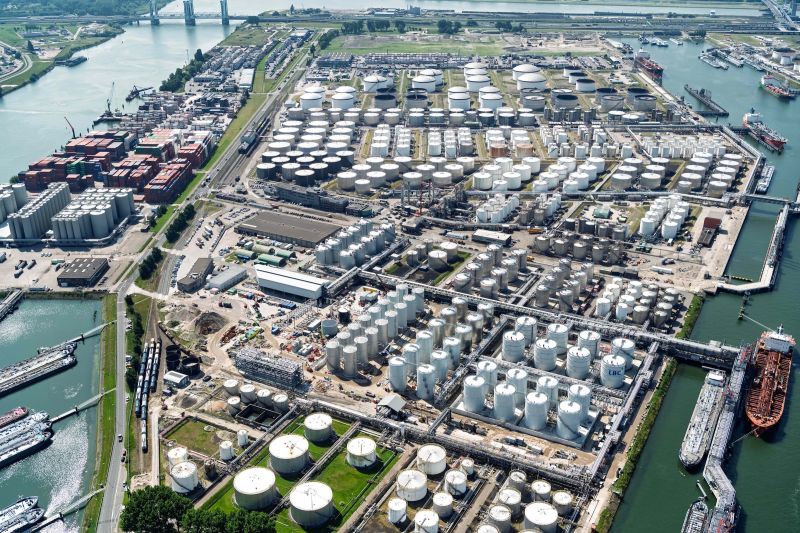 Photo source: Martens Multimedia
On the positive side, iron ore and scrap metal throughput grew 5.3 percent, broadly in line with a modest upturn in German steel production, which rose 2.5 percent in early 2026. Other dry bulk increased 4.6 percent, supported by stronger demand for construction and industrial raw materials.
Liquid Bulk Rises, Led by Oil Products
Liquid bulk throughput rose 2.2 percent in the first three months of the year. Crude oil volumes increased 1.7 percent to 25.2 million tonnes, with refining margins climbing sharply in March following price increases triggered by the blockade of the Strait of Hormuz in late February. Mineral oil products , including petrol, diesel, and kerosene, were 10.3 percent higher than in 2025, with exports rising while imports fell, partly attributed to backwardation in oil product markets and increased gas oil and diesel exports to Spain and Gibraltar as the Mediterranean became an Emission Control Area.
LNG throughput rose 1.7 percent, driven by higher consumption resulting from low temperatures at the start of the year. Other liquid bulk fell 7.2 percent, with the decline concentrated in chemical products, reflecting lower industrial production in Germany during January and February.
Containers Mixed, Breakbulk Soft
Container throughput increased 0.3 percent in TEU terms compared with Q1 2025, though volumes in tonnes fell 3.2 percent due to a sharp 14 percent rise in exports of empty containers, particularly to Asia. A temporary system update at one of the port’s major container terminals also weighed on volumes during the period. Inland container volumes grew strongly, up 11 percent, driven by larger call sizes and expanded services on the Asia and North America trade routes.
Breakbulk volumes declined 1.5 percent, with ongoing weakness in the automotive, construction, and machinery sectors weighing on aluminium and steel throughput. RoRo volumes edged up 1.6 percent, supported by a modest economic recovery in the United Kingdom.
Strait of Hormuz: Limited Q1 Impact, Q2 Risk Rising
The closure of the Strait of Hormuz in late February has not yet materially affected Rotterdam’s first-quarter figures, but port officials have warned that the impact may become more pronounced in the second quarter. In total, 19 million tonnes, representing 4.4 percent of Rotterdam’s annual throughput , originates from Persian Gulf countries, primarily crude oil from Iraq and Saudi Arabia, kerosene from Kuwait, fuel oil from Saudi Arabia, and gas oil and diesel from Qatar.
The blockade has already prompted at least five tankers originally bound for Rotterdam to divert to Asia, where higher prices driven by greater regional dependence on Middle Eastern supply have made those markets more attractive. Reduced imports of oil products from the Middle East are expected to be reflected in Q2 figures, given typical shipping times from the region. With Rotterdam’s refineries currently operating at full capacity, the port anticipates this could lead to increased exports.
For the container sector, the direct impact of the closure remains limited, with Middle Eastern container traffic accounting for just 1.2 percent of total volume. However, port officials cautioned that indirect effects, through broader economic slowdown and falling purchasing power, could have a more significant impact.
Boudewijn Siemons, CEO of the Port of Rotterdam Authority, acknowledged the resilience shown in the quarter while flagging the uncertainty ahead. “The closure of the Strait of Hormuz highlights just how vulnerable global energy flows are,” he said. “The effects of this were only marginally apparent in the first quarter and may become more pronounced in the second quarter. At the same time, the growth in oil, oil products and containers shows that Rotterdam remains resilient as a European energy and logistics hub.”
For more information visit www.portofrotterdam.com