Woodside Energy has assumed operational control of the Beaumont New Ammonia (BNA) facility in southeast Texas following the successful completion of performance testing and the formal handover from OCI Global.
The BNA facility has the capacity to produce and export up to 1.1 million tonnes of ammonia per annum, adding diversification to Woodside Energy’s portfolio. The project is also expected to significantly enhance United States ammonia export capacity, with the potential to nearly double current export volumes while contributing to regional economic growth.
The transition to operational control marks a key milestone in Woodside Energy’s broader strategy to expand into new energy products and lower-carbon services. The company indicated that, despite ongoing market disruptions, its immediate priority remains the safe and reliable supply of ammonia to customers. Over the longer term, Woodside Energy aims to support the development of a competitive lower-carbon ammonia sector.
Woodside Energy completed the acquisition of 100 percent of OCI Clean Ammonia Holding B.V. in September 2024 through an all-cash transaction valued at approximately $2.35 billion, including capital expenditure through to project completion. The majority of the payment was made at the time of acquisition, with the remaining balance settled upon assuming operational control, subject to standard adjustments.
Ammonia production at the BNA facility commenced in December 2025. However, the timeline for producing lower-carbon ammonia has been pushed beyond 2026 due to construction challenges at a third-party feedstock supply facility.
Woodside Energy continues to strengthen its position in the ammonia market by advancing offtake agreements linked to production from the BNA facility. The company has already secured agreements aligned with prevailing conventional ammonia market prices and is in the process of negotiating additional sales contracts to match anticipated production levels.
ASCO has been awarded a contract to provide supply base services in support of an upcoming drilling campaign operated by DNO ASA at the Marulk field. The scope of services includes planning and coordination, freight and logistics support, port and marine services and environmental services.
The contract has been awarded through ASCO’s framework agreement with Well Expertise and will support drilling operations carried out by the Deepsea Yantai rig. Operations are scheduled to begin late summer 2026 and are expected to run for approximately three months, with services delivered from ASCO’s base in Sandnessjøen.
Image source: ASCO
Jan Ove Styve, base manager at ASCO in Sandnessjøen, said: “This contract supports continued activity at the Sandnessjøen base and underlines the capability we have built locally to support offshore operations safely and efficiently. It is a reflection of the commitment and quality our team delivers every day.”
The contract builds on the long-standing relationship between ASCO and Well Expertise, following several successful drilling operations for DNO in recent years. It also reflects ASCO’s continued focus on delivering safe, innovative and value-driven logistics, materials and operations management solutions.
Øyvind Salte, commercial director at ASCO, commented: “Our collaboration with Well Expertise spans several years, during which we have successfully delivered a number of drilling operations for DNO with strong operational performance and high client satisfaction. We are proud to have earned the continued trust of both Well Expertise and DNO.”
HES International B.V. has joined the German Carbon Management Allianz, marking a significant step in the organisation’s commitment to accelerating carbon capture and storage infrastructure across Europe. The move positions HES International B.V. as an active participant in one of the continent’s leading coalitions dedicated to advancing carbon management solutions.
With CO₂ export terminals planned in both Wilhelmshaven and Rotterdam, HES International B.V. brings critical infrastructure expertise to the Alliance. These strategically located terminals are set to play a key role in enabling industries across the region to manage and reduce their carbon emissions as decarbonisation targets become increasingly urgent.
Through its membership of the Alliance, HES International B.V. looks forward to collaborating closely with fellow member organisations to drive meaningful and measurable progress. The company is committed to supporting industries throughout their decarbonisation journeys, contributing to a broader and more connected European CCS network for the long term.
GasEntec, the global modular LNG technology and infrastructure platform, today announced the appointment of Manoj Narender Madnani as President.
Madnani will oversee global strategy, sovereign partnerships, and capital formation as GasEntec expands its technology-led LNG platform across high-growth markets in the Gulf, India, Southeast Asia, Africa, Europe, and the Americas.
GasEntec delivers modular LNG regasification and floating terminal solutions designed to accelerate deployment timelines and support energy security in markets requiring reliable, flexible baseload capacity. As digital infrastructure expands, industrial demand rises, and electrification accelerates, power systems globally are experiencing increasing structural pressure.
“Manoj brings deep experience across cross-border energy infrastructure, capital markets, and sovereign engagement,” said Chong-ho Kwak, executive chairman of GasEntec. “His leadership strengthens our ability to scale responsibly and positions GasEntec for long-term growth.”
Madnani has more than three decades of experience across the global energy value chain. Most recently, he served as managing director, International, at MARA, where he supported energy and digital infrastructure initiatives across the Global South. He previously spent nearly a decade with Kulczyk Investments, leading cross-border energy and infrastructure transactions across Europe, Africa, Latin America, Southeast Asia, and the Middle East.
“Power availability is often described as the global constraint, but the deeper challenge is infrastructure,” said Madnani. “As digital infrastructure expands from data centres to hyperscale compute alongside industrial growth and rising living standards, demand for reliable energy is increasing everywhere. Around the globe nations are investing heavily in energy security while working to ensure energy poverty does not persist. Yet the real bottleneck increasingly lies in LNG infrastructure: regasification capacity, storage, shipping access, and diversified supply routes. When disruptions occur, that is when exposure becomes visible. GasEntec’s role is to deploy resilient infrastructure ahead of those moments.”
Founded in South Korea, GasEntec has delivered LNG infrastructure projects across Asia, Africa, the Middle East, Europe, and the Americas, serving sovereign, utility, and industrial clients.
Balmoral Tanks, a Balmoral Group company and a leading provider of innovative and reliable bulk liquid storage solutions, has announced the appointment of Paul Edwards as managing director. The appointment marks the beginning of a new chapter for the business as longstanding managing director Allan Joyce prepares to retire after more than three decades of leadership.
Paul Edwards will join Balmoral Tanks in March 2026 and assume full responsibility in May. Allan Joyce will remain until the end of April to ensure a smooth and effective transition. The appointment comes as Balmoral Tanks continues to deliver its strategic five-year plan and strengthen its position as a global leader in service-led bulk liquid storage.
Image source: Balmoral Tanks
Paul Edwards: A Proven Industrial Leader
Bringing over 30 years’ experience in commercial and leadership positions within complex, performance-driven industrial and manufacturing environments, Paul Edwards has held senior executive roles across UK and international operations, including Europe and Asia. Most recently, he served as Managing Director at Jonesco Group, and prior to this held senior roles at Michelin (formerly Fenner Plc), Fenner Precision Polymers and James Dawsons and Sons.
Paul Edwards has built a strong track record of driving profitable growth, leading cultural transformation and delivering operational excellence. He has held full P&L responsibility for multi-site manufacturing operations, consistently improving gross margin, strengthening safety cultures and delivering strategic capital investment programmes to support long-term growth.
Speaking on his appointment, Paul Edwards said: “Allan has built something very special over the past three decades, and I am honoured to have the opportunity to build on that legacy. What stands out to me is Balmoral Tanks’ commitment to service-led delivery, consistent quality and the people behind the product. That combination is powerful. I’m looking forward to working closely with the team as we continue to strengthen operational performance and deliver for customers around the world.”
Allan Joyce: A Legacy of 31 Years
Allan Joyce has led Balmoral Tanks for 31 years, overseeing significant expansion, operational development and market growth. Under his leadership, the company has strengthened its reputation for engineering excellence, customer focus and dependable delivery, establishing itself as an international market leader.
Sir Jim Milne CBE, chairman of Balmoral Group, paid tribute to Allan Joyce’s contribution: “Allan’s contribution to Balmoral Tanks over the past 31 years cannot be overstated. He has been at the heart of the business for more than three decades and a true member of the Balmoral family. His leadership, integrity and quiet determination have shaped not only the growth of the company but the culture and values we are so proud of today. Allan has earned the respect and friendship of colleagues across the Group, and his influence will be felt for many years to come. On behalf of the Board, I would like to offer our heartfelt thanks for his extraordinary commitment and the legacy he leaves behind.”
Sir Jim Milne CBE also welcomed the incoming managing director, adding: “We are equally delighted to welcome Paul Edwards to Balmoral Tanks. His extensive manufacturing background, commercial acumen and proven ability to align people, process and performance make him exceptionally well placed to lead the business into its next phase.”
A landmark moment in carbon capture has been achieved in Norway, as the first tank truck loads of liquefied CO2, captured from a biogas facility, have been transported from Slemmestad to permanent geological storage below the seabed. The project, a collaboration between HoopCO2, Inherit Carbon Solutions and Northern Lights JV, represents a global first: the capture and permanent geological storage of biogenic CO2 derived from biogas production.
The CO2 originates from the Veas wastewater treatment plant in Slemmestad, which processes wastewater from more than 800,000 residents across Oslo, Bærum and Asker. As organic material is processed within the biogas facility, biogenic CO2 is released as a natural byproduct. HoopCO2, a subsidiary of Veas, operates the capture and liquefaction facility that makes it possible to collect this CO2 for permanent storage.
Source: Inherit
Once liquefied, the CO2 is transported by road to Northern Lights’ receiving terminal in Øygarden, west of Bergen, before travelling by pipeline to permanent storage 2,600 metres below the seabed. Northern Lights has been permanently storing CO2 offshore since August 2025, making it the world’s first company to offer CO2 transport and storage as a commercial service.
The permanent storage of biogenic CO2 removes carbon from the natural cycle for good. Inherit Carbon Solutions serves as the project developer, contracting the full value chain from capture through transport to geological storage. The company delivers verified carbon removal credits to end buyers, each certified through the Puro.earth registry. The project is among a very small number of operational, verified permanent carbon dioxide removal projects anywhere in the world.
Kaja Voss, CEO of Inherit Carbon Solutions, described the achievement as a significant milestone. She noted that biogenic CO2 from biogas production is being permanently stored underground for the first time, and that the project demonstrates that the full value chain — from capture at a biogas facility to permanent storage below the seabed, is fully operational.
About the Partners
HoopCO2 is a subsidiary of Veas, the intermunicipal wastewater company serving Oslo, Bærum and Asker. It operates the CO2 capture and liquefaction facility at Slemmestad and is developing systems for the commercialisation of CO2 from biogas production.
Inherit Carbon Solutions is a Norwegian carbon removal company that develops projects spanning organic waste to geological storage, delivering verified carbon removal credits to buyers including Microsoft, DNV and Nordea. Its credits are independently verified and issued through the Puro.earth registry. The company was founded in 2021 and is headquartered in Oslo.
Northern Lights JV is the world’s first company to offer cross-border CO2 transport and storage as a commercial service. Its facility in Øygarden has been permanently storing CO2 below the North Sea since August 2025. Northern Lights is a joint venture between Equinor, Shell and TotalEnergies.
Stolthaven Terminals recently welcomed Niels G. Stolt-Nielsen, chairman of Stolt-Nielsen Limited, to the Jeongil Stolthaven Terminal (JSTT) in Ulsan, South Korea. He was accompanied by Guy Bessant, president of Stolthaven Terminals, and Richard Wingfield for the visit, which was hosted by SM Lee, president of JSTT and the company’s local partner.
During the visit, Lee provided an overview of the terminal’s considerable development since the joint venture was first established in 1999. Over that period, JSTT’s storage capacity has grown significantly, from 309,500 m³ to more than 1.6 million m³, with a further expansion project currently under construction and scheduled to be operational by the end of 2026.
The occasion carried particular significance given the presence of Richard Wingfield, formerly managing director of Stolt-Nielsen in Asia Pacific, who led the original negotiations that gave rise to the joint venture that became JSTT.
Reflecting on the visit, Guy Bessant emphasised the importance of partnership to Stolthaven Terminals’ philosophy. He noted that the company believes successful joint ventures are built on close collaboration, and that working alongside partners to develop and implement long-term strategies is central to delivering value for shareholders, employees and customers alike.
Exolum has demonstrated its commitment to responsible growth by receiving two prestigious certifications awarded by AENOR: UNE 19601 (Criminal Compliance) and ISO 37001 (Anti-bribery Management). These certifications validate the strength of the company’s compliance system and affirm the standards by which it operates across all the countries in which it is present.
The recognition was formally presented at a dedicated event attended by Javier Goñi del Cacho, CEO of Exolum, and Rafael García Meiro, CEO of AENOR, a moment that underscored the significance of the achievement for the organisation.
For Exolum, the certifications reinforce a core principle: that clear rules, robust processes and a culture of integrity are the foundation for building trust among clients, partners, financiers and society at large. The company views growth and governance not as competing priorities, but as complementary ones.
The accomplishment reflects the dedicated efforts of Exolum’s Legal team, led by Cristina Fernandez Gomez, general secretary and secretary of the board, and Diego Pérez, chief compliance officer. Their ongoing commitment to integrity has been instrumental in embedding compliance as a cornerstone of the company’s culture.
Exolum’s approach to compliance is grounded in a straightforward conviction: when properly understood and implemented, compliance does not hinder business, it supports, protects and drives it forward.
The team at Cape Canaveral, operated by VTTI, has achieved a significant safety milestone, reaching 2,500 consecutive days without a Lost Time Injury (LTI).
This achievement highlights the high standards upheld by employees and the importance of daily decision-making across the terminal. It reflects a consistent commitment to working carefully, adhering to procedures, speaking up when something feels unsafe, and proactively addressing concerns before they escalate into incidents.
According to Elias Abrego Aleman, “when someone raises a concern, we act immediately.” This proactive mindset, combined with lessons learned since the terminal’s last LTI in 2019, has contributed to continuous improvements in systems, behaviours, and overall safety culture.
Sustaining this level of performance for nearly seven years demonstrates a mature and deeply embedded safety culture, supported by a shared sense of responsibility across the workforce. Above all, the milestone underscores an ongoing commitment to ensuring that every individual returns home safe and healthy each day.
On 20 March 2026, the Flemish government appointed Fluxys c‑grid Antwerp as the Local CO₂ Network Operator (LCNO) for the Antwerp port area, marking a significant milestone in Belgium’s decarbonisation journey and a major step forward in developing the country’s emerging CO₂ transport backbone.
As a joint venture between Fluxys Belgium, Pipelink and Air Liquide, Fluxys c‑grid Antwerp is building an open-access CO₂ pipeline network that will provide industrial emitters, both inside and outside the port, with reliable access to permanent storage sites in the North Sea, including through the Antwerp@C CO₂ Export Hub. Construction of this essential infrastructure is already underway.
This designation follows the earlier appointment of Fluxys c‑grid as Carbon Network Operator in both Flanders and Wallonia, further reinforcing the company’s role in shaping a cross-border CO₂ transport network that links Belgian and neighbouring industries, including those in Germany, to storage solutions in the North Sea.
Together with the relevant authorities, Fluxys c‑grid Antwerp will continue developing customer-oriented and affordable CO₂ transport services in a market that is rapidly taking shape.
CMS Corporation is proud to announce it has earned the Associated Builders and Contractors (ABC) Pinnacle Award. This award is the highest level of recognition granted by ABC. The award was presented to CMS on 19 March 2025 at the 36th annual Excellence in Construction® Awards ceremony, which took place during the ABC Convention 2026 in Salt Lake City, Utah.
Out of 16,000 companies nationwide, CMS was one of only 19 companies to earn the Pinnacle Award. This award is one of the highest honours in the construction industry, recognising contractors that demonstrate outstanding safety performance, operational excellence, and innovative health and safety programmes. CMS has built its reputation on delivering complex construction projects with a focus on quality, integrity, and mission-first performance. This national recognition further reinforces the company’s leadership in advancing best-in-class health and safety practices throughout the construction industry.
“Receiving ABC’s National Health and Safety Pinnacle Award is a tremendous honour and a reflection of the culture our team has built together,” said Ernest Enrique, chairman and CEO at CMS Corporation. “At CMS, safety is not just a programme—it is a core value that guides every decision we make. This recognition belongs to our employees, whose discipline, care for one another, and commitment to doing the job the right way continues to set CMS apart.”
“The safety record of CMS speaks for itself, setting the standard for a culture of care for its people,” said 2026 chair of the ABC National Board of Directors Thomas “Murph” Murphy, vice president of the power & construction group, Scottsville, New York. “Safety values remain consistent for CMS, which are nearly seven times safer than the industry average. They are employers of choice because they refuse to compromise on health and safety for every single employee. Thank you to these safety leaders for transforming the status quo.”
LBC Lillo has obtained the ISO 45001 certification, marking a significant milestone in the company’s ongoing commitment to occupational health and safety.
This globally recognised standard demonstrates LBC Lillo’s dedication to creating safe and healthy workplaces through the proactive management of risks and the continuous improvement of working conditions. The certification reflects a structured, systematic approach to identifying hazards before they arise, rather than responding reactively, ensuring that every employee operates in an environment where safety is embedded into daily operations.
The achievement represents a key step in LBC’s broader journey toward safety excellence across all of its terminals worldwide, reinforcing the company’s position as an operator that holds the wellbeing of its workforce to the highest international standards.
Venture Global and Vitol have signed a binding agreement for the supply of approximately 1.5 million tonnes per annum (MTPA) of US liquefied natural gas (LNG) over a five-year period, starting in 2026.
Under the agreement, LNG will be sourced from Venture Global’s portfolio, supporting growing global demand for flexible and reliable energy supplies. The deal reflects increasing market demand for US LNG, particularly as countries seek to diversify energy sources and enhance supply security.
Venture Global indicated that the agreement represents a strategic step in expanding the flexibility of its LNG portfolio, enabling the company to offer short-, medium-, and long-term supply options to customers. The company continues to position itself as a key supplier in the global LNG market through its scalable and innovative delivery model.
Vitol, one of the world’s leading energy trading companies, highlighted the importance of LNG in supporting economies worldwide. The agreement strengthens its supply portfolio, allowing it to provide a broader range of reliable energy solutions to customers and partners across global markets.
The deal underscores the ongoing growth in LNG demand and the increasing role of long-term and mid-term supply agreements in ensuring energy security and market stability.
A group of employees and interns from the Port of Rotterdam recently visited a terminal in Rotterdam for an interactive and educational day focused on operations, technical processes, and collaboration within the port environment.
The visit began with an informal welcome session, where representatives Maarten de Looij and Thom Brauwers introduced the terminal’s activities and outlined its strategic direction. The session quickly evolved into an engaging discussion, with participants raising insightful questions that fostered an open and dynamic atmosphere.
The programme then moved into a comprehensive site tour, led by Kevin van Dijk and supported by Vincent van den Bergh and Céline de Jong. The tour provided a detailed look at day-to-day terminal operations and key technical processes.
At the berths, the group had the opportunity to board a vessel carrying methanol, where the ship’s captain explained onboard pumping systems and operational procedures. The visit also included a stop at the water treatment facility, where participants were guided through the wastewater treatment process and its environmental management.
Further along the tour, the group explored the pump rooms, gaining insight into operational differences and engaging in technical discussions. The visit concluded at the Rail Centre Botlek, where rail wagons are prepared for the loading of methanol, highlighting the terminal’s multimodal logistics capabilities.
A highlight of the day was the enthusiasm and expertise demonstrated during the tour, particularly in conveying practical insights into terminal operations. The experience provided visiting participants with a realistic and engaging perspective on working within a major port facility.
The visit concluded with a shared lunch, offering further opportunity for informal exchange. Plans are already in place for a follow-up visit, with the terminal’s own young professionals set to visit the Port of Rotterdam later in the year, continuing the exchange of knowledge and experience.
Cargill has commissioned eight stainless steel storage tanks for its new bioindustrial plant in Gouda, the Netherlands, with Gpi Tanks responsible for the engineering, production, and delivery of the units.
Operated by Cargill Bioindustrial B.V., the Gouda site focuses on producing biobased ingredients for industrial applications, including lubricants, coatings, plastics, and cleaning agents. The newly developed facility will manufacture a sustainable insulating oil designed for use in transformers, supporting the energy sector’s transition toward more environmentally friendly solutions.
The plant is part of the Equus FR3 project, which aims to expand production of Envirotemp FR3 fluid in Europe. This biobased alternative to traditional mineral insulating oil has been developed to meet rising demand for sustainable energy infrastructure materials.
To support the production process, eight stainless steel storage tanks were installed for the storage of raw materials and intermediate products. The tanks vary in size, including units of 2 m³, 7 m³, two at 40 m³, and four large tanks with a capacity of 450 m³. All tanks are insulated and specifically designed for use within the FR3 production process.
Gpi Tanks was selected following a competitive tender process, during which multiple suppliers were evaluated on price, quality, and delivery timelines. The company’s established relationship with Cargill, combined with its technical expertise and proximity to the Gouda site, contributed to its selection.
The supplier was involved from the early stages of the project, contributing to the basic engineering phase, where tank designs played a key role in shaping the detailed design of the overall facility. Close collaboration between engineering teams from both companies ensured efficient progress throughout the project.
Production of the tanks was carried out across multiple Gpi facilities, reflecting the company’s international manufacturing capabilities. Smaller tanks were produced in Lopik, larger units in Groot-Ammers, and supporting platforms in Poland. Prior to delivery, all tanks underwent factory acceptance testing to verify quality and compliance.
Transport and installation were completed according to schedule. The smaller tanks were delivered by road and installed inside the plant, while the four largest tanks were transported by ship via the Hollandsche IJssel and installed on-site by Gpi. Following installation, water filling tests were conducted to verify structural integrity and foundation stability.
The completion of the storage tanks marks a key milestone for the Gouda facility, which will serve as the first European production site for FR3 fluid. The development enables Cargill to expand its product portfolio while meeting increasing demand for sustainable transformer oils in the energy sector.
The collaboration between Cargill and Gpi Tanks was described as efficient and professional, with strong communication and responsiveness throughout the project lifecycle. Continued support after delivery, including final adjustments, further demonstrated the supplier’s commitment to quality and project completion.
With the new tank infrastructure in place, the Gouda site is positioned to play an important role in advancing sustainable solutions within the energy and industrial sectors.
IPS Global Recruitment is proud to announce the launch of a dedicated Tank Terminal & Energy division. This is a strategic commitment to one of the most critical and rapidly evolving sectors in global infrastructure.
Led by Chris Vize, the division will specialise in sourcing and placing mid and senior leadership appointments across bulk liquid storage, tank terminal operators and energy infrastructure platforms.
Our focus:
• CEO, COO, CFO, CCO and regional MD appointments
• Single and multi-site operations leadership
• Commercial and growth directors
• Asset integrity, engineering & major projects
• HSSEQ and energy transition leadership
Chris Vize commented:
“The tank terminal market is entering a defining phase. Investments, regulations, and energy transitions are reshaping the competitive landscape. Organisations that secure the right leadership today will set the pace for the next decade. Our role is to ensure that they do so.
If you operate in the tank terminal or energy infrastructure space and are planning growth, transformation, or succession, connect with Chris Vize: https://lnkd.in/eguXgpAG
Mott MacDonald has been appointed as owner’s engineer for the pioneering EcoLog Terminal Amsterdam, set to become the world’s first commercial-scale facility designed to import liquid hydrogen (LH₂) and export liquid CO₂ (LCO₂).
In its role, Mott MacDonald will provide multidisciplinary oversight across the project’s planning, design, and construction phases. The company will ensure the development meets high standards of quality, safety, efficiency, and delivery performance, while also carrying out independent design assurance, supporting risk management, and monitoring overall project progress. Its extensive experience in the Netherlands positions it well to support delivery in the local market.
The EcoLog Terminal Amsterdam site at the Port of Amsterdam, where a new liquid hydrogen and CO₂ facility is under development. (Source: EcoLog)
The EcoLog Terminal Amsterdam is being developed at the Port of Amsterdam and is expected to play a key role in emerging global energy supply chains. Supported by purpose-built LH₂ vessels, the terminal will facilitate the movement of low-carbon energy between production regions and European demand centres.
The first phase of the project is scheduled for completion by the end of 2030, with an initial annual throughput capacity of 200,000 tonnes of liquid hydrogen and 1.8 million tonnes of liquid CO₂. Future expansion plans could increase capacity to 600,000 tonnes of LH₂ and 4.25 million tonnes of LCO₂.
Designed as an open-access, third-party facility, the terminal will support large-scale import, storage, and distribution of both gaseous and liquid hydrogen for industrial and mobility applications across Northwest Europe. A notable feature of the design is the integration of energy systems, whereby cold energy released during hydrogen regasification will be used to liquefy CO₂, improving overall efficiency and reducing operational emissions.
The terminal will incorporate multiple transport connections, including high- and low-pressure hydrogen pipelines, a CO₂ pipeline, truck loading facilities, a barge jetty, and a rail link. This infrastructure will enable the distribution of hydrogen across the Netherlands and neighbouring countries, while also consolidating CO₂ streams for reuse or permanent storage abroad.
According to Claudio Tassistro, managing director for Energy, Europe at Mott MacDonald, the project represents a significant step in connecting regions with abundant low-cost renewable energy to growing European demand for clean energy. He noted that the development is expected to accelerate decarbonisation across multiple sectors and contribute to the advancement of low-carbon fuel infrastructure.
Ellen Ruhotas, CEO of EcoLog, highlighted the value of Mott MacDonald’s expertise and collaborative approach, emphasizing the project’s potential to support emissions reduction in industries such as steel manufacturing, heavy-duty transport, maritime operations, and data centers.
Front-end engineering design for the project began in January, with the terminal expected to be operational by 2030. Once completed, it is anticipated to serve as a foundational hub in the development of European and global hydrogen and CO₂ networks, supporting the transition to cleaner energy systems.
Equinor has made an oil discovery that will be tied into the Johan Castberg field in the Barents Sea.
The discovery was made in the “Polynya Tubåen” prospect (7220/7-5), with the well drilled by the COSL Prospector rig. The preliminary volume estimate is between 14 and 24 million barrels of recoverable oil equivalents.
Grete Birgitte Haaland, area director for Exploration and Production North at Equinor, noted that Johan Castberg opened a new oil province in the Barents Sea one year ago and described it as encouraging that new discoveries are now being made in the area. She added that Equinor plans to drill one to two exploration wells annually in the region going forward, with the aim of increasing the resource base and maintaining plateau production for a longer period.
The volume basis in Johan Castberg was originally estimated at 500–700 million barrels, and Equinor holds an ambition to increase this by an additional 200–500 million barrels.
In June 2025, a separate oil discovery named “Drivis Tubåen” was made in the Castberg area, with an estimated volume of 13–20 million barrels in the Drivis structure.
The previous week also marked the start of construction for the development of Isflak, the first discovery to be tied into Johan Castberg. Aker Solutions in Sandnessjøen is building a well frame for two new wells that will be connected to existing subsea facilities.
Texas LNG Brownsville LLC, the liquefied natural gas (“LNG”) export terminal being developed in the Port of Brownsville, Texas, by Glenfarne Group, LLC (“Glenfarne”), has announced that, upon Notice to Proceed, Kiewit Offshore Services (“KOS”) will fabricate the project’s liquefaction, pretreatment and pipe rack modules. The module fabrication work represents a significant investment in skilled U.S. and Texas labour and is expected to help manage project costs and risks, owing to the advantageous in-state location of the KOS facility relative to the Texas LNG site.
The announcement follows the execution of the engineering, procurement and construction (“EPC”) agreement for Texas LNG between Glenfarne and Kiewit Energy Group earlier that month.
Brendan Duval, chief executive officer and founder of Glenfarne, stated that opting for US-based fabrication serves to derisk module supply by avoiding tariffs, geopolitical risks, heavy-lift shipping and Panama Canal transit, while also helping to ensure quality control. He noted that while an offshore option had been available, the decision was ultimately an investment in predictability and quality. Duval described the move as giving back to the state that has supported the project and expressed pride in having Texas and US craft labour fabricate the modules, calling it fitting that Texas LNG’s modules would be fabricated within Texas itself.
Oliver Wood, project director for Texas LNG, emphasised that Glenfarne is focused on promoting US jobs and manufacturing in the construction of its U.S. LNG facilities wherever economically feasible. Wood described the selection of Kiewit’s yard for the liquefaction modules as a straightforward decision, citing the facility’s proven success and experience in constructing and fabricating complex structures for other vital energy infrastructure projects.
Eric Gutierrez, executive vice president of Oil, Gas and Chemical for Kiewit Energy Group Inc., said that Kiewit is proud to have been selected by Glenfarne to construct and fabricate Texas LNG’s modules at its Ingleside, Texas yard. He noted that the work would be delivered by an experienced, highly skilled Texas workforce with a strong track record of safely delivering projects and fabrication services for clients. Gutierrez described the project as a strategic investment in Texas skilled labour and U.S. manufacturing, one expected to support hundreds of jobs in the South Texas region.
Glenfarne and Kiewit recently completed execution of the EPC contract for Texas LNG following fourteen months of pre-final investment decision (“FID”) engineering work. Texas LNG remains on schedule for a final investment decision in the second quarter of 2026.
Transnet National Ports Authority (TNPA) has appointed FFS Tank Terminals as the preferred bidder to refurbish and operate a liquid bulk terminal for a 25-year concession period at the Port of Cape Town. The terminal, specialising in edible oils and compatible cargo, is a brownfield development covering approximately 6,289 m² within the Liquid Bulk Precinct, boasting a projected investment value of R102 million — including capital and maintenance costs.
FFS Tank Terminals will finance, construct, operate and maintain the liquid bulk terminal, transferring it back to TNPA at the end of the concession period. The scope of work includes upgrading storage tanks to enhance structural integrity and repurposing the existing import pipeline, currently used for vegetable and edible oils. The investment will further focus on repurposing the Nautilus facility, as well as upgrading gantry and receiving systems.
Once upgraded, the import pipeline will be equipped to handle additional new cargo types such as caustic soda lye and monoethylene glycol. These improvements are expected to enhance the throughput of vegetable oils and specialty chemicals through the port.
TNPA general manager of commercial services, Dr Dineo Mazibuko, described the development as part of the authority’s broader strategic direction. She stated that the modernisation of the liquid bulk terminal reflects TNPA’s shift towards diversification in response to evolving market demands, ensuring the security of supply of industrial and food service supplies while meeting new market demands for the importation of specialty chemicals. Dr Mazibuko further noted that the project represents a vital contribution to economic stability, while optimising infrastructure utilisation and the commercial viability of South Africa’s seaports.
The milestone follows the successful conclusion of the Section 56 process under the National Ports Act of 2005. FFS Tank Terminals (Pty) Ltd is a Level 1 B-BBEE contributor with over two decades of experience in liquid bulk terminal operations. The company operates multiple manufacturing sites, storage facilities and tank farms across the country, and remains committed to ongoing investment in local suppliers and skills development initiatives.
The UK’s largest annual B2B event dedicated to the entire chemicals sector, from chemicals to process engineering and formulated products, will bring together the leading companies and professionals at the NEC, Birmingham, on May 20 and 21, 2026. ChemUK welcomes everyone from research officers and technicians to lab managers, quality control officers and more to come together and do business in person. To secure your ticket for the networking event of the year, register for free on the expo’s website.
ChemUK is backed by key partners from across the sector, including the British Chemicals Association, British Coatings Federation, Chemical Business Association, Chemicals Northwest, Health and Safety Executive, Innovate UK, Institute of Chemical Engineers and Royal Society of Chemistry. The event is also supported by the UK Government through the Department of Environment, Food and Rural Affairs and the Home Office.
Therefore, no matter where you fit into the chemicals industry landscape, the best of the business are on hand to help solve challenges, drive innovation and build the connections that drive success.
ChemUK brings together over 600 specialist exhibitors and more than 100 speakers, with the show itself split into five zones packed with industry-leading exhibitors ready to connect and collaborate both on current operational needs and future challenges.
In the Chemicals Supply zone, visitors will find specialist chemical manufacturers and distributors; the Chemical Management zone is home to providers of chemical supply chain products, services and equipment; the Process & Chemical Engineering zone will showcase the latest in process, plant, control and safety engineering; and the Chemical Laboratory zone will feature suppliers of laboratory chemicals and specialist lab equipment.
Returning this year after its successful debut last year is the Formulated Product Manufacturer zone, an area dedicated to manufacturers of formulated products, such as coatings, adhesives and cleaning products. This zone is the place to be for connecting formulated product brand owners and retailers with specialist ingredient, contract manufacturing, logistics, packing and fulfilment partners.
The conference programme features industry-leading speakers from across the industrial landscape covering the hottest topics of the day. New this year, the programme also includes debates, where opposing views and evidence can be shared on challenging subjects like what the future of sustainability in the chemical industries looks like. These are sure to be must-attend events for visitors to the show.
New show organiser Easyfairs is building on the success of previous years by introducing a dedicated matchmaking app to facilitate increased networking opportunities and, to further support this, is adding new meeting areas across the show floor.
“ChemUK is the best kept secret in science, offering something for everyone no matter where they work in the chemical supply chain,” explained Eleanor Gravette, marketing manager for ChemUK. “Whether you are sourcing critical inputs, increasing production efficiency, reviewing safety solutions or investigating cutting-edge green chemistry, ChemUK can connect you directly with the partners and technologies to help you drive success in your field.”
Shell Catalyst & Technologies has completed a successful warranty test run of Shell Turbo Technologies at the Gbaran-Ubie Central Processing Facility (CPF) in Nigeria, operated by Renaissance Africa Energy Company Limited. All performance guarantees were met, with the upgrade delivering increased natural gas processing capacity without the need for additional infrastructure.
Retrofit Delivers Capacity Gains Under Gbaran Phase 3B
As part of the Gbaran Phase 3B – Uzu development, Shell’s patented turbo column internals were installed in two triethylene glycol (TEG) dehydration trains during scheduled turnarounds. The retrofit increased the facility’s processing capacity, supporting the operator in meeting Nigeria’s liquefied natural gas (LNG) supply commitments.
The completed warranty test run confirmed that Shell Turbo Technologies’ patented column internals deliver the expected performance improvements in TEG dehydration contactors. By enhancing gas-liquid separation and interaction, the technology enables higher throughput and stable operation without compromising water-dewpoint specifications — establishing it as a proven solution for debottlenecking existing units.
Industry Perspectives
Nick Flinn, VP decarbonisation and emerging technologies at Shell Catalysts & Technologies, highlighted the broader implications of the project: “This project shows how Shell Turbo Technologies can unlock substantial additional capacity from existing assets. Retrofitting advanced column internals allowed the Gbaran CPF to increase gas processing capacity without the need for new infrastructure.”
Collins Asilonu, general manager of Engineering and Services at Renaissance Africa Energy Company Limited, pointed to the operational and commercial advantages of the approach: “The adoption of Shell Turbo Technologies presented an excellent opportunity to optimise facility expansion costs by debottlenecking existing trains rather than installing an additional train. This approach delivered multiple benefits, including a reduced project schedule, lower OPEX, and decreased construction HSE exposure.”
bp has reached an agreement to sell its Gelsenkirchen refinery and related businesses to Klesch Group, an independent European refiner. The transaction represents a significant milestone in bp’s accelerated strategy, which centres on simplifying its portfolio, strengthening its balance sheet and focusing its downstream operations on its leading integrated businesses.
Expanded Cost Reduction Targets
In conjunction with the announcement, bp has raised its structural cost reduction target to between $6.5 billion and $7.5 billion by 2027, reflecting expected savings of approximately $1 billion in underlying operating expenditure associated with the Gelsenkirchen operations. The revised target equates to around 30 percent of bp’s 2023 cost baseline and marks the second upward revision to the company’s savings ambitions, having initially outlined $4 to $5 billion in February 2025 before increasing the target to $5.5 to $6.5 billion in February 2026 following the strategic review of Castrol.
Financial Impact
The transaction is expected to strengthen bp’s balance sheet, prove free cash flow accretive based on historical performance, and contribute to lowering the cash breakeven for its retained refining portfolio. Transaction terms and associated proceeds remain subject to customary closing adjustments, including for the value of inventory at the time of completion, alongside the transfer of liabilities.
Leadership Commentary
Carol Howle, interim CEO at bp, described the transaction as a deliberate step in the company’s broader transformation: “With this transaction, we are strengthening our balance sheet, increasing our structural cost reduction target, and increasing the resilience of our focused refining portfolio. We will continue to take decisive action to reduce portfolio complexity — with a continued focus on growing cash flow and returns and delivering value for our shareholders.”
Patrick Wendeler, head of country for Germany at bp, acknowledged the refinery’s legacy while expressing confidence in its future under new ownership: “We have a long history of operating successful assets and brands in Germany, and we are deeply grateful for the refinery’s decades of contribution to our business. We are confident that Klesch Group’s experience in refining makes them the right owner for Gelsenkirchen’s next chapter.”
About the Gelsenkirchen Refinery
The Gelsenkirchen refinery primarily manufactures fuels for vehicles and aircraft, processing approximately 12 million tonnes of crude oil per year. It also supplies essential feedstocks to the petrochemical industry across Germany and Europe.
The deal encompasses the Gelsenkirchen refinery and Bottrop tank farm, DHC Solvent Chemie GmbH (a subsidiary), interests in logistics joint ventures, and marketing businesses related to petrochemicals and unbranded B2B fuels produced at the site. To maintain its regional supply requirements, bp has agreed offtake arrangements covering ground fuels, aviation fuel and coke.
The refinery’s experienced workforce ,along with those supporting logistics and sales infrastructure, is expected to transfer to the new owner upon completion. The integrated refinery complex currently employs approximately 1,800 people.
The transaction is subject to regulatory and governmental approvals and is expected to close in the second half of 2026.
KBR has been selected to deliver the Front-End Engineering Design (FEED) for the EcoLog Terminal in Amsterdam, a groundbreaking facility set to become the world’s first commercial-scale terminal designed to import liquid hydrogen (LH₂) and export liquid CO₂ (LCO₂). Now under development in the Port of Amsterdam, the terminal represents a significant milestone in the development of global-scale hydrogen and carbon management infrastructure.
A Strategic Energy Hub for Europe’s Net-Zero Future
Located in one of Europe’s most important energy and logistics gateways, the EcoLog Terminal is positioned to become core infrastructure supporting the decarbonisation of key industrial sectors, including steel production, heavy-duty mobility, maritime transport and data centres across Northern Europe.
Targeted for completion by end of 2030, the terminal will receive, store and distribute both gaseous and liquid hydrogen while managing LCO₂ for reuse or permanent storage. Initial annual throughput is planned at 200,000 tonnes of LH₂ and 1.8 million tonnes of LCO₂, with potential expansion to 600,000 tonnes and 4.25 million tonnes, respectively. To support large-scale LH₂ transportation, EcoLog is also developing a new generation of purpose-designed liquid hydrogen carriers that will directly serve the terminal.
KBR’s FEED Scope: Setting Global Benchmarks for LH₂ Engineering
Under the FEED award, KBR will define the terminal’s engineering basis, storage systems, operational envelope and safety standards — laying the foundations for the world’s first commercial LH₂ import system and its associated cryogenic infrastructure. The FEED is expected to be complete in 2026.
Jay Ibrahim, President of KBR Sustainable Technology Solutions, highlighted the significance of the project: “KBR brings decades of deep technical expertise in complex energy infrastructure, including our work with NASA developing liquid hydrogen systems. This project represents a historic first for the industry and positions both KBR and EcoLog at the forefront of technologies that will shape future low-carbon supply chains.”
Creating a Complete End-to-End LH₂ and CO₂ Value Chain
The EcoLog Terminal Amsterdam is expected to unlock new international supply routes by connecting future hydrogen and CO₂ production hubs with industrial demand centres across Europe. The terminal’s design will incorporate multiple transport modalities, including dual hydrogen pipeline connections (high- and low-pressure), a dedicated CO₂ pipeline, a truck loading facility, a barge jetty and rail access.
KBR’s scope will also encompass integrating the terminal with EcoLog’s next-generation LH₂ vessels and downstream distribution systems. A key engineering focus will be capturing and re-utilising the cold energy released during LH₂ regasification to efficiently liquefy CO₂, an innovation expected to enhance both sustainability and overall system performance.
EcoLog’s Perspective: A Milestone for Europe’s Energy Transition
EcoLog CEO Ellen Ruhotas expressed the company’s enthusiasm for the collaboration: “Commissioning FEED is a proud moment for the entire EcoLog team. The EcoLog Terminal Amsterdam holds great promise for Europe’s decarbonisation ambitions, and we look forward to bringing this to fruition together with KBR.”
Advancing Global Standards for Liquid Hydrogen Infrastructure
Beyond its commercial significance, the project presents a rare opportunity to establish global engineering standards for LH₂ transport, handling and storage at scale, components considered critical to enabling a robust hydrogen economy. The award marks another major step in KBR’s growing portfolio across CO₂ management, hydrogen solutions, cryogenic systems and next-generation low-carbon infrastructure.
Eddyfi Robotics has announced a new partnership with Advanced Test Equipment Corp. (ATEC), welcoming the company as a preferred rental supplier for its robotic inspection technologies.
The collaboration is designed to expand access to Eddyfi Robotics’ inspection systems for teams requiring flexible, short-term, or project-based solutions — eliminating the need for upfront capital investment. Under the agreement, ATEC will maintain every system to Eddyfi’s performance and reliability standards, enabling customers to deliver high-quality inspection results in the field.
Craig Senych, general manager of Robotics at Eddyfi, underscored the importance of the new arrangement: “Access and flexibility are critical for many of our customers.”
The partnership reflects Eddyfi Robotics’ broader commitment to making its advanced inspection technologies available to a wider range of operators, regardless of project scope or budget constraints.
OpenTAS 365 is more than “just” a new product launch, it is the moment where terminal management steps out of the Gordian Knot of fragmented systems and into a unified, cloud-native operating model designed for the energy transition era.
Terminal operators today are being pulled in all directions: rising volumes, new fuels, tightening regulations, geopolitical volatility and a workforce that is changing faster than their legacy systems can keep up. Traditional TMS landscapes have grown into patchworks of point solutions for truck, rail, ship, stock management, finance, customs and compliance, all loosely stitched together, hard to upgrade and nearly impossible to overview end-to-end. The result is operational friction: no real-time visibility, reactive planning, heavy manual work in order intake and stock reconciliation, and a growing exposure to compliance and cybersecurity risk.
This is the background against which we created OpenTAS 365 – and why launching it with the right industry platform was so important.
OpenTAS 365: complexity removed
OpenTAS 365 is the first Microsoft-aligned, cloud-native terminal management platform that unifies terminal operations, business operations and compliance in a single, extensible system – built on Dynamics 365, Power Platform and Azure. Instead of adding yet another module to an already complex landscape, it acts as a unified operating layer that connects planning, execution, data and decision-making end-to-end.
For terminal operators, this translates into tangible value:
Operational efficiency without complexity: AI-assisted planning, automated order intake and smart truck scheduling reduce truck turnaround times by up to 20 minutes per vehicle and free 20–40 hours of admin work per month.
Compliance and risk management made automatic: NIS2/NIS2KRITIS, EMCS, dangerous goods and ESG reporting are embedded into workflows, cutting customs processing times by up to 60 and taking audit timelines from weeks to days.
A future-proof path to autonomy: telemetry, data governance and Microsoft-native AI are built in from day one, enabling a gradual journey from rule-based automation (Level 2) to assisted and supervised autonomy – without rip-and-replace.
Migration without disruption: standardized playbooks, tools and coexistence scenarios allow Classic and QINO customers to move to OpenTAS 365 in 3–9 months per site, with minimal downtime.
In short, OpenTAS 365 is designed for real-world, brownfield terminals that must grow, diversify and digitalise – while keeping the site safe, compliant and running.
From automation to autonomy: the next logical step
For over 40 years, OpenTAS has helped terminals run smarter, safer and more efficiently across the global energy and chemical supply chain. But the questions we now hear from customers have shifted: it is no longer “Should we digitalise?” – it is “How do we turn digitalisation into measurable efficiency, resilience and eventually autonomy without betting the business?”.
OpenTAS 365 is our answer:
It gives operations leaders real-time dashboards across ship, truck, rail and pipeline, AI-assisted planning and predictive maintenance – so teams manage exceptions instead of spreadsheets.
It gives IT/OT leaders a single, Microsoft-based platform with zero legacy tech debt, standard industrial protocols, secure integration patterns and low-code extensibility.
It gives commercial and compliance leaders a predictable SaaS model, quantified ROI and compliance that is logged, auditable and automated.
The autonomy level framework built into OpenTAS 365 allows terminals to move step by step, from today’s rule-based automation to assisted and supervised autonomy, and ultimately towards highly autonomous terminal operations when the business is ready.
Why the partnership with Storage Terminals Magazine mattered
Launching such a strategic platform is not just a product milestone – it is a narrative milestone for the entire industry. This is why the collaboration with Storage Terminals Magazine has been so instrumental for OpenTAS 365. Their reach across independent storage, energy, chemical and logistics terminals has helped us put the right story in front of the right people: not a “feature drop”, but a new operating model for an industry under pressure.
Through thought leadership content, digital visibility and focused coverage, OpenTas’ joint activities ensured that the key messages landed where they matter most:
that terminals can significantly reduce operational complexity while increasing throughput and resilience;
that compliance and cybersecurity can shift from “necessary overhead” to strategic advantage;
and that autonomy is not a buzzword, but a practical, phased journey supported by a robust, Microsoft-native platform.
This collaboration gave OpenTAS 365 early visibility well beyond individual customer conversations, helping us build awareness and momentum ahead of the wider market rollout.
A personal note of gratitude from Wolfram Wege:
Bringing a next-generation platform like OpenTAS 365 to market is always a team effort – inside the company and across the ecosystem. I am deeply appreciative of the way Storage Terminals Magazine has leaned into this story and helped us elevate an industry-wide conversation around efficiency, compliance and autonomy in terminal management.
A special thank you to Tracey and Greg at Storage Terminals Magazine for their trust and support in bringing the OpenTAS 365 story to life, and to our external marketing and branding partners Peter, Grant, Mattis and Robert from brandigans.com for shaping the narrative and visual identity behind this launch.
Essar Energy Transition has announced that its subsidiary, Stanlow Terminals Limited, has entered into a collaboration agreement with Spirit Energy and Progressive Energy Limited to explore the feasibility of a new integrated carbon capture, storage and shipping facility.
The agreement will assess the joint business case and development planning feasibility for a CO₂ shipping import terminal at STL’s Tranmere Terminal within the Port of Liverpool, as well as at the Stanlow Manufacturing Complex. The partners will also evaluate the potential to transport CO₂ received via the proposed terminal(s) to Spirit Energy’s Morecambe Net Zero carbon store in the East Irish Sea.
The collaboration represents a further step in efforts to transform the Stanlow manufacturing complex into a decarbonised energy hub, supporting long-term sustainable employment and industrial innovation across the region. It also aligns with EET’s US$3 billion investment programme aimed at becoming one of Europe’s leading low-carbon fuels producers.
Mike Gaynon said the partnership brings together complementary expertise to unlock new opportunities for CO₂ transport and storage while advancing Stanlow’s broader decarbonisation goals. He added that the initiative could strengthen the region’s industrial future.
Matt Browell-Hook highlighted carbon capture and storage as a key enabler of industrial decarbonisation in the UK, noting that the collaboration could provide a pathway for emitters nationwide to access storage solutions via the Stanlow site. He emphasised the importance of partnerships in supporting economic growth and safeguarding jobs.
Chris Manson Whitton said the collaboration enables the application of Progressive Energy’s expertise in low-carbon infrastructure to develop scalable CO₂ capture, transport and storage solutions. He added that the project could help secure the future of UK industry while reinforcing the region’s position in low-carbon energy innovation.
ExxonMobil has begun transporting and storing captured CO2 from the New Generation Gas Gathering (NG3) project in Louisiana, marking significant milestones in both its carbon capture and storage (CCS) business and in Louisiana’s growing global competitiveness.
Natural gas produced from East Texas and Louisiana is gathered through the NG3 gathering system for treatment at the NG3 Gillis facility, where up to 1.2 million metric tonnes per year (MTA) of CO2 is expected to be removed from the natural gas stream before the product is redelivered to Gulf Coast markets, including LNG facilities.
Real Progress in Carbon Capture and Storage
The startup marks ExxonMobil’s second active commercial CCS operation in Louisiana. In July 2025, the company began transporting and storing CO2 from CF Industries’ Donaldsonville Complex, enabling the production of low-carbon ammonia.
Two more CCS projects are lined up to start in 2026. ExxonMobil says every new contract and startup demonstrates that CCS momentum is building and that real progress is being made in lowering emissions from carbon-intensive industries. With more contracted CO2 volumes than any other company, across sectors including steel, ammonia, natural gas processing, industrial gases, methanol and power, ExxonMobil’s CCS network is rapidly becoming a leading solution for reducing carbon emissions from key industrial facilities along the US Gulf Coast.
The CO2 contracted across the two active projects accounts for up to 3.2 MTA, approximately one-third of the company’s committed CCS volumes. ExxonMobil is currently storing the CO2 from both projects in permanent geologic sites through enhanced oil recovery, with plans to transition to dedicated permanent storage.
What Carbon Capture and Storage Means for Louisiana
With its favourable geology and vast network of industrial and energy infrastructure, Louisiana is uniquely positioned to benefit from CCS, strengthening its core industries, driving economic growth and reducing emissions in the process.
CCS is already helping Louisiana stand out in key sectors such as ammonia, gas and LNG through the CF Industries and NG3 projects. As more CCS projects come online, they are expected to enhance the state’s production of steel, fertiliser, methanol and power, making those products more competitive globally while strengthening US energy security.
The ability to produce low-carbon products through CCS is also attracting companies with large-scale industrial projects, such as data centers, to Louisiana. The state has already seen approximately $61 billion invested into new emissions reduction projects.
Each new CCS project in Louisiana reinforces the state’s leadership in tackling what ExxonMobil refers to as the “dual challenge” meeting the world’s growing energy needs while lowering emissions. By helping hard-to-abate sectors reduce their carbon footprints, ExxonMobil says it is enabling those industries to continue delivering the energy and products communities rely on, while mitigating their environmental impact, what the company describes as its “And Equation” in action.
As global energy companies expand their local engagement reporting frameworks, questions persist over how closely sustainability commitments align with tangible, on-the-ground impact. For international oil companies (IOCs) operating in Africa, this alignment is increasingly measured by the extent to which local engagement strategies translate into economic participation, infrastructure development and technology transfer. For Chevron, one of the continent’s longest-standing operators, this balance is evident across its activities in Nigeria, Angola and the broader region.
Chevron’s sustainability reporting emphasizes community investment, environmental stewardship and workforce development. In Angola, where the company has operated for nearly seven decades through its subsidiary Cabinda Gulf Oil Company, more than 90 percent of the workforce is Angolan. This reflects sustained efforts to localize employment and build technical expertise. Over time, Chevron and its partners have invested upwards of $250 million in social and community development initiatives across the country, supporting healthcare, education and economic development programmes.
In Nigeria, Chevron has similarly prioritised local supply chains as a core component of its local engagement strategy. Over the past decade, the company has spent an estimated $1 billion annually on Nigerian suppliers and service providers, directing more than $10 billion to domestic contractors and businesses. This approach supports Nigeria’s local content framework while contributing to the development of indigenous capacity across engineering, logistics and oilfield services.
Despite these efforts, local engagement reporting by IOCs across Africa has often faced criticism for focusing heavily on corporate social responsibility initiatives rather than deeper economic integration. While community investments and environmental programmes remain important, policymakers across the continent are increasingly emphasising local participation in project development, procurement processes and energy infrastructure.
Chevron’s project portfolio highlights both the opportunities and challenges associated with bridging this gap. In Angola, the Sanha Lean Gas Connection Project, linking offshore gas fields in Blocks 0 and 14 to the Angola LNG facility, demonstrates how large-scale energy infrastructure can support domestic value creation. The project enables associated gas to be monetised rather than flared, strengthening Angola’s gas value chain while contributing to long-term energy security.
Beyond Angola, Chevron continues to expand its footprint across Africa, maintaining active exploration programs in Nigeria, holding stakes in producing assets in Equatorial Guinea and evaluating offshore opportunities in markets such as Namibia and Algeria. As African countries seek to expand oil and gas development while strengthening domestic industries, expectations are rising for international operators to ensure that local engagement commitments deliver measurable economic outcomes.
This growing emphasis on implementation has elevated the role of industry platforms in shaping the broader conversation. NJ Ayuk, executive chairman of the African Energy Chamber, has underscored the need for practical outcomes over symbolic commitments, noting that Africa requires partnerships that build industries, develop local skills and retain more value from natural resources within the continent. He highlighted platforms such as African Energy Week as important venues for stakeholders to move beyond project promotion and focus on delivering measurable sustainability results, adding that Chevron’s activities demonstrate leadership in this regard.
Ayuk further emphasised that partnerships capable of building industries are critical to Africa’s long-term development, pointing to Chevron’s approach as an example. He also noted that the company’s training and development initiatives have helped empower local communities, with many participants advancing into public service roles where they apply enhanced skills and best practices.
In addition, a significant number of individuals trained by Chevron have transitioned into the private sector, leading competitive companies and contributing to broader economic growth. The company’s support for entrepreneurship has also encouraged the establishment and expansion of locally owned businesses.
As expectations around local engagement continue to evolve, international operators such as Chevron face increasing scrutiny over whether sustainability commitments translate into meaningful economic participation. Within Africa’s energy sector, local content is emerging as a key metric, one that ultimately reflects the extent to which global companies contribute to building sustainable, long-term industries alongside their operations.
Petrofac has entered into an agreement to sell Petrofac Emirates to a consortium of financial investors led by Mason Capital Management LLC (“Mason”) and Pearlstone Alternative (UK) LLP.
Petrofac Emirates encompasses Petrofac’s core Engineering & Construction (E&C) capability, including the execution teams based in the UAE, Chennai and Mumbai. The transaction is expected to position Petrofac Emirates as a strong, self-sustaining company with no funded debt on its balance sheet and substantial growth opportunities ahead.
Tareq Kawash, group chief executive of Petrofac, described the deal as a noteworthy turning point in Petrofac Group’s restructuring journey. He noted that the transaction preserves Petrofac’s execution and engineering capability and delivers continuity for contracts currently under execution. Kawash highlighted Mason’s significant experience in the industry and expressed his belief that the transaction would enable Petrofac Emirates to grow ambitiously and build on its extensive track record. He extended his gratitude to the Petrofac team, customers and partners, whose support he said had been critical throughout the process. With Petrofac Emirates’ strong presence and experience in the UAE, Kawash said the business is well positioned for future success both in its home market and across the wider MENA region.
Sam Read, a partner at Mason, stated that the firm’s mission is to empower Petrofac Emirates to achieve its strategic goals, capitalise on new market opportunities, and leverage significant growth potential in the dynamic energy engineering, procurement, and construction (EPC) sector. Read described Petrofac Emirates as having market-leading capabilities and an unmatched track record of delivering for its customers and said Mason looks forward to partnering with the company to help drive continued success.
James Bennett, senior managing director at Teneo and joint administrator of Petrofac Limited, said the announcement was the product of many months’ work aimed at delivering a strong outcome for Petrofac Emirates. He noted that the transaction gives the business a clear path forward under new ownership and supports a smooth transition for customers, suppliers and employees. Bennett expressed gratitude for stakeholders’ continued support and said he looks forward to seeing Petrofac Emirates build a strong platform for the future.
Completion of the transaction remains subject to certain conditions, including customary governance, regulatory and stakeholder approvals, which the parties intend to obtain as promptly as possible.
FatHopes Energy (FHE), in collaboration with Bin Zayed International (BZI) Group, has appointed Technip Energies – through its consulting subsidiary Genesis – and Wison Engineering Ltd to conduct independent technical feasibility studies for its proposed sustainable aviation fuel refinery in Malaysia.
The appointments mark a pivotal step in the development of one of Southeast Asia’s most ambitious renewable fuel projects, as the aviation industry intensifies its push toward net-zero carbon emissions.
FatHopes Energy Appoints Technip Energies & Wison for SAF Study
Both firms were selected following a rigorous request for proposal process launched in Q3 2025, which drew submissions from leading engineering companies across Asia-Pacific, Europe, and the United States. The evaluation concluded in November 2025. Upon completion of the studies, expected by Q2 2026, one firm will be selected to proceed with the front-end engineering design phase, ultimately supporting the project’s final investment decision.
The refinery will use the Hydroprocessed Esters and Fatty Acids (HEFA) production pathway, a proven route for converting sustainable feedstocks into aviation fuel. FatHopes Energy’s feedstock strategy centres on used cooking oil and palm oil mill effluent oil, with plans to expand into spent bleaching earth oil, empty fruit bunch oil, and potentially algae oil in collaboration with a major Malaysian carbon emitter.
The project’s lifecycle assessments indicate carbon intensity reductions that exceed CORSIA benchmarks — the international standard for aviation carbon offsetting — underscoring its potential significance to global decarbonisation efforts.
“Bringing in world-class engineering partners is an essential milestone in the development of this project,” said Vinesh Sinha, Founder and CEO of FatHopes Energy. “It reflects our commitment to building a refinery that meets the highest global standards while supporting the aviation industry’s transition toward sustainable fuels.”
Strategically located near Port Klang along the Straits of Malacca, the facility is positioned to serve international SAF supply chains and reinforce Malaysia’s ambitions as a regional hub for sustainable fuel production.
Stolthaven Terminals has commenced operations at its new Revivegen Kaohsiung Terminal (SHRVK) in Taiwan, bringing a modern, independent bulk liquid storage and logistics facility to one of Asia-Pacific’s most strategically significant maritime locations.
Positioned along a major global shipping route, SHRVK is designed to serve as an import, export and transshipment hub for bulk liquid chemicals and specialty products, connecting regional markets with international trade flows. Its proximity to Kaohsiung’s container port adds a further layer of logistical flexibility, enabling efficient distribution of packaged products, including ISO tanks and drums, across Asia.
As Kaohsiung’s only independent third-party liquid terminal, SHRVK fills a notable gap in Taiwan’s chemical logistics infrastructure, offering producers, distributors and traders access to flexible storage solutions backed by advanced digital operations.
The terminal’s first phase provides 61,200 m³ of storage capacity across carbon steel and stainless-steel tanks, complemented by multiple truck loading bays, ISO-tank and tank truck handling, and integrated drumming and smart filling services. The facility has been built with future expansion in mind, with additional land available for the development of purpose-built storage for gases or liquids as customer requirements evolve.
Beyond conventional chemical storage, SHRVK has been designed with the energy transition in mind. The terminal is equipped to handle low-carbon feedstocks, green methanol and bio-bunker fuels, positioning it as relevant infrastructure for customers navigating the shift toward more sustainable industrial and marine fuel solutions. Advanced automation and digital systems underpin operations throughout, with a focus on precision, safety and service consistency across complex supply chains.
Guy Bessant, president of Stolthaven Terminals, said that global chemical markets are experiencing ongoing shifts in production, supply availability and trade patterns. He noted that SHRVK is well positioned to support customers as they adapt to these changes and seek reliable infrastructure to maintain supply continuity. Bessant also highlighted that the terminal, together with the broader network of Stolt Tankers, Stolthaven Terminals and Stolt Tank Containers, enables seamless connections between ocean transport, storage and inland distribution.
The opening of SHRVK reflects a wider trend of investment in flexible, multi-product liquid storage capacity in Asia-Pacific as chemical trade routes continue to evolve. For Stolthaven, the new terminal extends its global network into a market where reliable, independent logistics infrastructure has until now been limited.
The Port of Rotterdam Authority is pushing to accelerate the development of hydrogen carrier import infrastructure, but a wave of planned terminals has yet to translate into firm investment decisions. To understand why, the Port Authority recently carried out a market consultation — and the findings point to a cluster of financial and regulatory obstacles that are giving companies pause.
At least nine companies are currently drawing up plans for terminals capable of handling hydrogen carriers including ammonia, methanol, liquid hydrogen, and LOHC (liquid organic hydrogen carriers). Some of these facilities would include on-site conversion capacity, such as ammonia cracking or LOHC dehydrogenation plants. The capital requirements are substantial, with individual terminal costs running into the hundreds of millions of euros, a scale of investment that demands a reasonable degree of certainty before commitments can be made.
Photo: Martens Multimedia
That certainty, according to the consultation, is currently in short supply. The single largest concern identified by participating companies is demand uncertainty for renewable energy carriers. This is closely tied to a lack of clarity around the policy frameworks intended to stimulate that demand, leaving potential investors without the long-term revenue visibility they need to proceed.
Infrastructure gaps compound the problem. Power grid congestion is cited as a significant barrier, as is the absence of hinterland pipeline connectivity — most notably the delayed Delta Rhine Corridor, which would link Rotterdam to Germany and open up a major demand market. Without that pipeline infrastructure in place, the commercial case for large-scale import terminals becomes harder to make.
Permitting uncertainty adds another layer of complexity. Companies report concerns about the unpredictability of procedure timelines and, in particular, the regulatory requirements around nitrogen deposition — an issue that has caused widespread project delays across the Netherlands in recent years. The combination of these factors means that most companies involved in the consultation do not expect their proposed terminals to be operational before 2030.
The Port of Rotterdam Authority has indicated that the risks identified through the consultation are now being prioritised and addressed in collaboration with public and private partners. The exercise signals a recognition that moving from planning to investment will require more than commercial appetite — it will require coordinated action on policy, permitting and infrastructure to reduce the risk burden on individual developers.
Rotterdam’s ambition to become a leading European hub for hydrogen imports remains intact, but the market consultation makes clear that the path there runs through some significant structural challenges. How quickly those challenges can be resolved will determine whether the current pipeline of terminal projects converts into the real infrastructure the energy transition demands.
HES International is making measurable progress on its sustainability agenda, with a coordinated programme of LED lighting upgrades and low-emission initiatives rolling out across its European terminal network. From Rotterdam to Gdynia, the bulk terminal operator is demonstrating that energy efficiency improvements can deliver both environmental and operational benefits at scale.
The most significant project is currently underway at HBTR, HES International’s largest dry bulk terminal in Rotterdam. Since launching in 2024, the terminal has been replacing 1,000 W halogen fixtures with 530 W LED alternatives as part of a multi-year upgrade expected to be completed in 2026. Of 390 LED fixtures purchased, 350 have already been installed, delivering a power reduction of 159.8 kW. The terminal estimates annual energy savings of approximately 700,000 kWh and around 300 tonnes of CO₂ emissions avoided each year. Beyond the numbers, improved lighting visibility is also contributing to safer working conditions at a site that operates around the clock.
At HBTT, HES International’s liquid bulk terminal in Botlek, a full LED replacement is more than 85 percent complete and on track to finish in 2026. The project has required specialised electrical equipment rated for hazardous environments, given that parts of the terminal are classified as explosion-risk areas. Current installations already deliver recurring annual energy savings of approximately 7,300 kWh, with the full picture expected once the final phase is complete.
In Amsterdam, HBTA has been ahead of the curve. The dry bulk terminal holds ISO 14001 certification with a specific focus on energy management, and more than 99 percent of its lighting has been upgraded to LED for several years. Recent work has focused on installing motion sensors in key traffic zones, adding a layer of smart control that boosts efficiency further while enhancing safety for both vehicles and pedestrians.
Across the border in Poland, HGBT in Gdynia completed its terminal-wide LED transition in 2023, covering yards, internal roads and warehouses. The terminal has since extended its sustainability drive to mobility, installing five electric vehicle charging points in late 2025 to support employees and visitors opting for lower-emission transport.
Back in Rotterdam, HBTM at Europoort is tackling energy consumption from multiple angles. An independent study by Optivolt identified opportunities to cut energy costs by up to 15 percent through optimising transformer load management, with adjustments already delivering cost savings. In parallel, around 45 percent of shed lighting at the site has been retrofitted with LED technology, with further work ongoing.
Taken together, these projects reflect a deliberate, group-wide approach rather than isolated initiatives. Each terminal is contributing according to its operational context, whether through large-scale infrastructure upgrades, smart lighting controls, or supporting the electrification of site transport. HES International has indicated it will continue publishing progress data as part of its commitment to transparency on ESG performance.
For an industry where terminals frequently operate 24 hours a day across large, energy-intensive sites, the scale of these gains is significant. HES International’s ongoing investment suggests that for bulk terminal operators, systematic energy efficiency programmes are increasingly becoming a core part of how sites are managed, not an optional add-on.
Stolt-Nielsen Limited, through its subsidiary Stolt-Nielsen Gas Ltd., has announced that it has entered into a share purchase agreement to sell 50 percent of Avenir LNG Limited to Nippon Yusen Kabushiki Kaisha. Avenir LNG was founded in 2017 and has grown into a leading player in the liquefied natural gas bunkering sector, operating a global fleet of LNG bunker vessels.
Through the partnership, Stolt-Nielsen and NYK Line will expand their future small-scale LNG and LNG bunkering opportunities through the joint venture, supporting the global transition to LNG and bio-LNG for marine fuel and other industrial applications. Following a wave of dual-fuel LNG vessel orders in recent years, LNG is rapidly being adopted as a practical and scalable fuel enabling shipping to achieve emissions reductions. The new joint venture underscores both companies’ commitment to sustainable energy solutions for the maritime industry.
Udo Lange, CEO of Stolt-Nielsen Limited, said the joint venture deepened the company’s long-standing partnership with NYK Line while supporting Avenir LNG’s position in small-scale LNG supply and bunkering. He noted that NYK’s experience in shipping and logistics, together with potential market opportunities arising from the continued expansion of LNG-fuelled vessels, was expected to add value to Avenir LNG, its customers and Stolt-Nielsen’s shareholders. Lange added that the transaction reflected Stolt-Nielsen’s commitment to supporting sustainable energy solutions across global shipping supply chains by facilitating safe and reliable access to LNG fuel.
Hironobu Watanabe, chief executive of the energy division at NYK Line, highlighted the strong relationship NYK had built with Stolt-Nielsen through the chemical tanker business, describing it as a foundation of trust and proven partnership. He said NYK was pleased to establish the new joint venture through Avenir LNG, noting that LNG and bio-LNG fuel had taken on an increasingly essential and practical role in supporting a sustainable energy transition as the maritime industry accelerated its decarbonisation efforts. Watanabe expressed confidence that Avenir LNG would be well positioned to meet growing market demands and deliver enhanced value to the supply chain, and reaffirmed NYK’s commitment to advancing LNG and bio-LNG bunkering initiatives in pursuit of a more sustainable future for the maritime industry.
Jonathan Quinn, managing director of Avenir LNG, welcomed NYK Line as a strategic partner alongside Stolt-Nielsen. He described the joint venture as bringing together two highly respected shipping and logistics groups with complementary strengths and a shared long-term vision for LNG as a marine fuel. Quinn said NYK Line’s global reach and operational expertise would enhance Avenir LNG’s ability to develop its business, accelerate LNG bunkering solutions, and support customers’ decarbonisation strategies as the market continued to mature.
Neste has successfully commissioned its new upgrading facility for liquefied waste plastic (LWP) at its Porvoo refinery in Finland. This EUR 111 million investment marks a major milestone in the scale-up of chemical recycling, enabling the production of high-quality feedstock for the plastics and chemicals industry. With an annual capacity to process up to 150,000 tons of liquefied waste plastic, the facility is the world’s largest LWP upgrading facility, and processing will be gradually ramped up.
“The successful commissioning proves that we can process liquefied waste plastic at an industrial scale. This achievement demonstrates Neste’s capability to develop advanced technology, set safety standards, and create new supply chains for challenging new raw materials. We are proud of this achievement, and I want to express my sincere thanks to our partners and employees whose dedication has allowed us to turn this vision into a reality,” says Jori Sahlsten, executive vice president of oil products at Neste.
Photo: Neste’s new facility to upgrade liquefied waste plastic into high-quality petrochemical feedstock is located at the company’s existing refinery in Porvoo, Finland. Source: Neste
Neste has processed liquefied waste plastic (e.g. pyrolysis oil) since 2020. The construction of the new upgrading facility and its integration to the existing oil refinery began in 2023 and was completed at the end of 2025. Production ramp-up was commenced in 2026 and will advance gradually depending on market and legislation development.
The new facility allows Neste to close the quality gap between crude liquefied plastic waste and the high-quality drop-in raw materials required by the petrochemical industry. While mechanical recycling remains essential, it is often limited by the quality of the waste. Neste’s new facility is specifically designed to process oils derived from challenging waste plastic streams – such as multi-layer packaging, mixed plastic waste, and contaminated plastics.
“We enable the scale-up of chemical recycling by upgrading liquefied plastic waste. The plastic originates from low-quality waste streams not suitable for mechanical recycling and destined for incineration or landfills. Thanks to our new facility, even hard-to-recycle plastic waste can be upgraded to meet the feedstock quality requirements of companies manufacturing high-quality plastics. However, the current European Commission’s calculation rules on recycled content in the Single Use Plastics Directive threaten to limit the ability of refineries to serve EU’s recycled content targets. For Europe’s competitiveness’ sake, we need to ensure the calculation rules are amended to include refineries in the context of the EU Packaging and Packaging Waste Regulation,” says Maiju Helin, Director of Polymers and Chemicals at Neste.
In the new upgrading facility, Neste processes liquefied waste plastic together with crude oil. A mass balance approach is applied to attribute the recycled raw materials used in the process to the recycled Neste RE™ product. With the use of recycled Neste RE, a reduction of over 70 percent* in virgin fossil resource consumption (abiotic depletion) and a reduction of over 35 percent* in greenhouse gas (GHG) emissions can be achieved when plastic waste is chemically recycled instead of incinerated and then used to replace fossil feedstock in plastics manufacturing.
To advance the circularity of plastics, Neste, together with its partners Alterra and Technip Energies, also licenses liquefaction technology for chemical recycling of hard-to-recycle plastics.


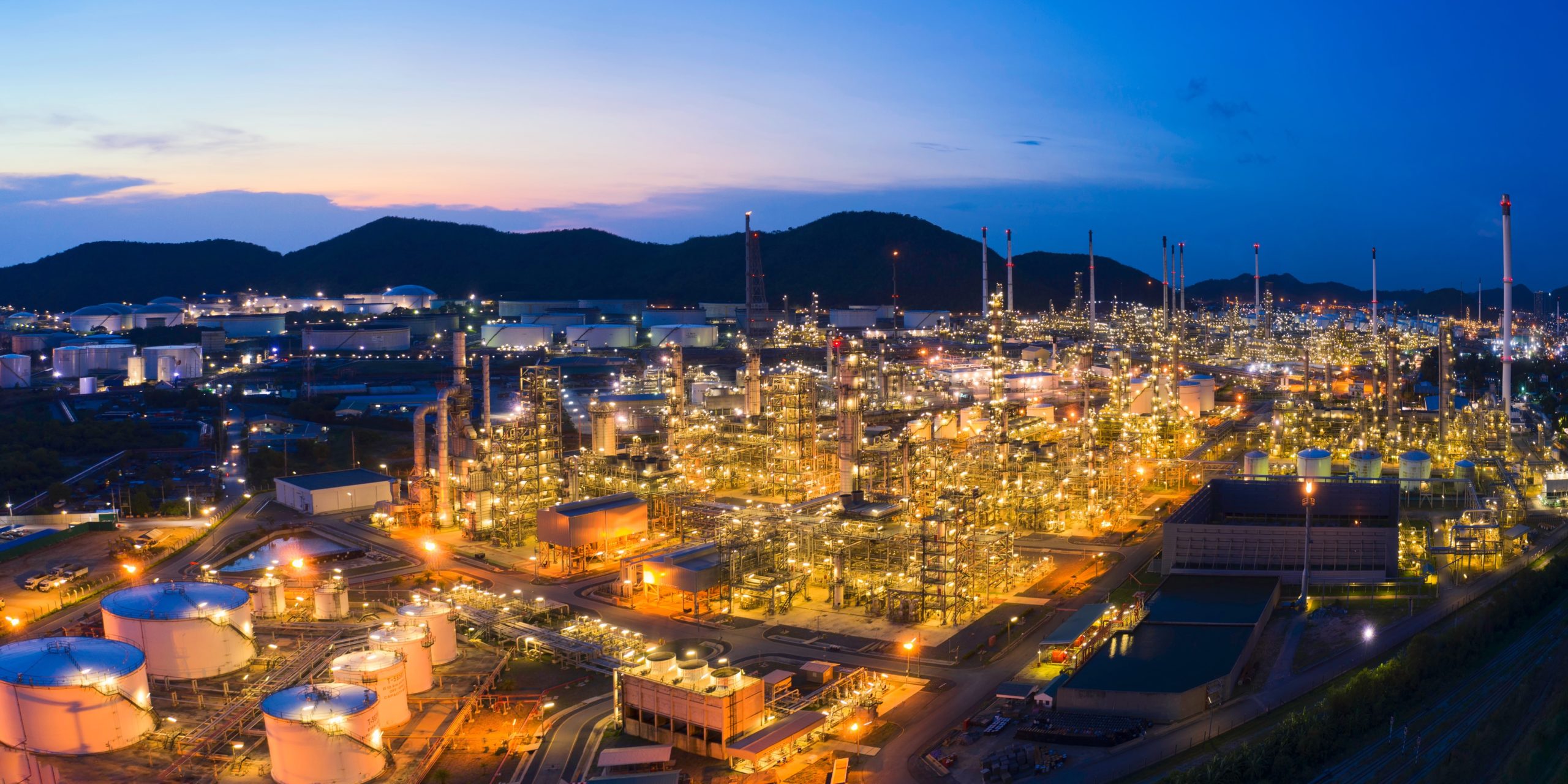
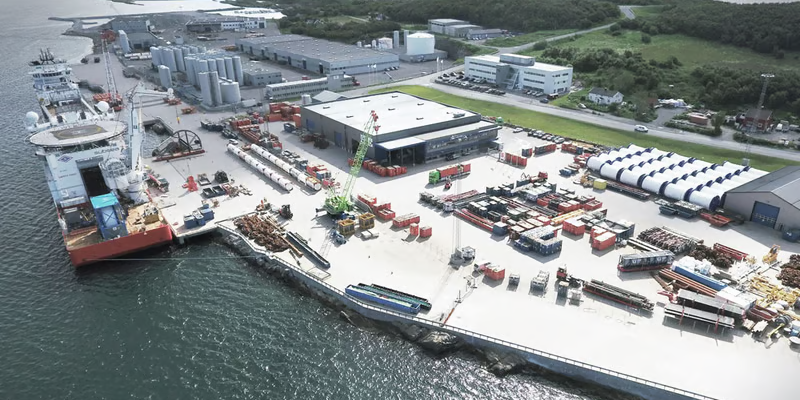 Image source: ASCO
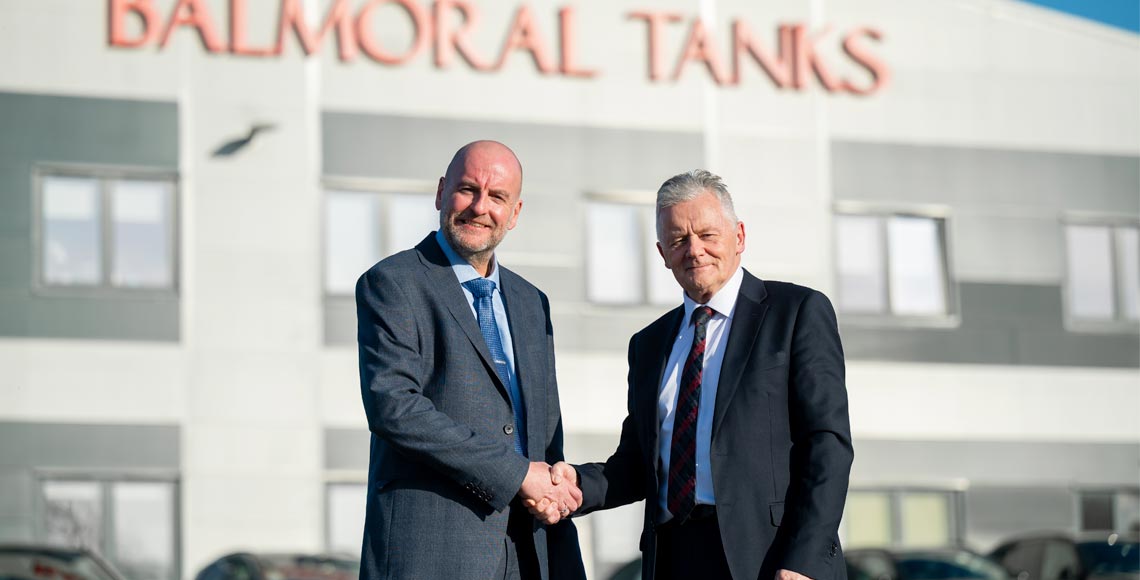 Image source: Balmoral Tanks
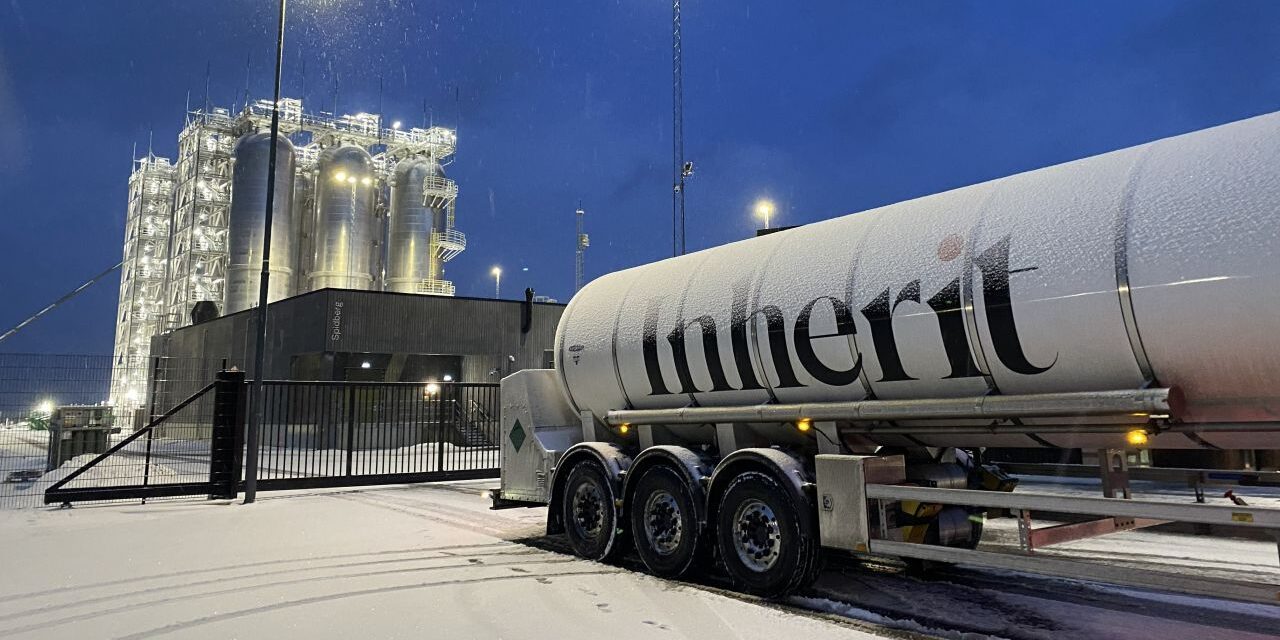 Source: Inherit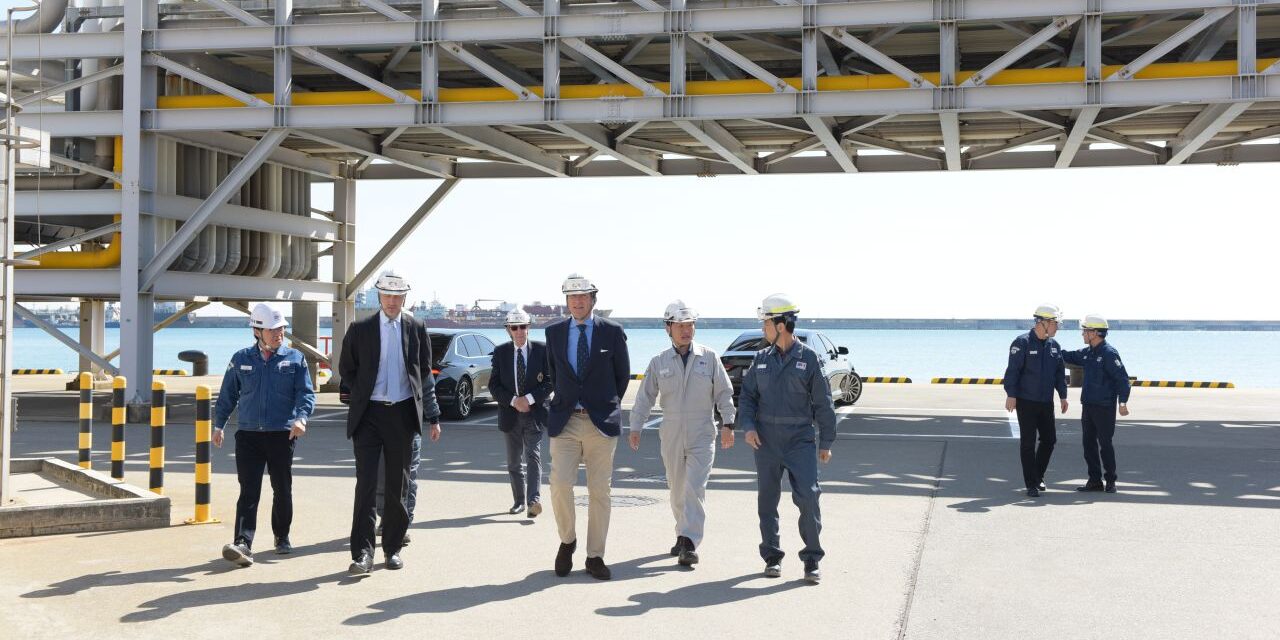

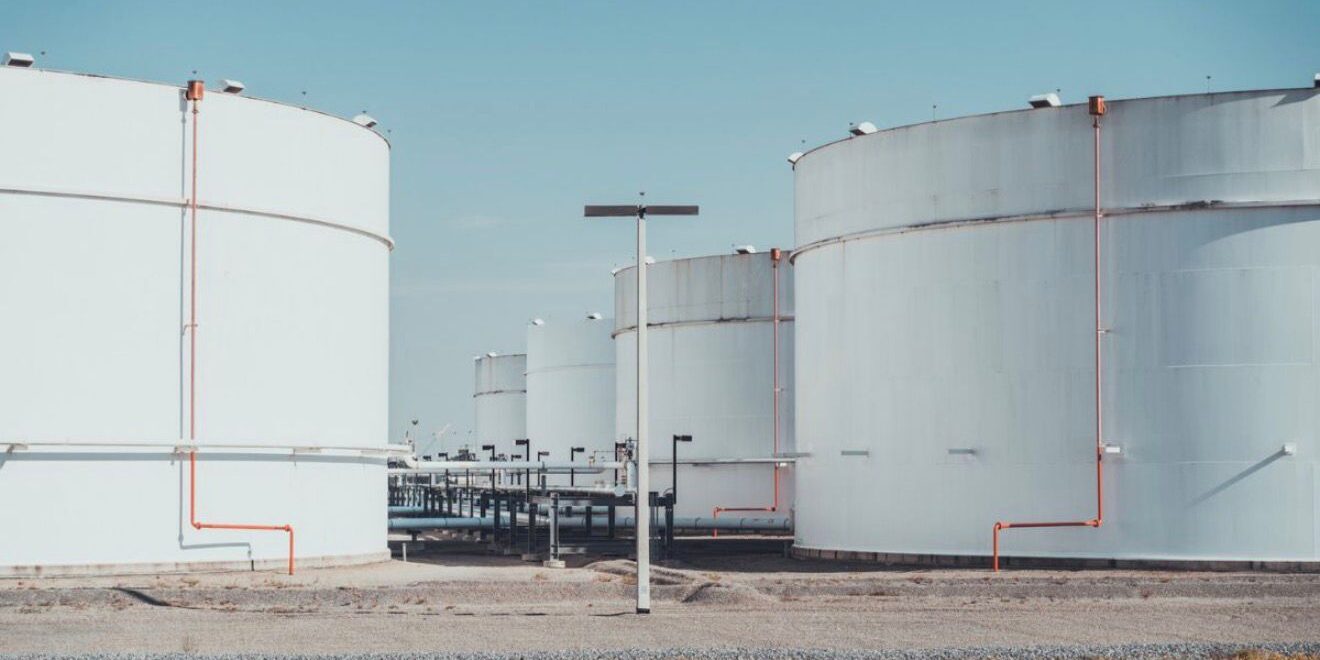
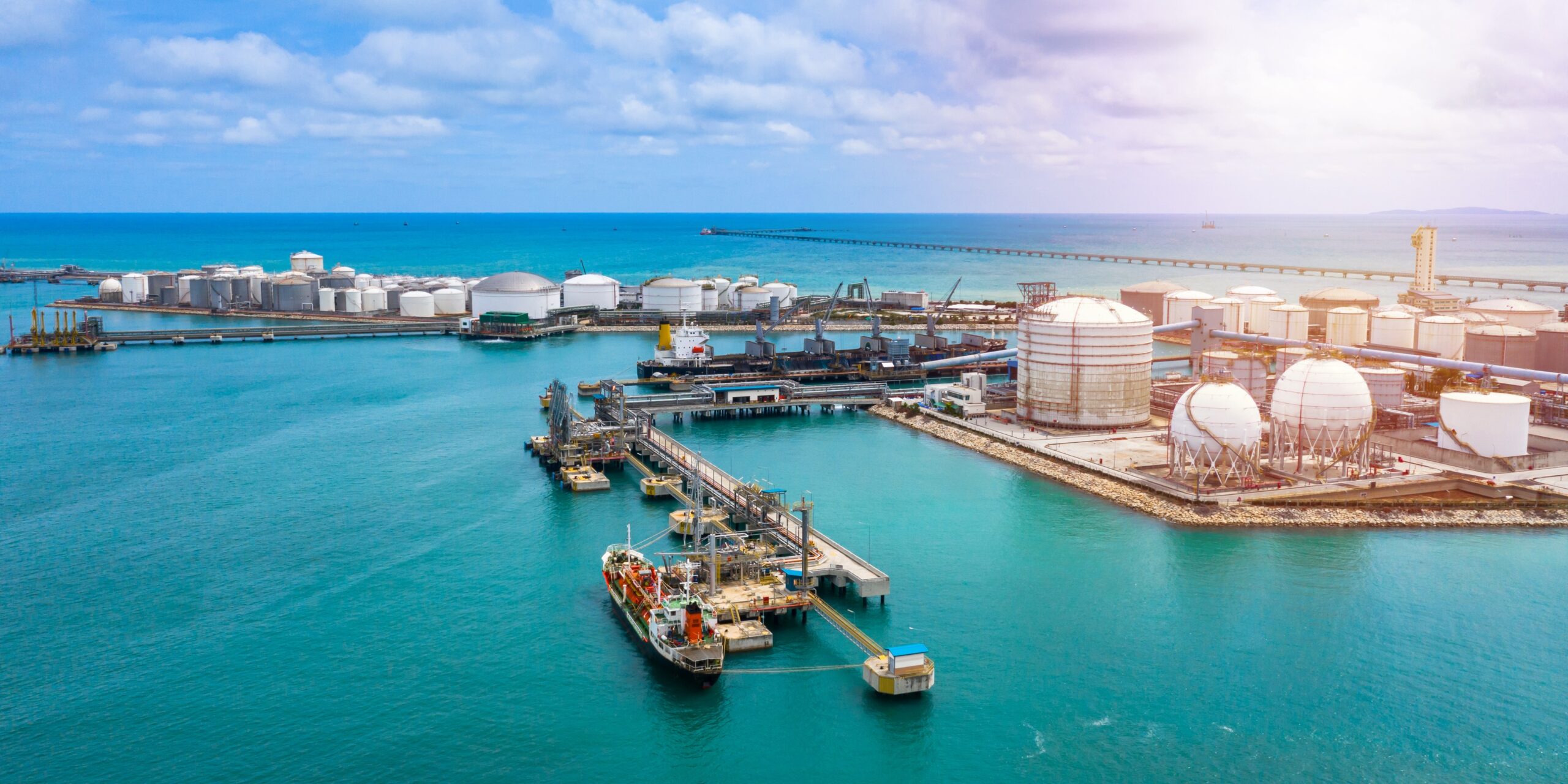
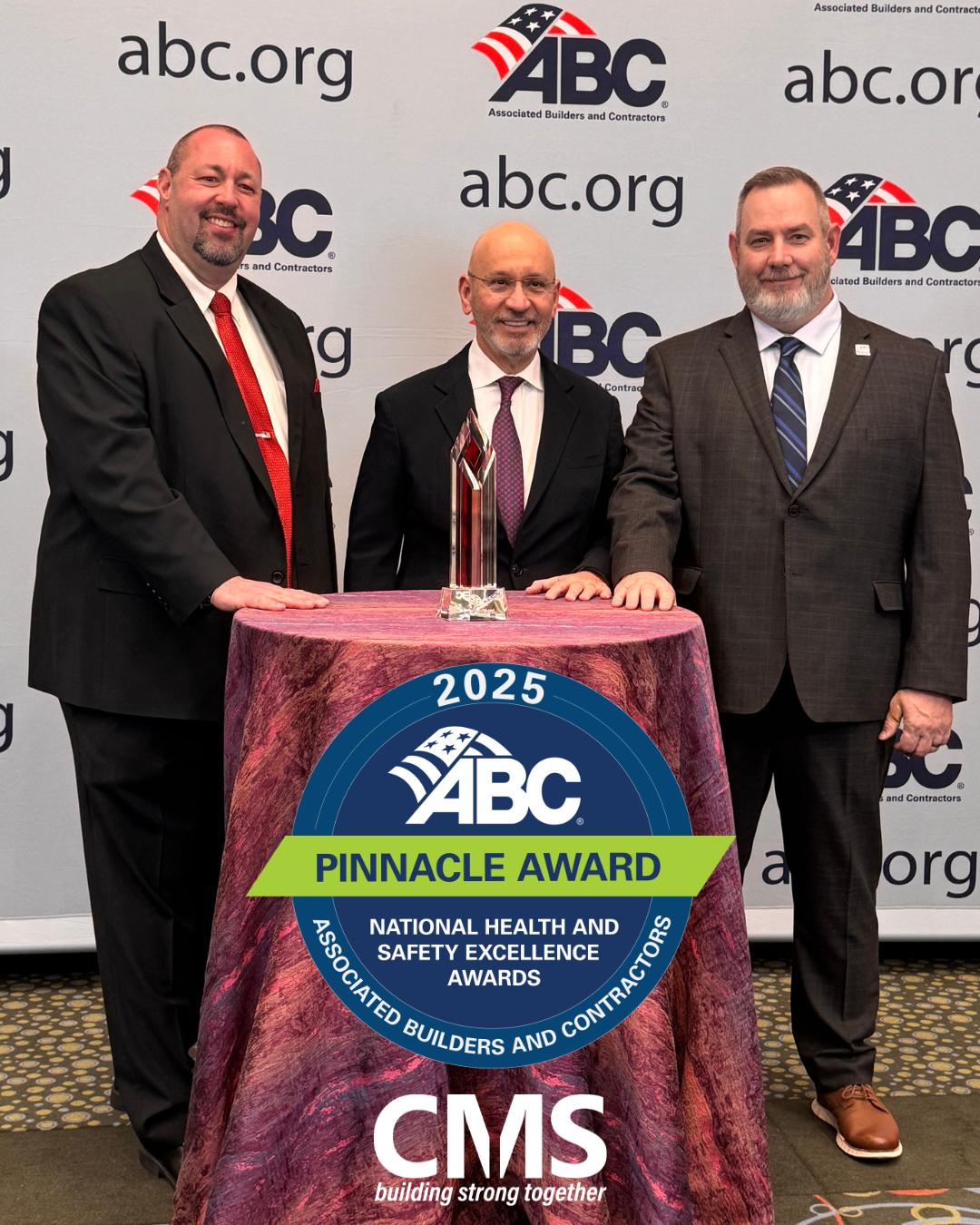
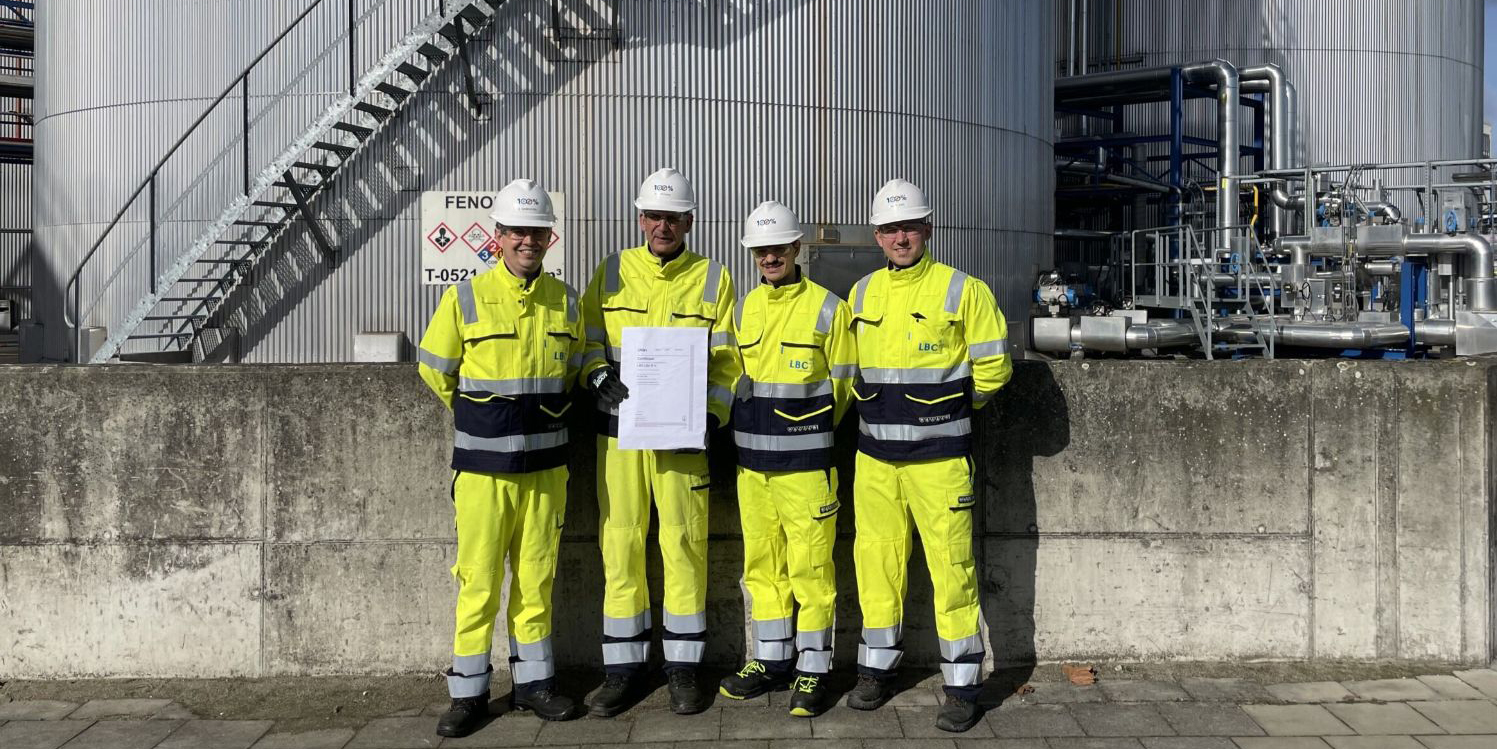
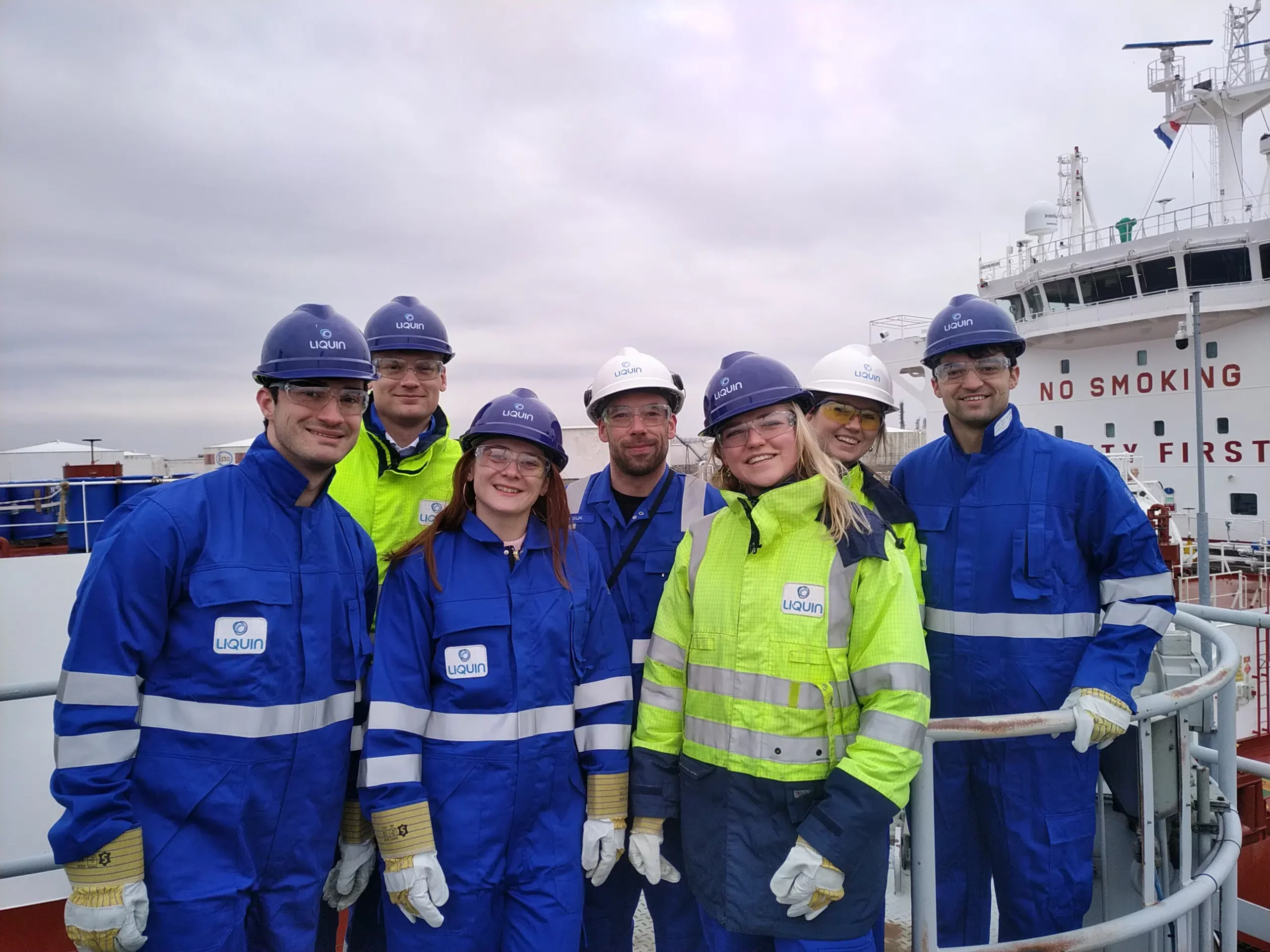
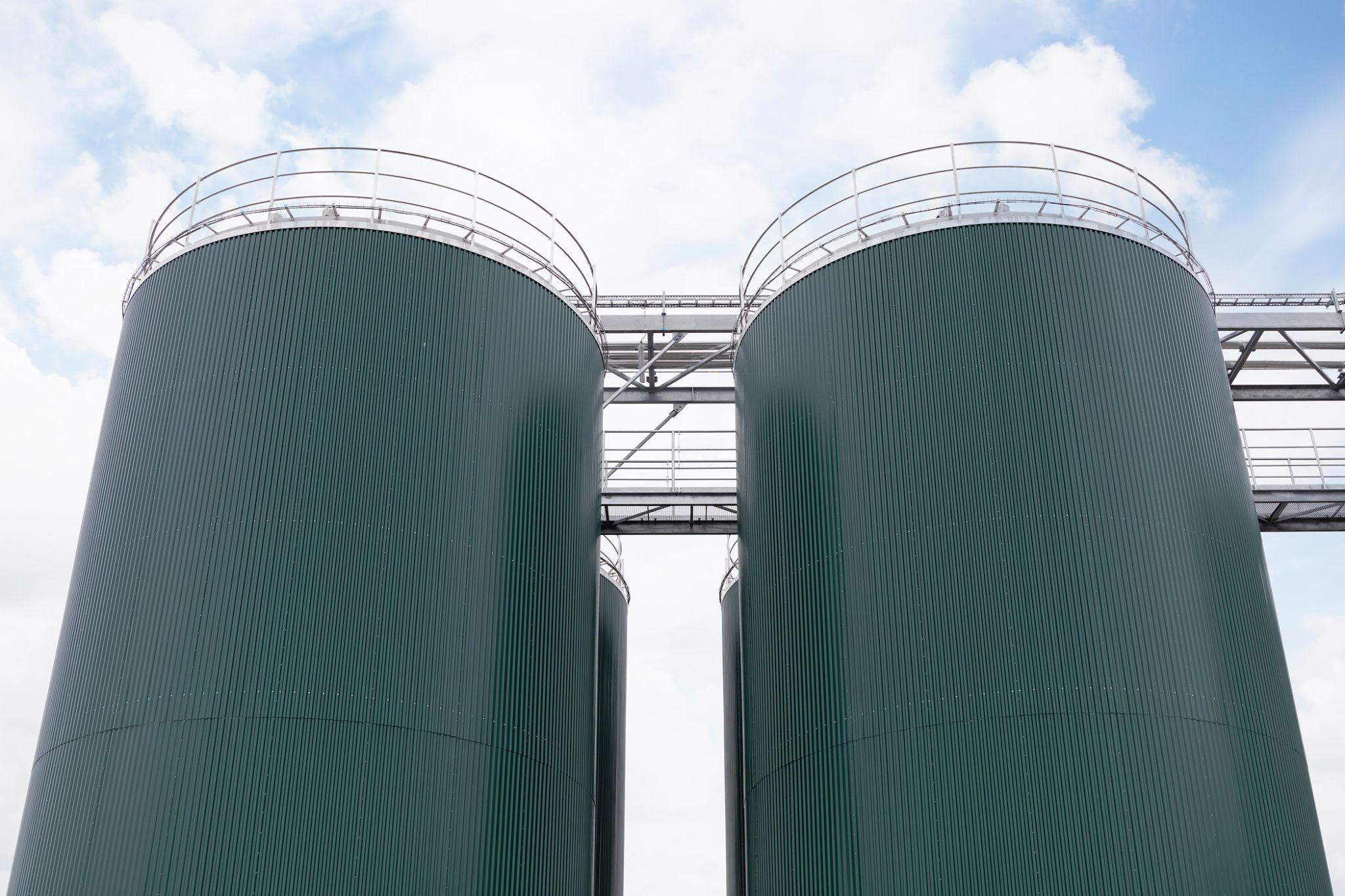
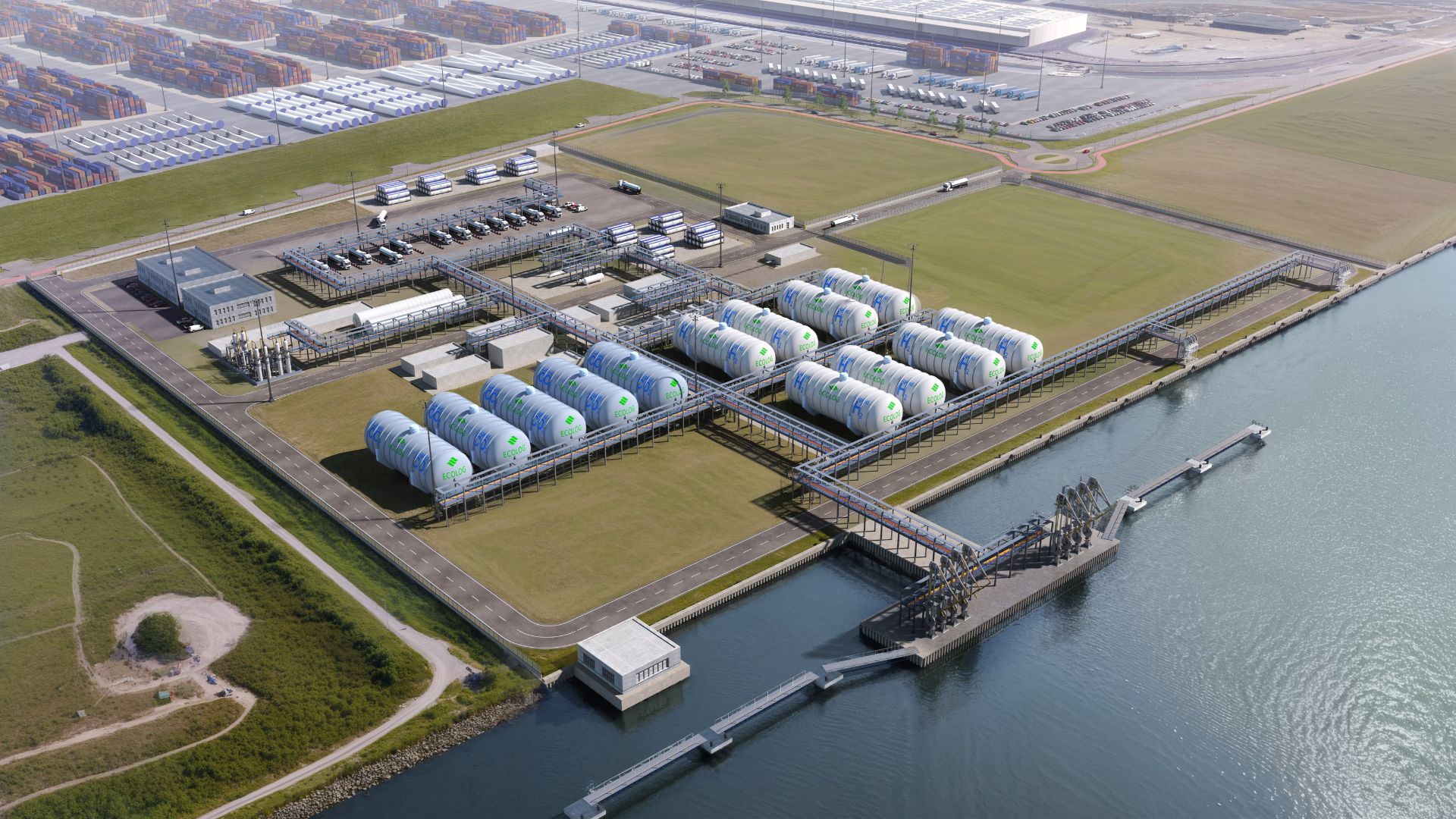
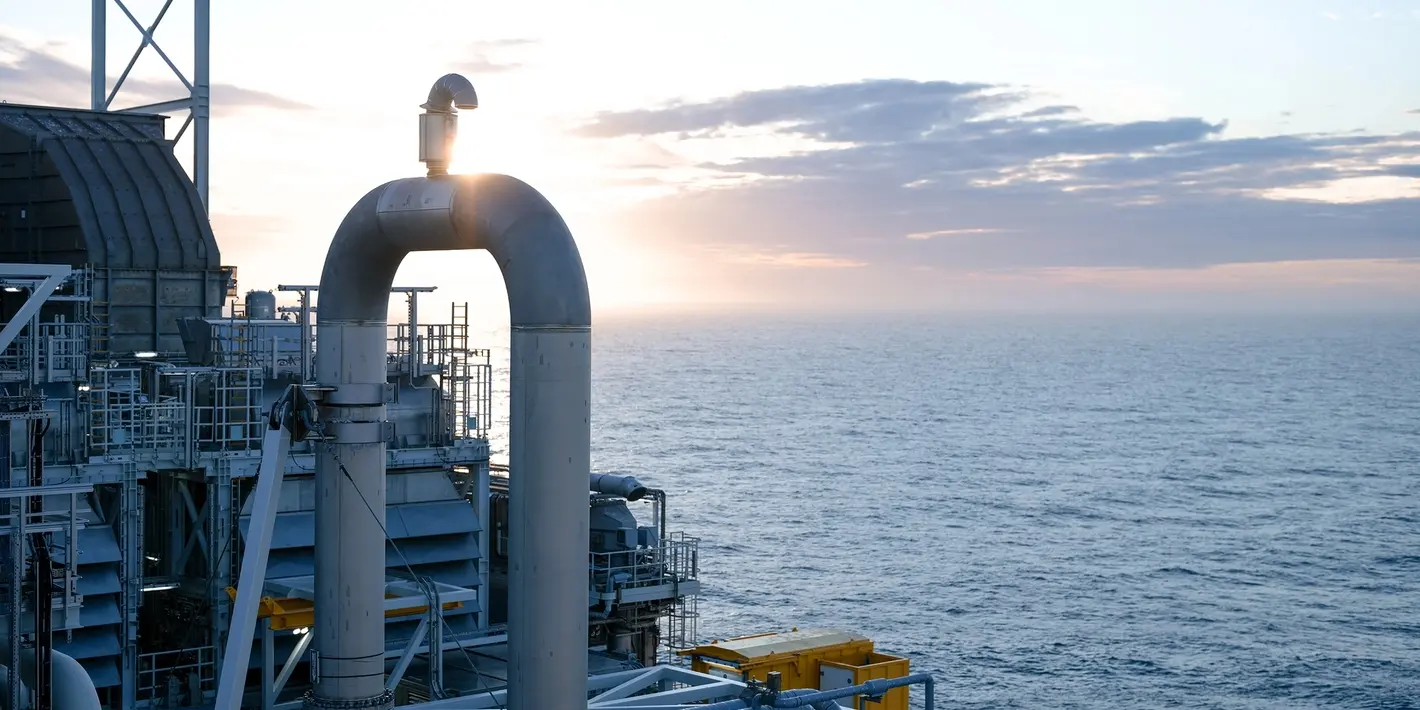
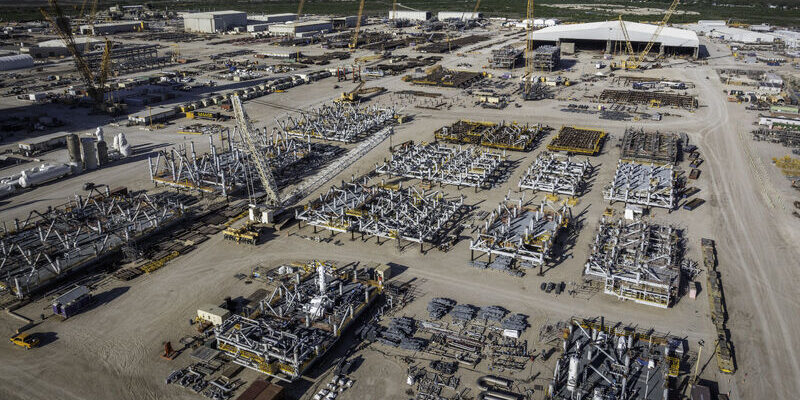


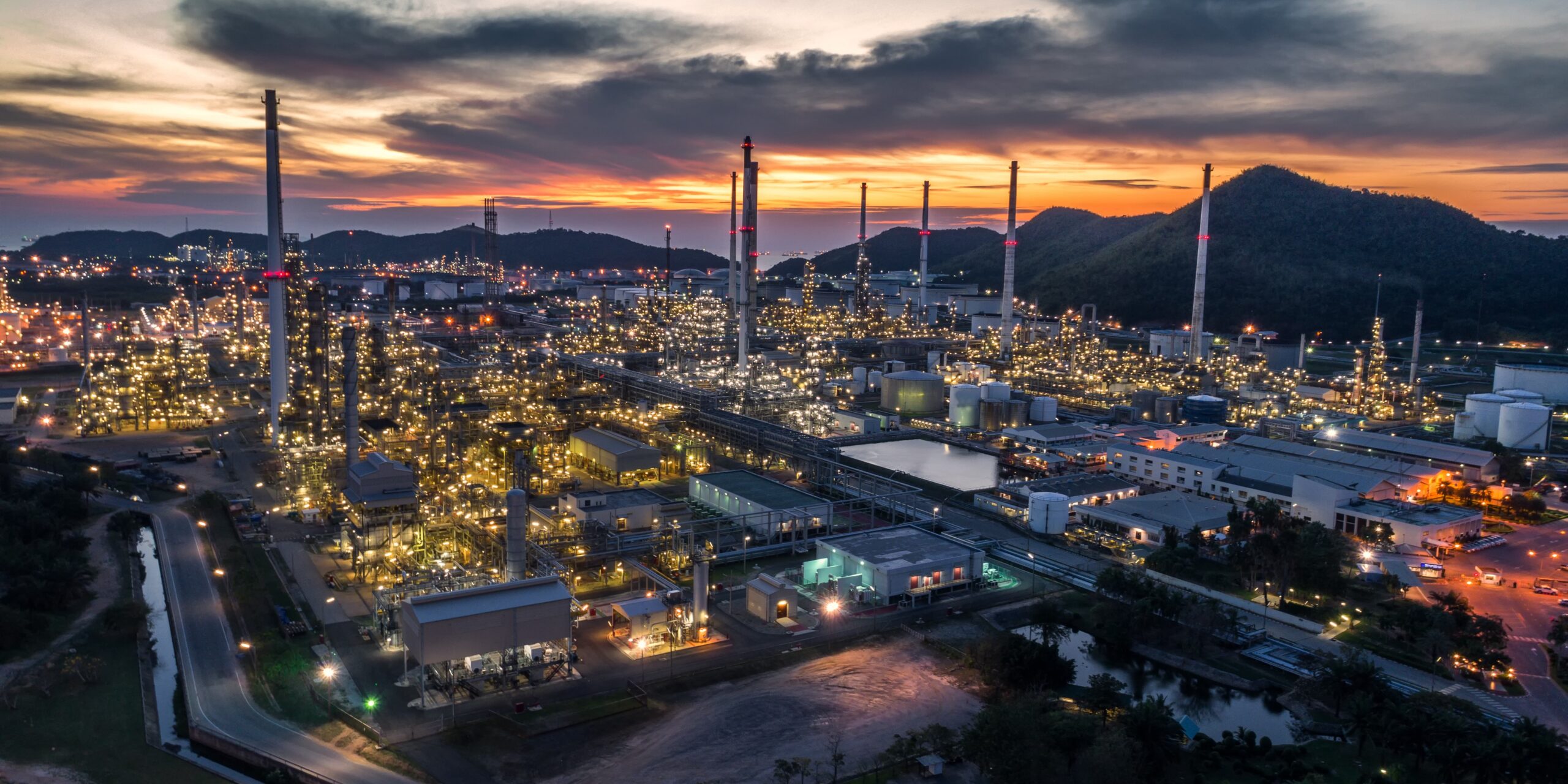
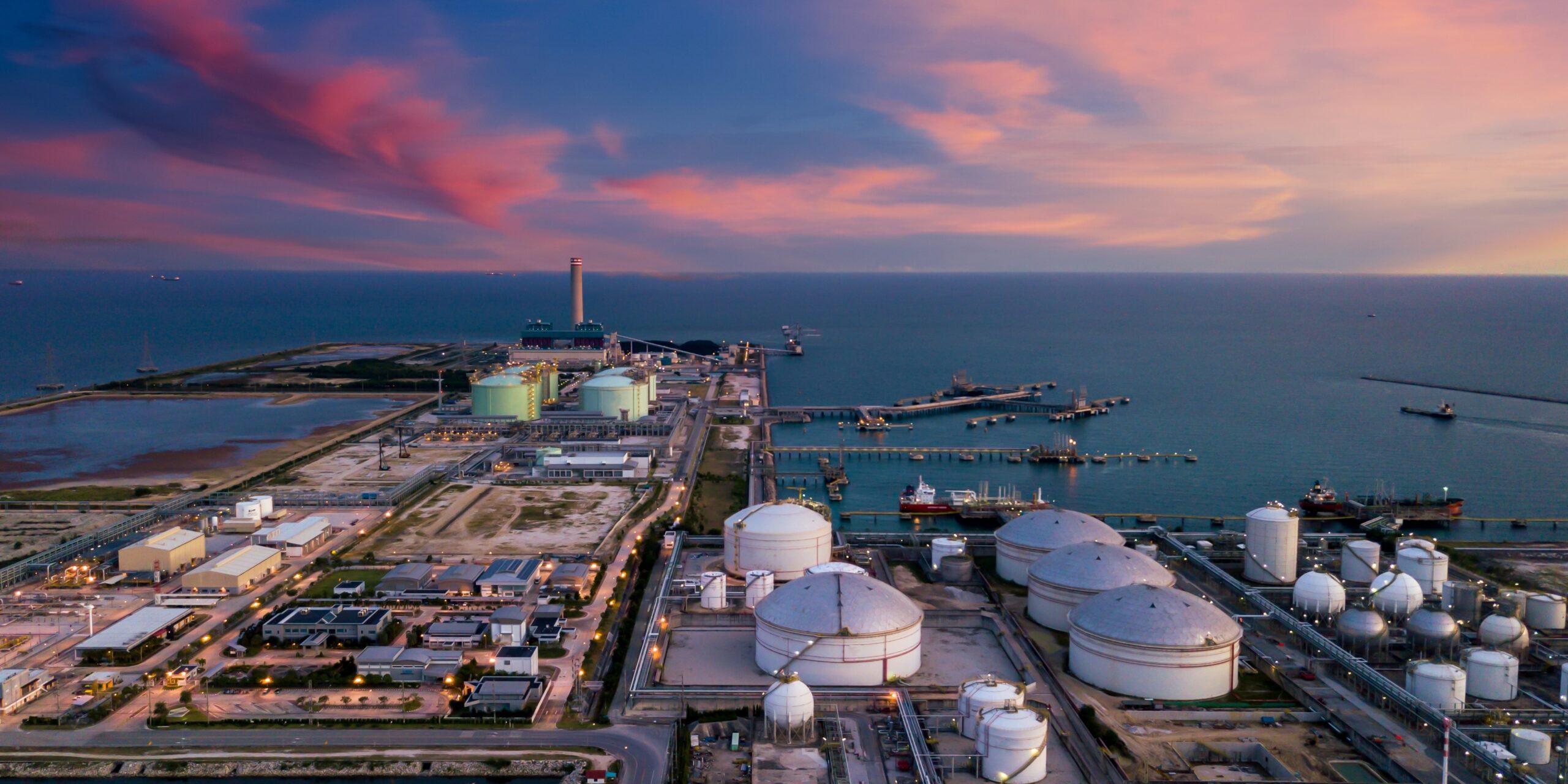

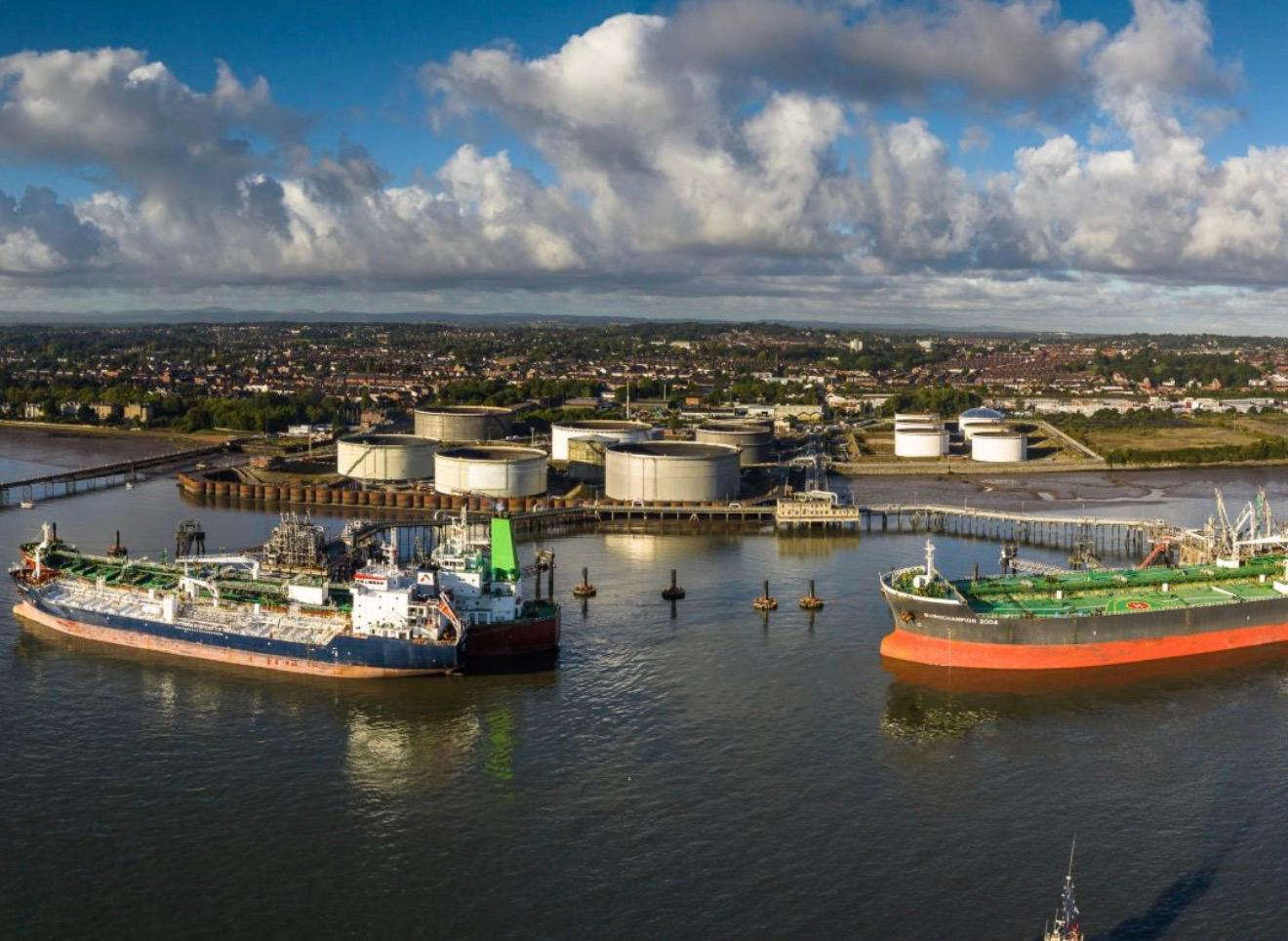
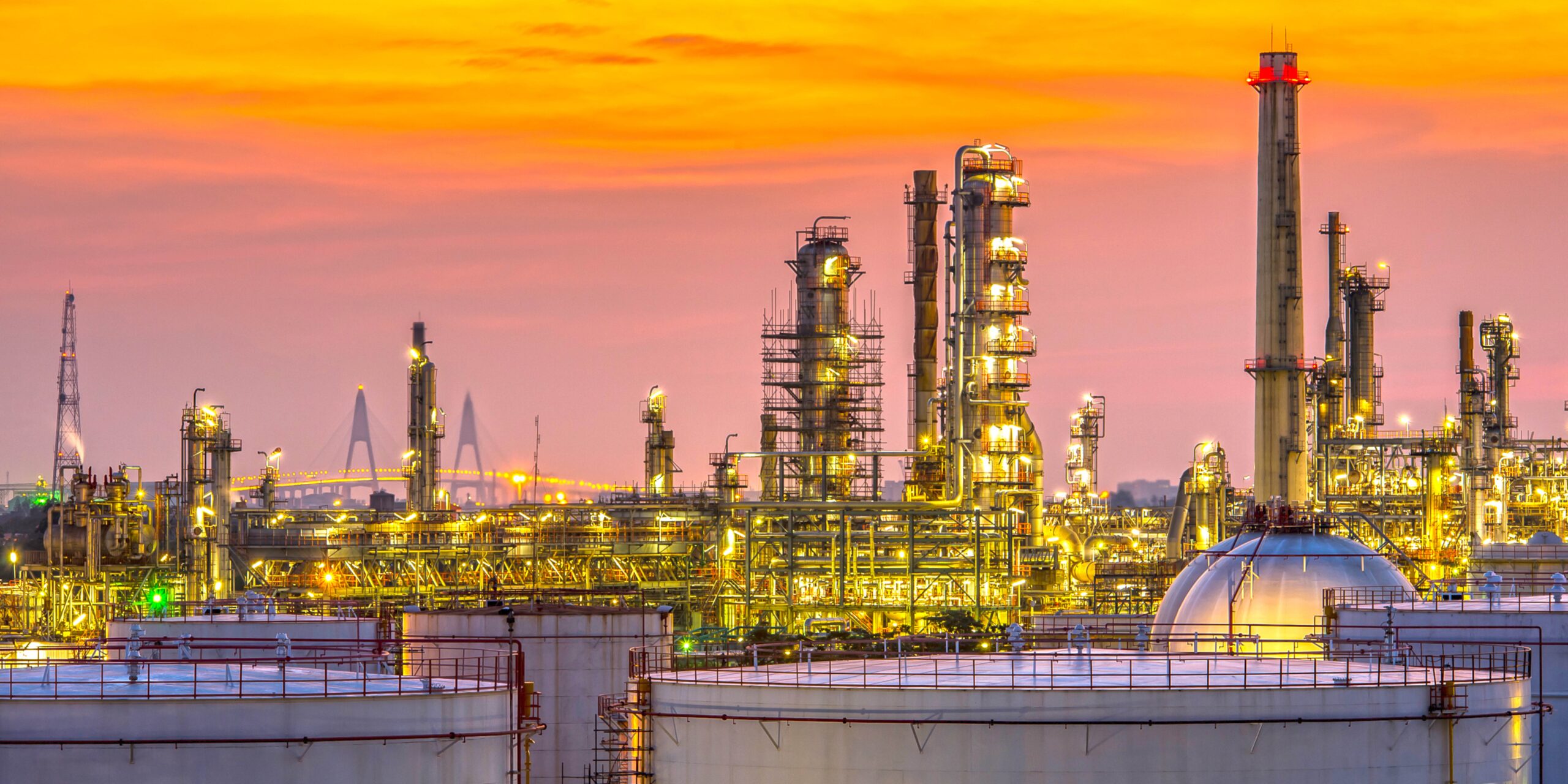
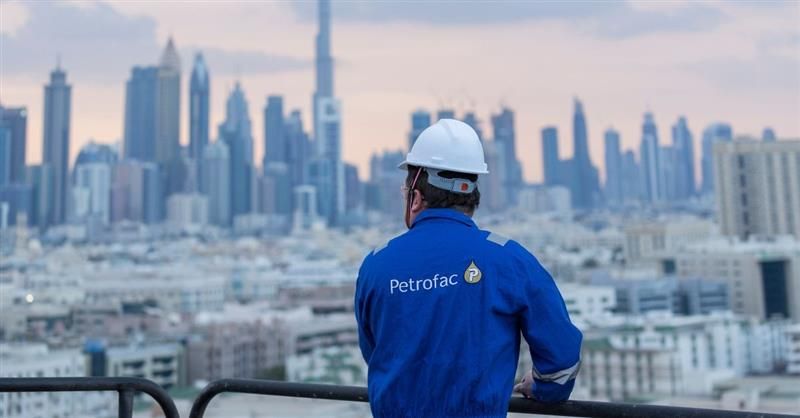
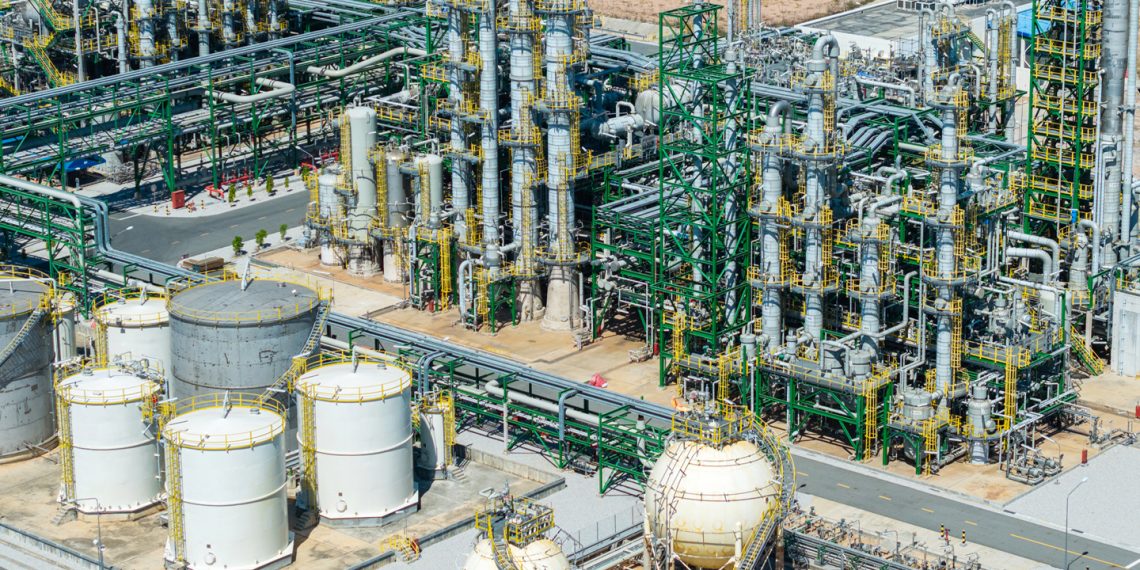
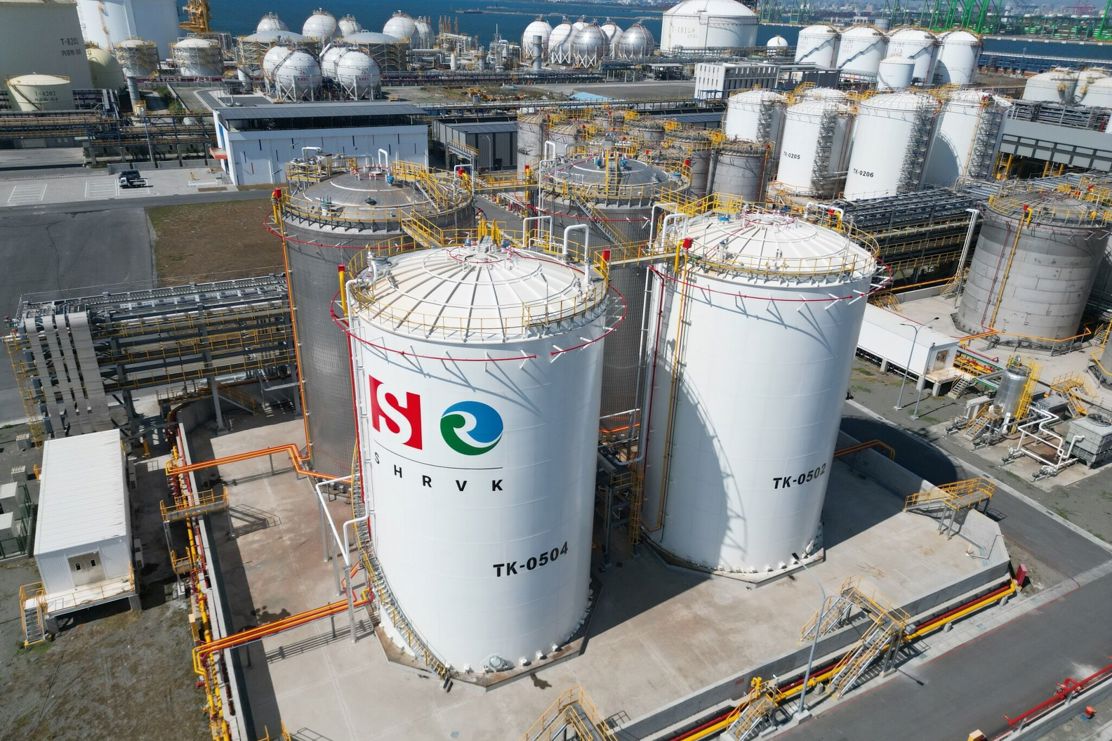
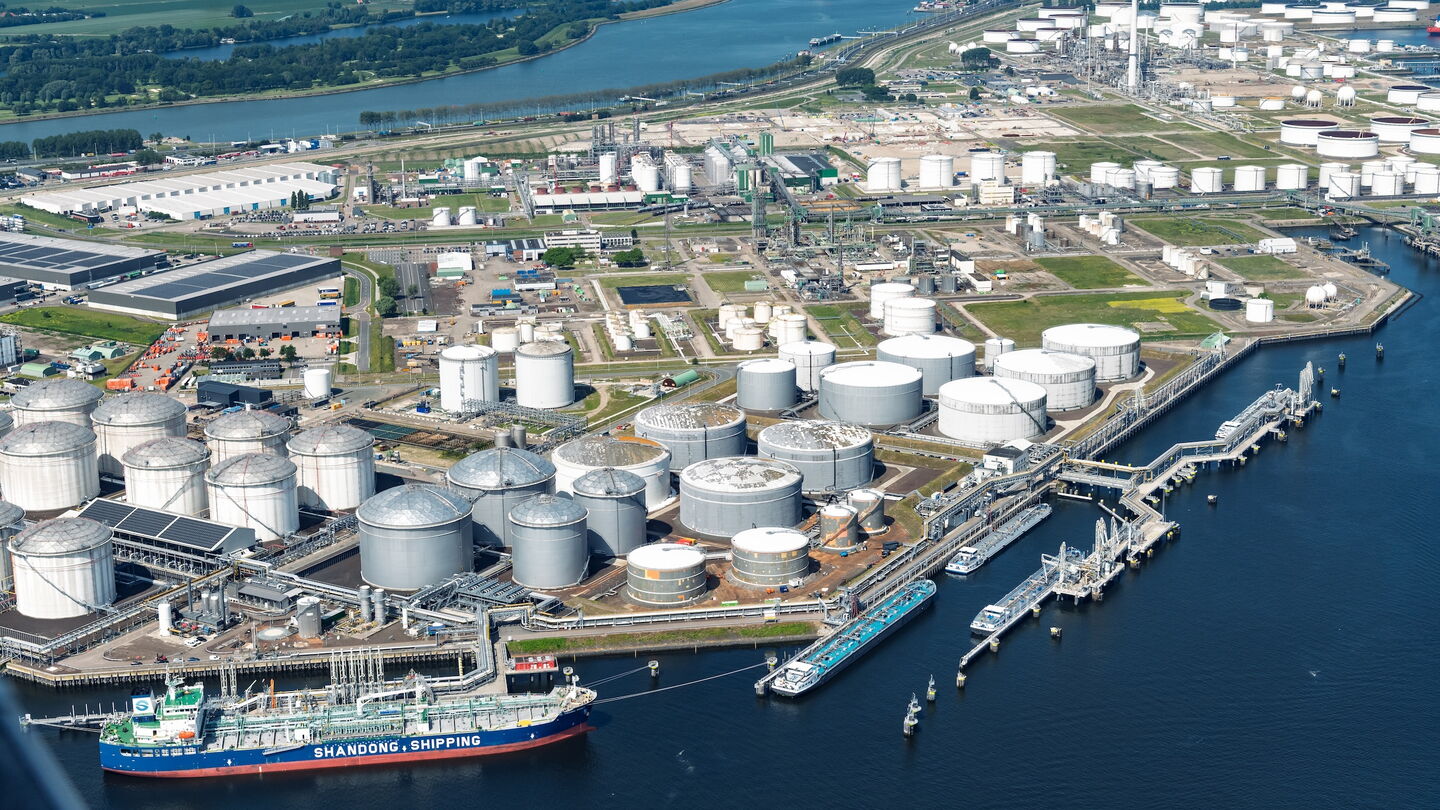

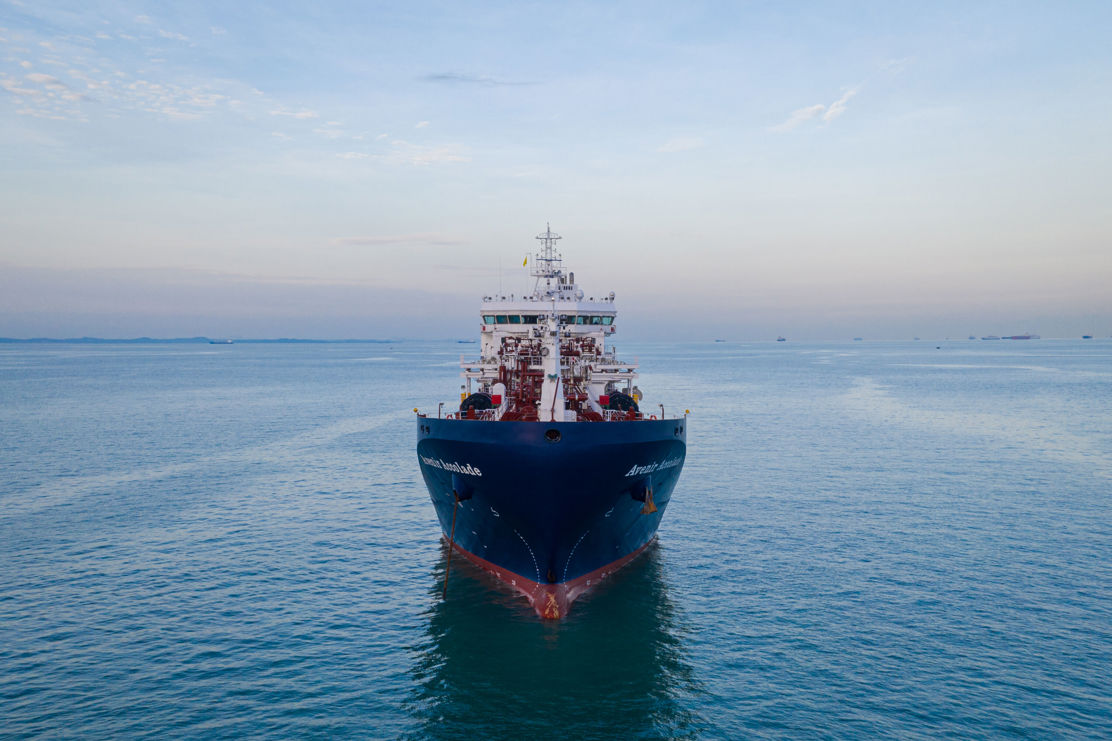
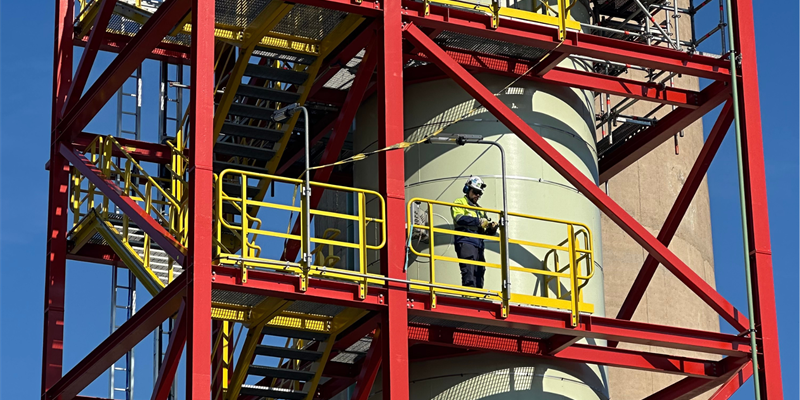 Photo: Neste’s new facility to upgrade liquefied waste plastic into high-quality petrochemical feedstock is located at the company’s existing refinery in Porvoo, Finland. Source: Neste