
Crown LNG Holdings Ltd., a Norwegian company specialising in infrastructure for harsh weather conditions, has identified the UK as a prime candidate for a new liquefied natural gas import terminal. With growing demand and the need to reduce reliance on pipeline supplies from Europe, the company is targeting Grangemouth, Scotland, for Britain’s fourth LNG terminal. The proposed facility is expected to have a capacity of at least 2 million tonnes per year and aims to be operational by early 2027.
Swapan Kataria, chief executive officer of Crown LNG, highlighted the UK’s increasing dependency on gas imports, particularly as North Sea production declines and competition for fuel intensifies amid reduced Russian supplies. “It is a bold move, but the UK is too dependent on interconnectors. If they stop working, what happens next?” Kataria said, emphasising the urgency of diversifying the UK’s gas import infrastructure.
Following Russia’s invasion of Ukraine in 2022, several new LNG terminals were rapidly constructed across Europe, and more projects continue to be pursued. Initially, the Scotland facility was expected to connect with a proposed power plant, but Kataria noted that Crown LNG sees sufficient demand for the terminal on its own. “What happened in the last two years, it has woken up a lot of people. They have to be ready,” he added.
Currently, the UK has three onshore LNG terminals—two in Wales and one east of London. The floating terminal proposed by Crown LNG is expected to be cheaper and faster to build, with an estimated cost of around $600 million (£473 million). Crown has engaged in discussions with potential customers in the local industrial and power sectors, as well as developers of US export facilities keen to secure a European market for their shipments.
Kataria also pointed out that the intermittent generation of renewable power in Scotland further supports the need for the terminal. “In light of declining gas production, the UK’s gas import dependency is expected to rise,” he said.
Crown LNG is in the early stages of the project, beginning the preliminary application process, which will be followed by an environmental assessment and the search for a floating storage and regasification unit—a process expected to take at least 18 months.
For more information visit www.crownlng.com







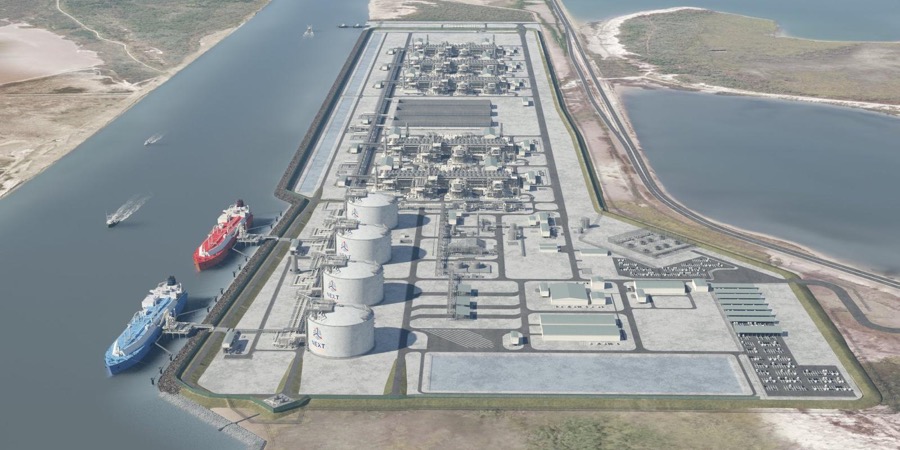




 Photo: Emirates using Neste SAF at Singapore Changi Airport. Source: Emirates