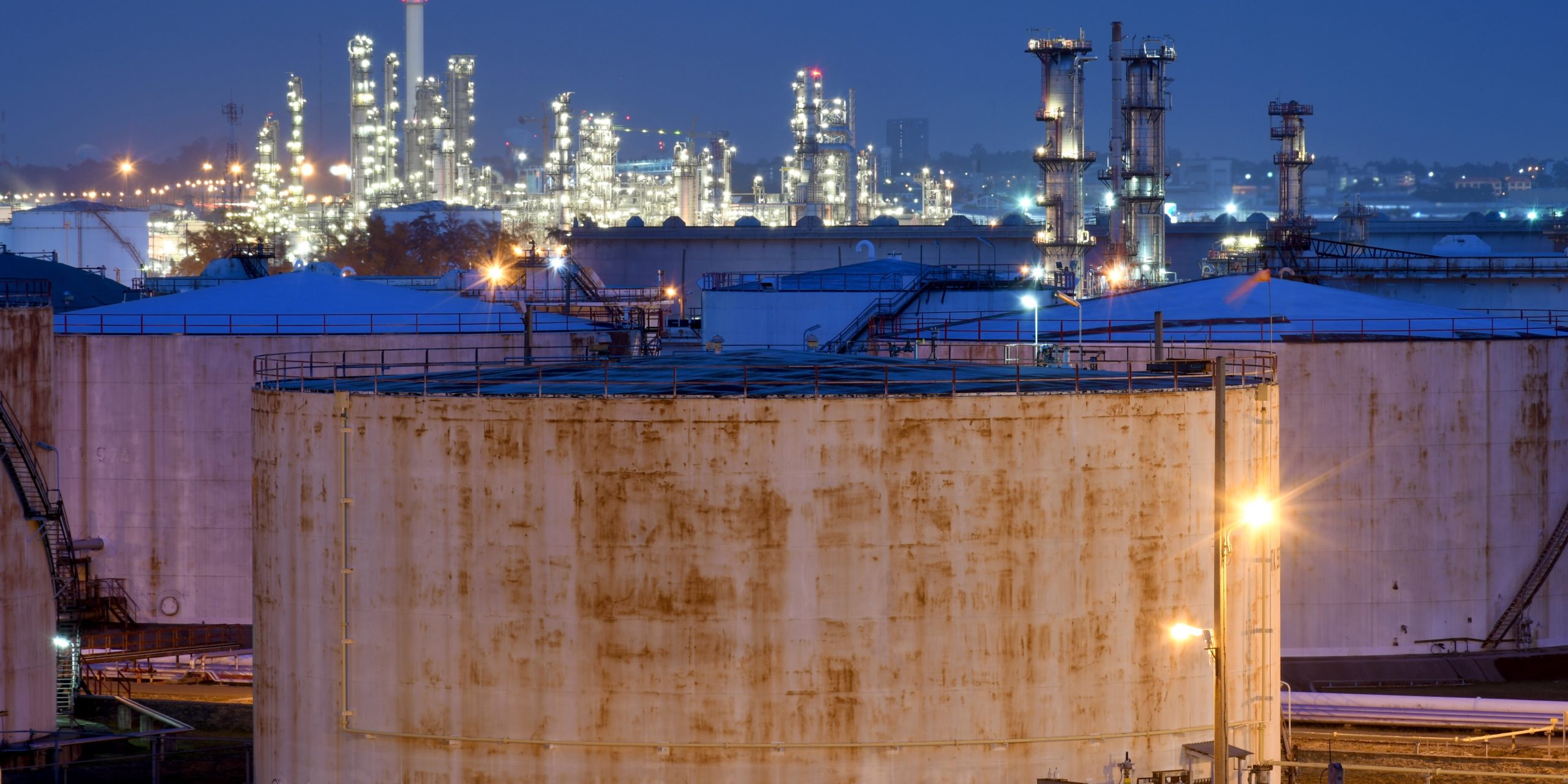
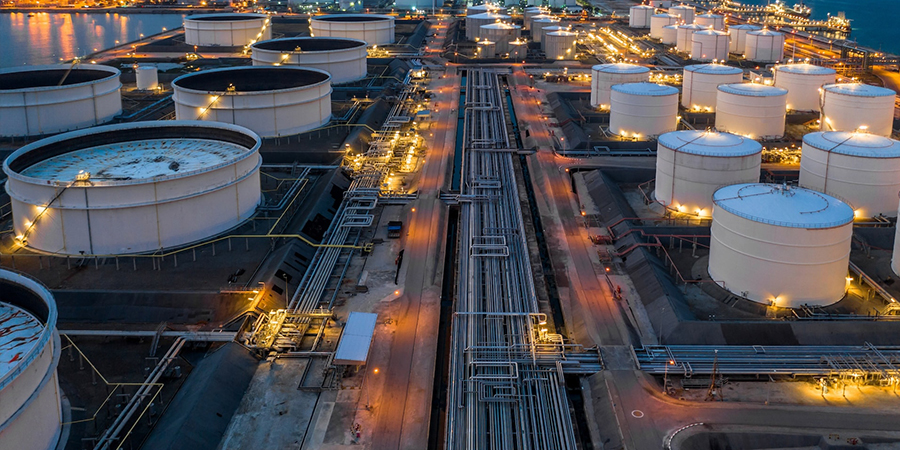
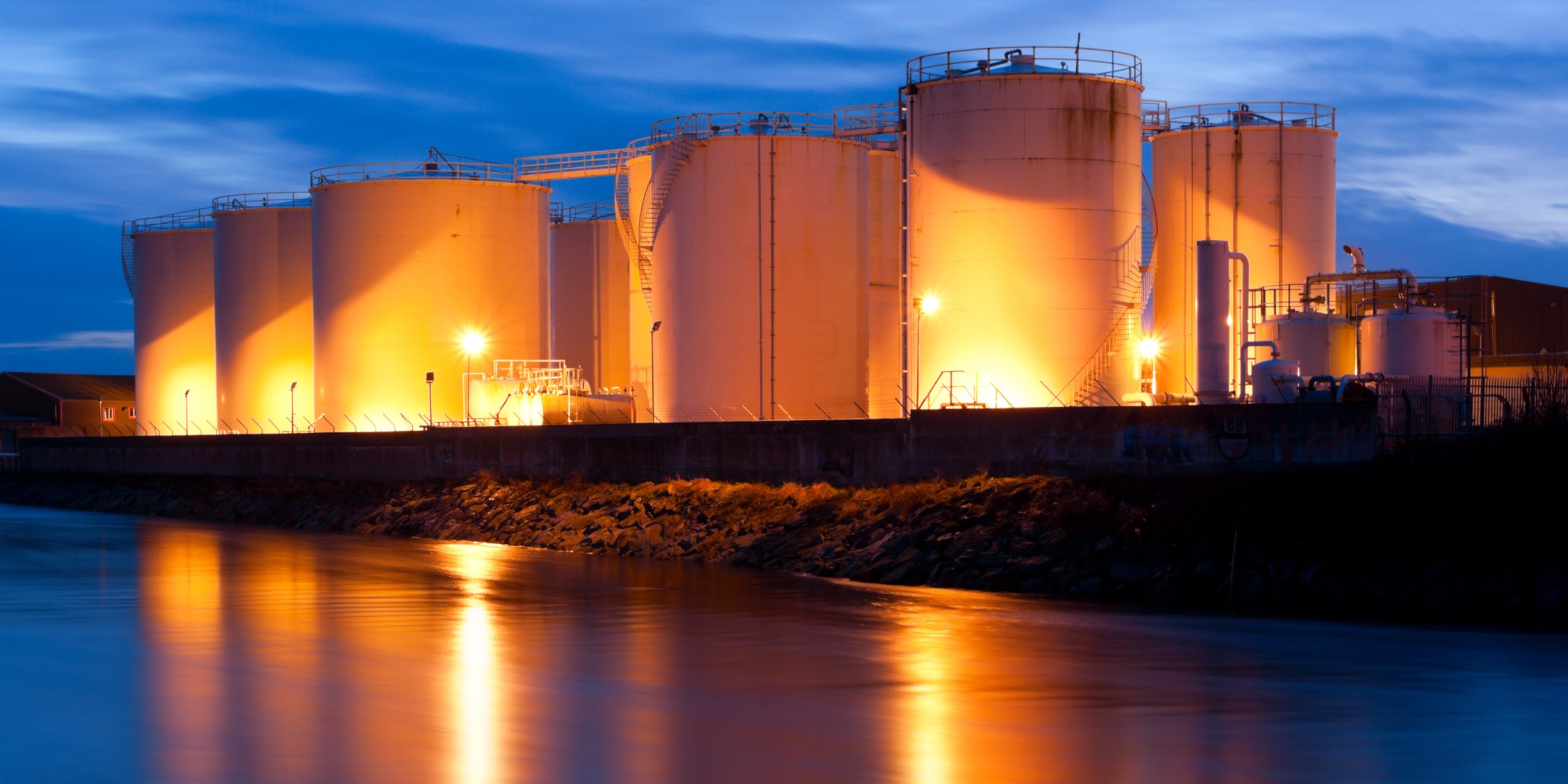
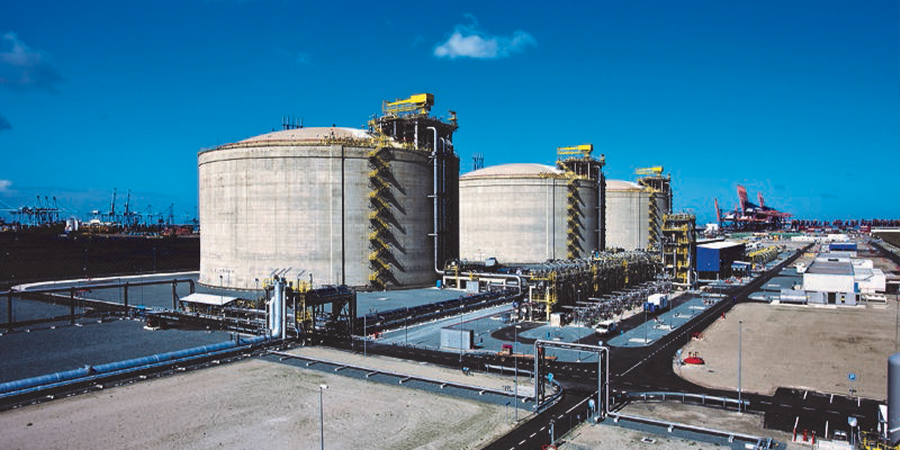
SPG Steiner to supply ammonia storage tanks for Allied Green’s Australian green ammonia production facility in Gove Peninsula, Northern Territory, Australia

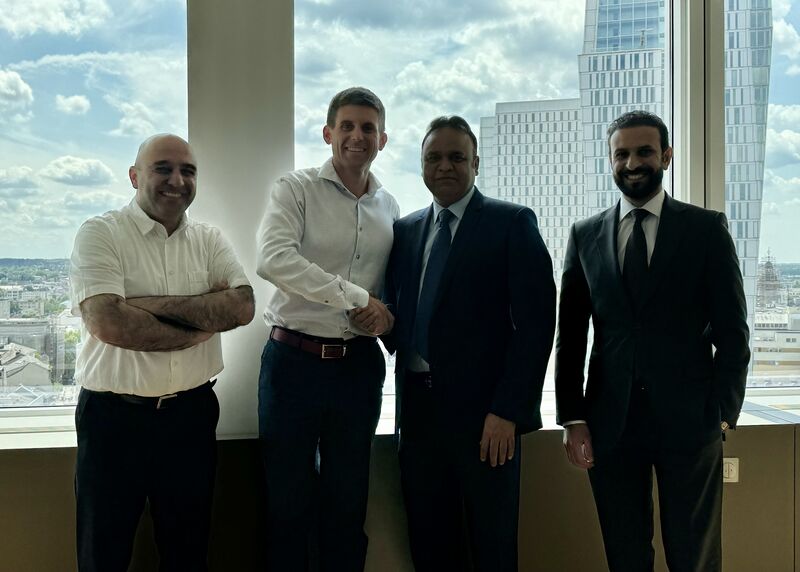
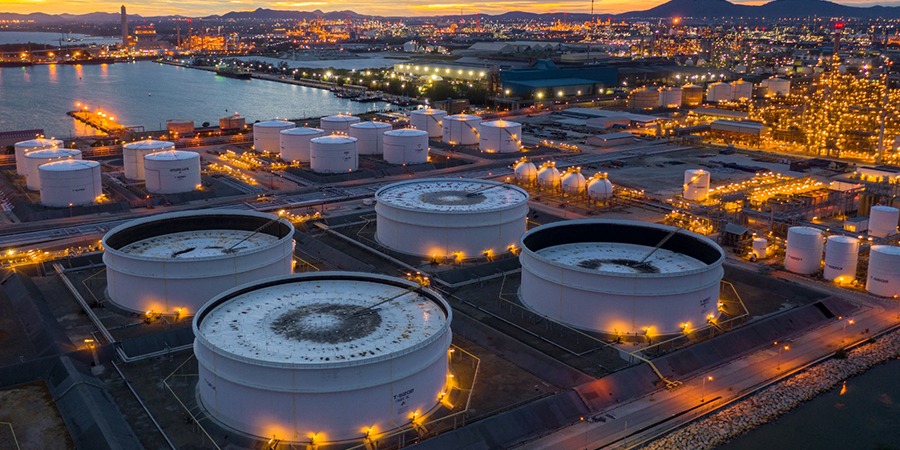
SPG Steiner, a German-based EPCM contractor for the energy, petrochemical, and chemical industries, has signed an agreement with Allied Green Ammonia, an Australian-based company, to supply two large-scale 40,000-tonne cryogenic full containment double-wall ammonia storage tanks and an associated refrigeration system. These tanks will store 950,000 tonnes per year of green ammonia produced by AGA and shipped to its offtake partner.

SPG Steiner is a world-leading company in ammonia storage solutions, with successful projects across Europe, the Middle East, Central America, and Asia. Philippe Steiner of SPG Steiner stated, “Our extensive track record, state-of-the-art design, advanced welding techniques, and comprehensive knowledge of ammonia’s stress corrosion cracking ensure the highest safety and quality. Our partnership with AGA extends our commitment to clean energy solutions worldwide, now including Australia.”

AGA is developing a green ammonia production facility in Northern Territory, Australia, set to be one of the largest globally. The facility will produce green hydrogen as a reliable, secure source of ammonia based on renewable energy, aiming to reduce 1.8 million tonnes of carbon emissions annually from the global ammonia industry.

Alfred Benedict, founder & MD of AGA, commented, “This agreement with SPG Steiner builds on our progress and strategically positions AGA as we advance towards FEED and FID. Partnering with global leaders like SPG Steiner validates our plans for world-leading clean energy initiatives and strengthens our list of highly credentialed partners.”

For more information visit www.alliedgreen.com.au

JGC, Technip Energies and NMDC Energy awarded a major contract for ADNOC’s Ruwais LNG project in the UAE

JGC Holdings Corporation (representative director and CEO Masayuki Sato) is pleased to announce that JGC Corporation, in partnership with Technip Energies and NMDC Energy, has been awarded a contract by ADNOC for the engineering, procurement, and construction of the lower-carbon Ruwais LNG project, located in Al Ruwais Industrial City, Abu Dhabi.

The project will consist of two natural gas liquefaction trains with a total LNG production capacity of 9.6 Mtpa. The plant will use electric-driven motors instead of conventional gas turbines and will be powered by clean energy, making it the first LNG export facility in the Middle East and North Africa region to run on clean power. This innovation positions it as one of the lowest-carbon intensity LNG plants in the world.

The Ruwais LNG project will more than double ADNOC’s LNG production capacity, aligning with global natural gas demand and the shift towards decarbonisation.

Farhan Mujib, representative director and president of JGC, commented, “We are highly honoured to have been awarded this innovative lower-carbon LNG project, which represents the next generation of energy security and sustainability. We commit to leveraging our capabilities and experience for the lower-carbon Ruwais LNG project, bringing our proven track record in the LNG field. We are convinced this will contribute to the success of the project and enhance economic growth in the UAE.”

Arnaud Pieton, CEO of Technip Energies, remarked, “We are honoured to have been awarded the Ruwais LNG project by ADNOC. This pioneering initiative in the LNG sector, powered by electrified LNG trains using nuclear energy, sets a new standard for energy security and sustainability. By leveraging our low-carbon and electrified LNG leadership, we will support ADNOC’s position as a reliable global natural gas supplier and its commitment to decarbonisation.”

Ahmed Al Dhaheri, CEO of NMDC Energy, stated, “We are proud to be entrusted by ADNOC with the Ruwais LNG project, which strengthens our position in the UAE’s energy landscape and underscores our dedication to advancing the country’s sustainable development. Utilising nuclear energy for LNG production not only sets a new international standard for low-emission energy but also aligns with the UAE’s strategy for a sustainable future.”

For more information visit www.jgc.com

Technip Energies reports strong first half 2024 results, on track for full-year guidance

Technip Energies, a leading Engineering & Technology company for the energy transition, announced its unaudited financial results for the first half of 2024.

Arnaud Pieton, CEO of Technip Energies, commented:“Technip Energies delivered a strong first half performance, which puts us well on track to achieve our full-year guidance. Our revenues grew by double digits year-over-year, driven by positive backlog evolution and strong demand for our offerings, while robust execution ensured continued margin strength. Our consistent underlying free cash flow generation and balance sheet support ongoing investments into strategic growth initiatives, our people, and our assets, preparing T.EN for the future.”

“We achieved significant commercial success with two major LNG project awards in the Middle East, which enhance our leadership in low-carbon, electrified plants – a strategic objective for T.EN – and evidence this industry’s clear intent to decarbonise. We also benefited from sustained strength in TPS orders, which grew by nearly 15 percent year-over-year, reflecting high demand across our offerings and our ability to deliver innovative and reliable solutions to our customers. This momentum in orders is reflected in a very healthy backlog position, up 8% year-to-date, and equivalent to around three years of revenue.”

“The excellent visibility offered by our backlog combined with the breadth and quality of our commercial pipeline underpins our strong outlook. We continue to see natural gas playing an important role in securing a low-carbon world. This includes LNG, with high-quality opportunities, notably in East Africa, North America, and the Middle East. We are also experiencing strong engagement in the decarbonised markets for blue molecules, which use gas as a feedstock, and where T.EN offers a differentiated portfolio of technologies and solutions. Combined, these markets represent a €45 billion opportunity for T.EN through 2026, for which we are well positioned.”

“Beyond our commercial successes, we have made strong progress in executing our other strategic objectives to reinforce our longer-term growth outlook and open up new plays for T.EN. This includes the launch of Rely Clear100+, a productised solution for a 100 megawatt, pre-engineered green hydrogen plant, as well as launching the eMAX series – a suite of electric and automated loading arms. In addition, our technology development programs are progressing well, supported by our network of labs. We are accelerating economic solutions for green and circular polyester. This includes the commissioning of our Reju company’s state-of-the-art demonstration plant for textile-to-textile recycling.”

“Finally, I would like to thank our teams for their outstanding performance and dedication in the first half of the year. I am proud of what we have achieved together, and I look forward to building on our momentum in the second half of the year and beyond.”

Key Financials – Adjusted IFRS

In € millions (except EPS and  percent) H1 2024 H1 2023
Revenue 3,164.3 2,838.7
Recurring EBIT 227.3 207.7
Recurring EBIT margin percent 7.2% 7.3%
Net profit 188.1 125.3
Diluted earnings per share (1) €1.04 €0.70
Order intake 4,006.8 8,959.6
Backlog 16,951.7 18,892.3

Key Financials – IFRS

In € millions (except EPS) H1 2024 H1 2023
Revenue 3,039.2 2,830.3
Net profit 186.4 127.2
Diluted earnings per share (1) €1.03 €0.71

H1 2024 and H1 2023 diluted earnings per share have been calculated using the weighted average number of outstanding shares of 181,459,062 and 179,325,740 respectively.

2024 Full Company Guidance – Adjusted IFRS

Range
Revenue €6.1 – 6.6 billion
Recurring EBIT margin 7.0% – 7.5%
Effective tax rate 26% – 30%
Diluted earnings per share (1) Double-digit growth

Financial information is presented under adjusted IFRS (see Appendix 8.0 for complete definition). Reconciliation of IFRS to non-IFRS financial measures are provided in appendices.

(1) Diluted earnings per share growth indication excludes potential enhancement from share buyback programme.

For more information visit www.ten.com

GREEN MARINE FUELS TRADING forges strategic collaboration with Royal Vopak Terminals for green methanol port storage facilities

The rapid advancement of the energy transition in shipping underscores the critical importance of methanol as a marine fuel. Essential to its smooth adoption is the necessary supply chain infrastructure.

Green Marine Fuels Trading is thrilled to unveil a strategic collaboration with Royal Vopak Terminals in the key ports of Shanghai Caojing and Tianjin Lingang, China. This milestone agreement marks the next phase of methanol supply chain infrastructure expansion for Green Marine Fuels Trading, securing necessary port storage capacity to accommodate the projected supply of green methanol from Chinese business partners.

Green Marine Group will undertake a similar cooperation plan with Vopak Singapore as well.

Gavin McGrath, director at Green Marine, expressed: “This is an important milestone in the evolution of Green Marine Fuels Trading and further underscores our preparedness to supply green methanol to the imminent green transition within the shipping industry.”

“Our leadership in the global methanol marine fuel sector uniquely positions us to bridge the gap between methanol producers and buyers, with storage and supply infrastructure being a crucial link in the chain. We eagerly anticipate leveraging our expertise in these domains to enrich the Shanghai and Tianjin green port and marine fuel ecosystems.”

As the world’s leading third-party terminal storage operator, Vopak aims to help the world flow forward by accelerating its portfolio investments towards new energies and sustainable feedstocks. Vopak (China) Management Company, the management company of Vopak Group in China and North Asia, has already established terminals with a capacity of more than 3 million cubic metres in China’s major coastal provinces.

In the process of the maritime industry’s energy transition, Vopak China expects to leverage existing facilities, supply chain expertise, and terminal network to help business partners and clients accelerate the low-carbon energy transition. The letter of intent indicates the desired collaboration between Vopak China and Green Marine, aiming to secure storage facilities for green methanol in the ports of Tianjin Lingang terminal and Shanghai Caojing terminal from Vopak China.

For more information visit www.greenmarine.dk

VTTI Bio-Energy Tilburg injects first green gas into local grid, marking milestone in biogas production

The VTTI Bio-Energy Tilburg team has successfully injected the first green gas into the local gas grid, marking a significant milestone in the commissioning of their state-of-the-art biogas production facility.

At VTTI Bio-Energy Tilburg, waste is converted into biogas by removing impurities and moisture, transforming it into high-quality biomethane that meets the stringent gas specification requirements set by the government. This purified gas is then blended into the local gas grid network of the Brabant province in the Netherlands.

Congratulations to VTTI Bio-Energy Tilburg for this outstanding achievement!

For more information visit www.vtti.com

Vopak Terminal Jakarta celebrates 6 years of incident-free operations

Vopak Terminal Jakarta in Indonesia has reached a significant milestone, celebrating 6 years free from reportable incidents. This remarkable achievement underscores the terminal’s unwavering commitment to safety, demonstrating that no serious injuries or spills have occurred over the past six years. Such a milestone is a testament to the dedication, vigilance, and hard work of the entire Vopak Terminal Jakarta team, who have consistently prioritised safety in their daily operations.

The success at Vopak Terminal Jakarta highlights the effectiveness of Vopak’s stringent safety protocols and the company’s comprehensive approach to risk management. The team’s adherence to these protocols has played a crucial role in maintaining a safe working environment, ensuring that all employees can perform their duties without fear of harm. This accomplishment is particularly noteworthy in the high-risk environment of a terminal, where the potential for accidents is significant.

Vopak’s commitment to safety extends beyond just protocols; it is ingrained in the company culture. The organisation continuously invests in safety training and awareness programmes, ensuring that all employees are equipped with the knowledge and skills necessary to identify and mitigate potential hazards. Regular safety drills and the use of advanced safety technology further bolster their efforts to create a secure working environment.

The achievement of 6 years free from reportable incidents at Vopak Terminal Jakarta is a reflection of the company’s broader mission to maintain the highest safety standards across all its operations worldwide. Safety remains Vopak’s highest priority, as the company strives to ensure that everyone can return home safely at the end of each working day. This milestone not only showcases the dedication of the Jakarta team but also serves as an inspiration for other Vopak terminals to aim for similar achievements.

Congratulations to the team at Vopak Terminal Jakarta for this outstanding safety milestone. Their hard work and commitment to safety are exemplary and contribute significantly to Vopak’s reputation as a leader in operational safety in the terminal industry.

For more information visit www.vopak.com

Neste and HELLENiQ ENERGY deliver blended sustainable aviation fuel to Greece for the first time

Neste and HELLENiQ ENERGY, one of Southeast Europe’s leading energy groups, have successfully collaborated to deliver blended Neste MY Sustainable Aviation Fuel to HELLENiQ ENERGY’s facilities in Thessaloniki. This marks the first time blended SAF has been supplied to Greece in bulk using ships for transport.

The delivery of the blended SAF will significantly enhance the availability and accessibility of sustainable aviation fuel at airports throughout Greece. This initiative provides airlines and passengers with a viable solution to reduce greenhouse gas emissions from air travel, particularly timely for the summer tourist season, a critical period for the Greek economy.

SAF is widely recognised as a key lever in achieving global aviation emissions reduction goals. However, one of the industry’s major challenges is the availability of SAF in sufficient quantities. This partnership is a milestone, as it is the first time SAF is being delivered to Greece in bulk via vessels instead of trucks, reducing transport emissions. Further deliveries are planned for the remainder of 2024.

“HELLENiQ ENERGY was the first to ensure the supply of Neste’s sustainable aviation fuel in Greece back in 2022. The expansion of our collaboration with Neste aligns with our strategic goal to become a provider of low-carbon energy solutions and continuously reduce our carbon footprint. Our aim is to facilitate aviation fuel suppliers, airlines, and airports to proactively prepare for the upcoming European Union SAF mandate targets starting in 2025. This effort started two years ago when our subsidiary EKO began supplying AEGEAN aircraft with SAF for flights departing from Thessaloniki Airport ‘Makedonia,’ making it the seventh airport in the world where a SAF-fueled flight was realised. Now, this effort is expanding to the entire industry in Greece with even larger volumes and at more airports,” said Diomidis Stamoulis, senior director strategic planning of industrial activities & participation at HELLENiQ ENERGY.

“Sustainable aviation fuel is a readily available solution for reducing the greenhouse gas emissions from air travel. This cooperation with HELLENiQ ENERGY to supply our SAF to Greece not only illustrates our commitment to supporting airlines in the Southeast European region but also highlights the importance of cooperation with ambitious partners to increase SAF availability and adoption. We’re looking forward to further developing our cooperation with HELLENiQ,” said Alexander Kueper, vice president Renewable Aviation Business at Neste.

For more information visit www.neste.com

JERA’s Hydrogen and Ammonia Projects in Thailand Selected for NEDO Funding

JERA Co., Inc. announces that its application, in collaboration with its subsidiary JERA Asia Pte. Ltd. and Toyo Engineering Corporation, has been accepted for a grant under the New Energy and Industrial Technology Development Organisation International Demonstration Project on Japan’s Technologies for Decarbonisation and Energy Transition.

Ammonia, a clean fuel that emits no CO2 during combustion, can be decomposed (cracked) to produce hydrogen. This makes it a promising carrier for hydrogen transport and storage. Ensuring that ammonia cracking equipment can meet hydrogen demand and reducing its cost are crucial for achieving a hydrogen society quickly.

In this project, the three companies will jointly explore methods to provide a stable hydrogen supply in Thailand and its potential for widespread industrial use. They will also verify the technology for extracting hydrogen from ammonia and develop ways to optimise hydrogen storage facility designs. The project is set to begin in mid-fiscal 2024 and run for one year.

Based on a memorandum of understanding with PTT Public Company Limited, JERA is evaluating the feasibility of ammonia cracking technology to build a hydrogen and ammonia supply chain in Thailand and will continue to cooperate with PTT through this project.

JERA aims to contribute to global decarbonisation and energy solutions by expanding its low-carbon hydrogen and ammonia supply chain in collaboration with leading domestic and international companies to achieve JERA Zero CO2 Emissions 2050.

For more information visit www.jera.co.jp

ETS Degassing wins TotalEnergies Safety Award 2023

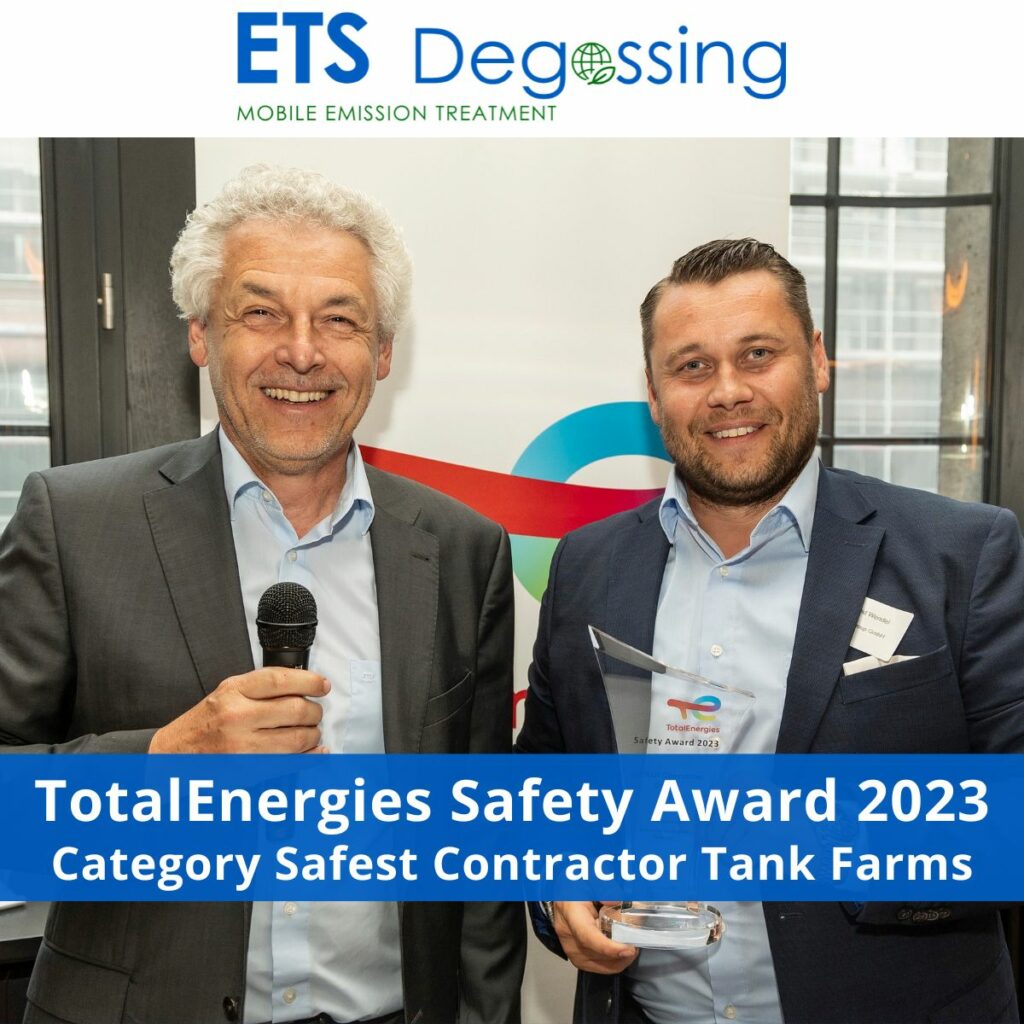
ETS Degassing has proudly announced its receipt of the TotalEnergies Safety Award 2023 in the category of “Safest Contractor Tank Farms.” This prestigious award recognises the company’s exceptional performance during the deployment of mobile vapour combustion units in response to Vapour Recovery Unit (VRU) downtimes over the past year.

The award was attributed to the team’s effective response during two critical emergency situations, where they successfully collaborated with customers at external sites to operate the mobile units. This proactive approach not only prevented environmental damage but also ensured continuous operation of the two tank terminals, thereby maintaining the supply of fuel in the respective regions.

The entire ETS Degassing team expressed pride in being recognised as one of the top contractors for TotalEnergies in 2023. They remain committed to upholding the highest standards of safety and efficiency in their operations, reinforcing their dedication to excellence in the industry.

For more information visit www.ets-degassing.com

OMV Petrom invests 750 million EUR at Petrobrazi to become the first major producer of sustainable fuels in Southeast Europe

OMV Petrom, the largest integrated energy producer in Southeast Europe, has committed approximately EUR 750 million to transform its Petrobrazi refinery into the region’s first major producer of sustainable fuels. The company has made the final investment decision to construct a SAF/HVO facility, along with two green hydrogen production units, to support biofuel production.

Christina Verchere, CEO of OMV Petrom, stated, “We are moving forward with our transformation. In addition to our new renewable power projects, today we have taken a decisive step towards decarbonizing transport in Romania. By 2030, we’re committing EUR 11 billion to transform the company for a lower carbon future, both in Romania and the region.”

Radu Căprău, OMV Petrom executive board member responsible for refining and marketing, emphasised, “Together with electro-mobility, biofuels are the answer to low carbon transport. We expect a gradual increase in demand for these products. Thanks to the investments we announced today, we will be able to replace imports with biofuels produced here in Romania. For our customers, this means product certainty and fewer carbon emissions. We want to continue being our customers’ first choice by offering them the products they need.”

SAF/HVO Production Facility

The investment for the SAF/HVO unit amounts to EUR 560 million. The plant will have a production capacity of 250 kt/year, producing SAF and HVO, along with by-products like bio-naphtha and bio-LPG, which are used in the chemical industry. The high flexibility of the installation allows adjusting the product mix according to market demand and available feedstock mix. The plant will have an annual consumption of ~11 kt of hydrogen, most of which will be provided by the two new green hydrogen production units.

Green Hydrogen Production

The investment for the two green hydrogen units is estimated at EUR 190 million, with up to EUR 50 million from European funds through the National Plan for Recovery and Resilience. OMV Petrom and the Ministry of Energy signed the financing contracts earlier this year. These units will have a total capacity of 55 MW, producing approximately 8 kt of green hydrogen annually. Integrating green hydrogen into sustainable fuels like SAF and renewable diesel will result in at least a 70 percent reduction in CO2 emissions compared to conventional fuels.

Certification and Raw Material Access

Petrobrazi is the first refinery in the country certified to produce SAF and HVO through the co-processing of biological raw materials. To ensure a reliable source of raw materials for biofuel production, OMV Petrom has acquired a 50 percent stake in “Respiră Verde,” a leader in the collection of used cooking oil in Romania. “Respiră Verde” collects up to 10 kt of used edible oil annually from sectors such as hospitality and retail.

For more information visit www.omvpetrom.com

Skytanking secures six-year contract to manage Brussels airport’s aviation fuel storage and hydrant system

Skytanking Holding GmbH is pleased to announce that its Belgian subsidiary has signed a six-year contract with Brussels Airport to operate its aviation fuel storage and hydrant system. This significant contract, awarded after an extensive tender process, officially commences today.

“This contract award underscores Skytanking’s ambition to be the preferred partner for airports, airlines, and fuel companies seeking a high-quality aviation service provider,” explained Skytanking vice president for Northern Europe, Christoph Lindke. “We deeply appreciate Brussels Airport’s confidence in our team, acknowledging the excellent service we have consistently delivered in Brussels and numerous other airport fuel farms worldwide over the past decades.”

Brussels Airport is Belgium’s busiest airport and ranks among the Top 30 in Europe in terms of passenger numbers. Skytanking has been providing into-plane fuelling and other services to its customers at Brussels Airport for many years. The fuel system to be managed by Skytanking is supplied via pipeline and comprises 40,000 cubic metres of Jet A-1 storage and 12,200 metres of underground pipeline connecting the storage to more than 160 apron hydrant pits.

For more information visit www.skytanking.com

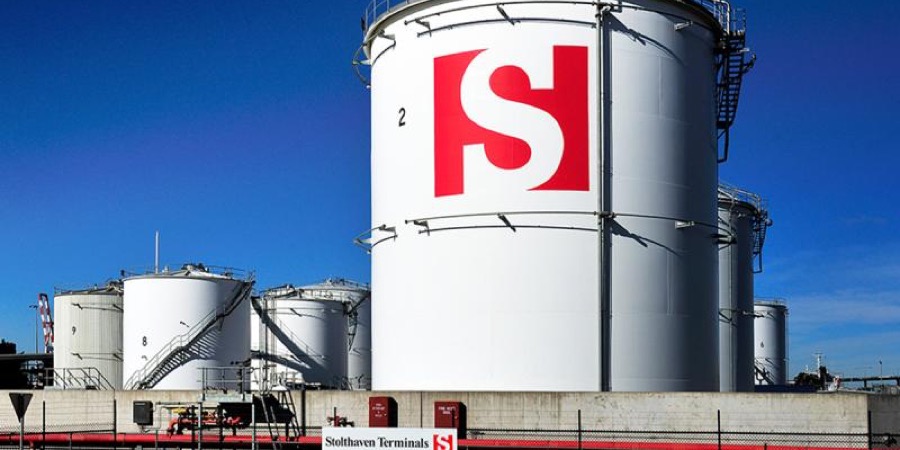
Stolthaven Terminals and ING APAC win transport deal of the year

Stolthaven Terminals, in partnership with ING APAC, has won the Transport Deal of the Year award at this year’s Asset Triple A Sustainable Infrastructure Awards in Singapore.

The award recognises Stolthaven Terminals’ SGD 280 million Sustainability-Linked Loan in the Asia-Pacific region, tied to the company’s sustainability performance in key ESG areas such as environment, labour and human rights, ethics, and sustainable procurement. Additionally, the loan is linked to Stolthaven’s ability to maintain or improve its current EcoVadis silver rating.

Guy Bessant, president of Stolthaven Terminals, expressed his satisfaction with the achievement: “At Stolthaven Terminals, we are committed to reducing our environmental footprint across all our operations and creating a sustainable organisation. We are always looking for opportunities, like this, that help us continue to improve our sustainability performance and progress towards our ambition to make our primary activities carbon neutral by 2040. It was a pleasure to work with ING on this SLL and an honour to receive this recognition.”

For more information visit www.stolt-nielsen.com

Shell plc reports strong Q2 2024 results and announces new share buyback programme

Shell plc has announced robust operational and financial results for the second quarter of 2024, highlighting significant achievements across its portfolio and outlining plans for further shareholder returns.

Key financial highlights:

  • Adjusted Earnings: $6.3 billion, driven by strong operational performance at the start of the summer season.
  • Cash Flow from Operating Activities: $13.5 billion, despite a working capital outflow of $0.3 billion.
  • Share Buyback Programme: A new $3.5 billion buyback programme is set to be completed by the Q3 2024 results announcement. Over the past year, total shareholder distributions amounted to 43 percent of CFFO.
  • Cost Reductions: Achieved $0.7 billion in structural cost reductions in H1 2024, totaling $1.7 billion since 2022 against a target of $2-3 billion by the end of 2025.
  • Capital Expenditure: The 2024 cash capex outlook remains unchanged at $22-25 billion.


Segment Performance:

  • Integrated Gas: Adjusted earnings of $2.7 billion, with lower prices and volumes compared to Q1 2024. Notable agreements include acquiring Pavilion Energy in Singapore and partnering in the ADNOC Ruwais LNG project.
  • Upstream: Adjusted earnings of $2.3 billion, supported by higher prices and volumes. Key investments include the final investment decision on Atapu-2 in Brazil.
  • Marketing: Adjusted earnings of $1.1 billion, benefiting from improved margins and higher seasonal volumes.
  • Chemicals & Products: Adjusted earnings of $1.1 billion, with the chemicals subsegment achieving break-even due to higher utilisation and improved margins.
  • Renewables & Energy Solutions: Adjusted earnings of -$0.2 billion, impacted by lower seasonal demand and reduced volatility.


Strategic Initiatives and Outlook:

  • LNG Leadership: strengthened position with key acquisitions and projects, including the Manatee backfill project in Trinidad and Tobago.
  • Upstream Portfolio Enhancement: Focus on cash flow longevity with strategic investments in high-potential projects.
  • Renewables Expansion: Continued growth in renewable power generation capacity, reaching 7.1 GW in Q2 2024.


Corporate Developments:

  • Net Debt Reduction: Net debt decreased by $2.2 billion over the quarter to $38.3 billion.
  • Dividend Stability: Dividend remains stable at $0.344 per ordinary share.
  • Upcoming Investor Events: Third quarter 2024 results and dividends will be announced on October 31, 2024.


Shell’s CEO, Wael Sawan, stated, “Shell delivered another strong quarter of operational and financial results. We further strengthened our leading LNG portfolio and made good progress across our financial targets. We continue to demonstrate that we are delivering more value with less emissions.”

The company’s strategic focus on operational efficiency, shareholder returns, and sustainable growth underscores its commitment to driving long-term value in the evolving energy landscape.

For more information visit www.shell.com

Yara International opens Europe’s largest renewable hydrogen plant in Norway, delivering first low-carbon fertilisers

Svein Tore Holsether, president & CEO at Yara International, announced a significant milestone in the journey towards decarbonisation with the official opening of Yara International’s renewable hydrogen plant at Herøya, Norway. This plant is currently the largest of its kind in operation in Europe.

Additionally, Yara International has successfully delivered the first tonnes of low-carbon footprint fertilisers to Lantmännen. This partnership exemplifies the necessity of collaboration across the entire food value chain to achieve decarbonisation.

Holsether acknowledged the challenges faced during the process but expressed pride in the company’s achievements. He emphasised that the insights gained will be instrumental in continuing efforts to reduce emissions from fertilisers, shipping, and other energy-intensive industries.

While Yara International stands as a leader in the green transition, Holsether noted that the scale of this transition requires collective efforts beyond a single company. Achieving success in this green shift will necessitate investments, predictable framework conditions, funding, affordable renewable energy, and a balanced development of market demand and supply. Collaboration across entire value chains is crucial to deliver on the Paris Agreement.

Holsether expressed gratitude to the partners and customers who have joined Yara International as first movers towards a more sustainable future. This shared vision marks a significant step in decarbonising hard-to-abate sectors.

Holsether also highlighted the critical role of Yara’s employees in the project’s success. Their dedication was pivotal in getting the cutting-edge production up and running. He expressed excitement for the future achievements as Yara continues its strategy of profitable decarbonisation.

For more information visit www.yara.com

Masdar and TotalEnergies to develop a commercial Green Hydrogen to Methanol to SAF project in Abu Dhabi

Abu Dhabi Future Energy Company PJSC – Masdar, the UAE’s clean energy powerhouse, has signed an agreement with TotalEnergies to assess the viability of developing a commercial green hydrogen to methanol to Sustainable Aviation Fuel project. This initiative aims to decarbonise hard-to-abate, emission-intensive sectors such as aviation and maritime industries.

The project will utilise CO2 captured from an industrial source as a feedstock, combined with green hydrogen produced through renewable energy-powered electrolysis, to produce green methanol and SAF. This agreement follows a successful test flight conducted by the two companies during COP28 in December 2023, demonstrating the potential for converting methanol to SAF.

Masdar’s Green Hydrogen business has made aviation a key focus, forging several strategic partnerships over the past three years to support the development and growth of the SAF sector. The UAE’s General Policy for Sustainable Aviation Fuel has set a voluntary target of supplying 1 percent of fuel to national airlines at UAE airports using locally produced SAF by 2031. It also aims to develop a national regulatory framework for SAF, exploring potential policies to support the long-term economic operation of SAF facilities in the UAE.

The agreement aligns with Abu Dhabi’s Low Carbon Hydrogen Policy, which is expected to significantly contribute to promoting low-carbon hydrogen as a future energy source. This constitutes a significant milestone towards ensuring economic growth, sustainability, and energy security, marking a strategic step towards a sustainable future. The Low Carbon Hydrogen Policy complements the UAE National Hydrogen Strategy, which seeks to establish the UAE as a leading global producer of low-carbon hydrogen by 2031.

Since its establishment in 2006, Masdar has been a key enabler of the UAE’s vision as a global leader in sustainability and climate action. The company has developed and partnered in projects in over 40 countries, with a mandate to increase its renewable energy portfolio capacity to 100GW by 2030 and to become a leading producer of green hydrogen by the same year.

For more information visit www.masdar.ae

Kinder Morgan emphasises pipeline safety and community awareness with comprehensive guidelines

Every day, over two million miles of pipelines safely transport natural gas, gasoline, and other essential products across the United States. Understanding the location of these pipelines, potential hazards, and how to identify and respond to a potential leak is crucial for the safety of families, employees, and communities.

Kinder Morgan’s pipelines transport natural gas, gasoline, crude oil, CO2, and other products, implementing rigorous safety measures to ensure public safety and secure pipeline operations.

Call 811 Before You Dig


If planning any project involving digging or ground disturbance, such as building a fence, planting a tree, or installing a swimming pool, it is essential to call 811 or your local One-Call Center before starting.

811 is the national call-before-you-dig phone number. This free service locates and marks underground utilities, protecting you, your family, and your property. It is often legally required to call 811 or your local One-Call center at least two to three business days before commencing any digging or ground disturbance projects to have pipelines and underground utilities marked.

Always remember to call 811 at least two working days before digging, wait for the lines to be marked, dig with care, and report any dents, scratches, or damage to a pipeline or underground utility to the utility owner immediately.

Locating Pipelines and Pipeline Facilities


In addition to calling 811 or your local One-Call Center before digging, there are other resources to identify the approximate location of pipelines.

Pipeline markers, located along pipeline routes, at road and railroad crossings, and at all above-ground pipeline facilities, indicate the general area of a pipeline. These markers specify the type of product transported, the operator’s name, and an emergency contact number. However, they do not provide the exact location or depth of the pipeline and should never be used as a substitute for calling 811 before excavation.

Damaging, removing, or destroying a pipeline marker is a federal crime.

The National Pipeline Mapping System, maintained by the federal government, also provides maps showing the approximate location of transmission pipelines. Government and safety officials can access additional information and download electronic files for emergency preparedness GIS mapping systems.

Recognising and Responding to a Pipeline or Pipeline Facility Leak


Although rare, pipeline leaks can be dangerous and require immediate action. Recognising the signs of a potential pipeline leak and knowing how to respond is crucial for protecting people, property, and the environment.

Signs of a potential pipeline leak include:

  • Dead vegetation, stains, or liquid on the ground near the pipeline, dirt being blown into the air, fire at or below ground level, dense white cloud or fog, or frozen ground near the pipeline
  • Colorful sheens on water surfaces, bubbles coming from bodies of water
  • Hissing or roaring sounds
  • Strong petroleum scent, mild fragrant odor (ethanol), or pungent odor such as sulfur (rotten eggs or garlic-like); natural gas may also be odorless


If you suspect a leak or a leak occurs:

  • Leave the area immediately in an upwind direction and warn others to stay away
  • If near a school, evacuate students and staff as outlined in the school’s emergency response plan
  • Avoid using ignition sources such as matches, engines, telephones, or electrical appliances
  • Once at a safe distance, call 911 and Kinder Morgan
  • Do not drive into the suspected leak area, and avoid operating pipeline valves or making contact with escaping liquids or vapors


Protecting Pipelines, Pipeline Facilities & Right-of-Way


Kinder Morgan has 24-hour safety and security procedures in place but relies on government and safety officials and local residents to notify about potential damage, right-of-way issues, or suspicious activity.

The right-of-way is the land over and around a pipeline, typically 25 feet on either side, shared by Kinder Morgan and the landowner. To ensure pipeline safety, certain restrictions apply to right-of-way usage. Unauthorized usages, such as placing buildings or planting trees and shrubs, can interfere with pipeline operations.

Regular maintenance is conducted to trim trees and remove shrubs or structures obstructing the pipeline route during aerial or foot patrols.

You can help protect pipelines by always calling before you dig and reporting any suspected damage, including scrapes or dents. Prompt inspection and repairs of any damage are essential to prevent future leaks or serious accidents.

For more information visit www.kindermorgan.com

ABS contributes to the development of the report “Safety of Ammonia for Use in Ships” published by the European Maritime Safety Agency (EMSA).

American Bureau of Shipping has announced its contribution to the development of the report titled “Safety of Ammonia for Use in Ships,” published by the European Maritime Safety Agency (EMSA).

This extensive study is part of a larger project that encompasses reliability analysis and risk assessments of various ammonia-fuelled vessel designs, ultimately leading to the formulation of guidance for ships utilising ammonia as fuel.

The initial phase of this project is crucial for understanding the inherent challenges of ammonia, its effects on vessels and crew, the current status of regulatory framework development, and the gaps that need to be addressed to facilitate the adoption of ammonia as a marine fuel.

ABS is proud to collaborate with EMSA on a series of studies focused on alternative fuels and energy sources, which aim to pave the way for a safe and sustainable future. The report “Safety of Ammonia for Use in Ships” can be downloaded here: https://lnkd.in/g_dX5w5y.

For more information visit ww2.eagle.org/en.html

Enbridge completes acquisition of Questar Gas Company

Enbridge Inc. announced the completion of its acquisition of Questar Gas Company and its related Wexpro companies from Dominion Energy, Inc. Questar Gas will now operate under the names Enbridge Gas Utah, Enbridge Gas Wyoming, and Enbridge Gas Idaho, depending on the state. These entities will be integrated into Enbridge’s Gas Distribution and Storage Business Unit.

Questar Gas is a leading multi-state utility distributing natural gas across Utah, southwestern Wyoming, and southeastern Idaho, serving approximately 1.2 million customers. The utility operates in regions with rapidly growing economies and populations. Questar Gas’s assets include over 21,000 miles (33,500 km) of natural gas distribution and transmission pipelines, a liquefied natural gas storage facility, and connections to multiple interstate natural gas pipelines. Its cost-of-service supply agreement with Wexpro ensures reliability and affordability for its customers.

Michele Harradence, Enbridge executive vice president and president of gas distribution and storage, expressed enthusiasm for the acquisition, stating, “We are excited to welcome another strong gas utility to Enbridge. Questar Gas and Wexpro enhance the scale and breadth of our existing low-risk utility business model and support our long-term dividend growth profile by providing stable, predictable cash flows. We welcome Questar Gas and Wexpro employees into the Enbridge family and look forward to building long-term productive relationships with all of their stakeholders in Utah, Wyoming, and Idaho.”

The acquisition of the Public Service Company of North Carolina, Inc. is pending regulatory approval and is expected to close in 2024. The combined contributions from Questar and the previously acquired East Ohio Gas Company (now Enbridge Gas Ohio) are anticipated to account for approximately 80 percent of the total annualised EBITDA from the three gas utilities Enbridge has agreed to acquire from Dominion.

For more information visit www.enbridge.com

Rhône Energies signs a sales agreement with Esso for the acquisition of the Fos-sur-Mer refinery

Rhône Energies, a consortium composed of Entara LLC and Trafigura Pte Ltd, has reached an important milestone in the acquisition process of the Fos-sur-Mer refinery and the Toulouse and Villette-de-Vienne terminals from Esso. All parties have now signed a sales agreement following the completion of the information and consultation procedure with employee representative bodies.

This is a key step towards the transfer of ownership of the site which remains subject to the required regulatory approvals. Discussions with the relevant authorities are ongoing, and the necessary authorizations are expected by the end of October 2024.

“We are delighted to have finalised the sales agreement for the Fos-sur-Mer refinery and the Toulouse and Villette-de-Vienne terminals. We look forward to continuing our engagement with the operational management and the transition team, to ensure a smooth transition of operations. Discussions with national and local stakeholders have been particularly constructive, and we remain committed to collaborating with all parties on operations and our future plans,” said Entara’s CEO, Nicholas Myerson.

With this acquisition, Rhône Energies plans to capitalise on the refinery’s existing skilled teams and strong manufacturing performance. The company aims to further improve crude flexibility, process utilisation, and to maximise high value products, while investing in personnel and process safety.

For more information visit www.rhoneenergies.ch

BASF and NGK release advanced type of sodium-sulfur batteries (NAS Battery) NAS MODEL L24

BASF Stationary Energy Storage GmbH, a wholly owned subsidiary of BASF, and NGK INSULATORS, LTD., a Japanese ceramics manufacturer, have released an advanced container-type NAS battery (sodium-sulfur battery) *1.

The new product NAS MODEL L24 has been jointly developed by NGK and BASF and is characterised by a significantly lower degradation rate of less than 1 percent per year thanks to a reduced corrosion in battery cells. Another technical achievement is an improved thermal management system in battery modules, which enables a longer continuous discharge*2. The new technology elements have been incorporated into the field-proven battery design.

These improvements allow projects to be implemented using significantly fewer number of NAS battery containers over project running time, and with lower maintenance costs.

“This advanced type of NAS batteries is an outstanding achievement by the joint development team of BASF and NGK, which brought together respective areas of expertise of both companies. With the NAS MODEL L24 our customers will be able to reduce their initial investment in battery storage system as well as save on long-term project costs, approx. 20 percent over project lifetime. We are proud to have contributed to the advancement of NAS battery technology, which is an essential building block for a successful energy transition.”, said Frank Prechtl, Managing Director of BASF Stationary Energy Storage GmbH.

Ryugo Takeda, vice president and general manager of Energy Storage Division of NGK, comments: “The improved performance stems from an intense and effective collaboration between BASF and NGK that started from 2019. The lower degradation rate of less than 1 percent per year is a remarkable result for the energy storage industry. Through BASF’s global sales network, we are excited to provide solutions to more customers using this NAS MODEL L24 and thus to contribute to the promotion of global renewable energy adoption and the reduction of CO2emissions”.

The new concept complies with the latest safety standards for energy storage installations, such as UL1973 and UL9540A, and underlines the high degree of safety for NAS installations.

NAS batteries are long-duration, high-energy stationary storage batteries. They feature long life and enhanced safety and can provide a stable power supply over six hours or longer. In more than 20 years they have been deployed at over 250 locations worldwide, with a total output of almost five gigawatt-hours. NAS batteries are used for various use cases, including stabilizing of renewable energy and optimizing its utilization, through peak shaving and load balancing as well as emergency power supply. NAS Batteries are one of key contributors to a successful energy transition and carbon neutrality.

BASF will begin deliveries of NAS MODEL L24 in the second half of 2024.

*1: For the domestic market in Japan, NAS MODEL L24 is planned to be released once conformance with the domestic regulations is completed.

*2: In the case of discharging at 200kW-dc per NAS MODEL L24 unit, the continuous discharging duration is 6 hours.

For more information visit www.basf.com/global/en.html

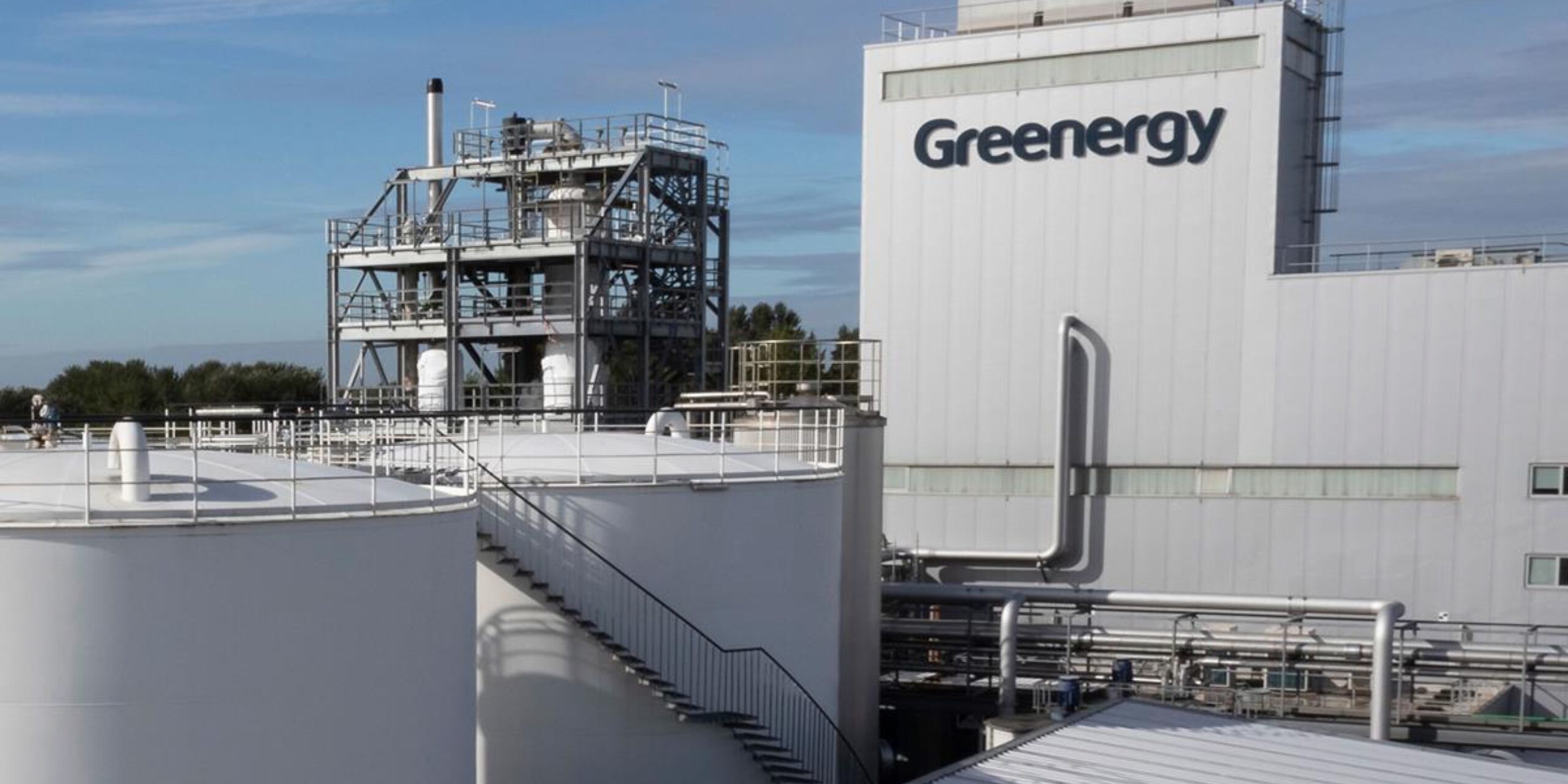
Trafigura completes acquisition of Greenergy

Trafigura Group Pte Ltd has officially completed the acquisition of Greenergy’s European and Canadian supply businesses from Brookfield Asset Management and its affiliate, Brookfield Business Partners. Greenergy, a UK-based supplier of road fuels and a prominent European biodiesel producer, was established in 1992 to provide lower-emission diesel. Today, it stands as one of Europe’s largest biofuels suppliers, operating manufacturing plants in the UK and the Netherlands, and is a leading distributor of road fuels within the UK. The company supplies over 15 billion litres of fuel annually to supermarkets, oil companies, fuel wholesalers, and both retail and commercial customers. In Ireland, Greenergy operates under the Inver Energy and Amber Petroleum brands, while in Canada, it serves commercial and wholesale clients from rail-fed terminals located in Ontario and British Columbia.

Ben Luckock, the global head of oil for Trafigura, expressed that the two companies are highly complementary and that by combining their commercial and market expertise, they intend to develop Greenergy’s existing business and explore new opportunities that will facilitate the transition to a lower carbon future. He emphasised that Trafigura’s financial strength, supply chain expertise, and extensive global customer base would provide a solid foundation for Greenergy’s growth.

Adam Traeger, the chief executive officer of Greenergy, noted that the acquisition represents an exciting opportunity for the company to accelerate its growth. He looks forward to collaborating with the Trafigura team to enhance the supply of transport fuels and improve Greenergy’s offerings to its customers.

For more information visit www.trafigura.com

Neste announces world’s first in-flight study showing significant emission reductions with 100% SAF

Results from the world’s first in-flight study of using 100 percent sustainable aviation fuel in both engines of a commercial aircraft indicate significant reductions in soot particles and contrail ice crystals compared to conventional Jet A-1 fuel. The ECLIF3 study, conducted by Airbus, Rolls-Royce, the German Aerospace Centre, and SAF producer Neste, measured the emissions impact on an Airbus A350 powered by Rolls-Royce Trent XWB engines.

The study found that using unblended SAF reduced the number of ice crystals per mass consumed by 56 percent, potentially mitigating the climate-warming effect of contrails. Global climate model simulations by DLR estimated a reduction in radiative forcing by at least 26 percent with 100 percent SAF compared to Jet A-1 fuel, demonstrating that SAF can significantly reduce aviation’s climate impact by addressing non-CO2 effects in addition to lowering CO2 emissions over the fuel’s lifecycle.

Alexander Kueper, vice president of renewable aviation business at Neste, highlighted that the study confirms the lower climate impact of 100 percent SAF due to the absence of aromatics. Markus Fischer, DLR divisional board member for aeronautics, noted the significant reduction in contrail formation, underscoring SAF’s role in climate-compatible aviation. Mark Bentall, head of research & technology programme at Airbus, and Alan Newby, director of research & technology at Rolls-Royce, both emphasised the additional benefits of SAF in reducing non-CO2 emissions.

The findings, published in the Copernicus journal Atmospheric Chemistry & Physics, provide the first in-situ evidence of the climate impact mitigation potential of pure SAF on a commercial aircraft. The ECLIF3 programme, which included researchers from the National Research Council of Canada and the University of Manchester, conducted both in-flight emissions tests and ground tests in 2021.

For more information visit www.neste.com

Clariant and OMV aim to reduce carbon footprint of ethylene and ethylene oxide derivatives

Clariant, a sustainability-focused specialty chemical company, and OMV, an integrated oil and gas company, have announced their intended collaboration for the supply of ethylene with a lower carbon footprint. This partnership aims to meet increasing consumer demand for more sustainable options, particularly in Europe, and help both companies achieve their sustainability targets while supporting their customers’ carbon reduction strategies.

Christian Vang, business president care chemicals and Americas, and member of the executive steering committee at Clariant, stated, “We are continuously working on solutions for our customers’ journeys towards the use of lower carbon footprint ethoxylates and this cooperation is an important step forward to reach this goal. Renewable low-carbon footprint ethylene from OMV will enable us to grow our bio-based ethylene oxide derivatives portfolio, as well as strengthen the supply chain with production in Europe, for Europe.”

Since 2022, Clariant has been serving its global customer base with segregated bio-based ethoxylates through Clariant India Glycols Specialty Company Ltd. This new collaboration with OMV represents another significant step in Clariant’s commitment to providing low carbon footprint ethoxylates.

Daniela Vlad, executive vice president chemicals and member of the executive board of OMV, remarked, “There is a broad application base for ethylene oxide and derivatives, and we are dedicated to enabling sustainable transformations for our customers as well as for OMV. By fostering the supply of circular feedstock, we are reinforcing our commitment to a circular economy and sustainability. This agreement is an important contribution to the progress we are making towards our Strategy 2030 ambitions.”

OMV’s integrated business model connects various parts of the value chain, offering a flexible and reliable supply from bio-based to chemical recycling-derived sources. This approach reduces CO2 emissions and demonstrates real progress through ISCC PLUS certification of the mass balance approach. OMV has been producing renewable and circular chemicals at its refineries in Burghausen, Germany, since 2021, and Schwechat, Austria, more recently. The company plans to increase its production capacity of sustainable products to 200,000 metric tonnes, aiming for a sales volume of around 1.4 million metric tonnes by 2030 and 2 million metric tonnes thereafter. OMV’s target is a 30 percent reduction in absolute GHG emissions in Scope 1 and 2, and a 20 percent reduction in Scope 3 by 2030 compared to 2019, with a goal to achieve net zero by 2050.

Clariant and OMV plan to explore and develop new strategies to meet sustainability targets in the ethylene supply chain. This will involve sharing research findings, adopting a life cycle assessment methodology for unified approaches, and defining detailed CO2 reduction roadmaps. The partnership will also include joint analysis of collaboration potential for Ethanol-to-Ethylene technology.

Both Clariant and OMV are members of the UN Global Compact, the world’s largest corporate sustainability and corporate social responsibility initiative. This agreement is expected to help Clariant meet its 2030 climate targets, which include reducing Scope 1 and 2 absolute GHG emissions by 40 percent and Scope 3 emissions by 14 percent between 2019 and 2030, in accordance with the Science Based Targets Initiative.

Beyond their own sustainability targets, Clariant and OMV’s collaboration will support the CO2 reduction roadmaps of industry stakeholders throughout Europe, facilitating wider cooperation towards achieving collective climate goals.

For more information visit www.omv.com

TotalEnergies and Air Products sign 15-year agreement for green hydrogen supply in Europe

TotalEnergies and Air Products have entered into a 15-year agreement to supply 70,000 tonnes of green hydrogen annually to Europe, starting in 2030. This landmark deal is the first long-term contract following TotalEnergies’ tender for 500,000 tonnes per year of green hydrogen aimed at decarbonising its European refineries.

Under this agreement, Air Products will supply green hydrogen to TotalEnergies’ Northern European refineries from its global supply network, reducing CO2 emissions by approximately 700,000 tonnes annually. This contract represents a crucial step towards TotalEnergies’ goal of cutting net greenhouse gas emissions from its operated oil and gas operations (Scope 1+2) by 40 percent by 2030, compared to 2015 levels.

Air Products, a global leader in hydrogen supply, has committed over $15 billion to large-scale energy transition projects, establishing itself as a reliable supplier of low-carbon hydrogen.

“This agreement with Air Products is a significant milestone towards our objective of decarbonising the hydrogen used in our Northern European refineries by the end of the decade. We are proud to partner with Air Products, a pioneer in low-carbon hydrogen production. This deal demonstrates our ability to lead in the energy transition and foster the growth of a green hydrogen industry by securing long-term contracts for our six refineries and two biorefineries in Europe. We are also excited to extend our partnership by supplying green power to Air Products, contributing to their decarbonisation efforts,” said Patrick Pouyanné, chairman and CEO of TotalEnergies.

Seifi Ghasemi, chairman, president, and CEO of Air Products, stated, “We are honoured to supply renewable hydrogen to one of the largest energy companies globally for decarbonising its Northern European refineries. This contract validates our long-term strategy of producing clean hydrogen at a commercial scale, showing that demand is strong and will continue to grow, playing a crucial role in decarbonising heavy industry and other sectors. I commend Patrick Pouyanné for his visionary leadership in advancing towards a cleaner future.”

Additionally, TotalEnergies and Air Products have signed a memorandum of understanding for the supply of renewable power, including a Power Purchase Agreement for 150 MW from a solar project in Texas. The parties also plan to explore further PPA opportunities in the UK, Poland, and France. This agreement enhances the partnership between TotalEnergies and Air Products, supporting Air Products’ decarbonisation roadmap and aligning with TotalEnergies’ integrated electricity strategy across the value chain.

For more information visit www.totalenergies.com

Ampol, GrainCorp and IFM unite to explore the creation of an Australian renewable fuels industry

Industry super-owned global fund manager IFM Investors, leading agribusiness and processing company GrainCorp, and Australia’s largest transport energy provider Ampol have signed a three-way Memorandum of Understanding to explore the establishment of an integrated renewable fuels industry in Australia.

As the initial priority under the MOU, Ampol and IFM will progress the feasibility assessment of a renewable fuels facility at Ampol’s Lytton Refinery in Brisbane. They will work with GrainCorp to explore the supply of homegrown feedstocks, including additional crushing capacity to supply canola oil to the future plant.
This announcement builds on the existing feasibility work conducted by each of the parties to develop feedstock supply and production capacity of renewable fuels, including sustainable aviation fuel and renewable diesel in Australia.

There is growing recognition globally that renewable fuels can materially reduce transport sector emissions. However, Australia currently lacks significant production capacity to support the expected future demand.

Australia has an advantage in producing and supplying the feedstocks needed to help develop a large and globally competitive renewable fuels industry. This industry would help drive decarbonisation in the hard-to-abate parts of the transport sector, including aviation and heavy and long-haul transport.

Momentum for a domestic SAF industry has grown in 2024. Ampol, GrainCorp, and IFM welcome the Federal Government’s range of measures to help support the production of renewable fuels, such as SAF, in Australia.

Quotes Attributable to Danny Elia, global head of asset management at IFM Investors:

“As a major investor in airports, we have a significant interest in facilitating cleaner flying, so we are proud to support this significant step in developing a SAF industry right here in Australia.

“IFM’s long-term investment approach is key to this emerging industry. We bring the scale, skill, and dependability needed to support our iconic Australian partners, GrainCorp and Ampol, to kickstart a new industry that will create new jobs and economic opportunity.

“Alongside our industry super partners, we have been working closely with the Government to identify ways to accelerate investment in Australia’s energy transition. A local SAF industry driven by Australian businesses is crucial to that acceleration.”

Quotes Attributable to Robert Spurway, MD and CEO of GrainCorp:

“GrainCorp is already a key supplier of high-quality feedstocks across Australia and New Zealand, including canola oil, tallow, and used cooking oil.

“Australian growers produce millions of tonnes of feedstocks every year, the surplus of which is currently exported for refining into renewable fuels.

“An Australian renewable fuel refining industry will build a valuable new domestic market for our nation’s growers and feedstock producers, with the benefits flowing on to regional communities and consumers.”

Quotes Attributable to Matt Halliday, MD and CEO, Ampol:

“Australia has a compelling competitive advantage in infrastructure, technical expertise, and the availability of raw materials necessary to develop a renewable fuels capability.

“A combination of Ampol’s existing infrastructure and capabilities, such as the Lytton site and Ampol’s broader distribution network with established channels to market and strong customer relationships, can play a pivotal role in creating a national renewable fuels ecosystem.

“The Australian-led team of Ampol, IFM, and GrainCorp brings together expertise in complex infrastructure development, manufacturing and distribution, and supply chains.

“This foundational agreement is a significant step in establishing a renewable fuels industry in Queensland and Australia – creating benefits in energy security, supporting regional development, and stimulating agriculture and manufacturing industries.”

For more information visit www.graincorp.com.au

OMV Petrom signs a new acquisition of photovoltaics projects in Romania

OMV Petrom, the largest integrated energy producer in Southeastern Europe, has reinforced its partnership with Renovatio by acquiring a 50 percent stake in three photovoltaic projects with a total capacity of 130 MW.

Christina Verchere, CEO of OMV Petrom, emphasised the strategic importance of this move: “Projects aimed at reducing our carbon footprint and that of our customers are central to our strategy. Approximately one-third of the EUR 11 billion investments planned by 2030 will be allocated to low and zero carbon projects.”

This acquisition follows an earlier transaction announced this year, where OMV Petrom acquired a 50 percent stake in Electrocentrale Borzesti, which manages renewable projects with a capacity of around 1 GW. The completion of the new transactions is expected in the second half of 2024, subject to certain conditions being met. The purchase price remains undisclosed. Notably, these new projects have already secured access to the national power transmission grid.

Franck Neel, executive board member responsible for Gas and Power, stated, “We are pleased to have Renovatio by our side, given their extensive expertise in renewable energy projects. Partnerships are crucial for accelerating the energy transition; by combining our strengths, we create a higher impact overall and contribute to a cleaner environment.”

Aurel Arion, CEO of Renovatio, expressed enthusiasm about the extended collaboration: “We are thrilled to continue and expand our partnership with OMV Petrom, focusing on energy transition and a sustainable economy driven by innovation and environmentally friendly technologies. The green energy produced by our portfolio projects is an essential step towards a future aligned with global environmental objectives.”

The projects will be developed, built, and operated in collaboration with Renovatio. By 2030, the two partners will jointly have an installed capacity of over 1.1 GW.

For more information visit www.omvpetrom.com

Neste provides sustainable aviation fuel to United Airlines for use at Chicago O’Hare International Airport in the US

Neste will supply up to 1 million gallons (3,000 metric tonnes) of Neste MY Sustainable Aviation Fuel™ to United Airlines for use at Chicago O’Hare International Airport in the US through the end of 2024. This expansion of the existing partnership enables United to become the first airline to purchase sustainable aviation fuel for operational use for flights from Chicago O’Hare, one of the busiest airports in the US

The first supply of Neste MY Sustainable Aviation Fuel blended with conventional jet fuel will arrive at Chicago O’Hare Airport via pipeline in August. The fuel will come from Neste’s newly-commissioned SAF terminal capacity in Houston, which broadens the availability of Neste’s SAF to airlines operating at airports east of the Rocky Mountains, extending to the East Coast.

“We are excited to expand our partnership with United and see our SAF being used at one of the major airports in the U.S. It underlines our commitment to supporting the U.S. aviation industry in its efforts to decarbonise and shows the important role that policy supports like the federal SAF 40B credit and the Illinois’ SAF Purchase Credit play in accelerating SAF usage. We continue supporting United’s roadmap to achieve its emission goals and look forward to expanding our cooperation at other airports across the globe,” said Alexander Kueper, vice president, renewable aviation business at Neste.

“This is what happens when innovation, leadership and policy come together,” said United president Brett Hart, who was at ORD today with Illinois Governor J.B. Pritzker. “While the market for SAF is still in its infancy, there is a huge opportunity today for airlines and policymakers to work together to support its continued growth – SAF at O’Hare was made possible thanks to Governor Pritzker and the Illinois Legislature passing tax incentives.”

In 2023, Illinois introduced a SAF purchase credit for every gallon of SAF sold to or used by an air carrier in the state. According to the US Energy Information Administration, Illinois ranked fifth in the nation for jet fuel consumption in 2022. The new tax credit positions Illinois at the forefront of encouraging SAF adoption.

The delivery of Neste MY Sustainable Aviation Fuel to United at ORD builds on Neste’s long-term partnership with the airline. In 2022, Neste announced the supply of 2.5 million gallons (7,500 metric tonnes) of SAF to United at Amsterdam Airport Schiphol in the Netherlands, followed by another announcement in 2023 of providing 1.5 million gallons (4,500 metric tonnes) of SAF to fuel all of United’s departing flights from San Francisco International Airport.

For more information visit www.neste.com

New Honeywell forge AI-enabled software solution to accelerate digital transformation and modernisation of utility grid assets

Honeywell has unveiled Honeywell Forge Performance+ for Utilities, a groundbreaking platform designed to enhance utility operations and optimise the performance of existing utility grid assets and IT investments. This innovation aligns Honeywell’s portfolio with the automation and energy transition megatrends.

Built on the Honeywell Forge platform, the new solution integrates artificial intelligence, machine learning, and digital twin capabilities. These technologies enable utilities to monitor assets, identify root causes of issues, and employ predictive analytics for proactive grid asset management. Additionally, Forge Performance+ for Utilities facilitates automation processes such as demand response and distributed energy resource management, thereby increasing grid reliability and stability.

“Honeywell Forge Performance+ for Utilities is designed to enhance existing systems, providing greater value to utility companies’ investments and supporting a seamless combination of capabilities from various tools into a single, reliable platform,” stated Hamed Heyhat, president of Honeywell Smart Energy and Thermal Solutions. “Through the power of digitalisation, utilities will now have access to more quality data to better serve their customers and assets.”

Traditional utility distribution grids, designed over a century ago, supported predictable top-down generation and distribution of energy, water, or gas. This design has led to a lack of data or siloed data. Today, utilities face challenges such as interpreting massive amounts of advanced metering infrastructure data and grid asset data, as well as managing the increasing adoption of less predictable distributed energy resources. These renewable energy sources include solar panels, wind turbines, energy storage systems, and electric vehicles.

Honeywell Forge Performance+ for Utilities provides near real-time insights to improve grid operation and address the variability associated with new energy sources. The solution offers a “bottom-up” forecast of energy demand, available distributed power generating assets, and controllable loads, enhancing operational visibility. This visibility allows utilities to better balance energy supply and demand, contributing to grid reliability and resiliency.

“The industry needs an innovative solution to help store and digitalise the multiple data streams from complex utility infrastructures around the world,” commented Ben Dawson of SECO Energy, a not-for-profit electric cooperative based in Central Florida. “Honeywell Forge Performance+ for Utilities’ ability to receive real-time actionable insights on one connected platform helps utilities better connect with their customers worldwide.”

The platform integrates, organises, and visualises data from various sources to accelerate analytics processes and transform utility grid data into actionable, real-time business and operational insights. It supports a variety of applications, including those from both Honeywell and third-party partners such as SparkMeter.

For more information visit www.honeywell.com

TC Energy announces historic equity partnership with indigenous-owned investment group

TC Energy Corporation has announced an equity interest purchase agreement with an Indigenous-owned investment partnership, resulting in a minority equity interest of 5.34 percent in the NGTL System and the Foothills Pipeline assets (collectively, Partnership Assets) for a gross purchase price of $1 billion. The agreement, supported by the Alberta Indigenous Opportunities Corporation, was negotiated by a consortium committee representing specific Indigenous Communities across Alberta, British Columbia, and Saskatchewan. This partnership results in an implied enterprise value of approximately $1.65 billion, inclusive of the proportionate share of the Partnership Assets’ collective debt.

This historic partnership enables up to 72 Indigenous Communities closest to the Partnership Assets to become equity owners in the 25,000-kilometre integrated network of natural gas infrastructure assets spanning western Canada. Investment in these critical energy assets provides access to long-term revenue sources that will help create meaningful change for Indigenous Communities.

“Indigenous ownership is the path to a more prosperous nation. As owners, Indigenous Communities will have resources to invest for the future and greater economic sovereignty. The Alberta Indigenous Opportunities Corporation is leading the world with its innovative approach to supporting Indigenous economic opportunity. TC Energy is proud to be a part of this historic agreement,” said François Poirier, TC Energy’s president and CEO.

The agreement will create a pathway for equity participation that builds upon TC Energy’s long history of fostering positive and meaningful relationships with Indigenous peoples. Loan guarantees, such as the one presented by the AIOC, are instrumental in supporting inclusive participation in Canada’s critical energy assets. The AIOC will provide the Communities with a $1 billion equity loan guarantee to support the newly-formed Indigenous-owned investment partnership. Once finalised, the Communities will enter into definitive agreements as co-investors in the Partnership Assets through the Indigenous-owned investment partnership.

“In only four years, the Alberta Indigenous Opportunities Corporation has truly made an impact for Indigenous communities. This newest agreement builds on earlier successes and shows Canada and the world that energy partnerships with First Nations and Métis peoples are both desired and possible. I’m thrilled to celebrate this agreement and look forward to the next steps that will ensure more Indigenous communities are true partners in prosperity,” said the Honourable Danielle Smith, Premier of Alberta.

“Alberta continues to lead on economic reconciliation with Indigenous Peoples. It’s so exciting to see this historic investment partnership come together thanks to an unprecedented loan guarantee from the AIOC. This will create significant new long-term revenue streams for the Indigenous Communities involved. The AIOC continues to break down barriers and build bridges by supporting Indigenous ownership and inclusion in Alberta’s biggest projects. Many thanks to all the partners involved for working tirelessly to make this a reality,” said the Honourable Rick Wilson, minister of indigenous relations, government of Alberta.

“AIOC is proud to support this partnership with Communities across Alberta, British Columbia, and Saskatchewan with a $1 billion loan guarantee to facilitate this landmark investment. This transaction marks a profound step toward economic reconciliation, providing an unmatched opportunity for sustainable growth and prosperity for the participants. We extend our deepest gratitude and congratulations to the Indigenous consortium committee, TC Energy, and the Government of Alberta for their roles in making this possible and look forward to advancing together in reconciliation and prosperity,” said Chana Martineau, CEO of Alberta Indigenous Opportunities Corporation.

The Consortium consists of members appointed by the Communities to represent their unique interests throughout the partnership discussions. The Consortium, along with the AIOC and TC Energy, has shaped a partnership focused on a mutually-beneficial future within Canada’s resource economy.

“The Consortium Committee, tasked with negotiating this transaction, deserves notable credit for significantly improving the terms of this deal. As a result, we anticipate that the Indigenous investors will benefit from this partnership for some years to come. We appreciate the efforts of all parties involved. I also give much thanks to the Consortium Committee for placing their trust in me to serve as their chair,” said chief Isaac Twinn, consortium committee chairman and chief of Sawridge FN, Treaty 8.

To reinforce the significance of this relationship and the importance of ongoing dialogue, a member of the participating Communities will be invited to join TC Energy’s Indigenous Advisory Council. The IAC was formed in 2021 to guide the Company’s executive leadership team on reconciliation-related initiatives to support resilient Indigenous Communities.

“Today’s announcement is about advancing economic opportunities for Indigenous participation through equity ownership – something that Indigenous communities have been asking for. The NGTL and Foothills assets have a longstanding presence in our communities – from our relatives who helped construct it to our youth who are training to operate it. This equity partnership agreement represents a significant evolution in TC Energy’s relationship with Indigenous Peoples and marks substantial progress on the industry’s broader journey toward advancing reconciliation. We look forward to welcoming a new member to the IAC from this partnership, to bring another important voice to our collective efforts,” said Raylene Whitford, chair of TC Energy’s Indigenous Advisory Council.

For more information visit www.tcenergy.com

Sprague Energy unveils alternative, lower-impact plan for floating offshore wind at its Mack Point terminal in Maine

Sprague Operating Resources LLC, one of the largest suppliers of energy products and material handling services in the Northeast, has unveiled a revised plan to support Maine’s offshore wind initiative from its Mack Point terminal in Searsport. This alternative, lower-impact proposal was developed in collaboration with a marine engineering firm in the summer of 2023 and presents several advantages over the original Mack Point and Sears Island plans proposed by the State’s engineering contractor, Moffat & Nichol.

James Therriault, vice president of materials handling at Sprague, emphasised the benefits of the new plan, stating, “The Sprague Energy Mack Point Terminal alternative preserves all of our current operations and minimises dredging and wetland impact while leveraging a facility with over 20 years of wind component handling experience. Our Mack Point terminal has been operating in Maine since 1905. By reimagining this industrial site, we can play an integral role in achieving Maine’s offshore wind energy generation goals.”

The new plan leverages existing infrastructure, reduces carbon emissions, and protects 100 acres of undisturbed natural habitat on and off Sears Island. Sprague’s proposal includes:

  • 100 Acres Segregated from Current Activities: A dedicated entrance to a separate area, ensuring minimal disruption.
  • Dedicated Vessel Component Receipt Dock: Already dredged to 35 feet of mean low water.
  • Dedicated Base Launching Dock: Allows for the use of a semi-submersible barge or Tug Dock device.
  • Dedicated Base Assembly Area: Positioned away from the main facility flow.
  • Dedicated Fit-Up Dock for Wind Energy Component Assembly: Separate from the launch dock to avoid conflicts during blade lifting and allow for the use of large assembly cranes.
  • Increased Docking Space: Provides 1,600 feet of dock face for large vessels and foundations, plus an additional 1,000 feet for small work boats and tugs.
  • Second Large Vessel Dock: For current bulk and liquid operations, also serving as a backup component receipt dock.
  • Designated Support Services Area: Allocates space for employee parking, warehousing, administrative offices, and work trailers.
  • 10-acre Full-Function Rail Yard: Utilises an existing rail yard recently renovated at a cost of $2 million, facilitating the delivery of domestically sourced components and supplies.


Therriault added, “Sprague believes it’s in the best interests of Mainers to urge the State to fully analyse the costs, timings, and impacts of Sprague’s alternative design. We believe this alternative achieves the goal of minimising impacts on natural and working lands, while reducing overall cost and providing all the same operational and vessel functionality.”

Rolf E. Olsen, vice president of Friends of Sears Island, a volunteer nonprofit managing the island’s conservation area, expressed support for the Mack Point alternative. Olsen stated, “Building a wind port on Sears Island means more than 75 acres of upland forest will be cleared, graded, and compacted. It also means filling 25 acres of pristine Penobscot Bay. Redeveloping Mack Point, which has thrived as an industrial site for more than a century, is a far better and less disruptive decision.”

Sprague’s proposal highlights the importance of preserving natural habitats while supporting renewable energy development. The company aims to reduce construction time and costs, leveraging the industrial nature of Mack Point to minimise delays in permitting. This strategic approach underscores Sprague’s commitment to sustainable energy solutions and efficient resource management.

For more information visit www.spragueenergy.com

L&J Technologies announce growth investment from L Squared Capital and CogneSense

L&J Technologies, recognised for its key brands L&J Engineering and Shand & Jurs, has announced a significant milestone in its trajectory with its acquisition by CogneSense and L Squared Capital Partners. This acquisition marks the first investment made by CogneSense since its establishment by L Squared in late 2023. CogneSense, under the leadership of Paul Dhillon, utilises an operationally integrated merger and acquisition strategy aimed at uniting established, trusted businesses in environmental sensing, measurement, monitoring, and control with innovative younger companies. This approach seeks to consolidate the fragmented Environmental, Health, and Safety markets within the wider Sensing and Internet of Things (IoT) sector.

Jim Jannotta, the general manager of L&J Technologies, expressed enthusiasm about the collaboration, stating, “I’m thrilled to collaborate with L Squared and CogneSense, driving L&J Technologies to new heights. Together, we’ll leverage cutting-edge technologies, enhance our offerings, and provide even greater value to our loyal customer base.” He also expressed gratitude towards his father for laying the foundation of the company.

Paul Dhillon, chief executive officer at CogneSense, commented on the partnership, saying, “We are thrilled to be working with the team at L&J Technologies as the first investment in our CogneSense strategy. Our mission at CogneSense is to leverage innovative technologies alongside best-in-class companies like L&J, which have been successfully servicing their customer base for decades. Lou Jannotta and the team at L&J have built an industry-leading business, and we are excited to continue providing high-quality products and services to its loyal customers.” He noted that Jim Jannotta, who has been with the company for 25 years and previously served as vice president, will take over as general manager of the L&J division.

CogneSense intends to actively seek acquisition opportunities of various sizes across the Environmental, Health, and Safety sectors, with a focus on partnering with manufacturers of sensors, measurement and control equipment, IoT device manufacturers, and monitoring application providers.

For more information visit www.ljtechnologies.com

JGC Holdings introduces 3D printer technology in Zuluf Oil Processing Facilities in Saudi Arabia

JGC Holdings Corporation’s representative director, chairman and CEO, Masayuki Sato, announced that JGC Corporation, under the leadership of representative director and president Farhan Mujib, will introduce verified 3D printing technology at the Zuluf AH Oil Increment Central Processing Facilities in Saudi Arabia. JGC Corporation manages the overseas engineering, procurement, and construction business for the JGC Group.

Aramco, one of the world’s largest integrated energy and chemicals companies, aims to support energy security and affordability while promoting sustainable practices in all its operations and projects. The incorporation of 3D printing technology aligns with Aramco’s objectives by reducing the environmental impact of manufacturing, lowering waste and energy usage, and improving construction productivity.

Since October 2021, JGC has been verifying the application of a gantry-style concrete construction 3D printer, purchased from COBOD International A/S of Denmark, for the piping support structures (foundation formwork) of a biomass power generation project in Ishinomaki City, Miyagi Prefecture. This project is executed by JGC Japan Corporation, the domestic EPC company of the JGC Group.

This initiative has garnered significant attention from various clients. Following discussions with Aramco, JGC received an order to introduce a 3D printer to print the exterior wall, approximately 340 square metres, of chemical storage buildings. This is part of Aramco’s Zuluf AH Oil Increment Central Processing Facilities project, for which JGC was awarded the contract in May 2022. By transitioning to on-site 3D printing instead of using on-site precast formwork, JGC aims to establish a new approach to overseas printing work. The company is collaborating with local partners in Saudi Arabia, including one that owns COBOD’s large-scale 3D printer, with plans to commence 3D printing work in the summer of 2024.

JGC will continue to actively promote the integration of advanced technology in plant construction projects across the Group’s companies. The goal is to adopt 3D printing technology during the construction phase to enhance efficiency and address the issue of construction labour shortages.

For more information visit www.jgc.com

Uniper expands green portfolio to include BioLNG production

Uniper is expanding its green portfolio by initiating the production of BioLNG at the Rotterdam Gate terminal, marking a significant milestone as the first shipper to utilise this capacity for converting biomethane into BioLNG.

The produced BioLNG is certified under the International Sustainability and Carbon Certification, ensuring a sustainable pathway from EU-produced biogas to the Dutch natural gas grid. This process involves upgrading biogas to biomethane by removing impurities such as carbon dioxide and hydrogen sulphide. The Gate terminal’s existing infrastructure then takes over the biomethane at its exit point and liquefies it.

With an annual production capacity of 100,000 tonnes, this development represents a crucial advancement in Uniper’s integrated biomethane-BioLNG supply chain. It not only enhances the value of the Gate asset but also contributes to the reduction of emissions within Uniper’s portfolio.

For more information visit www.uniper.energy

Qatarenergy selects CPC as NFE partner and signs SPA for 4 MTPA of LNG for 27 years

QatarEnergy has signed definitive agreements with CPC Corporation, Taiwan, encompassing a long-term supply of LNG to CPC and a partnership in the North Field East LNG expansion project.

The two parties signed an LNG Sales and Purchase Agreement for the delivery of four million tonnes per year of LNG from the NFE project to CPC over a period of 27 years. Additionally, a share sale and purchase agreement was signed, under which QatarEnergy will transfer a 5 percent interest in one NFE train with a capacity of eight MTPA to CPC. This transfer will integrate CPC as a partner in the NFE project without affecting the participating interests of any other shareholders in the project.

The agreements were signed by His excellency Mr. Saad Sherida Al-Kaabi, minister of State for Energy Affairs, president and CEO of QatarEnergy, and Mr. Shun-Chin Lee, Chairman of CPC Corporation, Taiwan, during a ceremony at QatarEnergy’s headquarters in Doha, attended by senior executives from both companies.

Minister Al-Kaabi welcomed CPC as a valuable partner in the NFE project, stating, “We look forward to further enhancing our relationship with CPC, which extends for over three decades, and to further demonstrate our unwavering commitment to our customers and partners around the world.” He also expressed his gratitude to the teams from CPC and QatarEnergy for their hard work and dedication in concluding the agreements.

Mr. Shun-Chin Lee remarked, “QatarEnergy, the world’s leading LNG player, has been playing an important role in ensuring Taiwan’s domestic gas market over the past decades. CPC’s acquired equity in the NFE project and this new LNG SPA will further strengthen the cooperative relationship between our two companies.”

The NFE project is part of the overall North Field LNG expansion programme, which includes the North Field South and North Field West projects. Together, these initiatives aim to raise Qatar’s LNG production capacity from the current 77 MTPA to 142 MTPA by 2030.

For more information visit www.qatarenergy.qa

Neste and HELLENiQ ENERGY collaborate to boost the availability of blended sustainable aviation fuel in Greece

Neste and HELLENiQ ENERGY, one of Southeast Europe’s leading energy groups, have successfully collaborated to deliver blended Neste MY Sustainable Aviation Fuel to HELLENiQ ENERGY’s facilities in Thessaloniki. This marks the first time that blended SAF has been supplied to Greece in bulk using ships for transport.

The delivery aims to increase the availability and accessibility of sustainable aviation fuel at airports throughout Greece, providing airlines and passengers with a solution to reduce greenhouse gas emissions from air travel. The timing of this delivery is particularly significant as it coincides with the summer tourist season, a crucial period for the Greek economy.

SAF is widely recognised as a key component in achieving aviation’s global emissions reduction goals. However, the industry faces challenges in obtaining SAF in sufficient quantities. This partnership between Neste and HELLENiQ ENERGY is a milestone, marking the first bulk delivery of SAF to Greece via vessels instead of trucks, thereby reducing transport emissions. More deliveries are planned throughout 2024.

Diomidis Stamoulis, senior director of strategic planning of industrial activities & participation at HELLENiQ ENERGY, commented, “HELLENiQ ENERGY was the first to ensure the supply of Neste’s sustainable aviation fuel in Greece, already back in 2022. The expansion of the collaboration with Neste is in line with our group’s strategic goal to become a provider of low-carbon energy solutions and to continuously reduce our carbon footprint. Our aim is to facilitate aviation fuel suppliers, airlines, and airports to prepare in a proactive manner for the upcoming European Union SAF mandate targets starting in 2025. This effort started two years ago when our subsidiary EKO began for the first time in Greece supplying AEGEAN aircraft with SAF for flights departing from Thessaloniki Airport “Makedonia”, making it the 7th airport in the world where a SAF-fueled flight was realised. Now, this effort is expanding to the entire industry in Greece with even larger volumes, and at more airports.”

Alexander Kueper, vice president of renewable aviation business at Neste, added, “Sustainable aviation fuel is a readily available solution for reducing the greenhouse gas emissions from air travel. This cooperation with HELLENiQ ENERGY to supply our SAF to Greece not only illustrates our commitment to supporting airlines in the Southeast European region but also the importance of cooperation with ambitious partners to increase SAF availability and adoption. We’re looking forward to further developing our cooperation with HELLENiQ.”

This collaboration underscores the commitment of both companies to advance the green energy transition and support the aviation industry’s efforts to reduce its environmental impact.

For more information visit www.neste.com

TotalEnergies acquires a gas-fired power plant in the United Kingdom

TotalEnergies has signed an agreement with EIG, an institutional investor in the global energy sector, to acquire all shares of West Burton Energy for an enterprise value of £450 million.

West Burton Energy operates the West Burton B gas-fired power plant in Nottinghamshire, England. Commissioned in 2013, this facility includes three combined-cycle gas turbines with a total output of 1.3 GW, supplying power to approximately 1.8 million homes. Additionally, a 49 MW battery storage system was integrated into the plant in 2018, enhancing its capabilities.

This acquisition enhances TotalEnergies’ renewable power generation capacity in the UK by incorporating a flexible asset that mitigates the intermittency of renewable sources, ensuring a reliable power supply to customers. TotalEnergies currently holds a renewable portfolio in the UK with 1.1 GW of gross installed capacity and 4.5 GW under development. Given this extensive portfolio, the company assesses its need for gas-based power generation capacity at 700 MW and plans to divest 50 percent of the acquired assets.

The deal also bolsters TotalEnergies’ trading capabilities in the UK’s electricity and gas markets, enhancing its ability to provide affordable, reliable, and sustainable energy to its 300,000 UK electricity and gas customer sites. Furthermore, the company will supply the plant by leveraging its substantial positions in natural gas production in the UK, where it operates 30 percent of the projects.

This acquisition brings TotalEnergies’ worldwide flexible power generation portfolio to approximately 7 GW of gross capacity, complementing its 23 GW of gross renewable capacity.

Stéphane Michel, president of gas, renewables, and power at TotalEnergies, commented, “I am delighted to welcome the West Burton B team to TotalEnergies. This acquisition contributes to our integrated strategy in the UK, which combines renewable and flexible generation capacity. It complements our 1.1 GW Seagreen offshore wind farm and allows us to accelerate the development of our Integrated Power activities in power generation, trading, and marketing in this market. The deal also contributes directly to our 2028 ROACE target of around 12 percent in this business sector.”

This strategic acquisition underscores TotalEnergies’ commitment to integrating renewable and flexible power generation to meet the growing demand for sustainable energy solutions.

For more information visit www.totalenergies.com