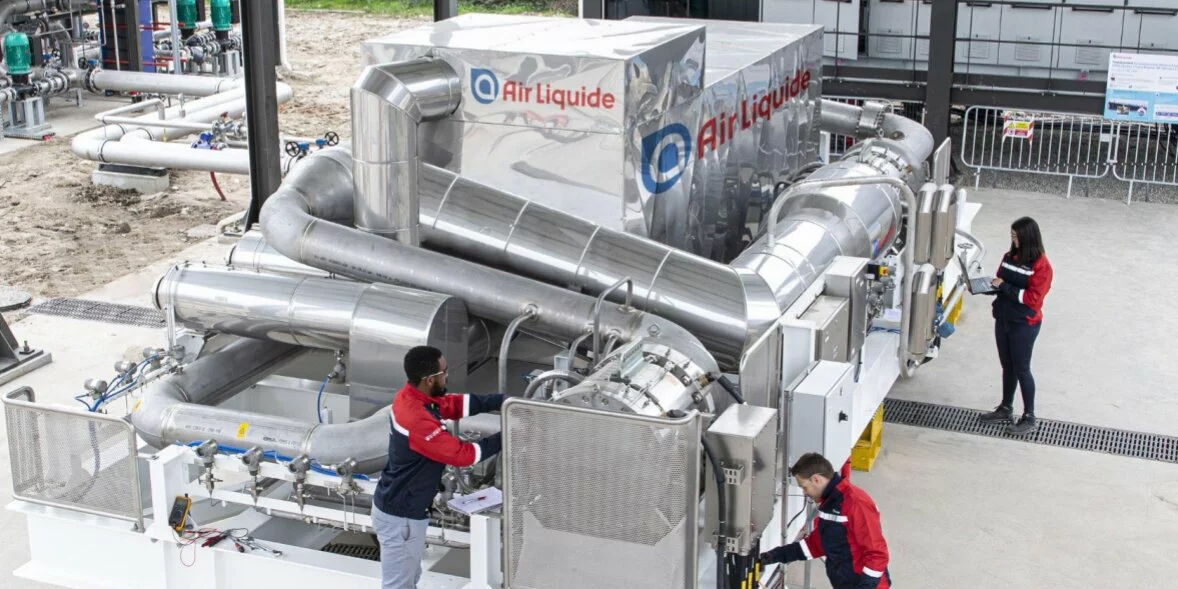
Air Liquide has achieved a significant milestone in 2024 with its Turbo-Brayton cryogenic equipment, securing close to 70 orders throughout the year. This innovative solution has been widely adopted by the maritime transport industry, offering an effective response to the challenges of onboard boil-off gas reliquefaction. The continued commercial and industrial success of this technology underscores Air Liquide’s ability to develop cutting-edge, efficient solutions that meet critical market demands while advancing full industrialisation.
From Space to Maritime Applications
Initially developed for the space industry, the Turbo-Brayton technology was originally used to cryogenically preserve biological samples on the International Space Station (ISS). The system was later adapted and scaled up for the maritime transport industry, where its key features—plug-and-play installation, preventive maintenance-free operation, low electrical consumption, and high reliability—have positioned it as the preferred solution. The technology enables compliance with regulations on boil-off gases while also meeting the industry’s requirements for safety, environmental protection, and operational efficiency.
Enhancing LNG Transport Efficiency
During transportation, Liquid Natural Gas naturally reheats, causing partial evaporation. Air Liquide’s Turbo-Brayton subcooler cryogenic equipment reliquefies the evaporated gas, ensuring that it remains in liquid form within storage tanks. The system is specifically designed for LNG carriers and bunker vessels and can be installed on both newly built ships and retrofitted existing vessels.
Strengthening Market Position
Over the past six years, orders for this solution have exceeded one billion euros, with more than 250 units sold. This sustained growth reinforces Air Liquide’s position as a reliable and trusted partner for the maritime sector, further solidifying its leadership in cryogenic gas management technologies.
MFE Inspection Solutions launches the Detect LW, the first ever long-wave, uncooled OGI camera that meets the EPA’s 40 CFR part 60 Appendix K requirements as part of OOOOa, b and c. Put simply, this camera was made to help Oil and Gas companies keep up with stringent regulatory requirements.
“The Detect LW marks a big step forward for OGI imaging,” says Dylan Duke, CEO of MFE Inspection Solutions. “We made this camera to support Oil and Gas operations working to follow the EPA’s strict standards, so they can have a reliable, compliant, cost-effective solution they can use in the field for detecting methane.”
The Detect LW is a compact, lightweight camera made for methane detection that comes with onboard electronics and software architecture similar to the proven Ventus OGI system. It has an “instant-on” capability for quick deployment and an uncooled, high responsivity focal plane array detector that offers high-resolution 640 x 480 VGA imagery.
For improved gas visualisation, the Detect LW offers a gas enhancement mode, adjustable region of interest for optimising automatic gain control, and manual focus for fine image adjustments. The camera is integrated with DJI Pilot software and can be mounted on both the DJI Matrice 300 and 350, allowing inspectors to capture aerial methane data quickly and easily.
“In gas inspections, 20 percent of what you need to inspect is at eye level or above,” says Jason Acerbi, chief technology officer / VP of sales at MFE Inspection Solutions. “The Detect LW’s compatibility with DJI’s professional drones lets you capture data for that portion of your inspection, making sure you get 100 percent coverage without building scaffolding or using a helicopter.”
To help companies do inspections more quickly, the Detect LW is supported by MFE’s proprietary AI-powered gas inspection software. The software automatically analyses OGI footage to identify potential leaks. Using the software, newer team members can collect inspection data in the field, identify leaks automatically, then have more experienced inspection personnel provide a final review. The software is hardware agnostic and can analyse OGI data collected by any device, not just the Detect LW.
“The EPA’s OOOOb is going into effect, and it requires Oil and Gas companies to do more inspections than ever before. MFE’s new OGI camera, combined with its AI software, will allow companies to keep up with that new volume. And that’s a huge win for these companies.”
Aboveground storage tanks are essential to the oil and gas industry, ensuring operational efficiency and product integrity. However, without proper management, these tanks pose significant safety and environmental risks. To safeguard workers, protect assets, and maintain regulatory compliance, industry professionals must implement best practices for tank system safety.
1. Regular Inspection and Maintenance
Proactive inspection and maintenance programmes are fundamental to ensuring tank integrity and preventing failures. Routine checks should include:
Tank Integrity – Identifying corrosion, leaks, or structural weaknesses before they escalate.
Critical Components – Assessing the condition of floating roof seals, drain hoses, and other essential parts to prevent vapour leaks and contamination.
Instrumentation – Ensuring gauges, sensors, and alarms are properly calibrated and operational.
Consistent maintenance reduces the likelihood of accidents, minimises costly repairs, and extends the lifespan of storage tanks.
2. Use of High-Quality Components
Investing in durable, high-quality components enhances tank reliability and safety. Industry-leading solutions include:
Drain Systems – Engineered solutions manage rainwater and other liquids safely, preventing contamination.
Custom Engineering—specialised components designed to address the unique challenges of different tank systems.
Using premium materials and well-engineered products helps mitigate risks and maintain optimal tank performance.
3. Compliance with Industry Standards
Adhering to established industry regulations ensures the safe operation of tank systems. Key organisations that set safety and environmental standards include:
API (American Petroleum Institute) – Guidelines for tank design, construction, and operation.
OSHA (Occupational Safety and Health Administration) – Workplace safety and hazard management regulations.
Engaging with industry experts can assist in navigating complex regulations, ensuring compliance, and maintaining safe operational standards.
4. Implementing Advanced Monitoring Systems
Advanced monitoring technology enhances safety by providing real-time data on tank conditions. Key systems include:
Vapour Detection—Identifies hazardous gas emissions.
Structural Monitoring—Tracks stress, pressure, and temperature variations.
Remote Monitoring—Enables operators to oversee tank performance from a safe distance.
Automation and data-driven insights allow for more effective decision-making and a reduction in human error.
5. Employee Training and Safety Protocols
Even with the best technology and systems in place, human error remains a significant risk. Comprehensive training programmes ensure that employees:
Understand best practices for tank operation and maintenance.
Recognise potential hazards and respond appropriately.
Stay informed about the latest safety standards and regulations.
Regular safety drills and clear communication protocols help reinforce a culture of safety in the workplace.
6. Emergency Preparedness
Despite preventive measures, emergencies can still occur. A well-structured response plan should include:
Emergency Shutoff Systems – To immediately halt operations and contain incidents.
Spill Containment Measures – To prevent environmental damage.
Evacuation Procedures – To ensure the safety of personnel.
Routine emergency drills and plan evaluations help maintain readiness in critical situations.
Final Thoughts
Maintaining safe and efficient tank systems requires a proactive approach that integrates high-quality equipment, routine maintenance, regulatory compliance, advanced monitoring, and well-trained personnel. By implementing these best practices, the oil and gas industry can mitigate risks, enhance operational reliability, and contribute to a safer, more sustainable future.
A recent study by Wood Mackenzie, commissioned by the Asia Natural Gas and Energy Association (ANGEA), has revealed that coal use and emissions from power generation across Asia will rise significantly in the coming decades unless the region secures substantial new supplies of liquefied natural gas from the United States.
The research models energy demand, power generation, and gas requirements for Asian nations through to 2050. It emphasises the importance of US LNG – currently the world’s largest LNG exporter – in balancing global markets and providing emerging Asian economies with an accessible and cost-effective alternative to coal, which remains the region’s dominant electricity source.
Rising LNG Demand in Asia
Wood Mackenzie forecasts Asia’s LNG demand to grow from 270 million tonnes per annum (mtpa) in 2024 to 510 mtpa by 2050, driven by economic and population growth. Alongside renewables, LNG is identified as a key contributor to reducing greenhouse gas emissions while meeting the region’s growing energy needs.
Emerging Asian economies, lacking sufficient domestic gas resources, will increasingly depend on LNG imports. However, uncertainty surrounding U.S. LNG export approvals poses a challenge. According to ANGEA CEO Paul Everingham, two scenarios were modelled: one where US export approvals to non-free trade agreement countries resume in early 2025, and another where the current pause remains.
“If the approvals resume, US LNG could account for a third of global supply by 2035,” Everingham stated. “If not, LNG projects elsewhere may struggle to meet demand, potentially driving up prices and limiting access for nations like Bangladesh, Vietnam, and the Philippines.”
Implications of Higher LNG Prices
The study warns that high LNG prices could hinder the transition to gas-fired power in South and Southeast Asia, where coal use reached record levels in 2022 and 2023. If LNG costs deter adoption, coal consumption could increase, with an additional 95 million tonnes used annually by 2035.
Such a scenario would lead to approximately 100 million tonnes of additional CO2 emissions annually – equivalent to the emissions of 20 million cars – threatening Asia’s climate objectives.
Balancing Renewables and LNG
Wood Mackenzie’s analysis projects LNG demand growth primarily in South and Southeast Asia from the 2030s onward, complementing renewables as part of a balanced energy strategy. While renewables are expanding, challenges such as insufficient battery storage, land acquisition issues, and grid limitations complicate their rollout.
“Natural gas and LNG provide a low-carbon, cost-effective solution to reduce coal dependence while ensuring energy security,” said Everingham.
Country-Specific Trends and Challenges
Southeast Asia and South Asia are expected to see rapid LNG demand growth, particularly as domestic gas resources decline. In contrast, China’s LNG demand will peak in the early 2030s due to increasing piped gas imports from Russia. Meanwhile, demand in Japan, South Korea, and Taiwan will gradually decline as these nations advance their energy transition measures.
India’s LNG consumption is projected to grow strongly from 2027, driven by demand in non-power sectors such as city gas distribution, fertilisers, and petrochemicals.
Renewables Outlook
While renewables are key to Asia’s energy future, Wood Mackenzie’s findings indicate that solar capacity in China, India, and Japan may fall short of International Energy Agency scenarios. Net-zero targets in nations such as India, Indonesia, Malaysia, Thailand, and Vietnam may be overly ambitious due to challenges like limited wind resources, land constraints, and unattractive tariff structures.
Conclusion
The study underscores the vital role of LNG in Asia’s energy transition. By addressing supply uncertainties and leveraging both renewables and LNG, the region can reduce emissions, enhance energy security, and mitigate its reliance on coal, ensuring sustainable economic growth.
Linde has announced that, for the fifth successive year, it has secured a record number of new small on-site projects for the supply of nitrogen and oxygen. In 2024, the company signed 59 new long-term agreements, under which it will build, own, and operate 64 plants at customer sites.
These agreements span a diverse range of end markets, with demand primarily driven by growth in the electronics sector, including battery production for electric vehicles. Additionally, glass and metal manufacturers are increasingly seeking solutions to reduce emissions and improve efficiency, further contributing to the demand for Linde’s on-site supply solutions.
The projects will utilise Linde’s proprietary ECOVAR® technology, designed to deliver high levels of efficiency, adaptability, and reliability. Meeting the company’s stringent investment criteria, these plants feature short execution timelines, allowing them to quickly contribute to Linde’s growth while also strengthening its network density.
“Linde’s unwavering commitment to innovation is reflected in our leading-edge technology portfolio, which is best positioned to meet the evolving needs of our customers,” said Sanjiv Lamba, chief executive officer, Linde. “Our small on-site plants fully leverage this and provide cost-effective solutions that help our customers enhance efficiency while reducing emissions.”
BASE Engineering, Inc., based in Saint John, New Brunswick, Canada, traces its origins back more than three decades. Since its formal establishment in 1996, the company has earned a global reputation as a leader in wireless control systems, enhancing the safety, reliability, productivity, and cost-effectiveness of fuel delivery fleets serving the oil and gas, refined fuels, and industrial markets.
With nearly 30 years of proven expertise, BASE Engineering’s systems have been deployed worldwide, supporting sectors such as military, petrochemical, aviation, and construction services. Renowned for its robust and reliable systems, the company specialises in solutions for extreme environments and hazardous locations. Its products, which adhere to stringent safety, environmental, and durability standards, are utilised by truck OEMs and major fleets. BASE Engineering offers ATEX and IECEx-certified equipment for hazardous applications and UL and CSA-certified solutions for plant use, all operating on FCC, IC, and CE-approved radio frequencies.
A significant milestone in BASE Engineering’s journey occurred this summer when its parent company, Marshall Excelsior Company, based in Marshall, Michigan, was acquired by OPW, a Dover company. Marshall Excelsior had previously acquired BASE Engineering in 2017. Following the acquisition, BASE Engineering has been integrated as an operating company within OPW Fluid Transfer Solutions.
To mark this new chapter, BASE Engineering unveiled a redesigned logo that underscores its integration into the OPW family. The updated logo symbolises the company’s alignment with OPW’s values, which include delivering essential products to industry, fostering collaborative customer relationships, driving innovation, and maintaining a strong commitment to public and environmental responsibility.
As part of OPW Fluid Transfer Solutions, BASE Engineering continues its mission to develop cutting-edge solutions while adhering to its longstanding commitment to safety and performance excellence. This integration promises enhanced opportunities for growth and innovation, reinforcing BASE Engineering’s position as a trusted partner in wireless control systems across industries worldwide.
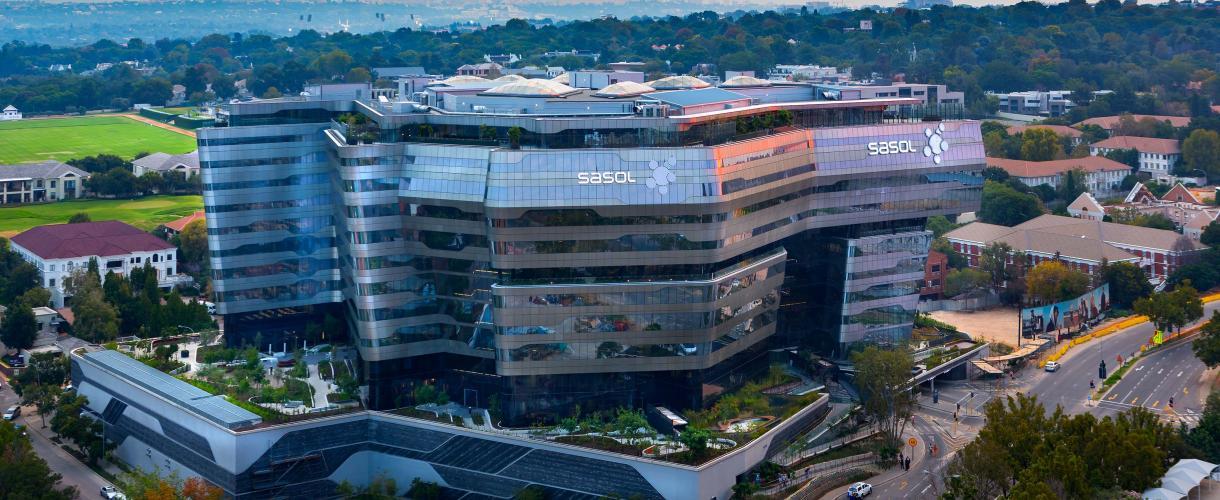
Sasol, Anglo American, and De Beers have entered into a Joint Development Agreement to pilot the production of feedstock for renewable diesel. Signed on Tuesday, 4 February 2025, the agreement represents a significant step in the effort to establish a renewable fuels value chain in South Africa.
The signing took place during the Investing in African Mining Indaba in Cape Town, with the primary objective of assessing the technical and commercial viability of feedstock production. The project will focus on Solaris and Moringa plantations to generate vegetable oil, which can be used as a feedstock for renewable diesel. Sasol’s existing infrastructure is capable of processing a range of feedstocks, allowing for the production of renewable diesel more efficiently and at a lower cost than greenfield projects.
Speaking at the signing ceremony, Dr Sarushen Pillay, executive vice president of Sasol’s business building, strategy, and technology portfolio, highlighted the transformative potential of renewable diesel. He stated: “Renewable diesel meets the technical standards of conventional diesel while significantly reducing greenhouse gas emissions. Our customers can use it as a ‘drop-in’ fuel in their existing equipment and machinery to meet their greenhouse gas reduction commitments. Partnering with Anglo American, we are exploring the development of a local and cost-effective supply chain for sustainable feedstock, leveraging vegetable oil to produce renewable diesel at our facilities. As we innovate for a better world, Sasol remains committed to helping customers navigate the energy transition while delivering high-quality, sustainable solutions for a low-carbon future.”
Anglo American’s projects and development director, Alison Atkinson, reinforced the importance of the initiative in supporting the company’s sustainability goals. She stated: “This project strengthens our commitment to reducing greenhouse gas emissions by 2040. It represents an important innovation in our sustainability journey and our efforts to establish carbon-neutral operations.
“We collaborated closely with De Beers to develop this partnership, building on their pre-feasibility studies on renewable diesel production trials within mining operations and host communities. De Beers is also providing more than 20 hectares of land for the trial feedstock plantations in Blouberg, Messina, Marble Hall in Limpopo, and the Voorspoed mine closure site in the Free State.”
While renewable diesel production in South Africa has not yet reached commercial scale, market engagement suggests a promising future. Growing demand from end customers, coupled with increasing decarbonisation targets, is driving the development of the country’s renewable fuels market.
Ports, terminals, and logistics facilities are traditionally designed to accommodate large vehicles and heavy cargo handling equipment. The increasing presence of smaller, more vulnerable road users, such as e-bikes and e-scooters, introduces unique challenges. These vehicles are less visible and less stable than their larger counterparts, complicating traffic management and increasing the risk of human-machine collisions. Terminal layouts and pavement conditions, typically engineered for heavy vehicles, are often unsuitable for smaller, battery-powered personal vehicles.
Cargo handling insurance specialist TT Club, with its extensive experience in terminal risk management, has raised concerns about these challenges. Neil Dalus, TT’s Risk Assessment Manager, highlights the specific hazards posed by terminal surfaces. “Terminals are designed to withstand high volumes and heavy loads, but the resulting wear and tear often leads to uneven road conditions. For smaller-wheeled battery electric vehicles, these conditions can be hazardous. Rail crossing points, especially when wet, and spills of cargo or oils further exacerbate risks. Two-wheeled vehicles, being less stable than four-wheeled vehicles, are particularly vulnerable,” he explains, stressing the need for caution when introducing such vehicles into these environments.
The use of electric personal vehicles also blurs the boundaries between user groups within logistics facilities, including pedestrians, plant operations, and handling equipment. TT Club recommends enhanced terminal traffic safety measures, incorporating licensing, training, and personal protective equipment (PPE) requirements to ensure the safe integration of these vehicles.
Another critical consideration is the charging and maintenance of these vehicles. Emerging data indicates a heightened risk of fire during the charging process, underlining the importance of thorough due diligence when procuring vehicles and their charging systems. Conducting fire risk assessments for charging locations is essential to mitigate potential hazards.
Dalus concludes by recognising the benefits of battery-powered personal transport, including decarbonisation and cost savings, but emphasises the importance of careful planning. “Integrating these vehicles into ports, terminals, and logistics facilities requires addressing safety risks through thoughtful strategies. Achieving this balance between innovation and safety will be critical to advancing a cleaner and safer working environment in the cargo handling industry.”
The integration of e-bikes and e-scooters into logistics operations presents a valuable opportunity for the industry, provided safety remains a top priority. With proper planning and risk management, these vehicles can contribute to a more sustainable and efficient cargo handling environment.
VIDA bioenergy has officially commenced construction on its second UK facility, VIDA bioenergy Wormslade, marking a significant milestone in the company’s commitment to delivering sustainable energy in the regions where its plants operate. Once operational, the facility is expected to generate enough energy to heat over 5,000 homes annually.
The groundbreaking ceremony was led by VIDA bioenergy CEO Lars Boetje, who was joined by Mark Newton, representing the Landowners, alongside project developer Biowatt and members of VIDA’s business development and construction teams. The facility is scheduled for completion within 18 months, with commercial operations set to begin in mid-2026.
Speaking at the event, Boetje emphasised the company’s dedication to sustainability, stating: “The Wormslade facility demonstrates our commitment to building a sustainable future. By converting agricultural by-products into clean biomethane, we’re not only supporting the UK’s renewable energy goals but also strengthening local communities and advancing the circular economy.”
VIDA bioenergy Wormslade will become the company’s third plant in Europe, joining its flagship operational facility in Tilburg, Netherlands, and the soon-to-be operational plant in Glentham, UK.
POSCO INTERNATIONAL, under the leadership of CEO Lee Kye-In, has achieved a significant milestone in its natural gas expansion efforts in Australia through its subsidiary, Senex Energy. The company marked the completion of Gas Processing Facility Unit 1 at the Senex Energy Atlas Gas Field in Queensland with a ceremony held on November 24th. The event was attended by notable figures, including Susan McDonald, Australian senator and shadow minister for Resources, as well as Gina Rinehart, executive chairman of Hancock Prospecting, and other Australian government officials.
Strategic Production Expansion
In 2022, POSCO INTERNATIONAL acquired Senex Energy in partnership with Hancock Prospecting, announcing plans to triple its annual natural gas output from 20 petajoules to 60 PJ. This expanded production equates to approximately 1.2 million tonnes of liquefied natural gas.
Located in eastern Australia, where energy demand is concentrated, Senex Energy is positioned to play a critical role in stabilising the region’s energy supply. According to the Australian Competition and Consumer Commission, eastern Australia faces a potential gas supply shortage as early as 2027.
To address this challenge, Senex Energy secured long-term gas supply contracts in 2023 with eight buyers for a total of 151 PJ of gas, ensuring both profitability and a contribution to alleviating the anticipated domestic supply gap.
New Facility Enhances Gas Infrastructure
The newly completed Gas Processing Facility Unit 1 is a pivotal component in Senex Energy’s production expansion. It processes natural gas by removing impurities, compressing it for high-pressure transport, and delivering it through pipelines to power plants and city gas networks across eastern Australia.
The facility’s completion underscores the steady progress of POSCO INTERNATIONAL’s production expansion project. Alongside the processing facility, the project includes drilling 280 production wells, constructing two additional gas processing facilities, and building gas pipelines. All components are on track for completion by the end of 2025.
Key Milestones Ahead
The test operations of Gas Processing Facility Unit 1 and its pipelines are slated for completion by the second quarter of 2025, with gradual sales of expanded gas production to follow. Gas Processing Facility Units 2 and 3 are scheduled to commence operations in the latter half of 2025, ensuring seamless execution of the company’s ambitious growth plans. By 2026, the increased supply is expected to meet over 10 percent of eastern Australia’s domestic gas demand.
Leadership Comments on Progress
During the ceremony, Senator Susan McDonald highlighted the critical importance of stable energy supplies and investment in domestic gas production. “Eastern Australia urgently needs a stable power supply, reduced energy costs, and job creation. Senex Energy is leading the way by bringing gas resources to the domestic market. This requires more exploration permits and larger investments,” she stated.
CEO Lee Kye-In of POSCO INTERNATIONAL expressed confidence in the progress, saying, “Today’s event signifies that Senex Energy is poised to become a leading energy company in Australia. POSCO INTERNATIONAL will continue to support Senex Energy to ensure the safe completion of its production expansion projects.”
Supporting Australia’s Energy Future
As part of its broader strategy, POSCO INTERNATIONAL is committed to enhancing energy infrastructure and meeting growing energy needs. The completion of Gas Processing Facility Unit 1 represents a key step in its journey toward bolstering Australia’s domestic energy security while supporting economic growth through job creation and stable power supply.
Adler & Allan, a leading provider of environmental risk reduction services, is pleased to announce the appointment of Dominic Casserley as chairman of the board and Monica Collings as a non-executive director. These strategic appointments underscore the company’s commitment to strengthening its leadership as it continues to expand and innovate in the environmental services sector.
Dominic Casserley brings extensive leadership experience in financial services, professional services, and private equity. With a distinguished career that includes serving as CEO of Willis Group and as a senior partner at McKinsey & Company, Dominic has a deep understanding of risk management, strategy, and business transformation. His leadership will be instrumental in guiding Adler & Allan through its next phase of growth and reinforcing its mission to support businesses in managing environmental risks and sustainability challenges.
Monica Collings joins the Board as a non-executive director, bringing a wealth of expertise in business transformation, customer engagement, and leadership within regulated industries. With background including executive roles across utilities and infrastructure, Monica’s insights will be invaluable in shaping Adler & Allan’s strategic direction and ensuring the company continues to deliver exceptional value to its customers and stakeholders.
Commenting on the appointments, Dominic Casserley said: “I am delighted to join Adler & Allan at such an exciting time. The company plays a crucial role in helping organisations navigate environmental challenges, and I look forward to working with the Board and leadership team to drive its continued success.”
Monica Collings added: “I am thrilled to join Adler & Allan’s Board and contribute to the company’s mission. As businesses face increasing environmental and regulatory pressures, Adler & Allan is uniquely positioned to provide essential expertise and solutions. I look forward to supporting its ongoing growth and impact.”
Henrik Pedersen, CEO of Adler & Allan, also welcomed the new appointments: “We are delighted to have Dominic and Monica join our Board at this pivotal time. Their experience and strategic insights will be instrumental in driving our mission to help businesses build resilience in an evolving environmental landscape. Their leadership will further strengthen our commitment to delivering innovative and effective environmental solutions for our customers.”
These appointments reflect Adler & Allan’s commitment to leadership excellence and its vision for a more sustainable and resilient future and follow’s the groups recent investment from Goldman Sachs Alternatives.
Vioneo has announced the appointment of Katja Wodjereck as chief commercial officer, where she will lead the company’s commercial strategy with a strong emphasis on global business expansion, partnerships, and advocacy.
Wodjereck joins Vioneo with extensive experience in sustainable products and the chemicals sector. She most recently served at Neste, initially as executive vice president of the Renewable Road Transportation division in April 2023 and subsequently as executive vice president of renewable products in November 2023. Prior to Neste, she held various leadership roles at Dow, including president and general manager of the DACH region and board positions.
Commenting on the appointment, Alex Hogan, CEO of Vioneo, said, “I am delighted to announce that Katja Wodjereck will become our chief commercial officer.” Her track record of commercialising sustainable products and her deep understanding of the industry leave her uniquely placed to drive the commercial success of the business.”
Wodjereck Shares Enthusiasm for Sustainable Vision
Expressing her excitement, Wodjereck stated, “I am thrilled to be joining Vioneo. Their mission to create fossil-free polymers truly resonates with my own values and what I believe we need for a sustainable future. It’s inspiring to see how Vioneo is revolutionising the industry by using green feedstock, ensuring everything is traceable, and taking real action to cut CO2 emissions. With A.P. Moller Holding’s support, Vioneo is paving the way for green methanol solutions and aims to lead the world in fossil-free polymer production. I can’t wait to work with all our stakeholders to make this ambitious vision come true.”
Advancing Fossil-Free Polymer Production
Vioneo is at the forefront of efforts to decarbonise the chemical sector by utilising green methanol to produce fossil-free polypropylene and polyethylene at a commercial scale. The company’s flagship plant, located in the Port of Antwerp, is set to produce approximately 300,000 tonnes of fossil-free virgin plastics annually.
Owned by A.P. Moller Holding, Vioneo is committed to revolutionising polymer production, ensuring traceability, and significantly reducing CO2 emissions to lead the transition toward a sustainable chemical industry.
The Southern African Power Pool (SAPP) is set to mark a major milestone by hosting its 30-Year Anniversary Gala Dinner on the 5th March 2025, during the upcoming Africa Energy Indaba 2025, taking place from 4 – 6 March in Cape Town, South Africa.
For three decades, SAPP has played a pivotal role in advancing regional electricity cooperation, enhancing energy security, and facilitating cross-border power trading among Southern African nations. This exclusive gala dinner will bring together industry leaders, policymakers, and key stakeholders to celebrate SAPP’s achievements, reflect on its journey, and discuss the future of energy collaboration in the region.
Stephen Dihwa, executive director of SAPP, emphasised the significance of this milestone: “For 30 years, SAPP has been instrumental in strengthening regional power interconnectivity and driving sustainable energy solutions across Southern Africa. This gala dinner at Africa Energy Indaba 2025 will not only celebrate our achievements but also set the stage for deeper collaboration as we work towards a more resilient and integrated energy future for the region.”
The SAPP 30-Year Anniversary Gala Dinner will provide an evening of networking, knowledge-sharing, and celebration, recognising the strides made in regional power integration and sustainable energy development.
ExxonMobil has announced that Liam M. Mallon, president of ExxonMobil Upstream Company and vice president of Exxon Mobil Corporation, will retire effective February 1, 2025. The board of directors has appointed Dan L. Ammann to succeed Mallon as president of ExxonMobil Upstream Company. Ammann will also continue to serve as vice president of Exxon Mobil Corporation. Additionally, Barry L. Engle has been named president of Low Carbon Solutions (LCS) and vice president of Exxon Mobil Corporation, effective January 1, 2025.
Acknowledging Contributions and Strengthening Leadership
“We thank Liam for his long-standing, dedicated service to the company, and we wish him all the best in his well-deserved retirement,” said Darren Woods, chairman and chief executive officer of ExxonMobil.
The appointments reflect ExxonMobil’s strategy of leveraging the diverse skills and experiences of its executive team. “These transitions bring fresh perspectives to our exceptionally talented organisations, challenging conventions and broadening our leadership approach,” Woods added.
Liam M. Mallon’s Career at ExxonMobil
Mallon has been with ExxonMobil since 1990, beginning his career in Aberdeen, Scotland. He has served as president of ExxonMobil Upstream Company since 2022, playing a pivotal role in advancing the company’s upstream operations.
Dan L. Ammann’s Expanded Role
Ammann joined ExxonMobil in 2022 as president of Low Carbon Solutions, where he spearheaded the development of profitable, large-scale emissions-reduction solutions for key industries. Before joining ExxonMobil, he was CEO of Cruise, an autonomous vehicle subsidiary of General Motors (GM), and previously served as GM’s president from 2014.
Barry L. Engle’s Appointment to Low Carbon Solutions
Engle, who joined ExxonMobil in September 2024, brings three decades of experience in the automotive industry, including leadership roles at GM. He previously served as president of GM North America, GM’s largest business unit, and as president of GM International.
These leadership changes underscore ExxonMobil’s commitment to innovation and organisational strength as it continues to address global energy challenges while expanding its low-carbon solutions portfolio.
Argent LNG LLC has chosen Baker Hughes, a leading energy technology company, to supply liquefaction solutions and related services for its proposed liquefied natural gas export facility in Port Fourchon, Louisiana. Baker Hughes will provide state-of-the-art liquefaction technology, power generation equipment, and gas compression systems for the facility, which is expected to produce approximately 24 million tonnes per annum of LNG. The announcement was made during Baker Hughes’ Annual Meeting in Florence, Italy.
The project will integrate Baker Hughes’ NMBL™ modularised LNG solution, powered by the high-efficiency LM9000 gas turbine. These prefabricated and tested modules will offer scalable and reliable LNG production while incorporating iCenter™ digital solutions powered by Cordant™ to enhance availability, reliability, and operational efficiency. Baker Hughes will also supply power generation units driven by LM9000 gas turbines and provide multi-year services to support Argent LNG’s terminal operations.
By leveraging its extensive expertise in LNG development, Baker Hughes aims to optimise project execution and streamline design, enabling Argent LNG to proceed with greater efficiency and financial stability.
Lorenzo Simonelli, chairman and CEO of Baker Hughes, highlighted the company’s role in advancing LNG technology, stating, “Today’s announcement is a further testament to the technology capabilities that we have built over the past 30-plus years in LNG. This collaboration with Argent LNG underscores our commitment to delivering advanced, best-in-class LNG solutions. As global energy demand continues to grow, we are committed to providing innovative technology solutions to the LNG industry, a key supplier of reliable and affordable energy to many countries around the world.”
Jonathan Bass, chairman and CEO of Argent LNG, emphasised the strategic importance of the partnership, noting that Baker Hughes’ cutting-edge technology, established market presence, and commitment to innovation align with Argent LNG’s vision for transformative energy solutions. He further stated that the collaboration enhances the project’s bankability by leveraging Baker Hughes’ industry leadership and expertise.
Phase 1 of construction is scheduled to begin in 2026, with commercial operations expected by 2030. Phase 2, aimed at expanding capacity, is progressing through key milestones, including resource reporting, securing Federal Energy Regulatory Commission approvals, formalising gas supply agreements, and achieving financial close.
Baker Hughes anticipates receiving equipment orders as the Argent LNG project advances and reaches final investment decision, reinforcing its long-term role in the success of the project.
The Port of Rotterdam has expressed strong support for the second EU Hydrogen Bank auction, which includes a dedicated budget to encourage maritime offtakers. The initiative aims to bridge the cost gap for hydrogen projects, supporting the development of sustainable production capacity and advancing the decarbonisation of the maritime sector—one of the most challenging industries to transition to cleaner energy.
The auction is a crucial EU support mechanism designed to promote the adoption of hydrogen as a sustainable fuel. The maritime budget is particularly significant, addressing the unique energy demands of shipping and enabling progress towards a greener future for the sector.
Rotterdam as a Hydrogen Hub
The Port of Rotterdam is well-positioned to facilitate the auction as Europe’s largest energy and bunker hub. Its advanced infrastructure includes existing storage facilities and a robust bunkering ecosystem capable of serving both industrial and shipping needs.
Currently, the port supports the bunkering of sustainable fuels such as bio-methanol, liquefied bio-methane, and bio-blended fuel oil on a regular basis. Preparations are also underway to enable the safe and efficient bunkering of ammonia and liquid hydrogen, further enhancing its capacity to meet future energy demands.
Engagement and Collaboration Opportunities
Recognising that the auction process may be new to some maritime stakeholders, the Port of Rotterdam encourages fuel suppliers and maritime offtakers to participate and collaborate in advancing sustainable energy solutions. Interested parties are invited to reach out to Steven Jan van Hengel or Floor H. for guidance, matchmaking opportunities, and support in navigating the auction process.
This initiative reinforces Rotterdam’s commitment to fostering innovation and sustainability in the maritime sector, advancing its role as a leading energy hub in Europe while contributing to global efforts to reduce emissions.
ONEOK, Inc. and MPLX LP have entered into definitive agreements to form joint ventures for the construction of a large-scale liquefied petroleum gas export terminal in Texas City, Texas, and a 24-inch pipeline connecting ONEOK’s Mont Belvieu, Texas, storage facility to the new terminal.
Texas City Logistics LLC, the export terminal joint venture, will be equally owned by ONEOK and MPLX, with MPLX responsible for construction and operations. The facility is expected to be completed in early 2028, with both companies investing approximately 700 million dollars each, bringing the total project cost to 1.4 billion dollars. The terminal will leverage existing infrastructure at Marathon’s location, providing efficiencies in construction timing and costs.
Designed with a loading throughput capacity of 400,000 barrels per day, the terminal will primarily handle low ethane propane and normal butane. ONEOK and MPLX will each have contractual rights to 200,000 bpd for their respective customers.
MBTC Pipeline LLC, the pipeline joint venture, will be majority-owned by ONEOK (80 percent) with MPLX holding a 20 percent stake. ONEOK will oversee the pipeline’s construction and operations. The total investment in the pipeline is estimated at 350 million dollars, with ONEOK contributing approximately 280 million dollars and MPLX investing 70 million dollars.
ONEOK’s total capital investment for these projects is expected to be approximately 1 billion dollars.
Pierce H. Norton II, president and chief executive officer of ONEOK, highlighted the strategic importance of the collaboration, stating, “We are excited to collaborate with MPLX on these strategically located projects, which expand and extend our NGL value chain, providing additional optionality and value to our customers. Given our high expectations for future growth and demand for more energy infrastructure, including export capacity, these projects with MPLX complement our disciplined capital allocation strategy.”
ONEOK is a leading midstream operator that provides gathering, processing, fractionation, transportation, and storage services. With an extensive 60,000-mile pipeline network, the company plays a key role in transporting natural gas, natural gas liquids, refined products, and crude oil to meet domestic and international energy demand. As one of North America’s largest diversified energy infrastructure companies, ONEOK is committed to delivering safe, reliable, and responsible energy solutions.
EEMUA has released Edition 4 of EEMUA 191, Alarm systems – A guide to design, management and procurement.
Since it was first published in 1999, EEMUA 191 has become the globally accepted and leading guide to good practice for all aspects of alarm systems.
The new edition has been comprehensively updated and restructured to improve ease of use. The terminology has been aligned to that used in the latest editions of the standards and the opportunity has been taken to include new material on alarm management for remote sites.
Alarm systems form an essential part of the operator interfaces to large modern industrial facilities. They provide vital support to the operators by warning them of situations that need their attention and have an important role in preventing, controlling and mitigating the effects of abnormal situations.
EEMUA 191, developed by the users of alarm systems in industry, gives comprehensive guidance on designing, managing and procuring an effective alarm system. It is intended to help in improving existing systems and in developing new facilities during plant construction or during alarm system refurbishments. Both of the international standards for the management of alarm systems for the process industries, ISA 18.2 and IEC 62682: 2023, are aligned with EEMUA 191.
EEMUA 191 is primarily concerned with alarm systems provided for people operating industrial processes. These include alarm systems in industries such as chemical manufacture, power generation, oil and gas extraction and refining and others. However, much of the guidance is generic and with appropriate interpretation can be applied in other sectors. The guide has been used successfully as a basis for training in the rail and transport sectors, in the nuclear industry, and elsewhere.
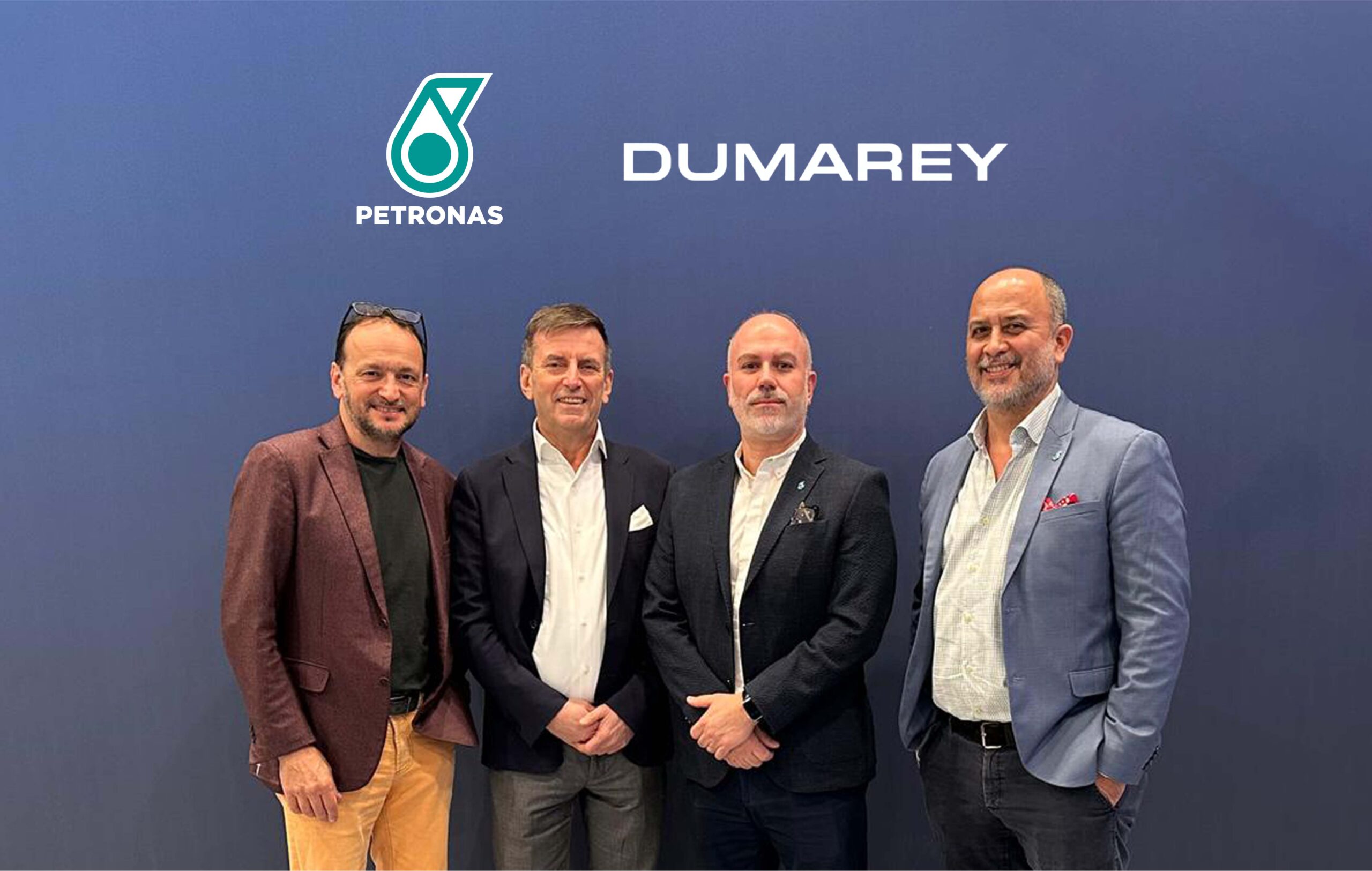
PETRONAS Lubricants International, a global leader in lubricant technology through its Fluid Technology Solutions™, has signed a partnership agreement with Dumarey Group, a specialist in propulsion system development and production. The collaboration aims to advance the development of engine oils for alternative fuels and high-performance fluids for new energy vehicles.
By leveraging data analytics and connectivity, the partnership seeks to enhance predictive systems that determine the optimal timing for fluid replacement in customer applications. Additionally, both companies are exploring the development of injectors suitable for low-carbon fuels, reinforcing their commitment to sustainable mobility solutions.
Giuseppe Pedretti, regional managing director EMEA of PETRONAS Lubricants International, emphasised the significance of the partnership in supporting carbon neutrality targets. He highlighted the synergy between PETRONAS Lubricants’ expertise in fluid technology and Dumarey’s advanced propulsion systems as a key driver in developing solutions that reduce emissions and improve fuel efficiency.
Pierpaolo Antonioli, chief technology officer of Dumarey Group, expressed enthusiasm for the collaboration, noting that PETRONAS Lubricants’ deep understanding of fluid technology would enhance the performance and durability of Dumarey’s hydrogen combustion engines and electrified propulsion systems. He underscored the partnership’s role in delivering cutting-edge solutions for sustainable transportation.
Both companies are committed to accelerating the automotive industry’s transition towards sustainability by identifying and capitalising on commercial opportunities that support environmental goals. The collaboration will enable them to strengthen market positions, expand product portfolios, and reduce time-to-market for innovative solutions.
As part of the agreement, PETRONAS Lubricants International and Dumarey Group will promote their respective products and services while exploring joint initiatives and funded projects. The primary objective is to develop groundbreaking technologies that contribute to a low-carbon economy and drive the future of mobility.
Sensor specialist Baumer has launched the PFM43, a robust and economical electromagnetic immersion flow sensor designed for water pressures up to 100 bar. Tailored for large flow applications such as pumping stations, the PFM43 supports pipe diameters ranging from DN80 to DN2000, making it an efficient solution for industrial-scale operations.
Unlike traditional magmeter devices, which are often heavy, costly, and require extensive installation with heavy equipment, the PFM43 offers a lightweight and user-friendly alternative. Weighing a maximum of just 5 kg, it can be installed by a single person, even on large pipe systems, providing significant time and cost savings. Additionally, it is designed for retrofitting into existing pipelines, further reducing installation complexity and expenses.
With a measuring deviation of less than 2 percent, the PFM43 ensures precise volume flow, flow velocity, and temperature measurements. This level of accuracy is essential for the efficient operation of industrial water flow systems, where precise control can result in cost savings and improved performance.
The PFM43 is easy to commission, thanks to its compatibility with the Baumer Control Panel. Users can quickly parameterise the device via a USB connection, simplifying setup and reducing downtime. Its lightweight design also minimises maintenance challenges and lowers storage costs, making it a practical choice for operators.
The PFM43 enhances Baumer’s comprehensive range of sensors for the water industry and other large-flow applications. Its innovative design, cost-efficiency, and operational accuracy make it a valuable addition to the toolkit of engineers managing high-pressure water systems.
VTTI and Snam, prominent leaders in energy infrastructure, have completed the acquisition of shares in Terminale GNL Adriatico S.r.l., the owner of Italy’s largest liquefied natural gas regasification terminal, located offshore Porto Tolle (Rovigo).
The transaction follows VTTI’s initial agreement, announced on 3 April 2024, to acquire a majority stake in Adriatic LNG. Snam exercised its pre-emption rights during this process, increasing its ownership from 7.3 percent to 30 percent. VTTI now holds the remaining 70 percent stake, with the deal finalised following regulatory approvals.
As part of the new structure, Alexandra Thomas has been appointed CEO and Alessandro Conta COO of Adriatic LNG.
Alexandra Thomas joins from Neptune Energy, where she served as managing director for Egypt. She has held leadership roles at Statoil, Shell, Vattenfall, and Tullow Oil, with extensive experience managing operations across Europe and Africa.
Alessandro Conta brings expertise from Snam Rete Gas, where he managed complex oil and gas systems and infrastructure.
Strategic Importance
The Adriatic LNG terminal is vital for ensuring energy security and diversification for Italy and Europe. LNG currently accounts for 25 percent of Italy’s gas consumption, with Adriatic LNG supplying over 8 billion cubic meters to the national grid in the first 11 months of 2024—representing 15 percent of Italy’s total consumption.
Guy Moeyens, CEO of VTTI, highlighted the strategic alignment of Adriatic LNG with VTTI’s global energy transition goals: “Facilitating LNG import and distribution aligns with VTTI’s strategy to support the energy transition and secure supply. Together with Snam, we will leverage this asset as a secure and reliable energy source for Italy and Europe.”
Stefano Venier, CEO of Snam, emphasised the transaction’s impact on Italy’s energy landscape: “This milestone enhances diversification and security in Italy’s energy supply chain. With a 30 percent stake in Adriatic LNG, Snam reinforces its position as a key player in Europe’s LNG regasification market, contributing to critical energy infrastructure for the nation.”
VTTI’s Energy Transition Strategy
Adriatic LNG marks VTTI’s second major LNG regasification terminal investment, following its 50 percent stake in Dragon LNG in the UK. This move aligns with VTTI’s Strategy 2028, which focuses on transitioning half of its earnings to sustainable and transitional energy sources, including renewable natural gas, hydrogen infrastructure, and LNG regasification.
Snam’s Expanding LNG Portfolio
The acquisition bolsters Snam’s presence in the LNG sector, complementing its stakes in Italy’s other key terminals:
Panigaglia Terminal (La Spezia) operational since 1971.
OLT FSRU Toscana offshore Livorno, active since 2013.
FSRU Italis LNG (Piombino), operational since July 2023.
BW Singapore FSRU, set to begin operations in 2025 near Ravenna.
Combined, these facilities will expand Italy’s regasification capacity to 28 billion cubic meters annually, equalling the volume of gas imported via pipelines from Russia pre-2021.
A Vital Contributor to Italy’s Energy Mix
Adriatic LNG remains Italy’s third-largest source of gas imports, following pipelines from Algeria and Azerbaijan. With the enhanced partnership between VTTI and Snam, the terminal is set to play an even greater role in supporting Italy’s energy security and facilitating its transition to cleaner, diversified energy sources.
Baker Hughes, a leading energy technology company, has been awarded a significant contract by ExxonMobil Guyana to provide speciality chemicals and related services for the Uaru and Whiptail offshore greenfield developments in the Stabroek Block. The announcement was made during Baker Hughes’ 25th Annual Meeting in Florence, Italy.
The multi-year agreement covers all topsides, subsea, water injection, and utility chemicals for the Errea Wittu and Jaguar floating production storage and offloading vessels. Both vessels are currently under development, with production targeted to commence in 2026 and 2027, respectively. Leveraging extensive experience in Guyana, Baker Hughes has established local supply chains to ensure a reliable and efficient source of chemicals tailored to the specific requirements of these projects.
“ExxonMobil Guyana and Baker Hughes share a long history of supporting Guyana’s energy sector, and we look forward to working together to write its next chapter,” stated Amerino Gatti, executive vice president of Oilfield Services & Equipment at Baker Hughes. “Our experience operating across the country’s energy supply chain and unmatched expertise in oilfield and industrial chemicals make Baker Hughes uniquely suited to support complex FPSO operations such as these.”
The Uaru and Whiptail projects represent ExxonMobil Guyana’s fifth and sixth developments in the country. The two projects will include up to 20 drill centres and 92 production and injection wells. Each FPSO will have a production capacity of 250,000 barrels per day, increasing Guyana’s total daily production capacity to approximately 1.3 million barrels.
Baker Hughes has a strong track record of localisation in Guyana, underscored by the opening of a multimodal supercenter in Georgetown in 2022. The company continues to provide a range of services and equipment to operators in the country, including turbomachinery for ExxonMobil Guyana’s FPSO fleet and production chemicals for the Liza Unity vessel.
Colonial Terminals, based in Savannah and recognised as an industry leader in the handling and storage of liquid and dry bulk products, has announced the appointment of Robert Neumann as vice president of sales and marketing. The company operates the largest independent liquid and dry bulk storage facilities with breakbulk capabilities in the Southeastern United States.
Ryan Chandler, president of Colonial Terminals, praised Neumann, stating, “Rob possesses a rare combination of operational experience and commercial savvy in the bulk commodity space. He understands that sustained growth in our industry is a function of the depth and quality of our customer relationships combined with best-in-class service and support.”
In his new role, Neumann will focus on expanding Colonial Terminals’ product handling portfolio by implementing a commercial strategy, enhancing existing customer partnerships, and developing new business opportunities to support the company’s long-term growth objectives.
Neumann brings over 18 years of experience in various commercial and operational roles at Cargill, where he worked with a range of commodities and specialty chemicals. He subsequently served as vice president of oleo-alternative chemicals at Genomatica. Most recently, he led Ingevity Performance Chemical’s expansion into new markets, feedstocks, and products as vice president of oleochemicals.
Founded in 1934, Colonial Terminals currently operates seven terminals—five in Georgia and two in Wilmington, North Carolina—boasting a total liquid capacity of approximately eight million barrels and a total dry capacity of around 200,000 tonnes of vertical storage, alongside 400,000 square feet of covered flat storage and substantial outside storage acreage. Each terminal is strategically located near world-class container ports, providing access to both ocean and land-based logistics networks, as well as global and regional sourcing and distribution pathways.
Neumann holds a Bachelor of Science in chemical engineering from the University of Cincinnati and a Master of Business Administration from the University of Chicago Booth School of Business, with specialisations in finance, strategic management, and economics.
Expressing his enthusiasm for joining Colonial Terminals, Neumann remarked, “I was drawn to Colonial by the company’s demonstrated core values of service, integrity, entrepreneurship, and family over the past 100+ years. I look forward to building on those strong foundations for the next chapter in our growth story.” Neumann and his wife, Christie, have two children and currently reside in Charleston, South Carolina, with plans to relocate to the Savannah area in the coming year.
McDermott International has been awarded a front-end engineering design contract by Repsol Exploración México S.A. for the development of the Polok and Chinwol fields, located in the Gulf of Mexico.
The scope of the contract includes comprehensive FEED services for the engineering, procurement, construction, and installation of subsea, umbilicals, risers, and flowlines for the field development project.
Commenting on the award, Mahesh Swaminathan, McDermott’s senior vice president of Subsea and Floating Facilities, stated: “Our extensive experience in subsea engineering and in-house EPCI capabilities uniquely position us to deliver innovative and efficient FEED solutions for Repsol’s development of the Polok and Chinwol fields. We look forward to advancing this project with a strong focus on cost-effectiveness, safety, efficiency, and quality delivery.”
Engineering delivery for the project will be spearheaded from McDermott’s Houston office, leveraging the company’s established expertise in offshore field development.
This contract reinforces McDermott’s role as a leading partner in complex subsea projects and highlights its commitment to delivering tailored solutions to advance Repsol’s operations in the Gulf of Mexico.
Gasum has announced the successful acquisition of 100 percent of the shares in the Danish company Hærup Biogas ApS, a deal that was publicly disclosed on November 18. Hærup Biogas ApS operates a biogas plant located in the northern region of mainland Denmark. As part of its plans, Gasum intends to invest in a gas upgrading unit and establish a connection to the gas grid for the plant, aiming to maximise its existing production capacity.
This acquisition marks Gasum’s inaugural entry into the biogas sector in Denmark. It aligns with the company’s strategic objective to supply seven terawatt hours (7 TWh) of renewable gas to the Nordic market annually by the year 2027. Meeting this ambitious target is projected to lead to a significant reduction in carbon emissions, amounting to 1.8 million tonnes of carbon dioxide per year for Gasum’s customers. This initiative underscores Gasum’s commitment to enhancing its renewable energy portfolio and contributing to a more sustainable future in the Nordic region.
QatarEnergy and Shell have signed a new long-term Sale and Purchase Agreement for the supply of three million tonnes per annum of liquefied natural gas to China.
Deliveries under the agreement are set to begin in January 2025, reflecting both companies’ commitment to addressing the growing global demand for energy. The SPA also underscores the expanding role of China as a major LNG consumer, with the nation projected to become the largest LNG market worldwide.
His excellency Mr. Saad Sherida Al-Kaabi, minister of state for energy affairs and president and CEO of QatarEnergy, expressed satisfaction with the partnership, stating: “We are pleased to enter into this new long-term LNG SPA with our trusted partner, Shell. This agreement helps meet the requirements of Shell’s end customers in China and enhances our contributions to meeting the needs of LNG end-users worldwide.”
H.E. Al-Kaabi further emphasised the strength of the collaboration between QatarEnergy and Shell, noting: “This SPA marks the 11th LNG supply contract between us, serving as a testament to our enduring partnership. It underlines our consistent ability to meet the diverse requirements of our customers and partners globally. I extend my appreciation to Shell’s management and working teams for the successful conclusion of this SPA.”
The agreement highlights the strategic cooperation between QatarEnergy and Shell as they continue to play a pivotal role in meeting the energy needs of global markets while supporting China’s growing demand for cleaner energy sources.
At Advario, corporate social responsibility (CSR) transcends mere commitment; it serves as a vital link to the communities surrounding their terminals. In 2024, teams across the globe united to contribute to local initiatives, striving to make a significant impact on both individuals and the environment.
The organization’s focus centers on supporting resilient communities and preserving natural habitats. Initiatives ranged from empowering seniors with digital skills in China and mentoring youth in Belgium to donating blood in Finland and promoting environmental cleanliness in Texas. These activities showcased the strength of collective care and action.
These efforts reflect the essence of Advario: local action with a global impact. By taking ownership of these initiatives, employees cultivate meaningful relationships and foster lasting change in the communities they serve. Their dedication serves as an inspiration to continue building a future grounded in empowerment, connection, and sustainability.
ADNOC’s West Aquifer carbon dioxide storage project in the UAE has received a Certificate of Feasibility from DNV, marking a pivotal advancement in the Middle East’s carbon capture and storage initiatives. This milestone aligns with ADNOC’s commitment to achieving net-zero emissions by 2045 and supports the UAE’s overarching Net Zero 2050 Strategy.
The Certificate of Feasibility, based on DNV-SE-0473 and the ISO 27914 standard, verifies the suitability of the West Aquifer’s Simsima and UER saline reservoirs for CO2 storage. This initial subsurface assessment establishes the foundation for ADNOC’s long-term decarbonisation strategy, focusing on reducing emissions at the Ruwais industrial site and scaling CCS capabilities.
The certification is a significant step forward in ADNOC’s plans to expand carbon capture capacity to 10 million tonnes per annum by 2030. Santiago Blanco, DNV’s Executive Vice President for Energy Systems in the region, emphasised the importance of this development, stating:
“Certifying the West Aquifer CO2 storage site is an important milestone, not just for ADNOC but for the region’s commitment to addressing climate challenges. This project serves as a tangible step toward meeting the UAE’s Net Zero goals and highlights the vital role that CCS will play in shaping a sustainable energy future.”
ADNOC senior vice president for New Energies, Hanan Balalaa, noted the company’s track record in CCS deployment, saying:
“We will continue to work with our partners and customers to develop and scale up this technology.”
The certification further underscores the importance of independent verification to ensure the adoption of best practices in CO2 storage and industrial decarbonisation.
According to DNV’s 2024 Energy Transition Outlook, CCS technology is integral to achieving net-zero targets, especially in hard-to-abate sectors. ADNOC’s West Aquifer project exemplifies how advanced carbon management solutions can mitigate industrial emissions, setting a benchmark for future regional and global initiatives.
The successful certification highlights ADNOC’s leadership in integrating CCS technologies within its operations, demonstrating a scalable and sustainable model for carbon management in the energy sector.
Osaka Gas Co., Ltd. (president: Masataka Fujiwara) and Sylvera Ltd. (CEO: Allister Furey), a carbon markets data company, have signed a Memorandum of Understanding to collaborate on improving the quality assessment of carbon credits. This alliance aims to address the growing need for reliable carbon credits as businesses increasingly offset greenhouse gas emissions as part of their carbon-neutral strategies.
As global demand for carbon credits is projected to reach up to 100 trillion credits by 2030, the need for stringent quality assessments has become crucial. Ensuring the integrity of carbon credits helps mitigate risks such as greenwashing and price volatility while fostering trust in the market.
Sylvera, a leader in carbon market data, provides comprehensive ratings for carbon credit projects. Using expert analysis, robust evaluation frameworks, and extensive datasets, the company helps organisations make informed decisions regarding carbon credit trading and investments. Their ratings are widely adopted to ensure the selection of high-quality carbon credits.
Osaka Gas has pioneered the development of an AI system that conducts rapid, preliminary evaluations of carbon credit quality. By leveraging generative AI, the system analyses project plans and assesses their alignment with multiple criteria. Initially applied to the biochar sector, the system has demonstrated high accuracy in its assessments.
Under the new alliance:
Sylvera will support the expansion and refinement of Osaka Gas’s AI system, broadening its application across various carbon credit sectors.
Osaka Gas will facilitate Sylvera’s engagement with Japanese companies to ensure better trading and investment in high-quality carbon credits.
Both companies are committed to achieving carbon neutrality by 2050. By enhancing the quality of traded and invested carbon credits, they aim to contribute to global decarbonisation efforts and strengthen the credibility of carbon offset mechanisms.
This collaboration highlights a significant step toward ensuring that carbon credits become a reliable tool in combating climate change.
OMV Petrom, the largest integrated energy producer in Southeastern Europe, has entered a strategic partnership with NewMed Energy Balkan, a subsidiary of Israel’s leading natural gas and condensate exploration company, NewMed Energy. The collaboration aims to advance exploration efforts in the Han Asparuh offshore block, located in the western Black Sea off Bulgaria.
Under the agreement, OMV Petrom will transfer a 50 percent interest in the project to NewMed Energy Balkan while retaining its role as the project operator. In return, NewMed Energy will cover a significant portion of the costs related to exploration and appraisal operations. The transaction is expected to close in the first half of 2025, pending the fulfilment of commercial conditions and approval from Bulgarian authorities.
Significance of the Han Asparuh Offshore Block
The Han Asparuh block spans an area of 13,712 square kilometres with water depths of up to 2,000 metres. Positioned south of Romania’s Neptun Deep block, it is a critical exploration site with geological similarities to other successful offshore operations. Exploration activities began in 2012, encompassing geological and geophysical surveys and the drilling of three exploration wells. A comprehensive 3D seismic survey completed in May 2020 has identified potential drilling targets.
This partnership reflects a shared commitment to enhancing energy security in Bulgaria and the region. The collaborative approach allows the parties to distribute the risks and costs associated with exploration, fostering progress in the development of regional energy resources.
Executive Commentary
Cristian Hubati, member of OMV Petrom’s executive board responsible for exploration and production, stated: “With operator experience in shallow and deep waters of the Black Sea, OMV Petrom brings extensive expertise to the region. Given its proximity to Romania and geological similarities, Bulgaria is a natural extension of our offshore activities. Advancing exploration activities in Bulgaria has the potential to support the security of energy supply in Bulgaria and the region.”
The partnership positions OMV Petrom and NewMed Energy as key contributors to energy diversification and sustainability efforts in Southeastern Europe.
ROSEN USA has announced the expansion of its facility in Gahanna, Ohio, located in the Columbus metropolitan area, to accommodate the growing needs of the energy sector. The expanded facility was officially inaugurated during a ribbon-cutting ceremony on November 14, 2024. Attendees included project partners Turner Construction and Gensler Architecture, ROSEN leadership and employees, and Gahanna Mayor Laurie Jadwin.
Initially opened in 2014, the Gahanna facility is expanding with the addition of a 45,455-square-foot space dedicated to shop and office use. The new infrastructure aims to improve operational efficiency by 400 percent and enhance safety through advanced designs, equipment upgrades, and crane installations. Employee-focused amenities have also been introduced to foster a better working environment.
This expansion solidifies the facility’s role in regional asset integrity support, employing advanced technologies like Electro-Magnetic Acoustic Transducer (EMAT) and Ultrasonic Testing for pipeline inspections. Currently staffed by 68 employees, the site expects to grow its workforce by approximately 35 positions in the coming years.
Strategic Commitment to Growth
Erik Cornelissen, CEO of the ROSEN Group, emphasised the strategic importance of this expansion: “This move underscores our commitment to driving growth and strengthening our position in this sector. By extending our reach, we are not only meeting the rising demand but also reinforcing our leadership in the market.”
Joel Coleman, vice president of business collaboration at ROSEN USA, highlighted the local impact: “This expansion is a direct result of our dedication to continuously improving the quality of service to our customers and is made possible by the talent and hard work of our Gahanna-based team.”
The expanded facility is expected to attract talent from the local population and nearby academic institutions, providing stable employment opportunities and career growth for residents. It also enhances ROSEN’s capacity to assist pipeline operators in maintaining energy infrastructure, a critical need as aging systems and climate challenges threaten the reliability of energy supply.
With pipelines poised to play a crucial role in distributing future fuels like hydrogen, ROSEN’s advanced inspection technologies ensure the safety and efficiency of these networks, supporting energy sustainability and innovation.
This facility expansion further positions ROSEN as a leader in pipeline asset integrity, reinforcing its commitment to operational excellence and the broader energy transition.
Storagetech, a leading provider of engineering solutions for the oil, gas, and petrochemical industries, has successfully completed the delivery of advanced CO₂ storage tank vent absorbers for the Olefins Expansion Project by Orlen in Poland. This project marks a significant milestone as Poland’s first large-scale petrochemical development of its kind.
The Olefins Expansion Project is a landmark initiative aimed at dramatically increasing Orlen’s production capacity while maintaining high environmental and operational standards. Storagetech’s CO₂ Storage Tank Vent Absorber, developed through extensive research by its dedicated R&D team, is a vital component in achieving the project’s objectives of efficient gas management and reduced greenhouse gas emissions.
The absorber is designed to minimise CO₂ emissions during storage operations by capturing and safely handling vented gases. Its carefully optimised design and use of high-performance materials ensure reliable functionality under demanding conditions. This product showcases Storagetech’s commitment to developing effective and reliable solutions for modern industrial challenges.
Mr. Hasan Sarioglu, R&D manager of ERGIL, commented on the product’s evolution: “This absorber reflects years of rigorous research and development aimed at meeting critical environmental needs in industrial operations. While it has already demonstrated exceptional reliability and efficiency, we remain committed to improving its design and performance to keep pace with industry advancements and client expectations.”
Manufactured at Storagetech’s advanced production facility in Mersin, Turkey, the absorbers were delivered punctually and in full compliance with the project’s specifications. This accomplishment underscores Storagetech’s expertise in managing complex engineering and manufacturing projects and delivering tailored solutions for its clients.
The successful completion of this project solidifies Storagetech’s position as a trusted partner in the global petrochemical industry and highlights its ability to deliver innovative, practical, and sustainable solutions.
Exolum has introduced a new business line, H2ROAD, aimed at spearheading the energy transition by offering efficient and optimised integrated logistics solutions throughout the hydrogen value chain. This initiative aligns with global decarbonisation objectives, strengthening Exolum’s commitment to sustainable energy solutions.
H2ROAD focuses on developing infrastructure for hydrogen logistics, encompassing design, investment, installation, operation, and maintenance. These efforts span the entire chain, from production sites to final delivery to consumers. This includes facilities for compression, storage near production sites, transport, intermediate storage, and distribution infrastructure near consumption points for both mobility and industrial applications. Exolum assumes responsibility for commissioning and operating these systems, ensuring stringent quality and quantity controls.
Additionally, the business line facilitates the creation of hydrogen import and export hubs at ports, connecting them to production and storage facilities. Depending on client needs, Exolum can integrate at various stages of the logistics chain.
Leveraging its expertise in managing secure and efficient logistics networks, Exolum uses IT-controlled systems to optimise costs and logistics processes. An advanced simulation and optimisation tool supports H2ROAD by integrating various projects within its portfolio, reducing transport flows and enhancing cost-efficiency across the logistics network.
H2ROAD benefits from partnerships with established suppliers and service providers in the hydrogen sector, enabling reduced costs and expedited delivery times. Exolum’s approach aims to eliminate logistics as a barrier to hydrogen adoption. Among its innovative offerings, H2ROAD is set to introduce two portable hydrogen stations capable of supplying hydrogen at 350 and 700 bar for mobility applications.
With H2ROAD, Exolum consolidates its position as a significant contributor to the global shift toward low-carbon energy systems. This initiative underscores Exolum’s dedication to sustainability, leveraging its logistical expertise to meet the growing demands of the hydrogen economy.
Ixora Energy has officially rebranded as ENGIE, marking a transformative step in its mission to support the energy transition across the UK and Ireland. Now part of ENGIE, a global leader in low-carbon energy and sustainable services, the company is poised to expand its offerings and capabilities in line with the growing demand for sustainable energy solutions.
ENGIE is dedicated to driving the global energy transition through the provision of renewable and low-carbon energy solutions. The organisation operates with over 1,200 employees across the UK and Ireland, specialising in renewable energy generation, flexible energy storage, and decarbonisation strategies for businesses, regional authorities, and individuals.
The company’s renewable energy portfolio includes solar power, onshore and offshore wind farms, and biomethane production. These resources are complemented by flexible energy storage systems for both electricity and gas. ENGIE supplies energy to over 17,000 business customers, equating to the energy needs of approximately 1.1 million homes, while providing advanced energy risk management and asset optimisation services.
The transition to ENGIE underscores the company’s commitment to achieving Net Zero carbon emissions and fostering a sustainable energy future. ENGIE’s comprehensive solutions range from energy procurement to innovative decarbonisation initiatives, enabling clients to meet their sustainability targets effectively.
As part of ENGIE, Ixora Energy will continue its expertise in anaerobic digestion while contributing to ENGIE’s broader mission of shaping a low-carbon future. This rebranding aligns the company with a global vision for sustainability, offering expanded resources and solutions to tackle the challenges of climate change and energy transition.
With this new chapter, ENGIE reinforces its leadership role in the energy sector, building on its experience and expertise to deliver cleaner, more sustainable energy solutions across the UK and Ireland.
Cargill NV has successfully launched its new lecithin production process at its Antwerp facility with the delivery of seven custom-designed stainless steel tanks by Gpi Tanks. These tanks are critical for optimising the lecithin production line, which processes rapeseed to produce high-value lecithin, a shift from the current method where lecithin is returned to flour.
Project Scope and Objectives
The project involved four process tanks and three storage tanks to support the expanded production capacity. The process tanks serve as buffer and mixing tanks, facilitating lecithin standardisation and drying. The finished lecithin product is stored in the insulated stainless steel storage tanks, which maintain product quality by keeping it warm.
Tank Specifications
Process Tanks: Constructed from 304L and 316L stainless steel, with capacities of up to 50 m³, these tanks feature conical bottoms, full insulation, and specific fittings, including Zimmerlin manholes and an agitator for efficient mixing.
Storage Tanks: Three 90 m³ tanks, standing 11 metres tall, are fitted with pillow plate jackets for temperature control, a sloping flat bottom for complete product drainage, and enhanced safety features like cage ladders and walking platforms.
All tanks are certified under Vlarem 2 standards, ensuring compliance with safety and environmental regulations.
Project Execution
The timing of tank delivery and installation was crucial as the tanks had to be installed before the facility construction was completed. Despite this challenge, Gpi adhered to the agreed timeline, transporting the tanks efficiently by road. Cargill’s project group managed the placement and installation, supported by Gpi, which provided additional recalculations and adjustments during commissioning.
Strategic Importance
This initiative makes Cargill’s Antwerp site the first rapeseed processing facility within the company to integrate lecithin production, setting a benchmark for future projects. The optimised production process not only enhances operational efficiency but also contributes to the company’s strategic growth in high-performance vegetable oil products.
Jonas Thys, production engineer at Cargill, praised the collaboration: “I am very satisfied with how this project went and can only recommend Gpi for further projects within Cargill.”
The successful execution of this project underscores the value of strategic partnerships and innovative engineering in driving operational advancements and supporting sustainable business practices.
Inter Terminals Sweden AB and Nynas AB, a global leader in high-performance bitumen and naphthenic specialty products, have announced the launch of “Newflow,” a joint energy efficiency initiative. The project aims to upgrade two tanks to enhance operational efficiency and reduce environmental impact.
Key components of the Newflow project include insulating the tanks and increasing pump speeds. The upgrades will deliver significant benefits, including:
Enhanced energy efficiency: Improved insulation will reduce heat loss.
Faster product handling: Optimised temperature control will shorten berth times significantly.
Reduced energy consumption: This will lower the facilities’ carbon footprint.
An innovative epoxy fixing method enables the insulation work to be completed without welding, allowing the tanks to remain operational during the upgrade. The enhanced facilities are expected to be ready by summer 2025.
Johan Zettergren, managing director of Inter Terminals Sweden, highlighted the strategic importance of the project: “Newflow aligns with our commitment to improving facility flexibility and efficiency while advancing sustainability goals. We are pleased to work with Nynas on this initiative.”
Anna Keereweer, site manager at Nynas’ Gothenburg Refinery, underscored the partnership’s alignment with Nynas’ sustainability objectives: “Collaborating on Newflow demonstrates our shared commitment to operational and environmental improvements.”
The Newflow project represents a step forward in sustainable energy practices, combining innovative technology with strategic collaboration to deliver tangible benefits for operations and the environment.