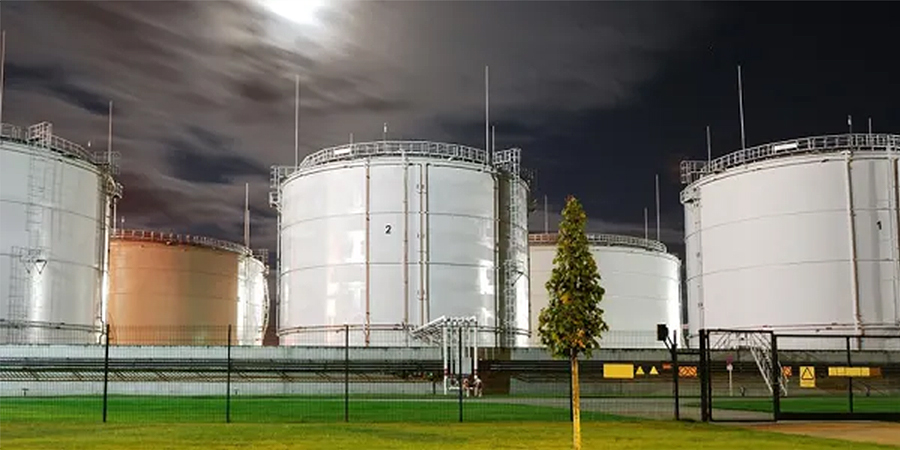
Advario Singapore advances sustainability with First B30 Biofuel Shipment

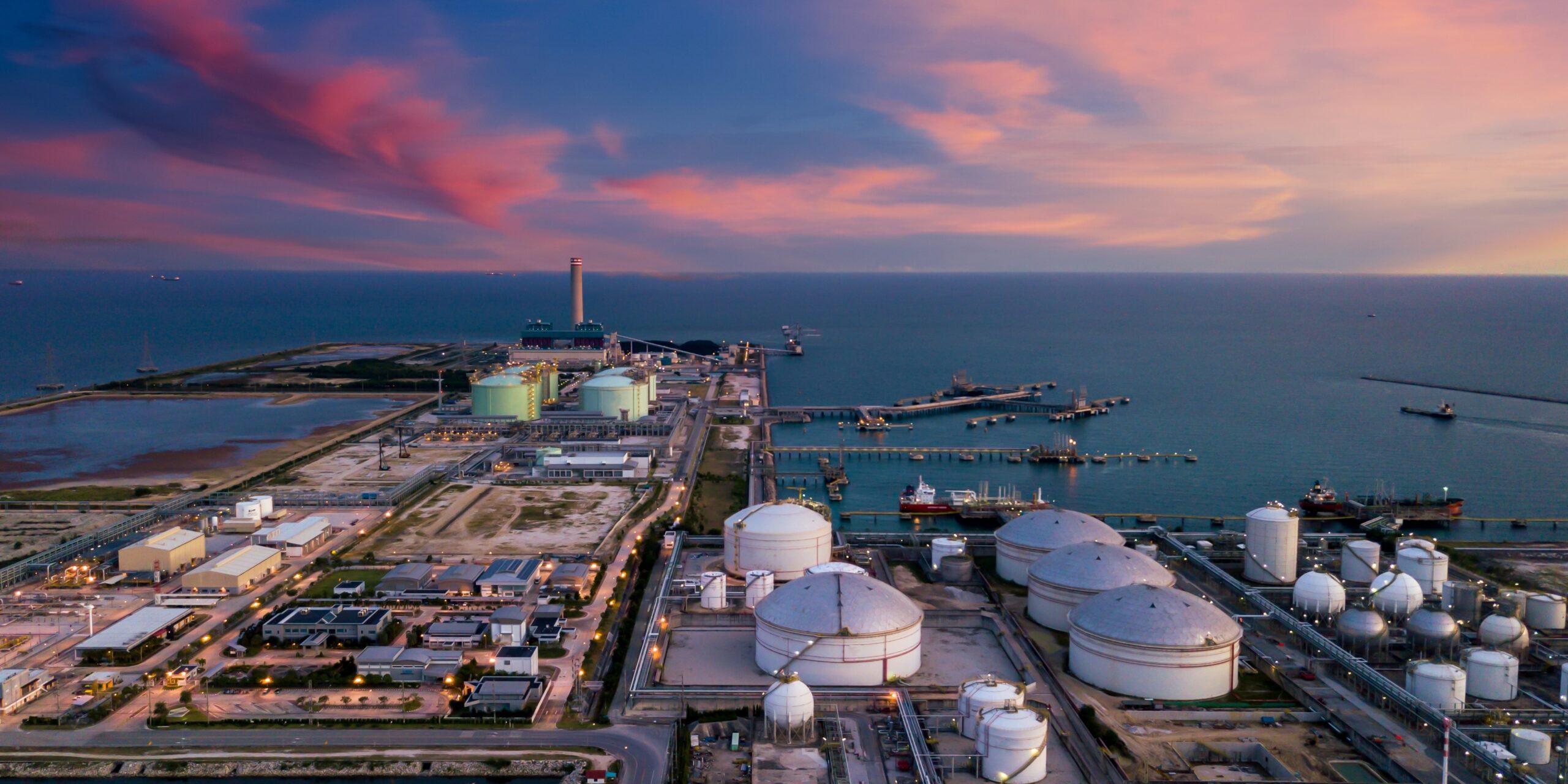
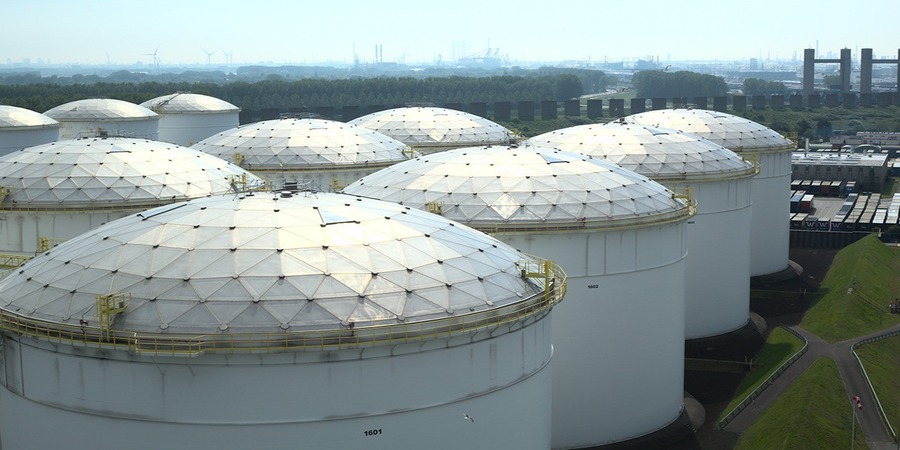
Advario Helios Singapore has received its first shipment of B30 biofuel, marking a significant milestone in the company’s commitment to supporting a more sustainable energy future. The achievement follows close collaboration with one of Advario’s key customers and underscores a shared ambition to accelerate the energy transition within the maritime sector.

B30 biofuel, produced from renewable feedstocks, is a blend containing 30 percent bio-based components. The fuel offers a lower-carbon alternative for the shipping industry, contributing to global efforts to decarbonise marine transport and reduce greenhouse gas emissions.

Since its commissioning in 2008, the Advario Helios Terminal has played a pivotal role in Singapore’s bunkering industry. In line with Singapore’s Green Plan 2030 and the Energy Market Authority’s decarbonisation goals, the terminal has expanded its capabilities to support the handling and storage of sustainable fuels such as biofuels. This evolution reflects Advario’s broader strategy to integrate renewable and low-carbon energy solutions into critical supply chains, driving progress toward a cleaner energy landscape.

The successful receipt of B30 biofuel highlights the power of partnership and collaboration in creating tangible environmental impact. By working closely with customers and industry stakeholders, Advario continues to advance practical solutions that contribute to a more sustainable future for Singapore and the global energy sector.

For more information visit www.advario.com

Emerson’s upgraded handheld device communicator helps personnel deliver faster, certified results

Emerson, a global leader in industrial technology and advanced automation solutions, has unveiled a redesigned AMS Trex™ Device Communicator, offering expanded functionality, improved security, and a more intuitive user experience for field personnel. The latest version introduces upgraded hardware and software, enhanced connectivity, and additional certifications, making it safer, faster, and more efficient to use in a range of field applications.

The new design enables the AMS Trex Device Communicator to support calibration activities, allowing users to streamline workflows and reduce the number of tools required in the field. With connectivity to more than 2,500 field instruments—including devices from both Emerson and third-party manufacturers—the AMS Trex communicator has long been a trusted interface for configuration and diagnostics. Previously, however, its measurement tolerances were designed for reference rather than calibration, requiring technicians to carry additional equipment for official calibration tasks.

The redesigned communicator now supports National Institute of Standards and Technology (NIST) traceability, ensuring that all measurements and current sourcing meet the precision required for calibration activities. This certification provides technicians with confidence that the device meets rigorous accuracy standards, helping to simplify maintenance operations and reduce downtime.

“As more organisations embrace Emerson’s Boundless Automation vision—an architecture that seamlessly integrates the field, edge, and cloud—their maintenance and reliability teams will need to manage more assets than ever before,” said Erik Lindhjem, vice president of Emerson’s reliability solutions business. “The new AMS Trex communicator empowers these teams to manage, configure, and perform field calibrations across a wide range of Emerson and third-party devices, maximising both time and data utilisation.”

Further extending its versatility, the redesigned AMS Trex Device Communicator introduces HART® communication via Bluetooth®, enabling connection to Bluetooth-enabled field devices and expanding its application library for maintenance and reliability use cases. Enhanced platform security features protect against unauthorised software and system compromise, ensuring the integrity of both the device and the plant network.

Equipped with eight times more memory than its predecessor, a powerful quad-core processor, and a modernised operating system designed for familiarity and ease of use, the new AMS Trex Device Communicator delivers the performance, connectivity, and reliability that today’s industrial teams demand.

For more information visit www.emerson.com

Halo Capital and Penspen partner to advance landmark helium and hydrogen projects in Australia

Halo Capital has partnered with global engineering consultancy Penspen to accelerate the development of two of Australia’s most significant energy redevelopment projects – Hussar and Mt Winter – unlocking vast helium and hydrogen reserves critical to global supply chains and the transition to cleaner energy.

Penspen has signed a Memorandum of Understanding for engineering and project management expertise across the full development cycle, from feasibility studies to commissioning, ensuring the projects meet the highest technical and regulatory standards. In August 2025, Australian exploration company Georgina Energy Plc granted London-based Halo Capital a 12-month nonexclusive option to acquire the rights to 100 percent of helium, hydrogen and natural gas produced from its two large-scale gas redevelopments. Together, with the expertise of Penspen, the companies aim to position Australia as a leading supplier of helium, hydrogen and hydrocarbons for Asia Pacific and beyond.

Hussar, located in Western Australia’s Officer Basin, and Mt Winter in the Amadeus Basin, Northern Territory, are recognised as prospects of significant national importance. With proven reserves and fresh drilling applications underway, both sites have the potential to deliver significant volumes of helium and hydrogen – gases central to medical technology, industrial processes and the decarbonisation of global energy systems.

Development of Critical Infrastructure

Upon securing funding, Halo Capital will be responsible for the delivery of processing facilities, including separation units for helium, hydrogen and cryogenic purification systems. Once operational, they will be solely responsible for storage, transport, export, trucking helium to Darwin, and converting ammonia to hydrogen. The agreement will enable Westmarket Oil & Gas, Georgina Energy’s wholly owned Australian subsidiary, to sell gas at the wellhead in its raw state, subject to a formal contract on commercial terms.

Under the MoU, Penspen would provide a wide scope of engineering services, including concept/feasibility, FEED, detailed design and procurement support covering the full chain from wellhead to export. They would also provide project management support including scope/basis definition, tendering and bid evaluation, CAPEX estimating, contract preparation, project controls, and site/commissioning supervision.

Penspen is an international consultancy with over 70 years’ of energy engineering heritage. The company has significant experience in the delivery of complex oil and gas infrastructure, and has developed a reputation as partner of choice for low carbon projects, with hydrogen, green ammonia, and CO2 programmes delivered across the United Kingdom, Ireland, Portugal, Turkey, Latvia, Colombia, and the United Arab Emirates.

Nick Clarke, chief executive officer, Halo Capital commented: “Halo Capital are very pleased to have Penspen join our efforts to develop the Hussar and Mt. Winter projects, bringing with them their deep technical expertise and project management experience. Partnering with Penspen will ensure that our project teams will be able to meet all technical and regulatory requirements to drive these and our future projects forward.”

Peter O’Sullivan, chief executive officer at Penspen, said: “We are delighted to work with Halo Capital as engineering partner on this transformative development in Australia.  

“Our unwavering aim is to improve access to secure and sustainable energy, and Hussar and Mt Winter offer tremendous potential to address the growing gap between supply and demand for helium, as well as further develop hydrogen’s critical role in decarbonising global industrial sectors.  

“Penspen’s extensive experience in the delivery of low carbon infrastructure systems, from feasibility and conceptual studies to detailed design and ongoing operations and maintenance, means we are well placed to support Halo Capital in the development of this project of national importance.” 

For more information visit www.penspen.com

Rotork unveils RTP-4000 Range: Next-generation intelligent valve positioners

Rotork is delighted to announce the launch of the RTP-4000 range, a new generation of intelligent valve positioners designed to deliver optimised control solutions for single- and double-acting actuators on rotary and linear valves.

Launching with the dual-certified RTP-4400 model, this initial release combines smooth installation and commissioning, premium online diagnostics, robust construction, and seamless system integration for fast and energy-efficient operation in demanding oil and gas applications, as well as in other industries requiring high-end valve control solutions.

The range features magnet-based contactless position feedback, eliminating mechanical wear and ensuring long-term reliability for both linear and rotary actuators.

Advanced pressure sensor-based diagnostics provide online real-time device status and predictive maintenance capabilities, while a user-friendly dashboard offers at-a-glance valve status.

The rugged, corrosion-resistant construction, featuring copper-free aluminium and electronic circuits potted in resin, ensures durability even in harsh conditions, and an arctic option extending the temperature range down to -55 °C.

The positioner integrates easily with all major control and asset management systems, and the dual certification enables the use in both explosionproof and intrinsically safe areas.

High pneumatic capacity enables rapid valve operation, and optimised supply air consumption helps customers to achieve greater efficiency and lower operational costs.

Additional options include analogue and digital outputs, pressure gauges, and support for Emergency Shutdown (ESD) applications with partial stroke testing capability.

Juha Kivelä, global product manager – Pneumatic Actuation and Instrumentation at Rotork, said: “With the RTP-4000, we are meeting the requirements of the high-end process industries and extending our already comprehensive Rotork Positioner offering to the next level. Our customers will benefit from the smooth installation, user-friendly online diagnostics, and rugged construction, providing long-term reliability. The smart design features will help to achieve greater operational efficiency and give peace of mind in even the most challenging applications.”

For more information visit www.rotork.com

Creaform announces the addition of the HandySCAN 3D|PRO Series™ to its Flagship Handheld 3D Scanner Product Line

Creaform, a business of AMETEK, Inc. and worldwide provider of automated and portable 3D measurement solutions, has announced the latest addition to its trusted HandySCAN 3D™ line-up of 3D scanners, the PRO Series. A fully integrated hardware and software solution, this new series leverages quick and high-resolution data acquisition capabilities through its scanner, as well as the power of the Scan-to-CAD Pro software module to provide the fastest time from data acquisition to 3D models, optimising reverse engineering and product development workflows.

Creaform pioneered the handheld, self-positioning 3D laser scanning category over two decades ago with the HandySCAN 3D, establishing its reputation for accuracy, versatility, and efficiency across all industries, and continues this legacy with the HandySCAN 3D|PRO Series. This latest innovation offers a more powerful, accessible, and reliable solution to measure complex shapes to greatly reduce time-to-market, and lower development costs for SME. Manufactured in North America and backed by global, multilingual service teams, the PRO Series is built for the professionals who need to develop products that are more suited to customer needs, faster, more accurately.

The HandySCAN 3D|PRO Series, bundled with Scan-to-CAD Pro, combines advanced technology with user-friendly design to optimise product development processes and deliver reliable results. Below are the standout features that make it a preferred choice for professionals across industries, when looking for the fastest path to reverse engineering.

High Accuracy & Resolution: Features 23 blue laser lines for detailed, high-quality scans, capable of handling complex shapes and difficult surfaces with a proven and trusted accuracy of 0.030 mm, ensuring rapid 3D data acquisition.
Value for money: With a hardware and software combo starting at US$24,990, this professional portable 3D scanner provides a rapid return on investment (ROI) due to its versatility and time-saving features.
Integrated software: Includes the intuitive Scan-to-CAD Pro software module, optimised for 3D scan data and ideal for reverse engineering and product development, providing the fastest time from scans to CAD, through a versatile toolbox including powerful mesh extraction, sketching and modelling tools.
Simplicity: This integrated solution is designed to enhance user experience, allowing individuals to operate it effortlessly through its intuitive multi-function LCD touchscreen and haptic feedback via vibration.
Time savings: Enables a significant reduction in iterations within the product design and development cycle for increased efficiency, thereby decreasing product development time, accelerating time-to-market and empowering quicker revenue generation.
Versatility: Capable of measuring and analysing any component, it can be used to design new parts, adapt or maintain old parts, create 3D models, look for innovative ways to surpass competition, support sales in business development, and better manage deadlines.

“Reinventing the future of industrial metrology since 2005, the new PRO Series is poised to become the preferred solution for rapid product development and reverse engineering, further solidifying the HandySCAN 3D lineup as an industry benchmark,” explains Pierre-Luc Delagrave, product manager at Creaform, before adding that “with its smart price, it offers the best tool to quickly transform concepts to reality, from design to manufacturing, ensuring a perfect fit on the first try, every time.”

For more information visit www.creaform3d.com

GravitHy and HES FOS sign MoU on strategic partnership to develop critical infrastructure

GravitHy SAS and HES FOS SAS, a subsidiary of HES International, have officially signed a Memorandum of Understanding to explore a long-term partnership aimed at establishing vital infrastructure that will connect GravitHy’s new industrial site in Fos-sur-Mer with HES FOS’s well-established maritime terminal.

GravitHy is in the process of developing a large-scale industrial project in Fos-sur-Mer to facilitate Europe’s transition to low-carbon steelmaking. The project will depend on the import of iron ore pellets and the export of hot briquetted iron (HBI), necessitating reliable maritime access and sufficient storage capacity. With operations scheduled to commence by 2029, the timely development of port connections and storage infrastructure is critical. HES FOS, known for its strategic location, established quay facilities, and handling expertise, emerges as the ideal partner to fulfil these requirements.

Under the terms of the MoU, both parties will collaborate on the development and construction of the infrastructure needed to directly link GravitHy’s industrial site with HES FOS’s terminal. This infrastructure will encompass storage, handling, and transfer facilities designed to ensure efficient supply chains for both incoming raw materials and outgoing products. The collaboration aims to establish a long-term, commercially viable framework that justifies the necessary capital investment.

“This agreement represents a significant milestone for GravitHy as we advance toward building a sustainable and competitive industrial ecosystem,” commented Alice Vieillefosse, managing director at GravitHy. “Partnering with HES FOS gives us direct access to world-class port infrastructure, which is vital for securing the efficiency and reliability our business requires regarding the flow of our materials.”

Frederic Pellegrin, terminal manager at HES International, added, “This MoU is a strong example of how HES FOS can leverage its location, infrastructure, and expertise to support the energy transition and the industrial decarbonisation in Europe. We are proud to partner with GravitHy in developing a solution that aligns with both companies’ ambitions and supports the regional economy.”

The MoU establishes a framework for both parties to negotiate a final agreement by 2026, reflecting a shared commitment to creating resilient, future-ready infrastructure that will play a vital role in decarbonising the European industrial sector.

For more information visit www.hesinternational.eu/en/

Berkshire Hathaway Inc. to acquire OxyChem

Berkshire Hathaway and Occidental have reached a definitive agreement for Berkshire Hathaway to acquire Occidental’s chemical division, OxyChem, in an all-cash transaction valued at $9.7 billion, pending customary purchase price adjustments. OxyChem is a global leader in the manufacturing of commodity chemicals that are essential to various sectors, including water treatment, pharmaceuticals, healthcare, and both commercial and residential development.

“This transaction enhances our financial position and catalyses significant resource opportunities we have been developing within our oil and gas business over the past decade,” stated Vicki Hollub, president and chief executive officer of Occidental. “I am proud of the exceptional work our team has accomplished in creating this strategic opportunity, which will provide over 20 years of low-cost resource availability and deliver substantial value both in the short and long term. OxyChem has thrived under Occidental’s stewardship as a well-managed and safely operated business, supported by a talented workforce, and we are confident that it will continue to prosper under Berkshire Hathaway’s ownership.”

“Berkshire is acquiring a strong portfolio of operating assets, backed by a skilled team,” remarked Greg Abel, vice chairman of Non-Insurance Operations at Berkshire. “We look forward to integrating OxyChem as an operating subsidiary within Berkshire. We commend Vicki and the Occidental team for their dedication to the company’s long-term financial stability, as evidenced by their intention to utilise proceeds to strengthen the company’s balance sheet.”

Transaction Details

According to the terms of the agreement, Occidental will sell OxyChem to Berkshire Hathaway for $9.7 billion in cash, subject to customary purchase price adjustments. Occidental plans to allocate $6.5 billion of the transaction proceeds towards reducing debt, aiming to meet its target of principal debt below $15 billion, set in the wake of the December 2023 announcement regarding its CrownRock acquisition. An Occidental subsidiary will maintain OxyChem’s legacy environmental liabilities, with Glenn Springs Holdings Inc. continuing to oversee existing remedial projects for that subsidiary. The transaction is anticipated to conclude in the fourth quarter of 2025, contingent upon regulatory approvals and other customary closing conditions. Additional details can be found in a presentation available in the investor section of Occidental’s website.

For more information visit www.oxy.com

Eagle Venice arrives at Tranmere: A milestone for energy infrastructure

This week, Tranmere has proudly welcomed the Eagle Venice, a Very Large Crude Carrier (VLCC) recognised as one of the largest vessels to ever visit the terminal. With an impressive capacity of approximately 2 million barrels of crude oil, the arrival of Eagle Venice underscores the strategic significance of Tranmere within the UK’s energy infrastructure.

The successful docking of the Eagle Venice is a testament to the exceptional coordination between Tranmere’s marine, terminal, and logistics teams. Their collaborative efforts ensured that the operation was executed smoothly, safely, and efficiently, reflecting the high standards of service and professionalism inherent in Tranmere’s operations.

This milestone serves not only as a moment of pride for the teams involved but also as a reminder of the intricate and large-scale processes that underpin the energy transition. Each visit from such a significant vessel as the Eagle Venice highlights the complexities and challenges faced in the energy sector, emphasising the critical role that terminals like Tranmere play in facilitating the flow of essential resources.

As the energy landscape continues to evolve, the arrival of the Eagle Venice at Tranmere marks a significant chapter in the ongoing commitment to energy security and sustainability in the UK.

For more information visit www.stanlowterminals.co.uk

Woodside breaks ground and celebrates Louisiana LNG game-changer

This month, Woodside celebrated significant progress on the Louisiana LNG project by hosting an official groundbreaking ceremony that included elected officials, project partners, and community leaders.

Since the announcement of a final investment decision in April, the construction workforce for Louisiana LNG has expanded to nearly 900 personnel, with over 22 percent of work on the first of three LNG trains now completed.

CEO Meg O’Neill welcomed a distinguished group of guests, including Louisiana Governor Jeff Landry, secretary of Louisiana Economic Development Susan Bourgeois, Australia’s Consul General and Trade and Investment Commissioner to Houston Gabrielle Hall, and Deputy Consul General of the Federal Republic of Germany in Houston Markus Hatzelmann.

The $17.5 billion project marks Woodside’s largest investment in the United States, with O’Neill emphasising its significant impact on the local economy. “We’re spending about 85 percent of our construction budget right here in the United States,” she stated.

Throughout its construction phase, Louisiana LNG is expected to support thousands of jobs and generate billions of dollars in revenue for local communities over the project’s lifespan. To date, Louisiana LNG has invested nearly half a billion dollars in the state, working with over 130 Louisiana businesses, which underscores Woodside’s commitment to local content and supplier development.

Governor Landry welcomed Woodside and the Louisiana LNG project, stating, “Woodside’s decision to invest in Louisiana is an unmistakable signal to the world that Louisiana is the epicenter of powering the globe.”

The project aims for first LNG production in 2029, with an initial three-train development capable of producing 16.5 million tonnes per annum (Mtpa). It is also fully permitted for a total capacity of 27.6 Mtpa, which includes expansion potential for two additional LNG trains.

Speaker of the US House of Representatives Mike Johnson, who joined the celebration virtually, recognised the project’s importance for Louisiana, the United States, and the global energy landscape. “Some of you have traveled from across the globe to witness this groundbreaking and take part in an important moment for the advancement of American prosperity,” he noted. “Here today, less than one year since President Trump returned to the Oval Office, we are already celebrating the groundbreaking of Louisiana LNG, which represents the largest single foreign direct investment in the history of our great state.”

Following the formal proceedings, O’Neill and the guests participated in a ceremonial dirt turning for Louisiana LNG, marking a significant milestone for the project. O’Neill expressed gratitude to those who attended the celebration and acknowledged the ongoing support received from local, state, and federal governments, recognising the potential contributions of Louisiana LNG to the economy and energy supply.

As the project progresses, Woodside remains focused on executing and delivering Louisiana LNG safely while actively marketing US LNG in Europe and Asia. The company looks forward to celebrating future milestones as it works towards the goal of first LNG production in 2029.

For more information visit www.woodside.com

Alfa Laval and Aalborg CSP launch header-and-coil heat exchanger for large-scale energy storage system

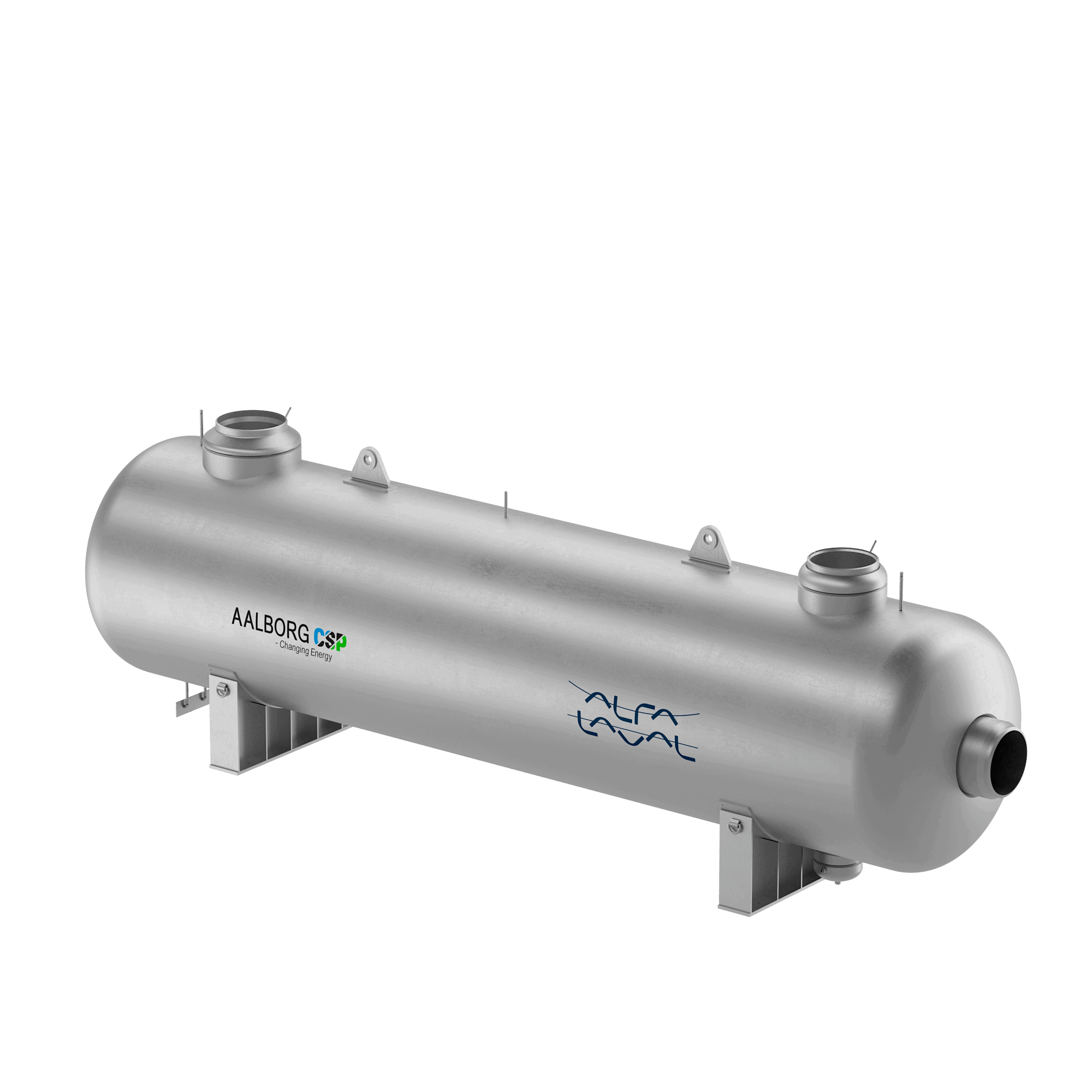
Alfa Laval Aalborg Header-Coil A/S, a collaboration between heat exchanger manufacturers Alfa Laval and Aalborg CSP, has introduced its inaugural product in the realm of energy storage. The header-and-coil heat exchanger is specifically engineered for large-scale thermal energy storage systems, boasting high thermal efficiency, a compact design, and exceptional reliability under cyclic operating conditions.

The design emphasises cyclic operation with a fully welded header-and-coil configuration that features a distinctive serpentine tube arrangement, maximising the heat transfer surface while maintaining a compact footprint. This innovative structure allows the serpentine tubes to flex and accommodate thermal expansion during cyclic operation, ensuring long-term reliable performance.

These header-and-coil heat exchangers are adept at managing high temperatures and pressures, making them particularly suitable for thermal energy storage systems that operate intermittently, such as those based on molten salt.

Alasdair MacIver, head of energy storage at Alfa Laval, highlighted the advantages of this technology: “With the header-and-coil technology, we are introducing a solution that addresses the specific challenges of thermal energy storage. The fluctuating nature of renewable energy sources like wind and solar often leads to fatigue issues in conventional heat exchangers. Our unique design overcomes this, offering high capacity, compact size, and unmatched reliability. We are convinced it will be a valuable asset for system builders developing next-generation sustainable energy infrastructure.”

The header-and-coil heat exchangers can serve multiple functions, including economisers, evaporators, superheaters, and reheaters. They are available as standalone components or as complete, fully customised steam generation systems, which encompass all necessary heat exchangers, a steam drum, and piping. These systems, based on natural circulation, ensure stable operation while minimising operational and capital expenditures.

For more information about the Alfa Laval Aalborg header-and-coil heat exchangers, visit www.alfalaval.com/header-and-coil.

For further inquiries, please contact Anne Baymont, product portfolio manager, at anne.baymont@alfalaval.com.

The Wolfe Power Club Podcast launches second season

The Wolfe Power Club Podcast has launched its second season, featuring three exclusive episodes that include discussions with Michael Gove, insights into Toyota’s Hydrogen Hilux, and an interview with Brazil’s Ambassador to the UK. This season marks the beginning of the countdown to the 2025 Spectator Energy Summit.

Listeners can expect in-depth conversations focused on energy investment in today’s episodes:

1. Michael Gove – Capitalism, Climate & the North Sea
In this episode, former Secretary of State and current Spectator Editor Michael Gove discusses the potential of capitalism to address climate change, the necessity for Britain to adopt green policies, and the crucial role of the North Sea in the energy transition. [Listen here](https://podcasts.apple.com/gb/podcast/wolfe-power-club-podcast/id1768249172?i=1000727962268).

2. Toyota’s Hydrogen Future
Jon Hunt, Toyota’s hydrogen lead, joins the podcast to explore the ongoing significance of hydrogen in mobility. The episode features a test drive of the Hydrogen Hilux at the renowned UTAC Millbrook proving ground and a discussion on the future vehicle mix. [Listen here](https://podcasts.apple.com/gb/podcast/wolfe-power-club-podcast/id1768249172?i=1000727962132).

3. Brazil’s Climate Diplomacy
Ambassador Antonio de Patriota shares his perspectives on Brazil’s energy transition, COP30, the future of climate diplomacy, and his respect for Pope Francis. [Listen here](https://podcasts.apple.com/gb/podcast/wolfe-power-club-podcast/id1768249172?i=1000727962069).

Looking ahead in Season Two, upcoming episodes will feature Baroness Luciana Berger discussing her role as chair of the new Energy Storage Association, insights from the Road Haulage Association on the trucking industry’s energy mix, and dispatches from Climate Week NYC and the UK party conferences.

Last season, the Wolfe Power Club achieved notable success, reaching #7 in Apple’s business charts and #1 in the energy category, with the most popular episode attracting 441,000 listeners. This year, the goal is to reach half a million listeners, and the team invites audiences to join them on this journey.

For more information visit www.wolfepowerclub.com

CMS wins $13.5M fuels task order at Andersen AFB

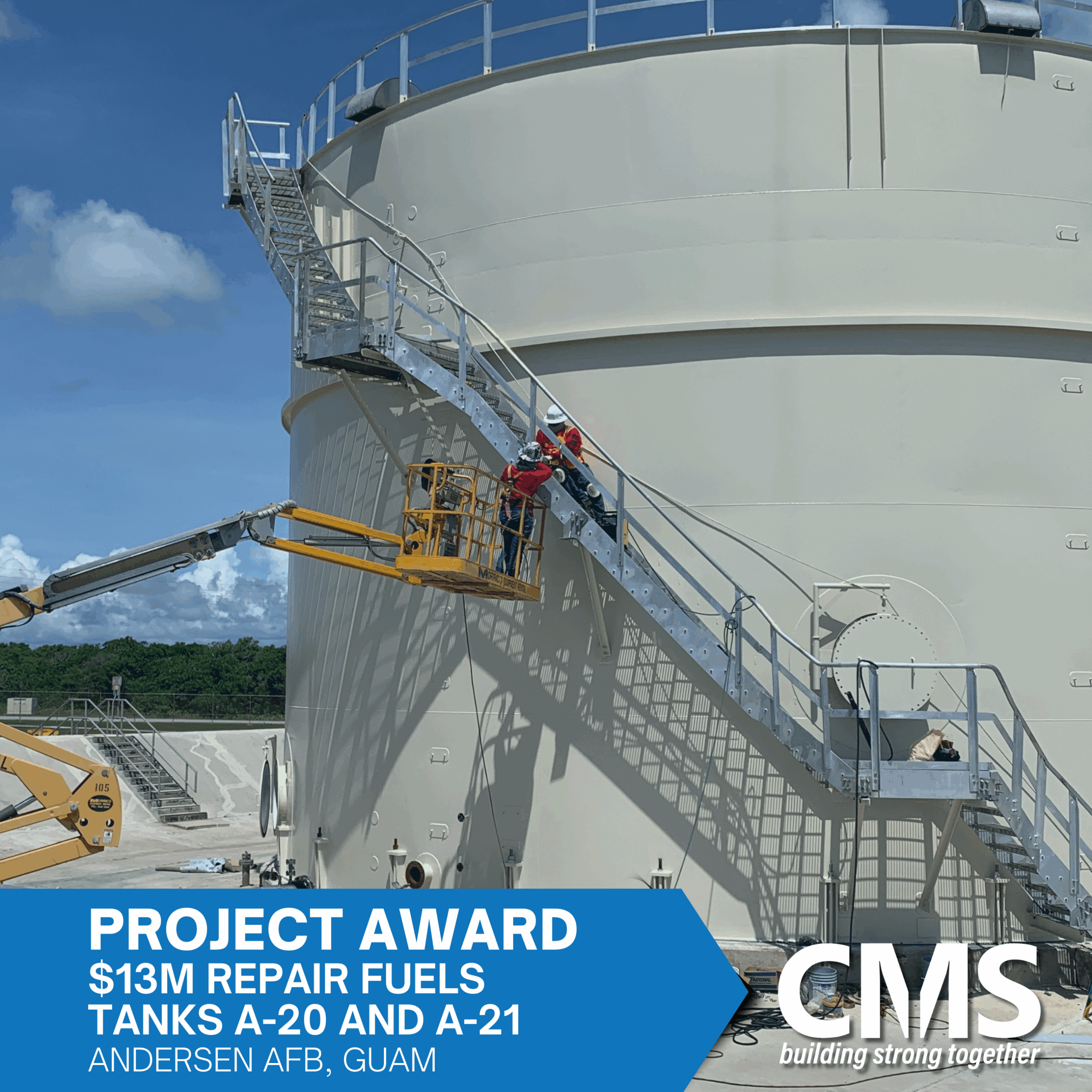
CMS has announced the receipt of its first task order under the US Air Force’s $2.5 billion Worldwide Petroleum, Oil, and Lubricants (POL) Multiple Award Task Order Contract (MATOC). This initial project is valued at $13.5 million and involves the repair of Tanks A-20 and A-21 at Andersen Air Force Base in Guam.

As part of this contract, CMS will deliver engineering, supervision, and construction services aimed at repairing, maintaining, and upgrading the fuel storage tanks. The scope of work includes the abatement of hazardous materials, coating repairs, structural modifications, and utility coordination. Additionally, CMS will oversee tank cleaning, hazardous material disposal, and the calibration and certification of the tanks to ensure they are ready for service. The company plans to utilise corrosion-resistant materials to withstand Guam’s challenging environmental conditions, ensuring the long-term resilience and reliability of the system.

Ernest Enrique, CEO and chairman of CMS Corporation, commented, “This first task order award under the Worldwide POL MATOC demonstrates CMS’s role as a trusted partner to the US Air Force. Our work will help ensure Andersen AFB maintains the fuel infrastructure needed to sustain vital missions across the Pacific.”

For more information visit www.cmscorp.com

Explore the data behind Canada’s rise as a global digital infrastructure hub

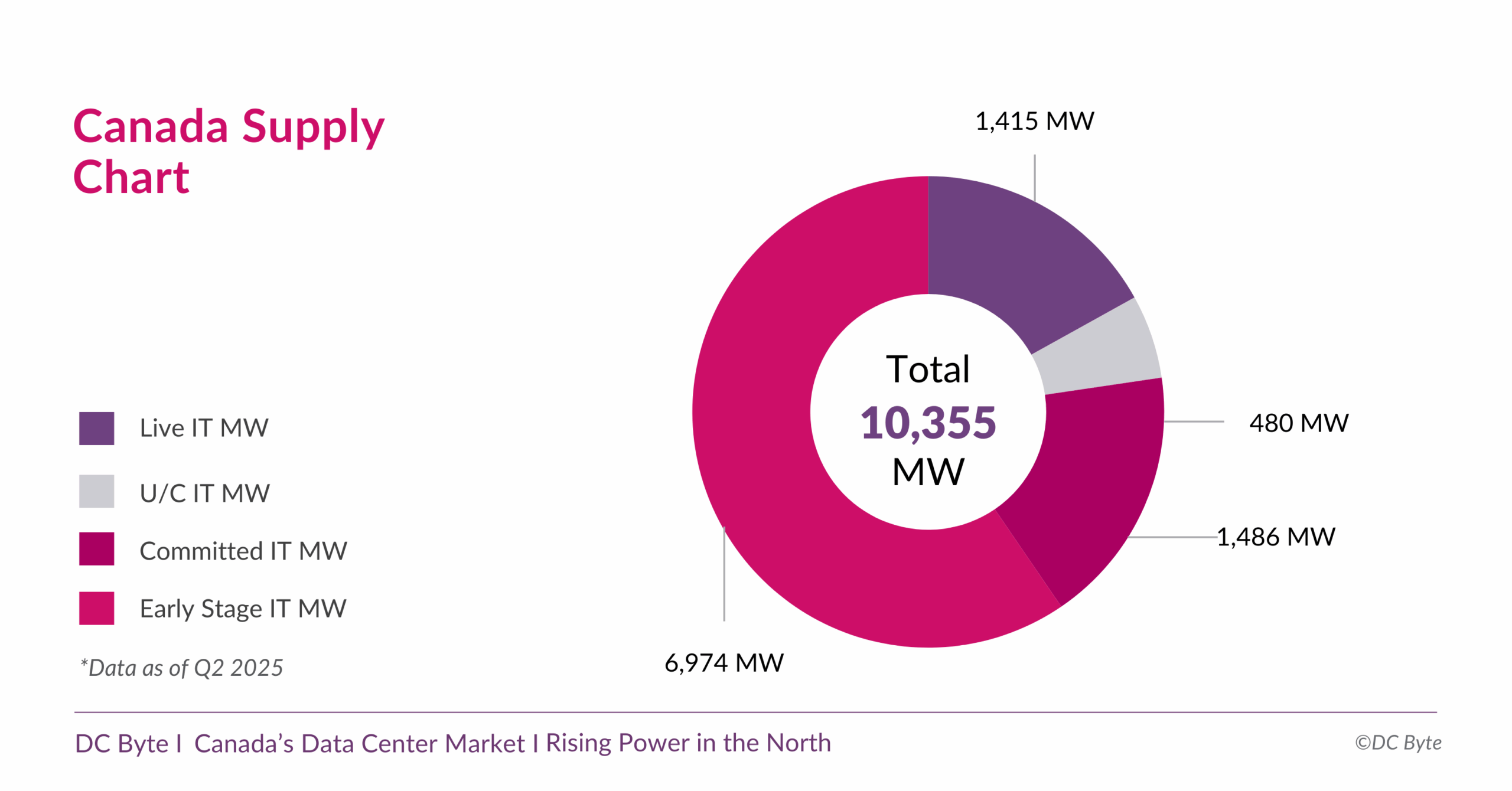
Canada’s data centre market is experiencing a significant breakout phase, with total IT capacity exceeding 10 GW across various stages, including live, under construction, committed, and early-stage projects. This rapid transition from steady growth to exponential expansion marks a pivotal moment for the industry.

The latest Market Spotlight report offers a comprehensive overview of this transformation, identifying key opportunities for operators, investors, and developers.

Importance of the Report: Strategic Insights for Decision-Making

This complimentary report provides valuable insights, including:

– Market Scale: Over 75 percent of Canada’s data centre capacity is concentrated in early-stage and committed phases, indicating a robust forward pipeline.
– Core Hubs: Toronto, Montreal, and Alberta are responsible for 93 percent of the national IT load.
– Wonder Valley Development: Alberta’s landmark 5.6 GW project, financed by O’Leary Ventures, represents the largest single project ever announced in Canada.
– Sustainability Edge: With 60 percent of its power sourced from hydropower, Canada boasts one of the cleanest and most cost-effective energy profiles globally.
– Market Dynamics: Vantage, Cologix, and Compass currently dominate live capacity, while O’Leary and Beacon are emerging as key players with AI and GPU-focused developments.

Key Highlights from the Report
– 10 GW+: Total IT capacity tracked across Canada
– 93 percent: Share of IT load in Toronto, Montreal, and Alberta
– 5.6 GW: Capacity of Wonder Valley, Canada’s largest single project
– 60 percent: National power derived from hydropower
– 2027: Timeline for AI and GPU-focused builds to impact market leadership

Download the Complimentary Report Today
The Canada Market Spotlight equips stakeholders with the insights necessary to navigate one of North America’s fastest-growing data centre markets. Whether entering the region or expanding operations, this report offers the intelligence needed to make informed decisions.

For more information visit www.dcbyte.com

Gpi Group acquires Schwarte Processing assets and continues its operations as ‘Gpi Schwarte’

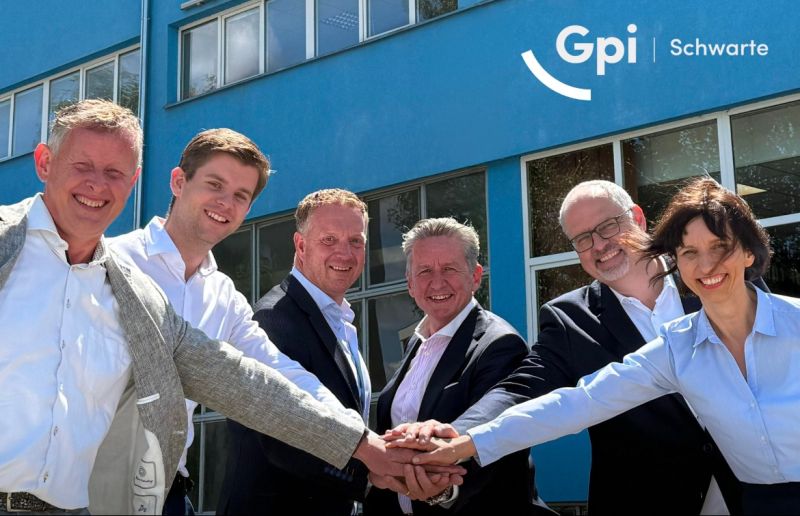
Gpi Group has successfully acquired the assets of Schwarte Processing, rebranding the company as Gpi Schwarte. This new entity combines Schwarte’s renowned expertise in hygienic tank construction with the international strength and ambition of the Gpi Group.

Olaf J. Müller, CEO of HF FoodTech Group, expressed optimism about the transaction, stating, “This transaction places our team in capable hands. Gpi Group is the best owner and provides a strong foundation for future success.”

In the upcoming months, Gpi Group plans to reopen the production facility located in Olsztyn, Poland. The site is currently undergoing upgrades to prepare for full operation, which includes the reinstallation of original machinery and a complete refresh of the location to support a new phase of growth.

The revitalisation of the Olsztyn facility symbolises the fresh start Gpi Schwarte is embarking on, emphasising renewed energy and a clear focus on the future. Once operational, the facility will consolidate engineering, production, and all other personnel at a single location, facilitating seamless collaboration and efficient project execution.

The existing Schwarte team in Olsztyn will remain in place, as their craftsmanship and technical expertise are deemed essential to the future of Gpi Schwarte. Steven Sijperda, CEO of Gpi Group, acknowledged this by stating, “We hold respect for the craftsmanship and deep industry knowledge within the Schwarte team. This is a strategic step that adds invaluable expertise to our portfolio. Schwarte’s capabilities are a perfect complement to our ambition to be a dominant player in the most demanding segments, including aseptic applications, high-end dairy, and pharmaceuticals. Together as Gpi Schwarte, we will build this future from Olsztyn.”

Customers can continue to rely on the trusted quality of Schwarte, now enhanced by the broader capabilities and long-term stability of the Gpi Group. Gpi Schwarte aims to preserve a proud tradition of craftsmanship and dedication while unlocking new growth opportunities in both established and emerging markets. This integration marks the beginning of a forward-looking partnership grounded in shared values, technical expertise, and a clear vision for the future.

For more information visit www.gpi-group.com

VTTI completes acquisition of 50% equity stake in Dragon LNG

This month marks the one-year anniversary since VTTI completed its acquisition of a 50 percent equity stake in Dragon LNG, an onshore LNG import terminal strategically located in Milford Haven, Wales, UK.

Dragon LNG’s regasification terminal is one of three LNG terminals in the UK, featuring facilities for LNG receiving, storage, reliquefication, regasification, and send-out. The terminal has the capacity to deliver up to 9 billion cubic metres of gas annually to the UK national transmission system.

Guy Moeyens, CEO of VTTI, stated, “One year on, we are proud of the progress we have made together with Shell and Dragon LNG. This joint venture plays an important role in VTTI’s commitment to supporting secure, reliable energy while contributing to the broader energy transition. With our deep expertise in energy infrastructure, strong collaboration with the Dragon LNG team, and the valued participation of Shell as the other shareholder, we are excited to continue operating safely and reliably and to support a more sustainable future for the terminal and the community it serves.”

Simon Ames, managing director of Dragon LNG and Dragon Energy, added, “Since VTTI joined as our new shareholder, we have received strong support during an important period for Dragon LNG. This collaboration has helped us advance key priorities, including preparations for future capacity auctions and our wind park development. I look forward to a strong future with both Shell and VTTI as we continue to contribute to the UK’s energy transition, support our local community, and drive economic growth in West Wales.”

For more information visit www.vtti.com

€1.3 billion refinancing marks milestone in Chane’s strategic growth journey

Chane has successfully closed a landmark refinancing transaction totalling €1.3 billion, marking a significant milestone in the company’s long-term growth strategy. This refinancing enhances Chane’s financial foundation and positions the company for its next development phase. The transaction received robust support from both banks and institutional investors, resulting in an oversubscription of approximately 2x. Such demand indicates strong investor confidence in Chane’s solid fundamentals and unique credit profile.

The refinancing also includes several notable milestones for Chane, such as:

– The first issuance of investment-grade rated US Private Placement (USPP) notes
– The first issuance of USD-denominated debt
– The first issuance of 15-year tenor debt

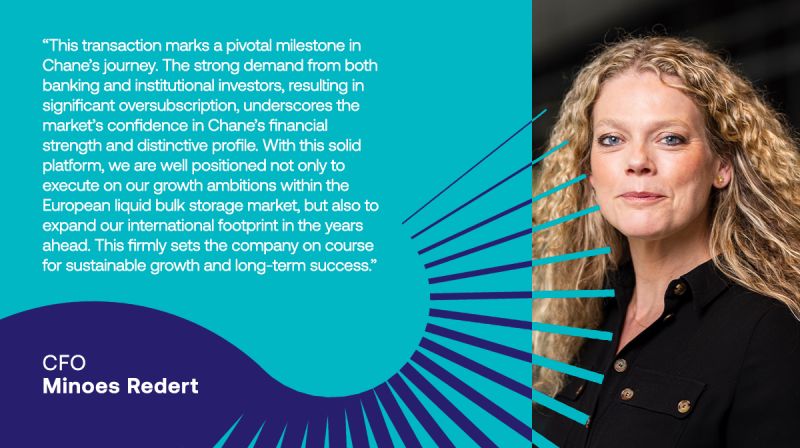
This transaction represents a pivotal moment in Chane’s journey, with strong demand from both banking and institutional investors highlighting the market’s confidence in the company’s financial strength and distinct profile. With this solid platform, Chane is well-positioned to pursue its growth ambitions within the European liquid bulk storage market and expand its international presence in the coming years, setting a course for sustainable growth and long-term success, as noted by CFO Minoes Redert.

Chane received support from a strong group of advisers during the transaction, including DC Advisory as the sole financial advisor, NAB as the lead USPP agent, and legal counsel from Milbank (for the borrower) and Latham & Watkins (for the lenders).

For more information visit www.chane.eu

Governor Abbott announces Brazos Midstream processing expansion in Martin County

Governor Greg Abbott has announced that Brazos Midland Processing, LLC in Martin County has been designated as a qualified project under the Texas Jobs, Energy, Technology, and Innovation (JETI) programme. Brazos Midstream is set to establish a new natural gas processing plant with a capacity of 300 million cubic feet per day (MMcf/d), representing a capital investment of $185 million.

“Texas energy fuels America’s greatness,” stated Governor Abbott. “Investment in natural gas processing is crucial to meeting the growing energy demands. Brazos Midstream’s $185 million expansion in Martin County will more than double their natural gas processing capacity in the Midland Basin. By collaborating with innovative industry leaders, we will continue to drive growth across essential sectors, contributing to a stronger and more prosperous Texas.”

Located within the Midland Basin—a segment of the larger Permian Basin—Brazos Midstream possesses a substantial natural gas gathering and processing network. The Permian Basin currently accounts for 25 percent of natural gas production in the contiguous United States.

“Brazos Midstream is thrilled to move forward with the construction of our new Sundance II facility, a 300 MMcf/d cryogenic gas processing facility in Martin County,” said Brad Iles, CEO of Brazos Midstream. “Once operational, this facility will boost our total processing capacity in the Midland Basin to 500 MMcf/d. This investment is vital for providing essential gas infrastructure and reliable takeaway capacity for energy producers, advancing our collective goal of achieving energy dominance in the nation. We appreciate the support from Governor Abbott, as well as the Stanton ISD Board of Trustees, Superintendent Jan McCown, and their dedicated teams, for their backing of this project. With assistance from the state through incentive programmes like JETI, Brazos Midstream aims to further capitalise on its extensive energy infrastructure by constructing gas processing facilities in Texas, which will facilitate job creation and economic growth.”

“Martin County and the Permian Basin are the backbone of America’s energy supply,” remarked Senator Kevin Sparks. “This new investment from Brazos Midstream strengthens our region’s role in powering the nation while creating new job opportunities and economic growth locally. I proudly support initiatives that ensure Texas remains at the forefront of responsible energy production, paving the way for a brighter future for our communities.”

“The Permian Basin continues to showcase its status as the energy capital of the world,” said representative Tom Craddick. “Brazos Midstream’s expansion in Martin County will generate new jobs, bolster our local economy, and ensure that Texas remains a leader in energy production for years to come. I take pride in this investment in House District 82, where innovation and hard work continue to drive Texas’ future.”

For more information visit www.brazosmidstream.com

Vibration monitoring package is ideal solution for cooling tower fans

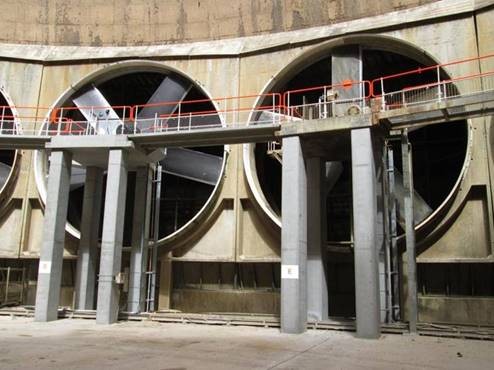
Effective monitoring of critical infrastructure is essential across the power generation, oil, gas, and petrochemical industries, where smooth operation is crucial in today’s competitive and cost-sensitive energy landscape. Condition monitoring specialist Sensonics has established itself as a leader in developing effective monitoring systems, drawing on over 50 years of experience, particularly in vibration monitoring products. A notable example of their expertise is a recent cooling tower monitoring project at a major petrochemicals plant.

The project engineer at the facility indicated the need for a reliable system to monitor and protect cooling tower fans, specifically to prevent failures related to the fan blades. The requirement involved individual monitoring systems for each of the twenty motor and gearbox-driven fans located around the cooling tower’s base.

The project engineer detailed the application requirements, stating, “The fan speed is 131 RPM / 2.18 Hz, and we want to mount a single transducer on the gearbox (each fan is mounted on the gearbox output shaft) to address the potential failure of the fan blades. Previous failures resulted in severe vibrations that damaged the concrete platform supporting the fan assembly and affected adjacent fans due to flying debris.” Additionally, it was noted that the fans operate in a very wet and windy environment, drawing moist air out of the cooling tower packing and blowing it across the gearbox and motor.

Based on these specific challenges, it was determined that a suitably ranged 4-20 mA vibration transducer should be installed and connected to a nearby unit equipped with start/stop buttons for the fans, enabling quick shutdown in the event of excessive vibration. Furthermore, overall vibration levels needed to be relayed to the main plant Distributed Control System. The application required that the transducers respond to frequencies below 2 Hz, eliminating the need for local displays or additional diagnostics. The objective was to create a straightforward system capable of reliably tripping the fan in case of a malfunction while providing overall vibration level information to the DCS.

Upon confirming the specific requirements for this vibration monitoring application, Sensonics proposed a solution that included their DN26 G3 dual-channel protection system and VEL/GLF low-frequency velocity transducers. Well-established in the condition monitoring market, Sensonics has delivered thousands of compact and innovative DIN rail-mountable DN26 G3 dual-channel vibration monitors, providing reliable and cost-effective monitoring across various installations. This fully programmable signal conditioning unit can monitor two channels of absolute vibration, shaft vibration, or shaft position, with an additional channel option for measuring speed or serving as a phase reference.

To complete the solution, the VEL/GLF low-frequency velocity transducer turned out to be well-suited for the large fans operating at low RPM. This electrodynamic sensor offers superior performance compared to piezoelectric devices by combining high sensitivity with a frequency response down to 0.5 Hz. Its sensitivity and excellent noise performance provide the dynamic range necessary for detailed gearbox vibration analysis, making it ideal for measuring velocity vibration on equipment operating at speeds as low as 30 RPM. The VEL/GLF also presents advantages over traditional piezoelectric sensors, which can be prone to various interferences that result in false readings and alarms in low-frequency applications.

Thanks to its robust design, the VEL/GLF boasts high noise immunity, attributed to the low impedance electrodynamic nature of the sensor assembly. Additionally, the sensor design effectively filters high-frequency events and eliminates the need for electronic integration, rendering it immune to saturation issues that can affect the reliability of other piezoelectric devices.

For more information visit www.sensonics.co.uk

Korea’s 12th Basic Plan accelerates renewable energy transition, aligning with Prostar’s investment strategy and Kyungnam Energy’s expansion

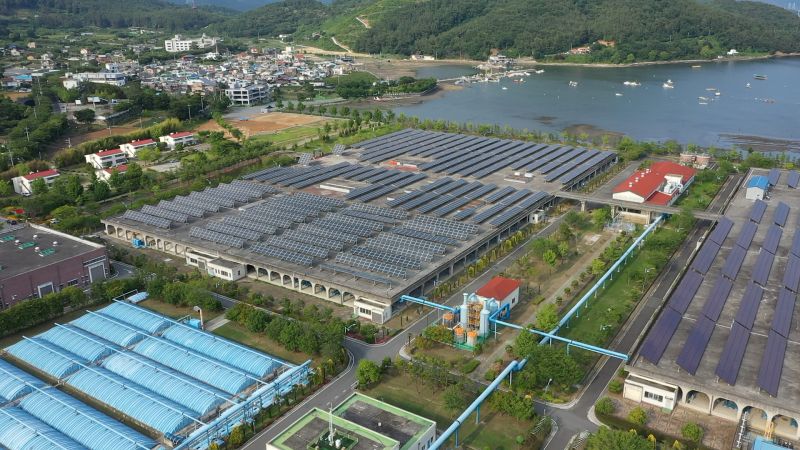
Korea’s newly introduced 12th Basic Plan establishes ambitious targets for renewable energy, with enhanced government oversight and bipartisan support indicating a strong commitment to the energy transition. This policy direction aligns well with Prostar’s investment strategy, particularly through its portfolio company, Kyungnam Energy (KNE), which currently serves nearly a million customers, including some of Korea’s leading industrial players.

As the deployment of solar energy in industrial complexes becomes a national priority, KNE is well-positioned to expand its platform and seize scalable, long-term opportunities amid Korea’s accelerated transition to renewable energy. These developments highlight Prostar’s approach of investing in essential energy infrastructure across Korea, aimed at fostering both economic growth and decarbonisation efforts.

For more information visit www.prostarcapital.com

Sempra Infrastructure and EQT announce Long-Term LNG Supply Agreement from Port Arthur LNG Phase 2

Sempra Infrastructure, a subsidiary of Sempra, and EQT Corporation have announced a 20-year definitive sales and purchase agreement for the supply of 2 million tonnes per annum of liquefied natural gas from the Port Arthur LNG Phase 2 development project in Jefferson County, Texas. Under the terms of the SPA, EQT will acquire the LNG on a free-on-board basis at a price indexed to Henry Hub.

“Advancing the Port Arthur LNG Phase 2 project with EQT underscores our shared commitment to ensuring that US natural gas projects support local economic development while providing global markets with a stable, long-term supply of LNG,” said Justin Bird, CEO of Sempra Infrastructure. He added that this project could bolster America’s position as a leading energy exporter, aligning with the objectives of both EQT and Sempra Infrastructure.

Toby Z. Rice, president and CEO of EQT, highlighted that the agreement emphasises EQT’s role in promoting US LNG as a means to enhance global energy security and advance lower-carbon solutions. “We are proud to partner with Sempra Infrastructure on this vital project, furthering the pursuit of American energy dominance,” he stated.

The Port Arthur LNG Phase 2 development project is strategically located to help meet global energy demand and has garnered significant interest from potential LNG buyers. In July 2025, Sempra Infrastructure signed a definitive 20-year SPA with JERA Co., Inc. for 1.5 Mtpa of LNG offtake. Earlier this month, the company expanded its strategic alliance with ConocoPhillips through a 20-year SPA for 4 Mtpa of LNG offtake from the proposed project. Future phases of development are also underway.

In September 2023, the Federal Energy Regulatory Commission granted approval for the project, followed by an export authorisation from the US Department of Energy in May 2025, allowing LNG exports to countries without a free-trade agreement with the United States. All major permits for the Port Arthur LNG Phase 2 development project have been secured.

Sempra Infrastructure has also announced that Bechtel has been chosen to handle the engineering, procurement, and construction of the Port Arthur LNG Phase 2 facility. As the project continues to gain momentum, Sempra Infrastructure aims to make a final investment decision on the Port Arthur LNG Phase 2 project in 2025.

Port Arthur LNG Phase 2 is anticipated to feature two liquefaction trains with a combined production capacity of approximately 13 Mtpa of LNG, potentially increasing the total liquefaction capacity of the Port Arthur LNG facility from around 13 Mtpa for Phase 1 to approximately 26 Mtpa. Port Arthur LNG Phase 1 is currently under construction and is expected to commence commercial operations in 2027 and 2028 for trains 1 and 2, respectively.

The development of the Port Arthur LNG Phase 2 project is subject to various risks and uncertainties, including the completion of required commercial agreements, securing and maintaining necessary permits, obtaining financing, and reaching a final investment decision, among other factors.

For more information visit www.semprainfrastructure.com

VTTI and Höegh Evi complete first phase of permit procedure for Zeeland Energy Terminal

VTTI and Höegh Evi have successfully completed the first phase of the permit procedure for the Zeeland Energy Terminal (ZET) with the publication of the response bundle, representing a significant advancement for energy supply in the Netherlands. This publication marks the conclusion of the initial phase, which involved the response period for the Notification of Intent and the proposed participation approach put forth by the Ministry of Climate and Green Growth (KGG). A total of 18 responses were submitted concerning the plan. The replies to these responses will be shared alongside the draft Scope and Level of Detail Memorandum, signaling the start of the next phase of the permitting process.

The Zeeland Energy Terminal is proposed to be situated either in Sloe Port in Vlissingen or Braakman Port in Terneuzen, operating with a Floating Storage and Regasification Unit (FSRU). By establishing a direct connection to the national gas grid, ZET aims to enhance import capacity for liquefied natural gas (LNG), thereby bolstering the security and affordability of energy in the Netherlands. This project, deemed strategically important by the Dutch government, is now in progress and is expected to yield significant benefits for the local economy in Zeeland.

The response bundle is accessible on the website of the Dutch Ministry of Climate and Green Growth/RVO. Additional details about the project can be found on the project page of the initiators, VTTI and Höegh Evi. The initiators are open to questions and feedback via email at zeelandenergyterminal@vtti.com. The terminal is anticipated to become operational in 2028/2029, contributing to a reliable, future-proof, and affordable energy supply.

Communication regarding an “open season,” during which interested market parties can engage, is anticipated in early 2026.

For more information visit www.vtti.com

Exolum to drive transition towards sustainable fuels at Düsseldorf Airport with €70 million investment

Exolum has secured a contract for the construction, operation, connection, and maintenance of a new fuel storage and distribution terminal at Düsseldorf Airport in Germany. The company plans to invest nearly €70 million in this project, with construction expected to commence in the third quarter of 2026. The contract was formalised at the offices of Flughafen Düsseldorf GmbH (FDG), the airport’s public operator.

This new facility will replace the existing two storage plants and increase capacity to 9,000 m³, representing a 41 percent increase over current levels. This expansion aims to enhance the security of supply and promote the use of sustainable aviation fuels (SAF) and sulphur-free kerosene. Exolum will manage the terminal for a period of 20 years, with the option to extend to 25 years, after which ownership of the infrastructure will transfer to FDG.

Operations at the plant are set to begin in the second quarter of 2028. Upon completion, it will be connected to the railway network, allowing for the majority of fuel to be transported by train rather than road from late 2029. This shift aims to minimise environmental impact and enable sourcing from more distant refineries, including SAF production facilities in Rotterdam. Such changes are projected to reduce CO₂ emissions, alleviate pressure on road networks, and increase efficiency in supply, loading, and unloading operations.

Javier Goñi, CEO of Exolum, expressed the company’s commitment to fostering growth in Germany by ensuring a reliable and efficient fuel supply for Düsseldorf Airport. He highlighted Exolum’s extensive experience in managing terminals at numerous airports across Europe and the Americas, which will benefit Düsseldorf and its users. The new terminal is expected to facilitate compliance with the European ReFuelEU directive, which mandates that SAF must account for 6 percent of total fuel usage by 2030.

Lars Redeligx, CEO of Düsseldorf Airport, emphasised the airport’s ambition to rank among the top airports in Europe regarding quality, efficiency, and sustainability. He noted the importance of partnering with innovative companies like Exolum to achieve these goals. The new facility will provide access to sustainable fuels from novel sources and significantly reduce the number of tanker trucks currently delivering fuel by road, shifting that transport to rail.

Düsseldorf Airport, serving over 20 million passengers annually, is the primary airport in the Rhine-Ruhr metropolitan region, which encompasses cities such as Cologne, Bonn, and Dortmund. This area is the most populous in Germany, with approximately 10 million residents, and is a major economic and financial hub in Central Europe.

Exolum is recognised as the world’s leading independent aviation logistics company and Europe’s foremost provider of storage and distribution infrastructure management for bulk liquids and gases. The company operates in 49 airports across Europe and Latin America, including major hubs like Paris-Charles de Gaulle and Madrid-Barajas. In the UK, Exolum provides logistics services to key airports such as Heathrow and Gatwick.

The company’s comprehensive solutions encompass hydrant networks, aircraft into-plane services, and specialised operations, ensuring efficiency, safety, and sustainability throughout the aviation supply chain. Exolum is also a strategic partner of IATA, a member of the Joint Inspection Group (JIG), chairs the Energy Institute’s aviation committee, and is affiliated with ACI and ALTA, underscoring its commitment to high-quality standards and the transition to sustainable aviation fuels.

Düsseldorf Airport, North Rhine-Westphalia’s largest airport, plays a crucial role in fulfilling the mobility needs of citizens and businesses in the region as well as parts of the Netherlands and Belgium. By 2024, it is anticipated to handle 20 million passengers.

In the summer, over 60 airlines operate flights from the airport to more than 165 destinations worldwide, providing direct connections to nearly all European cities and offering a diverse range of routes through major international hubs. The airport’s vision, termed ‘Destination of Excellence,’ includes planned investments of one billion euros over the next 20 years to promote the sustainable transformation of air transport and enhance the region’s livability and economic vitality. As the largest employer in Düsseldorf, with around 20,000 jobs, the airport significantly contributes to local employment and is committed to achieving CO2 neutrality by 2035.

For more information visit www.exolum.com/en/

Northern Lights JV has successfully stored first CO₂

The first volumes of CO₂ have successfully traversed the 100-kilometre pipeline and have been injected into the Aurora reservoir, located 2,600 metres beneath the seabed of the Norwegian North Sea.

Tim Heijn, managing director of Northern Lights JV, expressed enthusiasm about this significant milestone, stating, “We have injected and stored the very first CO₂ safely in the reservoir. Our ships, facilities, and wells are now in operation.”

Throughout the remainder of 2025, Northern Lights will transport and store CO₂ from Norway, with additional volumes from Denmark and the Netherlands anticipated to be integrated in 2026. Northern Lights JV operates as a registered General Partnership with Shared Liability (DA), owned by Equinor, TotalEnergies, and Shell.

In March, Northern Lights made a final investment decision to expand its operations, which will increase its transport and storage capacity from 1.5 million tonnes of CO₂ per year to a minimum of 5 million tonnes per year. This expansion follows the signing of a commercial agreement with Stockholm Exergi and is supported by a grant from the Connecting Europe Facility for Energy (CEF Energy) funding scheme.

The expansion plan capitalises on existing infrastructure and will include the addition of onshore storage tanks, pumps, a new jetty, injection wells, and more CO₂ transport ships to facilitate an increased injection rate and volume.

Tim Heijn remarked on the progress, saying, “We are excited to continue building additional capacity following the positive investment decision for the second phase.”

For more information visit www.norlights.com

Sherwin-Williams accelerates coatings applications, shop throughput with Single-Coat High-Performance Acrolon™ 680

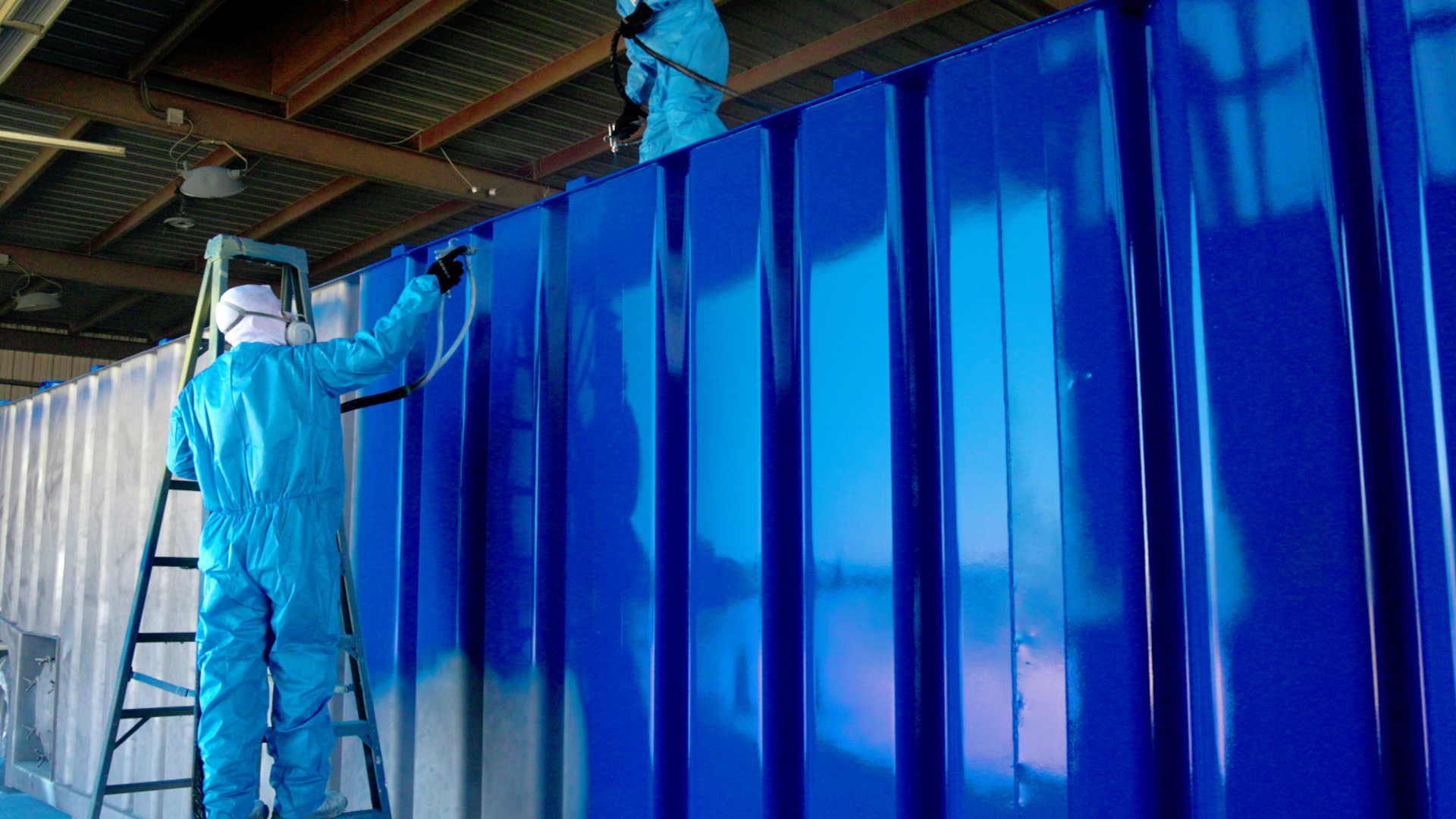
Sherwin-Williams Protective & Marine has introduced the Acrolon™ 680 single-coat topcoat, aiming to enhance the efficiency and longevity of coating applications for various industrial and marine assets. This high-performance direct-to-metal (DTM) polyurethane coating is designed to streamline processes by minimising surface preparation needs, offering quick drying times, and providing excellent one-coat coverage. Acrolon 680 meets the demands of fabricators and asset owners for speed, durability, and aesthetics with its easy-to-apply formulation that performs effectively both in manufacturing settings and on-site.

The application process of Acrolon 680 is expedited through its specific capabilities. The high-solids polyurethane can be used on minimally prepared surfaces, particularly those that have been hand tool cleaned to SSPC-SP2 standards and possess tightly adherent rust. Furthermore, Acrolon 680 can be applied in a single, high-build coat directly to metal, significantly reducing the time typically required for the installation of multi-coat acrylic or alkyd systems. This coating also allows for a quicker return-to-service compared to traditional acrylics or alkyds, and applicators can choose to apply it using spray, brush, or roller methods.

Paul Trautmann, marketing director for infrastructure at Sherwin-Williams Protective & Marine, noted that “Acrolon 680 provides simplified, yet robust, protection for surfaces not prepared with advanced methods, whether for new components, equipment, structures, or the maintenance of existing assets.” He emphasised that the coating is suitable wherever steel requires a single-coat solution and long-term protection, making it an ideal choice for enhancing production efficiency.

Acrolon 680 offers superior chemical resistance along with a tougher, more durable finish compared to conventional acrylics and alkyds. This volatile organic compound (VOC)-compliant coating features 65 percent volume solids and contains less than 340 g/L VOCs, positioning it as a high-performance option for a broad spectrum of industrial applications. It is particularly effective on tanks, piping, valves, structural steel, marine vessels, and equipment subjected to harsh chemical processing environments, ensuring reliable protection and extended performance.

This innovative technology adheres to SSPC Paint 36 standards, providing a high-gloss finish and excellent colour retention, which maintains a vibrant, professional appearance even under extreme ultraviolet exposure and weathering. Additionally, the coating is fully customisable in colour.

For more information visit www.industrial.sherwin-williams.com

Green Plains Inc. welcomes Trent Collins as senior vice president of operations

Green Plains Inc. is thrilled to announce the appointment of Trent Collins as the new senior vice president of operations. With over 30 years of experience in the protein and agribusiness sectors, Collins brings a wealth of knowledge and expertise that will significantly contribute to the company’s ongoing growth and commitment to operational excellence.

Trent Collins has built a distinguished career marked by leadership in diverse operational roles. His extensive background in the industry equips him with the insights and skills necessary to navigate the complexities of agribusiness and enhance operational efficiencies. As Green Plains Inc. continues to expand its footprint, Collins will play a crucial role in driving strategies that support sustainable growth and innovation.

Collins’ leadership is expected to foster a culture of excellence within the operations team, ensuring that Green Plains Inc. remains at the forefront of the industry. His appointment signifies the company’s dedication to investing in top talent to achieve its strategic goals.

As Green Plains Inc. embarks on this new chapter, the company looks forward to the valuable contributions that Trent Collins will bring to the table, reinforcing its position as a leader in the agribusiness landscape.

For more information visit www.gpreinc.com

StreamTech Industrial celebrates safety excellence in Beaumont

StreamTech Industrial has proudly announced that their Beaumont office has received notable recognition from ExxonMobil Beaumont and the ExxonMobil Polyethylene Plant through the Golden Triangle Business Roundtable (GTBR) Contractor Safety Awards. This acknowledgment highlights their unwavering commitment to safety excellence within the industry.

As part of this prestigious recognition, StreamTech was honoured with several awards:

– Owner Tribute Award
– Paramount Performance Award
– Finalist – Donald T. Boumans Award

These accolades reflect the hard work and dedication of the Beaumont team and the entire StreamTech Safety Team, who continuously prioritise safety in every aspect of their operations.

StreamTech extends their heartfelt gratitude to the GTBR for facilitating such a comprehensive and impactful programme, as well as to the auditing members who contribute their time and expertise to uphold and elevate safety standards across the industry.

At StreamTech, safety is not just a priority; it is a core value. Their daily mission revolves around protecting their employees, customers, and the communities they serve. This recognition is a testament to the diligence, culture, and commitment of their team members who strive to keep safety at the forefront of everything they do.

For more information visit www.streamtech.com

David Malinas appointed as new OPW president

OPW, a Dover Company, has announced that it has named David Malinas as the company’s new president, effective immediately.

David brings more than 20 years of operational leadership experience to his new role. He most recently served as chief operating officer of Duravant, a global automation equipment company headquartered in Chicago. Prior to Duravant, David served as president of the Industrial Process segment at ITT, and held senior executive roles at Thermo Fisher Scientific and Danaher Corporation.

David is no stranger to Dover. He first joined the company in 2019 as senior vice president of operations, a role he held for nearly four years. During that time, he led the development and execution of Dover’s manufacturing strategy, with a strong focus on footprint optimisation, continuous improvement, supply chain efficiency, and quality enhancement. His efforts were instrumental in driving profitable growth across Dover’s operating companies.

“OPW has always represented innovation, quality, and a commitment to operational excellence,” said David Malinas, newly appointed president of OPW. “I’m thrilled to rejoin the Dover organisation and work alongside our talented OPW team, building on this strong foundation to accelerate growth, drive performance, and deliver long-term value for our customers.”

David holds a Bachelor of Science in Chemical Engineering and a Master of Science in Manufacturing Engineering from Case Western Reserve University, as well as a Master of Business Administration from Harvard Business School.

David succeeds Kevin Long, who spent 11 years with Dover, including serving as president of OPW since 2017.

For more information visit www.opwglobal.com

The business of asset care: Why smarter maintenance is a financial strategy

Capital expenses associated with inspection, repair, and maintenance are often perceived as a necessary burden; however, they can be transformed into opportunities. With the right tools and partnerships, financial leaders have the potential to turn operational upkeep into a strategic advantage, thereby protecting investments, enhancing predictability, and unlocking long-term value. The foundation for this transformation lies in achieving visibility.

In asset-heavy industries, operations are conducted under stringent scrutiny, which is justified due to the high stakes involved—structural failures, environmental risks, and unexpected downtimes. Consequently, maintenance strategies frequently focus on compliance, ensuring that necessary regulations are met. While this approach serves as a solid foundation, it can overlook broader opportunities.

Image supplied by Falcker

Savvy finance teams recognise that compliance represents the baseline rather than the pinnacle of asset management. The true opportunity lies in leveraging asset care to drive improved business outcomes. This involves not only maintaining operational functionality but also gaining insights into asset performance, identifying risks, and understanding how current repair decisions influence future returns. By digitising, automating, and standardising inspections, capital planning becomes more predictable. Teams can pinpoint where investments are needed, allocate budgets more efficiently, and mitigate costly surprises associated with unplanned failures. This proactive approach allows organisations to extend asset life and optimise every maintenance dollar spent.

This strategy not only reduces costs but also fosters trust. Investors and insurers seek evidence that asset integrity is being managed actively rather than retroactively. Utilising a platform like Falcker’s Condition Monitor provides auditable records, standardised reporting, and data-driven repair scopes—moving away from cumbersome spreadsheets that require extensive effort to manage. For finance teams, this translates into a robust narrative with fewer uncertainties during audits, refinancing, or ESG evaluations.

The focus extends beyond managing a single repair or asset; it encompasses embedding smarter asset care throughout the entire operation. With built-in support for standards such as API 653 and EEMUA 159, Condition Monitor ensures consistency across inspections, teams, terminals, and timeframes. This level of insight enables finance leaders to address more significant questions, such as the long-term ROI of asset life extension, accurate modeling of depreciation, and identifying where maintenance budgets can yield the most significant impact. Ultimately, it revolves around the financial narrative that these decisions support.

At Falcker, the belief is that asset integrity is a collective responsibility. Operations teams maintain the functionality of tanks, inspectors keep records current, and finance teams ensure these efforts are sustainable through budget alignment, risk management, and investment in long-term resilience. Falcker’s solutions are designed to facilitate this role. Condition Monitor transforms asset care into a source of insight rather than merely a line item. By centralising condition data and automating recommendations, it effectively reduces maintenance costs, extends asset life, and future-proofs inspection strategies, all while keeping financial leaders informed.

The business case for asset care should not be a difficult argument to make; it should be underpinned by data, reflect a commitment to safety and sustainability, and yield measurable outcomes for operations, stakeholders, and financial performance. While capital expenditure related to asset care may never be entirely eliminated, it can be managed more intelligently. In an unpredictable market, predictable costs, transparent data, and scalable solutions are precisely what forward-thinking finance teams seek.

Condition Monitor exemplifies how Falcker enables organisations to realise this vision. To discover how Falcker supports safer, smarter, and financially resilient operations, visit falcker.com.

Vote for the #IAPH2025 Sustainability Awards

The Porthos CO₂ transport and storage project has received a nomination for the #IAPH2025 Sustainability Awards in the Climate and Energy category. Submitted by the Port of Rotterdam Authority, Porthos is among just three finalists chosen by an independent jury from a diverse pool of global submissions. This recognition underscores the project’s significant impact on CO₂ reduction.

Scheduled to commence in 2026, Porthos aims to transport CO₂ from industrial sources within the port to depleted gas fields beneath the North Sea for permanent storage. This initiative is projected to decrease CO₂ emissions in the Rotterdam port area by at least 10 percent, representing a significant move toward achieving a climate-neutral future.

Voting is currently open, and every vote is crucial. Interested individuals can cast their votes until September 5th through the World Port Sustainability Programme. Voters will receive a confirmation link via email, as only confirmed votes will be counted. The winners will be announced on October 8th during the gala dinner at the IAPH World Ports Conference in Kobe, Japan.

For more information visit www.sustainableworldports.org/iaph2025-sustainability-awards/vote/

CB&I awarded contract by Lithium Nevada LLC for Thacker Pass

CB&I has announced that it has been awarded a significant contract by Lithium Nevada LLC, a wholly owned subsidiary of Lithium Americas Corp., to carry out the engineering, procurement, fabrication, and construction (EPFC) of 36 flat-bottom atmospheric tanks at Thacker Pass, referred to as “the Project.”

Located in Humboldt County, northern Nevada, Thacker Pass is recognised as the world’s largest known measured lithium resource and reserve. The Project is under the management of Bechtel, the engineering, procurement, and construction management (EPCM) contractor. As demand for lithium is anticipated to rise over the next decade, Thacker Pass is poised to play a crucial role in decreasing US dependence on foreign critical minerals and creating a secure domestic lithium battery supply chain.

Mark Butts, president and CEO of CB&I, expressed pride in supporting Lithium Nevada and Bechtel in the delivery of this nationally significant lithium project. “Thacker Pass will help enable a US supply of lithium and create well-paying jobs during construction and operations,” he stated. “Our team is honoured to contribute CB&I’s legacy of tank engineering and construction excellence to this important project.”

The atmospheric storage tanks that CB&I will produce for the Thacker Pass lithium mine will be used to store various process solutions, chemicals, and products involved in the multiple stages of lithium extraction from clay deposits. These tanks are designed to meet stringent environmental, seismic, and safety standards, and will be constructed using CB&I’s proprietary field construction methods and advanced fabrication capabilities.

Richard Gerspacher, executive vice president of Capital Projects at Lithium Americas, noted that CB&I’s expertise in large-scale storage infrastructure for complex industrial processes makes them a suitable partner for Thacker Pass. “CB&I’s proven track record, global expertise, and experience with industrial storage solutions make them an ideal collaborator for this critical infrastructure component supporting North America’s largest lithium mining project,” he remarked.

Dan Dawson, deputy project director at Bechtel, welcomed CB&I to the Thacker Pass team, highlighting their role among the industry-leading contractors and suppliers involved in the project. “We look forward to seeing the tanks take shape as the plant comes together,” he added.

For more information visit www.cbi.com

Building LNG for a non-linear energy transition

Paul Sullivan has over 30 years of experience in delivering energy infrastructure globally. He has played a pivotal role in leading the global LNG strategy across six centres of excellence, including London, Houston, Singapore, Vancouver, and Teesside, where he has helped customers design and implement next-generation lower-carbon LNG solutions. Currently based in Houston, he heads the Americas LNG Consulting business.

Since 2010, Sullivan has served as the strategic co-chair of the Gastech governing body, where he has facilitated connections among government, industry, and academia, guiding global discussions on the evolving role of LNG in achieving a net-zero energy mix.

Sullivan challenges conventional linear thinking in the energy sector. He notes a fundamental flaw in the structured decarbonisation approaches adopted by many energy companies. “Everyone wants a roadmap to net zero with clean timelines and predictable milestones,” he explains. “But energy transition doesn’t adhere to blueprints. My role involves partnering with customers to achieve outcomes that align with their assets, markets, and net-zero aspirations.”

He advocates for a revolution in LNG facility design, moving away from traditional large-scale, fixed layouts to a modular, smarter approach that reduces footprint, enhances safety, and accelerates delivery. This innovative design can be applied to both large-scale projects and smaller niche developments, which are becoming increasingly significant in the market. “These practical innovations transform project economics by replacing massive facilities with smaller, interconnected systems that can be phased in progressively,” he elaborates. “This approach provides customers with the flexibility to adapt as market conditions evolve.”

In alignment with this philosophy, Sullivan has challenged traditional EPC models to identify more collaborative risk allocation among project parties, aiming for successful, de-risked outcomes.

Recognising that technical innovation is only part of the equation, Sullivan emphasises the importance of knowledge sharing across Worley’s LNG hubs and the reskilling of engineers from traditional energy backgrounds. “Building the next generation of LNG engineers requires more than just curriculum,” he states. “It involves culture, connection, and purpose, as well as an understanding of the communities where we operate.” He highlights the efforts of Worley’s Global Integrated Delivery (GID) teams in India and Colombia, which are focused on developing the necessary understanding and skills to support LNG customers worldwide.

Sullivan’s pragmatic philosophy, shaped by his extensive LNG experience, emphasises execution that accommodates a range of outcomes, ensuring asset viability while advancing decarbonisation efforts. “The companies that will thrive in the energy transition will not be those with rigid five-year plans,” he asserts. “They will be those that remain adaptable to changing market conditions.”

He concludes by stating, “Linear thinking can falter because energy transformation is inherently non-linear. The future of LNG lies in agility—remaining responsive to market dynamics and committed to tangible outcomes. We’re laying the groundwork for a more sustainable energy future, one project and one customer at a time.”

For more information visit www.worley.com

VVDN expands manufacturing footprint into the UAE to meet global demand

VVDN Technologies, a global provider of software, product engineering, and electronics manufacturing services and solutions, has announced plans to establish a new manufacturing facility in the UAE as part of its global expansion strategy. This facility is expected to be operational within four weeks, representing a significant milestone for the company.

Strategically located, the new facility aims to serve customers across the United States, Europe, and the MENA region. It will feature state-of-the-art capabilities, including PCB assembly, automated product assembly, mechanical manufacturing, testing and validation, among other critical verticals, aligning with VVDN’s backward integration strategy.

The facility will support the manufacturing of a diverse array of advanced electronics products across sectors such as Telecom, MedTech, Automotive, Cameras, Industrial Automation, and other high-tech solutions. With its robust infrastructure and end-to-end capabilities, VVDN is positioned to provide customers with accelerated time-to-market and cost-effective solutions while upholding the highest standards of quality and compliance.

This expansion enhances VVDN’s status as a global leader in electronics design and manufacturing services, complementing its existing operations in India, North America, Europe, and Asia-Pacific.

Gourab Basu, senior vice president of manufacturing commercials at VVDN Technologies, highlighted that the new manufacturing facility in the UAE is a pivotal milestone in the company’s journey. He noted that the UAE offers an attractive manufacturing environment due to its strategic location, advanced infrastructure, and growing local market. As a gateway between the East and West, the UAE provides seamless access to diverse markets. This expansion underscores VVDN’s commitment to bringing manufacturing closer to its global clientele while addressing the rising demand for high-quality, competitively priced solutions with quick turnaround times. It is expected to serve as a primary catalyst for VVDN’s vision to expand its manufacturing setups worldwide.

By entering new geographies, VVDN reinforces its commitment to enhancing its global presence and advancing its long-term goal of becoming a leading provider of electronics design and manufacturing through innovative technology and consistent growth.

For more information visit www.vvdntech.com

Pengerang Terminals (Two) Sdn. Bhd., signs Terminal Usage Agreement

DIALOG Group Berhad has announced that its 25 percent indirectly owned joint venture company, Pengerang Terminals (Two) Sdn. Bhd., signed a Terminal Usage Agreement with Pengerang Biorefinery Sdn. Bhd. on 29 July 2025. This agreement facilitates PT2SB in providing storage and handling facilities for PBSB’s feedstocks and products as part of “The Expansion Project.”

The Expansion Project will see PT2SB expand and develop a dedicated storage capacity of approximately 272,000 cubic metres for PBSB. The total investment for this expansion is around USD 330 million, which includes costs related to shared terminal facilities. The project is backed by a 25-year long-term take-or-pay TUA and will leverage the efficiencies of PT2SB’s existing capacity and infrastructure.

PT2SB operates a dedicated deep-water terminal that serves the Pengerang Integrated Complex. Its shareholders include Dialog Equity (Two) Sdn. Bhd., a subsidiary of DIALOG (25 percent); PRPC Utilities and Facilities Sdn. Bhd., a subsidiary of Petroliam Nasional Berhad (PETRONAS) (40 percent); Vopak Terminal Pengerang BV, a subsidiary of Royal Vopak (25 percent); and Permodalan Darul Ta’zim Sdn. Bhd., a state-owned company in Johor (10 percent).

PBSB, on the other hand, is a joint venture with ownership divided between PETRONAS Mobility Lestari Sdn. Bhd., a subsidiary of PETRONAS (42.5 percent); Enilive S.p.A, a company directly controlled by Eni S.p.A. (42.5 percent); and Euglena Sustainable Investment Limited, a subsidiary of Euglena Co., Ltd. (15 percent).

PBSB’s biorefinery is expected to process approximately 650,000 tonnes of raw materials annually to produce Sustainable Aviation Fuel and other biofuels, including Renewable Diesel/Hydrogenated Vegetable Oil, to meet the increasing demands of the global aviation and transportation sectors.

For more information visit www.dialogasia.com

ConocoPhillips further expands LNG business with additional Gulf Coast offtake agreement

ConocoPhillips has announced the signing of a long-term sales and purchase agreement to acquire 4 million tonnes per annum (MTPA) of liquefied natural gas from the Port Arthur LNG Phase 2 project, which is being developed by Sempra Infrastructure, a subsidiary of Sempra, located in Jefferson County, Texas.

The agreement allows ConocoPhillips to offtake LNG over a 20-year term on a free-on-board basis, enhancing the company’s capacity to reliably supply natural gas to key global markets.

Ryan Lance, chairman and CEO of ConocoPhillips, expressed satisfaction in extending the partnership with Sempra Infrastructure, stating that the agreement positions them as a major offtaker at Port Arthur LNG Phase 2. He noted that this SPA is a significant step in advancing ConocoPhillips’ global LNG portfolio strategy, aiming to create a flexible and reliable LNG supply network to meet increasing energy demand.

Jeffrey W. Martin, chairman and CEO of Sempra, highlighted the growing importance of US LNG in addressing the energy security needs of America’s allies. He expressed enthusiasm for the partnership with ConocoPhillips to expand the Port Arthur LNG facility, emphasising the shared vision of connecting American natural gas producers with expanding overseas markets while contributing to economic growth and job creation domestically.

In July 2022, ConocoPhillips had previously signed a 20-year agreement for the offtake of 5 MTPA of LNG and secured a 30 percent equity stake in Phase 1 of Port Arthur LNG, which is anticipated to commence operations in 2027. Although the final investment decision for Phase 2 is still pending, ConocoPhillips’ involvement in that project will be limited to offtake only.

For more information visit www.conocophillips.com

Saipem milestone achieved in the development of the Yellowtail project in Guyana

Saipem has successfully completed its designated scope of work for the development of the Yellowtail field, operated by ExxonMobil Guyana Ltd., located approximately 1,800 metres underwater within the Stabroek Block offshore Guyana.

Awarded the contract in 2022, Saipem was responsible for the Engineering, Procurement, Construction, and Installation (EPCI) of the Subsea Umbilical, Riser, and Flowline (SURF) system for the Yellowtail field. The installation of the rigid flowline and steel lazy wave risers was executed by the FDS2 J-lay vessel during an early 2024 campaign. The project concluded in 2025, with the Saipem Constellation carrying out the installation of flexible risers, umbilicals, and the connection of the pre-laid rigid riser to the floating production storage and offloading (FPSO) unit. Additionally, the Normand Samson, a Saipem-chartered Multi-Support Vessel (MSV), supported the offshore campaign from mid-2024, providing subsea pre-commissioning, surveys, light construction, and the installation of flowline jumpers fabricated at Saipem’s yard in Georgetown. All offshore and onshore activities adhered to the highest standards of safety and quality, completed on schedule.

This project reinforces Saipem’s strategic position and execution capabilities in large-scale deepwater developments, building on the experience gained from previous projects for ExxonMobil Guyana, including Liza Phase 1 and 2, Payara, and the UARU offshore phase, which commenced in March 2025. By leveraging operational efficiency and expertise in managing complex projects, Saipem contributed to an advanced production start-up of the Yellowtail field, achieving nearly a four-month acceleration.

Saipem remains committed to delivering innovative engineering and technological solutions in challenging geological environments such as the Stabroek Block. The company integrates its acquired expertise with a focus on sustainability and local development, continuing to collaborate closely with local communities and stakeholders to foster economic growth and the development of specialised skills on-site.

For more information visit www.saipem.com/en

Surmont the journey to 500 million barrels

On June 24, Surmont reached a significant milestone by producing 500 million barrels of oil. ConocoPhillips Canada president Nick McKenna expressed his congratulations, stating, “Safely producing 500 million barrels from Surmont is an incredible accomplishment. My deepest thanks to all involved throughout Surmont’s history and those working and supporting the asset today.”

Surmont, a steam-assisted gravity drainage (SAGD) facility situated approximately 55 kilometres south of Fort McMurray, Alberta, is currently designed to produce Surmont Heavy Dilbit, which consists of bitumen diluted with condensate. The facility operates two central processing units for the treatment and blending of bitumen. As a 100 percent working interest asset, Surmont provides sustained, long-term production capabilities.

For more information visit www.conocophillips.ca