Jadestone Energy PLC successful flow testing of the Skua-11ST Well

Jadestone Energy PLC has provided an update on the testing of the Skua-11ST development well at the Montara field, located offshore Australia.

As previously disclosed, production from the Skua-11ST well began in early August 2025. Initial oil production rates from the well surpassed expectations, exceeding 6,000 barrels per day (bbls/d), significantly higher than the prior estimate of 3,500 bbls/d. Following this, the production rates stabilised at 4,400 bbls/d with a 40 percent open choke, prior to the restart of the Montara field’s other subsea wells.

The Skua-11ST well was completed with downhole inflow control devices, which aim to enhance reservoir sweep and recovery. This well, along with the other Montara wells, will be managed strategically to maximize overall recovery from the Montara field.

T. Mitch Little, chief executive officer of Jadestone, remarked on the situation, stating, “The strong initial flows from the Skua-11ST well will significantly contribute to increased production from Montara, supporting our revised 2025 production guidance, which was upgraded in July. This production boost will also help reduce Montara’s unit operating costs and extend the field’s lifespan by approximately one year.”

For more information visit www.jadestone-energy.com

JGC and Fluor awarded FEED contract for proposed second phase LNG Canada facility expansion

JGC Holdings Corporation has announced that JGC Corporation and Fluor Corporation have been awarded the contract to update the Front End Engineering and Design (FEED) for a proposed Phase 2 expansion of the LNG Canada facility, located in the traditional territory of the Haisla Nation in Kitimat, British Columbia, Canada.

The LNG Canada facility, situated on Canada’s west coast, benefits from access to abundant, low-cost natural gas and features an ice-free harbour. It is the first facility of its kind in Canada, with an annual production capacity of approximately 14 million tonnes of LNG. This facility positions Canada as a significant supplier of low-carbon natural gas to global markets and operates under a 40-year license, aimed at reducing global greenhouse gas emissions by replacing coal with natural gas. The proposed Phase 2 expansion is set to double the LNG production capacity.

The JGC Fluor joint venture is currently executing EPC work on the LNG Canada Project, with the first export cargo achieved in June 2025. The award of the FEED update contract recognises the project execution capabilities demonstrated on the LNG Canada Project and the joint venture’s proven track record in successfully delivering numerous large-scale LNG projects.

LNG Canada is a joint venture involving Shell, Petronas, PetroChina, Mitsubishi Corporation, and KOGAS. The JGC Fluor joint venture will continue its involvement in the LNG Canada Project through commissioning support and long-term operational readiness services.

Masayuki Sato, representative director, chairman, president, and CEO of JGC Holdings Corporation, stated, “We are pleased to have been engaged by LNG Canada for this FEED update contract, which builds upon our previous work on the LNG Canada Project. This contract award represents one of the most significant milestones in the ambitious expansion project we have been pursuing for a long time. We will make every possible effort to incorporate the lessons learned from the LNG Canada Project to ensure the success of this strategic expansion.”

In addition to the LNG Canada Project, JGC, as a leading global contractor contributing to the energy transition, is delivering strategic LNG projects including the Ruwais LNG project in the United Arab Emirates, the Nearshore Floating LNG Plant in Malaysia, and the FEED for the Rovuma LNG project in Mozambique. JGC aims to contribute to the realisation of planned energy transition projects to fulfil its commitment to “Enhancing Planetary Health.”

For more information visit www.jgc.com

Metso to review the future of its loading and hauling operations in Finland and Sweden

Metso is currently evaluating the future of its loading and hauling operations in Finland and Sweden. This assessment is part of the company’s objective to align its offerings with businesses that possess a global scale and financial performance that supports Metso’s growth ambitions.

As a key aspect of this process, Metso intends to divest its loading and hauling business to an external party. Should a suitable buyer not be identified, the company may consider discontinuing and winding down operations in both Finland and Sweden, where approximately 110 employees are based, predominantly in Finland.

Saso Kitanoski, president of the consumables business area at Metso, stated, “Such considerations are never taken lightly; hence this announcement follows a thorough evaluation. We recognise and highly value the dedication and professionalism of our employees in the loading and hauling business. We believe that the value and future potential of this business can be best realised under new ownership. We will actively seek interested parties and, during this process, will ensure that our customer commitments are maintained.”

Metso will initiate consultation processes in Finland and Sweden today, in compliance with country-specific legislation, to discuss the planned changes and their potential impacts. Any decisions and subsequent steps will only be made after concluding negotiations with local unions.

The loading and hauling business operates in Kokkola and Kalajoki, Finland, as well as in Luleå, Sweden, producing truck bodies, buckets, and ground-engaging tools for various applications in mining and aggregates.

For more information visit www.metso.com

Cheniere Energy announces substantial completion of Train 2 at Corpus Christi

Cheniere Energy has announced the substantial completion of Train 2 at the Corpus Christi Stage 3 Liquefaction Project (CCL Stage 3), achieving this milestone well ahead of its guaranteed completion date.

Bechtel Corporation, the engineering, procurement, and construction partner, has officially transferred care, custody, and control of Train 2 and its associated systems to Cheniere.

The company remains optimistic that Train 3 of CCL Stage 3 will also reach substantial completion by the end of the year, with Train 4 expected to enter commissioning and begin LNG production by that time. Once all seven trains of CCL Stage 3 are completed, the total LNG production capacity of the Corpus Christi Liquefaction facility is anticipated to exceed 25 million tonnes per annum.

For more information visit www.cheniere.com

Visual Detectable Components: Preventing contamination before it starts

In production environments where contamination risks can lead to costly recalls or safety failures, the visibility of every component is crucial. Visual detectable components, engineered for high contrast and traceability, are specifically designed to mitigate these risks by making parts easier to identify during inspections and maintenance.

Elesa’s range of visually detectable (VD) components supports industries where safety and hygiene are strictly regulated. These parts are crafted from materials and colours that stand out against typical industrial surfaces, enhancing the visibility of broken or loose components to both the human eye and automated detection systems. This is particularly essential in sectors such as food processing, pharmaceuticals, and chemical manufacturing, where foreign object contamination can have severe repercussions.

For example, in a dairy production facility, the addition of VD knobs and handles to conveyor equipment made any missing or damaged parts immediately noticeable. This initiative not only bolstered safety protocols but also helped prevent production delays and regulatory penalties. Similarly, a pharmaceutical manufacturer producing sterile injectables integrated these components across its cleanroom lines, resulting in a measurable decrease in batch rejections due to foreign material risks.

In chemical processing, the challenges differ but remain equally demanding. The presence of harsh substances and complex systems necessitates durable components that are also easy to track. One facility handling hazardous compounds incorporated visually detectable fasteners into its processing units, enabling staff to quickly identify mechanical wear or loss, thereby preventing equipment failures and minimising the risk of contamination across batches.

Automation adds another layer of complexity. On high-speed packaging lines, undetected part failures can halt production or lead to undiagnosed defects in final products. At a beverage plant, the installation of VD levers and grips across filler and capper units allowed maintenance teams to swiftly locate missing elements, thus reducing machine downtime and enhancing throughput.

The core advantages of visually detectable components are clear:

1. High visibility: Vibrant colours facilitate easy identification in production areas.
2. Improved safety: Reduces the risk of foreign object contamination.
3. Fast detection: Compatible with visual inspections and detection systems.
4. Regulatory compliance: Supports food and pharmaceutical standards.
5. Durable materials: Designed to withstand industrial cleaning and mechanical stress.

Elesa’s offering includes a wide variety of VD-certified parts, such as knobs, latches, hinges, handles, and positioning indicators. A global snack manufacturer that previously struggled with contamination traced to undetectable components upgraded its line with Elesa’s visually detectable alternatives. Within months, the company reported a 60 percent reduction in contamination incidents, faster equipment checks, and improved audit outcomes.

While these components might seem minor within the broader context of a production system, they play a pivotal role in safeguarding product integrity. By enhancing visibility and facilitating rapid intervention, visually detectable parts help prevent contamination before it occurs and ensure machines remain operational with minimal disruption.

In contemporary industrial settings, traceability and cleanliness are essential. Elesa continues to address these needs with components that are not only technically sound but also visibly safer.

For more information visit www.elesa.com

Fostering partnerships from Copenhagen to Mumbai

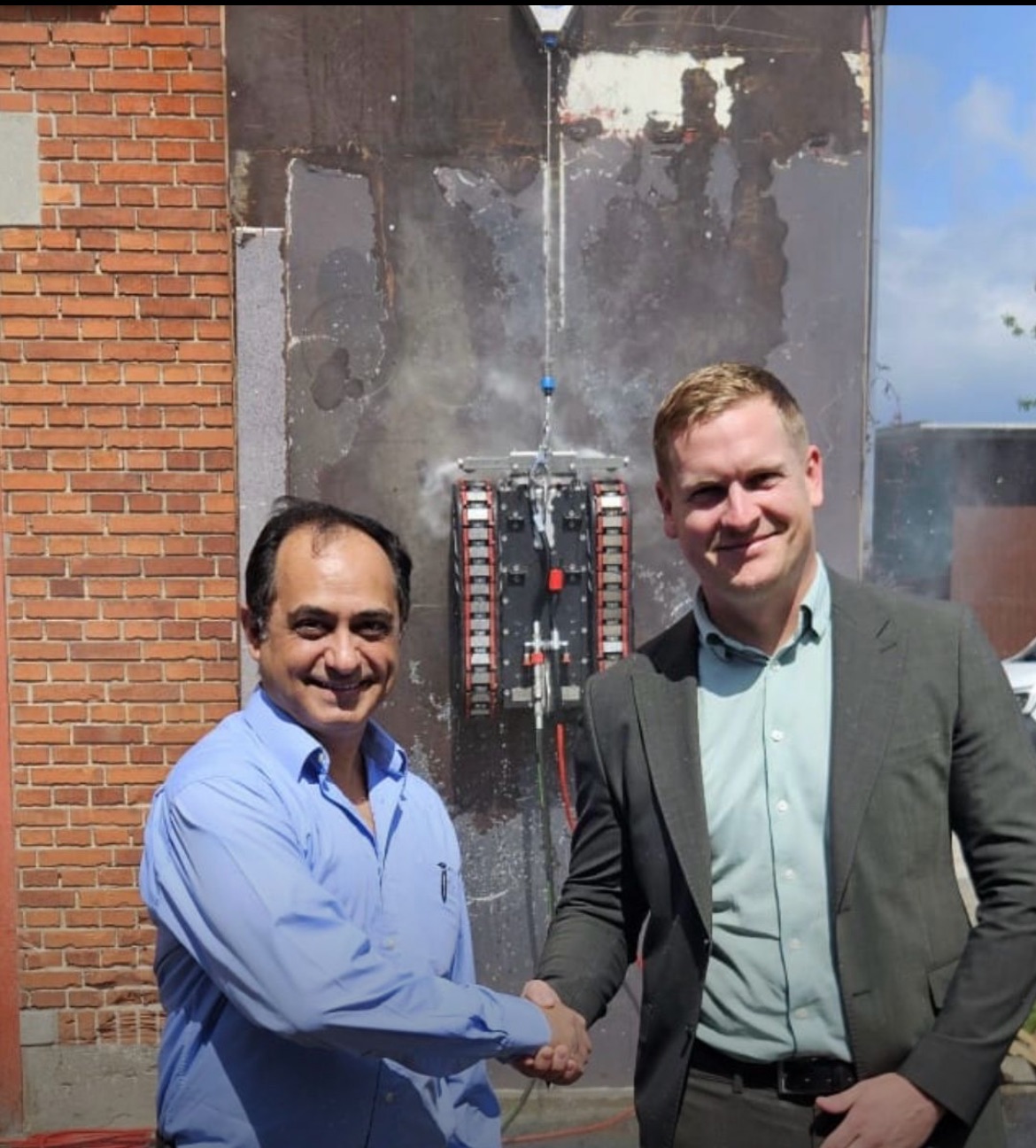
In a significant development for the cleaning industry, CLIIN Robotics proudly welcomed Farhad Cooper from Amfico Agencies Pvt. Ltd. yesterday. This partnership marks an exciting step forward in delivering innovative cleaning solutions to the Indian market.

The collaboration between CLIIN Robotics and Amfico Agencies is poised to revolutionise the way cleaning operations are conducted in India. With cutting-edge technology and high-quality products at the forefront, both companies are committed to enhancing safety and efficiency in cleaning processes.

For those interested in learning more about how CLIIN Robotics’ advanced cleaning robots can transform operations, both Farhad and the CLIIN team encourage you to reach out. Together, they are dedicated to providing solutions that ensure safer processes and improved efficiency in various operational settings.

This partnership between CLIIN Robotics and Amfico Agencies not only highlights the importance of innovation in technology but also reinforces the value of strong relationships in achieving shared goals. The journey from Copenhagen to Mumbai is just beginning, and the potential for positive impact is immense. and

For more information visit www.cliin.dk

For more information visit www.amfilogistics.in

The role of Annual Delivery Plans in efficient CO₂ terminal design & operations

The Annual Delivery Plan (ADP) is a crucial element for ensuring the reliable and efficient operation of CO₂ terminals. It functions as a comprehensive planning, coordination, and communication tool that underpins the long-term viability of carbon capture and storage (CCS) projects, which are integral to the climate objectives of many nations.

What is an Annual Delivery Plan?

The ADP is a logistical and operational framework utilised by facility operators and stakeholders. It is typically developed annually but is subject to periodic reviews and updates. Key components of the ADP include:

– Forecasted volumes of CO₂ to be handled.
– A schedule of incoming and outgoing shipments, whether by ship, pipeline, or truck.
– Maintenance windows and planned outages.
– Capacity planning and storage utilisation.
– Safety, environmental, and compliance requirements.

How is an Annual Delivery Plan used for CO₂ terminals?

1. Terminal Design
– Determines the optimal tank size.
– Assesses the feasibility of additional emitters and lifters.
– Quantifies the added value of enabling lending and borrowing.
– Evaluates the impact of various fleet mixes, ship capacities, and round-trip times.
– Tests and assesses multiple (contractual) lifter rules.
– Reviews the impact of different emitter profiles.

2. Volume Planning
– Forecasts the expected quantity of CO₂ from capture sources such as power plants and industrial facilities.
– Plans the logistics of how and when CO₂ will be received, stored, and shipped, including to offshore storage sites.

3. Scheduling Operations
– Coordinates the arrivals and departures of ships when CO₂ is transported by sea.
– Plans the schedules for pipeline injection for onward transport or storage.

4. Maintenance Coordination
– Schedules preventive maintenance to avoid operational disruptions.
– Aligns maintenance activities with low-activity periods to minimise downtime.

5. Stakeholder Alignment
– Serves as a reference for all involved parties, including capture partners, transport providers, and regulators.
– Ensures clarity regarding responsibilities and timelines for all stakeholders.

6. Risk Management & Contingency Planning
– Identifies potential bottlenecks or risks, such as storage overcapacity and delays.
– Includes fallback procedures and buffers to address unforeseen challenges.

Why is a robust Annual Delivery Plan important for CO₂ terminals?
– Operational Efficiency: Facilitates smooth, conflict-free logistics while minimising idle time and excess storage.
– Capacity Management: Prevents both overfilling and underutilisation of terminal storage.
– Regulatory Compliance: Documents and demonstrates adherence to safety and environmental regulations.
– Financial Planning: Informs budgeting, cost forecasting, and investment decisions.
– Decarbonisation Strategy: Supports broader carbon management objectives by ensuring reliable CO₂ transport and storage.
– Operational Variability: Minimises the impacts of sailing delays, customer outages, fluctuations in CO₂ availability, and mechanical failures.

At Systems Navigator, the complexity of operating a CO₂ terminal is understood to extend beyond mere infrastructure; it encompasses precision, coordination, and control. To address these challenges, a specialised Annual Delivery Plan (ADP) software solution has been developed, tailored to the unique demands of CCS logistics. Built on years of industry expertise, this platform enables terminal operators to effectively plan and manage CO₂ volumes, optimise capacity, and align stakeholders—all through a single, intuitive interface. Leading companies, including Air Liquide and Fluxys, rely on these solutions to enhance their operations, reduce risk, and advance their decarbonisation goals.

As CCS networks continue to grow, a robust planning system is no longer optional; it has become essential. Interested parties are encouraged to reach out to learn how the ADP software can support CO₂ terminal projects, from conception to full-scale operation.

For more information visit https://www.systemsnavigator.com/

Moeve and Exolum commission new pipeline at the Port of Huelva

Moeve and Exolum have successfully completed the modernisation of the Torre Arenillas Quay and its pipeline system at the Port of Huelva. This project, which took three years to finish without disrupting port terminal activities, involved an investment exceeding 150 million euros.

The upgraded infrastructure replaces the original pipe system with 70 kilometres of new piping, along with enhanced pumping equipment and twelve new marine loading systems. The commissioning of the south berth this week marked the final step in making the project fully operational. This new facility significantly enhances the capacity and safety of product loading and unloading operations within the port area. The modular design utilised in the project contributed to reduced downtime and minimized operational impacts throughout the construction phase.

Coordination between Exolum and Moeve has been crucial to the project’s success, which required an innovative civil engineering approach due to spatial constraints in the area. Over 300 professionals from various disciplines participated in the project, characterised by its emphasis on safety, meticulous planning, and collaborative efforts.

Jorge Guillén, director of the Spain and Aviation Business Unit at Exolum, stated that the commissioning of this infrastructure marks a significant advancement in modernising the Port of Huelva’s energy infrastructure. He emphasized that collaboration between companies is vital for promoting the implementation and distribution of sustainable energy products, which are essential for the energy transition process.

From Moeve, Antonio Joyanes, executive vice-president of Energy Parks, and Jose Manuel Martínez, director of Technology, Projects and Services, noted that the completion of the pipeline, part of two major investments with Exolum, signifies a substantial leap for their strategic projects and will greatly enhance the operational efficiency of their facilities at Palos de la Frontera.

The project involved collaboration with over 30 public and private entities, exemplifying effective coordination among industries, contractors, and local, regional, and port authorities. Moeve led the design and execution of the infrastructure, while Exolum served as a strategic partner in the project and will manage the operation of the facility.

Both Moeve and Exolum expressed gratitude to the Regional Government of Andalusia, the Port Authority of Huelva, the Harbour Master’s Office, the Hydrographic Demarcation of Tinto, Odiel, and Piedras, the Town Council of Palos de la Frontera, ADIF, and the Ministry of Transport and Sustainable Mobility for their essential collaboration in the development and implementation of this project.

The new pipeline is fully integrated into the logistics network of the La Rábida Energy Park, solidifying its position as a key component in the future energy export process. This infrastructure enhances the complex’s capacity as a strategic hub for the production and distribution of energy products, ranging from traditional offerings to second-generation biofuels and other sustainable solutions, aligning with Moeve’s transformative efforts to lead the energy transition.

For more information visit www.moeveglobal.com

Gastech 2025: Charting a New Era in Energy Logistics

Gastech 2025, held in in Milan this year, is a cornerstone event for the global energy sector, drawing tens of thousands of professionals and hundreds of speakers representing businesses, policymakers, and innovators from around the world.

Rather than treating storage as a secondary or purely technical concern, Gastech 2025 positions it as a critical enabling force. The event brings together leaders and operational experts whose decisions are shaping the trajectory of tank storage for the coming decade. Storage terminals today face unprecedented demands, both technical and regulatory. For example, storing hydrogen safely requires advanced containment systems that can handle extreme conditions, while ongoing uncertainties around material compatibility and cost linger. LNG operators confront their own complexities, from managing fluctuating demand to coping with older assets and tightening emissions standards. At Gastech, these operational challenges are woven into the heart of the conference’s discussions. Last year, for instance, Shell’s vice president for LNG trading shared insights on modular, relocatable storage units designed to respond quickly to market shifts, signaling a sector in the midst of transformation where static infrastructure risks falling behind.

A distinguishing feature of Gastech is its willingness to surface tough questions and shine a light on both the successes and the pain points across the storage sector. The promise of digitalisation is a highly anticipated theme again this year; industry leaders regularly stress the transformational potential of AI and IoT for asset management and optimisation. Yet, the practical complexities – like the high costs of integration, persistent data silos, and skills gaps – are just as much a part of the conversation.

The regulatory landscape is another arena where Gastech fosters candid dialogue. By convening regulators, insurers, and businesses under one roof, Gastech opens avenues for real-time exchange on how to reconcile the sometimes competing needs of safety, regulatory compliance, and economic viability.

Far from treating terminal infrastructure as a static commodity, Gastech 2025 underscores that innovation in storage will define who succeeds in the evolving energy landscape. The companies willing to rethink their approach and innovate collaboratively are likely to outpace those who view storage as little more than a line item on the balance sheet. Milan provides a unique venue where this distinction will come into sharp focus.

The outcomes of these discussions are far from predetermined. Gastech does not present any single pathway to success, nor does it promise easy solutions. Instead, what it offers is a forum to confront the genuine, practical barriers to progress – those rooted in science, regulations, and financial discipline. In this spirit, Gastech 2025 is not just a trade show or networking event; for anyone invested in the future of energy logistics, it is an essential arena for honest debate and strategic insight. Ignoring or downplaying the relevance of storage in this rapidly shifting landscape would mean missing out on the kinds of partnerships, innovations, and real-world solutions that are likely to shape the energy sector for years to come.

For more information visit www.gastechevent.com

HES International and Marcegaglia explore collaboration at Fos sur Mer

HES International and Marcegaglia have announced the beginning of a strategic dialogue to explore a long-term partnership at Fos sur Mer. This collaboration aims to enhance the deep-sea terminal infrastructure and operational support necessary for the import of raw materials and the export of finished steel products for Marcegaglia’s evolving site.

Marcegaglia is currently engaged in a significant industrial redevelopment of the former Ascometal site at Fos sur Mer, a project recognised as a Major National Interest by the French government. This €800 million investment is set to transform the facility into a cutting-edge, low-carbon steel production hub, with an anticipated production capacity of approximately 2 million tonnes per year upon completion.

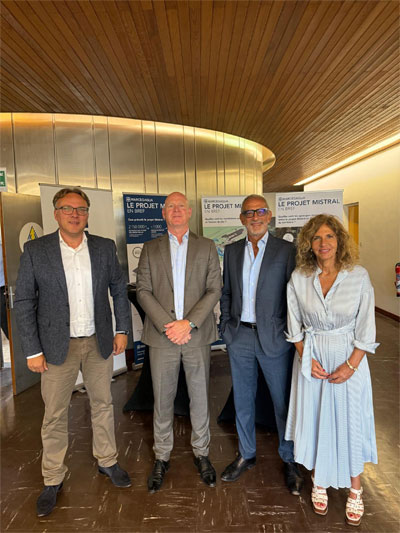
Leadership from both companies convened on July 15 and 16, 2025, at the Fos sur Mer site to discuss various scenarios related to infrastructure, dedicated equipment, and storage solutions at the HES FOS terminal. These discussions mark a crucial step in establishing a robust and efficient logistics interface between the two operations.

Antonio Marcegaglia, CEO of Marcegaglia, expressed enthusiasm about the collaboration, stating, “We are delighted to work with HES International in Fos sur Mer. Their expertise in deep-sea terminal operations is a key enabler for our ambitious expansion and supply chain security and reliability.”

Paul van Gelder, CEO of HES International, echoed this sentiment, stating, “We are excited to become the logistics partner of Marcegaglia in Fos sur Mer. This further anchors HES’s ambition to be the preferred deep-sea terminal operator for industrial players across Europe, supporting their growth and sustainability goals.”

A joint project team has been formed and is actively engaged in planning and feasibility studies, with both parties aiming to reach a Final Investment Decision (FID) by the second quarter of 2026.

For further information, please contact Firas Ezzeddine at f.ezzeddine@hesinternational.eu.

For more information visit www.hesinternational.eu/en/

The Port of Gothenburg signs 25-year agreement with Inter Terminals

The Port of Gothenburg has entered into new agreements with Inter Terminals Sweden, one of its major clients in the energy sector. These agreements are designed to enhance predictability and long-term stability for both parties, fostering an environment conducive to further investments in the ongoing energy transition within their operations.

On July 1, the two parties finalised lease agreements that encompass both above-ground areas and underground rock caverns, alongside a cargo port dues agreement that is contingent on traffic and volume. Essentially, these agreements outline the compensation that will be paid to the port authority for Inter Terminals Sweden’s utilisation of the port’s land, facilities, and infrastructure.

Göran Eriksson, CEO of the Port of Gothenburg, remarked on the significance of the long-term agreement, stating, “With a 25-year agreement, we gain long-term stability and predictability, giving us a solid foundation for developing an energy port for the future focused on transitioning from fossil to renewable products. Having a skilled, long-term, and responsible partner like Inter Terminals Sweden with us in this effort is something we see as very positive.”

Inter Terminals Sweden is recognised as a leading independent operator in the storage and logistics of liquid energy products and materials, including an increasing focus on biofuels such as HVO and methanol. The company has maintained a presence in the Port of Gothenburg since 1964 and ranks as the port’s third-largest customer within the energy business segment.

Johan Zettergren, managing director of Inter Terminals Sweden, highlighted the company’s commitment to transitioning its operations, noting, “We have already begun transitioning our operations, and at the Port of Gothenburg, we’re already handling renewable fuels like FAME and HVO. With longer lease terms and a more transparent and predictable cost structure, we are now better positioned to scale up further – for example, by converting or building new tanks for renewable raw materials and products, as well as investing in new technology and an expanded green portfolio.”

For more information visit www.interterminals.com

Woodside completes Louisiana LNG sell-down to Stonepeak

Woodside has announced the successful completion of the sell-down of a 40 percent interest in Louisiana LNG Infrastructure LLC to Stonepeak, a prominent global investment firm specialising in infrastructure and real assets.

This milestone follows Woodside’s announcement on April 7, 2025, regarding the signing of an agreement with Stonepeak, which is expected to enhance the economics of Louisiana LNG and strengthen Woodside’s ability to deliver shareholder returns in the near term.

As part of the transaction, Stonepeak will contribute $5.7 billion towards the anticipated capital expenditure for the foundational development of Louisiana LNG at an accelerated pace, covering 75 percent of the project’s capital expenditure in both 2025 and 2026.

The closing payment of approximately $1.9 billion received by Woodside reflects Stonepeak’s share of capital expenditure funding incurred since the effective date of January 1, 2025.

Woodside’s CEO, Meg O’Neill, expressed confidence that Stonepeak would bring additional value to the Louisiana LNG Project. She noted, “Our partnership with Stonepeak highlights the attractiveness of Louisiana LNG and represents a significant milestone towards achieving a successful final investment decision. Stonepeak is a high-quality partner with extensive investment experience across U.S. gas and LNG infrastructure.”

O’Neill added that the accelerated capital contribution from Stonepeak would improve returns on the Louisiana LNG project and bolster Woodside’s capacity for shareholder returns prior to the first cargo from the Scarborough Energy Project in Western Australia, which is targeted for the latter half of 2026. She also mentioned ongoing strong interest from other potential partners in Louisiana LNG.

James Wyper, senior managing director and Head of US private equity at Stonepeak, expressed enthusiasm about collaborating with Woodside. He stated, “Louisiana LNG will be a timely and strategic addition to the US LNG export landscape as global demand for cleaner, more flexible, and more affordable energy continues to rise. We look forward to leveraging our expertise and capital to support the construction and future operation of Louisiana LNG, and we are excited to continue developing critical North American LNG infrastructure with a global impact.”

For more information visit www.woodside.com

Greenergy proposes to end production at its Immingham plant

Greenergy has announced that it will initiate consultations regarding a proposal to halt production at its biodiesel plant in Immingham, Lincolnshire. Despite implementing significant cost reductions to enhance the plant’s viability, the facility has faced ongoing challenges due to market conditions. These include slower progress in the UK’s biofuels blending mandates compared to other European countries and competition from subsidised products originating in the US.

This announcement comes on the heels of a strategic review of Greenergy’s biodiesel operations at Immingham, which was disclosed in late May 2025. Consultations with affected employees will commence as soon as possible, and Greenergy is dedicated to providing support to staff during this period.

Greenergy CEO Adam Trager remarked, “Reaching the decision to enter consultations regarding the proposed closure of our Immingham site has been incredibly challenging, and it is not one we have made lightly. However, given ongoing market pressures, we lack the necessary certainty regarding the future of UK biofuels policy to justify the substantial investments needed to make the Immingham operation competitive. We are urgently seeking discussions with ministers to explore increasing the percentage of biofuels in the UK’s petrol and diesel, which would not only help safeguard the biofuels sector but also contribute to reducing the UK’s emissions, particularly from heavy goods vehicles.

“Today’s decision in no way reflects the commitment and hard work of our affected staff, and I want to express my gratitude to our employees at Immingham for their exceptional efforts thus far. Our primary focus is on supporting our employees through this challenging time.”

For more information visit www.greenergy.com

ILTA 2025 Conference & Trade Show Spotlights Industry Momentum, Connection, and Future Talent

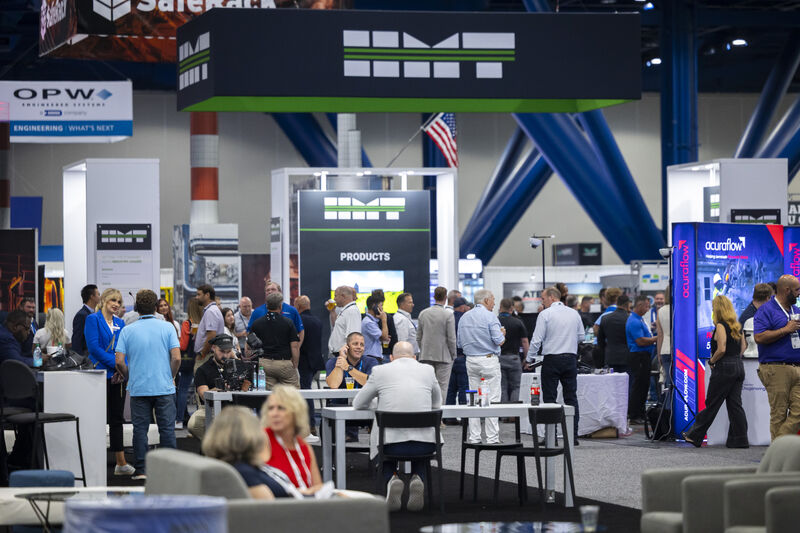
The ILTA 2025 Conference & Trade Show, held June 9–11 in Houston, Texas, welcomed thousands of liquid terminal professionals from all 50 states and several countries for a week of education, networking, and industry celebration. As the largest event focused exclusively on the business and technology of liquid terminals, ILTA 2025 marked a fresh chapter for the association and the sector it serves.

With 540 conference attendees, over 4,200 trade show attendees, and more than 50 new exhibitors, the event returned to the Marriott Marquis Houston and George R. Brown Convention Center, where ILTA’s new brand identity was on full display. The tone throughout the week was energetic, collaborative, and future-focused—many attendees remarked on the uniquely positive and uplifting atmosphere.

“We are deeply grateful to every attendee, speaker, sponsor, and exhibitor who helped make ILTA 2025 such a powerful gathering,” said Leakhena Swett, ILTA President. “The sense of optimism and momentum in Houston was unmistakable. From meaningful dialogue in sessions to electric networking moments, this event reminded us how vital it is to come together as a community and how much potential lies ahead.”

Conference sessions explored both technical and strategic issues critical to the industry, including cybersecurity for industrial systems and infrastructure, regulatory readiness, sustainability and environmental, social, and governance (ESG) practices, leadership development, and terminal workforce evolution. Participants engaged deeply, asking big questions about how the industry must adapt and how to prepare the next generation to lead it.

Keynote speakers Carly Fiorina and Admiral James Stavridis brought bold ideas to the stage. Fiorina shared lessons in resilience and transformative leadership, while Stavridis spoke to the strategic value of U.S. energy and emphasized the essential role women will play in shaping the sector’s future.

That message carried through the week, especially during the Women in Terminals networking reception, where a dynamic panel explored how careers evolve with life changes, the global nuances of DEI, and ways to support the next generation of women in the industry. That same spirit of mentorship and inclusion was felt at the first-ever Industry Summit: Career Opportunities in Tank Terminals, where This One’s for the Gals —a nonprofit initiative introducing young women to career pathways in construction, energy, manufacturing, and maritime—brought fresh energy and heart to the event. Their presence was a strong reminder of the industry’s role in inspiring and empowering future talent.

The Industry Summit connected students and early-career professionals with terminal operators, HR leaders, and mentors, reinforcing ILTA’s long-term commitment to workforce development and industry access.

The Conference Reception, moved indoors due to Monday’s rain, kept the excitement going with a packed room, great conversations, and a sense of real camaraderie. Across every venue, networking was the most celebrated aspect of the event, with attendees reconnecting and building new relationships in line, during coffee breaks, and among hundreds of exhibit booths at the trade show.

The trade show floor was certainly a hub of activity, with attendees exploring new technologies, safety solutions, and service providers across two exhibit halls at the George R. Brown Convention Center. Storage Terminals Magazine, ILTA’s official media partner, added vibrance and visibility with live coverage and a strong presence on the show floor as well as at the Marriott Marquis.

ILTA 2025 confirmed what many already know: the industry is evolving… and this is where progress meets people.

Save the date: ILTA 2026 returns to Houston, June 15–17, 2026, at the Marriott Marquis and George R. Brown Convention Center.

For more information visit www.ilta.org

BWC Terminals earns VPP Star Certification for Grays Harbour Facility

BWC Terminals has received the Voluntary Protection Programme (VPP) Star certification from the Occupational Safety and Health Administration (OSHA) for its Greys Harbour facility in Hoquiam, Washington. BWC’s Texas City, Texas location also earned the prestigious acknowledgement in 2016.

The Star certification is the highest level of recognition within OSHA’s Voluntary Protection Programme. It acknowledges workplaces that have demonstrated exceptional achievement in preventing and controlling occupational safety and health hazards. VPP Star sites have implemented and continuously improved effective safety and health management systems, resulting in injury and illness rates below the national average.

The VPP certification process is rigorous and thorough, involving detailed evaluations and on-site audits by OSHA experts, along with extensive employee surveys to ensure a strong safety-first culture. VPP participants are re-evaluated every three to five years to remain in the programme.

BWC’s Health, Safety, Environment, and Quality (HSEQ) policy is fundamental to the sustainability of the company’s operations. Its systems, policies, and procedures address both routine and emergency situations to effectively manage risks, threats, and incidents. Safety is integrated into the company culture through ongoing training and the empowerment of employees, and it is reinforced by management to achieve industry-leading results.

Said BWC Terminals CEO Adam Smith, “We are incredibly proud to receive the VPP Star certification for our Greys Harbour facility. This achievement is a testament to the hard work and dedication of our entire team, who prioritise safety and maintain a healthy workplace for all our employees and key stakeholders across every aspect of our operations.”

BWC’s successful VPP Star certification underscores the company’s long-standing commitment to safety. In the last month alone, BWC received two other safety accolades, including the national AEU Safety Award and the International Liquid Terminals Association Safety Excellence Award.

For more information visit www.bwcterminals.com

Baker Hughes to acquire Continental Disc Corporation

Baker Hughes, an energy technology company, announced on Monday that it has reached an agreement to acquire Continental Disc Corporation (CDC), a prominent provider of safety-critical pressure management solutions. The all-cash transaction is valued at approximately $540 million and involves investment partnerships managed by Tinicum Incorporated.

CDC, headquartered in Liberty, Missouri, specialises in designing and manufacturing various safety products, including rupture discs, rupture disc holders, burst disc indicators, pressure- and vacuum-relief valves, and flame and detonation arrestors. These offerings complement Baker Hughes Industrial & Energy Technology’s (IET) existing Control Valve and High-Pressure Relief Valve products and are utilised across diverse industries such as pharmaceuticals, chemicals, food and beverage, oil and gas, and aerospace.

With a substantial global installed base, CDC’s essential products require regular replacement, generating significant recurring revenue. In 2024, approximately 80 percent of CDC’s projected revenue of $109 million is expected to be recurring, which is a crucial factor contributing to its strong returns and favourable margin profile.

This acquisition, along with the recently announced Surface Pressure Control (SPC) transaction and the sale of the Precision Sensors & Instrumentation (PSI) product line, supports Baker Hughes’ strategy for portfolio optimisation aimed at enhancing durable earnings and cash flow. The company’s disciplined capital allocation approach focuses on core businesses with promising return potential. The addition of CDC aligns with Baker Hughes’ acquisition criteria, which emphasise strategic fit, growth opportunities, accretive margins, and a lifecycle business model that fosters long-term aftermarket demand and strengthens earnings quality. The acquisition is anticipated to be immediately accretive to earnings and cash flow per share, as well as to IET’s segment margins.

Baker Hughes chairman and CEO Lorenzo Simonelli expressed enthusiasm about the acquisition, stating that it enhances the company’s industrial portfolio and expands its addressable market with CDC’s established pressure management solutions. He noted that this acquisition, along with the SPC and PSI transactions, lays the groundwork for the company’s portfolio optimisation strategy, focused on driving higher returns and creating long-term value for shareholders.

Michael Donner, partner at Tinicum, remarked on the transition, stating that while the CDC team will be missed, joining Baker Hughes—a leader in global process control and energy technology—will present exciting growth opportunities for the business and its employees, given Baker Hughes’ complementary product lines and extensive global reach.

The acquisition will be financed with cash on hand and is expected to close in the fourth quarter of 2025, pending the completion of customary conditions and regulatory approvals.

Jefferies is acting as financial adviser, and King and Spalding is providing legal counsel to Baker Hughes for this transaction. Meanwhile, William Blair & Company and Baird are serving as financial advisers, and Morrison Foerster is acting as legal adviser to the board of Continental Disc Corporation.

For more information visit www.investors.bakerhughes.com

Terra Drone signs MOU with Aramco to drive innovation and localisation in drone technology

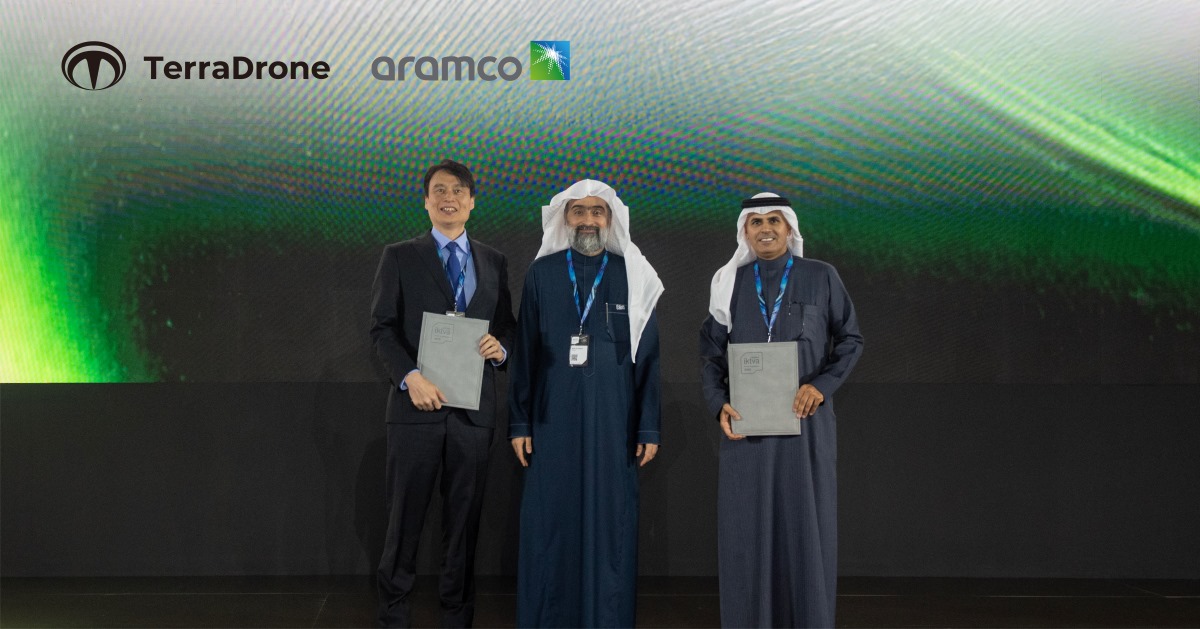
Terra Drone Corporation (“Terra Drone”), recognised as the No.1 Drone Service Provider in the world for 2024, has signed a Memorandum of Understanding (MOU) with Aramco,  one of the world’s leading integrated energy and chemicals companies in Saudi Arabia. This collaboration signifies a strategic partnership to explore innovation in drones, robotics, and AI-driven solutions tailored to the oil and gas sector, supporting localisation efforts.

The purpose of this MOU is to strengthen collaboration between Terra Drone and Aramco with the aim of advancing drone technologies that could contribute to enhancing safety, operational efficiency in the energy sector. It serves as a platform for fostering innovation in critical areas such as research and development, technology piloting, and training and localisation. The agreement reflects both organisations’ shared vision to advance solutions while developing local capabilities that are expected to support the Kingdom’s broader economic goals.

The MOU was signed by Toru Tokushige, Founder & CEO of Terra Drone Corporation, and Khalid Y. Alqahtani, Aramco Senior Vice President of Engineering Services, in the presence of distinguished guests and industry leaders.

Terra Drone received funding from Wa’ed Ventures in 2023, with the aim of contributing to localisation of advanced drone technologies from global leaders. Following this investment, Terra Drone established a branch in Saudi Arabia, Terra Drone Arabia, with three strategic aims: to localise Terra Drone’s services in the short term, to establish local R&D and production facilities in the long term, and to support job creation for talented Saudis.

Toru Tokushige, founder & CEO of Terra Drone Corporation, stated:

“This MOU reflects our commitment to driving innovation and supporting localisation in line with the vision of Aramco. Through our group company, Terra Drone Arabia, we aim to introduce cutting-edge drone technologies that not only enhance safety and efficiency but also empower the local workforce. By fostering collaboration and investing in R&D, we are building a foundation for sustainable growth and technological advancement in the Kingdom.”

The signing of this MOU lays the groundwork for a stronger relationship between Terra Drone and Aramco, which is expected to enable Terra Drone to help Aramco in deploying innovative drone solutions and develop drone technology with a view to addressing the energy industry’s complex challenges. By leveraging its expertise and local presence, Terra Drone aims to contribute to Aramco’s operational excellence and the Kingdom’s broader vision for technological and economic progress.

This partnership aligns closely with Terra Drone’s long-term commitment to localisation, supporting Aramco’s efforts to facilitate a more sustainable and globally competitive ecosystem. Terra Drone is dedicated to transferring knowledge, developing local talent, and fostering a thriving drone industry in Saudi Arabia, contributing to the Kingdom’s broader economic diversification goals.

For more information visit www.terra-drone.com.sa

Gastech 2025 in Milan: Accelerating global energy security and innovation

Gastech 2025, the world’s largest conference and exhibition for natural gas, LNG, hydrogen, climate technologies, and AI-powered solutions, will take place in Milan from 9th to 12th September. As the industry navigates an evolving geopolitical and economic landscape, this agenda-setting event will gather and empower over 50,000 energy leaders – including C-suite executives, policymakers, pioneering innovators, and strategic investors – to build powerful alliances and accelerate a resilient, low-carbon energy future.

With a 53-year legacy of convening top decision makers and enabling groundbreaking innovation, Gastech 2025 will be an essential platform for the energy value chain to address urgent challenges and seize promising opportunities, from decarbonisation and renewable intermittency to emerging AI solutions and sustainable technologies. Through dedicated platforms for cross-sector networking and knowledge sharing, the event will foster new industry partnerships and enable greater business development, advancing a collaborative and inclusive ecosystem that grows the natural gas sector and strengthens the wider energy system.

At the heart of Gastech’s ambitious mission is the strategic conference, which will take on 2025’s most pressing energy priorities: securing energy supply amid geopolitical volatility, accelerating AI-driven decarbonisation, and scaling low-carbon infrastructure to meet COP30’s accountability demands. Against challenges like market instability and global supply chain pressures, the conference’s four programmes – Strategic Leadership, AI Energy, Climatetech, and Hydrogen – will champion the integral role of natural gas and innovation in shaping a resilient energy system that can withstand market shocks and power global economic growth.

Leading the strategic conference will be the energy industry’s most influential voices, as they contribute valuable insights to more than 50 sessions across Leadership Roundtables, Executive Leadership Panels, Ministerial Panels, keynote addresses and onstage interviews. Confirmed speakers already include:

  • E. Adolfo Urso, minister for Enterprises & Made in Italy
  • Patrick Pouyanné, chairman and CEO of TotalEnergies
  • Horacio Marín, CEO of YPF
  • Jack Fusco, director, president & CEO of Cheniere Energy
  • Lorenzo Simonelli, chairman, president & CEO of Baker Hughes


Gastech 2025 will also offer an exclusive opportunity to showcase and scale game-changing innovations – including AI-powered methane abatement tools and modular hydrogen electrolysers – that are driving the energy transformation forward. Featuring high-profile exhibitors, distinguished technical experts, and ascending entrepreneurs, the event will serve as the scaling engine for the modern energy economy, as it equips stakeholders with ready-to-deploy technologies such as AI copilots for LNG terminal design, blockchain-enabled carbon trading platforms, and AI-enhanced CCUS systems. By aligning financiers, policymakers, and innovators around the potential of these nascent solutions, the event will tackle cost barriers and supply chain bottlenecks, converting breakthroughs into commercially viable products that facilitate energy security and decarbonisation at scale.

Gastech 2025 will build on last year’s resounding success in Houston – which drew record-breaking attendance of 45,000+ professionals from 156 countries, generated $27M in economic impact, and showcased 800+ exhibitors across 20 national pavilions. From Texas’ energy leadership to Europe’s pursuit of improved energy security and decarbonisation, this edition in Milan reflects the industry’s expanding horizons and growing impact on the stability and prosperity of key global markets.

As the global energy industry faces the historic task of balancing urgent climate imperatives with the growing demand for secure and affordable power, Gastech 2025 stands as the definitive platform for unified action. Against the backdrop of Italy’s ambitious energy agenda and Europe’s accelerating transformation, the 53rd edition will bring together the entire global value chain – from AI innovators and hydrogen pioneers to policymakers and investors – to shape the future of energy with clarity and purpose.

For more information visit www.gastechevent.com

Guy Bessant and Dr. Udo Lange visit Stolthaven Terminals in Europe

This week, Guy Bessant, president of Stolthaven Terminals, and Dr. Udo Lange, CEO of Stolt-Nielsen Limited, visited Stolthaven’s terminals in mainland Europe.

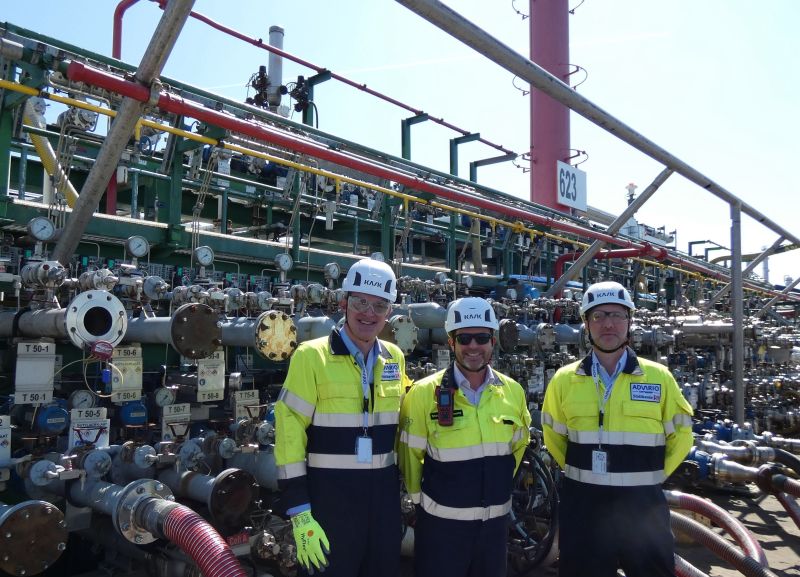
In Antwerp, they toured the joint venture, Advario Stolthaven Antwerp, located in the heart of the Port of Antwerp. The terminal provides storage and associated services for chemical, specialty liquids, gas, and petroleum customers. A productive discussion took place with partners from Advario, with both organisations leveraging their experience and expertise to enhance service delivery to customers.

The following day, the visit continued at Stolthaven Moerdijk, where the local team representing Stolthaven and Stolt Tank Containers jointly presented an update on their business and strategy. This included the introduction of a new micro-site that showcases the “one-stop shop” services offered at this integrated location for customers.

For more information visit www.stolthaven-moerdijk.maglr.com/home

From rust to risk: Global campaign urges action on $2.5 trillion corrosion crisis

Corrosion may look like rust, but its consequences are far more severe. As part of a global campaign for World Corrosion Awareness Day (WCAD) on April 24, 2025, the Association for Materials Protection and Performance (AMPP), in collaboration with the World Corrosion Organisation (WCO) and the European Federation of Corrosion (EFC), is sounding the alarm on an issue that silently undermines public safety, weakens critical infrastructure, and costs the global economy more than $2.5 trillion annually.

This year’s WCAD campaign, themed #CorrosionInEverydayLife, aims to bring attention to the widespread but often overlooked presence of corrosion—from cracked bridges and leaking pipes to military vehicles and chemical plants. As cities grapple with aging infrastructure and governments invest in defence, transportation, and climate resilience, corrosion prevention is becoming an urgent economic, environmental, and national security priority.

“Corrosion impacts nearly every aspect of our daily lives, from the bridges we drive on to the water we drink,” said AMPP CEO Alan Thomas. “This campaign is an opportunity to educate the world on corrosion prevention’s role in safety, sustainability, and economic savings.”

Why Corrosion Should Be a Front-Page Issue
Infrastructure at Risk: Corrosion weakens the steel and concrete that support our roads, tunnels, airports, and drinking water systems. The result? Dangerous failures, expensive repairs, and lost lives.

Trillions in Losses: The annual global cost of corrosion exceeds $2.5 trillion. Studies show that implementing proven corrosion control practices could save up to 35 percent of these costs.

A National Security Threat: Military vehicles, naval fleets, and energy infrastructure are constantly threatened by corrosion. In 2016 alone, the US Department of Defence spent $20 billion on corrosion-related costs.

A Sustainability Opportunity: Advanced materials and eco-friendly coatings are helping reduce environmental waste and extend asset life. Corrosion prevention isn’t just maintenance—it’s innovation for a cleaner future.

Public Engagement: Join the Global Campaign
As part of WCAD 2025, AMPP invites the public to participate in the #CorrosionInEverydayLife Scavenger Hunt. This interactive challenge encourages people to spot and share real-world examples of corrosion in their communities.

For more information visit www.ampp.org

CMA CGM becomes majority shareholder with 51% stake in Santos Brasil

CMA CGM Group, recognised as a global leader in sea, land, air, and logistics solutions, has successfully completed the acquisition of approximately 47.9 percent of Santos Brasil Participações S/A from funds managed by Opportunity, following the necessary regulatory approvals from Brazilian authorities.

The acquisition was finalised at a price of BRL 13.60 per share, resulting in CMA CGM Group securing a 51 percent stake in Santos Brasil, thereby becoming the company’s controlling shareholder.

As previously announced on September 23, 2024, upon closing this transaction, CMA CGM, through CMA Terminals Atlantic SA, will initiate a mandatory tender offer to acquire all outstanding shares of Santos Brasil at the same price and under the same conditions provided to Opportunity, adjusted by the SELIC rate until the financial settlement of the Tender Offer. Additionally, CMA CGM Group plans to convert Santos Brasil’s registration with the CVM to category “B” and subsequently exit the Novo Mercado segment of B3.

The formal request for Santos Brasil’s registration conversion and exit from the Novo Mercado segment will be submitted by CMA Terminals Atlantic SA only if the minimum price established in an independent appraisal report—conducted in accordance with applicable regulations—does not exceed the transaction price agreed upon with Opportunity, adjusted by the SELIC rate until the financial settlement of the Tender Offer. CMA Terminals Atlantic SA retains the right to waive this condition at its discretion until the filing of the Tender Offer with the CVM.

For further details regarding the transaction, interested parties can visit the dedicated website: https://opasantosbrasil.cmacgm-group.com/en/

For more information visit www.cmacgm-group.com/en

Vitol launches new FuelEU compliant co-processed VLSFO offering for marine customers

Vitol’s Elandra Falcon has become the first vessel to bunker fuel at Fujairah, marking a significant milestone for Vitol Bunkers. The company is set to provide its customers with FuelEU compliant co-processed bunkering fuel, which is produced at Vitol’s refinery in Fujairah. This refinery has a capacity of 100,000 barrels per day (kbd) and produces finished-grade bunker fuel, with plans to market the product in multiple locations in the near future.

The co-processed fuel adheres to the RMG380 VLSFO grade and shares the same chemical composition and quality as conventional fuel, thereby eliminating the need for additional permissions or specific clauses in charter party agreements. By utilising co-processing, a diverse array of sustainable feedstocks can be incorporated into marine fuels, reducing competition with road transport, alleviating pressure on crop-based feedstocks, and enhancing the feasibility of waste-based and advanced feedstocks.

This co-processing has received certification under the ISCC-EU scheme, which mandates stringent criteria, including annual audits of the refinery and regular product specification checks. The carbon intensity of the sustainable component of the fuel aligns with used cooking oil methyl ester (UCOME), achieving over a 70 percent reduction in greenhouse gas intensity (GHGi) compared to fossil-based alternatives. Compliance monitoring for lower GHG intensity fuels in line with FuelEU Maritime regulations is conducted in collaboration with DNV’s Emissions Connect product, which tracks the consumption of co-processed and other sustainable fuels for verification by 2026.

Helge Hermundsgård, head of sales for Emission Connect at DNV, expressed satisfaction in supporting Vitol with the compliance challenges posed by FuelEU Maritime through the Emissions Connect solution. He emphasized that this purpose-built system is designed to navigate regulatory complexities and assist customers in mitigating associated business risks. Emissions Connect facilitates consistent monitoring and management of emissions data from individual voyages to entire fleets, enabling seamless integration of data from various providers and the swift generation of necessary emissions statements. This capability allows maritime stakeholders, including Vitol, to prepare confidently for upcoming regulatory demands and commercial opportunities.

Ian Butler, head of energy transition for shipping at Vitol, shared enthusiasm for the recent introduction of FuelEU Maritime, highlighting the expansion of compliant fuel offerings for customers, which now includes co-processed VLSFO alongside biofuel blends up to B100. He remarked on the growing regulatory complexity and reaffirmed Vitol’s commitment to innovation, with a focus on delivering products that facilitate customer compliance efficiently and conveniently.

For more information visit www.vitol.com

AMPP leadership participates in historic White House meeting on strengthening US shipbuilding

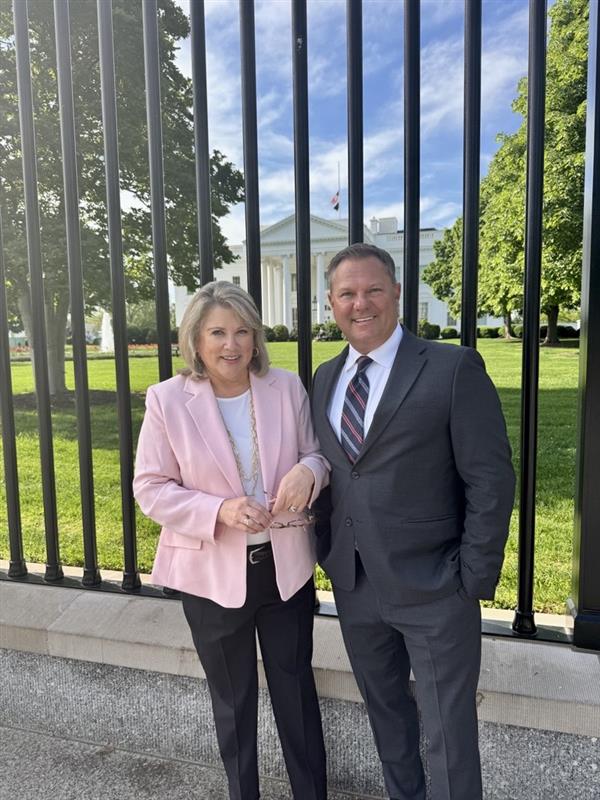
The Association for Materials Protection and Performance (AMPP), the global authority on materials protection and performance, took a historic and critical step forward in national defence advocacy today as CEO Alan Thomas and Chief of Advocacy Helena Seelinger met with staff from the White House National Security Council (NSC) to discuss how workforce development, research, and advanced materials protection are essential to revitalising America’s maritime industrial base and strengthening the future of U.S. shipbuilding.

The meeting focused on how AMPP’s internationally recognised workforce training programs and expansive technical resources can help address the skilled labor shortage in the shipbuilding sector. AMPP also outlined how technology and innovation in surface preparation and coatings—when integrated early in the design and build phases—can reduce the cost of protecting maritime assets, enhance durability, lower lifecycle costs, and accelerate project delivery for both military and commercial vessels.

“AMPP offers proven solutions—from skilled workforce development to cutting-edge research and technical standards—that can help strengthen the domestic shipbuilding supply chain,” said Thomas. “By prioritising materials protection in the design and construction phases, we can build more resilient vessels, extend asset life from the start, and reduce long-term costs, while supporting the broader goals of maritime readiness and industrial growth.”

AMPP reaffirmed its commitment to a whole-of-government approach, engaging with agencies such as the Department of Defence (DoD), Department of Labor (DOL), Department of Energy (DOE), and the NSC to help meet the administration’s long-term shipbuilding goals. With a global reputation for certification, training, and technical innovation, AMPP stands ready to support national efforts to strengthen maritime resilience and industrial capability.

“Being part of the conversation at this early stage ensures that the expertise AMPP brings—especially in workforce readiness and materials performance—can help steer and accelerate federal goals,” Thomas added. “We look forward to ongoing collaboration across agencies as this important work progresses.”

As the only organisation recognised by the International Maritime Organisation for corrosion control expertise, AMPP delivers training, certification, and standards supporting military and commercial shipbuilding. In 2024 alone, AMPP issued over 65,000 credentials to workers in the maritime sector and trained more than 12,000 individuals across 38 countries.

For more information visit www.ampp.org

ILTA letter to the Trump Administration and Members of the 119th Congress

President Donald Trump clearly stated the importance of energy to our nation’s prosperity through several executive orders, including Executive Order 14154 (Unleashing American Energy) and Executive Order 14156 (Declaring a National Energy Emergency). Liquid terminals in the United States are exactly the type of infrastructure that will help deliver American energy (and other critical materials) to the marketplace and support the goal articulated in EO 14154 of restoring American prosperity.

The following are a few examples of how ILTA members’ operations can support the vision for energy security and economic growth.

EO 14154 – “It is the policy of the United States to protect the United States’ economic and national security and military preparedness by ensuring that an abundant supply of reliable energy is readily accessible in every State and territory of the Nation.”

ILTA Perspective: ILTA members operate over 2,000 terminals across all 50 states, providing critical infrastructure for transporting energy, agricultural goods, chemicals, and more. These materials can be raw inputs essential for U.S. manufacturing or finished goods destined for domestic consumption or export. Simply put, you cannot make an abundant supply of reliable energy available in all 50 states without a robust terminal network.

EO 14156 – “The integrity and expansion of our Nation’s energy infrastructure—from coast to coast—is an immediate and pressing priority for the protection of the United States’ national and economic security.”

ILTA Perspective: ILTA members can help support the integrity and expansion of the nation’s energy infrastructure by providing more capacity to store and distribute liquid commodities in more locations. We look forward to working with the Trump administration to ensure that regulatory requirements imposed on terminals are aligned with the integrity.

EO 14156 – “The United States’ insufficient energy production, transportation, refining, and generation constitutes an unusual and extraordinary threat to our Nation’s economy, national security, and foreign policy.”

ILTA Perspective: Liquid terminals form an integral part of the “circulatory system” of America’s economy, without which producers and consumers cannot efficiently be connected. The United States needs a resilient terminal industry to ensure there is an unencumbered flow of liquid commodities, including crude oil to refineries, finished gasoline to the market, and petrochemicals to countless American manufacturers. We believe our nation’s terminals play a pivotal role in alleviating threats to the nation’s economy, national security, and foreign policy, consistent with the President’s EO 14156.

Download a copy of the full letter below.

For more information visit www.ilta.org/Advocacy/Letters-Comments-Testimony/ArtMID/15161/ArticleID/3670/ILTA-Letter-To-The-Trump-Administration-and-Members-of-the-119th-Congress

Mesa Engineered Tank Products’ FlexCore™ Liquid-Mounted Seal wins Silver at the 2025 Global Tank Storage Awards

Mesa Engineered Tank Products (Mesa ETP) proudly announces that its revolutionary FlexCore liquid-mounted seal has been awarded Silver in the Emerging Technologies category at the 2025 Global Tank Storage Awards. The prestigious event, held in Rotterdam, Netherlands during StocExpo, celebrates excellence and innovation within the international tank storage sector.

Designed to deliver unmatched durability and emissions control, Mesa ETP’s FlexCore seal represents a significant advancement in floating roof tank technology. Engineered for a superior vapour tight seal, it combines a reliable foam log core with the highly anticipated Armor Fabric vapour barrier seal fabric, ensuring unrivalled emissions control, eliminated vapour space, incredible abrasion resistance, and extended service life. By addressing key challenges in the storage industry, FlexCore reinforces Mesa ETP’s commitment to innovation and environmental responsibility in the aboveground storage tank industry.

“We are honoured and thrilled to receive this recognition from the Global Tank Storage Awards team,” said CEO Tim Nymberg, “FlexCore is the result of our team’s dedication to solving real-world AST challenges with cutting-edge technology. This award validates our efforts to push the boundaries of performance, reliability, and sustainability in the industry.”

The Global Tank Storage Awards are recognised for highlighting groundbreaking solutions that enhance efficiency, safety, and environmental stewardship in the aboveground storage tank (AST) sector. With entries from leading companies around the world, the competition showcases the best advancements shaping the future of tank storage technology.

Mesa ETP continues to lead the industry with its expertise in floating roof seals, drain systems, and custom-engineered solutions for aboveground storage tanks. FlexCore is another example of the company’s commitment to enhance safety, efficiency, and compliance in the global oil and petrochemical markets.

For more information on FlexCore and Mesa ETP’s innovative solutions, visit www.mesaetp.com

SGB management team with new dual leadership

Carsten Schmidt and Martin Hücking took over responsibility for SGB GmbH as the new managing directors – Jost Berg is taking his well-deserved retirement after 36 years, 35 of which as managing director.

Jost Berg, who is celebrating his 65th birthday this year, is the son of company founder Dr. Fritz Berg, who founded SGB in Siegen in 1962. This business operated as Sicherungsgerätebau GmbH up until 2010, and Dr. Fritz Berg revolutionised environmental and water protection in the storage of water-polluting liquids with his patented vacuum solutions for leak monitoring in underground tanks. After joining the company in 1989, Jost Berg took over as managing director in 1990. Since then, many other innovative leak monitoring solutions have been added – not only for tanks, but also for pipelines. Today, around 480,000 SGB leak detectors and countless leak detection probes are monitoring double-walled tanks and double-walled pipes, single-walled tanks with leak protection lining and dome, and inspection chambers of all kinds all over the world: at filling stations, in refineries, in the chemical industry, in the food industry, on heating oil tank installations in domestic boiler rooms, in data centres, in ex-areas and in ex-systems, on emergency power supply systems, in high-vacuum systems, on hydrogen and LNG applications and much more.

Photo above: End of an era – Jost Berg hands over the baton to Carsten Schmidt and Martin Hücking (from left to right) as taking his retirement after 36 years at SGB. © SGB GmbH, April 2025.

“In every ending lies a new beginning – like Unamuno, I see the passing of the baton with both happiness and sadness,” says Jost Berg. “True to our motto ‘For a clean and unpolluted environment’, the company’s aim from the outset has been to develop and produce safe and reliable environmental protection systems, while at the same time protecting the people directly and indirectly affected by these systems. I have put a lot of passion and commitment in, experienced the ups and downs of the market, met innovative, technically skilled and highly interesting people, traveled the world and, yes, made the odd bad investment. But the bottom line is that I can draw an absolutely positive conclusion and am extremely grateful that I have been able to help write the company’s history up to this point together with an unbeatable team. Now I’m looking forward to the time ‘after SGB’ and will devote myself to my family, my hobbies and traveling.”

Jost Berg will be succeeded by Carsten Schmidt and Martin Hücking in dual leadership. Since 2022, SGB GmbH has been part of the globally operating ELAFLEX Group, one of the leading international specialists for refueling technology and safe connections for handling sensitive liquids and gases. “We are convinced”, says Stefan Kunter, speaker of the management board of ELAFLEX HIBY GmbH & Co. KG, “that the synthesis in the management of commercial, internationally oriented expertise on the one hand and many years of technical know-how combined with brilliant product knowledge on the other will continue the company’s success and combine continuity with new impulses.”

Carsten Schmidt, a business graduate (FH), is an expert in the field of international sales. He brings a wealth of knowledge to SGB, gained from over 25 years in the tank construction, rail and mining industries. The 52-year-old has experience in both product and project business at national and international level and was most recently deputy managing director of a global mining supplier. He has been part of the SGB team since the beginning of the year and has been a full-time managing director since the beginning of April, succeeding Jost Berg. “My aim is to strengthen and further develop SGB in its successful tradition as a leading manufacturer of leak detection technology with new impetus,” explains Schmidt.

Martin Hücking, born in 1965, has a degree in engineering and has worked for SGB since 1992. As technical director, he is responsible for a number of innovations and milestones, such as the first explosion-proof vacuum leak detector VL-H9 (1997), the first pressure leak detector with integrated manifold for multiple underground tanks ELC (1999), the first leak detectors for double-walled hose lines (1999), the first electronically operated leak detector (2002), the vacuum system for simultaneous monitoring of underground tanks and pipelines VIMS (2013), the first overpressure monitoring unit for simultaneous leak monitoring of tanks and pipelines LDU (2010), the first partially explosion-proof vacuum combination leak detector for underground tanks and pipelines VLXE-SAB T/P (2017), the first leak monitoring system for LNG pipelines LD VIP (2017) and the first electronic leak detector for ex-areas VLXE . . Ex (2020). “An open mind for innovation and inventiveness have always characterized the history of SGB. We have successfully mastered many challenges in the past. Always with an ear to the market and its needs. This is our strength, which we will continue to put into practice and build on,” adds Hücking.

“With Carsten Schmidt and Martin Hücking, we have gained two competent experts with experience in their specialist areas to manage SGB. We are looking forward to a good and successful cooperation and are confident about the future of our companies,” concludes Stefan Kunter: “I am very pleased and grateful that Jost Berg will continue to support us as a Senior Consultant in an advisory capacity in the future.”

For more information visit www.sgb.de/en/sgb-siegen-home/

Moeve and Exolum invest nearly 300 million in new infrastructures in the port of Huelva to drive the energy transition

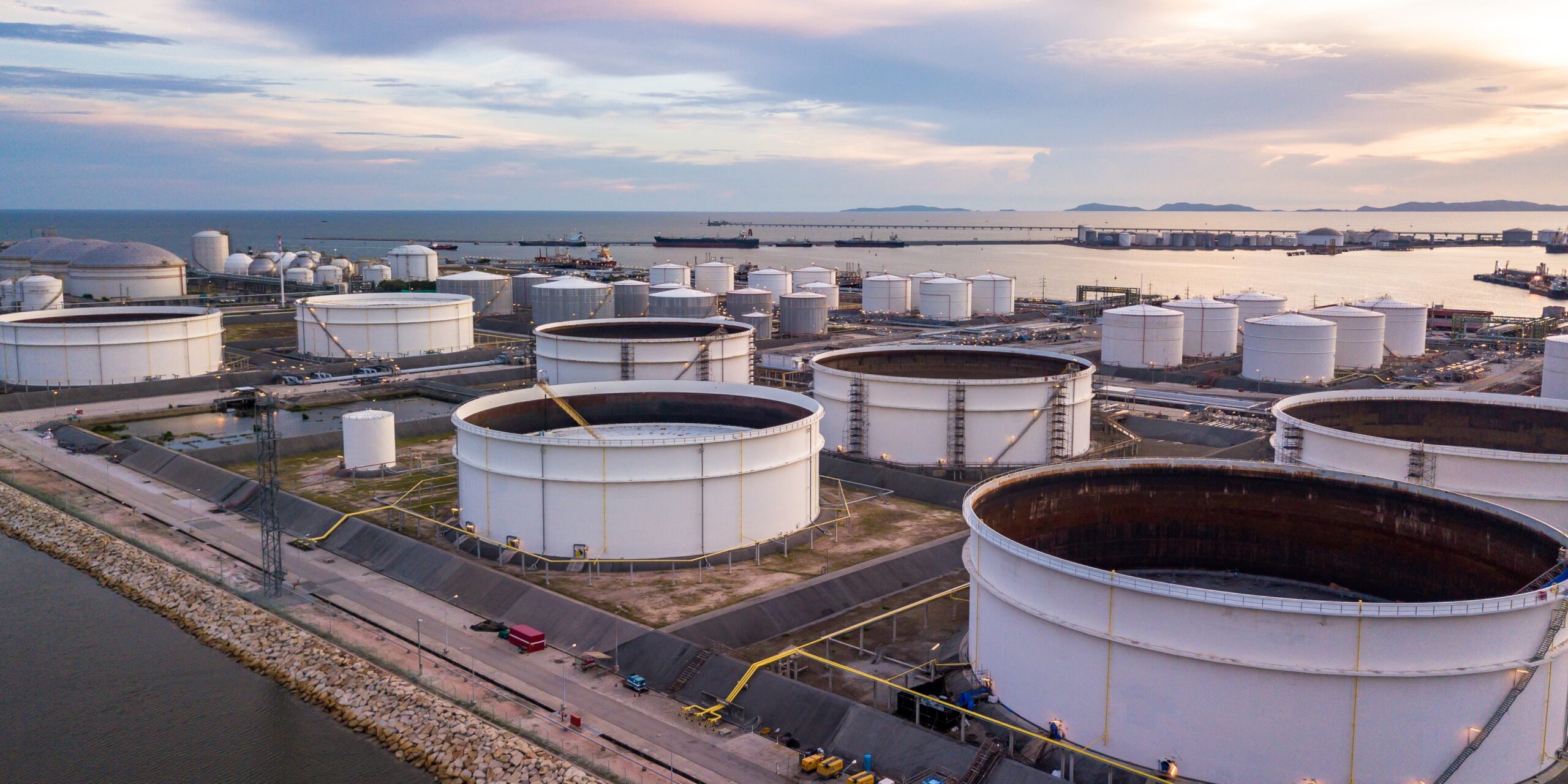
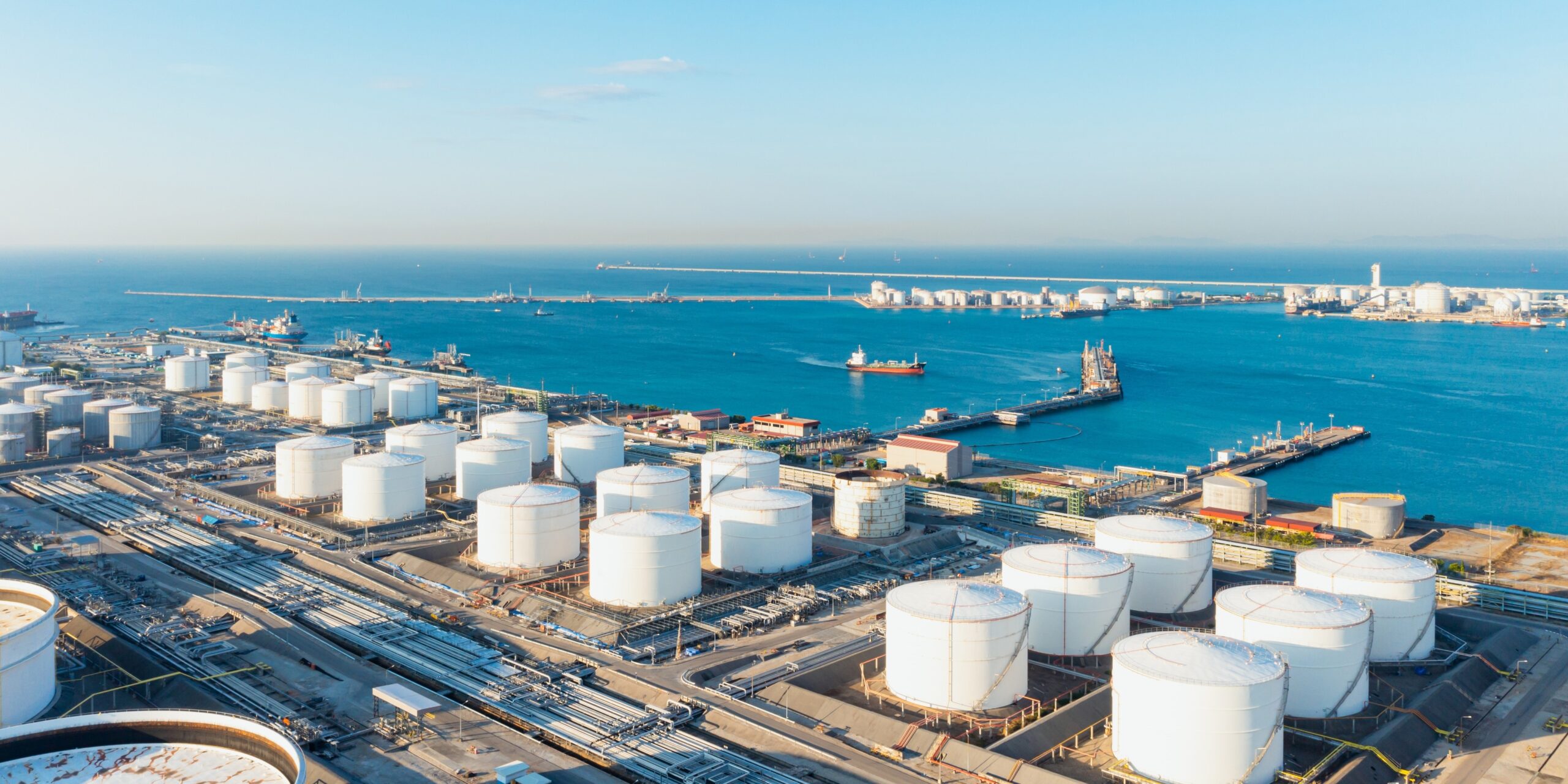
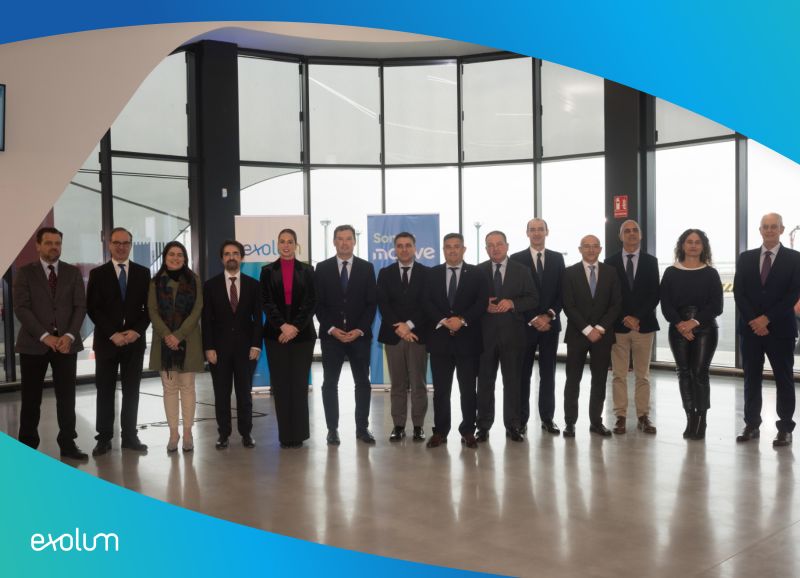
Today, Moeve, Exolum, and the Port Authority of Huelva unveiled plans for new loading and unloading infrastructure at the Port of Huelva, which is currently under construction. This development aims to enhance operational capabilities and support the new 2G biofuels plant being constructed by Moeve and its partners at the La Rábida Energy Park in Palos de la Frontera. The initiatives, known as ‘Muelle Sur’ and ‘Poliducto’, involve a total investment of 299 million euros, marking significant advancements in the companies’ commitment to efficiency and their transformation towards sustainable energy based on green molecules.

As part of the Muelle Sur project, Moeve and Exolum have initiated the construction of a new terminal for energy products at the Outer Port of Huelva. This project includes the development of a new 511-meter-long mooring dock, which will modernize the logistics infrastructure at the La Rábida Energy Park and optimise ship loading and unloading operations.
The new dock will enable combined loading and unloading operations for raw materials and products, connecting Moeve’s and Exolum’s facilities through new transport lines that will extend from the dock to both the La Rábida Energy Park and Exolum’s Storage Terminal in Huelva. Muelle Sur is expected to play a vital role in Moeve’s decarbonisation strategy, serving as a key entry point for raw materials and an exit point for products from the second-generation biofuel production complex under construction in Palos de la Frontera.

The ‘POLIDUCTO’ project involves replacing the entire pipeline system that links the industrial facilities of the Energy Park and Exolum with the Torre Arenillas Quay with new, higher-capacity pipelines. This upgrade will enhance quay facilities and significantly improve operational safety. The approximately 5 km-long new system will provide greater operational flexibility and reinforce Moeve’s dedication to efficiency and innovation. Upgraded facilities will further enhance operational safety by replacing outdated infrastructure and improving quayside installations, allowing for safer ship loading and unloading operations.

Through these investments, Moeve, Exolum, and the Port Authority of Huelva are reinforcing their commitment to economic development and infrastructure improvement in Huelva. Moeve continues to prioritise sustainability and innovation within its business strategy, which heavily relies on partnerships with other companies and authorities.

The presentation was attended by notable figures, including the mayoress of Palos de la Frontera, Milagros Romero, and the president of the Port of Huelva, Alberto Santana, along with representatives from the companies and Cristóbal Sánchez, the deputy minister of industry, energy, and mines of the Junta de Andalucía. Other attendees included the president of the Provincial Council of Huelva, David Toscano, the territorial delegate of economy and industry, Lucía Núñez, and the delegate of the Government of Andalusia, José Correa, along with the presidents of AIQBE and the chamber of commerce, and representatives from the city council of Huelva.

Antonio Joyanes, Moeve’s director of Energy Parks, stated that the modernisation of existing facilities is essential for developing strategic projects already underway. He emphasised the talent of the staff at La Rábida Energy Park as crucial to the success of this transformation process.

José Manuel Martínez, Moeve’s director of technology, projects, and services, highlighted the significance of these projects for the company’s strategy, noting that the new infrastructure at the Port of Huelva is vital for improving operational efficiency and advancing the decarbonisation strategy. He remarked that these investments will enhance loading and unloading capabilities and strengthen the development and production of second-generation biofuels.

Alberto Santana, the president of the Port of Huelva, assured that the Port, as an energy and industrial cluster, is committed to leading the energy transition and decarbonisation initiatives as outlined in its Strategic Plan. He expressed support for projects aimed at producing sustainable energy within the port community, including the joint initiative launched today by Moeve and Exolum, which is backed by significant investment to modernise their infrastructure, enhance port operations, and generate employment.

For Exolum, a leader in liquid fuel logistics in Spain, this development represents a significant step in adapting infrastructure to support Spain’s energy transition. Jorge Guillén, director of Exolum’s Spain and aviation business unit, expressed satisfaction in collaborating with Moeve to provide the necessary infrastructure to decongest the Port of Huelva and accommodate new green transport. He noted that the facility, along with the investments in Muelle Sur and Poliducto, positions them well to offer efficient solutions for bulk logistics flows in Huelva, envisioning a bright future for the location as a green hub.

Cristóbal Sánchez, the deputy minister of industry, energy, and mines of the Regional Government of Andalusia, emphasised that the projects presented today align with the Andalusian Government’s industrial policy, which focuses on supporting actions that facilitate the decarbonisation and energy transition of the region’s industry. He highlighted the availability of streamlining instruments such as the Project Acceleration Unit (UAP), which is expediting the processing of Moeve and Exolum’s industrial facilities for biofuel loading in the Port of Huelva, alongside other strategic projects for the province, including the new biofuel plant being built by Moeve in Palos.

A year ago, the foundation stone was laid for the 2G biofuels plant in Huelva, which will be supported by significant components of the projects unveiled today. This new plant represents an investment of 1,200 million euros and aims to increase Moeve’s and Biooils’ second-generation biofuels production capacity to 1.6 million tonnes per year, with operations expected to begin in 2026, firmly establishing Moeve and its partners as leaders in the transition to sustainable energy.

For more information visit www.exolum.com/en/

Abraj Energy Services strengthens global partnerships with Sonatrach

Abraj Energy Services, Oman’s leading oil and gas services provider, has strengthened its international presence by signing two Memoranda of Understanding with the Algerian Institute of Petroleum and the Sonatrach Management Academy. These agreements aim to advance human capital development and operational excellence, underscoring Abraj’s commitment to elevating global industry standards through strategic collaborations.

These partnerships build upon a comprehensive MoU signed with the Sonatrach Group in April 2024, which established a robust framework for creating new business opportunities and fostering integrated project management in the oil and gas services sector between Oman and Algeria.

Eng. Saif Said Al Hamhami, CEO of Abraj Energy Services, stated, “This collaboration is a strategic expansion of our initial agreement with Sonatrach. It amplifies our capability in training and development and showcases the international recognition and demand for our high-quality solutions. We are proud to set these standards of excellence and innovation in partnership with esteemed institutions like the Algerian Institute of Petroleum and Sonatrach Management Academy.”

Abraj’s leadership in forging meaningful partnerships aligns with its vision for sustainable development and commitment to growth and innovation. The company continues to empower its workforce and adhere to the highest standards of safety and performance, as evidenced by the robust training outcomes at Infitech, its training centre. In the past year alone, Infitech has successfully trained over 9,300 participants and held more than 2,300 sessions, significantly enhancing the skills of the workforce and reinforcing Abraj’s role as a catalyst for industry development.

For more information visit www.abrajenergy.com

Transnet National Ports Authority to establish South Africa’s first LNG import terminal at Richards Bay

Transnet National Ports Authority has announced that the Port of Richards Bay is set to sign South Africa’s first-ever liquefied natural gas import terminal agreement. This milestone development is expected to transform the country’s energy and maritime sectors, reinforcing the Port’s role as a key liquid bulk hub.

In addition to the LNG import terminal, the agreement will include a bunkering services terminal operator agreement, further enhancing the Port of Richards Bay’s capabilities in handling liquid bulk commodities. The initiative aligns with South Africa’s strategic energy goals and positions the port as a critical gateway for LNG imports, supporting energy security and economic growth.

The establishment of this LNG terminal marks a significant step in South Africa’s transition towards a more sustainable and diversified energy landscape, while also strengthening the country’s maritime infrastructure.

For more information visit www.transnetnationalportsauthority.net

North Sea Port and Canadian ports work together on trade, innovation and energy transition

North Sea Port will cooperate intensively with the Canadian ports of Montréal, Québec, Saguenay, Sept-Îles en Trois-Rivières.
This new cooperation focuses on strengthening trade between the Saguenay-Saint Laurent sea corridor and North Sea Port. Canada is North Sea Port’s fourth trading partner.

North Sea Port and the five Canadian ports, located in the South West of the country, signed an agreement to shape this cooperation. This builds on a previous cooperation agreement from 2018 between the Port of Quebec and North Sea Port. This new step adds the ports of Montréal, Saguenay, Sept-Îles et Trois-Rivières to the existing cooperation. The agreement provides a framework for concrete initiatives in trade, innovation and energy transition.

Trade and logistics

The focus is on further developing the bulk sector and optimizing logistics chains between the Saguenay-Saint Laurent’s Canadian hinterland, the port area of North Sea Port and north-western Europe. In addition, the ports share knowledge and insights to improve port planning and port operations.
‘Canada is North Sea Port’s fourth most important trading partner in terms of cargo throughput. Our location in Western Europe is of great strategic importance for cooperation with the ports of Montréal, Québec, Saguenay, Sept-Îles en Trois-Rivières. Cooperation with these five Canadian ports can only be beneficial,’ said Maarten den Dekker, chief sustainability en digital officer of North Sea Port.

Innovation and technology
There is also cooperation in the field of technology and circular economy. The ports will promote cooperation between customers, research institutes, universities and start-ups. Sharing knowledge and successes expands networks and promotes technological innovations such as artificial intelligence in port operations.

Energy transition and sustainability
The ports will also actively cooperate to reduce their carbon footprint. Spearheads include low-carbon energy production, greening of port areas, alternative fuels and energy efficiency initiatives.

‘We are proud to set up this cooperation framework with North Sea Port, connecting the Saguenay-Saint-Laurent corridor with a dynamic region such as the North Sea. The aim is to develop a strong collaboration and achieve results together, such as in the areas of decarbonization, knowledge and innovation,’ jointly emphasize Julie Gascon, Mario Girard, Carl Laberge, Pierre D. Gagnon en Gaétan Boivin, respectively, the director-general of the port companies of Montréal, Québec, Saguenay, Sept-Îles et Trois-Rivières.

For more information visit www.northseaport.com

EEMUA – New guide to help ensure above ground rectangular metallic storage tanks are properly managed throughout their complete life cycle

New guide to help ensure above-ground rectangular metallic storage tanks are properly managed throughout their complete life cycle.

The Engineering Equipment and Materials Users Association (EEMUA) has launched EEMUA Publication 244 (Edition 1), ‘Above ground horizontal rectangular metallic storage tanks – a guide to their specification, installation, commissioning, inspection, maintenance, repair and disposal.

EEMUA 244 is intended as a general guide, not a design standard, and is aimed at owners and operators of above-ground rectangular metallic storage tanks to help ensure these types of storage tank are properly managed throughout their complete life cycle. The guide covers a range of topics, from how to specify the design, through inspection, maintenance and repair, to decisions at ‘end-of-life’ and safe disposal.

The scope of the document is generally for tanks that are on ‘high hazard’ sites or other sites where tank failure may lead to significant health, safety or environmental consequences. It covers tanks generally used for storage (at atmospheric pressure) of flammable liquids with a flash point of 23°C or higher, e.g. diesel, kerosene, but it may be applicable to other uses if considered suitable by the reader. Tanks containing highly or extremely flammable substances with a flash point less than 23°C, e.g. petrol, methanol, are excluded as these are more appropriately covered by other industry guidance.

EEMUA 244 addresses the ongoing concerns of regulators with above-ground horizontal rectangular metallic storage tanks, particularly with regards to condition and risk of loss of containment from poorly operated and maintained tanks. It includes a thorough and structured approach to tank inspections including consideration of deterioration mechanisms and competency of personnel as well as the specifics of ‘what to inspect’. Consideration is also given to tank repairs or modifications and detailed guidance on ‘management of change’ is included.

The guide has been developed by EEMUA Members and industry experts with extensive experience in the specification and operation of above ground rectangular metallic storage tanks. Industry experts include representatives from operating companies, inspection organisations and tank providers.

For more information visit www.eemua.org

Integration of Origo Solutions into the HIMA Group celebrates its 1st anniversary

One year after acquiring the Norwegian technology company Origo Solutions, HIMA Group reports significant progress and strong growth as a result of the integration. Over the past twelve months, Origo Solutions has strengthened its position as a solutions provider in the broader energy industry, contributing to increased sales and employment figures.

Origo Solutions now serves as HIMA Group’s regional centre for Scandinavia, with sales having doubled over the past two years and the workforce expanding by 20 percent in the first year under HIMA’s ownership. Recognising this success, Norwegian business newspaper Dagens Næringsliv (DN) named Origo Solutions one of Norway’s fastest-growing companies in 2024.

Picture: HIMA Group, ©2024 Kjell Inge Søreide
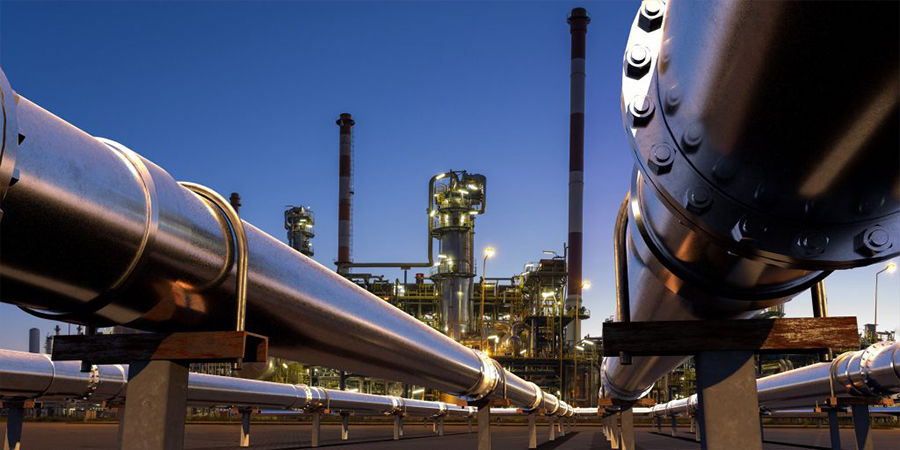
(fltr) Dr. Michael Löbig (CFO HIMA Group), Bjørn-Tore Lenes (CEO Origo Solutions), Steffen Philipp (Shareholder HIMA Group), Glenn Nystøl (CFO, Origo Solutions), Jörg de la Motte (CEO HIMA Group)

Customers in Scandinavia benefit from enhanced expertise and access to HIMA’s global network. HIMA Group shareholder Steffen Philipp highlighted the value of the partnership, stating, “We see Origo Solutions as an excellent addition to the HIMA Group. Together, we are committed to sustainable growth and innovative solutions for the future.”

The integration of Origo Solutions has progressed ahead of schedule, with over half of the planned initiatives already completed. HIMA Group CEO Jörg de la Motte noted the impressive results, saying, “Origo Solutions has quickly become an integral part of HIMA Group. The accelerated sales growth and the expansion of our solutions portfolio are impressive results of this merger.”

The acquisition enhances HIMA Group’s competitiveness in the process industry and energy sector, including oil, gas, and renewables. Norway plays a crucial role in Europe’s energy landscape as the continent’s largest oil and gas producer, supplying a substantial share of the European Union’s gas demand.

A key driver of growth has been the innovative digital platform SCADA+, which offers a wide range of applications beyond renewable energy. This technology is opening new markets across Scandinavia and globally, supporting industrial and digitalisation initiatives. Recent projects in Sweden, Denmark, and Norway, along with a multi-million-dollar contract with Equinor, demonstrate Origo Solutions’ strategic importance to HIMA’s growth. “Our customers welcome the integration into the HIMA Group. They benefit from our expanded solutions portfolio and close collaboration with HIMA experts,” said Bjørn-Tore Lenes, CEO of Origo Solutions.

The integration process has been marked by several milestones, including customer engagement, IT alignment, team collaboration, and the expansion of the solutions portfolio. Norwegian customers have visited HIMA’s Customer Solutions Center in Germany, gaining insights into the benefits of HIMA’s global expertise. Close cooperation across engineering, IT, sales, and the innovation lab has fostered best practices and knowledge-sharing, ensuring seamless project execution from initial studies to completion and ongoing support.

Origo Solutions plays a key role in HIMA Group’s global strategy, with a strong focus on energy market transformation, digitalisation, and industrial automation. By reinforcing its expertise in safety-related automation solutions, HIMA is well-positioned to lead advancements in the renewable energy sector.

Looking ahead, HIMA Group aims to further develop Origo Solutions’ digital platform and expand its presence in the energy industry. De la Motte concluded, “With the acquisition of Origo Solutions, HIMA Group is not only strengthening its market presence but will also build further on Origo’s digital platform development.”

For more information visit www.hima.com

Baker Hughes secures significant gas technology order for third expansion phase of Aramco’s Jafurah gas field

Baker Hughes, a leading energy technology company, has announced that it has been awarded an order by Técnicas Reunidas for six gas compression trains and six propane compressors as part of the third expansion phase of Aramco’s Jafurah gas field in the Kingdom of Saudi Arabia. The order was recorded in the fourth quarter of 2024.

Leveraging its extensive expertise in natural gas technology solutions, Baker Hughes will supply advanced electric motor-driven compression systems, utilising its recently expanded Dammam Centre in Dammam, Saudi Arabia. This latest order strengthens the company’s long-standing collaboration with Aramco, which includes the supply of compression solutions for the Haradh and Hawiyah gas plants, the first phase of the Jafurah gas plant and gas compression facilities, and, more recently, equipment for the third phase of Saudi Arabia’s Master Gas System project.


Ganesh Ramaswamy, executive vice president of industrial & energy technology at Baker Hughes, emphasised the role of natural gas as a key energy source, describing it as reliable, abundant, and lower-carbon. He noted that the company’s advanced gas compression technology would enhance efficient and reliable production from the Jafurah field, supporting Aramco’s vision and contributing to Saudi Arabia’s broader energy development objectives.

For more information visit www.bakerhughes.com

Moomba CCS a decisive step in Australia’s journey to becoming a carbon capture and storage superpower

The Moomba Carbon Capture and Storage project in South Australia’s Cooper Basin, developed by Santos, commenced operations in October 2024 and by the end of the year had already stored 340,000 tonnes of CO₂-equivalent. This achievement marks a significant step in large-scale emissions reduction, positioning the project as a key component of Australia’s Net Zero strategy.

At full capacity, Moomba CCS is capable of avoiding more CO₂ in just four days than 10,000 electric vehicles save over an entire year. Within one year, it is expected to achieve around 28 percent of the total emissions reduction delivered by Australia’s entire electricity sector in 2023.

The project remains on track to safely and permanently sequester up to 1.7 million tonnes per annum of CO₂e, depending on CO₂ availability. By leveraging proven geological storage, the project stores CO₂ in the same rock formations that have securely held oil and gas for millions of years.

Moomba CCS is Australia’s first large-scale onshore CCS initiative, demonstrating the commercial viability of carbon capture and storage at scale. The Cooper/Eromanga Basins alone have the potential to inject up to 20 Mtpa of CO₂e for 50 years, while Australia’s broader geological storage capacity could accommodate 300 Mtpa for at least a century.

Santos CEO and managing director Kevin Gallagher highlighted the significance of the project:

“We have made history out at Moomba. It’s a first for Santos, a first for South Australia, and a first for Australia in terms of large-scale, onshore CCS.

In bringing this project to fruition, I believe we have also started an incredible new chapter in Australia’s energy transition, which will lead us to become a carbon capture and storage superpower.”

Gallagher also emphasised the importance of CCS in accelerating decarbonisation efforts: “The scale CCS offers is a game changer for emissions reduction in Australia and the region. Policymakers should seize the opportunity to deploy CCS faster, at scale, and cost-competitively, particularly given Australia’s natural advantage in geological storage and its well-established regulatory framework.”

According to leading energy research firm Wood Mackenzie, Australia has the potential to unlock up to A$600 billion in revenue by establishing a CCS industry and positioning itself as a storage hub for the Asia-Pacific region.

Santos has already seen growing interest from both Australian and international customers, reinforcing CCS as a viable pathway for emissions reduction and a driver of new skilled, secure, and well-paid jobs.

The International Energy Agency (IEA) has identified CCS as a crucial component in achieving Net Zero by 2050. In its scenario, almost 60 percent of global gas demand would be met by abated gas through carbon capture and storage, contributing to the capture and storage of nearly 6 billion tonnes of CO₂ per year by 2050.

Globally, there are currently 50 CCS projects in operation, capturing over 50 million tonnes of CO₂ annually. A further 630 CCS projects are in development, representing a 60 percent increase year-on-year.

Despite global decarbonisation efforts, greenhouse gas emissions continue to rise. Gallagher reinforced the urgency of deploying CCS at scale:

“Emissions are the enemy, and if we are serious about achieving Net Zero, we must prioritise abating emissions from hydrocarbon production and use. CCS is the only technology capable of reducing emissions at scale, which is why projects like Moomba CCS are so critical to making Net Zero a reality.”

The successful start-up of Moomba CCS underscores Santos’ leadership in emissions reduction and highlights the transformative potential of CCS in Australia’s energy transition. With its proven technology, vast geological storage capacity, and strong regulatory framework, Australia is well-positioned to become a global leader in carbon capture and storage, delivering real and lasting emissions reductions while supporting economic growth and energy security.

For more information visit www.santos.com

Entergy Texas partners with Kinder Morgan, Golden Pass LNG to fuel Southeast Texas growth

Entergy Texas has entered into a landmark transportation agreement with Kinder Morgan, securing a reliable natural gas supply to meet the rapid industrial, commercial, and residential growth in the region. Developed in collaboration with Golden Pass LNG, this agreement is a key component of Kinder Morgan’s $1.7 billion Trident Intrastate Pipeline project. The 216-mile pipeline will transport natural gas from the Permian Basin and other sources at the Katy hub to the LNG and industrial corridor near Port Arthur, Texas, alleviating supply constraints in the region.

Strengthening Energy Security for Southeast Texas
Eliecer Viamontes, president and CEO of Entergy Texas, emphasised the significance of this agreement: “This strategic partnership demonstrates our commitment to delivering long-term value for our customers and communities. The agreement also serves as a critical component for our Southeast Texas Energy Plan (or STEP Ahead plan). By securing a reliable and sustainable fuel supply, we are building the foundation for a stronger energy future.”

This collaboration aligns with Entergy Texas’ STEP Ahead plan, offering multiple benefits to the region:

Lower Costs for Customers: By accessing competitive natural gas markets through the Katy hub, Entergy Texas can pass fuel savings directly to consumers.
Reliable Energy for the Future: A steady supply of natural gas will support planned power stations, including Legend and Lone Star Power Stations, ensuring long-term energy security.

Enhanced Flexibility and Resiliency: The new pipeline strengthens Entergy Texas’ ability to maintain reliable operations across its power plants, including its Spindletop underground natural gas storage caverns.
Fueling Economic Growth: Increased energy availability will unlock further industrial and economic expansion in Southeast Texas.

A Major Milestone for Energy Infrastructure
The Trident Intrastate Pipeline is scheduled to become operational in early 2027, aligning with the launch of major industrial projects in the region. Once completed, the pipeline will transport approximately 1.5 billion cubic feet per day (Bcf/d) of natural gas, with the potential to expand to 2.8 Bcf/d, ensuring long-term energy reliability.

Sital Mody, president of Kinder Morgan Natural Gas, highlighted the pipeline’s critical role:

“We are pleased to support our customers’ growing needs for natural gas. We believe our Trident Intrastate Pipeline project is critical to meeting rising power, industrial, and LNG demand in Texas and are excited to work with Entergy Texas and Golden Pass LNG as we continue to provide reliable and affordable energy solutions to the state.”

Jeff Hammad, chief commercial officer for Golden Pass LNG, emphasised the strategic importance of the project:

“This project enhances Golden Pass LNG’s access to a reliable supply of natural gas for our LNG terminal and helps us achieve our mission to be the premier supplier of LNG from North America.”

By securing diverse and flexible natural gas supply, Entergy Texas, Kinder Morgan, and Golden Pass LNG are laying the groundwork for a stronger, more resilient energy future, supporting both economic development and sustainable energy growth in the region.

For more information visit www.entergynewsroom.com

HPC takes over project and financial management of the Interreg Project ‘H2-Derivatives at BalticSeaPorts

HPC Hamburg Port Consulting has been entrusted with project coordination and financial management for the H2-Derivatives@BalticSeaPorts (H2Deri@BSP) project, funded by the Baltic Sea Region Programme 2021-2027. Led by Port of Hamburg Marketing, the initiative is set to launch in March 2025 and will run until February 2028, aiming to accelerate the adoption of hydrogen derivatives as maritime fuels and handling goods in Baltic Sea ports.

Advancing the Transition to Green Maritime Fuels
The shift toward low- and zero-carbon fuels, such as methanol and ammonia, is critical for achieving sustainable shipping and energy supply in the Baltic Sea Region (BSR). However, port authorities, terminal operators, fuel suppliers, and energy providers continue to face knowledge gaps. H2Deri@BSP addresses these challenges through transnational cooperation, focusing on:

  • Market forecasting
  • Investment models
  • Refueling technologies
  • Berth mapping
  • Regulatory frameworks


By tackling these key areas, the project aims to facilitate the safe and efficient handling of hydrogen derivatives within the region’s ports.

HPC’s Role: Coordination and Financial Management
As the appointed service provider, HPC will oversee key aspects of the project, including:

Project Coordination: Managing planning, progress monitoring, administration, and steering committee support.
Financial Management: Ensuring transparent and accountable use of public funds, covering financing, accounting, and reporting.
HPC’s involvement underscores its dual expertise—having successfully coordinated Interreg projects since 1998, while also maintaining a deep understanding of the maritime industry’s sustainability challenges.

Industry Leaders Endorse the Project’s Importance
Stefan Breitenbach, Head of the Project Department at Port of Hamburg Marketing (HHM), emphasised the significance of the initiative:

“This project is fundamental for the maritime industry in the coming decade. It enables ports to handle sustainable energy carriers and provide alternative fuels for shipping while strengthening the integration of the Port of Hamburg within the Baltic Sea Region. With HPC as a trusted partner, we are confident that the project will achieve its objectives.”

Hartmut Beyer, Head of Grant Management at HPC, highlighted the company’s expertise:

“We look forward to supporting our partners in developing solutions for handling and distributing hydrogen derivatives. HPC brings decades of experience in project development and coordination, combined with extensive expertise in port operations and a clear focus on sustainability.”

A Comprehensive Baltic Sea Partnership
H2Deri@BSP is a collaborative initiative, led by Port of Hamburg Marketing (HHM), bringing together 15 project partners from seven Baltic Sea littoral states. These partners include public port authorities, energy suppliers, and liquid bulk operators, supported by an additional 23 associated organisations contributing their expertise.

Together, the consortium will develop scalable solutions to accelerate the adoption of green hydrogen derivatives, establish initial application cases, and create a roadmap for the energy transition in ports. The project outcomes will be shared across the EU, ensuring their broader applicability in supporting sustainable energy transitions in both onshore and offshore environments.

Driving the Green Transition in Ports
Having played a key role in developing the project proposal and securing EU funding, HPC has now been awarded the project management contract following a public tender process. Leveraging its extensive consulting experience and strong industry network, HPC will ensure the smooth execution of the project’s objectives.

With its findings published across the EU, H2Deri@BSP will support the rapid adoption of green technologies, significantly reducing CO2 emissions and setting a benchmark for a zero-emission future in maritime transport.

For more information visit www.hafen-hamburg.de