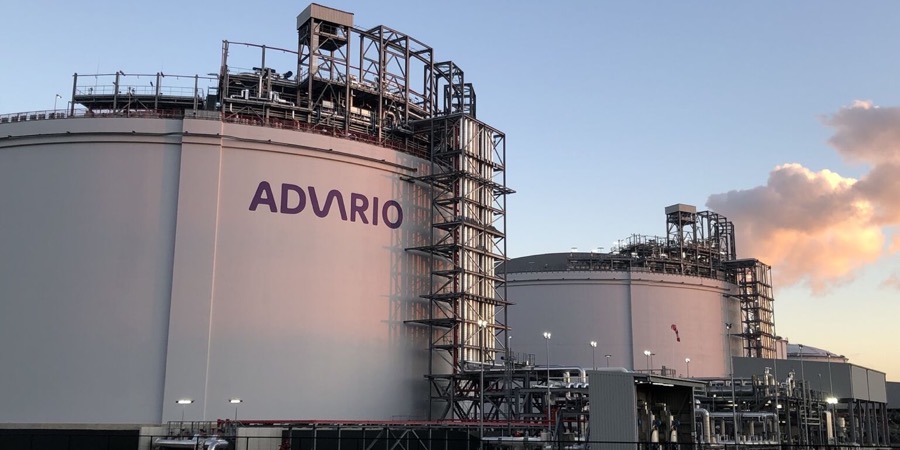
Advario honoured and proud to be part of the Keppel Ltd. consortium, selected by the Energy Market Authority (EMA)

Advario has expressed its honour and pride in being part of the consortium led by Keppel Ltd., which has been selected by the Energy Market Authority (EMA) of Singapore and the Maritime and Port Authority of Singapore (MPA) to undertake a groundbreaking project on Jurong Island.

This significant initiative aims to develop an end-to-end ammonia solution, representing a crucial step in Singapore’s ambitious efforts to reduce carbon emissions and transition to cleaner energy sources.

As the consortium’s designated terminalling partner, Advario contributes extensive expertise in cryogenic storage, which is essential for the safe and efficient handling of ammonia. The company is committed to supporting Singapore’s decarbonisation initiatives, particularly in power generation and maritime bunkering. Advario’s involvement in this innovative project aligns seamlessly with its strategic focus on promoting sustainable energy solutions.

The company looks forward to collaborating with its consortium partners, Keppel Ltd., NYK Line, and Sumitomo Corporation, leveraging their combined strengths to deliver a cutting-edge ammonia solution that will make a significant impact.

For more information visit www.advario.com

Stolt Tankers, Dow, SGS and Vopak​ IIA​ partner on project to boost supply chain efficiency in the US

Stolt Tankers, Dow Inc., SGS, and Vopak IIA Freeport have successfully collaborated on a project in the United States to reduce the time ships spend in port. The initial results of this collaboration show a significant reduction in port time by an average of almost two hours, alongside an improvement in the efficiency of cargo transfers to customers.

The “Time Alongside Optimisation Project” was formed by the four stakeholders to enhance supply chain collaboration and efficiency, and to minimise the duration that ships are berthed at terminals. This improvement is particularly critical for chemical tankers, which frequently call at multiple terminals in a region. Delays at any one terminal can adversely affect shipping companies, terminals, and customers across all locations.

Stolt Tankers, Dow Inc., SGS, and Vopak IIA Freeport recognised the mutual benefits of collaboration and shared learnings to expedite ship rotation through each berth. This approach enables terminals to process more ships and ensures faster delivery of products to customers.

Throughout the project, the partners conducted joint reviews of existing processes, procedures, and time alongside data. They identified individual strengths, weaknesses, and causes for delays, and then applied a more robust universal approach. To date, this has involved establishing standardised processes and communication channels, as well as laying the groundwork for future joint digitalization efforts.

“All the project stakeholders bring unique knowledge and expertise to this project, as well as a shared desire to keep our operations safe, efficient, and increasingly sustainable,” said captain Petr Kontush, Stolt Tankers’ Port Captain in Houston, US.

The new approach was tested on Stolt Tankers’ ships at Vopak IIA Terminal Freeport in the US from May to December 2023. During this period, non-cargo transfer time alongside was reduced by an average of two hours per ship. This allowed Vopak to process more Stolt Tankers ships, totaling 62, and reduced demurrage on these ships by approximately 124 hours over the eight-month period. The project is ongoing at Vopak IIA Terminal Freeport, with a sister project now underway at the Vopak Eurotank Terminal in Belgium.

Captain Petr Kontush further stated, “The interim results of our collaboration are promising, and the team is committed to driving further improvements. The plan now for all parties involved is to use the standardised process we have jointly developed to continue to improve activities and processes onboard ships and at Vopak IIA Terminal Freeport, and to share our findings and learnings with other terminals in the US and globally.”

Lance Nunez, global marine and terminal logistics director at Dow Inc., commented, “The sustainability and business targets we have in front of us demand that we operate in new and more efficient ways. This project represents the type of transparent cross-industry collaboration that holds the key to unlocking new levels of efficiency and savings.”

John Woodward, Gulf Coast regional director – Natural Resources, Oil Gas & Chemical Commodities at SGS during the initial phase of the project, added, “I was impressed with the communication and collaboration among the project participants. The open dialogue and honest evaluations of various situations were essential to meet the targets on which we had so much focus.”

Cristhian Perez, president of Vopak IIA, stated, “This initiative is evidence of what happens when you bring together a team of people and companies with diverse skill sets and experiences to achieve a common goal. The cross-functional knowledge was instrumental in providing a ‘fresh eyes’ review of each company’s work processes. We are proud of the team that took this challenge to heart and their willingness to question the status quo. These results are an impressive step forward in the sustainability sector and will aid our customers in their cost-reduction efforts while maintaining a safety-first mindset for our operations.”

This collaborative effort highlights the effectiveness of cross-industry partnerships in driving operational efficiencies and sustainability within the maritime logistics sector.

For more information visit www.stolt-nielsen.com

Crescent Energy closes transformative acquisition of SilverBow Resources

Crescent Energy Company has successfully closed its acquisition of SilverBow Resources, Inc. ahead of schedule. Crescent plans to provide pro forma second half 2024 guidance reflecting the acquisition and will issue its second quarter 2024 financial and operating results after market close on August 5, 2024. A conference call is planned for August 6, 2024.

The integration of SilverBow is well underway, with Crescent capturing approximately $35 million of the previously announced $65 – $100 million in annual synergies. This has been achieved through an improved cost of capital, resulting in reduced interest expenses.

Crescent Energy is a leading growth-through-acquisition company focused on sustainable value creation. The company boasts a portfolio of high-quality, long-life assets, an attractive, returns-driven financial framework, and a strong balance sheet. Crescent’s management team has been executing this strategy for over a decade. The combined portfolio of assets positions the company for substantial free cash flow generation, with balanced and attractive exposure to commodity price upside.

Crescent Energy presents a compelling value proposition:

  • Second Largest Operator in the Eagle Ford: The combined company solidifies its position as a major player in this region.
  • Leading Mid-Cap E&P: Crescent becomes a leading mid-cap exploration and production company with a balanced portfolio of high-quality assets.
  • Substantial Free Cash Flow Generation: The company is committed to disciplined capital allocation to drive significant cash flow.
  • Growth Potential: Positioned for further growth through accretive, returns-driven mergers and acquisitions.


Crescent CEO David Rockecharlie expressed excitement about the acquisition’s completion: “Today is an exciting day for Crescent. We are well positioned to create value, and I am grateful for the trust from our original Crescent and new SilverBow shareholders, each of whom voted with an overwhelming majority to approve our merger and to take equity consideration and participate in the go-forward company.”

Rockecharlie emphasised the company’s strategic focus: “Through disciplined investing and operations, we have delivered profitable growth, tripling the size of our business over the last four years. We have created a premier growth-through-acquisition platform by executing on our cash flow and returns-oriented strategy. Today, we are focused on rapidly integrating our new assets and personnel and continuing to deliver on the significant synergies we’ve identified to strengthen returns. We are highly confident in our ability to execute and demonstrate Crescent’s value proposition as a leading mid-cap company.”

With the SilverBow acquisition, Crescent Energy is poised to enhance its market position and deliver substantial value to its shareholders. The company’s commitment to disciplined growth and strategic acquisitions ensures it remains a leading mid-cap exploration and production company with a robust portfolio and strong financial performance.

For more information visit www.crescentenergyco.com

Permian Strategic Partnership welcomes Energy Transfer and Phillips 66 as 30th and 31st members

The Permian Strategic Partnership proudly announces the addition of Energy Transfer and Phillips 66 as its newest members, expanding the organisation to 31 members. Since its founding five years ago, the PSP has nearly doubled in size and significantly increased its impact in Southeast New Mexico and West Texas. Through collaborative efforts with federal, state, and local leaders, PSP remains dedicated to crafting and executing strategic plans to bolster essential facets of community life, from fostering excellence in education and healthcare to cultivating a skilled workforce and enhancing infrastructure and road safety.

“These organisations are respected leaders within our industry with a long history in the Permian Basin,” said Tracee Bentley, president and CEO of Permian Strategic Partnership. “We are committed to our mission of enhancing the lives of residents across the region, and we are thrilled to have the Energy Transfer and Phillips 66 teams join us in our work. The initiatives spearheaded by the PSP and our members have an immediate positive effect and promise enduring benefits for future generations.”

Vicki Granado, vice president of corporate communications at Energy Transfer, expressed enthusiasm about the new partnership: “We are very pleased to be part of the Permian Strategic Partnership alongside so many of our counterparts in the industry. It is important to our employees that Energy Transfer is not only regarded as a valued business partner in the community, but also as a company that gives its time and resources to help build strong communities. We look forward to working with PSP on its important initiatives to achieve this.”

Bill Johnson, vice president of midstream operations for Phillips 66, who will represent Phillips 66 on the PSP board of directors, added: “The Permian Basin region is a strategic growth area for Phillips 66 and we have nearly 400 employees who call this area home. Partnering with the PSP demonstrates our company’s commitment to supporting the communities where our employees live and work. We look forward to helping PSP fulfill their mission of improving the quality of life for Permian residents.”

Since 2019, the PSP has remained dedicated to the Permian Basin, committing nearly $160 million in member company contributions through public-private partnerships. These efforts have leveraged more than $1.5 billion in transformative investments, profoundly impacting the region’s public schools, healthcare systems, road safety, infrastructure, and workforce development opportunities.

For more information visit www.permianpartnership.org

Palantir and Green Energy Pioneer TES forge long-term partnership to drive global decarbonisation

Palantir Technologies Inc., a leading builder of AI systems for the modern enterprise, has announced a multi-year partnership with Tree Energy Solutions, a global leader in the production of e-NG (electric natural gas derived from green hydrogen). This collaboration aims to leverage Palantir’s cutting-edge AI software to drive the green energy transition and accelerate global decarbonisation.

Through this strategic alliance, Palantir Foundry and Palantir Artificial Intelligence Platform will support TES in several critical areas:

  • Supply Chain Management: Enhancing efficiency and reliability.
  • Simulation and Scenario Modeling: optimising investment decisions and site selection.
  • Asset Management: Ensuring optimal utilisation and maintenance.
  • Carbon Emissions Tracking: Monitoring and reducing carbon footprints.
  • Energy Transformation Modeling: Facilitating the transition to greener energy sources.


Palantir’s software integrates large-language models and advanced AI with enterprise networks, private data, and core operations. It provides high-level security and trust, consolidating siloed and disconnected data sources, logic assets, and systems of action. This enables organisations to optimise decision-making through a single, common operating picture.

e-NG, a hydrogen-based green molecule chemically identical to natural gas, is produced by combining green hydrogen with biogenic or recycled CO2. This innovative product can be transported and stored using existing infrastructure, offering a drop-in green solution for industries and customers aiming to decarbonise. TES has established strategic partnerships with leading energy companies, including TotalEnergies, Osaka Gas, Toho Gas, Tokyo Gas, Fortescue, and ADNOC, to develop large-scale e-NG projects across North America, the Middle East, and Europe.

This partnership signifies a major step in TES’s digital transformation, leveraging AI and data analytics to enhance data-driven decision-making. For Palantir, it is the first partnership of its kind, building on its extensive experience in the energy sector, including renewables and green energy projects globally.

“Palantir prides itself on helping the world’s most forward-thinking organisations solve their most difficult problems,” said Francois Bohuon of Palantir Technologies. “Working with a green energy player as innovative as TES is the perfect fit, and we are honoured to supply them with an enterprise AI system in support of their mission.”

Marco Alverá, CEO and co-founder of TES, commented on the partnership: “This collaboration with Palantir underscores TES’s commitment to innovation, demonstrating how AI can accelerate the energy transition. By leveraging Palantir’s AI expertise, we will optimise operations and track carbon emissions precisely, reinforcing TES as an innovative leader in the global green energy landscape.”

The partnership between Palantir Technologies and Tree Energy Solutions represents a significant advancement in the green energy sector. By combining AI technology with green hydrogen production, the collaboration aims to foster a more sustainable and decarbonised future, marking a pivotal step toward global energy transformation.

For more information visit www.tes-h2.com

Technip Energies and Turner Industries awarded contract by ExxonMobil for Louisiana CCUS

Technip Energies, in consortium with Turner Industries, has been awarded the engineering, procurement, and construction contract by ExxonMobil Low Carbon Solutions Onshore Storage LLC. Under this contract, Technip Energies will oversee engineering and procurement, while Turner Industries will handle the construction.

The contract encompasses the delivery of a carbon capture, utilisation, & storage system designed to condition, compress, and transport up to 800,000 metric tonnes of CO2 per year from Nucor Corporation’s manufacturing plant in Convent, Louisiana, for eventual storage. Nucor Corporation is North America’s largest steel producer and recycler.

Nucor’s Convent site produces direct reduced iron, a raw material mixed with recycled scrap at Nucor steel mills to manufacture higher-grade steel products, including automobile parts, household appliances, and tools and machinery. The CCUS system will enable the facility to produce DRI with up to 80 percent fewer greenhouse gas emissions compared to traditional blast furnace iron production methods.

ExxonMobil selected Technip Energies to perform the front-end engineering design. Together with Turner Industries, they developed the EPC execution approach.

Christophe Malaurie, SVP decarbonisation solutions at Technip Energies, commented: “This award is a testament to our leading expertise in delivering efficient CCUS solutions. By supporting ExxonMobil’s planned emissions reduction project at the Nucor direct reduced iron plant, we, along with our partner Turner Industries, are directly contributing to emissions reductions in hard-to-abate industries.”

Mark Brittain, president of construction for Turner Industries, added: “Building on our history of successful collaborations with ExxonMobil, Turner Industries is honoured to contribute to this significant carbon capture and storage project. This aligns with our commitment to delivering innovative solutions in the carbon capture and storage space and advancing sustainable industrial processes. We are excited to partner with Technip Energies and ExxonMobil on this critical project, leveraging our construction expertise to support Nucor Corporation’s goal of net-zero emissions by 2050.”

This collaboration marks a significant step in advancing carbon capture technologies and reducing emissions, demonstrating the commitment of Technip Energies, Turner Industries, and ExxonMobil to sustainable industrial processes.

For more information visit www.ten.com

Brenntag again awarded platinum rating in EcoVadis sustainability assessment with even further enhanced score

Brenntag, the global leader in chemicals and ingredients distribution, has increased its score in the comprehensive EcoVadis sustainability assessment, earning the prestigious platinum rating once again. This accolade, representing the highest possible grade, places Brenntag among the top 1 percent of companies across all industries and regions assessed by the independent sustainability experts at EcoVadis.

Christian Kohlpaintner, CEO of Brenntag SE, expressed his pride in the company’s achievement: “Our commitment to sustainable development is fundamental for Brenntag and essential to our license to operate. It is one of the four key pillars of our ‘Strategy to Win’ and reflects Brenntag’s ambition to shape the future of our industry. The platinum status is based on a comprehensive assessment and recognizes our strong dedication to sustainability over recent years. This achievement is once again the result of our team striving for excellence, and I can only congratulate our colleagues around the world for this extraordinary accomplishment.”

EcoVadis evaluates the performance of over 130,000 companies across 220 industries and 180+ countries in four key areas: environment, labor and human rights, ethics, and sustainable procurement. In December 2022, Brenntag achieved an overall score of 77 points for the first time, earning the platinum ranking status. This year, Brenntag improved its score to 81 points, retaining its leading position.

Andreas Kicherer, vice president sustainability at Brenntag Group, also commented on the recognition: “I am very proud that our progress in sustainability performance is being recognised by EcoVadis, resulting in this exceptional rating once again. Not only reconfirming our platinum status but also improving our score is a testament to our ambitions of leading our industry in sustainability while constantly striving for excellence.”

This platinum rating underscores Brenntag’s ongoing commitment to sustainable practices and its leadership role in the industry, demonstrating a continuous drive towards excellence in sustainability.

For more information visit www.brenntag.com

bp reports strong second quarter 2024 results

bp has announced its financial results for the second quarter of 2024, highlighting robust performance across its businesses. CEO Murray Auchincloss emphasised the company’s focus on operational efficiency, cost reduction, and strategic initiatives aimed at driving growth and shareholder returns.

Financial Highlights

  • Underlying Replacement Cost Profit: $2.8 billion, up from $2.7 billion in the previous quarter.
  • Reported Loss: $0.1 billion, compared to a profit of $2.3 billion in the first quarter of 2024.
  • Operating Cash Flow: $8.1 billion, reflecting strong financial management and operational performance.
  • Net Debt: Reduced to $22.6 billion, driven by strong operating cash flow.


Segment Results

  • Gas & Low Carbon Energy: RC loss before interest and tax of $0.3 billion, down from a profit of $1.0 billion in the previous quarter. The underlying RC profit before interest and tax was $1.4 billion.
  • Oil Production & Operations: RC profit before interest and tax of $3.3 billion, up from $3.1 billion in the previous quarter. The underlying RC profit before interest and tax remained steady at $3.1 billion.
  • Customers & Products: RC loss before interest and tax of $0.1 billion, compared to a profit of $1.0 billion in the previous quarter. The underlying RC profit before interest and tax was $1.1 billion.


Operational and Strategic Highlights

  • Kaskida Development: bp’s go-ahead in the Gulf of Mexico demonstrates its commitment to simplifying and focusing its operations.
  • Full Ownership of bp Bunge Bioenergia: Decision to take full ownership while scaling back plans for new biofuels projects aligns with bp’s strategy of delivering higher value.
  • Investment in Gulf of Mexico: Settlement payment and strategic moves reinforce bp’s commitment to enhancing its operational footprint.


Cash Flow and Debt Management

Operating cash flow remained strong at $8.1 billion, including a working capital release of $0.5 billion. The reduction in net debt to $22.6 billion highlights bp’s effective financial management.

Shareholder Returns and Capital Distribution

bp announced a dividend per ordinary share of 8 cents for the second quarter. The company completed a $1.75 billion share buyback programme and plans an additional $1.75 billion buyback prior to the third quarter results. bp remains committed to returning at least 80 percent of surplus cash flow to shareholders, aiming for share buybacks of at least $14 billion through 2025.

CEO’s Statement

“Our businesses continue to operate safely and efficiently. We are driving focus across the business and reducing costs, all while building momentum in our drive to 2025. Our recent go-ahead of the Kaskida development in the Gulf of Mexico business, and decision to take full ownership of bp Bunge Bioenergia while scaling back plans for new biofuels projects, demonstrate our commitment to delivering as a simpler, more focused and higher value company. This all supports growing returns for shareholders, as we have announced today,” said Murray Auchincloss, CEO of bp.

Outlook

bp continues to invest with discipline and a returns-focused approach in its transition growth engines and in its oil, gas, and refining businesses. The company expects capital expenditure of around $16 billion per annum for 2024 and 2025, maintaining a strong investment-grade credit rating and targeting further improvements in credit metrics.

In setting the dividend per ordinary share and buyback each quarter, the board will consider factors such as the cumulative level of surplus cash flow, the cash balance point, and maintaining a strong investment-grade credit rating.

For more information visit www.bp.com

MHI and EGAT sign MoU to introduce hydrogen large gas turbine co-firing technology in Thailand

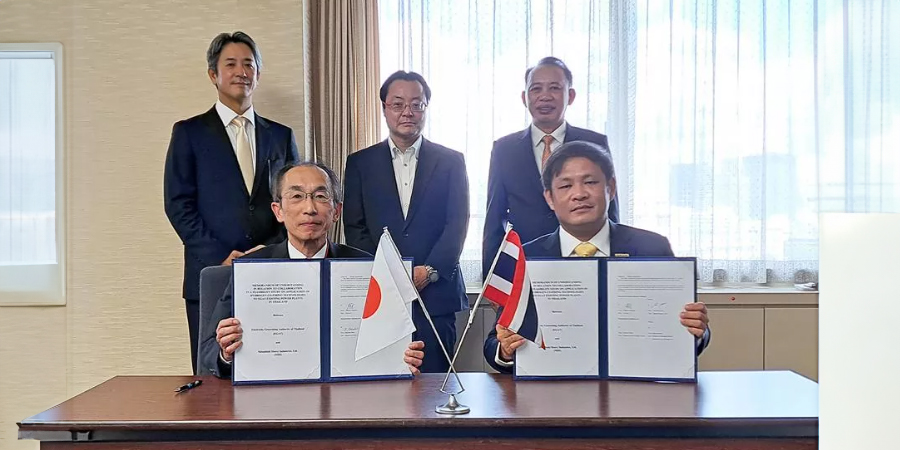
Mitsubishi Heavy Industries, Ltd. and Thailand’s largest power producer, Electricity Generating Authority of Thailand, have signed a Memorandum of Understanding to conduct research on the introduction of hydrogen co-firing technologies for gas turbine power generation facilities in Thailand. This significant collaboration was announced at the 6th Japan-Thailand Energy Policy Dialogue held in Tokyo on June 4. The research aims to facilitate the conversion of thermal power plants to fire clean fuels, supporting Thailand’s goals of achieving carbon neutrality by 2050 and net-zero emissions by 2065.

The MoU will initiate a hydrogen co-firing pilot project at one of EGAT’s power plants in Thailand. An initial feasibility study is scheduled to be conducted by March 2025. EGAT and MHI, with support from MHI’s power solutions brand Mitsubishi Power, aim to achieve a hydrogen co-firing ratio of 20 percent as per EGAT’s request.

Toshiyuki Hashi, executive vice president, president, and CEO of Energy Systems at MHI, commented on the significance of the partnership: “We are excited to explore hydrogen co-firing in gas turbines together with EGAT. We are confident that our continued partnership, built on over 50 years of trust, enables us to contribute significantly to Thailand’s energy transition by combining the expertise of both organisations.”

Narin Phoawanich, deputy governor – Fuel of EGAT, unveiled this collaboration: “The signing with Mitsubishi Heavy Industries marks one of the pioneering initiatives in Thailand to integrate alternative and clean fuels with Japanese technology to produce more environmentally friendly electricity. This initiative aligns with Thailand’s strategy to promote the use of hydrogen. Additionally, it provides an excellent opportunity for technology exchange and the development of hydrogen projects across the value chain with leading Japanese companies at the international level. This partnership is expected to drive advancements in clean energy technology, enhance business opportunities in Thailand’s electricity production sector, and contribute to environmental sustainability. Thus, it marks a significant milestone in Thailand’s energy transition.”

This agreement extends the ongoing partnership between MHI and EGAT to focus on hydrogen co-firing, building on an MoU signed in 2022 to research and exchange information on clean fuel power generation, clean hydrogen, and CCUS technologies. As part of this earlier partnership, preliminary investigations of MHI’s hydrogen co-firing technology using gas turbines at existing EGAT power plants were conducted. Additionally, EGAT is developing a hydrogen supply chain management strategic plan, encompassing transportation, storage, and distribution of hydrogen in Thailand. The partners will conduct an evolved feasibility study based on the results of this partnership.

MHI and Mitsubishi Power will continue to support Thailand’s gradual transition to utilising cleaner energy sources towards its net-zero goals. Since 1968, MHI and Mitsubishi Power have achieved a total installed capacity, including the power plants under construction, of over 25GW, exceeding 50 percent of the power generation capacity in the country.

For more information www.power.mhi.com

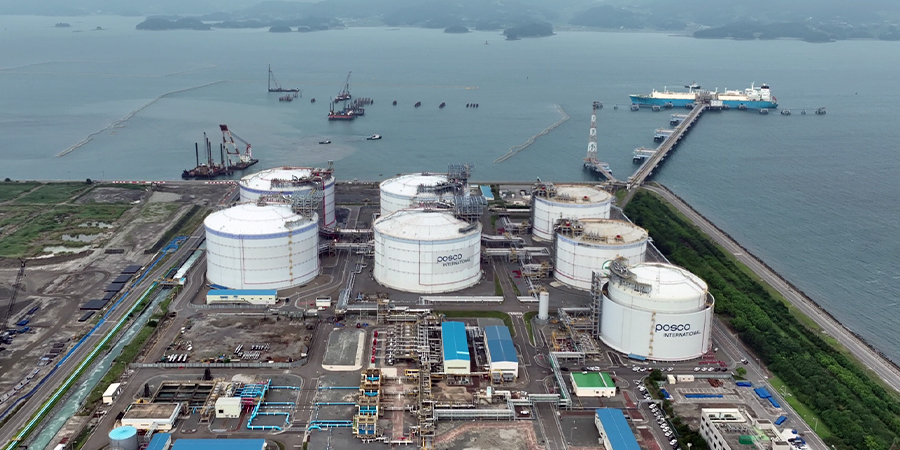
POSCO INTERNATIONAL completed construction of Gwangyang LNG Terminal 1

POSCO INTERNATIONAL has successfully completed the construction of Gwangyang LNG Terminal 1 on the 9th of July. This extensive infrastructure project, initiated in 2002, saw an investment of KRW 1.45 trillion over two decades.

The completion ceremony was attended by over 100 officials from the government and client companies, including Choi Nam-Ho, the second vice minister of the ministry of Trade; Park Chang-Hwan, the vice governor of South Jeolla Province; Jung In-Hwa, the mayor of Gwangyang; Kwon Hyang-Yeop, the National Assemblyman; Choo Hyung-Wook, the president of SK E&S; Lee Sang-Kyun, the president of Hyundai Heavy Industries; Kim Hwan-Yong, the vice president of Korea Gas Corporation; and POSCO Group executives including Lee Kye-In, POSCO INTERNATIONAL CEO.

Enhancing LNG Storage Capacity

POSCO INTERNATIONAL, a leader in Korea’s energy industry with a comprehensive LNG value chain encompassing exploration, production, storage, and power generation, initiated this project to secure stable infrastructure for LNG storage. The completed Gwangyang Terminal 1 now offers a storage capacity of 930,000 cubic metres across six storage tanks, alongside port facilities with a capacity of 180,000 cubic metres.

Gwangyang Terminal 1 not only provides natural gas for power generation and manufacturing in Korea’s key industries but also offers services for unloading, storing, regasifying, and discharging natural gas directly imported by client companies such as POSCO, S-OIL, and SK E&S.

Innovations in Construction

Storage Tanks No. 5 and 6 are the first in Korea to utilize cryogenic high-manganese steel, invented by POSCO. This steel is known for its excellent impact toughness and solidity in extreme environments of -162℃ or below, necessary to keep LNG liquefied. Additionally, the construction project applied the compaction pile method using steel byproducts, reducing the usage of natural aggregates while enhancing the soft ground of the landfill at Gwangyang Bay.

Future Developments

Construction of Gwangyang LNG Terminal 2 is also underway, with an investment of KRW 930 billion to add two 200,000 cubic-metre LNG tanks. This project is expected to be completed by 2026, increasing the total LNG storage capacity to 1.33 million cubic meters—sufficient for 40 days’ worth of heating gas for the entire population of Korea.

Such capacity enhances national energy security, aligning with global trends among advanced countries to secure energy demand sources and domestic infrastructure in response to the energy supply chain crisis and increased LNG demand.

Strategic Plans

POSCO INTERNATIONAL aims to strengthen the midstream sector of the LNG value chain—liquefaction, transportation, storage, and trading—with Gwangyang Terminal playing a pivotal role. Beyond the current LNG storage tank rental business, the company plans to develop complementary projects, such as sea trials and bunkering of LNG carriers, to support both domestic and international industries. These efforts will also lay the groundwork for advancing the blue hydrogen project in the future.

Remarks from Officials

Choi Nam-Ho, the second vice minister of the Ministry of Trade, highlighted the terminal’s significance: “Gwangyang LNG Terminal 1, which marked the inaugural commercial operation by a private company in Korea in 2005, has contributed to the nation’s economic growth and energy security. In light of escalating uncertainties in international energy supply and demand, we are committed to leveraging all available measures to mitigate industry impacts.”

Lee Kye-In, POSCO INTERNATIONAL CEO, expressed gratitude: “I’m deeply grateful to the executives, employees, and on-site labourers for creating a safe workplace without a single major incident since the commencement of terminal construction in 2002. In the future, we aim to ensure a stable supply of domestic energy and enhance our competitiveness in the global energy market through digital transformation initiatives that automate and optimise the operational management of Gwangyang LNG Terminals.”

POSCO INTERNATIONAL’s completion of Gwangyang LNG Terminal 1 marks a significant milestone in Korea’s energy infrastructure, setting the stage for future advancements and contributions to national and global energy security.

Fore more information visit www.posco.com

Stolthaven Terminals partner honoured by president of Korea for contributions to Port of Ulsan and storage terminal industry

Stolthaven Terminals is delighted to announce that Mr Lee, their partner in the joint venture Jeong-IL Stolthaven Terminal, has been recognised by the president of Korea for his significant contributions to the development of the Port of Ulsan and the storage terminal industry. The Port of Ulsan is one of South Korea’s major petrochemical industrial centres.

Located within the port, JSTT stands as the largest bulk-liquid storage facility in the Ulsan/Onsan industrial complex. The facility provides critical services to customers in the chemical, specialty liquid, and petroleum industries. Additionally, it functions as Stolthaven Terminals’ North Asia Pacific distribution hub and Stolt-Nielsen’s transshipment point for both domestic and regional distribution.

Guy Bessant, president of Stolthaven Terminals, expressed his admiration, stating, “Mr Lee has been a true partner with Stolthaven in our JSTT joint venture. The recognition he has received from the president of Korea for his services to the industry is well deserved.”

In the accompanying photograph, Mr. Lee is pictured on the right with Kang Do-Hyung, minister of the ministry of maritime affairs and fisheries.

Stolthaven Terminals is proud of the achievements and recognition of their partner, and they look forward to continuing their successful collaboration at JSTT, further advancing the industrial capabilities of the Port of Ulsan.

For more information visit www.stolt-nielsen.com

Shell to build 100-megawatt renewable hydrogen electrolyser in Germany

Shell Deutschland GmbH has announced a Final Investment Decision to advance the REFHYNE II project, a 100-megawatt renewable proton-exchange membrane hydrogen electrolyser at the Shell Energy and Chemicals Park Rheinland in Germany. Scheduled to commence operations in 2027, REFHYNE II will utilise renewable electricity to produce up to 44,000 kilogrammes per day of renewable hydrogen, aiding in the partial decarbonisation of site operations.

This significant project has been facilitated by supportive policies, including the European Union’s binding targets for renewable hydrogen usage and the regulatory framework set by the German Federal Government. Additionally, REFHYNE II has received funding from the EU’s Horizon 2020 research and innovation programme.

Strategic Commitment to Hydrogen Economy

Huibert Vigeveno, Shell’s Downstream, Renewables and Energy Solutions Director, emphasised the strategic importance of this investment: “Today’s announcement marks an important milestone in delivering our strategy of more value with fewer emissions. Investing in REFHYNE II is a visible demonstration of our commitment to the hydrogen economy, which will play an important role in helping to decarbonise Shell’s operations and customer products. Our decision to invest illustrates what can be achieved with the right enabling conditions to deliver competitive projects.”

Decarbonising Operations and Beyond

The renewable hydrogen produced by REFHYNE II will be employed at the Shell Energy and Chemicals Park to create energy products, such as transport fuels with lower carbon intensity. This initiative will significantly reduce Scope 1 and 2 emissions at the Rheinland facility. In the long term, renewable hydrogen from REFHYNE II could be supplied directly to lower industrial emissions in the surrounding region as customer demand evolves.

Building on Previous Success

The REFHYNE II project builds on the success of the 10-megawatt PEM electrolyser REFHYNE I, which began operations in 2021 using the same advanced technology. Since the launch of REFHYNE I, Shell and its project partners, ITM and Linde, have been working on detailed engineering plans, on-site groundwork, and infrastructure connections to support REFHYNE II.

Experience and Collaboration

The project will benefit from the extensive experience Shell and its partners have gained from developing, constructing, and operating other renewable hydrogen projects across Europe. This collaborative effort underscores the potential of renewable hydrogen in achieving substantial emissions reductions and advancing the transition to a low-carbon energy system.

By investing in REFHYNE II, Shell continues to demonstrate its leadership and commitment to a sustainable energy future, leveraging advanced technology and strategic partnerships to drive the hydrogen economy forward.

For more information visit www.shell.com

CO2next project achieves important milestones for developing crucial CO2 infrastructure in Rotterdam

The CO2next project has achieved a major milestone by entering a new project phase. CO2next aims to build a liquid CO2 terminal at the Maasvlakte in the port of Rotterdam, that can be used by customers not connected to a CO2 pipeline to ship liquid CO2. Therefore, the terminal will be a critical piece of CO2 infrastructure which can be leveraged as part of the carbon capture and storage chain. The technical feasibility and development of such CCS chain is jointly explored with the Aramis CCS project, to which the terminal will be connected. Today, CO2next is pleased to announce it is entering the so-called Front-End engineering design phase and has awarded its FEED contract to the engineering and technology group Sener.

During the FEED phase the design, the realisation schedule and the cost of the proposed CO2next terminal will be further defined, the relevant permits can be received and customers will be contracted in preparation for the final investment decision currently planned for 2025.

With the CO2next project, the project partners aim to build an open access liquid CO2 terminal at the Maasvlakte in Rotterdam with jetties foreseen in the Yangtze Canal. The terminal will be able to receive and deliver liquid CO2 via vessels and will be connected to depleted gas fields in the North Sea via the Aramis trunkline for storage. It can also be leveraged as a part of other CCS chains and a potential future carbon utilisation industry.

CO2 infrastructure, as foreseen with the proposed CO2next terminal is critical in the context of the Dutch climate agreement and the European Green Deal. The CO2next terminal also contributes to the infrastructure and facilitates CO2 reduction for the industry in Northwest Europe and a CO2-neutral port in Rotterdam by 2050.

Potential customers for the CO2next terminal have been approached in 2022, which to date has led to several customers who are keen to leverage the open access terminal for their decarbonisation needs. The terminal has a launch capacity of approximately 5.4 Mtpa (Million tonnes per annum), and a potential to grow its capacity to approximately 15 Mtpa, depending on market demand and the development of the Aramis project and other CCS chains.

Following the FID planned for 2025, subject to permits being granted by relevant authorities, the CO2next terminal is currently foreseen to commence commercial operations in 2028. Shell and TotalEnergies have joined the development of the CO2next project, which to date was led by Gasunie and Vopak. The CO2next project is subject to customary competition clearance, which the project partners will perform before FID in due course.

Fulco van Geuns, project director CO2next: “We are pleased to see the CO2next project firming up. Carbon capture and storage is recognised as required to enable the decarbonisation of the hard to abate industries and we see a clear role for such a liquid CO2 terminal in the European CO2 infrastructure. The same infrastructure may also be required to enable a carbon utilisation industry in future. We welcome Shell and TotalEnergies to the partnership and are looking forward to jointly deliver this project.

For more information visit www.vopak.com

DIALOG expands storage facilities in Tanjung Langsat, Malaysia

Dialog Group Berhad is pleased to announce that its indirect wholly-owned subsidiary, Dialog Terminals Langsat Sdn. Bhd., will be expanding its storage facilities by an additional 150,000 cubic metres for renewable and petroleum products at its terminal in Tanjung Langsat, Johor Darul Ta’zim, Malaysia. The expansion is expected to be completed in the first quarter of FY2027.

Of the new storage capacity, 100,000 cubic metres will be dedicated to EcoCeres Limited, a subsidiary of EcoCeres Inc., under a take-or-pay storage agreement. The remaining 50,000 cubic metres is anticipated to be leased to third-party customers such as multinational companies and trading houses.

This expansion is driven by EcoCeres’ significant investment in a new production facility in Pasir Gudang, Johor Darul Ta’zim, Malaysia, which is strategically located less than 1 km from DTL3. The new biorefinery, expected to be operational in the second half of 2025, will produce Sustainable Aviation Fuel and Hydrotreated Vegetable Oils. These products will be stored in the dedicated tanks at DTL3, leveraging rundown pipelines for direct connection and enhancing operational efficiency.

EcoCeres, a pure-play renewable fuel producer, has over a decade of experience in biomass utilisation and is backed by international investors Bain Capital and Kerogen Capital. With a mission to address climate change challenges, EcoCeres has established itself as a global innovator in converting waste-based biomass into biofuels, biochemicals, and biomaterials. As an International Sustainability and Carbon Certification-certified decarbonisation solution provider, EcoCeres produces industrial-scale SAF and HVO through proprietary processes.

The biorefinery will have an annual capacity of up to 350,000 tonnes, with DTL3’s storage facilities optimising the biorefinery’s investment in storage infrastructure. This logistical integration will further enhance operational efficiency, demonstrating DIALOG’s commitment to supporting innovative and sustainable industrial developments.

This strategic partnership and expansion highlight DIALOG’s dedication to enhancing its storage capabilities and providing efficient, integrated solutions for its clients. The new facilities will strengthen DIALOG’s position in the renewable and petroleum products market, supporting its long-term growth and sustainability objectives.

For more information visit www.dialogasia.com

Changes to the EEMUA Board

EEMUA is pleased to announce the appointment of Matt Cleaver to its board of directors as a non-executive member.

The EEMUA Board provides leadership for carrying out the aims and objectives of the association, primarily to help members and stakeholders worldwide to improve the safety, efficiency and compliance of some of the world’s most important industrial assets.

Matt is principal mechanical engineer at Sellafield Ltd, based in north-west England, and is the company’s Lead Representative to EEMUA and Chair of the EEMUA Council, the senior body in EEMUA setting the overall direction and policy of the association.

On his appointment Matt said: “I firmly believe that organisations like EEMUA play a vital role in facing the challenges being put to the engineering profession now and in the near future and so I am pleased to start my term on the EEMUA Board, where I can help guide and support their work. Combined with my role as Chair of the member council, I also aim to further contribute to an effective relationship between the board and members. I am looking forward to the opportunity to broaden my experience within a new environment, and learn new skills”.

EEMUA would like to thank Mark Child who has stood down from the EEMUA Board after serving as a non-executive member director for three and a half years. Mark made many valuable contributions to the association during his term, bringing his experience and providing guidance to help further the mission of the organisation.

Commenting on the changes, John Whitfield, EEMUA chair said: “I am pleased to welcome Matt to the board. I wish him every success in this exciting appointment and look forward to his active participation driving the organisation forward. I would also like to say a big thank you to Mark for his recent tenure as an EEMUA director. Mark brought a wealth of experience and knowledge to the role which will be missed. I wish him well for the future”.

For more information visit www.eemua.org

GAR boosts strategic presence with new storage capacity in the largest Port in Europe

Golden Agri-Resources is pleased to announce a new lease partnership for storage capacity at the state-of-the-art Chane terminal in Rotterdam, the largest port in Europe. The first shipment was delivered on 17 July, marking a key milestone in GAR’s efforts to strengthen its presence in the Northwest Europe region.

The Chane terminal Geulhaven, owned and operated by Chane, offers GAR 20,400 cubic metres of storage. The facility includes eight tanks with a capacity of 1,800 cubic metres each, eight tanks of 750 cubic metres each, and additional tanks for future expansion in blending operations. This infrastructure enhances GAR’s ability to offer a wider range of high-quality products and services to its customers with greater efficiency and reliability.

Maarten van der Hoeven, senior vice president and head of Europe and Latin America at GAR, stated: “Securing storage at the state-of-the-art Chane terminal is a pivotal step in our strategic expansion plan. This new location strengthens our European supply chain, enhancing our logistics capabilities and enabling seamless product storage and distribution.”

GAR currently operates terminal storage and warehouses in six countries across Europe and Latin America. This extensive network supports GAR’s commitment to delivering a diverse range of quality products to its customers efficiently and effectively.

GAR’s continuous commitment to securing top-tier storage facilities, such as the Chane terminal, underscores its dedication to service excellence. The company continues to leverage strategic locations and advanced facilities to drive growth and customer satisfaction.

John Kraakman, CEO of Chane, commented: “We are excited to continue our strong partnership with GAR by offering end-to-end services in liquid bulk storage. Together, we aim for efficient, sustainable solutions for goods crossing continental borders and proudly contribute to providing sustainable oils for the European market and beyond.”

For more information visit www.goldenagri.com.sg

TotalEnergies, APA Corporation and Staatsolie progress towards final investment decision on block 58

On the occasion of the 2024 Suriname Energy Oil and Gas Summit, Javier Rielo, senior vice president Americas, Exploration & Production for TotalEnergies, and Annand Jagesar, CEO of Staatsolie Maatschappij Suriname N.V., the Suriname National Oil Company, announced several significant steps towards the final investment decision of the development of offshore Block 58. This decision is expected in the fourth quarter of 2024, with production start-up slated for 2028.

TotalEnergies is the operator of Block 58, holding a 50 percent interest alongside APA Corporation, which also holds a 50 percent interest. Staatsolie has the option to enter the development project with up to a 20 percent interest upon FID.

Engineering studies are progressing for the development of the Sapakara and Krabdagu fields, with combined recoverable resources estimated at above 700 million barrels. This is largely due to the integration of Water Alternating Gas injection technology, which aims to maximise recovery. Ocean Bottom Node seismic technology will also play a crucial role in maximising resources and optimising the placement of development wells, as well as identifying potential resource upsides. A first OBN campaign covering 900 km² will be carried out in the second half of 2024.

Several key milestones have recently been reached on the path towards FID. An agreement was concluded between Staatsolie and TotalEnergies on the field development area, maximising the value for Suriname and the Block 58 co-venturers over the 25-year production period. Additionally, the hull for a 200,000 barrels of oil per day floating production storage and Offloading unit has been secured.

TotalEnergies is committed to developing this project responsibly, utilising advanced technologies to minimise greenhouse gas emissions. The facilities will be designed for zero routine flaring, with all associated gas reinjected into the reservoirs. During the development and production phases, TotalEnergies will work closely with Staatsolie to enhance local content, as demonstrated during the exploration and appraisal phases, with over 80 people trained for logistics operations in Paramaribo.

“We are glad to progress together with Staatsolie and APA towards the FID of Block 58, which will be the next milestone in the partnership between Suriname and TotalEnergies. Our company is deploying advanced technologies to minimise environmental impact and maximise resource recovery, while focusing on ensuring economic benefits for the country,” said Javier Rielo, senior vice president Americas, Exploration & Production at TotalEnergies.

“Staatsolie is happy to progress towards the development of this project with a world-renowned partner in such a way that Suriname optimally benefits not only from large financial streams but also from a design and execution that will safeguard safe and clean operations,” said Annand Jagesar, CEO of Staatsolie.

For more information visit www.totalenergies.com

Equinor reports strong financial and operational performance for Q2 2024

Equinor has announced its financial results for the second quarter of 2024, delivering an adjusted operating income of USD 7.48 billion and USD 2.15 billion after tax. The company reported a net operating income of USD 7.66 billion and net income of USD 1.87 billion. Adjusted net income was USD 2.42 billion, leading to adjusted earnings per share of USD 0.84.

Financial and Operational Performance

Equinor showcased continued strong operational performance, resulting in solid financial results. The company’s cash flow was impacted by tax payments in Norway and capital distribution.

Strategic Progress

Equinor achieved several milestones, including the initiation of new fields on the Norwegian Continental Shelf, continued high grading of its oil and gas portfolio, and the acquisition of three new CO2 licence awards in Norway and Denmark.

Capital Distribution

The second quarter saw an ordinary cash dividend of USD 0.35 per share, an extraordinary cash dividend of USD 0.35 per share, and the initiation of the third tranche of share buy-backs worth up to USD 1.6 billion. Equinor maintains its expected total capital distribution for 2024 at around USD 14 billion.

Anders Opedal, president and CEO of Equinor ASA, stated, “Our operational performance continued to be strong through the quarter, and we delivered 3 percent production growth. This secured solid financial results. We maintain a competitive capital distribution, expecting to deliver a total of 14 billion dollars to our shareholders in 2024.”

Strong Operational Performance

Equinor’s total equity production reached 2,048 mboe per day in the second quarter, up from 1,994 mboe per day in the same period last year. The NCS saw a 5 percent production growth compared to the second quarter of the previous year, driven by strong performance and new production from the Breidablikk field. High production from the Troll and Oseberg fields resulted in a 13 percent increase in gas production.

Internationally, new wells at the Buzzard field in the UK contributed to new production, though lower production from the US due to turnarounds offshore and planned curtailments onshore offset this.

Equinor completed seven exploration wells offshore, including the Argerich well in Argentina, with no commercial discoveries. Seven wells were ongoing at the quarter’s end.

Renewable energy production reached 655 GWh in the second quarter, a 90 percent increase from the same quarter last year. Onshore power plants, particularly in Brazil and Poland, significantly contributed to this growth, along with strong offshore wind farm production.

Strategic Developments

Equinor’s NCS portfolio saw substantial progress, including an investment decision for further development of gas infrastructure in the Troll West gas province. The Johan Castberg FPSO left the dock for inshore testing and is on track for sail away to the Barents Sea later this summer. Production started from the Hanz field in April and from the Kristin South area in July.

The company continued to optimise its portfolio through strategic business development. This included an agreement with Petoro to harmonise equity interests in the Haltenbanken area and a divestment of interests in the Gina Krog area. Equinor also closed a swap transaction to increase profitability in its US onshore business by exiting the operated position in Ohio and increasing its position in partner-operated assets in Northern Marcellus, Pennsylvania.

Equinor accessed CO2 storage capacity opportunities of 17 million tonnes per year with the awarded licences Kinna and Albondigas on the NCS, and the Kalundborg licence onshore Denmark.

In the UK, construction is progressing on the Dogger Bank A offshore wind farm, with 27 turbines either fully or partly installed. The project targets full commercial operations during the first half of 2025. Consequently, the expected growth in power production from renewable assets in 2024 is adjusted to around 70 percent from the 2023 level.

For more information visit www.equinor.com

Air Liquide signs major contract to support the semiconductor industry in the US with an investment of more than 250 million dollars

Air Liquide will build a new industrial gas production facility in the United States to supply the new fab of one of the world’s leading semiconductor manufacturers. Under a long-term contract, the plant will provide large volumes of high purity industrial gases for the production of memory chips. Air Liquide will invest over 250 million dollars in this state-of-the-art production unit.

Air Liquide will build, own, and operate a new industrial gas production facility in Idaho, which will produce large volumes of ultra-pure nitrogen and other gases for Micron Technology, Inc., as well as for other customers in the area. This investment will create hundreds of direct and indirect jobs in Idaho during both the construction and operation phases, and the facility is expected to be operational by the end of 2025.

This innovative plant is part of a complete Carrier Gas solution designed by Air Liquide for large customers, with an optimized land footprint and total cost of ownership. The use of digital technologies, standardisation, and modularization will bring exceptional value to local customers in terms of reliability, short delivery times, and efficient project execution.

This project exemplifies how Air Liquide is contributing to technological progress while optimising the semiconductor sector’s environmental footprint. The advanced design of this next-generation high-efficiency Carrier Gas Facility produces the full range of critical gases required on-site with reduced energy and logistics requirements. The new production unit is 5 percent more power efficient than previous generation plants. Producing most of the gases on-site will also avoid the need for transportation by trucks. Additionally, the electricity for the facility is targeted to be 100 percent from renewable sources within the next five years.

Matthieu Giard, chief executive officer of Americas for the Air Liquide Group, stated, “We are pleased to further strengthen our 30-year partnership with Micron Technology. Our partner’s trust in Air Liquide reinforces our position in the electronics industry as a technology leader with strong innovation capabilities. This investment will support the production of leading-edge memory chips, notably to meet the growing demand for computing capacities required by artificial intelligence. This contract illustrates our strategy to further accompany our customers in their development, including in the US The Electronics activity is a strong driver of our 2025 strategic plan ADVANCE, which closely links financial and extra-financial performances.”

Scott Gatzemeier, corporate vice president of front-end US expansion at Micron Technology, commented, “Micron’s investments will propel US supply chain resilience given memory is produced at a much larger size and scale than other segments of the semiconductor industry. As the company builds its fab in Idaho, Micron will be driving even more demand for equipment, raw materials, and jobs—growing domestic front-end material sourcing sevenfold over the next 10 years. This is an example of how Micron will continue to attract and build a semiconductor ecosystem across the US through its planned Idaho and New York investments and the support of suppliers in nearly all 50 states.”

For more information visit www.airliquide.com

TotalEnergies exits from offshore Blocks 11B/12B and 5/6/7

TotalEnergies has announced its withdrawal from Block 11B/12B, off the southern coast of South Africa, following the decision of its partner, CNRI, to exit the block. TotalEnergies EP South Africa, an affiliate of TotalEnergies, holds a 45 percent interest in this block.

TotalEnergies initially entered Block 11B/12B in 2013 and subsequently made two gas discoveries, Brulpadda and Luiperd. However, these discoveries could not be developed into commercial ventures due to the challenges associated with economically developing and monetizing the gas for the South African market.

In addition, TotalEnergies has decided to exit offshore exploration Block 5/6/7, where TotalEnergies EP South Africa currently holds a 40 percent interest.

For more information visit www.totalenergies.com

Major turnaround at Neste’s Porvoo refinery was successfully completed

The major turnaround with scheduled maintenance of Neste’s Porvoo refinery in Finland has now been successfully completed, allowing the refining of crude oil as well as renewable and circular raw materials into more than 100 different products to continue for customers globally.

“We completed a major maintenance shutdown in a condensed time frame. Neste has moved to a shorter turnaround interval as a result of careful assessment of costs and risks associated with the earlier five-year cycle. More frequent turnarounds are less complex and smaller in scope. The decision to move to a shorter cycle of 2.5 to 3 years is not directly related to the Porvoo refinery’s transformation, but it does allow for more flexible implementation of the needed investments as we progress with the programme,” said Markku Korvenranta, executive vice president of the Oil Products business unit at Neste.

“We completed a large number of regulatory inspections, maintenance works on some 5,000 pieces of equipment, as well as asset improvement initiatives at the Porvoo refinery that cannot be done when the refinery is operating. The turnaround works focused on pressure equipment, as well as rotating equipment and pipelines. We would like to thank everyone for their seamless cooperation, expertise, and active dialogue during this time and throughout the turnaround,” summarised Jori Sahlsten, senior vice president of Refinery and Terminal Operations from the Oil Products business at Neste Porvoo.

During the major turnaround, the Porvoo refinery was one of the largest construction sites in Finland. In total, some 7,600 people took part in the turnaround works and completed over 1.4 million working hours. The major turnaround investment in 2024 totaled approximately 390 million euros.

The major turnaround did not affect product deliveries to Neste’s customers. The Kilpilahti harbour in Porvoo and the refinery distribution terminal operated normally during the major turnaround.

For more information visit www.neste.com

Baker Hughes announces second-quarter 2024 results

Baker Hughes Company reported robust results for the second quarter of 2024, underscoring strong operating performance and strategic execution. CEO Lorenzo Simonelli highlighted the company’s ability to drive margin expansion and raised the midpoint of full-year guidance by 5 percent, emphasising confidence in future margin growth.

The company saw significant order momentum with $3.5 billion in IET orders, including a major contract from SONATRACH for gas-boosting in Algeria’s Hassi R’Mel gas field. This achievement marked the highest quarterly non-LNG equipment bookings in Baker Hughes’ history. Additionally, Baker Hughes recorded $445 million in new energy orders, setting another company record.

Outstanding second-quarter results included a 25 percent year-over-year increase in total company adjusted EBITDA and 46 percent growth in adjusted EPS. Adjusted EBITDA margins rose by nearly 150 basis points to 15.8 percent. The company also returned significant cash to shareholders, paying $209 million in dividends and repurchasing $166 million in shares.

Quarter Highlights:

Oilfield Services & Equipment:

  • Secured multiple significant contracts with Petrobras for workover, plug and abandonment services, and seabed centrifugal pumping systems for the Jubarte field.
  • Continued growth in mature assets solutions with a joint cooperation agreement with the State Oil Company of Azerbaijan Republic for more than 150 electrical submersible pumps and automated field production solutions.


Industrial & Energy Technology:

  • Awarded a major Gas Technology Equipment contract for SONATRACH’s Hassi R’ Mel gas field.
  • Secured two major offshore topside contracts for power generation systems for all-electric Floating Production Storage and Offloading units.
  • Signed a 10-year services frame agreement with Woodside Energy to support LNG operations in Australia and extended a service agreement with a major North American LNG customer.


Financial Performance:

  • Orders: $7.5 billion, a 15 percent increase sequentially and 1 percent year-over-year.
  • Revenue: $7.1 billion, an 11 percent increase sequentially and 13 percent year-over-year.
  • Net income: $579 million, up 27 percent sequentially and 41 percent year-over-year.
  • Adjusted net income: $568 million, up 32 percent sequentially and 44 percent year-over-year.
  • Adjusted EBITDA: $1.13 billion, up 20 percent sequentially and 25 percent year-over-year.


Total company adjusted operating income for Q2 2024 was $847 million, a 28 percent increase sequentially and 34 percent year-over-year. The increase was driven by higher volume and pricing, partially offset by negative mix in IET and OFSE. The company’s total book-to-bill ratio was 1.1.

Baker Hughes continues to focus on strategic global collaborations, notably with Air Products for advanced hydrogen, syngas, and CO2 solutions. The company secured significant orders for CO2 and hydrogen compressors and pumps for Air Products’ projects in North America.

The company’s exceptional performance is attributed to the dedication of its employees, as acknowledged by Simonelli. Baker Hughes remains on course to return 60 percent – 80 percent of free cash flow to shareholders and continues to enhance its operational rigour across its segments.

For more information visit www.bakerhughes.com

SK Gas eyes commercial operations of LNG power plant in 2nd half

SK Gas Ltd., South Korea’s leading liquefied petroleum gas supplier, which is transforming into a clean energy company, has moved a step closer to commercial operations of the world’s first LNG/LPG combined cycle power plant, slated for later this year.

SK Gas announced on Tuesday that Ulsan GPS, its subsidiary operating the world’s first LNG/LPG combined cycle power plant in Ulsan, successfully initiated the first firing of two gas turbines early last month. Each turbine has a capacity of 400 megawatts and has been distributing LNG-fired electricity to power grids operated by Korea Electric Power Corp., the state-owned utility company.

Since then, UGPS has been test-operating its facilities with LNG supplied from the Korea Energy Terminal, SK Gas’ first LNG terminal, without any issues. This progress brings the company closer to completing its LNG value chain, a crucial step in its transition to an eco-friendly energy provider.

UGPS, located in the coastal city of Ulsan, about 310 kilometres southeast of Seoul, is the world’s first combined cycle power plant to use both LNG and LPG as clean fuels.

SK Gas invested 1.4 trillion won ($1 billion) in UGPS, which is expected to generate 1.2 gigawatts, equivalent to one nuclear power plant, and power approximately 2.8 million households annually.

Each year, UGPS is projected to use 900,000 to 1,000,000 tonnes of LNG, transported through pipes directly connected between the power plant and KET, which completed its test operations in April. Given that the LNG terminal is located about 5 kilometres from the power plant, SK Gas will be able to maximise its power generation profits with low LNG delivery costs.

UGPS is designed to utilise the less-expensive LPG to fire the power plant when global LNG prices rise.

SK Gas announced plans to test-fire gas and steam turbines at UGPS with LPG, aiming to commence commercial operations of the dual-fuel power plant in the second half of this year.

For more information visit www.skgas.co.kr

Vopak reports continued strong results and announces capacity expansions in industrial terminals

Vopak has announced continued strong financial performance for the first half of 2024, along with significant capacity expansions in industrial terminals.

Net Profit: EUR 213 million, with an EPS of EUR 1.73.
Proportional EBITDA: Increased to EUR 599 million from EUR 586 million in H1 2023, driven by growth projects and a one-off item offsetting divestment impacts.
Updated 2024 Outlook: proportional EBITDA forecasted between EUR 1,150-1,180 million, EBITDA outlook between EUR 920-950 million, and consolidated growth capex around EUR 350 million.

LPG Export Terminal: A large-scale LPG export terminal is being constructed in Prince Rupert, Western Canada, with a total investment of EUR 924 million, of which Vopak’s share is EUR 462 million.
Industrial Footprint Expansion: Investments of EUR 63 million in capacity expansion in Saudi Arabia and China.
Market Consultation: Exploring the extension of EemsEnergyTerminal in the Netherlands for LNG and potential new energies like CO2 and hydrogen.

CO2next Project: Entered the FEED phase for developing CO2 infrastructure in Rotterdam. Renewable Feedstock: Commissioned repurposed 15k cbm capacity in Alemoa, Brazil, for renewable feedstock.

Revenues: EUR 654 million, adjusted to a 4 percent increase year-on-year after divestment and currency impacts.
Operating Expenses: EUR 325 million, with an increase of EUR 20 million after adjustments. Cash Flows: Operating activities increased by EUR 40 million to EUR 518 million, an 8 percent increase year-on-year.
Proportional Revenues: EUR 953 million.
Proportional EBITDA: Increased to EUR 599 million.
Operating Capex: EUR 92 million, reflecting divestment impacts.

Proportional Occupancy Rate: 92 percent, stable compared to 91 percent in H1 2023.
Sustainability Performance: Continued strong performance with a total injury rate of 0.16, a lost-time injury rate of 0.10, and a process safety event rate of 0.07.

CEO Statement:Vopak’s CEO highlighted the company’s robust financial performance and strategic growth in industrial and gas terminals, alongside progress in new energies and sustainable feedstocks. The company maintained healthy demand for its infrastructure services, achieving a 92 percent proportional occupancy rate in H1 2024. Significant developments include the commitment to a large-scale LPG export facility in Canada, capacity expansions in Saudi Arabia and China, and advancements in CO2 infrastructure and renewable feedstock projects. Vopak is well-positioned to capture future opportunities aligned with its strategic goals.

Vopak continues to demonstrate strong financial performance and strategic growth, with significant investments in capacity expansions and new energy projects. The company’s healthy demand for services, robust financial results, and commitment to sustainability underscore its strong market position and future growth potential.

For more information visit www.vopak.com

Vision-based adaptive intelligence software extends Lincoln Electric’s technology platform

Lincoln Electric® is pleased to announce its acquisition of Inrotech A/S. Headquartered in Odense, Denmark, Inrotech is a privately held automation system integration and technology firm specialising in automated welding systems that are distinguished by proprietary adaptive intelligence software and computer vision. This technology guides and optimises the welding process without the need for programming or CAD files.

The state-of-the-art vision-based technology has proven invaluable in the shipbuilding, energy, and heavy industry sectors, where welding accessibility can be challenging for traditional automated systems, but precision and quality are mission-critical.

“We are pleased to welcome the Inrotech team to Lincoln Electric and are excited to expand the reach of their automated welding systems and incorporate their proprietary vision-based adaptive intelligence technology across a broader range of Lincoln systems, enabling the next generation of welding solutions,” stated Mike Whitehead, Lincoln Electric’s senior vice president, president of Global Automation, Cutting and Additive Solutions.

“We are excited to join Lincoln Electric and realise the enormous untapped value our technology can offer customers worldwide when combined with Lincoln’s extensive welding and automation expertise,” commented Henrik Lenskjold, CEO of Inrotech.

For more information visit www.inrotech.com

Savannah-based Colonial Group announces executive leadership promotions

Colonial Group, Inc., a Savannah-based diversified family of companies, has announced two key promotions within its executive leadership team. Bob Kenyon has been promoted to chief operations officer of Colonial Group, Inc., while continuing in his role as president of Colonial Oil Industries, Inc. Ryan Chandler has been promoted to chief commercial officer of Colonial Group, Inc., while maintaining his position as president of Colonial Terminals, Inc.

“All the companies within the Colonial family have experienced tremendous growth and change over the past several years,” said Christian Demere, president and CEO of Colonial Group. “While I am proud of the progress each company has made, I believe there is even more potential to unlock by better leveraging our synergies and strengths across the entire organisation. Additionally, we have the opportunity to further strengthen our family culture. Expanding Ryan’s and Bob’s scope across the company will help us achieve our full potential and become the best in every industry we serve.”

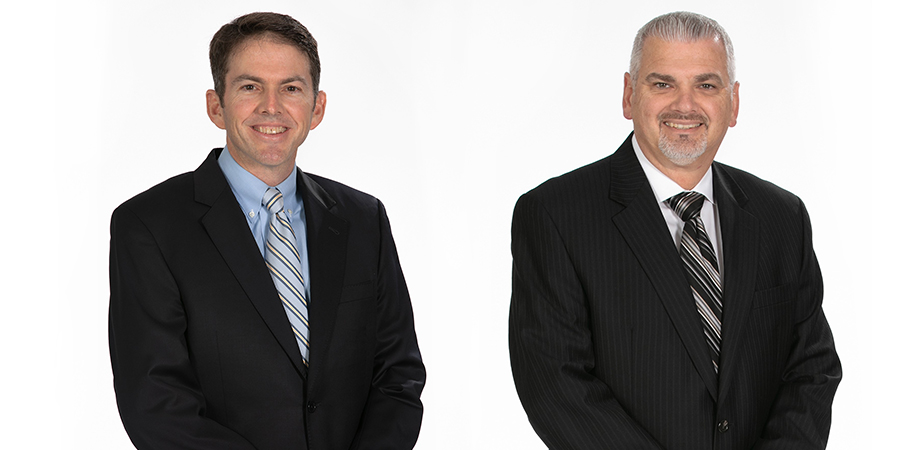
Left; Ryan Chandler president of Colonial Terminals and CCO of
Colonial Group. Right; Bob Kenyon president of Colonial Oil Industries and COO of Colonial Group

The Colonial family of companies operates across multiple industries, offering products and services that include energy and chemical marketing and distribution, materials storage and handling, and retail convenience stores.

In their new roles, Kenyon and Chandler will broaden their involvement across the organisation in operational and commercial strategy and standards, uniting all Colonial business units under a new “One Colonial” approach.

Kenyon brings nearly 30 years of experience in fuel operations. Before joining Colonial in 2022, he served as senior vice president of sales and marketing for Renewable Energy Group, Inc. He is also the former president of Atlas Oil Company, where he led the company’s nationwide sales, marketing, supply, operations, and administrative resources spanning 20 terminals and more than 900 employees. Kenyon holds a B.B.A. in business management from Eastern Michigan University and has completed advanced executive education studies at the University of Michigan.

Chandler joined Colonial Group, Inc., as vice president of business development in 2011 and became president of Colonial Terminals, Inc., in 2020. Earlier in his career, he practiced commercial law and later served as vice president of operations at TICO/Terminal Services, a Savannah-based, family-owned terminal equipment manufacturing and outsourcing company, where he worked for eight years. Chandler holds several degrees from the University of Florida: a B.A. in finance, a J.D. from the Fredric G. Levin College of Law, and an MBA from the Warrington College of Business.

These promotions are part of Colonial Group’s strategy to leverage synergies across its diverse businesses and strengthen its organisational culture, driving the company towards becoming an industry leader in every sector it serves.

For more information visit www.colonialgroupinc.com

Advario and Fluxys advance low-carbon ammonia terminal project in Port of Antwerp to next phase

Advario and Fluxys are advancing towards the next phase of their collaborative low-carbon ammonia terminal project in the Port of Antwerp, Belgium. This progression includes initiating commercial proceedings to invite market players to reserve capacities in the terminal during the open season and advancing to front-end engineering design studies, a critical phase laying the groundwork for the terminal’s development.

The planned low-carbon ammonia import terminal, set to be constructed at the Advario Gas Terminal site in Antwerp, represents a significant step in meeting the growing demand for sustainable energy sources in Belgium and beyond. This terminal aligns perfectly with Europe’s hydrogen strategy and the REPowerEU plan, which aims for 20 million tonnes of green hydrogen consumption by 2030, with ammonia imports expected to cover one fifth of this target.

Jan Jambon, minister-president of Flanders, who visited the Advario Gas Terminal today, commented: “The joint initiative of Advario and Fluxys, developing an innovative import terminal for low-carbon ammonia infrastructure, fits perfectly with our ambition and supports our objective to be a key hub for importing and exporting essential molecules for a carbon-neutral economy. This initiative aims to accelerate the transition to cleaner energy sources, ultimately contributing to a more sustainable future for Flanders and beyond.”

Ammonia, with its potential as a carbon-neutral molecule across various industries, emerges as a cornerstone in the energy transition. From serving as a sustainable feedstock for manufacturing processes to facilitating transportation and power generation, ammonia promises to play a pivotal role in achieving climate objectives. By strategically situating the terminal within the Antwerp port region, Advario and Fluxys aim to leverage the port’s position as Europe’s largest petrochemical hub to foster efficient connectivity and accessibility, thereby significantly contributing to regional and EU energy transition efforts.

For more information visit www.advario.com

ExxonMobil signs carbon capture agreement with CF Industries in Mississippi

ExxonMobil has signed its fourth carbon capture and storage agreement with a major industrial customer, marking another milestone in its leadership in this crucial emissions-reduction technology.

Under the new agreement, ExxonMobil will transport and permanently store up to 500,000 metric tonnes per year of captured CO2 from CF Industries’ complex in Yazoo City, Mississippi. This facility produces nitrogen products for agricultural fertiliser and other essential products. The project aims to reduce the site’s CO2 emissions by approximately 50 percent, with a startup planned for 2028.

With this agreement, the total CO2 ExxonMobil has committed to storing for customers reaches up to 5.5 million MTA. This amount is equivalent to replacing around 2 million gasoline-powered cars with electric vehicles, surpassing the total number of EVs sold in the United States in 2023. No other company has announced CCS commitments of this magnitude.

Dan Ammann, president of ExxonMobil Low Carbon Solutions, stated, “We’re serious about expanding carbon capture – a safe, proven solution for hard-to-decarbonise industries. Our agreement with CF Industries is the latest example of how we can help industrial customers make significant progress, quickly and economically.”

This partnership marks ExxonMobil’s second CCS project with Illinois-based CF Industries and its first in Mississippi. Former governor Haley Barbour noted in a recent op-ed that carbon capture can support the state’s economic growth while reducing emissions.

Through these initiatives, ExxonMobil continues to demonstrate its commitment to advancing CCS technology and helping industries achieve substantial emissions reductions.

For more information visit www.exxonmobil.com

Vopak and Tianjin Port Group forge strategic alliance to advance green energy infrastructure

In a significant move towards sustainable energy development, Vopak has entered into a strategic cooperation agreement with the delegation led by the vice mayor of Tianjin. This collaboration is aimed at repurposing the infrastructure of Vopak Tianjin to accommodate new energy sources, such as green methanol, sustainable aviation fuel, and potentially ammonia and Liquid Organic hydrogen carriers. In conjunction with this effort, the Tianjin Port Group is set to join forces with Vopak to create a pioneering green methanol bunkering service solution.

Situated in the economic heart of Bohai Bay, Tianjin boasts the title of the largest port in Northern China. With the burgeoning number of new energy projects in the region, Tianjin’s role as a critical logistics hub for these initiatives is becoming ever more pronounced.

Vopak is propelling the world towards progress by hastening its investment in new energies and sustainable feedstocks. Following its announcement in June 2022, the company has dedicated a substantial investment of EUR 1 billion towards these sectors, aiming for completion by 2030. Vopak’s strategic focus is centred on developing infrastructure solutions for low-carbon and renewable hydrogen, ammonia, CO2, long-duration energy storage, and sustainable feedstocks. This forward-thinking approach not only shapes the trajectory of Vopak’s future but also makes a meaningful impact on the transition of key industrial clusters and the formation of the energy hubs of tomorrow.

For more information visit www.vopak.com

Tecam discusses waste treatment and generation of by-products

In a world where sustainability is the new norm, proper waste disposal is more essential than ever. Implementing waste valorization and reuse practices not only meets environmental needs but also proposes economically viable and socially responsible solutions.

Importance of Waste Treatment Industrial waste management is a fundamental priority to prevent environmental pollution and protect public health. This technical process focuses on reducing the hazardousness of waste, decreasing waste quantities, mitigating risks to the ecosystem and community, and converting waste into less harmful materials. Common methods include mechanical, chemical, and biological treatments, each adapted to the particular characteristics of the waste being treated.
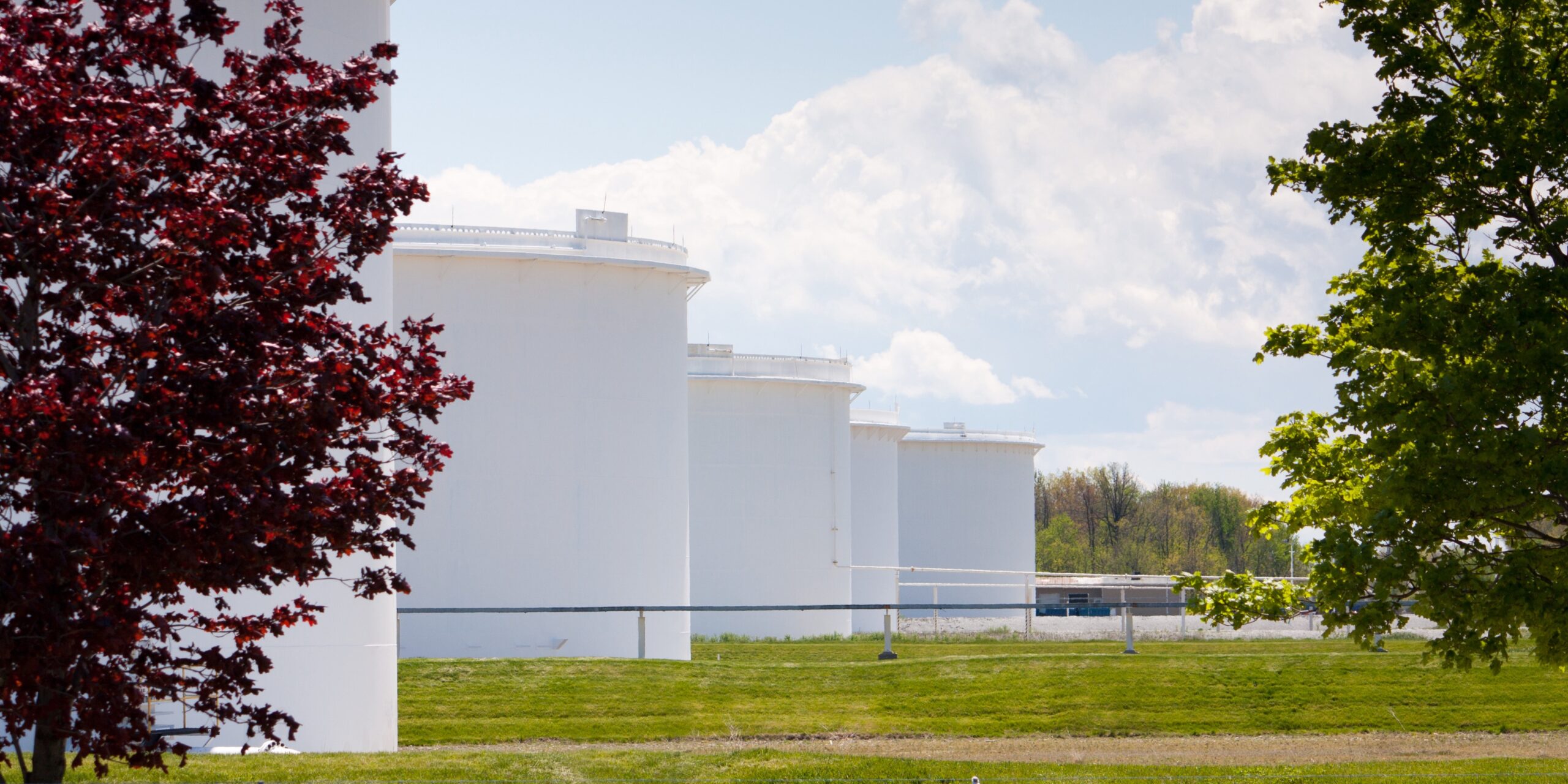
For example, hazardous chemical waste may require neutralisation or encapsulation to prevent water and soil contamination. Organic waste, on the other hand, is an ideal candidate for processes like anaerobic digestion, which not only reduces its volume and toxicity but also produces biogas that can be used as a renewable energy source.

Waste Valorization: From Waste to Resources Valorization involves converting waste into useful products or energy, transforming what was traditionally seen as waste into a valuable resource. This process is fundamental to the circular economy, where the goal is to keep resources in use for as long as possible. It is not just about reducing the extraction of natural resources but also minimising the carbon footprint associated with the production of raw materials.

Waste Treatment in Industry In industrial production, waste treatment represents both a challenge and an opportunity due to the hazardous and often volatile nature of the materials involved. Proper management of these wastes is crucial to prevent environmental contamination and ensure safety. Processes like neutralisation, controlled incineration, and encapsulation are commonly used to treat chemical waste, transforming hazardous compounds into inert or less harmful substances.

A notable example of valorization in these industries is the recovery and recycling of used solvents, which can often be redistilled and reintroduced into the production process, reducing costs and minimising dependence on non-renewable resources.

Pyrolysis: Innovation in Chemical Recycling of Plastics One of the most promising technological advances in waste valorization is pyrolysis, particularly in the chemical recycling of plastics. This thermal process decomposes plastics in the absence of oxygen, transforming them into pyrolysis oil, which can be used to generate biofuels or second-generation plastics, serving as energy sources or raw materials in various industries, respectively.

At Tecam, they are leaders in implementing waste treatment and valorization solutions through pyrolysis, a technology designed to process a variety of plastic wastes and convert them into pyrolysis oil. This oil can be used to produce biofuels or as a raw material for new plastics, closing the material lifecycle and promoting a circular economy.

Tecam’s pyrolysis process not only contributes to a more sustainable environment by reducing the amount of plastic waste destined for landfills and oceans but also offers a viable route for energy recovery. The gases produced during pyrolysis can be used to generate electricity, powering plant operations and maximise energy efficiency.

Economic and Environmental Benefits Waste treatment and valorization offer multiple benefits. Economically, they allow companies to reduce costs by converting waste into useful resources. Environmentally, they minimise pollution and consume fewer natural resources. Socially, these practices foster a healthier environment and raise awareness about the importance of recycling and sustainable waste management.

Challenges and Future of Waste Treatment Despite technological advances, waste treatment faces significant challenges. These include the need for high initial investments, adapting to frequently changing regulations, and handling heterogeneous waste that can vary in composition and toxicity. In the face of these challenges, collaboration between businesses, governments, and civil society is crucial to continuously innovate and improve waste treatment technologies and strategies.

Conclusion Implementing effective strategies for waste treatment, valorization, and reuse is essential for advancing towards a more sustainable industrial future. Innovative practices like plastic pyrolysis and solvent recovery not only meet environmental requirements but also open new business opportunities.

As the industrial sector moves forward, integrating these practices will be crucial for industries seeking not only to survive but to thrive in an increasingly sustainability-focused global economy. Adopting advanced technologies and optimised processes will enable companies to reduce their carbon footprint, minimise waste, and maximise resource efficiency. For example, implementing waste treatment systems based on the circular economy can transform waste into new products, thus closing the material lifecycle and reducing reliance on virgin resources.

Furthermore, collaboration across sectors and investment in research and development are essential to drive innovation in waste management. Strategic alliances between businesses, academic institutions, and governments can facilitate knowledge and resource exchange, accelerating the adoption of sustainable practices.

In summary, transitioning to a more sustainable industrial model is not only an environmental responsibility but also an opportunity to enhance the competitiveness and resilience of companies in the global market. The key lies in implementing innovative and collaborative solutions that promote more efficient and responsible use of resources.

For more information visit www.tecamgroup.com

TotalEnergies increases LNG deliveries to Asia with two new medium and long-term contracts

In a move to expand its liquefied natural gas business, TotalEnergies has recently announced the signing of two new LNG contracts in Asia. These agreements include a sales and purchase agreement with Indian Oil Corporation and an agreement with Korea South-East Power.

Under the SPA with IOCL, TotalEnergies will deliver up to 800,000 tonnes per year of LNG to India for a period of ten years, starting in 2026. The agreement with Korea South-East Power involves the delivery of approximately 500,000 tonnes per year of LNG to South Korea for a five-year period starting in 2027.

These contracts not only provide TotalEnergies with medium-term outlets for its global LNG supply portfolio but also strengthen its presence in the Asian markets. The company is dedicated to supporting its customers in these markets with their decarbonisation strategies.

Gregory Joffroy, senior vice president of LNG at TotalEnergies, expressed his satisfaction with being selected by IOCL and Korea South-East Power as their LNG supplier. He emphasised the company’s commitment to contributing to the energy security and transition of these countries.

TotalEnergies is recognised as the world’s third largest LNG player, with a global portfolio of 44 Mt/y in 2023. The company has a comprehensive presence across the LNG value chain, encompassing production, transportation, access to regasification capacity in Europe, trading, and LNG bunkering. TotalEnergies aims to increase the share of natural gas in its sales mix to nearly 50 percent by 2030, with a focus on reducing carbon emissions and eliminating methane emissions associated with the gas value chain. Additionally, the company collaborates with local partners to facilitate the transition from coal to natural gas.

For more information visit www.totalenergies.com

Juanjo Ardid named 8th president of Carboline succeeding Chris Tiernay

Carboline is pleased to welcome Juanjo Ardid as the company’s 8th president. Ardid succeeded Chris Tiernay, who had led the company since late 2016, on June 24.

“I’m humbled that Carboline and RPM International trust me to lead this organisation. Carboline’s reputation precedes it, and its company culture is unique in this or any industry. It is an honour to become a part of it,” said Ardid.

Ardid joined Carboline after a long tenure at PPG, where he had been employed since 1993. He most recently served as VP of protective and marine coatings for the US and Canada, based in Pittsburgh, Pennsylvania, USA. His previous roles include GM for global automotive adhesives and sealants and market director positions for Europe, the Middle East, and Africa automotive markets. He is a native of Barcelona, Spain.

“Carboline’s future is a global future,” Ardid said. “I will apply my experience to the task of unifying and growing our international footprint so that more owners can access Carboline’s industry-best asset and infrastructure protection solutions.”

Under Tiernay’s leadership, Carboline achieved some of its strongest financial performances despite market fluctuations and the challenges posed by the COVID-19 pandemic. He steps down from his leadership role to provide direct, localised guidance in support of Carboline’s overall growth strategy.

“Being this company’s president was the pinnacle and privilege of my career. But after 39 years in the coatings industry and nearly 8 years as Carboline’s president, it’s time for something new,” Tiernay said. “I’m touched by the outpouring of warmth and kind words from Carboline colleagues, family, and friends. And I’m excited about what this new chapter brings for Carboline and myself.”

For more information visit www.carboline.com

Tank Storage Association launches 2024 industry manifesto

The Tank Storage Association, the national trade association representing the interests of the bulk storage and energy infrastructure sector, launches its 2024 industry manifesto.

The document sets out six steps that the UK government in the next parliament could take to help secure a responsive, flexible, robust, and resilient bulk storage and energy infrastructure sector today and in the journey towards carbon neutrality.

Our key manifesto priorities are:

  • Close collaboration and partnership with industry to ensure that the sector becomes a driver of change and contributes to shaping the next decades.
  • A plan for the future that recognises the significant contribution of the bulk storage and energy infrastructure sector and its innovative capabilities.
  • Funding stream, permitting, and procurement procedures that facilitate the participation of bulk storage and energy infrastructure operators.
  • Consider storage as a Net Zero technology/strategic sector to ensure that the energy transition advances in parallel with the required changes in the sector.
  • Explore how stockpiling obligations should change in light of geopolitical and transitional developments for enhanced strategic storage, and explore the expansion of obligations to future energy carriers.
  • Review the application methodology for future phases of the Industrial Energy Transformation Fund to highlight the importance of infrastructure, including terminals and tank farms, in enabling Net Zero policy decisions.

Peter Davidson, CEO of the Tank Storage Association, said: “We are inviting any future government to join us on our journey to deliver growth and prosperity by collaborating with the bulk storage and energy infrastructure sector and take full advantage of the wealth of opportunities ahead in the journey to Net Zero.

The TSA urges all parties and parliamentary candidates in the forthcoming general election to read the manifesto. This is a decisive moment for the bulk storage and energy infrastructure sector and we look forward to working together to bring maximum benefit to our country.”

For more information visit www.tankstorage.org.uk

Penspen strengthens Latin American presence with new strategic base in Peru

Penspen, a leading global energy consultancy, has opened a new strategic base in Peru following significant growth in the Latin American region.

Penspen chief executive officer Peter O’Sullivan commented: “Latin America continues to be a strategically important region for Penspen, and we believe that having our people closer to our clients in Peru will enable us to provide them with an enhanced service. We also look forward to developing partnerships with local organisations, industry associations, and educational institutions that have regional and global energy ambitions where Penspen can bring them the benefit of our international experience and broad sectoral expertise.”

The branch has opened initially with 10 employees, headed up by project manager Percy Coca, with plans for future growth.

With this new base, Penspen aims to deepen its relationship with clients in the Andean region, complementing Penspen’s existing Latin American presence in Villahermosa, Mexico and in Bogotá, Colombia, where more than 50 employees provide asset integrity, engineering and project management consulting, and pipeline integrity digitization solutions for the energy industry.

Asset integrity expertise positions consultancy for continued growth

Gustavo Romero, director of LATAM Operations at Penspen said the expansion into Peru enables the company to offer an even wider range of services in the region, including advanced corrosion analysis, thanks to a dedicated corrosion laboratory on site.

“Opening a base in Peru demonstrates our continued commitment to support our clients in Latin America whilst strengthening our strategic vision to improve access to secure and sustainable energy for communities worldwide,” said Mr Romero.

“As a leading provider of asset integrity services in Latin America, we continue to see increasing demand for our specialist services across traditional hydrocarbon intensive industries and renewables, particularly in corrosion assessment and management. Our internationally certified engineers are experienced in a comprehensive range of inspection techniques, geotechnical analysis, cathodic protection, and ongoing maintenance programmes, whether risk-based, preventative or corrective.”

He continued: “We are also uniquely placed to be able to support our clients with regulatory compliance thanks to our digital pipeline integrity management platform, THEIA. As operators prepare for upcoming deadlines such as Mega Rule, our engineers can support their integrity teams to not only ensure compliance but consolidate years of historical data sets in one holistic platform to enhance decision making for future inspection and maintenance programmes.”

Operating for more than 70 years, Penspen employs over 1,100 people and has offices in Mexico, Colombia, Peru, the United Kingdom, the United States, the United Arab Emirates and the Kingdom of Saudi Arabia.

For more information visit www.penspen.com

OPW announces creation of separate OPW Clean Energy solutions and OPW propane energy solutions business units

OPW®, a Dover Company, a global leader in the development of fluid-handling solutions, is excited to announce that its OPW Clean Energy Solutions business unit will be divided into two distinct business units: the existing Clean Energy Solutions, which will feature technologies from both the ACME Cryogenics® and RegO® Products brands and focus on the cryogenics, hydrogen, liquefied natural gas and other industrial gas markets, and the new Propane Energy Solutions, which will be the home of RegO Products and concentrate on serving the needs of its customers in the liquid propane gas and anhydrous ammonia markets.

“At OPW, we are constantly looking for ways to improve so that we can better serve our customers and the creation of these two distinct business units is a perfect example of that,” said Kevin Long, president of OPW. “Each unit is being tailored to meet the unique needs of its respective business sectors, with dedicated teams driving all innovation and growth. Led by Chuck Liebal, the Propane Energy Solutions team stands ready to champion the transition to cleaner and greener fuel alternatives, of which propane will be a cornerstone fuel. At the same time, Chad Thomas and his Clean Energy Solutions team have been making significant strides in building a robust business that meets today’s needs while anticipating the needs of tomorrow’s clean energy landscape.”

At OPW PES, the goal is to increase awareness that LPG is a perfect “green” alternative for traditional fossil fuels. As the world continues to embrace clean energy sources, the demand for LPG is expected to rise sharply, most notably in emerging markets where it can be used as a clean, affordable, and readily available alternative to current energy sources like coal and wood. The market niches in which LPG can help shape a new clean energy future include a wide range from residential heating to industrial agriculture applications.
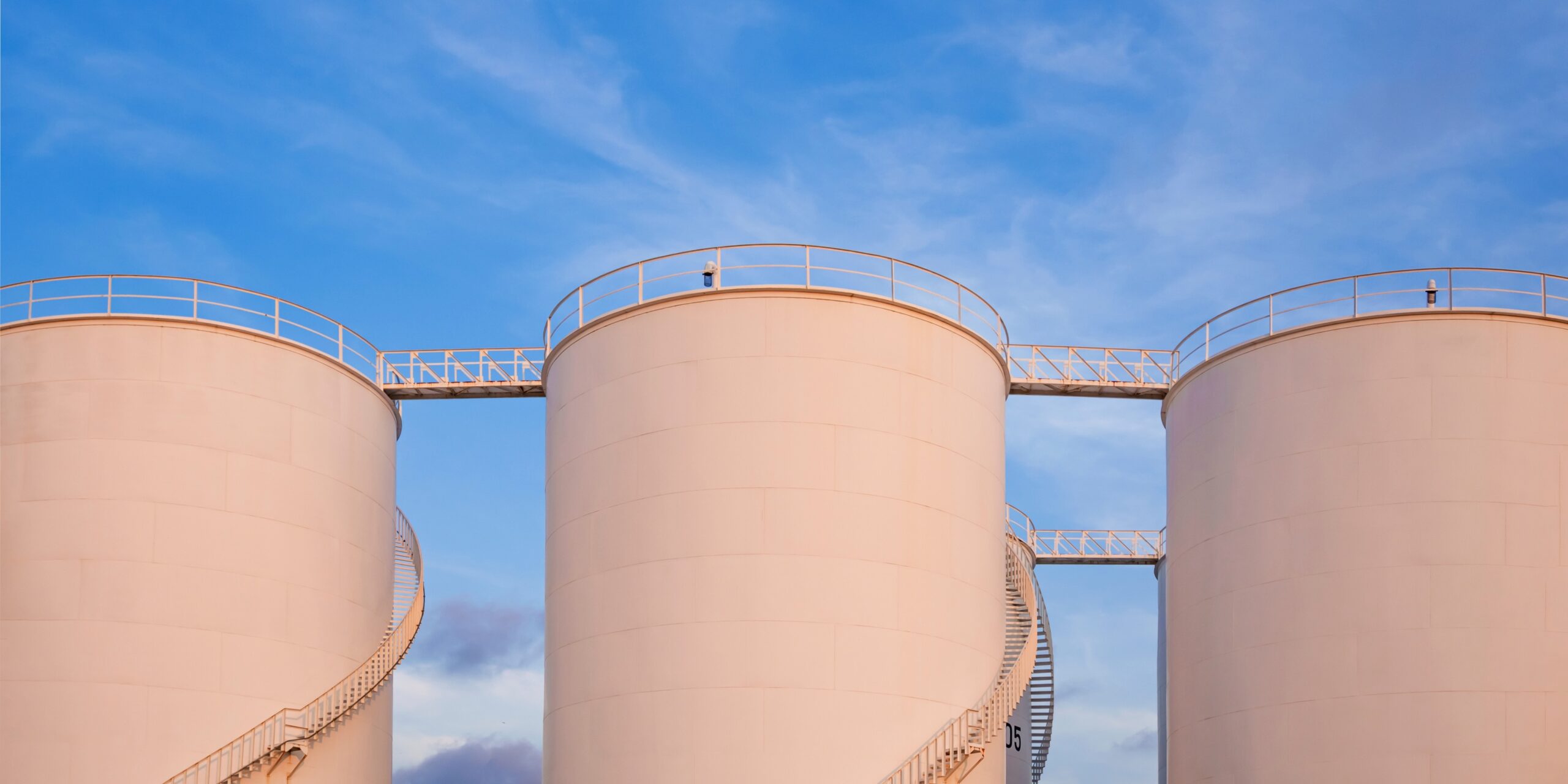
OPW CES will focus on creating products and solutions that optimise the storage, supply and transport infrastructure for cryogenics, hydrogen, LNG, and industrial gases in the heavy-duty truck, aerospace, aviation, railroad, marine, semiconductor and food-and-beverage industries. Already, OPW CES has launched a new line of hydrogen-refuelling nozzles and is currently developing additional components, such as valves, fittings and vacuum-jacketed pipes for use in these dynamic markets.

For more information visit www.opwglobal.com

Shell Chemicals Park Moerdijk optimises liquid bulk process with UAB-Online software

Shell Chemicals Park Moerdijk is adopting UAB-Online’s software to enhance its liquid bulk handling process for sea shipping operations. This follows the successful integration of UAB-Online’s inland shipping software at Shell Chemicals Park Rotterdam in May 2024. The integration at Moerdijk marks a logical extension of Shell’s strategy to improve sea and inland shipping operations, making them more efficient, safe, and sustainable.

Shell Chemicals Park Moerdijk, established in the late 1960s, is a major chemical complex located in the industrial and port area of Moerdijk. It employs around 1,300 people, with 900 Shell employees and 400 contractors. The site produces basic chemicals derived from petroleum, which are used in everyday products. These chemicals are primarily transported via underground pipelines from Shell Pernis to Moerdijk’s central processing unit, known as the ‘cracker’ or ethylene plant. The cracker breaks down large molecules into smaller ones, which are then distributed to other factories on-site, back to Pernis, or to customers. Moerdijk covers 325 hectares and has a production capacity of 4.5 million tonnes per year. Raw materials arrive at the site through pipelines (50 percent), ships (45 percent), and train or road transport (5 percent).

The integration of UAB-Online’s software digitises and optimises various facets of operations at Shell Chemicals Park Moerdijk. This includes enhancements to the Seagoing Ship Safety Certificate for sea vessels and the ADN checklist for inland shipping. The software streamlines documentation processes, allowing Shell to complete checks more efficiently and accurately.

Additionally, the software improves the pre-arrival announcement process for sea and inland terminals, optimising the entire port call for vessels. UAB-Online’s SaaS platform facilitates the collection and management of essential pre-arrival information and documents, such as SSSCL, operational arrangements, ADN, CDNI, and terminal-specific documents, ensuring that all necessary paperwork is available in a dedicated file for each announcement.

For more information visit www.uab-online.com