

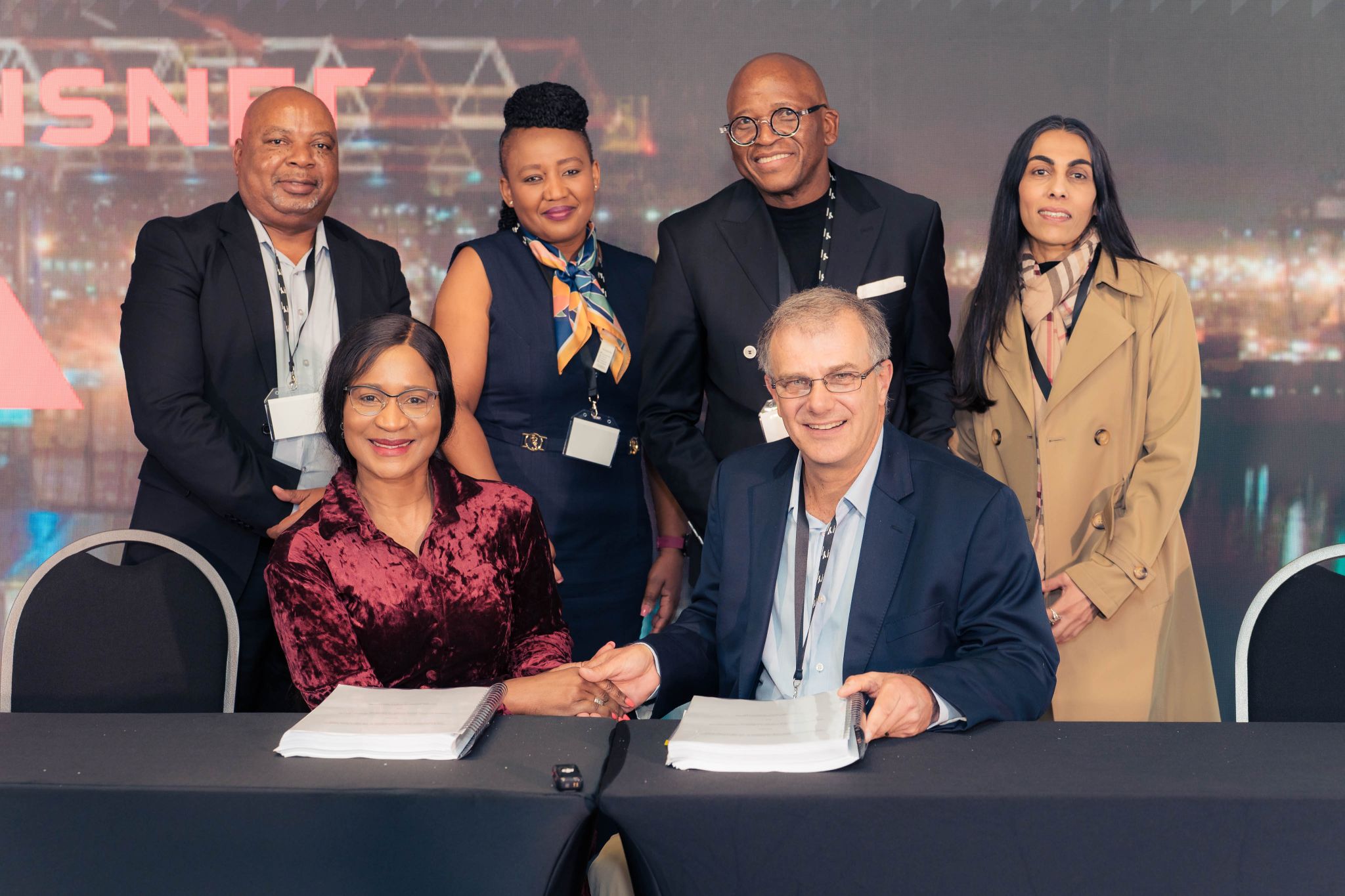
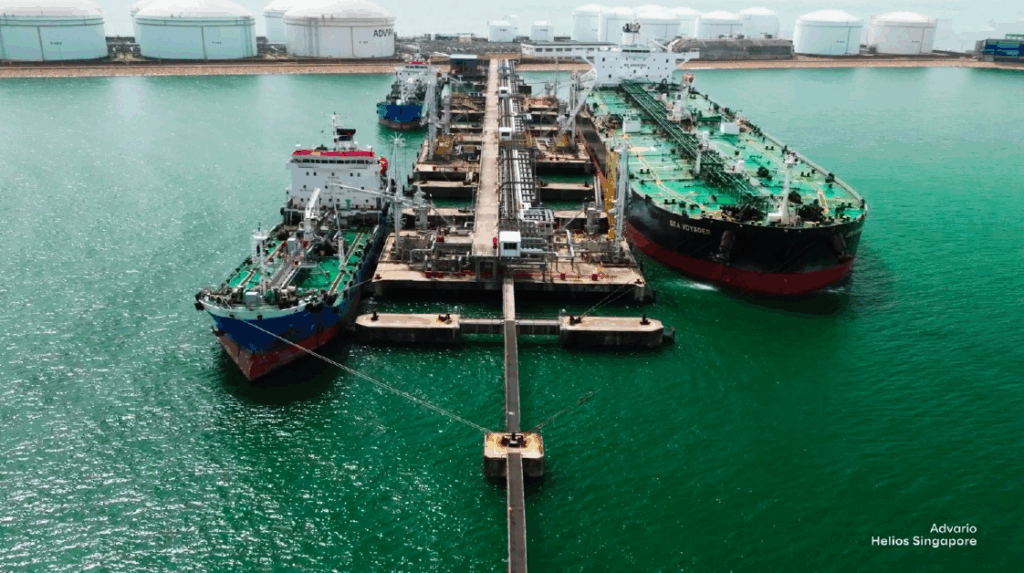
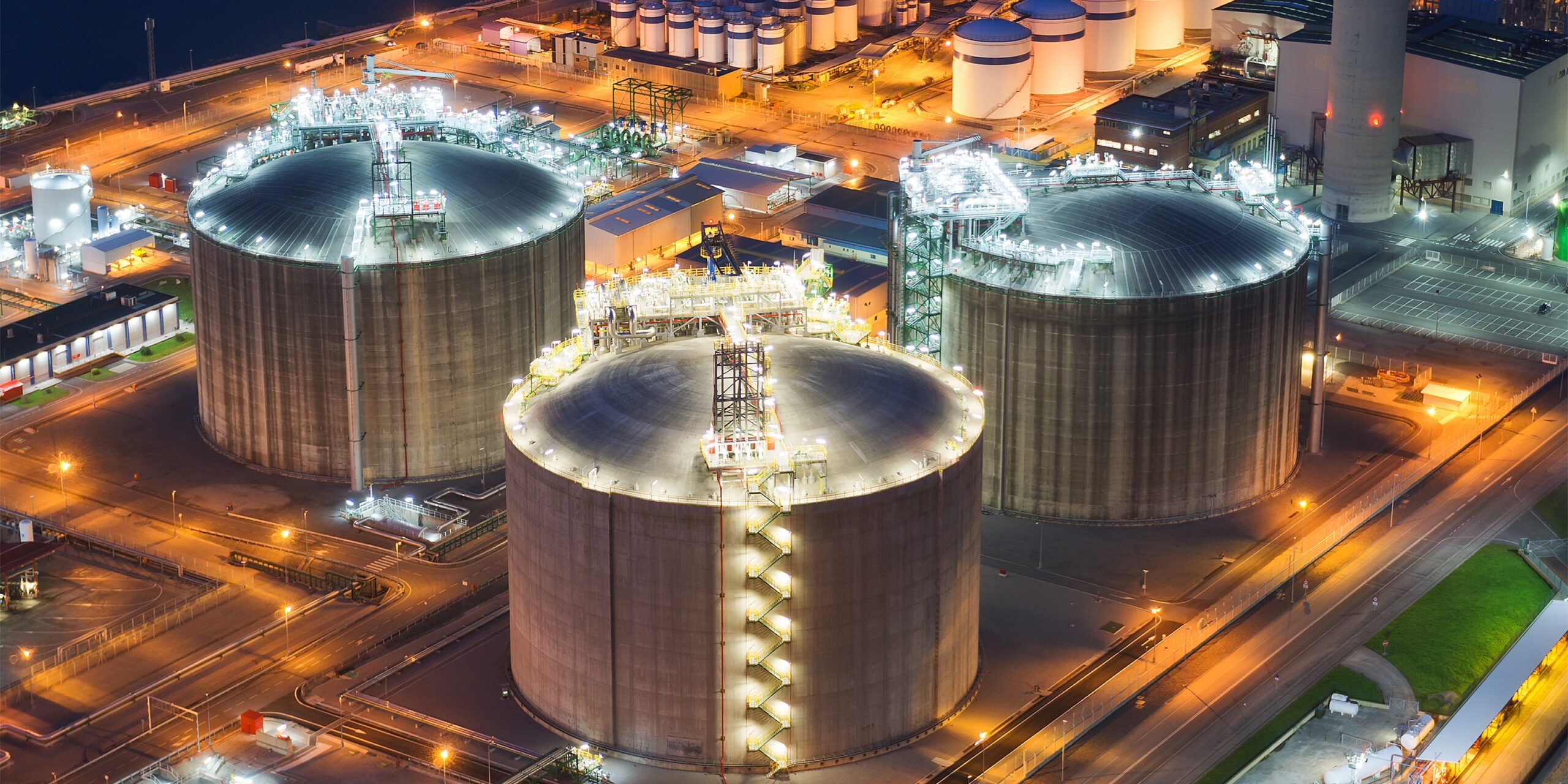
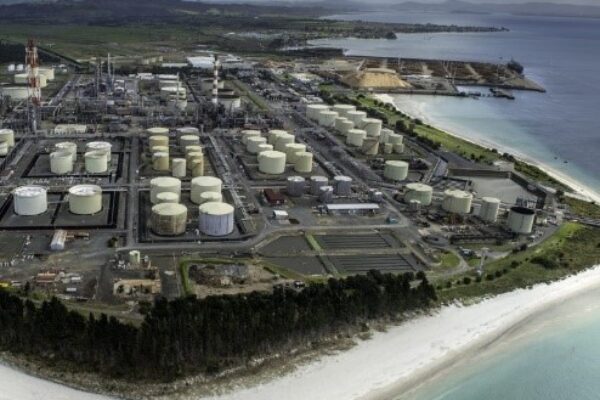
Transnet National Ports Authority has signed a 25-year Terminal Operator Agreement with FFS Tank Terminal to operate and maintain a liquid bulk terminal at the Port of Cape Town. The multi-million-rand concession agreement will facilitate refurbishment of terminal infrastructure aimed at improving operational efficiency and ensuring security of supply to local industries.
Operational Scope and Infrastructure Enhancement
Under the terminal operator agreement, FFS Tank Terminals will assume responsibility for operating and maintaining the liquid bulk handling facility, which serves critical supply chain functions for South Africa’s Western Cape region. The company is set to enhance diesel volume throughput capacity whilst boosting bitumen storage facilities, addressing demand from both the transportation fuels sector and construction materials industries.
The concession structure provides FFS Tank Terminals with long-term tenure necessary to justify capital investment in terminal refurbishment and operational improvements. Infrastructure upgrades planned under the agreement aim to modernise facilities, enhance safety standards, and increase throughput capacity to meet growing market requirements.
Security of Supply Considerations
The terminal performs essential functions in maintaining a reliable supply of petroleum products to the Western Cape, South Africa’s second-largest economic region. Diesel serves as a critical fuel for commercial transportation, backup power generation, and industrial operations, whilst bitumen provides essential materials for road construction and maintenance programmes.
Enhanced diesel throughput capacity supports supply chain resilience, reducing vulnerability to disruptions that could affect fuel availability to businesses and consumers. Similarly, expanded bitumen storage capabilities ensure consistent availability of materials necessary for infrastructure development and maintenance activities supporting regional economic development.
Strategic Context and Transnet Transformation
The concession agreement arrives at a significant juncture as Transnet SOC Ltd focuses on transitioning from business stabilisation to sustained growth through its Reinvent for Growth Strategy. This strategic framework addresses operational challenges that have affected South Africa’s ports and freight rail systems in recent years, seeking to restore performance levels and position Transnet for future requirements.
The terminal operator model reflects Transnet’s approach of partnering with private sector operators who bring specialised expertise, operational excellence, and investment capacity to port terminals. This public-private partnership structure aims to leverage private sector efficiency whilst maintaining Transnet National Ports Authority’s regulatory oversight and strategic control of port infrastructure.
Economic Impact and Industrial Support
The liquid bulk terminal serves industries throughout the Western Cape region, providing essential products that support economic activity across multiple sectors. Diesel availability affects logistics costs, commercial viability of transportation-dependent businesses, and reliability of backup power systems that businesses increasingly utilise to address electricity supply challenges.
Bitumen supply directly impacts the pace and cost of road construction and maintenance programmes, which in turn affect transport efficiency, logistics costs, and economic competitiveness. Reliable bitumen availability enables provincial and municipal authorities to maintain road infrastructure essential for economic activity and connectivity.
Investment and Refurbishment Programme
The multi-million-rand investment commitment by FFS Tank Terminals will fund infrastructure refurbishment necessary to restore and enhance terminal capabilities. Liquid bulk terminals require ongoing maintenance and periodic upgrades to storage tanks, transfer systems, safety equipment, and operational facilities to maintain operational integrity and compliance with safety and environmental standards.
Refurbishment activities likely encompass tank inspection and repairs, upgrade of pumping and transfer systems, enhancement of fire protection systems, improvement of loading/unloading facilities, and modernisation of operational control systems. These investments extend asset life, improve reliability, and enable more efficient operations that reduce costs for terminal users.
Operational Efficiency Objectives
Improved operational efficiency translates to reduced vessel turnaround times, enhanced throughput capacity, minimised product losses, and lower operating costs that benefit supply chain participants. Efficient terminal operations reduce logistics costs for petroleum marketers and product consumers, supporting economic competitiveness for businesses reliant on these essential commodities.
FFS Tank Terminals’ operational expertise in liquid bulk handling provides a foundation for achieving efficiency improvements through the implementation of best practices, advanced operational procedures, preventive maintenance programmes, and staff training initiatives that enhance performance across operational dimensions.
Long-Term Partnership Framework
The 25-year concession term provides stability for long-term planning and sustained investment throughout the agreement period. This extended timeframe enables FFS Tank Terminals to implement multi-phase development programmes, recover capital investments, and optimise operations over a period sufficient to realise the full benefits of infrastructure improvements.
For Transnet National Ports Authority, the long-term partnership provides assurance of professional terminal operations, sustained infrastructure maintenance, and progressive capability enhancement without requiring direct capital investment by the port authority. The agreement structure typically includes performance standards, investment commitments, and regulatory oversight mechanisms ensuring alignment between operator activities and public interest objectives.
Port of Cape Town Strategic Role
The Port of Cape Town serves as the Western Cape’s primary gateway for maritime cargo, handling containers, bulk cargo, and liquid products serving the regional economy. As one of South Africa’s major commercial ports, Cape Town plays essential roles in both domestic supply chains and international trade connections.
The liquid bulk terminal represents critical infrastructure within the port’s overall cargo handling ecosystem, complementing container terminals, general cargo facilities, and other specialised handling capabilities that collectively support the Western Cape’s economic activities and trade relationships.
The concession agreement strengthens the port’s liquid bulk handling capabilities whilst advancing Transnet’s broader strategy of partnering with specialised operators to enhance performance, attract investment, and position South African ports for sustained growth supporting economic development objectives.
For more information visit www.transnetnationalportsauthority.net
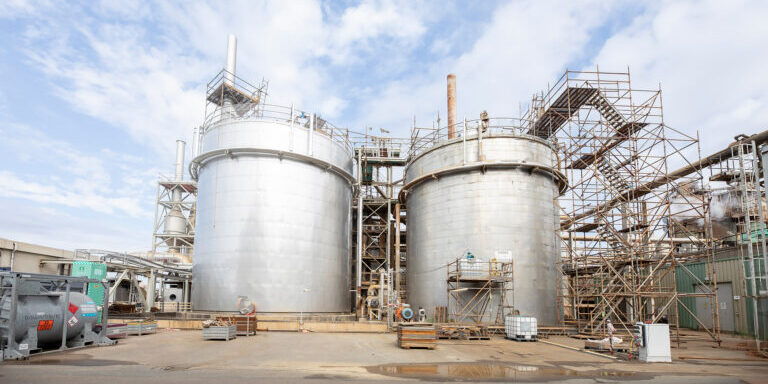
 Image provided by Sweco
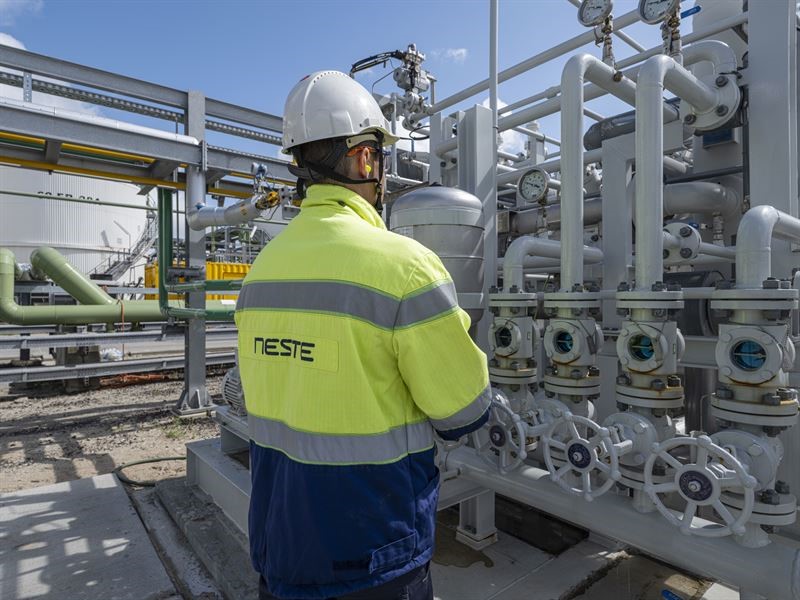 Photo: The MultiPLHY pilot installation at Neste’s refinery in Rotterdam, the Netherlands

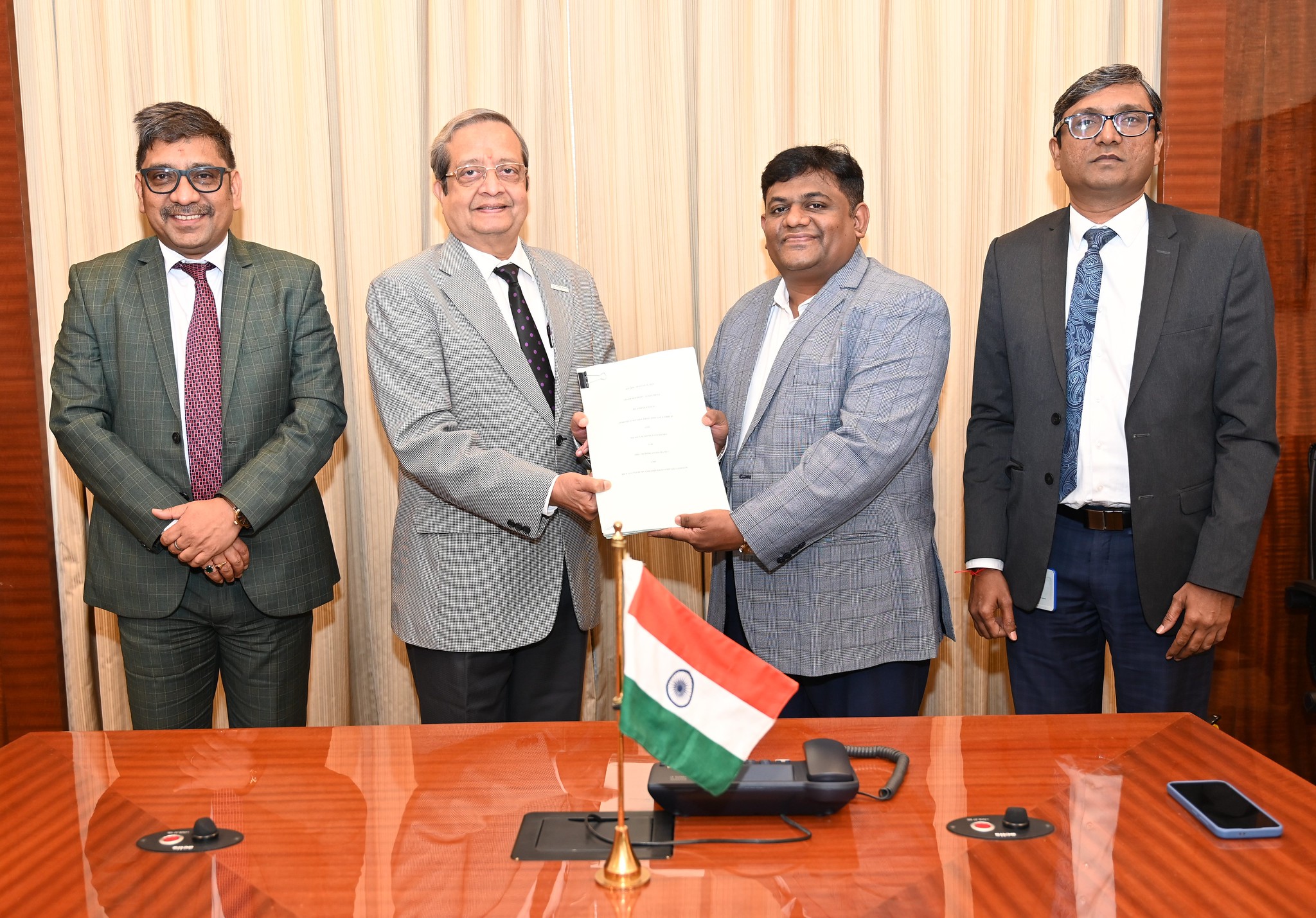 Left to Right:Mr. Shashi Nath Mishra, COO, ISSPL; Mr. Vinay S. Kshirsagar, MD, ISSPL; Mr. Kunal K. Panchamia, director and founder, eProtect 360, and Mr. Deepak K Patel, CFO, ISSPL






 Left:Trond Bokn, Equinor’s senior vice president for project development.Photo credit: Arne Reidar Mortensen. Right :Randi Hugdahl, vice president for exploration and production for Åsgard and Kristin Photo credit: Ole Jørgen Bratland