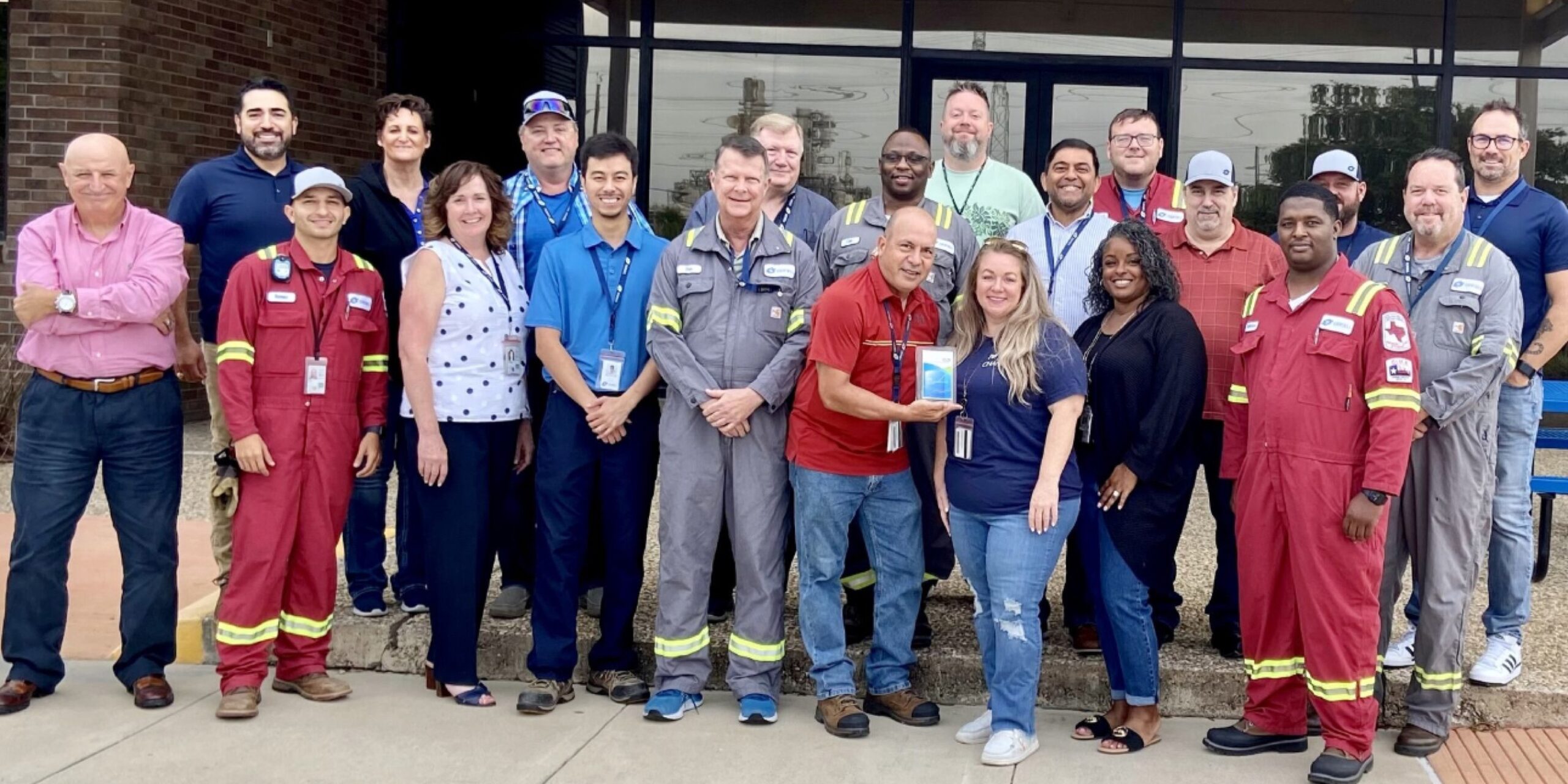
Advario secures sustainable aviation fuel storage for Neste in Singapore

Advario Singapore Limited have announced that the company has entered a long-term partnership with Neste in which Advario provides integrated storage and logistics services for Neste’s sustainable aviation fuel (SAF).

The agreement between Advario and Neste will enable the storage of SAF and Jet A-1 (“Jet Fuel”), as well as the blending of SAF with Jet Fuel (“SAF blends”), allowing Neste to supply SAF blends to airlines operating at Singapore Changi Airport and supply SAF to other markets.

Advario will provide bespoke storage and related logistics services to Neste to facilitate Neste’s SAF operations.

“SAF is a renewable fuel aligned with Advario’s strategic growth plans. Advario is strongly committed to driving innovation and sustainability in the energy sector. The entry into SAF storage signals Advario’s ambition to play a frontrunner role in our industry’s transformation. The partnership between Advario and Neste enables both companies to accelerate Singapore’s transition into sustainable fuels and to take a leading role in the SAF storage and logistics in Singapore,” said Andres Bereilh, VP Southeast Asia of Advario Asia Pacific.

“Neste started up operations in our expanded Singapore refinery after mid-April, providing us up to one million tons of SAF production capability to serve our customers in the Asia Pacific region and globally. We are pleased to partner with Advario establishing the capability to blend our Singapore-produced SAF with conventional jet fuel. This enables us to supply our customers with certified SAF blends that can be delivered to airports across the Asia Pacific region. The blending terminal also forms a key element in Neste’s integrated SAF supply chain into the Changi airport where Neste, as a minority shareholder in the Changi Airport Fuel Hydrant Installation Company Pte Ltd (CAFHI), the fuel storage and infrastructure joint venture of the airport, is able to supply blended SAF directly to our airline customers” says Sami Jauhiainen, acting executive vice president for the Renewable Aviation business unit of Neste.

For more information visit www.advario.com

NextDecade announces framework agreements with Global Infrastructure Partners and TotalEnergies to support the development of the Rio Grande LNG project

NextDecade Corporation, a liquefied natural gas development company, has announced that it has entered into framework agreements with Global Infrastructure Partners and TotalEnergies to support the Rio Grande LNG project. Under the agreements, GIP will become a majority investor in phase one of the project, while TotalEnergies will become a 16.67 percent investor. TotalEnergies has also agreed to purchase 5.4 million tonnes per annum of LNG for 20 years from phase one of the project.

Furthermore, as part of the agreements, TotalEnergies will acquire a 17.5 percent common stock position in NextDecade, which will provide the company with further investment options in trains four and five of the project, as well as in a planned carbon capture and sequestration project at Rio Grande. The carbon capture and sequestration project is aimed at reducing greenhouse gas emissions from the LNG facility, making it one of the world’s first LNG export facilities to incorporate carbon capture and sequestration technology.

The Rio Grande LNG project is a proposed LNG export facility located in Brownsville, Texas, with a planned production capacity of up to 27 million tonnes per annum. The facility will be constructed in phases, with phase one expected to have a production capacity of 13.5 million tonnes per annum. The project is expected to create thousands of jobs during the construction phase and hundreds of jobs during the operational phase, generating significant economic benefits for the region.

NextDecade is currently targeting a final investment decision on phase one of the project by the end of the second quarter of 2021. The agreements with GIP and TotalEnergies will provide NextDecade with additional financial resources to support the project’s development and accelerate its progress towards a final investment decision. The agreements also demonstrate the growing interest in LNG as a cleaner alternative to traditional fossil fuels and the importance of carbon capture and sequestration technologies in reducing greenhouse gas emissions from LNG facilities.

For more information visit www.next-decade.com

New partnership for the world’s largest waste-to-jet fuel facility

Alfanar and N+P Group have announced a partnership to source and process up to 1 million tonnes per year of non-recyclable waste from local authorities and waste companies.

The joint venture will require the equivalent to the amount of rubbish produced by Birmingham and the wider West Midland Metropolitan Area every year. It will be used to create feedstock pellets which can then be used to produce green jet fuel, also known as Sustainable Aviation Fuel (SAF).

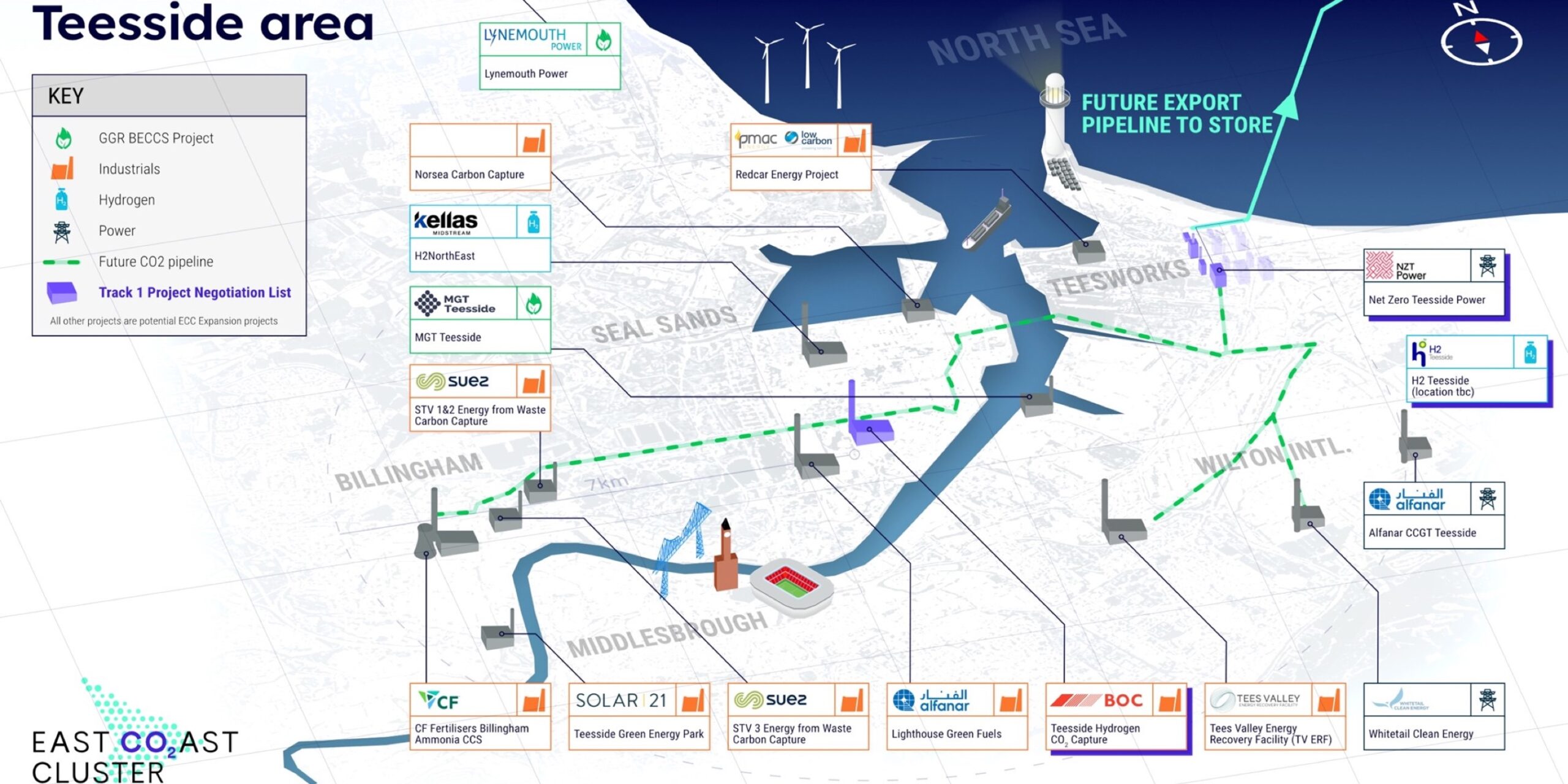
To process the waste up to three further processing facilities will be built across the country – with locations dependent on where the waste is sourced from. Everyday non-recyclable household and business rubbish, contaminated recycling loads and MRF residues can all be sorted by N+P for use in the process, instead of the rubbish being sent to landfill, burnt in incinerators or exported. Recyclable and inert materials will be removed, before the waste is dried and turned into high carbon content pellets. The pellets will then be converted into SAF at Alfanar’s Lighthouse Green Fuels facility in Teesside, which is due to be operational in 2028 and will create over 1,000 jobs during construction before employing 240 people locally when operational.

Taken together, this unique end-to-end solution will produce SAF that can be used in today’s aircraft engines and refuelling infrastructure with no modifications. It will produce 165 million litres of SAF, equivalent to 2,500 long-haul flights or 25,000 short-haul flights per year – enough to meet 10 percent of the UK 2030 SAF target.

“We specialise in creating value out of things that others literally throw away. Our focus is to ensure we recycle as much as we can, but also to look for opportunities to create value from the things that can’t be recycled. Our new partnership with Alfanar enables us to take non-recyclable household and commercial waste and convert it into pellets, which can then be used to produce sustainable aviation fuel. We maximise the usage of these materials which have already had a life in the value chain.

We are now actively looking to secure long-term waste supply contracts with waste companies and local councils from across the UK for this project, for what will be Europe’s biggest waste processing facility by tonnage. Next to this we aim to develop at least 3 new production facilities in the country in the next two years.” – Lars Jennissen, chief development officer, N+P Group

“Sustainable aviation fuel (SAF) delivers 80 percent greenhouse gas lifecycle emissions savings compared to conventional kerosene, but fuel produced at our facility will deliver up to 200 percent savings with access to Teesside’s Carbon Capture and Storage infrastructure. This means Lighthouse Green Fuels will not only be the biggest SAF production facility in the UK when operational, but the UK’s first negative emissions SAF project, and therefore a critical contributor to the UK Government’s 2030 SAF targets.

With the third largest aviation network in the world, a third of Europe’s carbon storage capacity, and readily available waste feedstock, the UK is perfectly positioned to be a world leader in SAF production. We look forward to making this a reality by delivering this project, and others that will follow.” – Noaman Al Adhami, Country Head UK, Alfanar

Alfanar is a global project development and engineering construction company headquartered in Saudi Arabia, and employs over 20,000 people worldwide. Alfanar specialises in developing projects as well as manufacturing electrical products and EPC solutions covering energy, water, infrastructure, and green fuels. Alfanar has developed, tested and optimised a unique end-to-end solution that uses gasification and Fischer-Tropsch technology to convert readily available household and commercial waste into ultra-low carbon SAF.

N+P is a Dutch-based world-leader specialising in the production and supply of waste derived alternative fuel production for various industries. N+P is also developing new concepts to substitute fossil fuels with non-recyclable paper and plastic waste fractions, and has also worked on supplying alternative raw materials, substituting primary materials and contributing to cheaper and cleaner production processes.

The Alfanar and N+P partnership enables the conversion of waste to SAF through the following two stage process:

Purpose built sites will sort the waste, which will include everyday non-recyclable household and business rubbish, contaminated recycling loads and Materials Recycling Facilities (MRF) residues. The sorting will involve removing recyclable materials (like metals) and inert materials (like glass). These sites will then dry and pelletise the waste. The pellets will then be transported by train to Alfanar’s Lighthouse Green Fuels SAF facility, where they will be converted to SAF using Alfanar’s gasification and Fischer-Tropsch technology.

For more information visit www.npgroup.com

TRANSGEO aims to transform abandoned oil wells in Central Europe into geothermal projects

The newly launched TRANSGEO project aims to investigate abandoned oil and gas wells in central Europe and how they can be utilised for extracting geothermal energy.

The project was co-funded by the European Commission and the Interreg Central Europe Programme. With a budget of €2.61 million (80 percent funded by the European Regional Development Fund), the project has partners in Germany, Austria, Hungary, Croatia, and Slovenia. The coordinator for this project is Hannes Hofmann, the head of the Helmholtz Young Investigators Group “Advanced Reservoir Engineering Concepts (ARES)” at the GFZ German Research Centre for Geosciences in Potsdam.

TRANSGEO’s initiative is to explore innovative concepts and technologies that facilitate the effective repurposing of oil and gas infrastructure. The project will achieving this by focusing on the following objectives:

  • Develop a comprehensive system for evaluating the techno-economic aspects of repurposing wells. This includes the creation of a repurpose assessment tool to identify feasible solutions for transitioning towards regional energy sustainability.
  • Evaluate the potential, demand, and feasibility of different repurposing technologies within former hydrocarbon exploitation regions located in Central Europe.
  • Formulate a framework consisting of policies, regulations, and supportive measures that promote and accelerate the transition from fossil fuel-producing areas towards sustainable growth through the utilisation of geothermal energy.


Interreg champions this transnational collaboration in order to achieve “technological, legislative, economic and social challenges related to structural change and heat transition.” Furthermore, the push for scientists, industry leaders, and regional development in these countries are “essential for the development of joint novel solutions for well repurposing.”

This initiative will allow for thousands of highly skilled oil and gas workers to redirect their expertise into the clean energy sector. According to ThinkGeo, similar initiatives are taking place globally, such as Project Innerspace in the United States and CeraPhi in the United Kingdom.

This has been a core initiative of Eavor since its inception. Alberta’s rich history and prosperity in oil and gas have allowed engineers, geologists, and skilled labour workers to become experts of worldwide calibre. Using this drilling expertise and repurposing them for cleantech is key to making an efficient and cost-effective transition to a cleaner electrical grid.

For more information visit www.eavor.com

New FlexCoreTM Liquid Mounted Seal revolutionises emission reduction for above ground storage tanks

The oil and natural gas industry is taking a significant step towards reducing emissions and addressing environmental concerns with the introduction of a groundbreaking product that targets emissions from above ground storage tanks. Developed by Mesa ETP, FlexCoreTM Liquid Mounted Seal with Armor FabricTM offers a remarkable improvement over existing technologies by significantly reducing emissions, while ensuring optimal performance and reliability.

Mesa ETP FlexCoreTM Liquid Mounted Seal is a patent-pending engineered solution that uses tougher- than-steel Armor FabricTM to provide industry-best emission control, durability, application flexibility and ease of installation.

“The oil and natural gas industry plays a vital role in the global economy, but it also faces challenges associated with emissions, particularly methane and volatile organic compounds VOCs,” says Tim Nymberg, Mesa ETP CEO. “Innovation in emission reduction technologies for storage tanks has been limited until now. This breakthrough will enable the oil and natural gas industry to significantly mitigate its environmental impact while maintaining its bottom-line performance.”

According to the Environmental Protection Agency (EPA), liquid mounted seal products offer the best solution for reducing emissions (AP-42). Unfortunately, the service reliability and lifespan of such products have historically been a challenge. As a result, alternative seal technologies like mechanical shoe seals, which offered better reliability but less effective emissions control, have become the industry norm.

“By combining the reliability and lifespan of mechanical shoe seals with the superior emission control performance of liquid mounted seals, Mesa ETP FlexCoreTM Liquid Mounted Seal sets a new industry standard,” says Adam Vance, Mesa ETP business innovation manager. “By providing a reliable and long- lasting liquid mounted seal product, we aim to empower the industry to meet its emission reduction goals while ensuring enhanced fire safety and ease of installation.”

“Mesa ETP is committed to supporting the oil and gas industry in its transition towards a greener and more sustainable future,” says Tim Nymberg, Mesa ETP CEO. “Our new product represents a major step forward in emission reduction for above ground storage tanks, and we are excited to partner with industry leaders to implement this innovative solution.”

For more information visit www.mesaetp.com

Yara Clean Ammonia and Cepsa form strategic partnership

Yara Clean Ammonia and Cepsa have formed a strategic partnership to establish the first clean hydrogen maritime corridor between the ports of Algeciras and Rotterdam, connecting southern and northern Europe. The partnership aims to decarbonise European industry and maritime transport, and establish a credible and robust supply chain for clean energy transformation in Europe.

As part of the partnership, Yara Clean Ammonia will supply Cepsa with clean ammonia volumes, which will allow the energy company to get a head start in establishing the clean hydrogen corridor and lead the initiative to serve industrial and maritime customers in Rotterdam and Central Europe. The partnership incorporates Yara Clean Ammonia as the newest partner of the Andalusian Green Hydrogen Valley, which aims to accelerate the energy transition in heavy transport and ensure energy independence in Europe.

Cepsa will build a new green ammonia plant at its energy park in San Roque, Cádiz, near the port of Algeciras, with an annual production capacity of up to 750,000 tonnes to establish a safe, resilient, and cost-efficient supply chain for delivering clean ammonia to Cepsa’s industrial and maritime customers in Rotterdam and Central Europe. The partnership will enable Cepsa to deliver the first clean hydrogen molecules to its customers by using Yara Clean Ammonia’s global supply base and logistical footprint.

Clean ammonia is one of the most effective alternatives for decarbonising maritime transport. As of 2026, shipping companies are expected to expand the use of this sustainable fuel to reduce CO2 emissions by 100 percent. Both its production, combining clean hydrogen and nitrogen from the atmosphere, and its use as a fuel are carbon neutral. In addition, it is easier and more sustainable to transport ammonia than hydrogen as it can be transported at a higher temperature.

The partnership between Yara Clean Ammonia and Cepsa is in line with the European Commission’s Fit for 55 package, which includes “FuelEU Maritime,” a legislative initiative that aims to stimulate demand for sustainable alternative fuels in maritime transport to reduce greenhouse gas emission intensity by 2 percent in 2025, 6 percent in 2030, and 75 percent in 2050, compared to 2020 levels. The development and use of sustainable fuels contribute to several of the 2030 Agenda’s Sustainable Development Goals, including SDG 7 (Affordable and clean energy), SDG 8 (Decent work and economic growth), SDG 12 (Responsible consumption and production), and SDG 13 (Climate action).

By 2050, clean hydrogen is expected to account for one third of the fuel used in global land transport, 60 percent of maritime transport and will be instrumental in storing energy from a 100 percent renewable electricity system. Yara Clean Ammonia aims to significantly strengthen its leading global position as the world’s largest ammonia distributor, unlocking the green and blue value chains, and driving the development of clean ammonia globally. The company operates the largest global ammonia network with 15 ships and access to 18 ammonia terminals and multiple ammonia production and consumption sites across the world, through Yara.

For more information visit www.yara.com

Northern Lights enters into cross-border transport and storage agreement with Ørsted

Northern Lights JV and Ørsted announce the signing of a CO2 Transport and Services Agreement (TSA) to store 430,000 tonnes biogenic CO2 emissions per year from two power plants in Denmark. This agreement represents a major milestone for Northern Lights JV and is an essential step for creating a commercial market for CCS in Europe.

“We are very pleased that Ørsted has selected Northern Lights as CO2 tranport and storage provider. Ørsted is our second commercial customer who, together with Yara, gives us the opportunity to further utilise the capacity at our storage site below the North Sea. This agreement confirms the commercial potential for CCS and demonstrates that the market for transport and storage of CO2 is evolving rapidly”, says Børre Jacobsen, managing director of Northern Lights.

Ørsted has been awarded public funding from the Danish Energy Agency under the first Danish tender of the CCUS Fund to develop a CO2 capture hub for the biomass power stations Asnæs and Avedøre. The facilities will capture and liquefy 430,000 tonnes of biogenic CO2 per year. Northern Lights will transport the liquefied CO2 by ship for permanent offshore storage below the North Sea.

“We are very pleased with the outcome of the tender process, and we look forward to initiating the work of establishing carbon capture units at two of our CHP plants running on sustainable straw and wood chips. According to the UN’s panel on climate change, IPCC, capture and storage of biogenic carbon is one of the tools we must use to fight climate change, and our CCS project will contribute significantly to realising the politically decided Danish climate target for 2025 and 2030,” says Ole Thomsen, senior vice president, and head of Ørsted’s CHP business.

Carbon capture and storage is one of the four credible pathways to net zero as outlined by the International Energy Agency. In IEA’s net zero scenario, bio-CCS plays an important part in not only reducing but removing CO2 emissions. Because biomass absorbs CO2 from the atmosphere, capture and storage of biogenic CO2 results in net removal of CO2.

“From 2026 Northern Lights will be shipping the first cargo of biogenic CO2 from Denmark to Norway, which shows that CCS is a realistic tool that contributes to reach the global climate targets. Together with the Yara announcement, the agreement with Ørsted supports Northern Lights’ ambition on commercial growth and expansion, and establishing a European market for CCS”, Børre Jacobsen concludes.

The tender procedure is fully completed when the contract has been signed by Ørsted and the DEA. Signing is expected to take place shortly after expiry of the mandatory standstill period.

Facts about the agreement

  • Northern Lights will transport 430,000 tonnes biogenic CO2 annually from the Ørsted Kalundborg Hub in Denmark to a CO2 receiving terminal at Øygarden, Norway.
  • Biogenic CO2 refers to the emissions from bioenergy production, generated by the release of absorbed CO2 from biomass such as wood or organic waste.
  • The liquefied biogenic CO2 will be stored intermediately in onshore tanks at Øygarden prior to the injection into the offshore reservoir via pipeline for permanent and safe storage, 2,600 metres below the seabed.
  • The agreement is effective from 1 January 2026 and Northern Lights will be storing 430,000 tonnes CO2 annually for 10 years.


For more information visit www.norlights.com
GEG Capital acquire majority stake in IKM Consulting

Inverness-based GEG Capital has acquired a majority stake in IKM Consulting bolstering GEG Capital’s engineering and environmental capabilities and its role in the UK energy transition.

Speaking about the acquisition, GEG Capital, director, Jia MacKenzie, commented:

“We are delighted to bring IKM under the GEG Capital umbrella and look forward to embarking on the next stage of its growth journey together. IKM not only have an exemplary reputation and culture that aligns with our own, they bring to the group extensive expertise in civil & structural engineering design and environmental consultancy.

“Those capabilities – and vast experience working with some of the largest international blue chip organisations – supported by the GEG Capital management team will present numerous opportunities for the growth of the business in a dynamic, transitioning economy.”

With offices in Grangemouth and Runcorn in the North West of England, IKM recently provided onshore infrastructure support for the Moray West offshore wind farm, while our environmental team has been engaged by Siemens Mobility who are working with the Scottish Government on the decarbonisation of its railways.

Speaking about becoming part of GEG Capital, IKM managing director, David Taylor, said:

“Myself and the team are looking forward to an exciting new chapter in IKM’s history. Our extensive legacy in the energy and infrastructure sectors makes us a perfect fit for GEG Capital in many respects. With their support, we will continue to support our existing clients in Scotland and grow our networks across England’s Northwest and Northeast regions, benefitting from the synergies and strategic relationships that will be created with other companies within the group.

“As an Investor in People, the cultural fit with the group is good and there will be opportunities for further professional and personal development for the IKM team, not to mention the creation of multiple new roles as we continue to grow.”

For more information visit www.ikmconsulting.co.uk

Official opening of the Njord field – ready for 20 more years

The Njord field in the Norwegian Sea will be officially opened by the minister of petroleum and energy, Terje Aasland. The platform and the floating storage and offloading vessel (FSO) have undergone extensive upgrades and are now ready for doubling the field life – and more than doubling production.

“With the war in Ukraine, the export of Norwegian oil and gas to Europe has never been more important than now. Reopening Njord contributes to Norway remaining a stable supplier of gas to Europe for many years to come,” says Terje Aasland, Minister of Petroleum and Energy.

The Njord field started production in 1997 and was originally supposed to produce until 2013. However, systematic work with increased recovery means that there are still large volumes of oil and gas left. New discoveries in the area can also be produced and exported via Njord.

In 2016, the platform and FSO were disconnected from the field and towed to shore for extensive upgrades. On 27 December 2022, production resumed from the Njord field.

“This is the first time a platform and an FSO have been disconnected from the field, upgraded and towed back offshore. We have now doubled the field life,” says Grete B. Haaland, Equinor’s senior vice president for exploration and production north, and continues:

“It has been a big and demanding job, partly carried out during a pandemic, and I would like to thank everyone involved in preparing Njord for continuing its supply of oil and gas to the market. With the prices we anticipate in the coming years this comprehensive upgrading project will be repaid in just under two years after startup.”

It is not just the field life that has been doubled. The ambition is also to double production and produce approximately the same volume from Njord as we have produced so far, around 250 million barrels of oil equivalent.

Ten new wells will be drilled on Njord from an upgraded drilling facility, discoveries have previously been made in the Njord area and more exploration will be carried out close to the field.

In addition, two new subsea fields have already been tied back to Njord. On 8 April, the Equinor-operated Bauge field started its production, while the Fenja subsea field, operated by Njord partner Neptune Energy, came on stream on 27 April. Recoverable volumes from the two fields combined are 110 million barrels of oil equivalent.

Plans call for future partial electrification of the Njord field based on power from shore via the Norwegian Sea Draugen platform, thereby reducing annual CO2 emissions by around 130,000 tonnes.

For more information visit www.equinor.com
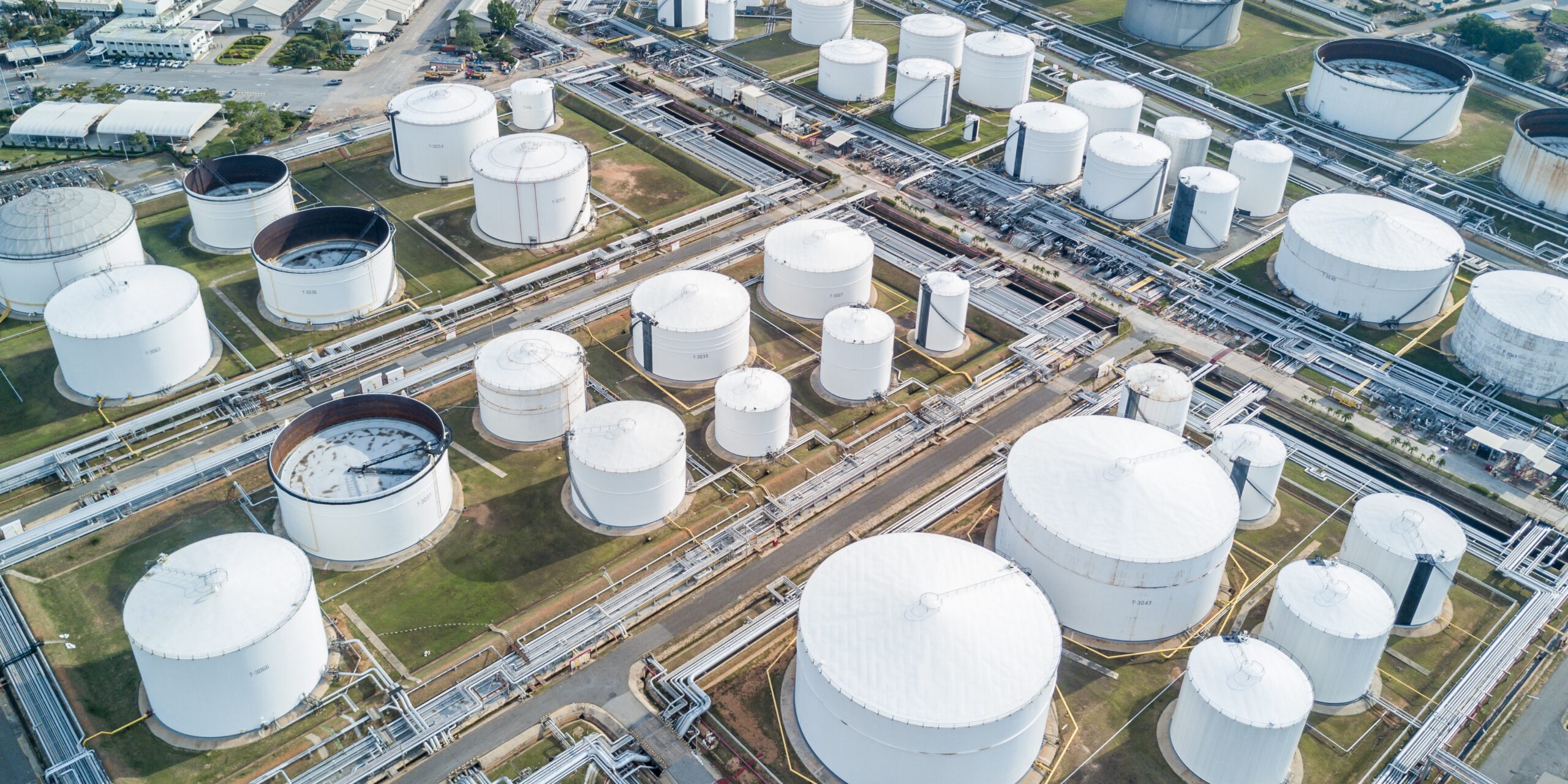
GFL Environmental and OPAL Fuels complete construction of renewable natural gas facility at Arbor Hills landfill

GFL Environmental Inc., the fourth largest diversified environmental services company in North America, and OPAL Fuels Inc., a vertically integrated producer and distributor of renewable natural gas and renewable energy, have announced that they have completed construction of their new RNG production facility, Emerald RNG. The parties held a ribbon cutting ceremony to mark the occasion at GFL’s Arbor Hills landfill in Michigan, where the facility is located.

Patrick Dovigi, GFL’s founder and CEO, said, “The completion of construction of the largest of our landfill gas to RNG projects is an important step for GFL toward achieving our ambition for a low-carbon future. This RNG project advances our own sustainability goals by reducing GHG emissions from both our landfills and our fleet, as well as the goals of our customers, by avoiding emissions through the beneficial reuse of RNG to displace virgin fuel applications.”

Adam Comora, Co-CEO of OPAL Fuels, said, “This successful joint venture with GFL reflects our continued focus on growth – expanding RNG production to ultimately bring more renewable fuel supply online, while simultaneously providing GFL’s heavy duty transportation fleets with a fuel source that’s cleaner than fossil fuels at no additional cost. RNG is a here and now solution to address the impacts of climate change and is a sought-after source of renewable energy.”

This is the first of two previously announced RNG projects to be developed via a joint venture between the companies at landfills owned by affiliates of GFL. The second project, located in North Carolina, is expected to commence commercial operations next year. GFL and OPAL Fuels are also pursuing renewable energy projects at seven other landfill sites that are in various stages of development.

The Emerald RNG facility will capture naturally occurring biogas from the decomposition of organic material at the landfill and refine it into RNG. The facility has a nameplate capacity of 10,000 SCFM of landfill gas and is expected to produce more than 2,500,000 MMBtu or almost 20 million gasoline gallon equivalent of RNG annually.

Landfill gas to RNG facilities provide a proven solution to reduce emissions across the transportation network, resulting in lower GHG emissions at the landfill and displacing diesel fuel with a low-carbon fuel alternative. The RNG produced by the plant will help avoid GHG emissions equivalent to achieving zero Scope 1 emissions from more than 1,500 heavy-duty trucks each year and will be used, in part, to power a portion of GFL’s US CNG fleet.

For more information visit www.investors.opalfuels.com
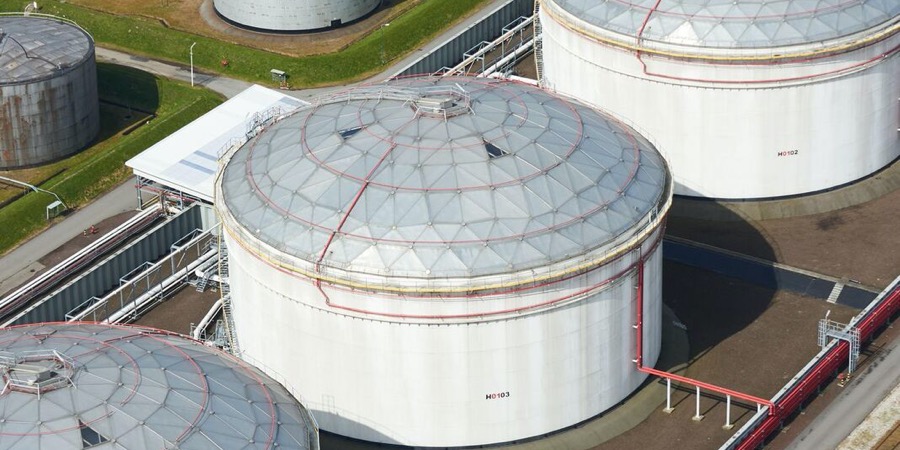
Advario welcome Roderic Heeneman to the Advario leadership team

Advario are pleased to announce that Roderic Heeneman has joined the Advario leadership team. As their new senior vice president (SVP) Strategy, Portfolio and Sustainability, Roderic will be instrumental in shaping and implementing Advario’s forward-looking Strategy, Mergers and Acquisitions (M&A), as well as their ambitious Environmental, Social and Governance (ESG) agenda.

“We are very pleased to welcome Roderic at Advario,” says Bas Verkooijen, Advario CEO. “He is a seasoned professional with over two decades experience in the energy industry, spending a large portion of his career in commercial leadership, M&A, and business development roles in Shell and private equity, across the entire Downstream and Renewables valuechain. He will be a great fit for our organisation, and we are happy to have him onboard.”

“And I am very excited to have joined Advario,” says Roderic Heeneman. “Advario made waves in the sector during the launch, a bit more than a year ago. The company strategy is compelling: ​​​​​​​I strongly believe in the choice to focus on partnerships and sustainability, on chemicals, gases, future fuels, and new energy products. We have a global portfolio of high-performance terminals that are ready to make the transition towards a future of cleaner energy. The journey will be both exciting and challenging, and I am happy to be a part of it. I look forward to working with the great team at Advario, and with our partners.”

For more information visit www.advario.com

MFE Inspection Solutions announces partnership with Voliro

MFE Inspection Solutions has recently announced its partnership with Voliro, a leading innovator in drone technology. The partnership involves the use of the Voliro T drone, which boasts omnidirectional capabilities and the ability to exert significant force and torque to structures, allowing for greater manoeuvrability in any orientation, height, or location.

The Voliro T drone is equipped with semi-autonomous flight modes and sophisticated pilot assistance, ensuring safe and effortless navigation even in GPS-unavailable environments. It also features a modular payload system equipped with multiple integrated sensors for diverse inspection needs and is open for custom third-party payloads.
The partnership between MFE and Voliro promises to revolutionise the inspection industry by offering safety, efficiency, and speed, with zero personnel exposure to height risks and up to 50 times faster operation compared to conventional methods. The drone is designed for service providers and asset owners alike, making it an ideal addition to MFE’s arsenal of external inspection equipment.

This partnership highlights MFE’s commitment to drive innovation and equip its customers with the most advanced technology in the inspection industry. Customers can now gain real-time insights into their critical infrastructure through Voliro T’s end-to-end digital workflow and geo-located inspection data.

Overall, this partnership between MFE Inspection Solutions and Voliro is set to transform the inspection industry by offering a safe, efficient, and advanced inspection process for customers.

For more information visit www.mfe-is.com

Spirit Energy welcomes licence award for world-leading carbon storage facility

Spirit Energy with the support of majority shareholder Centrica Plc, and Stadtwerke München GmbH (SWM) have been granted a carbon storage licence by the North Sea Transition Authority (NSTA). This represents a further step towards their Net Zero vision of repurposing the North and South Morecambe gas fields for carbon capture and storage.

This announcement places the companies at the forefront of the decarbonisation efforts in the UK, with the MNZ (Morecambe Net Zero) Cluster having the potential to be one of the UK’s biggest carbon storage hubs. It will be able to store up to a gigaton of carbon dioxide, the equivalent of three years’ worth of current UK CO₂ emissions. It could initially store above 5MTPA of CO₂, scaling in time to 25MTPA. The MNZ Cluster will be able to accept CO₂ transported by pipeline, ship and rail.

Last month, Spirit Energy submitted a qualifying Expression of Interest for the MNZ Cluster to be considered as part of the Government’s Track 2 CCUS Cluster Sequencing process. The Cluster’s carbon stores will provide long-term access to a sustainable carbon storage solution for the UK’s carbon-intensive industries, helping tackle its emissions while still supporting the many thousands of reliant jobs across the UK.

Chris O’Shea, chairman of Spirit Energy and CEO of Centrica plc, said: “At Centrica, Net Zero is our business, helping us deliver a decarbonised energy system. I’m delighted we’ve been awarded this licence to move forward our plans for carbon capture and storage. Morecambe Bay has the ability to become a world leading carbon storage facility and could see the creation of thousands of jobs in the North of England. We look forward to progressing plans with our partners to support the UK’s leading Net Zero ambitions and stand ready to invest over £1 billion in this project pending the outcome of the Track 2 process.”

Neil McCulloch, CEO of Spirit Energy, said: “I am extremely pleased and proud that we have been granted a licence by the NSTA to repurpose the depleted North and South Morecambe gas fields into a world-leading carbon storage hub. This is an important step forward in developing our project which will provide an effective way for emitters to tackle their carbon emissions and meet Net Zero targets.”

Spirit Energy has ambitions for the two gas fields to form the core of a green super-hub. This would explore opportunities like direct air capture, the manufacture of blue hydrogen, the production of green hydrogen, the integration of other renewable power generation facilities, and energy storage – all of which would put Barrow and the North West on the map as a centre for low-carbon innovation.”

For more information visit www.spirit-energy.com

px Group is pleased to announce that Saltend Chemicals Park has been chosen as the build site for the Meld Energy

The Meld Energy Green Hydrogen facility is a significant step towards the development of a hydrogen economy in the UK and a more sustainable energy system. The investment of between £180mn and £240mn is a clear indication of the growing interest and support for hydrogen as a clean energy source.

As the UK’s largest green hydrogen production facility, the Meld Energy Green Hydrogen facility will play an important role in reducing carbon emissions and supporting the transition towards a more sustainable energy system. The facility’s initial installed capacity of 100MW has the potential to provide energy to Saltend Chemicals Park, reducing the reliance on carbon-intensive fuels and chemical feedstock.

The project also highlights the importance of public-private partnerships in advancing the development of clean energy technologies. The support from the UK government, backed by the UK’s Net Zero Hydrogen Fund, is a clear indication of the government’s commitment to promoting the development of green hydrogen.

Overall, the Meld Energy Green Hydrogen facility is a significant milestone towards the development of a hydrogen economy in the UK and a more sustainable energy system. The project is expected to create new jobs and business opportunities in the renewable energy sector, while also helping to reduce carbon emissions and promote a cleaner and more sustainable future.

For more information visit www.pxlimited.com

Vitol welcome new head of origination and business development

Vitol are pleased to welcome Clive Christison to the newly created role of head of origination and business development.

With more than 30 years’ experience in the energy sector, Clive will lead the development of their growing midstream and downstream investment portfolio.

Clive said: “The energy challenges facing the world are complex and multifaceted. I am pleased to be joining Vitol and working with its investments and portfolio companies as they strive to improve the delivery of energy solutions, as efficiently and safely as possible.”

Clive will be based in the London office.

For more information visit www.vitol.com

Joint declaration signed by ACE Terminal, Iberdrola, and Gasunie’s subsidiary Hynetwork Services

The joint declaration signed by ACE Terminal, Iberdrola, and Gasunie’s subsidiary Hynetwork Services is a significant step towards establishing a hydrogen value chain between Spain and the Netherlands. The project is part of the European Union’s plan to create a hydrogen economy and reduce carbon emissions, and it is expected to help accelerate the transition towards a more sustainable energy system.

Iberdrola, one of the largest renewable energy companies in the world, will produce green ammonia at its renewable energy facilities in Spain, using electricity from wind and solar sources. The green ammonia will then be transported to Rotterdam, where it will be converted into hydrogen and distributed to customers in the Netherlands and other European countries. The project will rely on ACE Terminal’s facilities to receive, store, and distribute the ammonia as a carrier of green hydrogen.

The project is expected to have a significant impact on reducing carbon emissions. Green ammonia is a sustainable and carbon-free alternative to conventional ammonia, which is produced using fossil fuels and emits large amounts of carbon dioxide. By using green ammonia as a carrier of hydrogen, the project will help reduce carbon emissions along the entire value chain.

Moreover, the project is expected to create new jobs and business opportunities in the renewable energy sector. The development of a hydrogen economy requires significant investments in infrastructure and technology, which will create new jobs and stimulate economic growth in the region.

The partners plan to start the project in 2024, with the aim of supplying green hydrogen to customers in the Netherlands and other European countries by 2025. The project is a significant milestone towards the development of a hydrogen economy in Europe and a more sustainable energy system.

For more information visit www.aceterminal.nl

ED&F Man achieve environmental accreditation for blending and storage

ED&F Man Liquid Products, the molasses blends and bulk liquid storage specialists, have achieved accreditation to ISO14001 certification the leading international standard for environmental management systems (EMS) and the most widely used EMS in the world. The accreditation covers all business activities including bulk storage.

The company operates deep water bulk liquid Ports and has Terminals at Hull, Liverpool, and Grangemouth with a total of almost 100,000 cubic metres of storage for low hazardous products. Last year the business handled almost 500,000 tonnes of products including cane/beet molasses and molasses blends, fish oils, vegetable oils, magnesium chloride, calcium chloride, organic vegetable oils, liquid lysine, and other chemicals. The ED&F Man tank storage business is a very important part of the UK food and feed industry. They also specialise in storage of niche products and has recently invested over £3,5M is their sites and facilities.

Operations manager Ian Mackenzie comments: “The storage industry is under increasing pressure to demonstrate high environmental standards. This accreditation is an independent and verifiable demonstration of the high standards we apply to the storage of all products.”

ISO14001 certification helps manage the environmental aspects of the business, reduce impacts and ensure legal compliance. Having already achieved ISO9001 some time ago, Mr Mackenzie says ISO14001 accreditation is the next step to help shape and develop the business and set the standard in the markets they operate.

“This certification continues to move our business forward and improving environmental control as well as demonstrating alignment with ethical choices and acts as proof for assurance of service, maintaining business image and reputation in a world where preservation of the planet becomes ever more important.

“It is demonstrable verification to our customers, of the high environmental standards that our terminals operate to and the high priority we give to the vitally important area as well as helping us to move towards net zero.”

For more information visit www.edfmanliquidproductsuk.com/terminals/

EEMUA welcomes Canadian Tank and Vessel as an associate

Canadian Tank and Vessel has become the latest company to join EEMUA as an Associate.

CT&V is a storage tank contractor involved in the design, fabrication, construction and repair of steel containment structures. The company serves a wide range of industries across Canada, including terminals, pipeline, refining, petrochemical, LNG/cryogenics and nuclear hazardous materials.

EEMUA looks forward to working with Canadian Tank and Vessel in supporting the Association’s aim of helping improve the safety, environmental and operating performance of industrial assets worldwide.

For more information visit www.eemua.org/home.aspx

Neste celebrates the opening of the Singapore expansion and establishes a sustainable aviation fuel (SAF) supply chain to Changi Airport

Neste announced its final investment decision on additional renewable products production capacity in Singapore in December 2018. The EUR 1.6 billion Singapore Expansion project has been successfully completed, the start-up of the refinery expansion has been completed after mid-April, and Neste is celebrating its opening. The Singapore refinery expansion doubles Neste’s production capacity in Singapore and brings the refinery’s total capacity to 2.6 million tonnes annually of which up to one million tonnes can be sustainable aviation fuel (SAF). This strengthens their position as the world’s leading SAF producer. In addition to increased production capacity, the enhanced raw material pre-treatment capacity onsite increases Neste’s capability to process more challenging waste and residue raw materials.

“We celebrate our Singapore refinery expansion opening with our customers, partners and employees. This marks another important milestone in our renewables growth strategy execution. The completion of the construction of the refinery is a remarkable achievement given the complexity of the project and as it was carried out during a global pandemic. I want to express my sincere and warmest thanks to all our partners and employees who have been part of this project,” says Matti Lehmus, president and CEO of Neste.

“Singapore has world-class logistics connectivity enabling efficient transportation of the renewable raw materials as well as final products globally. Also, its world-class education supports the availability of future talents to be a part of our production and commercial operations, as well as to enhance our R&D in our recently established Innovation Centre,” continues Lehmus.

Neste has established an integrated SAF supply chain to Singapore Changi Airport

Neste is committed to supporting the aviation industry globally in achieving the goal of net-zero emissions by 2050. Also, Neste is pleased to support Singapore in achieving its ambitious emission reduction targets as part of the Green Plan 2030 and Sustainable Air Hub Blueprint under preparation for completion later in 2023.

“Singapore is a leading aviation hub in the Asia-Pacific region. In addition to being a global hub for Neste’s SAF production, we have established an integrated SAF supply chain to Singapore Changi Airport to make our product available to an increasing number of regional and international airlines. The neat SAF is produced at our refinery located in the Tuas area of Singapore, then blended together with conventional fossil jet fuel and certified to meet jet fuel specifications at the blending terminal in Singapore, and finally delivered to our customers at Changi Airport,” says Sami Jauhiainen, acting executive vice president for the Renewable Aviation business unit of Neste.

In order to be able to offer blended Neste MY Sustainable Aviation Fuel™ directly to airlines at Singapore Changi Airport, Neste has agreed to acquire a stake and become a minority shareholder in Changi Airport Fuel Hydrant Installation Company Pte Ltd (CAFHI), the fuel storage and infrastructure joint venture in the airport. The transaction is subject to the fulfilment of customary closing conditions.

SAF is widely acknowledged as a key element in achieving the aviation industry’s ambitious emission reduction goals. To support its aviation customers across the globe in achieving their climate targets by reducing their emissions with SAF, Neste is also developing a global network of airports where it has the capability to supply SAF directly into aircraft. Singapore’s Changi airport extends this network of airports, which includes San Francisco (SFO) and Los Angeles (LAX) in the U.S., Amsterdam (AMS) in the Netherlands, and Helsinki Airport (HEL) in Finland. Neste is also supplying SAF to various fuel marketing companies, broadening its availability outside its own airport network.

Using Neste’s SAF reduces greenhouse gas emissions by up to 80 percent over the fuel’s life cycle compared to using fossil jet fuel. Neste’s total SAF production capability will be 1.5 million tonnes per annum by the end of 2023 when the modifications at Neste’s Rotterdam refinery are completed, and 2.2 million tonnes when the expansion of the Rotterdam refinery is completed by the first half of 2026.

For more information visit www.neste.com

Wärtsilä to deliver biogas upgrading and liquefaction solution for Gasum bioLNG facility

Technology group Wärtsilä will deliver the know-how and equipment for a significant Swedish bioLNG project. The Wärtsilä solution will upgrade the biogas from agricultural waste and then liquefy it into high quality bioLNG. The installation has been ordered by Gasum AB and it will be located at the company’s facility near Götene, Sweden. The order was booked by Wärtsilä in May 2023.

When operational, the Wärtsilä offering will be capable of producing 25 tonnes of bioLNG per day. BioLNG is formed by purifying biogas, removing hydrogen sulphide, carbon dioxide and water vapour before it’s liquefied at -160 °C. It has the same calorific value and other properties making it usable as an environmentally sustainable fuel fully compatible with fossil LNG.

“Götene biogas plant project is very important to us. It is the first of our five large biogas plant projects in Sweden in the coming years. After thorough and extensive procurement phase we were happy to conclude the deal with Wärtsilä. We have high expectations on the equipment and service, and are confident that Wärtsilä will meet those,” stated Eero Lallukka, senior manager, procurement at Gasum.

“Wärtsilä’s corporate strategy is focused on decarbonising our customers’ operations. Our biogas upgrading and liquefaction capabilities in support of this bioLNG facility are fully in line with this commitment. We look forward to supporting Gasum as they work to expand their operations in promoting green fuel alternatives,” commented Rolf Håkansson, business development manager, Biogas Solutions, Wärtsilä Gas Solutions.

The full Wärtsilä scope of supply includes the delivery, installation and commissioning of the upgrading and liquefaction equipment. Delivery is planned for August 2024, and the facility is expected to be fully operational at the beginning of 2025.

Wärtsilä Gas Solutions is a market leader with innovative systems and lifecycle solutions for the gas value chain. Their main focus areas are the handling of gas in seaborne transport (storage, fuel, transfer and BOG management), gas to power, liquefaction and biogas solutions. They help their customers on their journey towards a sustainable future through a focus on lifecycle performance, innovation and digitalisation.

For more information visit www.wartsila.com

Cashco, Inc. announces new project team to drive growth and deliver exceptional solutions

Cashco, Inc., a top-tier manufacturer of industrial control products, has recently announced a new project team to spearhead their upcoming projects. The team is composed of two highly experienced and qualified individuals, Bob Wood, and Cody Bird.

Bob Wood has been appointed as the global project manager and brings over 26 years of experience in the industry. He has a proven track record of successful project delivery and has previously managed large-scale projects across the globe. Bob’s expertise and experience will be instrumental in guiding the team towards successful project delivery and ensuring that Cashco continues to maintain its position as a leader in the industry.

Cody Bird, who has been appointed as the project manager, is an accomplished professional with over 5 years of experience in the industry. Cody has previously managed several critical projects, delivering exceptional results each time. With his strong leadership skills, attention to detail, and commitment to delivering projects on time and within budget, Cody is a perfect fit for the team.

The new project team will be responsible for leading and executing critical projects for Cashco and its customers. Their primary focus will be on delivering high-quality industrial control products that meet the evolving needs of the industry. The team will work collaboratively with all stakeholders, including customers, representatives, and internal teams, to ensure seamless product delivery.

Speaking about the new project team, Cashco, Inc.’s V.P. sales & marketing, Dimity Ankerholz, said, “We are thrilled to have Bob Wood and Cody Bird lead our new project team. They bring a wealth of experience and expertise to the table, and we are confident that they will lead the team towards success. With their leadership and guidance, we look forward to delivering exceptional solutions for our customers and maintaining our position as a leading manufacturer of industrial control products.”

The new project team at Cashco is poised to deliver exceptional results and drive the company’s growth. With Bob Wood and Cody Bird leading the way, the team is well-positioned to meet the evolving needs of the industry and deliver high-quality products that exceed customers’ expectations. Cashco is excited about the new project team and looks forward to the positive impact they will have on the company and our customers.

For more information visit www.cashco.com

Halliburton awarded contract

Halliburton, a multinational oil and gas service provider, has announced that it has been awarded a contract to provide completions, liners, and monitoring products and services for the carbon capture and storage (CCS) system within the HyNet North West project in the Liverpool Bay, UK. The HyNet North West project aims to reduce carbon emissions in the UK by applying CCS to transport carbon dioxide captured from industry and store it in depleted reservoirs underneath Liverpool Bay. This project marks the first CCS project commissioned in the UK.

Halliburton will manufacture and deliver equipment from its UK completion manufacturing center in Arbroath. The company’s expertise will be used to develop and deliver innovative well completions and monitoring solutions for this groundbreaking CCS project. Jean Marc Lopez, Europe, Eurasia and Sub Saharan African (EESSA) Region vice president at Halliburton, said, “This project provides a great opportunity to expand our completions activity and showcase Halliburton’s leadership in CCS projects. We look forward to providing our services to support the HyNet project.”

The carbon capture and storage (CCS) technology is crucial in the fight against climate change as it captures carbon dioxide emissions from industrial processes and stores them safely underground. The HyNet North West project is expected to reduce carbon emissions by up to 10 million tonnes per year by 2030, helping the UK to achieve its carbon emissions targets.

For more information vist www.halliburton.com

Gibson Energy announces sanction of two new tanks at Edmonton and increased 2023 growth capital guidance

Gibson Energy Inc. has announced it has sanctioned the construction of two tanks, representing 870,000 barrels of new tankage, at its Edmonton Terminal underpinned by a 15 year take-or-pay and stable fee-based contract agreement with Cenovus Energy Inc., an investment grade, senior integrated oil sands customer.

“Gibson is very pleased with the sanction of two new tanks at our Edmonton Terminal, which will further increase our high-quality, long-term infrastructure revenues and drive continued distributable cash flow per share growth,” said Steve Spaulding, president and chief executive officer. “With this sanction we currently have three tanks under construction at our Edmonton Terminal, representing 1.3 million barrels of storage. Combined with other smaller projects that have materialised across our asset base, we now have line of sight to reaching up to $150 million in growth capital in 2023 and will also carry additional capital commitments into 2024.”

The project will include the construction of two 435,000 barrel tanks as well as significant supporting infrastructure at the Edmonton Terminal and is expected to be placed into service in late 2024.

Increased 2023 Capital Guidance

With the additional capital spending during the current year from the sanction of the new Edmonton tankage as well as numerous smaller growth initiatives throughout its asset base, the Company has increased its 2023 growth capital expenditure guidance to be up to $150 million with the strong majority of the underlying projects having already been sanctioned.

For more information visit www.gibsonenergy.com

Odfjell chooses Alfa Laval OceanGlide to enhance energy efficiency and reduce emissions with fluidic air lubrication

Odfjell Ship Management, a leading provider of ship management services, has partnered with Alfa Laval, a global supplier of products and solutions for heat transfer, separation, and fluid handling, to enhance energy efficiency and reduce emissions on one of their tankers. The company has selected Alfa Laval OceanGlide fluidic air lubrication system, which is based on patented fluidic technology, to be installed on the tanker.

The OceanGlide system integrates fluidic oscillators to create a layer of micro air bubbles across the vessel’s flat bottom, which reduces friction and drag, allowing a proven method for reducing fuel consumption and CO2 emissions. By using this technology, Odfjell can improve the energy efficiency of its tanker operations, reducing fuel costs and environmental impact.

The OceanGlide system offers a way for Odfjell to embrace new technologies for improving the energy efficiency and sustainability of its global deep-sea fleet. The company has a strong commitment to sustainability and is constantly looking for ways to reduce its environmental impact. By partnering with Alfa Laval and adopting the OceanGlide technology, Odfjell is demonstrating its commitment to sustainable shipping practices.

The installation of the OceanGlide system on the tanker is expected to take place in the coming months. Once installed, the system will be monitored and evaluated to assess its impact on fuel consumption and emissions. The results of this evaluation will help Odfjell to determine the feasibility of adopting the technology across its fleet of tankers.

Overall, the partnership between Odfjell and Alfa Laval is a positive step towards reducing the environmental impact of shipping and promoting sustainable practices in the industry. As the demand for sustainable shipping practices continues to grow, it is likely that we will see more companies adopting similar technologies and partnerships in the future.

For more information visit www.odfjell.com

Montana Renewables begins sustainable aviation fuel deliveries to Shell

Montana Renewables, LLC hosted key aviation stakeholders, including Montana Governor Greg Gianforte, to celebrate the first production and initial shipments of sustainable aviation fuel (SAF) under a multi-year agreement with Shell Trading (US) Company. The start of production makes Montana Renewables the largest SAF producer in North America.

“Montana Renewables is a great example of what’s possible when there aren’t sideboards placed on innovation,” Gianforte said. “The result is a healthier environment, a stronger economy, and more jobs. We’ll continue to champion pro-jobs, pro-business policies to support cutting-edge, job-creating businesses like Calumet.”

“We’re proud to collaborate with Shell to improve aviation sustainability,” said Bruce Fleming, CEO Montana Renewables. “Strong support from the State of Montana, Cascade County, and the City of Great Falls made possible the unique speed of Montana Renewables, and Shell is the logical off take partner for us to reach multiple airlines and airports from our geographically advantaged site. We are now producing more SAF than any other North American company on top of our renewable diesel and renewable hydrogen.”

Shell and its affiliates are expanding and building supply chain capabilities to blend and distribute SAF throughout the US to enable more customers with access to the fuel, helping to accelerate the pace of decarbonising the aviation sector.

“We’re excited to be working with Montana Renewables to bring together the right mix of technical expertise and operational capabilities to help increase access to SAF production in the US for our customers, including Delta, Alaska and JetBlue, to power progress in aviation,” said Christine Bassitt, general manager of Shell Aviation Americas.

In April, Delta announced an agreement to purchase 10 million gallons of neat SAF from Shell. “This is a great example of the kind of action and investment needed in states across our country that we need to meet our aggressive SAF goals as an industry,” said Pam Fletcher, chief sustainability officer – Delta Air Lines. “There’s not enough SAF being produced today to power the world’s commercial airlines for a single day, so we’re grateful to everyone at the State of Montana, Montana Renewables and Shell for providing the incentives and taking meaningful steps toward scaling production of this largest known lever we have for decarbonising aviation.”

For more information visit www.calumetspecialty.investorroom.com

Colonial Pipeline Company’s new terminal in Austell, GA

Three weeks ago, the opening of Colonial Pipeline Company’s new terminal in Austell, GA was celebrated with local elected officials, employees, and trusted community partners in attendance. After over three years of planning and execution, the company’s commitment to safety was highlighted during the ribbon-cutting ceremony.

The new terminal is expected to provide greater security and continued growth for the Atlanta region. By providing additional, reliable, direct access to fuels, it will enable more businesses to succeed and attract more investment in the region. Over two thirds of the fuel delivered to Georgia arrives on Colonial’s pipelines, and this terminal will further enhance the company’s ability to safely and reliably serve its customers.

Colonial Pipeline Company is proud to serve the nation’s energy needs and to contribute to making Atlanta and Georgia a great place to live and work. The construction of a new fuel terminal is a rare occurrence in the industry, but it aligns with the company’s mission to fuel new opportunities and support economic growth. The new terminal is set to be a game-changer for the entire region.

For more information visit www.colpipe.com

Technip Energies awarded a major LNG contract for the North Field South Project by QatarEnergy

Technip Energies are pleased to announce that a joint venture, led by Technip Energies in partnership with Consolidated Contractors Company, has won a major Engineering, Procurement, Construction and Commissioning (EPCC) contract by QatarEnergy for the onshore facilities of the North Field South Project.

This award will cover the delivery of two mega trains, each with a capacity of 8 million tonnes per annum (Mtpa) of Liquefied Natural Gas. It will include a large CO2 carbon capture and sequestration facility of 1.5 Mtpa, leading to 25 percent plus reduction of greenhouse gas emissions when compared to similar LNG facilities.

The expansion project will produce approximately 16 Mtpa of additional LNG, increasing Qatar’s total production from 110 to 126 Mtpa.

Arnaud Pieton, CEO of Technip Energies, commented: “We are extremely honoured to have been awarded by QatarEnergy this mega LNG project, along with our long-standing partner CCC, a leading construction company for LNG trains. This award is a testament to the trust, extent, and strength of our relationship with QatarEnergy. This new project also reflects our leadership in the LNG market as well as our proven ability to integrate technologies towards low carbon LNG, critical in solving the trilemma for affordable, available and sustainable energy.”

Technip Energies has been active with a local presence since 1986 in Qatar, a strategic country for the Company.

For more information visit www.technipenergies.com/en

Uniper to develop syngas power plant in the Netherlands

Uniper is set to develop a syngas plant at the Chemelot industrial cluster in the Netherlands, according to a company statement. The facility will use torrefied biomass to produce syngas, which can replace natural gas in chemical production processes. Syngas is a sustainable gas that plays a crucial role in the green production of fertilizers, plastics, pharmaceuticals, and other materials. The project is still in the early development phase and is expected to be operational by 2027/2028. The plant could then be scaled up in the following years.

Uniper aims to make an important contribution to making the industry more sustainable while ensuring the security of supply of green energy. Green gas and electrification are possible routes to making chemical production processes more sustainable. However, the construction of the hydrogen backbone for Chemelot is planned to start after 2028, and the expansion of the electricity grid at Chemelot after 2030. In the meantime, Uniper is considering using syngas from torrefied biomass to help make chemical production more sustainable.

By 2035, Uniper wants its European portfolio to be CO2 neutral. Uniper wants to help make the same pace possible for its customers. In addition to the syngas plant at Chemelot, Uniper is also developing a 200-500 MW electrolyser for green hydrogen at the Maasvlakte in the Netherlands.

Uniper chief operating officer (COO) Holger Kreetz said that the project is an excellent example of Uniper’s commitment to the Netherlands and the decarbonisation of hard-to-abate industries such as the chemical industries at Chemelot. This forms part of Uniper’s wider decarbonization activity across Europe and at the Maasvlakte, where the company is currently undertaking a FEED study for 100-500 MW of green hydrogen production.

Chemelot executive director Loek Radix is very pleased with Uniper’s intention to develop the syngas plant, as Chemelot has the ambition to be the most sustainable chemistry site in Europe using the strong integration of the site. Approximately 8,000 employees in more than 200 companies work on the 800-hectare site of Chemelot.

For more information visit www.uniper.energy

Stolthaven Terminals attends official opening of green hydrogen corridor in Brazil

Stolthaven Terminals’ plan to explore a new green hydrogen storage terminal in Pecém Port, Brazil has received an extra boost with the governments of Ceará State, Brazil and the Netherlands officially launching a green hydrogen corridor between Pecém and Rotterdam.

The corridor will create a direct transportation route between the two locations.

The Dutch Prime Minister Mark Rutte was in Pecém with the Governor of the State of Ceará, Elmano de Freitas to officially announce the partnership on May 10. Stolthaven Terminals Brazil (pictured above) was represented at the signing ceremony by commercial manager, André Ravara (pictured far left with Pecém complex operations vice president, Fabio Grandchamp and executive director of engineering, Fábio Abreu).

Last year, Stolthaven Terminals signed an MoU with the Pecém Industrial and Port Complex – a joint venture formed by the Ceará State Government and the Port of Rotterdam, Netherlands – to investigate a new storage terminal providing storage and handling services for green hydrogen and associated products. Stolthaven Terminals has subsequently signed a partnership agreement with Global Energy Services (GES) to jointly develop the project using each party’s expertise. They are now working together to progress this project.

Pecém is seen as one of the ports with the greatest potential for generating green hydrogen and the Port of Rotterdam, considered the main gateway to all of Europe, is preparing to operate as the green hydrogen hub for the region.

For more information visit www.stolt-nielsen.com

Flowserve Corporation announces its Valtek Valdisk high-performance butterfly valve has been licensor-approved

Flowserve Corporation has announced that its Valtek Valdisk high-performance butterfly valve has been licensor-approved for use in pressure swing adsorption (PSA) applications. The valve has successfully completed a rigorous one million-cycle endurance test, making it well-suited for use in chemical plants, oil refineries and other facilities that require control valves that maintain tight shutoff amidst high cycles and bi-directional flows.

The Valtek Valdisk butterfly valve joins the Valtek Mark One globe valve and Logix 3800 digital positioner from Flowserve, which are already licensor-approved for PSA applications. Valtek control valves and Logix automation extend equipment life and maintain purity in PSA skids.

The endurance test simulates the rigorous operating conditions found in high-cycle PSA processes. Conducted in accordance with licensor criteria, it was cycled with upstream pressures of 350 psi and measured seat and stem leakage over one million open/close cycles. The valve followed a defined control ramp to demonstrate sensitivity, repeatability and linearity. By increasing valve shutoff reliability, plant operators can maintain accurate pressure in the PSA vessel and extract purer hydrogen, oxygen and nitrogen (or other gases). Increased gas purity and capacities lead to greater production and higher profits.

The Valtek Valdisk valve’s proprietary soft seat design provides long-lasting, Class VI shutoff in both flow directions. It also incorporates innovative key features that extend mean time between repair. The double-offset disc reduces seat and disc wear as well as leakage, extends seat life, and reduces maintenance costs. A high-thrust cylinder actuator coupled with an eccentric-cammed disc enables unmatched, high-performance throttling. In addition, its thin body enables a smaller overall PSA skid footprint with lower weight and costs.

“Flowserve designed the Valtek Valdisk to ensure process variables remain close to the desired setpoints and improve process productivity, plant uptime and employee safety. Its performance and reliability in PSA applications have been field-proven for over 30 years and are now validated by lab testing,” said Cris Sidwell, global product leader at Flowserve. “Successfully completing a million-cycle test demonstrates Flowserve’s commitment to helping customers extend service life and lower total cost of ownership.”

For more information visit www.flowserve.com/en/

Port of Rotterdam, Uniper, Shell, bp, Vopak and 13 other companies from the region commissioned a study by Fluor Corporation

Port of Rotterdam, Uniper, Shell, bp, Vopak and 13 other companies from the region commissioned a study by Fluor Corporation which concluded it is technically and economically feasible to safely convert ammonia into 1 million tonnes of hydrogen per year using a large-scale cracker.

A large part of the hydrogen needed in Northwest Europe will be imported, including in the form of ammonia, which today is easier to ship than hydrogen.

The study provides an inventory of available, proven technologies for converting (imported) ammonia into hydrogen. It also addresses the safety, space requirements, costs, logistical implications and expected emissions of a large-scale ammonia cracker and compares the use of one central cracker and storage location to setting up multiple, decentralised crackers or storage points.

For more information visit https://lnkd.in/e3a8bpEE

Chesapeake Energy publishes 2022 sustainability report

Chesapeake Energy Corporation, a US-based oil and gas exploration company, has published its 2022 Sustainability Report, marking the company’s 11th year of reporting on its environmental, social, and governance performance. The report highlights the company’s commitment to transparency, enhanced disclosures, and measurable progress.

“The world is short on energy, and we must ensure today’s market has an adequate energy supply to meet consumer needs, while reducing our carbon and environmental impact. Chesapeake’s sustainability strategy, and our performance to date, prove that this is possible,” said Nick Dell’Osso, Chesapeake’s president and chief executive officer.

Specific highlights of the 2022 sustainability report include the following:

  • Lowered 2025 climate targets: After meeting its initial 2025 interim targets in 2021, Chesapeake further lowered its goal for methane intensity and greenhouse gas (GHG) intensity to 0.02 percent and 3.0 mt CO2e/gross mboe produced. These targets are in support of the company achieving net zero greenhouse gas (GHG) (Scope 1 and 2) by 2035.
  • Achieved 100 percent Responsibly Sourced Gas (RSG): Chesapeake is the first company to certify its natural gas production across two major basins as Responsibly Sourced Gas (RSG). The company delivers approximately 6 bcf/d of gross operated produced volumes of RSG. This sets us up to Be LNG Ready and primed to serve international markets.
  • Hired its first chief sustainability officer: Reporting directly to the CEO, the chief sustainability officer leads the company’s sustainability strategy and reporting, among other responsibilities. An environmental engineer by training, she brings to the role extensive experience from within the energy industry.
  • Improved safety performance across entire workforce: Through focused training and increased safety programs, Chesapeake lowered its employee, contractor and combined (employee and contractor) Total Recordable Incident Rate (TRIR) and Lost-Time Incident Rate (LTIR). Contractor safety rates improved by approximately 50 percent year-over-year.
  • Enhanced stakeholder relations: Creating multiple communications channels for stakeholders was a priority for Chesapeake in 2022. The company created dedicated stakeholder engagement teams by asset, adopted new technology to better track community engagement and hosted in-person meetings throughout our assets.
  • Enhanced schedule flexibility to respond to employee needs: Chesapeake introduced remote work opportunities, schedule flexibility and a personal well-being day to the company’s paid time off schedule. These changes are reflective of employee feedback and further support Chesapeake’s commitment to diversity, equity and inclusion (DEI).


Chesapeake Energy Corporation aims to achieve net zero greenhouse gas emissions (Scope 1 and 2) by 2035. The company is headquartered in Oklahoma City and is powered by dedicated and innovative employees who are focused on discovering and responsibly developing leading positions in top US oil and gas plays.

For more information visit www.chk.com

Vopak enters into a binding agreement to sell its terminal in Savannah USA to BWC Terminals

Royal Vopak has entered into a binding agreement to sell its terminal in Savannah USA to BWC Terminals, a US-based bulk liquids storage company. The operational capacity of Vopak Terminal Savannah is 250,566 cbm. This capacity is mainly used for the storage of vegetable oils, asphalt, and specialty chemicals.

The cash and debt free enterprise value of the transaction amounts to USD 106 million. The transaction, subject to certain post-closing adjustments and US capital gains tax, will result in expected net cash proceeds of approximately USD 80 million. Vopak will report an exceptional gain in the first half 2023. The impact of this divestment is not material for Vopak’s 2023 outlook.

Maria Ciliberti – division president Vopak Americas:”Although within Vopak we will surely miss our colleagues at the Savannah terminal, we are convinced that our customers and colleagues will be well served by becoming part of BWC Terminals’ network in North America. We would like to thank our Savannah colleagues and customers for their trust and contribution to Vopak and will work together towards a closing and smooth transfer to BWC Terminals.”

Michiel Gilsing, chief financial officer of Vopak: “The divestment of the Savannah chemical terminal is in line with our strategic goals to improve the financial performance of the portfolio, grow Vopak’s footprint in gas and industrial terminals and accelerate towards new energies. We remain committed to actively manage our portfolio towards infrastructure investments that support the long-term cash flow profile and return ambitions of the company.”

The completion of this divestment is subject to certain customary closing conditions and is expected to be finalised in Q2 2023.

For more information visit www.vopak.com

Bloom Energy, Perenco to Deploy Solid Oxide Fuel Cells in the United Kingdom

Bloom Energy has signed an agreement with Perenco to install 2.5 megawatts of Bloom’s solid oxide fuel cells at a site in England. Perenco is a leading independent hydrocarbon company, producing 500,000 BOE of oil and gas per day from its operations in 14 partner countries.

The Bloom Energy Server® platform, to be delivered in late 2023, will be installed at Wytch Farm in Dorset, England, the largest onshore oil field in western Europe, where it will be used to support Perenco’s base load requirements. The agreement marks the first deployment of Bloom fuel cell technology in the United Kingdom.

“This is an important step that will demonstrate how our solid oxide fuel cell technology supports the resilience and sustainability goals of our energy-intensive clients,” said Tim Schweikert, senior managing director of International business development at Bloom Energy.

“Perenco has always been a pioneer in innovation and long-term investment in the countries where we operate,” said Benoit de la Fouchardiere, Perenco CEO. “Today’s announcement is another important step as we continue to reduce our emissions wherever we work. We look forward to a successful initial deployment at Wytch Farm and to then expanding the use of the technology into other global operations sites.”

The agreement with Perenco is another major step in Bloom’s expansion in Europe, following the recent sales agreement for northern Europe with Elugie, a marketing partnership agreement with Telam for Spain and Portugal, and energy platform sales to Cefla and Ferrari in Italy announced in 2022.

For more information visit www.bloomenergy.com/technology

ONEOK to acquire Magellan Midstream Partners in transaction valued at $18.8 billion

ONEOK, Inc. and Magellan Midstream Partners, L.P. have announced that they have executed a definitive merger agreement under which ONEOK will acquire all outstanding units of Magellan in a cash-and-stock transaction valued at approximately $18.8 billion including assumed debt, resulting in a combined company with a total enterprise value of $60.0 billion. The consideration will consist of $25.00 in cash and 0.6670 shares of ONEOK common stock for each outstanding Magellan common unit, representing a current implied value to each Magellan unitholder of $67.50 per unit, for a 22 percent premium, based on May 12, 2023 closing prices.

STRATEGIC RATIONALE:

  • Brings together two premier energy infrastructure businesses with strong returns on invested capital and diverse free cash flow generation: The transaction adds a leading, and primarily fee-based, refined products and crude oil transportation business to ONEOK. Magellan’s stable, primarily demand-driven businesses are expected to generate significant free cash flow due to low capital expenditure requirements. This acquisition creates a more resilient energy infrastructure company that is expected to produce stable cash flows through diverse commodity cycles.
  • Expect to achieve immediate financial benefits, including cost, operational and tax synergies, supporting meaningful expected accretion: The transaction is expected to be earnings per share (EPS) accretive beginning in 2024 with EPS accretion of 3 percent to 7 percent per year from 2025 through 2027, and free cash flow per share accretion averaging more than 20 percent from 2024 through 2027. Base forecasted synergies are expected to total at least $200 million annually.
  • From a tax perspective, ONEOK expects to benefit from the step-up in Magellan’s tax basis from the transaction, thus deferring the expected impact of the new corporate alternative minimum tax from 2024 to 2027. The benefit from the basis step-up has an estimated total value of approximately $3.0 billion, which has an estimated net present value of approximately $1.5 billion. Utilisation of expected tax attributes could increase if additional capital projects are put into service or acquisitions are completed, which may increase the net present value of future tax deferrals.
  • Compelling long-term value proposition driven by consistent and disciplined capital allocation philosophy: The combined company is expected to experience a step change in free cash flow after dividends and growth capital by generating an average annual amount of approximately $1.0 billion in the first four years following the expected transaction close. The increase in free cash flow will provide additional cash for debt reduction, growth capital and value returned to shareholders through dividends and/or repurchasing shares. ONEOK remains committed to growing both EPS and its common dividend while targeting a payout ratio of less than 85 percent.
  • Complementary and diversified asset positions with potential for additional cost and commercial synergies over time: The combined company will own more than 25,000 miles of liquids-oriented pipelines, with significant assets and operational expertise at the Gulf Coast and Mid-Continent market hubs. ONEOK anticipates this combined liquids-focused portfolio will present significant potential for enhanced customer product offerings and increased international export opportunities. We believe these activities could potentially result in total annual transaction synergies exceeding $400 million within two to four years.
  • Strong investment-grade credit ratings with enhanced scale and diversification: The combined company expects pro-forma 2024 year-end net debt-to-EBITDA of approximately 4.0 times. ONEOK expects leverage to decrease below 3.5 times by 2026 as future growth projects are placed in service. Excluding certain large projects that have not yet received a final investment decision from the expected net debt-to-EBITDA calculation would accelerate the timeframe to achieve 3.5 times by approximately one year.


“ONEOK has a long history and track record of being at the forefront of transformational transactions. The combination of ONEOK and Magellan will create a diversified North American midstream infrastructure company with predominately fee-based earnings, a strong balance sheet and significant financial flexibility focused on delivering essential energy products and services to our customers and continued strong returns to investors,” said Pierce H. Norton II, ONEOK president and chief executive officer. “Our expanded products platform will present further opportunities in our core businesses as well as enhance our ability to participate in the ongoing energy transformation with an increased presence in sustainable fuel and hydrogen corridors. We are excited about the future of our combined companies and look forward to welcoming Magellan’s well-respected employees to ONEOK,” added Norton.

“Throughout more than 20 years as a publicly traded company, Magellan has remained focused on safe and responsible operations, financial discipline and long-term investor value. We believe ONEOK shares these priorities, and we are pleased to join them in creating a stronger, more diversified midstream company,” said Aaron Milford, Magellan president and chief executive officer. “We believe the premium offered maximises value creation for Magellan’s unitholders and reflects the essential nature of Magellan’s assets and service offerings as well as the quality of our talented and innovative employees. This transaction provides a significant upfront cash component and an opportunity for Magellan investors to benefit from the attractive cash dividend offered by the combined company going forward.”

For more information visit www.ir.oneok.com

Kent awarded FEED contract for Grenian Hydrogen’s six green hydrogen production sites

Kent, a leading engineering company in the energy, renewables and low-carbon industries, has been appointed as the Front-End Engineering Design (FEED) contractor for Grenian Hydrogen’s six electrolytic hydrogen projects.

Under the UK Government Department for Energy Security and Net Zero (DESNZ) Net Zero Hydrogen Fund and Hydrogen Business model, Grenian Hydrogen, a joint venture between Progressive Energy, Statkraft and Foresight, have been awarded funding to further develop six green hydrogen projects within the HyNet cluster in North-West England and North Wales.

Kent was awarded a single FEED study in April 2023 to cover all six sites to develop the projects to an AACE class 3 estimate such that related final investment decisions can be made to progress each of the projects to execution.

The projects will all incorporate PEM electrolysers with Kent as the FEED contractor incorporating the OEM technology design into complete hydrogen production, storage, and delivery facilities.

Matt Wills, Kent market director Low Carbon, commented:

“The DESNZ funding requirements impose a strict budget and tight timescale, but Kent will achieve all the project requirements utilising our in-house hydrogen technology expertise built up over decades of early design and FEED work on Hydrogen developments, including HyNet. We are delighted to be working with the Grenian Hydrogen team to develop a standardised design and layout that offers cost savings through replicability for the portfolio of projects. This cluster of projects is a huge step forward for the future viability of green hydrogen, and we are proud to play our part.”

The projects, ranging from 10MW to 30MW green hydrogen production for 100 percent fuel switching or blending, will be co-located at six different sites, the Protos Energy Park and at large manufacturing plants in St Helens, Stretford, Middlewich and Winnington.

For more information visit www.kentplc.com