Major energy company pioneers and partners with third party Intero – the sniffers to meet new EU methane regulations

Intero – The Sniffers has announced a multi-year strategic partnership with a leading energy company in Central Eastern Europe to enhance their methane emissions monitoring, reporting, and verification processes. This collaboration is in line with the latest EU Methane Regulation, which aims to significantly reduce greenhouse gas emissions across the energy sector.

This agreement, the largest in the history of Intero – The Sniffers, involves delivering an end-to-end methane emissions management programme for multiple sites of the energy company. The contract includes advisory services, onsite measurements using advanced source-level and site-level detection technologies in partnership with Aeromon, and comprehensive reconciliation and reporting. The collaboration covers a variety of asset types, including offshore measurements, quantification of methane leaks on buried pipelines, and wells.

The partnership will enable the systematic identification and quantification of methane emissions from the company’s operations. The data collected will be instrumental in ensuring compliance with the stringent new EU regulatory framework, which mandates rigorous monitoring and transparent reporting of methane emissions.

This collaboration underscores the energy company’s commitment to reducing its carbon footprint and supporting the EU’s ambitious climate goals. By partnering with Intero – The Sniffers and Aeromon, the company aims to set an industry benchmark for emissions management, demonstrating that rigorous monitoring and reduction of methane emissions is both feasible and essential for a sustainable future.

Philippe Guldemont, managing director of Intero – The Sniffers, stated, “We are honoured to work with the leading energy company in Central Eastern Europe to tackle methane emissions. Our expertise and innovative technologies will provide them with the tools necessary to meet this new and complex regulatory landscape.”

Maria Kuosa, CEO of Aeromon, added, “We are extremely proud to be part of this significant project and to provide comprehensive emission monitoring solutions alongside Intero – The Sniffers. Together, we’re committed to supporting our client in achieving their sustainability goals and developing their emission reporting according to the new EU regulation.”

This partnership highlights the energy sector’s increasing focus on sustainability and the critical role of advanced technology in meeting environmental regulations. Through this collaboration, Intero – The Sniffers and Aeromon are set to drive significant progress in the reduction of methane emissions across the industry.

For more information visit www.intero-integrity.com
EET Fuels appoints Wood to progress to front-end engineering design stage for its Hydrogen Fuel Switching Project

EET Fuels, the trading name of Essar Oil UK, has moved forward to the front-end engineering design stage for its Hydrogen Fuel Switching project, aiming to create the world’s leading low carbon process refinery. The hydrogen required for this project will be supplied by EET Hydrogen, the company’s co-located Track One low carbon hydrogen production facility.

EET Fuels has appointed Wood, a global leader in consulting and engineering, to oversee the final design of the fuel system that will integrate into the company’s hydrogen-ready crude distiller furnace. Wood will also re-design the core infrastructure and control systems to enable the safe and efficient combustion of hydrogen.

The completion of the FEED phase will position EET Fuels to make a final investment decision on the hydrogen fuel switching project next year. The project is expected to enable the switching of fuels in assets like the hydrogen-ready crude distiller furnace, the first of its kind installed in any UK refinery. The furnace is capable of operating on 100 percent hydrogen or a fuel-gas mix, and once operational with hydrogen from EET Hydrogen’s production plant, it will reduce emissions at the Stanlow Refinery by 0.2 million tonnes per year. Additionally, the availability of hydrogen from EET Hydrogen will facilitate the fuel switching of all fired heaters on site.

The progression of this project demonstrates EET Fuels’ strong momentum towards its target of reducing CO2 emissions at the Stanlow Refinery by 95 percent by 2030.

Deepak Maheshwari, CEO of EET Fuels, commented: “We have groundbreaking plans for EET Fuels in the UK with the Stanlow Refinery at its heart. Hydrogen Fuel Switching is an integral part of these plans, and conducting the FEED alongside a great partner in Wood will allow us to confidently move forward to final investment decision. We remain on track to become the world’s first low carbon process refinery, providing security of fuel supply to the UK, as well as building and maintaining employment in the UK’s industrial heartlands.”

Martin Simmonite, senior vice president for UK Operations at Wood, added, “We are delighted to be working on this decarbonisation project with EET Fuels, providing critical infrastructure that is fundamental to the energy transition and UK energy security.”

This collaboration marks a significant step forward for EET Fuels in its journey to become a low carbon process refinery, highlighting its commitment to sustainability and the reduction of greenhouse gas emissions in the UK.

For more information visit www.essar.com

Shell and BOTAŞ sign ten-year LNG supply agreement to boost Türkiye’s energy diversification

Shell International Trading Middle East Fze and Türkiye’s Boru Hatları ile Petrol Taşıma AŞ have entered into a ten-year agreement under which Shell will supply BOTAŞ with up to 4 billion cubic metres of liquefied natural gas annually from its US and global portfolio, starting in 2027.

The agreement was signed by Abdulvahit Fidan, chairman and general manager of BOTAŞ, and Tom Summers, senior vice president of Shell LNG marketing and trading, during a ceremony attended by Alparslan Bayraktar, Türkiye’s minister of energy and natural resources, and Shell CEO Wael Sawan.

The deal will enable BOTAŞ to enhance its LNG access and leverage its extensive terminal and pipeline infrastructure, supporting Türkiye’s goal of diversifying its gas resources and establishing itself as a major regional gas hub.

Minister Bayraktar commented on the agreement, stating, “Our goal in natural gas, 99 percent of which we imported until the discovery of Black Sea Gas, is to diversify the supply side and offer natural gas to our citizens and industry at a more competitive and affordable rate. In this context, we have strengthened our infrastructure with international pipelines, LNG terminals, and underground storage projects. The LNG supply agreement signed with Shell today will increase the diversity and flexibility of our portfolio. We are also pleased that BOTAŞ will acquire new capabilities in LNG transport via ships by receiving LNG at the loading port within the scope of the agreement. Such agreements make significant contributions to the supply security of not only our country but also the region.”

Wael Sawan, CEO of Shell, added, “Building on 100 years of Shell in Türkiye, we are pleased to work with BOTAŞ and supply LNG as it diversifies Türkiye’s sources of natural gas. LNG offers a flexible and reliable source of energy and has a vital role to play in the transition to a lower carbon energy system.”

As a leading global LNG supplier, Shell aims to grow its LNG business by 20-30 percent by 2030 compared with 2022 levels, positioning the company strongly to deliver value as it progresses towards becoming a net-zero emissions energy business by 2050.

The partnership between Shell and BOTAŞ underscores the ongoing efforts to enhance energy security and promote sustainable energy solutions in Türkiye and the surrounding region.

For more information visit www.shell.com

Revolutionising fuel sampling: The automated sampling system for large volume storage tanks

Introduction

In the world of fuel storage, maintaining the quality of stored substances is paramount. Long-term storage tanks, often containing fuel for emergency and stored underground storage, and marine vessel storage tanks require rigorous and periodic inspections to ensure fuel quality. The introduction of an innovative automated sampling system promises to revolutionise this critical aspect of fuel management. This article explores the technical marvel behind this automated sampling system, designed to enhance efficiency, safety, and accuracy in collecting fuel samples from similar storage tanks.

Technical Overview

Traditionally, sampling fuel from top of the storage tanks involves a manual and labor-intensive process similar to Figure 1. Operators must repeatedly submerge a sample canister at various tank levels, a method prone to inaccuracies and inefficiencies. Additionally, the inability to accurately measure the submersion level of the canister poses significant challenges, especially in ensuring that samples are representative of the entire tank’s contents.

The new automated sampling system addresses these challenges by offering a fully automated process that collects samples at multiple tank levels in a single operation. This system is equipped with advanced features, including a controlled filling volume canister, a multistage diaphragm electrohydraulic level switch, and sampling valve actuators that operate at pre-programmed levels as shown in Figure 2.

System Components and Functionality

At the heart of this innovation is the sample collection chamber, designed to seamlessly integrate with the storage tank’s main body. The chamber is equipped with a DC motor, manual and automatic operation modes, and a sophisticated control panel. The DC motor operates a spring loaded reel that manages the umbilical cable, ensuring precise movement of the sampling canister.

A canister itself is a marvel of engineering, featuring three separate compartments for collecting samples at different tank levels. Each compartment is isolated to prevent cross-contamination, and the system can automatically calculate the opening time for butterfly valves to avoid overflow.

A tandem switch plays a crucial role in measuring the submersion level of the canister. This switch assembly, consisting of multiple diaphragms and a teethed rod mechanism, ensures accurate level detection and reliable switch contact actions.

A push/pull mechanism, along with an encoder system, guarantees precise control of the umbilical cable’s movement. This mechanism, driven by a spring-loaded block and sliding bars, maintains the necessary tension on the cable, ensuring accurate level measurement and sample collection.

A control panel provides operators with real-time monitoring and control capabilities. Features include manual and automatic operation modes, status indicators, and emergency shutdown options. The main controller governs the entire system, allowing for preconfigured sampling levels and ensuring the safety and reliability of the sampling process.

Implementation and Benefits

The automated sampling system significantly reduces the time and labor required for sampling operations. By automating the process, the system minimises the risk of human error and ensures consistent and accurate sampling. Additionally, the design incorporates safety measures to prevent electrical ignitions in explosive atmospheres, a critical consideration in fuel storage environments.

Operators can choose between fully automated, semi-automated, and manual modes, providing flexibility to meet various operational needs. The system’s main controller allows for customisation of sampling levels and sequences, ensuring that it can adapt to different tank configurations and requirements.

As the system undergoes further development and testing, its potential applications extend beyond fuel storage to other industries requiring precise liquid sampling. The ability to automate and accurately control the sampling process holds promise for enhancing quality assurance in numerous fields. As a result of deployment, underground storage facility as well as marine vessels will ensure accurate sampling, efficient operating, and time saving.

Conclusion

The automated sampling system for underground storage and vessel tanks represents a significant advancement in fuel management technology. By addressing the limitations of traditional sampling methods, this innovative solution offers improved efficiency, safety, and accuracy. As industries continue to prioritise quality and reliability, the adoption of such automated systems will undoubtedly become a standard practice, ensuring the integrity of stored substances and the safety of operations.

Author: Abdullah Aldahlan

For more information visit www.aramco.com

Akselos and Shell sign three-year agreement

Akselos SA has signed a three-year Enterprise Framework Agreement with Shell, making Akselos one of the global energy company’s verified suppliers for structural integrity assessments. This agreement will see Akselos’ structural digital twin technology integrated into Shell’s newly formed Digital Twin Platform, which aims to combine multiple digital twin solutions for various operational needs.

The global agreement will support Shell’s international teams in the design, operation, and life extension of assets across its oil, gas, and wind portfolios. The use of structural digital twins will enable Shell to conduct near real-time structural assessments, enhancing the safety and efficiency of their asset management processes.

Yuri Sebregts, chief technology officer at Shell, stated, “Shell’s technology organisation has been working closely with Akselos since 2015. I’m very pleased to see our joint efforts result in the deployment of Akselos’ structural digital twin on multiple of Shell’s assets, including the Bonga FPSO in Nigeria. This newly-signed agreement is a testament of the strength of our partnership.”

A structural digital twin is a highly detailed, physics-based model of an asset that mirrors its physical counterpart with precision. The model is regularly updated with loading conditions and inspection data, allowing for continuous structural assessments based on the asset’s near real-time condition, accessible from anywhere at any time.

Thomas Leurent, CEO of Akselos, expressed his satisfaction with the partnership, saying, “We are very pleased to have reached this important milestone with one of our most valued partners. We have deployed our structural digital twins on both a fixed and floating asset in Shell’s portfolio with excellent results, and this agreement will allow us to support other parts of the business celebrate the same success. Shell’s vision and commitment to innovation has always impressed us, and we look forward to working with the team and other partners to fully digitise their operations.”

Earlier this year, Akselos, recognised as a World Economic Forum Technology Pioneer, announced the deployment of a structural digital twin for Shell’s Bonga Main FPSO, located 120km southwest of the Niger Delta. This deployment is part of Shell’s broader strategy to enhance asset management through digital innovation, further cementing the collaboration between Akselos and Shell in the field of advanced structural monitoring and assessment.

For more information visit www.akselos.com

Pengerang Independent Terminals receives first sustainable aviation fuel from Ecoceres

The team at Pengerang Independent Terminals Sdn Bhd (PITSB) has successfully received its first shipment of sustainable aviation fuel from renewable fuel producer Ecoceres. This milestone represents a significant step in Ecoceres’ efforts to expand its supply network, helping more businesses worldwide to decarbonise their value chains through the use of SAF.

With nearly 30 terminals within the global Vopak network ISCC-certified to store sustainable products, such as sustainable aviation fuel, biofuels, and feedstocks, the company is well positioned to facilitate the supply of low-carbon fuels to meet growing customer needs.

PITSB’s achievement underscores its capability as a reliable partner for biofuel customers as the demand for lower carbon fuels continues to rise. This accomplishment demonstrates the terminal’s commitment to supporting the global transition towards more sustainable energy solutions.

For more information visit www.vopak.com

Heikki Malinen to start as Neste’s president and CEO on 15 October 2024

Neste announced on 2 May 2024 that its board of directors has appointed Heikki Malinen as the new president and CEO of the company. It has now been confirmed that Malinen will officially assume the role on 15 October 2024. He will succeed Matti Lehmus, who will continue as president and CEO until 14 October 2024 and subsequently serve as an advisor to Neste and its management until mid-November 2024 to ensure a smooth transition.

Matti Kähkönen, chair of the board of Neste, expressed confidence in Malinen’s leadership, stating, “Heikki has a strong track record of successfully leading international businesses and creating stakeholder value even in challenging market conditions. During his career, he has built high-performing teams that have significantly improved business performance. I believe that he is the best possible CEO for Neste right now and I wish him success in his new demanding role.”

Kähkönen also extended gratitude to Matti Lehmus for his dedication and leadership, saying, “On behalf of the entire board, I would also like to thank Matti Lehmus, who has led the company with great commitment. Matti has had a long career at Neste and over the years he has had a substantial contribution to the company’s development, especially in renewable products. I wish Matti all the best in his future endeavours.”

Heikki Malinen’s appointment marks a significant leadership change for Neste as the company continues to focus on its strategic goals and further development in the renewable energy sector.

For more information visit www.neste.com

Provaris Energy reaffirms efficiency of compressed hydrogen supply chain for regional Europe

Provaris Energy Ltd has completed a concept design study that reaffirms the energy efficiency and cost advantages of its compressed hydrogen supply chain for marine transport within Europe. The study, which is the fourth in a series of techno-economic analyses by Provaris, examined bulk-scale hydrogen export and import compression facilities, highlighting the low energy use and capital costs of the compressed hydrogen approach compared to other hydrogen carriers like ammonia.

Key Findings:

  • The study was based on a 540MW capacity export site capable of producing 10 tonnes of hydrogen per hour, with intra-Europe shipping covering 1,000 nautical miles using the H2Neo carrier.
  • The energy required for compression was found to be minimal, with only 1.5 kWh per kilogramme of hydrogen for storage and loading at the export terminal, and 0.2 kWh/kg for unloading at the import terminal.
  • Compression energy usage constituted just 2.8 percent of the total power requirement for the export site, allowing 97.2 percent of the power to be used for hydrogen production via electrolysis.
  • The capital cost for the compression facilities was estimated at €120 million, which is less than 7 percent of the total capital expenditure for the hydrogen supply chain.
  • Compared to ammonia synthesis, which requires 7.5 kWh/kg of hydrogen, compression uses significantly less energy, leading to approximately 50 percent more hydrogen volume delivered to customers.


Cost Competitiveness:

  • The study indicated that the delivered cost of hydrogen via compression could be around €6/kg, about 20 percent lower than hydrogen delivered via ammonia, which costs approximately €7.4/kg after cracking back to hydrogen.
  • The findings align with recent European hydrogen auctions, including the EU Hydrogen Bank and Germany’s H2Global pilot, which show hydrogen supply costs ranging from €6 to €10 per kilogramme.


Garry Triglavcanin, product development director at Provaris, emphasised that the study supports the feasibility and benefits of using compression for marine transportation of hydrogen, noting the approach’s superior energy efficiency and capital cost advantage. Provaris plans to use the study’s results to support further feasibility studies for specific export and import sites in Europe, including locations in Norway, the Nordics, and the Port of Rotterdam.

Provaris Energy Ltd, headquartered in Sydney with a European office in Oslo, continues to advance its vision of integrating green hydrogen projects across Europe, leveraging innovative compressed hydrogen storage and transport solutions to establish an early-mover advantage in the regional maritime trade of hydrogen.

For more information visit www.provaris.energy

OCI Global completes sale of IFCO to Koch Ag & Energy Solutions

OCI Global, a leading global producer and distributor of hydrogen products, has successfully completed the sale of its 100 percent indirect interest in the large-scale US nitrogen fertiliser facility, Iowa Fertiliser Company LLC, located in Wever, Iowa, to Koch Ag & Energy Solutions. The divestment, initially signed on December 18, 2023, follows the necessary regulatory and shareholder approvals.

This transaction represents a significant milestone in OCI’s ongoing strategic value creation journey. The expected cumulative realisation of approximately USD 9.5 billion in gross cash proceeds from the recent sales of Fertiglobe, IFCO, and OCI Clean Ammonia provides OCI with substantial flexibility to execute its capital allocation priorities. These priorities include deleveraging at a gross level and returning significant capital to shareholders.

IFCO was the first greenfield nitrogen fertiliser plant built in the United States in over 25 years and the largest private construction project in Iowa’s history, generating more than 3,500 jobs during its construction phase. Since its commissioning in April 2017, the facility has revitalised a core industry in the US, reflecting OCI’s sustained investment in the plant’s development and in the surrounding region’s distribution and logistics infrastructure to support the Midwest’s agriculture industry. OCI is confident that under KAES’s stewardship, IFCO is well-positioned for its next phase of growth.

Nassef Sawiris, executive chairman of OCI, commented: “The successful closing of the IFCO transaction is the latest example of OCI’s steadfast commitment to creating value for its shareholders. This milestone further reinforces OCI’s standing and record as a successful developer, operator, and investor. Looking ahead, we will continue to deploy our distinctive knowledge, management expertise, and entrepreneurial spirit into further value-accretive ventures.”

Ahmed El Hoshy, CEO of OCI, added: “We are exceptionally proud of OCI and the IFCO operating team’s remarkable achievements in converting a cornfield into a world-class global nitrogen facility and in revitalising a core industry in the United States. KAES today is well positioned both strategically and geographically to leverage and diversify its extensive platform, creating significant opportunities to drive the facility’s future growth. We have been impressed by the entire KAES team throughout this process and wish them the best of luck in their onward journey.”

The successful divestment of IFCO highlights OCI’s strategic focus on enhancing value through selective divestitures and capital reallocation, strengthening its financial position, and supporting future growth initiatives.

For more information visit www.oci-global.com

ONEOK, Inc. to acquire EnLink Midstream and Medallion Midstream in $5.9 billion deal

ONEOK, Inc. has announced definitive agreements to acquire Global Infrastructure Partners’ interests in EnLink Midstream, LLC and Medallion Midstream, LLC, in deals valued at approximately $5.9 billion. Under the first agreement, ONEOK will acquire GIP’s 43 percent stake in EnLink’s outstanding common units at $14.90 per unit and 100 percent of the interests in the managing member for $300 million, totalling around $3.3 billion. In a separate agreement, ONEOK will purchase all equity interests in Medallion Midstream, the largest privately held crude gathering and transportation system in the Permian’s Midland Basin, for $2.6 billion in cash.

CEO Perspective:

Pierce H. Norton II, ONEOK’s president and CEO, highlighted that the acquisitions align with ONEOK’s strategy to build a premier energy infrastructure company. He expressed excitement about expanding the company’s presence in the Permian Basin, a key growth area for U.S. oil and gas. Norton noted that these transactions would enhance value for stakeholders by integrating complementary assets and capturing synergies across ONEOK’s platforms.

Strategic Rationale:

  • Expansion in the Permian Basin: The acquisitions will establish a fully integrated platform in the Permian Basin, adding 1.7 billion cubic feet per day of gas processing capacity and 1.6 million barrels per day of crude gathering capacity.
  • Footprint Expansion in Key Regions: The EnLink acquisition enhances ONEOK’s presence in the Mid-Continent, North Texas, and Louisiana, adding significant gas and NGL infrastructure that connects to key demand centres.
  • Immediate Financial Benefits: The transactions are expected to be immediately accretive to ONEOK’s earnings per share and free cash flow per share, supporting the company’s capital allocation strategy and share repurchase programme.
  • Significant Synergies: ONEOK anticipates achieving annual synergies of approximately $250 million to $450 million within three years by integrating Medallion’s crude gathering business and EnLink’s Mid-Continent and Gulf Coast assets.
  • Maintaining Strong Credit Ratings: ONEOK expects to maintain its investment-grade credit ratings, with a projected pro forma net debt-to-EBITDA ratio of approximately 3.9 times by the end of 2025, trending towards the company’s target of 3.5 times during 2026.


Details of the Transactions:

The $3.3 billion purchase price for EnLink includes $300 million for GIP’s interest in the managing member, with the remainder for the common units, representing a 12.8 percent premium to EnLink’s recent market price. Post-acquisition, ONEOK intends to pursue the acquisition of publicly held EnLink common units in a tax-free transaction, which is expected to enhance synergies and financial benefits for ONEOK shareholders.

ONEOK has secured financing commitments of up to $6.0 billion from JPMorgan Chase Bank, N.A. and Goldman Sachs Bank USA to fund the transactions. Both transactions, which are not cross-conditional, have received unanimous approval from ONEOK’s board and are expected to close in early Q4 2024, subject to customary conditions, including regulatory approvals.

Following the completion of the EnLink acquisition, ONEOK will gain control of EnLink’s managing member and intends to appoint new board members. ONEOK will continue to operate from its headquarters in Tulsa, Oklahoma, while maintaining a significant employee presence in Dallas and Houston.

For more information visit www.oneok.com

Woodside Energy reports strong H1 2024 performance with $1.9 Billion profit amid challenging market conditions

Woodside Energy Group Ltd reported strong financial and operational performance for the first half of 2024, despite facing a challenging market environment. The company achieved a net profit after tax of $1,937 million, representing an 11 percent increase compared to the same period in 2023. However, the underlying NPAT was $1,632 million, reflecting a 14 percent decrease due to lower realised prices and reduced third-party LNG trades.

Key Financial Highlights:

  • Operating revenue was $5,988 million, a 19 percent decline from H1 2023.
  • Operating cash flow stood at $2,393 million, with free cash flow of $740 million.
  • A fully franked interim dividend of 69 US cents per share was declared, equating to a half-year annualised dividend yield of 7.3 percent.


Operational Achievements:

  • Production reached 89.3 MMboe, with unit production costs reduced to $8.3/boe.
  • Significant milestones included the first oil production from the Sangomar Project in Senegal, which is expected to deliver enduring value.
  • The Scarborough Energy Project in Western Australia, a major LNG initiative, reached 67 percent completion, with the first LNG cargo expected in 2026.


Strategic Developments:

  • Woodside completed the sale of a 10 percent interest in the Scarborough Joint Venture to LNG Japan for $910 million and agreed to sell an additional 15.1 percent stake to JERA for $1,400 million.
  • The company signed long-term LNG supply agreements with Korea Gas Corporation and CPC Corporation, Taiwan.
  • In its new energy ventures, Woodside secured all primary environmental approvals for the Hydrogen Refueller @H2Perth project and continued advancing carbon capture and storage initiatives.


Future Outlook: Woodside remains committed to its strategy of leveraging high-performing assets while positioning itself as a leader in the energy transition. The company is actively managing its capital to maintain a strong balance sheet, with gearing expected to temporarily exceed the target range due to planned acquisitions and ongoing investments.

For more information visit www.woodside.com

ADNOC deploys pioneering AI-enabled process optimisation technology

ADNOC has announced the deployment of Neuron 5, an industry-leading artificial intelligence (AI)-enabled process optimisation technology. Developed by ADNOC, Neuron 5 has been initially deployed at ADNOC Onshore’s Northeast Bab (NEB) field and ADNOC Gas’s Taweelah gas compression plant, spanning hundreds of pieces of equipment.

This innovative solution autonomously monitors the performance of critical equipment, enabling process optimisation and preventative maintenance. It reduces operational downtime, boosts efficiency, and minimises the need for time-consuming manual inspections. Neuron 5 utilises advanced AI models and deep learning algorithms to predict maintenance needs and monitor equipment performance by interpreting data such as pressure, temperature, and vibration received from sensors on critical equipment.

Following its successful initial deployment, Neuron 5 will be rolled out across all ADNOC facilities, covering thousands of critical pieces of equipment essential for production, including compressors, valves, and generators.

Abdulmunim Saif Al Kindy, ADNOC upstream executive director, stated: “ADNOC is placing AI at the heart of its operations and leveraging industry-leading advanced technologies to help responsibly meet the world’s growing energy demand. The development and deployment of Neuron 5 across our upstream and downstream facilities demonstrates this strategy in action and highlights our continued progress towards our vision to become the world’s most AI-enabled energy company.”

ADNOC Gas has initially deployed Neuron 5 at the Taweelah plant, supporting its efforts to provide a reliable, uninterrupted gas supply to major industries in Abu Dhabi and the Northern Emirates.

The pilot phase of Neuron 5 indicated that the technology has the potential to reduce the number of unplanned shutdowns by 50 percent and enhance planned maintenance intervals across operations by 20 percent, while freeing ADNOC operators for more productive activities.

Neuron 5 was developed by ADNOC’s Thamama Excellence Center, in collaboration with AIQ and AVEVA.

For more information visit www.adnoc.ae

EET Fuels appoints Adrian Curry as chief decarbonisation officer

EET Fuels, the trading name of Essar Oil, has announced the appointment of Adrian Curry as chief decarbonisation officer, effective from 2nd September 2024. Adrian will spearhead the development and implementation of EET Fuels’ energy transition strategy, aiming to establish the world’s leading low-carbon process refinery. He brings extensive experience as a seasoned chair, managing director, and board member across Europe, the Middle East, and Africa, with a proven track record in establishing and expanding disruptive businesses, large-scale manufacturing, and major capital projects.

Adrian’s recent roles include serving as Strategic Advisor and managing director at Encirc, non-executive director at Glass Futures, and member of the North West Business Leaders Team. He has also been a board member at British Glass and Gallo Glass Company, a member of the San Telmo Business School International Advisory Board, and a Commissioner of Sustainable & Inclusive Growth at Cheshire and Warrington Local Enterprise Partnership.

He holds certifications in Business Administration and Management from Timoney Leadership School (2014) and the Advanced Management Programme  from IESE Business School, and he studied Electrical and Electronic Engineering at the University of Ulster, Jordanstown.

Deepak Maheshwari, CEO of EET Fuels, commented:
“Adrian’s appointment demonstrates our commitment to almost fully eliminating our carbon dioxide emissions. His expertise and established regional leadership will help ensure that we continue to make a positive contribution to the regional and national economy.”

Tony Fountain, managing director of Essar Energy Transition, added:
“Adrian’s appointment is a significant step in our transition to a low-carbon future. We are committed to establishing a leading low-carbon energy transition hub, and alongside the agreement to purchase Thornton Science Park, this appointment underscores our plan to ensure that the UK delivers on its climate change goals, enhances energy security, and maintains a strong, secure manufacturing base for fuels.”

Adrian Curry, chief decarbonisation officer at EET Fuels, expressed his enthusiasm: “I am thrilled to join EET Fuels and contribute to the company’s sustainable future. The company’s commitment to decarbonisation is incredible and fully aligns with my passion for driving growth and innovation while reducing carbon emissions. I look forward to working with the team to achieve our goals.”

This strategic appointment highlights EET Fuels’ ongoing efforts to lead in the energy transition sector, reinforcing its commitment to achieving a low-carbon future and supporting the UK’s broader climate change objectives.

For more information visit www.eetfuels.com

AMPP standards now available as a member benefit

The Association for Materials Protection and Performance, the global authority in materials protection and performance, has announced that all AMPP members can now access the latest standards as part of their membership at no additional cost.

This strategic initiative directly responds to member feedback, marking a significant milestone in AMPP’s ongoing commitment to growth, service, and inclusivity within the materials protection and performance community.

“Providing access to these standards as a member benefit is not just about convenience; it’s about ensuring our industry has the tools they need to protect and perform at the highest level,” said Kimberly-Joy Harris, chair of the AMPP board of directors. “We have listened to our members’ concerns and needs, and this is our way of delivering on our promise to provide easier access to essential standards.”

Effective immediately, AMPP members will have complimentary online and offline access to the latest standards. This new benefit includes:

  • User-Friendly Access: A streamlined platform to browse, search, sort, and filter the catalog of standards, with options to sort by committee, latest updates, and status.
  • Accessibility Across Devices: Standards can be accessed on any device, with features that allow standards to be accessed offline for convenient field use.
  • Security and Protection: All standards are securely maintained to uphold the highest integrity and quality in the industry, though some jointly developed standards are excluded from this benefit.


“Standards are the backbone of the materials protection and performance industry,” said Juan Caballero, chair of the AMPP Global Centre board of directors. “They ensure consistency, reliability, and safety across the board, guiding everything from daily operations to long-term strategic decisions. By making these standards readily accessible to our members, we support their professional success and reinforce the high standards of excellence that define our industry and contribute to building a sustainable world.”

For more information visit www.ampp.org

Federal minister of economic affairs Robert Habeck and Bavarian State minister Hubert Aiwanger visit Hydrogenious LOHC Technologies

As part of the Green Hydrogen @ Blue Danube project, a LOHC ReleasePLANT is being built that will supply up to 1,800 tonnes of green hydrogen to customers in the Bavarian Danube region from 2028. “The implementation and funding of the IPCEI projects is clear proof that the German government is pushing the development of a hydrogen infrastructure with great commitment. As an innovative Bavarian company, we are proud to play our part in this,” explained Dr. Daniel Teichmann, founder and CEO of Hydrogenious LOHC Technologies, at the personal handover of the €72.5 million funding grant by federal minister of economic affairs Robert Habeck and the Bavarian State Ministers Hubert Aiwanger and Dr. Florian Herrmann at Hydrogenious’ headquarters in Erlangen.

“LOHC technology is set to become an important building block in achieving the ambitious climate targets of Bavaria, Germany and Europe quickly and sustainably. Our Green Hydrogen @ Blue Danube project will contribute equally to the success of the energy transition and to maintaining Germany as an attractive economic environment,” continued Daniel Teichmann.

Minister of Economic Affairs Robert Habeck and the Bavarian State ministers Hubert Aiwanger and Dr. Florian Herrmann hand over the funding grant for the IPCEI Green Hydrogen @ Blue Danube in the amount of 72.5 million euros to Dr. Daniel Teichmann, CEO and founder of Hydrogenious LOHC Technologies. © Hydrogenious LOHC Technologies / Daniel Karmann


At the handover of the funding grant, the ministers and numerous other guests from politics and industry were given on-site presentations on the advantages of LOHC technology and the Green Hydrogen @ Blue Danube project. Beforehand, they had a valuable exchange with representatives of the company regarding the ramp-up of the hydrogen economy in Bavaria and Germany. The visit of the federal minister of economics and the Bavarian state ministers underlines the importance of the project and the LOHC technology for the German hydrogen strategy and the ramp-up of the European hydrogen economy as a whole.

The project Green Hydrogen @ Blue Danube was recognised by the European Commission in February 2024 as an “Important Project of Common European Interest” as part of the “Hy2Infra” hydrogen initiative. The funding of 72.5 million euros will accelerate the ramp-up of the hydrogen economy and contribute to a stable hydrogen supply for industry in Central Europe. The federal government is providing 70 percent of the funding and the state of Bavaria 30 percent.

Thanks to Hydrogenious’ innovative LOHC technology, large quantities of green hydrogen can be transported safely to Southern Germany via existing infrastructure for liquid fuels (e.g. tanker trucks, rail, inland waterway vessels). In the process, hydrogen is chemically bound to the hardly flammable thermal oil benzyltoluene. This LOHC can be stored and transported safely under ambient conditions in a comparable way to diesel. At the off-taker-site, the hydrogen is released from the LOHC in high purity. The carrier oil can then be reused to store and transport hydrogen.

The flexibility of this LOHC technology makes it possible to connect national and international hydrogen producers with industrial off-takers in Germany and avoid one-sided dependencies. For example, some of the hydrogen for the Green Hydrogen @ Blue Danube project will be produced from renewable energy in Bavaria as well as at Chempark Dormagen in North Rhine-Westphalia, where Hydrogenious will build the world’s largest plant for storing hydrogen in LOHC starting in 2025.

This green hydrogen stored in LOHC will supply local industrial customers in the Danube region and can be fed into pipeline networks such as the HyPipe Bavaria in the future. Connections to the German hydrogen core network and the European hydrogen backbone are planned and will further increase the resilience of the energy system.

For more information visit www.hydrogenious.net

OPW Clean Energy Solutions showcasing latest technology to Gastech

OPW Clean Energy Solutions, a leading developer and supplier of fluid-handling equipment and systems for use in clean-energy applications, will display several of its latest cryogenic technologies in Booth A360 at the upcoming Gastech Exhibition & Conference 2024, which will be held from Sept. 17-20 at the George R. Brown Convention Centre in Houston, TX.

The products available at the booth include the ACME® Model Cryogenic Valve; the Vacuum Jacketed Pipe; the RegO® HydrOMac® LH2 Fueling Nozzle; the CryoMac® 4 LNG Fueling Nozzle; and the RegOMac® Nozzle Product Suite. These products offer cutting-edge features that ensure efficiency, cost-effective performance, high reliability and maximised safety for the handling and transferring of cryogenic liquids in critical applications.

Several OPW Clean Energy executives will be available to discuss these products, including Chad Thomas, vice president and general manager; Felipe Machado, senior director, SPM Hydrogen & Cryogenics; Chris Herman, senior product planning/BD manager; Emily Harrell, director of product management; and Mike Fink, director, sales & business development.

OPW, a Dover Company, formed OPW Clean Energy Solutions after acquiring ACME Cryogenics and RegO Products in December 2021. This year, OPW Clean Energy Solutions has made several acquisitions to strengthen its expertise and product portfolio. In July, the company acquired Marshall Excelsior Company and its subsidiaries CPC-Cryolab, BASE Engineering, Inc., and Xanik, all of which serve the compressed and liquified-gas markets. OPW CES also recently acquired Demaco, a provider of vacuum-jacketed piping and other cryogenic equipment for gas producers, and SPS Cryogenics and Special Gas Systems, a leading developer of pipeline systems and ancillary equipment for use in cryogenic applications.

Gastech is the largest energy exhibition and conference for natural gas, LNG, hydrogen, climate technologies and AI, energy manufacturing, and low-carbon solutions. Held annually, the global tradeshow features more than 800 exhibitors and 50,000 attendees from 125 countries. It provides a global platform for businesses to showcase the latest strategies and cutting-edge innovation to industry leaders, decision makers and financiers.

For more information visit www.opwces.com

TotalEnergies launches a floating offshore wind pilot project to supply renewable electricity to an offshore oil & gas platform in the North Sea

TotalEnergies has announced the launch of a pilot project involving a floating wind turbine to supply renewable power to the Culzean offshore platform in the UK North Sea, marking a pioneering step in decarbonisation efforts.

The 3 MW floating wind turbine will be positioned 2 km west of the Culzean platform, which is located 220 km off the eastern coast of Scotland. The turbine, expected to be fully operational by the end of 2025, will supply approximately 20 percent of Culzean’s power requirements, significantly reducing its greenhouse gas emissions. The turbine will be mounted on a modular, light semi-submersible floater hull designed by Ocergy, which enables fast assembly and optimised costs.

“This innovative pilot project aims at proving the concept of hybridisation of power generation on an offshore facility, by integrating the generation of renewable electricity from a floating wind turbine with the existing power generation from gas turbines. It also aims at qualifying a promising floater design for the future of floating offshore wind,” said Marie-Noelle Semeria, chief technology officer at TotalEnergies.

This pilot project was selected in Crown Estate Scotland’s Innovation and Targeted Oil & Gas leasing round, which is designed to encourage and support the use of offshore wind energy to directly supply offshore oil and gas platforms.

The Culzean pilot represents a significant step towards the decarbonisation of offshore energy production, demonstrating the potential of integrating renewable energy sources with existing fossil fuel infrastructure. TotalEnergies’ initiative supports the broader industry goal of reducing carbon emissions and advancing the use of renewable energy in the North Sea, paving the way for more sustainable offshore operations in the future.

For more information visit www.totalenergies.com

Mexico Pacific announces long-term LNG sales and purchase agreement with POSCO International

Mexico Pacific, the owner of the Saguaro Energía LNG facility and the associated Sierra Madre pipeline, announced that it has signed a sales and purchase agreement with POSCO International Corporation, Korea’s largest energy trading company and a global leader in the pursuit of sustainable energy solutions.

Under the terms of the SPA, POSCO International will purchase 0.7 million tonnes per annum of LNG on a free-on-board basis over a 20-year period. Both companies are also exploring additional opportunities to expand this initial commercial partnership. Korea maintains a strong trade relationship with Mexico and is one of the few major Asian economies that have a comprehensive free trade agreement with the United States.

Through further engineering collaboration with its EPC contractors, Mexico Pacific has achieved significant optimisation outcomes this year, unlocking incremental LNG volumes that are financeable across global debt markets. Once operational, the first phase of Mexico Pacific’s Saguaro Energía LNG facility in Puerto Libertad, Sonora, Mexico, will include three liquefaction trains and associated infrastructure. This facility will leverage abundant, low-cost natural gas from the Permian Basin in Texas, offering the lowest landed price of LNG into Asia globally, meeting the growing energy demands and positioning Mexico as the world’s fourth largest LNG exporter.

“We are delighted to welcome POSCO International as a foundation customer, further validating the strategic value of west coast North American LNG for Korea, one of the world’s largest LNG importing markets,” said Sungbok Park, chief marketing officer of Mexico Pacific. “We look forward to a lasting and fruitful partnership with POSCO International and to delivering world-class infrastructure that strengthens global energy security, reduces emissions, and improves the lives of millions of people around the world.”

With three liquefaction trains commercially contracted, robust support from governments and capital markets, and key federal, state, and municipal permits secured for the Saguaro Energía LNG facility and the Sierra Madre Pipeline, Mexico Pacific is positioning the project for a positive final investment decision. Collectively, these developments represent the largest private investment in Mexico and form a foundational pillar of the Sonora Plan, which promotes clean energy development, investment, and economic prosperity for the region.

For more information visit www.mexicopacific.com

Technip Energies to design groundbreaking low-carbon hydrogen facility for bp in the United Kingdom

Technip Energies has been awarded the Front-End Engineering Design contract by bp for the H2Teesside project, located in the North East of the United Kingdom. The H2Teesside project is anticipated to become one of the UK’s largest low-carbon hydrogen production facilities, incorporating advanced carbon capture technology.

Under the FEED contract, Technip Energies will provide a comprehensive design utilising its in-house expertise and global best practices. The focus will be on designing a large-scale facility that integrates both hydrogen production and carbon capture technologies.

With a final investment decision expected in 2025, Technip Energies may subsequently be chosen to deliver the full engineering, procurement, construction, and commissioning package for the project.

The H2Teesside project, part of the East Coast Cluster, will feature an integrated hydrogen production and distribution pipeline that will connect with other regional decarbonisation initiatives. The CO2 captured from the facility will be routed to the Northern Endurance Partnership CO2 gathering system.

Mario Tommaselli, senior vice president of Gas and Low Carbon Energies at Technip Energies, remarked, “Being selected for bp’s H2Teesside project underscores Technip Energies’ established expertise as a technology integrator on large-scale projects. Our extensive knowledge in hydrogen and carbon capture technologies positions us to deliver innovative, large-scale solutions that support the UK’s ambitious decarbonisation goals.”

Andy Lane, vice president for Hydrogen and CCUS at bp in the UK, added, “These agreements represent significant milestones for the H2Teesside project as it progresses towards EPC contracts and eventual construction. The project has the potential to play a pivotal role in decarbonising industry in Teesside, transforming the region into a leading hydrogen hub and advancing the UK’s low-carbon hydrogen economy.”

For more information visit www.ten.com

ORLEN and bp sign oil supply contract

ORLEN has entered into a contract with bp to secure the supply of 6 million tonnes of crude oil from Norwegian fields in the North Sea over a period of twelve months. This contract is set to fulfill approximately 15 percent of the ORLEN Group’s annual crude oil demand.

The agreement is designed to offer flexibility in supply, with crude oil shipments directed to either the Polish port of Gdańsk or the Lithuanian port of Būtinga, depending on demand. The initial oil tanker under this contract is anticipated to arrive in Gdańsk in September 2024.

Ireneusz Fąfara, president of the ORLEN management board, emphasised the strategic importance of the partnership with bp. “Collaborating with bp, a stable and well-established player, is crucial for diversifying ORLEN Group’s feedstock portfolio. The crude oil acquired through this contract not only comes from geographically proximate North Sea fields but also boasts consistent quality and favourable properties for our refining technologies. This will enhance the economic efficiency of our production facilities. Additionally, we are keen to explore further collaborative opportunities with bp,” Fąfara stated.

Bogdan Kucharski, head of country at bp Poland, highlighted the significance of the agreement for both companies and the broader region. “This agreement to supply ORLEN with Norwegian crude oil is a significant milestone for our business in Poland. It also bolsters energy security for Poland and the wider Central and Eastern European region. Our trading team’s capability to supply a range of North Sea crudes, alongside other types of oil used by ORLEN, positions us well for future collaborations aimed at advancing the energy transition.”

ORLEN sources various oil grades from the North Sea, including Forties and Brent from the UK, and Oseberg, Johan Sverdrup, Troll, Grane, Brent, and Ekofisk from Norway. The company also imports WTI, Bakken, and Mars grades from the United States, as well as crude oil from the Persian Gulf and West Africa, including Forcados and Bonny Light grades, as part of its diversification strategy.

For more information visit www.orlen.pl

Qlayers announces exciting partnership with C3 Engenharia

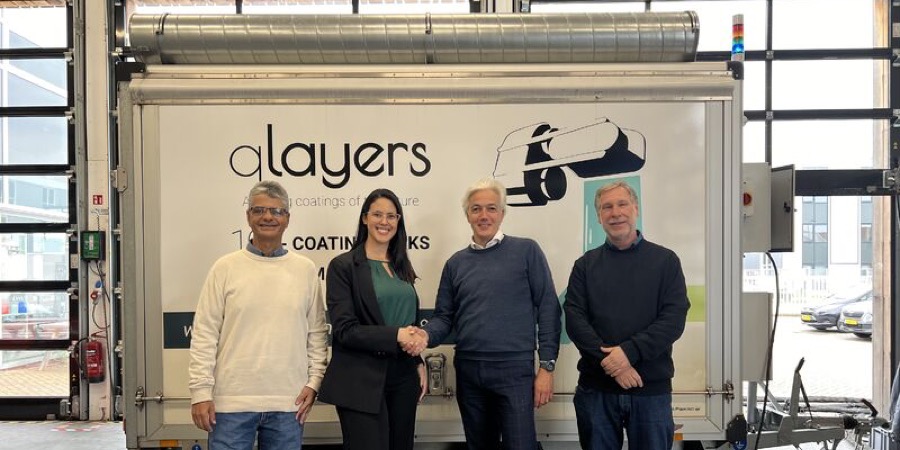
Qlayers has some good news to share. C3 Engenharia & Soluções, a leading Brazilian industrial solutions company, has recently made a significant investment by purchasing a 10Q coating robot. This addition to their diverse equipment portfolio highlights their dedication to embracing innovative technologies.

This strategic move aligns seamlessly with the visions of both Qlayers and C3 Engenharia. By integrating the advanced 10Q robot into their operations, C3 Engenharia demonstrates its commitment to excellence and innovation. The new robot will enable them to provide high-quality coating results for their clients while enhancing efficiency and ensuring worker safety.

For Qlayers, this partnership marks a pivotal step towards expanding into the South American market, paving the way for future collaborations in the region.

For more information visit www.qlayers.com

Linde signs long-term agreement to supply clean hydrogen to Dow’s Path2Zero project in Canada

Linde has signed a long-term agreement to supply clean hydrogen to Dow’s Fort Saskatchewan Path2Zero Project, marking a significant investment of over $2 billion. The company will build, own, and operate a world-scale integrated clean hydrogen and atmospheric gases facility in Alberta, Canada.

This new on-site complex will utilize autothermal reforming and Linde’s proprietary HISORP® carbon capture technology to produce clean hydrogen. It will also recover hydrogen from off-gases generated by Dow’s ethylene cracker. In its first phase, Linde will supply clean hydrogen, nitrogen, and other services to support Dow’s groundbreaking net-zero emissions integrated ethylene cracker and derivatives site. The facility will also provide clean hydrogen to both existing and new industrial customers aiming to decarbonize their operations. The complex is expected to capture over 2 million metric tons of carbon dioxide emissions annually for sequestration.

Set for completion in 2028, Linde’s Alberta complex will become the largest clean hydrogen production facility in Canada and one of the largest globally. This project represents Linde’s largest single investment to date and follows their previous announcement to supply clean hydrogen to a major blue ammonia project in the US Gulf Coast.

“Linde is helping to build a more sustainable future,” said Sanjiv Lamba, chief executive officer of Linde. “This landmark project aligns with our strategy of developing high-quality projects with secured off-take. Our technology, experience, and execution are enabling the transition to a cleaner economy. We are proud to partner with Dow in its mission to decarbonise its Fort Saskatchewan site and are appreciative of the support of the Province of Alberta and the Federal Government.”

Jim Fitterling, chair and chief executive officer of Dow, emphasised the importance of collaboration: “Our business strategy to decarbonise our assets and drive growth while enabling higher shareholder returns is central to Dow’s long-term success. Having support from collaborators and partners across the value chain is essential. We’re glad to have Linde as a partner on this industry-leading project.”

As a leading industrial gases and engineering company, Linde plays a crucial role in the clean energy transition. The company is actively supporting its customers in decarbonising their operations using the latest hydrogen technologies, through its engineering expertise, key alliances, and ventures. Linde is developing clean hydrogen projects across various applications and industries, further expanding its established hydrogen business along the entire value chain.

For more information visit www.linde-engineering.com

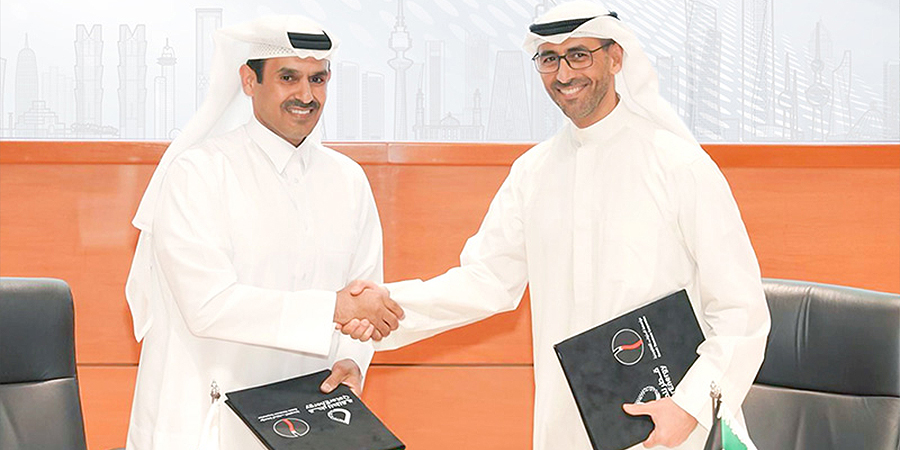
QatarEnergy signs 15-Year LNG supply agreement with Kuwait Petroleum Corporation to deliver up to 3 MTPA

QatarEnergy has signed a significant 15-year LNG Sale and Purchase Agreement  with Kuwait Petroleum Corporation to supply up to 3 million tonnes per annum of liquefied natural gas to Kuwait. The contracted LNG will be delivered to Kuwait’s Al-Zour LNG Terminal starting in January 2025, utilising QatarEnergy’s conventional LNG vessels, including Q-Flex and Q-Max.

The agreement was formalised during a special ceremony in Kuwait City, attended by His Excellency Saad Sherida Al-Kaabi, minister of state for energy affairs and president and CEO of QatarEnergy, and Shaikh Nawaf Saud Al-Nasir Al-Sabah, deputy chairman and CEO of KPC. Senior executives from both organisations also witnessed the signing.

In his remarks, Minister Al-Kaabi expressed his pleasure in strengthening the partnership between QatarEnergy and KPC, highlighting the agreement’s role in supporting Kuwait’s sustainability goals, particularly in electricity generation. He emphasised QatarEnergy’s commitment to meeting the future needs of its clients, including KPC.

Minister Al-Kaabi also noted that the bilateral relations between Kuwait and Qatar continue to deepen, driven by the leadership of His Highness Sheikh Tamim bin Hamad Al Thani of Qatar and His Highness Sheikh Meshal Al-Ahmad Al-Jaber Al-Sabah of Kuwait. This agreement, marking the second long-term LNG SPA between QatarEnergy and KPC, is expected to further enhance bilateral trade and cooperation between the two nations.

For more information visit www.qatarenergy.qa

Tokyo Gas and partners initiate Pre-FEED study for large-scale E-Methane production and export from Australia

Tokyo Gas Co., Ltd, along with Osaka Gas Australia Pty Ltd, Toho Gas Co., Ltd., and Santos Ltd through its subsidiary Santos Ventures Pty Ltd, have entered into an agreement to conduct a pre-FEED study for the production of e-methane in the Moomba region of the Cooper Basin, Australia. Santos brings decades of experience in the development and operation of upstream gas fields in the region. The project aims to produce over 130,000 tonnes of e-methane annually, equivalent to approximately 180 million cubic metres of city gas, for export to Japan starting as early as 2030.

This pre-FEED study builds on the results of a feasibility study initiated by Tokyo Gas and Santos in November 2023. Tokyo Gas has secured a subsidy from Japan’s Ministry of Economy, Trade, and Industry to support this initiative.

Tokyo Gas is committed to achieving net-zero CO2 emissions as outlined in its Group Management Vision “Compass 2030.” The company is focusing on the integration of renewable energy, hydrogen, methanation, and CCUS technologies. By 2030, Tokyo Gas aims to introduce e-methane equivalent to 1 percent of its gas sales volume, with plans to increase this figure more than tenfold by 2040. The company has been actively promoting e-methane demonstration projects in Japan and is working towards establishing a large-scale global e-methane supply chain, including regions like North America, Southeast Asia, the Middle East, and Australia.

Tokyo Gas will continue its efforts to expedite the establishment of the e-methane supply chain and contribute to Japan’s goal of achieving carbon neutrality by 2050.

For more information visit www.tokyo-gas.co.jp

Endress+Hauser flowmeters receive dual approval from the US Environmental Protection Agency

Endress+Hauser has announced that the US Environmental Protection Agency has officially approved its ultrasonic and Coriolis flowmeters for measuring biogas and renewable natural gas used in renewable fuel production. These approvals are in accordance with the regulations set forth in 40 CFR 80.155(a)(1) or (2).

The EPA’s decision follows a comprehensive review of Endress+Hauser’s alternative measurement protocol submissions. The company’s Proline Promass Coriolis flowmeters and Proline Prosonic Flow ultrasonic flowmeters have met the stringent accuracy and precision standards required by the EPA. As a result, biogas and RNG producers can now use Endress+Hauser flowmeters under 40 CFR 80.155(a)(3), provided they adhere to all other relevant regulatory requirements.

Cesar Martinez Castillo, natural gas/LNG industry marketing manager at Endress+Hauser USA, expressed the company’s commitment to supporting the industry by delivering reliable measurements that meet regulatory standards. He stated, “Our flowmeters are designed to ensure accurate and precise measurement, helping producers comply with EPA regulations and contribute to producing renewable fuels.”

The Proline Promass Coriolis flowmeters are known for their high accuracy and reliability, capable of measuring mass flow and temperature simultaneously, regardless of gas composition, without requiring gas calibration. This makes them highly effective in providing the comprehensive data needed for efficient renewable fuel production. The EPA’s approval underscores their performance and reliability in this critical application.

Similarly, the Proline Prosonic Flow ultrasonic flowmeters utilise advanced ultrasonic technology to measure biogas and RNG flow. These flowmeters provide feedback on methane content, calorific values, and the Wobbe index, ensuring continuous and reliable data collection essential for the quality and efficiency of renewable fuel production. They are also equipped with integrated temperature and pressure measurements (in the case of Prosonic Flow G), making them suitable for challenging conditions, including wet and low-pressure environments.

Endress+Hauser’s flowmeters are vital to the renewable energy sector, supporting the optimisation of production processes, minimising waste, and ensuring regulatory compliance. Their role in providing accurate and reliable measurements is crucial in advancing the broader goal of reducing greenhouse gas emissions and promoting sustainable energy solutions.

For more information visit www.us.endress.com

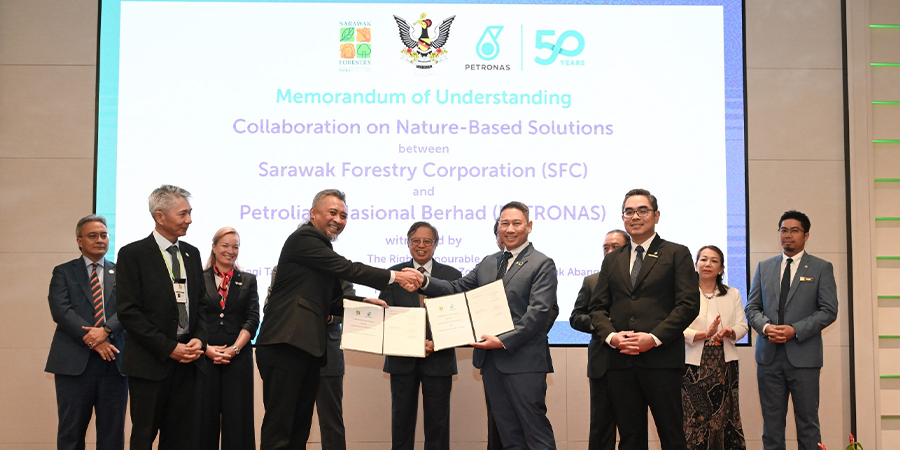
PETRONAS and Sarawak Forestry Corporation sign MoU to explore nature-based solutions in Sarawak

PETRONAS has signed a memorandum of understanding with the Sarawak Forestry Corporation, a statutory body of the Sarawak Government, to explore and develop Nature-based Solutions projects in the region. The MoU reflects a shared commitment to the conservation and restoration of natural ecosystems as a means to remove greenhouse gas emissions.

Nature-based Solutions encompass activities that conserve and restore natural environments, offering a sustainable approach to carbon sequestration. These projects must adhere to high-quality standards, ensuring they meet internationally recognised certification criteria.

The MoU outlines plans for both parties to identify and explore potential sites in Sarawak suitable for NbS projects. These initiatives aim to generate co-benefits for local communities and biodiversity while fostering the development of local expertise necessary for successful implementation. The carbon credits generated through NbS will play a critical role in helping PETRONAS offset residual and hard-to-abate emissions, supporting the company’s pathway to achieving Net Zero Carbon Emissions by 2050. In line with the carbon mitigation hierarchy, the focus remains on reducing emissions after first taking steps to avoid them.

The agreement was formalised by PETRONAS Senior general manager (strategy, policy, & regulation), corporate sustainability, Wan Sayuti Wan Hussin, and Sarawak Forestry Corporation general manager, Tuan Abang Arabi Abang Aimran. The signing ceremony was witnessed by Sarawak premier Datuk Patinggi Tan Sri (Dr) Abang Haji Abdul Rahman Zohari Bin Tun Datuk Abang Haji Openg and PETRONAS vice president & chief sustainability officer, Charlotte Wolff-Bye.

Wolff-Bye emphasised the importance of collaboration in achieving sustainability goals, stating, “Malaysia is one of the world’s most biologically diverse countries. As we progress in our journey towards net zero carbon emissions by 2050, it becomes imperative to seek collaborative efforts in Nature-based Solutions that help to sequester carbon emissions and support Malaysia’s forests. We are delighted to work together with the Sarawak Forestry Corporation to facilitate the development of NbS projects. This collaboration allows PETRONAS to unlock the potential of NbS in Sarawak and use it to sustainably support the natural environment, address emissions, and uplift local communities.”

Abang Arabi expressed optimism about the partnership, highlighting its potential for long-term collaboration in NbS site identification. “Conservation is a marathon that requires not only scientific expertise but also commitment and sustained conservation funding. PETRONAS has collaborated with us on several conservation projects over the years, including two coral reef conservation projects – the Beacon project in Bintulu and the Miri-Sibuti Coral reef conservation project in Miri,” he said. “We look forward to continuing this partnership with PETRONAS and working together to protect natural habitats through this NbS exploration in Sarawak.”

The collaboration between PETRONAS and the Sarawak Forestry Corporation marks a significant step towards enhancing the conservation and sustainability of Sarawak’s rich natural resources, contributing to global efforts in climate change mitigation.

For more information visit www.petronas.com

Advario CEO and chairman meet with Singapore’s deputy prime minister to discuss energy transition

During a recent visit to Singapore, Advario CEO Bas Verkooijen and chairman of the Advario supervisory board, Dr. Christoph Witte, held discussions with Singapore’s deputy prime minister and minister for trade and industry, Mr. Gan Kim Yong. The meeting focused on Singapore’s ambitious energy goals and Advario’s ongoing commitment to supporting the nation’s energy transition.

Advario reaffirmed its strategic commitment and long-term vision in Singapore, highlighting its focus on sustainability, innovation, and the adoption of new energies. The discussions centred on key areas such as carbon reduction, energy storage solutions, and the future of energy supply.

This meeting underscores Advario’s pivotal role in Singapore’s energy sector during this critical phase of the energy transition. Both parties expressed optimism about future collaborations and emphasised the strength of their partnership over the past decades. Advario expressed deep appreciation for the close cooperation between the Singaporean government and the private sector, which has been instrumental in driving progress and innovation in the energy field.

Fore more information visit www.advario.com

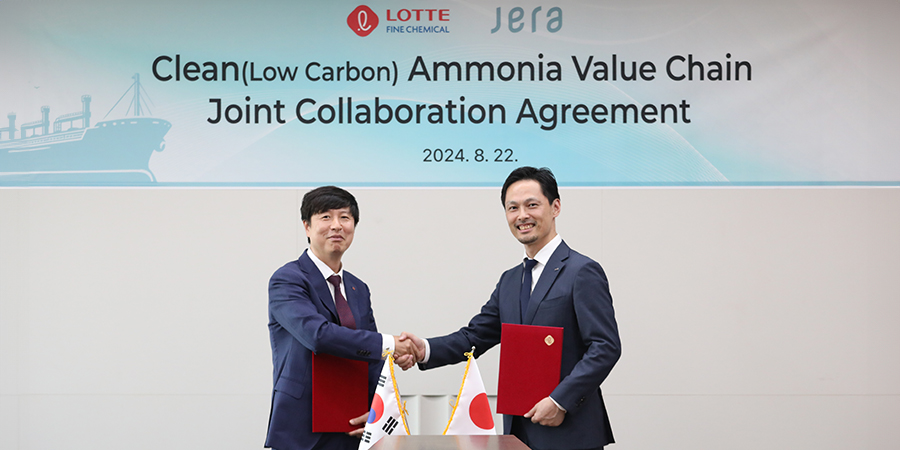
JERA and Lotte Fine Chemical forge partnership to develop low carbon fuel value chains

JERA Co., Inc. has entered into a Joint Collaboration Agreement with Lotte Fine Chemical Co., Ltd. to advance the development of low carbon fuel value chains. This collaboration aims to build a robust and resilient value chain for low carbon fuel by focusing on the standardisation of commercial frameworks, optimisation of each party’s ammonia portfolio through joint studies, and working with governments to establish and expand the low carbon fuel value chain.

This partnership is supported by the “Japan-ROK Hydrogen and Its Derivatives, such as Ammonia Cooperation Dialogue,” a programme initiated by the governments of Japan and the Republic of Korea to enhance cooperation in clean energy.

Hiroo Inoue, director-general of the Energy Efficiency and Renewable Energy Department at the Agency for Natural Resources and Energy, highlighted the importance of this collaboration, noting that it will strengthen energy security and build resilient supply chains for clean hydrogen and its derivatives. Chan Ki Park, Director-General of the Hydrogen Economy Policy Bureau at the Ministry of Trade, Industry and Energy, emphasised the significance of private sector cooperation between Korea and Japan in leading the global clean hydrogen market.

Ryosuke Tsugaru, chief low carbon fuel officer of JERA, expressed the company’s commitment to positioning itself at the forefront of Asia’s energy transition, while LFC CEO Kim Yong-seok underscored the importance of this collaboration in enhancing Korea’s national competitiveness in the clean energy sector.

JERA remains dedicated to strengthening and diversifying low carbon fuel value chains on a regional, national, and international scale, contributing to global decarbonisation efforts and addressing energy challenges, particularly in Asia.

For more information visit www.jera.co.jp

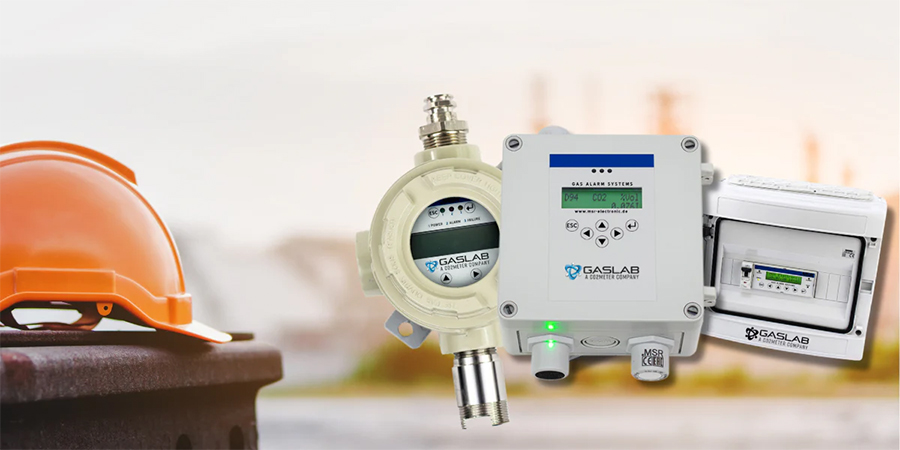
CO2Meter launches Gaslab® industrial fixed gas detectors

CO2Meter, a leading manufacturer of gas detection and safety solutions, has announced the release of its new Gaslab® industrial gas detection safety series. This series is designed to monitor a wide range of gas types and concentrations across various industries, offering enhanced protection for employees and facilities working with toxic, hazardous, and inert gases, as well as in explosive environments such as zones 1 and 2.

The Gaslab® series provides advanced features including the ability to monitor multiple gas types, program custom configurations, integrate with building maintenance systems, and enable real-time wireless communication. The series is modularly designed for easy integration and customization, meeting stringent safety standards such as ATEX and holding IP66 class ratings for operation in high humidity, explosive, and wash-down conditions.

Each detector in the series can operate independently or as part of a larger networked control system, allowing for seamless integration of up to 128 gas sensors from a single fixed gas detection controller. This ensures frequent and accurate measurements, with real-time audible and visual alarms to notify users of unsafe conditions before a potential gas hazard occurs.

“Safety is always our primary focus,” said Travis Lenander, CEO of CO2Meter. “With our market-leading experience in gas detection and safety, we aim to help build a larger safety-first mindset for our customers by pairing high-quality technology with awareness.”

The new Gaslab® industrial fixed gas detector series is versatile and configurable, offering multiple outputs, hard wiring for constant power, and user-adjustable settings. This expanded product line allows CO2Meter to provide solutions for nearly any gas detection need, furthering the company’s commitment to safety in industries such as petrochemical, oil and gas, breweries, manufacturing, biopharma, and more.

Josh Pringle, executive vice president of CO2Meter, added, “After nearly 20 years of expertise in CO2 and O2 sensing, we can now offer our partners a complete suite of gas sensing solutions, ensuring that CO2Meter remains the preferred solutions provider in the market.”

CO2Meter’s new Gaslab® industrial fixed gas detector series offers a comprehensive view of gas types and concentrations, helping customers meet safety requirements and code compliance. For more information or to view the full portfolio, CO2Meter invites interested parties to contact them directly.

About CO2Meter: Since 2006, CO2Meter has been a leading source for gas detection, monitoring, and analytical solutions. The company focuses on utilizing the latest gas sensing technologies to address the urgent needs of its partners, striving to ensure the health, welfare, and safety of the public.

For more information visit www.co2meter.com

Innovative collaboration between Elesa and Metallic Elephant sets new standards in hot foil press technology

In a landmark partnership, Elesa, a renowned provider of high-quality engineering components, has collaborated with Metallic Elephant, a leader in hot foil machinery manufacturing, to unveil a ground-breaking hot foil press. This innovation redefines industry benchmarks for quality and efficiency.

For over 17 years, Metallic Elephant has been at the forefront of the hot foil press sector, creating sophisticated machinery for diverse industries. The drive to develop a distinct product delivering unparalleled performance and reliability spurred the search for a partnership with Elesa, whose values of innovation and quality mirrored their own.

Elesa is celebrated for its precision-engineered components that enhance operational excellence across various applications. Their commitment to producing adaptable, high-quality products that satisfy rigorous industry standards made them the ideal partner for Metallic Elephant’s ambitious initiative.

This collaboration addressed significant challenges previously encountered with suppliers whose components did not meet durability standards, causing production inefficiencies and increased costs. Integrating Elesa’s reliable and precisely engineered components enabled Metallic Elephant to overcome these hurdles, ushering in a new era of hot foil press design and functionality.

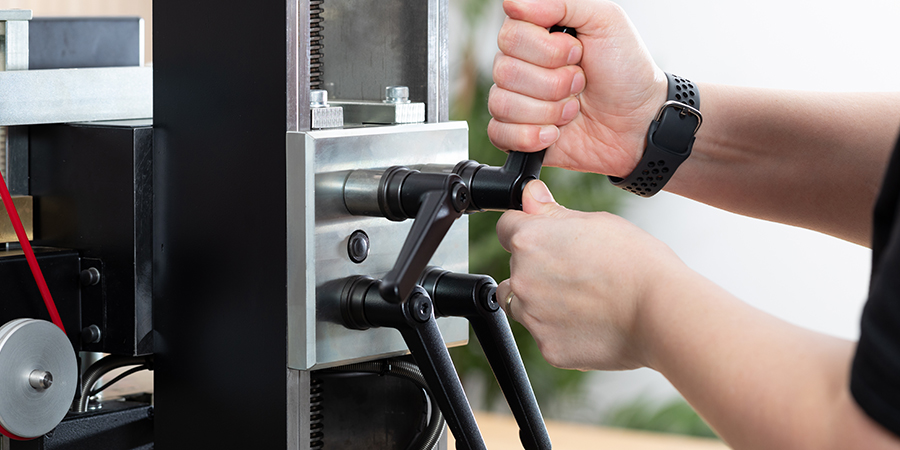
The partnership yielded a state-of-the-art hot foil press distinguished by its innovative design and operational capabilities. Featuring advanced elements such as adjustable handles and quick-release mechanisms, the press is user-friendly and versatile. It accommodates various product sizes and specifications effortlessly, with a design that supports quick adjustments and scalability—considerable enhancements over prior models that boost its competitive edge.

Utilising Elesa’s components has markedly improved the performance and reliability of Metallic Elephant’s presses. Notable advancements include a 20 percent increase in assembly speed and a substantial decrease in production errors. These improvements have led to a more efficient manufacturing process, enhanced product quality, and heightened customer satisfaction. Additionally, the presses’ enhanced longevity and reliability have bolstered client confidence in their investments, promising longer lifespan and reduced operational costs.

This partnership has not only resolved initial challenges but also set new standards for quality and efficiency in hot foil press engineering. The collaboration between Elesa and Metallic Elephant demonstrates how strategic alliances can foster innovation and deliver superior products that benefit the entire industry.

Looking ahead, both companies are committed to further enhancing their product lines and continuing their successful partnership. Driven by a shared goal to exceed customer expectations and push technological boundaries, this ongoing collaboration is poised to introduce more innovative solutions to the market, highlighting the importance of merging engineering and manufacturing expertise to achieve outstanding results.

For more information visit www.elesa.com

Technip Energies secures Pre-FEED for carbon capture project with SUEZ in the UK

Technip Energies has announced that it has been selected for the Pre-FEED of a carbon capture project in collaboration with SUEZ in the UK. The project focuses on the SUEZ Wilton 11 energy-from-waste site.

For this study, Technip Energies will utilise its Canopy C200 modularised solution, which is powered by the Shell CANSOLV® CO₂ Capture System. This approach offers several advantages over traditional stick-built plants, including reduced project risks, improved scheduling, cost certainty, and minimised on-site construction time.

The project aims to support the UK’s path to achieving Net Zero by addressing the decarbonisation of hard-to-abate industries, such as Waste to Energy. As part of the pre-FEED study, Technip Energies will define the optimal carbon capture solution and its integration into these unique facilities, leveraging both the proven capture technology and the innovative Canopy C200 modularised solution.

For more information visit www.suez.co.uk

Chevron builds on CCS portfolio with greenhouse gas assessment permit offshore Australia

Chevron Corporation, through its subsidiary Chevron Australia New Ventures Pty Ltd, has been awarded a greenhouse gas assessment permit offshore Western Australia. This permit supports Chevron’s strategy to safely deliver lower-carbon energy to meet growing global demand.

The G-18-AP permit, located offshore from Onslow, Western Australia, covers an area of approximately 8,467 km² with water depths ranging from 50 to 1,100 metres. Chevron plans to evaluate the area as a potential hub for storing third-party emissions, including those from its operated LNG assets.

The permit involves a joint venture, with Chevron holding a 70 percent participating interest as the operator, while Woodside Energy Ltd. holds the remaining 30 percent. Additionally, Chevron has agreed to farm down five percent of its equity in the permit to Korea’s GS Caltex, subject to regulatory approvals.

Chris Powers, vice president of CCUS & Emerging for Chevron New Energies, emphasised the significance of the permit, stating, “Chevron, along with our joint venture participants, has a unique set of assets, capabilities, and customer relationships to support the further assessment, development, and deployment of carbon capture and storage in Australia.” He highlighted that this new award could expand Chevron’s portfolio of CCS assets in the region.

Mark Hatfield, managing director of Chevron Australia, noted that these opportunities could help lower the carbon intensity of Chevron’s operations and provide avenues for customers to reduce or offset their emissions.

This new block award adds to Chevron’s portfolio, which includes non-operated interests in G-9-AP, G-10-AP, and G-11-AP, as well as the operation of the Gorgon CCS project, which has already captured and stored 10 million tonnes of CO2-equivalent.

The International Energy Agency has identified carbon capture, utilisation, and storage as essential for achieving global net-zero emissions.

For more information visit www.chevron.com

How Neste and All Nippon Airways pioneer more sustainable air travel in the Asia-Pacific region

All Nippon Airways has long been a champion of sustainability, embedding it at the core of its operations since its founding in 1952. The airline has consistently led the way in aviation innovation, with a firm commitment to achieving net-zero carbon emissions by 2050. A key strategy in this pursuit is the replacement of conventional jet fuel with sustainable aviation fuel. In 2020, ANA made headlines by launching Japan’s first SAF-powered cargo flight, setting a precedent for sustainable air travel well before regional mandates were in place.

ANA’s ambitious goal of achieving 10 percent SAF usage by 2030 is not just a target but a beacon for the industry. Kohei Yoshikawa, Senior Director of Decarbonisation at ANA Group, underscores the vital role of SAF in reducing CO2 emissions, echoing the International Air Transport Association’s projection that SAF will account for 65 percent of emission reductions by 2050.

As the aviation industry grapples with the challenge of limiting global warming to 1.5°C, as outlined in the Paris Agreement, decarbonisation has become a top priority. The industry plays a crucial role in connecting people and economies, making it imperative to address climate change with effective measures. Yoshikawa emphasises the necessity for the airline industry to take a proactive stance on climate issues to ensure its continued contribution to global prosperity.

ANA’s commitment to sustainability is deeply rooted in its pioneering spirit, which has driven the airline since its inception. In 2011, ANA became the first airline to commercially operate the fuel-efficient Boeing 787, and by 2020, it had partnered with Neste to become the first in Asia to use SAF on scheduled flights. This leadership is further exemplified by ANA’s pledge to meet 10 percent of its jet fuel needs with SAF by 2030, marking a significant milestone in its journey toward zero CO2 emissions by 2050.

The strategic partnership between ANA and Neste plays a crucial role in decarbonising aviation in Asia, where SAF adoption had previously lagged. This collaboration not only demonstrates the viability of SAF but also helps shift perceptions and encourages broader adoption across the region. Neste’s early decision to invest in renewable fuels has provided a competitive advantage, allowing ANA to advance its environmental goals and position itself as a leader in sustainable aviation.

The partnership between ANA and Neste serves as a powerful example of how ambitious goals, innovative solutions, and strategic alliances can drive meaningful progress in aviation decarbonisation. As the industry moves towards net-zero emissions by 2050, ANA’s pioneering efforts, supported by Neste, are likely to inspire others to follow suit in this critical journey towards a more sustainable future for aviation.

For more information visit www.neste.com

Emerson’s new wireless transmitter provides unprecedented flexibility for control and monitoring of field assets

Emerson announced the release of the Rosemount™ 802 Wireless Multi-Discrete Input or Output Transmitter, which has eight discrete input/output channels, each one configurable as an input or an output. WirelessHART® capability allows the transmitter to connect to a wireless gateway, which can in turn link to a host – such as a control system or asset management system – via a wired connection. This allows the host to monitor and control assets remotely over a WirelessHART network.

The new Rosemount 802 transmitter and its predecessor, the Rosemount 702 Wireless Discrete Dual Input or Output Transmitter, are the only WirelessHART-enabled remote I/O transmitters available today, supporting Emerson’s vision of a Boundless Automation™ intelligent field with flexible configuration and ease of deployment via wireless connectivity.

Emerson’s Rosemount 802 Wireless Multi-Discrete Input or Output Transmitter, shown with the optional Emerson SmartPower power module installed, provides eight discrete configurable I/O channels. The transmitters is hazardous rated and environmentally protected.
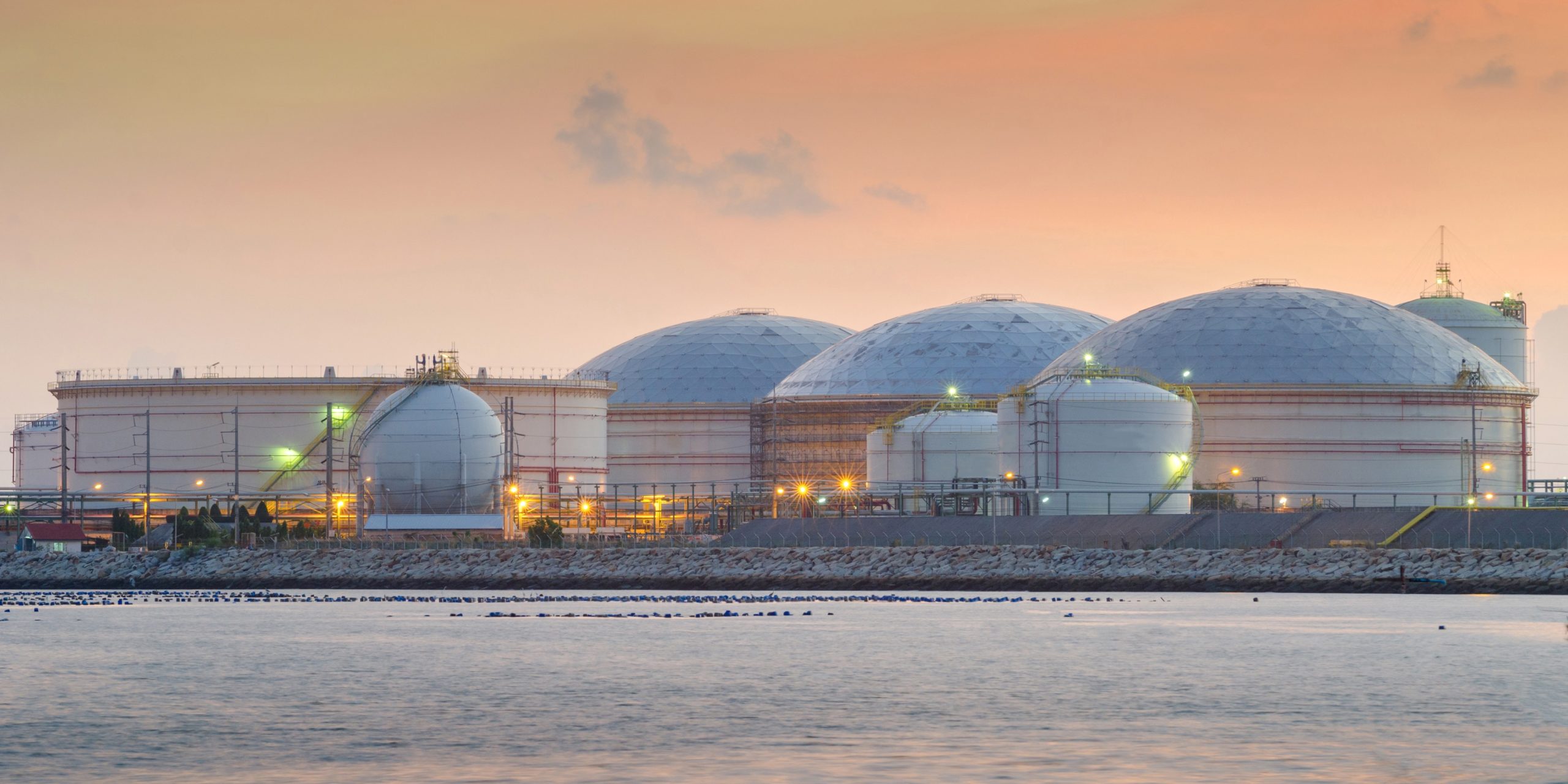
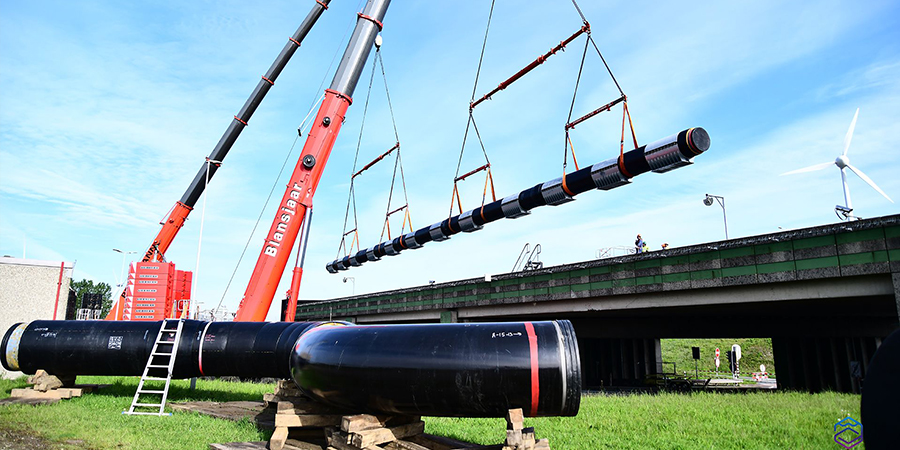
The wireless capabilities of the new Rosemount 802 dramatically reduce the costs associated with monitoring and controlling field-installed assets, such as motors, valves and pumps, which traditionally require time-consuming field visits from technicians or a hardwired connection. The new Rosemount 802 minimises these costs and improves safety by removing the field technician from hazardous areas while maintaining the discrete input and output control levels enabled by the host system.

The new Rosemount 802 functions in a similar manner to Rosemount 702 transmitters, but with eight I/O channels instead of two, each one configurable as a discrete input or output. For installations where multiple assets are located in one area and each must be monitored and/or controlled, the 802 transmitter is a more cost-effective solution than the Rosemount 702.

Power options include 10-30 volt direct current external line power or an Emerson SmartPower™ module. The latter option requires no wiring, provides up to eight years of maintenance-free operation, and can be quickly and easily replaced in the field.

The Rosemount 802 transmitter is certified according to the following safety standards: ATEX Zone 2 Intrinsically Safe, USA Division 2 Non-Incendive and Zone 2 Intrinsically Safe, Canada Division 2 Non-Incendive and Zone 2 Intrinsically Safe, and IECEx Zone 2 Intrinsically Safe. The device enclosure is rated according to NEMA® 4X and IP66.

For more information visit www.emerson.com

Matrix Applied Technologies gains pre-approval from QatarEnergy

Matrix Applied Technologies, a leading provider of precision-engineered products for aboveground storage tanks, has announced that QatarEnergy has pre-approved the company as a manufacturer of key components, including aluminium geodesic dome roofs, internal floating roofs, floating roof tank seals, and roof drain systems.

These products are manufactured at Matrix Applied Technologies’ facility in South Korea, which holds ISO 9001:2015 certification for its management system in the manufacturing of aboveground storage tanks and tank parts. This certification underscores the company’s commitment to quality and precision in all aspects of production.

The pre-approval from QatarEnergy is a significant achievement for Matrix Applied Technologies, reflecting the company’s dedication to maintaining the highest standards in the industry. This milestone aligns with the company’s ongoing mission to “Move To A Higher Standard” in the engineering and manufacturing of storage tank solutions.

Fore more information visit www.matrixappliedtech.com

Port of Rotterdam advances CO2 pipeline construction for Porthos project

The Port of Rotterdam has announced significant progress in the construction of the CO2 pipeline for the Porthos project, which is taking shape across various locations in the port. The pipeline, set to become operational in 2026, will traverse multiple waterways, train tracks, roads, and existing pipelines within the port area.

The Porthos pipeline system is designed to transport captured CO2 emissions from industrial sources in the port to a compressor station at the Maasvlakte. From there, the CO2 will be conveyed to a platform located approximately 20 km off the coast. The final destination for the CO2 is deep beneath the North Sea, where it will be permanently stored in depleted gas fields 3 to 4 km under the seabed. This initiative is expected to significantly reduce CO2 emissions in the Rotterdam port industry by over 10 percent.

As part of its commitment to safety, the Port of Rotterdam regularly organises “safety walks” at all construction sites. During these inspections, contractors, external safety experts, and Port Authority colleagues review the plans and construction sites to ensure that safety measures are diligently observed. This week, CEO Boudewijn Siemons participated in these safety walks, visiting various construction sites associated with the Porthos project.

The Porthos project represents a major step forward in reducing the carbon footprint of the Rotterdam port industry, contributing to broader efforts to combat climate change.

For more information visit www.portofrotterdam.com