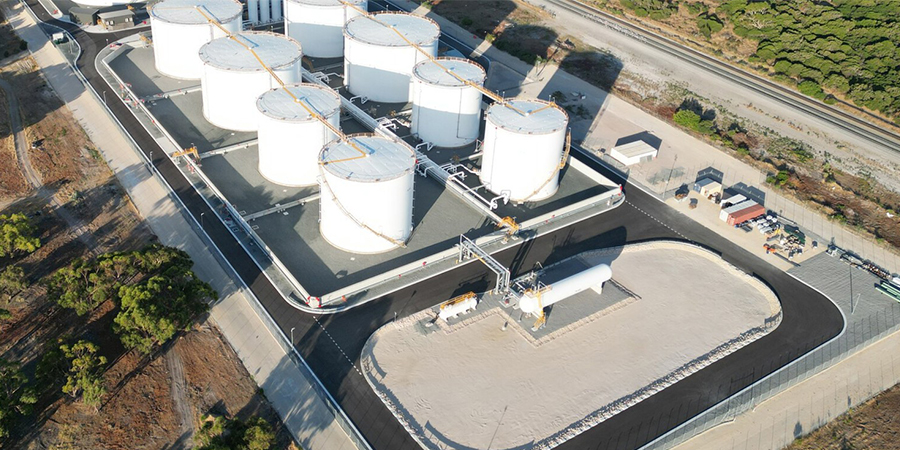
Evos appoints Jesper Lok as new chair of supervisory board

Evos is delighted to announce the appointment of Jesper Lok as the new chair of the supervisory board of Evos. Bringing a wealth of international business experience to his new role, Jesper Lok has showcased his leadership prowess as a board member at various prominent companies across different sectors.

“We are thrilled to welcome Jesper Lok as the new chair of the supervisory board at Evos. His extensive and diverse experience and global perspective align perfectly with our company’s vision and goals,” said Harry Deans, CEO of Evos.

This appointment comes following the decision of Stijn van Els to step down as a member of the Board after four active years, during which he oversaw the transformational growth of Evos into the leading European liquid energy and chemical storage business.

“We would like to express our heartfelt thanks to Stijn van Els for his dedication, knowledge, and leadership during his tenure. Stijn has played a crucial role in the Evos expansion and development,” stated Harry Deans. He further added, “Jesper Lok’s strategic vision and leadership acumen will further strengthen the company’s position in the storage industry and ensure we are well poised to capitalise on opportunities to transform and grow our business.”

For more information visit www.evos.eu

Marathon Petroleum trucks and trains transition to using renewable diesel in LA Basin

Marathon Petroleum’s Vinvale and East Hynes fleets, situated in California’s Los Angeles Basin, have taken a significant stride towards sustainability by converting their entire fleets to renewable diesel. This move aligns with Marathon Petroleum’s commitment to reducing its carbon footprint and fostering a cleaner future.

In 2023, two fleets under Marathon Petroleum Transport and Rail, alongside two locomotives at the Marathon Petroleum Los Angeles refinery, made the switch from conventional diesel fuel to renewable diesel, marking a pivotal moment in the company’s sustainability journey.

The transition to renewable diesel began with Marathon Petroleum’s initiative in 2021 to convert its ARCO retail sites to renewable diesel. These terminals gradually phased out CARB diesel, a specific grade mandated by the California Air Resources Board (CARB), in favor of renewable diesel. As a result, the Marathon Petroleum fleets, which refuel at the company’s load racks, gained access to renewable diesel, enabling 35 trucks to operate on this environmentally friendly fuel in the Los Angeles area.

Additionally, in 2023, the rail team initiated a transition process for locomotives, initially using a 50-50 mixture of regular diesel and renewable diesel before progressing to exclusively using 100 percent renewable diesel.

Timothy Sweeney, transport maintenance supervisor, highlighted the initial apprehension among drivers regarding renewable diesel’s performance. However, Sweeney affirmed that renewable diesel proved to be different from biodiesel, with no adverse effects on truck operations. Since the transition, drivers have reported no decrease in power, performance, or operational efficiency.

Renewable diesel, derived from renewable feedstocks like vegetable oil, animal fats, and waste cooking oils, offers a sustainable alternative to traditional diesel fuel. Processed to be chemically identical to conventional diesel, renewable diesel can power traditional diesel engines without any modifications, presenting a viable solution for reducing emissions and promoting environmental stewardship.

For more information visit www.marathonpetroleum.com

Unifly joins EUREKA project for urban air mobility with Vertiport Integration in European airspace

Unifly, a subsidiary of Terra Drone Corporation and a leading provider of Unmanned Aircraft System Traffic Management solutions, has announced its pivotal involvement in the €12 million EUREKA project initiated by the SESAR Joint Undertaking in June 2023. Led by EUROCONTROL, this groundbreaking initiative aims to seamlessly integrate air mobility into urban landscapes by 2026, addressing the growing need for efficient, sustainable, and interconnected transportation solutions.

The EUREKA project aims to revolutionise urban transportation by establishing a network of vertiports—specialised hubs for electric vertical take-off and landing  aircraft inside European airspace—connecting urban areas and facilitating swift and eco-friendly transportation. The project boasts 35 participants, including airport providers, air navigation service providers, U-space service providers , UAM manufacturers, and other stakeholders.

Focused on developing four essential SESAR solutions, the project includes Arrival/Departure Procedures to/From Vertiports, which encompasses route and trajectory planning; Vertiport Collaborative Traffic Management, aimed at optimising resource utilisation and capacity allocation; Vertiport disruption and emergency management, ensuring preparedness for unforeseen circumstances; and Vertiport network flow, capacity, and operational management, enabling efficient coordination across the vertiport network.

Unifly holds a pivotal role in the EUREKA project, occupying a unique position within the Vertiport Collaborative Traffic Management initiative. Leveraging its expertise, Unifly is tasked with integrating vertiports into its UTM solution. The project will utilise certified unmanned Vertical Take-off and Landing aircraft for cargo operations to validate VCTM at strategic, pre-tactical, and tactical levels, covering all VTOL flight segments.

Validation and demonstration activities are scheduled between March 2024 and December 2025, with live trials taking place in the controlled airspace between Mallorca and the Menorca Islands (Spain), within active LEPA and LEMH airports.

Andres Van Swalm, CEO of Unifly, expressed his enthusiasm, stating, “The EUREKA project represents a significant milestone in the evolution of UAM, and Unifly is proud to be at the forefront of this transformative initiative. Our UTM solutions will contribute to creating a harmonious and efficient airspace, laying the foundation for the widespread adoption of UAM and revolutionising the way people and goods move within cities.”

For more information visit terra-drone.net

Square Robot Inc advances inspection capabilities with the SR-3 Robot’s compatibility in paraxylene and hexyl Carbitol environments

Square Robot Inc. has reached a significant milestone with the successful completion of material compatibility tests, demonstrating that their SR-3 robot is capable of conducting efficient inspections in both Paraxylene and Hexyl Carbitol environments. This achievement underscores the company’s commitment to advancing inspection technologies across diverse industrial settings.

With this accomplishment, Square Robot’s range of capabilities continues to expand. Already compatible with over 40 different products, the SR-1 and SR-3 robots offer versatile solutions for various inspection needs. Whether it’s for routine maintenance or in-service API 653 inspections, Square Robot’s technology is well-equipped to meet the demands of tank inspection requirements.

By ensuring compatibility with a wide range of substances, Square Robot Inc. reaffirms its dedication to providing reliable and adaptable inspection solutions to industries worldwide. This latest development further solidifies the company’s position as a leader in robotic inspection technology.

For more information visit www.squarerobots.com

Cheniere reports strong financial results for 2023 and sets bullish guidance for 2024

Cheniere, a global leader in the liquefied natural gas industry, has released its financial results for the three and twelve months ending December 31, 2023, showcasing robust revenues and strategic initiatives.

For the stated periods, Cheniere achieved revenues of approximately $4.8 billion and $20.4 billion, respectively. Net income stood at approximately $1.4 billion and $9.9 billion, consolidated adjusted EBITDA at approximately $1.65 billion and $8.8 billion, and distributable cash flow at approximately $1.1 billion and $6.5 billion, respectively. Notably, the full-year 2023 consolidated adjusted EBITDA results exceeded the high end of the guidance range, while the distributable cash flow results exceeded the most recent guidance range.

Looking ahead, Cheniere has introduced guidance for the full year 2024, projecting consolidated adjusted EBITDA in the range of $5.5 billion to $6.0 billion and distributable cash flow between $2.9 billion and $3.4 billion, reflecting a positive outlook for the coming year.

Under its comprehensive capital allocation plan, Cheniere has demonstrated prudent financial management by prepaying substantial long-term indebtedness, repurchasing shares, and paying dividends. From January 1, 2024, through February 16, 2024, the company repurchased approximately 2.9 million shares for over $450 million, further enhancing shareholder value.

In addition, Cheniere transitioned its trading platforms from the NYSE American to the New York Stock Exchange, effective February 5, 2024, under the symbols “LNG” and “CQP” for Cheniere and Cheniere Energy Partners, L.P., respectively.

Furthermore, Cheniere announced significant agreements in November 2023, including a long-term gas supply deal with ARC Resources U.S. Corp. and an LNG sale and purchase agreement with Foran Energy Group Co. Ltd., underscoring its commitment to expanding market reach and driving growth.

Jack Fusco, president and CEO of Cheniere, expressed pride in the company’s performance and highlighted the team’s dedication to excellence. Fusco remains optimistic about Cheniere’s prospects for 2024, emphasising the company’s focus on execution across operations, construction, and project development, in line with market demands for reliable LNG.

Cheniere’s financial results reflect its strong position in the LNG industry and its commitment to delivering value to shareholders while driving forward the global transition to natural gas.

For more information visit www.cheniere.com

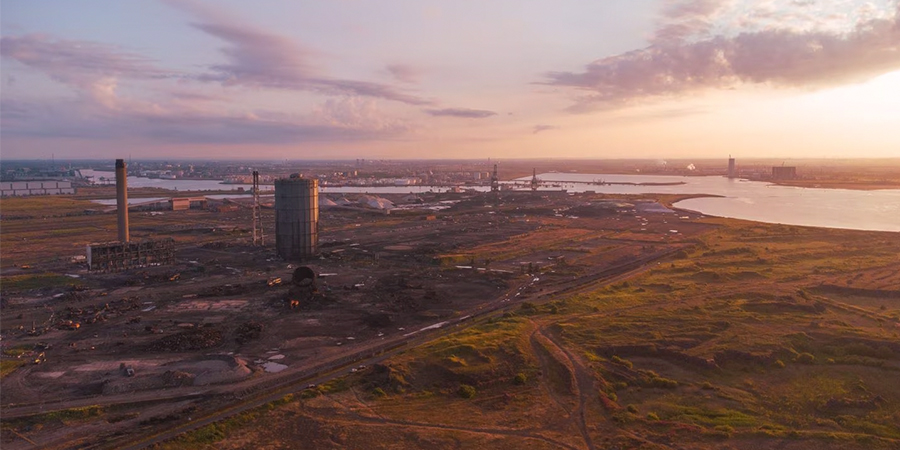
Exolum secures a £3 million grant for the Tees Valley hydrogen vehicle ecosystem project

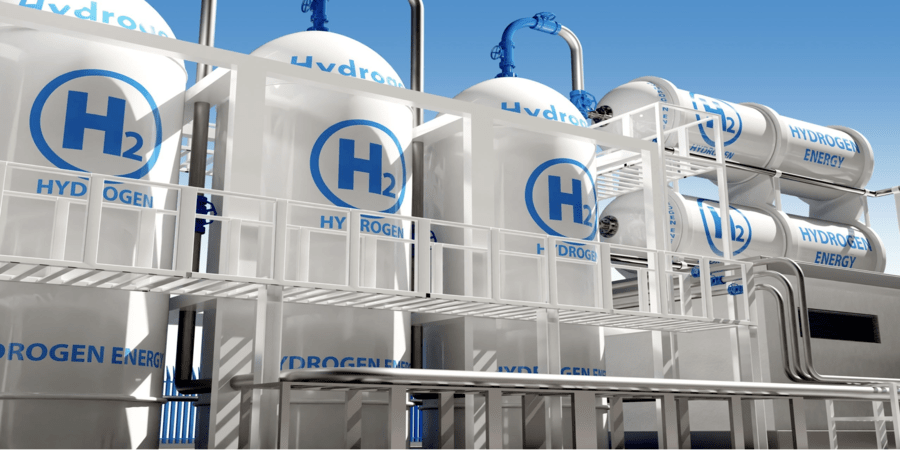
Exolum, a leading energy infrastructure company, is pleased to announce that its Tees Valley hydrogen vehicle ecosystem project has received a grant of over £3 million from the UK Government Department for Energy Security and Net Zero. This grant, awarded under the Net Zero Hydrogen Fund competition, will facilitate the construction of a 5 MW water electrolyser capable of producing up to 2 tonnes/day of green hydrogen specifically for the mobility sector.

In addition to the electrolyser, the broader project encompasses the establishment of a large-scale hydrogen refuelling station and the initial deployment of 25 hydrogen-powered heavy goods vehicles. These initiatives have received support from the UK Department for Transport’s Tees Valley Hydrogen Transport Hub competition.

The Tees Valley Hydrogen Vehicle Ecosystem project reflects Exolum’s commitment to diversifying its portfolio and aligning with the energy transition objectives. By investing in projects geared towards decarbonisation, Exolum is actively contributing to the sector’s sustainability goals.

For more information visit exolum.com

Cepsa and Bio-Oils begin construction on the largest 2G biofuels plant in southern Europe

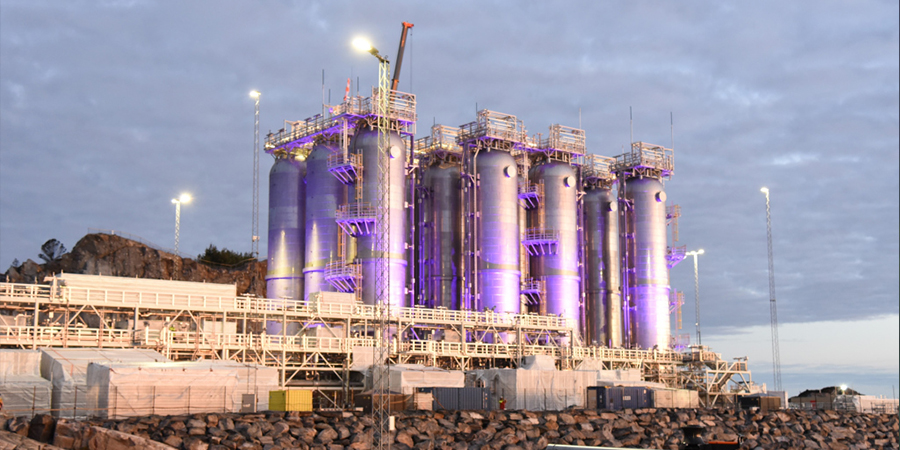
Cepsa and Bio-Oils, a subsidiary of Apical, are beginning construction of the largest second-generation biofuels plant in southern Europe. This facility, which will flexibly produce 500,000 tonnes of sustainable aviation fuel and renewable diesel (hydrogenated vegetable oil or HVO) annually, will allow the joint venture formed by both companies to double its current production capacity. The new 2G biofuels plant, along with the existing facilities operated by Cepsa and Bio-Oils in Huelva, Spain, will form the second largest renewable fuel complex in Europe, with a total production capacity of 1 million tonnes per annum.

The new facility is expected to be operational in 2026 and will be built in Palos de la Frontera (Huelva), next to La Rábida Energy Park. Its development involves a 1.2-billion-euro investment and the creation of 2,000 direct and indirect jobs during the construction and operation phases.
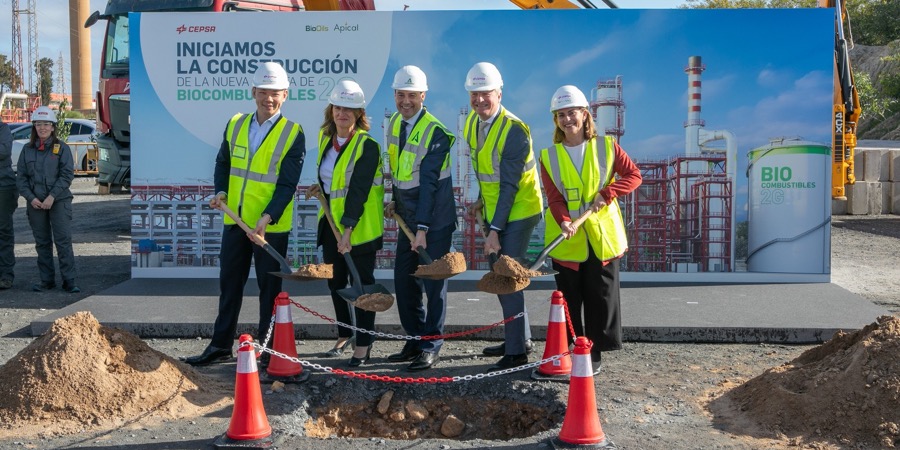
The start of construction of this project was celebrated today at a ceremony attended by Juan Manuel Moreno Bonilla, president of the Regional Government of Andalusia, Teresa Ribera, Third vice-president and minister for the ecological transition and the demographic challenge, Maarten Wetselaar, CEO of Cepsa, Anderson Tanoto, managing director, RGE, which manages a group of resource-based manufacturing companies including Apical and Bio-Oils, and Pratheepan Karunagaran, executive director of Apical.

Juan Manuel Moreno Bonilla said: “Andalusia is ready to become Europe’s major producer and distributor of clean energy, playing a key role in the irrevocable goal of decarbonising the planet. This future biofuel plant by Cepsa is a clear and valuable example, a project included in our Project Accelerator Unit, allowing it to be processed in just six months, less than half of what is usually required.”

Teresa Ribera stated: “It is not enough to just change the colour of molecules or electrons; the industries behind them, the services behind them, are a great opportunity to re-industrialise and modernise our productive fabric. That is why we want to include the industrial value chain in the change process and why we want to dedicate more than 750 million euros to this programme, ensuring that the heavy goods needed for success are produced in Spain.”

Maarten Wetselaar noted: “Today we are breaking ground on our second-generation biofuels plant, the first major milestone of our positive motion strategy. This strategic project for Spain and Andalusia will make us a European benchmark in the field of green molecules and facilitate the immediate decarbonization of sectors that cannot run on electrons, like aviation. This is the start of a new chapter for Cepsa and this region that will generate quality employment and a new era of industrialisation.”

Pratheepan Karunagaran explained: “The global production of SAF is expected to triple in 2024, compared to the 2023 levels, reaching 1.5 million tons. Yet, the availability of sustainably available feedstock remains a challenge for many countries. As we continue to expand Apical’s global footprint and capacities, the availability of waste and residue is set to grow in tandem, enabling value-added partnerships to be forged for our waste stream to drive the production and adoption of SAF. Our 2G biofuels plant with Cepsa, which will be the largest aviation fuel processing facility in southern Europe, is an excellent example of how industry players can come together to unlock the potential of SAF and scale up adoption in an affordable manner.”

This new plant, which will be built with the latest technology for the production of renewable fuels, will have a minimal environmental impact. Thanks to the consumption of renewable hydrogen, 100 percent renewable electricity and different heat recovery and energy efficiency systems, this facility will emit 75 percent less CO2 than a traditional biofuel plant and is designed to achieve net zero emissions in the medium term. Likewise, it will not consume fresh water, but will only use reclaimed water, and its water emissions will have a minimal impact on the ecosystem thanks to a powerful water treatment plant. The facility will also be digitally native and will incorporate the latest advances for the industry in artificial intelligence, internet of things, and data analysis.

This facility will enable the development of other key projects to reposition Spain and Andalusia in the international energy landscape. In addition to SAF and renewable diesel, the plant will also produce biogas, a fundamental raw material for the production of green hydrogen, essential for the decarbonisation of industry such as this very plant or the energy park alongside it, or for the production of fertilisers. Additionally, another product is captured from the treatment of biogas – biogenic CO2 – which is essential for the production of green methanol to decarbonise maritime transport. As such, this project is a key element of the entire Andalusian Green Hydrogen Valley ecosystem being led by Cepsa.

The initial work for the development of these facilities will focus on earthmoving and land improvements, urbanisation, and infrastructure foundation, as well as the start of marine construction at the southern pier of the Port of Huelva given that the project also encompasses the development of auxiliary facilities in the port necessary for its operation.

The new plant will secure the majority of its raw material supply from organic waste such as agricultural waste and used cooking oils through a global, long-term agreement with Apical, enabling it to address one of the main challenges facing the industry: access to raw materials. 2G biofuels promote the circular economy by using waste for their production that would otherwise be discarded or end up in landfills.

Compared to traditional fuels, the renewable fuels developed in this complex by Cepsa and Bio-Oils will prevent the emission of 3 million tonnes of carbon dioxide per year, equivalent to 4 percent of road transport emissions in Spain.

The construction of this facility will involve the installation of 590 kilometers of pipelines (more than the distance separating the cities of Huelva and Madrid) and 1,400 kilometers of cable (almost the distance between Huelva and Paris).

Committed to the energy transition

Biofuels are a present-day solution to accelerate the decarbonisation of transportation, a sector that currently accounts for 15 percent of global CO2 emissions. They are a strategic technology for achieving an immediate energy transition that can reduce CO2 emissions by up to 90 percent compared to traditional fuels, making them a key element in promoting the decarbonisation of land, sea, and air transportation.

As part of its 2030 Positive Motion strategy, Cepsa is driving the development of an ecosystem focused on accelerating its own decarbonization and that of its customers through the production of green molecules, mainly renewable hydrogen (and its derivatives) and 2G biofuels, to become a leader of the energy transition. The creation of one of the largest renewable fuel complexes in Europe is part of Cepsa’s goal of leading 2G biofuel production in Spain and Portugal. Under that plan, the Company is developing an annual production capacity of 2.5 million tonnes of biofuels this decade, of which 800,000 tonnes will be SAF, enough sustainable jet fuel to fly across the planet 2,000 times. Since 2022, Cepsa has been producing and marketing 2G biofuels to its customers in the aviation, maritime, and land sectors. Last year it became the first company to permanently offer SAF (produced in its facilities from agricultural waste and used cooking oils) at five of Spain’s main airports: Madrid, Barcelona, Palma de Mallorca, Seville and Malaga. In addition, the energy company also offers these biofuels in 60 Spanish ports.

Operating at the forefront of the bioeconomy, Apical is well-positioned to accelerate energy transition through embracing circularity as a core pillar of its sustainable business strategy. By implementing a waste-to-value approach, the company optimizes its integrated supply chain to access broad range of agricultural waste and residues feedstock and upcycle them into renewable fuels such as sustainable aviation fuel through this new state-of-the-art biofuels plant.

For more information visit www.cepsa.com

Aramco adds significant volumes to proven gas and condensate reserves at Jafurah unconventional field

Saudi Aramco, the state-run energy giant of Saudi Arabia, has announced the discovery of an additional 15 trillion cubic feet (Tcf) of natural gas and 2 billion barrels of condensate in the onshore Jafurah unconventional field. This discovery marks a significant milestone in the kingdom’s efforts to expand its gas production capabilities.

According to Energy Minister Prince Abdulaziz bin Salman, the recent discoveries have increased the field’s proven reserves to 229 Tcf of gas and 75 billion barrels of condensate. These findings were reported by the official Saudi Press Agency on February 25th.

The exploration efforts were conducted in collaboration with a major independent consulting company specialized in resource assessment, as stated in the official statement.

In light of the country’s expanding power mix and the growing importance of gas in domestic energy consumption, Saudi Arabia has prioritized the exploration and development of gas resources. This decision was reinforced by the recent suspension of a planned 1 million barrels per day oil capacity expansion slated for 2027.

Aramco’s ambitious unconventional gas program aims to displace up to 500,000 b/d of crude oil currently used in domestic energy consumption. The company plans to increase gas production by 50 percent by 2030, investing significant resources into the development of the Jafurah unconventional field.

Saudi Aramco CEO Amin Nasser highlighted the company’s commitment to gas projects, emphasizing that savings from the cancelled oil capacity expansion would be redirected towards gas development initiatives and maintaining oil capacity potential.

To support its unconventional gas exploration program, Aramco recently signed five-year contracts with local energy services company Arabian Drilling to supply three land rigs. These rigs, along with full crews, will be dedicated to Aramco’s gas exploration activities, further advancing the kingdom’s gas production goals.

In addition to its domestic efforts, Aramco has expanded its presence in the LNG sector through the acquisition of a minority stake in EIG’s MidOcean Energy last September, signaling the company’s strategic diversification and continued focus on expanding its energy portfolio.

For more information visit www.aramco.com

Aramco signs procurement agreements worth $6 billion

Aramco, a leading integrated energy and chemicals company, has taken significant steps in its strategic localization programme by finalising 40 corporate procurement agreements valued at $6 billion with suppliers within the Kingdom of Saudi Arabia.

These agreements are designed to bolster Aramco’s domestic supply chain ecosystem, reinforcing the company’s resilience, reliability, and ability to cater to the changing demands of its clientele. They also offer suppliers long-term visibility into demand, empowering them to seize future growth opportunities and further the localisation agenda.

Moreover, these initiatives align with the goals of Aramco’s iktva programme, the company’s flagship initiative aimed at fostering economic growth and generating new prospects for Saudi nationals.

Wail Al Jaafari, Aramco executive vice president of technical services, highlighted the significance of these agreements, stating, “The 40 new agreements signed today are expected to contribute to the domestic value chain and enhance the ecosystem that Aramco is cultivating. These agreements propel us towards a more prosperous, diverse, and resilient supply chain, ensuring business continuity. They also mark a pivotal milestone in our iktva journey, offering our partners the opportunity to thrive in a dynamic and increasingly diversified operational landscape.”

Encompassing various sectors, these new corporate procurement agreements encompass the supply of a wide range of products, including critical commodities such as instrumentation, electrical equipment, and drilling equipment. Additionally, Aramco has entered into two Memoranda of Understanding with strategic partners to foster collaboration on localisation and supply chain development.

For more information visit www.aramco.com

EET Fuels expands UK distribution

EET Fuels has recently expanded its distribution network, facilitating the direct provision of premium products to the Scottish market. In a recent transaction, the company finalised an agreement securing a presence at the Exolum Grangemouth facility in Scotland.

This development enables EET Fuels to transport retail mix grades from its Stanlow refinery to Grangemouth. Here, customers have the flexibility to collect their orders at the terminal or opt for direct service from EET Fuels through its expanded distribution operations. This achievement represents another significant milestone in EET Fuel’s ongoing nationwide distribution expansion, building upon its successful establishment in the Southeast region last summer. The initial shipment has already been delivered, granting customers in Scotland access to the company’s superior-quality products.

Carlos Rojas, chief marketing officer at EET Fuels, expressed his satisfaction with the new agreement, stating, “We are thrilled to have finalised this deal and collaborated with our partners at Exolum. This partnership enables us to deliver high-quality products directly to our valued customers in Scotland.”

For more information visit www.eetfuels.com

LBC announces expansion of Rotterdam terminal

LBC Tank Terminals has made the final investment decision to expand its terminal in Rotterdam by 98,000 cubic metres, bringing the total storage capacity to 280,000 cubic metres by 2026. This marks the next milestone in the terminal’s multi-year expansion programme, which addresses the growing demand for chemical storage in northwestern Europe.

Completed in 2017, the first phase of the programme introduced a new jetty with two berthing positions for both vessels and barges, a centralised loading bay for trucks, and 36,000 cubic metres of extra capacity. The second phase, which was operational by the end of 2021, incorporated two more loading positions at the jetty as well as 70,000 cubic metres of additional capacity.

The recently approved third phase includes the construction of three tank pits, accommodating a total of 36 new tanks, and new (block) train (un)loading facilities. Executed in stages, this project is scheduled for commissioning between the fourth quarter of 2025 and the first quarter of 2026.

“As we move into the next phase, I am excited about the opportunities ahead of us. The commitment and hard work of our team has been the driving force behind our journey thus far, and I take immense pride in our achievements. LBC Rotterdam’s growth is a testament to the collective success of dedicated team players enthusiastic about our role in shaping a more sustainable future, and I look forward to the continued progress on this important path”, says Erik Kleine, general manager Europe.

LBC Tank Terminals remains at the forefront of industry advancements by responding to the growing demand for storage and handling of chemicals and products emerging from the energy transition. This expansion not only solidifies LBC Rotterdam’s standing as a key player in the region with well-established expertise in safe and efficient storage and handling of chemical products, but also aligns seamlessly with the organisation’s ambitions, demonstrating that environmental responsibility and industry growth go hand in hand.

For more information please visit: www.lbctt.com

New Fortress Energy completes sale of stake in Energos Infrastructure

New Fortress Energy Inc. has finalised the sale of its 20 percent equity stake in Energos Infrastructure to funds managed by Apollo. The transaction, completed recently, is part of the company’s strategic move to reallocate resources towards general corporate purposes, including debt repayment and investment in downstream projects with potential for growth.

Energos Infrastructure, a global maritime infrastructure firm established by NFE and Apollo Funds in August 2022, specialises in providing LNG delivery, storage, and regasification services to a diverse clientele. The company owns and operates a fleet of 13 LNG infrastructure vessels, comprising floating storage and regasification units, floating storage units, and LNG carriers.

Although NFE has divested its equity interest in Energos, it will continue to maintain an active relationship with the company. NFE currently charters six vessels from Energos to support its global operations, with charters lasting up to 20 years. These charters have already begun or will commence upon the expiration of existing third-party charter agreements for each vessel.

Wes Edens, chairman and CEO of New Fortress Energy, expressed satisfaction with the establishment and growth of Energos. He stated, “Completing the sale of our interest to Apollo Funds allows us to recycle proceeds into high-return downstream projects and reduce debt.”

For more information visit www.newfortressenergy.com

Woodside agrees to sell 15.1 percent Scarborough interest to JERA

Woodside expands strategic relationship with JERA through the sale of Scarborough interest and LNG offtake agreement

Woodside has taken significant steps to strengthen its strategic partnership with JERA through a multifaceted transaction. The deal includes the sale of a 15.1 percent non-operating participating interest in the Scarborough Joint Venture to JERA for an estimated total consideration of US$1,400 million. This move is set to enhance collaboration in new energy and lower-carbon services between the two entities.

Additionally, Woodside and JERA have entered into a non-binding agreement for the sale and purchase of six LNG cargoes per year for 10 years, starting in 2026. This agreement further solidifies the partnership and extends cooperation into Woodside’s global LNG portfolio.

Woodside CEO Meg O’Neill expressed enthusiasm about the expanded relationship with JERA, highlighting the importance of the Scarborough project to Japanese customers and the significance of LNG in supporting Japan’s decarbonisation goals. The Scarborough Energy Project is expected to provide economic benefits to Australia while meeting the energy needs of the Asian region.

Yukio Kani, JERA global CEO and chair, emphasised the importance of collaboration in addressing global energy challenges and expressed eagerness to develop the partnership with Woodside. The completion of the Scarborough equity transaction is subject to various regulatory approvals, including Foreign Investment Review Board approval.

The transaction also includes provisions for potential further collaboration, such as the option for JERA to acquire interests in other gas fields and agreements for carbon management services to assist JERA in meeting its emissions obligations. Upon completion, Woodside will retain a 74.9 percent interest in the Scarborough joint venture and will continue to serve as operator.

For more information visit www.woodside.com 

UK government designates enfinium decarbonization proposal nationally significant

In a significant development, enfinium, a prominent UK energy waste operator, has announced that its proposal to implement carbon capture and storage technology at its Ferrybridge site has been designated as a project of national significance by the secretary of state for energy security and net zero.

The Ferrybridge 1 and 2 facilities in Knottingley, West Yorkshire, are the largest energy from waste sites in the UK, providing energy for approximately 350,000 homes annually by converting over 1.4 million metric tonnes of unrecyclable waste.

With an investment ambition of up to £800 million, enfinium aims to deploy CCS technology that will capture around 1.2 million metric tonnes of carbon dioxide a year, including over 600,000 metric tonnes of durable carbon removals. This is equivalent to removing the carbon emissions of every household in Manchester from the atmosphere.

The Section 35 direction from the UK Government marks a crucial milestone in Finallyium’s CCS planning and consenting programme. The statutory consultation is scheduled later this year, with the application for development consent expected to be submitted to the Planning Inspectorate by late 2025.

Mike Maudsley, CEO of enfinium, expressed that the designation is a significant step towards transforming Ferrybridge into one of Europe’s largest carbon removal projects. He highlighted the job creation potential in the green economy and the support for West Yorkshire’s Net Zero economy target by 2038.

Paul Green, VP business development of enfinium, emphasised the critical role of CCS at Ferrybridge in the UK’s infrastructure landscape and expressed eagerness to engage with West Yorkshire communities and stakeholders in the planning and consenting process.

For more information visit enfinium.co.uk

Infracapital’s Dutch chemical storage business Vopak Rotterdam Botlek, rebranded as Liquin

In a significant development in Rotterdam, Infracapital’s recently acquired Dutch liquid chemical storage business, Vopak Rotterdam Botlek, has been rebranded as Liquin. The renaming ceremony was attended by company founders Martin Lennon and Ed Clarke, along with key executives including Mark Chladek, head of Brownfield Transactions, Herman Deetman, Transactions managing director, Latifa Tefridj-Gaillard, head of investor relations, and Lee Hamano-Crossingham, asset management director. The occasion also provided an opportunity to tour the terminals and witness their operations firsthand.

Liquin, committed to sustainability, flexibility, and efficiency, aims to lead in chemical storage infrastructure in the ARA region.

CEO Janhein van den Eijnden remarked, “While our name has changed, much of what defines us remains the same. Our existing contracts and agreements remain unaffected, and our management team and organisational structure remain intact. We are optimistic about our company’s future prospects, given our prime location in the port of Rotterdam and the available space for expansion, unlike many other companies.”

For more information visit www.infracapital.co.uk

Rubis Terminal has become the latest company to join EEMUA as a Corporate Member

Rubis Terminal, a leading major independent provider of industrial liquid bulk products and gases, operating across France, Spain, Belgium, and the Netherlands, has announced its membership with EEMUA. With 15 terminals under its operation, Rubis Terminal is known for providing flexible, reliable, and responsible solutions across various sectors, including fuel, biofuel, chemicals, and agrifood.

Hugues Baillet, technical director of Rubis Terminal, expressed the company’s strategic move in joining EEMUA, highlighting its commitment to safety, efficiency, and regulatory compliance within the industry.

EEMUA, renowned for its expertise and engineering focus, is well-positioned to support Rubis Terminal in its sustainability efforts and the global journey towards Net Zero. Through its engineering expertise and cross-industry collaboration, EEMUA develops and shares good practices to address engineering challenges, ensuring industrial assets operate efficiently, safely, and in compliance. Rubis Terminal’s involvement in EEMUA is expected to generate mutual benefits for both parties.

For more information please visit: www.eemua.org

Advario Singapore signs MoU with SGTraDex and PSA Marine, Paving the way for collaborative progress in maritime solutions

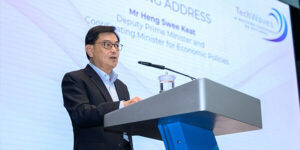
Advario Singapore, in its commitment as a partner for progress, strongly believes in the power of collaboration and sharing opportunities. In line with this belief, we are thrilled to announce the signing of a memorandum of understanding between Advario Singapore, Singapore Trade Data Exchange (SGTraDex), and PSA Marine, Singapore’s leading provider of towage, pilotage, and marine advisory services.

This collaboration brings together the expertise and capabilities of SGTraDex, PSA Marine, and Advario to further enhance the development of the Chrysalis platform. Chrysalis is a groundbreaking digital platform that holds immense potential to transform the liquid bulk sector by providing transparency and end-to-end visibility for all participants. Built on the foundation of blockchain technology, Chrysalis consolidates information into a single integrated platform, making it accessible to traders, shipping agents, surveyors, and terminal operators. By orchestrating each step of the process, Chrysalis has the capability to significantly improve efficiency across the board.

Andy Loh, VP commercial at Advario Singapore, expressed his confidence in Chrysalis, stating, “We firmly believe that Chrysalis has the power to revolutionise visibility within the liquid bulk supply chain.” He further emphasised that Advario’s efforts are expected to bring substantial benefits to the Singapore ecosystem, optimising asset utilisation, streamlining processes, and fostering trust. Advario Singapore looks forward to continuing its collaboration with PSA Marine and SGTraDex, as well as engaging commodity trading partners on this transformative digitalization journey.

The MoU signing ceremony, captured in the picture above, took place during TechWaves, a prominent maritime conference organized by SGTraDex.

For more information please visit: advario.com

Vopak’s Sebarok Terminal in Singapore advances biofuels integration for sustainable shipping

Vopak, a global leader in storage and infrastructure solutions, has achieved a significant milestone in promoting sustainable practices within the shipping industry. The company’s Sebarok terminal in Singapore has successfully commissioned 40,000 cubic metres of capacity for blending biofuels into marine fuels. This development not only strengthens Singapore’s position as a leading bunkering hub but also accelerates the decarbonisation of the shipping industry. Vopak’s commitment to investing in new energy solutions further underscores its role in shaping the energy hubs of the future.

Expanding Biofuel Blending Capacity: The commissioning of 40,000 cubic metres of capacity at Vopak’s Sebarok terminal is a pivotal step towards integrating biofuels into marine fuels. This expansion enables efficient blending of biofuels, contributing to a more sustainable and environmentally friendly shipping industry. By repurposing the existing pipeline system into a dedicated biofuel blending service, Vopak ensures a seamless transition to biofuel integration.

A Sustainable Multi-Fuels Hub: Rob Boudestijn, president of business unit Singapore, envisions the Sebarok terminal as a sustainable multi-fuels hub. This strategic vision aims to bolster Singapore’s position as a top bunkering hub while facilitating the entry of more biofuel companies into the market. By diversifying the supply chain for marine biofuels, Vopak facilitates the decarbonisation of the shipping industry and fosters a more sustainable future.

Vopak’s Commitment to the Energy Transition: Vopak’s investment in sustainable energy solutions underscores its dedication to the global energy transition. The company has earmarked EUR 1 billion in growth capital by 2030 to drive the development of new infrastructure solutions. These solutions focus on low-carbon and renewable hydrogen, CO2, sustainable fuels and feedstocks, and long-duration energy storage. By actively shaping the future of energy hubs and industrial clusters, Vopak plays a pivotal role in accelerating the adoption of sustainable practices.

Implications for the Shipping Industry: The integration of biofuels into marine fuels carries significant implications for the shipping industry. As the demand for sustainable shipping solutions rises, Vopak’s Sebarok terminal emerges as a key player in meeting this demand. The expansion of biofuel blending capacity not only offers a greener alternative for marine fuels but also supports broader decarbonisation efforts within the shipping sector. With Vopak’s commitment to investing in new energy solutions, the company is poised to shape the future of sustainable shipping.

For more information visit  www.vopak.com

Santos secures Moomba carbon capture and storage finance to drive decarbonisation

Santos has successfully secured financing for its portion of the US$220 million Moomba carbon capture and storage project in South Australia.

The funding, amounting to US$150 million and with a five-year term, will cover project expenses incurred to date and provide additional support as the project progresses towards its targeted first injection in mid-2024.

CEO and managing director Kevin Gallagher noted the willingness of banks to finance energy transition initiatives at competitive rates, signalling their recognition of CCS as a crucial tool in achieving global net-zero goals.

“The strong support Santos has received reflects the progress of our Climate Transition Action Plan, which focuses on reducing both our own emissions and those of our customers while also developing low-carbon fuels to meet evolving customer demand,” Mr. Gallagher stated.

He highlighted the significance of CCS in abating emissions associated with natural gas, emphasising its role in reducing greenhouse gas emissions and addressing climate change. The Moomba CCS project, nearing 80 percent completion in its first phase, is aiming for a lifecycle breakeven storage cost of approximately US$24 per tonne, positioning it as one of the world’s lowest-cost CCS projects.

With a capacity to store up to 1.7 million metric tonnes of CO2 annually, the project is poised to make a substantial impact, equivalent to around 28 percent of Australia’s total emissions reduction achieved in the electricity sector last year.

Moreover, the Cooper Basin is envisioned as a key player in the energy transition, evolving into a decarbonisation hub capable of producing low-carbon fuels and offering CCS services. Santos has recently inked agreements with international partners to explore opportunities for capturing, transporting, and sequestering emissions at Moomba.

For more information visit  www.santos.com

OMV Petrom secures financing for green hydrogen projects

OMV Petrom, the largest integrated energy producer in Southeastern Europe, has announced the signing of two financing contracts through the NRRP for the construction of two green hydrogen production facilities at the Petrobrazi refinery. With a combined capacity of 55 MW, these facilities represent a significant step towards promoting sustainable practices in the energy sector. The contracts, valued at EUR 50 million, were secured in collaboration with the Romanian Ministry of Energy, with the total investment estimated at EUR 140 million. This funding follows the reopening of a competitive call for projects supporting investments in green hydrogen, underscoring OMV Petrom’s commitment to advancing renewable energy initiatives.

Christina Verchere, CEO of OMV Petrom, emphasised the company’s dedication to supporting the energy transition in Romania and the wider region. With investments of approximately EUR 11 billion planned by 2030, of which 35 percent will support low- and zero-carbon projects, OMV Petrom is actively contributing to a sustainable future. Radu Căprău, a member of OMV Petrom’s executive board responsible for refining and marketing, expressed pride in the company’s role as a pioneer in green hydrogen production in Romania. By leveraging renewable energy sources, these projects at the Petrobrazi refinery mark significant progress towards sustainable refining activities.

The construction projects entail the development of two water electrolysis plants with capacities of 35 MW and 20 MW, respectively. Powered entirely by renewable energy, the production process will be carbon-free, enabling the classification of the obtained hydrogen as green hydrogen. It is estimated that the annual production from these projects will reach approximately 8 kilotons of green hydrogen. Integrating green hydrogen into the production of green fuels, such as sustainable aviation fuel and biodiesel, will result in a minimum 70 percent reduction in CO2 emissions compared to conventional fuels.

Currently in the engineering phase, the projects are on track to reach a final investment decision in 2024. With these initiatives, OMV Petrom is poised to play a leading role in driving the transition towards a sustainable energy landscape in southeastern Europe.

For more information visit www.omvpetrom.com

Shell expands leading position in the Norphlet with Rydberg

Shell Offshore Inc., a subsidiary of Shell plc, proudly announces the commencement of production at Rydberg, a subsea tie-back to the Shell-operated Appomattox production hub in the Gulf of Mexico. With an anticipated peak production of 16,000 barrels of oil equivalent per day, Rydberg is poised to significantly enhance production in the Norphlet Corridor at Appomattox, a key asset in Shell’s portfolio.

Rich Howe, Shell deep water executive vice president, underscores the strategic importance of Rydberg in meeting current and future energy demands. “Rydberg will further boost production in the Norphlet Corridor at Appomattox, which is consistently one of our highest-producing assets,” Howe affirms. “As we meet the energy demands of today and the future, we will continue to mature the best opportunities for growth in the Gulf of Mexico.”

Shell’s commitment to responsible energy development is evident in its leading position as a deep-water operator in the US Gulf of Mexico. Rydberg, situated within Mississippi Canyon in the Norphlet Corridor, exemplifies Shell’s dedication to sustainable production practices. Notably, Shell holds the distinction of being the first operator to bring an asset online in the Norphlet Corridor with the successful launch of Appomattox in 2019.

The leases housing Rydberg are operated by Shell, with the company holding an 80 percent working interest while CNOOC retains a 20 percent working interest. The development concept for Rydberg involves a subsea tieback to the Shell-operated Appomattox asset, featuring two production wells connected through a single insulated 12-mile flowline with a dynamic umbilical. Shell operates Appomattox with a 79 percent working interest, with CNOOC holding the remaining 21 percent.

Highlighting Shell’s commitment to environmental stewardship, the reference to the company’s US Gulf of Mexico production having among the lowest greenhouse gas intensities in the world underscores its leadership in sustainable energy development. This comparison is made among other International Association of Oil & Gas Producers  oil and gas-producing members.

With current estimated recoverable resource volumes of 38 million boe, Rydberg represents a significant addition to Shell’s asset portfolio. These resource volumes are currently classified as 2P under the Society of Petroleum Engineers’ Resource Classification System. It’s important to note that the estimated peak production and recoverable resource figures presented are based on 100 percent total gross figures.

Shell’s position as the leading operator in the US Gulf of Mexico for oil and gas production underscores its commitment to driving sustainable growth and innovation in the energy sector.

For more information visit www.shell.us

CRC Evans leads in hydrogen pipeline delivery

CRC Evans has achieved a significant milestone by completing work on a hydrogen pipeline project in Europe, showcasing the company’s growing expertise in this emerging field of pipeline welding.

Situated in Romania’s Black Sea Podisor region, the pipeline stretches over 50km and encompasses both 40-inch and 48-inch pipeline diameters. The 40-inch diameter section, with a wall thickness of 12.5mm, required 2,800 mainline welds, while the 48-inch diameter section, with a wall thickness of 14.2mm, needed 2,300 mainline welds. Originally designed for natural gas transport, the pipeline was reconfigured to be “hydrogen ready,” allowing for future adaptability and extended operational lifespan.

One of the primary challenges in hydrogen pipeline welding is weld procedure qualification, which involves testing proposed parameters to ensure weld integrity. This process is complex due to multiple variables such as current, voltage, travel speed, pipe thickness, weld position, and temperature, each influencing the final weld quality and suitability for its intended purpose.

To meet stringent quality and hardness standards, CRC Evans employed various welding processes using a single welding system. This approach, guided by welding and metallurgy experts, aimed to develop a universally applicable welding procedure adaptable to diverse environments. Moreover, given hydrogen’s tendency to permeate steel microstructures, resulting in stress corrosion and embrittlement, maintaining low steel hardness is crucial to mitigating these risks. This necessitates the expertise of technicians with deep material knowledge.

Collaborating closely with the client, CRC Evans tailored an innovative solution based on modifying existing methods, leveraging its mechanised P625 dual torch welding system. This bespoke approach ensured the welding parameters met project-specific requirements efficiently. The success of this solution underscores CRC Evans’ extensive 90-year experience in delivering pipeline solutions for energy and broader infrastructure projects.

Leon Dashwood, CRC Evans strategic growth director, highlighted the growing significance of hydrogen in global decarbonisation efforts and the essential role of infrastructure development. He expressed confidence in CRC Evans’ capability to be a key partner in the evolving hydrogen market, leveraging its expertise to support the safe and reliable delivery of this critical energy source.

For more information visit www.crcevans.com

CITGO issues warning about employment scam utilising Skype

CITGO Petroleum Corporation is issuing a warning about an ongoing employment scam targeting individuals through Skype, falsely claiming association with the company’s vice president of human resources and shared services, Kresha Sivinski. It is important to note that CITGO never contacts potential employees via Skype, and this practice is not a part of our official hiring process.

If you receive any communication via Skype regarding employment opportunities with CITGO, we strongly advise against engaging with the sender, as this is a scam.

Official communications from CITGO regarding employment opportunities will only come from email addresses ending in “@CITGO.com” or “@talent.iCIMS.com.” Any email purporting to be from CITGO or requesting personal information that does not end with these domain names should be treated with suspicion and reported immediately.

It is important to note that CITGO will never request personal information via email, chat conversations, or Skype. Any request for such information should be considered illegitimate.

CITGO remains committed to the security and safety of our prospective employees, and we urge individuals to remain vigilant and cautious when engaging with potential employment opportunities. If you have any doubts or concerns about the legitimacy of a communication claiming to be from CITGO, please reach out to us directly through official channels to verify its authenticity.

For more information visit www.citgo.com

Aramco and TWTG sign agreement

TWTG, the Dutch pioneer in Industrial Internet of Things solutions, and Aramco, one of the world’s leading integrated energy and chemicals companies, have taken a significant stride towards advancing Aramco’s digital transformation of Saudi Arabia’s industrial landscape. At the Global Industrial Internet of Things Summit (GIITS) in Dammam, the two companies signed a Memorandum of Understanding, heralding a transformative collaboration.

Aramco, renowned for its pivotal role in the global oil and gas industry, is embracing digital transformation to enhance operational efficiency, prioritise safety, and reduce its carbon footprint. To spearhead this journey, the company established a subsidiary dedicated to designing and deploying cutting-edge digital solutions, aiming to harness Fourth Industrial Revolution technologies to optimise operations and drive smarter work practices.

TWTG has emerged as a market leader in I-IoT solutions, boasting IECEx/ATEX certification for their NEON Sensors, based on LoRaWAN. Recently, TWTG secured country-specific certifications, enabling extensive deployment of NEON solutions in Saudi Arabia and Qatar. Aramco is currently testing NEON devices at sites like Khurais.

“This collaboration marks a monumental step for TWTG,” said Nadine Herrwerth, CEO of TWTG. “It opens the door for the widespread adoption of our industrial IoT solutions in the Kingdom of Saudi Arabia and beyond, enabling our customers to enhance on-site safety, operational efficiency, and energy efficiency.”

As Aramco and TWTG embark on this groundbreaking partnership, the future of digital transformation in the energy sector looks promising. Together, they aim to redefine industry standards and set new benchmarks for operational excellence and sustainability.

For more information visit www.twtg.io and www.aramco.com

Howard Energy Partners adds Richard Sherrill to lead Howard Low Carbon solutions division

Howard Energy Partners (HEP) has announced the appointment of Richard Sherrill as the division president of Howard Low Carbon Solutions. With over thirty-five years of senior leadership experience in the energy sector, Sherrill brings a wealth of knowledge to his new role, having dedicated the past five years to developing carbon sequestration projects in the Midwest and MidAtlantic regions through his company, Clean Aire Partners (CAP).

Prior to his tenure at CAP, Sherrill held significant roles, including founder and president of Ceritas Holdings, chief operating officer of Duke Energy N.A., and vice president of Dynegy. He currently serves on the Board of Directors for Talos Energy Inc. (NYSE: TALO).

Mike Howard, Chief Executive Officer for Howard Energy Partners, expressed confidence in Sherrill’s appointment, highlighting his extensive experience in project origination and development, commitment to environmentally responsible operations, and proven track record of team leadership.

Sherrill’s appointment comes as HEP finalises two US Department of Energy Carbon Capture and Sequestration funding grants, including a $9 million CarbonSAFE Phase II grant under a consortium between HEP, Talos, the Port of Corpus Christi, and the Texas A&M University System. These grants aim to accelerate the development of a centralised solution for capturing and managing industrial CO2 emissions.

For more information, visit howardenergypartners.com.

bp selects BASF’s carbon capture technology for blue hydrogen project in Teesside

bp and BASF, a leading chemical company, have entered into a licence agreement for the use of BASF’s gas treating technology, OASE® white, at bp’s proposed blue hydrogen facility in Teesside, H2Teesside. BASF has been supporting H2Teesside since autumn 2023, and their engineering delivery package is already well advanced.

H2Teesside aims to become one of the UK’s largest blue hydrogen production facilities, targeting 1.2 GW of hydrogen production by 2030, contributing over 10% to the UK Government’s hydrogen target of 10 GW by the same year. Blue hydrogen, produced from natural gas, involves capturing the generated carbon dioxide for storage.

BASF’s OASE® white technology, widely used in ammonia, hydrogen, and carbon monoxide plants worldwide, enhances energy efficiency in the blue hydrogen production process while achieving a CO2 capture rate of up to 99.99 percent. The continuous OASE gas treatment process involves adding an amine-based solvent agent to the gas stream and absorbing the CO2. The separated components are then sent for storage and re-used in the process, respectively.

Carbon capture at H2Teesside is expected to capture and store approximately two million metric tonnes of CO2 per year via the bp-led Northern Endurance partnership, facilitating carbon capture from various emitters across Teesside and the Humber.

Will Harrison-Cripps, H2Teesside asset development lead at bp, sees this agreement as a critical milestone, highlighting H2Teesside’s potential role in decarbonising industry and heavy transport in the region, thereby kickstarting the UK’s low-carbon hydrogen economy.

Glenn Langguth, head of global commercial management for BASF’s Gas Treatment business, expressed pride in collaborating with bp to reduce CO2 emissions, citing the proven efficiency of BASF’s OASE® white technology.

H2Teeside was selected in March 2023 as one of three Track-1 capture projects for UK government funding support, further solidifying its position in the UK’s carbon capture and storage landscape. Additionally, bp’s agreement with Johnson Matthey for LCH blue hydrogen technology in October 2023 further reinforces its commitment to advancing hydrogen production elements.

For more information visit www.bp.com

Uniper has planned to create 600GWh of hydrogen storage in Germany

Uniper Energy Storage has announced its most recent plan to develop a solution for large-volume hydrogen storage in north-west Germany. The company aims to achieve this through the development of salt caverns. The plan includes the creation of an underground storage facility with a capacity of 250 to 600GWh of hydrogen by 2030. Research will be conducted in sites surrounding the designated area, such as lower Saxony and North Rhine-Westphalia, along the 9,700km hydrogen core network.

Uniper’s existing projects, the Hydrogen Pilot Cavern (HPC) in Krummhörn and HyStorage project in Bierwang, will play a crucial role in this new endeavour as part of the Greener Gases strategy. The Krummhörn project is expected to deliver results by 2025, paving the way for further commercial development. An investment of 200 million euros will facilitate the scale-up of the storage facility, leading to an expanded capacity by 2030.

To ensure effectiveness, Uniper plans to conduct a comprehensive market consultation to anticipate the demand for hydrogen storage capacities until March 2024. Despite the extensive research, the success of the project hinges on regulatory and funding frameworks, as emphasised by Uniper’s COO, Holger Kreetz. Managing Director Doug Waters highlighted the company’s aim to repurpose storage capacities for hydrogen storage, enabling better management of renewable energy and supporting industries with challenging electrification needs.

For more information visit www.uniper.energy

Baker Hughes secures major multi-year well construction services contract with Petrobras

Baker Hughes, an energy technology company, has secured a significant contract award from Petrobras for integrated well construction services in the Buzios field, offshore Brazil. The project, scheduled to commence in the first half of 2025, encompasses a range of services such as drilling, wireline, cementing, and geosciences across three rigs under a multi-year contract.

Maria Claudia Borras, the executive vice president of Oilfield Services and Equipment at Baker Hughes, expressed pride in the company’s involvement in this important project and the opportunity to strengthen its partnership with Petrobras. The agreement underscores Baker Hughes’ expertise in well construction and its dedication to delivering exceptional value to customers.

Baker Hughes has been instrumental in the initial phase of field development in the Buzios field, providing advanced technology, equipment, and essential services. The company’s contributions include supplying a variety of equipment such as WAG manifolds, flexible pipes, and turbomachinery for FPSOs, demonstrating its commitment to supporting Petrobras in achieving operational excellence.

For more information visit www.investors.bakerhughes.com

Cimarron and CleanConnect.ai. unveil revolutionary emissions management solution

Cimarron and CleanConnect.ai. have forged a strategic alliance, introducing a robust emissions management and performance optimisation solution aimed at enhancing operational efficiency and ensuring regulatory compliance for customers.

Jeff Foster, CEO of Cimarron, expressed enthusiasm for the partnership, stating, “We are pleased to announce our new partnership with CleanConnect.ai. We look forward to bringing our highly complementary emission management capabilities to the market on a cooperative basis for the benefit of customers pursuing their sustainability goals.”

The alliance combines Cimarron’s Sytelink 360® technology with CleanConnect’s visual automation suite, Autonomous365, offering an unparalleled solution for methane emissions reduction, data integrity, and reporting.

David Conley, CEO and co-founder of CleanConnect.ai., highlighted the transformative potential of the collaboration, saying, “By integrating with Cimarron’s Sytelink360 and smart controllers, we can transform our actionable alerts into predictable autonomous operations. Now, instead of just alerting our operators, we can fix problems remotely and even start preventing super-emitters from occurring.”

Key benefits of the partnership for customers and industry participants include:

  • A holistic approach to methane emissions management and reduction through integrated technologies.
  • Real-time performance optimisation based on visual quantification of emissions and automation for regulatory compliance.
  • Third-party verification and certification, ensuring accuracy and timeliness of reporting metrics.
  • Advanced technology for detecting, measuring, and identifying emissions sources.


Cimarron’s Sytelink360® Real-Time Data Monitoring solution provides customers with data feeds for equipment optimisation, emissions monitoring, and regulatory compliance, enhancing production and reducing incident risk.

CleanConnect.ai.’s Autonomous365 Visual Automation Suite leverages computer vision and deep learning algorithms to automate inspections, offering actionable insights and transparent proofs for improved operational efficiency.

For more information visit www.cimarron.com/cleanconnect-ai/

Equinor signs a 15-year LNG agreement with Deepak Fertilisers

Equinor and Deepak Fertilisers, an Indian fertiliser and petrochemical company, have inked a significant 15-year agreement for LNG supplies, set to commence in 2026.

Equinor’s expanding global LNG portfolio, primarily sourced from the Equinor-operated LNG Plant in Hammerfest, Norway, alongside LNG procurement mainly from the US, will serve as the foundation for this supply arrangement.

Photo by Kjersti Nordøy @ Equinor

Deepak Fertilisers will utilise the LNG primarily as feedstock for its newly operational ammonia production plant, crucial for fertiliser and petrochemical manufacturing. The agreement entails an annual supply of approximately 0.65 million tonnes (around 9 TWh) of LNG over 15 years, starting in 2026.

Helge Haugane, Equinor’s senior vice president for Gas & Power, expressed satisfaction with the partnership, stating, “The agreement is another proof of how we use our position in the Atlantic basin to strengthen our relationship with key players in the growing Indian market.”

Sailesh C. Mehta, chairman and managing director of Deepak Fertilisers, echoed the sentiment, highlighting the agreement’s benefits in providing reliable feedstock supplies, enhancing value-chain resilience, and exploring avenues for future collaboration on feedstock and carbon footprint reduction initiatives.

For more information visit www.equinor.com

Petrel partners with Pioneer Safety Group for market expansion & growth

Petrel is thrilled to announce its partnership with the Pioneer Safety Group, a global leader in explosion protection solutions and industrial safety solutions, forming part of the esteemed Longacre Group.

Mark Pemberton, Managing Director of Petrel, expressed enthusiasm about the collaboration, stating, “Joining Pioneer Safety Group is a significant milestone for Petrel. Our product offerings complement the group’s existing brands, providing our customers with a comprehensive range of solutions. We share common values, and the Group’s technical expertise, operational experience, and global distribution network will undoubtedly support Petrel in achieving its growth objectives.”

Steve Noakes, Managing Director of Pioneer Safety Group, highlighted the significance of the partnership, stating, “The addition of Petrel enhances our diverse product portfolio, reinforcing our reputation for delivering trusted explosion protection solutions. With Petrel’s extensive experience in Ex lighting, we further solidify the group’s brand pedigree and advance our exciting growth strategy.”

For more information visit www.petrel-ex.co.uk

QatarEnergy, CPChem celebrate construction start for Ras Laffan Petrochemicals Project

QatarEnergy and Chevron Phillips Chemical celebrated the initiation of construction for a $6 billion integrated polymers complex in Ras Laffan Industrial City, Qatar.

During the groundbreaking ceremony, His Highness the Amir of the State of Qatar Sheikh Tamim bin Hamad Al Thani laid a ceremonial foundation stone, with executives from QatarEnergy, CPChem, Chevron U.S.A. Inc., and Phillips 66 Company in attendance.

Spanning 435 acres, the project site will feature an ethane cracker with a capacity of 2,080 KTA of ethylene, positioning it as the largest ethane cracker in the Middle East and among the world’s largest. Additionally, it will incorporate two high-density polyethylene derivative units with a total capacity of 1,680 KTA.

Bruce Chinn, President and CEO of CPChem, commented, “This project aligns with CPChem’s strategy to expand operations in regions with reliable and abundant feedstock, meeting global demand for polyethylene products. Our partnership with QatarEnergy underscores our commitment to safely build and operate petrochemical facilities.”

Designed with modern, energy-saving technology, the facility is expected to achieve lower greenhouse gas emissions intensity compared to similar global facilities. Utilising CPChem’s MarTech™ loop slurry process, the polyethylene units will primarily produce high-density polyethylene targeted for export from Qatar.

Polyethylene finds application in various sectors, including packaging for household cleaners, personal care products, food, medical supplies, and production of durable goods and recreational products like kayaks and coolers.

The project is a joint venture, with CPChem owning 30 percent and QatarEnergy holding 70 percent. CPChem is providing project management services for engineering, procurement, and construction, with site preparation commencing in June 2022 and startup expected in late 2026.

CPChem and QatarEnergy have a successful history of operating joint ventures in Qatar, including Qatar Chemical Company Ltd., Qatar Chemical Company II Ltd., and Ras Laffan Olefins Company. Additionally, they are collaborating on a similar integrated polymer facility in Orange, Texas, through their joint venture, Golden Triangle Polymers.

For more information visit www.cpchem.com

ExxonMobil and Zeeco drive emissions reduction

ExxonMobil and Zeeco, Inc. have unveiled a groundbreaking alliance to introduce next-generation ultra-low NOx, 100 percent hydrogen ready industrial burners, setting a new standard in emissions reduction and advancing the industry towards net zero goals.

These innovative burners, designed for industrial applications, offer significant emissions reduction opportunities when combined with low-carbon hydrogen produced from ExxonMobil’s proposed Baytown project.

The new burner technology, named ZEECO® FREE JET® Gen 3™, extends burner fuel firing capabilities to 100 percent hydrogen, positioning hydrogen as a key low-emission fuel alternative due to its lack of carbon dioxide emissions during combustion.

Mark Klewpatinond, hydrogen global business manager at ExxonMobil, emphasised the comprehensive emissions reduction potential of this solution, stating, “This end-to-end solution enables the creation of low-emission products. Zeeco’s technology, paired with our low-carbon hydrogen offering, is a pivotal step on society’s journey to net zero.”

Industrial burners play a crucial role in manufacturing processes by providing the high temperatures required for producing fuels, plastics, and other essential products. The FREE JET Gen 3 burner addresses the need for infrastructure upgrades to support hydrogen firing, offering operators a tailored solution to facilitate the transition towards low-emission alternatives.

Eric Pratchard, director of Burner Products at Zeeco, highlighted the flexibility of the FREE JET Gen 3 burner, enabling operators to fire 100 percent hydrogen and various hydrogen mixtures. This versatility allows facilities to take immediate steps to reduce CO2 emissions and transition towards completely emission-free industrial burners in the future.

ExxonMobil is demonstrating its commitment to emissions reduction by installing Zeeco’s FREE JET Gen 3 burners at its Baytown Complex in Texas. With over two decades of technology collaboration, ExxonMobil and Zeeco remain dedicated to developing solutions that reduce industrial emissions, accelerate the transition to net zero, and foster collaboration across heavy industry sectors.

For more information visit www.lowcarbon.exxonmobil.com

Impala Terminals achieve milestone

Impala Terminals Middle East recently achieved a remarkable milestone by swiftly loading 35,000 metric tonnes of Aluminium Sows onto the Break Bulk vessel MV Nagual in just 17.5 days. This feat, overseen by IMPALA, exemplifies a significant and efficient operation from yard to vessel.

The success of this complex endeavor was made possible through the collaboration and support of key partners. DP World, Jebel Ali played a pivotal role in enabling the loading of this substantial volume of Aluminum Sows within tight timelines, showcasing their expertise and dedication after nearly a decade of successful operations.

Fleet Line Shipping Services LLC (FLS) also deserves special recognition for their crucial involvement as nominated agents. Their meticulous coordination and liaison between Vessel Owners and Jebel Ali Port Authorities were instrumental in ensuring a smooth and seamless operation. FLS’s proactive approach in securing the Aluminum Sows within the vessel’s hold demonstrated their commitment to precision and efficiency in cargo handling.

This achievement not only highlights Impala Terminals Middle East’s commitment to excellence but also underscores the successful collaboration and expertise of all parties involved in this impressive loading operation.

For more information visit  www.impalaterminals.com

Cool Sorption’s PLC-replacement package has proven to be a remarkable success

Cool Sorption’s PLC-replacement package has proven to be a remarkable success in the industry. With the transition from the Siemens S7-300 to the newer S7-1500, Cool Sorption has offered clients a comprehensive solution to upgrade their VRUs. The seamless conversion process has garnered positive feedback, with numerous VRUs already benefiting from the advanced control systems and SCADA interfaces provided by Cool Sorption.

In addition to upgrading its own supplied VRUs, Cool Sorption has extended its services to retrofit VRUs from other suppliers, ensuring enhanced operational efficiency and user experience. The replacement package encompasses a range of services, including control system engineering, new PLC installation, SCADA integration, and thorough testing both in-house and on-site.

The cost-effective nature of the conversion, coupled with the inclusion of cutting-edge features for improved VRU performance, positions Cool Sorption as a leader in promoting economical and reliable operation. The introduction of online diagnostics and round-the-clock remote support further underscores Cool Sorption’s commitment to maximizing VRU availability and customer satisfaction.

With a focus on being “The Vapour Recovery Specialist,” Cool Sorption continues to set industry standards and drive innovation in the field of PLC-replacement solutions.

For more information visit www.coolsorption.com

Warwickshire Oil Storage joins EEMUA

EEMUA has welcomed Warwickshire Oil Storage Limited as its newest Corporate Member.

WOSL is one of the main operators at the Kingsbury Oil complex, the largest inland oil storage depot in the United Kingdom, where it stores petroleum products (petrol, diesel and heavy oil) for distribution around the UK.

Deovonne Ferreira, EEMUA’s head of membership, commented, “We’re delighted to welcome Warwickshire Oil Storage into EEMUA. The sharing of good practice across different industries and global regions afforded by engagement in EEMUA will help support Warwickshire Oil Storage in the safe operation of its industrial assets as it continues to invest in sustainable liquid bulk infrastructure”.

For more information visit www.eemua.org