NextDecade corporation subsidiary issues $1.115 billion of senior secured notes

NextDecade Corporation announced today that its subsidiary, Rio Grande LNG, LLC, has issued $1.115 billion of senior secured notes in a private placement. These senior secured notes will accrue interest at a fixed rate of 6.58 percent. The proceeds from the notes will be used to reduce outstanding borrowings and commitments under Rio Grande LNG’s existing term loan facilities for Phase 1 at the Rio Grande LNG Facility.

The senior secured notes will be amortised over a period of 18 years, beginning in September 2029, with a final maturity in September 2047. The senior secured notes rank pari passu with Rio Grande LNG’s existing senior secured financings.

Including this transaction, the Company has now refinanced a total of over $1.85 billion of the original $11.1 billion Rio Grande LNG term loan facilities since a positive final investment decision was reached on Phase 1 at the Rio Grande LNG Facility in July 2023.

For more information visit www.next-decade.com 

Gasum has opened the world’s northernmost gas filling station in Rovaniemi, Finland

Gasum has inaugurated its latest gas filling station in Rovaniemi, Finland, marking the northernmost station selling liquefied gas globally. This new facility will enable the transport company UKK-Express, operating in Northern Finland, to start using biogas with two gas vehicles this year. The company plans to expand its fleet of gas vehicles in the future.

The Rovaniemi station, located at Energiakatu 5 in the Teollisuuskylä industrial village area near the E75 road south of Rovaniemi city center, is strategically positioned to serve traffic heading both north and south from the city. The station is equipped to serve both heavy-duty vehicles and passenger cars, offering both liquefied and compressed gas.

“This station in Rovaniemi is a significant addition to the expansion of Gasum’s filling station network in Lapland. It is now possible to significantly reduce emissions from road transport in Northern Finland with trucks operating on biogas instead of fossil fuels. Gasum’s goal is to enable the use of gas on all long-haul logistics routes in Finland and Sweden,” said Juho Kurra, head of business, Traffic Finland, Gasum.

UKK-Express Embraces Biogas

UKK-Express, which handles freight traffic between Lapland and Northern Finland as well as the rest of Finland, Scandinavia, and Europe, views the new station as a pivotal development. The company’s CEO, Jukka Uimaniemi, explained that the Rovaniemi filling station will facilitate the use of gas vehicles in the company’s primary distribution area for the first time. This year, UKK-Express will test a biogas truck and trailer truck, with plans to increase the number of biogas vehicles next year if the tests prove successful.

“We aim to significantly reduce emissions from our operations by 2030, and investing in gas-fueled vehicles has been in our plans for some time. As I see it, biogas is currently the only realistic alternative that makes economic sense to significantly reduce logistics emissions in the Northern Finland region,” Uimaniemi stated.

Cost-Effective Emission Reductions

Logistics and transport companies are crucial in reducing Nordic road traffic emissions, given their longer travel distances and higher emissions compared to passenger cars. Biogas offers a cost-effective solution for cutting road traffic emissions, with lifecycle emissions 90 percent lower on average compared to traditional fuels.

Gasum’s strategic goal is to bring 7 TWh of renewable gas to the Nordic market annually by 2027, which is four times more than its current capacity. This expansion could result in annual carbon dioxide reductions totaling 1.8 million tonnes for Gasum’s customers.

The new Rovaniemi station is a key part of this strategy, helping to pave the way for a more sustainable and efficient future in road transport across Northern Finland and beyond.

For more information visit www.gasum.com

Aegis Vopak Terminals Ltd explores funding options for future growth

Aegis Vopak Terminals Ltd, a joint venture between Aegis Logistics Limited and Royal Vopak, is actively exploring various options to secure funding for its future growth. These options may include a potential fund raise through a public issue, a preferential issue, or a combination of both equity shares and debt. The AVTL board will determine the best course of action in accordance with applicable laws and regulations.

As India’s largest independent tank storage company, AVTL specialises in the storage of LPG and chemicals. This exploration of funding options aims to support AVTL’s continued expansion and strengthen its market position.

At this stage, no final decisions have been made, and the outcome of these funding explorations remains uncertain. Further updates will be provided as necessary. Unfortunately, additional details cannot be disclosed at this time.

For more information visit www.vopak.com

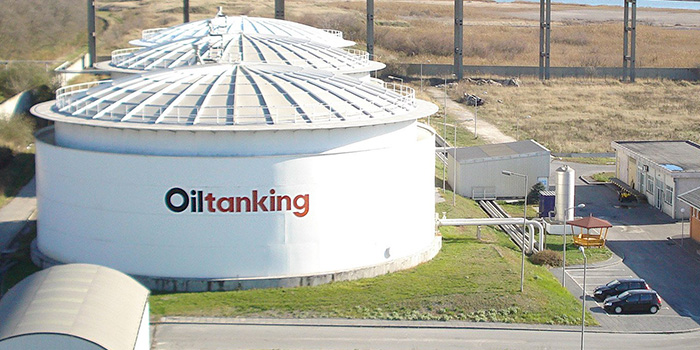
OMV Petrom commissioned the largest crude oil storage tank in Romania, at Petrobrazi refinery

OMV Petrom, the largest integrated energy producer in Southeastern Europe, has recently commissioned a new crude oil tank on the Petrobrazi refinery platform in Romania. This tank, designed and built according to the latest standards, is the largest of its kind in the country and enhances safety during its use.

The tank boasts several key features, including double walls and a double base, an aluminum dome cover, and an inner floating lid to retain vapour emissions. These design elements contribute to increased safety and protection. The construction of the tank took approximately two years, with investments exceeding EUR 23 million.

According to Radu Caprau, a member of OMV Petrom’s Executive Board, responsible for Refining and Marketing, the completion of the new oil tank is a significant achievement for the Petrobrazi platform. This project, along with other modernisation initiatives such as the installation of new coke drums, strengthens the refinery’s ability to operate smoothly and safely. Additionally, it ensures an ample supply of fuel for both the Romanian market and the region.

One noteworthy aspect of the project is its positive environmental impact. By reducing vapor emissions to near zero, the new tank contributes to a cleaner and more sustainable operation. Its total capacity of 60,000 cubic metres allows for the storage of raw material equivalent to 1.2 million fuel fills.

The aluminum dome, the largest structure of its kind in Romania, is an impressive construction weighing 53 tonnes. It stands at a height of 15 metres and has a diameter of 72 metres. The dome was lifted into position using a pneumatic system consisting of 28 lifting devices, which was a first in Romania.

Since 2005, OMV Petrom has invested over EUR 2 billion in the Petrobrazi refinery, with a significant portion of these investments dedicated to reducing the refinery’s environmental impact. These ongoing efforts underline OMV Petrom’s commitment to sustainable practices and responsible energy production.

For more information visit www.omvpetrom.com/en

Blastr Green Steel chooses Primetals Technologies as technological partner for low-carbon-emissions plant

Blastr Green Steel, an Oslo-based company founded in 2021 with the mission to set new standards in green steel production, has selected Primetals Technologies as its technological partner for the development of a new steel production complex. This facility, with an annual capacity of 2.5 million tonnes, will be located in Inkoo, near Helsinki, Finland. Once operational, the steel plant and an integrated hydrogen production facility will create approximately 1,000 direct and 4,600 indirect jobs in Finland.

Primetals Technologies, a market leader in environmental and energy-efficiency solutions for the metals industry, will ensure that the new facilities meet the latest industry standards. The company will supply the technology for the DRI plant, electric steelmaking meltshop, Arvedi ESP line, and continuous pickling and galvanising line.

The DRI plant will be provided through a collaboration between Midrex Technologies and Primetals Technologies. The MIDREX H2 plant, powered by 100 percent green hydrogen, will produce hot DRI for direct charging to the steel mill, as well as hot briquetted iron, enabling Blastr to decarbonise other value chains by providing ultra-low-carbon iron feedstock for customers.

Photo by: Christof Huemer

Primetals Technologies will also supply an electric arc furnace-based meltshop with a 300-ton EAF Ultimate, designed for the direct charging of hot DRI. This meltshop will feature fully automated operation, advanced control systems, and a comprehensive secondary metallurgy scope, including a ladle furnace and an RH plant. The secondary metallurgy equipment will allow Blastr to produce top-quality steel grades for the highly demanding automotive sector.

In addition, the production process will be augmented by digital technologies, enhanced use of robot technology, and advanced solutions for remote control, enabling the highest possible level of autonomous operations and enhancing occupational safety.

The partnership includes an Arvedi ESP thin slab casting and hot-rolling line, as well as a state-of-the-art continuous pickling and galvanising line to produce a variety of hot-rolled steel products, including coated steel sheets for various industrial applications. These technologies are essential for Blastr’s ultra-low CO₂ targets, ensuring net-zero direct CO₂ emissions from steel production.

Mark Bula, CEO of Blastr Green Steel, commented, “This partnership marks a significant milestone in our journey toward sustainable steel production and decarbonising the steel value chain. By combining our strengths with industry leaders, we are poised to drive innovation and shape the future of steel production.”

K.C. Woody, president and CEO of Midrex Technologies, added, “We are pleased and excited by the selection of MIDREX H2 as the DR technology by Blastr. The combination of 100 percent hydrogen-based HDRI and HBI production positions Blastr to be a major force in the decarbonisation of European iron and steelmaking.”

Andreas Viehböck, head of upstream technologies at Primetals Technologies, emphasised the importance of digitalization and autonomous operations, saying, “The production process will be augmented by digital technologies, feature the enhanced use of robot technology, and employ advanced solutions for remote control to enable the highest possible level of autonomous operations enhancing occupational safety, a top priority for the project.”

Blastr Green Steel’s chief technology officer, Mikael Lindvall, highlighted the company’s commitment to achieving net-zero emissions, stating, “Blastr’s ultra-low CO₂ targets require technology that ensures net-zero direct CO₂ emissions from steel production. The MIDREX plant and the Arvedi ESP technology are two key technologies needed on the path to meet our ambitious emission targets.”

Blastr Green Steel’s project represents a significant step towards a more sustainable future in the steel industry, combining cutting-edge technology, innovative processes, and a strong commitment to environmental responsibility.

For more information visit www.primetals.com

PETRONAS makes latest oil and gas discovery in Suriname’s Offshore Block 52

PETRONAS Suriname E&P B.V., a subsidiary of PETRONAS, has announced its third hydrocarbon discovery in Block 52 at the Fusaea-1 exploration well. This site is located approximately 170 kilometres offshore Suriname and 9 kilometres east of the Roystonea-1 discovery.

The Fusaea-1 well was spudded in February 2024 and drilled successfully to a total depth of 5,227 metres without any lost time incidents. The drilling operation encountered several oil and gas-bearing Campanian sandstone reservoir packages. Ongoing evaluations are being conducted to determine the full extent of the discovery and its potential integration with the recent Roystonea-1 and Sloanea-1 finds.

Datuk Adif Zulkifli, PETRONAS’ executive vice president and chief executive officer of upstream, commented, “The favourable results attained from the Fusaea-1 exploration well have solidified PETRONAS’ standing in Suriname for material hydrocarbon resources, following the Sloanea-1 and Roystonea-1 discoveries.”

Mohd Redhani Abdul Rahman, PETRONAS vice president of exploration, added, “The success of Fusaea-1 is a testament to the advancements in our geological comprehension of this region, bolstered by recent breakthroughs in Roystonea-1 and Sloanea-1. These discoveries have significantly expanded the prospectivity and integrated oil and gas development potential within Block 52. In pursuit of sustainable and high-value material resources, PETRONAS remains committed to its exploration activities in selected focus regions as part of its portfolio rationalisation efforts.”

Block 52, covering an area of 4,749 square kilometres, is situated north of the coast of Paramaribo, Suriname’s capital, within the prospective Suriname-Guyana basin. PETRONAS Suriname E&P operates Block 52 with a 50 percent participation interest in partnership with ExxonMobil.

Besides Block 52, PETRONAS Suriname E&P also operates Block 48 and Block 63 with 100 percent participating interest and holds a 30 percent non-operating interest in Block 64.

For more information visit www.petronas.com

JGC awarded Pre-FS for CCU project utilising Cement Plant Exhaust in Thailand

JGC Holdings Corporation (representative director and CEO Masayuki Sato) is pleased to announce that its subsidiary, JGC Corporation (representative director and president Farhan Mujib), which operates the overseas engineering, procurement, and construction business of the JGC Group, has been awarded a Pre-Feasibility Study by Siam Cement Group – Cement and Green Solution Business (SCG – CGS), one of Thailand’s largest cement manufacturers. The study will focus on developing a Carbon Dioxide Capture and utilisation facility related to cement plant exhaust.

Cement production, like power generation and iron and steel production, is known for high CO2 emissions due to the combustion of limestone, which contains carbon and oxygen. With increasing global demand for CO2 emissions reduction, the cement industry in Thailand faces urgent pressure to address its carbon footprint.

The Pre-FS for the CCU facility will involve selecting the appropriate technology licence for CCU, evaluating the necessary production capacity for CO2 capture facilities and chemical plants, and assessing the economic feasibility of constructing a CCU facility. This facility aims to capture CO2 emitted from SCG’s cement plant and convert it into new chemical products before atmospheric release.

As a leading corporate group in Thailand, SCG – CGS is promoting and strengthening the transition to a circular business model, contributing to the Thai government’s “2050 Carbon Neutral” target. The JGC Group was awarded the Pre-FS for this pilot-scale project due to SCG – CGS’s prioritisation of decarbonisation technology in response to climate change. This project is one of several strategies SCG is exploring to achieve net zero emissions and inclusive green growth.

In addition to supporting the realisation of this project for the future EPC phase, the JGC Group will continue to study and propose CCU-related technologies and economically viable business models for industries in Thailand facing CO2 emission reduction challenges, aiming to realise a decarbonised society.

This collaboration between JGC Holdings Corporation and SCG – CGS underscores a shared commitment to innovation and sustainability in addressing climate change and reducing industrial carbon emissions.

For more information visit www.jgc.com

Oiltanking GmbH announces intention to transition PT Oiltanking Karimun to Novus Middle East

Oiltanking has announced its intention to divest PT Oiltanking Karimun, located on Karimun Island, Indonesia, to Novus Middle East, with the transaction set to take effect in the second quarter of 2024.

This divestment is part of Oiltanking’s Project Accelerate, aimed at transforming the company’s business by creating a more diversified portfolio. This strategy is guided by two core principles: strengthening the company’s future focus and accelerating growth. Project Accelerate includes a review of strategic options for Oiltanking’s remaining assets and investments to maximise their value potential.

Bas Verkooijen, CEO of Oiltanking, stated, “PT Oiltanking Karimun is one of our remaining assets and investments. Throughout our assessment, we considered all perspectives and concluded that it is best for our Indonesian business and employees, as well as our shareholders, to transition PT Oiltanking Karimun to a new owner.”

During the mandatory waiting period, the new owners will be onboarded to ensure the terminal’s continued safe and reliable operation. Oiltanking has also made it a conditional requirement in the divestment agreement that local employees will retain their current employment terms and conditions during the transition.

Verkooijen added, “I would like to take a moment to recognise our vendor partnerships and the local communities we have been part of over the past several years. We part ways having learned much from you. Particular appreciation and praise go to our local team of managers and operators on Karimun Island. I remain impressed by their continued high performance. Under the leadership of president and director Pak Yos Effendy, our customer focus grew even stronger. Thank you.”

Oiltanking’s strategic move is expected to align with its broader goals of focusing on future growth and contributing to the energy transition, while ensuring a smooth transition for local employees and maintaining high operational standards.

For more information visit www.oiltanking.com

Technip Energies and SBM Offshore reach implementation of Ekwil

Ekwil, a dedicated delivery partner, offers a diverse range of ‘series production’ Floating Offshore Wind solutions to meet the growing and demanding needs of energy customers worldwide.

Combining the unrivalled expertise and experience of two energy transition leaders, Ekwil powers progress with cutting-edge technologies: the Semi-submersible INO by Technip Energies and the Tension Leg Platform Float4Wind® by SBM Offshore. This comprehensive approach covers a wide spectrum of the FOW market, aiming to bring these technologies to commercial deployment.

Headquartered in France, Ekwil is supported by a core team of 40 specialists, who bring together knowledge and innovation in a fully integrated team. The company will also leverage the talented resources of SBM Offshore and Technip Energies for project execution.

With 25 years of experience in the offshore industry, Séverine Baudic, formerly managing director of New Energies & Services at SBM Offshore, serves as the CEO of Ekwil. Willy Gauttier, previously VP of Floating Offshore Wind at Technip Energies, is the COO.

Arnaud Pieton, CEO of Technip Energies, commented: “By bringing together two world-leading players, Ekwil will accelerate the deployment of industrial solutions for the nascent Floating Offshore Wind market. This joint venture with SBM Offshore illustrates the commitment of Technip Energies to provide a diversified and expanding range of low-carbon solutions to support the global net-zero trajectory.”

Øivind Tangen, CEO of SBM Offshore, added: “It’s just a question of time for the market potential in Floating Offshore Wind power to materialise. This collaboration with Technip Energies ensures the availability of optimal solutions with certainty and reliability in delivery. Ekwil leads both partners towards success, pioneering new standards in renewable energy and driving progress towards a net-zero future.”

Séverine Baudic, CEO of Ekwil, concluded: “Today’s launch of Ekwil marks a significant step to power progress in the floating offshore wind market, combining industry-leading expertise and solutions. I am proud to have the trust and commitment of SBM Offshore and Technip Energies and look forward to leading our talented teams towards a greener future for all.”

Ekwil stands poised to lead the Floating Offshore Wind sector, bringing innovative and sustainable energy solutions to meet global demands and drive the transition to a low-carbon future.

For more information visit www.ten.com

IDTechEx discusses key business models for electrolyzer firms in green hydrogen projects

Green hydrogen production utilises four main electrolyzer technologies: alkaline water electrolysis, proton exchange membranes, anion exchange membranes, and solid oxide electrolyzers. Each technology has its own operational principles, performance characteristics, and commercial maturity. These systems integrate with the balance of plant components, including transformers, rectifiers, and purification systems, to produce hydrogen at the right pressure and purity.

Electrolyzer OEMs have adopted various business strategies to deploy their systems into commercial projects. This article shares some of the research from the IDTechEx report “Green Hydrogen Production & Electrolyzer Market 2024-2034: Technologies, Players, and Forecasts,”  highlighting some of the main business models along with industry examples.
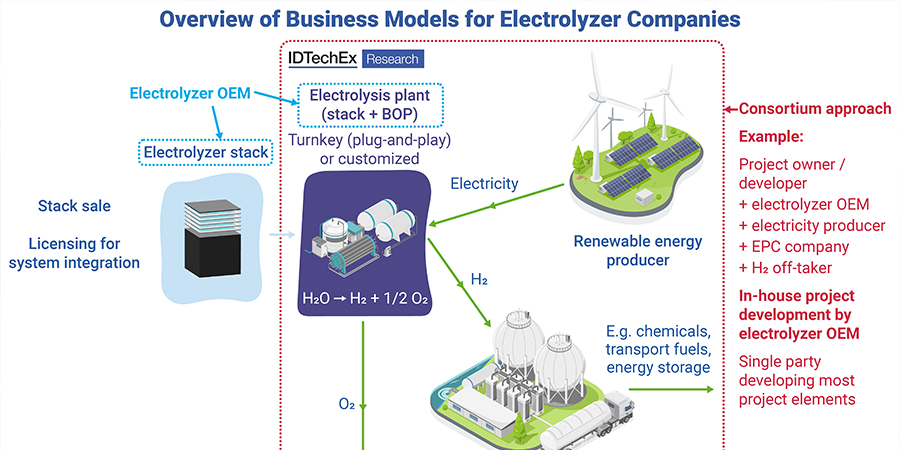
Overview of business models for electrolyzer companies. Source: IDTechEx

Licensing of electrolyzer stacks and use of system integration partners

New OEMs often choose to license their technology to concentrate on their core strengths – designing, enhancing, and manufacturing electrolyzer stacks. This strategy allows them to expand without the significant capital investment required to establish international offices and integrate BOP and commissioning projects. Licensing speeds up technology deployment and revenue generation but comes with risks like potential IP mismanagement and quality inconsistencies due to third-party integration.

Notable companies that license their stack technologies include Ceres Power (SOEC), Hoeller Electrolyzer, PERIC, and Enapter. Enapter exemplifies a relatively young company successfully adopting this business model. By building a network of distribution partners and system integrators, Enapter has managed to extend its reach quickly beyond European markets, demonstrating the effectiveness of licensing in facilitating rapid geographic and market expansion.

Turnkey solution providers

This model involves the OEM supplying both the electrolyzer stack and all necessary BOP components, often delivered in containerised or skid-mounted systems. It appeals to clients looking for a simplified procurement and installation process with a single point of contact for the entire system. This approach can significantly increase revenue per project and strengthen customer relationships. However, it requires substantial investment in design, assembly, and maintenance capabilities and carries risks related to project execution failures and supply chain disruptions related to the BOP.

A wide range of electrolyzer OEMs, including well-established players such as Nel, Plug Power, thyssenkrupp nucera, and ITM Power, opt for this approach as one of their revenue generation strategies. While all types of electrolyzers can be configured into turnkey systems, it is more common among PEM electrolyzer OEMs. This preference is due to the superior dynamic ramping capabilities of PEM systems, which are advantageous for renewable energy storage and smaller, more modular applications like hydrogen refueling stations. In contrast, AWE OEMs often provide more customised systems that cater to specific client needs and larger-scale applications.

Customised systems for projects

OEMs also provide customised systems where the electrolyzer stack and BOP are designed to meet specific project requirements, optimising overall system efficiency and performance. This bespoke approach caters to clients needing systems tailored to large-scale industrial applications or integration with existing infrastructure. However, customised systems require extensive engineering expertise and manage complexities in project development, potentially extending timelines.

Many of the same OEMs that provide turnkey solutions also offer customised systems. These companies recognise the dual benefits of being able to cater to a broader range of market needs – from standardised turnkey solutions for quicker deployment to highly customised systems that optimise performance for specific applications. By offering both, these OEMs can accommodate a wider array of client requirements, ensuring flexibility and adaptability in their service offerings.

Consortium approaches in project development

Electrolyzer OEMs often participate in consortium-developed projects. This involves multiple entities, including possibly competing firms, collaborating to share the risks and rewards of large-scale projects. This strategy allows for pooling of expertise and financial resources, reducing the burden on any single company and potentially allowing projects on a scale that would be difficult to achieve alone. This is particularly suitable for large complex projects with multiple end-users that are often aiming to demonstrate a concept. The main disadvantages are potential differences in corporate processes leading to slower decision-making and complexities in aligning different technical approaches.

In-house project development by electrolyzer OEMs

OEMs that develop projects on their own take full responsibility for every aspect of the project. This includes technology development and manufacturing, as well as contracting EPC companies, securing long-term offtakers, financing the project, and overseeing commissioning and operations. This model allows for maximal control over the value chain, which can lead to higher margins and a direct relationship with end-users. It is particularly suited to large companies with robust financial backing and extensive expertise across multiple domains. However, the primary challenges include substantial capital requirements, the management of various project elements, and the full assumption of operational and market risks.

Plug Power is as a notable example of a pure-play hydrogen equipment company that adopts this in-house project development approach. The company is developing multiple liquid hydrogen production sites across the US, managing all project elements from production to the delivery of liquid hydrogen to its customers. Despite its pioneering efforts, Plug Power is facing financial challenges as it bears most of the project risks on its own. 2023 and 2024 financial reports indicate a significant increase in quarterly losses amid a drop in revenue as the company awaits the commissioning of several of its PEM electrolyzer systems and a new pricing regime to take effect. These financial strains underscore the inherent risks of this business model, especially when transitioning to larger product scales and managing upfront costs. Nevertheless, Plug Power expects to see an improvement in its performance in the second half of 2024.

Technology-specific narratives and further insights

AEM electrolyzers, typically used in small-scale applications, are less mature compared to PEM and AWE technologies, with significant developments now pushing into medium-scale capacities. PEM electrolyzers, recognised for their operational reliability, are commonly deployed in applications ranging from small to medium scales, with current project capacities under 50 MW. Though PEM technology is mature, larger projects over 100 MW are still in the development stages. Alkaline water electrolysis, the most mature technology, is employed widely across small to large-scale projects over 100 MW, including emerging GW-scale projects. Solid oxide electrolyzers, which operate at high temperatures, are optimal for integration with industrial processes that can provide necessary heat or steam, facilitating highly efficient operations and allowing for innovative applications such as synthetic fuel production by co-electrolysis of CO2 and H2O.

The IDTechEx report “Green Hydrogen Production & Electrolyzer Market 2024-2034: Technologies, Players, Forecasts” provides further discussions and commercial examples of electrolyzer firms’ efforts. The report also provides 10-year market forecasts in gigawatts of electrolyzer capacity and US$ billions (US$B) for the key electrolyzer technologies, discussion of novel electrolysis technologies (e.g., seawater & CO2 electrolysis), comprehensive analysis of electrolyzer manufacturers by state of development and system specifications, analysis of manufacturing capacities by technology and region, green hydrogen project case studies as well as outlooks on future electrolyzer technology adoption.

Author: Chingis Idrissov, Senior Technology Analyst at IDTechEx

For more information visit www.IDTechEx.com

Gerotto celebrates 50 years of excellence and growth

Gerotto Federico Srl, a company from Campodarsego, celebrated its 50th anniversary on 21 June with an event at the Padua Congress Centre. Almost 500 people came from Italy and abroad to celebrate this milestone.

Founded in 1974, by Gastone Gerotto and Roberto Gerotto, as a company specialising in the maintenance and construction of infrastructures, over the years it has expanded its business: Gerotto Solutions, focused on industrial and environmental remediation, excavation and maintenance of underground utilities; Gerotto Trucks, exclusive distributor for Italy of suction excavators and industrial vacuum cleaners; and Gerotto Robotics, dedicated to the design and sale of robots for cleaning operations in confined spaces worldwide.

“The company’s 50-year history – comments Alessandro Gerotto, CEO of the company – is a source of pride and a springboard towards the future. Gerotto’s vision can be summarised in the claim ‘Innovation first, Safety Always’, which represents the ability to create a future of sustainable and technical innovation, protecting the environment and people, through services and technologies for the construction and industrial world. Our history is the testimony of a know-how that has constantly evolved and that has allowed us to specialise in high value-added processes”.

 Numbers and figures

The company is now a reality with more than 80 employees, operating throughout Italy and abroad. To its credit: more than 100 industrial cleaning projects per year in large Italian plants, more than 1,000 underground utility and aqueduct maintenance operations per year, 300 vehicles sold, and more than 600 robots built. The balance sheet for 2023, which closed on 31 December, recorded revenues of over 26.6 million euro, an increase of 22.6 percent compared to the previous year. Furthermore, profitability reached EUR 2.7 million, marking a growth of 48.6% compared to the 2022 figures. These results testify to the economic solidity and growth capacity of the company, which has been able to effectively implement the five-year business plan introduced in 2022.

For more information visit www.gerotto.it

Gulf Marine expands Singapore fleet to meet growing demand

Gulf Marine has announced the expansion of its Singapore fleet with the addition of two marine barges and a supply vessel. This move reflects the company’s ambition to deliver exceptional service, efficiency, and reliability to its customers.

“Our commitment to excellence and customer satisfaction drives us to continuously enhance our services,” said Vicky Lew, regional operations manager. “The addition of these three new vessels enables us to better support our clients with timely and reliable delivery of marine lubricants, ensuring their vessels remain operational and efficient.”

This fleet expansion not only allows Gulf Marine to serve a wider range of clients but also addresses the increasing customer demand for lubricant delivery in Singapore. Furthermore, it marks the beginning of Gulf Marine’s global fleet expansion programme, with plans to progressively expand fleets in other key ports worldwide over the next 6-12 months.

For more information visit  www.marine.gulfoilltd.com

Phoenix Park set to expand Texas Hull Terminal

Phoenix Park Energy Marketing LLC has embarked upon a strategic initiative to expand the delivery capacity of its Phoenix Park Hull Terminal located in Hull, Texas. The company recently signed a procurement and construction contract with 360 Rail Services to further increase the outbound capacity by an additional 40 percent. Since the Terminal was acquired by PPEML in 2022, the capacity has doubled and was made available to customers in Q4 2023.

According to Ramesh Harrylal, VP Operations PPEML, “this project represents another important milestone to furthering the Company’s movement along the value chain by increasing the delivery capacity of the Phoenix Park Hull Terminal and the customer experience.” He explained that the engineering for this 40 percent expansion was successfully completed, and the P&C contract was awarded with an aggressive completion schedule for commissioning in October 2024. During this period, daily operations will continue as scheduled to fulfil customers’ needs in a safe and efficient manner as construction activities increase.

PPEML has collaborated closely with several stakeholders on this project including railroad companies, energy partners, and the City of Daisetta Tx. The Company plans to continue its drive to increase product supply to customers in existing and potential new markets.

Operating under the Phoenix Park brand, PPEML, a wholly owned subsidiary of Phoenix Park Gas Processors Ltd, is engaged in the business of marketing, trading and transportation of natural gas liquids in Canada, USA and Mexico. Its growth strategy is “to be a recognized global leader in the development of energy related businesses.”

For more information visit www.ppgpl.com

Saipem secures $850 million offshore contract from Azule Energy Angola for Ndungu field development

Saipem has been awarded a significant offshore contract by Azule Energy Angola S.p.A., a subsidiary of Azule Energy Holdings Limited. Azule Energy Holdings Limited is a joint venture between Eni and bp. This contract pertains to the development of the Ndungu Field, a part of the Agogo Integrated West Hub Project, situated approximately 180 kilometres off the coast of Angola. The value of this contract is estimated to be around 850 million USD.

Saipem’s responsibilities encompass the engineering, fabrication, transportation, and installation of approximately 60 kilometres of rigid pipelines and subsea facilities at a depth of around 1,100 metres. Additionally, Saipem will handle the transportation and installation of flexible flowlines, jumpers, and 17 kilometres of umbilicals. Fabrication activities will be conducted at Saipem’s Ambriz yard in Angola. For the offshore installation campaign, Saipem plans to utilise its FDS vessel for the transportation and laying of the rigid pipelines.

This project award further solidifies Saipem’s position in Angola, both in deep and shallow waters, by providing innovative and efficient solutions aimed at reducing installation times.

In accordance with Article 6 of the Consob Regulation on related party transactions, it is noted that this contract qualifies as a related party transaction. This is due to it being conducted with a subsidiary of a joint venture involving the Eni group. It is classified as a transaction “of greater importance” and, as an “ordinary transaction carried out at market-equivalent or standard conditions,” it benefits from exclusion under Article 13, paragraph 3, letter c) of the Consob Regulation on transactions with related parties and Article 8.2, letter c) of Saipem’s Management System Guidelines on “Transactions with Related Parties and Parties of Interest.”

For more information visit www.saipem.com

Equinor starts production from Kristin South

Equinor, along with its partners Petoro, Vår Energi, and TotalEnergies EP Norge, has commenced production from the first Lavrans well in the Kristin South area. This marks the first phase of the Kristin South project, which involves developing the Lavrans and Kristin Q discoveries as satellites to the Kristin field. The plan for development and operation (PDO) of the Lavrans and Kristin Q discoveries was submitted in 2021 and approved by the authorities in 2022.

The project aligns with Equinor’s strategy to create value by leveraging existing infrastructure on the Norwegian Continental Shelf. Trond Bokn, senior vice president for project development in Equinor, emphasises the collaborative efforts of the partners and suppliers in successfully developing the project and initiating production from Lavrans in a safe manner.

As part of the project, a new subsea template has been installed and connected to the Kristin platform, which will process oil and gas from the Lavrans field. The gas will be exported to the European market through the pipeline system, while the oil will be transported via the Åsgard C storage vessel.

In addition to the Lavrans well, the first phase of the Kristin South project includes plans for four more wells, three at the Lavrans field and one in the Q-segment at the Kristin field. The drilling of the latter will be carried out from an existing subsea template tied back to the Kristin SEMI.

The expected production in phase one of the Kristin South project, as estimated in the PDO, comprises 6.2 GSm3 of gas and 1.9 MSm3 of oil, equivalent to a total of 58.2 million barrels of oil equivalent.

Grete B. Haaland, senior vice president for Exploration & Production North, highlights the significance of this milestone in the company’s strategy to develop new resources in a mature area of the Norwegian Sea. By integrating additional resources into existing producing hubs, Equinor aims to enhance production, extend the lifespan of its fields, and contribute to energy security and job creation in Norway.

The CO2 intensity for the extraction and production of Kristin South phase one is exceptionally low, with less than 1 kg of CO2 emitted per barrel of oil equivalent. The majority of emissions will stem from the project’s drilling activities.

Furthermore, the development phase of the project has seen Norwegian suppliers securing over 60 percent of the contract values, generating positive economic effects along the coast. It is estimated that the project will create around 4,000 person-years of employment across Norway, with 800 of those in the Mid-Norway region, between 2020 and 2025.

The Lavrans field was discovered in 1995, while the Kristin field has been in operation since 2005. The Kristin platform is currently estimated to have a technical lifetime extending until 2043, with potential for further extensions.

For more information visit www.equinor.com

Crescent Energy to buy Eagle Ford’s SilverBow for $2.1 billion

Crescent Energy Company and SilverBow Resources, Inc. have announced a definitive agreement under which Crescent will acquire SilverBow in a transaction valued at $2.1 billion. This merger aims to create a scaled company with a balanced portfolio of high-quality, long-life assets, an attractive returns-driven financial framework, and a strong balance sheet. The combined entity will be led by a management team and Board with significant operating and investing expertise, positioning it for long-term growth and value creation.

Under the terms of the agreement, SilverBow shareholders will receive 3.125 shares of Crescent Class A common stock for each share of SilverBow common stock. They also have the option to receive all or a portion of the proceeds in cash at a value of $38 per share, subject to possible proration, with a maximum total cash consideration of $400 million.

Transaction Highlights

  • High-Quality Asset Portfolio: The merger creates the second-largest operator in the Eagle Ford, with a broader portfolio of approximately 250 Mboe/d of low-decline, long-life production and a deep, high-quality inventory supporting compelling returns through market cycles.
  • Free Cash Flow and Capital Allocation: The combined company’s asset profile is expected to generate substantial free cash flow, governed by disciplined, investor-first capital allocation. This includes a strong balance sheet and a peer-leading return of capital framework, featuring a fixed dividend and stock buyback programme.
  • Cost Savings and Efficiencies: The complementary assets and scaled enterprise advantages are anticipated to drive significant annual synergies of $65 to $100 million through immediate cost of capital savings and operating efficiencies.
  • Strategic Growth Platform: The combined company will have the expertise, balance sheet strength, and capital markets access necessary to execute Crescent’s strategy of free cash flow and prudent growth through disciplined, returns-driven M&A.

John Goff, Crescent’s Chairman of the Board, described the transaction as “a compelling transaction for shareholders of both companies, creating a premier growth through acquisition platform.” He expressed excitement about the future potential of the combined entity, emphasising Crescent’s enhanced position as a leading growth business.

Crescent CEO David Rockecharlie highlighted that the combination with SilverBow is expected to be immediately accretive to all key per share metrics, solidifying Crescent as a leading operator in the Eagle Ford and strengthening its growth platform with increased scale. He noted that SilverBow’s high-quality position in the Eagle Ford complements Crescent’s portfolio, offering a unique value proposition in the evolving sector.

SilverBow CEO Sean Woolverton added that the transaction represents an exciting new chapter for SilverBow, providing an attractive premium to shareholders and a choice between significant upside potential through Crescent shares or immediate cash liquidity. He praised the SilverBow team for their hard work and dedication, which has led to this strategic combination.

Transaction Details

SilverBow shareholders who elect to receive stock will receive 3.125 shares of Crescent Class A common stock for each share of SilverBow common stock. The transaction is structured as a cash-election merger, with shareholders able to elect to receive $38 per share in cash up to a maximum total cash consideration of $400 million. If aggregate cash elections exceed this amount, shareholders electing cash will receive a mix of cash and stock to limit total transaction cash consideration. Post-transaction, Crescent shareholders will own approximately 69 percent to 79 percent, and SilverBow shareholders will own approximately 21 percent to 31 percent of the combined company, depending on the final cash consideration at closing.

Timing and Approvals

The boards of directors of both companies have unanimously approved the transaction. A special committee of independent directors of Crescent has also unanimously approved it. Crescent shareholders representing ~43 percent of total Class A and Class B common stock have entered into voting agreements supporting the transaction. Subject to customary closing conditions, including shareholder and regulatory approvals, the transaction is expected to close by the end of the third quarter of this year.

Governance

Post-close, the Crescent board of directors will increase to 11 members with the addition of 2 directors designated by SilverBow. John Goff will continue as non-executive chairman, and David Rockecharlie will remain CEO of the combined company. Crescent will maintain its headquarters in Houston.

Advisors

Jefferies LLC and Wells Fargo serve as Crescent’s financial advisors, with Vinson & Elkins LLP as legal counsel. Wells Fargo Bank, NA has provided $2.0 billion in committed financing for the transaction. The Special Committee retained Intrepid Partners, LLC as financial advisor and Richards, Layton & Finger LLP as counsel. SilverBow’s financial advisors are BofA Securities, Inc. and Evercore, with Gibson, Dunn & Crutcher LLP as legal counsel.

For more information visit www.crescentenergyco.com

VTTI Bio-energy Tilburg receives first deliveries of feedstock

VTTI Bio-energy Tilburg recently received its first deliveries of feedstock, marking the beginning of an ambitious project to convert organic residues into valuable energy resources. By leveraging advanced technology, heat, automation, and the natural capabilities of bacteria, the team at VTTI Bio-energy Tilburg aims to produce biogas efficiently and sustainably. This innovative process is designed to yield enough green gas to heat the equivalent of 3,000 homes in the Netherlands, generate electricity and heat for the process itself, and produce organic fertiliser pellets on a daily basis.

The transformation of organic waste into biogas involves several intricate steps. First, the feedstock is fed into digesters, where bacteria break down the organic matter in the absence of oxygen, producing biogas. This biogas is then purified to meet the quality standards required for use as a renewable energy source. The residual heat generated during this process is not wasted; instead, it is harnessed to power the facility, creating a self-sustaining system. Additionally, the by-products of this process, in the form of organic fertiliser pellets, contribute to sustainable agriculture by enriching the soil.

John Horrevorts, the general manager of VTTI Bio-energy Tilburg, expressed his enthusiasm for the project, stating, “Following an extended period of preparation, I am pleased to announce that VTTI Bio-energy Tilburg has started the filling of the digesters and will shortly begin supplying the first batch of green gas to the Tilburg gas grid. This marks a significant step towards a more sustainable and eco-friendly future. We are committed to contributing to the circular economy by turning waste into valuable resources, reducing greenhouse gas emissions, and promoting renewable energy.”

The launch of this biogas production facility represents a significant advancement in the pursuit of renewable energy solutions. By converting organic waste into green gas and fertiliser, VTTI Bio-energy Tilburg not only addresses waste management challenges but also provides a renewable energy source that helps reduce reliance on fossil fuels. This project aligns with broader environmental goals, offering a model for sustainable energy production that can be replicated in other regions.

As VTTI Bio-energy Tilburg begins this new chapter, the impact of its operations is anticipated to extend beyond immediate energy production. The facility is expected to play a crucial role in the local community’s efforts to achieve sustainability targets, demonstrating the practical benefits of biogas technology. With its commitment to innovation and environmental stewardship, VTTI Bio-energy Tilburg is poised to make a lasting contribution to the renewable energy landscape in the Netherlands and beyond.

For more information visit www.vtti.com

DORIS, ROSEN and SPIECAPAG announce the pipeline transition alliance

DORIS, ROSEN and SPIECAPAG announce the formation of the Pipeline Transition Alliance, a partnership dedicated to re-purposing Natural Gas Infrastructure to Hydrogen Service.

Members of the Pipeline Transition Alliance after signing the strategic MOU

(From left to right) Hernando Caceres, vice president business execution at ROSEN in Asia Pacific, Jason Paterson, business strategy & growth manager at SPIECAPAG, Daniel Schneke, director business execution at ROSEN Australia, Jordan Yoxall, head of business line advanced pipeline diagnostics at ROSEN in Asia Pacific, Antony Loane, business development manager APAC at DORIS
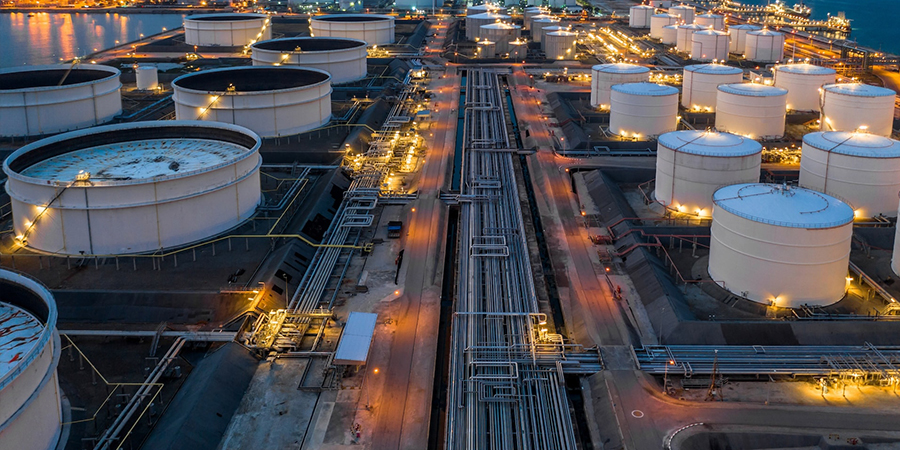
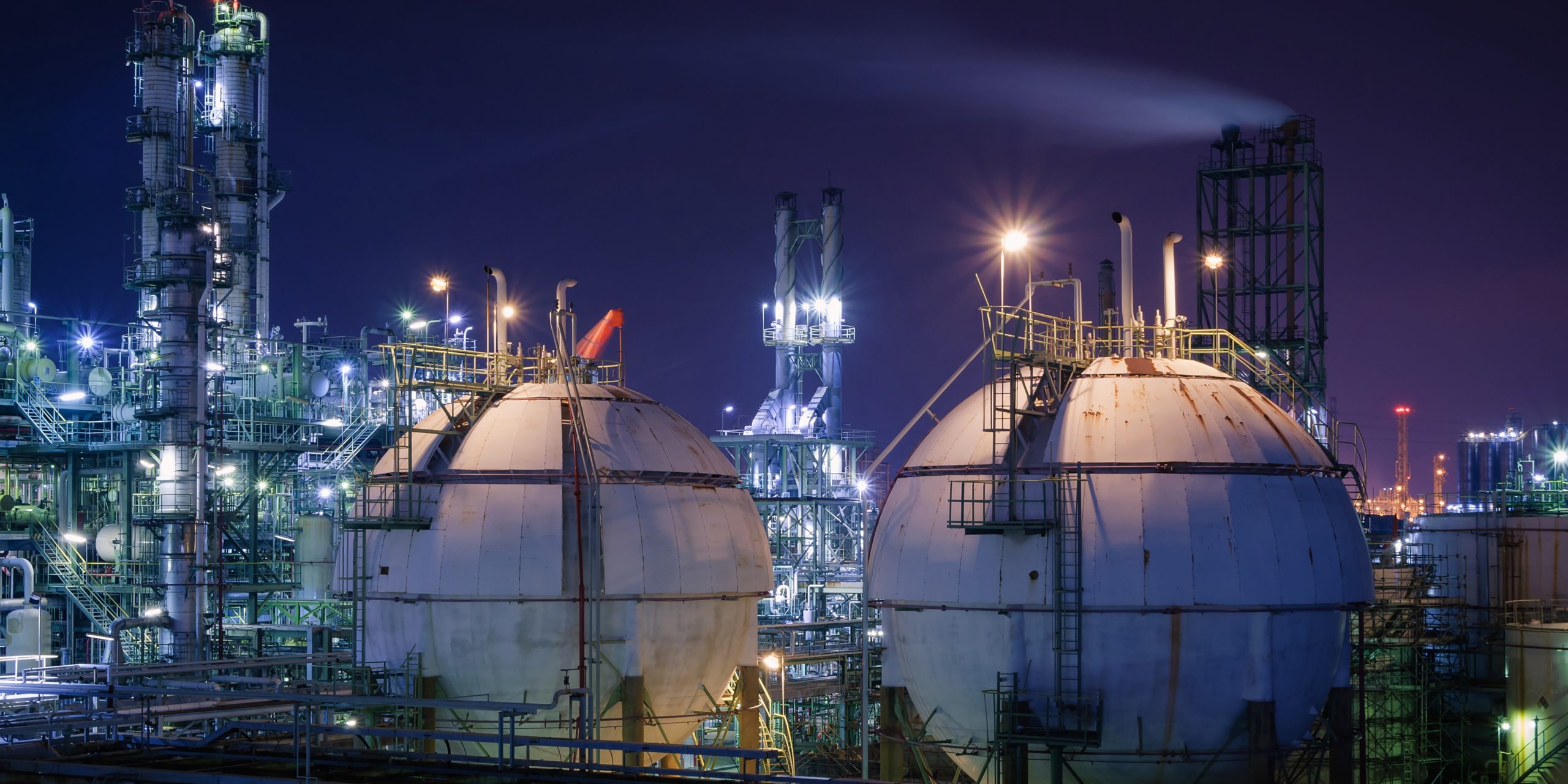
Broad adoption of hydrogen as a new energy source depends on large-scale, cost-effective transmission, and owners of pipeline infrastructure will play a critical role in meeting this challenge by repurposing existing assets to hydrogen service. The associated benefits of repurposing existing infrastructure may include mitigated decommissioning burdens, and security of future energy supply contracts. However, introducing hydrogen into existing pipelines represents significant complexity and risk given the differentiated properties of hydrogen over natural gas.

The Pipeline Transition Alliance provides dependable, world class support to pipeline infrastructure owners across all project phases. The value we bring derives from the skill sets and expertise of each global partner that, together, allows us to cover the entire scope:

  • ROSEN is responsible for pipeline inspection, assessment, and integrity management services. ROSEN’s cutting edge inspection and testing technologies allow for rapid, dependable early-stage assessment and estimation.
  • DORIS undertakes engineering of the pipeline and associated hydrogen production and conditioning systems. With 60 years of experience in the energy industry, DORIS’ renowned gas processing engineering capabilities support the design of highly efficient and safe facilities.
  • SPIECAPAG provides Engineering, Procurement and Construction services for delivery of the re-purposed pipeline infrastructure along with new facilities as required to meet the client’s specifications and future demands.

Antony Loane, DORIS’ business development manager for Asia-Pacific, commented: “We’re able to provide our clients with confidence and clarity in understanding the risks and costs associated with introducing hydrogen into their assets. But the principal benefit comes from access to our cutting-edge technology and on-going experience from hydrogen transition projects we’re currently undertaking across the globe.”

Hernando Caceres, vice president business execution at ROSEN in Asia Pacific, emphasised the significance of this partnership, stating: “In forging this strategic alliance between Doris, ROSEN, and SPIECAPAG, we are positioning to deliver an integrated solution for hydrogen pipelines. Leveraging our combined expertise, we guide customers in repurposing existing pipelines while efficiently designing, building, and operating new ones. I believe this alliance is a critical step towards accelerating our customers’ ambitious energy transition plans, reinforcing our focus on sustainable solutions.”

Jason Paterson, SPIECAPAG’s business strategy & growth manager, added: “This alliance has been formed to provide asset owners with an ‘end to end’ pipeline transition service to assist with the re-purposing of existing pipeline infrastructure from natural gas to hydrogen, covering all stages of the project lifecycle. This combined partnership of world leaders in our respective fields now provides our customers with access to a formidable team of subject matter experts and technologies to assist with this transition”.

For more information visit www.rosen-group.com

Certas Energy powers Silverstone’s race to net zero

Certas Energy supplied over 250,000 litres of renewable diesel to the British Grand Prix in support of its mission to reach net zero emissions. The UK’s largest distributor of fuel and lubricants secured the contract to provide HVO (hydrotreated vegetable oil) to the historic Formula 1 event, which took place on the 7th of July.

This contract was a key component of Silverstone’s ‘Shift to Zero’ strategy, aimed at reducing its carbon footprint. The HVO powered hundreds of generators used throughout the event, including those in the bustling catering and hospitality tents for teams such as McLaren and Mercedes, as well as the trucks and vans employed by the global media to cover the race.

Sam Edwards, regional manager at Certas Energy, commented, “Silverstone is leading the way when it comes to sustainability, and our HVO is essential in supporting its ongoing commitment to the environment.”

HVO is a lower carbon alternative diesel that offers immediate greenhouse gas emissions savings of up to 90 percent compared to standard diesel across the product life cycle. This substantial reduction in emissions aligned with Silverstone’s ambitious environmental goals, making the British Grand Prix a landmark event in sustainable motorsport.

For more information visit www.certasenergy.co.uk

GTT strategic ventures invests in Energo, the technological expert in the production of synthetic molecules using plasma catalysis

GTT Strategic Ventures, the investment fund of the GTT Group, has announced its participation in a €16.5 million financing round to support the development of Energo, a French technology expert in the production of synthetic molecules using plasma catalysis. This investment was made alongside Crédit Mutuel Alliance Fédérale’s Fonds de Révolution Environnementale et Solidaire and Nord France Amorçage. The new investors join Energo’s historic shareholders, which include French institutional and private investors.

Founded in 2018 following academic research at Chimie Paris Tech, Energo is pioneering a disruptive technology based on plasma catalysis. This process enables the production of renewable energies such as green hydrogen, biofuels, or methane from CO2, biogas, and ammonia. Energo’s technology is energy-efficient, competitive, and adaptable to various energy sources. Its applications are diverse and innovative, including the recovery of CO2 through methanation, the dissociation of ammonia to produce hydrogen, and the dry reforming of methane to produce hydrogen or organic liquids like methanol and acetone. As a winner of the first class of La French Tech 2030 in 2023, Energo has benefited from the support of Bpifrance, Ademe, the Hauts-de-France region, the PSL-Chimie Paris University, and the European Union since its inception.

Philippe Berterottière, chairman and CEO of GTT, commented: “GTT, through its investment fund GTT Strategic Ventures, is proud to support the development of Energo, which contributes, through its innovative and competitive technologies, to the energy transition. Energo’s solutions have the potential to contribute to the decarbonisation of maritime transport through the production of low-carbon fuels, as well as to the emergence of the hydrogen sector. Alongside our co-investors, we will enthusiastically support a talented management team committed to building a sustainable world. Energo is the fifth minority investment for GTT Strategic Ventures, whose ambition is to contribute to the growth of climate tech champions.”

Vincent Piepiora, CEO of Energo, added: “We are delighted to have finalised this financing round with leading investors in the field of sustainable and responsible investment. This financing will enable us to maintain our technological lead by investing heavily in our R&D and our equipment and energy production facilities. This collaboration will support our expansion, strengthen our market position, boost our innovation, and consolidate our ESG approach.”

Sabine Schimel, managing director of crédit Mutuel Impact, remarked: “The technology developed by Energo is a highly promising and efficient solution for the production of biofuels, green methanol, and green hydrogen. Contributing to the decarbonisation of industry and mobility, this operation aligns perfectly with the investment strategy of our fund ‘Révolution Environnementale et Solidaire,’ funded by Crédit Mutuel Alliance Fédérale’s ‘dividende sociétal’. We share the ambition and the industrial vision of Energo’s founders, and are proud to support the company over the long term, paving the way for a new scale and commercial success of its technology with a high environmental impact.”

For more information visit www.gtt.fr

Tank Storage Association’s reaction to the 2024 general election result

In response to the outcome of the 2024 general election in the UK, the Tank Storage Association has expressed its anticipation to collaborate with the newly elected government in implementing their stated commitments. Peter Davidson, the chief executive of the association, emphasised the importance of a mission-driven and forward-focused industrial strategy for the country, with partnership as a central element.

Recognising the integral role of the bulk storage and energy infrastructure sector in the global supply chain, Davidson highlighted its potential for growth and its significance in the UK’s journey towards carbon neutrality. He emphasised that the sector is poised to lead the way in exploring new possibilities and contributing to positive change.

The Tank Storage Association’s key priorities include advocating for an industrial strategy that acknowledges the sector’s substantial contribution and innovative capabilities, facilitating access to necessary resources such as capital and talent, and fostering partnerships to ensure that the sector becomes a catalyst for transformative change in the coming decades.

For more information visit www.tankstorage.org.uk

Square Robot, Inc. expands innovative robotic inspection services to europe

Square Robot, Inc., the leading provider of robotic inspection services, is pleased to announce its expansion into the European market and the appointment of company investor and board member Chris Carlston as vice president of operations for the new location. With a robust track record of conducting over 170 tank inspections worldwide, including successful operations in Europe as recently as September 2023, Square Robot’s innovative technology sets the standard for best practices in the in-service inspection of above-ground storage tanks.

With Carlston at the helm of the European location, Square Robot is positioning the company with a significant presence in the region. In addition to establishing a permanent office, plans for Europe in 2024 include the launch of an operations support centre, the assignment of robots and their associated support equipment to the region, and the development of a pool of domestic talent to support the long-term growth of the business in Europe and beyond. “I am excited about introducing our robotic inspection technology and services to the European market,” Carlston said. “With a dedicated office and robots stationed in Europe, we are poised to meet the specific needs of the region while promoting the adoption of our robotic inspection technology.”

With nearly two decades of experience in the technology space, Carlston joined Square Robot as an investor and member of the board of directors in 2018, serving as chairman since 2020. Prior to this, he co-founded Spatial Energy LLC in 2005, providing geospatial data solutions to oil and gas companies throughout the United States. In 2011, he led the company through an expansion, establishing Spatial Energy GmbH in Vienna, reaching industry leaders in Europe, Africa, and the Middle East.

Square Robot’s decision to globalise its operations highlights a strategic move to profoundly impact above-ground storage tank maintenance and inspections across the continent. Leveraging the success of their first-generation SR-1 roof-launched robots, Square Robot introduced the next-generation SR-3 side-launched robot to US-based customers in September 2023. Having completed over 20 successful operations in the US and the Middle East, the SR-3’s technology and side manway launch capabilities enable the inspection of tanks containing both high and low flashpoint products.

“Completion of SR-3 opens up a world of new tanks for us to be able to inspect and keep from going out-of-service,” said David Lamont, CEO of Square Robot. “We are thrilled to embark on this expansion into the European market and feel confident that Chris will lead us to great success there and beyond.”

For more information visit www.squarerobots.com

Dorine Bosman of the Port of Amsterdam has awarded Daniel Teichmann, CEO and founder of Hydrogenious LOHC Technologies

Dr Daniel Teichmann, founder and CEO of Hydrogenious LOHC Technologies, has been honoured with the well renowned Hydrogen Medal by the Dutch organisation Missie H2 . This prestigious and independent award recognises pioneers in the hydrogen economy who have made a significant contribution to the Netherlands’ goal of becoming a hydrogen nation by 2030. Hydrogenious’ and his own groundbreaking work in the field of hydrogen transportation has earned Daniel Teichmann this distinction, making him the first German CEO to receive the award.

The medal was handed over by Dorine Bosman, chief investment officer of the Port of Amsterdam and board member of Missie H2. This initiative is a collaboration between Gasunie, Shell Netherlands, Remeha, Toyota, Port of Amsterdam, Groningen Seaports, Vopak and Eneco. Their common goal: to realise the ramp-up of the hydrogen economy by 2030.

Dorine Bosman of the Port of Amsterdam has awarded Daniel Teichmann, CEO and founder of Hydrogenious LOHC Technologies, with the Missie H2 initiative’s Hydrogen Medal. © Hydrogenious LOHC Technologies
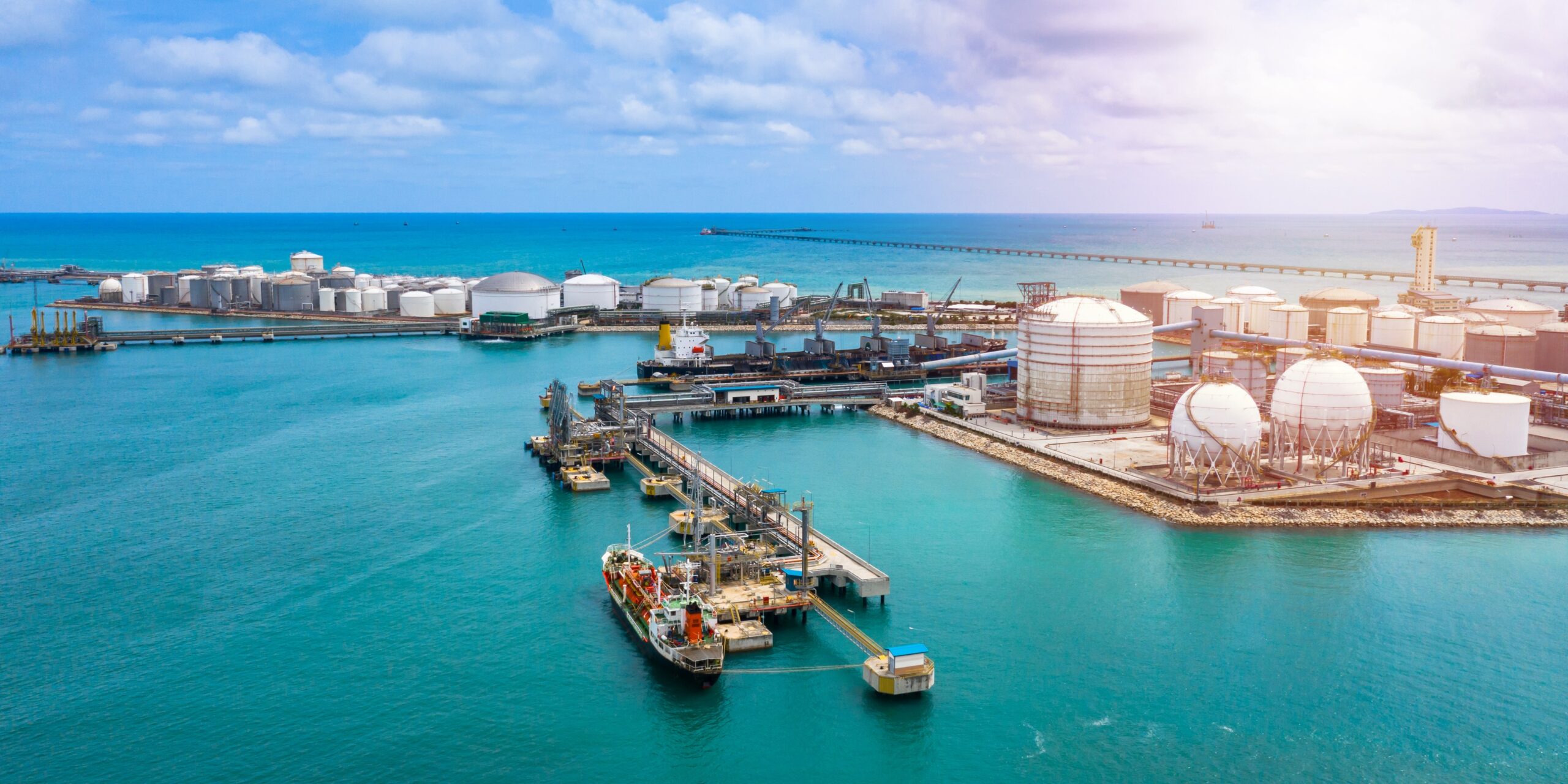

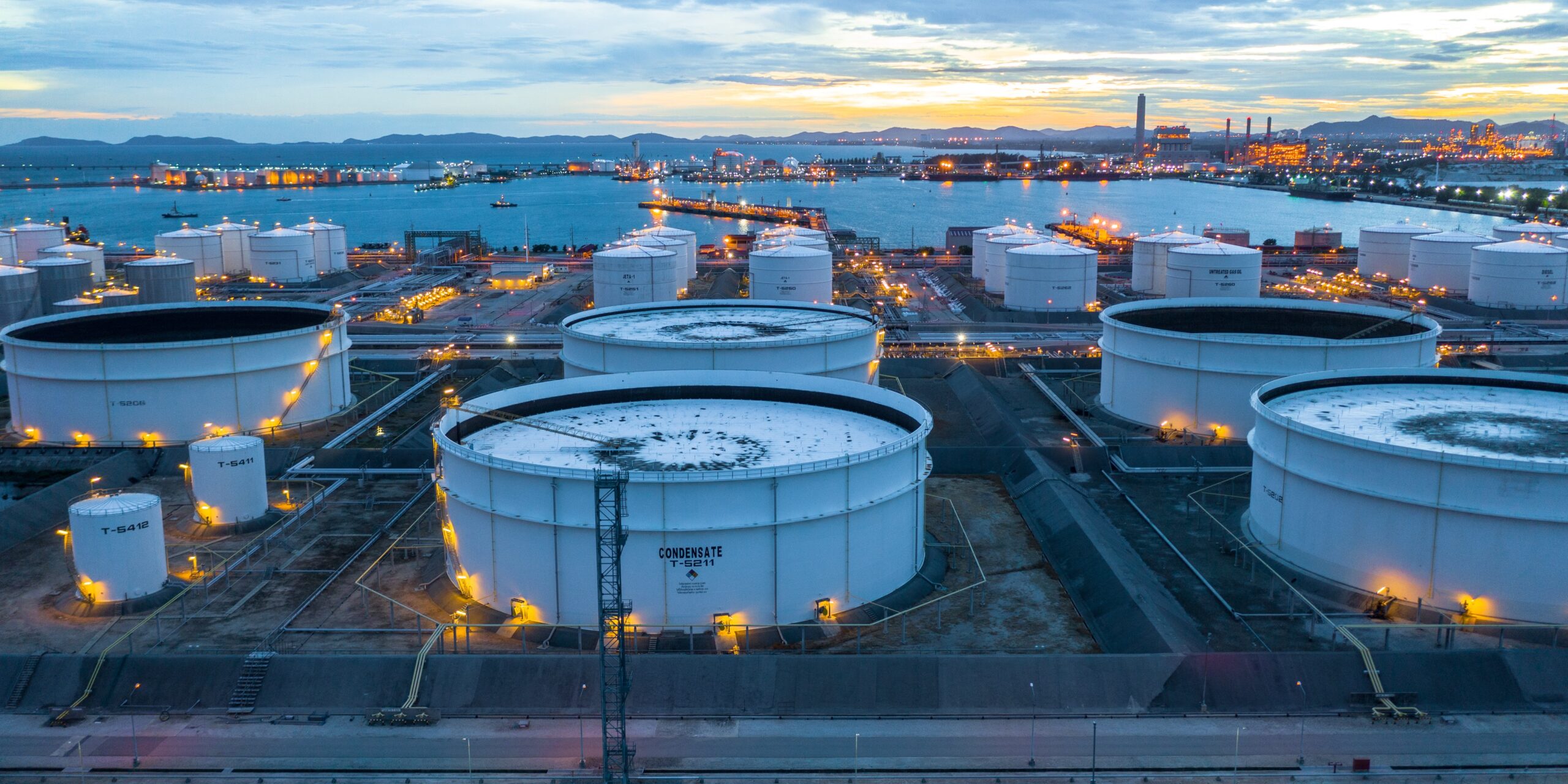
In her laudatory speech, Dorine Bosman emphasised the importance of LOHC technology for the Netherlands and the EU: “The Mission H2 jury believes that with his innovative and easily applicable technology for transporting and storing hydrogen in a liquid organic carrier, Daniel Teichmann lays the foundation for an extremely reliable and efficient global distribution of hydrogen. This can significantly boost the EU’s import strategies, especially for the Netherlands, which sees itself playing a major role as a future hydrogen hub for Northwest Europe.”

Daniel Teichmann expressed his gratitude: “It is a great honour for me to receive this award – personally and on behalf of my company and its highly engaged employees. The Netherlands play a pivotal role in supplying hydrogen to mainland Europe and our technology makes an important contribution to the goal of the energy transition and decarbonising the industry. We are proud that our efforts have been recognized by the Hydrogen Medal and would like to express our sincere thanks.”

The award ceremony took place during the H2A Association’s annual symposium at the Port of Amsterdam, where industry leaders gathered to discuss advances in hydrogen technology and its role in the global energy transition.

The Hydrogen Medal is presented in cooperation with the NOCNSF (“Netherlands Olympic Committee * Nederlandse Sport Federatie”) and honours the champions of the hydrogen world with a special gold medal. Previous winners include Diederik Samsom, Head of Cabinet of Frans Timmermans, Alice Krekt, Director NLHydrogen, Pierre Devillers, CEO ENGIE Netherlands, Ad van Wijk, Professor of Future Energy Systems TU Delft, Georgios Chatzimarkakis, CEO of Hydrogen Europe, Han Feenstra, Ministry of Economic Affairs and Climate Policy of the Netherlands and Rob Jetten, Netherlands Minister for Climate and Energy.

Hydrogenious’ LOHC Technology: Revolutionising Hydrogen Transport

More than a decade ago, Daniel Teichmann founded Hydrogenious LOHC Technologies alongside three professors from the Friedrich-Alexander University of Erlangen-Nuremberg. Today, the company has more than 200 employees and stands at the forefront of safe hydrogen transport using Liquid Organic Hydrogen Carrier technology.

The breakthrough lies in Hydrogenious’ innovative approach: binding hydrogen to the thermal oil benzyltoluene that allows for safe storage and efficient transportation within the existing liquid fuel infrastructure. This technology bridges the gap between hydrogen producers and consumers worldwide, enabling the decarbonisation of industry and facilitating the energy transition.

The role of the Netherlands as central European hub for green hydrogen

The Netherlands play a key role as a hydrogen hub for Europe. As demand for green hydrogen across Northwest Europe is foreseen to outstrip local production capacity significantly, the need for imports becomes critical. Hydrogenious’ hardly flammable, non-explosive LOHC technology ensures safe transportation, especially in urban areas and ports.

Among the projects in which Hydrogenious is currently involved in the Netherlands is the construction of a LOHC Release Plant in the Port of Rotterdam, which is being implemented together with Vopak and has recently been notified as an Important Project of Common European Interest. Together with the Port of Amsterdam and Evos, Hydrogenious is also part of the H2A initiative, a consortium of local companies and international partners, with the aim of importing green hydrogen via the Port of Amsterdam.

For more information visit www.hydrogenious.net

Pioneering SOEs in the energy sector, Pertamina partners with the JCCP

PT Pertamina (Persero) and the Japan Cooperation Centre for Petroleum & Sustainable Energy (JCCP) have signed a Memorandum of Understanding regarding “Collaboration in The Field of Capability Development & Technical Cooperation in The Energy Sector” in Jakarta on 13 May 2024.

Emma Sri Martini, director of finance of Pertamina, highlighted that the collaboration with JCCP is part of Pertamina’s efforts to address energy transition challenges, particularly the energy trilemma, through initiatives and cooperation with various parties. She stated, “One of the collaborations with JCCP involves three potential aspects: capacity development, which includes energy conservation and sustainable digitalization; women empowerment, focusing on career development and women empowerment; and technical assistance, which includes research initiatives supported by JCCP, such as studies on CO2 reform technology implementation in Indonesia, agroforestation development of rubber trees to produce carbon-neutral oil, and sustainable aviation fuel development.”

Tsuyoshi Nakai, CEO of JCCP, expressed appreciation for the collaboration with Pertamina. “Pertamina and JCCP have had a long-standing business relationship, and this MoU is an initiative to enhance our cooperation. To strengthen the relationship, a cooperation dialogue forum has been established to discuss our collaboration achievements and plans,” he said. Nakai also noted that the signing of this agreement is part of the Asia Zero Emission Community event, which received full support from both the Indonesian and Japanese governments in December 2023.

Agus Cahyono Adi, Head of the Bureau of Communication, Public Information Services, and Cooperation of the Ministry of Energy and Mineral Resources, emphasised the ministry’s support for this collaborative effort. He remarked, “This is important, as Pertamina is a major hope of the government to become a leader and pioneer, aiming towards the net zero emissions target in the future.”

Fadjar Djoko Santoso, vice president of corporate communication of Pertamina, added that this MoU is a significant milestone in the ongoing collaboration process. “This MoU signing signifies that we have reached a more solid level of collaboration and demonstrates both parties’ commitment to create innovation and make tangible efforts towards mutually beneficial cooperation for both Pertamina and JCCP, accelerating the energy transition in terms of human resource preparation and energy projects,” he explained.

The MoU exchange was conducted by Emma Sri Martini and Tsuyoshi Nakai, and witnessed by Ueda Hajime, Economic Minister at the Embassy of Japan in Indonesia, Special Counsellor Haruhiko Ando, and Agus Cahyono Adi. Senior leaders and executive board members from both parties also attended the event.

Pertamina, as a leading company in the energy transition, is committed to supporting the Net Zero Emission 2060 target by continuously promoting programmes that directly impact the Sustainable Development Goals. These efforts align with environmental, social, and governance implementation across all of Pertamina’s business lines and operations.

For more information visit www.pertamina.com

Kosmos Energy announces first oil production at Winterfell in the US Gulf of Mexico

Kosmos Energy Ltd. has announced the successful start-up of oil production at the Winterfell development in the Green Canyon area of the US Gulf of Mexico.

Winterfell, in which Kosmos holds a 25.04 percent working interest, is a phased development. The initial two production wells of the first phase are now online and ramping up production. A third well is currently being drilled and is expected to be online by the end of the third quarter of 2024. The three initial wells are anticipated to deliver gross production of approximately 20,000 barrels of oil equivalent per day.

Chairman and CEO Andrew G. Inglis commented on the start-up: “The startup of Winterfell is another significant milestone for Kosmos as we continue to deliver the projects to achieve our growth targets by year-end 2024. With high margin barrels, low carbon intensity, and a quick expected payback, Winterfell has the right characteristics for Kosmos’ portfolio. Kosmos is eager to continue developing the Greater Winterfell area, which we believe has significant future upside potential.”

Winterfell is a Miocene-aged field discovered in 2021 in water depths of approximately 5,400 feet (~1,600 metres). The field has been developed via a 13-mile subsea tieback to the host platform. Following the successful drilling and completion of the first two wells and subsea hookup in April 2024, delays in subsequent work resulted in the first oil slightly later than initially anticipated. The first phase of the development, with five wells in total, is expected to deliver around 100 million barrels of oil equivalent with upside from subsequent phases. The Winterfell unit consists of Green Canyon blocks 899, 900, 943, 944, 987, and 988, with follow-on opportunities in adjacent blocks where Kosmos also has an interest.

The other partners in the Winterfell unit are Beacon Offshore Energy, Westlawn Americas Offshore, Red Willow, Alta Mar Energy, and CSL Exploration

For more information visit www.kosmosenergy.com

JERA unveils 2035 growth strategy leading decarbonisation as a responsible energy solutions provide

JERA Co. Inc. has announced a new growth strategy that integrates strategic business pillars and organisational strengths, marking a realistic pathway towards 2035 and ultimately its 2050 zero emission goals. Amidst complex and rapidly changing global energy dynamics, JERA’s strategy ensures agility and efficiency, further solidifying its leadership in addressing the energy trilemma: achieving sustainability, affordability, and stability simultaneously.

Leveraging its world-class business acumen and recent evolutionary strides, JERA strategically emphasises three key business pillars: LNG, renewables, and hydrogen & ammonia—a sector pioneered by JERA. These pillars bring complementary synergies instrumental in driving steady and reliable progress toward decarbonisation. They can be dynamically tailored to deliver optimal solutions that align with the unique geographic and economic characteristics of each customer, region, or country.

JERA has set the following goals for the three business pillars by fiscal year 2035:

  • LNG: JERA targets more than 35 million tonnes of transaction volume, positioning itself as one of the world’s largest LNG integrated value chain players.
  • Renewables: JERA aims to achieve 20 GW (gigawatts) of capacity, becoming one of the leading players in the renewables industry.
  • Hydrogen & Ammonia: JERA targets approximately 7 million tonnes of handling volume, pioneering the global hydrogen & ammonia value chain.

Based on its business strengths, JERA has organised its operations into three key areas: business development, optimisation, and O&M. This structure is bolstered by top-tier experts from both Japan and around the globe, who collaborate extensively with business groups. Such a setup ensures the agility and scalability required for effective cross-regional collaborations.

The unique integration of JERA’s strategic business pillars with robust organisational support sets the company apart as a global leader in the energy sector, unmatched in its capability to deliver energy transition goals together with its partners worldwide.

Yukio Kani, global CEO and chair, stated, “At JERA, we are not just adapting to the evolving global energy landscape; we are actively setting the pace. With our new growth strategy, we are positioning ourselves at the forefront of the energy transition. Our vision will be made possible through strategic collaborations with our global partners. Built on mutual goals and a culture of diversity and openness, we and our partners will join forces to embark on a journey to transform the energy sector.”

Additionally, JERA announced its financial strategy and key financial targets. JERA aims to reach a consolidated net profit of 350 billion JPY and an EBITDA of 700 billion JPY. It plans a total cash flow investment of 5 trillion JPY (1-2 trillion JPY for each business pillar of LNG, renewables, and hydrogen & ammonia) with built-in flexibility to make allocation changes between the three business areas in response to external changes. Target levels for capital efficiency (ROIC-WACC spread) and financial soundness (Net DER and Net Debt/EBITDA) are set in line with or exceeding global peers.

Hisahide Okuda, president, director, CEO, and COO, added, ”With strong emphasis on capital market valuation comparing with global peers, JERA has set clear financial targets for profitability, capital efficiency, and financial reliability to be achieved by 2035. JERA will actively allocate total capital investment of 5 trillion yen, flexibly adjusting the investment balance across three business areas in response to market trends, technological innovations, and global policy shifts.”

JERA is also progressing toward creating zero emissions in thermal power generation and has set ambitious but realistic environmental targets. JERA is committed to reducing CO2 emissions intensity by 20 percent by 2030 and total CO2 emissions by 60 percent by FY2035, before achieving zero CO2 emissions from its domestic and overseas operations by 2050. To achieve these targets, JERA will phase out inefficient coal-fired thermal power by FY2030 and intends to convert 100 percent of other coal-fired power generation to ammonia by the 2040s, ultimately eliminating coal completely.

JERA’s efforts are not limited to CO2 alone. The company has succeeded in reducing NOx and SOx emissions to the lowest level globally and aims to deliver further reductions through the adoption of new technologies such as low-NOx burners.

For more information visit www.jera.co.jp

ADNOC and JBIC sign $3 billion green financing agreement

The Abu Dhabi National Oil Company PJSC has signed a general agreement with the Japan Bank for International Cooperation for a $3 billion (AED11 billion) green financing facility. This agreement follows the signing of a Heads of Agreement between ADNOC and JBIC in January of this year, further strengthening their long-standing successful partnership.

The credit facility is part of JBIC’s Global action for Reconciling Economic growth and environmental preservation lending Programme and is partially supported by Japanese commercial banks.

Khaled Al Zaabi, ADNOC group chief financial officer, stated: “We are very pleased to once again partner with JBIC on ADNOC’s first green funding to accelerate our decarbonisation and energy transition initiatives. Proceeds of this credit facility will enable ADNOC’s strategy to support a just, orderly, and equitable global energy transition. The agreement also marks the next milestone in the long-standing strategic energy relationship between the UAE and Japan, and we look forward to further collaboration with JBIC as ADNOC delivers against its ambitious growth strategy.”

ADNOC is one of the least carbon-intensive oil and gas producers in the world and aims to further reduce its carbon intensity by 25 percent by 2030. The company is investing $23 billion (AED84.4 billion) to decarbonise its operations and accelerate the growth of future energy sources, including hydrogen, geothermal, renewables, and carbon capture technologies. ADNOC has also set an ambition to achieve net zero by 2045 and zero methane emissions by 2030. Additionally, the company is a founding member of the Oil and Gas Decarbonisation Charter, a coalition of International and National Oil Companies committed to achieving zero methane emissions by 2030 and net zero by or before 2050.

For more information visit www.adnoc.ae

Provaris Energy management team visits Global Energy Storage Group terminal in Rotterdam

Provaris Energy’s management team had the opportunity to visit the Global Energy Storage Group terminal at the Port of Rotterdam. Provaris is collaborating with GES to develop an import facility at the terminal for compressed hydrogen using Provaris’ H2Neo carriers.

The GES terminal site boasts highly sought-after waterfront space for two berths and ample land for a portfolio of green fuels, including ammonia, liquid, and gaseous hydrogen. Strategically, the site requires only a short connection to the Gasunie Hynetwork H2 grid. Additionally, it benefits from road and rail access, providing direct links to the largest energy import terminal in Europe. This terminal services major refineries, such as Shell’s Pernis facility, and various other industrial sectors seeking hydrogen volumes for decarbonisation.

Provaris Energy looks forward to initiating a feasibility study in 2024 and advancing the early interest already received for the capacity to import gaseous hydrogen at the terminal. This collaboration and development mark a significant step towards enhancing Europe’s hydrogen infrastructure and supporting the broader energy transition.

Provaris Energy is committed to driving the development of green energy solutions. The partnership with GES at the Port of Rotterdam is a crucial part of this mission, enabling the import and distribution of compressed hydrogen and other green fuels to meet the growing demand for sustainable energy sources.

Stay tuned for further updates as Provaris Energy and GES work together to realise this ambitious project, shaping the future of energy import and distribution in Europe.

For more information visit www.provaris.energy

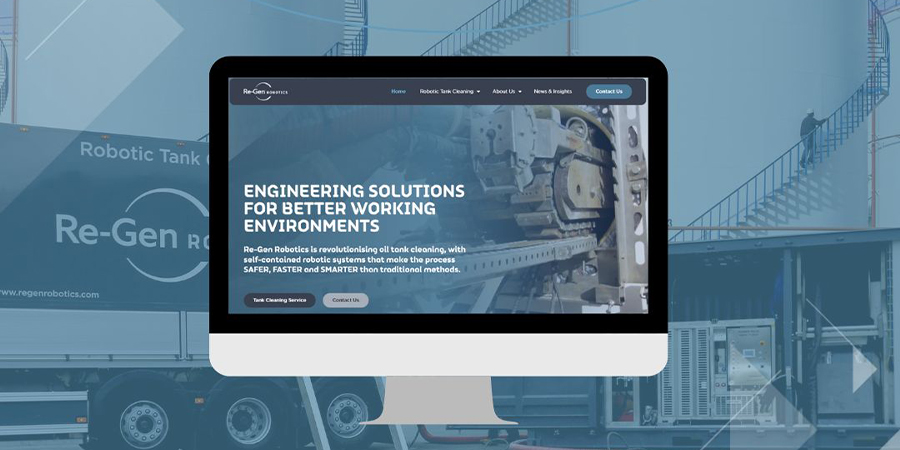
Re-Gen Robotics launches new website featuring enhanced user experience

Re-Gen Robotics is excited to announce the launch of its new website, designed to provide an enhanced user experience and keep visitors informed about their cutting-edge solutions and services. The revamped site boasts a modern design, streamlined navigation, and a variety of resources focused on robotic tank cleaning technology.

The new website offers visitors an in-depth look at Re-Gen Robotics’ innovative approach to tank cleaning, highlighting the benefits of their robotic solutions, which include increased safety, efficiency, and environmental sustainability. Users can easily navigate through the site to find detailed information about the company’s services, case studies, and the latest news in the industry.

Additionally, the website features an improved user interface, making it easier for clients and partners to access the information they need. Whether you are looking to learn more about Re-Gen Robotics’ cutting-edge technology, explore their service offerings, or stay updated on industry trends, the new site provides a comprehensive and user-friendly experience.

For more information visit www.regenrobotics.com

Lucas Vos to step down as president of Stolt Tankers

Stolt-Nielsen Limited has announced that Lucas Vos will step down as president of Stolt Tankers, effective July 1, 2024. Maren Schroeder will succeed him as president and chief operating officer, while Bjarke Nissen will take on the role of chief commercial officer.

New Leadership Appointments

Udo Lange, chief executive officer of Stolt-Nielsen Limited, expressed confidence in the new appointments: “The appointment of Maren Schroeder and Bjarke Nissen to these key roles illustrates the impressive talent that we have on hand. They are both leaders in our industry, and I am confident that under their leadership, we will continue to maintain our strong market position.”

Image: Lucas Vos

Lange also extended his gratitude to Lucas Vos for his contributions: “I would also like to take this opportunity to thank Lucas for his support to me and the Senior Leadership Team during the past nine months. Lucas has made an amazing contribution, using his analytical and strategic mind to challenge us in what we do. I have thoroughly enjoyed working with him and have valued his opinions and insights.”

Maren Schroeder’s Background

Maren Schroeder has been the managing director of Shipowning at Stolt Tankers since 2022, and prior to that, she joined as fleet director in 2019. Her previous roles include Head of Technical at Vroon B.V., and fleet management positions with Exmar, Euronav, and Germanischer Lloyd. During her tenure at Stolt Tankers, she has driven collaboration across the business, provided quality ships to customers, and developed strong virtual connections between ship and shore personnel, particularly during the Covid-19 pandemic.

Schroeder is a member of the Intertanko Council, the DNV Owners Committee, and the board of ITOPF. She also serves as president and chairwoman of the board of directors of the European International Shipowners’ Association of Portugal. She holds an MBA from the WHU/Kellogg School of Management and is an alumna of Harvard Business School.

Bjarke Nissen’s Experience

Bjarke Nissen began his career as an officer in the Danish army before joining Stolt Tankers in 1993 from AP Moller Maersk. He was promoted to business director in 2009 and has been managing director since 2019. In his role, he has been responsible for developing and implementing the company’s commercial strategy, delivering seamless services, and creating value for customers. Nissen has held various commercial postings in the UK, the Netherlands, and the US, and he is also an alumnus of Harvard Business School.

The leadership changes at Stolt Tankers mark a new chapter for the company as it continues to strengthen its market position and drive value for its customers. The extensive experience and strategic vision of Maren Schroeder and Bjarke Nissen are expected to lead Stolt Tankers to further success in the industry.

For more information visit www.stolt-nielsen.com

Wood PLC awarded concept study for Greater Sunrise Development

Wood, a global leader in consulting and engineering, has been chosen as the lead specialist consultant for an independent study for the Sunrise Joint Venture’s Greater Sunrise Development.

Wood will deliver a comprehensive concept study for the Greater Sunrise Development, taking into account engineering, technology, financing, commercial structures, fiscal, environmental, health & safety, and socioeconomic drivers, including local content. The study, set for completion by Q4 2024, will support the SJV in advancing the development to the next stage.

Azad Hessamodini, president of Consulting at Wood, commented: “This is an important concept study for the Greater Sunrise Development. We are delighted to support and deliver the work at pace to ensure the SJV has the impartial insights to advance this regionally significant project.”

The SJV comprises TIMOR GAP (56.56 percent), Woodside Energy (33.44 percent and Operator), and Osaka Gas (10.00 percent). The development project is located between Timor-Leste and Australia’s Northern Territory and includes the Sunrise and Troubadour gas and condensate fields.

Wood has completed over 100 LNG feasibility studies globally, providing technical consulting and advisory services at the earliest stages to help clients make informed and independent decisions.

For more information visit www.woodplc.com

Fortescue’s executive chairman, Dr Andrew Forrest AO, praises hydrogen production tax credit initiative

Dr Andrew Forrest AO, executive chairman of Fortescue, has expressed strong support for the Hydrogen Production Tax Credit, emphasising its transformative potential for the green hydrogen industry and the Australian economy.

Dr Forrest highlighted that the multiplier effect of the Hydrogen Production Tax Credit would render the subsidy minimal, yet crucial for fast-tracking green hydrogen projects at a scale capable of establishing a significant domestic industry and market. He stated, “If kept simple and quickly implementable by industry, it will trigger full employment and decades of income growth for Australian workers.”

Dr Forrest emphasised the broad benefits of this initiative, stating, “It will also lower the cost of energy for every single Australian by making green hydrogen competitive with fossil fuels, spurring massive renewable energy projects in sparsely populated regions where employment is needed most.” He commended Prime Minister Albanese and his Government for seizing the opportunity to position Australia as a leader in energy production through the $2 per kilo tax credit for green hydrogen.

Dr Forrest sees green hydrogen, green ammonia, and green iron as pivotal in creating long-term economic opportunities and reducing power prices. He remarked, “Green hydrogen, green ammonia and green iron will create economic opportunities of historical scale into the long-term and help lower power prices permanently.”

Reflecting on Australia’s economic evolution, Dr Forrest noted, “Once Australia was considered as riding on the sheep’s back. Then the resources sector kept the steel in Australia’s economic spine. Kept simple, this incentive will give much greater and longer-term benefits to our economy.” He underscored that this initiative signals the end of the fossil fuel monopoly that has driven up living costs and environmental degradation.

Dr Forrest acknowledged the potential resistance from the fossil fuel sector, which he described as adept at minimising taxes and complicating legislation to protect their interests. He urged the Government to be prepared for lobbying efforts aimed at obstructing the legislation. “The Government should be fully prepared for this lobbying effort, one which will attempt to stop a cheaper competitor for fossil fuels being made right here in Australia,” he warned.

Dr Forrest concluded by emphasising the historic significance of this moment, noting that swift implementation of the incentive could catalyse the establishment of green industries, creating numerous jobs and cutting emissions. “This incentive will fast-track the development of a green iron industry in Australia, bringing massive employment opportunities back to our country, value adding right here in Australia and slashing steel production’s debilitating global emissions.”

Fortescue is already making strides in this area, trialling decarbonisation green hydrogen technology at its Chichester operations. The company is eager to scale up these innovations, particularly at its Christmas Creek Green Iron Plant, which received a Final Investment Decision last November. Dr Forrest asserted, “Fortescue believes that commercial production of green iron in Australia is now possible and must be pursued.”

For more information visit www.fortescue.com

ADNOC delivers first ever bulk shipment of CCS-enabled certified low-carbon ammonia to japan

ADNOC has achieved a significant milestone by delivering the world’s first certified bulk commercial shipment of low-carbon ammonia, enabled by carbon capture and storage, to Mitsui & Co., Ltd.  in Japan for clean-power generation. The low-carbon certification process, from production to delivery, was conducted by TÜV SÜD, a globally recognised certification agency.

This landmark shipment, produced by Fertiglobe, underscores ADNOC’s $23 billion (AED84 billion) commitment to decarbonisation, low-carbon solutions, and climate technologies. It supports the company’s efforts to assist its customers in decarbonising their operations, particularly in hard-to-abate sectors. This shipment builds on previous demonstration cargos delivered by ADNOC to customers in Asia and Germany, marking the company’s progress in developing global low-carbon hydrogen and ammonia value chains.

Sourced from Fertil, Fertiglobe’s 100 percent-owned facility in the Ruwais Industrial City, Abu Dhabi, the cargo involves capturing and permanently storing carbon dioxide in the world’s first fully sequestered CO2 injection well in a carbonate saline aquifer.

Musabbeh Al Kaabi, ADNOC executive director for Low Carbon Solutions and International Growth, remarked, “The delivery of the world’s first certified bulk commercial shipment of CCS-enabled low-carbon ammonia to Mitsui in Japan is testament to ADNOC’s commitment to accelerating the development of lower-carbon fuels to support a just, orderly, and equitable energy transition. The UAE and Japan enjoy a longstanding strategic energy relationship, and we are building on this partnership to enable a lower-carbon future. Hydrogen and its carrier fuels such as ammonia will play a critical role in decarbonising hard-to-abate industrial sectors, and we will continue to work with our customers to advance these solutions and help them reduce their emissions.”

According to the International Energy Agency, hydrogen is expected to account for around 10 percent of global energy consumption by 2050 to achieve net zero emissions. ADNOC is an early mover in hydrogen production and aims to capture 5% of the global low-carbon hydrogen market by 2030, supporting the UAE’s National Hydrogen Strategy. Low-carbon ammonia is considered a promising hydrogen carrier and potential clean fuel for various applications, including transportation, power generation, and industrial sectors like steel, cement, and fertiliser production.

Junji Fukuoka, managing officer of Mitsui, stated, “We have worked together with ADNOC, METI, and stakeholders in Japan to deliver this first bulk commercial shipment of CCS-based low-carbon ammonia. Mitsui has continued to enhance our relationship with ADNOC since we first began our participation in ADNOC LNG in 1973, and recently we have joined the TA’ZIZ low-carbon ammonia project. Energy solutions remain a strategic focus for Mitsui, thus, we are excited to commence this large-scale clean hydrogen and ammonia value chain with ADNOC in light of global climate action.”

Japan’s Ministry of Economy, Trade and Industry also highlighted the importance of Japan-UAE bilateral cooperation and congratulated ADNOC on the successful shipment to Mitsui.

This year, ADNOC has initiated the design of a facility in Abu Dhabi that will produce up to 360,000 tonnes of low-carbon hydrogen annually by capturing up to 3 million tonnes of CO2, equivalent to removing over 650,000 internal combustion vehicles from the road. Additionally, ADNOC, alongside partners TA’ZIZ, Fertiglobe, G.S. Energy Corporation, and Mitsui, is developing a 1 million tonnes per year low-carbon ammonia facility at the TA’ZIZ Industrial Chemicals Zone.

For more information visit www.adnoc.ae

SLB, TotalEnergies to develop Next-gen Digital Solutions

SLB and TotalEnergies announced a 10-year partnership to co-develop scalable digital solutions aimed at enhancing access to energy resources with improved performance and efficiency. This partnership provides a flexible framework for both companies to address key challenges across the energy value chain, including carbon capture, utilisation, and sequestration.

The collaboration will integrate advanced digital capabilities, such as artificial intelligence, with new and existing applications on SLB’s Delfi™ digital platform, adhering to the Open Group’s OSDU® Technical Standard. By combining their digital and domain expertise, SLB and TotalEnergies aim to accelerate the development and deployment of digital solutions at scale, benefiting both TotalEnergies’ global operations and SLB’s worldwide customer base.

“Collaboration and knowledge sharing are key for our industry to continuously develop more effective ways of unlocking energy access,” said Rakesh Jaggi, president of SLB’s Digital & Integration business. “With this visionary partnership, we’re combining the know-how and expertise of both companies to accelerate the delivery of new digital capabilities that will benefit the whole industry.”

Initially, the partnership will focus on subsurface digital solutions for reservoir engineering and geoscience modeling and interpretation, leveraging Delfi™ on-demand reservoir simulation. These processes will be accelerated and automated using AI and real-world insights from both companies.

“Through this digital partnership, we will develop cutting-edge next-generation software, digital applications, and new algorithms applied to geoscience. Thanks to these innovative modeling technologies, we will not only better utilise the analyses of geological reservoirs and basins in the Oil & Gas sector to reduce emissions but also make further progress in geological carbon storage,” said Namita Shah, president, OneTech at TotalEnergies.

For more information visit www.slb.com

Tellurian closes $260 million asset sale and retires senior secured debt

Tellurian Inc. has successfully closed the sale of its integrated upstream assets for $260 million to affiliates of Aethon Energy Management LLC, marking a key milestone in the company’s strategic objectives. The proceeds from the sale have been used to retire $230 million of non-convertible senior secured notes maturing in 2025, significantly enhancing Tellurian’s financial position as it advances the Driftwood liquefied natural gas project.

“With the retirement of the senior secured debt, Tellurian is in a much-improved commercial position as we work to advance Driftwood LNG,” said Tellurian president Daniel Belhumeur.

Gordon Huddleston, president and partner of Aethon Energy, commented on the acquisition: “As a private equity firm and operator, we are excited to enhance our strategic footprint by integrating Tellurian’s upstream and midstream assets into our extensive Haynesville position. Our goal is to generate compelling returns while supporting the communities we operate in as we make progress towards providing net zero natural gas to both domestic and international customers. We continue to work with Tellurian on a long-term sale and purchase agreement for two mtpa of LNG and believe in the many benefits that low emission exports have for the broader energy transition.”

Tellurian executive chairman Martin Houston added, “This transaction is a significant step in securing our balance sheet and progressing Driftwood. The partnership between Aethon and Tellurian is vital as we continue securing buyers for Driftwood’s remaining capacity and advance its development. Our agreement validates the role of US LNG as the global transition fuel and in providing energy security to America’s partners around the world.”

For more information visit www.tellurianinc.com

Stolthaven Terminals embarks on expansion journey with construction of new storage tanks

Stolthaven Terminals is pleased to announce the initiation of construction for 13 new cutting-edge storage tanks at the Stolthaven New Orleans terminal in the United States! Concurrently, preparations are being made for the construction of 12 additional tanks at our terminal in Houston.

This groundbreaking expansion initiative underscores Stolthaven Terminals’ commitment to meeting the evolving needs of its customers while enhancing its capabilities to serve them better. The new state-of-the-art tanks will significantly bolster the company’s storage capacity, enabling it to accommodate a wider range of products and enhance operational efficiency.

Acknowledging that the success of the expansion endeavors is made possible by the unwavering support and trust of valued customers, Stolthaven Terminals recognises their confidence in its services as the driving force behind continuous innovation and improvement.

Stay Tuned for Updates

As Stolthaven Terminals embarks on this exciting journey of expansion, stakeholders are invited to stay tuned for more updates on the progress. The company is committed to keeping stakeholders informed every step of the way as it works towards achieving its goals and delivering value to customers.

Stolthaven Terminals remains dedicated to driving positive change, fostering innovation, and exceeding expectations. The company expresses gratitude for the continued support as it embarks on this transformative phase of growth.

For more information visit www.stolt-nielsen.com