Noord Natie Odfjell Antwerp Terminal achieves dual ISCC sustainability certifications

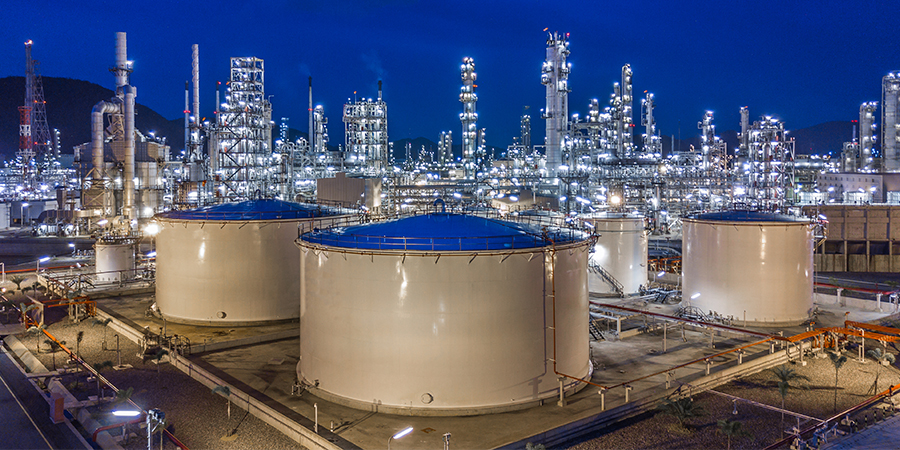
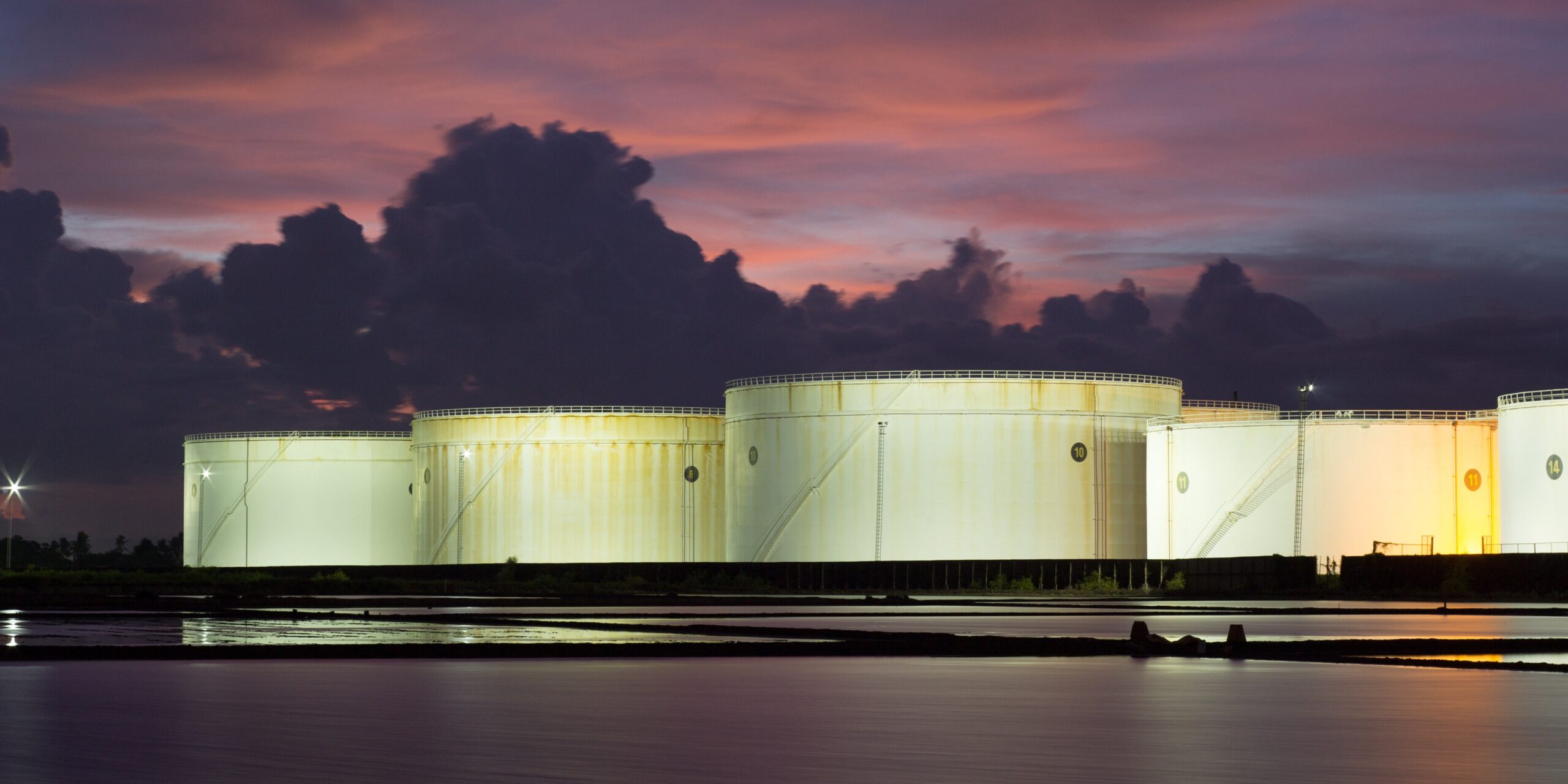
Noord Natie Odfjell Antwerp Terminal has successfully obtained both ISCC PLUS and ISCC EU certifications, marking a significant milestone in the company’s commitment to sustainability, transparency, and circular economy principles.

The dual certification achievement positions the terminal as a forward-thinking partner in the transition towards more sustainable materials and processes, whilst strengthening its operational capabilities in handling environmentally responsible cargo.

The two certifications provide complementary coverage across different aspects of sustainable supply chain management:

ISCC PLUS Certification focuses on circular and bio-based materials that fall outside the scope of European Union legislation. This certification ensures comprehensive traceability and sustainability throughout the supply chain of recycled and renewable raw materials, enabling the terminal to handle a broader range of sustainable cargo types with verified environmental credentials.

ISCC EU Certification ensures compliance with European regulations governing sustainable biomass and biofuels. This certification guarantees that products stored at the Antwerp terminal contribute to climate objectives whilst meeting strict environmental standards mandated by EU legislation.

The achievement of both certifications strengthens Noord Natie Odfjell Antwerp Terminal’s position as a reliable partner for companies seeking to incorporate sustainable materials and processes into their operations. The certifications demonstrate the terminal’s capability to handle materials that meet both European regulatory requirements and international sustainability standards.

The dual certification framework enables the facility to serve customers across multiple sectors requiring verified sustainable supply chain credentials, from traditional biofuels and biomass to emerging circular economy materials and renewable feedstocks.

Noord Natie Odfjell Antwerp Terminal’s certification achievement reflects growing industry emphasis on sustainability transparency and regulatory compliance within the logistics and storage sector. The certifications provide customers with assurance that their sustainable materials are handled within a verified framework that maintains environmental integrity throughout the storage and handling process.

The successful certification process demonstrates the terminal’s operational readiness to support the expanding market for sustainable materials whilst meeting increasingly stringent environmental and regulatory requirements.

This milestone positions Noord Natie Odfjell Antwerp Terminal to capitalise on growing demand for certified sustainable logistics services, supporting customers’ environmental objectives whilst maintaining operational excellence in cargo handling and storage capabilities.

For more information visit www.noordnatie.be

Glenfarne’s Texas LNG advances with FERC final supplemental environmental report

The Federal Energy Regulatory Commission has issued the final supplemental environmental impact statement (FSEIS) for Texas LNG, the LNG export terminal under development in the Port of Brownsville, Texas, by Texas LNG Brownsville LLC, an affiliate of Glenfarne Group, LLC.

The FSEIS successfully concludes FERC staff analysis of air quality and environmental justice matters that were previously raised before the United States Court of Appeals for the District of Columbia Circuit, marking a significant regulatory milestone for the project.

Glenfarne CEO and Founder Brendan Duval emphasised that the FERC final supplemental environmental impact statement strengthens an already robust record of federal analysis and support, confirming the basis for existing project authorisation. He highlighted Texas LNG’s “green by design” strategy, which utilises electric motor drives to power the facility, positioning it as one of the lowest-emitting liquefaction facilities globally.

Duval acknowledged the efforts of FERC staff in concluding their thorough review of Texas LNG’s environmental and socioeconomic considerations, expressing appreciation for the comprehensive regulatory process.

Texas LNG’s FERC Final Order is anticipated in November, which will provide the project with the benefit of multiple rounds of review, analysis, and issuance by FERC, establishing strong legal durability for the authorisation. This comprehensive regulatory framework demonstrates the project’s compliance with federal environmental and operational standards.

Glenfarne has reiterated previous guidance that Texas LNG is targeting a final investment decision by the end of 2025, maintaining the project’s development timeline following the completion of key regulatory milestones.

The project has secured substantial commercial backing through customer offtake commitments from several major energy companies, including EQT Corporation, Gunvor Group, Macquarie Group, and one of Europe’s leading utilities. These commitments represent sufficient volume to support achieving a final investment decision for the facility.

Kiewit has been selected to lead the engineering, procurement, and construction of Texas LNG under a lump-sum turnkey contract structure, providing project delivery certainty and risk mitigation for the development.

The FSEIS represents the latest milestone for Glenfarne’s comprehensive federally authorised LNG portfolio, which encompasses three major projects: Texas LNG, the Alaska LNG project, and the Magnolia LNG project. All three LNG developments are progressing towards final investment decisions, positioning Glenfarne as a significant player in the North American LNG export market.

The completion of the FSEIS process demonstrates the project’s successful navigation of complex environmental and regulatory requirements whilst maintaining its commitment to environmental leadership through innovative facility design and operational approaches.

This regulatory achievement positions Texas LNG to advance through final development phases and contributes to the growing portfolio of U.S. LNG export capacity designed to serve global energy markets whilst maintaining high environmental standards.

For more information visit www.glenfarne.com

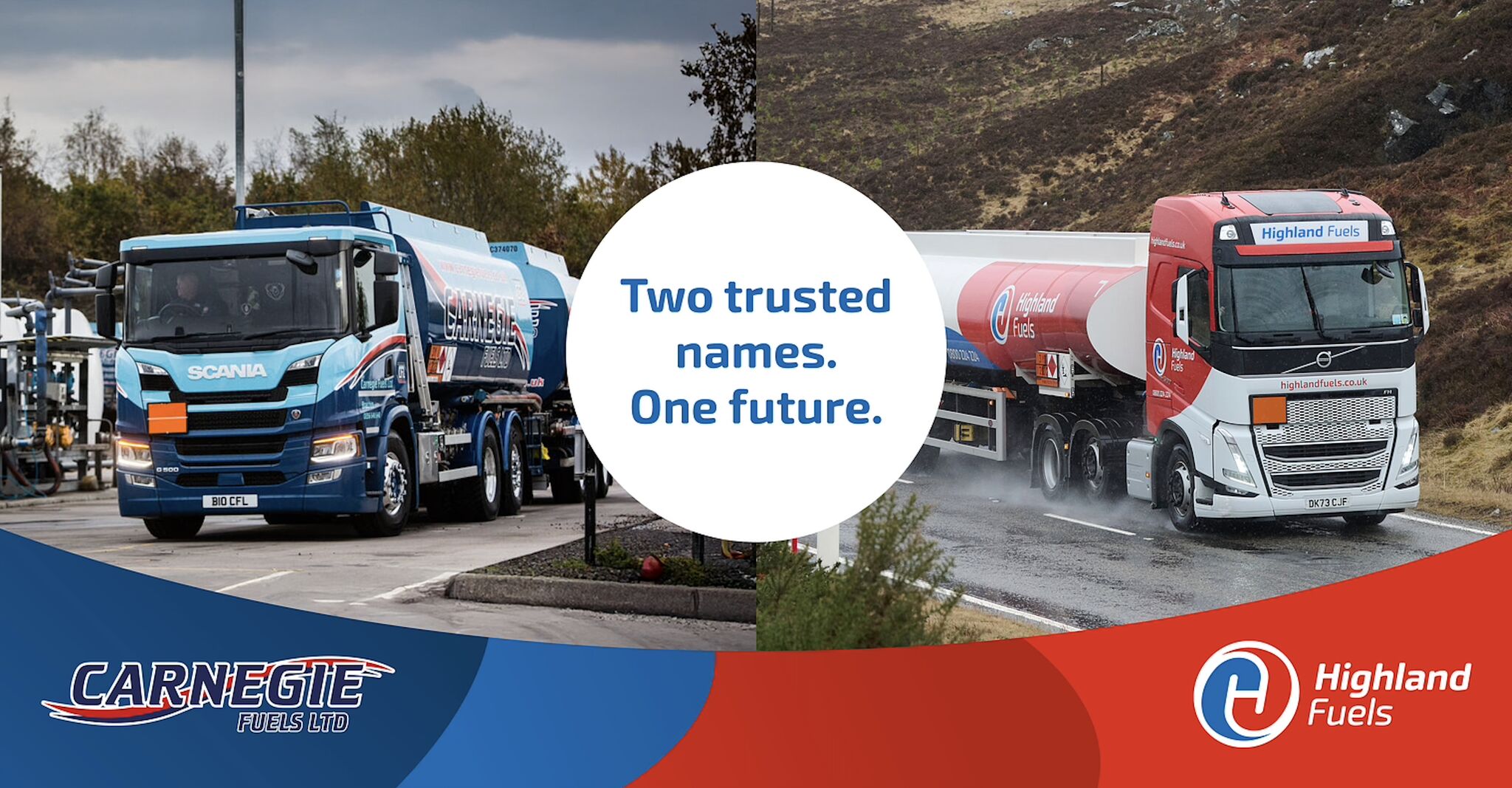
Highland Fuels welcomes Carnegie Fuels into the family

Highland Fuels has announced the acquisition of Carnegie Fuels, marking the beginning of a significant new chapter for both organisations and strengthening their collective position in the Scottish energy sector.

The carefully considered partnership brings together two respected, values-driven businesses with deep roots in Scotland’s energy landscape. The transaction represents a strategic alignment of companies that share similar operational philosophies and commitment to community service.

The Carnegie family’s decision to entrust Highland Fuels with the future of their business followed an extensive sale process. Highland Fuels was ultimately selected as the preferred partner due to strong cultural alignment, shared operational ethos, and a long-standing reputation for service excellence and community focus.

Carnegie Fuels, founded in 1957, has built a distinguished legacy centred on reliability, trust, and local service delivery—qualities that closely reflect Highland Fuels’ own values as a customer-centric and employee-focused organisation.

As part of the acquisition terms, Carnegie Fuels will continue operating under its established name and existing management structure. Ryan Carnegie has been appointed as director, whilst Kevin and Rosie Carnegie will support the transition process to ensure operational continuity.

Stephen Rhodes, MD at Highland Fuels, characterised the acquisition as a positive development for both businesses and the communities they serve. He expressed honour in continuing the Carnegie legacy whilst welcoming the team into the Highland Fuels organisation, emphasising that the partnership is built on shared values and commitment to long-term success.

One of the defining features of this transaction is the long-term security it provides to Carnegie Fuels employees, who will become part of an employee-owned organisation. As beneficiaries of the Highland Fuels Employee Trust, Carnegie Fuels staff will have the opportunity to directly contribute to and benefit from the ongoing success of the expanded business operation.

This employee ownership structure demonstrates both companies’ commitment to their workforce and creates a framework for sustainable growth that prioritises people alongside operational performance.

The transaction establishes a strong foundation for operational continuity and sustainable growth, delivered with a focused approach on people, communities, and service excellence. Both Highland Fuels and Carnegie Fuels maintain deep-rooted commitments to professionalism, integrity, and reliability in their operations.

By combining the operational strengths and market positions of both organisations, customers can expect continuity of service from a trusted energy partner that is well-positioned to meet Scotland’s evolving energy requirements both in the immediate term and for future energy market developments.

The acquisition represents a significant consolidation within the Scottish energy sector, bringing together complementary businesses with shared values and operational philosophies to create a stronger, more resilient organisation capable of serving customers across an expanded geographic and service footprint.

For more information visit www.highlandfuels.co.uk

WJTA announces first CEO to lead new era of growth

The WaterJet Technology Association (WJTA) has announced the hiring of Micheal Johnson to serve as the association’s first chief executive officer. Starting as CEO on August 18, 2025, Mr. Johnson will lead the association in implementing a new strategic plan, executing new programmes, growing the membership and expanding into new markets.

The WJTA was formed over 40 years ago and has grown into a leading advocate of safety and technology in waterjetting, industrial cleaning and industrial vacuum. As the WJTA Board of Directors has mapped out a new strategic plan, they identified an opportunity for full-time leader from the industry to further accelerate growth.

As the association’s first CEO, Mr. Johnson brings a wealth of knowledge from his 28-year history in the hydroblasting and industrial cleaning industry to the position, as well as an understanding of not-for-profit associations as a past contributor to industry groups including WJTA, Industry Business Roundtable (IBR), Sprint Robotics and more.
As the association continues to expand its training and certification programme and prepare for a successful 2025 Conference & Expo, Mr. Johnson’s leadership will bring increased excitement and value to members.

“I’m very excited to begin working with the WJTA and its members. The safety and wellbeing of the workers in our industry has always been a passion,” says WJTA CEO Micheal Johnson. “I see incredible opportunity in this role to positively impact the men and women working in our industry, while helping member companies address the challenges they face.”

“The association’s board of directors has developed an ambitious strategic plan to ultimately elevate the perception of industrial cleaning to that of a skilled craft,” says WJTA Chair Kerry Siggins. “Mike’s leadership will be crucial in developing the programmes and support to realise this vision.”

Micheal Johnson will be formally introduced to WJTA members in person at the 2025 WJTA Conference & Expo in New Orleans. Along with the introduction, the opening keynote at 9:00 a.m. on November 6th will include updates on the WJTA’s strategic plan and initiatives and the biennial awards presentation.

For more information visit www.wjta.org

EEMUA to bring certified training workshops to StocExpo

StocExpo is dramatically expanding its educational element in 2026 with certified training workshops in collaboration with EEMUA (the Engineering Equipment and Materials Users Association), an international membership body which has led the way in providing actionable training for storage tank engineers, technicians and integrity managers.

As part of this exciting new show feature, attendees will have the opportunity to gain EEMUA CPD-accredited certification through participation in two expert-led workshops, running each morning on 10 and 11 March 2026.

These sessions are designed to support workers in the sector, offering updates on key topics. This marks a significant step forward in StocExpo’s commitment to delivering not just networking and business value, but meaningful, industry-recognised training opportunities at the event that attendees can apply directly and immediately within their sites and organisations.

More details on workshop content and where to register will be announced soon.

For more information visit www.stocexpo.com or www.eemua.org

Sempra Infrastructure and JERA announce sale and purchase agreement for US LNG from Port Arthur LNG Phase 2

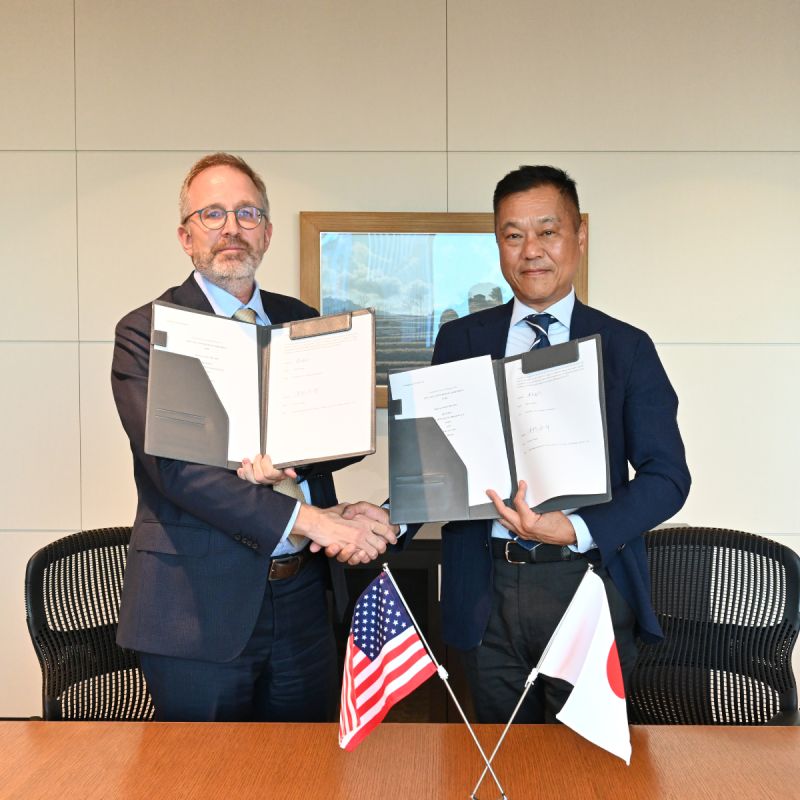
Sempra Infrastructure, a subsidiary of Sempra, and JERA Co., Inc. have announced the signing of a significant 20-year sale and purchase agreement for the supply of 1.5 million tonnes per annum of liquefied natural gas from the Port Arthur LNG Phase 2 development project in Jefferson County, Texas. The LNG will be supplied on a free-on-board basis.

The agreement represents a substantial advancement from the non-binding heads of agreement executed in June 2025 and demonstrates both companies’ shared commitment to supporting energy security and advancing a lower carbon future through stable, long-term LNG supply arrangements.

Strategic Partnership for Energy Security

Justin Bird, chief executive officer of Sempra Infrastructure, emphasised that the agreement establishes a long-term relationship with JERA whilst confirming Sempra Infrastructure’s commitment to customers in Japan and the broader Asian market, ensuring their continued access to affordable and secure U.S. natural gas.

“We remain focused on advancing our Port Arthur LNG Phase 2 development project to a final investment decision and strengthening the role of the United States as an energy provider of choice for LNG buyers worldwide,” Bird stated.

Ryosuke Tsugaru, chief low carbon fuel officer for JERA, described the agreement as marking a significant strategic relationship with Sempra Infrastructure, underscoring JERA’s commitment to securing reliable, long-term LNG supply from trusted sources.

“Aligning with JERA’s growth strategy, the addition of flexible and dependable LNG volumes strengthens our overall LNG portfolio and enhances our ability to respond to the evolving global energy landscape whilst helping to ensure supply stability for Japan and across Asia,” Tsugaru added.

Project Development and Capacity

The proposed Port Arthur LNG Phase 2 project is competitively positioned and remains under active marketing and development, with future phases also in early development stages. The project has secured all key permits and is expected to include two liquefaction trains capable of producing approximately 13 Mtpa of LNG.

This capacity could increase the total liquefaction capacity of the Port Arthur LNG facility from approximately 13 Mtpa for Phase 1 to up to approximately 26 Mtpa upon completion of Phase 2.

Regulatory Approvals and Timeline

The project has achieved several significant regulatory milestones. In September 2023, it received authorisation from the Federal Energy Regulatory Commission. Subsequently, in July 2024, Sempra Infrastructure announced that Bechtel had been selected for a fixed-price engineering, procurement and construction contract for the project.

Most recently, in May 2025, the project received authorisation from the US Department of Energy to export US LNG to countries that do not maintain free-trade agreements with the United States.

The Port Arthur LNG Phase 1 project, currently under construction, is expected to achieve commercial operation in 2027 and 2028 for trains 1 and 2, respectively.

Risk Factors and Future Development

The development of the Port Arthur LNG Phase 2 project remains subject to various risks and uncertainties. These include completing the required commercial agreements, securing and maintaining all necessary permits, obtaining financing, and reaching a final investment decision, amongst other factors.

The agreement between Sempra Infrastructure and JERA represents a significant development in the global LNG market, strengthening energy ties between the United States and Asia whilst supporting long-term energy security objectives for both regions.

For more information visit www.jera.co.jp

Desu Systems welcomes Emile Hippe as new managing director

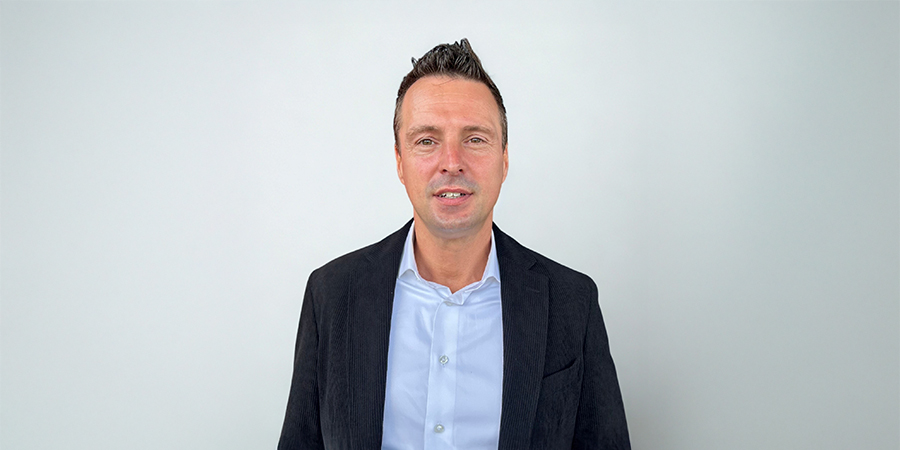
Desu Systems has announced the appointment of Emile Hippe as managing director, effective August 1, 2025, as the company enters a significant growth phase coinciding with its 20th anniversary milestone.

Hippe brings over two decades of leadership expertise in operations, logistics, and strategic organisational development to his new role. His professional background includes senior positions at major international corporations, including American Express and Teleperformance, where he provided strategic support to industry leaders such as Samsung, Apple, Klarna, and Vodafone. Throughout his career, Hippe has demonstrated particular strength in process optimisation, digital transformation initiatives, and developing high-performance teams within complex operational frameworks.


The appointment comes at a strategically important time for Desu Systems, which is simultaneously celebrating its 20th year of operations while executing ambitious expansion plans. The company is currently scaling both its internal operational capacity and international market presence while preparing for the commercial launch of its innovative K-Star Automatic Degreasing System. Desu Systems has established itself as a trusted distributor of advanced safety technologies across more than 64 countries, specialising in flame and gas detection systems, optical gas imaging and methane emission monitoring solutions, kitchen fire suppression systems, and fire safety technologies for armoured vehicles.

Ronald Verkroost, CEO of Desu Systems, expressed confidence in the new appointment, stating that Hippe’s proven experience in organisational scaling and building performance-driven corporate cultures will be instrumental as the company expands into new markets while strengthening its internal operational capabilities.

In his new role, Hippe will report directly to the CEO and will focus on three key strategic areas: developing Desu’s organisational structure to support sustainable growth, expanding the commercial team to capture new market opportunities, and streamlining operational processes to enhance efficiency and scalability.

Hippe acknowledged the significance of joining the organisation during this pivotal period, noting that Desu Systems has established a solid operational foundation and earned a strong industry reputation over its two decades of operation. He emphasised his commitment to contributing to the company’s next growth phase by building the structural framework, operational consistency, and corporate culture necessary for continued expansion while maintaining a people-centred approach to organisational development.

The appointment reinforces Desu Systems’ commitment to strategic leadership as it positions itself for continued growth in the global safety technology market.

For more information visit www.desusystems.com

Adler & Allan announces acquisition of E&E group in strategic expansion

Adler & Allan has announced the acquisition of E&E Group, marking another significant milestone in the company’s expansion strategy and reinforcing its position as a market-leading provider of integrated environmental solutions.

E&E Group, which was established in 2023 through the strategic merger of Marlin Environmental Services and Yellowstone Environmental Solutions Ltd, brings to the partnership the strength of a 12-year collaborative relationship between its founding companies. The group has developed a comprehensive operational footprint across multiple sectors, delivering specialised services that include bespoke engineering and maintenance solutions, comprehensive hazardous and non-hazardous waste management services, and specialist environmental consulting.

The acquisition aligns with Adler & Allan’s core mission of creating superior environmental outcomes for its clients. By welcoming E&E Group into its organisational structure, Adler & Allan continues to execute its strategic plan to strengthen its market-leading portfolio of integrated environmental solutions while enhancing value delivery to customers across diverse industrial sectors.

This transaction represents Adler & Allan’s fourth acquisition since coming under Goldman Sachs ownership and marks the company’s 13th acquisition over the past three years, demonstrating a sustained commitment to growth through strategic consolidation in the environmental services sector.

The integration supports Adler & Allan’s broader mission to streamline environmental services delivery, making it more accessible for customers to obtain comprehensive solutions through a single provider. The company’s unique combination of environmental consulting expertise, infrastructure lifecycle management capabilities, and award-winning pollution response services positions it to offer unparalleled integrated solutions across a wide spectrum of industrial applications.

Through this acquisition, Adler & Allan continues to build on its reputation as the premier provider of comprehensive environmental solutions, leveraging the specialised capabilities and established client relationships that E&E Group brings to the expanded organisation.

For more information visit www.adlerandallan.co.uk

Stolthaven Singapore achieves dual ISCC certifications, strengthening commitment to sustainability

Stolthaven Terminals’ facility in Singapore has successfully achieved both ISCC EU and ISCC PLUS certifications, underscoring the company’s ongoing commitment to supporting the global shift towards greener energy and more sustainable supply chains.

These internationally recognised certifications follow a comprehensive third-party auditing process and are fully aligned with the European Commission’s Renewable Energy Directive and Fuel Quality Directive. They reflect Stolthaven Singapore’s efforts to meet the highest standards of sustainability and traceability.

Image source: Stolt Nielsen

The International Sustainability & Carbon Certification (ISCC) standards apply across the entire supply chain, verifying that biofuels, biobased feedstocks, and renewable materials meet rigorous sustainability criteria. With the growing demand for certified solutions, these credentials are particularly significant for customers in the feedstock and biofuels sectors, who depend on reliable, compliant storage to achieve their own environmental goals.

With the addition of Singapore, Stolthaven Terminals now holds five ISCC EU certifications across its global network – Antwerp, Moerdijk, Westport, Lingang and Singapore – and two ISCC PLUS certifications for its Antwerp and Singapore facilities.

Commenting on the achievement, Stolthaven Terminals president Guy Bessant said:
“This accomplishment would not have been possible without the dedication and hard work of the terminal team in Singapore. Their efforts continue to drive Stolthaven’s reputation for excellence and innovation as we remain focused on quality, reliability and flexibility to support our customers navigating the energy transition and today’s supply chain complexities.”

For more information visit www.stolt-nielsen.com

Baker Hughes to acquire Chart Industries, accelerating energy & industrial technology strategy

Baker Hughes and Chart Industries have announced a definitive agreement under which Baker Hughes will acquire all outstanding shares of Chart’s common stock for $210 per share in cash. The transaction represents a total enterprise value of approximately $13.6 billion.

Chart Industries is a global leader in designing, engineering and manufacturing process technologies and equipment for gas and liquid molecule management. Operating across a wide range of industrial and energy markets, Chart’s highly specialised technologies span the full liquid gas supply chain—from front-end engineering and installation to preventative maintenance, repair, and digital monitoring. In 2024, Chart reported revenues of $4.2 billion and adjusted EBITDA of $1.0 billion. The company operates 65 manufacturing facilities and more than 50 service centres worldwide.

“This acquisition marks a significant milestone for Baker Hughes and is a strong demonstration of our strategic focus and financial discipline as we evolve as a leading energy and industrial technology company,” said Lorenzo Simonelli, chairman and CEO of Baker Hughes. “We are deeply familiar with Chart, having collaborated on key energy infrastructure projects. Their offerings align seamlessly with ours, enabling us to deliver comprehensive lifecycle solutions for critical applications. The acquisition positions Baker Hughes to lead in providing innovative, lower-carbon energy and industrial solutions across fast-growing sectors such as LNG, data centres and New Energy.”

Simonelli added, “This transaction will enhance our Industrial & Energy Technology segment with a high-growth, high-margin business, delivering meaningful earnings accretion and contributing to a more robust growth and margin profile. We look forward to welcoming the Chart team into the Baker Hughes family and creating long-term value for our shareholders.”

Chart president and CEO Jill Evanko said, “This all-cash transaction with Baker Hughes provides immediate and compelling value for our shareholders. Thanks to the dedication of our global OneChart team, we have developed a comprehensive product and service portfolio that spans from initial design through to aftermarket support. Baker Hughes shares our engineering-driven culture and operational standards. Together, our complementary solutions will strengthen Baker Hughes’ Industrial & Energy Technology segment and enable us to address the world’s most pressing energy and sustainability challenges.”

Strategic and Financial Highlights

Advances Baker Hughes’ Strategic Vision
The combined company will be uniquely positioned to support customers’ sustainability goals through an enhanced portfolio of technologies, helping to address complex energy challenges and contributing to a lower-carbon, more resource-efficient future.

Increases Exposure to High-Growth Markets
Chart’s offerings will significantly deepen Baker Hughes’ reach into fast-growing markets such as data centres, space, and New Energy. The deal will also expand Baker Hughes’ presence in resilient industrial sectors like industrial gases, metals and mining, and food and beverage, thereby enhancing its addressable market and long-term growth prospects.

Complementary Technology Portfolios
Baker Hughes’ expertise in rotating equipment, flow control and digital solutions complements Chart’s strengths in heat transfer, air and gas handling, and process technologies, creating a comprehensive solution set for customers.

Enhances Lifecycle Revenue Opportunities
The acquisition creates a structurally expanding installed base, boosting high-value aftermarket services and digital offerings. Baker Hughes’ extensive global service footprint will enable higher service rates and recurring revenue streams across the enlarged portfolio.

Realises Cost Synergies
Baker Hughes has identified $325 million in annualised cost synergies, targeted by the end of year three. These efficiencies will stem from manufacturing scale, supply chain consolidation, and optimisation across SG&A and R&D. The company’s robust business system, which has driven IET margin gains over the past three years, underpins confidence in synergy delivery.

Delivers Strong Financial Returns
The transaction is expected to be immediately accretive to Baker Hughes’ growth, margins and cash flow, with projected double-digit EPS accretion in the first full year post-close. The deal meets all of Baker Hughes’ return benchmarks, including double-digit return on invested capital (ROIC), and supports long-term financial performance through synergy realisation and accelerated margin expansion.

Transaction Structure and Approvals

Under the agreement, Chart shareholders will receive $210 per share in cash. The purchase price reflects a multiple of approximately 9x Chart’s consensus 2025 EBITDA on a fully synergised basis.

The acquisition will be funded through fully committed bridge financing arranged by Goldman Sachs Bank USA, Goldman Sachs Lending Partners LLC, and Morgan Stanley Senior Funding, Inc. This will later be replaced with permanent debt. Baker Hughes has affirmed its commitment to maintaining an A credit rating and expects to reduce net leverage from 2.25x at close to between 1.0x and 1.5x within 24 months, supported by free cash flow and anticipated divestiture proceeds. Share repurchases will resume once the target leverage is achieved, at which point 60 to 80 percent of free cash flow is expected to be returned to shareholders.

The transaction has received unanimous approval from the Boards of Directors of both Baker Hughes and Chart, with the latter recommending shareholder approval. Completion is subject to customary conditions, including regulatory approvals and a vote by Chart shareholders, and is expected by mid-2026.

For more information visit www.bakerhughes.com

VIDA Bioenergy expands UK operations with second Biomethane Plant

VIDA bioenergy, a fully owned subsidiary of VTTI B.V. launched in 2025, has begun operations at its first UK facility while advancing construction of a second plant as the company pursues its goal of becoming one of Europe’s leading biomethane producers. The company focuses on converting biomass into renewable energy through specialised production facilities across the UK.

The company’s inaugural facility, Glentham Green Energy in Lincolnshire, has successfully commenced biomethane injection into the National Transmission System as of early 2025. The plant utilises straw, chicken manure, vegetable waste, and sequential crops as feedstock to generate over 60 GWh annually, producing sufficient renewable gas to heat approximately 5,200 homes each year.

Picture: Wormslade Green Energy Anaerobic Digestion Plant

VIDA bioenergy’s second project, Wormslade Green Energy, is currently under construction in West Northamptonshire. Once operational, the facility will process more than 45,000 tonnes of locally sourced crops and residues annually, expanding the company’s biomethane production capacity across the region.

The Wormslade project incorporates community benefits as part of its development programme. The initiative includes infrastructure improvements such as road upgrades and environmental enhancements, including the planting of more than 4,000 native trees and hedgerows to support local biodiversity.

The expansion reflects VIDA bioenergy’s strategic approach to developing renewable energy infrastructure that supports the UK’s transition to cleaner energy sources while providing economic and environmental benefits to local communities. The company’s focus on locally sourced biomass materials supports regional agricultural sectors while contributing to national renewable energy targets.

As a subsidiary of VTTI B.V., VIDA bioenergy benefits from the parent company’s expertise in energy infrastructure development and operations. The biomethane production facilities represent VTTI’s expansion into renewable energy sectors, complementing its traditional energy storage and logistics operations.

For more information visit www.vtti.com

Oiltanking completes divestment of South African Terminal stake to Aquarius Energy

Oiltanking has completed the divestment of its 37 percent stake in Oiltanking MOGS Saldanha to Aquarius Energy, concluding a major portfolio transformation programme launched in November 2021. The transaction, initially announced on December 18, 2024, officially closed on July 30, 2025.

Aquarius Energy, the acquiring company, is backed by Tristar and Glencore and operates as a globally recognised terminal operator. The acquisition positions Aquarius Energy to take a leading role in the South African terminal’s future development and operations.

Photo: © Oiltanking GmbH

Bas Verkooijen, CEO of Oiltanking, expressed appreciation for the collaborative relationship throughout the divestment process. “I would like to thank the team at Oiltanking MOGS Saldanha for their good cooperation over the past years, and for their strong support and continued commitment throughout the divestment process,” Verkooijen stated.

The CEO also expressed confidence in the new ownership structure and Aquarius Energy’s capabilities. “I’m confident that Aquarius Energy, with its extensive experience and global footprint, is well positioned to lead OTMS into its next phase of development,” he added.

The completion of this divestment marks the successful conclusion of Oiltanking’s comprehensive portfolio transformation programme. As part of this strategic restructuring, the company created Advario and OTAMERICA to concentrate on global and regional tank storage services. All terminals outside these two focused entities have now been divested, completing the portfolio rationalisation initiative.

The transformation programme represents Oiltanking’s strategic shift toward a more focused operational structure, concentrating resources on core markets and services while divesting non-core assets to specialised operators better positioned to develop those facilities.

For more information visit www.oiltanking.com

Vopak announces major capacity expansion at Malaysian terminal for biofuels

Vopak has announced a significant investment decision to expand its Pengerang Terminal (PT2SB) in Malaysia, adding 272,000 cubic meters of storage capacity to support biofuels feedstocks and products. The expansion represents a strategic move to strengthen the terminal’s position as a key hub within Vopak’s global network while supporting the energy transition.

The capacity expansion will enable PT2SB to serve a connected biorefinery that will produce sustainable aviation fuel and other biofuels, including renewable diesel and hydrogenated vegetable oil. These products are designed to meet growing demands from the global aviation and transportation industries as they pursue decarbonization objectives.

Source:Vopak

The investment aligns with Vopak’s broader strategy to accelerate development of infrastructure supporting the energy transition. The expansion also strengthens PT2SB’s industrial position within the strategically important Singapore Straits shipping corridor.

Vopak is implementing the expansion in partnership with other industry participants, reflecting the collaborative approach required for large-scale energy transition infrastructure projects. The terminal’s enhanced capabilities will position it to serve the evolving needs of biofuels markets across the region.

The Pengerang Terminal expansion demonstrates Vopak’s commitment to supporting the global shift toward sustainable fuels while maintaining its role as a leading independent tank storage provider. The project represents the company’s ongoing efforts to help facilitate energy transition infrastructure development worldwide.

For more information visit www.vopak.com

Aquarius Energy’s successful completion of its acquisition of Oiltanking’s 37% stake in Oiltanking MOGS Saldanha

Aquarius Energy has successfully completed its acquisition of Oiltanking’s 37 percent stake in Oiltanking MOGS Saldanha, marking a significant expansion of the company’s operations in the African market. Following the completion of the transaction, the facility has been rebranded as Aquarius MOGS Saldanha (AQMS).

The acquired asset comprises a state-of-the-art crude oil storage and blending facility with a capacity of 10 million barrels, strategically located in Saldanha Bay on South Africa’s West Coast. The facility’s location positions it as a key infrastructure asset for oil trading and logistics operations in the region, providing crucial storage capabilities for crude oil handling and blending activities.

Aquarius Energy operates as an independently managed joint venture between Tristar and Glencore, representing the consolidation of what was historically Glencore’s global network of oil storage and logistics facilities situated in key trading hubs worldwide. The company has established itself as a global leader in bulk liquid storage and distribution, with operations spanning across the Americas, Europe, Africa, and the Middle East.

The acquisition of the South African facility aligns with Aquarius Energy’s strategy to strengthen its presence in strategic locations that serve as critical nodes in global energy supply chains. Saldanha Bay’s position on the West Coast of South Africa makes it particularly valuable for vessels transiting between Atlantic and Indian Ocean routes, as well as for serving regional energy markets.

Gary Kalmin, CEO of Aquarius Energy, expressed enthusiasm about the completed investment, emphasising the company’s commitment to the South African market. He highlighted the company’s intention to leverage its global expertise while working collaboratively with partners, customers, and local management to ensure the long-term success of the renamed AQMS facility.

The transaction represents Aquarius Energy’s continued expansion strategy, building on its established network of storage facilities across multiple continents. The company’s global footprint and operational expertise position it to provide comprehensive storage and logistics solutions to energy traders, producers, and distributors operating in international markets.

The successful completion of this acquisition demonstrates Aquarius Energy’s ability to execute strategic transactions while maintaining operational continuity at critical infrastructure facilities. The company’s approach of working closely with existing partners and local management teams reflects its commitment to preserving institutional knowledge and maintaining strong relationships within local markets.

With the integration of the Saldanha Bay facility into its portfolio, Aquarius Energy strengthens its position as a significant player in the global energy storage and logistics sector, while expanding its capabilities to serve customers operating in the growing African energy market.

For more information visit www.aquariusenergy.com 

Alarming rise in fake ATEX equipment threatens worker safety across europe

Counterfeit ATEX-certified equipment is flooding industrial supply chains, putting workers and businesses at serious risk of explosions, injuries — and even death.

ATEX certification is essential for explosive environments in Europe, but it is only valid if verified through official channels. Terry McDonald, technical sales manager at Thorne & Derrick International says businesses should take steps to reduce the risk.

“As businesses, it’s natural to seek the best price for a product, but this is where unscrupulous distributors and manufacturers are callously risking lives. There are a number of checks that procurement and purchasing departments can and should do to prevent purchasing a falsely ATEX certified product,” said Terry.

ATEX-certified equipment is specifically designed for use in explosive atmospheres — environments where flammable gases, vapours, mists or combustible dusts may be present. Genuine ATEX products undergo rigorous testing and certification processes to ensure they meet stringent European safety standards. However, counterfeit versions bypass these checks entirely, often masquerading as certified and flameproof equipment.

Fake equipment lacks proper design and safety controls, increasing the risk of sparks or overheating that could trigger explosions in hazardous environments.

Beyond the immediate threat to life and limb, such incidents can cause major disruptions to operations, legal liabilities, and reputational damage. Tragically, industrial explosions contribute to over 16 incidents per day globally and resulting in approximately 380,000 fatalities annually due to industrial accidents.

There are steps businesses can take to mitigate the risk:

  • Verify Certification: Always cross-check product certifications with the relevant authorising body. For ATEX equipment, this involves confirming documentation through official EU notified bodies.
  • Use Official Channels: Purchase equipment exclusively through reputable suppliers who can provide full traceability and certification documentation.
  • Stay Informed: The EU Safety Gate system provides a public database of recalled products. Checking this portal regularly can help identify known counterfeit or unsafe items.
  • Raise Awareness: Educate procurement teams and site managers about the risks associated with non-compliant equipment and the importance of due diligence.

The rise of fake ATEX equipment is more than just a supply chain issue, with lives and livelihoods at stake, companies must prioritise safety over savings and take proactive steps to ensure every piece of equipment entering hazardous environments is fully compliant and certified.

As Thorne & Derrick mark their 40th anniversary, its team are proud to keep delivering safe, fully certified equipment worldwide, where compromising on safety is never an option.

For more information visit www.thorneandderrick.com

Vopak reports strong HY1 2025 results driven by a resilient portfolio and is increasing FY 2025 outlook

Royal Vopak has delivered robust financial performance in the first half of 2025, driven by the resilience of its global storage terminal portfolio and successful strategic initiatives. The Dutch energy storage company reported a significant 58 percent year-on-year increase in net profit to EUR 319 million, with earnings per share rising to EUR 2.74 compared to EUR 1.73 in the same period last year.

The company’s proportional EBITDA, excluding exceptional items, reached EUR 615 million in the first half of 2025, representing a 3 percent increase from the previous year despite negative currency translation effects. This performance was supported by stable demand for storage infrastructure across different geographies and markets, with gas and industrial terminals showing particularly strong performance underpinned by long-term contracts and higher throughputs.

A major highlight during the period was the successful public listing of Vopak’s Indian joint venture AVTL on Indian stock exchanges, which generated an exceptional gain of EUR 111 million. The rights issue reduced Vopak’s shareholding from 47.31 percent to 42.23 percent while unlocking value and providing funds for future growth initiatives, including the development of India’s first independent ammonia storage terminal.

Vopak maintained high occupancy rates at 92 percent across its proportional storage capacity, reflecting continued strong demand for infrastructure services. The company’s proportional storage capacity reached 20.4 million cubic meters by the end of the second quarter, with total storage capacity across all terminals standing at 35.8 million cubic meters.

The company successfully completed its EUR 100 million share buyback program in July 2025, repurchasing 2,551,949 ordinary shares at an average price of EUR 39.19 per share. This represented 2.17 percent of the company’s outstanding shares and contributed to the improved earnings per share performance.

Strategic growth initiatives progressed well during the first half, including the ongoing construction of an LPG terminal in Canada and expansion of the RIPET terminal infrastructure. In India, Vopak commissioned multiple capacity expansions totaling 260,000 cubic meters of LPG capacity in Mangalore and Pipavav. The company also took an investment decision to expand its PT2SB terminal in Malaysia by 272,000 cubic meters to accommodate biofuel storage.

Looking ahead, Vopak is advancing several energy transition projects, including entering the FEED phase for an ammonia terminal at Vopak Energy Park Antwerp and signing a joint development agreement with IHI Corporation to establish an ammonia terminal joint venture in Japan. These initiatives position the company to capitalize on the growing demand for alternative energy infrastructure.

Based on the strong first-half performance and the resilience demonstrated by its portfolio amid global tensions and geopolitical uncertainties, Vopak has increased its full-year 2025 outlook. The company expects the improved performance to offset approximately EUR 30 million of negative currency translation effects anticipated for the full year.

The results demonstrate Vopak’s successful execution of its strategy to grow its gas, industrial, and energy transition infrastructure portfolio while maintaining operational excellence across its global network of 78 terminals spanning multiple continents.

For more information visit www.vopak.com

Reynolds Training Services discusses the importance of shaping competence together

Reynolds Training Services has unveiled its new brand statement “Shaping Competence Together,” emphasising the critical role of workforce competence in high-hazard industries amid rapid technological and energy transitions. The initiative reflects growing industry recognition that human error accounts for 80-90 percent of accidents, with 7 percent of major safety incidents directly linked to inadequate training.

John Reynolds, leading the company’s strategic direction, highlighted the urgency of competence development in evolving industrial landscapes. The initiative addresses three major challenges reshaping high-hazard sectors: digitalisation, energy transition, and workforce transformation.

The digitalisation challenge centres on technology’s rapid advancement in industrial operations. With 26 percent of businesses already using VR/AR for training and the oil-and-gas VR market forecast to exceed $4.5 billion by 2032, companies must upskill workers to harness advanced control systems, predictive analytics, and simulation technologies effectively.

Energy transition presents new competence requirements as industries shift toward net-zero operations. The emergence of hydrogen, biofuels, CCUS, and battery systems creates fresh hazards and skill gaps that require updated curricula and qualifications designed for tomorrow’s processes rather than traditional operations.

Workforce transformation poses additional challenges, with nearly 50 percent of the power sector workforce set to retire within ten years and 43 percent of energy workers globally considering leaving the industry. This knowledge drain threatens safety standards without structured mentoring, faster onboarding, and career pathways that attract new talent.

The company has partnered with the Tank Storage Association and SIAS to redesign workforce training and development. This collaboration produced Career Pathways 2025, a structured framework linking roles, responsibilities, and training from entry-level to leadership positions. New qualifications include a Level 2 Diploma in Bulk Storage Operations and specialised awards in Process Safety Awareness, Hydrogen, and Low-Carbon Operations.

A key innovation is the Proficiency Matrix, which defines not only what workers should know but how well they should apply their knowledge. The matrix includes awareness, intermediate, advanced, and manager levels, enabling clear benchmarking of staff skills and supporting safer task allocation and tailored development programmes.

Reynolds emphasised that regulatory compliance represents the minimum standard rather than the ultimate goal. The initiative promotes a “culture of competence” where continuous learning is valued, expected, and integrated into daily operations. This approach moves beyond theoretical assessments to evaluate real understanding and practical ability across all organisational levels.

The company cited historical incidents including the 1984 Bhopal disaster and 2005 Buncefield explosion as reminders of competence failures’ consequences. These events underscore the importance of maintaining robust safety leadership and board-level competence in managing major hazards.

The initiative involves ongoing collaboration with industry bodies, employers, and educators to address sector-wide challenges. Participating companies share anonymised insights, including near-misses and implementation challenges to improve the system collectively. This approach aligns with regulatory expectations from organisations like the HSE while exceeding minimum requirements.

Looking toward 2030, Reynolds Training Services anticipates a more digital-native, diverse workforce navigating an energy system in transition. The company advocates for knowledge transfer programmes, including “retiree comeback” schemes where former employees provide part-time coaching, and partnerships with educational institutions to modernise curricula.

The broader competence ecosystem encompasses not only accident prevention but operational excellence, including reduced unplanned outages, faster innovation, greater customer trust, and competitive advantage. The UK’s tank storage sector, handling over 75 million tonnes of hazardous products annually, demonstrates how shared best practices and strong training contribute to high-reliability operations.

Reynolds Training Services positions the initiative as addressing investor, insurer, and public expectations for transparency, safety, and meaningful workforce development. Companies embracing comprehensive competence programmes are expected to attract next-generation talent while those neglecting workforce development risk being left behind in an increasingly competitive landscape.

The “Shaping Competence Together” initiative represents a sector-wide call to action involving regulators, training providers, trade associations, and operational personnel. The company emphasises that competence development requires collective effort to safeguard communities today while future-proofing industries for emerging technologies, energy systems, and risks.

For more information visit www.reynoldstraining.com

Guide to the management of pressure equipment defined-life repairs – new EEMUA publication

The newly released EEMUA 250 (Edition 1), ‘Guide to the Management of Pressure Equipment Defined-life Repairs’, supports users in managing defined-life repairs by offering guidance on when to shut down pressure equipment versus applying a temporary repair. It highlights risk-based decision-making, life cycle considerations, and strategies for maintenance and inspection, especially where existing industry guidance on repair duration, extension, or conversion is limited.

In the event of an actionable inspection finding, an in-service leak or in-service damage, users typically must decide on whether to install a defined life repair or shutdown and install a permanent repair. The purpose of EEMUA 250 is to provide an overview with respect to the life cycle management of defined-life repairs. It provides guidance for users to consider when deciding if it is safer to shutdown and perform a permanent repair as well as providing key points to consider when selecting a defined-life repair, assessing the risks and when developing their maintenance, inspection, and replacement strategies post installation.

The primary function of a defined-life repair is to allow the system to return to or remain in service with limited interruption to production until a planned permanent repair can be installed. Although there is industry guidance available on the selection of defined-life repairs (e.g. ASME PCC-2, ISO 24817 and EI composite repair guidance), at the time of publication there was limited known industry guidance covering the life cycle management of defined-life repairs, for example:

  • How long can a defined-life repair remain in service?
  • How to extend the life of a defined-life repair?
  • How to make a defined-life repair permanent?

Each company’s organisational structure will vary in terms of maintenance, engineering, and inspection departments. As such, it is the responsibility of the user or pressure equipment owner to determine the strategy for defined-life repairs within their organisation. The strategy should be endorsed by the relevant technical authority for the company. EEMUA 250 advises that a risk-based approach is adopted to allow flexibility in application of defined-life repairs to the relevant situations, to ensure correct prioritisation based on the overall repair life cycle, and to ensure that the selected defined-life repair does not adversely affect the safe operation of the system.

It is expected that the reader has a basic competency in static equipment design and as such the level of detail has been set appropriately.

EEMUA 250 was developed by engineers who work in the power generation, chemical production, and oil and gas sectors. Although originally targeted for static pressure equipment, it is recognised that the publication may be applicable to a range of other industries, such as shipping, mining, steel, nuclear, water and wastewater, and food and beverages. It is the responsibility of the user to ensure specific details relating to their industry are considered when applying the guidance from EEMUA 250.

EEMUA 250 is available to purchase directly from EEMUA.

For more information visit www.eemua.org

CMS achieves ABC STEP Diamond Level

CMS has achieved DIAMOND level status in the Associated Builders and Contractors’ (ABC) STEP Safety Management System, earning the programme’s highest recognition for safety excellence. The achievement reflects the company’s commitment to maintaining industry-leading safety standards across all construction operations.

The STEP programme, founded more than three decades ago, provides a proven framework for measuring, strengthening and building industry-leading safety programmes. Top-performing ABC members participating in STEP achieve incident rates nearly six times safer than the US Bureau of Labour Statistics construction industry average, demonstrating the effectiveness of the system’s comprehensive approach to workplace safety.

The DIAMOND level recognition represents the pinnacle of achievement within the STEP programme, acknowledging CMS’s proactive approach to hazard identification, comprehensive employee training programmes, and commitment to continuous improvement in safety practices across all projects. This prestigious status demonstrates the company’s systematic implementation of advanced safety management principles.

Ernest Enrique, CEO/chairman at CMS, emphasised the fundamental importance of safety within the company’s organisational culture. “Safety is more than a metric—it’s a core value at CMS,” Enrique stated. “Earning STEP DIAMOND status reaffirms that our team is not only committed to excellence in construction, but also to sending every worker home safely each day.”

The CEO highlighted the collective effort required to achieve this recognition, noting that the achievement reflects the dedication of the entire organisation. “It’s an honour that reflects the discipline, care, and dedication of every individual on our team,” Enrique added.

The DIAMOND level achievement positions CMS among the construction industry’s safety leaders and underscores the company’s commitment to creating a culture of safety that protects all stakeholders. The recognition validates the effectiveness of CMS’s comprehensive safety management approach and its ongoing investment in worker protection initiatives.

For more information visit www.cmscorp.com

SIGTTO appoints new general manager

The Society of International Gas Tanker and Terminal Operators (SIGTTO) has appointed Hans Weverbergh as its new general manager, effective July 1, 2025. Weverbergh will join the organisation on a three-year secondment, bringing extensive leadership experience from across the liquefied gas industry.

Weverbergh currently serves as senior director at Excelerate Energy and brings more than 30 years of experience spanning LNG, Ethane, LPG and Ammonia operations. His comprehensive industry background encompasses transportation, onshore, and offshore FSRU terminals. In addition to his senior leadership roles, Weverbergh has served as both Master and Pilot of liquefied gas vessels, providing him with hands-on operational expertise.

Lloyd Bland, SIGTTO president, emphasised the strategic value of Weverbergh’s appointment for the organisation’s future direction. “Hans has broad leadership experience across the liquefied gas industry, including a past role on the SIGTTO General Purpose Committee,” Bland commented. “He is well positioned to lead SIGTTO and enhance support of the membership through the evolving liquefied gas transportation and terminals landscape.”

The incoming general manager expressed his commitment to advancing SIGTTO’s mission and supporting the organisation’s membership. “I am pleased to commence my role at SIGTTO and recognise the important tasks ahead,” Weverbergh stated. “I look forward to collaborating with the membership and wider industry to achieve our goals in support of safe and incident free operations.”

Weverbergh’s appointment comes at a time when the liquefied gas industry faces evolving challenges and opportunities, including the expansion of global LNG markets and the development of new terminal infrastructure. His combination of operational experience and leadership background positions him to guide SIGTTO’s efforts in promoting safety standards and best practices across the international gas tanker and terminal operations sector.

For more information visit www.sigtto.org

Royal Vopak completes share buyback programme 2025

Vopak has successfully completed a share buyback programme to return up to EUR 100 million to shareholders.The purpose of the share buyback programme was to reduce the issued capital of the company.

The execution of the programme was done under the terms of an engagement letter with a third party, performed in compliance with the safe harbour provisions for share buybacks, allowing the execution of share purchases during open and closed periods.

Vopak provided updates on the progress of the share buyback programme through press releases with weekly transaction details on this section of the company website.

For more information visit www.vopak.com

Sprague Operating Resources announces strategic leadership changes

Sprague Operating Resources LLC, a leading provider of energy and material handling services across the Northeast since 1870, has announced key leadership appointments designed to accelerate growth in its core businesses while supporting future expansion. The restructuring reflects a strategic evolution aimed at maximising the company’s asset base and commercial potential.

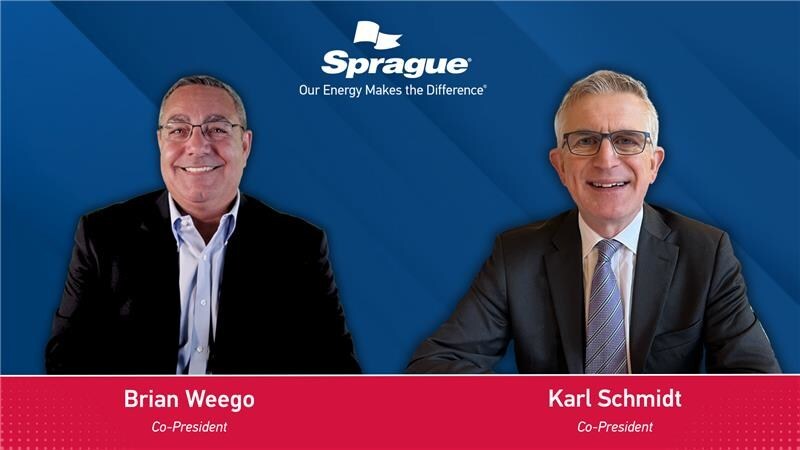
Dave Glendon has transitioned from president and CEO to the role of chairman, where he will focus on maximising the value of Sprague’s asset base. To drive the company’s commercial strategy, Sprague has appointed two co-presidents to lead its business operations going forward.

From Left to right: Brian Weego, co-president, and Karl Schmidt, co-president. These leadership appointments are part of a multi-year strategic evolution aimed at accelerating Sprague’s vision for the future.

Brian Weego has been named co-president, bringing extensive experience from his leadership of Sprague’s Natural Gas business. Over the past two decades, Weego has been instrumental in building the natural gas division into a robust platform that now serves nearly 30,000 commercial, government, and industrial accounts across the Northeast region.

“The success of our natural gas business has been a testament to our team’s innovation and dedication to our customers,” Weego commented. “As co-president, I’m incredibly excited to further broaden our reach and continue building on our robust platform, bringing our sophisticated tools and market expertise to help even more businesses.”

Karl Schmidt joins Sprague as co-president, bringing a strong track record from Hartree Partners, LP, Sprague’s parent company. At Hartree Partners, Schmidt built successful businesses, including fuel oil, metals, and an international bunker fuels platform. He has also played a critical role in supporting Sprague’s Canadian subsidiary, Kildair Service ULC.

“I am thrilled to join the Sprague team at such a dynamic time,” Schmidt stated. “I see immense potential in Sprague’s strong infrastructure and its amazing customer relationships. I look forward to collaborating with Brian and the entire Sprague team as we look ahead to the next 155 years for the company.”

The leadership changes represent part of a multi-year strategic evolution designed to position Sprague for accelerated growth and expansion. Glendon emphasised the strategic rationale behind the organisational restructuring, noting that the new structure will enable more focused commercial leadership.

“By reorganising the business around our commercial units, we are poised to accelerate growth across our company and expansion into new offerings,” Glendon explained. “I’m looking forward to supporting Brian and Karl’s efforts to stimulate the next phase of our growth.”

Sprague Operating Resources has maintained a 155-year history of delivering innovative energy solutions and material handling services to meet the evolving needs of its diverse customer base. The company serves commercial, industrial, wholesale, utility, and government customers across the Mid-Atlantic, Northeast, and Quebec regions. Since its founding in 1870, Sprague has powered industries, heated homes, fuelled the transportation sector, and supported Northeast infrastructure development.

The leadership appointments position the company to leverage its established market presence while pursuing new growth opportunities in the energy and materials handling sectors. The dual co-president structure is designed to accelerate commercial strategy execution while maintaining the company’s focus on customer service and operational excellence.

For more information visit www.spragueenergy.com

Essar Energy Transition wins government backing for SAF production hub at Stanlow

Essar Energy Transition has been awarded £2.5 million from the UK Government’s Department for Transport as part of its Advanced Fuels Fund scheme to develop plans for one of Britain’s largest advanced sustainable aviation fuel production hubs. The company, which aims to create the world’s leading low-carbon process refinery, will use the funding to advance its ambitious methanol-to-jet fuel project at the Stanlow site.

The proposed production facility is designed to operate at significant scale, with plans to produce 200,000 tonnes per annum of advanced SAF using approximately 550,000 tonnes per annum of renewable e-methanol and bio-methanol. The methanol feedstock will be sourced both domestically within the UK and internationally, including from sister company Essar Future Energies, which is developing an e-methanol project in Gujarat, India.
Following completion of a feasibility study earlier in 2025, the Advanced Fuels Fund grant enables Essar Energy Transition to progress to the Pre-Front-End Engineering Design stage. The company has established an ambitious development timeline, targeting completion of pre-FEED by March 2026, with full FEED commencing in the second quarter of 2026 and a Final Investment Decision expected by the end of 2027.

The strategic location at Stanlow provides several operational advantages for the methanol-to-jet production hub. The site can leverage Stanlow Terminals’ existing import infrastructure, enabling access to competitive, low-cost and low carbon intensity methanol feedstocks. The location also offers integration opportunities with existing refinery processing facilities, combined with low-carbon power, hydrogen and carbon capture facilities currently under development, positioning the facility to become one of the lowest carbon intensity SAF production sites in the UK.

Distribution capabilities represent another key advantage of the Stanlow location. Advanced SAF produced at the hub will utilise Essar Energy Transition’s established UK jet export infrastructure, including the Manchester Jet, Midlands, and UKOP oil pipeline systems, as well as existing road and marine distribution routes. This comprehensive distribution network allows supply to regions across the UK and currently serves 10 UK airports, including nearby Manchester International Airport. The hub will function as the most direct SAF supply point to the UK aviation sector, with on-site blending of SAF into the existing jet fuel stream at Stanlow.

The facility’s design incorporates future expansion capabilities to accommodate growing SAF demand. Recent feasibility studies have highlighted strong integration opportunities with other low-carbon initiatives already in development at the site, including EET Fuels, Stanlow Terminals, EET Hydrogen and EET Hydrogen Power projects. This integrated approach positions the facility to play a central role in the UK’s evolving energy transition landscape.

Tony Fountain, MD at EET, emphasised the significance of the government support for the project’s development trajectory. “We welcome the UK Government’s support, which enables us to carry out a detailed pre-front-end engineering design process and accelerate this flagship UK advanced sustainable aviation fuels project towards final investment decision,” Fountain stated.

The managing director outlined the facility’s role within Essar’s broader decarbonisation strategy. “At Stanlow, we have major decarbonisation ambitions, aiming to become a leading energy transition hub and home to the world’s first low-carbon process refinery,” he explained. “Domestic advanced SAF production is central to our long-term vision and a key catalyst for decarbonising aviation.”

Fountain highlighted the critical market need that the facility will address. “With SAF still making up only a tiny fraction of global jet fuel use, our MtJ plant will play a critical role in closing that gap and helping the UK meet its Jet Zero targets,” he noted.

Chris Woodroofe, MD of Manchester Airport, welcomed the development and its implications for regional aviation decarbonisation efforts. “The widespread availability of SAF sits at the heart of plans to decarbonise aviation in the UK by 2050, which is why it is pleasing to see the Government drive forward initiatives that support its production across the UK,” Woodroofe said.

The airport executive emphasised the direct benefits for airlines operating from Manchester. “This funding will mean airlines using Manchester Airport will have direct access to SAF via the existing pipeline to the Stanlow fuel plant,” he explained. Woodroofe also highlighted the broader regional impact, stating, “I am proud to see the North West playing a leading role in the creation of a domestic SAF industry that will support aviation decarbonisation whilst also creating thousands of new green jobs.”

The SAF production hub development aligns with significant regulatory drivers in the UK aviation sector. The UK’s SAF Mandate, which took effect on January 1, 2025, establishes progressive targets for aviation fuel suppliers to incorporate SAF into jet fuel for flights departing from the UK. These targets support the UK’s Jet Zero Strategy to achieve net-zero aviation emissions by 2050, with requirements escalating from 2 percent today to 22 percent of total jet fuel demand by 2040.

The proposed methanol-to-jet facility will enable EET Fuels to meet their own advanced SAF obligations under the UK SAF Mandate by 2035, representing a significant commercial opportunity as the domestic SAF market develops. The regulatory framework provides long-term demand visibility that supports investment in production infrastructure.

The funding for Stanlow’s methanol-to-jet project originates from the Advanced Fuels Fund’s third window, launched by the Department for Transport in February 2025. This funding round has allocated £63 million to support advanced SAF projects between July 2025 and March 2026, helping them reach critical development and commercial milestones.

Additional support is anticipated from the Advanced Fuels Fund beyond March 2026, and combined with the UK Government’s introduction of legislative measures to implement a revenue certainty mechanism for SAF production, this framework is designed to enable UK advanced SAF market projects to reach FID and commence operations. The comprehensive support structure reflects the government’s commitment to establishing a domestic SAF industry as a cornerstone of aviation decarbonisation efforts.

For more information visit www.eetfuels.com
Impala Terminals Group announce successful pricing of inaugural US private placement transaction

Impala Terminals Group, a leading global liquid and dry bulk storage infrastructure operator, has successfully completed its inaugural US Private Placement transaction, raising $700 million from institutional investors. The transaction demonstrates strong market confidence in the company’s strategic positioning and financial profile.

The company launched its debut USPP offering on June 4, 2025, initially targeting funding across 5-, 7- and 10-year tenors with scope for upsizing based on investor demand. The transaction structure was designed to provide flexibility in both tenor selection and deal size optimisation based on market reception.

Strong investor interest emerged following an extensive marketing roadshow conducted by Impala’s management team across London and the United States. The comprehensive investor engagement process generated more than $2 billion in bids, creating substantial oversubscription that exceeded initial expectations by a significant margin.

The heavy oversubscription provided Impala with favourable market dynamics, allowing the company to tighten pricing terms and increase the transaction size beyond initial parameters. The final deal structure accommodated 22 leading institutional USPP investors across four separate tranches, reflecting the broad appeal of the investment opportunity among sophisticated institutional capital providers.

Investor appetite for the transaction was driven by several key attributes of Impala’s business model and asset portfolio. The company’s well-balanced asset diversification, strategically located terminal facilities, and long-term inflation-protected take-or-pay contracts with creditworthy customers created an attractive risk-return profile for institutional investors. The stability of customer relationships, with many extending over 15 years, provided additional confidence in the company’s revenue predictability and cash flow generation capabilities.

Guillaume de Contenson, CFO of Impala Terminals, emphasised the strategic significance of the successful transaction for the company’s capital structure optimisation. “We are proud to have successfully completed our debut US private placement,” de Contenson stated. “This milestone marks a key step in diversifying Impala’s funding base and extending our maturity profile.”

The achievement represents an important evolution in Impala’s financing strategy, providing access to a new investor base while establishing the company’s presence in the US private placement market. This diversification of funding sources enhances the company’s financial flexibility and positions it for future growth initiatives.

Pedro Madeira, Head of Corporate Finance, highlighted the exceptional market reception and acknowledged the advisory support that facilitated the transaction’s success. “This transaction was significantly oversubscribed, underscoring the strong demand and confidence in our credit profile and strategic direction,” Madeira explained.

The execution of the transaction involved collaboration with multiple financial institutions that provided advisory and placement services. “We extend our thanks to ING, JP Morgan, Santander and SMBC for their invaluable support in delivering this extraordinarily successful transaction,” Madeira added, recognising the role of these institutions in achieving the favourable outcome.

The proceeds from the $700 million issuance will be allocated toward general corporate purposes, providing Impala with enhanced financial flexibility to pursue strategic initiatives and operational requirements. This capital provides the company with additional resources to support its position as a leading global storage infrastructure operator while maintaining financial stability across market cycles.

The successful completion of this inaugural USPP transaction establishes Impala Terminals as a recognised issuer in the U.S. private placement market and creates a foundation for potential future financing activities. The strong investor response and oversubscription suggest continued market confidence in the company’s business model and growth prospects within the global storage infrastructure sector.

For more information visit www.impalaterminals.com

EnQuest awarded production sharing agreement for Block C in Brunei Darussalam

EnQuest PLC has been awarded a Production Sharing Agreement for Block C in Brunei by the Petroleum Authority of Brunei Darussalam, marking the company’s entry into a new jurisdiction with significant gas development potential. The agreement represents a strategic expansion of EnQuest’s operations in Southeast Asia and aligns with the company’s diversification strategy into gas resources.

Under the initial terms of the agreement, EnQuest EP BV Ltd, a subsidiary of EnQuest, will serve as the sole operator of the production sharing agreement. The company plans to subsequently form a 50/50 joint venture company with Brunei Energy Exploration Sdn Bhd, subject to contract negotiations. Once established, this joint venture will assume operational responsibility for Block C and focus on finalising the Merpati Field Development Plan.

The development timeline envisions achieving a Final Investment Decision within the next two years, with the capital project expected to commence in 2027. Current projections indicate that first gas from the field will come online in 2029, establishing a new production stream for EnQuest’s portfolio.

Block C is situated in offshore waters of Brunei Darussalam and contains the condensate-rich gas fields of Merpati, Meragi and Juragan. EnQuest intends to develop these discoveries in stages, beginning with the Merpati Field as the initial development target. The produced gas and liquids from these fields are planned for utilisation in Brunei’s domestic market as well as supply to the Brunei LNG plant, which serves international liquefied natural gas markets.

The project represents a significant geographical expansion for EnQuest, building upon the company’s recent strategic moves in Southeast Asia. The award follows two major transactions that enhanced EnQuest’s production capabilities in Malaysia and the acquisition of Block 12W in Vietnam from Harbour Energy, demonstrating the company’s commitment to regional growth.

Amjad Bseisu, CEO of EnQuest, expressed enthusiasm about the new venture and its strategic significance for the company’s portfolio diversification. “We are excited to embark on this new country entry with Brunei Darussalam,” Bseisu stated. “EnQuest is committed to fulfilling the responsibilities entrusted to us and we will leverage our experienced workforce and differentiated operating capability to deliver the project safely and efficiently.”

The CEO emphasised how the Brunei project aligns with EnQuest’s broader strategic objectives of portfolio diversification and regional expansion. “This opportunity aligns with our strategy to diversify our portfolio into gas and expand our presence in South East Asia following two significant recent transactions to enhance our production in Malaysia and our acquisition of Block 12W in Vietnam from Harbour Energy,” he explained.

Bseisu highlighted the company’s existing regional expertise as a key advantage for the Brunei development. “Our established presence in the region and operating expertise built up in Malaysia and the UK North Sea will be invaluable in supporting this project and future ventures in Brunei Darussalam,” he noted. The CEO also expressed optimism about future opportunities, stating, “We are eager to continue fostering this relationship and to explore further opportunities with Brunei Darussalam.”

The award of Block C represents EnQuest’s continued expansion beyond its traditional North Sea operations, positioning the company as a more geographically diverse energy producer with enhanced exposure to the growing Asian gas markets. The phased development approach for the three discovered fields provides potential for sustained production growth and long-term value creation in the region.

For more information visit www.enquest.com

Chane announces the appointment of Fabian Ziegler as its new CEO

Chane has announced the appointment of Fabian Ziegler as its new CEO, effective September 22, 2025. The leadership transition follows current CEO John Kraakman’s decision to step down after more than two decades of dedicated service to the company.

Ziegler brings extensive international experience and a proven track record in the energy sector to his new role. Following a successful career at Shell, where he held several key international executive positions, he transitioned to serve as CEO of DCC Energy. During his tenure there, he successfully contributed to the company’s growth in renewable energy initiatives, demonstrating the strategic insight and leadership capabilities that align with Chane’s forward-looking objectives.

The new CEO expressed enthusiasm about joining the organisation at what he characterised as a pivotal moment in its development. “I’m honoured to join Chane at such a pivotal moment,” Ziegler stated. “The company has built a strong and agile foundation, and I look forward to working with the team to deepen our customer focus and accelerate Chane’s strategic ambitions for expansion and forward-thinking solutions.”

Henk Rottinghuis, chairman of the supervisory board, emphasised the strategic nature of the appointment and its significance for the company’s future direction. “This appointment represents a thoughtful step in Chane’s continued evolution,” Rottinghuis explained. “Fabian’s experience and vision position him well to lead the company into its next chapter of progress and transformation.”

The leadership transition also provides an opportunity to recognise Kraakman’s substantial contributions to the organisation. Under his guidance, Chane has transformed into an agile and customer-centric company with a strong market presence across various European countries. The outgoing CEO’s leadership has been instrumental in establishing the foundation upon which the company’s future growth will be built.

“We also extend our heartfelt thanks to John for his outstanding leadership and lasting contributions,” Rottinghuis added, acknowledging the significant impact of Kraakman’s two-decade tenure with the organisation.

To ensure operational continuity during the leadership transition, Kraakman will remain closely involved in the coming months to support a smooth handover process. This approach reflects Chane’s commitment to maintaining stability while positioning the company for its next phase of development under Ziegler’s leadership.

The appointment signals Chane’s intention to build upon its established market position while pursuing strategic expansion and innovation initiatives in the evolving energy sector landscape.

For more information visit www.chane.eu

UAB-Online and Systems Navigator expand integrated solution for liquid bulk logistics

UAB-Online and Systems Navigator have announced significant progress in their expanding collaboration, with their joint solution now operational at more than ten liquid bulk terminals since the partnership’s launch in early 2024. The implementation confirms the scalability and operational value of their integrated approach for terminals, shipping agents, and maritime stakeholders across the supply chain.

The collaboration brings together complementary technologies to address long-standing challenges in port operations. Systems Navigator’s planning platform, Dropboard, provides predictive planning, scheduling and berth optimisation capabilities, while UAB-Online offers a cloud-based collaboration platform supporting pre-arrival workflows, operational documents and stakeholder communication. Through API integration, these systems create a unified environment where terminals and supply chain partners can collaborate more efficiently.

“We’re not just connecting systems. We’re connecting people, workflows and decisions,” explained Vincent de Gast, business director at Systems Navigator. “Together we deliver a digital environment where all parties work from the same data, in real time.” The integration eliminates the need for multiple logins and data sources, providing users with seamless access to both planning and visit data through a single interface.

Hans Bobeldijk, CEO of UAB-Online, emphasised the practical impact of this unified approach. “Our customers no longer have to ask who is next at the jetty,” he noted. “They see it. They know it. That saves time and reduces friction in day-to-day operations.” This transparency extends across all stakeholders, creating a shared understanding of operational status and upcoming activities.

The joint solution has been successfully deployed across diverse operational contexts, including terminals operated by Liquin, Chane, and Vesta Terminals. Each implementation has demonstrated improved communication, faster decision-making, and greater operational consistency, regardless of local system configurations or operational requirements.

The operational improvements achieved through the integration span multiple areas of terminal operations. Real-time data sharing across all stakeholders has significantly reduced manual communication requirements while improving coordination effectiveness. Automated pre-arrival checks and document handling have enhanced compliance procedures and accelerated operational readiness timelines. Meanwhile, operational delays are immediately reflected in scheduling systems, enabling swift rescheduling and resource reallocation.

The Dropboard platform contributes optimised berth and tank scheduling capabilities that reduce demurrage costs and minimise ship turnaround times. When combined with UAB-Online’s collaborative features, terminals benefit from a shared planning view accessible to agents, surveyors and operators, ensuring consistency across the entire supply chain. Accurate berth scheduling based on agreed loading rates improves resource allocation, while some implementations have achieved up to 30 percent reductions in daily coordination phone traffic.

The partnership has established a scalable model that can be readily replicated across different sites and operational contexts. The plug-and-play nature of the integration streamlines onboarding processes for new customers, while terminals operating legacy systems can access immediate digitalisation benefits without requiring comprehensive IT infrastructure overhauls. This standardised approach positions the collaboration as a potential blueprint for port call planning and communication throughout the liquid bulk sector.

Geographic expansion has already begun, with the partnership establishing a strong presence in the Amsterdam-Rotterdam-Antwerp (ARA) region and extending operations to international markets. “We believe the solution is gaining traction not because we push it, but because it works,” observed Bobeldijk. “It helps customers move from reactive to proactive operations. That makes a difference.”

Looking ahead, both companies are focusing on complex integration projects with large international customers. These implementations will further align the two platforms and help establish a shared development roadmap for future enhancements. The evolution reflects a shift from separate connected products toward a more integrated customer experience.

“We started as two separate products that connected,” reflected de Gast. “We are now moving toward one integrated experience for our customers.” This progression suggests continued development of the partnership’s technological capabilities and market reach as the maritime industry increasingly adopts digital solutions for operational efficiency and stakeholder coordination.

For more information visit www.systemsnavigator.com

Air Liquide approves €500 million ELYgator hydrogen plant for Rotterdam Port

Air Liquide has made the final investment decision (FID) for the construction of ELYgator, a large-scale renewable hydrogen production facility that represents a significant milestone in the Port of Rotterdam’s transition toward carbon neutrality. The project involves constructing an electrolyzer plant with a capacity of 200 MW, designed to split water to produce renewable hydrogen using clean electricity sources.

The ELYgator facility is scheduled to become operational by the end of 2027, following a multi-year construction and commissioning process. Air Liquide selected the conversion park at the Maasvlakte area as the plant’s location, taking advantage of the site’s strategic position and infrastructure capabilities for large-scale industrial operations.

The chosen location enables the facility to utilise electricity generated by North Sea offshore wind farms, ensuring the hydrogen production process relies on renewable energy sources. This integration of offshore wind power with hydrogen production creates a comprehensive renewable energy value chain that supports the broader decarbonisation objectives of the Port of Rotterdam and the Netherlands.

The substantial investment of more than €500 million reflects the project’s industrial scale and technological sophistication. The ELYgator plant will produce approximately 23,000 tonnes of hydrogen annually, targeting industrial applications and heavy transport sectors that require clean fuel alternatives to reduce their carbon footprints.

According to Air Liquide’s projections, the facility’s hydrogen production will achieve a CO2 reduction of 300,000 tonnes per year compared to conventional fuel alternatives. This environmental impact demonstrates the significant role that large-scale renewable hydrogen production can play in achieving industrial decarbonisation goals.

The conversion park at Maasvlakte has been specifically designed to accommodate multiple large-scale electrolyser facilities, with space allocated for four major installations. The ELYgator project represents the second electrolyser to be constructed at this specialised industrial site, indicating growing momentum in renewable hydrogen development within the region.

This concentrated approach to hydrogen production infrastructure creates opportunities for economies of scale, shared utilities, and integrated supply chain development that can benefit multiple hydrogen producers and consumers within the Rotterdam industrial complex.

Air Liquide identified recently adjusted Dutch regulations for hydrogen use, particularly the “refinery route” regulations, as crucial factors enabling the project’s realisation. These regulatory changes have provided greater clarity and commercial viability for renewable hydrogen applications in industrial settings.

The company also emphasised the importance of subsidies from both the Dutch government and the European Union in making the project economically feasible. This combination of regulatory support and financial incentives reflects coordinated policy efforts to accelerate renewable hydrogen deployment across Europe.

Port of Rotterdam Decarbonisation Strategy

For the Port of Rotterdam, the ELYgator project represents an important step in the broader transition toward becoming a CO2-neutral port facility. The port has positioned itself as a key hub for European energy transition, with renewable hydrogen production serving as a cornerstone of this strategic transformation.

The integration of large-scale hydrogen production facilities supports the port’s evolution from a traditional fossil fuel hub toward a centre for renewable energy processing and distribution. This transition aligns with European Union climate objectives and positions Rotterdam as a leader in clean energy infrastructure development.

Market Applications and Impact

The 23,000 tonnes of annual hydrogen production will serve both industrial processes and heavy transport applications, sectors where hydrogen offers particular advantages for decarbonisation. Industrial users can utilise renewable hydrogen to replace fossil fuel-based processes, while heavy transport operators can access clean fuel alternatives for long-distance and high-payload applications.

The scale of production positions Air Liquide to serve multiple customer segments while contributing to the development of a broader hydrogen economy in the Netherlands and surrounding European markets. The project’s success could encourage additional renewable hydrogen investments throughout the region, creating momentum for wider adoption of clean hydrogen technologies.

For more information visit www.portofrotterdam.com

CB&I and Hyundai Engineering & Construction sign MOU to explore nuclear power development projects in the United States

CB&I announced that it has signed a Memorandum of Understanding with Hyundai Engineering & Construction Co. Ltd. to explore collaborative opportunities for nuclear new-build projects in the United States. The strategic partnership aims to leverage the distinct strengths of both companies to address growing energy demands through reliable and sustainable nuclear power solutions.

CB&I has established itself as a dominant force in nuclear infrastructure development, having supplied engineering, procurement, and construction (EPC) services for 123 nuclear containment vessels throughout the United States. The company’s recent achievements include completing two AP1000 containment vessel units at the Vogtle Electric Generating Plant in Georgia, while also delivering nine additional vessels for international projects.

The company’s nuclear expertise extends beyond sheer volume, encompassing industry-leading safety and quality standards. CB&I operates under an ASME-approved nuclear quality assurance programme that enables the organisation to meet the most stringent regulatory requirements for nuclear project development.

Mark Butts, CB&I president and CEO, emphasised the company’s market position as the most experienced, fully integrated, turnkey supplier of nuclear containments in the industry. He noted that CB&I has provided containment vessels to 75 percent of the operating nuclear power plants currently functioning in the United States, demonstrating the breadth and depth of the company’s nuclear infrastructure experience.

Butts explained that the MOU creates opportunities to combine CB&I’s deep technical and EPC expertise with HDEC’s robust construction capabilities. This collaboration aims to offer compelling solutions for the safe and efficient development of next-generation nuclear facilities, positioning both companies to capitalise on anticipated growth in US nuclear power development.

The partnership represents a strategic approach to addressing the complex requirements of modern nuclear construction projects, which demand both technical sophistication and proven construction execution capabilities. By combining their respective strengths, the companies seek to create competitive advantages in pursuing new nuclear build opportunities.

HDEC brings substantial international nuclear construction experience to the partnership, with particular expertise demonstrated through major projects including the UAE Barakah nuclear power plant and significant domestic nuclear installations in South Korea. The company’s track record encompasses both nuclear power plant construction and comprehensive risk management capabilities that have been proven across multiple large-scale projects.

Hanwoo Lee, CEO of HDEC, characterised the company’s nuclear power plant construction and risk management capabilities as core competitive strengths that differentiate HDEC in the global nuclear construction market. These capabilities have been validated through the successful completion of complex international nuclear projects that required adherence to strict safety and quality standards.

Lee described the preliminary agreement as an opportunity to strengthen collaboration with CB&I while establishing a strong foundation for stable entry into the US nuclear market. The partnership provides HDEC with access to CB&I’s extensive US market knowledge and regulatory expertise while offering CB&I enhanced construction capabilities and international project experience.

The collaboration addresses the growing recognition that next-generation nuclear projects require partnerships that can deliver both technical excellence and construction efficiency. The combination of CB&I’s established US nuclear market presence with HDEC’s proven construction capabilities creates a platform for pursuing emerging opportunities in American nuclear power development.

The MOU announcement comes at a time of renewed interest in nuclear power as a reliable, carbon-free energy source capable of meeting growing electricity demands while supporting climate objectives. The partnership positions both companies to respond to anticipated increases in nuclear new-build activity as utilities and policymakers seek dependable alternatives to fossil fuel generation.

The collaboration reflects broader trends in the nuclear industry, where successful project delivery increasingly requires partnerships that combine specialised technical expertise with proven construction execution capabilities. The CB&I-HDEC partnership exemplifies this approach by bringing together complementary strengths to address the complex challenges of modern nuclear construction projects.

For more information visit www.cbi.com

Exolum successfully demonstrates how aviation and road fuel infrastructure can meet hydrogen storage challenge

World-leading energy logistics company, Exolum, is today announcing that it has successfully demonstrated how existing energy infrastructure can meet the long-standing challenge of hydrogen storage. Road and aviation fuel pipeline and storage infrastructure, like that owned by Exolum, can be adapted to safely, efficiently, and cost-effectively store and distribute hydrogen, helping to tackle one of the key challenges of the energy transition: how to deliver economical hydrogen storage.

These are the conclusions drawn from a world-first demonstration project, developed in the United Kingdom, whose report is published today. The project tested hydrogen storage and transport in the UK’s existing fuel infrastructure using liquid organic hydrogen carriers (LOHC), and was funded by Innovate UK, the government innovation agency.

LOHCs are a gasoline-like liquid that can be used to chemically absorb, store, transport, and then release hydrogen. At Exolum’s Immingham site alone, up to 1 terrawatt hours of hydrogen can be stored within the company’s existing fuel infrastructure, which amounts to around one-third of the UK’s expected hydrogen storage needs by 2030.

The project successfully proved that the technology can be integrated into the company’s existing network of fuel pipelines and storage tanks without requiring significant modifications. Technoeconomic analysis also confirmed that storing hydrogen in this way can be more cost-effective and practical than geological storage options – such as salt caverns – even when factoring in the costs associated with converting hydrogen to and from an LOHC.

In the UK, the government has acknowledged that high upfront costs, extended development timelines, and market uncertainty present challenges for the deployment of geological hydrogen storage – an approach it is exploring to help meet its 2030 Clean Power target, with funding mechanisms that may impact energy bills.

Exolum’s alternative offers a complementary pathway, enabling hydrogen to be stored economically and flexibly across a broader range of locations, with lower initial capital investment, at a time when the locations and quantities of hydrogen production and use remain highly certain. Furthermore, the operational costs associated with LOHC-based storage could benefit significantly from continued technological innovation and growing market competition.

The technical test involved transporting 400 million litres of LOHC through a 1.3 km pipeline between Exolum’s Immingham East and Immingham West facilities in the Humber region. Laboratory tests confirmed that the quality of the LOHC remained unchanged throughout the entire process. The volume of hydrogen transported is equivalent to the amount needed to power 450 hydrogen buses.

Nacho Casajus, global strategy & growth lead at Exolum, stated, “This pioneering LOHC hydrogen transport and storage project demonstrates that our infrastructure is not only efficient in meeting today’s energy needs, but also ready to meet the challenges of hydrogen. It is a readily available, safe, and reliable solution for large-scale hydrogen transportation and storage, offering a cost-effective and flexible alternative to other methods. This can significantly accelerate the transition to a hydrogen economy today and can help countries achieve their ambitious decarbonisation targets with minimal initial investment.”

The project’s results offer a valuable contribution to energy policy discussions in both the United Kingdom and Spain – particularly in advancing hydrogen as an energy vector and supporting industrial decarbonisation. Based on the technical findings of the report, there is now the opportunity for the UK Department of Energy Security & Net Zero to include a commitment to undertake an examination of the wider policy implications of the outcomes of the demonstration as part of its 2025 update to the Hydrogen Strategy.

For more information visit www.exolum.com

Chevron completes acquisition of Hess corporation

Chevron Corporation has successfully completed its acquisition of Hess Corporation after satisfying all required closing conditions, including receiving a favourable arbitration outcome concerning Hess’ offshore Guyana assets. The transaction creates what company executives describe as one of the industry’s most advantaged and differentiated portfolios, featuring leading positions in critical global energy markets and a high cash margin production profile.

The completion of the merger coincides with a significant regulatory development. On July 17, 2025, the Federal Trade Commission (FTC) lifted its earlier restriction, clearing the path for former Hess CEO John Hess to join Chevron’s board of directors, pending board approval.

Strategic Vision and Leadership Perspective

Chevron chairman and CEO Mike Wirth characterised the transaction as a merger of two leading American energy companies that brings together industry-leading capabilities. Wirth emphasised that the combination enhances and extends Chevron’s growth profile well into the next decade, which the company believes will drive greater long-term shareholder value. He expressed satisfaction with the FTC’s unanimous decision regarding John Hess’s potential board appointment, noting that Hess is a respected industry leader whose experience, relationships, and expertise would benefit Chevron’s governance.

John Hess, the former CEO of Hess Corporation, highlighted his company’s role in building one of the industry’s premier growth portfolios. He specifically referenced Guyana, which represents the world’s largest oil discovery in the past decade, and the Bakken shale formation, where Hess established itself as a leading oil and gas producer. Hess described the strategic combination as creating a premier energy company positioned for future success.

The acquisition significantly expands Chevron’s global asset base by adding world-class properties to its already diversified portfolio. Chevron maintains leadership positions in several key regions, including the Permian Basin, Gulf of America, DJ Basin, Kazakhstan, Eastern Mediterranean, and Australia. The Hess acquisition adds substantial new holdings to this foundation.

Through the transaction, Chevron now controls a 30 percent position in the Guyana Stabroek Block, which contains more than 11 billion barrels of oil equivalent in discovered recoverable resources. The company also gains 463,000 net acres of high-quality inventory in the Bakken formation, complementary Gulf of America assets producing 31,000 barrels of oil equivalent per day, and Southeast Asian natural gas assets generating 57,000 barrels of oil equivalent per day.

Under the merger agreement terms, Hess shareholders received 1.0250 shares of Chevron common stock for each Hess share they owned. To facilitate the transaction, Chevron issued approximately 301 million shares of common stock from treasury to former Hess stockholders. The company cancelled 15.38 million shares of Hess common stock that Chevron had previously acquired through open market transactions, providing no consideration for these shares.

Chief financial officer Eimear Bonner characterised the transaction as accretive, expecting it to drive significant free cash flow and production growth extending into the 2030s. The company anticipates rapid integration of the two organisations and expects to achieve $1 billion in annual run-rate cost synergies by the end of 2025. These efficiencies are expected to enable higher long-term returns to shareholders.

Projected Transaction Benefits

Chevron has outlined several key benefits expected from the acquisition. The transaction is projected to be accretive to cash flow per share in 2025 following the achievement of synergies and the startup of the fourth floating production storage and offloading vessel in Guyana. The combination increases Chevron’s estimated five-year production and free cash flow growth rates and is expected to extend such growth into the next decade.

From a capital efficiency perspective, the combined company’s capital expenditures budget is projected to range between $19 billion and $22 billion. Following the closing, Chevron will target sustaining a double-digit Return on Capital Employed (ROCE) at mid-cycle prices while achieving the previously mentioned $1 billion in run-rate cost synergies by the end of 2025.

Future Guidance and Investor Communication

Chevron plans to provide updated long-term financial and operational information reflecting the Hess acquisition at its Investor Day scheduled for November 12 in New York City. This presentation will offer stakeholders comprehensive guidance on how the combined entity expects to perform and create value going forward.

The completed acquisition represents one of the energy sector’s most significant transactions in recent years, positioning Chevron as a more diversified global energy producer with enhanced growth prospects across multiple high-value regions and asset classes.

For more information visit www.chevron.com

JGC Holdings secures $550 million african floating LNG contract through a French subsidiary

JGC Holdings Corporation has announced that its local subsidiary, JGC France SAS, has been awarded a significant preliminary contract for a Floating Liquefied Natural Gas (FLNG) project in Africa. The contract represents a major milestone for the Japanese engineering company’s expansion in the African energy sector.

The preliminary agreement, which remains effective through September 30, 2025, will be executed through a joint venture arrangement in which JGC France SAS serves as a participating member. The total contract value for the joint venture partnership reaches approximately USD 550 million, marking one of the company’s substantial project commitments in the region.

The awarded contract encompasses preliminary activities essential to the engineering, procurement, and construction phases of the FLNG unit development. These initial activities are expected to lay the groundwork for a comprehensive full-scale EPCIC (Engineering, Procurement, Construction, Installation, and Commissioning) contract that the company anticipates will follow upon successful completion of the preliminary phase.

The FLNG project represents JGC Holdings’ strategic focus on Africa as a key growth market within its global operations portfolio. The company views the African continent as offering significant opportunities for industrial development and infrastructure enhancement, areas where JGC’s engineering expertise can contribute meaningfully to regional economic growth.

Through successful execution of this project, JGC Holdings aims to establish a stronger presence in the African energy sector while contributing to the region’s industrial development objectives and local infrastructure improvements. The project aligns with the company’s broader strategy of expanding its international footprint in emerging markets with substantial energy development potential.

The floating LNG technology represents an increasingly important solution for monetising offshore gas reserves, particularly in regions where traditional onshore LNG facilities may not be economically viable or technically feasible. JGC’s involvement in this African FLNG project positions the company to leverage its engineering capabilities in this specialised sector.

The preliminary contract award through JGC France SAS demonstrates the company’s ability to secure major international projects through its global subsidiary network, utilising local presence to compete effectively in regional markets while drawing upon the broader JGC group’s technical expertise and project execution capabilities.

For more information visit www.jgc.com

Owens Corning announces leadership transitions

Owens Corning has announced significant leadership appointments within its core business segments, naming Nico Del Monaco as president of the Roofing business and Jose Canovas as president of the Insulation business. Both executives will focus on driving strategic growth, enhancing operational performance, and strengthening customer relationships across their respective divisions.

Del Monaco brings nearly 25 years of experience with Owens Corning to his new role, having most recently served as president of the Insulation business. Throughout his tenure with the company, he has demonstrated strong commercial expertise and operational leadership across multiple markets and regions. His previous role as senior vice president and managing director of European operations included oversight of both insulation and nonwovens products, providing him with comprehensive knowledge of the building products portfolio.

Left: Jose Canovas president of Owens Corning’s insulation business. Right: Nico Del Monaco president of Owens Corning’s Roofing business.
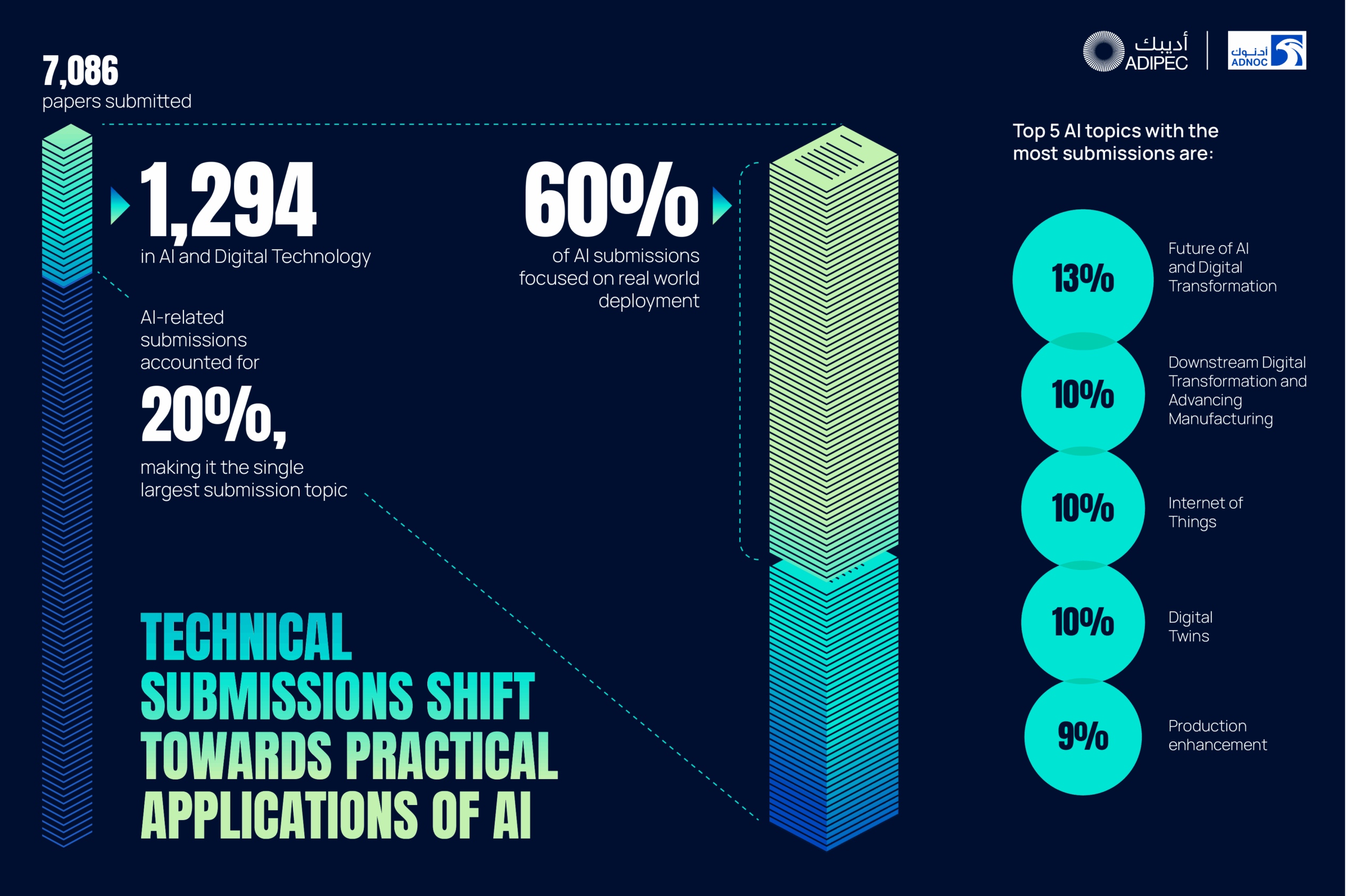
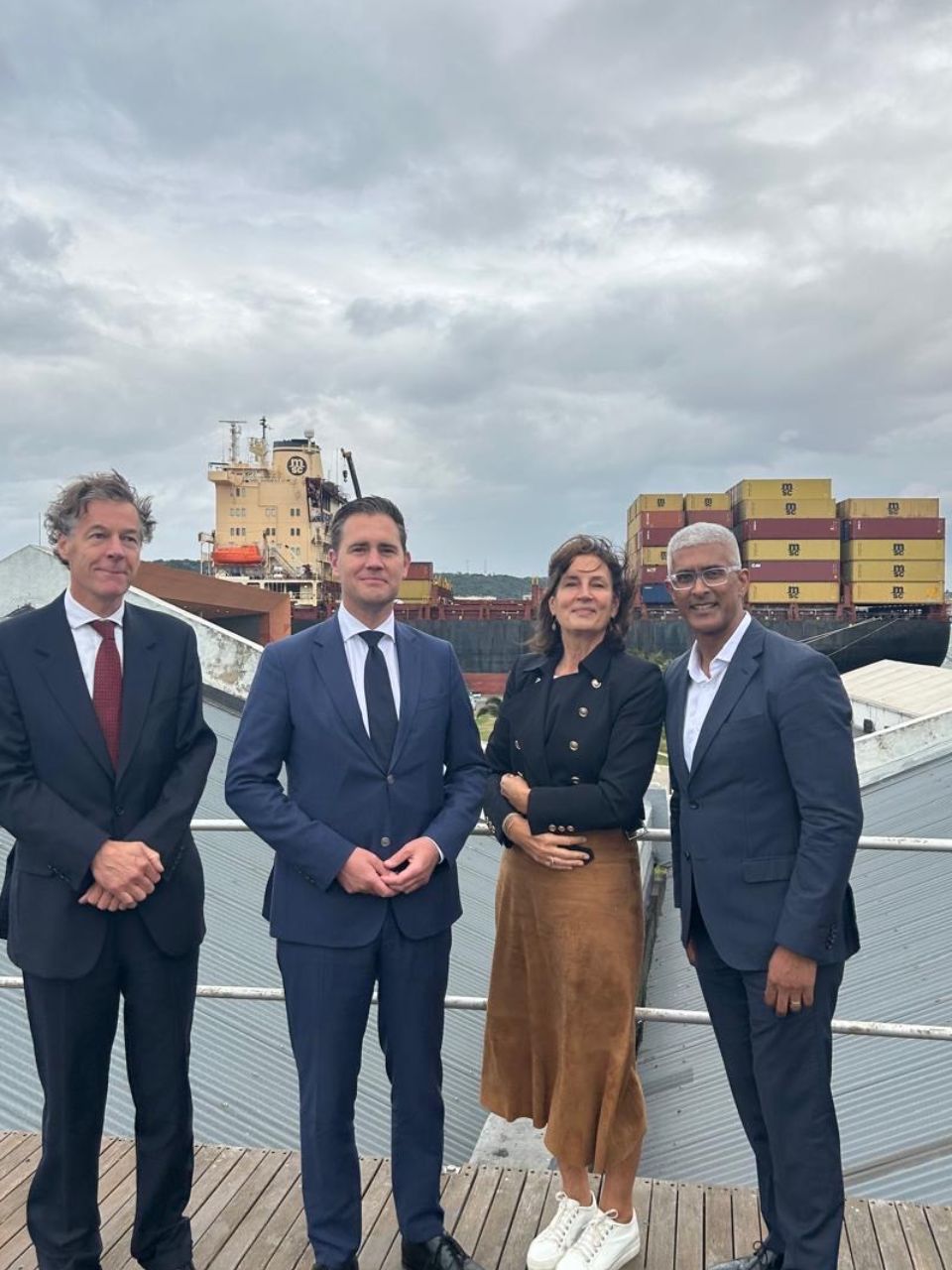
Under Del Monaco’s leadership in the insulation business, the division strengthened its market position, expanded capacity across several product lines, and improved operational efficiency. His experience with Owens Corning’s branded building products and customer engagement strategies positions him to advance the company’s roofing initiatives.

Canovas assumes the Insulation presidency with over 20 years of building products industry experience, including nearly a decade in various roles within Owens Corning’s Insulation division. Since joining the company in 2012, he has held progressively senior positions, most recently serving as vice president and general manager of commercial and industrial insulation. His background includes leadership roles in technical insulation, product management for North American operations, and general management of the XPS foam insulation business across the US and Canada.

Chair and CEO Brian Chambers emphasised the significance of these appointments, noting that both leaders have demonstrated strong enterprise leadership and proven track records in customer partnerships, team development, and consistent results delivery. Chambers highlighted their role in executing the company’s long-term growth strategy and leveraging what the company calls “The OC Advantage” across its market-leading businesses.

The leadership changes follow the resignation of Gunner Smith, who had served as president of the roofing business for 17 years before announcing his departure to pursue other professional opportunities. Chambers acknowledged Smith’s contributions to the company’s roofing division growth through contractor engagement, operational excellence, and customer value delivery.

Both Del Monaco and Canovas will report directly to CEO Chambers and serve as members of the company’s Executive Committee. Smith will continue in a consulting capacity to ensure a smooth transition of responsibilities through his departure in early August.

The appointments reflect Owens Corning’s strategy to promote from within while positioning the company to capitalise on market trends and continue delivering value to customers and shareholders across its building products portfolio.

For more information visit www.owenscorning.com

ADIPEC 2025 Technical Conferences achieve record submissions driven by practical applications of AI in the energy sector

The ADIPEC 2025 Technical Conferences have achieved a record-breaking milestone with 7,086 paper submissions from global energy experts, marking a significant increase in participation and demonstrating the industry’s commitment to innovation and technological advancement. The unprecedented number of submissions reflects the growing convergence of energy and artificial intelligence, with nearly one-fifth of all contributions focusing on practical AI and digital innovations designed to drive system-wide transformation and unlock long-term value across the energy sector.

The submissions are distributed across two main programmes: the Technical Conference organised by the Society of Petroleum Engineers (SPE) and the Downstream Technical Conference organised by dmg events. Together, these conferences form an integral part of ADIPEC, recognised as the world’s largest energy event, scheduled to take place from November 3-6, 2025, in Abu Dhabi. More than 1,100 energy pioneers will participate across nearly 200 technical conference sessions, sharing insights on implementing solutions to ensure the world has access to energy in the most cost- and carbon-efficient manner possible.

The SPE-organised Technical Conference received a record 6,286 submissions this year, while the Downstream Technical programme attracted 782 submissions. These figures represent increases of 5 percent and 19.2 percent, respectively, compared to the previous year’s submissions, resulting in a combined increase of 7 percent. The growth in submissions underscores the global energy community’s eagerness to share knowledge and advance technical solutions for contemporary energy challenges.

Haitham Al Jenaibi, senior vice president of gas and growth in upstream at ADNOC and ADIPEC 2025 Technical Conference Programme Chair, emphasised the significance of these record submissions in the context of rapidly evolving global energy systems. He noted that the urgency to advance intelligent solutions that deliver real-world impact has never been greater, and the record participation reaffirms ADIPEC’s position as the world’s leading platform for engineering excellence, cross-sector innovation, and practical applications of AI across the energy value chain.

The breadth of global participation was equally impressive, with more than 1,100 companies from 93 countries submitting papers and abstracts for ADIPEC’s Technical Conferences. This participation exceeded 2024 levels and reinforced ADIPEC’s status as the premier global platform for the entire energy ecosystem. The geographic diversity of submissions demonstrates the universal nature of energy challenges and the collaborative approach required to address them effectively.

Artificial intelligence emerged as a dominant theme throughout the submissions, with a 26 percent increase in papers focusing on AI and Digital Technology compared to the previous year. These AI-focused submissions represented almost 20 percent of all contributions, totalling 1,294 papers and abstracts. This substantial focus on AI technologies reflects the industry’s recognition of artificial intelligence as a transformative force capable of revolutionising energy operations, efficiency, and sustainability.

The emphasis on practical implementation rather than theoretical discussion was particularly noteworthy in the AI submissions. Nearly 60 percent of all AI-related abstracts focused on real-world deployment scenarios, confirming a significant industry shift from conceptual dialogue to practical delivery of AI solutions. This trend indicates that the energy sector has moved beyond exploring AI’s potential to actively implementing these technologies in operational environments.

The most popular AI sub-themes among submissions included the Future of AI and Digital Transformation, representing 13 percent of AI-focused papers, followed by Downstream Digital Transformation and Advanced Manufacturing at 10 percent. Internet of Things applications, Digital Twins technology, and Production Enhancement each accounted for 10 percent, 10 percent, and 9 percent of AI submissions respectively. These focus areas reveal where the energy industry is concentrating its AI innovation efforts and investment priorities.

Beyond AI and digital technologies, the conference submissions covered a comprehensive range of technical topics essential to energy sector advancement. Operational excellence emerged as the second most popular topic area, representing 16 percent of all submissions, followed by Drilling and Completions at 14 percent, and low carbon and sustainability initiatives at 12 percent. This distribution of topics reflects the industry’s balanced approach to addressing immediate operational needs while simultaneously focusing on long-term sustainability goals.

Regional participation patterns showed interesting developments, with a particularly notable surge in submissions from Africa, which experienced an almost 300 percent increase compared to 2024. This dramatic growth in African participation suggests increasing energy sector activity and technical capability development across the continent. The Middle East and Asia-Pacific regions continued to dominate submission volumes, contributing 48 percent and 25 percent of total submissions respectively, reflecting these regions’ continued leadership in global energy development and innovation.

Christopher Hudson, president of dmg events, the organiser of ADIPEC, contextualised these developments within the broader global energy landscape. He described the current period as a defining decade being shaped by the intersection of energy and artificial intelligence, emphasising ADIPEC’s focus on breakthrough technologies that enable sustainable systems, reduce carbon intensity, and advance economic prosperity. Hudson highlighted that the Technical Conference serves as a critical forum where innovation is translated into measurable impact that powers global progress.

The record number of submissions and the pronounced shift towards practical AI applications demonstrate that ADIPEC’s agenda extends beyond following industry trends to actively setting the pace for transformation across the entire energy value chain. This leadership position reflects the conference’s success in attracting cutting-edge research and development initiatives that will shape the future of global energy systems.

As the energy industry continues to navigate complex challenges including sustainability requirements, operational efficiency demands, and technological integration opportunities, the ADIPEC 2025 Technical Conferences represent a crucial gathering point for sharing solutions and advancing collective knowledge. The record participation and focus on practical AI implementations suggest that the industry is well-positioned to leverage technological innovations for meaningful transformation in energy production, distribution, and consumption patterns worldwide.

For more information visit www.adipec.com

Dutch finance minister visits Vopak South Africa to discuss energy infrastructure development

Vopak South Africa recently welcomed a high-profile Dutch government delegation for discussions on energy infrastructure opportunities and business development initiatives. The visit included Dutch minister of finance Eelco Heinen, Dutch ambassador to South Africa Joanne Doornewaard, and Jasper Wesseling, treasurer general at the Ministry of Finance, accompanied by their delegation.

Oliver Naidu, president of Vopak South Africa, led the engagement with the visiting officials, providing comprehensive insights into the company’s current operations in the region. During the discussions, Naidu outlined several significant business development opportunities that align with both South Africa’s energy needs and the global transition toward sustainable energy solutions.

The presentations to the Dutch delegation highlighted two major strategic initiatives under consideration by Vopak South Africa. The first is the proposed Zululand Energy Terminal, which would establish liquefied natural gas (LNG) infrastructure at Richards Bay. This development represents a potential milestone for South Africa’s energy infrastructure, offering enhanced energy security and cleaner fuel alternatives for the region.

The second focus area involves emerging opportunities in green hydrogen and ammonia projects. These initiatives position Vopak at the forefront of sustainable energy carrier development, supporting both local energy transition goals and international efforts to establish green hydrogen supply chains.

The visit underscored Vopak’s broader global growth strategy, which centres on expanding the company’s portfolio of gas and industrial terminals worldwide. The company is actively developing infrastructure solutions designed to facilitate the global energy transition, positioning itself as a key enabler of new energy technologies and sustainable fuel systems.

Vopak operates an extensive international network comprising 78 terminals globally, with South Africa hosting two facilities within this network. The South African operations represent a strategic component of the company’s commitment to supporting diverse energy solutions across multiple markets and regions.

The ministerial visit reflects the deepening cooperation between the Netherlands and South Africa in the energy sector. The Netherlands has established itself as a global leader in energy transition technologies and sustainable infrastructure development, while South Africa presents substantial opportunities for renewable energy projects and clean fuel initiatives.

The engagement between senior Dutch government officials and Vopak South Africa demonstrates the potential for enhanced bilateral collaboration in developing energy infrastructure that supports both nations’ sustainability objectives and economic development priorities. The discussions highlighted opportunities for Dutch expertise and investment to contribute to South Africa’s energy transition while supporting broader regional energy security goals.

For more information visit www.vopak.com

SONATRACH & Eni sign a hydrocarbons contract on the Zemoul El Kbar perimeter

SONATRACH and its partner Eni have signed a hydrocarbon production sharing contract to explore and develop the Zemoul El Kbar perimeter, located in the Berkine Basin approximately 300 km east of Hassi Messaoud. The agreement, signed under the provisions of Algeria’s Hydrocarbon Law No. 19-13, covers a period of 30 years with the possibility of a 10-year extension, including a seven-year exploration phase.

The total planned investment for the exploration and development of the area amounts to 1.35 billion US dollars, of which 110 million US dollars are allocated to exploration activities. The work programme will incorporate advanced technological processes, including cutting-edge digital solutions for operations, production optimisation, and enhanced reserves recovery.

A key focus of the agreement is on the utilisation of local content, with an emphasis on subcontracting national suppliers and service providers to maximise domestic economic participation.

Production from the Zemoul El Kbar development is expected to reach approximately 415 million barrels of oil equivalent (boe), including 9.3 billion cubic metres of natural gas, over the duration of the contract.

This contract follows the head of agreement signed by SONATRACH and Eni on 19 May 2024, marking a continuation of the strategic partnership between the two companies.

In addition to the Hydrocarbon Contract, SONATRACH and Eni also signed a Gas Agreement that outlines specific provisions for the marketing of dry gas from the Zemoul El Kbar perimeter, with quantities designated for export.

On the sidelines of the contract signing, SONATRACH, Eni, and ECU also entered into a three-year framework agreement aimed at developing the skills of SONATRACH personnel. The collaboration will focus on training and knowledge transfer through the ECU training institution, further strengthening capacity-building efforts within the Algerian energy sector.

For more information visit www.sonatrach.com