


WPU, the plastics recycling business of Vitol, is planning to develop a new chemical recycling facility for end-of-life plastics at the Port of Rotterdam, adjacent to the company’s Rotterdam refinery (VPR). The proposed plant will have the capacity to process 80,000 tonnes of post-consumer plastic annually, increasing WPU’s total recycling capacity to 100,000 tonnes per year.
The Rotterdam site is expected to become one of Europe’s largest chemical recycling facilities for end-of-life plastics. It will utilise WPU’s proprietary batch pyrolysis technology to convert plastic waste into pyrolysis oil, which can be used as a circular feedstock in the production of chemicals, intermediates and new plastics. This approach is intended to deliver a lower carbon alternative to traditional fossil-based naphtha, as demand rises for circular feedstocks and regulatory frameworks across Europe continue to support increased recycled content and the decarbonisation of petrochemical value chains.
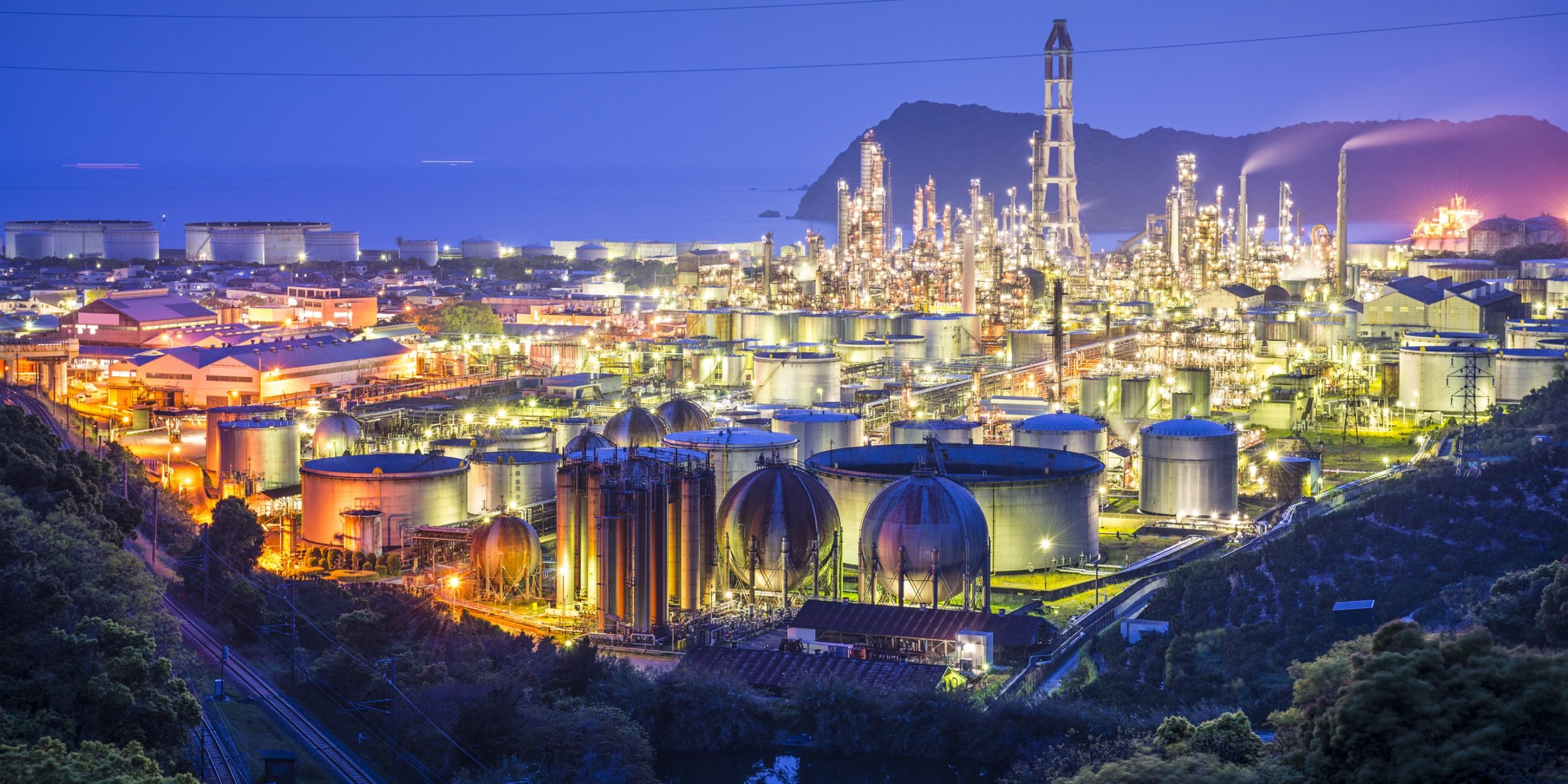
According to Jeffrey van Geloof, CEO of WPU and managing director of VPR, the project represents a significant step in the company’s growth strategy. He noted that building on operational experience in Denmark, the facility would substantially expand recycling capacity and support the scaling of WPU’s technology across the European market.
WPU has already deployed its pyrolysis technology at its facility in Farevejle, Denmark, which has an annual capacity of 20,000 tonnes and is currently operating near full utilisation. The company is considered an early mover in the commercial-scale application of plastics pyrolysis for end-of-life materials.
Tom Baker, Vitol’s global head of naphtha and head of the Middle East, said the project marks meaningful progress toward establishing a scalable circular economy in the plastics sector. He added that initiatives of this nature could help address plastic waste challenges, broaden access to alternative petrochemical feedstocks, and reduce the overall carbon intensity of plastic production. He also highlighted the strategic advantage of locating the facility alongside existing refinery infrastructure in Rotterdam, enabling efficient integration with industrial systems and end markets.
The plant will incorporate advanced furnace technology aimed at reducing emissions and improving energy efficiency. Similar systems implemented at Vitol’s Rotterdam refinery have already achieved significant reductions in emissions and energy consumption, positioning the site among the more energy-efficient refineries in Europe.
The project remains subject to regulatory approvals, with a comprehensive stakeholder consultation process expected to form part of the development.
For more information visit www.vitol.com