


Vitol-owned ViGo Bioenergy has commenced biomethane injection into the grid from its latest biogas digester facility in Lithuania, marking a significant milestone in the company’s strategy to expand biomethane availability for heavy trucking across Europe. The facility represents a crucial development in sustainable transport fuel production and circular economy implementation.
The Lithuanian facility began operations with biomethane injection into the grid, initiating a production process that will deliver substantial renewable energy output once fully operational. When the facility reaches full capacity, it will produce 125 GWh of carbon-negative biomethane annually, providing a significant volume of sustainable fuel for heavy transport applications.
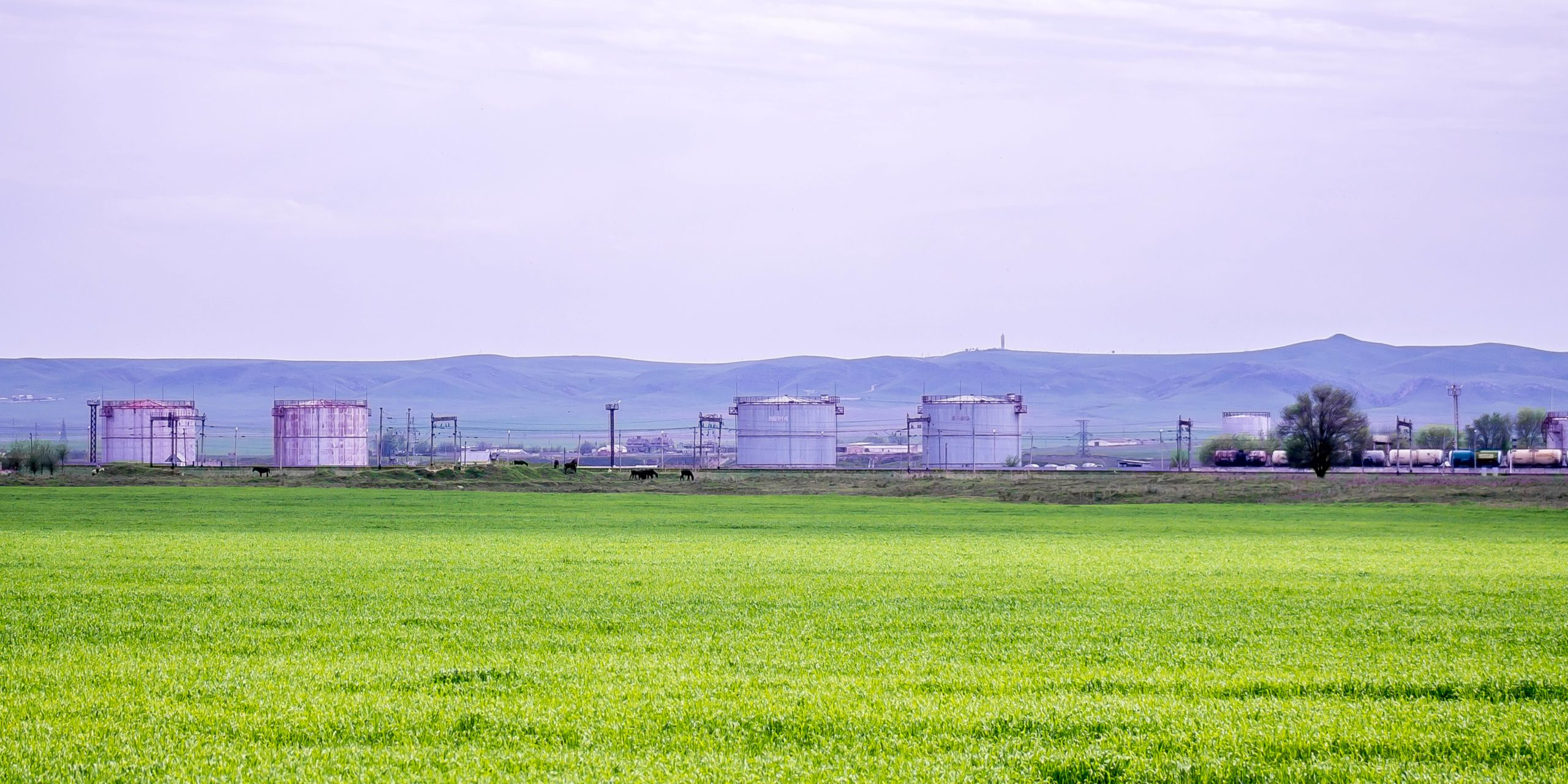
The biomethane produced at the facility will directly replace fossil diesel in heavy trucks refuelling at ViGo stations across Europe. This substitution represents a direct impact on transport decarbonisation efforts, targeting one of the most challenging sectors for emissions reduction due to the energy-intensive nature of heavy freight transport.
ViGo Bioenergy’s focus on biomethane production addresses critical requirements for effective decarbonisation solutions in the transport sector. Biomethane offers significant greenhouse gas emissions reduction potential while maintaining compatibility with existing gas infrastructure, providing a practical pathway for immediate implementation without requiring extensive infrastructure modifications.
The production process involves purifying and liquefying biogas generated through anaerobic digestion of organic waste materials, including agricultural residues, food waste, and manure. This approach transforms waste streams into valuable energy resources while addressing waste management challenges across multiple sectors.
The environmental advantages of biomethane production extend beyond simple fossil fuel replacement. The fuel is chemically identical to conventional LNG but derives from renewable sources, delivering substantial greenhouse gas savings compared to traditional diesel fuels. Manure-based biomethane demonstrates particularly impressive environmental performance, offering close to -200 percent carbon intensity when compared to fossil diesel.
This negative carbon intensity results from the process preventing methane emissions that would otherwise occur from organic waste decomposition while displacing fossil fuel consumption. The combination of avoided emissions and renewable energy production creates a net carbon benefit that exceeds neutral impact.
The biomethane production process exemplifies circular economy principles by utilising waste streams that would otherwise contribute to environmental challenges. By converting agricultural residues, food waste, and manure into renewable energy, the facility addresses waste management while producing valuable fuel resources.
The production process generates additional environmental benefits through by-product utilisation. The digestate produced during biogas generation serves as an organic fertiliser that improves soil health on arable land, replacing synthetic fertilisers and supporting sustainable agriculture practices.
Beyond fuel production, the facility captures CO2 during the biomethane purification process, creating opportunities for commercial and industrial applications. This captured CO2 can replace fossil-based CO2 in various industrial processes, further contributing to overall emissions reduction and resource efficiency.
The integrated approach to waste utilisation, energy production, and by-product recovery demonstrates how biomethane facilities can serve multiple economic and environmental objectives simultaneously. This model supports the development of sustainable industrial ecosystems that maximise resource efficiency.
ViGo Bioenergy’s expansion into Lithuania reflects the company’s broader European strategy to develop biomethane infrastructure that supports heavy transport decarbonisation. The facility’s connection to the grid enables flexible distribution of biomethane across European markets, supporting the company’s network of refuelling stations.
The strategic positioning of production facilities across Europe enables ViGo to serve regional markets while building resilient supply chains for sustainable transport fuels. This approach supports the development of a comprehensive biomethane ecosystem that can scale to meet growing demand for renewable transport fuels.
The facility’s operations contribute to agricultural methane emissions reduction by processing organic waste materials that would otherwise decompose and release methane into the atmosphere. This approach addresses one of the most potent greenhouse gases while converting waste into valuable energy resources.
The agricultural sector benefits from this waste processing approach through improved waste management practices and reduced environmental impact. The integration of waste-to-energy systems supports sustainable farming practices while providing additional revenue streams for agricultural operations.
The compatibility of biomethane with existing gas infrastructure facilitates rapid deployment and scaling of sustainable fuel production. This compatibility enables immediate utilisation of biomethane in existing LNG systems without requiring extensive infrastructure modifications or new distribution networks.
The facility’s integration with grid infrastructure demonstrates how biomethane production can leverage existing energy systems while supporting the transition to renewable energy sources. This approach maximises the utility of current infrastructure investments while enabling sustainable fuel deployment across European markets.
For more information visit www.vitol.com