


As the global energy landscape shifts towards lower-carbon solutions, LNG developers face a central challenge: how to expand export capacity quickly and cost-effectively while managing risk. Argent LNG is addressing this challenge through a modular approach to liquefied natural gas production, offering a scalable model for clean energy exports that balances speed, efficiency and capital discipline.
Modular engineering: flexibility at scale
At the core of Argent LNG’s strategy is modular technology. Unlike traditional stick-built LNG facilities, which rely on large, site-constructed liquefaction trains developed over many years, Argent LNG deploys prefabricated, factory-tested modules for each major system, including liquefaction, pretreatment, power generation and storage.
This approach significantly reduces capital expenditure risk, as standardised modules are fully tested off-site and delivered ready for assembly, limiting construction uncertainty. It also shortens project timelines, enabling earlier production and faster revenue generation. In addition, the modular design allows for phased expansion, enabling capacity to be added incrementally as market demand grows, rather than requiring full-scale development upfront.
Integrated OEM expertise
Argent LNG’s modular architecture integrates technologies from leading global original equipment manufacturers to ensure reliability and performance across the entire facility.
Baker Hughes supplies the liquefaction modules, gas power turbines, compression systems and cold boxes, based on its advanced 2.1 process technology for efficient and scalable gas cooling and liquefaction. All modules are pre-commissioned before leaving the modular yard.
Honeywell UOP provides the five million tonnes per annum pretreatment systems, which remove impurities and ensure feed gas meets the highest standards required for liquefaction and storage. ABB delivers modularised e-houses, power generation and automation systems, providing precise operational control and optimised energy efficiency across the plant.
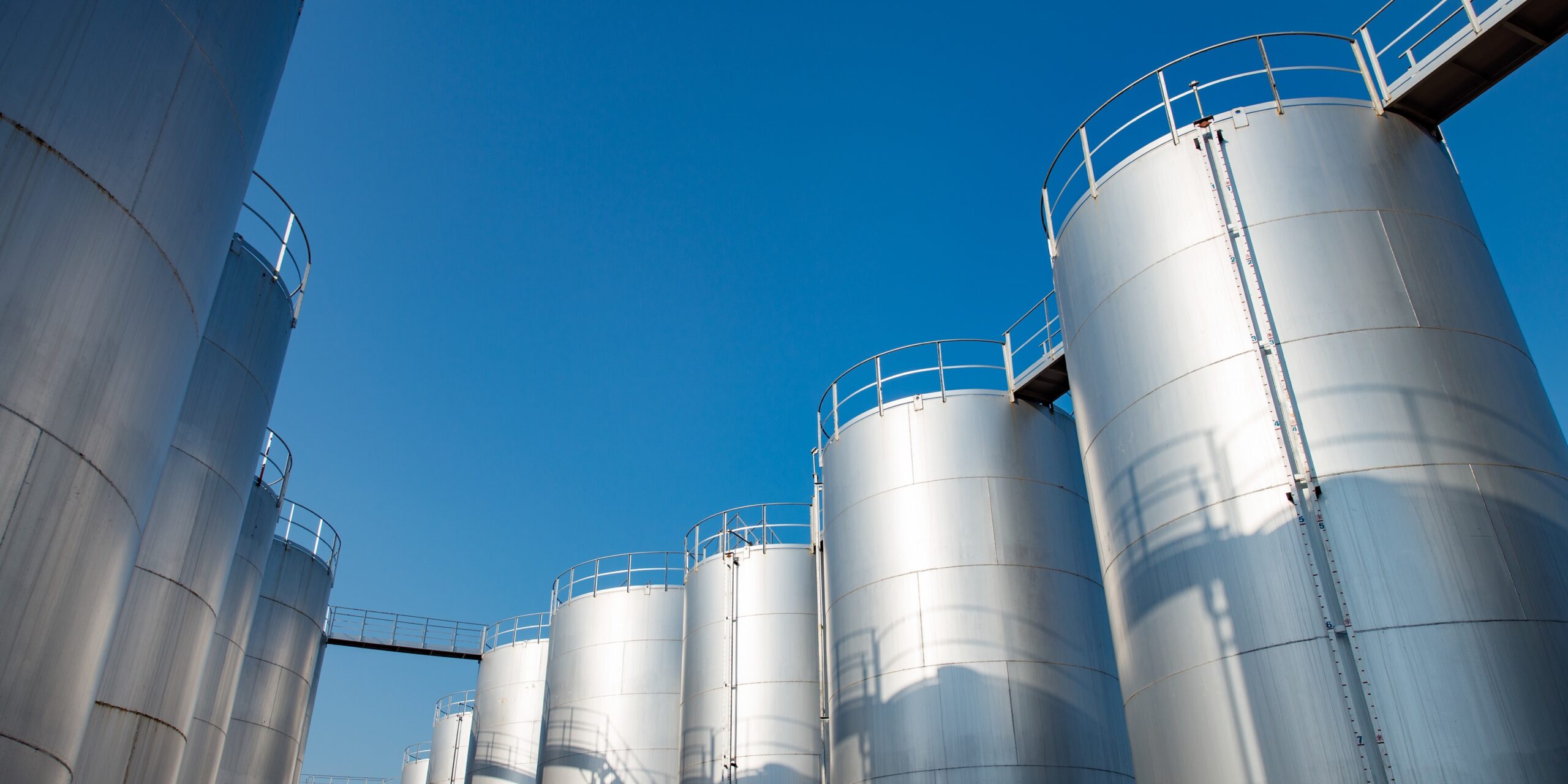
GTT supplies the modular membrane containment systems for LNG storage, using robotic welding to assemble factory-tested tanks. This approach improves safety, accelerates installation and preserves world-class storage integrity, while remaining fully aligned with Argent LNG’s modular design philosophy.
Together, these integrated technologies allow Argent LNG to assemble a high-performance LNG facility with reduced risk, faster commissioning and predictable operational outcomes.
Lower carbon footprint and environmental stewardship
The modular model also supports a lower-carbon strategy. Shorter construction timelines reduce energy consumption and emissions during the build phase, while optimised plant design improves operational efficiency from the outset. The modular framework further allows systems to be upgraded as new technologies emerge, helping to future-proof the facility as decarbonisation standards continue to evolve.
A blueprint for global scaling
Argent LNG’s modular methodology offers a replicable “cookie-cutter” model for emerging LNG markets and clean energy infrastructure worldwide. By lowering upfront capital requirements, reducing project risk and enabling phased development, modular LNG plants can be deployed in regions where traditional large-scale facilities may be economically or regulatory unviable.
In an era defined by energy security, environmental responsibility and capital efficiency, Argent LNG demonstrates that modular design is more than an engineering choice — it is a strategic tool for scaling clean energy exports. For developers, investors and policymakers alike, the company presents a blueprint for LNG infrastructure that meets current demand without compromising future flexibility.
For more information visit www.argentlng.com