

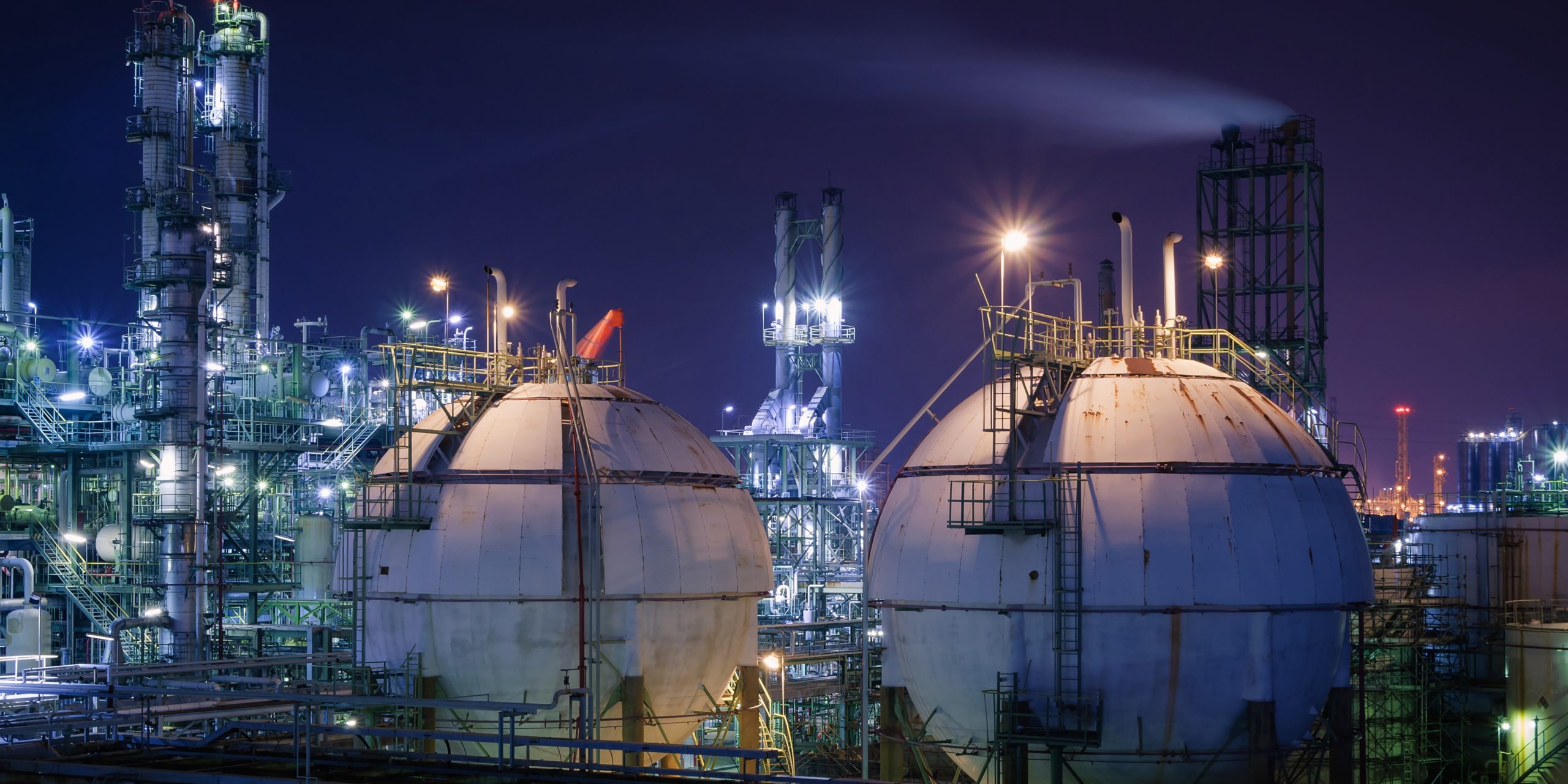
Siemens Energy has secured a contract from the German utility EWE to supply a 280-megawatt electrolysis system, set to be operational by 2027 in the city of Emden, Germany. The plant is expected to produce up to 26,000 tonnes of green hydrogen annually, which will be used for various industrial applications in the region. By replacing fossil fuels with this green hydrogen, the project could potentially reduce CO2 emissions by approximately 800,000 tonnes per year, particularly in the steel industry.
The electrolysis plant forms a crucial part of EWE’s large-scale hydrogen initiative, “Clean Hydrogen Coastline,” which is divided into four sub-projects. The electrolyser, which is the centrepiece of the Emden hydrogen production facility, will operate with an average power consumption of 320 megawatts over its lifetime. In addition to supplying the electrolyser, Siemens Energy and EWE have signed a ten-year service contract to ensure the plant’s ongoing performance and reliability.
The German government and the European Commission have classified the project as a strategic funding measure under the Important Project of Common European Interest framework. EWE received the official funding decision from the Federal Ministry for Economic Affairs and Climate Protection last week. Following the signing of the contract, EWE and Siemens Energy have immediately commenced the implementation phase of the project.
Anne-Laure de Chammard, member of the executive board of Siemens Energy, emphasised the project’s significance in scaling up Germany’s green hydrogen industry. She stated, “This project is an important element in the ramp-up of the green hydrogen industry in Germany. With the long-awaited funding commitments, the German government has placed the final piece of the puzzle to realise strategically important projects like this on a large scale. The immediate conclusion of the contract with EWE demonstrates that the industry is ready to swiftly implement these projects.”
EWE CEO Stefan Dohler highlighted the company’s comprehensive approach to hydrogen, covering production, transportation, and storage. He remarked, “EWE is active along the entire value chain with its hydrogen projects, from production to transportation and storage. Our choice of location in north-west Germany and our decision to work with Siemens Energy means that we are focusing on both regional and national value creation.” Dohler also expressed satisfaction with Siemens Energy’s selection after a year-long evaluation of ten electrolysis manufacturers worldwide, noting that Siemens Energy is already a trusted partner in EWE’s energy infrastructure.
The electrolyzer from Siemens Energy will utilise PEM (Proton Exchange Membrane) technology, which is highly adaptable for use with renewable energy sources due to its flexible ramp-up capabilities. The critical components, known as stacks, will be produced at Siemens Energy’s new gigawatt factory in Berlin.
For more information visit www.siemens-energy.com