


Neste is enhancing its chemical recycling capabilities through a collaboration with Tepsa Netherlands, focusing on the storage and handling of liquefied waste plastic in Rotterdam. This partnership, which involves the implementation of advanced aggregation tanks, reflects Neste’s commitment to expanding its liquefied waste plastic processing capacity and promoting the circular economy. The company is progressing towards the use of larger quantities of liquefied waste plastic as a raw material at its Porvoo refinery in Finland, transforming it into Neste RE™, a high-quality recycled feedstock for new plastics and chemicals production.
The aggregation tanks will be strategically located in the Port of Rotterdam to optimise supply chains and streamline logistics. With Neste securing liquefied waste plastic supplies from various European sources, this central hub provides seamless access to the continent’s extensive infrastructure. The cutting-edge tank solutions, alongside the surrounding infrastructure, will ensure safe and reliable storage of liquefied waste plastic. The tanks are expected to be operational by the second half of 2025, aligning with the completion of Neste’s ongoing capacity upgrades for liquefied waste plastic in Porvoo.
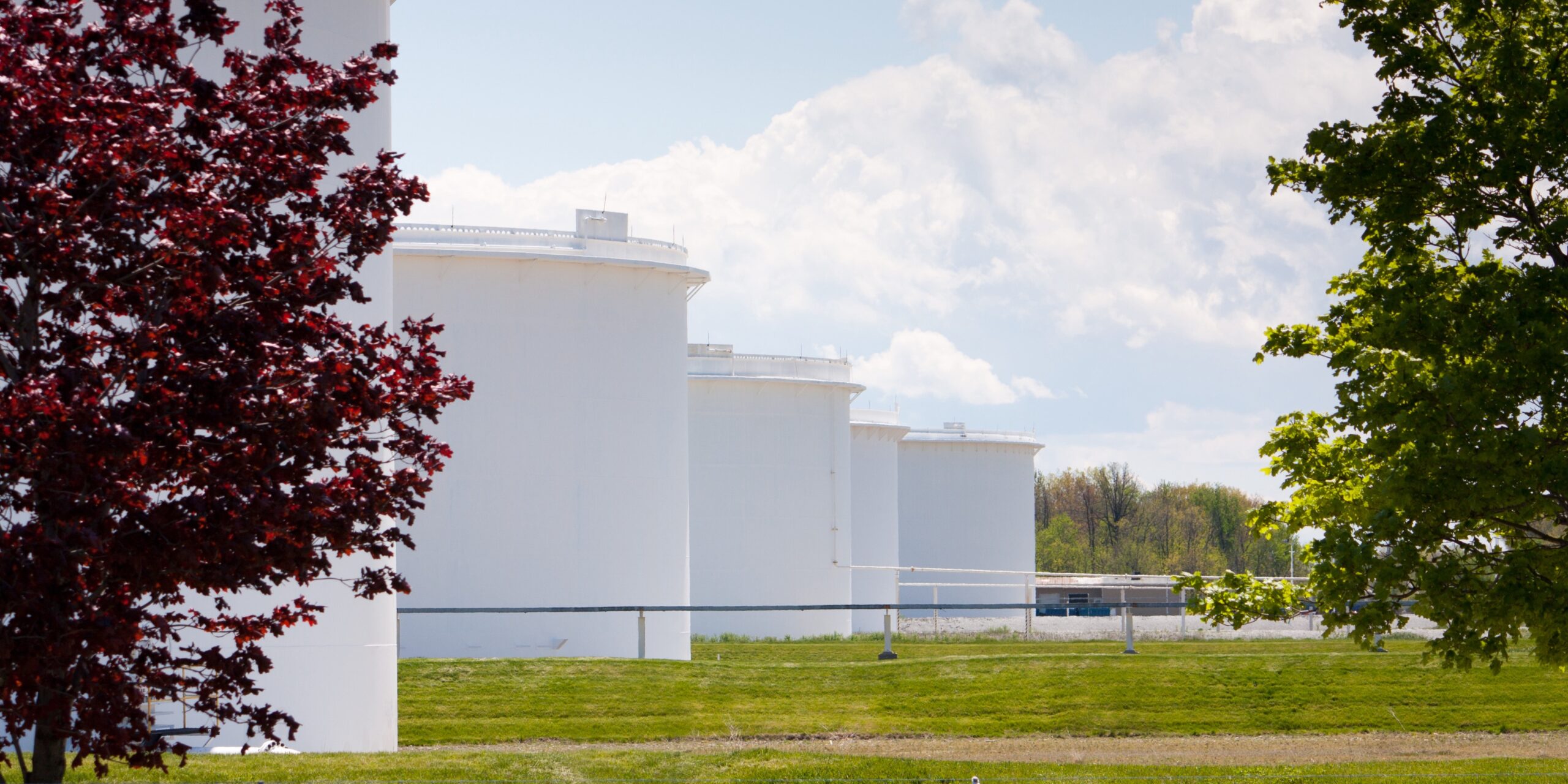
“The new aggregation tanks in Rotterdam are crucial in optimising our supply chain and achieving our ambitious targets for processing liquefied waste plastic. By expanding our supplier network and increasing storage capacity, we are enhancing our flexibility in offtake and supporting a more sustainable and circular plastics economy,” said Andreas Teir, head of chemical recycling at Neste.
Bruno Hayem, CEO of Tepsa, added, “This collaboration marks a significant step in our commitment to sustainability and the energy transition. Beginning in 2025, we will diversify our product portfolio by stocking liquefied waste plastic, reinforcing our leadership in storing sustainable, low-carbon products. This partnership strengthens our long-standing relationship with Neste and supports the development of a more circular economy.”
Neste aims to process over one million tonnes of plastic waste annually, with ongoing efforts to build upgrading capacities for 150,000 tonnes of liquefied waste plastic each year. By refining materials like liquefied waste plastic and discarded rubber tyres, Neste produces high-quality, drop-in feedstock for new plastic production, advancing its vision for a sustainable future.
For more information visit www.neste.com