

Inter Terminals Sweden, working in close collaboration with the Port of Södertälje, has initiated a significant step toward establishing an open and flexible infrastructure for captured CO₂ in the Mälardalen region. The project commences with a front-end engineering design and permitting process designed to enable intermediate storage of regionally captured CO₂ and facilitate loading onto vessels for subsequent transport to permanent storage or utilisation facilities.
Johan Zettergren, managing director of ITS, emphasised the strategic importance of this initiative for the company’s future positioning. “This initiative marks an important milestone for Inter Terminals, positioning us as a key enabler in the emerging CO₂-logistics market in Mälardalen,” Zettergren stated. The objective centres on offering an open and accessible solution for all regional companies seeking to capture CO₂ while requiring efficient solutions for storage or reuse applications.
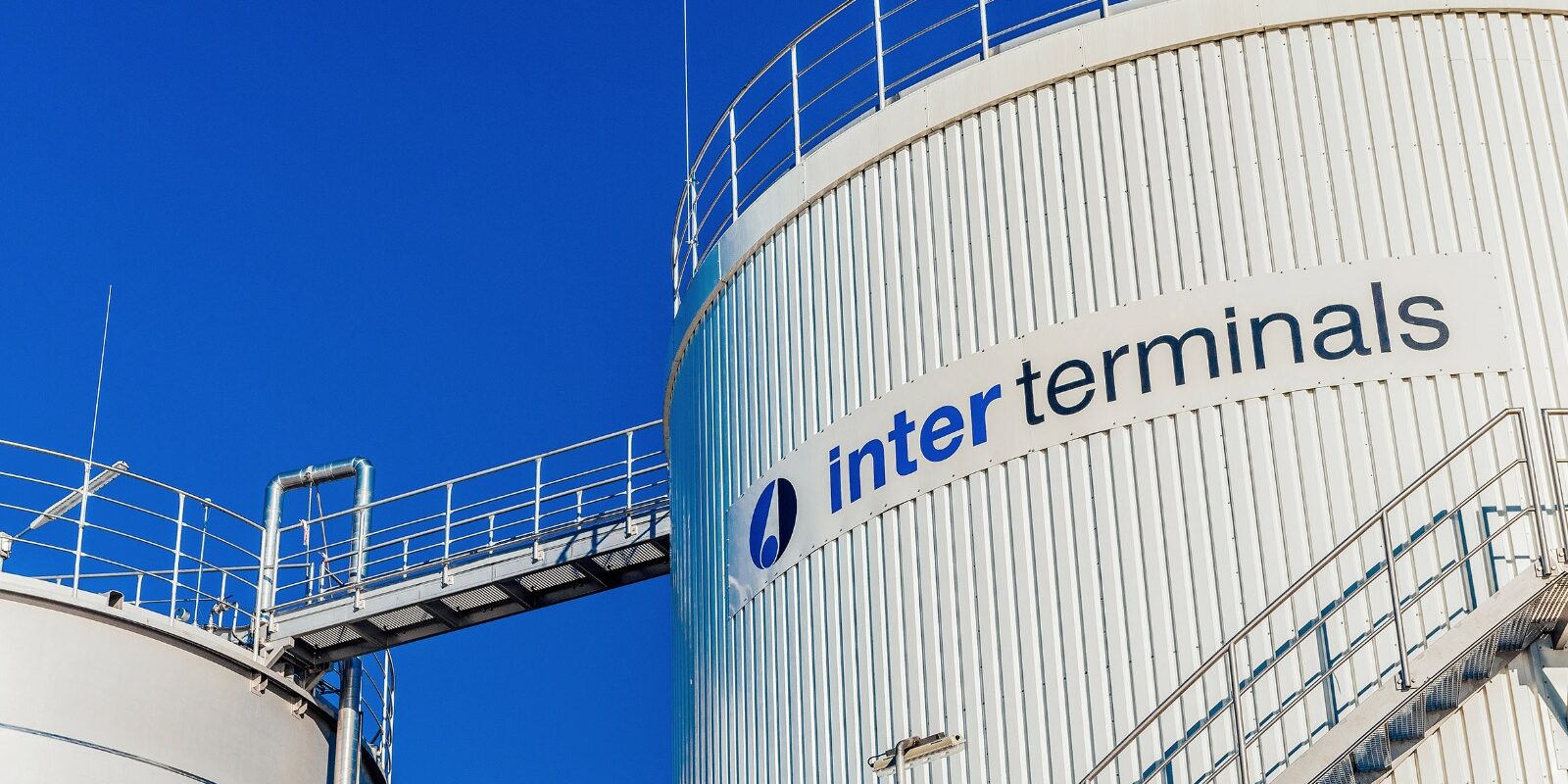
The collaboration with the Port of Södertälje represents a significant alignment of regional infrastructure capabilities. Måns Frostell, CEO of Södertälje Port, highlighted how the partnership enhances the port’s strategic position in sustainable logistics. “This joint initiative further strengthens Södertälje Port’s position as a hub for sustainable freight logistics and the future infrastructure for energy management in the Stockholm region,” Frostell commented.
The project addresses the deployment of carbon capture and storage and carbon capture and utilisation technologies, which serve as crucial mechanisms for reducing greenhouse gas emissions and creating negative emissions. These technologies focus on capturing carbon dioxide from industrial processes and power plants before atmospheric release, subsequently transporting the captured CO₂ to secure permanent storage facilities or utilisation applications, such as e-fuel production.
The implementation of such technologies contributes significantly to achieving both national and global climate objectives, representing a practical approach to industrial decarbonisation efforts.
The project concept incorporates scalability features and supports phased implementation, allowing adaptation to the evolving Carbon Capture, Utilisation and Storage (CCUS) market development in the region over the coming years. This flexible approach enables the infrastructure to respond to changing market demands and technological advancements in the carbon management sector.
ITS has established a clear timeline for project completion, with the fully operational facility expected to be ready by 2030. This timeline aligns with broader European and Swedish climate targets while providing sufficient time for comprehensive engineering, permitting, and construction phases.
The initiative represents a significant development in the Mälardalen region’s approach to industrial decarbonisation and carbon management. By establishing an open-access infrastructure, the project aims to support multiple regional companies in their carbon capture efforts, creating a collaborative ecosystem for CO₂ management rather than requiring individual company-specific solutions.
The project’s emphasis on accessibility and openness positions it as a regional utility that could accelerate the adoption of carbon capture technologies across various industrial sectors in the area. This approach may serve as a model for similar regional infrastructure developments in other parts of Sweden and Europe.
The collaboration between ITS and the Port of Södertälje demonstrates how existing logistics infrastructure can be adapted and expanded to support emerging climate technologies, potentially creating new revenue streams while contributing to environmental objectives.
For more information visit www.interterminals.com