

Rotterdam terminal operator deepens “transition partnership” with port authority as five new tanks and a new jetty prepare the site for low-carbon marine fuels
Evos Rotterdam has officially launched a significant expansion of its storage capacity for methanol and ethanol, marking one of the more concrete signals yet that Northwest Europe’s bunkering infrastructure is gearing up for a multi-fuel future.
The project was formally kicked off at a signing ceremony at the Port of Rotterdam, where Evos CEO Daan Vos and Port of Rotterdam Authority CEO Boudewijn Siemons put pen to paper on an agreement that will add five new storage tanks to the Evos Rotterdam site, with a combined gross capacity of 67,500 cubic metres. The scope also includes a new pump station, plus a new jetty and quay wall to be constructed by the Port Authority itself — infrastructure investment that underscores how closely the two parties are working together on the buildout.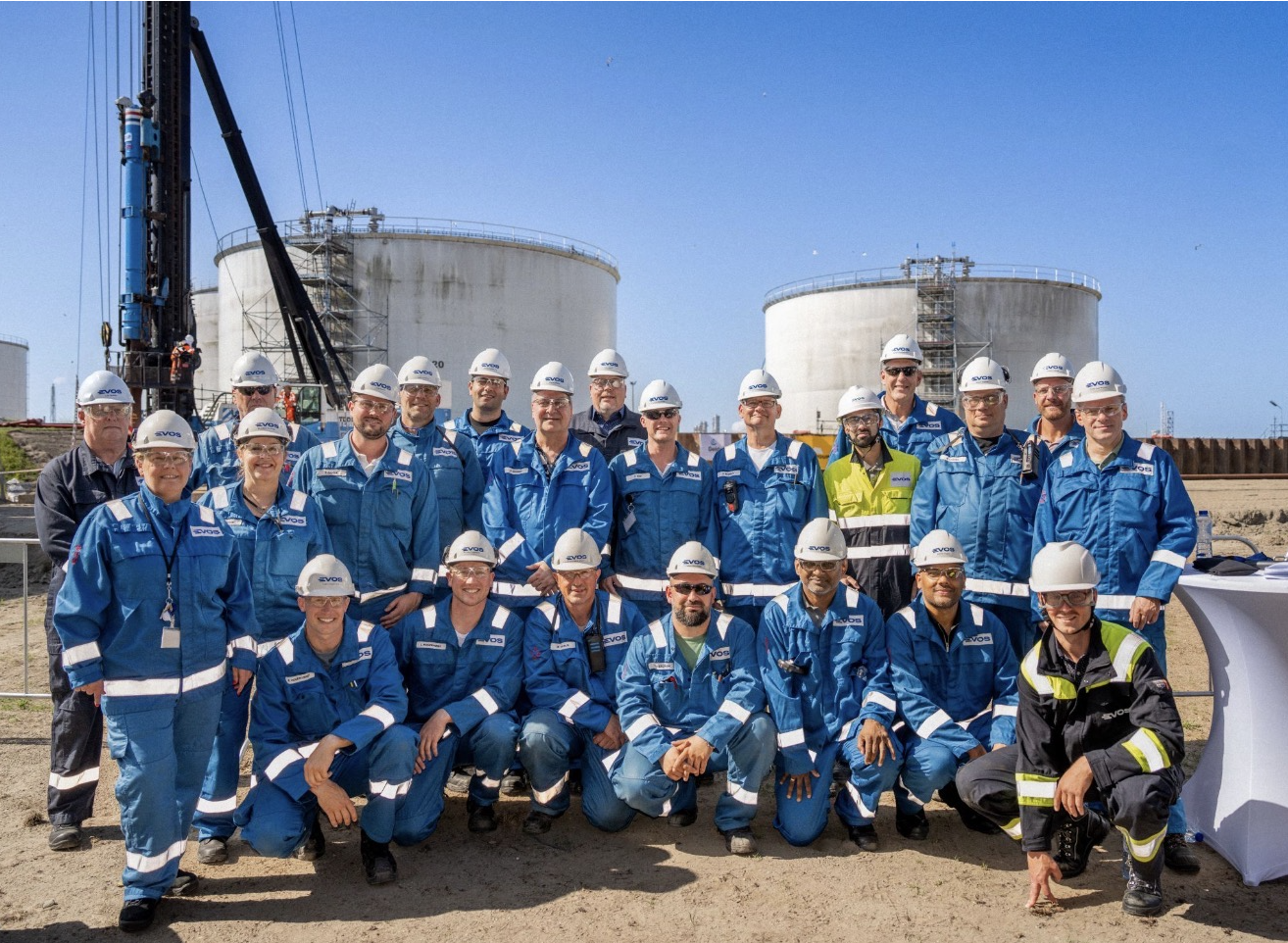 A Hub for Today’s Methanol Market — and Tomorrow’s Fuel Mix
On paper, the expansion is about tank capacity. In practice, it’s a bet on two markets at once.
Methanol demand from traditional chemical buyers remains steady, with formaldehyde production still the largest single driver of European consumption. That gives the new tankage an immediate commercial anchor. But the more forward-looking rationale is bunkering: methanol and ethanol are both gaining traction as cleaner marine fuel options, and Rotterdam — already a dominant bunkering port — wants the infrastructure in place before that demand curve steepens rather than after.
That dual focus is central to how Evos frames the investment. Daan Vos described it as a move that strengthens the Rotterdam terminal’s position as a leading methanol and ethanol hub today, while building the infrastructure base needed for low-carbon marine fuels to scale up in the years ahead. He tied the project to Evos’ broader “transition partnerships” strategy, framing it as a model built on shared investment and shared upside with the port authority, rather than the terminal operator going it alone.
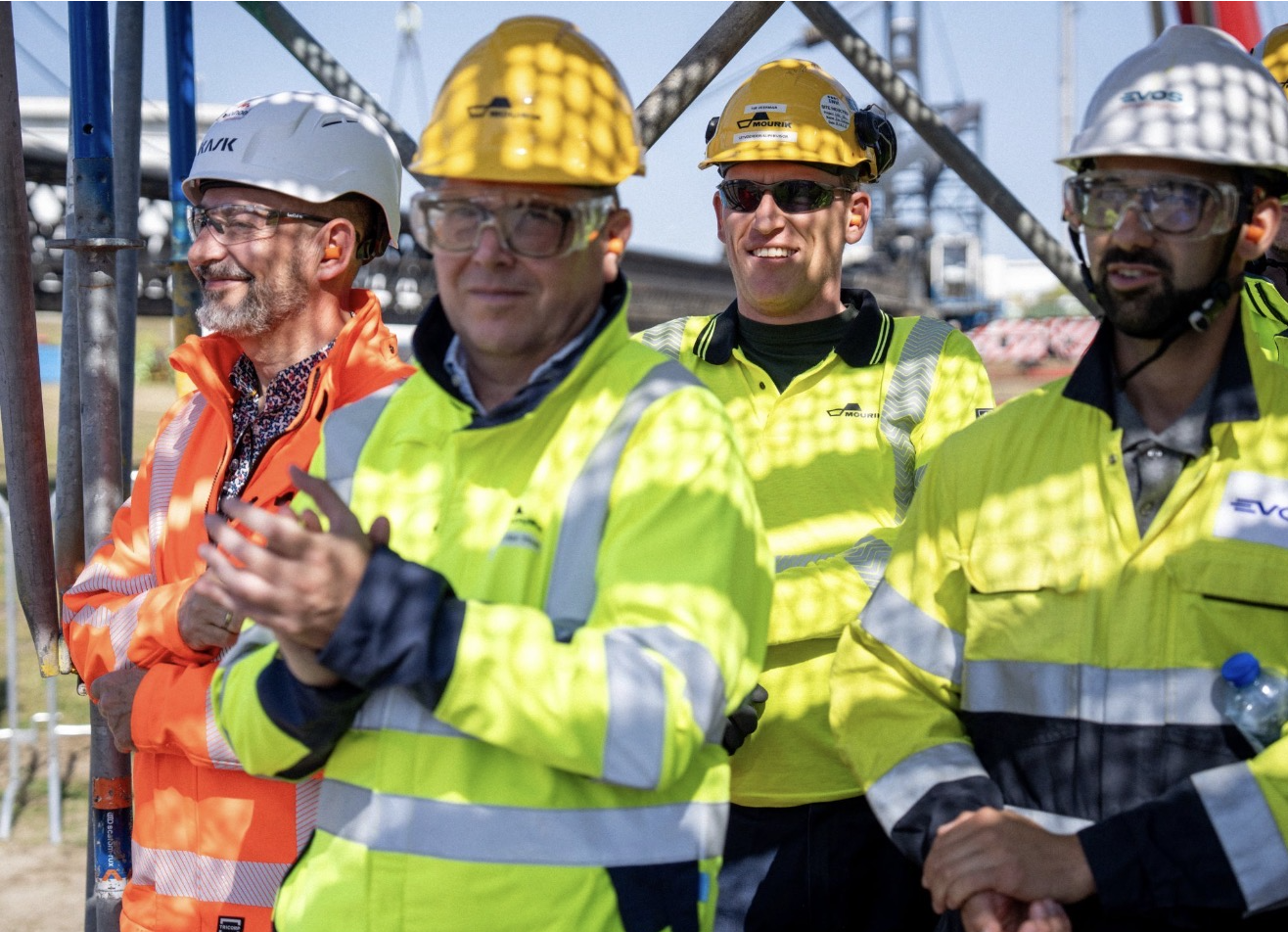
For Boudewijn Siemons, the project lands squarely within Rotterdam’s sustainability and climate-neutrality agenda. By funding and building the new jetty and quay wall, the Port Authority is putting in place infrastructure that allows methanol and similar cleaner fuels to be handled safely and efficiently at scale — a prerequisite, in the port’s view, for staying competitive as shippers and industrial customers shift toward lower-carbon options. Siemons connected the collaboration directly to Rotterdam’s climate-neutral ambitions for 2050, positioning the Evos project as one building block in a much larger resilience strategy for the port.
The expansion is expected to become operational in early 2028. It adds to a string of recent moves by Evos to position its terminal network around the energy transition — including a separate collaboration announced with Swiss aviation-fuel technology company Metafuels, which is building a synthetic sustainable aviation fuel (e-SAF) plant at the Rotterdam site using Evos’ existing methanol infrastructure, and exploratory work on a liquid CO2 storage and handling hub at the company’s Hamburg terminal.
Evos operates eight tank terminals across six ports in five countries — the Netherlands, Belgium, Germany, Malta and Spain — with a combined storage capacity of 6.3 million cubic metres. The company, founded in 2019, is owned by investment funds managed by Igneo Infrastructure Partners.