

Equinor, alongside its project partners, has reached financial close and taken the Final Investment Decision to progress the Northern Endurance Partnership and Net Zero Teesside Power to the execution phase. These projects represent two of the United Kingdom’s first carbon capture and storage initiatives, located in Teesside, aiming to significantly reduce carbon emissions in the region.
NEP, a core component of the East Coast Cluster, will transport and store carbon dioxide emissions from industrial facilities. The project includes constructing a CO2 gathering network, compression facilities, a 145-kilometre offshore pipeline, and subsea injection infrastructure. It is expected to start operations in 2028, with an initial capacity to manage 4 million tonnes of CO2 annually, scalable to 23 million tonnes by 2035.
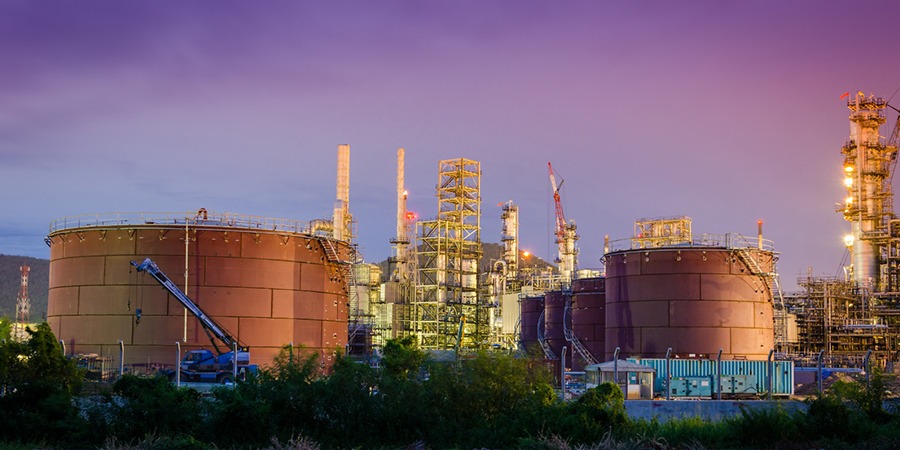
Equinor is also a key partner in NZT Power, a new gas-fired power plant with carbon capture technology. The facility will generate 742 megawatts of decarbonised power, equivalent to the electricity needs of 1 million UK homes, and capture up to 2 million tonnes of CO2 annually for storage via NEP.
Alex Grant, Equinor’s UK country manager, emphasised the significance of these projects in decarbonising the UK’s industrial heartlands while fostering local economic growth and job creation. Irene Rummelhoff, executive vice president of Marketing, Midstream, and Processing at Equinor, highlighted the milestone as evidence of collaboration between the industry and government in addressing carbon-intensive energy demands.
Equinor holds stakes of 45 percent in NEP and 25 percent in NZT Power, with bp and TotalEnergies as additional stakeholders. The projects’ construction phase, supported by a £4 billion contract with nine engineering, procurement, and construction contractors, will generate thousands of jobs and economic benefits in the north-east of England.
Beyond Teesside, Equinor’s decarbonisation ambitions include developing the Humber Carbon Capture Pipeline and achieving significant reductions in operated emissions. These initiatives align with Equinor’s broader commitment to investing in low-carbon and renewable technologies.
Equinor, a long-standing energy provider in the UK, continues to lead in renewable projects, including its partnership in Dogger Bank, the world’s largest offshore wind farm under construction.
For more information visit www.equinor.com