


The role of integrated energy systems in expanding electricity access and supporting economic development across Africa will be a central theme at the 2027 Africa Energy Indaba, taking place from 2nd–4th of March at the Cape Town International Convention Centre (CTICC).
Bringing together government representatives, utilities, investors, project developers and technology providers, the event will examine how combining multiple energy sources, including natural gas, renewable energy, hydropower, battery storage and existing thermal generation, can help address the continent’s growing electricity needs.
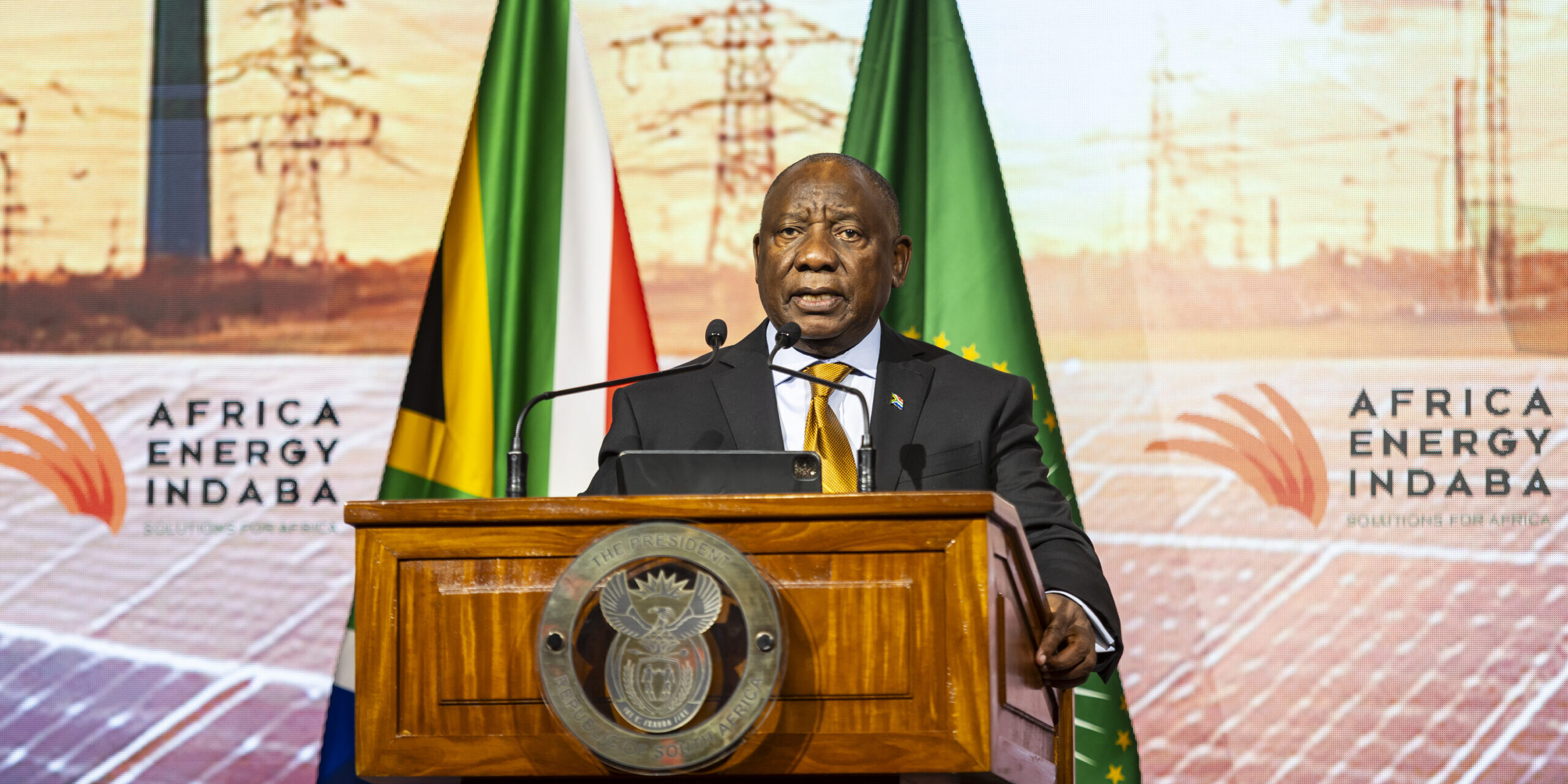
More than 600 million people across Africa currently lack access to electricity, and industry stakeholders increasingly recognise that no single technology will be sufficient to meet future demand. Instead, countries are adopting integrated resource planning approaches that reflect their individual energy resources, infrastructure and economic priorities.
According to the event organisers, discussions will focus on how diversified energy portfolios can improve grid reliability, increase system flexibility and support long-term economic growth while advancing universal electricity access.
Natural gas is expected to remain an important transition fuel, providing flexible generation that complements intermittent renewable energy sources such as wind and solar. Meanwhile, hydropower continues to play a significant role in several African markets, while existing thermal power plants are expected to remain part of the generation mix through modernisation and improved operational efficiency.
The conference programme will also explore the infrastructure needed to support integrated energy systems, including transmission networks, battery energy storage, digital grid technologies, regional interconnections and cross-border electricity trading through Africa’s power pools.
Investment will be another key focus, with development finance institutions, commercial banks and private investors expected to discuss financing models for new generation projects, grid upgrades, gas infrastructure and energy storage.
The event will also examine how reliable electricity supplies can underpin Africa’s broader industrialisation agenda by supporting manufacturing, mining and other energy-intensive industries. As initiatives such as Mission 300 and the African Continental Free Trade Area (AfCFTA) continue to drive economic development, delegates are expected to discuss the role of integrated energy planning in delivering secure, affordable and sustainable power.
The Africa Energy Indaba brings together stakeholders from across the renewable energy, natural gas, nuclear, transmission, storage, utility and investment sectors to explore policy developments, technology trends and investment opportunities shaping Africa’s evolving energy landscape. Organisers say the 2027 edition will provide a platform for collaboration as governments refine their energy strategies and investors seek opportunities across the continent.
For more information visit www.africaenergyindaba.com