


KLM Cityhopper, INERATEC, Hamburg Airport and MB Energy have successfully operated a passenger flight between Amsterdam and Hamburg using a blend of alternative aviation fuel that includes synthetic kerosene produced in Europe. The flight marks a significant milestone for the aviation industry, demonstrating the technical feasibility of integrating synthetic fuels into regular commercial operations through existing infrastructure.
The fuel used for the flight was produced and hydrotreated by INERATEC before being distilled and blended with conventional kerosene by MB Energy at ASG Analytik-Service. The blended fuel was then supplied to the aircraft via standard refuelling infrastructure at Amsterdam Airport. The synthetic kerosene originated from INERATEC’s ERA ONE facility, Europe’s first commercial-scale Power-to-Liquid production plant.
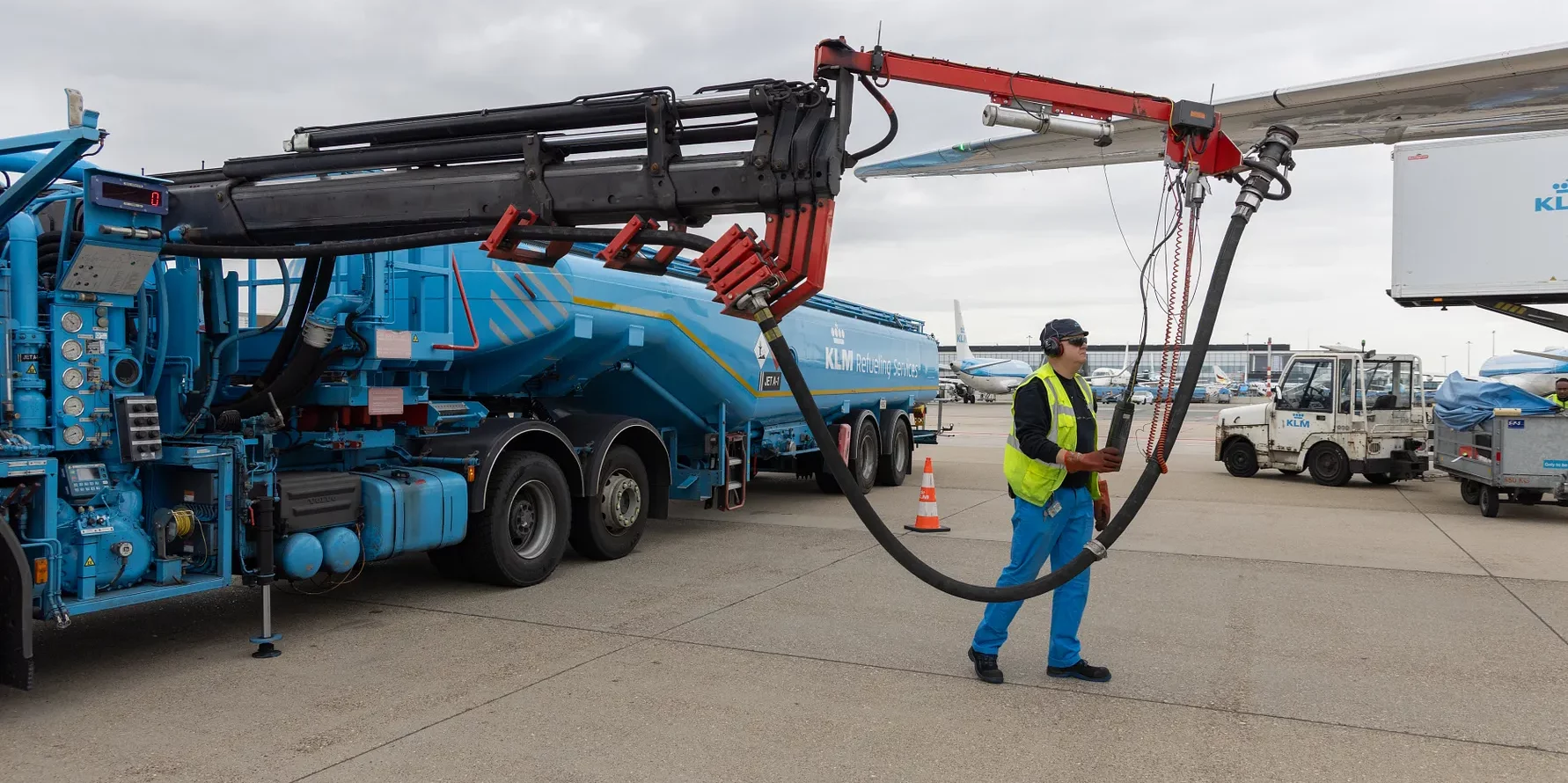
Pictures: Arnoud Raeven
Produced from hydrogen and captured carbon dioxide, synthetic kerosene has the potential to reduce lifecycle carbon emissions by up to 90 percent compared with conventional jet fuel. The flight operated using a fuel blend containing 5 percent synthetic kerosene.
The operation demonstrated that synthetic kerosene blends can be safely incorporated into regular passenger services without requiring modifications to existing aircraft or airport infrastructure. It also showcased the viability of the entire supply chain, from fuel production and blending to transportation, refuelling and commercial use.
Despite the successful demonstration, industry participants emphasised that significant challenges remain in scaling production to meet future demand. Current output represents only a small fraction of the volumes required to achieve European Union sustainable aviation fuel targets for 2030. While numerous projects have been announced across Europe, many have yet to reach final investment decisions, underscoring the need for accelerated development and greater production capacity.
MB Energy played a central role in the operation by supplying conventional jet fuel, blending the alternative aviation fuel and managing transportation to Amsterdam Airport. The company described the project as an important step toward integrating lower-carbon fuels into mainstream aviation.
Industry leaders involved in the initiative used the occasion to call for stronger government support and policy stability to accelerate the development of alternative aviation fuels. They highlighted challenges related to permitting processes, infrastructure development and regulatory uncertainty, including concerns surrounding potential changes to European sustainable aviation fuel legislation.
The participating companies stressed that while technological readiness has largely been demonstrated, the broader adoption of synthetic aviation fuels will depend on coordinated action between governments, fuel producers, airports and airlines. Increased investment, supportive regulatory frameworks and faster project approvals are seen as critical to scaling production and ensuring sufficient supply to meet future sustainability goals.
The Amsterdam–Hamburg flight is viewed as an important demonstration of the progress being made in aviation decarbonisation, while also serving as a reminder of the substantial work still required to bring synthetic fuels to commercial scale across the industry.
For more information visit www.mbenergy.com