
Degassing and purging processes for liquefied natural gas (LNG) tanks play a critical role in ensuring safe handling during maintenance, decommissioning, and refilling operations. As LNG continues to serve as an important alternative to conventional fossil fuels, strict safety procedures remain essential to protect personnel, infrastructure, and the environment.
Before any LNG tank can undergo maintenance or be taken out of service, it must be rendered completely gas-free. This process helps prevent the risk of uncontrolled gas releases and ensures that operational environments remain safe for workers and surrounding facilities.
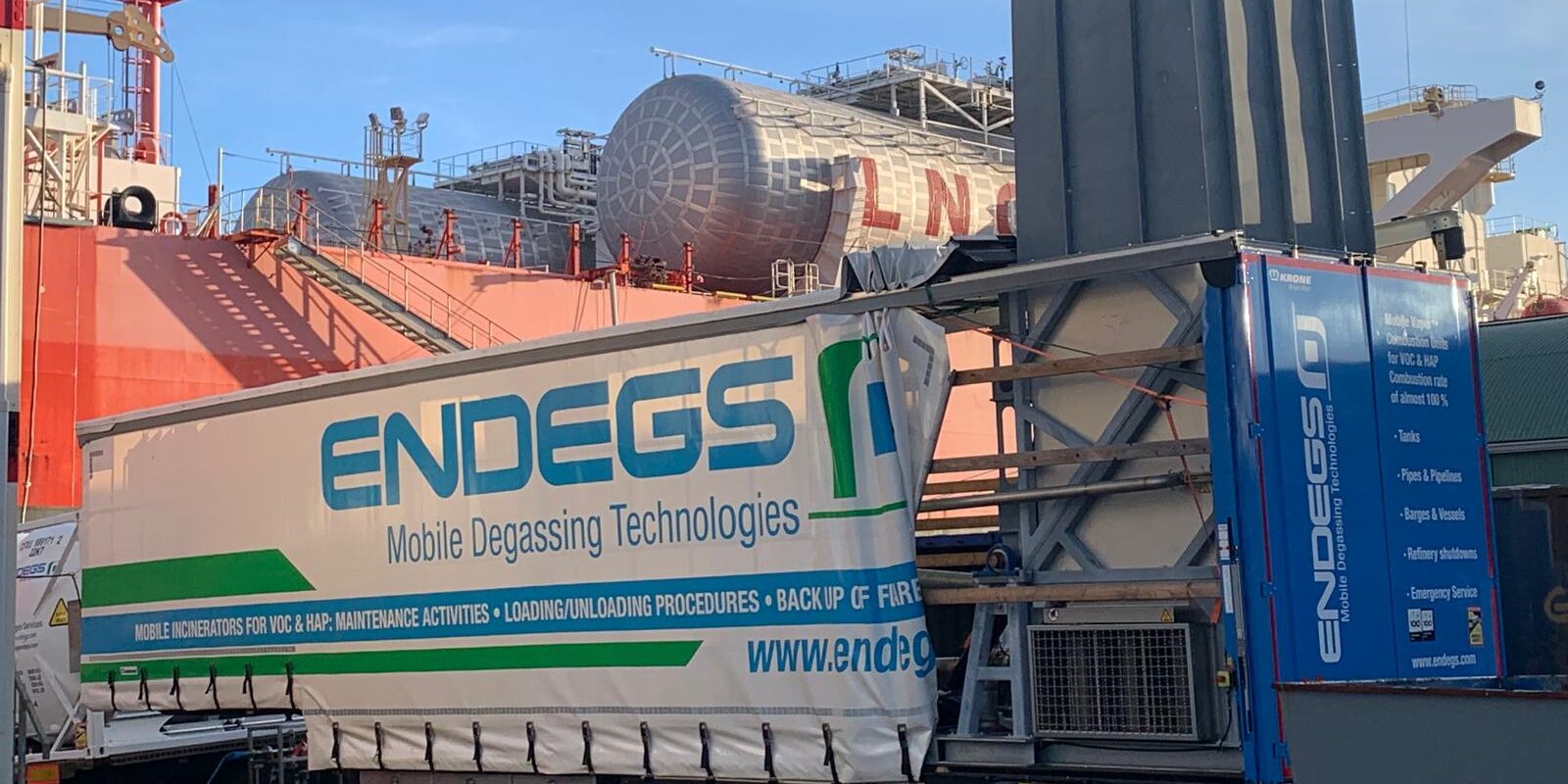
Emission treatment is a key component of LNG handling, particularly during product changeovers, maintenance preparation, repair activities, and LNG cool-down procedures. Proper management of residual gases is essential not only for operational safety but also for minimising environmental impact.
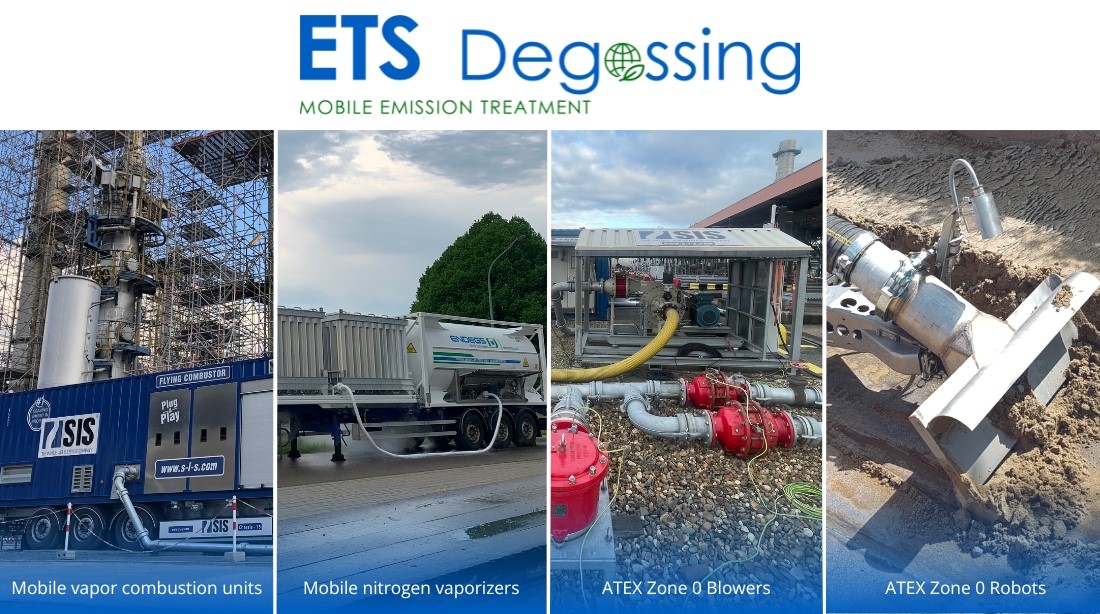
According to ETS Degassing, specialised systems such as mobile vapour combustion units and nitrogen vaporisers are increasingly used to support safe and efficient degassing and purging of LNG tanks. These technologies are designed to manage and neutralise vapours in a controlled manner, contributing to safer maintenance operations and improved environmental performance.
ETS Degassing highlights that the use of mobile and flexible solutions enables operators to adapt to a range of LNG applications while maintaining high safety standards across different operational scenarios.
Further technical insights and application details have been shared by ETS Degassing in a recent blog post, which explores the role of advanced degassing and purging technologies in modern LNG operations.
For more information visit www.ets-degassing.com