


The European Investment Bank and Cepsa have signed a €285 million loan agreement for the construction of an advanced biofuels plant near the “La Rábida Energy Park” in Palos de la Frontera, Andalusia.
This plant, developed by Cepsa in collaboration with Bio-Oils, will produce sustainable aviation fuel and renewable diesel from organic waste, such as used cooking oil and agricultural waste, promoting the circular economy. Upon completion, the facility is expected to process up to 600,000 tonnes of waste annually, producing up to 500,000 tonnes of second-generation biofuels.
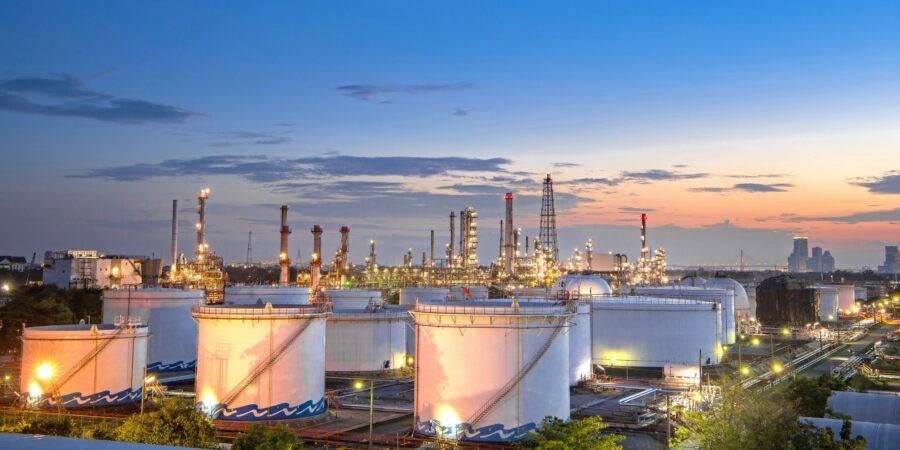
These biofuels will cater to industries like aviation, maritime transport, and heavy-duty road transport, where decarbonisation and electrification pose challenges. Biofuels provide an immediate solution to reduce CO2 emissions from these sectors without requiring changes to existing engines.
“This loan is a clear example of how the EIB promotes the energy transition, including in hard-to-abate sectors. This project will contribute to making Spain one of the leading countries in biofuels production,” said Gilles Badot, Director of EIB operations for Spain and Portugal. “Supporting private companies like Cepsa, which are investing in this transition and advancing their own decarbonisation strategies, is one way the EIB is accelerating the transition to a more sustainable energy model that promotes EU energy autonomy.”
The investment by Cepsa and Bio-Oils is concentrated entirely in Andalusia, a cohesion region with a per-capita income below the EU average. Given the project’s scope, it is expected to positively impact the local economy by boosting growth and job creation. As a result, the loan signed with Cepsa significantly contributes to the EIB’s commitment to economic, social, and territorial cohesion.
“We are grateful for the EIB’s support for this project, which is key to our Positive Motion strategy and to Spain’s and Europe’s progress towards necessary energy independence. This plant will enable us to take a giant step forward in producing green molecules, with the aim of facilitating the immediate decarbonisation of land, sea, and air transport by reducing CO2 emissions by up to 90 percent compared with traditional fuels,” said Maarten Wetselaar, Cepsa’s CEO.
This project aligns with the European Green Deal’s decarbonisation objectives. It is also part of the EIB’s action plan to support REPowerEU in ensuring energy security and reducing EU dependence on fossil-fuel imports.
Supported by InvestEU, an EU programme aiming to mobilise over €372 billion in additional investment from 2021 to 2027, the project furthers the programme’s goal of developing the energy sector and the sustainable bioeconomy.
With this new arrangement, the EIB continues to support Cepsa’s decarbonisation strategy. It marks the third financing operation with Cepsa in the past two years to accelerate this strategy. Previous financings included an €80 million loan for photovoltaic plants in Andalusia and a €150 million loan for Cepsa’s network of electric charging stations in Spain and Portugal.
For more information visit www.cepsa.com